In terms of the Webformix internet cut-outs there has only been one noticeable break and that was yesterday early morning.
So I feel confident in posting this food recall notice that also came in yesterday.
ooOOoo
Dear Fellow Dog Lover,
I’m pleased to report there have been no dog food recalls since September 26.
However, for our many dog owners who also own a cat…
J. M. Smucker has recalled certain lots of Special Kitty canned cat food because the product contains ingredients that “do not meet the company’s quality and safety standards”.
Eating the affected food may cause nausea, vomiting or a host of other symptoms… some more severe… including death.
Some dog foods previously recalled may still be on store shelves… or in your own home. So, if you’ve missed any of the 11 recalls we’ve sent since July… be sure to visit our Dog Food Recalls page for full details.
9 Best Dog Food Lists Recently Updated
Over the last 60 days, The Dog Food Advisor has updated the following best dog food pages:
This notice came in from Webformix, our local internet service provider:
Webformix Client,
Webformix will be undergoing central network maintenance overnight on Monday, Tuesday, and Thursday of next week, the 16th through the 18th of December. Due to the nature of this work, outages can be expected between 12AM and 6AM each day though we’ll strive to keep this downtime to a minimum.
We apologize for any inconvenience, and thank you for your patience.
-Webformix Staff
This was seen on the photographic forum Ugly Hedgehog and I just loved it.
It is fully republished with permission.
ooOOoo
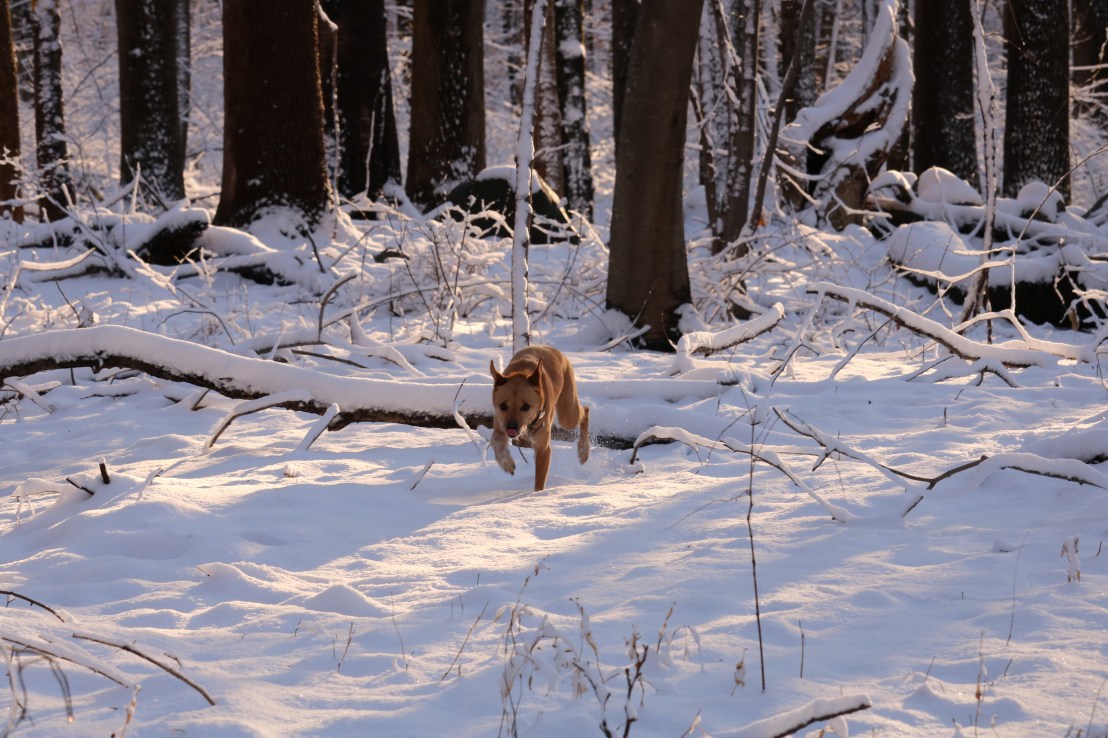
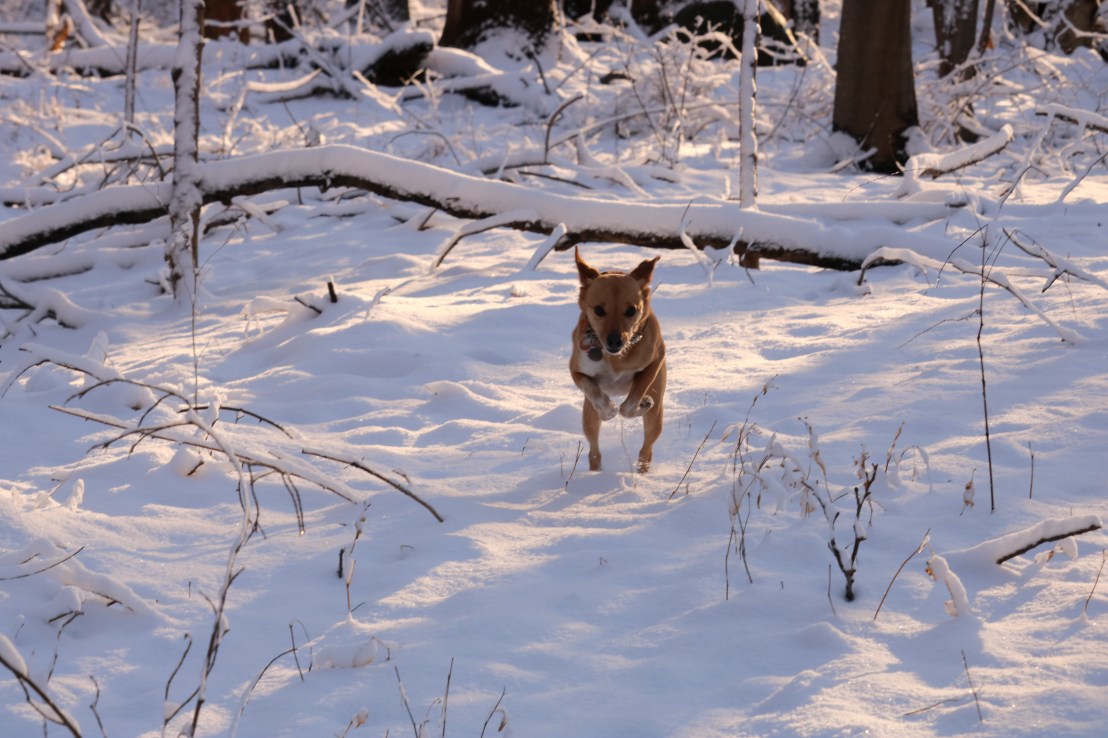
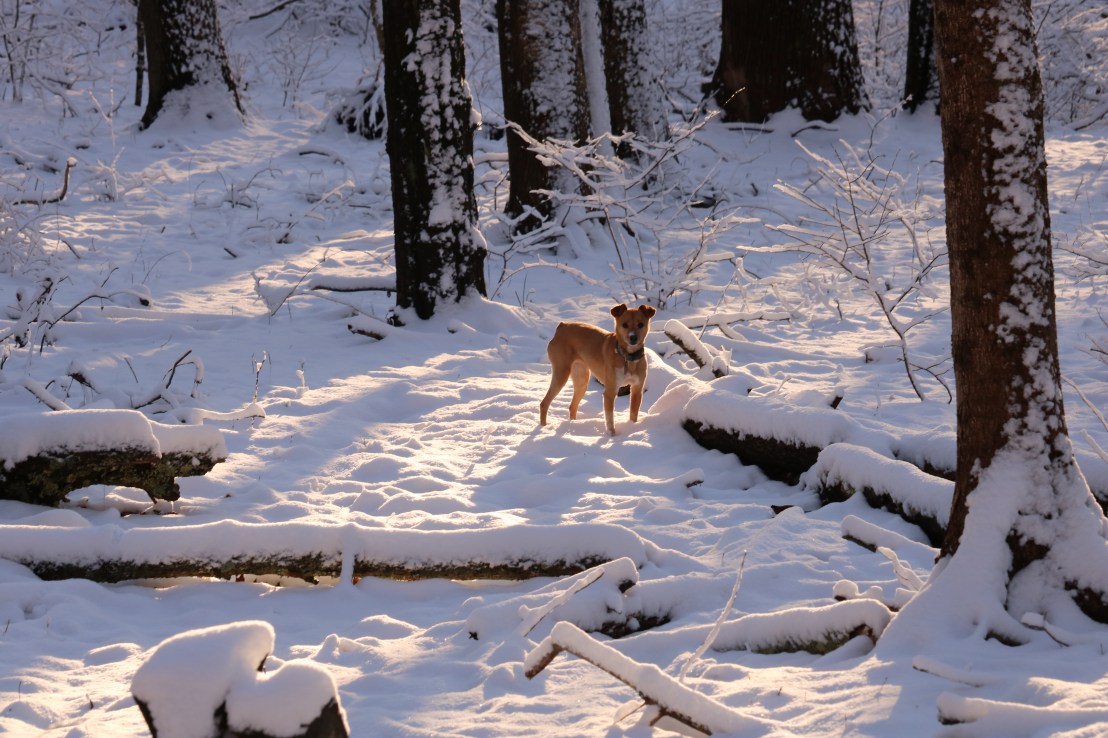
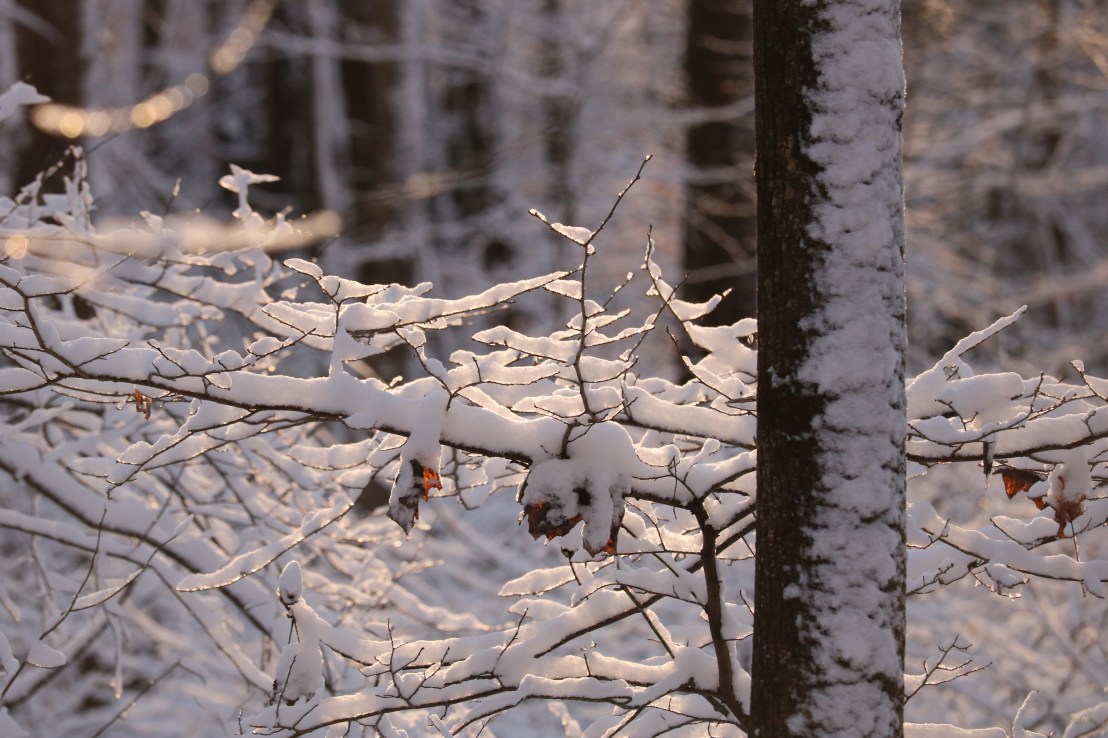
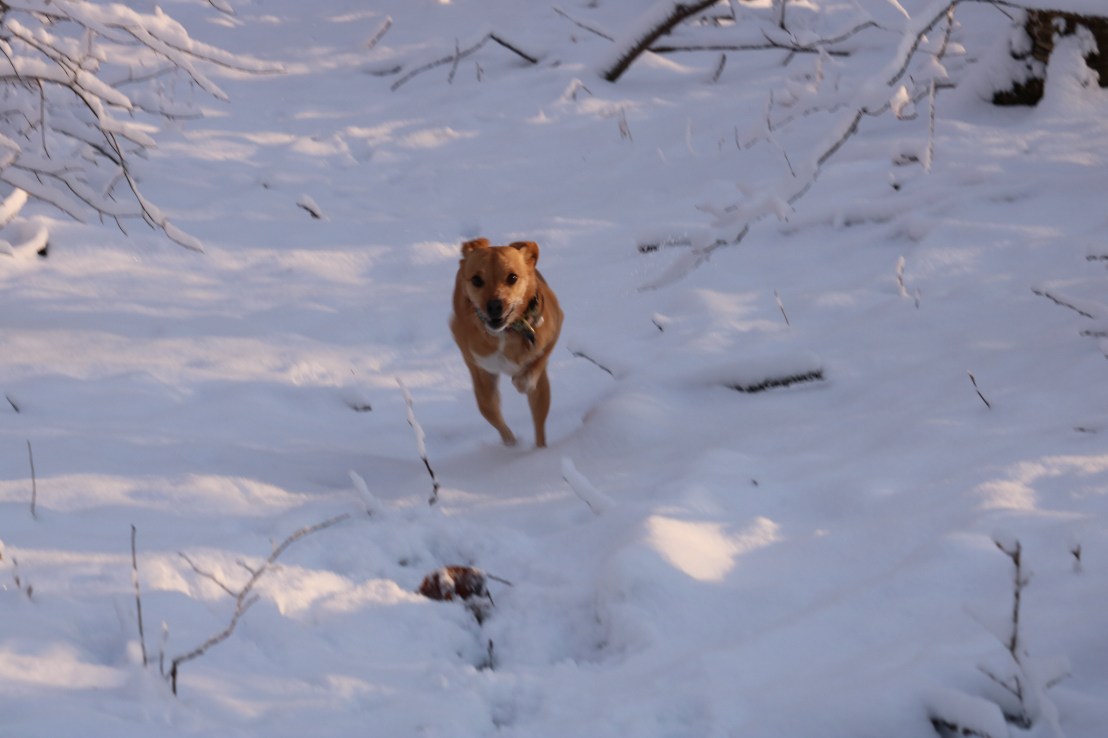
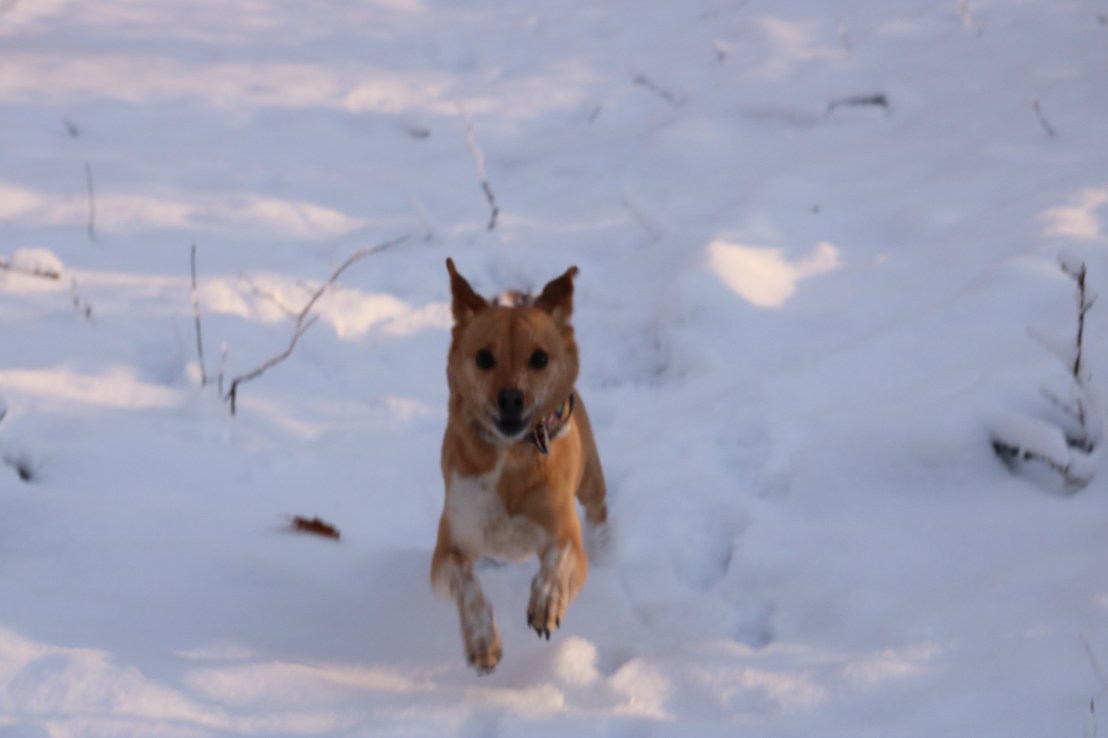
I took our little dog for a woods walk after the snow.
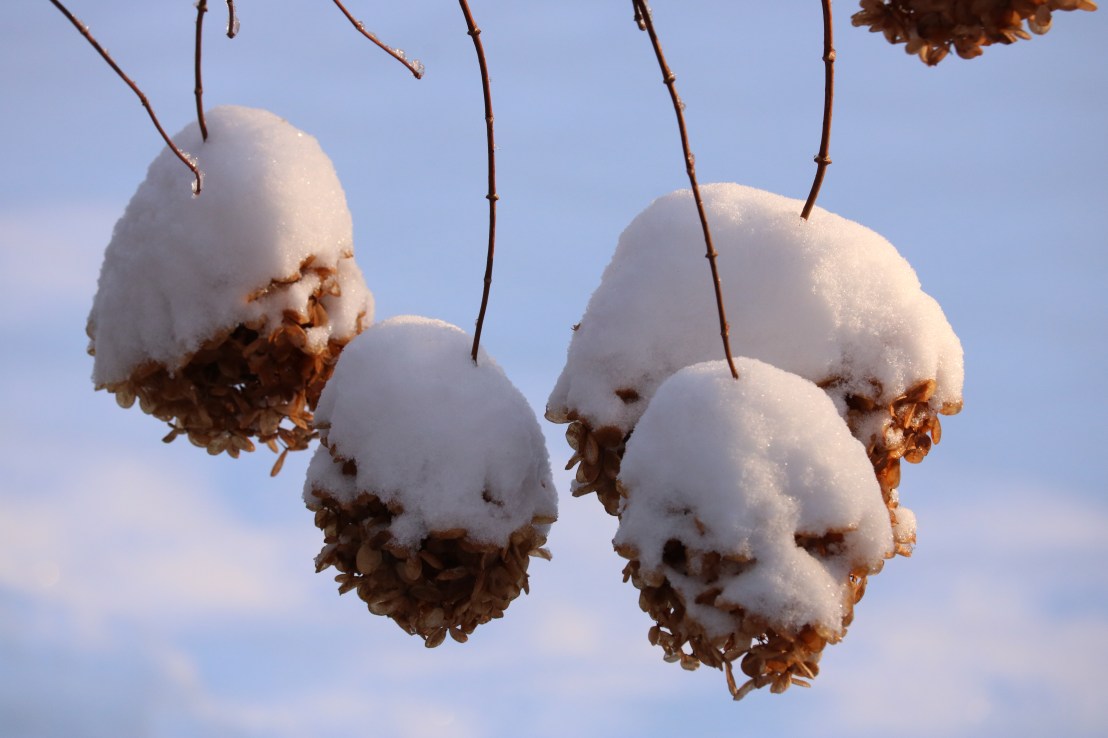
We went for a walk in the woods behind our house this afternoon. We got about 3 inches of snow that stuck to the trees. Norah loves to run in the new snow!
oooo
oooo
oooo
oooo
oooo
oooo
oooo
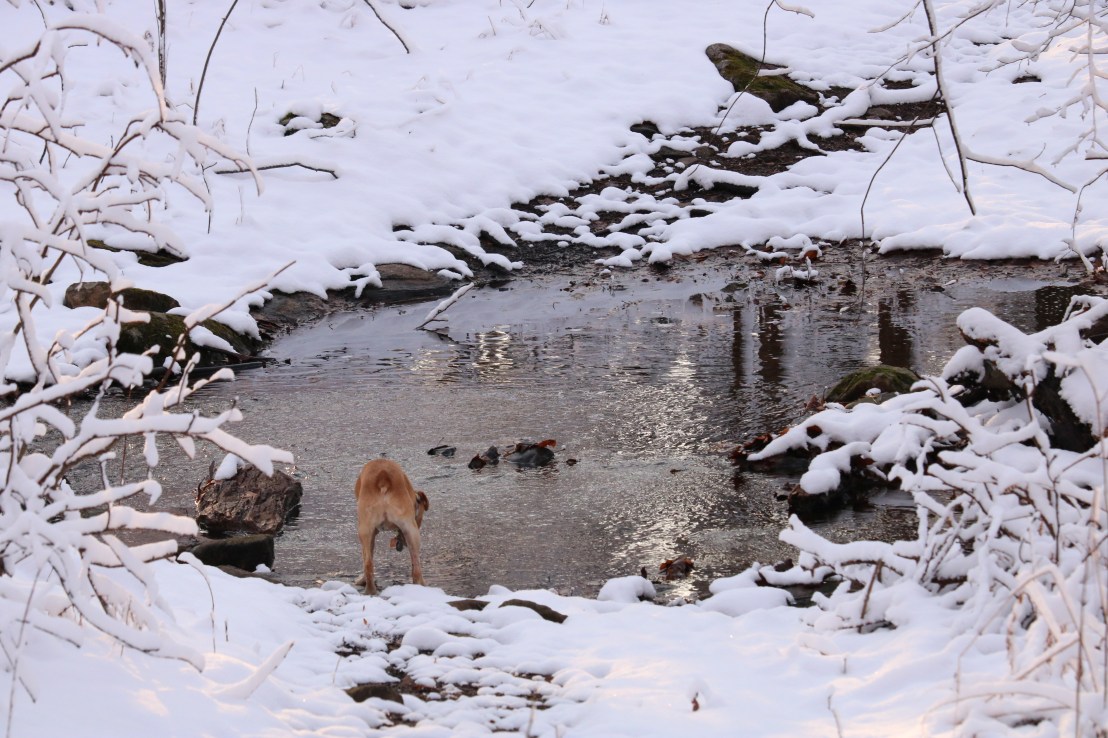
By the stream. She doesn’t like to get her dainty paws wet.
oooo
ooOOoo
I think these are wonderful.
The dog’s name is Norah as you may have gathered and she is a tailless dog. As was said on the forum: ” Her name is Norah. She’s the best (only) tailless dog we’ve every had! Our best guess is that she may be part Jack Russell but we don’t know. She’s a rescue dog.”
For next Sunday I’m going to repeat a few of these but using my Luminar photo-editing software. I have a feeling that a few of these wonderful photographs can produce some great edits.
There’s something almost beyond the world of words, pictures and blogging. That’s when a dog goes missing and then is found. Especially if the lover of the dog is a young boy who fears the worst.
Dogs bring out so much that is good in us. Dogs cross gender, age, country and ethnic boundaries.
This is what struck me with some force I will admit when I read this article on the Daily Dodo yesterday. It is republished for your own delight!
The holidays aren’t about what’s under the tree; it’s who you’re with that matters. And no one understands that better than Carter Licata and his dog, Piper.
The 2-year-old pug loves everyone in her family, but her bond with her brother is special. “It was love at first sight for the two of them,” April Licata, Carter’s mom, told The Dodo.
But the family’s holiday season was nearly destroyed when the unthinkable happened — Piper went missing.
Photo Credit: April Licata
Last month, Licata let Piper and her other dog outside to use the bathroom. But when she opened the door to let them back in, Piper was nowhere to be seen.
The family searched everywhere, posted on social media, and reached out to neighbors and community groups. They prayed for Piper’s safe return, but as days turned to weeks, they feared that they would never see their pug again.
“We were all sick,” Licata said. “The older kids wanted nothing to do with decorating the Christmas tree and it was a very somber Thanksgiving for them.”
Then, Licata received a Facebook message from the Genesee County Animal Shelter. A dog matching Piper’s description had been dropped off at the shelter by a person who wanted to remain anonymous. “My husband and I were going out to dinner and honestly, there was an outcry of joy in the truck,” Licata said. “We were shocked and elated!”
Carter was out of town when they learned about Piper, so they decided to keep it a secret and surprise him with a special reunion when he returned. Piper, meanwhile, wandered around the house looking for her brother, until finally, their reunion day arrived.
Photo Credit: Facebook/April Licata
When Carter saw Piper in the front seat of the truck, decked out in bows, he immediately broke down in tears.
Piper’s tail went crazy at the sight of her brother and as soon as he stepped in the truck, she jumped in his arms, showering him with kisses.
The family couldn’t be happier to have Piper back again — and just in time for Christmas.
“My son loves his dog so much, was sick while she was gone, and tonight she’s sleeping next to him again,” Licata wrote on Facebook. “What a Christmas miracle for our family.”
You can see the heart-warming video below.
ooOOoo
I know that for the main part I just republish the work that others do. But that doesn’t mean that I’m not affected by the articles. This one in particular had me in tears.
Alex and Lisa have put together a remarkable video
Yesterday, in came an email from my son, Alex, about an amazing starling murmuration at the Royal Society for the Protection of Birds (RSPB).
Lisa took the video and together they uploaded it to YouTube.
Enjoy!
Having watched the amazing video I then did a little bit of research. I came quickly across the science of murmuration and have included it below.
Murmuration refers to the phenomenon that results when hundreds, sometimes thousands, of starlings fly in swooping, intricately coordinated patterns through the sky.
Maybe you’ve seen a murmuration video before. But this one is especially beautiful. It was shot earlier this month in Wales, at Cosmeston Lakes in the Vale of Glamorgan, and posted on Facebook by the BBC Cymru Wales. (It’s not included, Ed.)
It’s all about science. Just how do the starlings manage to fly in such an amazingly coordinated way?
A few years ago, George F. Young and his colleagues investigated starlings’ “remarkable ability to maintain cohesion as a group in highly uncertain environments and with limited, noisy information” — a nice description of what goes on in a murmuration.
Going in, Young et al. already knew that starlings pay attention to a fixed number of their neighbors in the flock, regardless of flock density — seven, to be exact. Their new contribution was to figure out that “when uncertainty in sensing is present, interacting with six or seven neighbors optimizes the balance between group cohesiveness and individual effort.”
Young et al. analyzed still shots from videos of starlings in flight (flock size ranging from 440 to 2,600), then used a highly mathematical approach and systems theory to reach their conclusion. Focusing on the birds’ ability to manage uncertainty while also maintaining consensus, they discovered that birds accomplish this (with the least effort) when each bird attends to seven neighbors.
Woman Manages To Get Her 17 Pets To Pose For Incredible Family Paw-Trait
By Jess Hardiman, 3rd December, 2019
A woman has achieved the ultimate feat for any pet owner, having managed to get not just one of her animals to pose nicely for a photo, but all 17 of them.
Kathy Smith, 30, is the proud owner of eight dogs and nine cats, who she somehow wrangled into an incredible family paw-trait.
Mind you, the accomplishment didn’t easy, as Kathy spent two weeks trying to get the perfect shot. That’s right, a FORTNIGHT – I guess they do always tell you never to work with animals; now I can see why.
It turns out the dogs were up for the challenge and sat quietly for the camera, but it was getting the cats involved that proved to be more difficult. Like trying to herd… well, cats.
PIC FROM Kennedy News and Media (PICTURED: KATHY SMITH, 30, WITH CAT SMOKEY ON HER SHOULDER) A pet owner managed to get her SEVENTEEN cats and dogs to pose perfectly still for the ultimate ‘family pawtrait’ – after spending days trying to get the perfect shot. The amazing photo shows eight solemn-faced pooches and nine felines lined up on and around the sofa, all gazing stoically into the camera. Dedicated Kathy Smith managed to set up and capture the heart-warming snap in five minutes two weeks ago after bribing them with a stash of treats. SEE KENNEDY NEWS COPY – 0161 697 4266
Numerous warm-up photos show the eight well-behaved pooches in place, with Kathy bribing Ruby, Ben, Max, Sheba, Teddy, Rio, Storm and Misha to ‘sit’ with a handful of treats.
Then came the moggies, a process that saw shop assistant Kathy dashing back and forth with her camera on standby, hauling the cats back into place several times.
Kathy eventually got them all into position and captured a split-second snap of the 17-strong pack before they scattered to return to their pressing everyday lives.
PIC FROM Kennedy News and Media (PICTURED [from back left – front right]: KATHY’S PETS DINKY, JAKIE, OPAL, PADDY, SOCKS, SAFI, CINDERS, DUSTY, MAX, SHEBA, SMOKEY, STORM, RUBY, BEN, TEDDY, RIO, MISHKA) A pet owner managed to get her SEVENTEEN cats and dogs to pose perfectly still for the ultimate ‘family pawtrait’ – after spending days trying to get the perfect shot. The amazing photo shows eight solemn-faced pooches and nine felines lined up on and around the sofa, all gazing stoically into the camera. Dedicated Kathy Smith managed to set up and capture the heart-warming snap in five minutes two weeks ago after bribing them with a stash of treats. SEE KENNEDY NEWS COPY – 0161 697 4266
Kathy, from Corwen, Wales, said: “I was so thrilled when I I’d captured this shot – it’s like a little family photo.
“I love all of my pets so much so I was really happy when I managed to get them all posing together – despite it not being easy to do.
“I kept trying to get photos of the cats and dogs all together but some of them were always out of frame.
“The dogs will all sit for treats so that was easy enough, but the cats were another matter.
PIC FROM Kennedy News and Media (PICTURED: KATHY SMITH’S PREVIOUS ATTEMPTS AT PICTURES WHEN CATS REFUSED TO POSE) A pet owner managed to get her SEVENTEEN cats and dogs to pose perfectly still for the ultimate ‘family pawtrait’ – after spending days trying to get the perfect shot. The amazing photo shows eight solemn-faced pooches and nine felines lined up on and around the sofa, all gazing stoically into the camera. Dedicated Kathy Smith managed to set up and capture the heart-warming snap in five minutes two weeks ago after bribing them with a stash of treats. SEE KENNEDY NEWS COPY – 0161 697 4266
“I now know the real meaning behind herding cats – I had to just keep picking them up and putting them back until they stayed.
“It took about three attempts but in the I managed to keep them there for a couple of seconds and get the photo before they were off again.
“We live in quite a chaotic but you get used to it.”
Kathy, who rescues and cares for pets and other wildlife in need, said people are often surprised to see her giant four-legged family when they come to visit her in her three-bedroom semi-detached home.
She has three German Shepherds (Mishka, Storm and Max), three border collies (Sheba, Ben and Rio), a mongrel called Ruby and a Yorkshire Terrier Maltese cross named Teddy.
PIC FROM Kennedy News and Media (PICTURED: KATHY SMITH, 30, FROM COLWYN BAY, WALES, WITH FRIEND’S DOG LOLA) A pet owner managed to get her SEVENTEEN cats and dogs to pose perfectly still for the ultimate ‘family pawtrait’ – after spending days trying to get the perfect shot. The amazing photo shows eight solemn-faced pooches and nine felines lined up on and around the sofa, all gazing stoically into the camera. Dedicated Kathy Smith managed to set up and capture the heart-warming snap in five minutes two weeks ago after bribing them with a stash of treats. SEE KENNEDY NEWS COPY – 0161 697 4266
Along with the nine cats, she also has four budgies, several fish and even a baby hedgehog in her care.
Kathy “People are usually shocked when they come over and realise how many pets we have, the house is but we’re used to it.
“They all run and you don’t there’s a lot of them until they’re in one room.” Featured Image Credit: Kennedy News
ooOOoo
One can easily get Jess’s background for it is on the same page:
Jess is a journalist at LADbible who graduated from Manchester University with a degree in Film Studies, English Language and Linguistics – indecisiveness at its finest, right there. She also works for FOODbible and its sister page Seitanists, which are both a safe haven for her to channel a love for homemade pasta, fennel and everything else in between. You can contact Jess at editorial@ladbible.com.
Brilliant! To be honest I don’t really know how Jess pulled it off!
This latest email from the Important Dog Recall Update is just that: an update!
ooOOoo
Dear Fellow Dog Lover
I’m pleased to report there have been no new recalls announced since our last email on November 19.
However, some recalled products may still be on store shelves… or even in your own home. So, if you’ve missed any of the 11 recalls we’ve sent since July… be sure to visit our Dog Food Recalls page for full details.
8 Best Dog Food Lists
Recently Updated
Over the last 60 days, The Dog Food Advisor has updated the following best dog food pages:
Buddy and Merlyn behaved like a “tag team”, Pita Oates said
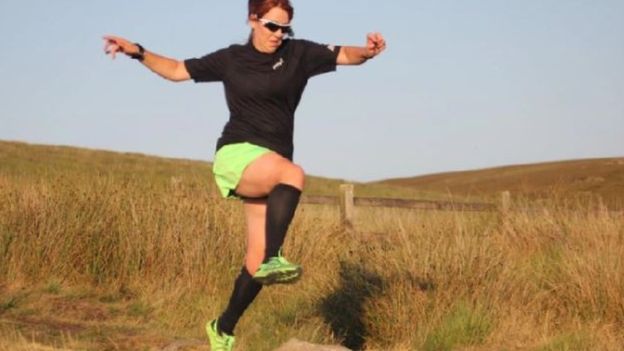
A runner who broke her leg on remote moorland was rescued after her dogs raised the alarm.
Pita Oates, 48, was left unable to stand after she fell on a three-mile run in Lancashire with her blue collies Buddy and Merlyn.
One of the dogs stayed with her as she inched down the hill, while the other ran around barking for help.
This attracted the attention of another dog walker who contacted emergency services.
Ms Oates, from Leyland, said: “They were like a tag team, Buddy never left me while Merlyn went for help.
“I would have died without a doubt, I wouldn’t have lasted the night.”
When help arrived Ms Oates, who had left her mobile phone in her camper van, was drifting in and out of consciousness and starting to suffer the effects of hypothermia.
She said: “It was the tail-end of Storm Gareth, it was freezing and I was soaking wet. The winds were horrendous.”
Ms Oates said she could have died on the moors without her dogs’ help
Ms Oates broke the femur behind her left knee and tore her anterior and cruciate ligaments on the run on Great Hill near Chorley on 12 March.
“I couldn’t stand up, I was having to bum-shuffle all the way down,” she said.
“Every time my leg touched the ground I was in pain so I rigged up a sling using the dog’s lead to keep my leg up.”
It took her 90 minutes to get down the hill by which time it had gone dark.
“Buddy never left me and Merlyn kept barking back at him – when this man came with his dog he knew something wasn’t right,” she said.
Paramedics and members of the Bowland Mountain Rescue Team, as well as two from Bolton Mountain Rescue, arrived to help rescue Ms Oates.
She spent eight days in hospital and had a titanium plate fitted but still needs another operation.
Pita Oates was on a three-mile run when she was injured
ooOOoo
Part of me is not surprised at the behaviour of Ms Oates’ dogs. Dogs show their care and attention in so many ways. But then again I was surprised because these two dogs knew exactly what to do. One to stay and one to seek help. Which is what they did.
It was a close-run thing (pardon the pun) as Pita was starting to fade away when help arrived.
Winner of the ‘I Love Dogs Because…’ category (Photo: Jade Hudson/Dog Photographer of the Year Competition.
Hugo the puppy is the subject of this winning image by 16-year-old Jade Hudson.
Winner of the Oldies category (Photo: Kevin Smith/Dog Photographer of the Year Competition)
The gray faces of old dogs speak to all the love and friendship they’ve provided over the years as Lizzie, a 12-year-old mixed breed dog, shows us. Curling up with a cracking fire and your four-legged BFF is one of life’s great joys.
Winner of the Dog Portrait category (Photo: Jamie Morgan/Dog Photographer of the Year Competition)
This portrait of two Afghan hounds named Ozzie and Elvis took first place for the Dog Portrait category. The setting is the idyllic Ashdown Forest in Sussex.
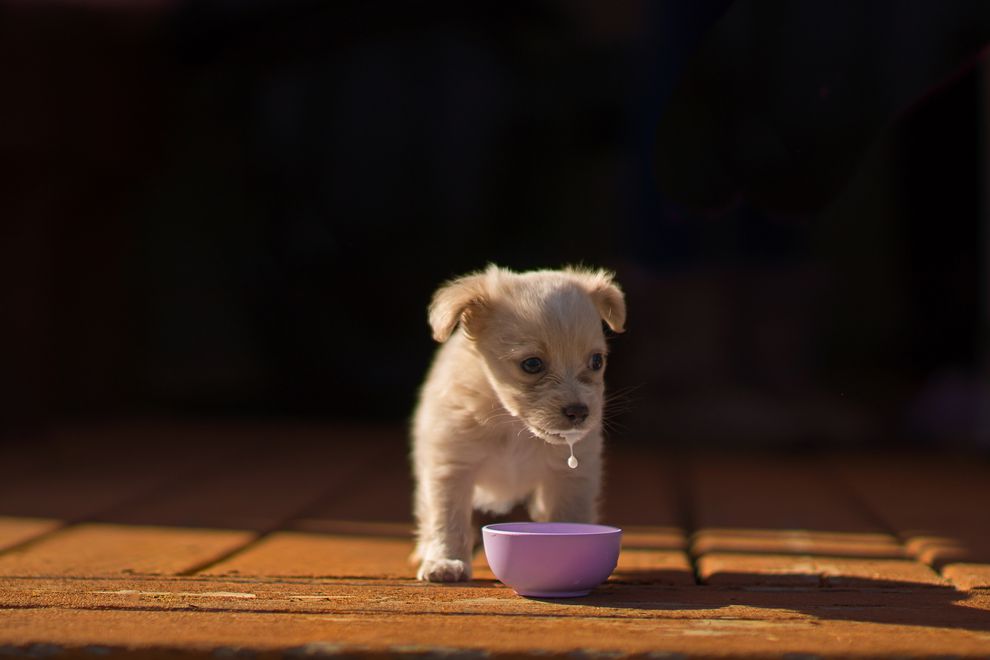
Winner of the Puppy category (Photo: Linda Storm/Dog Photographer of the Year Competition)
And finally, the winner of the Puppy category is little rescue puppy Buddy enjoying a bowl of milk. The photo was taken by Colorado-based photographer Linda Storm.
“The entries for this year’s Dog Photographer of the Year competition were some of the best we have ever seen,” says Rosemary Smart, Kennel Club chief executive. “Choosing the winners was an incredibly challenging task and we commend every photographer who entered. Each of the winning photographers beautifully captured the essence of their canine subjects on camera, demonstrating how important dogs are to us in every walk of life.”
If you’re a photographer who loves dogs as your subject, keep an eye on the opening date for next year’s competition!
ooOOoo
I should say so! These photographs are the very best of pictures taken by very talented photographers.





 Learning from Dogs