But first we want to remember Prince Phillip. Dear Prince Phillip. Jeannie and I watched the whole of the funeral and it was very moving.
So in terms of the photographs already shown yesterday, we had done the Hog Creek landing and the next view point and we are now up to the bridge itself.
Except that I forgot to show you another photograph of the Canyon.
The sheer walls of Hellgate Canyon
The very dramatic scene with its incredibly steep flanks was just amazing!
Now to the viewpoint just before the bridge.
We had the very good fortune to take a shot of a fisherman just upstream of us.
A rock formation on the opposite bank.
All around us were spectacular sights.
Take this shot of a bird approaching a tree standing stark on the top of a small ridge. That was just to the right of the road facing the bridge.
And the bridge itself!
It really is a very scenic place.
That is the end of my set of photographs. My eyes were truly opened.
A few days ago there was a conversation on the photography forum Ugly Hedgehog about the camera opening one’s eyes. It struck a note in me and Jeannie and I went out in the early morning, taking the camera, to shoot photographs of the Hellgate Canyon.
It is not the first time we have been there but it is the first time I have gone with my eyes wide open!
But first some history of the Rogue River. And thanks to WikiPedia for the following.
The Rogue River in southwestern Oregon in the United States flows about 215 miles (346 km) in a generally westward direction from the Cascade Range to the Pacific Ocean. Known for its salmon runs, whitewaterrafting, and rugged scenery, it was one of the original eight rivers named in the Wild and Scenic Rivers Act of 1968. Beginning near Crater Lake, which occupies the caldera left by the explosive volcanic eruption and collapse of Mount Mazama, the river flows through the geologically young High Cascades and the older Western Cascades, another volcanic province. Further west, the river passes through multiple exotic terranes of the more ancient Klamath Mountains. In the Kalmiopsis Wilderness section of the Rogue basin are some of the world’s best examples of rocks that form the Earth’s mantle.
Hellgate Canyon is just 8 miles from where we live on Hugo Road. But just before Hellgate is the Hog Creek parking area. We stopped there and then went down to the landing stage on the edge of the Rogue River. I took some photographs.
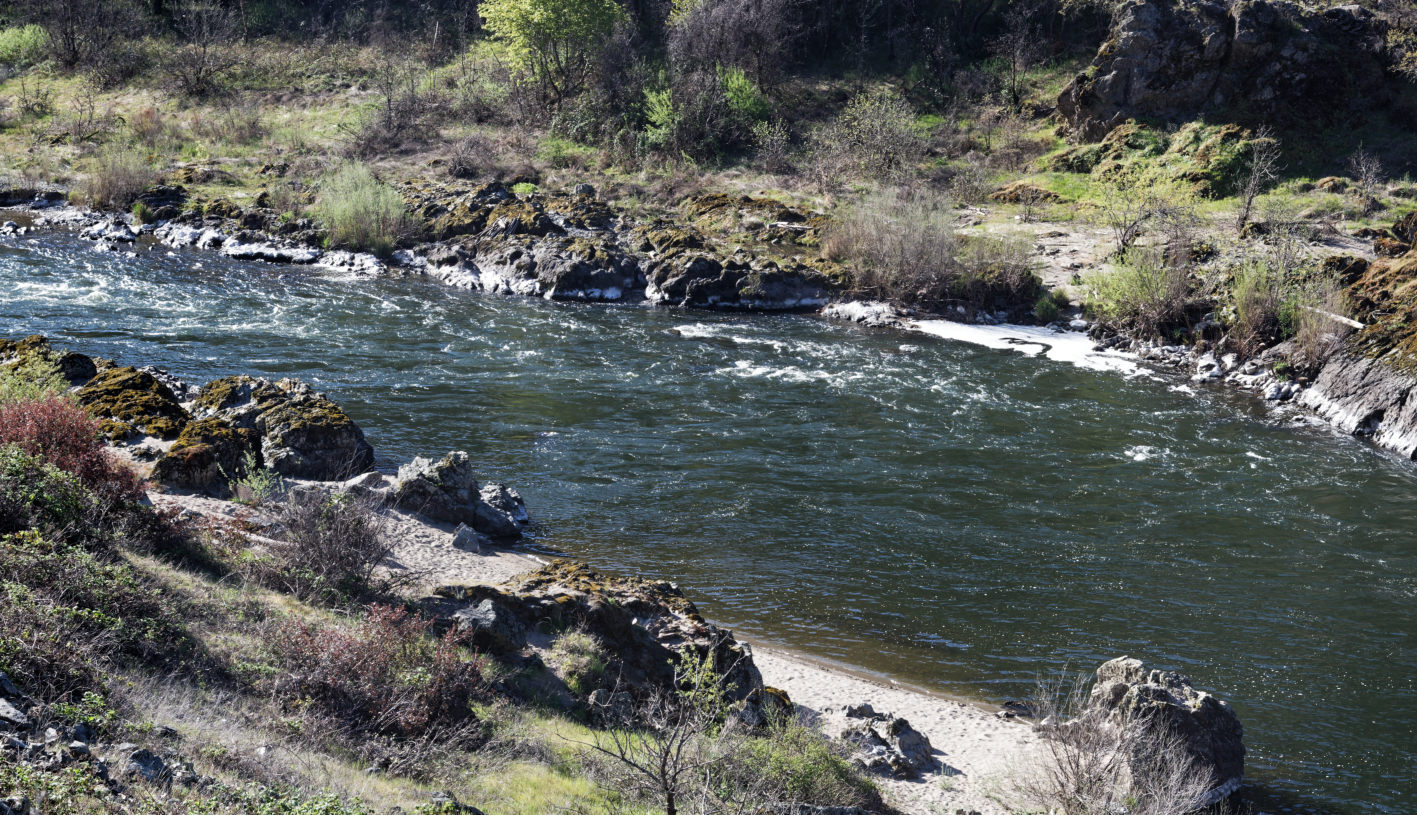
Looking downstream.
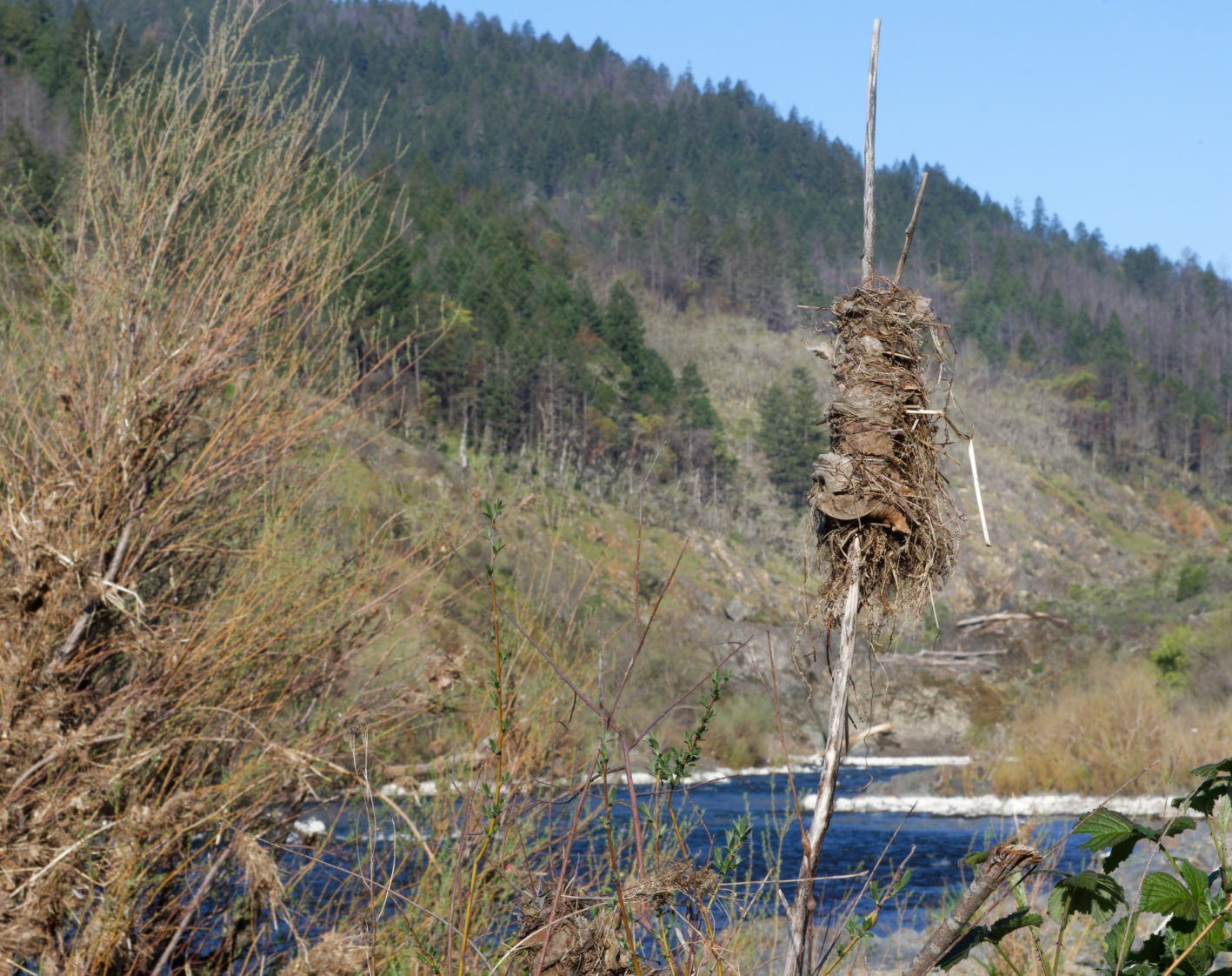
Sign of a previous high water.Just a close-up of a rock.The level of the river seems pretty low.
Then we motored the short distance further on to the view point above the canyon. Took more photographs.
A faint reflection of the rocks and trees on the bank behind the river.
Then onto the viewing spot just before the bridge.
I am going to pause this now and continue it on Sunday.
Dog owners recognize jealousy when they see it. Edoma / Getty Images
To the surprise of no dog owner anywhere, a new study finds that dogs get jealous.
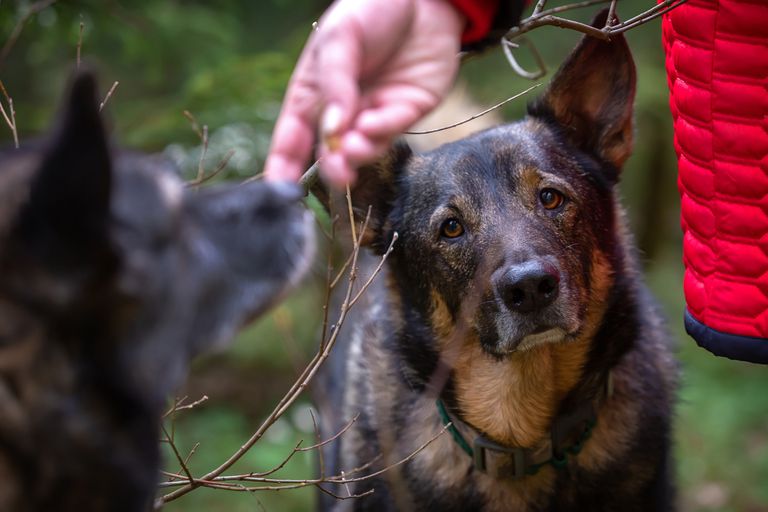
You may know the feeling when you’re out on a walk and stop to pet another pooch. Your dog may bark or whine, or even come in between you and the offending canine.
New research published in the journal Psychological Science finds that dogs exhibit these types of jealous behaviors even when they only imagine their owner is interacting with another dog.1 In the case of this study, the perceived rival was an artificial dog.
In the past, some scientists have insisted jealousy is strictly a human trait and people are merely projecting emotions on their pets.1
“I think it is natural for dog owners to project a range of human thoughts and emotions onto their pets,” lead author Amalia Bastos, a Ph.D. candidate at the University of Auckland in New Zealand, tells Treehugger.
Bastos cites a study published in 2008 in the journal Cognition and Emotion where 81% of dog owners said their pets get jealous. But as much as pet owners love their animals, they are sometimes wrong about them, she says.2
That same study found that 74% of dog owners reported their pets feel guilty after misbehaving.2 But several studies have found that what people see as a “guilty look” is merely dogs responding to getting in trouble from their owners, whether they actually misbehaved or not.3,4
“Anecdotes from dog owners are interesting and can inspire fascinating research into dog intelligence and behavior, but it is important that this is taken only as a starting point for rigorous science before we can make such claims,” Bastos says.
She adds: “Work on dog jealousy to date is more promising than for guilt: our study shows that dogs exhibit three signatures of human jealous behavior. However, we caution that the fact that dogs display jealous behavior does not necessarily mean that they experience jealousy as we do.”
For the study, researchers set up an experiment where 18 dogs imagined their owners interacting with either a realistic-looking stuffed dog or a similarly sized fleece-covered cylinder that looked nothing like a dog. The fake dog played the role of a potential rival while the cylinder was a control.1
First, the dogs watched the stuffed dog next to their owner. Then, a barrier was placed between the dog and the stuffed animal so they could no longer see the potential rival. The dogs pulled strongly on their leashes when their owners appeared to be petting the fake dog behind the barrier. In a second experiment, the dogs pulled on the leashes with less force when the owners appeared to be petting the fleece cylinder.1
“We developed a novel methodology whereby we could directly measure the amount of force a dog used to pull on its lead,” Bastos explains. “This provided the first easily quantifiable, objective measure of how strongly dogs attempt to approach a jealousy-inducing interaction between their owner and a social rival.”
This is called the “approach response” as the dog tries to get closer to the owner and the potential rival. It’s also how babies and kids respond when they are jealous, Bastos says.
“The approach response is a straight-forward and clean measure which happens to be the single most universal reaction to jealousy-inducing situations in human infants and children,” she says. “Although infants and children show a range of behaviors when observing their mothers interact with another infant — including but not limited to attacking the rival, crying, seeking physical contact with the mother, throwing a tantrum, or screaming — almost all react primarily by approaching the jealousy-inducing interaction.”
Researchers were able to measure the actual strength of the approach response rather than relying on inconsistent behaviors like barking, whining, growling, or attempting to bite, which would vary among dogs.1
The Canine Subjects Showcased Jealousy Signatures
The researchers found the dogs exhibited three human-like signatures of jealous behavior.1
These findings were different from earlier research because it’s the first to show dogs can mentally represent — or imagine — social interactions that they can’t directly see, Bastos says.
“We know this because when their owners appeared to pet a fake dog the dogs could not see behind an opaque barrier, they reacted with an approach response, which is a common jealous behaviour in humans. This suggests that dogs could mentally simulate what their owners must have been doing out of their direct line of sight,” she says.
It also showed that, like humans, dogs reacted more strongly when their owners interacted with a potential rival than with an inanimate object. And the reactions happened due to the interaction, and not when the owner and the rival were in the same room but not interacting.1
“Previous studies confounded jealous behavior with play, interest, or aggression because they never tested dogs’ reactions to the owner and the social rival being present in the same room but not interacting,” Bastos says.
“In our control condition, where owners petted a fleece cylinder, the fake dog was still present nearby,” she adds. “Dogs did not try to approach it as they did when they were being petted by the owner, showing that the interaction itself triggered their approach response, and therefore this is caused by jealous behaviour.”
Although this research is the first step, more research is necessary to figure out if dogs experience jealousy the same way people do.1
“There is still much work to be done to establish what dogs subjectively experience while exhibiting jealous behaviours, and this is a very difficult question to answer scientifically,” Bastos says. “We may never have an answer!”
ooOOoo
The researchers went to some lengths to show that the dogs were able to detect real interaction with another dog rather than a fake dog. The video is very interesting and I hope you are able to watch it.
Two days ago, just 3 miles down the road, someone reported seeing two dogs dumped in a yard and the culprit driving off at high speed. It was on the corner of Hugo Rd and Barker Rd, and Barker I know well because when I ride my bike I do an extra mile along Barker. (And we live on Hugo Rd.)
Then there’s the attitude adopted by the person who took puppies to a shelter. “… the breeder told her the coyotes can always use a meal.” As seen on the website Treehugger. Have a read.
ooOOoo
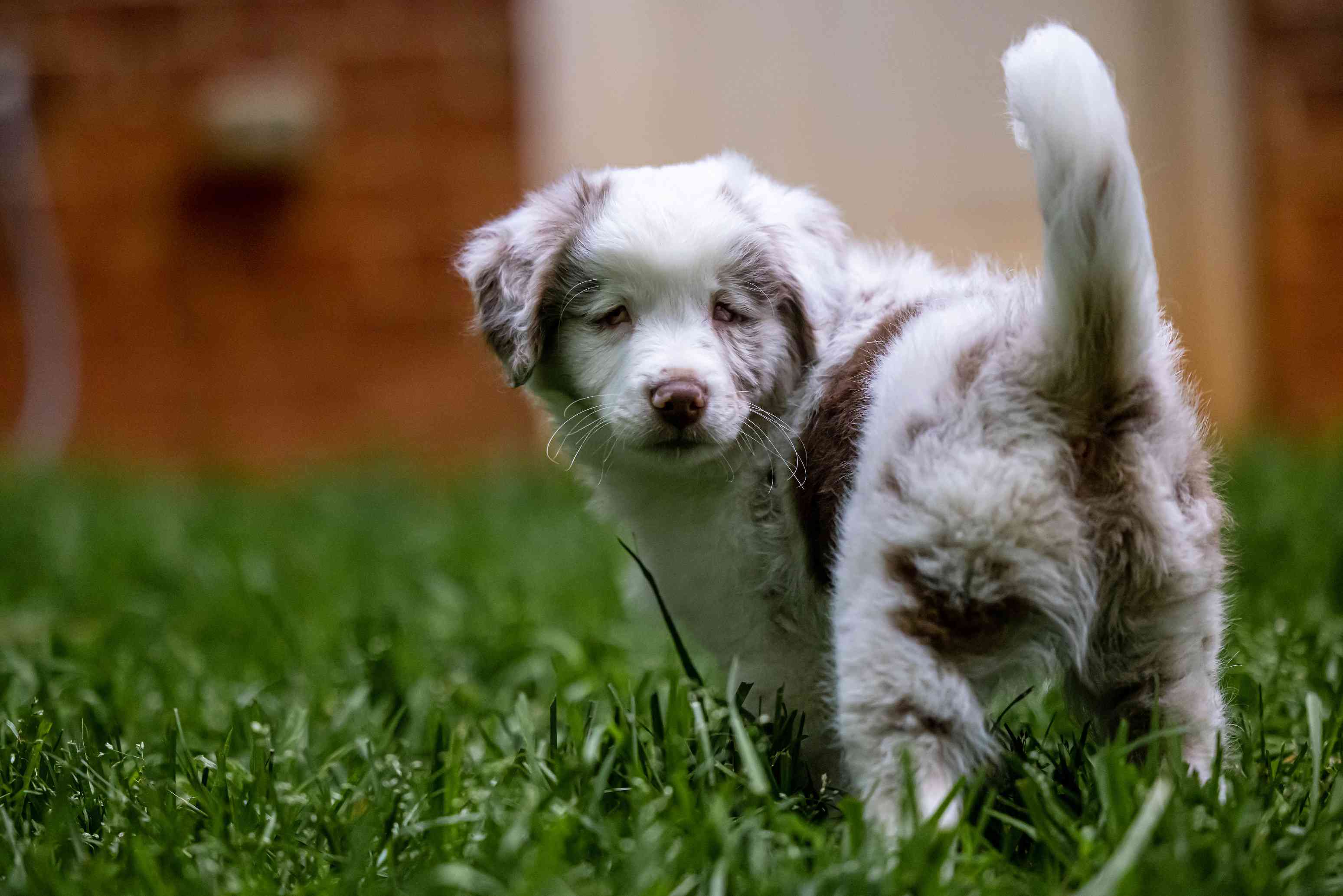
Rescued Blind and Deaf Puppies Are Incredibly Joyful
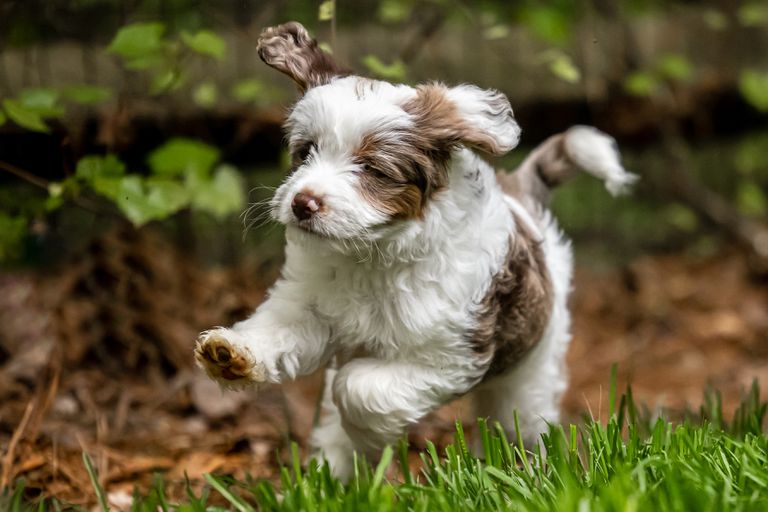
Trudy is fearless when she runs. Fred Strobel Photography
As I write this, it sounds like there are hyenas battling it out in my basement. Yelps and screams and torturous cries are storming up the stairs along with a few barks and high-pitched squeals.
It’s just another day in fostering some rambunctious blind and deaf puppies who happen to play very, very loudly.
Trudy and Zane are 9-week-old Australian shepherd mixes, maybe Aussiedoodles. They were dropped off at a rural shelter somewhere in Illinois by a breeder. When the beleaguered shelter worker asked what would happen to the puppies if she couldn’t take them, the breeder told her the coyotes can always use a meal. She couldn’t believe it.
The shelter, of course, took them. And Speak! St. Louis, the rescue I volunteer with, of course, stepped up. And somehow the puppies ended up here in Atlanta, playing “WWF Smackdown” in my basement.
Trudy and Zane are double merles like the Treehugger puppies. Merle is a swirly pattern in a dog’s coat that is very lovely and highly prized by breeders and people who want a pretty dog. When two dogs with the merle gene are bred together, there’s a 25% chance that their puppies will be blind, deaf, or both.
Sometimes this happens by accident, but it seems that it happens too often on purpose. In any case, there sure are plenty of puppies that end up needing homes. At least those are the ones that rescue groups hear about. Others just quietly disappear.
I’m pretty sure that Zane and Trudy weren’t handled much by their owner when they got here. They were awfully squirmy and bitey and didn’t want to be held or touched. They wouldn’t eat unless they were touching each other.
So I’ve been working on it. Hold one for a few seconds and put them down before they fidget. Pet them all over a little at a time. Feed them just a little farther apart at each meal.
In just a couple of weeks, they’ve learned that people are pretty cool.
Navigating the World
Zane in a quiet moment.Fred Strobel Photography
I’ve fostered a blind puppy, several deaf puppies, and two blind and deaf puppies including the famous Whibble Magoo, who is now competing in agility contests and is smarter than most people I know.
It’s just amazing to watch how they navigate the world. They quickly map out their area, learning where the walls, bushes, and furniture are. Sure, they bounce off a few things at first but puppy heads are pretty hard. They do a little bit of a cartoon-like head shake where the world, no doubt, spins a little bit inside their heads. Then they jump up and go back to exploring and running and being happy.
And, boy, are they happy.
People often say they feel sorry when they see blind or deaf puppies. They talk about how awful it must be for them.
But this is the only life they know and they are so joyful! When they go outside, they bounce in the grass like it is the best, most wonderful place in the world. When they play with a toy, it’s the coolest toy ever. When they find my dog, their tails wag so hard because they are ecstatic to be around him.
And when they find a person, they are elated because people are amazing, fun, and they give snuggles and treats.
They’ve come a long way from being just a step away from coyote dinner. Now they’ve learned to sit with two taps on their bottom and they are learning “down” is a tap on the front foot.
They are getting ready to look for their forever homes where their new people will appreciate that they aren’t just deaf and blind puppies. Instead, they are brilliant, silly, playful, gorgeous puppies with wonderful loving, sweet personalities.
They just happen to play and live with the volume turned up loud.
ooOOoo
Regarding that dog dump in Barker Road, I managed to find out which house it was and later on in the day went for a bike ride that took me that way. There was no sign of anything unusual.
But to get to the matter of today’s post that is all about puppies that are blind or deaf. As I am sure you are aware, dogs are very different to us humans when it comes to their senses. I have written before about the great power of their sense of smell. This is many ways is their leading sense and I have no doubt that in the case of dogs that are blind or deaf their smell allows them to function pretty well.
There are many, many good people in the world. Some are outstanding. But I regret that there are quite a few low lights. Shame but there it is.
Yesterday we drove down to Phoenix, Oregon to deliver the Sun Tricycle to the new owners. Daniel and Cherie were a delightful couple, albeit more my age than younger. But they had been through one heck of a disaster. Because last year they were both asked to flee the fires with very little notice and only recently had they found a new home and were still settling in.
Daniel rides his trike and wanted to get one for Cherie. We were delighted with the sale and we hope we all will see each other in the near future.
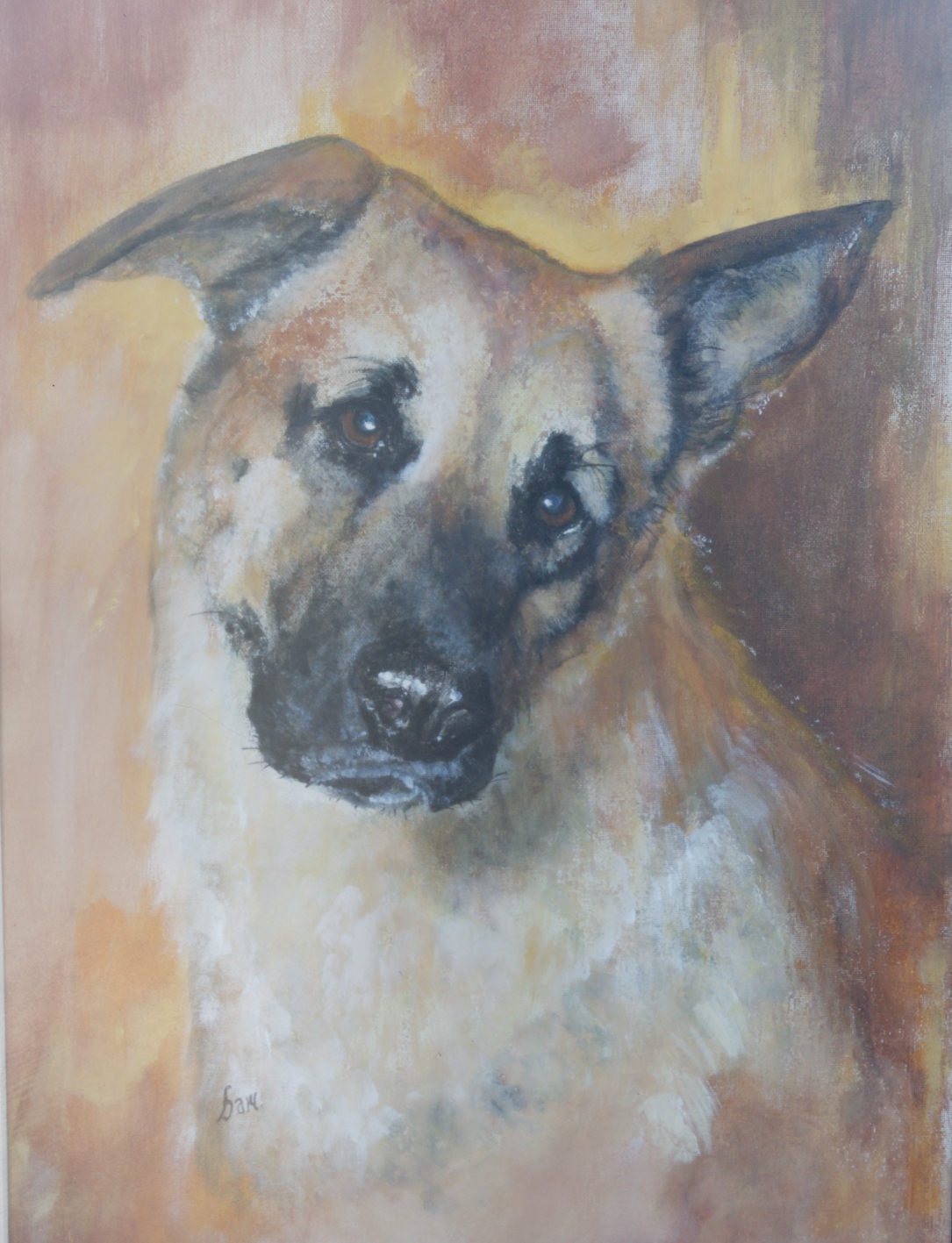
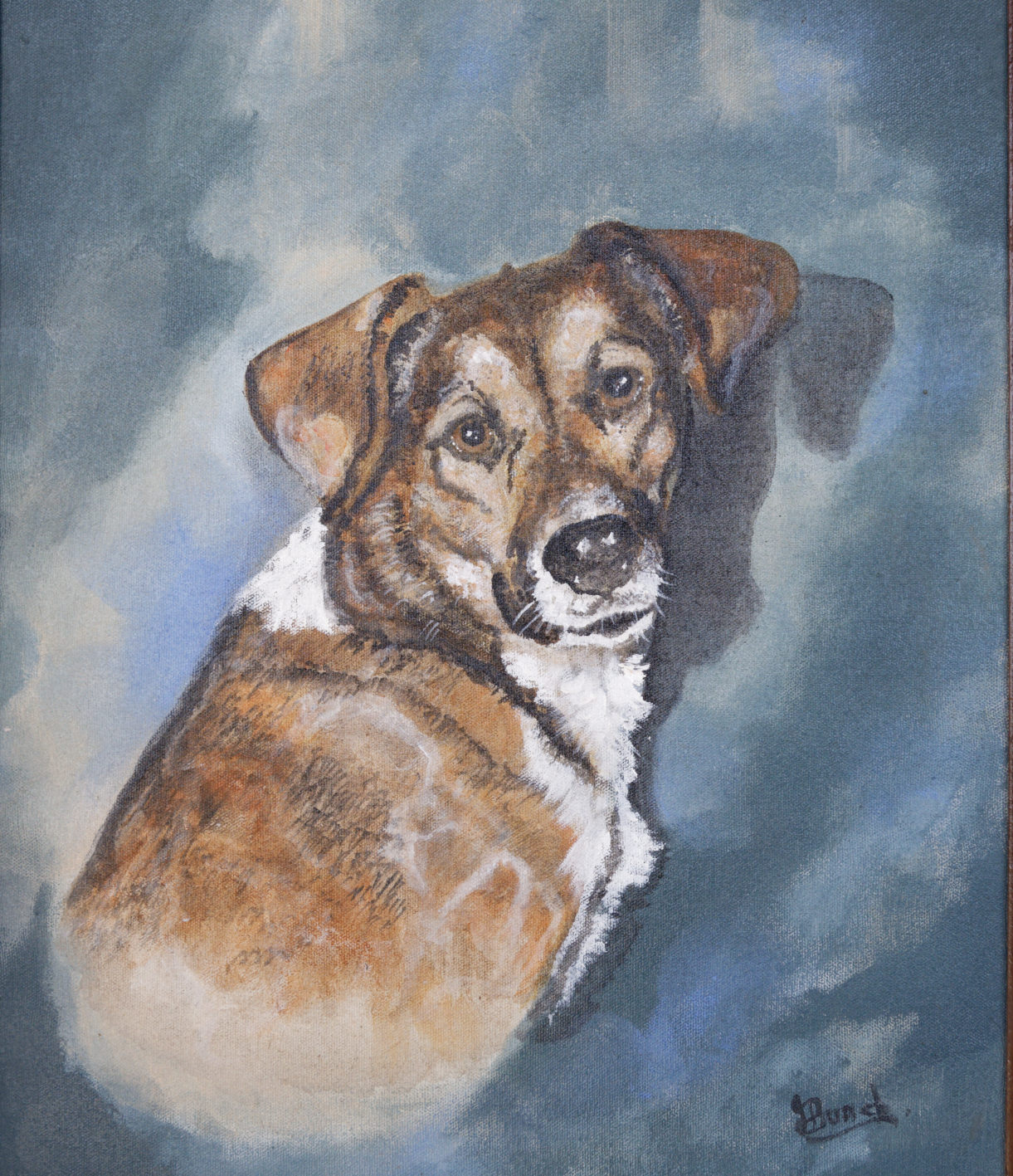
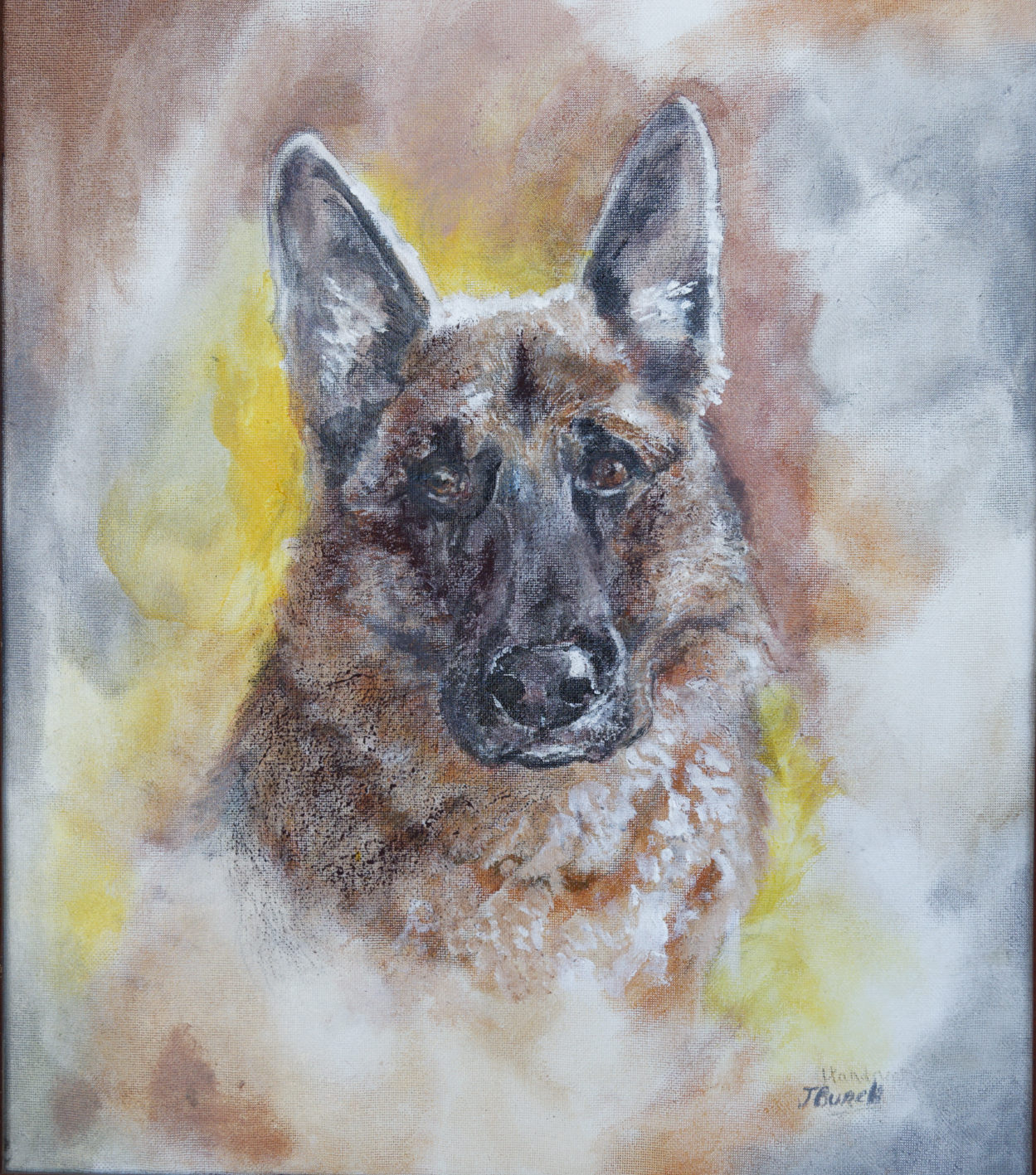
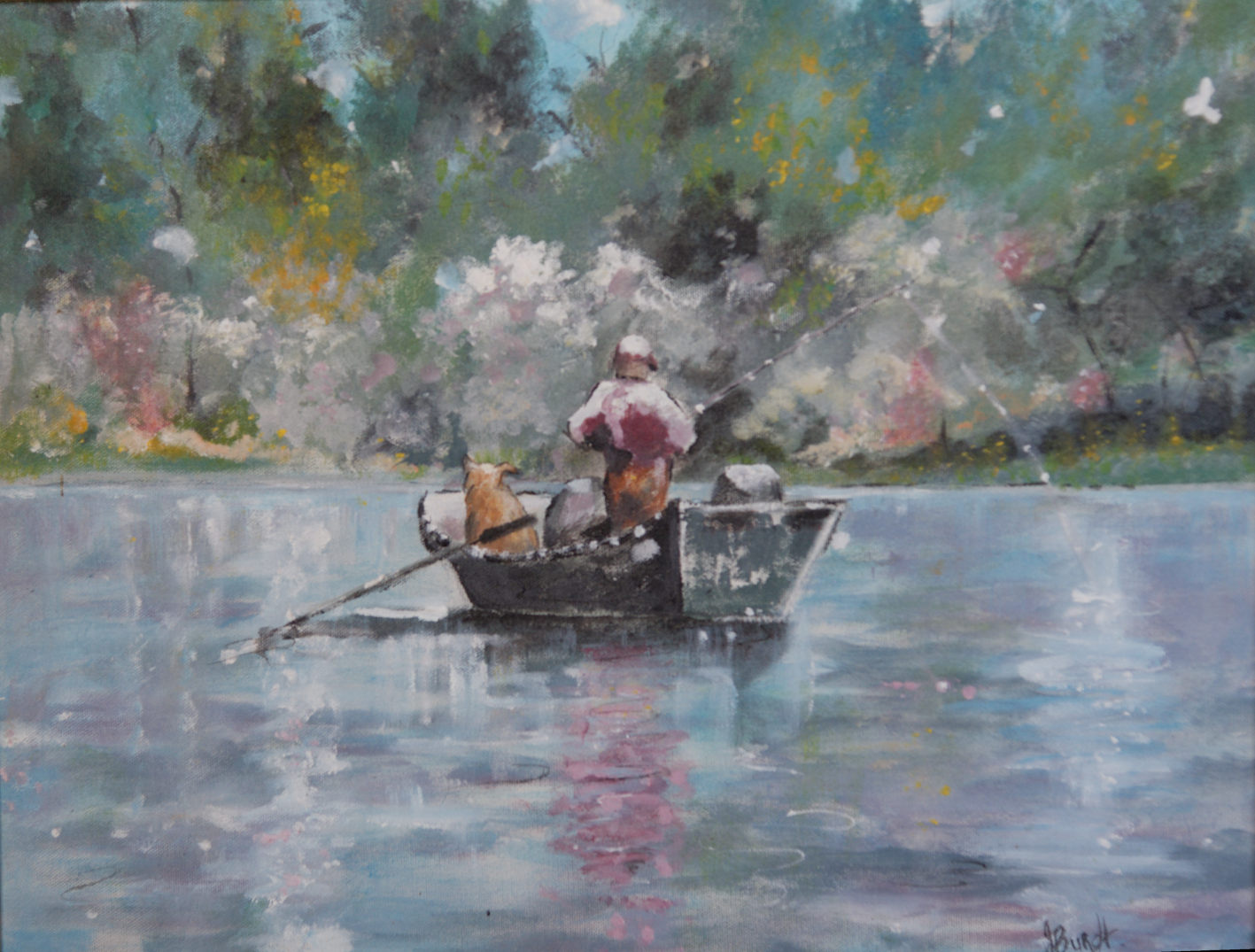
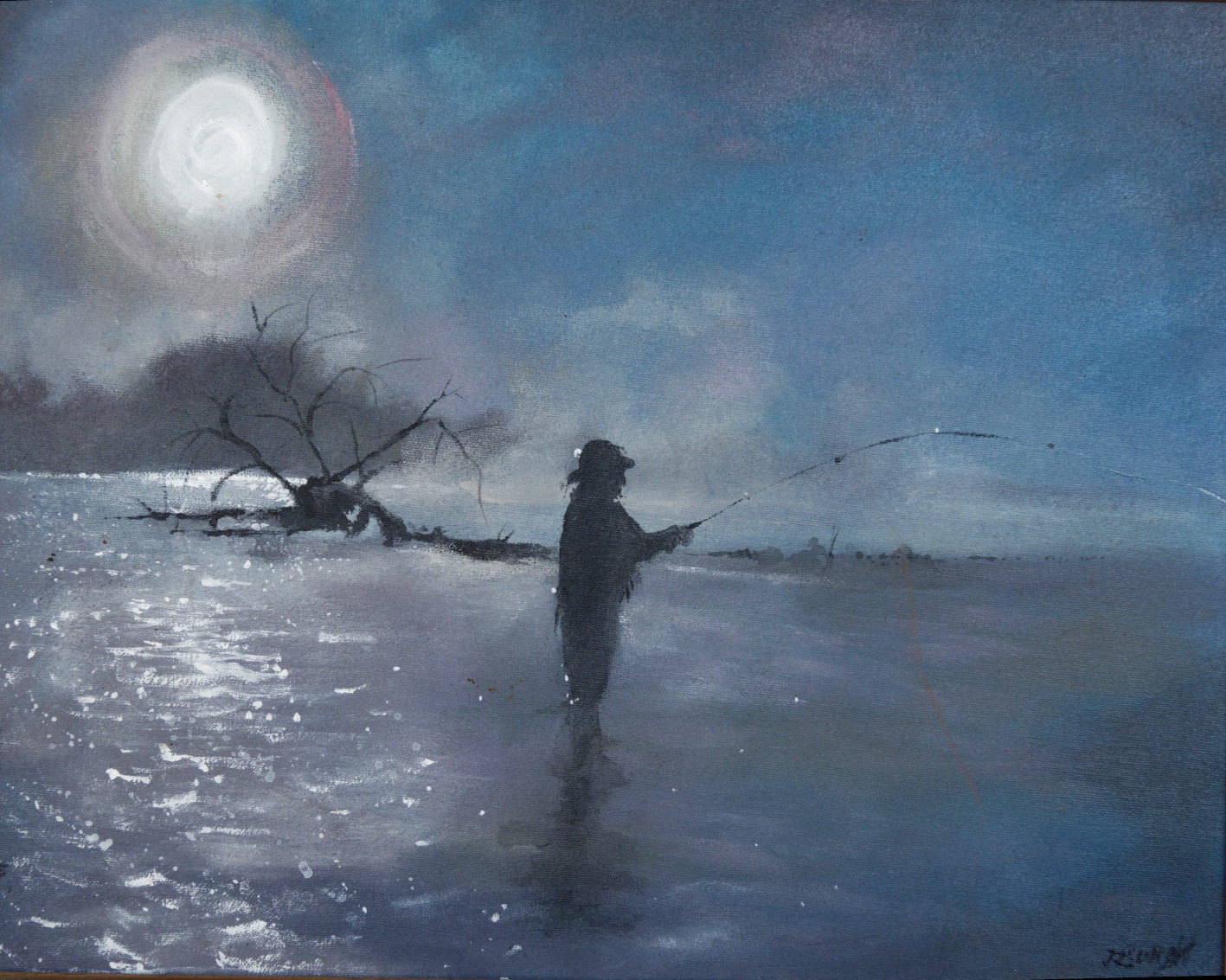
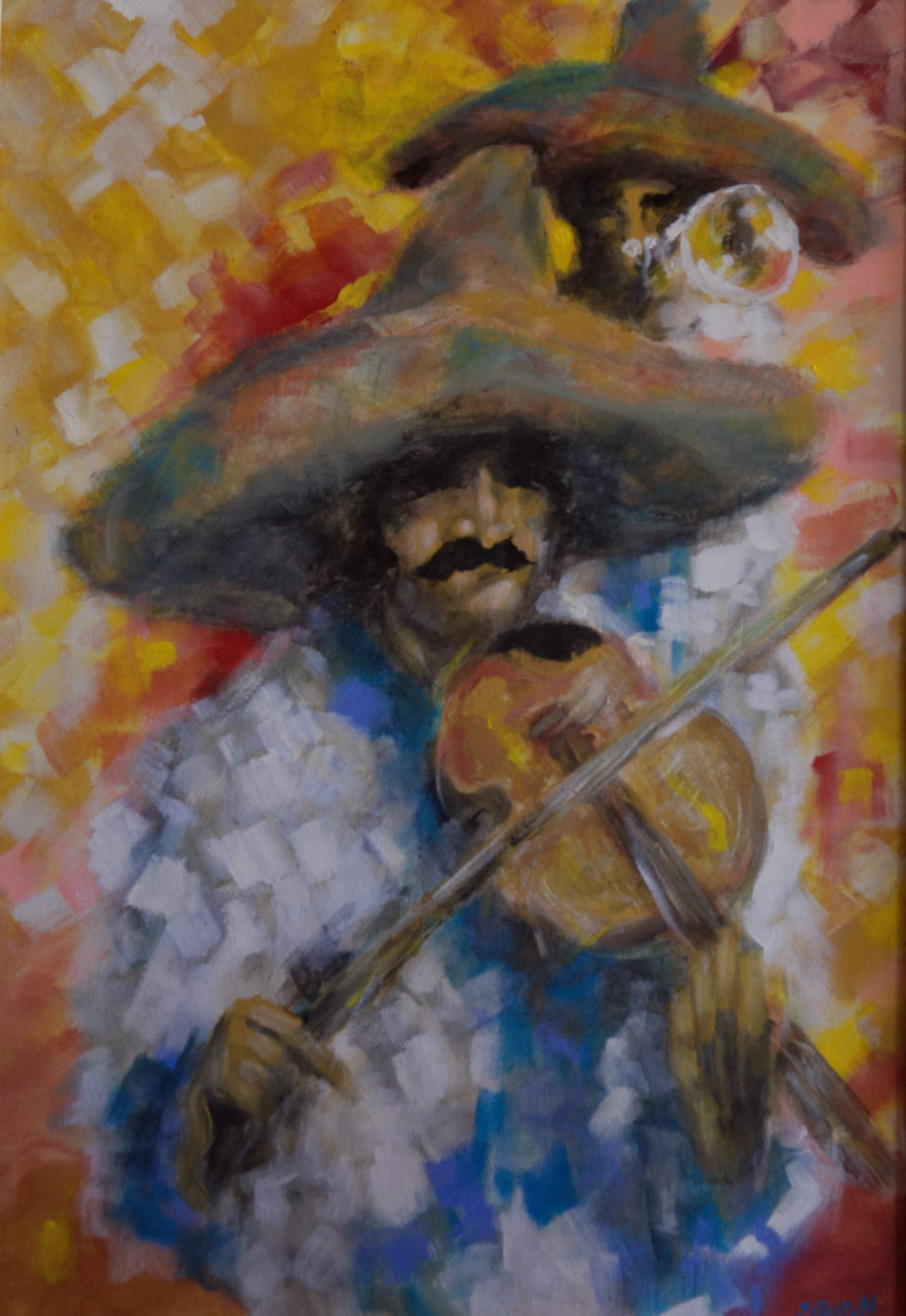
Anyway, Daniel is quite an artist and Jean mentioned she used to paint before the Parkinson’s tremor made it much more difficult. But Daniel insisted on photographs being taken of a few of Jean’s paintings and sent to them via email.







:max_bytes(150000):strip_icc()/mary-jo-dilionardo-bw-22fe0236b1764918a4a0fa2cd2cd0108.jpg)
 Learning from Dogs