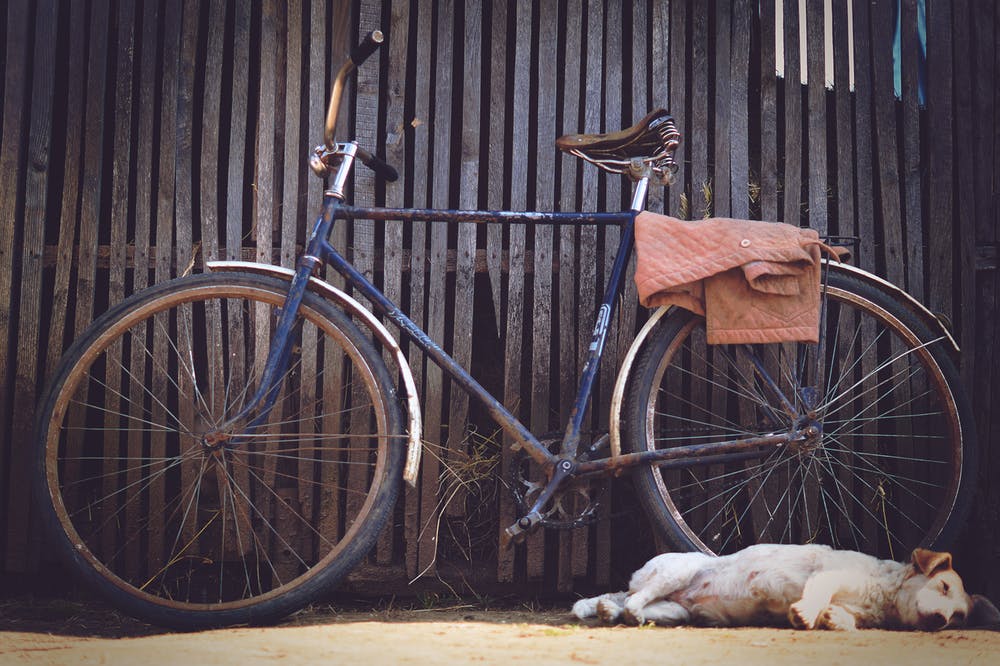
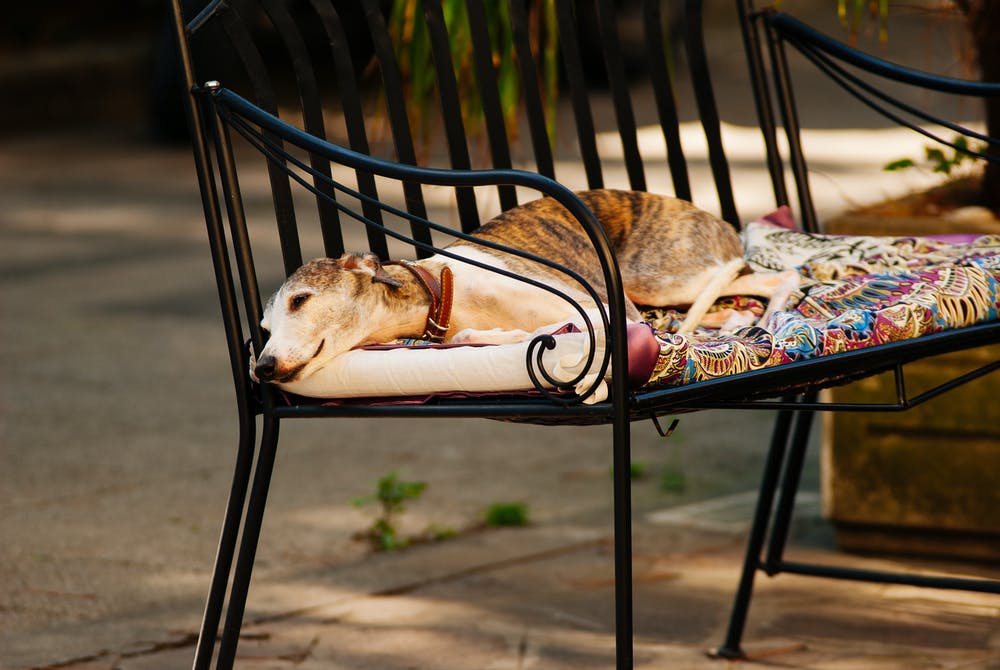
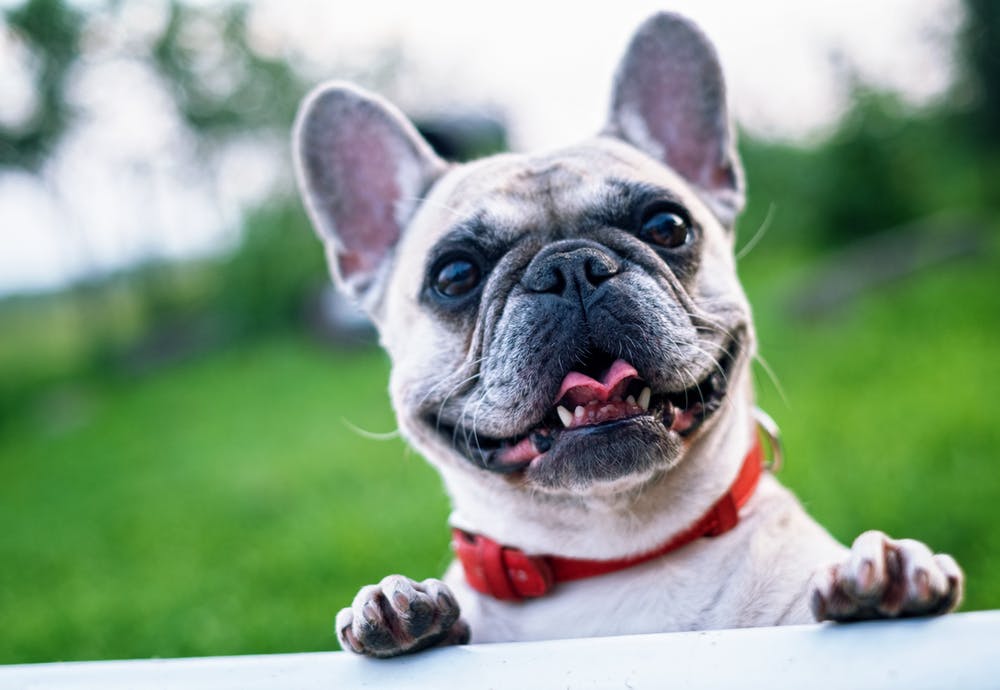
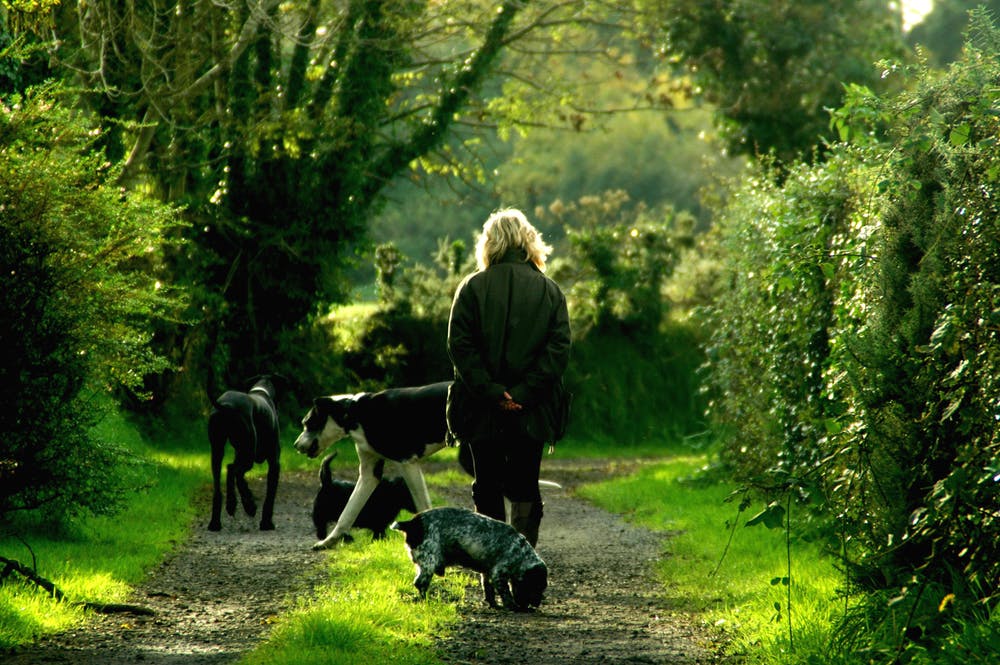
More of these lovely photographs!
I have found a new file, within the link, that enables me to keep going for some time!
Enjoy!
oooo
oooo
oooo
oooo
oooo
oooo
oooo
oooo
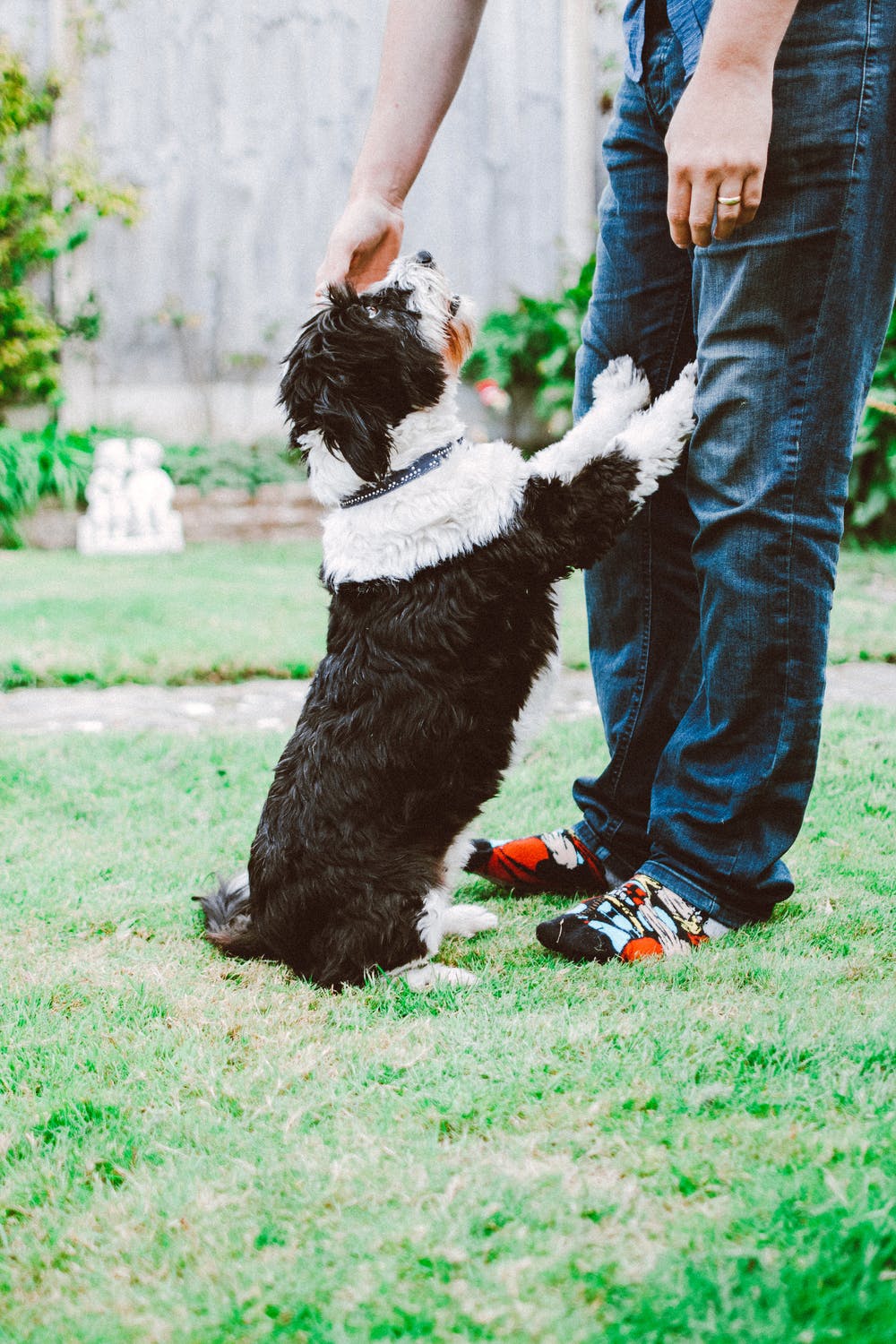
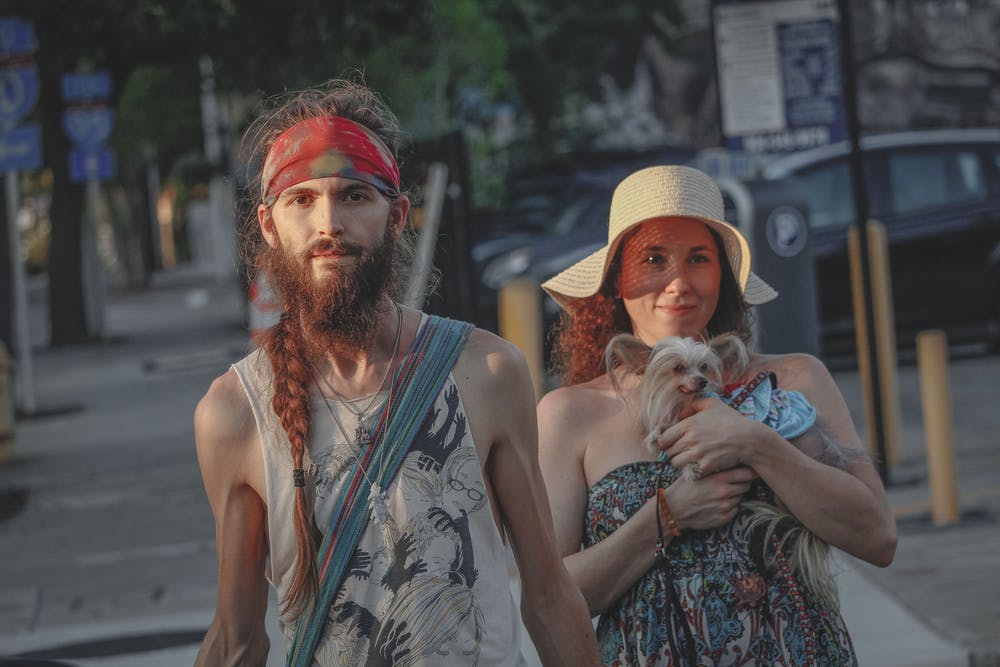
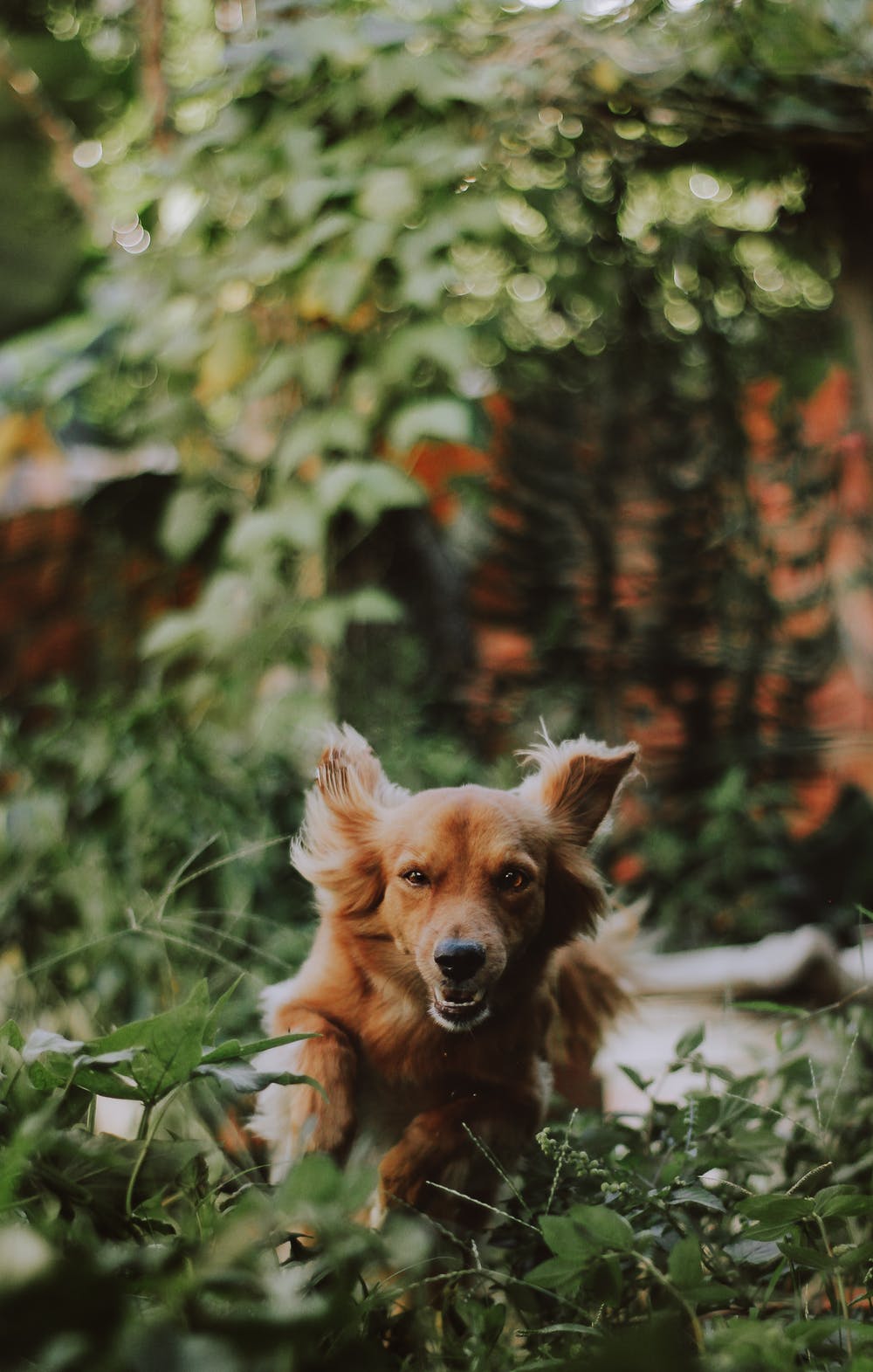
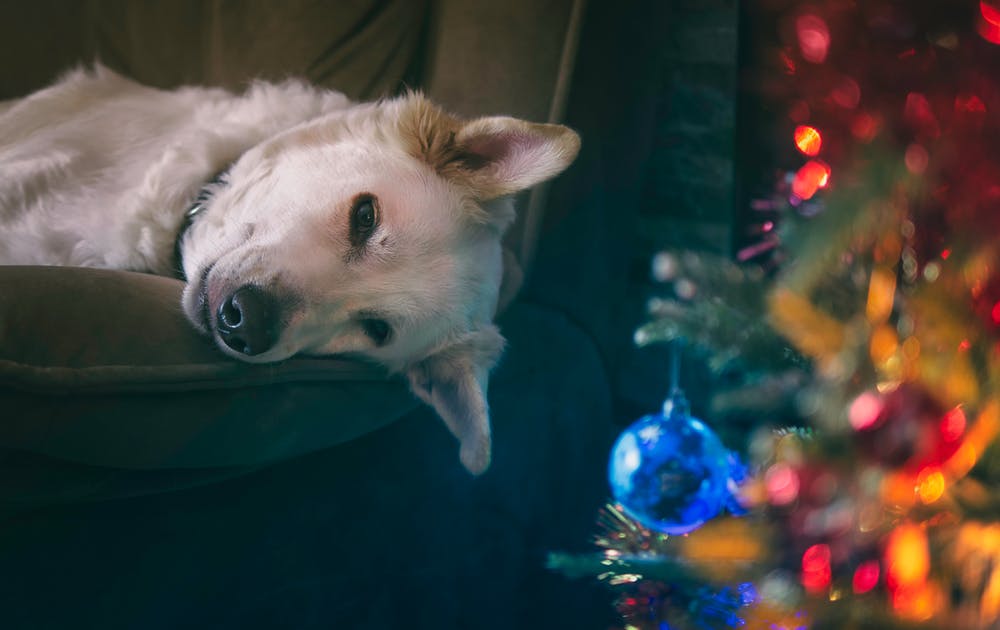
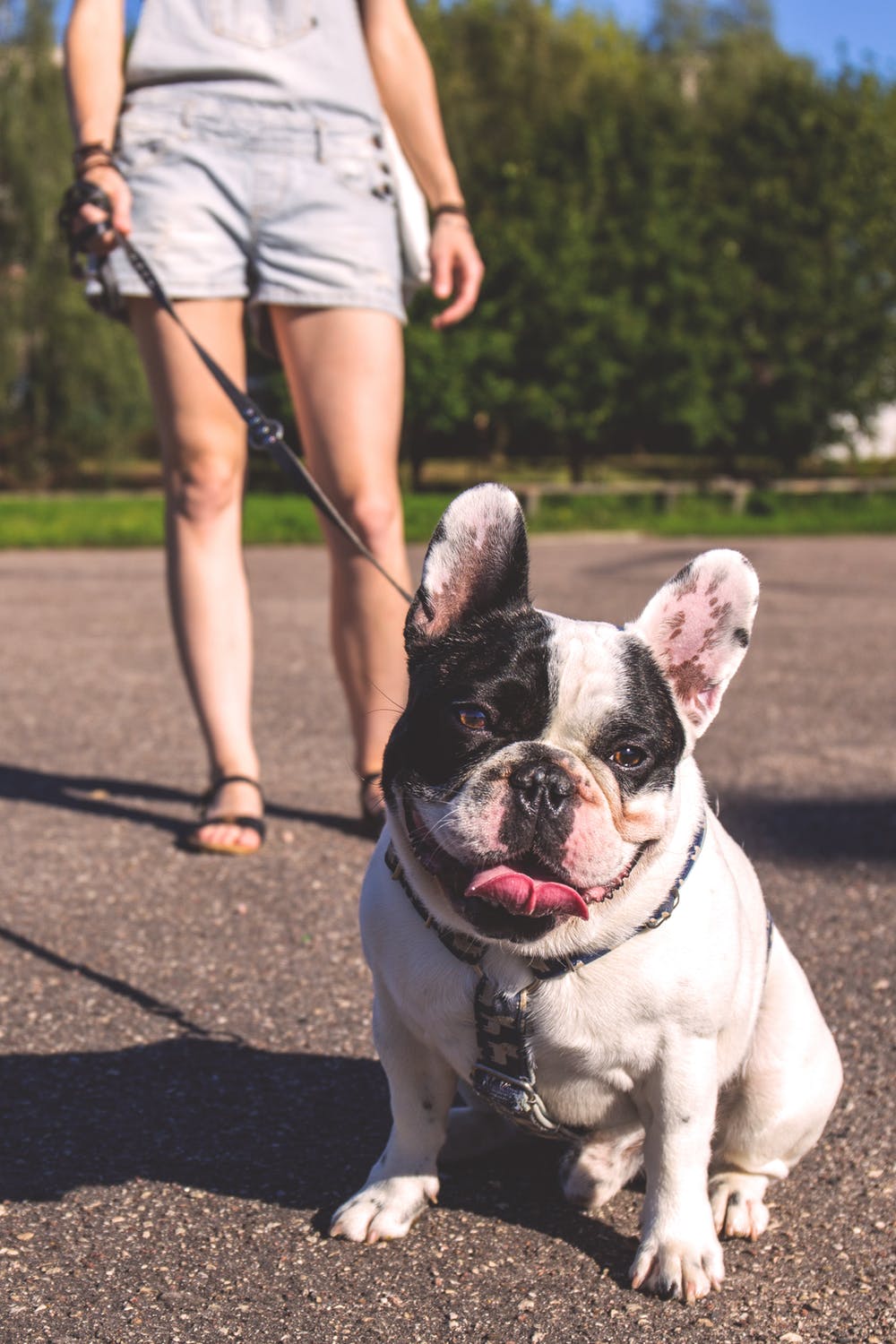
Boy oh boy! Aren’t they gorgeous!
Dogs are animals of integrity. We have much to learn from them.
Year: 2020
More of these lovely photographs!
I have found a new file, within the link, that enables me to keep going for some time!
Enjoy!
oooo
oooo
oooo
oooo
oooo
oooo
oooo
oooo
Boy oh boy! Aren’t they gorgeous!
Yet another article I want to share from Mother Nature Network.
I really don’t know how Mother Nature Network (MNN) do it! For they have a great deal of stories about dogs and a great many of them deserve sharing with you all.
Take this one. A nine-year-old Pit Bull had about as much chance of being given a loving home as I have of winning the lottery (and I don’t even enter for it!).
But that wasn’t to reckon on Michael Levitt of California. Absolutely wonderful Mr. Levitt. You are a savior!
Christian Cotroneo has the full story.
ooOOoo
Removed because of an alleged copyright infringement.
ooOOoo
I can do no better than to close this post with a repeat of Michael Levitt’s words: “We’re helping Toretto, but Toretto is helping us. Having this beautiful, sentient being in our home — and having to think about somebody besides ourselves — has really helped us get through the scariness of what we’re all dealing with.”
Beautiful, sentient beings – our dogs!
Perfect!
It is a very beautiful story.
About the position of our pet dogs and cats in this current pandemic.
So many of us are spending time at home. Lots of time!
And so many are asking questions about CORVID-19 and out pets.
Therefore I think it’s worthwhile to republish this article that appeared on Mother Nature Network yesterday.
ooOOoo
Removed because of an alleged copyright infringement.
ooOOoo
Now it is quite a long article but then again you probably have much more time to read this post! And, frankly, there is a lot of good information contained within it!
So, be safe and look after your pets!
A repeat of an essay from the 12th October, 2019.

We were truly alone when we went to Utah. (September, 2019.)
But then again, one of the privileges of being on 13 acres, 13 very rural acres, here in Southern Oregon is that being alone is not that far away!
I don’t want to underplay the importance of this posting, republished from The Conversation website (with permission), because we live in so busy times.
Written by three professors, it’s a very wise and profound article.
ooOOoo
June 4th, 2018
By , Professor of Outdoor Education, Montreat College
, Associate Professor and Program Director of Parks and Recreation Management, Western Carolina University
, Associate Professor of Outdoor Education, Montreat College
Today Americans live in a world that thrives on being busy, productive and overscheduled. Further, they have developed the technological means to be constantly connected to others and to vast options for information and entertainment through social media. For many, smartphones demand their attention day and night with constant notifications.
As a result, naturally occurring periods of solitude and silence that were once commonplace have been squeezed out of their lives. Music, reality TV shows, YouTube, video games, tweeting and texting are displacing quiet and solitary spaces. Silence and solitude are increasingly viewed as “dead” or “unproductive” time, and being alone makes many Americans uncomfortable and anxious.
But while some equate solitude with loneliness, there is a big difference between being lonely and being alone. The latter is essential for mental health and effective leadership.
We study and teach outdoor education and related fields at several colleges and organizations in North Carolina, through and with other scholars at 2nd Nature TREC, LLC, a training, research, education and consulting firm. We became interested in the broader implications of alone time after studying intentionally designed solitude experiences during wilderness programs, such as those run by Outward Bound. Our findings reveal that time alone in nature is beneficial for many participants in a variety of ways, and is something they wish they had more of in their daily life.

Reflection and challenge
We have conducted research for almost two decades on Outward Bound and undergraduate wilderness programs at Montreat College in North Carolina and Wheaton College in Illinois. For each program, we studied participants’ experiences using multiple methods, including written surveys, focus group interviews, one-on-one interviews and field notes. In some cases, we asked subjects years later to look back and reflect on how the programs had affected them. Among other questions, our research looked at participant perceptions of the value of solo time outdoors.
Our studies showed that people who took part in these programs benefited both from the outdoor settings and from the experience of being alone. These findings build on previous research that has clearly demonstrated the value of spending time in nature.
Scholars in fields including wilderness therapy and environmental psychology have shown that time outdoors benefits our lives in many ways. It has a therapeutic effect, relieves stress and restores attention. Alone time in nature can have a calming effect on the mind because it occurs in beautiful, natural and inspirational settings.
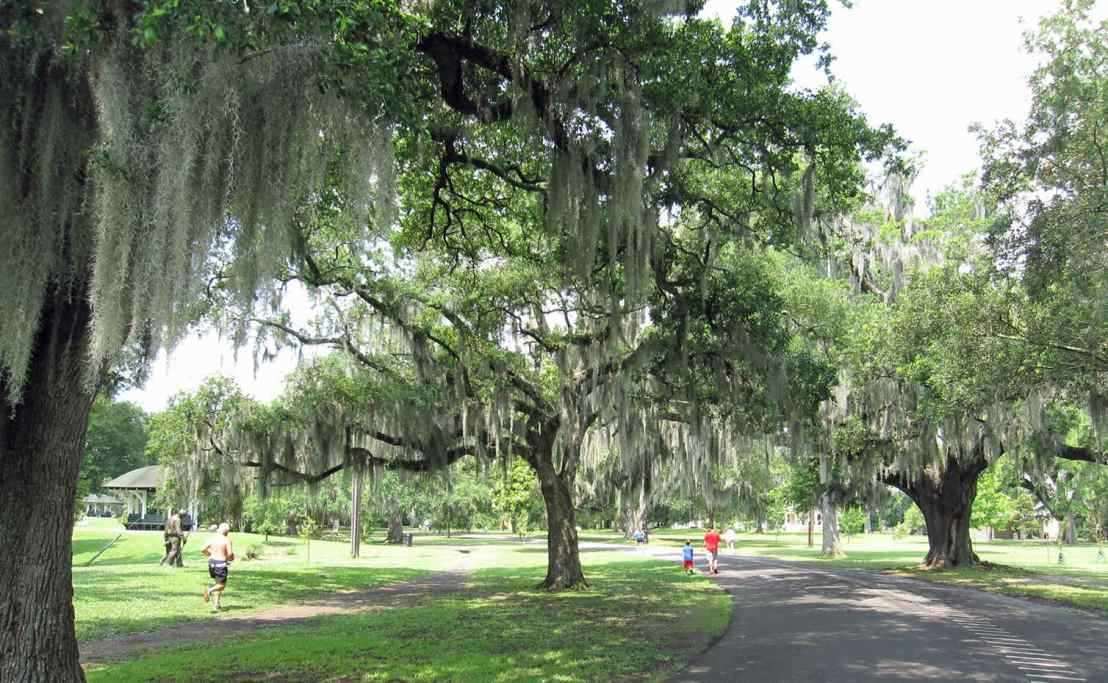
Nature also provides challenges that spur individuals to creative problem-solving and increased self-confidence. For example, some find that being alone in the outdoors, particularly at night, is a challenging situation. Mental, physical and emotional challenges in moderation encourage personal growth that is manifested in an increased comfort with one’s self in the absence of others.
Being alone also can have great value. It can allow issues to surface that people spend energy holding at bay, and offer an opportunity to clarify thoughts, hopes, dreams and desires. It provides time and space for people to step back, evaluate their lives and learn from their experiences. Spending time this way prepares them to re-engage with their community relationships and full work schedules.
Putting it together: The outdoor solo
Participants in programmed wilderness expeditions often experience a component known as “Solo,” a time of intentional solitude lasting approximately 24-72 hours. Extensive research has been conducted on solitude in the outdoors because many wilderness education programs have embraced the educational value of solitude and silence.
Solo often emerges as one of the most significant parts of wilderness programs, for a variety of reasons. Alone time creates a contrasting experience to normal living that enriches people mentally, physically and emotionally. As they examine themselves in relation to nature, others, and in some cases, God, people become more attuned to the important matters in their lives and in the world of which they are part.
Solo, an integral part of Outward Bound wilderness trips, can last from a few hours to 72 hours. The experience is designed to give participants an opportunity to reflect on their own thoughts and critically analyze their actions and decisions.
Solitary reflection enhances recognition and appreciation of key personal relationships, encourages reorganization of life priorities, and increases appreciation for alone time, silence, and reflection. People learn lessons they want to transfer to their daily living, because they have had the opportunity to clarify, evaluate and redirect themselves by setting goals for the future.
For some participants, time alone outdoors provides opportunity to consider the spiritual and/or religious dimension of life. Reflective time, especially in nature, often enhances spiritual awareness and makes people feel closer to God. Further, it encourages their increased faith and trust in God. This often occurs through providing ample opportunities for prayer, meditation, fasting, Scripture-reading, journaling and reflection time.
Retreating to lead
As Thomas Carlyle has written, “In (solitary) silence, great things fashion themselves together.” Whether these escapes are called alone time, solitude or Solo, it seems clear that humans experience many benefits when they retreat from the “rat race” to a place apart and gather their thoughts in quietness.
In order to live and lead effectively, it is important to be intentional about taking the time for solitary reflection. Otherwise, gaps in schedules will always fill up, and even people with the best intentions may never fully realize the life-giving value of being alone.
ooOOoo
I would modify that advice from Thomas Carlyle and that is to include a dog.
For in my experience when one is in the mood for a bit of solitary reflection your dog seems to sense it as well.
The world of service dogs.
There was a post on The Dodo the last day of March. It was about a service dog that went the extra mile, so to speak.
The dog’s name is Wynn and she is one special dog. I mean special within the fine dogs that make up service dogs in general.
Have a read! It was taken from here.
ooOOoo

Wynn is only a year old, but when she’s old enough, she’ll be trained by Canine Companions for Independence to be an assistance dog for someone with a disability. Until then, she’s being trained and socialized by her puppy handler Susan Ryan — but she still has a very important job to do.
From the moment Ryan met Wynn, she knew she was a special dog. She’s so sweet and playful, and has never met a challenge she couldn’t find a way to tackle.
“I have two of my own Labs at home and she always does surprise attacks on them,” Ryan told The Dodo. “Once her vest is on, though, she is all business.”

Ryan works as an emergency physician at Rose Medical Center in Denver, Colorado, and to help with Wynn’s training and socializing, she started taking the puppy with her to the hospital sometimes. Wynn always loves visiting the hospital — but when the coronavirus epidemic started to become an issue in the U.S., it became clear that Wynn could fill an important role at the hospital.
As the coronavirus outbreak continues, doctors, nurses and all hospital staffers are working around the clock to provide the best care they can. They’re working so hard and could definitely use some support, and Wynn is there for them, acting as a therapy dog specifically for everyone on staff who could use a moment to decompress amid all the chaos.
Ryan works hard at the hospital too, and even though she gets to see Wynn at home, she still took a moment on her shift recently to let Wynn comfort her. The pair sat on the floor of the hospital together and Wynn leaned into her foster mom, as if to thank her for taking such good care of both her and all of the patients in the hospital.
“She comforts us for sure,” Ryan said.

Eventually, Wynn will move on and become an assistance dog for someone else who needs her, but for now, she’ll continue to help out at the hospital with her mom, and everyone is so grateful to have her there.
“When I walk into a shift the staff light up,” Ryan said. “But it’s for Wynn, not me.”
ooOOoo
What a delightful story. Just look at those photographs; the second and last ones in particular!
You heard me say this many times before and, I assume, it will be many other times ahead: Dogs are the most comforting animal bar none. They are so, so precious!
A timely post on pets and COVID-19
I have chosen up to now to leave the topic of the COVID-19 pandemic to others to write about.
However, the following article published by Mother Nature Network on April 1st seemed relevant to the many hundreds who read this blog and have pets.
ooOOoo
Removed because of an alleged copyright infringement.
ooOOoo
Mother Nature Network are pretty good in terms of the accuracy of their work so, on balance, you can regard this information as legitimate .
These are very strange times for millions of us spread all over the place.
It will eventually be behind us and I, for one, can’t see it come too soon!
 Learning from Dogs