They can be toxic!
This is a timely warning that feeding our dogs and cats nibbles from the plate or worse can be life-threatening.
ooOOoo
Holiday foods can be toxic to pets – a veterinarian explains which, and what to do if Rover or Kitty eats them
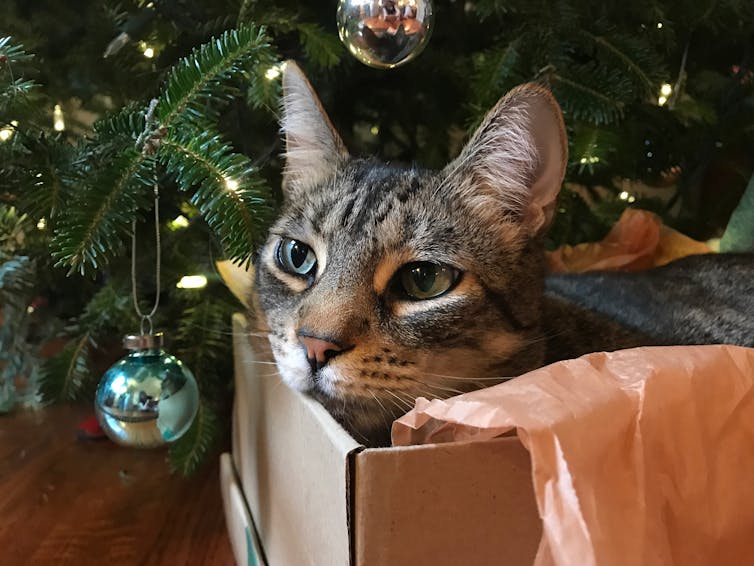
Leticia Fanucchi, Oklahoma State University
During the holidays, it’s typical for people to indulge in special foods. Being a pet owner myself, I know that many pet parents want to give their fur babies special treats as well.
As a veterinarian and clinical veterinary researcher, however, I also know that some very common foods – including many popular holiday staples – are dangerous to pets.
Here are some of the most common food-related crises we veterinarians encounter in the animal ER during the holidays, and what to do if they happen.
Fatty food risks
Turkey with gravy is probably among the most popular holiday meals. And most dogs or cats would certainly agree with their humans that roast turkey is delicious.
However, the fat contained in turkey skin – and the excess of fatty, greasy foods that can accompany it, such as gravy, butter and bacon – don’t go down well with cats and dogs. Pets that ingest an overload of fats may develop pancreatitis, an inflammation of the pancreas, the organ that helps break down fat, protein and carbs.
Pancreatitis causes the pancreas to leak digestive enzymes and ultimately “digest” itself. If untreated, pancreatitis can affect other organ systems such as the kidneys and the liver and even cause blood clotting.
The most common symptoms of pancreatitis include vomiting and diarrhea. Pets that may have pancreatitis should be rushed to the closest veterinary hospital or ER. The vet will perform diagnostic blood tests, including a specific test for pancreatic enzymes called pancreatic lipase immunoreactivity or cPLI/fPLI.
Treatment for pancreatitis mostly involves dealing with its symptoms. The pet receives IV fluids to help establish electrolytes balance, with added anti-nausea and pain medications to stop the vomiting. Antibiotics may be necessary, as well as liver protectants and probiotics, and a special diet.
Onion offenses and bread badness
If only turkey were the sole problem! Many other common holiday ingredients can also harm pets.
Several allium species common to holiday cooking, such as leeks, garlic, onions, chives and shallots, can be healthy for people. For dogs and cats, though, alliums are toxic. If ingested, they can cause hemolytic anemia – a decreased number of red blood cells.
The signs of hemolytic anemia, which normally appear a few days after ingestion, include vomiting, diarrhea, lethargy and jaundice.
To treat hemolytic anemia in pets, veterinarians do blood tests to determine whether a transfusion is necessary. They address the symptoms of allium intoxication with IV fluids, antioxidants and anti-nausea drugs.
Yeast-risen foods like rolls and breads are also holiday dinner staples that people should keep away from their pets. The yeast in these foods can ferment in a pet’s warm stomach and produce toxic levels of ethanol. In pets, ethanol toxicity may lead to metabolic acidosis, which can cause sudden drop in blood glucose, respiratory depression, seizures and cardiac arrest.
Normally, pet owners do not suspect metabolic acidosis until it is almost too late, because it has few outward symptoms. So if there’s a possibility that a pet has swallowed any type of cooked or raw yeast dough, get it to a veterinary ER right away.
By the way, pets can also experience ethanol toxicity by lapping up cocktails or beer, so keep alcoholic drinks out of their reach as well.
No chocolate for pets
Now, what about a favorite holiday treat – chocolate?
Substances that may actually attract humans to chocolate – methylxanthines like theobromine and caffeine – are toxic to both dogs and cats. When vets provide emergency treatment for chocolate ingestion, we typically hear that children shared their candy with their beloved pet.

Pets that ingest chocolate can develop “chocolate intoxication,” a condition in which methylxanthines accumulate in the body and make them sick. Signs of chocolate intoxication in pets include tremors, increased heart rate, vomiting, diarrhea, restlessness and even seizures.
Chocolate intoxication in pets is a medical emergency. The pet needs to have its stomach emptied and receive support therapy with IV fluids and activated charcoal. The vet will probably want to know the type and how much chocolate the pet ate, because some kinds of chocolate, such as baking chocolate, can have worse toxic effects.
Chocolate also has a lot of fat, so the cat or dog’s pancreas will not enjoy it either.
Grapes and dogs don’t mix
How about fruits? Well, there is a fruit very toxic to dogs that often shows up at holiday gatherings: grapes, both fresh and dehydrated into raisins.
If eaten, the tartaric acid in grapes or raisins may cause acute kidney disease. Common signs of acute kidney disease in dogs are vomiting, intermittent diarrhea and increased intake of water.
Acute kidney disease in dogs is a medical emergency. If it is suspected, the pet should be rushed to a veterinary hospital or ER right away. Treatment is typically limited to stabilizing the pet with IV fluids.
Sweet for people, poison to pets
While xylitol toxicity is one of the more common emergencies we veterinarians see these days, it’s still largely unknown among pet owners.
Xylitol is an artificial sweetener often used in sugar-free products. While safe for humans, for cats and dogs it’s a fast-acting and potentially deadly poison.
Ingesting even the smallest amount of xylitol can cause a pet’s liver to rapidly release insulin, causing hypoglycemia – unusually low blood glucose levels. Within 30 minutes, the pet will experience symptoms such as vomiting, lethargy and seizures and lose coordination of its limbs – called ataxia.
Emergency treatment for a pet with xylitol toxicity involves giving the animal IV fluids containing dextrose to raise its blood glucose level and carefully monitoring its progress.
The bottom line? Several delicious foods that are safe for humans can be very dangerous for pets in general – not just cats and dogs, but also birds, reptiles and pocket pets like mice, hamsters and gerbils. So make the holidays special for furry or feathery babies by giving them treats from the pet food store or veterinarian’s office, and keep them away from the kitchen counter and trash can.
Leticia Fanucchi, Clinical Assistant Professor of Veterinary Clinical Sciences, Oklahoma State University
This article is republished from The Conversation under a Creative Commons license. Read the original article.
ooOOoo
That’s a very important point about Xylitol. So please take notice and have a wonderful holiday for you and for your pets.
Please take care!


 Learning from Dogs