A superb reminder of the positives of this funny old species of ours!
The issue of what man is doing to our biosphere is all important, probably above all else. It surely occupies much of the thinking time of me and countless others across the globe. It seems so obvious that we are harming the planet it’s easy to forget that there are hundreds of thousands, if not millions, of people who are making a very positive difference in countless ways.
Take Erik Bendl. Not someone I had previously heard of so thanks to Lew L. who sent me the information.
Erik Bendl has walked over six thousand miles for the cause of diabetes awareness. In recent years he and his dog named Nice have walked in over thirty nine states and Washington D.C. to help diabetes organizations and encourage people to get healthy with exercise to control and prevent diabetes. When you see him on the road stop to say hello, walk with him or call him @ (502) 408-5772. (This includes a link to here)
That link (this one) takes you to a place on the website of the American Diabetes Association from which one further learns,
I AM STEPPING OUT BECAUSE…
I am Stepping Out because the American Diabetes Association’s Step Out: Walk to Stop Diabetes is so much more than a fundraising event to me. It is my opportunity to change the future and make a positive impact in the lives of those who are affected by diabetes. I am committed to walk and raise money in this inspirational event not because 26 million people in the United States have diabetes, but because I personally know some of them, and I want to do something about it.
I am now inviting you to join me in my quest to prevent and cure diabetes once and for all. Chances are, you also know someone who has been affected by diabetes and you already know how important it is to stop this disease. By making a donation on my behalf, you will be helping the Association provide community-based education programs, protect the rights of people with diabetes and fund critical research for a cure.
With your help, we will fight for a future where a parent does not have to hear that their child has diabetes. A future where an adult does not have to face the uncertain times ahead after receiving a diabetes diagnosis. A future where you and I will know that we had a part in making this possible.
I truly appreciate your support. Together we can Stop Diabetes!
Easy to read, even easier to copy and paste into this post. Far, far more difficult to undertake what Erik and Nice have been doing for so long.
Uploaded on Aug 25, 2011
FORT RIPLEY — He may have the world on a string, but Erik Bendl’s highly visible stroll along Highway 371 is hardly a walk in the park. The Louisville, Ky., carpenter and his dog, Nice, are walking along the highway shoulder with a large, inflatable, rubber globe in order to raise awareness about diabetes.
This particular walk started in Sheboygan, Wis., and has Lake Itasca as its final destination. His route took him into Iowa before heading into Minnesota.
“I’m walking until the snow flies,” he said.
Stopping to answer questions from the curious near Eagle’s Landing on Tuesday afternoon, Bendl had a few northbound miles to go until Fort Ripley, his stated goal for that day.
The 49-year-old travels about 10 to 15 miles a day and estimated he had walked about 3,000 miles in 26 states in his five trips with Nice. Asked what kind of dog his non-descript companion was, Bendl replied, “He’s a brown dog.”
But apart from the commitment to his chosen cause, Erik also writes beautifully. Take this recent piece (which I trust Erik doesn’t mind me reposting here.)
Out of a dream
I awoke thinking I was writing about the twelve miles we had pushed against the wind. It took ten hours. Good people stopped and gave us water through the windy, hot day. Never thirsty, backpack still full at the end of the day with the bottles I started out with in the morning. Others brought food for us to eat. Dog biscuits and salad for me. Burgers and chews kept our stomachs full and my pack heavier with extra dogs treats when we stopped for the night.
We met diabetics of all shapes, ages and size. Stubborn ones who are not to be told and dedicated ones who want to grow old. I was told by all what I am doing is an inspiration, still some could not get away fast enough, lest they admit they could do more for themselves.
Everyday someone will tell me as they leave, smiling ear to ear, that I have made their day happier. A bonus which makes my day a joy.
Now I am awake from my sleepy dream. The fog has lifted from my tired senses. I hesitate to read over what I have just written. Will it make any sense? Will it matter? Or Am I still dreaming?
I think I will push the “send” button and forget, like most other dreams.
Why not send him an email to remind him of the universal power of being a good person: erikbendl (at) gmail (dot) com
Science may just be starting to make some sense of this cruelest of diseases.
It used be to the dreaded ‘C’ word; cancer. But now that ‘C’ word has a companion, the dreaded ‘A’ word. The incidence of Alzheimer’s disease seems to be on a terrible rise. Indeed, my wife, Jean, lost her late husband to Alzheimer’s disease. My half-sister back in England is now very ill with the disease. Just chatting to some people here in Payson a few days ago revealed many who had friends or relations suffering.
So a recent item first seen on the website of The Permaculture Research Institute of Australia really jumped off the ‘page’! It was an article by George Monbiot entitled The Mind Thieves. I dropped Mr. Monbiot a quick email requesting permission to republish the article and very promptly received a positive answer. Thank you, Sir.
So before moving to the article, first a little background on George M. From his website, one quickly reads,
George Monbiot
I had an unhappy time at university, and I now regret having gone to Oxford, even though the zoology course I took – taught, among others, by Richard Dawkins, Bill Hamilton and John Krebs – was excellent. The culture did not suit me, and when I tried to join in I fell flat on my face, sometimes in a drunken stupor. I enjoyed the holidays more: I worked on farms and as a waterkeeper on the River Kennet. I spent much of the last two years planning my escape. There was only one job I wanted, and it did not yet exist: to make investigative environmental programmes for the BBC.
I’m not going to copy the full ‘About George‘ description but do urge you to pop across to here and read it yourself; George has had, trust me, a fascinating life journey that I suspect is far from over. This is how that About description closes,
Here are some of the things I love: my family and friends, salt marshes, arguments, chalk streams, Russian literature, kayaking among dolphins, diversity of all kinds, rockpools, heritage apples, woods, fishing, swimming in the sea, gazpacho, sprinting up the pitch in ultimate frisbee, ponds and ditches, growing vegetables, insects, pruning, forgotten corners, fossils, goldfinches, etymology, Bill Hicks, ruins, Shakespeare, landscape history, palaeoecology and Father Ted.
Here are some of the things I try to fight: undemocratic power, corruption, deception of the public, environmental destruction, injustice, inequality and the misallocation of resources, waste, denial, the libertarianism which grants freedom to the powerful at the expense of the powerless, undisclosed interests, complacency.
Here is what I fear: other people’s cowardice.
I still see my life as a slightly unhinged adventure whose perpetuation is something of a mystery. I have no idea where it will take me, and no ambitions other than to keep doing what I do. So far it’s been gripping.
The article was first published in the British Guardian newspaper (there’s an online link to it here) as the article mentions below. But I am republishing, in full thanks to George, the copy that appeared on George’s website on the 10th September last, including the references.
oooOOOooo
The Mind Thieves
September 10th, 2012
The evidence linking Alzheimer’s disease to the food industry is strong and growing.
By George Monbiot, published in the Guardian, 11th September 2012
When you raise the subject of over-eating and obesity, you often see people at their worst. The comment threads discussing these issues reveal a legion of bullies, who appear to delight in other people’s problems.
When alcoholism and drug addiction are discussed, the tone tends to be sympathetic. When obesity is discussed, the conversation is dominated by mockery and blame, though the evidence suggests that it can be driven by similar forms of addiction(1,2,3,4). I suspect that much of this mockery is a coded form of snobbery: the strong association between poor diets and poverty allows people to use this issue as a cipher for something else they want to say, which is less socially acceptable.
But this problem belongs to all of us. Even if you can detach yourself from the suffering caused by diseases arising from bad diets, you will carry the cost, as a growing proportion of the health budget will be used to address them. The cost – measured in both human suffering and money – could be far greater than we imagined. A large body of evidence now suggests that Alzheimer’s is primarily a metabolic disease. Some scientists have gone so far as to rename it. They call it diabetes type 3.
New Scientist carried this story on its cover last week(5): since then I’ve been sitting in the library trying to discover whether it stands up. I’ve now read dozens of papers on the subject, testing my cognitive powers to the limit as I’ve tried to get to grips with brain chemistry. While the story is by no means complete, the evidence so far is compelling.
Around 35 million people suffer from Alzheimer’s disease worldwide(6); current projections, based on the rate at which the population ages, suggest that this will rise to 100 million by 2050(7). But if, as many scientists now believe, it is caused largely by the brain’s impaired response to insulin, the numbers could rise much further. In the US, the percentage of the population with diabetes type 2, which is strongly linked to obesity, has almost trebled in 30 years(8). If Alzheimer’s, or “diabetes type 3”, goes the same way, the potential for human suffering is incalculable.
Insulin is the hormone which prompts the liver, muscles and fat to absorb sugar from the blood. Diabetes 2 is caused by excessive blood glucose, resulting either from a deficiency of insulin produced by the pancreas, or resistance to its signals by the organs which would usually take up the glucose.
The association between Alzheimer’s and diabetes 2 is long-established: type 2 sufferers are two to three times more likely to be struck by this dementia than the general population(9). There are also associations between Alzheimer’s and obesity(10) and Alzheimer’s and metabolic syndrome (a complex of diet-related pathologies)(11).
Researchers first proposed that Alzheimer’s was another form of diabetes in 2005. The authors of the original paper investigated the brains of 54 corpses, 28 of which belonged to people who had died of the disease(12). They found that the levels of both insulin and insulin-like growth factors in the brains of Alzheimer’s patients were sharply reduced by comparison to those in the brains of people who had died of other causes. Levels were lowest in the parts of the brain most affected by the disease.
Their work led them to conclude that insulin and insulin-like growth factor are produced not only in the pancreas but also in the brain. Insulin in the brain has a host of functions: as well as glucose metabolism, it helps to regulate the transmission of signals from one nerve cell to another, and affects their growth, plasticity and survival(13,14).
Experiments conducted since then appear to support the link between diet and dementia(15,16,17,18), and researchers have begun to propose potential mechanisms. In common with all brain chemistry, these tend to be fantastically complex, involving, among other impacts, inflammation, stress caused by oxidation, the accumulation of one kind of brain protein and the transformation of another(19,20,21,22). I would need the next six pages of this paper even to begin to explain them, and would doubtless get it wrong (if you’re interested, please follow the links on my website).
Plenty of research still needs to be done. But if the current indications are correct, Alzheimer’s disease could be another catastrophic impact of the junk food industry, and the worst discovered so far. Our governments, as they are in the face of all our major crises, appear to be incapable of responding.
In this country as in many others, the government’s answer to the multiple disasters caused by the consumption of too much sugar and fat is to call on both companies and consumers to regulate themselves. Before he was replaced by someone even worse, the former health secretary, Andrew Lansley, handed much of the responsibility for improving the nation’s diet to food and drinks companies: a strategy that would work only if they volunteered to abandon much of their business(23,24).
A scarcely-regulated food industry can engineer its products – loading them with fat, salt, sugar and high fructose corn syrup – to bypass the neurological signals which would otherwise prompt people to stop eating(25). It can bombard both adults and children with advertising. It can (as we discovered yesterday) use the freedoms granted to academy schools to sell the chocolate, sweets and fizzy drinks now banned from sale in maintained schools(26). It can kill the only effective system (the traffic light label) for informing people how much fat, sugar and salt their food contains. Then it can turn to the government and blame consumers for eating the products it sells. This is class war: a war against the poor fought by the executive class in government and industry.
We cannot yet state unequivocally that poor diet is a leading cause of Alzheimer’s disease, though we can say that the evidence is strong and growing. But if ever there was a case for the precautionary principle, here it is. It’s not as if we lose anything by eating less rubbish. Averting a possible epidemic of this devastating disease means taking on the bullies: those who mock people for their pathologies and those who spread the pathologies by peddling a lethal diet.
References:
1. Caroline Davis et al, 2011. Evidence that ‘food addiction’ is a valid phenotype of obesity. Appetite Vol. 57, pp711–717. doi:10.1016/j.appet.2011.08.017
2. Paul J. Kenny, November 2011. Common cellular and molecular mechanisms in obesity and drug addiction. Nature Neuroscience, Vol. 12, pp 638-651. doi:10.1038/nrn3105
3. Joseph Frascella et al, 2010. Shared brain vulnerabilities open the way for nonsubstance addictions: Carving addiction
at a new joint? Annals of the New York Academy of Sciences, Vol. 1187, pp294–315. doi: 10.1111/j.1749-6632.2009.05420.x
4. Ashley N. Gearhardt et al, 2010. Can food be addictive? Public health and policy implications. Addiction, 106, 1208–1212. ad. d_3301 1208..1212 doi:10.1111/j.1360-0443.2010.03301.x
5. Bijal Trivedi, 1st September 2012. Eat Your Way to Dementia. New Scientist.
6. Sónia C. Correia et al, 2011. Insulin-resistant brain state: The culprit in sporadic Alzheimer’s disease? Ageing Research Reviews Vol. 10, 264–273. doi:10.1016/j.arr.2011.01.001
7. Fabio Copped`e et al, 2012. Nutrition and Dementia. Current Gerontology and Geriatrics Research, Vol. 2012, pp1-3. doi:10.1155/2012/926082
8. See the graph in Bijal Trivedi, 1st September 2012. Eat Your Way to Dementia. New Scientist.
9. Johanna Zemva and Markus Schubert, September 2011. Central Insulin and Insulin-Like Growth Factor-1 Signaling – Implications for Diabetes Associated Dementia. Current Diabetes Reviews, Vol.7, No.5, pp356-366. doi.org/10.2174/157339911797415594
10. Eg Weili Xu et al, 2011. Midlife overweight and obesity increase late life dementia risk: a population-based twin study. Neurology, Vol. 76, no. 18, pp.1568–1574.
11. M. Vanhanen et al, 2006. Association of metabolic syndrome with Alzheimer disease: A population-based study. Neurology, vol. 67, pp.843–847.
12. Eric Steen et al, 2005. Impaired insulin and insulin-like growth factor expression and signaling mechanisms in Alzheimer’s disease – is this type 3 diabetes?. Journal of Alzheimer’s Disease, Vol. 7, pp.63–80.
13. Konrad Talbot et al, 2012. Demonstrated brain insulin resistance in Alzheimer’s disease patients is associated with IGF-1 resistance, IRS-1 dysregulation, and cognitive decline. The Journal of Clinical Investigation, Vol.122, No.4, pp.1316–1338. doi:10.1172/JCI59903.
14. Naoki Yamamoto et al, 2012. Brain insulin resistance accelerates Aβ fibrillogenesis by inducing GM1 ganglioside clustering in the presynaptic membranes. Journal of Neurochemistry, Vol. 121, 619–628. doi: 10.1111/j.1471-4159.2012.07668.x
15. Eg:
Wei-Qin Zhao and Matthew Townsend, 2009. Insulin resistance and amyloidogenesis as common molecular foundation for type 2 diabetes and Alzheimer’s disease.
Biochimica et Biophysica Acta, Vol.1792, pp.482–496. doi.org/10.1016/j.bbadis.2008.10.014,
16. Sónia C. Correia et al, 2011. Insulin-resistant brain state: The culprit in sporadic Alzheimer’s disease? Ageing Research Reviews Vol. 10, 264–273. doi:10.1016/j.arr.2011.01.001
17. T. Ohara et al, 2011. Glucose tolerance status and risk of dementia in the community, the Hisayama study. Neurology, Vol. 77, pp.1126–1134.
18. Karen Neumann et al, 2008. Insulin resistance and Alzheimer’s disease: molecular links & clinical implications. Current Alzheimer Research, Vol.5, no.5, pp438–447.
19. Eg: Lap Ho et al, 2012. Insulin Receptor Expression and Activity in the Brains of Nondiabetic Sporadic Alzheimer’s Disease Cases. International Journal of Alzheimer’s Disease, Volume 2012. doi:10.1155/2012/321280
20. Suzanne M. de la Monte, 2012. Contributions of Brain Insulin Resistance and Deficiency in Amyloid-Related Neurodegeneration in Alzheimer’s Disease. Drugs, Vol. 72, no.1, pp. 49-66. doi: 10.2165/11597760
21. Ying Liu et al, 2011. Deficient brain insulin signalling pathway in Alzheimer’s disease and diabetes. Journal of Pathology, Vol. 225, pp.54–62. doi: 0.1002/path.2912
22. Konrad Talbot et al, 2012. Demonstrated brain insulin resistance in Alzheimer’s disease patients is associated with IGF-1 resistance, IRS-1 dysregulation, and cognitive decline. The Journal of Clinical Investigation, Vol.122, No.4, pp.1316–1338. doi:10.1172/JCI59903.
Don’t know about you but the above is a fine example of investigative reporting. It deserves the widest circulation because if it is proved that there is a link between diet and Alzheimer’s disease then, once again, it shows how taking personal responsibility for our health has huge implications for us, our families and for society at large.
Reflecting more than a casual interest in this fascinating topic.
Yesterday, I referred to a recent visit to my doctor and the ‘system’ not being able to address two aspects at the same time, Vestibular Migraine and possible memory issues. Then later on, in response to a comment from Michelle of Dogkisses Blog, I owned up to having been advised that I may have early-onset Alzheimer’s Disease.
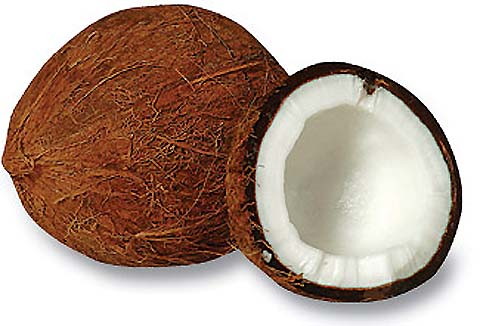
But very quickly friends responded to that ‘news’ by asking me if I had come across the information about coconut oil. So here are my findings about the possible curative effects of coconut oil and, clearly, I wanted to draw this to the attention of as many people as I can. Please feel free to republish this information; all I would ask is that you link back to the URL for this Post – thank you.
Let me take you to a website called Coconut Ketones and to a page on that website where there are a number of articles on the possible major healing effect of coconut oil. The primary article, written in 2008, starts thus,
WHAT IF THERE WAS A CURE FOR ALZHEIMER’S DISEASE AND NO ONE KNEW?
A Case Study by Dr. Mary Newport
July 22, 2008
There is a growing epidemic of obesity, type II diabetes, cardiovascular disease, and predictions that 15,000,000 people in the United States alone will have Alzheimer’s Disease by the year 2050.
In 2001, Dr. Richard L. Veech of the NIH, and others, published an article entitled, “Ketone bodies, potential therapeutic uses.”1 In 2003, George F. Cahill, Jr. and Richard Veech authored, “Ketoacids? Good Medicine?”2 and in 2004, Richard Veech published a review of the therapeutic implications of ketone bodies.3 These articles are not found in journals that the average physician would read, much less the lay public. Unless you are researching the topic, it is unlikely that you would ever randomly come across this information.
My husband Steve, age 58, has had progressive dementia for at least five years. He had an MRI in May 2008 showing a diffuse involutional change of the frontal and parietal lobes and moderate left-sided and severe right-sided amygdala and hippocampal atrophy with no ischemic change, which would support a clinical diagnosis of Alzheimer’s Disease. For non-medical people, this means that he has shrunken areas of the brain. Many days, often for several days in a row, he was in a fog; couldn’t find a spoon or remember how to get water out of the refrigerator. Some days were not so bad; he almost seemed like his former self, happy, with his unique sense of humor, creative, full of ideas. One day I would ask if a certain call came that I was expecting and he would say, “No.” Two days later he would remember the message from so-and-so from a couple of days earlier and what they said. Strange to have no short-term memory and yet the information was filed somewhere in his brain. My gut feeling is that diet has something to do with the fluctuation, but what. I knew that he was locked up in there somewhere, if only there was a key to open up the areas of his brain that he didn’t have access to.
The article goes on to show the amazing and positive differences that came about for Steve as a result of incorporating coconut oil and other dietary aspects. Please go here to view and download a pdf of the full article. But I will give you the closing paragraphs.
If you are using any type of hydrogenated vegetable oil or any oil with transfat, do not use any more and get rid of it! Extra virgin olive oil, butter and other natural, non-hydrogenated oils are okay to use along with the coconut oil. It is possible to use coconut oil in place of all other oils, however, since it contains no omega-3 fatty acids, it is very important to eat salmon twice a week or get enough omega-3 fatty acid from other rich sources such as fish oil capsules, flax meal, flax oil (not for cooking) or walnuts.
It is inconceivable that a potential dietary prevention and cure for Alzheimer’s disease, and other neurodegenerative diseases, has been out there for so many years, and yet has gone unnoticed. It is very likely that these diseases are becoming more prevalent due our current diet. The American diet has changed drastically from what it was before the 1950’s, when our parents and grandparents used lard and coconut oil to cook. Cardiovascular disease was rare at the beginning of the 20th century, and has skyrocketed, along with other devastating diseases, such as Alzheimer’s, diabetes type II, obesity, since mass produced hydrogenated vegetable oils containing trans fats were introduced into our diets and replaced these other natural fats. Sadly, the incidences of cardiovascular and other serious diseases are becoming more and more common among people in other areas of the world who have changed over from their indigenous foods to the “western” diet.
I plan to tell everyone I can and get this information to persons in positions to investigate this with the hope that Dr. Veech and other MCT oil and ketone body researchers get the funding they need. Feel free to make copies and pass this write-up on. If you have a loved one or a patient with Alzheimer’s or one of these other degenerative neurologic diseases, consider trying coconut oil. Dr. Veech suggests that, if possible, a videotape of the person before starting and at various points after starting the coconut oil would be very useful to document change. He suggests including segments of the persons face, speech and gait (walking). He also advises to have ketone bodies measured. What have you got to lose?
So in between eating spoonfulls of cold-compressed coconut oil, let me also give you some more information.
Here’s a video of Dr. Newport on CBN,
And here’s Part One of a video series all about Dr. Newport’s effective work on memory loss and Alzheimer’s with coconut oil.
Then I came across a paper delivered by Mary G. Enig, PhD on the Weston A. Price Foundation website. Here’s a flavour, pardon the pun, of this paper,
A New Look at Coconut Oil
Written by Mary G. Enig, PhD
January 1, 2000
Health and Nutritional Benefits from Coconut Oil: An Important Functional Food for the 21st Century
Presented at the AVOC Lauric Oils Symposium, Ho Chi Min City, Vietnam, 25 April 1996
Abstract
Coconut oil has a unique role in the diet as an important physiologically functional food. The health and nutritional benefits that can be derived from consuming coconut oil have been recognized in many parts of the world for centuries. Although the advantage of regular consumption of coconut oil has been underappreciated by the consumer and producer alike for the recent two or three decades, its unique benefits should be compelling for the health minded consumer of today. A review of the diet/heart disease literature relevant to coconut oil clearly indicates that coconut oil is at worst neutral with respect to atherogenicity of fats and oils and, in fact, is likely to be a beneficial oil for prevention and treatment of some heart disease. Additionally, coconut oil provides a source of antimicrobial lipid for individuals with compromised immune systems and is a nonpromoting fat with respect to chemical carcinogenesis.
The long and detailed document ends, thus,
Among the critical foods and nutrition “buzz words” for the 21st Century is the term “functional foods.” Clearly coconut oil fits the designation of a very important functional food.
Dr. Newport has a Blog which, despite not being added to since December 28th last, still has much interesting information.
Finally, I came across an Organic Coconut Oil Information website that opens up with,
Organic Coconut Oil is rich in vitamins and minerals and especially rich (60%+) in important fatty acids, the medium chain triglycerides (MCTs). It has been used by Asian and Pacific populations both as a source of dietary oil and in their traditional medical practices. Praised for its many and various healing properties, to a Pacific Islander, Coconut Oil is believed to be the cure of all illnesses and is so highly valued they refer to the coconut palm as “The Tree of Life.” Western modern science has only recently begun to uncover and understand the miracle healing value of the coconut.
Indeed, the website provides links to the health benefits of coconut oil for more than 17 other issues and, without lowering the tone too far, reminds me of an old joke.
Doctor, I’ve come to you about a bladder problem.
Sit down, Mr. Smith and tell me the details.
Well it’s just that I’m passing urine regularly every morning at 7am.
Mr. Smith, at your age that’s commendable having such a regular control, why would you regard that as a problem?



 Learning from Dogs