I have Ring Worm!

Luckily not badly.

Last week I went to my doctor to find out what was causing my itching, mainly in my groin and the skin of my forearms.

Dr. Mount told me that I had ringworm. I do not remember having had it before.

The Cleveland Clinic have the details online and it struck me that I should share the information with you. The source of this article is here. I hope very much that sharing this article is alright with Cleveland Clinic.

ooOOoo

Ringworm

Ringworm is an itchy, contagious fungal infection that causes a ring-shaped pattern on your skin. Over-the-counter and prescription treatments can stop the fungus from spreading to other parts of your body or to others.

Overview
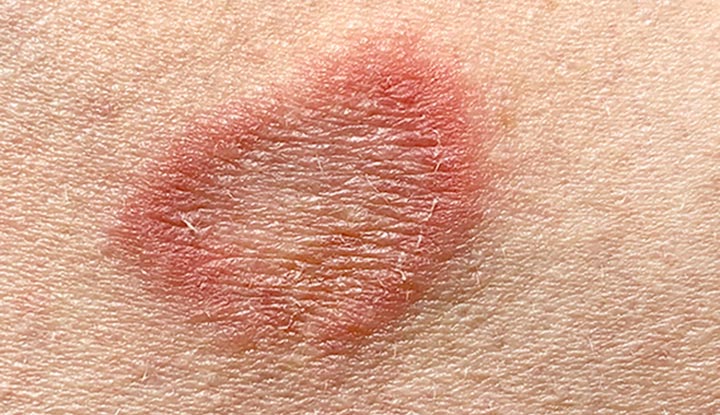
Ringworm (Tinea Corporis) on the skin.
Ringworm is a circular-shaped skin rash caused by a fungal infection.

What is ringworm?

You might be surprised to learn that a fungus — and not a worm — causes ringworm. Fungi thrive in warm and humid areas such as locker rooms and public showers. This common and contagious skin infection gets its name from the red, itchy, ring-shaped skin plaque (a type of scaly rash). It spreads easily and through close contact.

You get ringworm from contact with an infected person, animal or object. Ringworm goes by different names depending on which body part it affects. Ringworm on your body is called tinea corporis. This type of ringworm affects your arms, legs, torso and face. Ringworm is treated with antifungal medication available either over the counter or as a prescription.

Types of ringworm

Ringworm has different names based on where it appears on your body — and it can appear just about anywhere. Ringworm infections include:

  • Athlete’s foot: Also called tinea pedis, this fungal infection causes an itchy, burning skin rash between your toes and on the soles of your feet. Your skin may become scaly and cracked or develop blisters. Sometimes, your feet smell bad.
  • Jock itch: Tinea cruris, or jock itch, causes a red, itchy rash in your groin, upper thighs or rectum. Some people get blisters.
  • Scalp ringworm (tinea capitis): This causes scaly, red, itchy bald spots on your scalp. If left untreated, the bald spots can grow bigger and become permanent.
  • Hands (tinea manuum): Signs of ringworm on your hands include dry, cracked palms and ring-like patches.
  • Beard (tinea barbae): Ringworm appears on your neck, chin and cheeks. The patches might become crusted over or filled with pus.
  • Toenails or fingernails (tinea unguium or onychomycosis): Nails become thick, discolored and deformed.

What does ringworm look like?

Ringworm typically begins as a flat, discolored patch, which may appear red in lighter complexions and brown in darker complexions. The patch has a ring-like or circular shape with a raised, scaly border.

Who gets ringworm?

Ringworm affects people of all ages. You’re more at risk for ringworm if you:

  • Have a weakened immune system or an autoimmune disease like lupus.
  • Participate in high-contact sports, such as wrestling (this ringworm is called tinea gladiatorum).
  • Sweat excessively (hyperhidrosis).
  • Use public locker rooms or public showers.
  • Work closely with animals that might have ringworm.

How common is ringworm?

Ringworm is contagious and extremely common. It can affect 20% to 25% of the world’s population at any given time.

Symptoms and Causes

What are the signs of ringworm?

Signs typically appear between four and 14 days after your skin comes in contact with the fungi that cause ringworm, including:

  • Circular, ring-shaped scales or plaques.
  • Flat patches with a raised, round border.
  • Itchy skin.
  • Hair loss or bald spots in the affected area.

What causes ringworm?

Despite its name, a fungus causes ringworm. This type of fungus naturally lives on your skin, hair and nails. However, when their environment gets hot and damp, the fungi start growing uncontrollably. You can get this infection anytime your skin comes into contact with the ringworm fungus on someone else’s skin.

How contagious is ringworm?

Ringworm is contagious. It can live on your skin, on surfaces and in soil. The main ways ringworm spreads are:

  • Skin-to-skin contact with a person who has ringworm.
  • Contact with an infected dog, cat or animal (livestock or pets).
  • Contact with a contaminated surface, such as a locker room floor or sweaty gym clothes.
  • Sharing objects with an infected person or animal such as a brush, towel or bedding.
  • Contaminated soil.

Diagnosis and Tests

How is ringworm diagnosed?

Your healthcare provider can diagnose ringworm by looking at your skin and assessing your symptoms. They may scrape the area to look at the skin cells under a microscope, too. Examining the scales typically confirms ringworm.

Management and Treatment

How is ringworm treated?

Several nonprescription (over-the-counter) and prescription antifungal medications are available to treat ringworm. Antifungals come in various forms like creams, gels or powders. Your healthcare provider can treat more widespread ringworm with oral antifungal medication.

Antifungal creams and powders

Over-the-counter (OTC) antifungal creams, gels or powders typically work well. OTC products include:

If your symptoms get worse or don’t clear after two weeks, you may need an oral prescription medication from your healthcare provider.

Oral medication

Your healthcare provider may write you a prescription for oral antifungal medication if you have ringworm on your scalp or on many parts of your body. Most medications are prescribed for between one and three months. Oral antifungal medications include:

Antifungal shampoo

Antifungal shampoo, such as ketoconazole shampoo (Nizoral A-D®), may stop scalp ringworm from spreading. It won’t cure it, but it may help contain the infection. You also need to take a prescribed oral antifungal medication. Unaffected family members may benefit from using the shampoo as well.

Home remedies for ringworm

Home remedies like apple cider vinegar or tea tree have little to no benefit. Apple cider vinegar may cause open sores or inflammation. Tea tree oil has antifungal and antimicrobial properties but its effects aren’t well-known.

Your home may require treatment as well. The ringworm fungus can live on surfaces for months. Disinfectant sprays like Lysol® or bleach can remove the fungus. Wash clothes, sheets and towels in hot water and detergent to prevent ringworm from spreading.

Steroid creams

Corticosteroid creams may help reduce inflammation, but they shouldn’t be used to treat ringworm. In fact, they may worsen the infection.

What cures ringworm?

Mild cases of ringworm clear up within a few weeks. More serious infections may require treatment for six to 12 weeks.

Some other things you can do to promote healing:

  • Keep the affected area clean and dry.
  • Apply antifungal lotions, creams or ointments for the entire treatment period.
  • Avoid touching the area and wash your hands before touching other areas of your body.

Does ringworm go away by itself?

Although ringworm can go away by itself, it’s not common. While ringworm is present on your skin, you’re still contagious to others.

Outlook / Prognosis

Can ringworm come back?

Yes, ringworm can come back. Ringworm will go away if you treat it appropriately. Follow your healthcare provider’s treatment plan until the infection clears completely. If you stop treatment or treatment ends too soon, the infection can come back.

What are the complications of ringworm?

If you suspect you or your child has ringworm, don’t use anti-itch creams containing corticosteroids. These creams weaken your skin’s defenses. They can allow the infection to spread and cover larger sections of skin. On rare occasions, the ringworm fungus goes deeper into your skin, making it even harder to treat.

Scalp ringworm can lead to a painful inflammation called kerion. With kerion, you may develop crusty, pus-filled sores, often with hair loss and scarring.

Prevention

How can I prevent ringworm?

Ringworm thrives in damp, warm areas. The fungus can live on towels, clothes, sheets and household surfaces for months. Preventing ringworm involves:

  • Changing your socks and underwear daily or more frequently if they become damp or soiled.
  • Showering immediately after contact sports or exercise.
  • Wearing sandals or shower shoes at the pool and in public locker rooms and showers.
  • Drying your skin thoroughly after showering, especially between your toes.
  • Avoiding sharing towels, washcloths, sheets, clothes, combs or other personal hygiene items.
  • Washing clothes, athletic gear, sheets and towels in hot water and detergent.
  • Disinfecting surfaces with bleach or sprays like Lysol®.
  • Treating pets for ringworm, if they’re infected.
  • Washing hands thoroughly after contact with animals.

A weak immune system or living in a damp, warm climate increases your risk of a fungal infection.

Living With

When should I call the doctor?

Call your healthcare provider if the ringworm infection:

  • Appears on your scalp.
  • Looks infected (redness and swelling).
  • Occurs during pregnancy.
  • Spreads to other areas of your body.
  • Doesn’t improve after using over-the-counter antifungal medication as directed.

What questions should I ask my doctor?

You’re sure to have questions if you or your child develop ringworm. You might ask your healthcare provider:

  • How did I get ringworm?
  • How long is ringworm contagious?
  • Should I (or my child) stay home from work/school until the ringworm infection is gone?
  • What steps can I take to prevent ringworm from spreading to other parts of my body?
  • What steps can I take to prevent ringworm from spreading to other people?
  • What’s the best treatment for ringworm?
  • Should I avoid any medications or treatments?
  • What steps can I take to keep from getting ringworm again?
  • How can I tell if my pet has ringworm?
  • Should I look out for signs of complications?

Additional Common Questions

Is ringworm an actual worm?

No, ringworm isn’t a worm. It’s a fungal infection that gets its name from its ring-like border.

How does ringworm affect pregnancy?

Ringworm fungus won’t affect your pregnancy. Still, you should check with your healthcare provider before using over-the-counter antifungal creams or powders. Oral antifungal medications appear to be safe to take during pregnancy. Your pregnancy care provider can discuss potential risks and benefits with you.

Can you get ringworm from dogs or cats?

Yes, you can get ringworm from dogs, cats and other animals like cows, goats or horses. You can protect yourself by always washing your hands after playing with or petting animals. If your pet has ringworm, disinfect your pet’s bedding and take extra care to clean surfaces your pet has visited in your home.

How is ringworm different from eczema?

Eczema and many other skin conditions can resemble ringworm. Both ringworm and eczema cause itchy, red skin. Unlike ringworm, eczema isn’t contagious and doesn’t spread from one area to another on your body. Ringworm has a unique, ring-like appearance. Contact a healthcare provider for an appropriate diagnosis.

A note from Cleveland Clinic

Ringworm can be unpleasant, but antifungal medications will help you get rid of the fungus that causes ringworm. The treatment may take time, but it’s important to follow your healthcare provider’s treatment plan for as long as recommended. Ending treatment too soon can cause ringworm to return and make the infection harder to treat. Ask your provider about how you can keep ringworm from spreading to other parts of your body and to other people.

ooOOoo

We were having a small and casual party at our house celebrating Halloween. There were thirteen coming some of them in fancy dress. However, a close neighbour, who was coming with her husband, recommended a cancellation just in case I passed the fungal infection on to someone else.

Thus I have to be patient and keep putting on the cream for at least the next couple of weeks, hoping that in time I will notice the fungus going.

Finally, let me just repeat this from the article by Clevedon: ‘Ringworm is contagious and extremely common. It can affect 20% to 25% of the world’s population at any given time.’
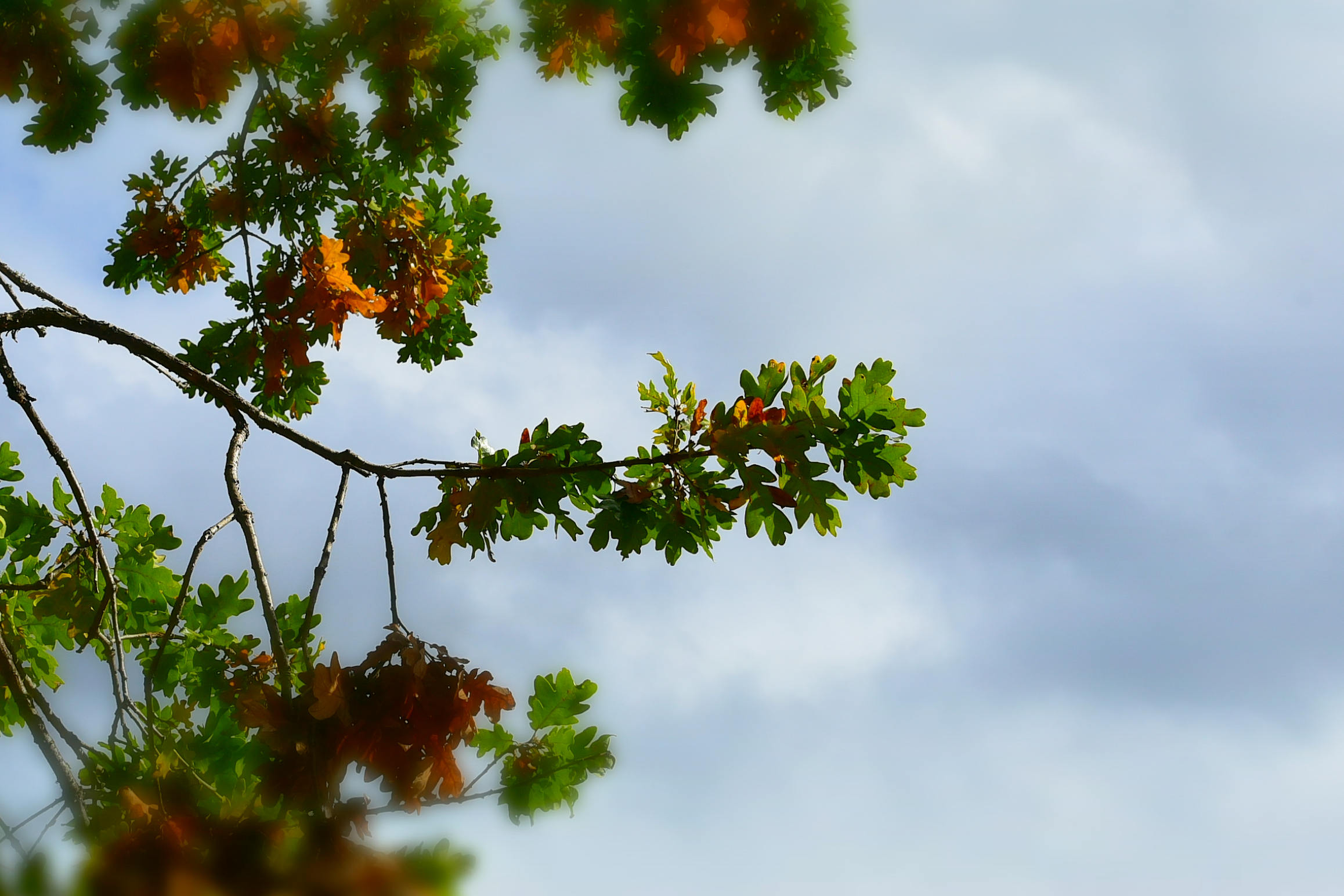
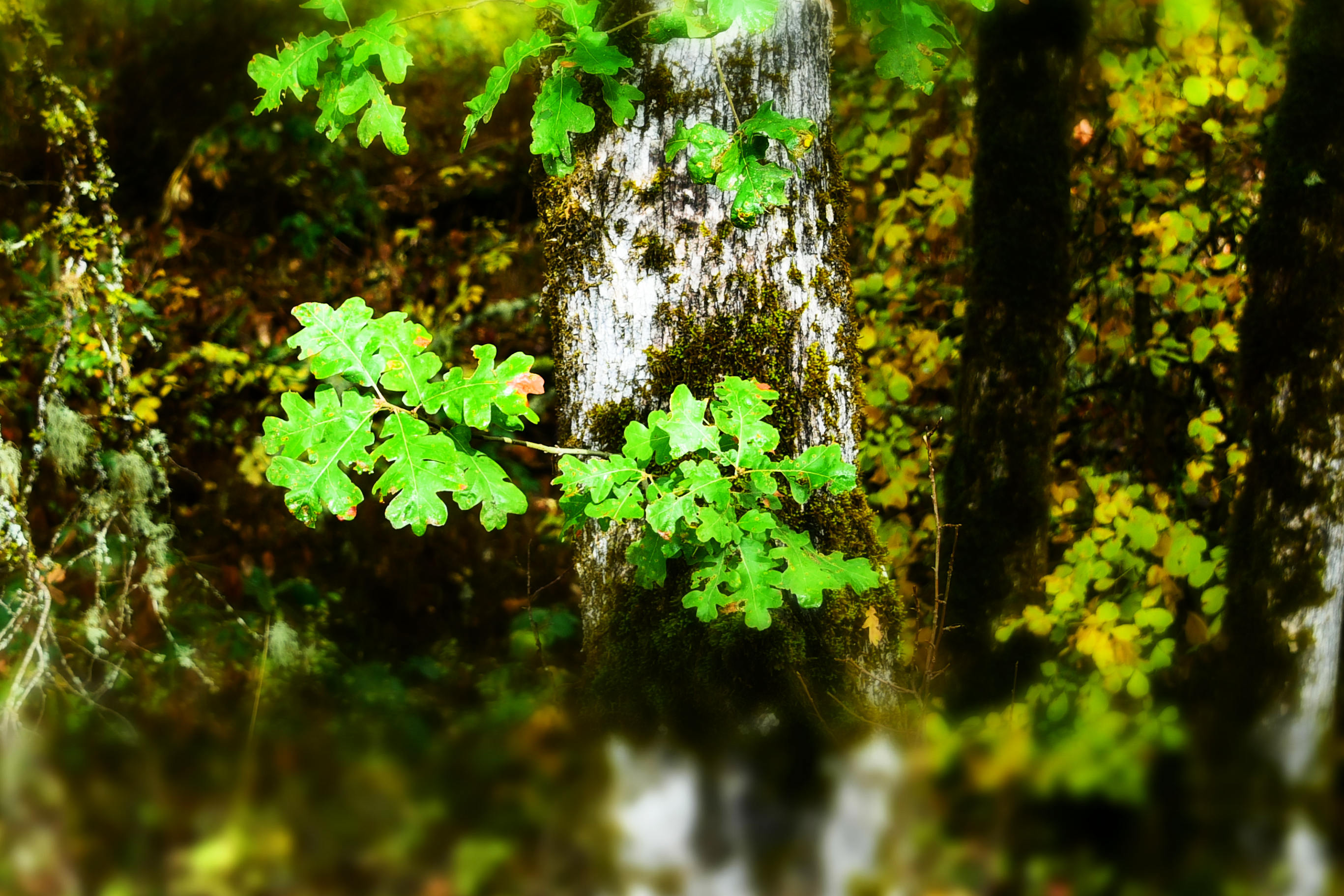
Picture Parade Four Hundred and Ninety-Five

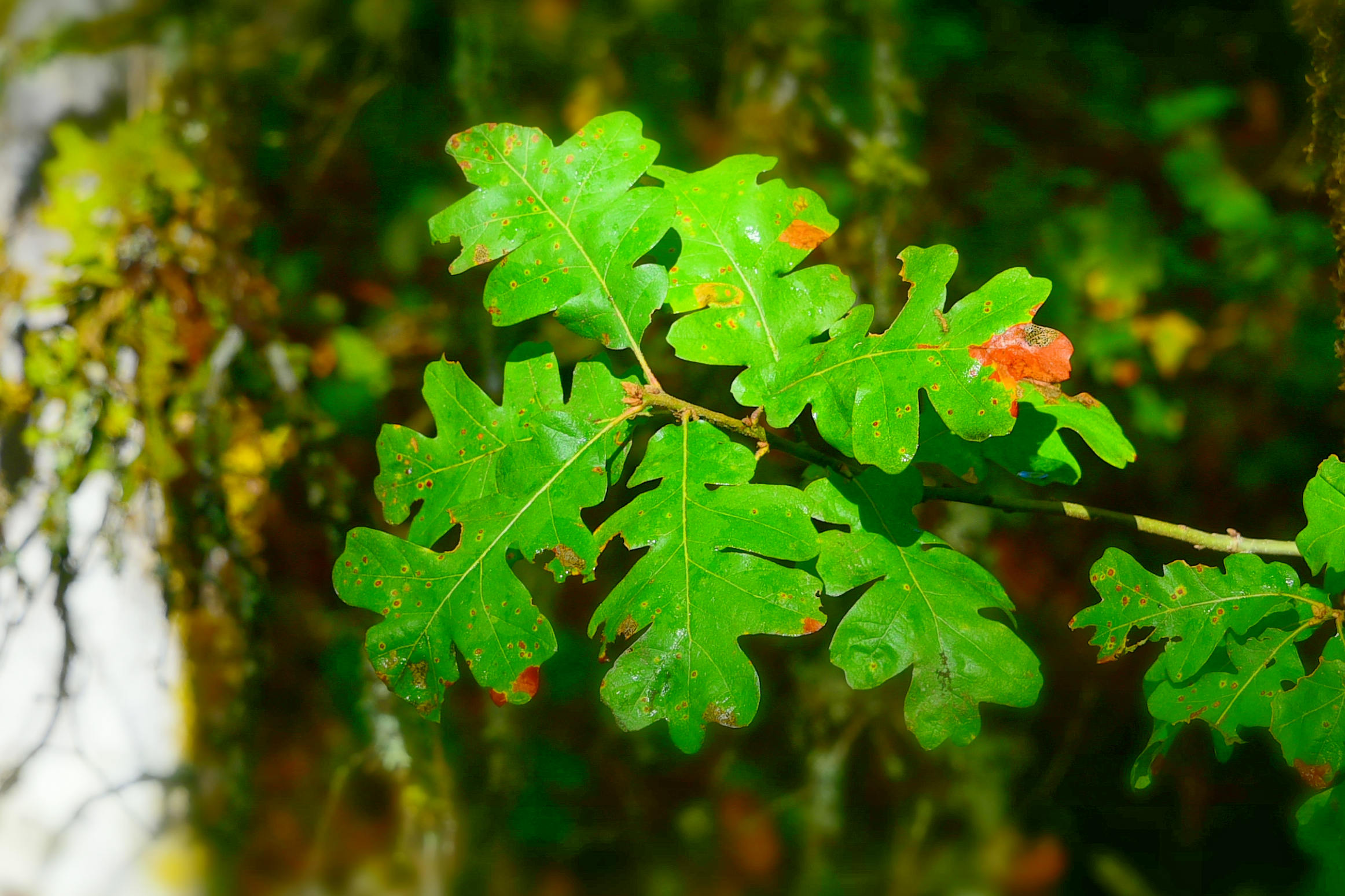
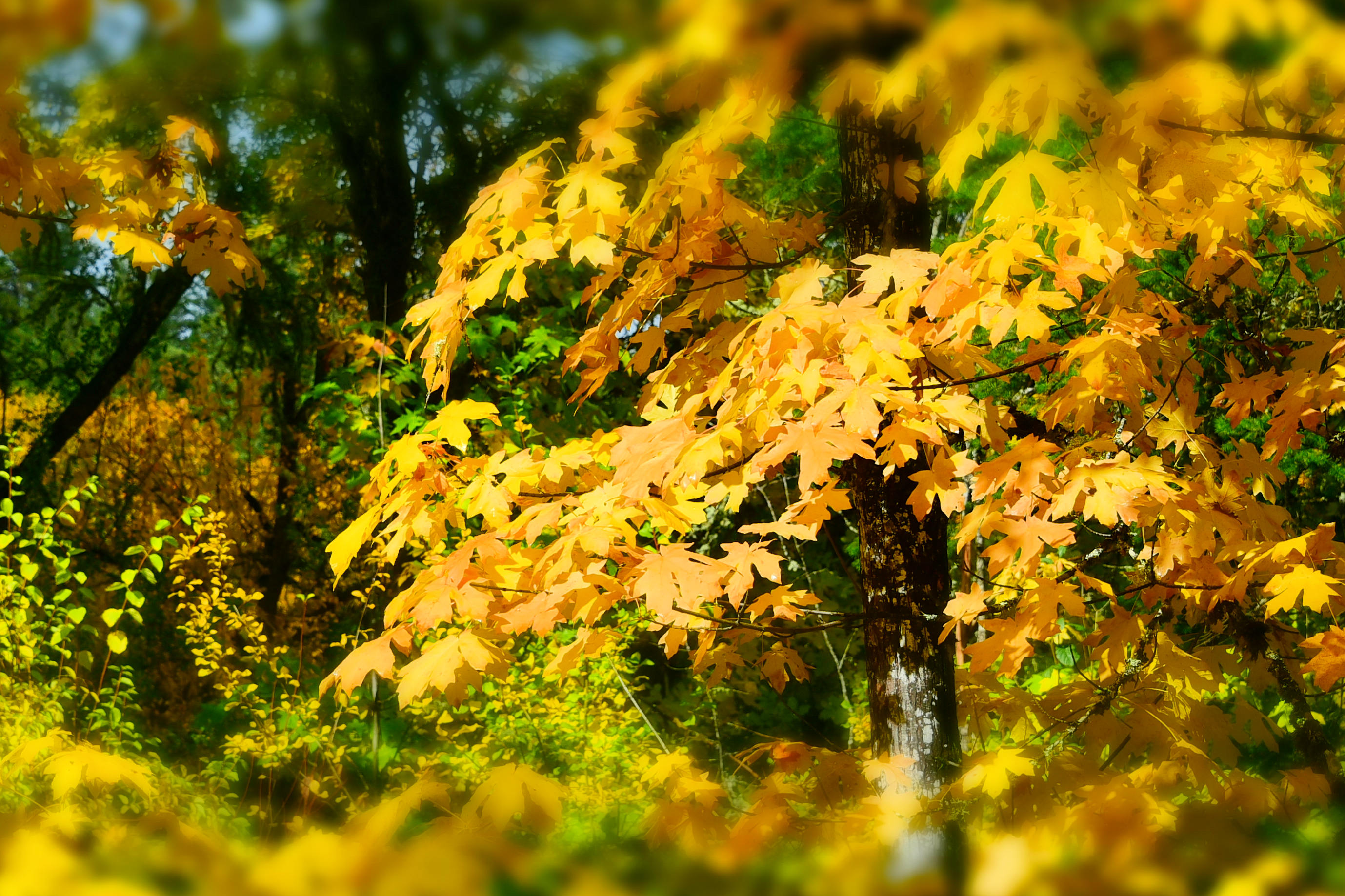
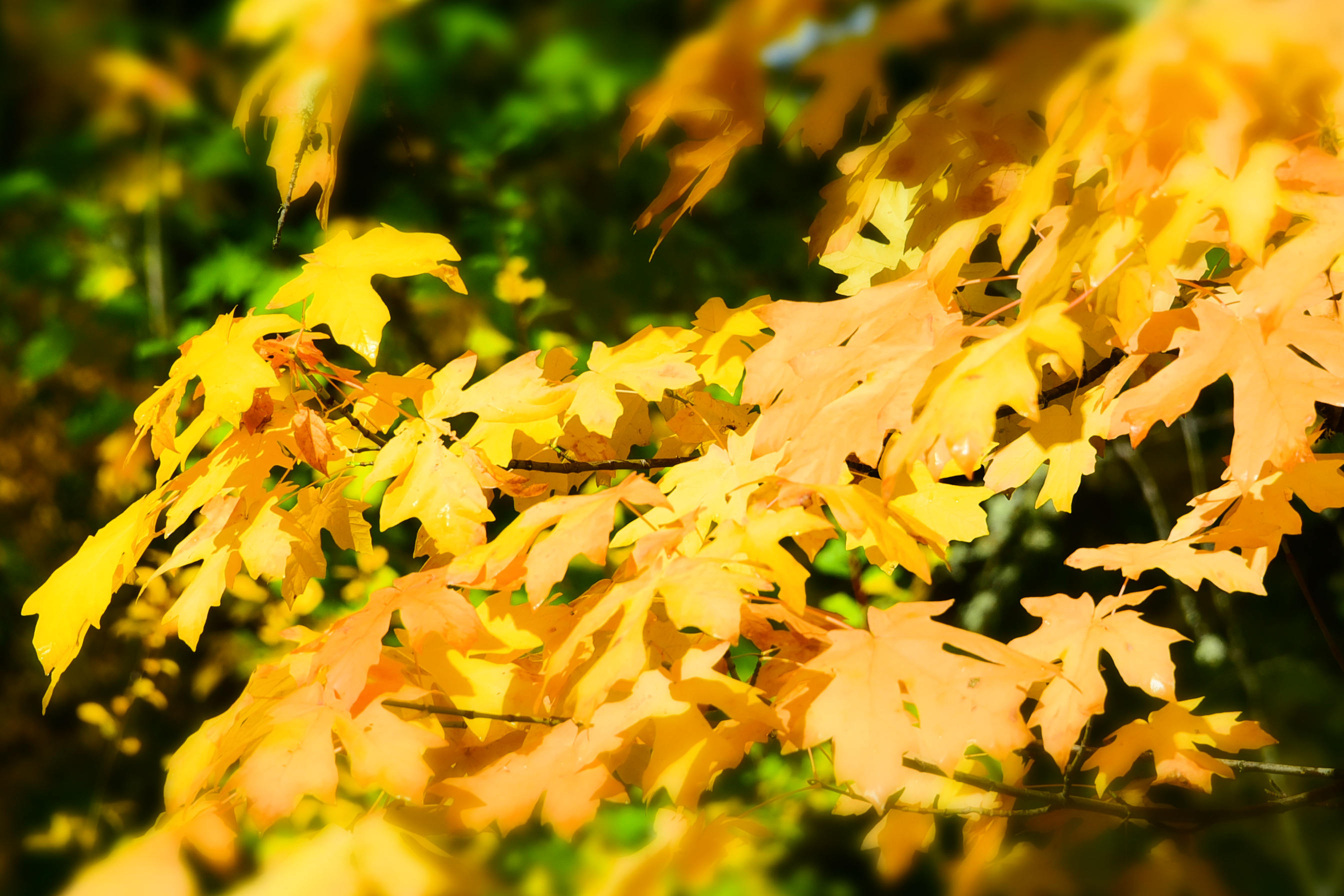
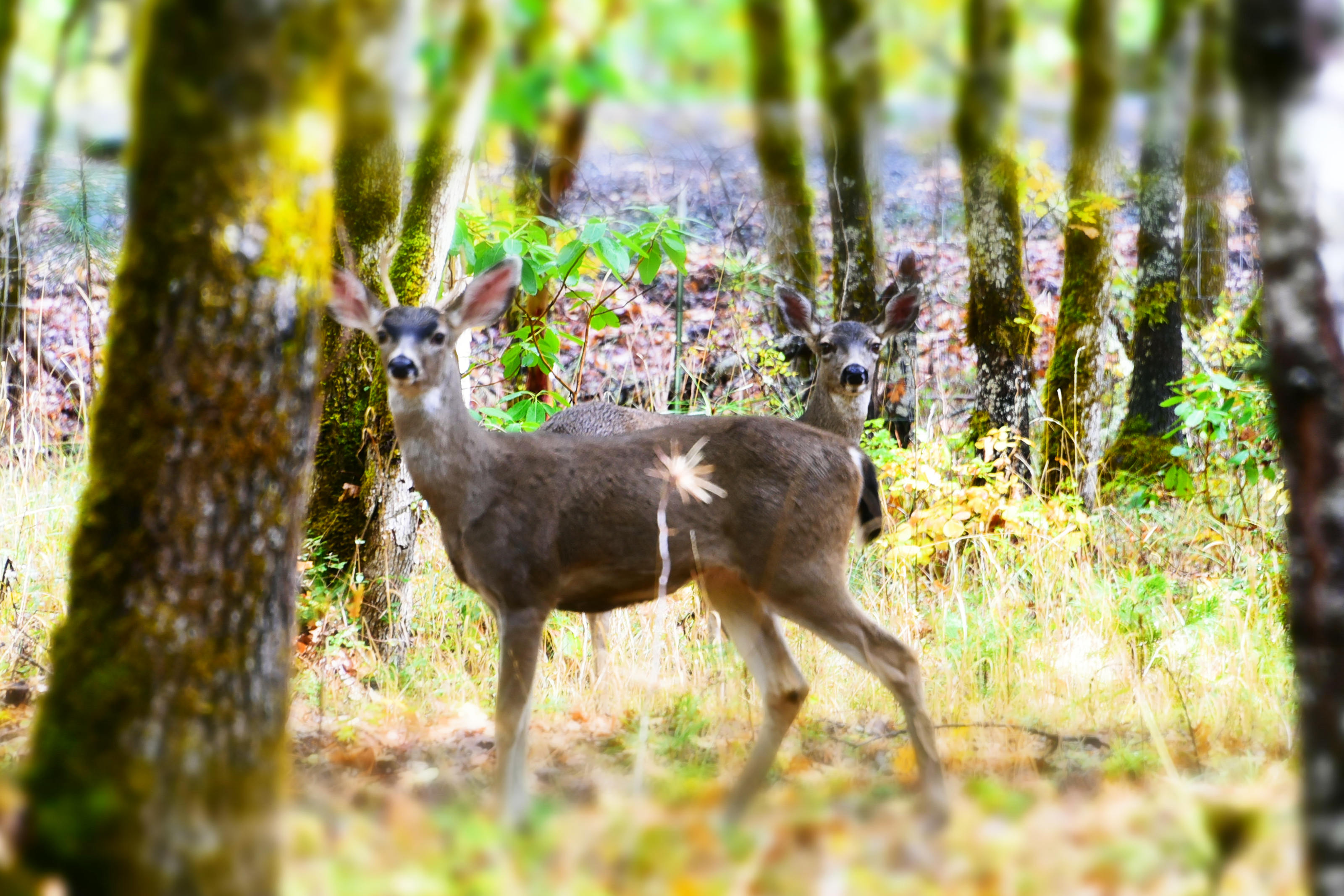
Some photos I took on Saturday, 25th October.

They were all taken walking down the driveway to the mailbox.

oooo

oooo

oooo

oooo

oooo

And the last one that is not autumn colours!

I’m not a photographer, unlike my son, Alex, who is (Alex Handover on Instagram) and captures the most wonderful bird photos, but occasionally I grab my camera and take pictures of whatever captures my eye. And before the heavy rains came in that weekend, I saw the beautiful leaves and their colours, and that last photo of the two wild black-tailed deer.

Every morning I feed the deer down by the stables.

Alex’s Photography

My son has beautiful videos of birds on YouTube.

Here is his description from that YouTube website.

I am a wildlife photographer based in the south west of England, spreading the joy of wildlife photography to everyone because the more of us that get interested in wildlife, there is hope for the future. Expect Vlog style and some tips videos. OM systems OM-1 mkII and mkI

Here is the link: https://www.youtube.com/@AlexHandoverPhotography

Enjoy!

The start of it all!

A wonderful documentary of the formation of Planet Earth.

From the website The Earth through time, I quote: The Earth was formed about 4.6 billion years ago. 4.6 billion is 4,600,000.000 years ago. It was formed by collisions of particles in a large cloud of material. Slowly gravity gathered together all these particles of dust and gas and formed larger clumps. These clumps continued to collide and gradually grew bigger and bigger eventually forming the Earth. The earth at this time was very different to how we know it today.

I left a comment on the site: What a wonderful story.. So many comments in support of this fantastic film, and rightly so.

Reply

Me sharing a political interview

It is not something I have done before.

This is a blog about dogs in the main and many different subjects as well. For example, I am very interested in the formation of the planet; see the post coming up soon.

However, my good buddy, Dan Gomez, a Californian, sent me a link to an interview, and I quote “After the Israel-Hamas deal was signed earlier this month, Jared Kushner and Steve Witkoff, President Trump’s envoys and the leading brokers of the agreement, sat down with Lesley Stahl to discuss their unconventional deal-driven approach.”

It is a 60 Minutes interview.

I found it most interesting and completely at odds with the majority of all types of media that think that President Trump is despicable.

My view of politicians of democracies is that 99% of them are talkers. Presumably, Trump is a doer.

I would be interested to hear what others think, especially those who were born in the U.S.A.

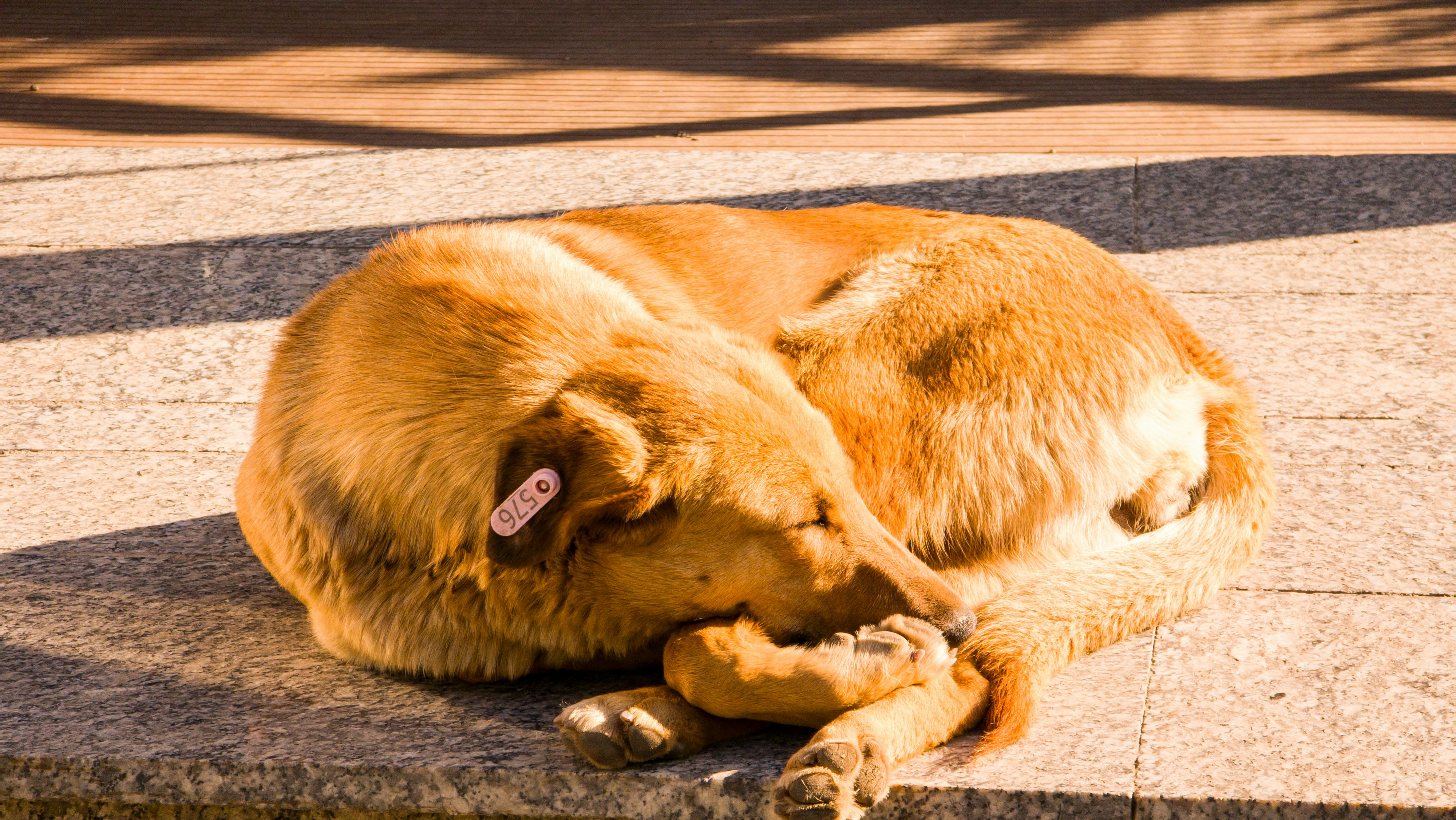
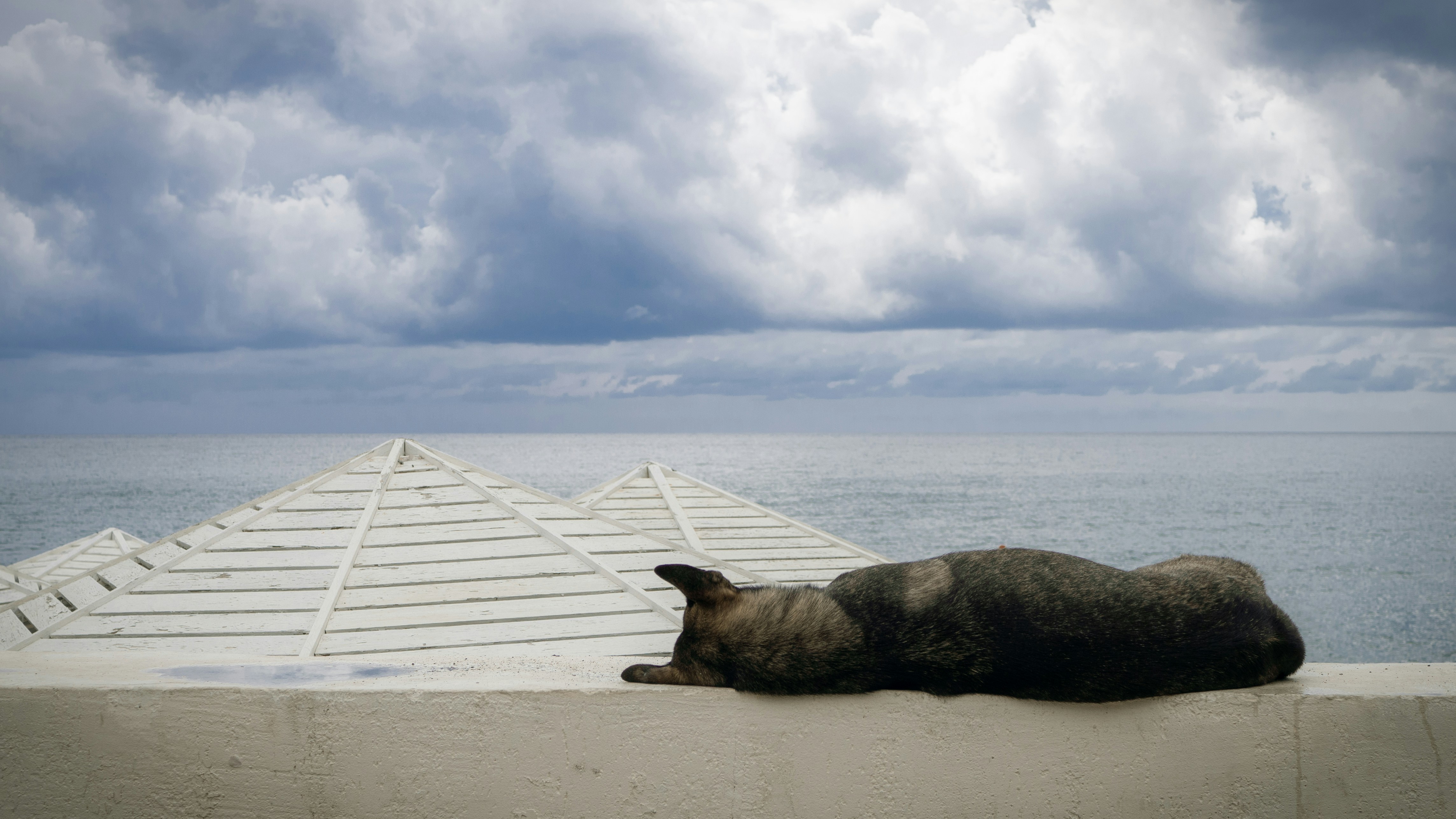
Picture Parade Four Hundred and Ninety-Four

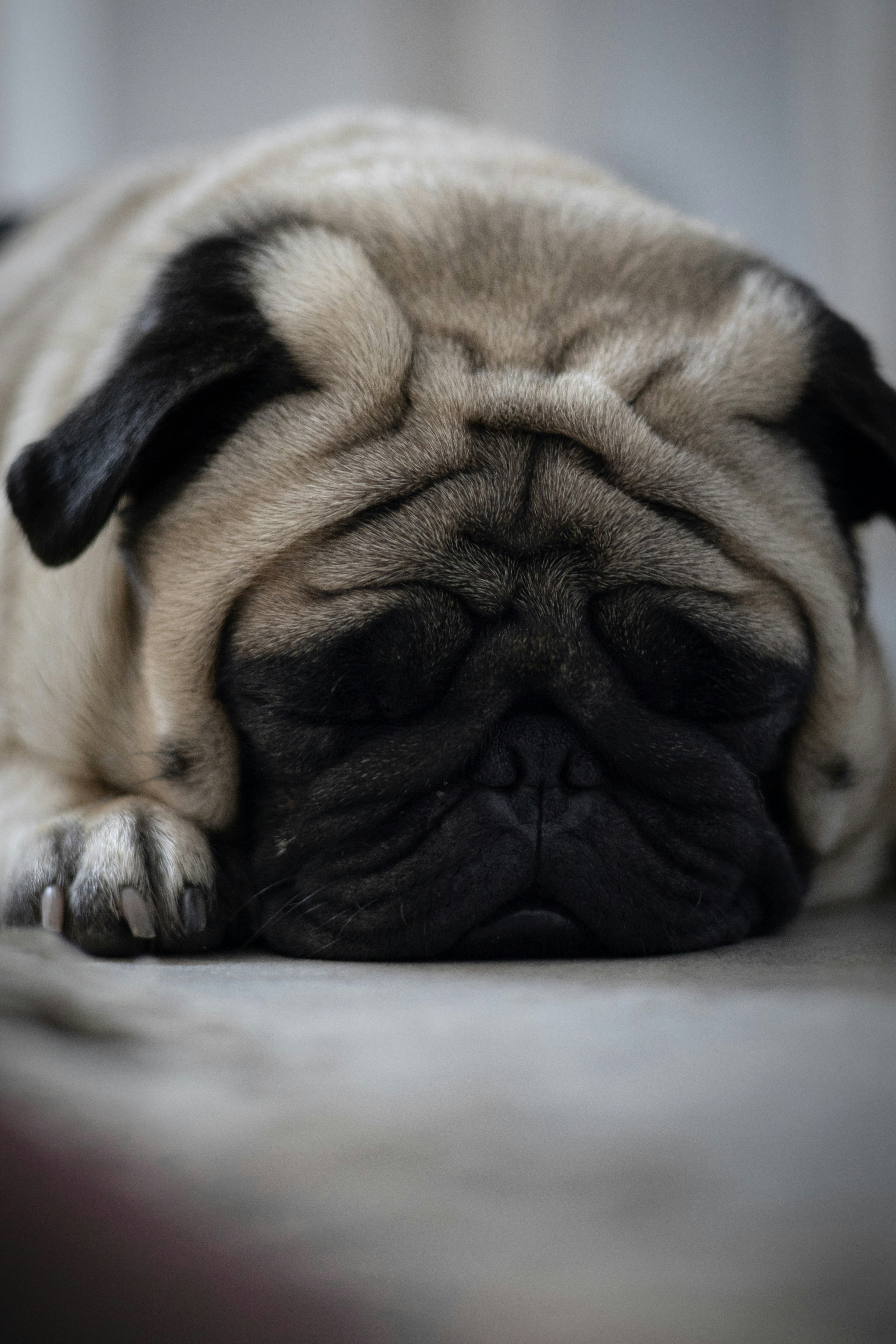
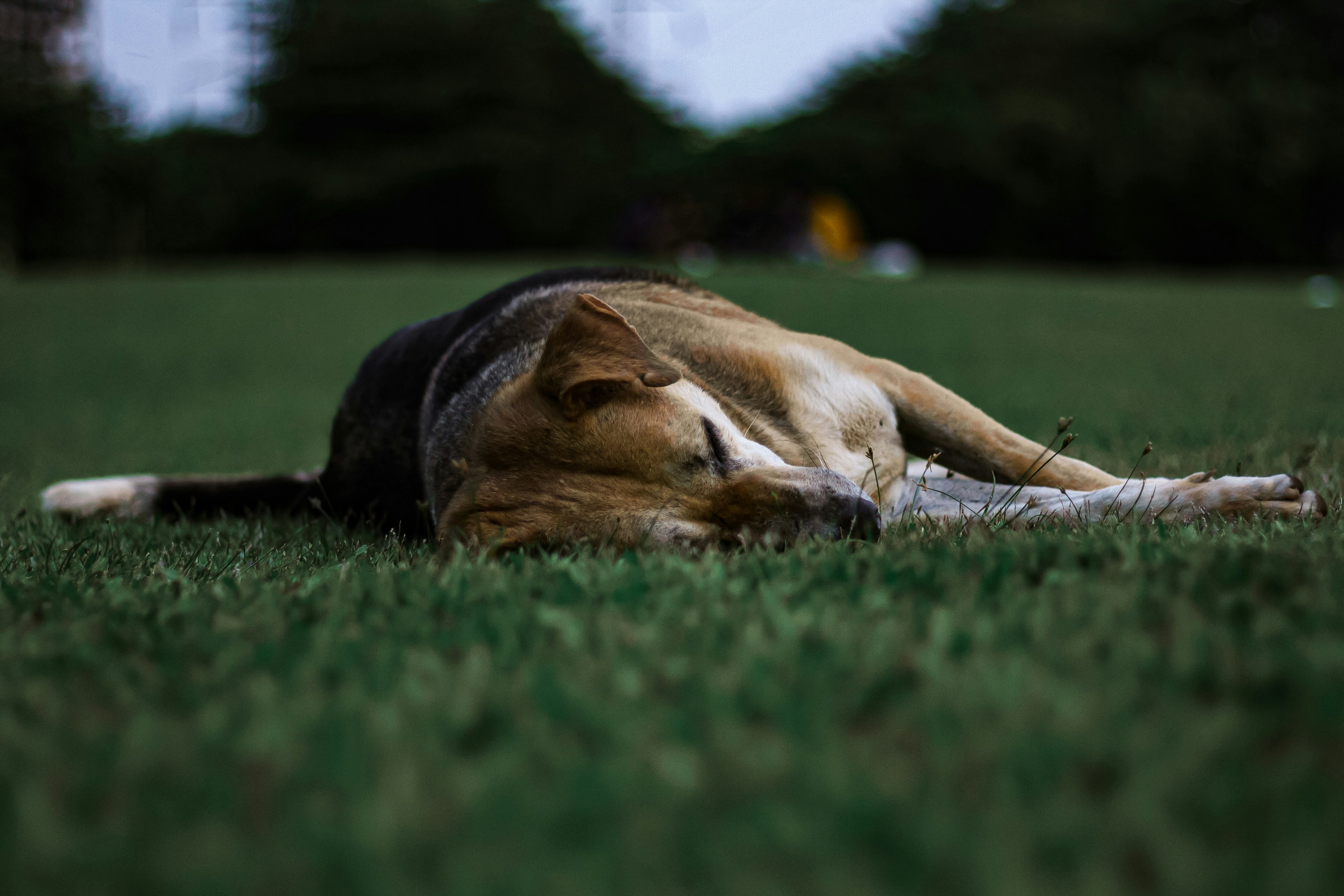
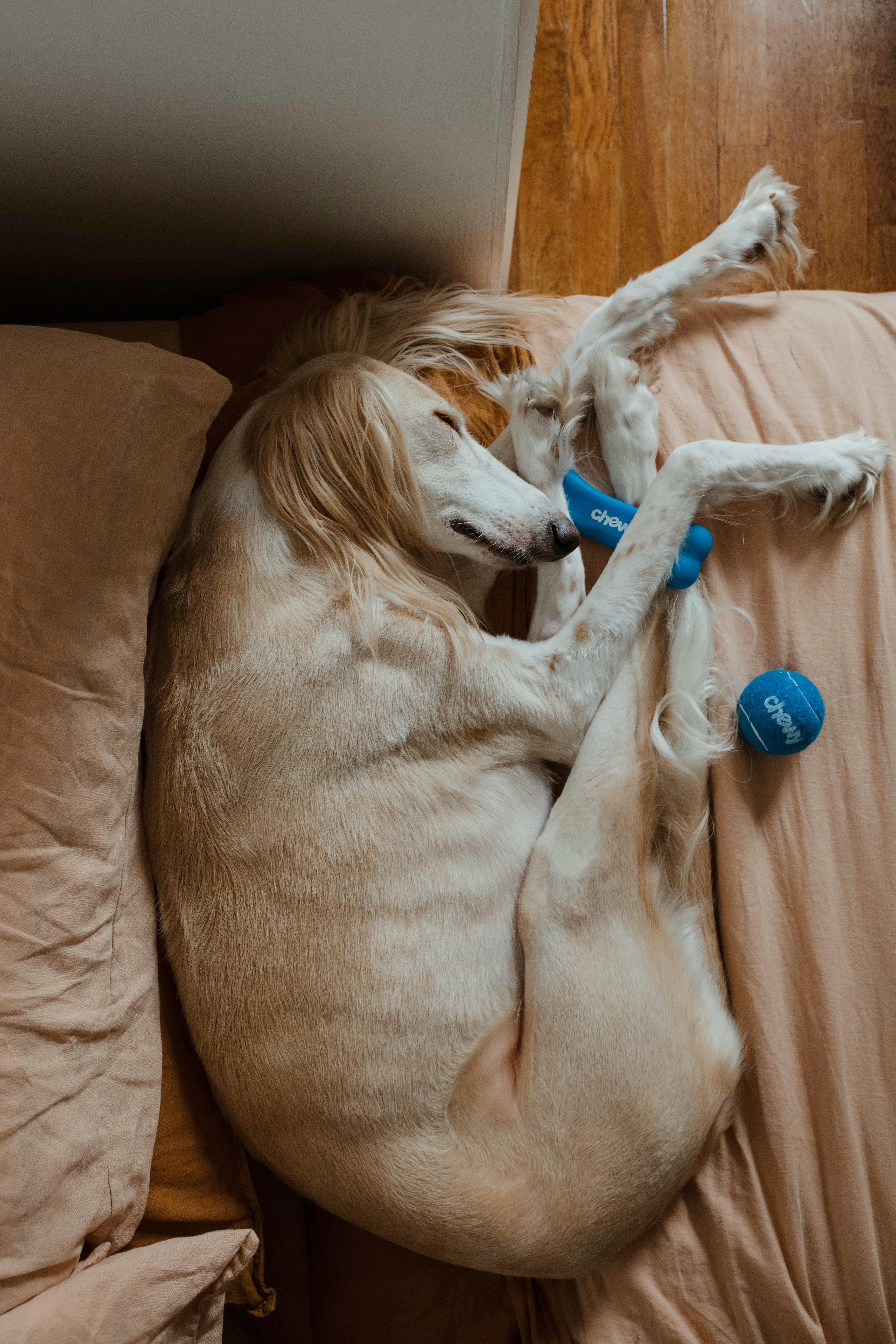
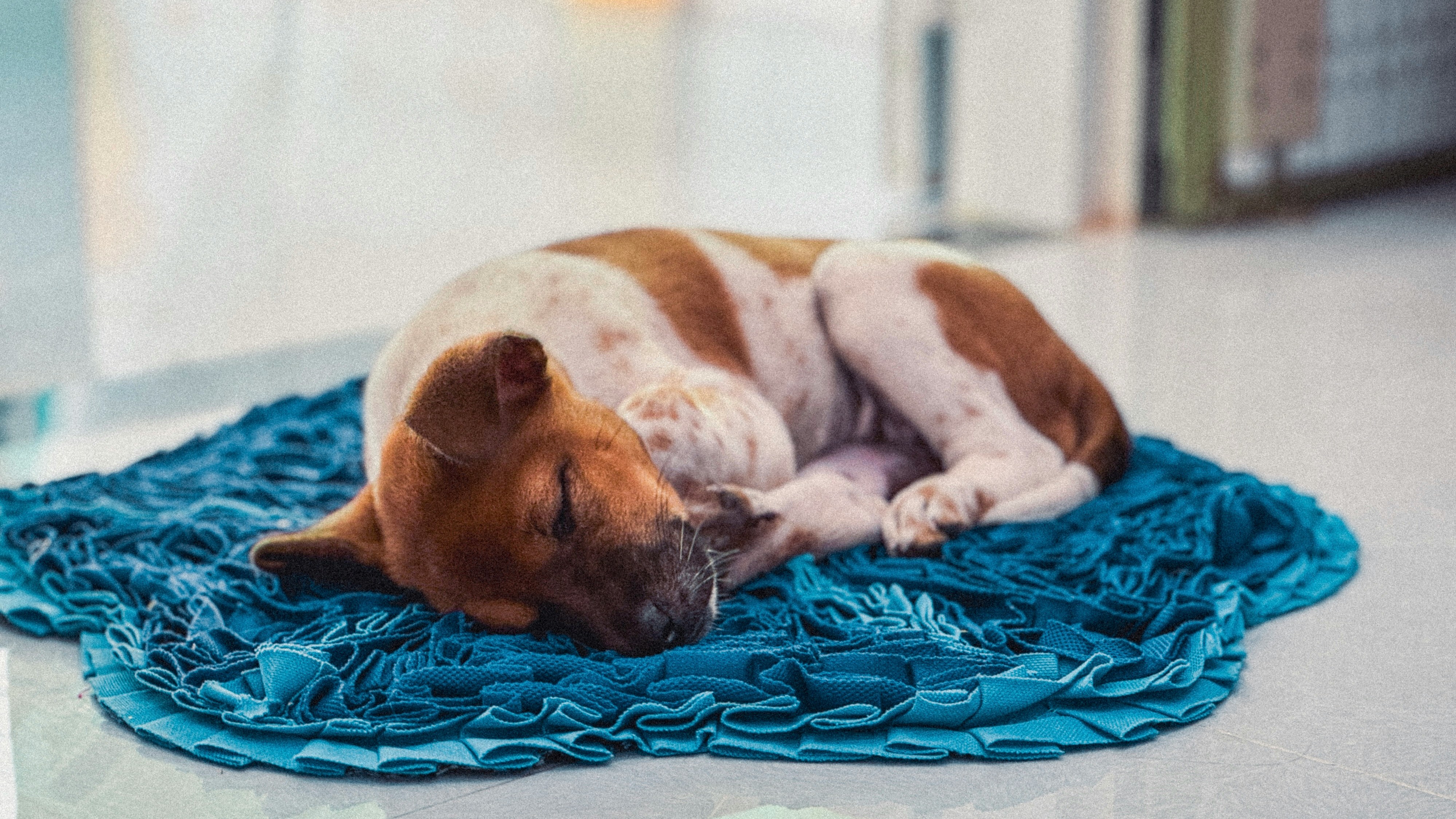
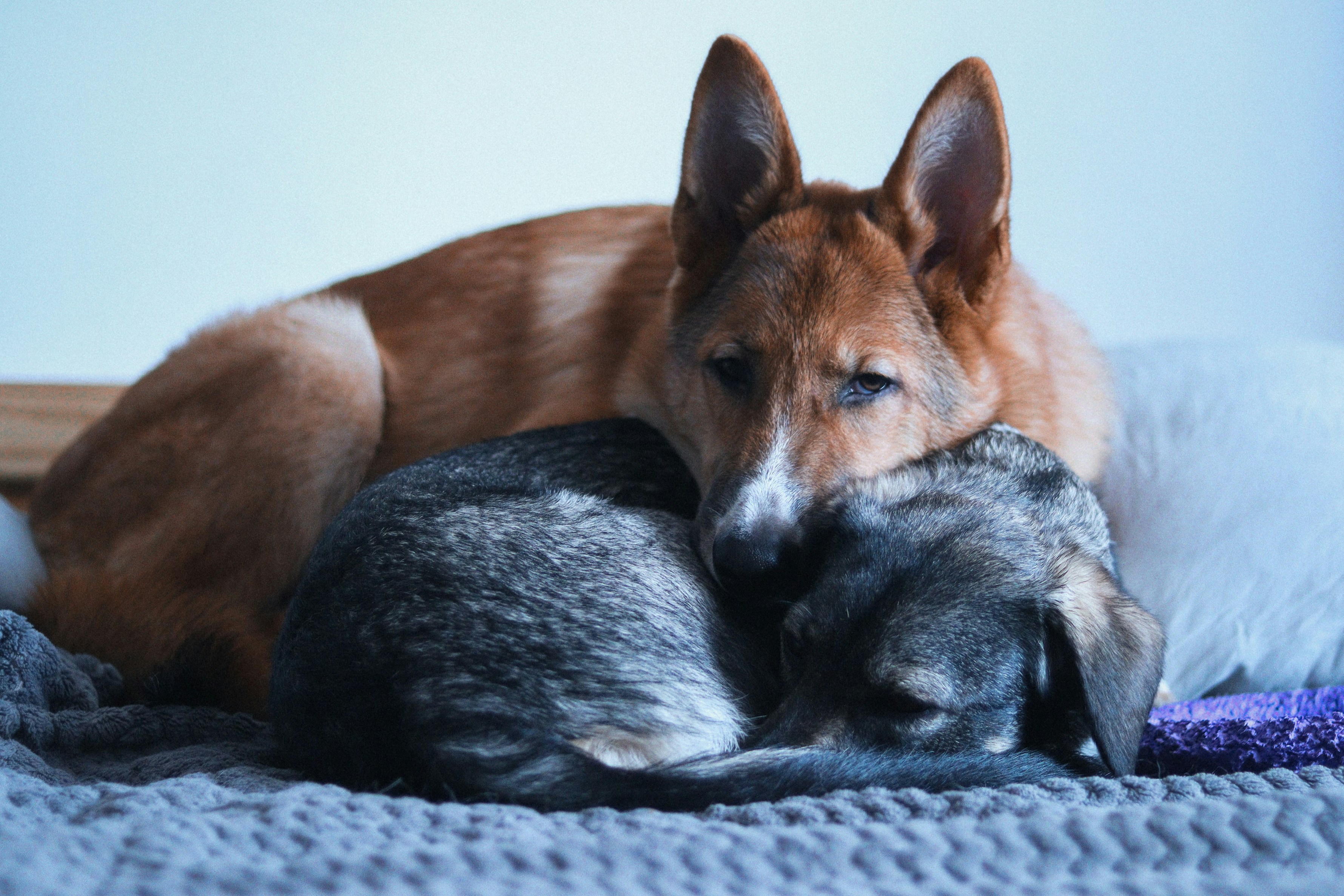
Yet more sleeping dogs from Unsplash.

Photo by Lucas Expedidor on Unsplash

oooo

Photo by Sameer Srivastava on Unsplash

oooo

Photo by Fabrizio Conti on Unsplash

oooo

Photo by Gabriel Cattaruzzi on Unsplash

oooo

Photo by Abhinav Anand on Unsplash

oooo

Photo by Manthan Gajjar on Unsplash

oooo

Photo by Chewy on Unsplash

That is it for today. folks!

Prehistory

We all live in the Quantenary period. From Wikipedia I quote a small piece:

It follows the Neogene Period and spans from 2.6 million years ago to the present.

I don’t know about you but 2.6 million years ago (Ma) seems like a very long time. But then the prior period was the Neogene that went from 2.6 Ma to 23 Ma.

But if one wants to think ‘old’ then try the Ordovician period:

The Ordovician spans 41.6 million years from the end of the Cambrian Period 486.85 Ma (million years ago) to the start of the Silurian Period 443.1 Ma.

****

Just to put us humans into context, human evolution is very much shorter. I have it from six million years onwards. But here are two videos, courtesy of YouTube. The first one is a short one:

Scientists use fossils to reconstruct the evolutionary history of hominins—the group that includes modern humans, our immediate ancestors, and other extinct relatives. Today, our closest living relatives are chimpanzees, but extinct hominins are even closer. Where and when did they live? What can we learn about their lives? Why did they go extinct? Scientists look to fossils for clues.

 The second video is a 54-minute one from PBS.

They have both been watched thousands of times.

Now on to today’s post.

ooOOoo

Giant ground sloths’ fossilized teeth reveal their unique roles in the prehistoric ecosystem

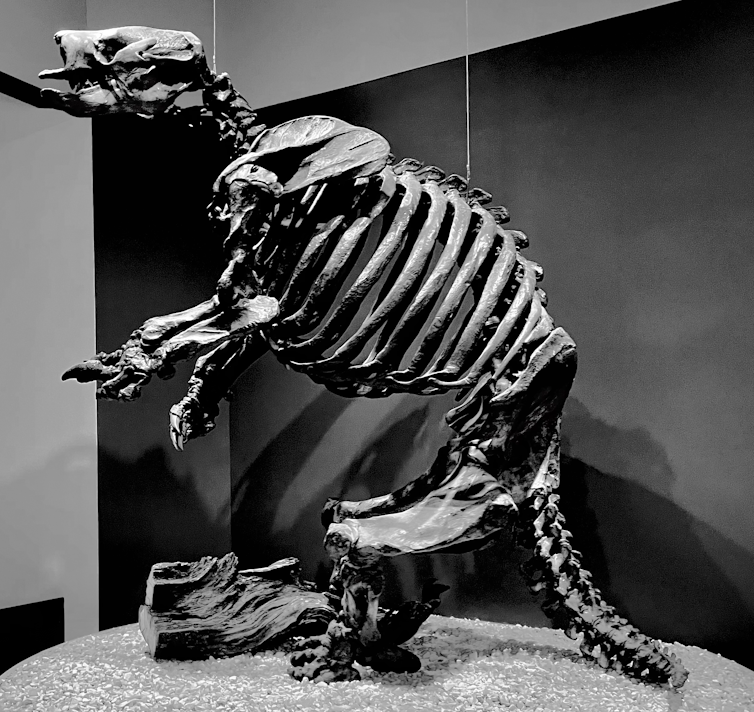
Harlan’s ground sloth fossil skeleton excavated and displayed at the La Brea Tar Pits in Los Angeles. Larisa DeSantis

Larisa R. G. DeSantis, Vanderbilt University and Aditya Reddy Kurre, University of Pennsylvania

animal hanging from a branch looks upside down at the camera
A two-toed sloth at the Nashville Zoo. Larisa R. G. DeSantis

Imagine a sloth. You probably picture a medium-size, tree-dwelling creature hanging from a branch. Today’s sloths – commonly featured on children’s backpacks, stationery and lunch boxes – are slow-moving creatures, living inconspicuously in Central American and South American rainforests.

But their gigantic Pleistocene ancestors that inhabited the Americas as far back as 35 million years ago were nothing like the sleepy tree huggers we know today. Giant ground sloths – some weighing thousands of pounds and standing taller than a single-story building – played vital and diverse roles in shaping ecosystems across the Americas, roles that vanished with their loss at the end of the Pleistocene.

In our new study, published in the journal Biology Letters, we aimed to reconstruct the diets of two species of giant ground sloths that lived side by side in what’s now Southern California. We analyzed remains recovered from the La Brea Tar Pits of what are colloquially termed the Shasta ground sloth (Nothrotheriops shastensis) and Harlan’s ground sloth (Paramylodon harlani). Our work sheds light on the lives of these fascinating creatures and the consequences their extinction in Southern California 13,700 years ago has had on ecosystems.

Dentin dental challenges

Studying the diets of extinct animals often feels like putting together a jigsaw puzzle with only a portion of the puzzle pieces. Stable isotope analyses have revolutionized how paleoecologists reconstruct the diets of many ancient organisms. By measuring the relative ratios of light and heavy carbon isotopes in tooth enamel, we can figure out what kinds of foods an animal ate – for instance, grasses versus trees or shrubs.

dental drill in hands near an animal jawbone
Drilling teeth provides a sample for stable isotope analyses. Aditya Kurre

But the teeth of giant ground sloths lack enamel, the highly inorganic and hard outer layer on most animal teeth – including our own. Instead, sloth teeth are made primarily of dentin, a more porous and organic-rich tissue that readily changes its chemical composition with fossilization.

Stable isotope analyses are less dependable in sloths because dentin’s chemical composition can be altered postmortem, skewing the isotopic signatures.

Another technique researchers use to glean information about an animal’s diet relies on analyzing the microscopic wear patterns on its teeth. Dental microwear texture analysis can infer whether an animal mostly ate tough foods such as leaves and grass or hard foods such as seeds and fruit pits. This technique is also tricky when it comes to sloths’ fossilized teeth because signs of wear may be preserved differently in the softer dentin than in harder enamel.

Prior to studying fossil sloths, we vetted dental microwear methods in modern xenarthrans, a group of animals that includes sloths, armadillos and anteaters. This study demonstrated that dentin microwear can reveal dietary differences between leaf-eating sloths and insect-consuming armadillos, giving us confidence that these tools could reveal dietary information from ground sloth fossils.

Distinct dietary niches revealed

Previous research suggested that giant ground sloths were either grass-eating grazers or leaf-eating browsers, based on the size and shape of their teeth. However, more direct measures of diet – such as stable isotopes or dental microwear – were often lacking.

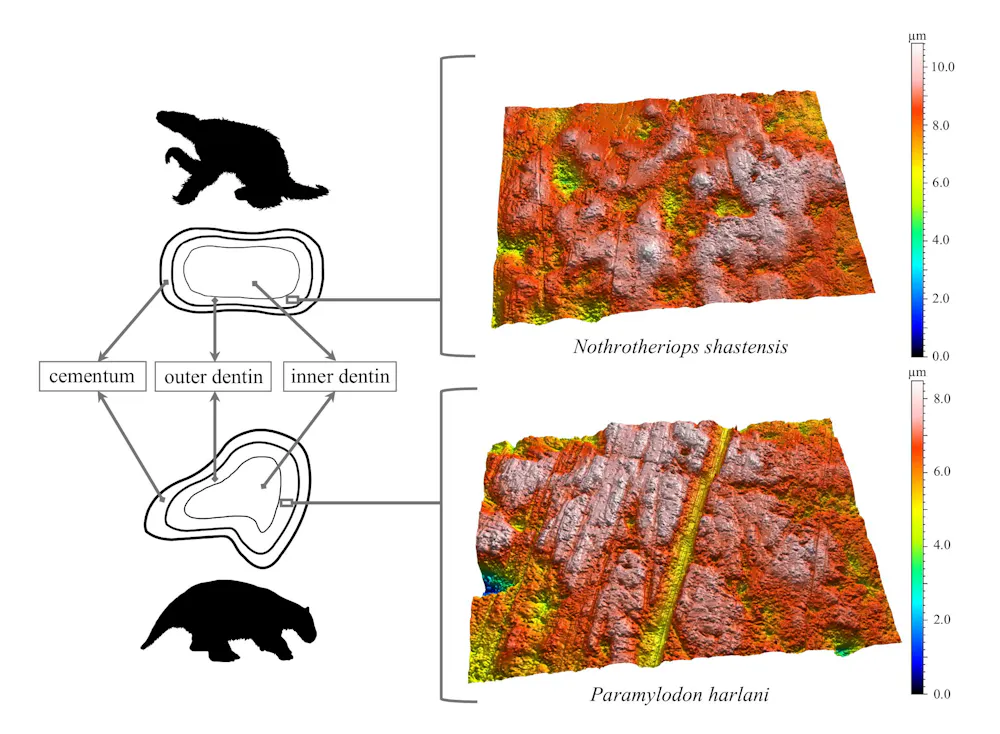
Our new analyses revealed contrasting dental wear signatures between the two co-occurring ground sloth species. The Harlan’s ground sloth, the larger of the two, had microwear patterns dominated by deep pitlike textures. This kind of wear is indicative of chewing hard, mechanically challenging foods such as tubers, seeds, fungi and fruit pits. Our new evidence aligns with skeletal adaptations that suggest powerful digging abilities, consistent with foraging foods both above and below ground.

diagram of sloth profiles, tooth outline and magnified surface of two bits of the teeth
The fossil teeth of the Harlan’s ground sloth typically showed deeper pitlike textures, bottom, while the Shasta ground sloth teeth had shallower wear patterns, top. DeSantis and Kurre, Biology Letters 2025

In contrast, the Shasta ground sloth exhibited dental microwear textures more akin to those in leaf-eating and woody plant-eating herbivores. This pattern corroborates previous studies of its fossilized dung, demonstrating a diet rich in desert plants such as yucca, agave and saltbush.

Next we compared the sloths’ microwear textures to those of ungulates such as camels, horses and bison that lived in the same region of Southern California. We confirmed that neither sloth species’ dietary behavior overlapped fully with other herbivores. Giant ground sloths didn’t perform the same ecological functions as the other herbivores that shared their landscape. Instead, both ground sloths partitioned their niches and played complementary ecological roles.

Extinctions brought ecological loss

The Harlan’s ground sloth was a megafaunal ecosystem engineer. It excavated soil and foraged underground, thereby affecting soil structure and nutrient cycling, even dispersing seed and fungal spores over wide areas. Anecdotal evidence suggests that some anachronistic fruits – such as the weird, bumpy-textured and softball-size Osage orange – were dispersed by ancient megafauna such as giant ground sloths. When the Pleistocene megafauna went extinct, the loss contributed to the regional restriction of these plants, since no one was around to spread their seeds.

The broader consequence is clear: Megafaunal extinctions erased critical ecosystem engineers, triggering cascading ecological changes that continue to affect habitat resilience today. Our results resonate with growing evidence that preserving today’s living large herbivores and understanding the diversity of their ecological niches is crucial for conserving functional ecosystems.

Studying the teeth of lost giant ground sloths has illuminated not only their diets but also the enduring ecological legacies of their extinction. Today’s sloths, though charming, only hint at the profound environmental influence of their prehistoric relatives – giants that shaped landscapes in ways we are only beginning to appreciate.

Larisa R. G. DeSantis, Associate Professor of Biological Sciences, Vanderbilt University and Aditya Reddy Kurre, Dental Student, University of Pennsylvania

This article is republished from The Conversation under a Creative Commons license. Read the original article.

ooOOoo

I am going to finish with a link, and a small extract, from a Wikipedia article on the evolution of Homo sapiens

The timeline of human evolution outlines the major events in the evolutionary lineage of the modern human speciesHomo sapiens, throughout the history of life, beginning some 4 billion years ago down to recent evolution within H. sapiens during and since the Last Glacial Period.

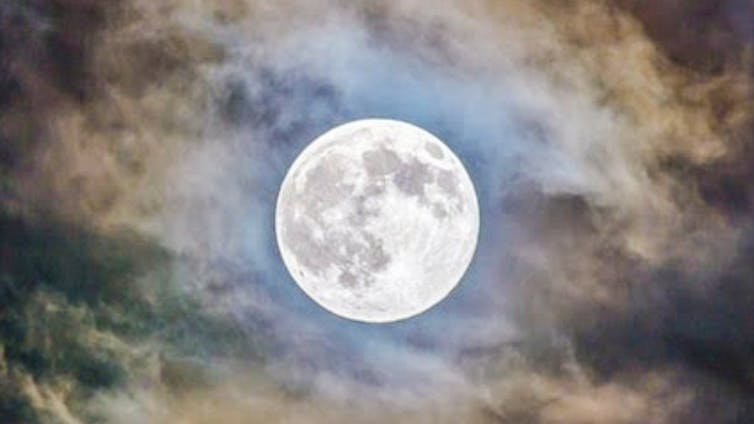
The beautiful moon, but …

… does it make us sleepless?

As has been mentioned previously, my dear wife and her Parkinson’s means that we go to bed early and get up early the following morning. Thus a recent item on The Conversation fascinated me and it is shared with you now.

ooOOoo

Does the full moon make us sleepless? A neurologist explains the science behind sleep, mood and lunar myths

How much does the moon cycle affect sleep? Probably less than your screen time at night. Muhammad Khazin Alhusni/iStock via Getty Images Plus

Joanna Fong-Isariyawongse, University of Pittsburgh

Have you ever tossed and turned under a full moon and wondered if its glow was keeping you awake? For generations, people have believed that the Moon has the power to stir up sleepless nights and strange behavior – even madness itself. The word “lunacy” comes directly from luna, Latin for Moon.

Police officers, hospital staff and emergency workers often swear that their nights get busier under a full moon. But does science back that up?

The answer is, of course, more nuanced than folklore suggests. Research shows a full moon can modestly affect sleep, but its influence on mental health is much less certain.

I’m a neurologist specializing in sleep medicine who studies how sleep affects brain health. I find it captivating that an ancient myth about moonlight and madness might trace back to something far more ordinary: our restless, moonlit sleep.

What the full moon really does to sleep

Several studies show that people really do sleep differently in the days leading up to the full moon, when moonlight shines brightest in the evening sky. During this period, people sleep about 20 minutes less, take longer to fall asleep and spend less time in deep, restorative sleep. Large population studies confirm the pattern, finding that people across different cultures tend to go to bed later and sleep for shorter periods in the nights before a full moon.

The most likely reason is light. A bright moon in the evening can delay the body’s internal clock, reduce melatonin – the hormone that signals bedtime – and keep the brain more alert.

The changes are modest. Most people lose only 15 to 30 minutes of sleep, but the effect is measurable. It is strongest in places without artificial light, such as rural areas or while camping. Some research also suggests that men and women may be affected differently. For instance, men seem to lose more sleep during the waxing phase, while women experience slightly less deep and restful sleep around the full moon.

Young adult woman lying in bed wide awake, staring out the window toward a bright light.
Sleep loss from a bright moon is modest but measurable. Yuliia Kaveshnikova/iStock via Getty Images Plus

The link with mental health

For centuries, people have blamed the full moon for stirring up madness. Folklore suggested that its glow could spark mania in bipolar disorder, provoke seizures in people with epilepsy or trigger psychosis in those with schizophrenia. The theory was simple: lose sleep under a bright moon and vulnerable minds might unravel.

Modern science adds an important twist. Research is clear that sleep loss itself is a powerful driver of mental health problems. Even one rough night can heighten anxiety and drag down mood. Ongoing sleep disruption raises the risk of depression, suicidal thoughts and flare-ups of conditions like bipolar disorder and schizophrenia.

That means even the modest sleep loss seen around a full moon could matter more for people who are already at risk. Someone with bipolar disorder, for example, may be far more sensitive to shortened or fragmented sleep than the average person.

But here’s the catch: When researchers step back and look at large groups of people, the evidence that lunar phases trigger psychiatric crises is weak. No reliable pattern has been found between the Moon and hospital admissions, discharges or lengths of stay.

But a few other studies suggest there may be small effects. In India, psychiatric hospitals recorded more use of restraints during full moons, based on data collected between 2016 and 2017. In China, researchers noted a slight rise in schizophrenia admissions around the full moon, using hospital records from 2012 to 2017. Still, these findings are not consistent worldwide and may reflect cultural factors or local hospital practices as much as biology.

In the end, the Moon may shave a little time off our sleep, and sleep loss can certainly influence mental health, especially for people who are more vulnerable. That includes those with conditions like depression, bipolar disorder, schizophrenia or epilepsy, and teenagers who are especially sensitive to sleep disruption. But the idea that the full moon directly drives waves of psychiatric illness remains more myth than reality.

The sleep/wake cycle is synchronized with lunar phases.

Other theories fall short

Over the years, scientists have explored other explanations for supposed lunar effects, from gravitational “tidal” pulls on the body to subtle geomagnetic changes and shifts in barometric pressure. Yet, none of these mechanisms hold up under scrutiny.

The gravitational forces that move oceans are far too weak to affect human physiology, and studies of geomagnetic and atmospheric changes during lunar phases have yielded inconsistent or negligible results. This makes sleep disruption from nighttime light exposure the most plausible link between the Moon and human behavior.

Why the myth lingers

If the science is so inconclusive, why do so many people believe in the “full moon effect”? Psychologists point to a concept called illusory correlation. We notice and remember the unusual nights that coincide with a full moon but forget the many nights when nothing happened.

The Moon is also highly visible. Unlike hidden sleep disruptors such as stress, caffeine or scrolling on a phone, the Moon is right there in the sky, easy to blame.

A woman staring at her cellphone while lying in the dark.
Screen-time habits are far more likely to have detrimental effects on sleep than a full moon. FanPro/Moment via Getty Images

Lessons from the Moon for modern sleep

Even if the Moon does not drive us “mad,” its small influence on sleep highlights something important: Light at night matters.

Our bodies are designed to follow the natural cycle of light and dark. Extra light in the evening, whether from moonlight, streetlights or phone screens, can delay circadian rhythms, reduce melatonin and lead to lighter, more fragmented sleep.

This same biology helps explain the health risks of daylight saving time. When clocks “spring forward,” evenings stay artificially brighter. That shift delays sleep and disrupts circadian timing on a much larger scale than the Moon, contributing to increased accidents and cardiovascular risks, as well as reduced workplace safety.

In our modern world, artificial light has a much bigger impact on sleep than the Moon ever will. That is why many sleep experts argue for permanent standard time, which better matches our biological rhythms.

So if you find yourself restless on a full moon night, you may not be imagining things – the Moon can tug at your sleep. But if sleeplessness happens often, look closer to home. It is likely a culprit of the light in your hand rather than the one in the sky.

Joanna Fong-Isariyawongse, Associate Professor of Neurology, University of Pittsburgh

This article is republished from The Conversation under a Creative Commons license. Read the original article.

ooOOoo

Ever since I have been an adult I have wondered what the purpose was of daylight time and standard time. The University of Colorado have the history of the time change and, as I suspect, it was brought about by the war; World War I.

Here’s part of that article:

It was first introduced in Germany in 1916 during World War I as an energy saving measure, according to CU Boulder sleep researcher Kenneth Wright. The U.S. followed suit, adopting DST in 1918. Initially implemented as a wartime measure, it was repealed a year later. 

Daylight saving time was reinstituted in 1942 during World War II. The next couple decades were a free-for-all, when states and localities switched between DST and standard time (ST) at will. To put an end to the clock chaos, Congress finally passed the Uniform Time Act in 1966, which standardized daylight saving time and its start and end dates across the country — with the exception of Hawaii and Arizona, which opted to keep standard time year-round. 

Picture Parade Four Hundred and Ninety-Three

This time it is dogs sleeping, courtesy of Unsplash.

Photo by Allan on Unsplash

oooo

Photo by anotherxlife on Unsplash

oooo

Photo by Elin Wahlqvist on Unsplash

oooo

oooo

Photo by SPACEDEZERT on Unsplash

oooo

Photo by Büşra Salkım on Unsplash

oooo

Photo by Fabrizio Conti on Unsplash

oooo

Photo by Alessandro De Marco on Unsplash

It really is amazing how and where dogs go to sleep!

Thank you, Unsplash!

The evolution of the human brain

This is a deeply fascinating history.

There are many articles on this subject and it is one that I will return to from time to time.

But for today I want to just show a seven-minute video from YouTube.

Amazing!