A little different for today!
Our neighbour Dordie L. sent these across earlier in the month. Enjoy!

oooo

oooo

oooo

oooo

oooo

Thank you, Dordie!
Dogs are animals of integrity. We have much to learn from them.
A little different for today!
Our neighbour Dordie L. sent these across earlier in the month. Enjoy!
oooo
oooo
oooo
oooo
oooo
Thank you, Dordie!
This particular post is from ‘Who Will Let the Dogs Out‘.
The range of expertise in looking after our dear dogs is incredible. I have long followed Who Will Let the Dogs Out but today wanted to republish a very recent article, hopefully with permission.
ooOOoo

Tiny Municipal Shelter Outside Nashville Has Only One Employee
By Cara Sue Achterberg. 14th February, 2023
In Robertson County, Tennessee, just outside Nashville, there are actually three municipal shelters. In addition to the Robertson shelter written about in the previous post, we also stopped at a tiny shelter ten minutes away— Greenbrier Animal Control.
This small shelter has ten kennels and was currently housing 12 dogs. Shelbie is the only ACO and employee for the small shelter. She works seven days a week 365 days a year. The only days she’s had off since she began work there three years ago were this past winter when she had Covid.


Shelbie does everything at the tiny, age-worn shelter – the cleaning and the caring, and running the animal control calls, and pretty much anything that needs done. Several of the outdoor kennels do not have covered roofs. The roofs are at the shelter, but Shelbie is only one person (and a tiny one at that), so she can’t get them put on by herself. She could use a hand with the roofs, and with lots of things, but the only ones she and the dogs have are her own.


The city animal control budget covers food, supplies, and a few other things, like Shelbie’s uniforms, but it doesn’t cover vaccines, deworming, or spay/neuter. Shelbie knows that anything she adopts out locally is likely to send puppies back her way. She depends on CASA Transport to help get animals out, so the shelter doesn’t become overcrowded.
Shelbie took the job because she loves animals and because she’s always been an advocate for not killing shelter animals. One of the dogs, Denali, has been at the shelter almost as long as she has. “He’s special and he needs a special kind of home,” she told me.
She loves her job, but would really love for the city to hire someone to help on the weekends so that she could have more time for herself (and her FIVE children ages 4-10).
We set up a few peanut butter boards and left Shelbie with lots of food, treats, bones, and collars, but joked with her that we wished we had a person in the truck we could leave with her. Every time we make these trips we meet remarkable people like Shelbie. I’m sure she isn’t getting rich on this job and I’d guess she sees some pretty awful situations. It is not just back breaking work, it’s heartbreaking.

There are so many people, just like Shelbie, who are quietly saving lives through their own dedication and sacrifice. They inspire me to keep pushing for change, for any way to make the situation better.
I don’t understand why Robertson County, which serves 72,000 residents, has not only the county shelter, but two city shelters (we were not able to visit Springfield animal control). Greenbriar is in the county and it took us about ten minutes to get from one to the other. To me, clearly an outsider (but one who has visited over 100 shelters in 12 states), it makes more sense to combine the three shelters in the new building that Robertson County is building.
Surely, by combining budgets and staff, they could have one excellent facility with plenty of help, and likely save money in the bargain. Plus, then Shelbie wouldn’t be working seven days a week and handling animals all by herself (not that she isn’t more than capable of doing so as she’s done it for three years now). That’s just my observation, unlikely to be embraced.
Until we start looking for common sense solutions like regional public shelters, the lives of too many animals will depend on the decency and the willingness of people like Shelbie to sacrifice so much to do the work very few will.

If you’d like to help Shelbyville Animal shelter, consider shopping their Amazon wishlist.
Until each one has a home,
Cara
If you want to learn more, be sure to subscribe to this blog. And help us spread the word by sharing this post with others. Visit our website to learn more.
You can also help raise awareness by following/commenting/sharing us on Facebook, Instagram, YouTube, and Tik Tok!
Learn more about what is happening in our southern shelters and rescues in the book, One Hundred Dogs & Counting: One Woman, Ten Thousand Miles, and a Journey Into the Heart of Shelters and Rescues (Pegasus Books, 2020). It’s the story of a challenging foster dog who inspired me to travel south to find out where all the dogs were coming from. It tells the story of how Who Will Let the Dogs Out began. Find it anywhere books are sold. A portion of the proceeds of every book sold go to help unwanted animals in the south.

Watch our Emmy-nominated, award-winning short documentary about rescue in western Tennessee here.
For more information on any of our projects, to talk about rescue in your neck of the woods, please email whowillletthedogsout@gmail.com or carasueachterberg@gmail.com.
ooOOoo
There are many more photographs on the website that I chose not to republish because I couldn’t do it as neatly as Cara did it.
So many tuneful memories.
I grew up with the songs of Burt Bacharach in my heart, my mind and my ears. He was born on May 12, 1928 and lived until quite recently; namely the 8th February, 2023. This may be Valentine’s Day for 2023 but I think the obituary of Bacharach comes first.
The Conversation had a brilliant item on him, published on February 10th and I am going to republish that piece now.
ooOOoo
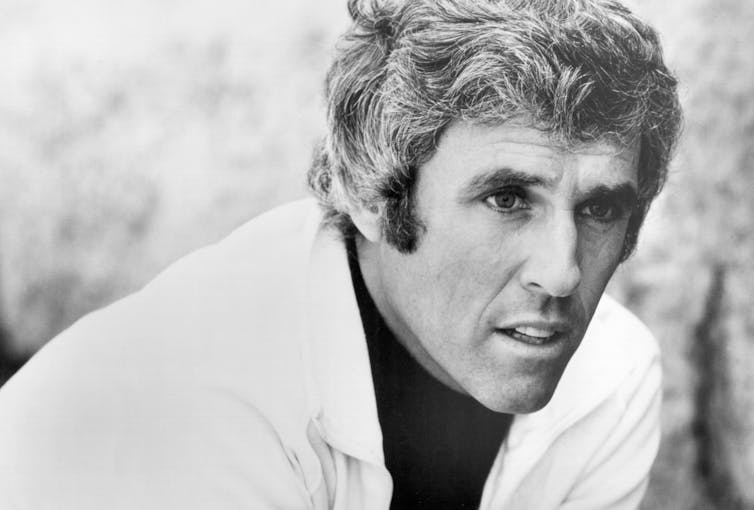 A pop pioneer whose songs were performed by the great and good for decades.
Easy on the ear, perhaps. But the label of “easy listening” often attached to the songs of Burt Bacharach belies the mastery of his talent in crafting perfect moments in music.
Yes, Bacharach’s back catalog is filled with memorable, catchy melodies – whether they were written with longtime partner and lyricist Hal David, former wife Carole Bayer Sager or in collaboration with more contemporary artists such as Elvis Costello, Adele and Dr. Dre.
But there is a harmonic and rhythmic complexity to his music that elevates it above the sweet, often saccharine arrangements that can typify easy listening. It is full of influences from jazz chord structures and progressions, as well as rhythms.
It is why Bacharach, who died on Feb. 8, 2023, at the age of 94, appealed to generations of listeners, as well as the diverse pool of singers who chose to work with him.
Bacharach began his long songwriting career in the 1950s, but it was the following decade that saw him come to prominence with a series of hit songs.
But with the 1960s as a backdrop – a time of immense innovation in popular music – Bacharach may not have been taken as seriously as many of his contemporaries. It was a time when rock ‘n’ roll and the British Invasion were at the forefront, with rhythm and blues, protest music and folk rock finding their way on the musical landscape.
While Bacharach’s musical counterparts were writing and performing music that responded to and reflected the political, social and cultural upheavals that defined the era, Bacharach and David’s songs focused on different themes: Theirs was music that dealt with relationships and matters of the heart.
They also stood apart from other notable songwriting partners of the age – Lennon and McCartney, Jagger and Richards, for example – in that the songs were written for others to perform. In that way, they were a throwback to an earlier age of popular music, when the likes of Rodgers and Hart provided hit after hit for a roster of singers.
Indeed, they were a late product of Tin Pan Alley – the music industry centered around midtown Manhattan. Bacharach met David in 1957 in the storied Brill Building in New York City – a place where a young songwriter could perhaps catch a break.
Not long after they began working together, Bacharach came across a young backup singer at a recording session who seemed to have promise. The first single he produced with her, “Don’t Make Me Over,” was the first of 38 songs he and David produced with Dionne Warwick.
Her warm tones and fluid phrasing made Warwick’s voice the perfect accompaniment to Bacharach’s music.
But she was one of many collaborators. Some, like Warwick, were plucked from relative obscurity. Others, like Perry Como, were already established singers.
The list of artists who found success with Bacharach songs in that era is astonishing: Aretha Franklin, The Carpenters, Dusty Springfield, Tom Jones and The 5th Dimension, to name just a few.
Through collaborators, Bacharach’s music was able to reach a fairly diverse audience. The songs were so well written that they could easily be reworked into different genres, and break the confines of “easy listening” – a genre often maligned as unhip. In the hands of Isaac Hayes, the sweet refrains of “Walk on By” becomes a psychedelic funk classic. Years later, The White Stripes transformed “I Just Don’t Know What To Do With Myself” into a stripped-down, guitar-heavy slice of rock.
The music of David and Bacharach also worked on a different level – as the background to movie soundtracks. The 1966 Michael Caine film “Alfie” is perhaps equally known today for the title track, with versions by Cher, Warwick and British singer Cilla Black all becoming hits on the back of the film.
In 1969, Bacharach and David’s “Raindrops Keep Falling on My Head,” sung by B.J. Thomas in the western “Butch Cassidy and the Sundance Kid,” won the Academy Award for best original song. Bacharach also won the Oscar for best original score.
Adding to success on the charts and on screen, Bacharach also won acclaim for his work on Broadway. The 1968 show “Promises, Promises” was groundbreaking in its use of amplification in the orchestra, which included a rock band. The show contained a number of songs that topped the charts, most notably Warwick’s version of the show-stopping “I’ll Never Fall in Love Again.”
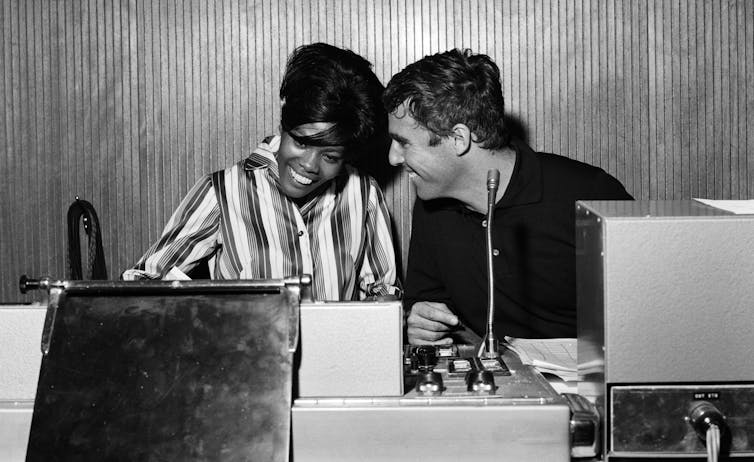
In an NPR “Fresh Air” interview in 2010 – when the musical was being revived on Broadway – Bacharach discusses the number of rhythmic meter changes in the title song, “Promises, Promises,” and the difficulties these rhythmic changes presented for singers and musicians in the show.
The interview is also notable in that it reunited him with David – the two had a much publicized split in 1973 after working on a failed movie. The breakdown of their successful musical partnership saw Bacharach lose interest in writing music for a spell, and affected his relationship with Warwick.
This was eventually resolved with her recording of one of Bacharach’s most memorable songs, 1985’s “That’s What Friends are For,” written with his then-wife, Carole Bayer Sager. Though the song had been first recorded by Rod Stewart for the film “Night Shift,” the Warwick & Friends’ version – the friends being none other than Elton John, Gladys Knight and Stevie Wonder – is the one that became a hit and helped revive Bacharach’s career.
Though best known for the songs he wrote in the 1960s through the 1980s, Bacharach continued to write music into his old age, collaborating with Elvis Costello, Adele and Dr. Dre.
You may have noticed the sheer number – and range – of artists Bacharach worked with. It speaks to the quality and endurance of his output. Yes, he will be remembered by some as the writer of exemplary “easy listening” songs. But Burt Bacharach’s legacy will prove that he was so much more.
Gena R. Greher, Professor of Music, UMass Lowell
This article is republished from The Conversation under a Creative Commons license. Read the original article.
ooOOoo
There are so many of his melodies on YouTube and you are free to do your own searching. But I just wanted to share one with you. It is Burt Bacharach with Barbra Streisand with Close To You and Be Aware.
Perfect!
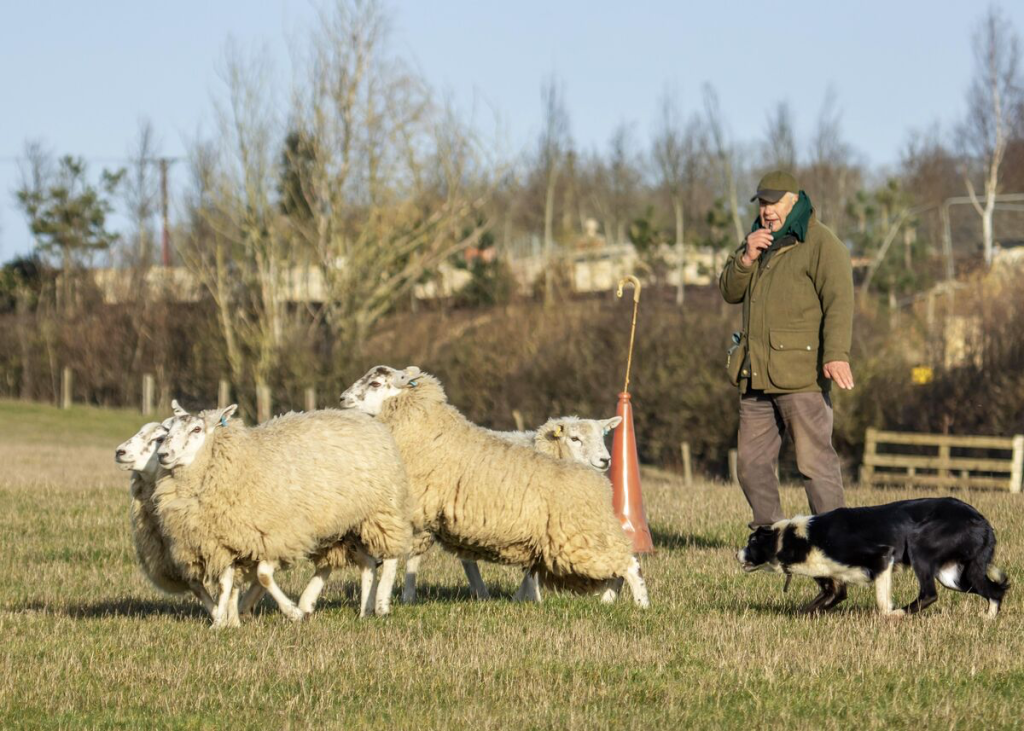
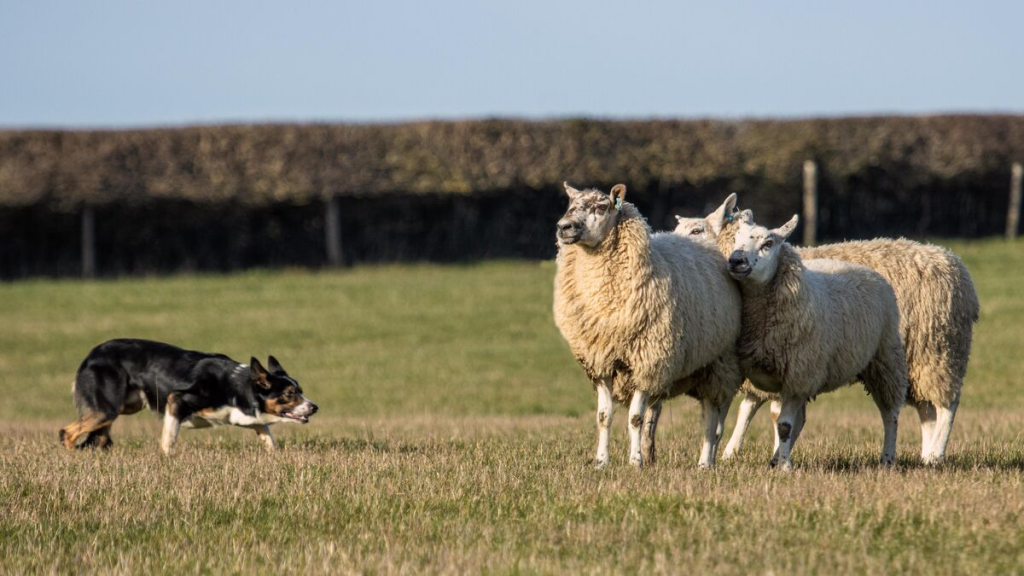
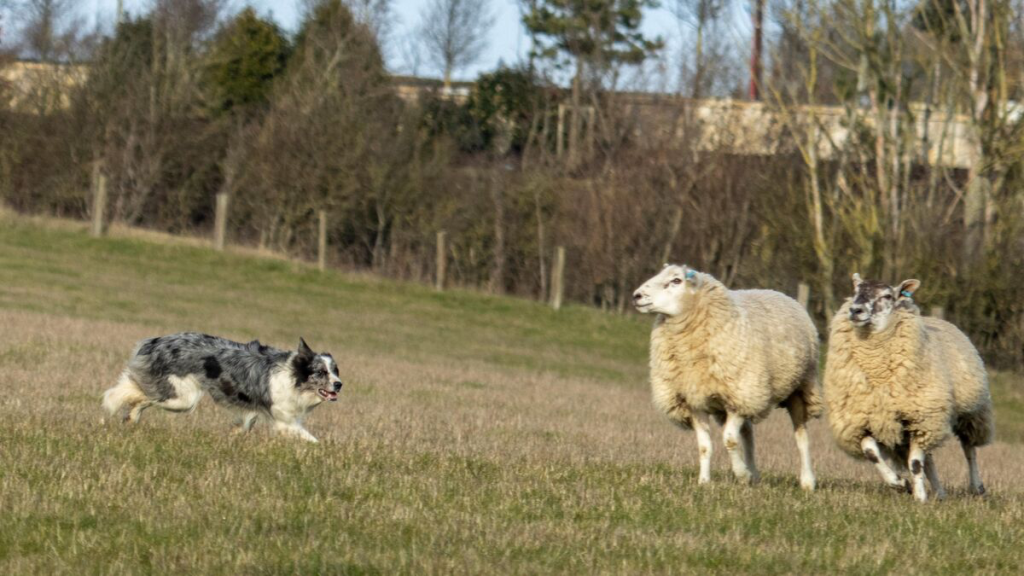
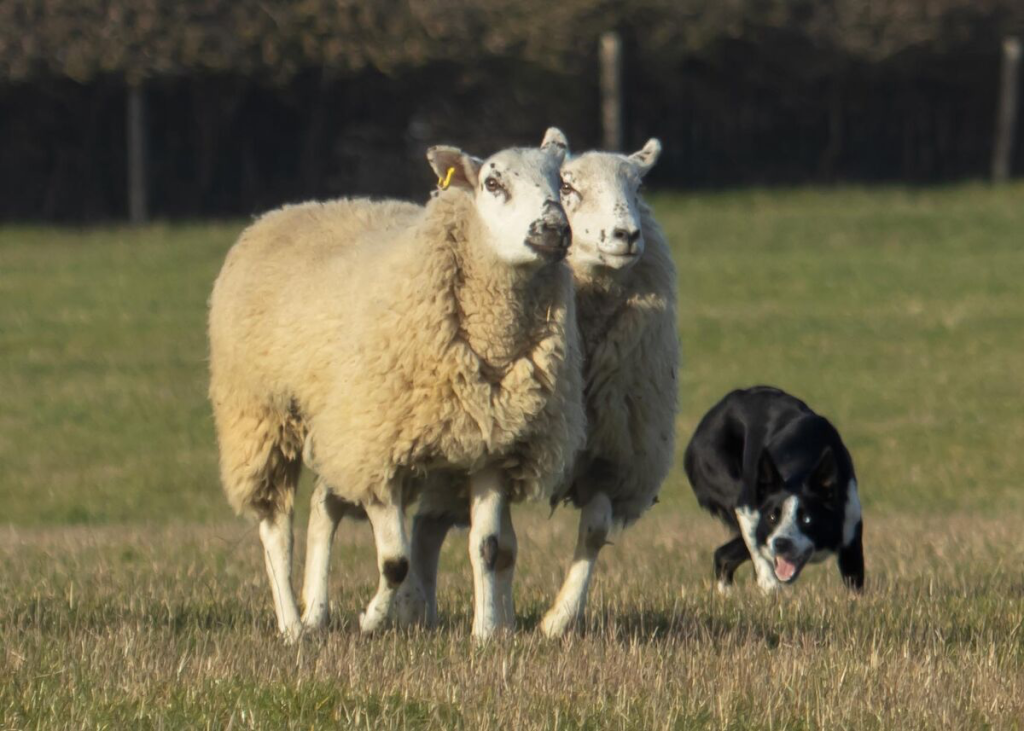
A British sheep dog at work.
oooo

oooo
oooo
oooo
oooo

oooo

These are photos that were shown on Ugly Hedgehog by Alan (BigAl). Plus the last two were additional from Alan. Alan kindly gave me permission to share them with you all today.
A powerful three-minute video from the BBC.
Just another example of the wonderful abilities of our dogs.
A fascinating article about the fossilisation of teeth.
Change is a constant! That’s not my saying but it is still a very good one. There are many, many articles online about the pace of change and I am not going to pick a particular one; you can do that yourself if you are interested.
But I am going to republish an article about the fossilisation of teeth. It was published on January 25th, 2023 and it was an article in The Conversation.
ooOOoo
Tesla Monson, Western Washington University
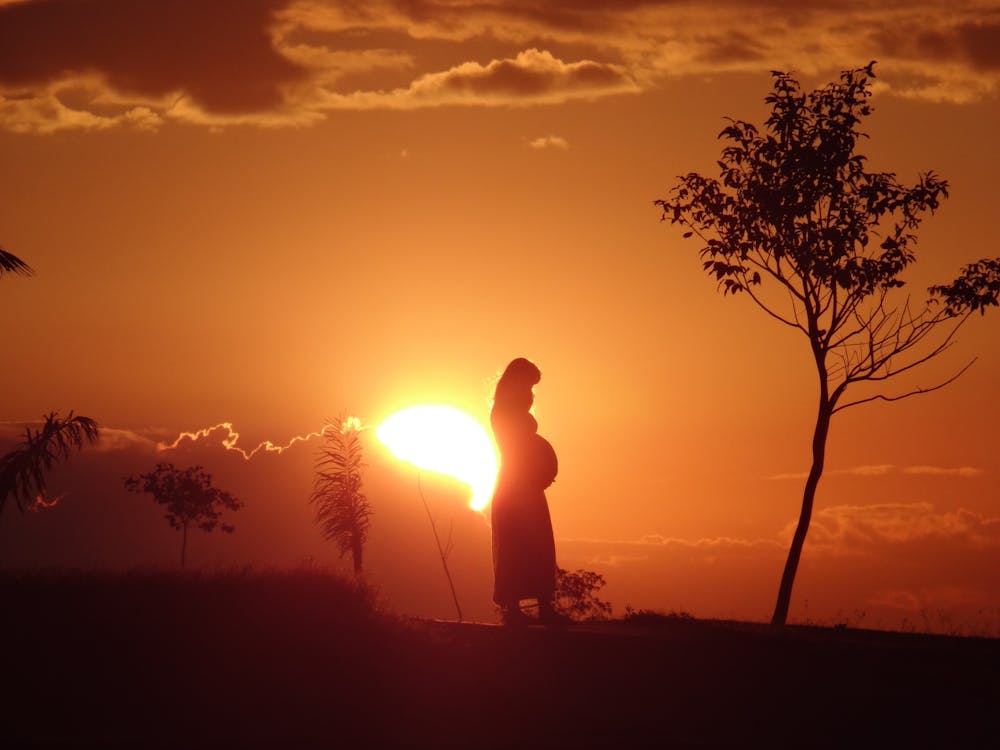
Fossilized bones help tell the story of what human beings and our predecessors were doing hundreds of thousands of years ago. But how can you learn about important parts of our ancestors’ life cycle – like pregnancy or gestation – that leave no obvious trace in the fossil record?
The large brains, relative to overall body size, that are a defining characteristic of our species make pregnancy and gestation particularly interesting to paleoanthropologists like me. Homo sapiens’ big skulls contribute to our difficult labor and delivery. But the big brains inside are what let our species really take off.
My colleagues and I especially wanted to know how fast our ancestors’ brains grew before birth. Was it comparable to fetal brain growth today? Investigating when prenatal growth and pregnancy became humanlike can help reveal when and how our ancestors’ brains became more like ours than like our ape relatives’.
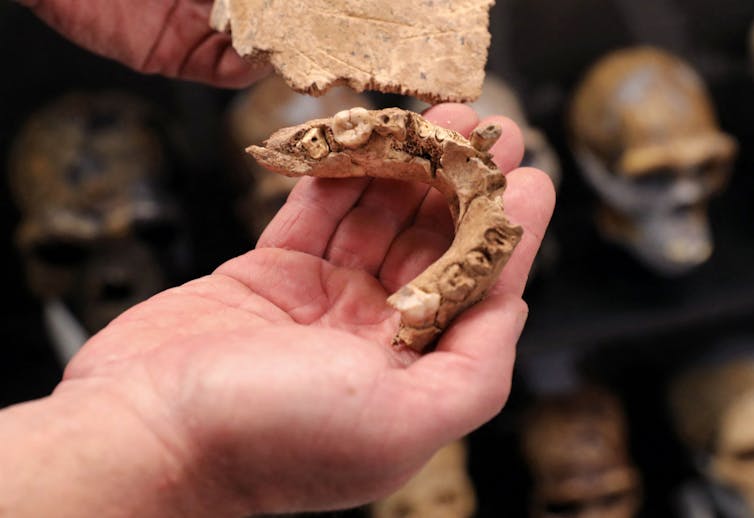
To investigate the evolution of prenatal growth rates, we focused on the in-utero development of teeth – which do fossilize. By building a mathematical model using the relative lengths of molar teeth, we were able to track evolutionary changes in prenatal growth rates in the fossil record. Based on our model, it looks as if pregnancy and prenatal growth became more humanlike than chimplike almost 1 million years ago.
Pregnancy and gestation are important periods – they guide future growth and development and set the biological course for life.
But human pregnancy, and particularly labor and delivery, cost a lot of energy and are often dangerous. The large fetal brain requires a lot of nutrients during development. The rate of embryonic growth during gestation, also known as the prenatal growth rate, exacts a metabolic and physiological toll on the gestating parent. And the tight fit of the infant’s head and shoulders through the pelvic canal during delivery can lead to death, for both the mother and child.
As a trade-off to those potential downsides, there must be a really good reason to have such large heads. The justification is all the abilities that come along with having a big human brain. The evolution of our large brain contributed to our species’ dominance and is associated with increased use of technology and tools, creation of art and the ability to survive in diverse landscapes, among other advances.
The timing and sequence of events that led to the evolution of our large brains is entangled with the ability to find and process more resources, through the use of tools and cooperative group work, for example.
By investigating changes in prenatal growth, we are also investigating changes in how parents gathered food resources and distributed them to their offspring. These increasing resources would have also helped drive the evolution of an even bigger brain. Understanding more about when prenatal growth and pregnancy became humanlike at the same time reveals information about when and how our brains did too.
Humans have the highest prenatal growth rate of all primates living today, at 0.41 ounces/day (11.58 grams/day). Gorillas, for example, have a much larger adult body size than humans, but their prenatal growth rate is only 0.29 ounces/day (8.16 grams/day). Because more than a quarter of all human brain growth is completed during gestation, the rate of prenatal growth directly relates to how big an adult brain grows. How and when Homo sapiens‘ high prenatal growth rate evolved has been a mystery, until now.
Researchers have spent centuries investigating variation in fossilized skeletal remains. Unfortunately brains – let alone gestation and prenatal growth rate – don’t fossilize.
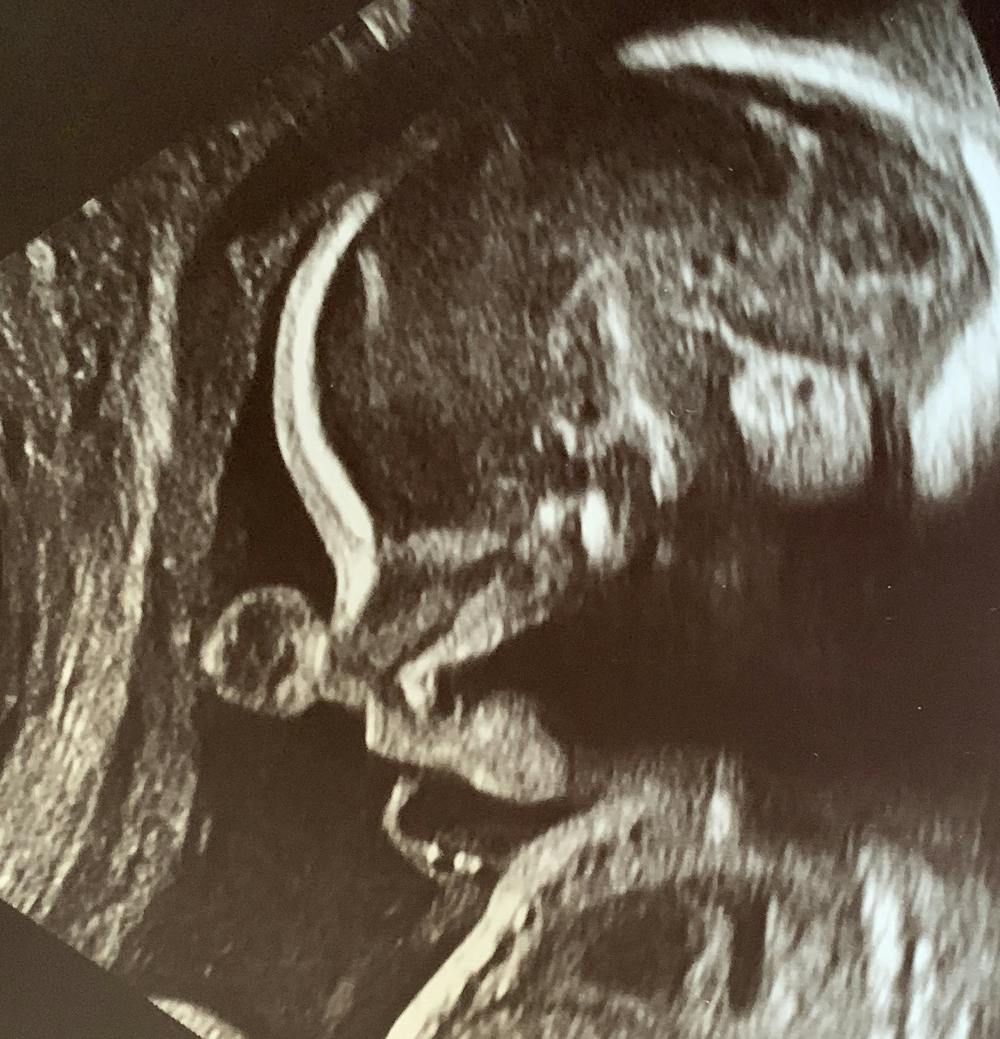
But my colleagues and I started thinking about how teeth develop very, very early in utero. Your permanent adult teeth started developing long before you were born, when you were just a 20-week-old fetus. Tooth enamel is more than 95% inorganic, and the vast majority of everything we see in the vertebrate fossil record is teeth, or has teeth.
Building off this realization, we decided to investigate the relationship between prenatal growth rate, brain size and the lengths of teeth.
We measured the teeth of 608 recently living primates from skeletal collections all around the world. We compared those measurements to rates of prenatal growth that we calculated from average gestation length and mass at birth for each species. We also looked at endocranial volume – essentially how much space is inside the skull – as a proxy for brain size.
We found that the rate of prenatal growth is significantly correlated with both adult brain size and relative tooth lengths, across apes and monkeys.
Because prenatal growth is so tightly correlated with relative molar lengths, we were able to use this statistical relationship to generate a mathematical equation that predicts prenatal growth rate from teeth alone. With this equation, we can take a few molar teeth from an extinct fossil species and reconstruct exactly how fast their offspring grew during gestation.
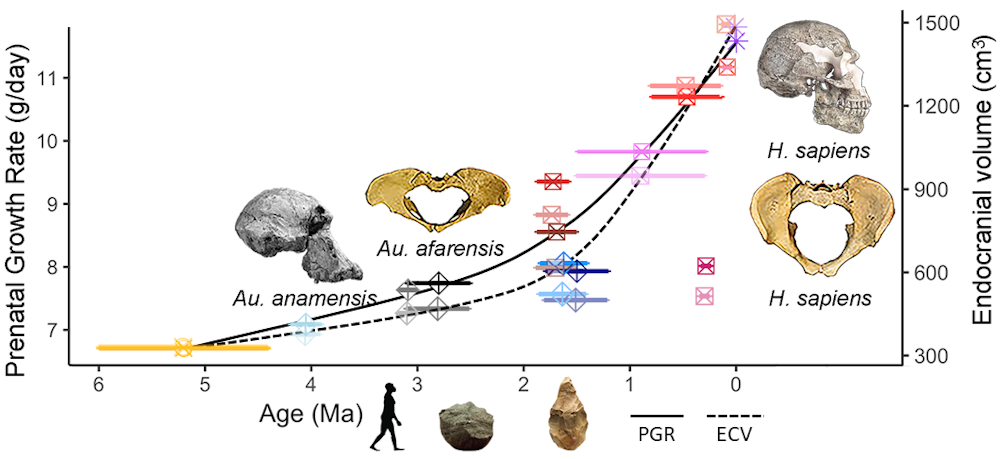
Using our new method, we then reconstructed prenatal growth rates for 13 fossil species, building a timeline of changes over the past 6 million years of human and hominid evolution. “Hominid” describes all the species on the human side of the family tree after the split about 6 million to 8 million years ago from the common ancestor we shared with chimpanzees. From our new research, we now know that prenatal growth rates increased throughout hominid evolution, reaching a humanlike rate that exceeds what we see in all other apes less than 1 million years ago.
A fully human prenatal growth rate appeared with the evolution of our species Homo sapiens only around 200,000 years ago. But other hominid species living in the past 200,000 years, such as Neanderthals, also had “human” prenatal growth rates. Which genes were involved in these changes in growth rate remains to be investigated.
Even with only a few teeth and some of the jaw, a trained expert can tell countless things about an extinct individual – what species it was, what kind of diet it ate, whether it competed for mates through fighting, how old it was when it died, whether or not it had any serious health issues and more.
Now, for the first time, we can add to that list knowing what pregnancy and gestation were like for that individual and other members of its species. Teeth can even indirectly hint at the emergence of human consciousness, via evolving brain size.
Interestingly, our model suggests that prenatal growth rates started increasing well before the emergence of our Homo sapiens species. We can hypothesize that having a fast prenatal growth rate was necessary for growing that big brain and evolving human consciousness and cognitive abilities.
These are the sorts of big-picture questions this research lets us start to formulate now – all from just a few teeth.
Tesla Monson, Assistant Professor of Anthropology, Western Washington University
This article is republished from The Conversation under a Creative Commons license. Read the original article.
ooOOoo
Tesla Monson is the Assistant Professor of Anthropology at Western Washington University.
This may not make the daily headlines but, personally, I think that is a shame. The discovery has all sorts of implications for life, including ancient life, on this planet. And speaking of life let us bear a thought for the carnage that is happening in Turkey at this present time. A BBC headline:
A rescue operation is under way across much of southern Turkey and northern Syria following a huge earthquake that has killed more than 2,300 people
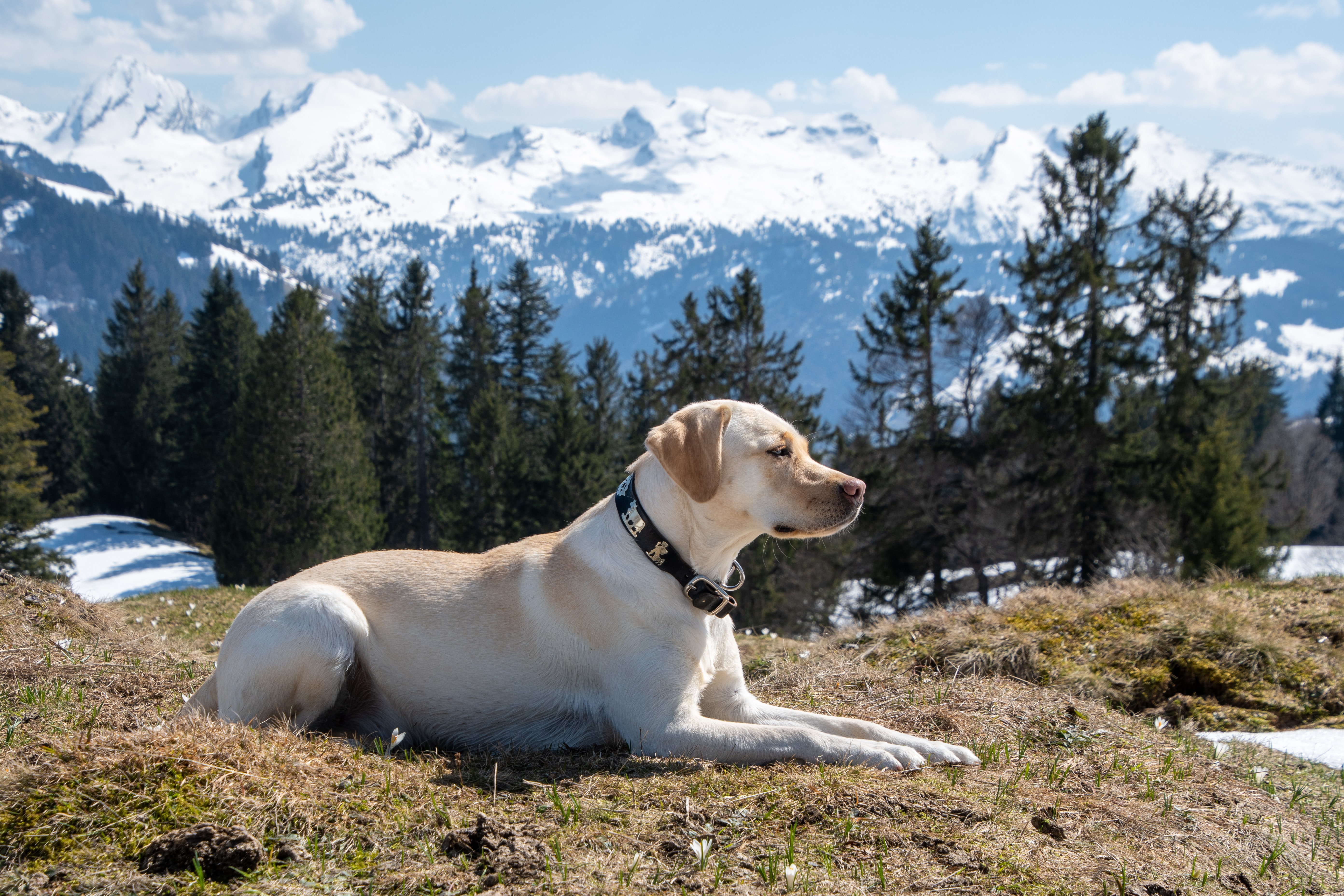
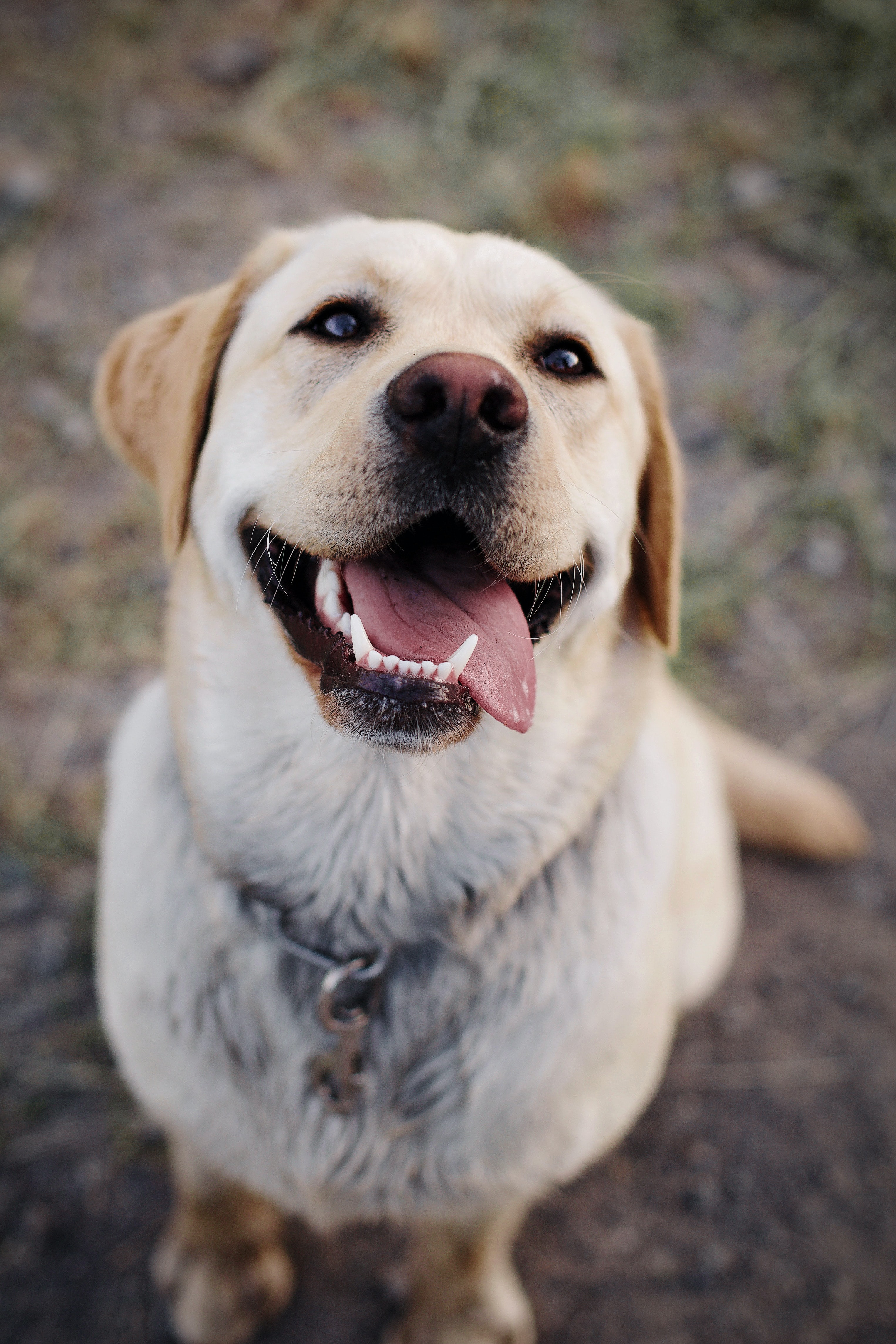
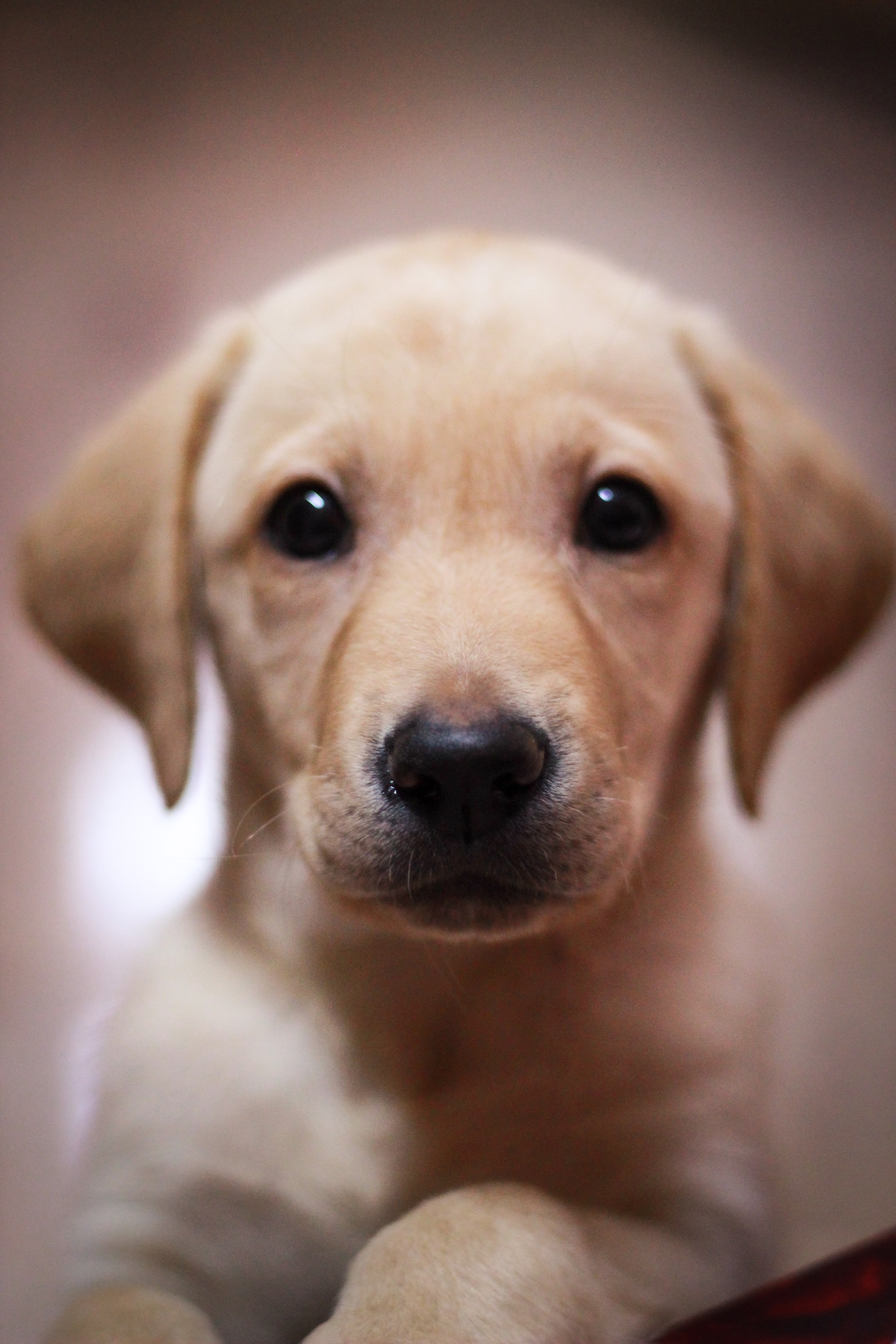
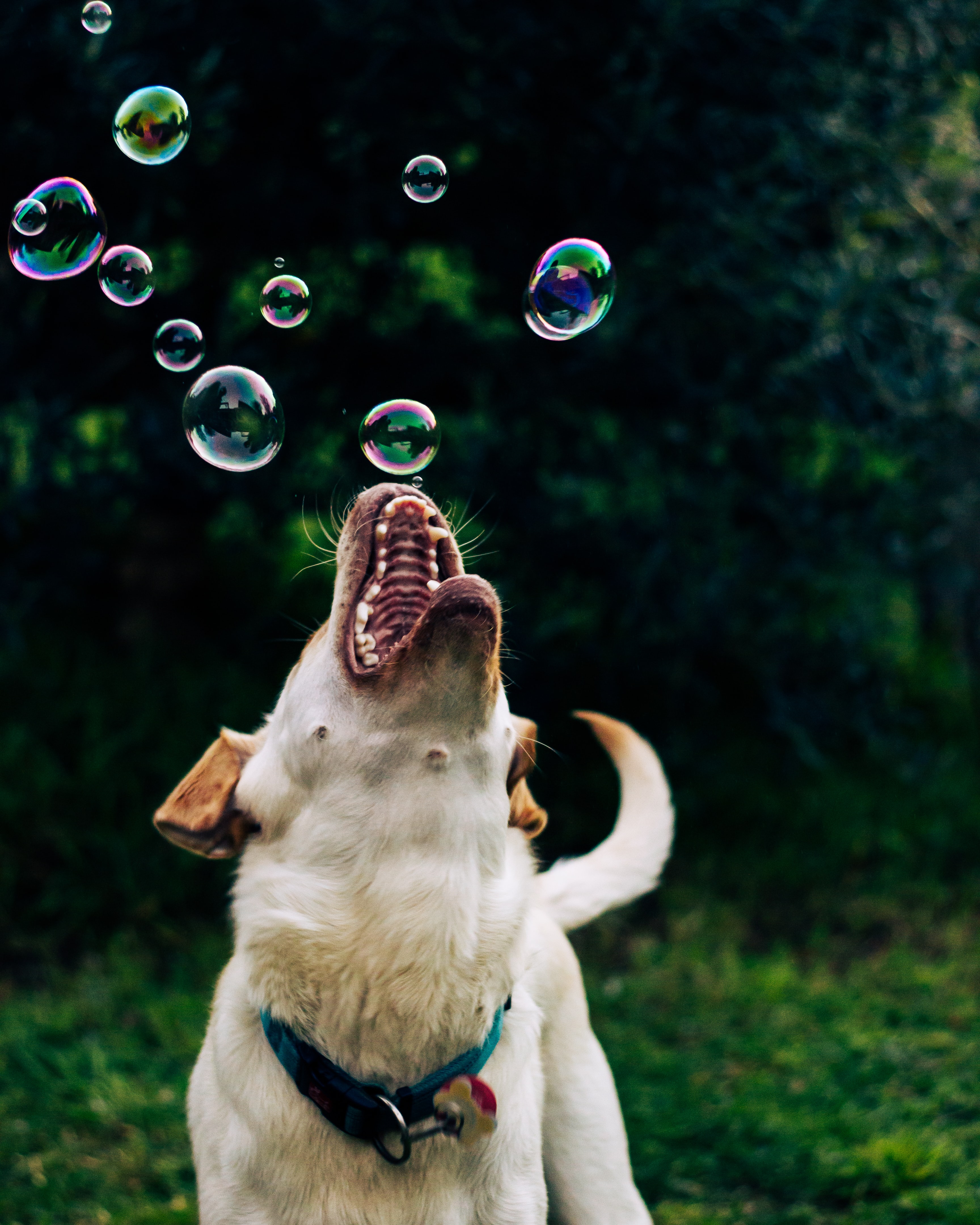
Unsplash with a difference.
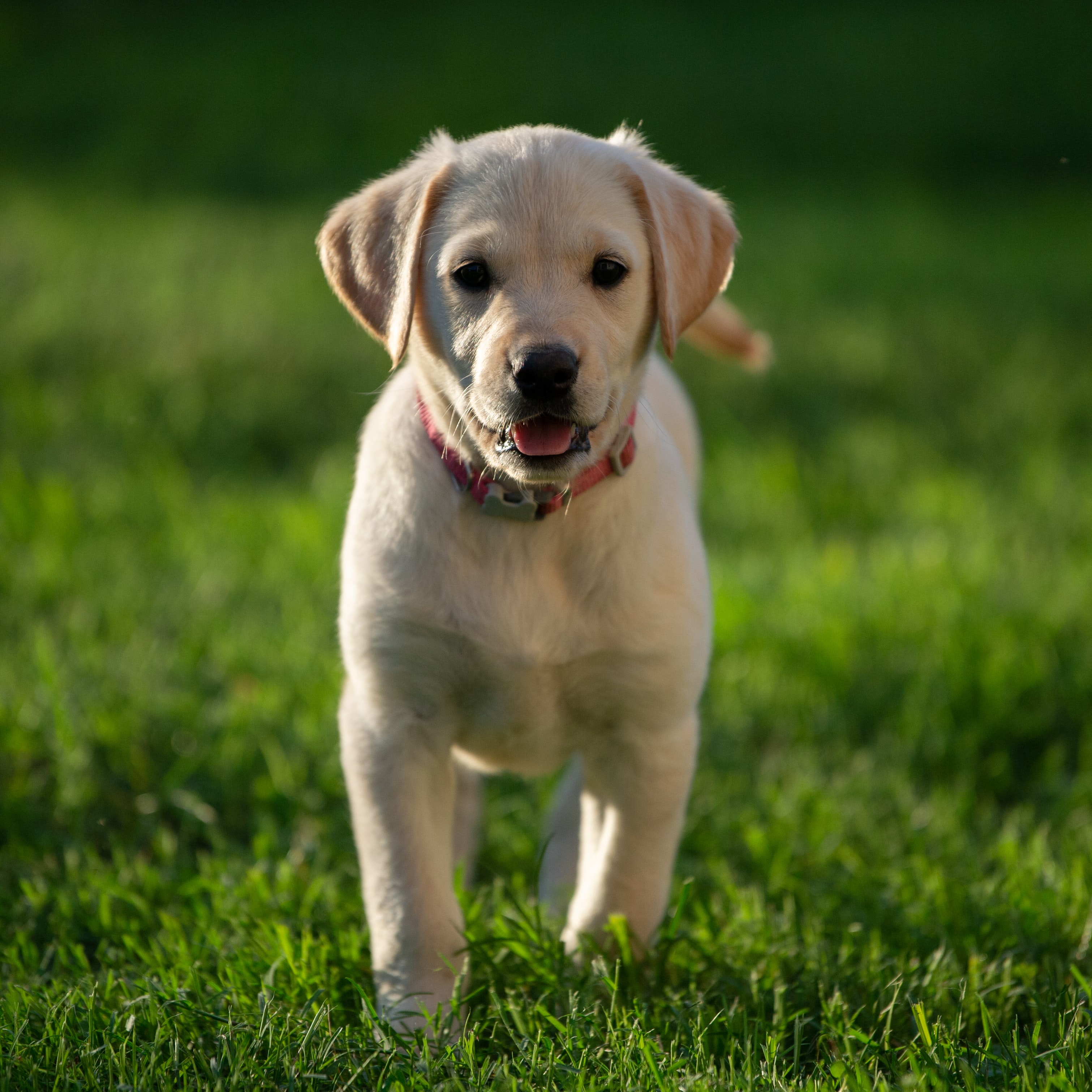
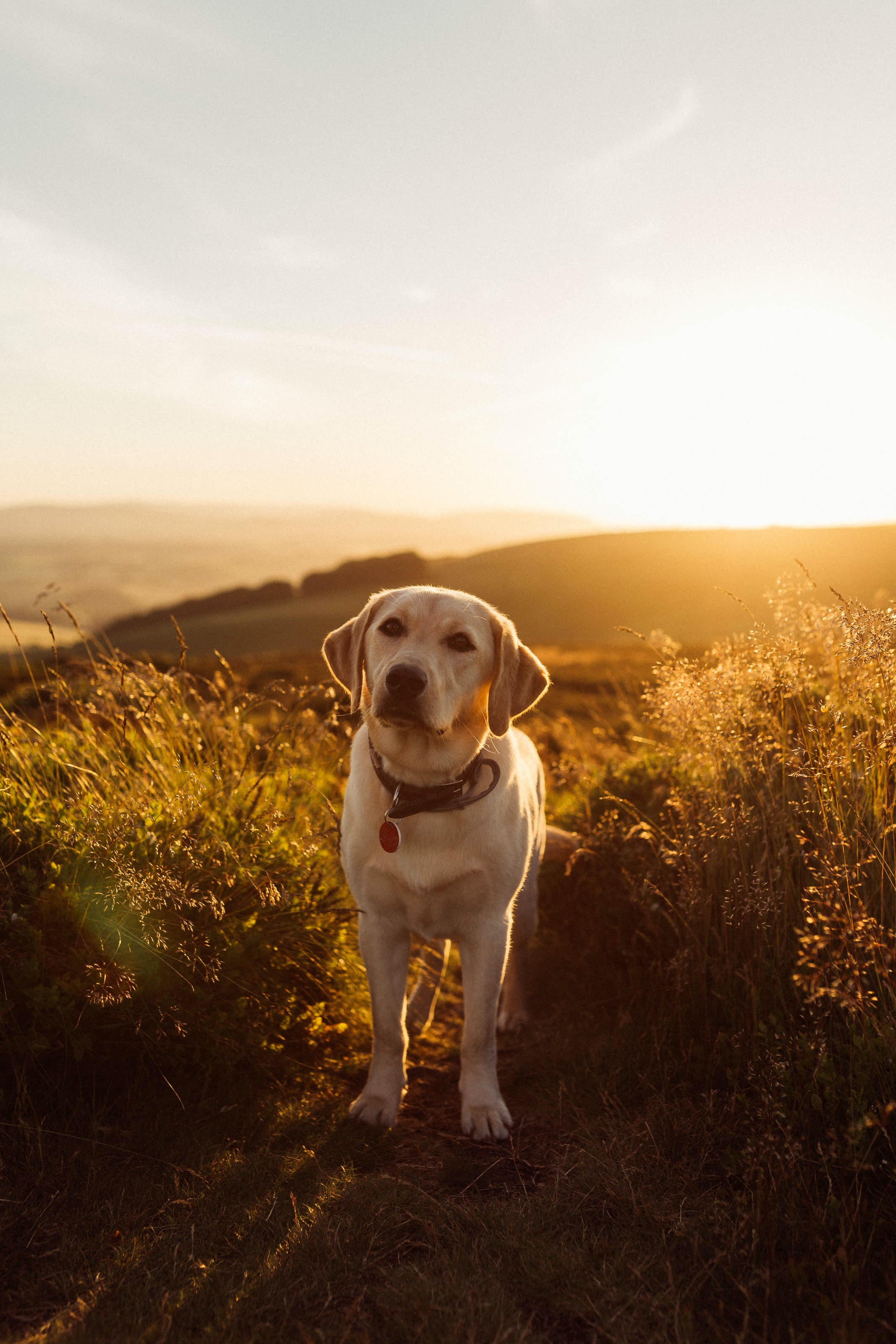
These are all photographs of Labradors.
oooo
oooo
oooo

oooo
oooo
oooo
oooo
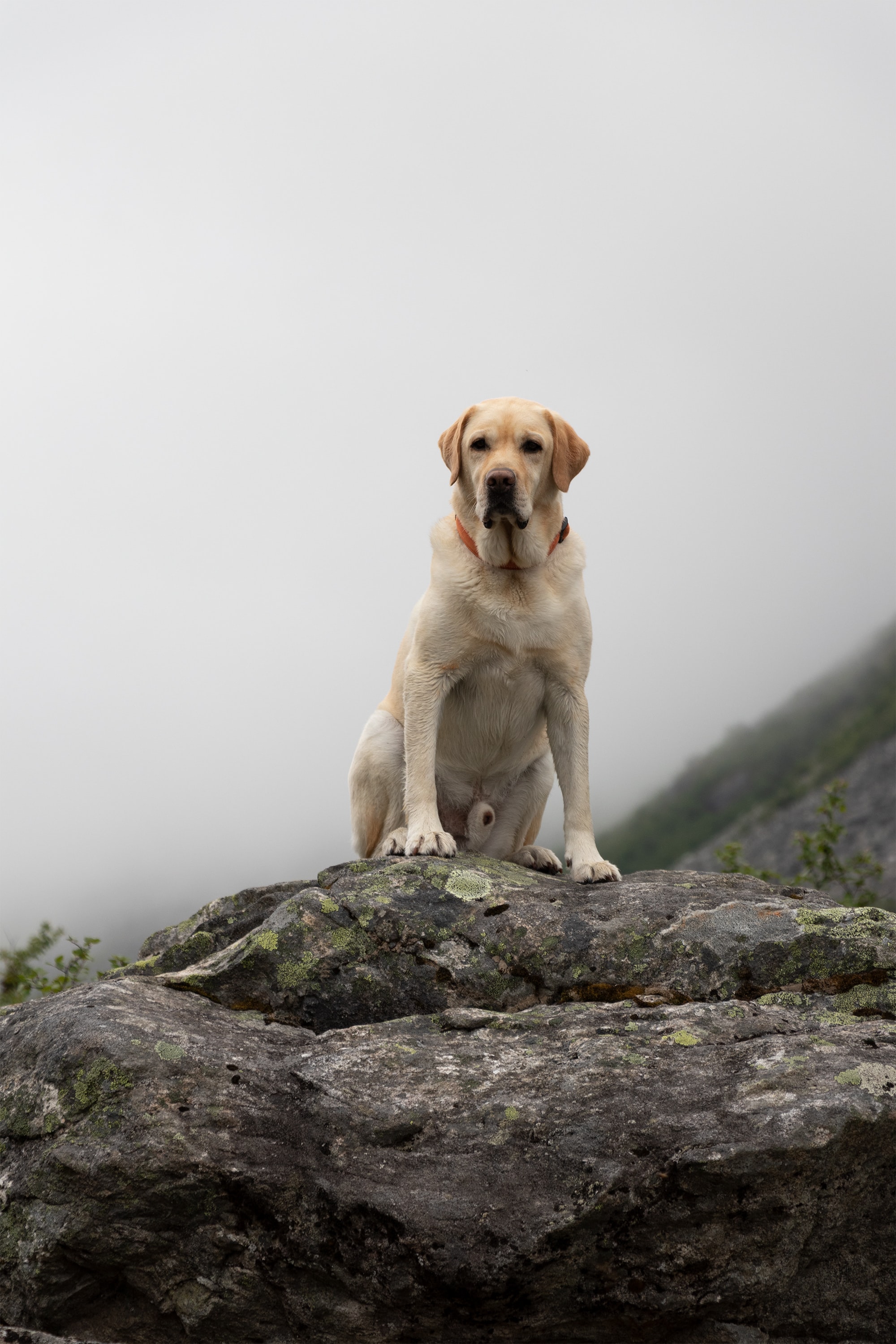
Gorgeous, though I say it myself.
I missed stating this last week but copyright always exists in the original photographs.
Jess forwards another stirring account of a dog rescuer.
Jess Anderson sent me this video of a Labrador, age 19 no less, being rescued. That is one senior dog!
The video and the supporters who left comments all said how wonderful were their experiences of saving senior dogs.
The video came from the Dodo Foster Diaries and at the time of writing had had nearly 600 viewings.
There is a very good article on PetFinder about the first few days with a senior dog. Go and watch it!
It is the last day of January and we have a post about dogs today.
I found all the non-doggie articles a bit depressing and this item seemed a delightful alternative. It is from the Curious Kids section of The Conversation but, to my mind, of interest to adults as well.
ooOOoo
Do dogs really see in just black and white? – Oscar V., age 9, Somerville, Massachusetts
Dogs definitely see the world differently than people do, but it’s a myth that their view is just black, white and grim shades of gray.
While most people see a full spectrum of colors from red to violet, dogs lack some of the light receptors in their eyes that allow human beings to see certain colors, particularly in the red and green range. But canines can still see yellow and blue.
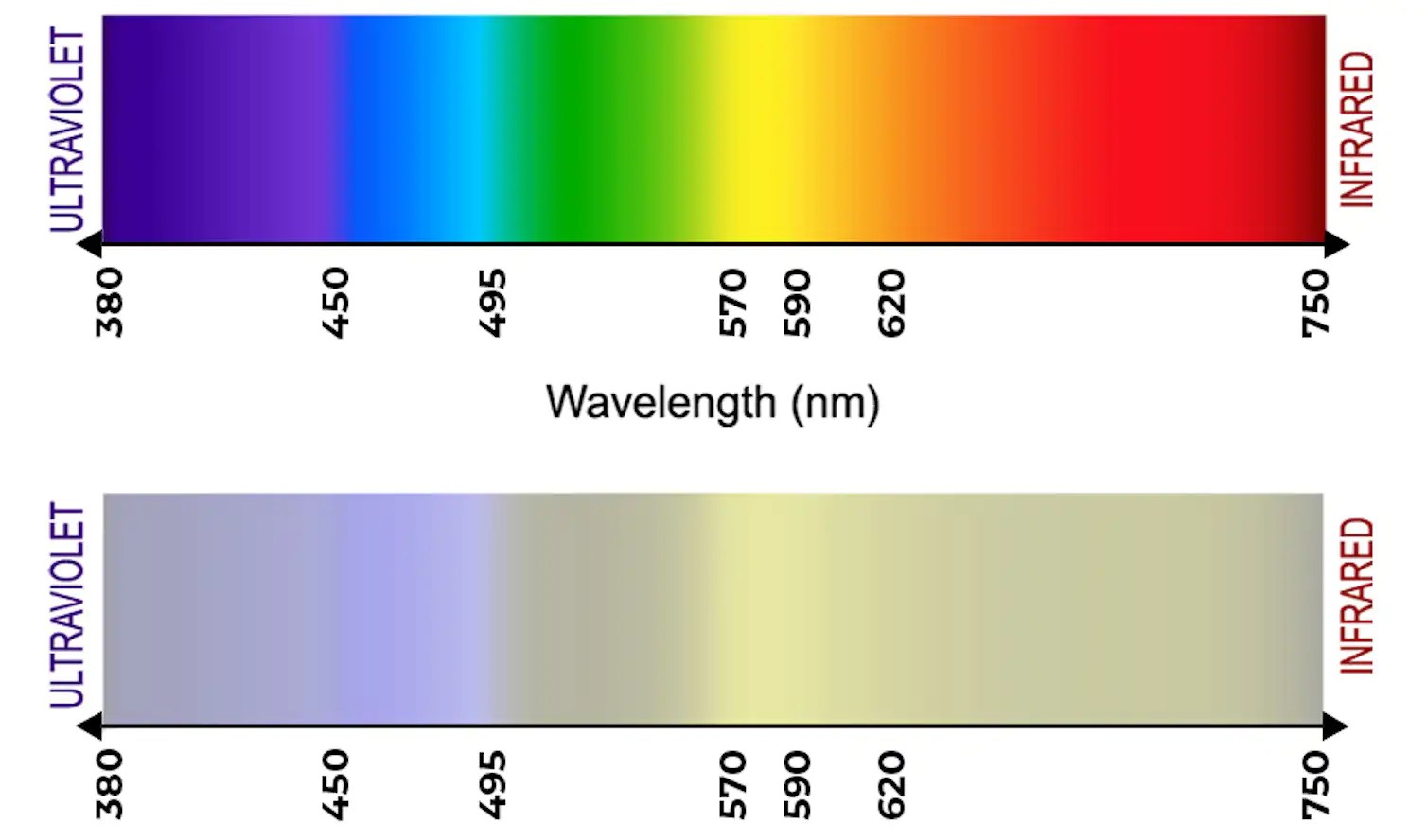
Different wavelengths of light register as different colors in an animal’s visual system. Top is the human view; bottom is a dog’s eye view. Top: iStock/Getty Images Plus via Getty Images. Bottom: As processed by András Péter’s Dog Vision Image Processing Tool
What you see as red or orange, to a dog may just be another shade of tan. To my dog, Sparky, a bright orange ball lying in the green grass may look like a tan ball in another shade of tan grass. But his bright blue ball will look similar to both of us. An online image processing tool lets you see for yourself what a particular picture looks like to your pet.
Animals can’t use spoken language to describe what they see, but researchers easily trained dogs to touch a lit-up color disc with their nose to get a treat. Then they trained the dogs to touch a disc that was a different color than some others. When the well-trained dogs couldn’t figure out which disc to press, the scientists knew that they couldn’t see the differences in color. These experiments showed that dogs could see only yellow and blue.
In the back of our eyeballs, human beings’ retinas contain three types of special cone-shaped cells that are responsible for all the colors we can see. When scientists used a technique called electroretinography to measure the way dogs’ eyes react to light, they found that canines have fewer kinds of these cone cells. Compared to people’s three kinds, dogs only have two types of cone receptors.

Light travels to the back of the eyeball, where it registers with rod and cone cells that send visual signals on to the brain. iStock/Getty Images Plus via Getty Images
Not only can dogs see fewer colors than we do, they probably don’t see as clearly as we do either. Tests show that both the structure and function of the dog eye leads them to see things at a distance as more blurry. While we think of perfect vision in humans as being 20/20, typical vision in dogs is probably closer to 20/75. This means that what a person with normal vision could see from 75 feet away, a dog would need to be just 20 feet away to see as clearly. Since dogs don’t read the newspaper, their visual acuity probably doesn’t interfere with their way of life.
There’s likely a lot of difference in visual ability between breeds. Over the years, breeders have selected sight-hunting dogs like greyhounds to have better vision than dogs like bulldogs.
But that’s not the end of the story. While people have a tough time seeing clearly in dim light, scientists believe dogs can probably see as well at dusk or dawn as they can in the bright middle of the day. This is because compared to humans’, dog retinas have a higher percentage and type of another kind of visual receptor. Called rod cells because of their shape, they function better in low light than cone cells do.
Dogs also have a reflective tissue layer at the back of their eyes that helps them see in less light. This mirror-like tapetum lucidum collects and concentrates the available light to help them see when it’s dark. The tapetum lucidum is what gives dogs and other mammals that glowing eye reflection when caught in your headlights at night or when you try to take a flash photo.
Dogs share their type of vision with many other animals, including cats and foxes. Scientists think it’s important for these hunters to be able to detect the motion of their nocturnal prey, and that’s why their vision evolved in this way. As many mammals developed the ability to forage and hunt in twilight or dark conditions, they gave up the ability to see the variety of colors that most birds, reptiles and primates have. People didn’t evolve to be active all night, so we kept the color vision and better visual acuity.
Before you feel sorry that dogs aren’t able to see all the colors of the rainbow, keep in mind that some of their other senses are much more developed than yours. They can hear higher-pitched sounds from farther away, and their noses are much more powerful.
Even though Sparky might not be able to easily see that orange toy in the grass, he can certainly smell it and find it easily when he wants to.
ooOOoo
I don’t know about you but I found this most interesting and the last thing I would be described as is a kid!
In terms of our own dogs their ability to forage in the dark is quite amazing and, presumably, our dogs are quite typical of dogs in general.
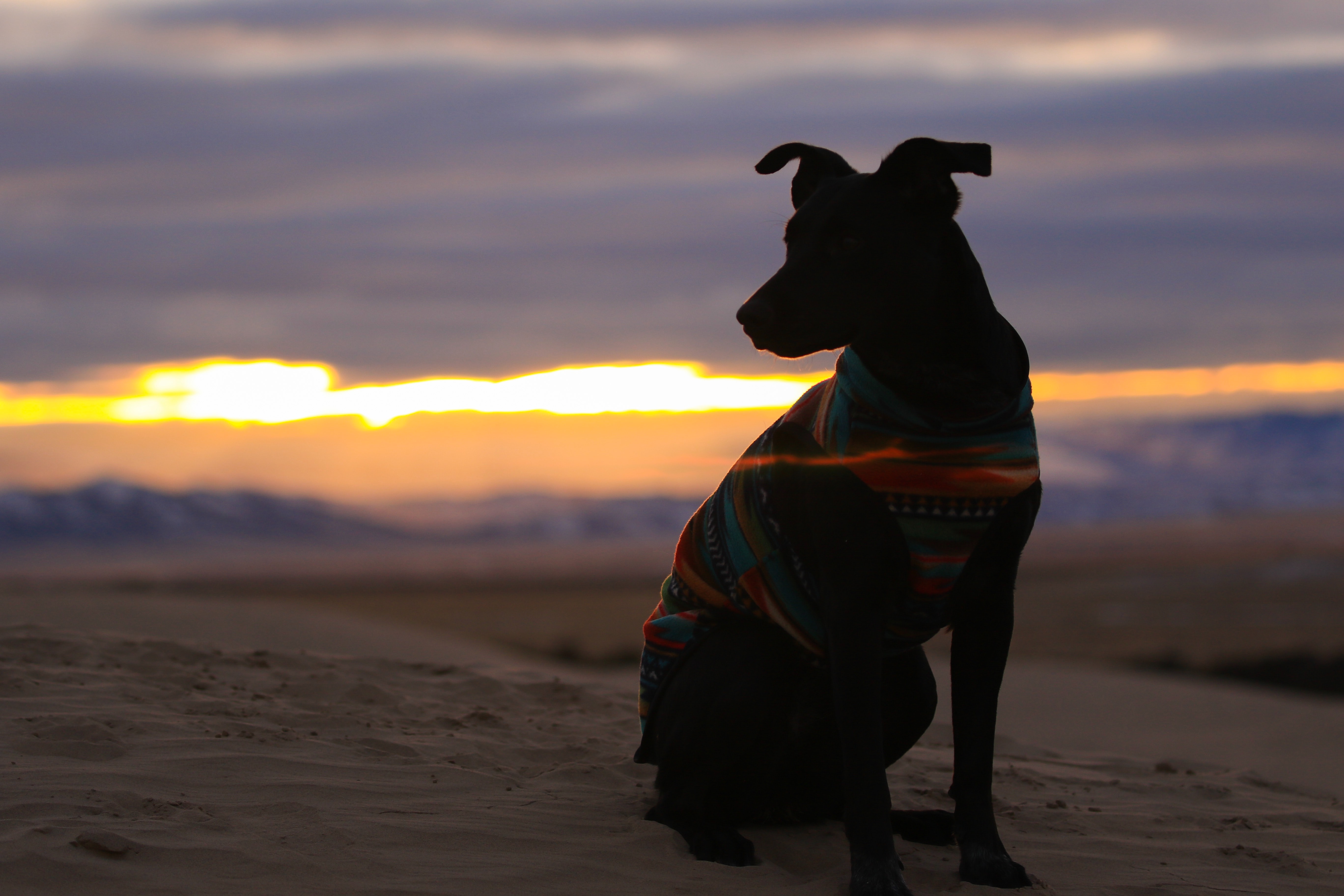
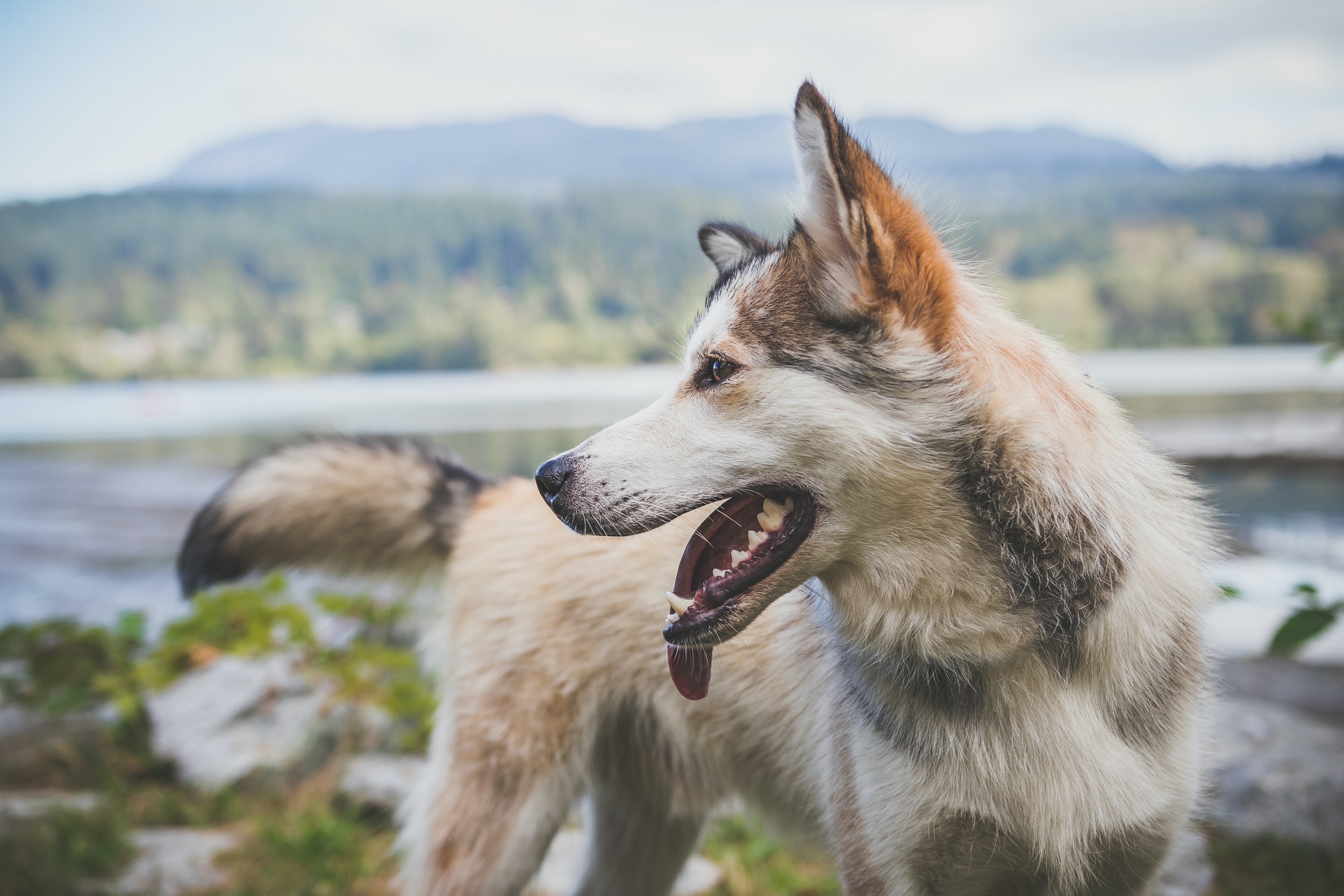
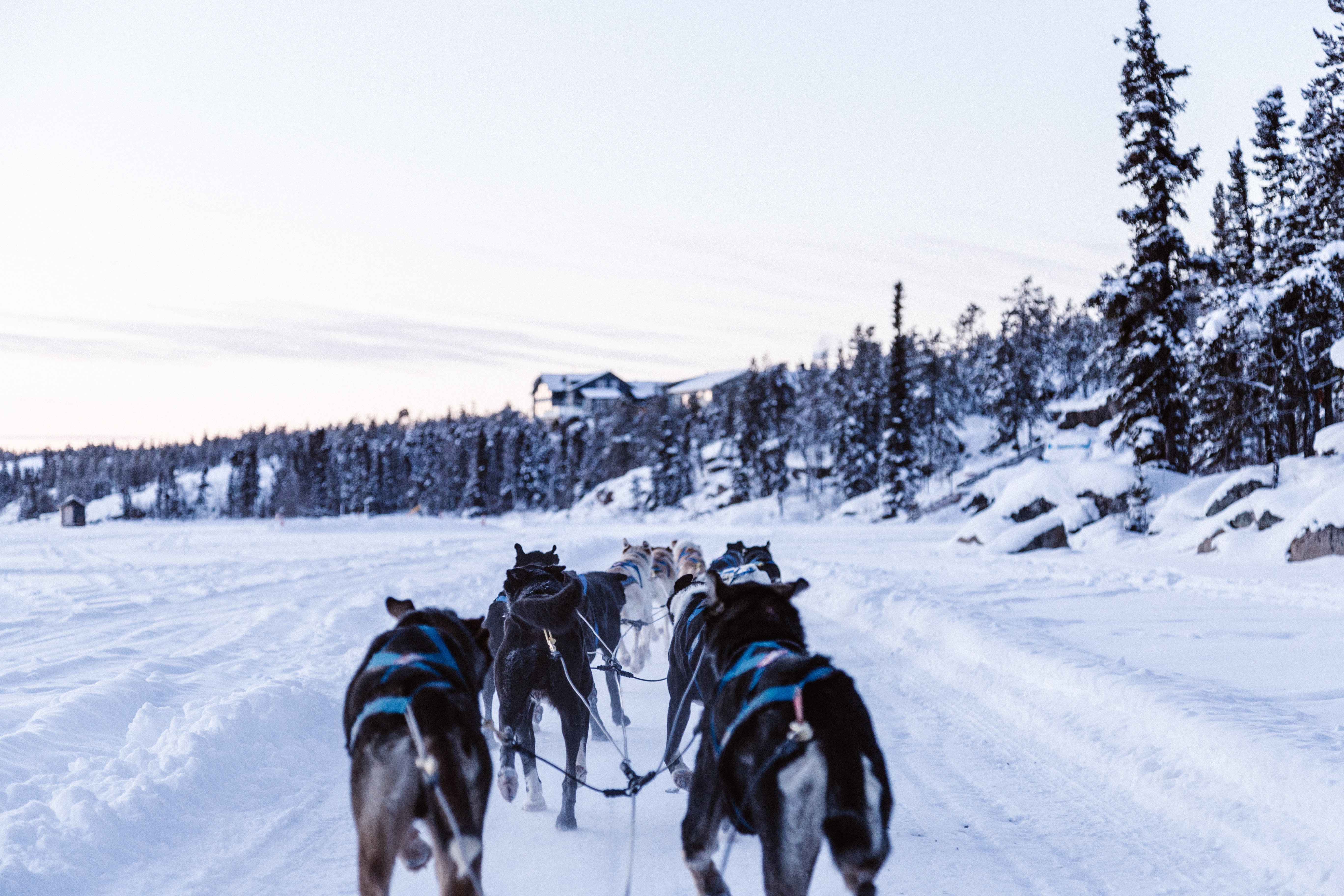
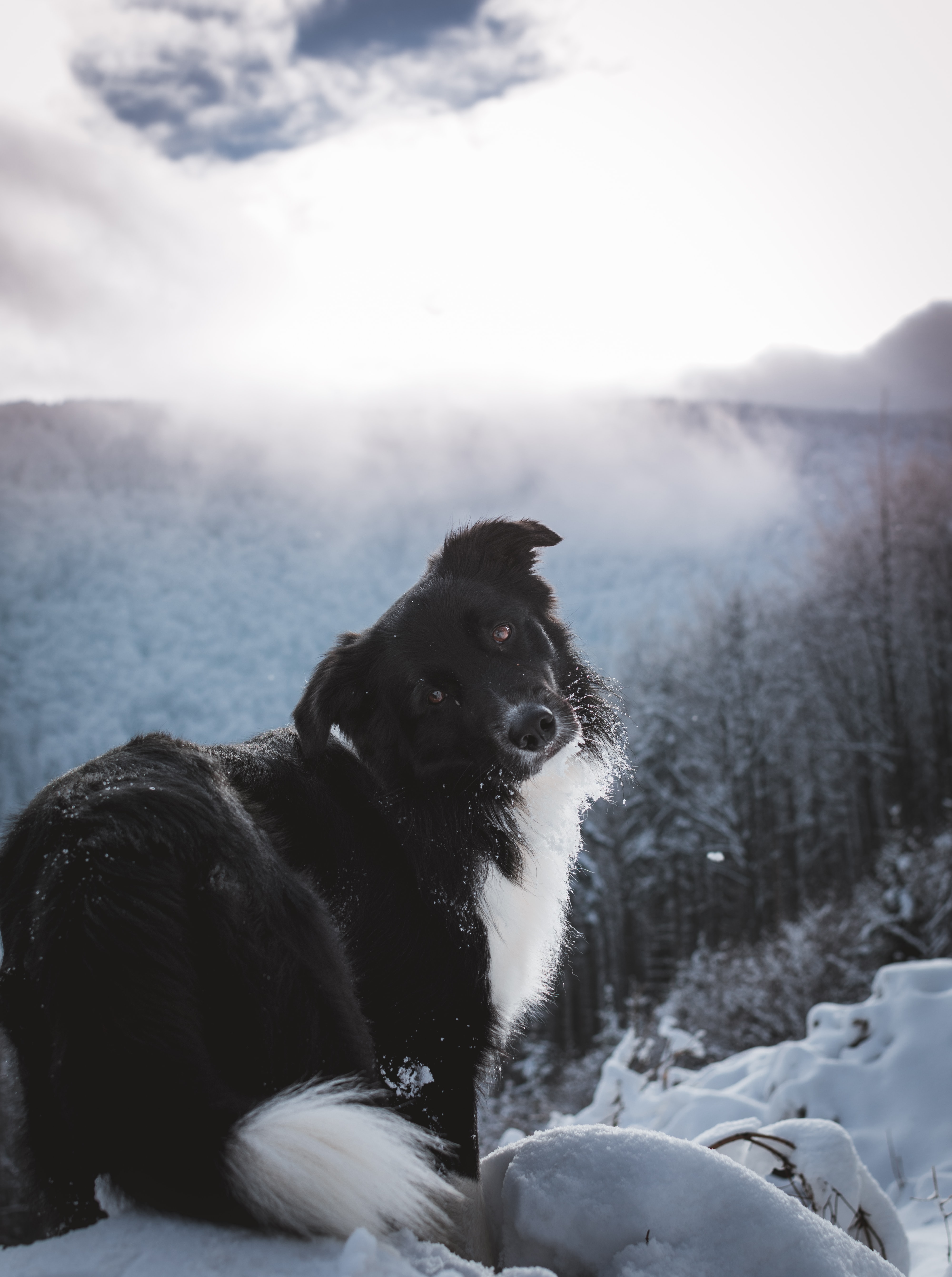
Again, a variety of photographs from Unsplash.
oooo
oooo
oooo

oooo
oooo
oooo

oooo
oooo
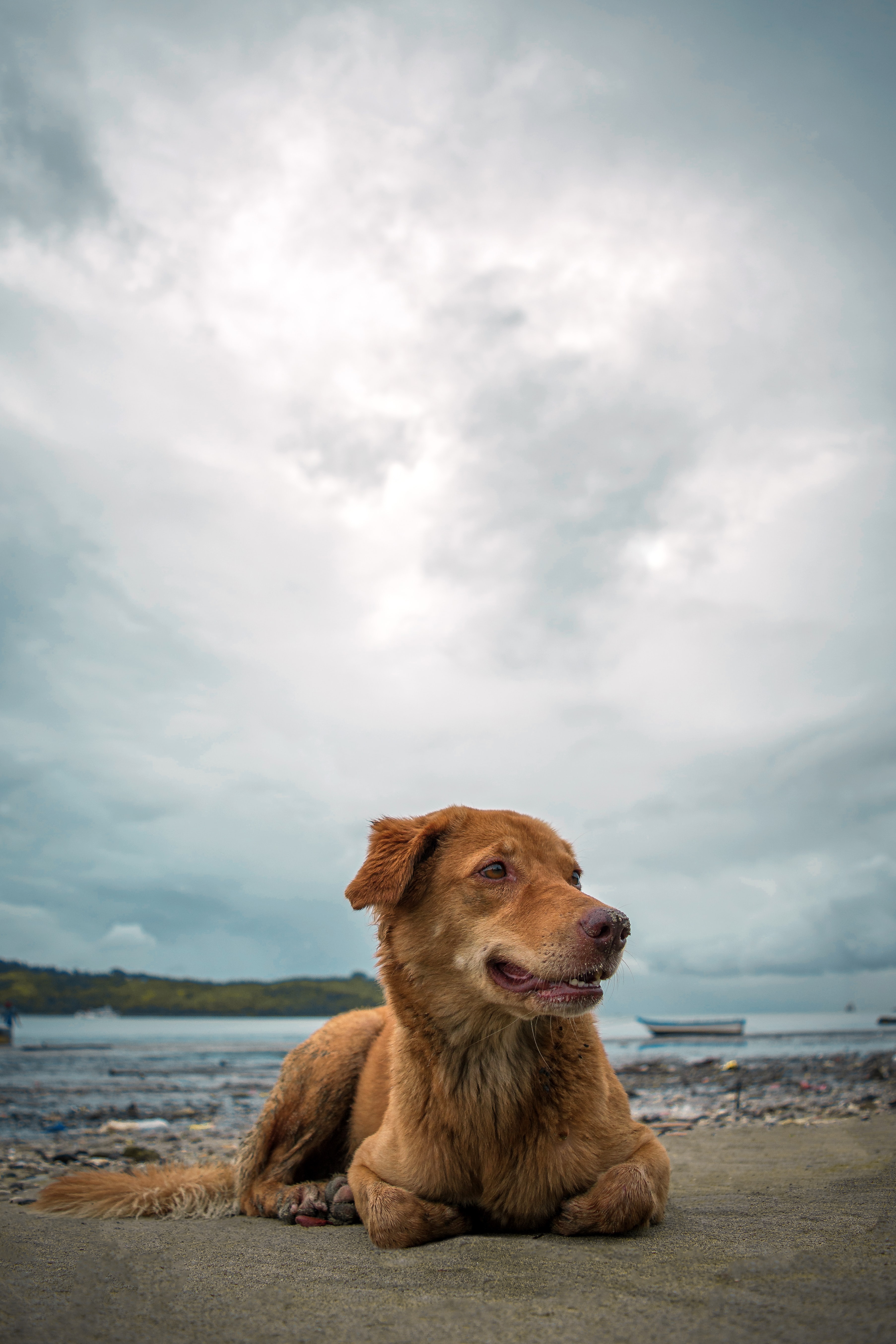
oooo
And the last one for today with no dogs but still a wonderful shot.

More in a week’s time.
 Learning from Dogs