A very beautiful film

Man’s First Friend

Last Sunday Jean and I watched a Top Documentary Film about the origins of dogs. It was filmed in 2018 and was precious.

Here are the words that accompanied the film:

He has been an integral part of our existence for over 20,000 years. Throughout history, his contributions have been diverse and invaluable. He’s aided us in procuring sustenance, safeguarded our domesticated animals, served as a shield against adversaries, provided navigation during harsh conditions, and rescued us from imminent danger.

Presently, he offers solace, alleviating solitude and assisting us in managing the challenges of advancing age. He has evolved into an unwavering comrade. The origins of dogs raise intriguing questions: How did these remarkable creatures emerge? How did they ascend to such prominence in our lives? How did we forge a collaborative relationship, leveraging their distinct abilities? Moreover, what remarkable feats do they accomplish for us in contemporary times?

Prepare to embark on a journey that unveils the extraordinary escapades of these exceptional beings, showcasing their heroic deeds. Transitioning from wild wolves to beloved companions, from predatory instincts to steadfast friendship, we will traverse the globe to narrate the captivating narrative of how dogs earned their title: man’s first friend.

Director: Frédéric Fougea

Luckily the film, that runs for 90 minutes, is available on YouTube.

Here it is:

If you haven’t seen the film then, please, put some time aside to watch it. You will not be disappointed.

Another guest post from Penny

Concerning addiction recovery.

Penny Martin is a regular contributor to these pages and I am delighted with that.

So without any more todo, here is Penny’s post.

ooOOoo

Fur-Ever Friends: The Therapeutic Bonds of Pets in Addiction Rehab

By Penny Martin

Image via Pexels

Recovery from addiction is a complex and emotionally taxing process that involves much more than simply abstaining from substance use. It necessitates a holistic approach to healing, which often includes medical treatment, psychotherapy, lifestyle changes, and, for many people, the support of loved ones. 

Another source of support that is increasingly recognized for its therapeutic benefits is the companionship of pets. Whether it’s a dog, a cat, or even a bird, pets offer emotional sustenance, non-judgmental companionship, and numerous practical advantages. In this article from Learning from Dogs, we delve into how the presence of a pet can be a transformative experience.

It’s All About a Good Routine

Establishing a stable routine is a cornerstone of addiction recovery. A routine not only provides structure to the day but also instills a sense of responsibility and purpose. Owning a pet naturally requires a routine for feeding, exercise, and care. 

This routine can help an individual in recovery stay focused and reduce the void or emptiness often cited as a relapse trigger. Technologies like automated pet feeders can further support this routine, ensuring that your responsibilities are met even when you’re dealing with emotional ups and downs.

Pets Just Make You Feel Better

PsychCentral notes that interacting with pets has been scientifically shown to improve emotional health. Simple actions such as petting a dog or cat trigger the release of “feel-good” hormones like oxytocin, reducing stress and elevating mood. 

These emotional benefits are invaluable, especially during the psychologically taxing phases of withdrawal and detoxification. Mental health tracking apps can provide real-time data on your emotional state, often reflecting an improvement correlated with increased time spent with your pet.

Pet-Friendliness and Rehab

Selecting the appropriate rehab facility is an essential step toward a successful recovery journey. An important criterion to consider is the availability of pet-friendly options or the incorporation of pet therapy in the facility’s treatment approach. 

Many centers, including local resources for treatment and recovery, are increasingly acknowledging the multifaceted therapeutic advantages that pets can offer and are thus integrating them into their treatment regimens. Specialized online platforms provide comprehensive data about such pet-amicable facilities, empowering individuals to make a well-informed decision.

Diverting from Destructive Urges

Engaging with pets can provide a crucial distraction from cravings and negative thoughts. Whether it’s going for a walk, playing fetch, or simply cuddling on the sofa, these activities require engagement that diverts attention away from destructive patterns. There are even interactive pet toys available now, controlled via smartphone apps, that can keep both the pet and the owner engaged, further reducing idle time that might otherwise lead to cravings.

Pets Make You Social

HABRI points out that owning a pet often encourages social interaction, which can be particularly beneficial during recovery. Whether it’s through meeting other dog owners during walks or engaging in community pet events, these interactions foster a sense of community and belonging. These newly formed social connections can be a significant supportive element in staying sober. Social platforms and apps for pet owners offer a virtual space to connect, share experiences, and seek advice, contributing to a broader support system.

Enhancing Self-Image

Successfully caring for a pet significantly boosts self-esteem and self-worth. Taking responsibility for the well-being of another life generates a sense of accomplishment and purpose, which are foundational in rebuilding one’s life after addiction. Virtual training modules and online courses offer valuable insights into pet care, further increasing competence and confidence in this area.

The journey through addiction recovery is seldom straightforward. It’s a path fraught with challenges, emotional turbulence, and setbacks. However, the simple act of caring for a pet offers an unmatched emotional and practical support system that aids significantly in the recovery process. From establishing routine and boosting emotional well-being to providing a sense of purpose, the benefits are multi-layered and profound. As you navigate through the trials of addiction recovery, the companionship of a pet can become one of your most significant sources of comfort, strength, and hope.

Learning from Dogs serves as a reminder of the values of life and the power of unconditional love – as so many, many dogs prove each and every day. Read more informative articles today!

ooOOoo

HABRI stands for The Human Animal Bond Research Institute and their website is available if you click on the title. I am going to see if I can republish some of HABRI’s articles.

Anyway, thanks to Penny for another great guest post.

It just goes to show the importance of loving an animal, especially a cat or a dog.

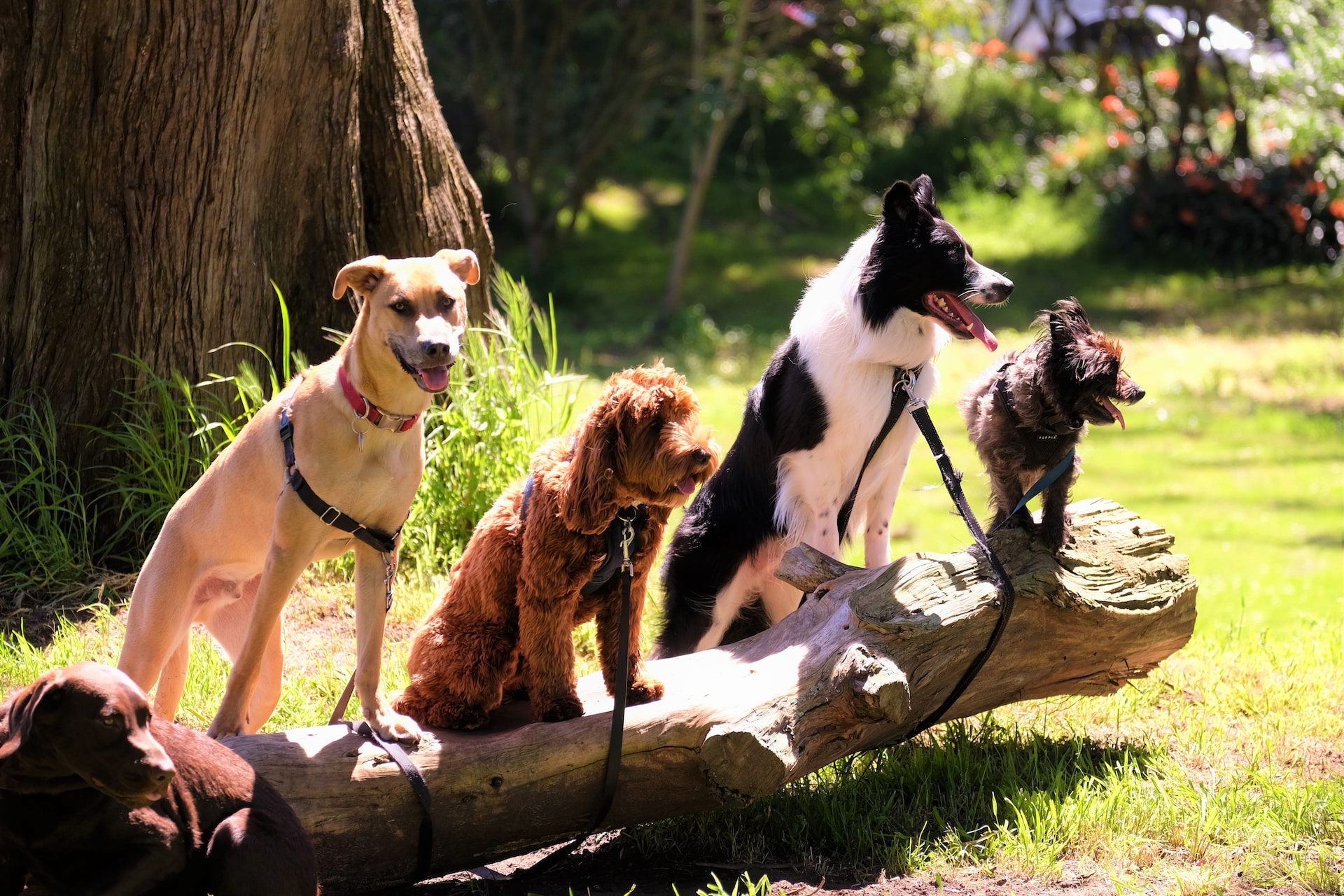
Picture Parade Four Hundred and Fourteen

Yes, more photographs from Unsplash.

Photo by Bruce Warrington on Unsplash

oooo

Photo by Karl Anderson on Unsplash

oooo

Photo by Kieran White on Unsplash

oooo

Photo by Kinshuk Bose on Unsplash

oooo

Photo by Ja San Miguel on Unsplash

oooo

Photo by Oscar Sutton on Unsplash

That is all for this week! Please take care of yourselves and your dogs!

Selling your home

As a pet owner.

This is a guest post, from Penny Martin. Penny has written guest posts previously, and I welcome another one for your reading.

ooOOoo

How To Style Your Home for a Successful Sale As a Pet Owner

By Penny Martin

Photo via Pexels

Selling a home is a pivotal moment, and it’s often laden with challenges, especially for pet owners. Pets are integral to many families, yet their presence in a home can affect its market appeal. The key to success lies in presenting a home that is inviting to a broad range of buyers, creating a balance where your pet-friendly environment is subtly perceptible but not overtly dominant. This comprehensive guide, presented by Learning From Dogs, delves into effective strategies for preparing your home for sale, ensuring it is welcoming and appealing to potential buyers while accommodating your pets in an understated manner.

Refurbish Pet-Caused Damages

Initiate the home staging process by addressing any visible pet-related damage. This includes repairing scratched floors, restoring torn carpets, and replacing chewed baseboards or door frames. Undertaking these repairs is essential, as it enhances the aesthetic appeal of your home and demonstrates to potential buyers that the property has been meticulously cared for. This attention to detail not only increases the home’s visual appeal but also instills confidence in buyers about the overall maintenance of the property. It’s also a good idea to take proactive measures that will prevent your pet from exhibiting destructive behaviors in your new place.

Deep Cleaning for a Pristine Look

The importance of a thoroughly cleaned home cannot be overstated. This means going beyond the usual cleaning routine to focus on eradicating pet hair, dander, and any trace of pets. Consider the benefits of a professional cleaning service to ensure a comprehensive and meticulous result. A spotlessly clean home not only presents well but also communicates a sense of pride and care in property maintenance. It’s a visual reassurance to buyers that the home has been well-loved and looked after.

Market Research for Competitive Edge

Conducting thorough market research is a pivotal step in the home-selling process. Investigate how comparable homes in your locality are presented in the market. Pay close attention to their staging techniques, pricing strategies, and how they highlight their homes’ best features. This research will arm you with knowledge and insights, enabling you to position your home competitively in the market. Understanding the local real estate landscape helps in making informed decisions about how to best showcase your home to attract the right buyers.

Eliminating Pet Odors

Neutralizing pet odors is a critical aspect of home staging. Utilize air purifiers, scented candles, and specialized odor-neutralizing products to ensure your home smells inviting. Regularly airing out the house also plays a crucial role in maintaining a pleasant and fresh atmosphere. Remember, the olfactory experience can greatly influence a buyer’s first impression, so a fresh-smelling home is key to creating a positive and lasting impact.

Stowing Away Pet Supplies

During property viewings, it’s advisable to temporarily remove all visible pet supplies, including food bowls, toys, beds, and litter boxes. You can also do this with personal items such as family photos. This tactic helps potential buyers focus on the space itself without distractions. Creating an environment where buyers can easily envision their own life and belongings in the space is crucial for forming an emotional connection with the property.

Clearing Out Pet Furniture

Consider storing or temporarily replacing pet-specific furniture, such as cat trees, dog beds, and pet crates, as well as large pieces of your own furniture. This not only declutters the space but also allows potential buyers to appreciate the full potential and size of each room. Clearing these items creates an impression of more space and versatility, appealing to a wider range of buyer preferences.

Selecting Pet-Friendly Fabrics

Switch to fabrics that are less prone to trapping pet hair and odors. Opt for easy-to-clean furniture covers that complement your home’s decor. Neutral tones and textures can make a significant difference, as they help potential buyers envision their own furniture and style in the space. This subtle change can enhance the overall appeal of your home, making it more attractive to a diverse group of buyers.

Navigating the home-selling journey as a pet owner requires a strategic and thoughtful approach. By implementing these tailored strategies, you can ensure your home is showcased as a welcoming, pet-neutral space, appealing to a broad spectrum of buyers. A well-prepared, immaculately clean, and thoughtfully staged home increases the likelihood of attracting serious buyers and achieving a successful sale. Remember, the goal is to present a home that resonates with buyers’ aspirations, creating an environment where they can easily envision building their future.

Learning From Dogs offers a unique perspective on how to live life with honesty and integrity. Follow the blog today to learn more!

ooOOoo

Thank you, Penny.

Hopefully this will be on interest to our readers. I, certainly, found it so. Plus, I was more than grateful for the LfD references in the article. Once again, thank you, Penny.

Being wrong can be right!

Another very interesting post courtesy of The Conversation.

First of all, let me quote the opening two paragraphs from the WikiPedia entry on ‘intellectual humility’:

Intellectual humility is the acceptance that one’s beliefs and opinions could be wrong. Other characteristics that may accompany intellectual humility include a low concern for status and an acceptance of one’s intellectual limitations.

Intellectual humility (IH) is often described as an intellectual virtue. It is considered along with other perceived virtues and vices such as open-mindednessintellectual couragearrogance, vanity, and servility. It can be understood as lying between the opposite extremes of intellectual arrogance/dogmatism and intellectual servility/diffidence/timidity.

Now to the article that was published by The Conversation.

ooOOoo

The curious joy of being wrong – intellectual humility means being open to new information and willing to change your mind

Sometimes the evidence points you in a new direction. Schon/Moment via Getty Images

Daryl Van Tongeren, Hope College

Mark Twain apocryphally said, “I’m in favor of progress; it’s change I don’t like.” This quote pithily underscores the human tendency to desire growth while also harboring strong resistance to the hard work that comes with it. I can certainly resonate with this sentiment.

I was raised in a conservative evangelical home. Like many who grew up in a similar environment, I learned a set of religious beliefs that framed how I understood myself and the world around me. I was taught that God is loving and powerful, and God’s faithful followers are protected. I was taught that the world is fair and that God is good. The world seemed simple and predictable – and most of all, safe.

These beliefs were shattered when my brother unexpectedly passed away when I was 27 years old. His death at 34 with three young children shocked our family and community. In addition to reeling with grief, some of my deepest assumptions were challenged. Was God not good or not powerful? Why didn’t God save my brother, who was a kind and loving father and husband? And how unfair, uncaring and random is the universe?

This deep loss started a period where I questioned all of my beliefs in light of the evidence of my own experiences. Over a considerable amount of time, and thanks to an exemplary therapist, I was able to revise my worldview in a way that felt authentic. I changed my mind, about a lot things. The process sure wasn’t pleasant. It took more sleepless nights than I care to recall, but I was able to revise some of my core beliefs.

I didn’t realize it then, but this experience falls under what social science researchers call intellectual humility. And honestly, it is probably a large part of why, as a psychology professor, I am so interested in studying it. Intellectual humility has been gaining more attention, and it seems critically important for our cultural moment, when it’s more common to defend your position than change your mind.

What it means to be intellectually humble

Intellectual humility is a particular kind of humility that has to do with beliefs, ideas or worldviews. This is not only about religious beliefs; it can show up in political views, various social attitudes, areas of knowledge or expertise or any other strong convictions. It has both internal- and external-facing dimensions.

Within yourself, intellectual humility involves awareness and ownership of the limitations and biases in what you know and how you know it. It requires a willingness to revise your views in light of strong evidence.

Interpersonally, it means keeping your ego in check so you can present your ideas in a modest and respectful manner. It calls for presenting your beliefs in ways that are not defensive and admitting when you’re wrong. It involves showing that you care more about learning and preserving relationships than about being “right” or demonstrating intellectual superiority.

Another way of thinking about humility, intellectual or otherwise, is being the right size in any given situation: not too big (which is arrogance), but also not too small (which is self-deprecation).

male standing with mic, seated audience, in a casual business seminar
Having confidence in your area of expertise is different than thinking you know it all about everything. Morsa Images/DigitalVision via Getty Images

I know a fair amount about psychology, but not much about opera. When I’m in professional settings, I can embrace the expertise that I’ve earned over the years. But when visiting the opera house with more cultured friends, I should listen and ask more questions, rather than confidently assert my highly uninformed opinion.

Four main aspects of intellectual humility include being:

  • Open-minded, avoiding dogmatism and being willing to revise your beliefs.
  • Curious, seeking new ideas, ways to expand and grow, and changing your mind to align with strong evidence.
  • Realistic, owning and admitting your flaws and limitations, seeing the world as it is rather than as you wish it to be.
  • Teachable, responding nondefensively and changing your behavior to align with new knowledge.

Intellectual humility is often hard work, especially when the stakes are high.

Starting with the admission that you, like everyone else, have cognitive biases and flaws that limit how much you know, intellectual humility might look like taking genuine interest in learning about your relative’s beliefs during a conversation at a family get-together, rather than waiting for them to finish so you can prove them wrong by sharing your – superior – opinion.

It could look like considering the merits of an alternative viewpoint on a hot-button political issue and why respectable, intelligent people might disagree with you. When you approach these challenging discussions with curiosity and humility, they become opportunities to learn and grow.

Why intellectual humility is an asset

Though I’ve been studying humility for years, I’ve not yet mastered it personally. It’s hard to swim against cultural norms that reward being right and punish mistakes. It takes constant work to develop, but psychological science has documented numerous benefits.

First, there are social, cultural and technological advances to consider. Any significant breakthrough in medicine, technology or culture has come from someone admitting they didn’t know something – and then passionately pursuing knowledge with curiosity and humility. Progress requires admitting what you don’t know and seeking to learn something new.

animated people talking over a meal
Intellectual humility can make conversations less adversarial. Compassionate Eye Foundation/Gary Burchell/DigitalVision via Getty Images

Relationships improve when people are intellectually humble. Research has found that intellectual humility is associated with greater tolerance toward people with whom you disagree.

For example, intellectually humble people are more accepting of people who hold differing religious and political views. A central part of it is an openness to new ideas, so folks are less defensive to potentially challenging perspectives. They’re more likely to forgive, which can help repair and maintain relationships.

Finally, humility helps facilitate personal growth. Being intellectually humble allows you to have a more accurate view of yourself.

When you can admit and take ownership of your limitations, you can seek help in areas where you have room to grow, and you’re more responsive to information. When you limit yourself to only doing things the way you’ve always done them, you miss out on countless opportunities for growth, expansion and novelty – things that strike you with awe, fill you with wonder and make life worth living.

Humility can unlock authenticity and personal development.

Humility doesn’t mean being a pushover

Despite these benefits, sometimes humility gets a bad rap. People can have misconceptions about intellectual humility, so it’s important to dispel some myths.

Intellectual humility isn’t lacking conviction; you can believe something strongly until your mind is changed and you believe something else. It also isn’t being wishy-washy. You should have a high bar for what evidence you require to change your mind. It also doesn’t mean being self-deprecating or always agreeing with others. Remember, it’s being the right size, not too small.

Researchers are working hard to validate reliable ways to cultivate intellectual humility. I’m part of a team that is overseeing a set of projects designed to test different interventions to develop intellectual humility.

Some scholars are examining different ways to engage in discussions, and some are exploring the role of enhancing listening. Others are testing educational programs, and still others are looking at whether different kinds of feedback and exposure to diverse social networks might boost intellectual humility.

Prior work in this area suggests that humility can be cultivated, so we’re excited to see what emerges as the most promising avenues from this new endeavor.

There was one other thing that religion taught me that was slightly askew. I was told that too much learning could be ruinous; after all, you wouldn’t want to learn so much that you might lose your faith.

But in my experience, what I learned through loss may have salvaged a version of my faith that I can genuinely endorse and feels authentic to my experiences. The sooner we can open our minds and stop resisting change, the sooner we’ll find the freedom offered by humility.

Daryl Van Tongeren, Associate Professor of Psychology, Hope College

This article is republished from The Conversation under a Creative Commons license. Read the original article.

ooOOoo

Nothing more to add to this most interesting article.

Picture Parade Four Hundred and Thirteen

Again, more dog photos from Unsplash.

Photo by Poovarasan K on Unsplash

oooo

Photo by Sayan Majhi on Unsplash

oooo

Photo by Patrick Schätz on Unsplash

oooo

Photo by Aziz Acharki on Unsplash

oooo

Photo by Dylan Shaw on Unsplash

oooo

Photo by Terence Sandeep on Unsplash

oooo

Photo by Eleonora Catalano on Unsplash

oooo

Photo by Praswin Prakashan on Unsplash

I get such pleasure from posting these (free) photographs from Unsplash. They are superb!

Dogs are the best!

This came in from our neighbour, Dordie!

You will love it!

ooOOoo

This dog catching a fish while his owner is away.. Dogs are the best..

It was originally posted on ‘X’ by but then I found it on YouTube. However the text that was shown on X read:

Buitengebieden,

Welcome to the positive side of X. I’m Sander from the Netherlands. All copyrights belong to their respective owners! DM for credits/removal/submission!

ooOOoo

Wonderful! Thanks Dordie!

The Winter solstice

We pass from 2023 into 2024.

So here we are, 2024, and the year when I become 80! However, I still have eleven months before that happens. Like an amazing number of people, I do not really think long about this New Year but there are plenty that do.

Here is an article that explains much more. It is from The Conversation.

ooOOoo

What winter solstice rituals tell us about indigenous people

The Blackfeet always faced their tipis towards the rising sun, including on winter solstice. Beinecke Library via Wikimedia Commons, CC BY

Rosalyn R. LaPier, University of Montana

On the day of winter solstice, many Native American communities will hold religious ceremonies or community events.

The winter solstice is the day of the year when the Northern Hemisphere has the fewest hours of sunlight and the Southern Hemisphere has the most. For indigenous peoples, it has been a time to honor their ancient sun deity. They passed their knowledge down to successive generations through complex stories and ritual practices.

As a scholar of the environmental and Native American religion, I believe, there is much to learn from ancient religious practices.

Ancient architecture

For decades, scholars have studied the astronomical observations that ancient indigenous people made and sought to understand their meaning.

One such place was at Cahokia, near the Mississippi River in what is now Illinois across from St. Louis.

The Cahokia mounds. Doug Kerr, CC BY-SA

In Cahokia, indigenous people built numerous temple pyramids or mounds, similar to the structures built by the Aztecs in Mexico, over a thousand years ago. Among their constructions, what most stands out is an intriguing structure made up of wooden posts arranged in a circle, known today as “Woodhenge.”

To understand the purpose of Woodhenge, scientists watched the sun rise from this structure on winter solstice. What they found was telling: The sun aligned with both Woodhenge and the top of a temple mound – a temple built on top of a pyramid with a flat top – in the distance. They also found that the sun aligns with a different temple mound on summer solstice.

Archaeological evidence suggests that the people of Cahokia venerated the sun as a deity. Scholars believe that ancient indigenous societies observed the solar system carefully and wove that knowledge into their architecture.

Scientists have speculated that the Cahokia held rituals to honor the sun as a giver of life and for the new agricultural year.

Complex understandings

Zuni Pueblo is a contemporary example of indigenous people with an agricultural society in western New Mexico. They grow corn, beans, squash, sunflowers and more. Each year they hold annual harvest festivals and numerous religious ceremonies, including at the winter solstice.

At the time of the winter solstice they hold a multiday celebration, known as the Shalako festival. The days for the celebration are selected by the religious leaders. The Zuni are intensely private, and most events are not for public viewing.

But what is shared with the public is near the end of the ceremony, when six Zuni men dress up and embody the spirit of giant bird deities. These men carry the Zuni prayers for rain “to all the corners of the earth.” The Zuni deities are believed to provide “blessings” and “balance” for the coming seasons and agricultural year.

As religion scholar Tisa Wenger writes, “The Zuni believe their ceremonies are necessary not just for the well-being of the tribe but for “the entire world.”

Winter games

Not all indigenous peoples ritualized the winter solstice with a ceremony. But that doesn’t mean they didn’t find other ways to celebrate.

The Blackfeet tribe in Montana, where I am a member, historically kept a calendar of astronomical events. They marked the time of the winter solstice and the “return” of the sun or “Naatosi” on its annual journey. They also faced their tipis – or portable conical tents – east toward the rising sun.

They rarely held large religious gatherings in the winter. Instead the Blackfeet viewed the time of the winter solstice as a time for games and community dances. As a child, my grandmother enjoyed attending community dances at the time of the winter solstice. She remembered that each community held their own gatherings, with unique drumming, singing and dance styles.

Later, in my own research, I learned that the Blackfeet moved their dances and ceremonies during the early reservation years from times on their religious calendar to times acceptable to the U.S. government. The dances held at the time of the solstice were moved to Christmas Day or to New Year’s Eve.

Today, my family still spends the darkest days of winter playing card games and attending the local community dances, much like my grandmother did.

Although some winter solstice traditions have changed over time, they are still a reminder of indigenous peoples understanding of the intricate workings of the solar system. Or as the Zuni Pueblo’s rituals for all peoples of the earth demonstrate – of an ancient understanding of the interconnectedness of the world.

(This article is republished from The Conversation under a Creative Commons license. Read the original article.)

ooOOoo

Jean and I wish you all a Very Happy 2024. Please be safe and careful, and be happy!

A Christmas break

Just a note to say that Learning from Dogs is taking a short break from blogging.

We will be back next year!

On Tuesday, 2nd January, 2024

We wish you a pleasant holiday and a peaceful break.

Photo by S&B Vonlanthen on Unsplash

Picture Parade Four Hundred and Twelve

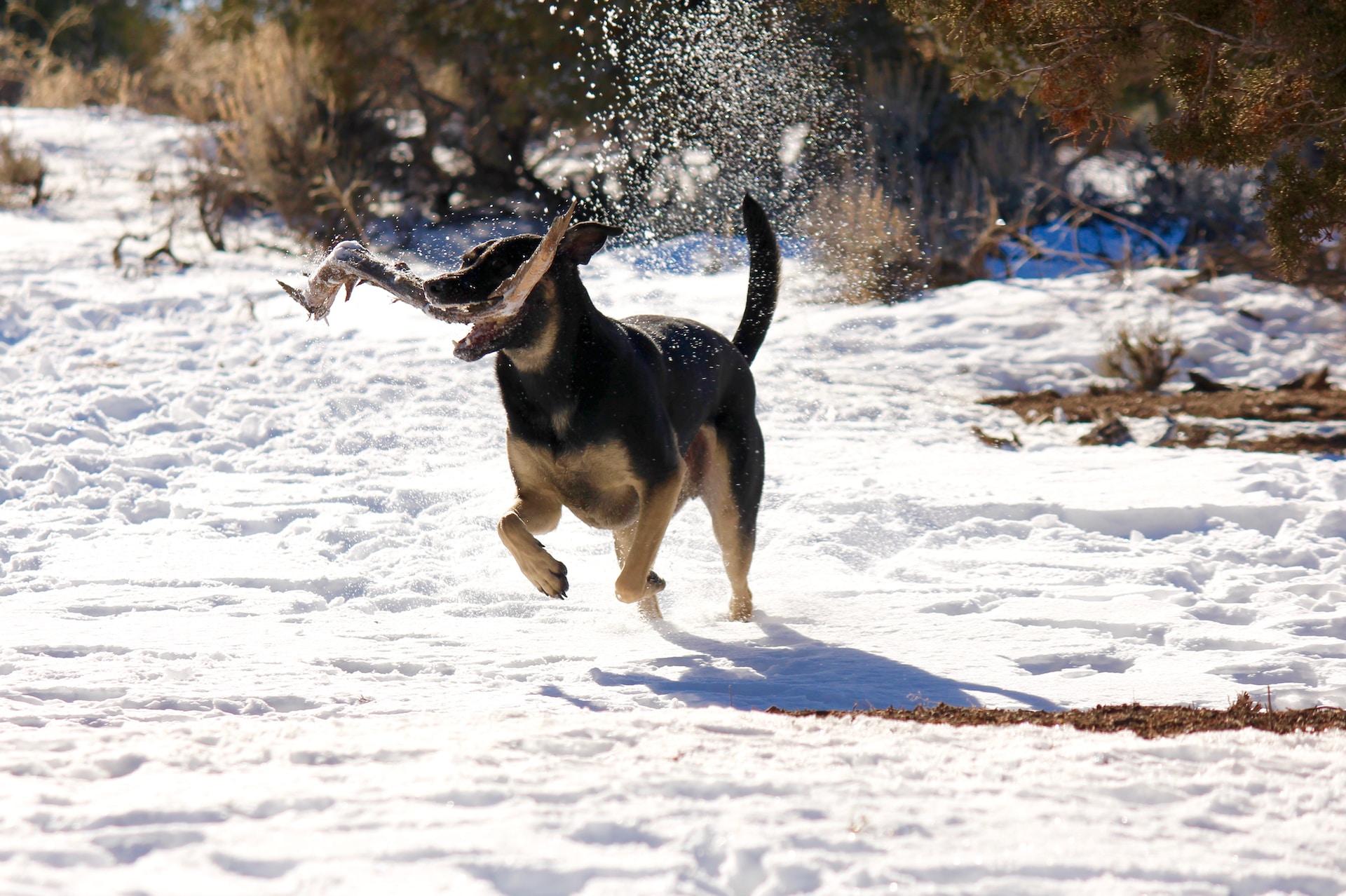
This time I chose Dog in Snow from Unsplash.

Photo by Benjamin Brunner on Unsplash

oooo

Photo by Dan on Unsplash

oooo

Photo by Chris Kofoed on Unsplash

oooo

Photo by Lech Naumovich on Unsplash

oooo

Photo by Chris Kofoed on Unsplash

oooo

Photo by Megan Dujardin on Unsplash

oooo

I am taking a short break from blogging, it being the Christmas season, and I will be back on Tuesday, January 2nd, 2024!