Alex took this photograph.

He perfectly captured the beauty of this wave.
Dogs are animals of integrity. We have much to learn from them.
Alex took this photograph.
He perfectly captured the beauty of this wave.
Did I post Goodbye Winter a few days ago!
All these photographs were taken on Friday, 14th March, 2025

oooo
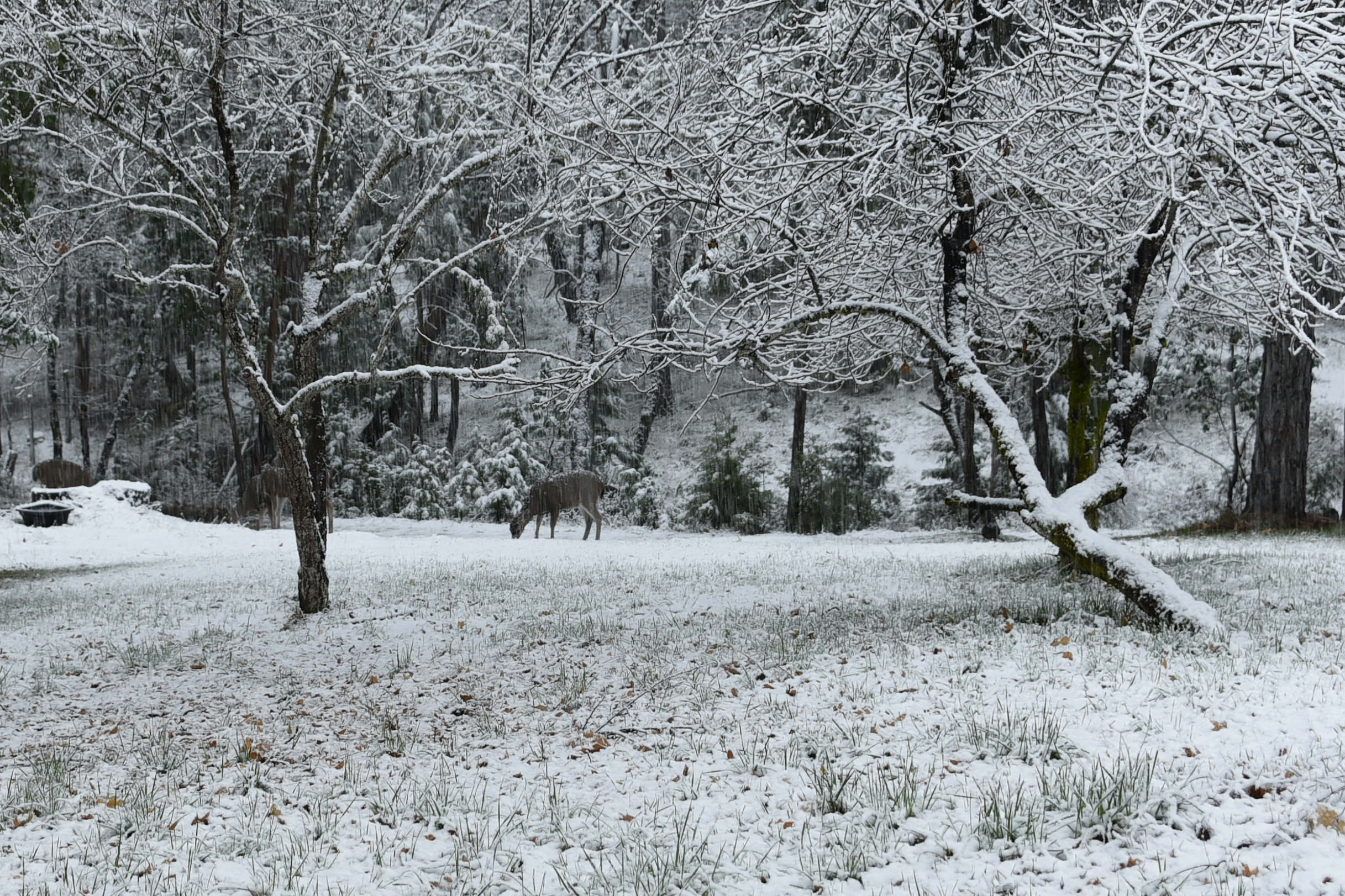
oooo
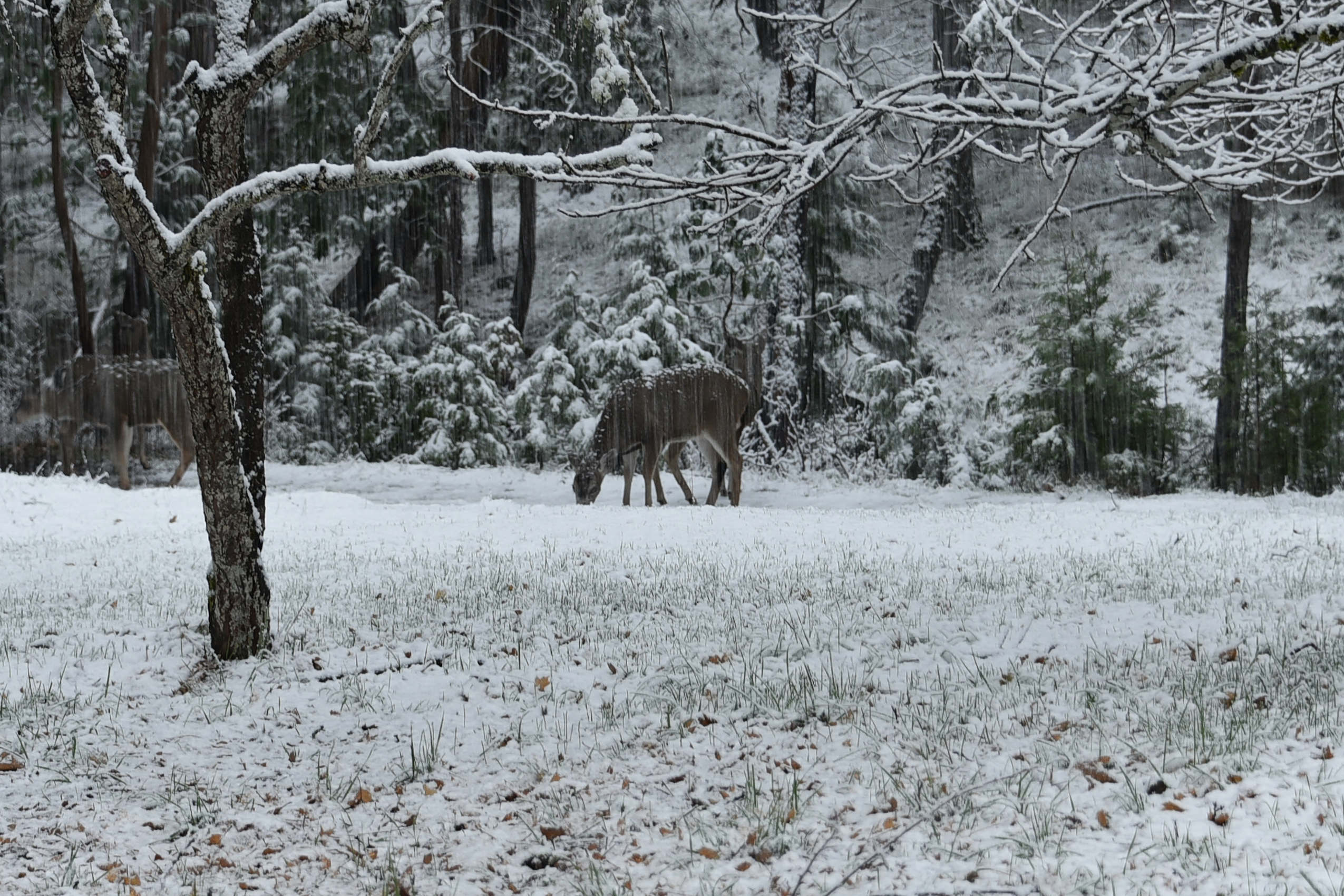
oooo
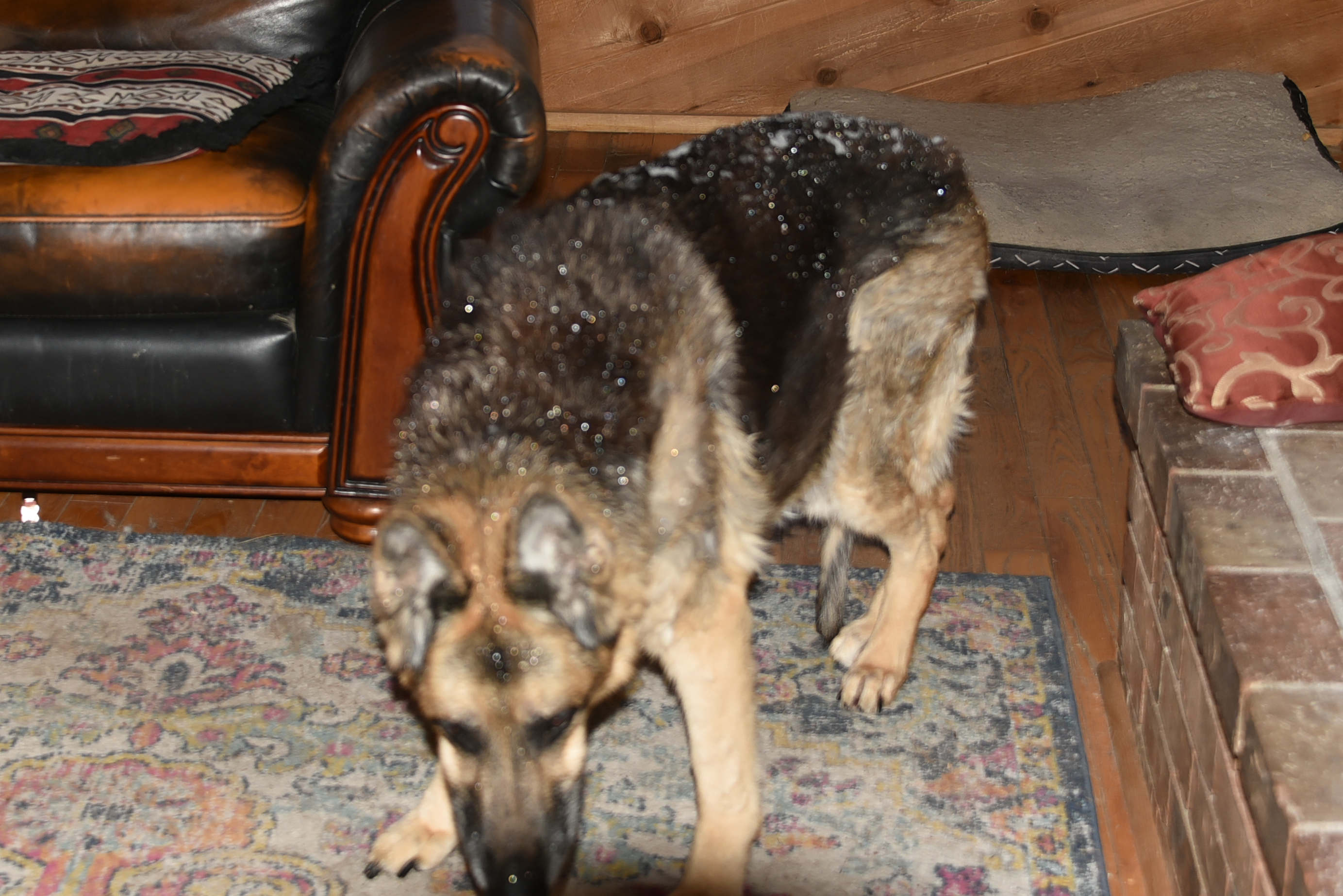
Matthew Walker addresses how sleep can be our superpower.
‘Sleep is your life-support system and Mother Nature’s best effort yet at immortality, says sleep scientist Matt Walker. In this deep dive into the science of slumber, Walker shares the wonderfully good things that happen when you get sleep — and the alarmingly bad things that happen when you don’t, for both your brain and body. Learn more about sleep’s impact on your learning, memory, immune system and even your genetic code — as well as some helpful tips for getting some shut-eye.’ It is fascinating.
Before we go to the TED Talk video here is biographical information on Matthew Walker:
Matt Walker is a brain scientist trying to understand why we sleep.
Matt Walker’s research examines the impact of sleep on human health and disease. He got his PhD from the Medical Research Council in London, UK, and subsequently became a Professor of Psychiatry at Harvard Medical School. He’s currently a Professor of Neuroscience and Psychology at the University of California, Berkeley, and Director of the Center for Human Sleep Science.
Walker has received funding awards from the National Science Foundation and the National Institutes of Health, and he’s a Kavli Fellow of the National Academy of Sciences. He has shared his research on the importance of sleep on television and radio outlets including CBS’s “60 Minutes,” National Geographic, NOVA Science, NRP and the BBC. He is the author of the international bestseller Why We Sleep and host of the TED original series Sleeping with Science.
Matt has eighteen videos on sleep. He has these videos under the general approach to the subject:
Sleep is your life-support system and Mother Nature’s best effort yet at immortality, says sleep scientist Matt Walker. In this deep dive into the science of slumber, Walker shares the wonderfully good things that happen when you get sleep — and the alarmingly bad things that happen when you don’t, for both your brain and body. Learn more about sleep’s impact on your learning, memory, immune system and even your genetic code — as well as some helpful tips for getting some shut-eye. This text taken from here.
Then more generally one can go here and read:
ooOOoo
Sleep is far more than just a period of rest—it’s a complex, active process during which the brain cycles through distinct stages, each marked by unique patterns of brain activity.
While scientists still debate sleep’s true purpose, research has proven it to be essential for survival. Both humans and animals suffer severe consequences without sleep, including cognitive decline, emotional instability, and eventual death. More than a third of adults regularly experience poor sleep, leading to increased risks of heart attack, Alzheimer’s disease, and motor vehicle accidents.
During both wake and sleep states, the brain generates electrical rhythms called brainwaves, which represent oscillating patterns of brain cells (known as neurons) working together. Different brainwaves are associated with specific states of consciousness. For example, high-frequency beta waves dominate during alertness, while sleep features primarily theta and delta waves.
The drive to sleep is regulated by our circadian rhythm, a sort of body clock mediated by a brain region called the hypothalamus. Once asleep, the human sleep cycle proceeds through four stages, each characterized by unique brainwave patterns and physiological changes.
Light sleep (stages 1-2) begins as our heartbeat and breathing slow, muscles relax, and brainwaves transition from wakeful alpha waves to relaxed theta waves. Brief bursts of electrical activity called sleep spindles are especially prevalent during stage 2 and play a critical role in memory consolidation and learning.
Deep sleep (stage 3) is characterized by further decreased heart rates and slow delta brainwaves. This stage is most prevalent in the first half of the night and provides the majority of sleep’s restorative benefits.
Rapid eye movement sleep occurs in stage 4, about 90 minutes after falling asleep. During this stage, brain activity surges to near-waking levels, eyes move rapidly behind closed eyelids, and major muscles are temporarily paralyzed to prevent us from acting out our vivid dreams (how dreams work). After REM, the cycle begins again, with adults typically completing four to five cycles per night.
During sleep, the brain performs several critical functions: consolidating short-term memories into long-term storage, preparing neurons for learning the following day, repairing tissues, and boosting the immune system.
Recent science has even shed light on a specialized “cleaning system” where cerebrospinal fluid is pumped through the brain to carry away toxic compounds that accumulate during wakefulness.
Sleep disorders are exceedingly common and highlight the importance of a functioning sleep cycle. As an example, narcolepsy occurs when patients lack hypocretin, a brain chemical essential for regulating the sleep cycle. Patients with narcolepsy experience sudden, irresistible sleep episodes and can fall directly into REM sleep rather than progressing through the normal stages.
Other common disorders include insomnia (difficulty falling or staying asleep), sleep apnea (interrupted breathing during sleep), and REM behavior disorder (muscle paralysis fails during REM sleep).
Scientists continue to explore promising avenues for improving our sleep and treating sleep disorders. Advanced brain imaging may soon allow us to visualize sleep’s cleaning mechanisms in real-time.
Meanwhile, the rise of wearable sleep trackers is generating unprecedented amounts of sleep data—though researchers caution that current technology may not accurately measure sleep stages. Future developments in wearable sensors will likely bridge this gap, enabling earlier detection and better management of altered sleep.
ooOOoo
Clearly this is an area of research that continues and, presumably, will come up with more detailed evidence. As was stated just a few paragraphs above: ‘Sleep disorders are exceedingly common … ‘
One of the common characteristics of Parkinson’s Disease (PD) is sleep interruption. Not every single night but maybe two or three times a week.
Hopefully it will not be many years before PD sufferers can rely on getting a good nights sleep practically every night.
The natural world is quite remarkable!
This article was published in The Conversation last Thursday, the 6th March, 2025.
Where we live in rural Southern Oregon is glorious and photos of our locale have been published before. However, I wanted to share this article with you all.
ooOOoo

Eliza Grames, Binghamton University, State University of New York
If the joy of seeing butterflies seems increasingly rare these days, it isn’t your imagination.
From 2000 to 2020, the number of butterflies fell by 22% across the continental United States. That’s 1 in 5 butterflies lost. The findings are from an analysis just published in the journal Science by the U.S. Geological Survey’s Powell Center Status of Butterflies of the United States Working Group, which I am involved in.
We found declines in just about every region of the continental U.S. and across almost all butterfly species.
Overall, nearly one-third of the 342 butterfly species we were able to study declined by more than half. Twenty-two species fell by more than 90%. Only nine actually increased in numbers.

Some species’ numbers are dropping faster than others. The West Coast lady, a fairly widespread species across the western U.S., dropped by 80% in 20 years. Given everything we know about its biology, it should be doing fine – it has a wide range and feeds on a variety of plants. Yet, its numbers are absolutely tanking across its range.
Butterflies are beautiful. They inspire people, from art to literature and poetry. They deserve to exist simply for the sake of existing. They are also important for ecosystem function.
Butterflies are pollinators, picking up pollen on their legs and bodies as they feed on nectar from one flower and carrying it to the next. In their caterpillar stage, they also play an important role as herbivores, keeping plant growth in check.

Butterflies can also serve as an indicator species that can warn of threats and trends in other insects. Because humans are fond of butterflies, it’s easy to get volunteers to participate in surveys to count them.
The annual North American Butterfly Association Fourth of July Count is an example and one we used in the analysis. The same kind of nationwide monitoring by amateur naturalists doesn’t exist for less charismatic insects such as walking sticks.
Butterfly populations can decline for a number of reasons. Habitat loss, insecticides, rising temperatures and drying landscapes can all harm these fragile insects.
A study published in 2024 found that a change in insecticide use was a major factor in driving butterfly declines in the Midwest over 17 years. The authors, many of whom were also part of the current study, noted that the drop coincided with a shift to using seeds with prophylactic insecticides, rather than only spraying crops after an infestation.
The Southwest saw the greatest drops in butterfly abundance of any region. As that region heats up and dries out, the changing climate may be driving some of the butterfly decline there. Butterflies have a high surface-to-volume ratio – they don’t hold much moisture – so they can easily become desiccated in dry conditions. Drought can also harm the plants that butterflies rely on.
Only the Pacific Northwest didn’t lose butterfly population on average. This trend was largely driven by an irruptive species, meaning one with extremely high abundance in some years – the California tortoiseshell. When this species was excluded from the analyses, trends in the Pacific Northwest were similar to other regions.

When we looked at each species by its historical range, we found something else interesting.
Many species suffered their highest losses at the southern ends of their ranges, while the northern losses generally weren’t as severe. While we could not link drivers to trends directly, the reason for this pattern might involve climate change, or greater exposure to agriculture with insecticides in southern areas, or it may be a combination of many stressors.
Some butterfly species can have multiple generations per year, and depending on the environmental conditions, the number of generations can vary between years.
This gives me a bit of hope when it comes to butterfly conservation. Because they have such short generation times, even small conservation steps can make a big difference and we can see populations bounce back.
The Karner blue is an example. It’s a small, endangered butterfly that depends on oak savannas and pine barren ecosystems. These habitats are uncommon and require management, especially prescribed burning, to maintain. With restoration efforts, one Karner blue population in the Albany Pine Bush Preserve in New York rebounded from a few hundred individuals in the early 1990s to thousands of butterflies.
Similar management and restoration efforts could help other rare and declining butterflies to recover.
The magnitude and rate of biodiversity loss in the world right now can make one feel helpless. But while national and international efforts are needed to address the crisis, you can also take small actions that can have quick benefits, starting in your own backyard.
Butterflies love wildflowers, and planting native wildflowers can benefit many butterfly species. The Xerces Society for Invertebrate Conservation has guides recommending which native species are best to plant in which parts of the country. Letting grass grow can help, even if it’s just a strip of grass and wildflowers a couple of feet wide at the back of the yard.

Supporting policies that benefit conservation can also help. In some states, insects aren’t considered wildlife, so state wildlife agencies have their hands tied when it comes to working on butterfly conservation. But those laws could be changed.
The federal Endangered Species Act can also help. The law mandates that the government maintain habitat for listed species. The U.S. Fish and Wildlife Service in December 2024 recommended listing the monarch butterfly as a threatened species. With the new study, we now have population trends for more than half of all U.S. butterfly species, including many that likely should be considered for listing.
With so many species needing help, it can be difficult to know where to start. But the new data can help concentrate conservation efforts on those species at the highest risk.
I believe this study should be a wake-up call about the need to better protect butterflies and other insects – “the little things that run the world.”
Eliza Grames, Assistant Professor of Biological Sciences, Binghamton University, State University of New York
This article is republished from The Conversation under a Creative Commons license. Read the original article.
ooOOoo
Thank you, Eliza, for promoting this article.
If only one person is inspired to make the changes Eliza recommends then republishing this article has been a success.
Two pictures of the moon!

oooo

How to find a good breeder.
This is a long and comprehensive guest post from Michael Kempkes.
ooOOoo
5 Best German Shepherd Dog Breeders in California.
If you are looking for the highest-quality German Shepherd in California, you must choose the right breeder first and this selection will make all the difference. A well-bred German Shepherd is a loyal companion, a skilled working dog, and a trusted member of your family, so the right choice is extremely important. But with so many options available, how to pick a reputable breeder? In this post, we have compiled a list of the top 5 German Shepherd breeders in California for 2025. These breeders are known for their commitment to health, temperament, and ethical breeding practices and for producing strong, well-balanced dogs with excellent genetics. All these breeders provide German shepherds for different purposes whether you are looking for a family protector, a sports dog, or a working-line GSD.
So, let’s just find out the best places to get a well-bred German Shepherd in California.
1. Kempkes Executive K9s (Agua Dulce, CA)
Kempkes Executive K9s has over 30 years of experience in breeding top-quality German Shepherds. They focus on elite German and European bloodlines, their expertise makes them one of the best breeders in the world. You can trust their dogs to have exceptional traits and strong lineage. They provide top-tier, fully trained imported GSDs from the finest bloodlines perfect as protection dogs and family companions. They put health first, train with care, and build strong temperaments for 100% customer satisfaction. This commitment to quality sets them apart as a top breeder in California. A name you can trust for well-bred, highly trained dogs. They have years of experience working with all types of German bloodline dogs. This includes Malinois, West German Showline German Shepherds, Working Line German Shepherds, Rottweilers, Doberman Pinschers, and Schnauzers. Their team is skilled in handling these dogs, making sure they receive the best training.

What Makes Kempkes Executive K9s Stand Out?
2. Vom Walters Kennels (Pilot Hill, CA)
Vom Walters Kennels breeds top-quality German Shepherds. They focus on the best German VA, V, and Schutzhund bloodlines. Years of experience help them raise dogs with great temperaments and strong abilities. Passion and commitment set them apart. First-time owners and experienced handlers will find the right match here. Their dogs come with expert care and full support. You also get a pet free from hip and elbow dysplasia.

What Makes Vom Walters Kennels Stand Out?
3. Lundborg-Land (Southern CA)
Lundborg-Land is a distinguished breeder located in Southern California, specializing in show and work-quality German Shepherds. With a focus on breeding the German “SV” way, they produce dogs with exceptional temperament, intelligence, and physical structure. They raise puppies and adult dogs in an affectionate environment, which helps them grow confident, friendly, and ready for different roles. Some become loving family pets, while others shine in shows or as working dogs. Lundborg-Land focuses on top health and quality, that’s why German Shepherd lovers trust them.

What Makes Lundborg-Land Stand Out?
4. Mountain Valley K9 (Lindsay, CA)
Mountain Valley K9, based in Lindsay, California, breeds working-line German Shepherds. They focus on dogs that are smart, strong, and full of energy. These dogs are trained for jobs like family protection and sports. The puppies are raised in a loving home, helping them grow confident and social. The breeder cares about their dogs’ health, temperament, and abilities, making them a top choice for those looking for working dogs.

What Makes Mountain Valley K9 Stand Out?
5. Royal Tribes K9 (Beverly Hills, CA)
Royal Tribes K9 is a luxury breeder based in Beverly Hills. They specialize in rare black and long-haired German Shepherds, these dogs are known for their beauty and wonderful temperaments. The puppies are bred to meet high standards of health, intelligence, and appearance. Royal Tribes K9 aims to provide top-tier companions for clients who want only the best. Each puppy is raised with great care, they are not only stunning to look at but also well-socialized. These dogs are ready to become a beloved member of your family.

What Makes Royal Tribes K9 Stand Out?
What to Look for in a German Shepherd Breeder
You need to choose the right German Shepherd breeder to bring home a healthy, well-behaved dog. This decision is crucial. Here are four important things to consider when picking a breeder:
1. Health Screenings & Genetic Testing
An authentic breeder would really keep dogs in good health. Health screenings and genetic testing done on the dog would fetch out any potential problems. German Shepherds can have problems like hip dysplasia, elbow dysplasia, and degenerative myelopathy, and ask the breeder for health clearances for the parents. This includes hip and elbow clearances from OFA (Orthopedic Foundation for Animals). They should also test for degenerative myelopathy and other issues. Healthy puppies come from healthy parents, so make sure to ask for this information.
2. Ethical Breeding Practices & Socialization
Ethical breeding and proper socialization are key to raising German Shepherd dogs. These practices help make sure the dogs grow up healthy and well-balanced. They also build confidence and make them better suited for life with families. A responsible breeder follows ethical practices to raise puppies in a clean and smooth environment. Socializing puppies is also key, early exposure to various sights, sounds, and experiences helps build their confidence. It’s important to ask the breeder about:
This early interaction helps them become well-adjusted adults later on.
3. Registration & Pedigree Verification
A reliable breeder will give you registration papers and pedigree details for their puppies. This shows the dog comes from a proven lineage and follows breed standards. Choose breeders who register their dogs with trusted groups like the:
Pedigree details also show the dog’s family history. You can see if its parents or grandparents earned titles or awards. This can help you gauge the dog’s quality and temperament.
4. Customer Reviews and Breeder Transparency
Customer reviews and breeder transparency are key signs of a breeder’s trustworthiness. Check for feedback from past clients. Feel free to ask for references, a reliable breeder will answer all your questions openly. They’ll also let you visit their facility to meet the puppies and their parents. Trustworthy breeders are clear about their practices. Avoid breeders who seem secretive or refuse to share details about their breeding process.
The Bottom Line
The breeders listed here are known for their priority on health, ethical breeding, and expert training. If you need a working-line GSD, a show-quality champion, or a loyal family protector, these breeders deliver top-quality dogs with strong genetics and great temperaments.
You should first visit the breeder to inquire about the breeding standards, health, and many other aspects. The health certifications are of great importance to ensure the dog’s health. A well-bred German Shepherd is a long-term investment that will bring years of loyalty, protection, and companionship. The right breeder will help you find a dog that fits your home and lifestyle.
ooOOoo
The Author’s Bio.
Michael Kempkes grew up in Borken, Germany, and discovered his passion for German Shepherds at the age of nine. Over the years, he has gained deep experience in training, titling, and showing these incredible dogs. Michael has worked with the German Military, training dogs for Personal Protection, Guard duty, bomb detection, and search and rescue. He has earned his official certifications through one of the top schools in the world for K9 training in Koblenz, Germany.
My thanks to Michael.
This was a great guest post. Very informative and very useful information.
Finally, it is shame that all dogs do not live long enough, especially the German Shepherd!
So far as the Northern Hemisphere is concerned.
Just a very short YouTube video.
A fifteen-minute programme from the BBC.
I recently listened to this episode. It is part of a series on the BBC (Radio 4) that is entitled Why Do We Do That?
Hopefully you can also listen to the programme by using this link: https://www.bbc.co.uk/sounds/play/m0027v43
The information about this episode is published below.
Ella Al-Shamahi asks why do we love dogs? Dogs evolved from wolves but why did they choose us humans to be their best friends? They say dogs are a man’s best friend but all dogs, even chihuahuas are descended from wolves, the grey wolf, a majestic, fierce and incredibly dangerous species. How did this happen but more importantly, why did we start trusting wolves? And when did wolves turn into dogs? Dogs have been a part of our story for a long time. They are depicted in cave and rock art and dogs are a part of our story because of how useful they are. From the mundane everyday hunting and guarding to the epic stories of life saving dogs . But how did we get here? Oxford Professor Greger Lawson studies ancient dog DNA and thinks the evolution from wolves into dogs began when we both realised we could help each other.
Enjoy!
It is becoming very large!
Early on last Wednesday, February 26th, the BBC Radio 4 programme World at One, had a major item on scamming. Here are the details of that programme:
Released On: 26 Feb 2025
Back in September we revealed the knitted cardigan scam. Millions have been taken in by social media ads of expensive looking knitwear for a reasonable price. Victims hear nothing until something cheap and nasty arrives in the post months later. But it’s more than a simple con. Shari Vahl reveals what its really about. Sales of stout show no sign of stopping as more young women are turning to it. Guinness blames increased demand with supply chain issues for a recent shortage. Its rivals in the dark beer world are jumping on the opportunity with some success. Will it work? Finally, a listener tells us how his energy company gave his mobile number to a criminal who went on to steal £40,000. We find out how you can prevent this happening to you. Presenter: Shari Vahl Producer: Kevin Mousle.
Then later on that morning, I watched the video below, produced by the American Social Administration
Then there was this list of scams and frauds produced by the USA Government
Read it – that link is here: https://www.usa.gov/scams-and-fraud
Be carefully everybody!
And it isn’t all that one might expect!
Jeannie and I are at opposite ends of the scale, so to speak. The older I get the more I want everything in the same place, primarily because I cannot remember where I previously put something.
Jeannie loves putting stuff anywhere because she can recall where it is!
So an article in The Conversation was fascinating.
ooOOoo
Mary E. Dozier, Mississippi State University
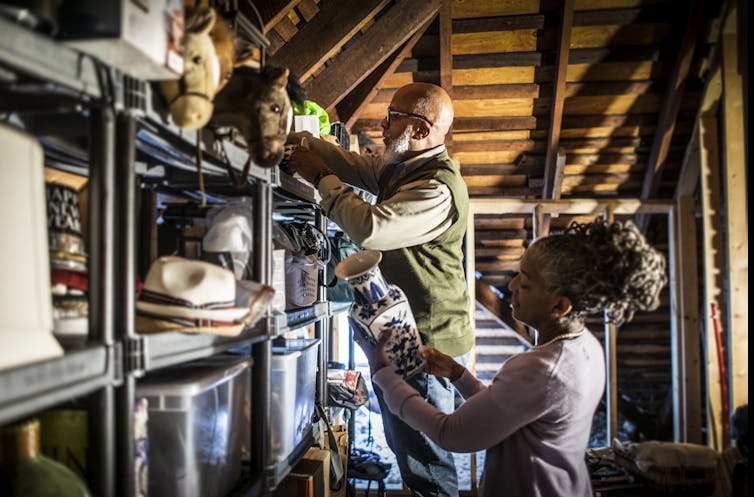
I recently helped my mom sort through boxes she inherited when my grandparents passed away. One box was labeled – either ironically or genuinely – “toothpick holders and other treasures.” Inside were many keepsakes from moments now lost to history – although we found no toothpick holders.
My favorite of the items we sorted through was a solitary puzzle piece, an artifact reflecting my late grandmother’s penchant for hiding the final piece to a jigsaw puzzle just to swoop in at the last moment and finish it.
After several hours of reminiscing, my mom and I threw away 90% of what we had sorted.
“Why did I keep this?” is a question I hear frequently, both from my family and friends and from patients. I am a licensed clinical psychologist whose research focuses on the characterization, assessment and treatment of hoarding disorder, particularly for adults 60 years of age or older. As such, I spend a great deal of my time thinking about this question.
Hoarding disorder is a psychiatric condition defined by urges to save items and difficulty discarding current possessions. For adults with “clinically severe” hoarding disorder, this leads to a level of household clutter that impairs daily functioning and can even create a fire hazard. In my professional experience, however, many adults struggle with clutter even if they do not meet the clinical criteria for hoarding disorder.
Holding on to things that have sentimental value or could be useful in the future is a natural part of growing older. For some people, though, this tendency to hold on to objects grows over time, to the point that they eventually do meet criteria for hoarding disorder. Age-related changes in executive function may help explain the increase in prevalence of hoarding disorder as we get older; increasing difficulty with decision-making in general also affects decisions around household clutter.
The traditional model behind hoarding disorder suggests that difficulty with discarding comes from distress during decision-making. However, my research shows that this may be less true of older adults.

When I was a graduate student, I conducted a study in which we asked adults with hoarding disorder to spend 15 minutes making decisions about whether to keep or discard various items brought from their home. Participants could sort whatever items they wanted. Most chose to sort paper items such as old mail, cards or notes.
We found that age was associated with lower levels of distress during the task, such that participants who were older tended to feel less stressed when making the decision about what to keep and what to discard. We also found that many participants, particularly those who were older, actually reported positive emotions while sorting their items.
In new research publishing soon, my current team replicated this finding using a home-based version of the task. This suggests that fear of making the wrong decision isn’t a universal driver of our urge to save items.
In fact, a study my team published in August 2024 with adults over 50 with hoarding disorder suggests that altruism, a personality trait of wanting to help others, may explain why some people keep items that others might discard. My colleagues and I compared our participants’ personality profiles with that of adults in the general population of the same gender and age group. Compared with the general population, participants with hoarding disorder scored almost universally high on altruism.
Altruism also comes up frequently in my clinical work with older adults who struggle with clutter. People in our studies often tell me that they have held onto something out of a sense of responsibility, either for the item itself or to the environment.
“I need it to go to a good home” and “my grandmother gave this to me” are sentiments we commonly hear. Thus, people may keep things not out of fear of losing them but because saving them is consistent with their values. https://www.youtube.com/embed/JNVjPM1cIbg?wmode=transparent&start=0 Your values can help guide which possessions should stay in your life and which ones should go.
In a 2024 study, my team demonstrated that taking a values-based approach to decluttering helps older adults to decrease household clutter and increases their positive affect, a state of mind characterized by feelings such as joy and contentment. Clinicians visited the homes of older adults with hoarding disorder for one hour per week for six weeks. At each visit, the clinicians used a technique called motivational interviewing to help participants talk through their decisions while they sorted household clutter.
We found that having participants start with identifying their values allowed them to maintain focus on their long-term goals. Too often, people focus on the immediate ability of an object to “spark joy” and forget to consider whether an object has greater meaning and purpose. Values are the abstract beliefs that we humans use to create our goals. Values are whatever drives us and can include family, faith or frivolity.
Because values are subjective, what people identify as important to keep is also subjective. For example, the dress I wore to my sister’s wedding reminded me of a wonderful day. However, when it no longer fit I gave it away because doing so was more consistent with my values of utility and helpfulness: I wanted the dress to go to someone who needed it and would use it. Someone who more strongly valued family and beauty might have prioritized keeping the dress because of the aesthetics and its link to a family event.
Additionally, we found that instead of challenging the reasons a person might have for keeping an item, it is helpful to instead focus on eliciting their reasons for discarding it and the goals they have for their home and their life.
My research on using motivational interviewing for decluttering and my observations from a current clinical trial on the approach point to some practical steps people can take to declutter their home. Although my work has been primarily with older adults, these tips should be helpful for people of all ages.
Start with writing out your values. Every object in your home should feel value-consistent for you. For example, if tradition and faith are important values for you, you might be more inclined to hold onto a cookbook that was made by the elders at your church and more able to let go of a cookbook you picked up on a whim at a bookstore.
If, instead, health and creativity are your core values, it might be more important to hold onto a cookbook of novel ways to sneak more vegetables into your diet.
Defining value-consistent goals for using your space can help to maintain motivation as you declutter. Are you clearing off your desk so you can work more efficiently? Making space on kitchen counters to bake cookies with your grandchildren?
Remember that sometimes your values will conflict. At those moments, it may help to reflect on whether keeping or discarding an object will bring you closer to your goals for the space.
Similarly, remember that values are subjective. If you are helping a loved one declutter, maintain a curious, nonjudgmental attitude. Where you might see a box filled with junk, your grandmother might see something filled with “toothpick holders and other treasures.”
For additional resources and information on hoarding disorder, visit the International OCD Foundation website.
Mary E. Dozier, Assistant Professor of Psychology, Mississippi State University
This article is republished from The Conversation under a Creative Commons license. Read the original article.
ooOOoo
Prof. Mary Dozier makes some powerful, and cogent, statements in this article. Especially that one’s values are subjective. Nevertheless, I think I should write out my values and see what they tell me.
 Learning from Dogs
.jpg)

