We had a break from the rain yesterday and I went for a bike ride in the morning and then in the afternoon it was a case of going to the recycling depot. All pretty humdrum stuff but nevertheless what our life, in the main, is made up of plus the many other things that we have to do, indeed enjoy doing, with our six dogs, two horses and thirteen acres in rural Southern Oregon.
So I got to my iMac pretty late on in the day and found a delightful article about a dog who has a fascination with a commercial laundromat.
Read it for yourself.
ooOOoo
Dog Who Works At Laundromat Can’t Stop Taking Naps On All The Machines
“He figured out a way to climb from the chair to the smaller washers and then to the bigger ones.”
By Lily Feinn, Published on the 11th October, 2021
If you walk into Larkin Street Laundry around closing time, you might get an extra-special greeting.
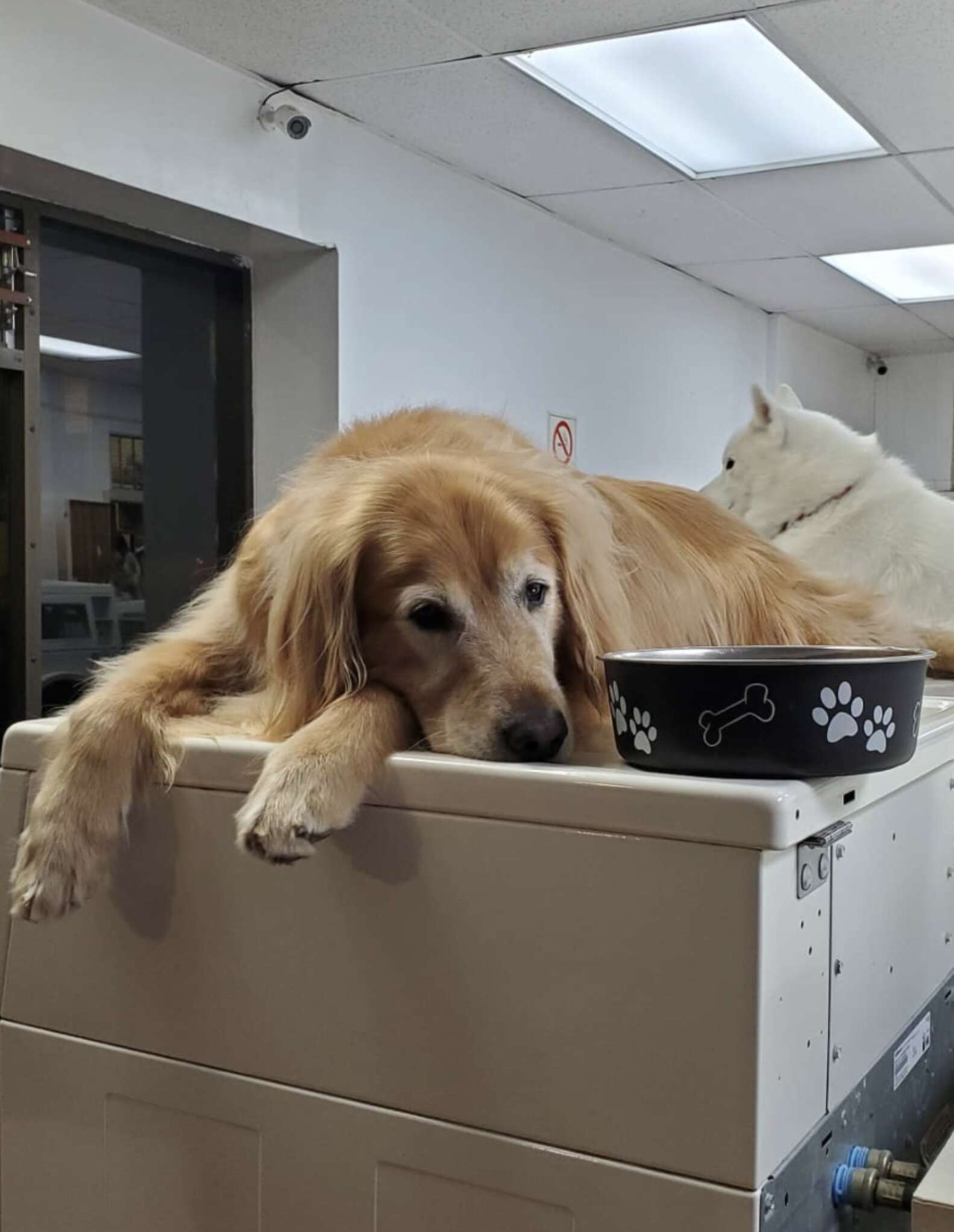
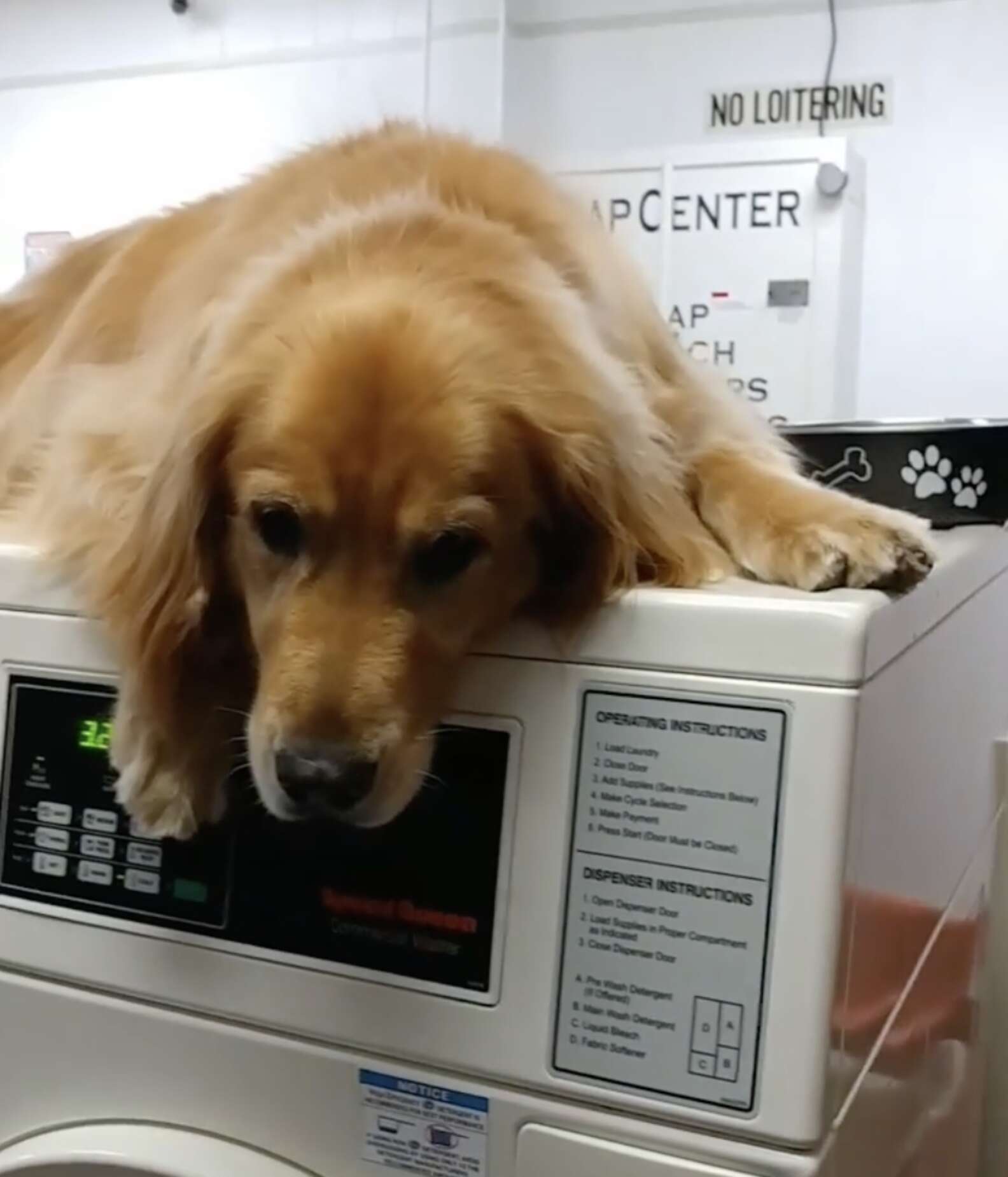
Every night, an 8-year-old golden retriever named Cody helps his dad close up the laundromat. Cody takes his job very seriously: While his dad cleans and puts everything away, Cody takes a nap on top of the washing machines.
INSTAGRAM/CODYTHERETRIEVER
Luckily, his dad doesn’t mind that Cody isn’t the best worker.
“My dad owns the laundromat and has always taken our dogs there with him when he closes up at the end of the day,” Stephanie, Cody’s sister who asked that her last name not be used, told The Dodo. “Our old dog loved to sit in the chairs to watch customers and people pass by, but Cody is more nimble than him.”
“After we tried to get him to just sit on the chairs, he figured out a way to climb from the chair to the smaller washers and then to the bigger ones,” she added. “He’s a little lazier than our old dog, so he’d rather lay down and wait for pets and treats.”
Instagram/Reichenyoo
Cody has become the main attraction at the laundromat, providing the perfect distraction for customers waiting for their clothes to finish drying.
This arrangement works out for the independent Cody, who loves attention but prefers people come to him. “His motto has always been: ‘I do what I want,’” Stephanie said.
INSTAGRAM/CODYTHERETRIEVER
And from his high-up vantage point, Cody can keep watch on everything going on at the laundromat.
“I think he likes how he can see everyone at eye level when he’s on top of the washers,” Stephanie said. “He’s also kinda snobby for a dog, so I have a theory he likes to feel like a king up there.”
INSTAGRAM/CODYTHERETRIEVER
After years of laundromat service, Cody has become a local celebrity — and even the subject of a few memes. But the good boy doesn’t let fame distract him. After all, he has a job to do, and those washers aren’t going to sit on themselves.
ooOOoo
That Larkin Street Laundromat is at Nob Hill in San Francisco. I looked it up by clicking on the link in the text.
It is just fascinating what dogs will do. They have a will of their own and yet they seem to be happiest when in the company of people.
Time and time again dogs do things which cause me to wonder about the way that dogs think and behave. One would think that with so many dogs here at home my days of wondering would be over but the truth is that the more I stay engaged with dog blogs, such as The Dodo, the more I realise that I am only skimming the surface of dogs.
That is my introduction to this post about a Turkish dog.
ooOOoo
Stray Dog Takes The Train All By Himself Every Day
“He knows where to go and has a purpose.”
By Lily Feinn, Published on the 8th October, 2021.
Meet Boji — a stray dog who’s bringing joy to commuters every day.
A few months ago, Istanbul’s public transportation department noticed a large, brown dog riding the buses, trams, subways and ferries. The dog, whom they dubbed Boji, seems to know exactly where he’s going any time he steps on or off the train.
INSTAGRAM/BOJI_IST
“Two months ago, we noticed a dog trying to use our trams, metros and our trains and he knows where to go and he knows where to get out,” Aylin Erol, head of customer relations at Metro Istanbul, told CNN. “It was quite interesting and we have started to follow him. And it was really an interesting pattern. It’s something like that he knows where to go and has a purpose.”
In mid-August, public transit officials picked Boji up and brought him to a vet for a health check. Boji also received a microchip which is connected to a mobile application, allowing the Metro Istanbul customer relations department to keep tabs on his whereabouts and wellbeing.
Boji’s frequent travels have made him a celebrity on public transit. When he’s not napping on a tram seat, rushing to catch a train, or enjoying the breeze on the ferry, he’s always happy to pose for selfies with commuters and receive lots of pets and treats.
INSTAGRAM/BOJI_IST
The good boy has proven himself to be the most polite passenger you’ll ever encounter.
“Boji knows all the rules of travel, gives way to the disembarking passengers, waits, enters the train, and calmly finds a place for himself,” wrote Cumhuriyet. “When he misses the subway, he runs after the subway.”
INSTAGRAM/BOJI_IST
Boji visits at least 29 stations and travels approximately 18 miles a day around the city, saying hi to his adoring fans along the way. While most commuters can’t wait to get off the subway or bus, for Boji, it’s where he’s most comfortable.
“I think it’s very beautiful,” passenger Abdulkadir Yalçın told Cumhuriyet. “It adds joy to the subway. It makes us smile. It’s the first time I’ve encountered such a thing.”
INSTAGRAM/BOJI_IST
Luckily, the good boy doesn’t have to pay a fare to hop on his preferred bus or train. For Boji, it’s just home.
ooOOoo
Isn’t that amazing! I wonder, however, how he stays fit and healthy? But whatever, it is a delightful story.
That includes some of them having an unusual look!
Of the dogs that we have at home one, little Pedi, is not your average dog. He is just about blind and one of his eyes is different to the other. Not that this stops him from getting around and one sees the power of their noses at work.
Once again, The Dodo has a story about a dog that isn’t your average canine. But so what!
ooOOoo
This Little Dog Peeking Over A Fence Is Making People Uncomfortable
Her name is Junebug and she’s actually a perfect angel 😇
This is Junebug. She’s a curious little dog with an outsized personality.
But, yeah, she can seem a bit intense.
Tim K.
This photo of the 4-pound pup has been making the rounds online in recent days. In it, Junebug is seen peering over the top of a tall fence, fixing what appears to be a rather ghoulish gaze on the viewer. . “Never been more scared of a dog,” one person sharing the image tweeted.
Here’s a closer look.
Tim K.
The photo of Junebug went viral. And since then, people online have likened her appearance to that of Beetlejuice, the Joker and even that scary clown from “It.”
Is her expression somewhat spooky? Well, yes. But in reality, there’s nothing scary at all about Junebug.
The Dodo was able to track down Junebug’s owner, Tim K., to learn about their “scary” dog and the viral pic. And sure enough, that menacing vibe people seem to sense in Junebug doesn’t align with reality. She’s actually a perfect angel.
“Junebug is, without a doubt, the sweetest dog you could ever meet,” Tim said. “She loves people. And everyone who meets her falls in love with her. She’s just the sweetest little thing in the world.”
To be fair, though, Junebug sometimes looks a tad disgruntled — even when she’s not.
Tim K.
But how is Junebug peeking over such a tall fence in the pic above? There’s a sweet explanation behind that, too.
“We have a privacy fence in our backyard,” Tim said. “Every once in a while, Junebug wants to see what’s happening on the other side of the fence, and I’ll pick her up and hold her. We let her look over.”
Tim’s wife snapped the picture, which he decided to share with a dog-loving community online.
“For us, it was just a cute photo,” he added. “It wasn’t until people started commenting … she’s got such an intense look on her face.”
But that’s just Junebug.
Tim K.
Tim and his wife never intended for the photo of their dog to go viral, or for people to think she’s scary. They know the truth, though, and are happy to spread the word about the real Junebug.
“We’ve always been dog people. She’s a member of our family,” Tim said. “If Junebug knew about all of the attention she was getting, she’d be over the moon.”
ooOOoo
Well I am not sure I agree with Tim. Dogs are so clever that a part of me thinks that Junebug realises the attention she is getting. I guess we will never know for sure. But that doesn’t take the slightest from what is a lovely story.
Rescuing dogs is both a wonderful and heart-breaking thing to do. When I met Jeannie in 2007 she had been rescuing dogs from the streets of Guaymas in Mexico for years, attending to their immediate needs, and finding homes for them mainly in Arizona. The stories she had to tell were incredible. A year later I moved from Devon, England, out to Mexico with Pharaoh to be with Jean and then in 2009 started writing this blog. In 2010 when we came North to the USA to be married we brought with us 16 dogs much to the amusement of the US Border officer as we entered the USA.
So this story in The Dodo naturally jumped out at me.
ooOOoo
Dog Chained In Abandoned Backyard Can’t Believe He’s Finally Being Rescued
“He ‘meeped’ like a muppet, he was so excited, so he got the name Beaker!”
When a man living in Detroit returned home one day and noticed that someone had dumped a chained dog in a neighboring backyard, he frantically began calling around for someone to help. Luckily, Rebel Dogs Detroit took the call and sent a volunteer, Tiffany Perkins, out to investigate. She had no idea what to expect when she first arrived — but as soon as she saw Beaker, her heart just melted.
REBEL DOGS DETROIT
“Beaker was timid and cowered behind the garage to hide,” Perkins told The Dodo. “He peeked out the side as I started calling for him. As I got closer, his tail started wagging. Then he pushed his weight against us for petting him — and seemed to be visibly relieved. He ‘meeped’ like a muppet, he was so excited, so he got the name Beaker!”
After being chained up and abandoned, Beaker was understandably a little nervous at first, but as soon as he realized Perkins was there to help him, he completely relaxed and was so excited to meet his new best friend.
REBEL DOGS DETROIT
“When the chain was untethered from the garage, he dropped to the ground for belly rubs and kisses and playful chaos,” Perkins said.
Unfortunately, the chain that Beaker had around him was stuck on his neck, so Perkins quickly rushed him to the vet to get him checked out. While they waited for Beaker’s surgery to remove the chain, Perkins took advantage of the extra time to give Beaker all the love he’d never had before, and the sweet dog appreciated it so much.
REBEL DOGS DETROIT
“We had lots of bonding time in the car waiting for his surgery for 5+ hours,” Perkins said. “He was napping with his head in my lap after a while.”
Even after everything Beaker had been through, all he wanted was to be loved — and finally, his wish had come true.
REBEL DOGS DETROIT
Beaker is now healing from his surgery in his foster home and is just the happiest dog anyone has ever met. For Beaker, it doesn’t seem to matter what happened to him in the past. What matters is where he is now and all the new friends he’s made who care about him and are making sure he’s happy and safe.
“He’s learning how to be an indoor dog with unconditional love in his foster home,” Perkins said.
REBEL DOGS DETROIT
Beaker is currently looking for his forever home and would love a home with another playful, energetic dog who can continue to show him the ropes and become his best buddy. As soon as Beaker laid eyes on his rescuers, he knew he was finally safe, and he’s so excited to find the forever family he deserves.
A Doberman pinscher shows off her caring attitude.
It strikes me dogs are loving animals. Certainly for the vast majority of animals that I write about and that we see in our daily lives. For example, on Thursday we had to take Cleo and Oliver for their annual check-ups at Lincoln Road Veterinary Clinic. They inevitably came into contact with a few other dogs and there was no friction whatsoever; just a lot of bum sniffing!
That is why I chose this article from The Dodo to share with you.
ooOOoo
Big Mama Dog Adopts Newborn Kitten And Carries Her Around In Her Mouth
“She’s just obsessed with this kitten” ❤️️
By Lily Feinn, Published on the 27th September, 2021
Three weeks ago, Brittany Callan wasn’t planning on adding more animals to her life. Then she heard meowing coming from the back of her aunt’s garage.
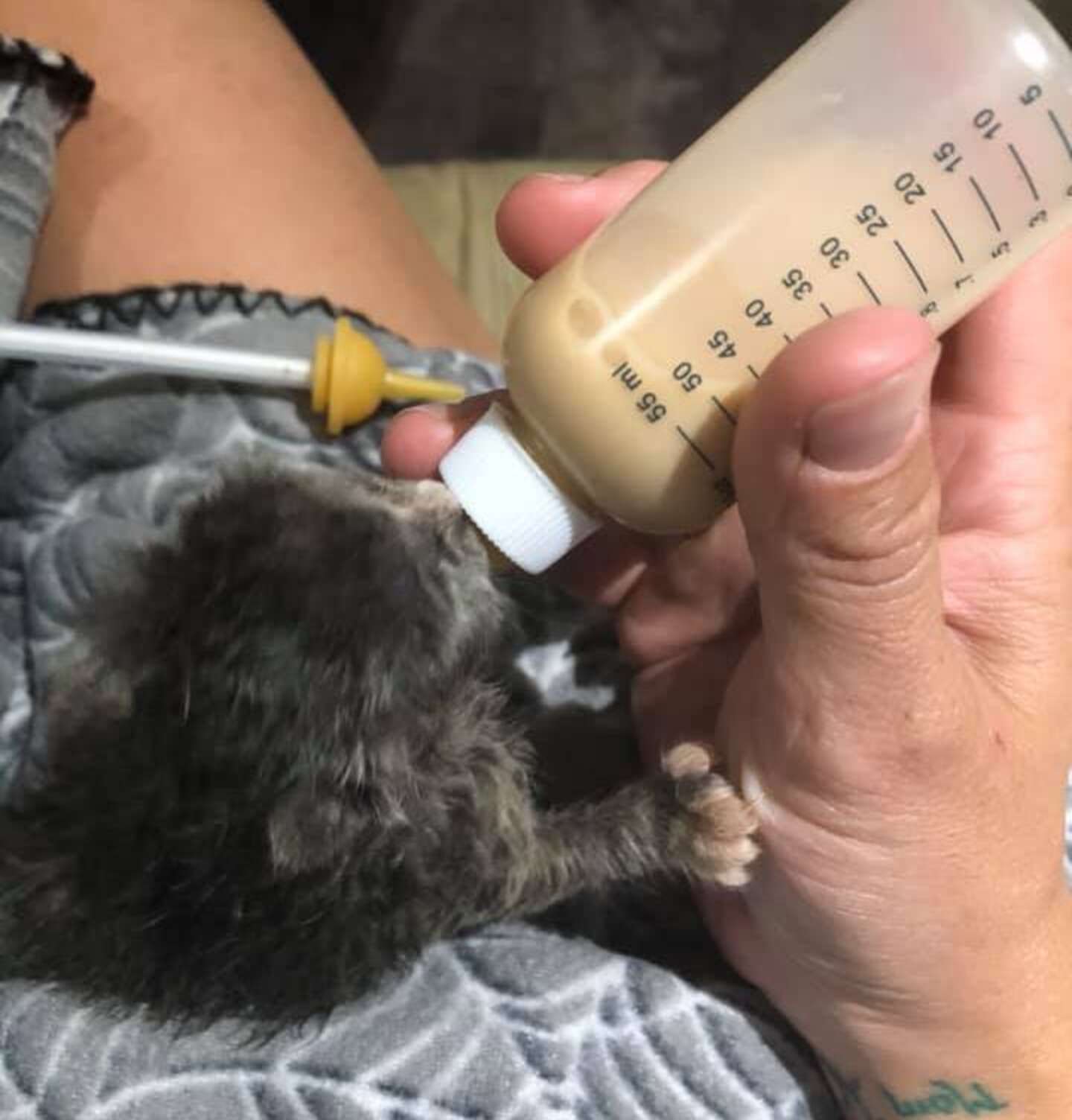
There, in the grass, was a newborn kitten. Callan placed the little animal on a soft blanket in the shade nearby, hoping the mom would return. But hours later, the kitten was still alone. She knew the little animal wouldn’t make it through the night, so she decided to take the little blind baby home.
BRITTANY CALLAN
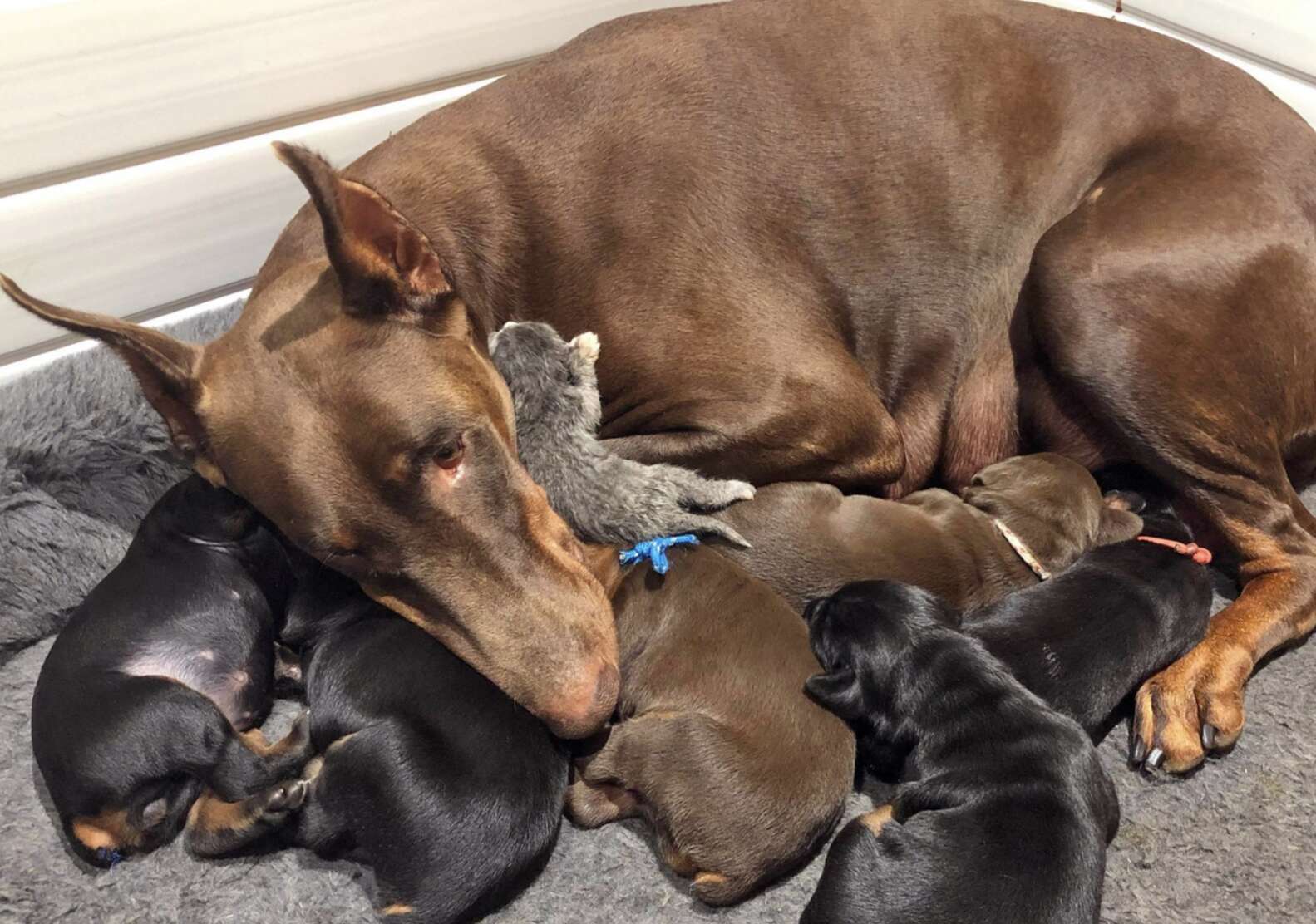
Callan’s Doberman pinscher, Ruby, had just had puppies, and she hoped that the dog’s mothering instincts would kick in when she saw the helpless kitten.
“We’ve had baby bunnies and guinea pigs, and she just licks them like she’s their mom,” Callan told The Dodo. “She was carrying around the baby bunnies in her mouth and hiding them in the couch like they were hers — she even tried to nurse them when she was younger.”
BRITTANY CALLAN
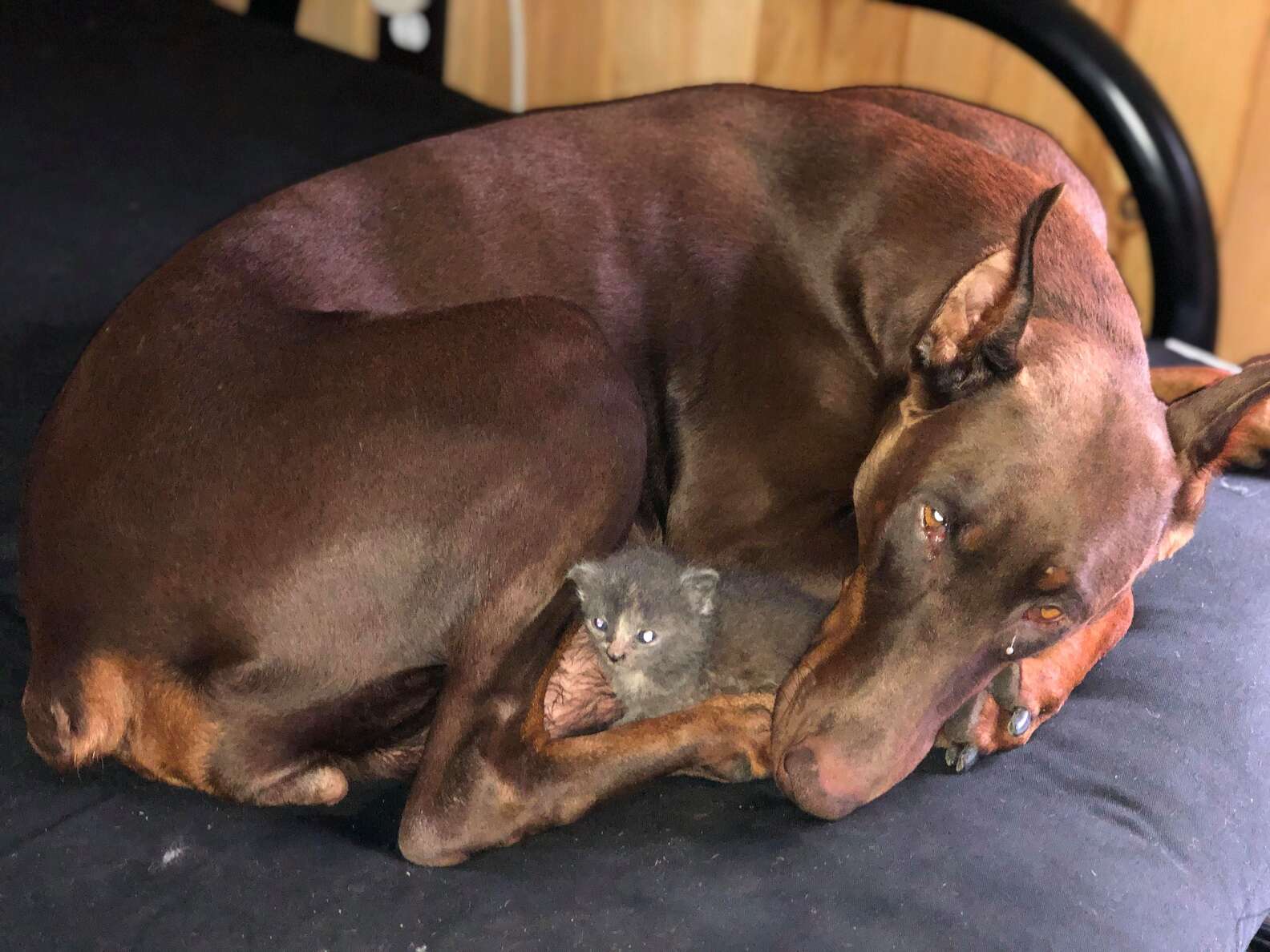
Ruby and the kitten couldn’t look more different, but none of that mattered when they met. Callan held the kitten out to her dog, and Ruby immediately accepted the new baby into her pack.
“She just started cleaning it and nudging it out of my hand,” Callan said. “Then I just opened up the kitten’s mouth and put it on Ruby’s smallest nipple, and it started eating right away. Ruby looked at it and laid her head down.”
BRITTANY CALLAN
Rubys’ puppies were already three times her size, but that didn’t stop the kitten from crawling in to snuggle with her dog brothers and sisters.
And her new mom always makes sure the kitten is clean and safe. “She looks like the scruffiest kitten ever because she’s always wet from Ruby licking her or carrying her around in her mouth,” Callan said. “Her back end is either sopping wet or matted down from Ruby cleaning her so much.”
Ruby is now weaning her puppies, but refuses to be separated from her tiniest baby for more than a few minutes.
“She’s just obsessed with this kitten,” Callan said. “She doesn’t want to be outside — she’ll go to every door and whine and scratch until you let her in, and then she’ll just pick up the kitten and carry it around in her mouth.”
BRITTANY CALLAN
Under Ruby’s care, the little orphaned kitten is thriving, and when she’s old enough, she will travel to her forever home with Callan’s cousin.
But for now, the only mom the kitten needs is Ruby. It just goes to show when it comes to family, size doesn’t matter — it’s the love that counts.
ooOOoo
“it’s the love that counts.“
Lily Feinn has gone to the heart of Ruby’s care for this kitten: Love!
It is a great example to us humans as well. Nothing is ever gained from hate and war.
Chris Impey writes about his specialty in observational cosmology.
This has nothing to do with life, nothing that we are dealing with in our daily affairs, and has nothing to do with our dear dogs. BUT! This is incredibly interesting! Incredibly and beautifully interesting!
ooOOoo
The most powerful space telescope ever built will look back in time to the Dark Ages of the universe
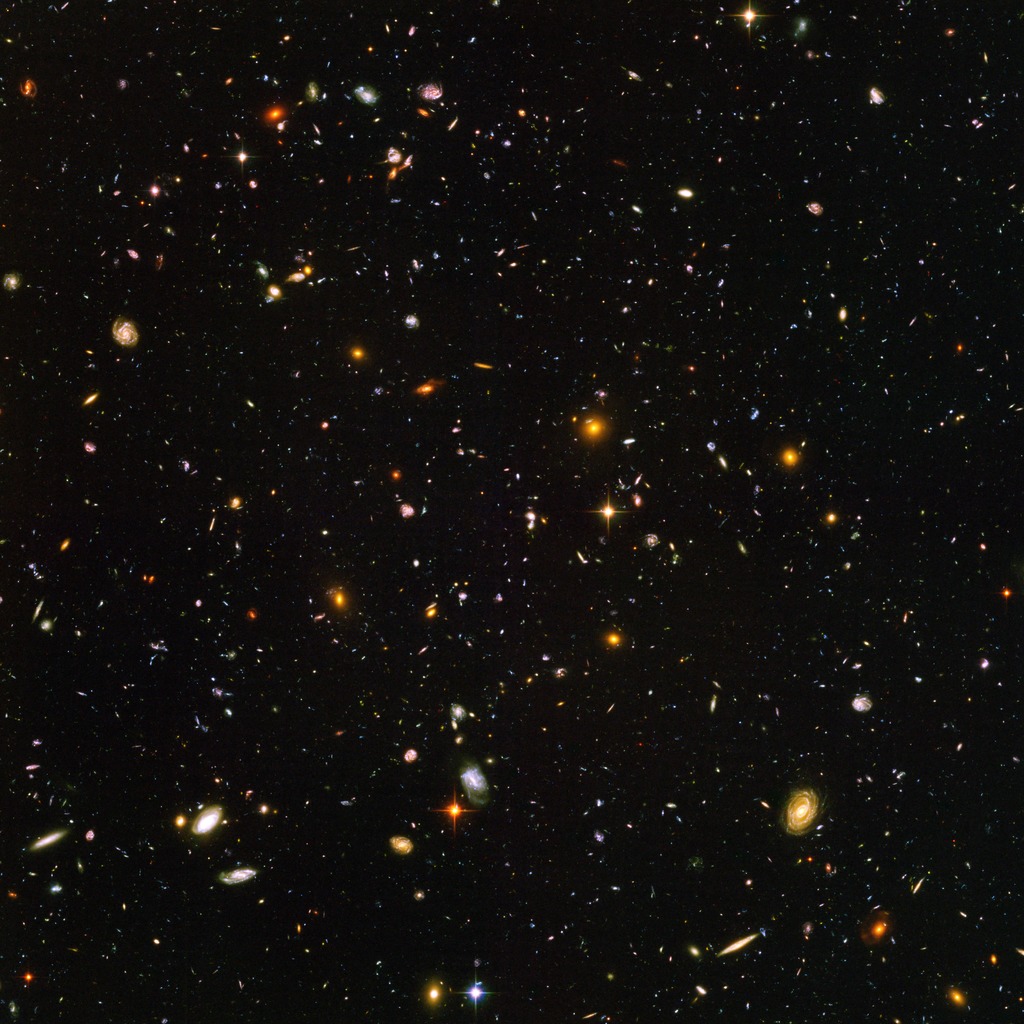
Hubble took pictures of the oldest galaxies it could – seen here – but the James Webb Space Telescope can go back much farther in time. NASA
Some have called NASA’s James Webb Space Telescope the “telescope that ate astronomy.” It is the most powerful space telescope ever built and a complex piece of mechanical origami that has pushed the limits of human engineering. On Dec. 18, 2021, after years of delays and billions of dollars in cost overruns, the telescope is scheduled to launch into orbit and usher in the next era of astronomy.
I’m an astronomer with a specialty in observational cosmology – I’ve been studying distant galaxies for 30 years. Some of the biggest unanswered questions about the universe relate to its early years just after the Big Bang. When did the first stars and galaxies form? Which came first, and why? I am incredibly excited that astronomers may soon uncover the story of how galaxies started because James Webb was built specifically to answer these very questions.
The Universe went through a period of time known as the Dark Ages before stars or galaxies emitted any light. Space Telescope Institute
The ‘Dark Ages’ of the universe
Excellent evidence shows that the universe started with an event called the Big Bang 13.8 billion years ago, which left it in an ultra-hot, ultra-dense state. The universe immediately began expanding after the Big Bang, cooling as it did so. One second after the Big Bang, the universe was a hundred trillion miles across with an average temperature of an incredible 18 billion F (10 billion C). Around 400,000 years after the Big Bang, the universe was 10 million light years across and the temperature had cooled to 5,500 F (3,000 C). If anyone had been there to see it at this point, the universe would have been glowing dull red like a giant heat lamp.
Throughout this time, space was filled with a smooth soup of high energy particles, radiation, hydrogen and helium. There was no structure. As the expanding universe became bigger and colder, the soup thinned out and everything faded to black. This was the start of what astronomers call the Dark Ages of the universe.
The soup of the Dark Ages was not perfectly uniform and due to gravity, tiny areas of gas began to clump together and become more dense. The smooth universe became lumpy and these small clumps of denser gas were seeds for the eventual formation of stars, galaxies and everything else in the universe.
Although there was nothing to see, the Dark Ages were an important phase in the evolution of the universe.
The Dark Ages ended when gravity formed the first stars and galaxies that eventually began to emit the first light. Although astronomers don’t know when first light happened, the best guess is that it was several hundred million years after the Big Bang. Astronomers also don’t know whether stars or galaxies formed first.
Current theories based on how gravity forms structure in a universe dominated by dark matter suggest that small objects – like stars and star clusters – likely formed first and then later grew into dwarf galaxies and then larger galaxies like the Milky Way. These first stars in the universe were extreme objects compared to stars of today. They were a million times brighter but they lived very short lives. They burned hot and bright and when they died, they left behind black holes up to a hundred times the Sun’s mass, which might have acted as the seeds for galaxy formation.
Astronomers would love to study this fascinating and important era of the universe, but detecting first light is incredibly challenging. Compared to massive, bright galaxies of today, the first objects were very small and due to the constant expansion of the universe, they’re now tens of billions of light years away from Earth. Also, the earliest stars were surrounded by gas left over from their formation and this gas acted like fog that absorbed most of the light. It took several hundred million years for radiation to blast away the fog. This early light is very faint by the time it gets to Earth.
But this is not the only challenge.
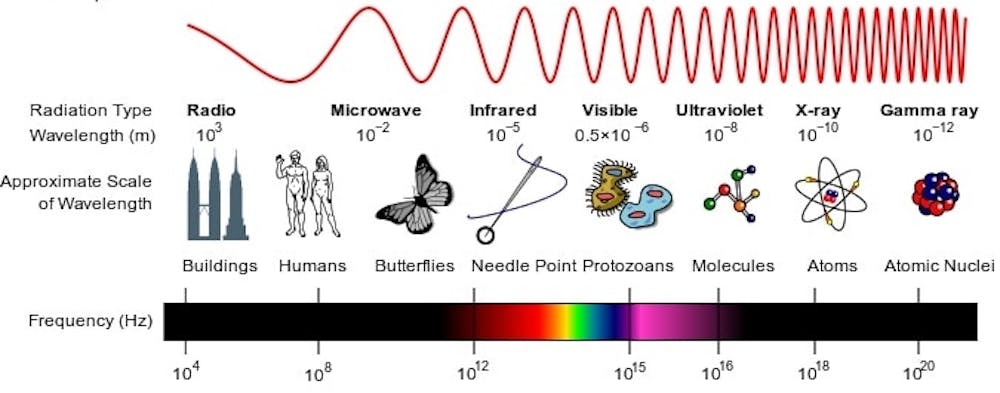
As the universe expands, it continuously stretches the wavelength of light traveling through it. This is called redshift because it shifts light of shorter wavelengths – like blue or white light – to longer wavelengths like red or infrared light. Though not a perfect analogy, it is similar to how when a car drives past you, the pitch of any sounds it is making drops noticeably. Similar to how a pitch of a sound drops if the source is moving away from you, the wavelength of light stretches due to the expansion of the universe.
By the time light emitted by an early star or galaxy 13 billion years ago reaches any telescope on Earth, it has been stretched by a factor of 10 by the expansion of the universe. It arrives as infrared light, meaning it has a wavelength longer than that of red light. To see first light, you have to be looking for infrared light.
Telescope as a time machine
Enter the James Webb Space Telescope.
Telescopes are like time machines. If an object is 10,000 light-years away, that means the light takes 10,000 years to reach Earth. So the further out in space astronomers look, the further back in time we are looking.
The James Webb Space Telescope was specifically designed to detect the oldest galaxies in the universe. NASA/JPL-Caltech, CC BY-SA
The strategy will be to stare deeply at one patch of sky for a long time, collecting as much light and information from the most distant and oldest galaxies as possible. With this data, it may be possible to answer when and how the Dark Ages ended, but there are many other important discoveries to be made. For example, unraveling this story may also help explain the nature of dark matter, the mysterious form of matter that makes up about 80% of the mass of the universe.
James Webb is the most technically difficult mission NASA has ever attempted. But I think the scientific questions it may help answer will be worth every ounce of effort. I and other astronomers are waiting excitedly for the data to start coming back sometime in 2022.
The dark ages of the universe that lasted for millions of years until gravity started to form some order out of the ‘soup’.
I don’t know about you but the winter nights, when the sky is clear, have me waiting outside for the dogs to come in looking up at the night sky just lost in the sheer wonder of it all.
Speaking for myself I haven’t ever given any notice to a dog licking its paws. Jeannie, however, would spot if a dog was over-licking, (you know what I mean), and would find out the cause.
This comes to the fore because The Dodo published a post in May, 2020, that I reckoned was worth republishing.
You’ve seen your dog do it a thousand times — that cute paw licking that can quickly turn to “Hey! Stop that!” once it becomes a total obsession.
In general, paw licking is normal behavior for many dogs. They do it after they eat; they do it after they’ve been playing outside; they even sometimes do it before taking a nap. While all these are expected, you should start to take it more seriously if you’re noticing a sudden increase in licking, raw or irritated spots between their toes, or even loss of fur.
When it crosses the line between normal grooming and excessive paw licking, it’s probably time to try to figure out the root of the problem — so we chatted with one of our favorite veterinarians to get some expert advice.
Allergies
“There are a number of reasons why dogs lick their paws, but one of the most common reasons is allergies,” Dr. Alex Blutinger, a veterinarian from BluePearl Pet Hospital in New York City, told The Dodo.
“This behavior can be caused by environmental allergies, food allergies and even fleas or ticks,” he said.
Dr. Blutinger said many everyday substances can also cause an allergic reaction, including things like pollen, grass that’s been treated with insecticide, certain plastics or rubber materials on food bowls, and even certain medications or shampoos.
“There are other caustic chemicals that dogs encounter in their environment,” he said, “[like] deicing salts to melt ice.”
This means that if you’ve noticed your dog is licking her paws more than usual, she’s likely experiencing allergies. If that’s what you suspect, it’s a good idea to chat with your vet about how to help her feel better.
Trauma to the Paws
Aside from allergies, excessive paw licking — which includes paw chewing — can also be caused by various types of injuries.
According to Dr. Blutinger, some of these types of trauma can include burns from walking on hot surfaces like cement or blacktop, splinters, broken nails, injured bones or ligaments, or even insect bites.
It’s a good idea to inspect your dog’s paws to see if you can find any physical trauma, and consult your vet if you think it’s something that may need extra attention.
Gastrointestinal Issues
“Interestingly, dogs that have gastrointestinal disorders (like pancreatitis) have also been shown to lick their paws,” Dr. Blutinger said.
He added that certain hormonal imbalances like hypothyroidism and Cushing’s disease can also cause dogs to lick their paws — which means a trip to the vet is definitely in order to sort out your pup’s health!
Anxiety
Finally, sensitive dogs can also display anxiety by licking their paws, in the same way some people bite their nails as a sign of nervousness. If you think this is the case, it might be a good idea to figure out why your dog is feeling anxious and find ways to help her feel better.
So while paw licking is generally normal for most dogs, if you worry it’s becoming obsessive, and you can’t figure out an obvious cause, it’s a good idea to check with your vet to make sure your dog doesn’t need extra care.
ooOOoo
I call that very sound advice.
Out of interest have any readers of this post had a case of excessive licking with their dogs?
Indeed until a short time ago it was thought that the dog evolved from the grey wolf but recently I read that the dog evolved as its own species.
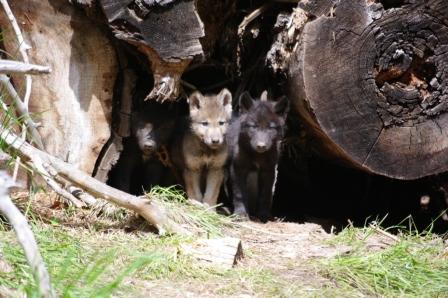
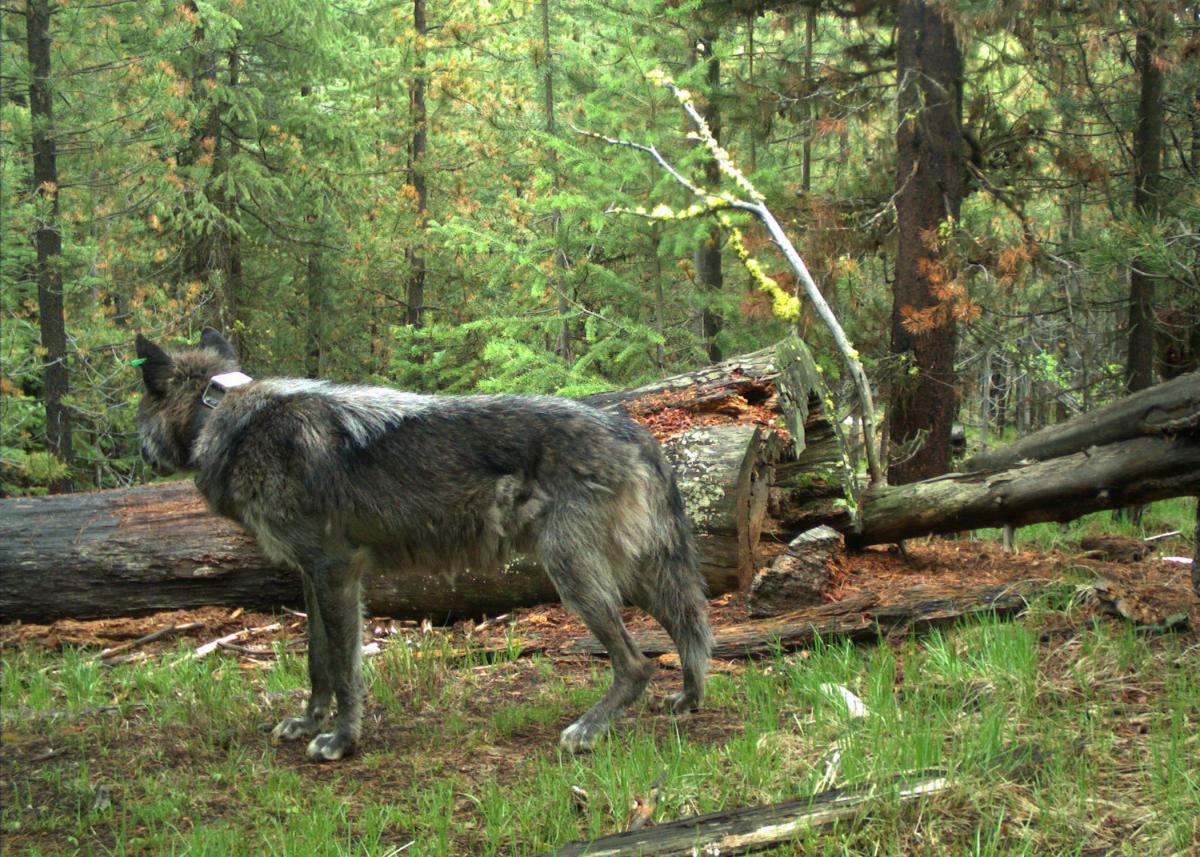
But the following is a republication of an article on Oregon Wild about wolves returning to the State of Oregon.
ooOOoo
Wolves in Oregon
Gray wolves (Canis lupus) were once common in Oregon, occupying most of the state. However, a deliberate effort to eradicate the species was successful by the late 1940s.
In fact, trouble for wolves began almost 100 years earlier, in the years before Oregon became a state. In 1843 the first wolf bounty was established and Oregon’s first legislative session was called in part to address the “problem of marauding wolves.” By 1913, people could collect a $5 state bounty and an Oregon State Game Commission bounty of $20. The last recorded wolf bounty was paid out in 1947.
After an absence of over half a century, wolves began to take their first tentative steps towards recovery. Having dispersed from Idaho, the native species is once again trying to make a home in Oregon. One of the first sightings came in 1999 when a lone wolf was captured near the middle fork of the John Day River, put in a crate and quickly returned to Idaho by government wildlife agents. In 2000, two wolves were found dead – one killed by a car, the other illegally shot.
In 2006, a flurry of sightings led biologists to believe a number of wild wolves were living in Northeast Oregon near the Wallowa Mountains and the Eagle Cap Wilderness. Sadly, a wolf found shot to death near La Grande in May 2007 clearly indicated wolves had arrived in the area.
After that sad chapter, wolves began to establish a fragile foothold in the state. In July 2008 pups were confirmed to a wolf named Sophie by the Oregon Wild wolf pack (and B-300 to government biologists). Those pups represented the first wolves in Oregon in nearly 60 years! A second set of six pups were confirmed and videotaped in November 2009. The following July, a third litter of pups was confirmed.
Unfortunately, the news was tempered with additional poaching and heavy-handed state management. After peaking at 26 confirmed wolves, wolf recovery stalled out in 2011. While some wolves dispersed from the Imnaha Pack, only one pup was confirmed to Oregon’s best-known pack, and two pups were confirmed in one of the state’s other two packs (the Walla Walla and Wenaha). Oregon’s confirmed wolf population fell to 17, and then to 14, when the state killed three more wolves (two on purpose) and poachers killed a fourth.
In 2011, wolves in Eastern Oregon lost their federal protections due to an unprecedented congressional budget rider sponsored by Montana Sen. John Tester. Hours later, Oregon used their new authority to kill two wolves and issue dozens of landowner kill permits at the request of the livestock industry.
Meanwhile, anti-wildlife interests and their political allies pushed over half a dozen bills in Salem aimed at making it easier to kill wolves and undermine wolf recovery. Most of the bills were defeated, but a compensation fund and new predator killing fund were approved.
Wolf hunts in nearby states also threaten the region’s fragile recovery. When wolves were federally delisted the region was home to an estimated population of about 1,700 wolves. Over 1,000 were killed in the first two seasons alone.
The large tracts of pristine and unspoiled Wilderness and roadless areas in Northeast Oregon are vital components in the successful recovery of wolves, and other wildlife too. (Ed: see the photograph below of the wild lands of Oregon.) The reappearance of wolves, wolverines, and other endangered wildlife in Oregon further underscores the importance of protecting those roadless areas that remain on public land.
Anticipating the eventual return of wolves, the state of Oregon completed a Wolf Conservation and Management Plan in 2005 aimed at making rational decisions in the light of day that would lead to wolf recovery. Though state polling put support for wolf recovery at over 70 percent, the plan was weak, allowed the state to kill wolves, and set scientifically indefensible recovery goals.
Even so, the plan was actively opposed by the Oregon Cattlemen’s Association. They argued in their minority report that “wolves are being used as a biological weapon” and that wolves are a non-native species that citizens should have the right to shoot without permits.
Oregon Wild and other conservationists generally – if reluctantly – agreed to honor the compromise embodied in the plan. Most believed lethal control would be an option of last resort and conservation would be a priority.
After the state shot two young wolves in response to the first livestock depredations in over half a century, it was clear the state was willing to address the concerns of the livestock industry by killing wolves.
In 2010, the plan was reviewed and revised. The public process took the better part of a year and demonstrated that support for wolf recovery had grown. Over 90 percent of a staggering 20,000 public comments were in favor of stronger protections for Oregon’s endangered gray wolves. Oregon Wild joined other conservationists and the Oregon public in defending the plan against continued attacks. Though the plan survived relatively intact, most of the approved changes made it easier to kill wolves.
In 2011, a lone wolf from the Imnaha Pack generated international headlines when he became the first in Western Oregon since 1947, and then the first in California in nearly a century. The story of Journey (OR-7) provided a welcome opportunity to step away from the unnecessary controversy manufactured by those opposed to wolf recovery and instead reflect on the positive story of a native species retaking its rightful place on the landscape.
Since 2012, wolf recovery in Oregon has slowly started to get back on track. Although the population has increased over the last several years, in 2015, and with only 78 known adult wolves in the state, the Oregon Department of Fish and Wildlife and its Commission decided to prematurely strip wolves of state Endangered Species Act protections — despite what peer reviewed, independent scientists recommended. Shortly after, lawmakers in Salem passed HB 4040: a bill that statutorily affirmed the delisting of Oregon’s wolves. The passage of HB 4040 essentially blocked the ability of conservation organizations to bring forth a lawsuit challenging the merits of the Commission’s decision.
The latest update to the Wolf Conservation and Management Plan — which was approved by the Commission in June of 2019 — significantly erodes protections for wolves by lowering the threshold for when the state can kill wolves, removing requirements for non lethal conflict deterrence, and opening the door toward public hunting and trapping.
For many, wolves are a symbol of freedom, wilderness, and the American west, and Oregon’s wolf country contains some of the most spectacular landscapes in the world. Science continues to demonstrate the positive impacts of wolves on the landscape and the critical role played by big predators, and interest in their return is fueling tourism in Oregon’s wolf country and elsewhere in the west.
Still, wolves are threatened by a purposeful campaign of misinformation and fear. This webpage shoots down many of the common myths about wolves. A small number of vocal anti-wolf activists, along with industry lobbyists and their political allies, continue to work to undermine already weak protections for wolves and other wildlife.
The Future
For a state that prides itself on its green reputation, the extermination of wolves is one of our greatest environmental tragedies. Their return represents an opportunity at redemption.
Most Oregonians value native wildlife and believe wolves have a rightful place on the landscape. We are happy to know the silence of a hike in the Eagle Cap might be broken by the lonely howl of a wolf. If that howl is to remain, it’s critical that those who value wolves and other native wildlife stand up and speak up on their behalf.
ooOOoo
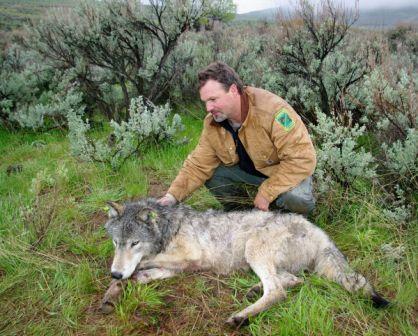
Plus there were photographs embedded within the text that I thought would be better appreciated if they were offered separately. Here they are:
oooo
oooo
oooo
oooo
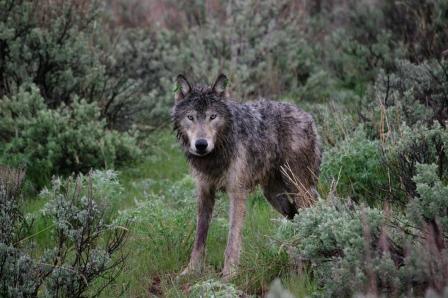
Finally a collection of wolf photographs from a link on Oregon Wild that is no longer in use. I downloaded these pictures in 2016!
I have known Keith Edmunds from a long time ago and we chat from time to time. Keith has his own company Tiger Computing, Linux specialists, (We provide managed cloud services and Linux support services for high-tech businesses), and we had a business connection many moons ago. But in an effort to stay connected with friends in the old country I have subscribed for quite some time to Keith’s newsletter. Although Keith clearly is speaking to potential clients his newsletter is quite readable for non-technical peeps such as myself.
At the end of September this year Keith’s newsletter was a little different. Here it is:
ooOOoo
Rhys the dog saved my wife’s life last week.
She was alone in the house. She put some flatbread in a pan on the hob, then went to check something on her PC. And forgot about the flatbread.
The flatbread got hotter, started smoking, and then the smoke alarm went off. That would be a clue for most of us that something may be amiss.
But my wife is deaf. She can’t hear the smoke alarm.
That’s when Rhys, the Hearing Dog, leapt into action. He found her and butted her hard with his nose. “What is it?”, she asked him. He squatted down on all fours, the signal that the smoke alarm is going off. He only makes that move for the smoke alarm so it’s clear what the problem is.
My wife ran to the kitchen, turned off the hob and opened windows to disperse the smoke. Without Rhys alerting her there would have been a fire. The consequences of that can only (fortunately) be imagined.
So here’s how it works. Rhys is trained to notify my wife when he hears certain sounds. He notified her when he heard one, and corrective action was taken.
Here at Tiger Computing we have sophisticated monitoring systems that keep an eye on our clients’ Linux systems. They’re configured to alert our support staff if things start going wrong, and the support staff can take corrective action.
Our monitoring probably won’t save your life. But it might save your bacon.
Until next week – Keith
ooOOoo
It is a delightful account of yet another aspect of dogs. Dogs can undertake many things and some of our dogs are really clever. Rhys is an example of how highly trained dogs can be.
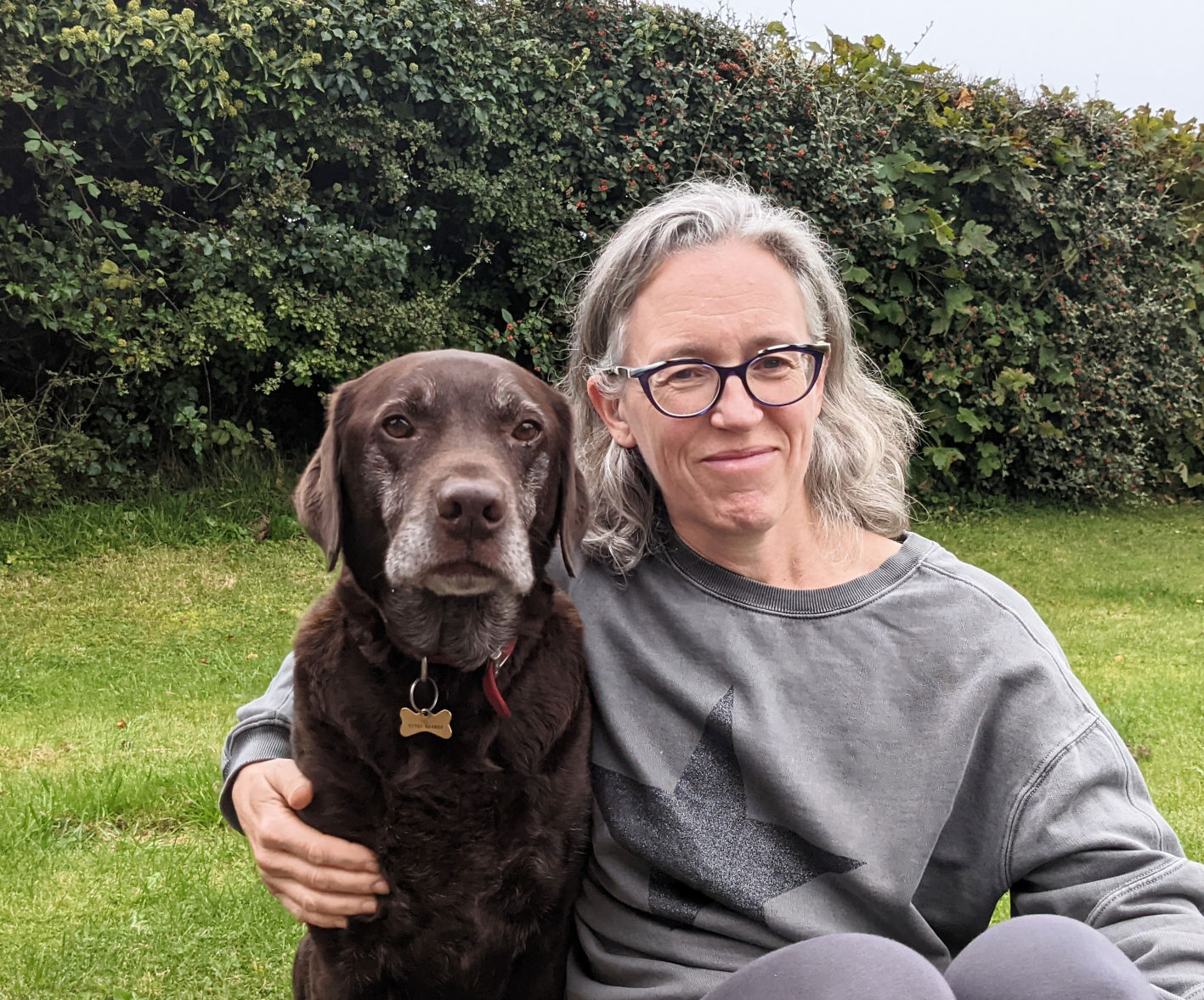
I spoke to Keith and asked permission to republish this, gladly and readily given, and whether Keith had any photographs of Rhys.