Last Wednesday, the 2nd, Jonathan sent me an email. He said that he was just starting out and also attached a file and asking if there was a chance of me publishing it. Of course, I replied. Here is that article. It is a very open and beautiful account of Jonathan taking on a new dog!
Backing the twenty-foot Penske rental down the freshly grated driveway, my mind is racing with thoughts, all too distracted to be driving such a large vehicle. The day has finally come. A new house. A new dog. A new town. Altogether, a new beginning. Soon after I finish backing this truck up, unloading all of my stuff, and fueling myself with whatever food I can find, I will go pick up the new dog. His name is Barry. He is a brown labradoodle whose is as small as he is energetic.
The thoughts don’t stop coming. How will I care for him? How will I be sure he is happy? What if I do something wrong? How could it possibly be that I can provide for another living being? These are thoughts that had come and gone for the last few months after deciding I would like to have Barry. As often as I convinced myself that I could do it, I questioned myself.
Anxiety and I were well acquainted far before Barry came into the picture. The prospect of owning a dog was just another medium for the anxiety to surface. Before Barry came into the picture, I had been battling anxiety for nearly six months straight. One imperfect travel experience left me rattled for quite some time and from then on I was either actively experiencing a panic attack or on the verge of one. Depression set in not long after, and I became an empty vessel for quite some time, barely recognizable from my formal self. Six months came and went until I finally sought out the help I needed. I was a broken person. Professional help was a requirement.
And the professional help was sufficient. It allowed me to at least function again and go about my day-to-day without constantly being in a state of fight-or-flight, without the irrational thoughts and worries. But I still did not feel like myself.
And then came Barry.
My original worries regarding Barry were just that: worries. As someone who grew up around dogs, cared for dogs, dog-sat plenty of times, and generally is quite responsible, there was no real reason to believe I couldn’t be a wonderful puppy parent. When Barry came home the first night we had to bath him. I know this is not always highly regarded in the dog community due to the puppy’s sensitive skin. But he needed a bath desperately, so I drew a slightly warmer-than-lukewarm bath and bathed him. His beautiful eyes gazed at me as he began to figure out this new reality. Ripped from the comfortable arms of his previous reality of familial warmth, loving siblings, and the scent of his breeders, there is no doubt he also experienced anxiety. I’m sure he felt loneliness. He was scared. But when his bath was over, I took him out, wrapped him in a warm, clean towel, and held him. He wiggled his head into a nook in the towel and promptly fell asleep. His stomach rose, fell, rose, fell. This being who just met me several hours ago, who was no more than 2 months old, gave all of his trust to me and embraced his new reality.
It did not take me long to follow in his footsteps and embrace my new reality. I fell in love with our new routine, our daily walks, and his company on my usually lonesome days. The subtle tether of Anxiety slowly began to vanish with every new command he learned, with every minuscule improvement in his loose-leash walking, with every excited tail wag at the call of his name. Embracing my new reality became effortless, and my former self reemerged. I began seeking out new hobbies, reaching out to old friends, and becoming excited about new challenges at work. This is not to say Anxiety and I have completely lost touch. That is not the case by any means. Rather I have a new relationship with Anxiety – one where the reality of these feelings can be observed, examined, and ridiculed to a point where they do not take control of my life. How our loving canine friends handle new situations and welcome change should not be taken for granted. Let us adopt their ways and come closer to living as wonderfully as they do. 🙂
An essay from The Conversation aimed at our youngsters but highly relevant to us all!
I sense we are living in very strange times. As an extract from recent essay from George Monbiot said:
Above all, our ability to adapt to massive change depends on what practitioners call “metacognition” and “meta-skills”. Metacognition means thinking about thinking. In a brilliant essay for the Journal of Academic Perspectives, Natasha Robson argues that while metacognition is implicit in current teaching – “show your working”, “justify your arguments” – it should be explicit and sustained. Schoolchildren should be taught to understand how thinking works, from neuroscience to cultural conditioning; how to observe and interrogate their thought processes; and how and why they might become vulnerable to disinformation and exploitation. Self-awareness could turn out to be the most important topic of all.
Thinking about Thinking
That is why I want to share a recent post from The Conversation with you.
ooOOoo
If humans went extinct, what would the Earth look like one year later?
If humans went extinct, what would the Earth look like one year later? – Essie, age 11, Michigan
Have you ever wondered what the world would be like if everyone suddenly disappeared?
What would happen to all our stuff? What would happen to our houses, our schools, our neighborhoods, our cities? Who would feed the dog? Who would cut the grass? Although it’s a common theme in movies, TV shows and books, the end of humanity is still a strange thing to think about.
But as an associate professor of urban design – that is, someone who helps towns and cities plan what their communities will look like – it’s sometimes my job to think about prospects like this.
So much silence
If humans just disappeared from the world, and you could come back to Earth to see what had happened one year later, the first thing you’d notice wouldn’t be with your eyes.
It would be with your ears.
The world would be quiet. And you would realize how much noise people make. Our buildings are noisy. Our cars are noisy. Our sky is noisy. All of that noise would stop.
You’d notice the weather. After a year without people, the sky would be bluer, the air clearer. The wind and the rain would scrub clean the surface of the Earth; all the smog and dust that humans make would be gone.
Imagine that first year, when your house would sit unbothered by anyone.
Go inside your house – and hope you’re not thirsty, because no water would be in your faucets. Water systems require constant pumping. If no one’s at the public water supply to manage the machines that pump water, then there’s no water.
But the water that was in the pipes when everyone disappeared would still be there when the first winter came – so on the first cold snap, the frigid air would freeze the water in the pipes and burst them.
There would be no electricity. Power plants would stop working because no one would monitor them and maintain a supply of fuel. So your house would be dark, with no lights, TV, phones or computers.
Your house would be dusty. Actually, there’s dust in the air all the time, but we don’t notice it because our air conditioning systems and heaters blow air around. And as you move through the rooms in your house, you keep dust on the move too. But once all that stops, the air inside your house would be still and the dust would settle all over.
The grass in your yard would grow – and grow and grow until it got so long and floppy it would stop growing. New weeds would appear, and they would be everywhere.
Lots of plants that you’ve never seen before would take root in your yard. Every time a tree drops a seed, a little sapling might grow. No one would be there to pull it out or cut it down.
You’d notice a lot more bugs buzzing around. Remember, people tend to do everything they can to get rid of bugs. They spray the air and the ground with bug spray. They remove bug habitat. They put screens on the windows. And if that doesn’t work, they swat them.
Without people doing all these things, the bugs would come back. They would have free rein of the world again.
First the little ones: mice, groundhogs, raccoons, skunks, foxes and beavers. That last one might surprise you, but North America was once rich with beavers.
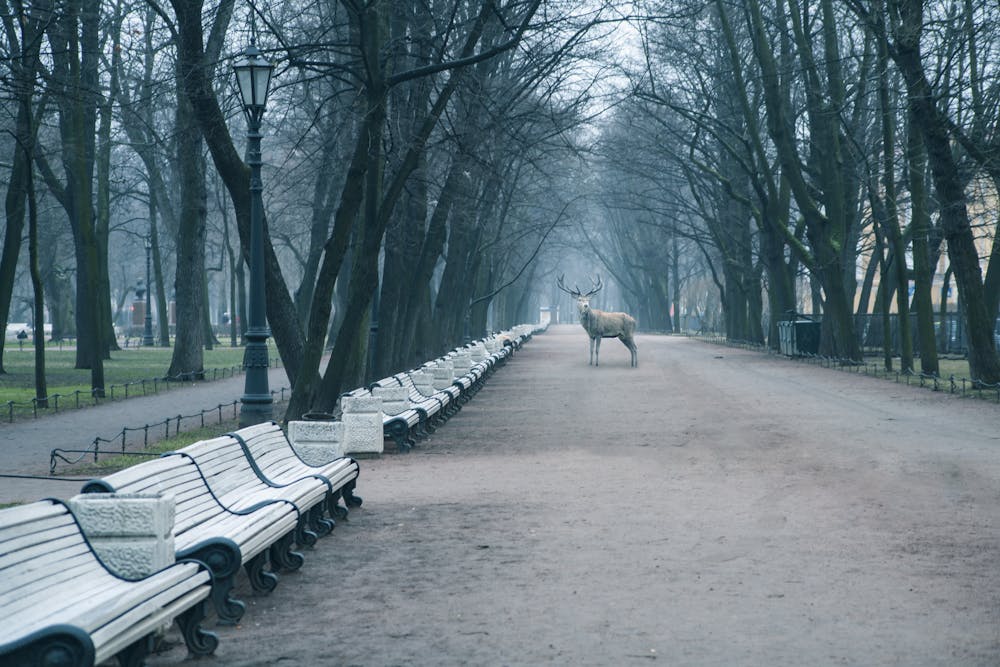
Bigger animals would come later – deer, coyotes and the occasional bear. Not in the first year, maybe, but eventually.
With no electric lights, the rhythm of the natural world would return. The only light would be from the Sun, the Moon and the stars. The night critters would feel good they got their dark sky back.
Fires would happen frequently. Lightning might strike a tree or a field and set brush on fire, or hit the houses and buildings. Without people to put them out, those fires would keeping going until they burned themselves out.
Around your city
After just one year, the concrete stuff – roads, highways, bridges and buildings – would look about the same.
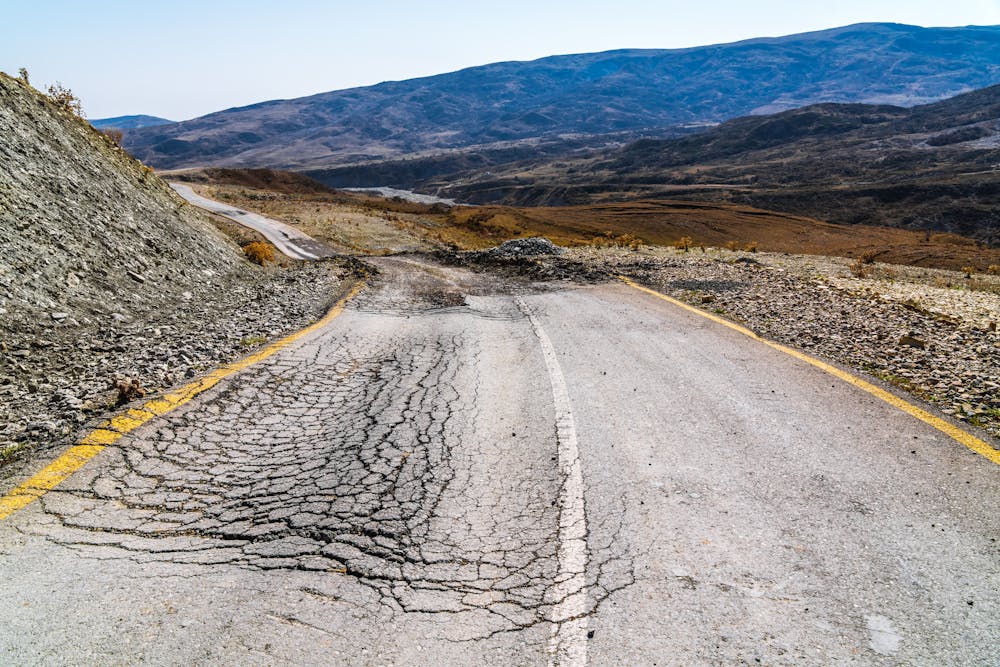
Come back, say, a decade later, and cracks in them would have appeared, with little plants wiggling up through them. This happens because the Earth is constantly moving. With this motion comes pressure, and with this pressure come cracks. Eventually, the roads would crack so much they would look like broken glass, and even trees would grow through them.
The dams and levees that people have built on the rivers and streams of the world would erode. Farms would fall back to nature. The plants we eat would begin to disappear. Not much corn or potatoes or tomatoes anymore.
Farm animals would be easy prey for bears, coyotes, wolves and panthers. And pets? The cats would go feral – that is, they would become wild, though many would be preyed upon by larger animals. Most dogs wouldn’t survive, either.
An asteroid hit and a solar flare are two of the ways the world could end.
Like ancient Rome
In a thousand years, the world you remember would still be vaguely recognizable. Some things would remain; it would depend on the materials they were made of, the climate they’re in, and just plain luck. An apartment building here, a movie theater there, or a crumbling shopping mall would stand as monuments to a lost civilization. The Roman Empire collapsed more than 1,500 years ago, yet you can see some remnants even today.
If nothing else, humans’ suddenly vanishing from the world would reveal something about the way we treated the Earth. It would also show us that the world we have today can’t survive without us and that we can’t survive if we don’t care for it. To keep it working, civilization – like anything else – requires constant upkeep.
Hello, curious kids! Do you have a question you’d like an expert to answer? Ask an adult to send your question to CuriousKidsUS@theconversation.com. Please tell us your name, age and the city where you live.
And since curiosity has no age limit – adults, let us know what you’re wondering, too. We won’t be able to answer every question, but we will do our best.
Returning to that George Monbiot essay and his closing paragraphs:
Meta-skills are the overarching aptitudes – such as self-development, social intelligence, openness, resilience and creativity – that help us acquire the new competencies that sudden change demands. Like metacognition, meta-skills can be taught. Unfortunately, some public bodies are trapped in the bleak and narrow instrumentalism we need to transcend. For example, after identifying empathy as a crucial meta-skill, a manual by Skills Development Scotland reports that: “Empathy has been identified as a key differentiator for business success, with companies such as Facebook, Google and Unilever being recognised as excelling in this area.” I’ve seldom read a more depressing sentence.
Schooling alone will not be enough to lead us out of the many crises and disasters we now face. Those who are adult today must take responsibility for confronting them. But it should at least lend us a torch.
Thinking about Thinking
We live in a very strange world now. One truly wonders how those who are younger will respond to the demands.
Copyright (2023) National Geographic Partners, LLC. (I hope me sharing this image with you is alright.)
National Geographic published the above edition of their magazine recently that consists of three chapters: From Wolf to Wolf; The Human-Dog Bond; Inside Dog Behaviour.
In that first chapter it is stated that: “The exact timing of the appearance of the domesticated dog is hotly debated, but based on the latest science, it most likely falls somewhere between 15,000 and 40,000 years ago.”
So when I wrote on the home page of this blog all those years ago, “Yet they have been part of man’s world for an unimaginable time, at least 30,000 years.“, I wasn’t far wrong.
If you can possibly purchase a copy then please do. National Geographic provide back issues while Ebay, Amazon and others also sell this. You will not regret it!
Hate to say it but it is the great leveller. Some believe in some form of afterlife but not me (nor Jeannie). But how we all get to that final state is far from being simple or straightforward.
That’s why I am republishing, with permission, a recent article in The Conversation.
ooOOoo
Aging is complicated – a biologist explains why no two people or cells age the same way, and what this means for anti-aging interventions
While some people may be older in chronological age, their biological age might be much younger. FangXiaNuo/E+ via Getty Images
Assistant Professor in Molecular, Cellular, and Developmental Biology.
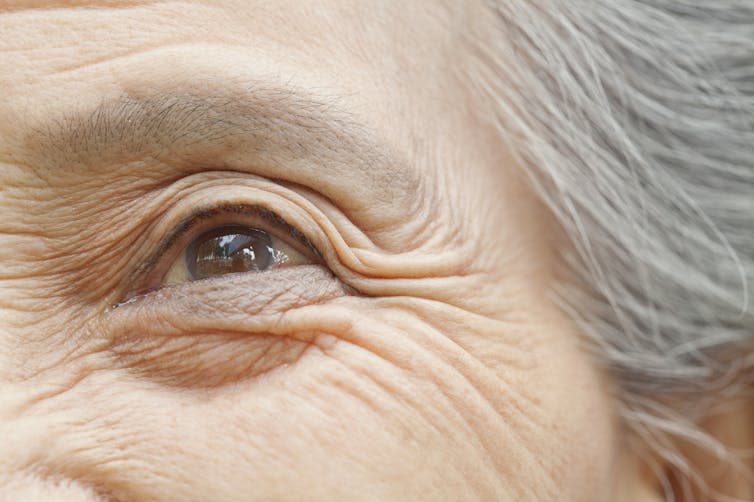
You likely know someone who seems to age slowly, appearing years younger than their birth date suggests. And you likely have seen the opposite – someone whose body and mind seem much more ravaged by time than others. Why do some people seem to glide though their golden years and others physiologically struggle in midlife?
I have worked in the field of aging for all of my scientific career, and I teach the cellular and molecular biology of aging at the University of Michigan. Aging research doesn’t tend to be about finding the one cure that fixes all that may ail you in old age. Instead, the last decade or two of work points to aging as a multi-factoral process – and no single intervention can stop it all.
What is aging?
There are many different definitions of aging, but scientists generally agree upon some common features: Aging is a time-dependent process that results in increased vulnerability to disease, injury and death. This process is both intrinsic, when your own body causes new problems, and extrinsic, when environmental insults damage your tissues.
Your body is comprised of trillions of cells, and each one is not only responsible for one or more functions specific to the tissue it resides in, but must also do all the work of keeping itself alive. This includes metabolizing nutrients, getting rid of waste, exchanging signals with other cells and adapting to stress.
The trouble is that every single process and component in each of your cells can be interrupted or damaged. So your cells spend a lot of energy each day preventing, recognizing and fixing those problems.
Aging can be thought of as a gradual loss of the ability to maintain homeostasis – a state of balance among body systems – either by not being able to prevent or recognize damage and poor function, or by not adequately or rapidly fixing problems as they occur. Aging results from a combination of these issues. Decades of research has shown that nearly every cellular process becomes more impaired with age.
Repairing DNA and recycling proteins
Most research on cellular aging focuses on studying how DNA and proteins change with age. Scientists are also beginning to address the potential roles many other important biomolecules in the cell play in aging as well.
One of the cell’s chief jobs is to maintain its DNA – the instruction manual a cell’s machinery reads to produce specific proteins. DNA maintenance involves protecting against, and accurately repairing, damage to genetic material and the molecules binding to it.
Proteins are the workers of the cell. They perform chemical reactions, provide structural support, send and receive messages, hold and release energy, and much more. If the protein is damaged, the cell uses mechanisms involvingspecial proteins that either attempt to fix the broken protein or send it off for recycling. Similar mechanisms tuck proteins out of the way or destroy them when they are no longer needed. That way, its components can be used later to build a new protein.
Aging disrupts a delicate biological network
The cross-talk between the components inside cells, cells as a whole, organs and the environment is a complex and ever-changing network of information.
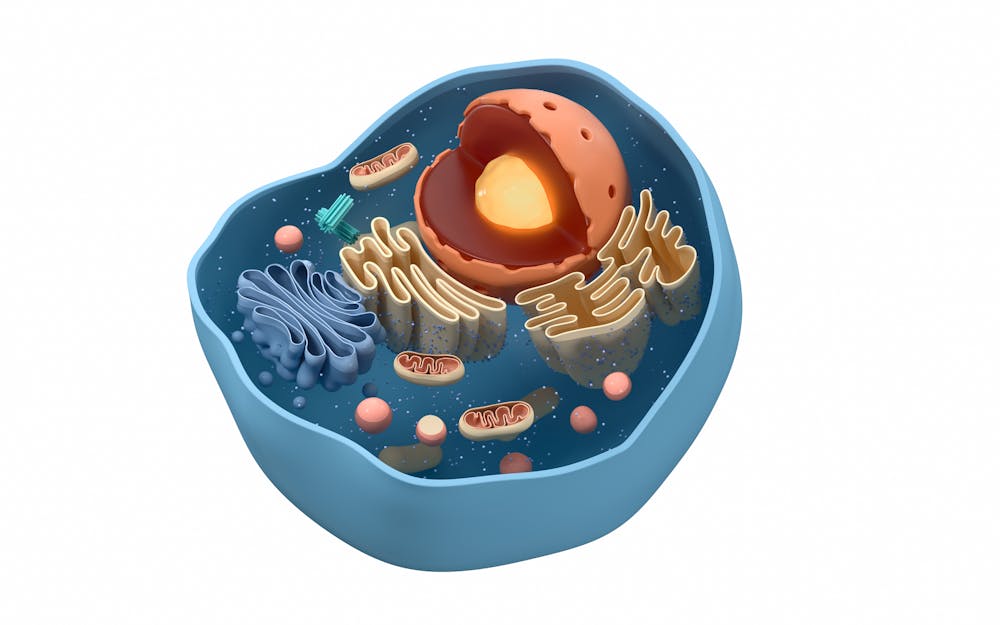
When all processes involved in creating and maintaining DNA and protein function are working normally, the different compartments within a cell serving specialized roles – called organelles – can maintain the cell’s health and function. For an organ to work well, the majority of the cells that make it up need to function well. And for a whole organism to survive and thrive, all of the organs in its body need to work well.
Aging can lead to dysfunction at any of these levels, from the sub-cellular to the organismal. Maybe a gene encoding an important protein for DNA repair has become damaged, and now all of the other genes in the cell are more likely to be repaired incorrectly. Or perhaps the cell’s recycling systems are unable to degrade dysfunctional components anymore. Even the communication systems between cells, tissues and organs can become compromised, leaving the organism less able to respond to changes within the body.
Random chance can lead to a growing burden of molecular and cellular damage that is progressively less well-repaired over time. As this damage accumulates, the systems that are meant to fix it are accruing damage as well. This leads to a cycle of increasing wear and tear as cells age.
Anti-aging interventions
The interdependence of life’s cellular processes is a double-edged sword: Sufficiently damage one process, and all the other processes that interact with or depend on it become impaired. However, this interconnection also means that bolstering one highly interconnected process could improve related functions as well. In fact, this is how the most successful anti-aging interventions work.
There is no silver bullet to stop aging, but certain interventions do seem to slow aging in the laboratory. While there are ongoing clinical trials investigating different approaches in people, most existing data comes from animals like nematodes, flies, mice and nonhuman primates.
One of the best studied interventions is caloric restriction, which involves reducing the amount of calories an animal would normally eat without depriving them of necessary nutrients. An FDA-approved drug used in organ transplantation and some cancer treatments called rapamycin seems to work by using at least a subset of the same pathways that calorie restriction activates in the cell. Both affect signaling hubs that direct the cell to preserve the biomolecules it has rather than growing and building new biomolecules. Over time, this cellular version of “reduce, reuse, recycle” removes damaged components and leaves behind a higher proportion of functional components.
What all of these interventions have in common is that they affect core processes that are critical for cellular homeostasis, often become dysregulated or dysfunctional with age and are connected to other cellular maintenance systems. Often, these processes are the central drivers for mechanisms that protect DNA and proteins in the body.
There is no single cause of aging. No two people age the same way, and indeed, neither do any two cells. There are countless ways for your basic biology to go wrong over time, and these add up to create a unique network of aging-related factors for each person that make finding a one-size-fits-all anti-aging treatment extremely challenging.
However, researching interventions that target multiple important cellular processes simultaneously could help improve and maintain health for a greater portion of life. These advances could help people live longer lives in the process.
I was born in London towards the tail end of 1944. I was the product of an affair between my father and mother. I came before my younger sister, Elizabeth, born in 1948. Then my father died on December 20th, 1956 and eventually my mother remarried my stepfather but he died in 1979 and then my mother died in 2016.
Elizabeth is still alive and so is my step-sister, Eleanor. I also had two half-sisters, Rhona, Corinne, born of my father and his first wife, but they are long dead.
But my family still continue and with a bit of luck I have a few years left; I shall be 80 in November, 2024.
When the music stops it will have been a fabulous life!
I follow the website The Conversation and read most of their posts on a very regular basis. Back in May they published the following. It caught my eye because my own mental health is drifting downwards, or so it seems, due to age, I shall be 80 in November, 2024, plus a couple of brain bleedings that occurred in 2017 that were attended to by the Regional Trauma Center in Eugene.
I then had two sub-durnal (sp?) operations overnight before being put onto the ICU ward. The lead surgeon explained that I was within 24 hours of dying! As in if I had not gone back to hospital.
I find that difficult to realise that it was 6 years ago! Anyway, to the post published by The Conversation.
ooOOoo
Mindfulness, meditation and self-compassion – a clinical psychologist explains how these science-backed practices can improve mental health
Mindfulness and self-compassion are now buzzwords for self-improvement. But in fact, a growing body of research shows these practices can lead to real mental health benefits. This research – ongoing, voluminous and worldwide – clearly shows how and why these two practices work.
One effective way to cultivate mindfulness and self-compassion is through meditation.
For more than 20 years, as a clinical psychologist, research scientist and educator, I taught meditation to students and clinical patients and took a deep dive into the research literature. My recent book, “The Self-Talk Workout: Six Science-Backed Strategies to Dissolve Self-Criticism and Transform the Voice in Your Head,” highlights much of that research.
Could mindfulness meditation be the next public health revolution?
Be patient when starting a meditation practice
I didn’t like meditation – the specific practice sessions that train mindfulness and self-compassion – the first time I tried it as a college student in the late ‘90s. I felt like a failure when my mind wandered, and I interpreted that as a sign that I couldn’t do it.
In both my own and others’ meditation practices, I’ve noticed that the beginning is often rocky and full of doubt, resistance and distraction.
But what seem like impediments can actually enhance meditation practice, because the mental work of handling them builds strength.
For the first six months I meditated, my body and mind were restless. I wanted to get up and do other tasks. But I didn’t. Eventually it became easier to notice my urges and thoughts without acting upon them. I didn’t get as upset with myself.
After about a year of consistent meditation, my mind seemed more organized and controllable; it no longer got stuck in self-critical loops. I felt a sense of kindness or friendliness toward myself in everyday moments, as well as during joyful or difficult experiences. I enjoyed ordinary activities more, such as walking or cleaning.
It took a while to understand that anytime you sit down and try to meditate, that’s meditation. It is a mental process, rather than a destination.
How meditation works on the mind
Just having a general intention to be more mindful or self-compassionate is unlikely to work.
Don’t be discouraged if your mind wanders as you meditate.
Establishing the formal practice
A common misconception about mindfulness is that it’s simply a way to relax or clear the mind. Rather, it means intentionally paying attention to your experiences in a nonjudgmental way.
Consider meditation the formal part of your practice – that is, setting aside a time to work on specific mindfulness and self-compassion techniques.
Cultivating mindfulness with meditation often involves focusing on paying attention to the breath. A common way to start practice is to sit in a comfortable place and bring attention to your breathing, wherever you feel it most strongly.
At some point, probably after a breath or two, your mind will wander to another thought or feeling. As soon as you notice that, you can bring your attention back to the breath and try not to judge yourself for losing focus for five to 10 minutes.
When I was just getting started meditating, I would have to redirect my attention dozens or hundreds of times in a 20-to-30-minute session. Counting 10 breaths, and then another 10, and so on, helped me link my mind to the task of paying attention to my breathing.
The most well-established technique for cultivating self-compassion is called loving-kindness meditation. To practice, you can find a comfortable position, and for at least five minutes, internally repeat phrases such as, “May I be safe. May I be happy. May I be healthy. May I live with ease.”
When your attention wanders, you can bring it back with as little self-judgment as possible and continue repeating the phrases. Then, if you like, offer the same well wishes to other people or to all beings.
Every time you return your focus to your practice without judging, you’re flexing your mental awareness, because you noticed your mind wandered. You also improve your capacity to shift attention, a valuable anti-rumination skill, and your nonjudgment, an antidote to self-criticism.
Mindfulness also occurs when you tune into present-moment sensations, such as tasting your food or washing the dishes.
An ongoing routine of formal and informal practice can transform your thinking. And again, doing it once in a while won’t help as much. It’s like situps: A single situp isn’t likely to strengthen your abdominal muscles, but doing several sets each day will.
When thoughts pop up during meditation, no worries. Just start again … and again … and again.
One final point: Beginning meditators may find that self-criticism gets worse before it gets better.
After years or decades of habitual self-judgment, people often judge themselves harshly about losing focus during meditation. But once students get through the first few weeks of practice, the self-judgment begins to abate, both about meditation and about oneself in general.
As one of my students recently said after several weeks of mindfulness meditation: “I am more stable, more able to detach from unhelpful thoughts and can do all of this while being a little more compassionate and loving toward myself.”
In reading this article I think I should try and find a way to start the process. There are a great number of articles and websites. I will share my journey with you.
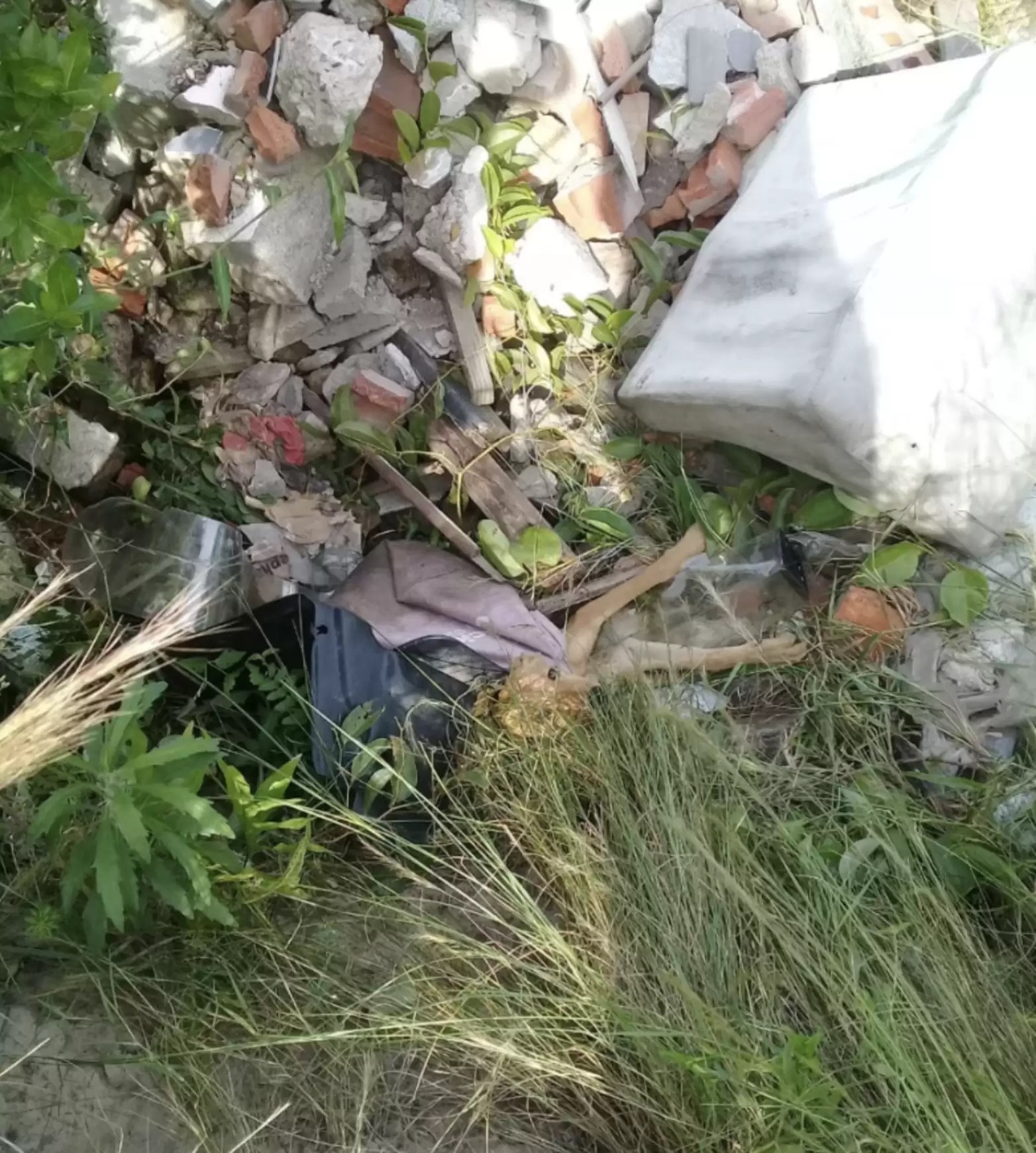
The other day, members of the neighborhood watch in Richards Bay, South Africa, received a shocking phone call. A woman said she’d been walking through an undeveloped area of wilderness nearby and stumbled on something heartbreaking.
Two watch captains rushed to the scene. When they arrived, they found a discarded pile of rubble and plastic — not necessarily a surprise, given that trash is occasionally dumped in the area. What was upsetting, though, were the pair of long brown legs and pleading black eyes barely visible under the debris.
A little dog was trapped, and he needed help.
With caution, the team began to cut the dog loose from the plastic bag where he’d been tied up. After freeing the pup, they carried him out of the trash and gently placed him in the grass nearby.
The dog, later named Rocky, was so happy to be able to move around, though he was very weak from his ordeal. Neighborhood watch personnel gave the pup some ice cubes to suck on while they waited for SPCA Richards Bay staff to arrive.
Safe at the SPCA, a veterinary team examined Rocky and treated him for a small wound on his head. The malnourished pup was given plenty of food and water, and, in no time, Rocky’s slim figure began to improve and his personality began to shine.
“Rocky is now the sweetest, most outgoing puppy,” a representative from SPCA Richards Bay told The Dodo.
SPCA staff were inspired by Rocky — who spread so much love and who didn’t seem jaded by his harrowing ordeal.
“We were amazed at how a puppy who had been discarded like trash could love and trust again,” the representative said.
Rocky has since been adopted into a loving family and taken to live with them on their farm. The grateful pup, who once spent hours trapped under garbage, unable to move, will spend the rest of his days running through the ample fields of his new home, loving every minute.
ooOOoo
All of the above photographs are taken by FACEBOOK/SPCA RICHARDS BAY
No matter where in the world one is there is a love for dogs and this account shows it to be so!
It is one of many things that deteriorate with age!
Jeannie and I go to the Club Northwest locally in Grants Pass twice a week. It is a local gym. Jean goes to her Rock Steady class and I see a coach. Both of us spend time ensuring our balance is as good as it can be. For me that consists primarily of spending a minute standing on each leg on a vibrating platform; it is not easy.
So for all the more elderly people out there, here is an article that was recently published on The Conversation.
ooOOoo
Balance declines with age, but exercise can help stave off some of the risk of falling
My wife and I were in the grocery store recently when we noticed an older woman reaching above her head for some produce. As she stretched out her hand, she lost her balance and began falling forward. Fortunately, she leaned into her grocery cart, which prevented her from falling to the ground.
Aging is a process that affects the systems and tissues of every person. The rate and magnitude of aging may be different for each person, but overall physical decline is an inevitable part of life. Most people think aging starts in their 60s, but in fact we spend most of our life span undergoing the process of decline, typically beginning in our 30s.
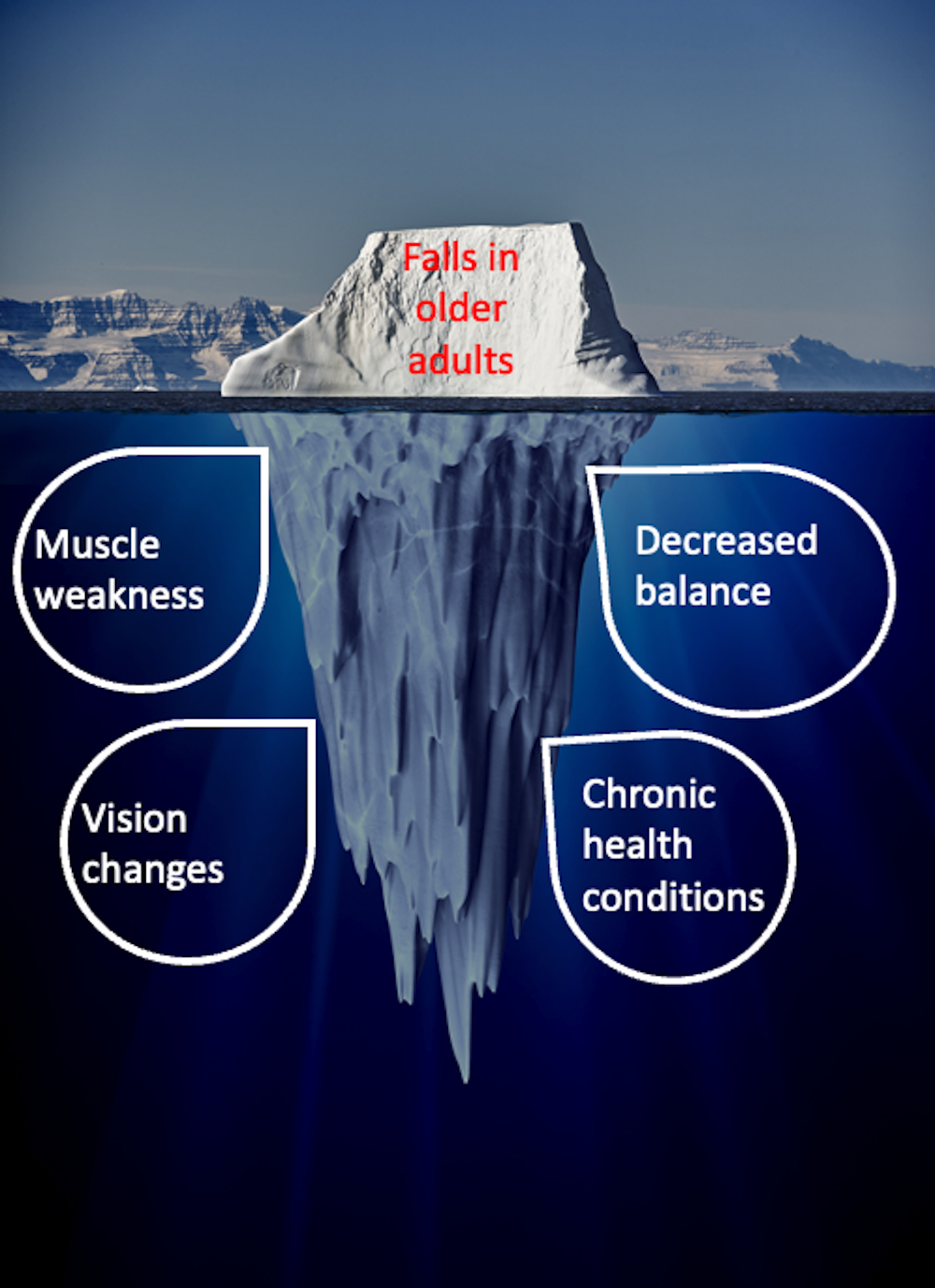
Older adults are more prone to falling for various reasons, including age-related changes in their bodies and vision changes that leave them vulnerable to environmental factors such as curbs, stairs and carpet folds.
Some straightforward measures to improve the safety of the home environment for older adults can significantly lower the risk of falls.
Based on my experience, here are some common reasons older adults may experience falls:
First, aging leads to a natural loss of muscle strength and flexibility, making it more challenging to maintain balance and stability. The loss of strength and poor balance are two of the most common causes of falls.
Second, older adults often have chronic conditions such as arthritis, Parkinson’s disease or diabetes that can affect their mobility, coordination and overall stability.
In addition, certain medications commonly taken by older adults, such as sedatives or blood pressure drugs, can cause dizziness, drowsiness or a drop in blood pressure, leading to an increased risk of falls.
Age-related vision changes, such as reduced depth perception and peripheral vision and difficulty in differentiating colors or contrasts, can make it harder to navigate and identify potential hazards. Hazards in the environment, such as uneven surfaces, slippery floors, inadequate lighting, loose rugs or carpets or cluttered pathways, can significantly contribute to falls among older adults.
Older adults who lead a sedentary lifestyle or have limited physical activity may also experience reduced strength, flexibility and balance.
And finally, such conditions as dementia or Alzheimer’s disease can affect judgment, attention and spatial awareness, leading to increased fall risk.
There are numerous theories about why we age but there is no one unifying notion that explains all the changes in our bodies. A large portion of aging-related decline is caused by our genes, which determine the structure and function of bones, muscle growth and repair and visual depth perception, among other things. But there are also numerous lifestyle-related factors that influence our rate of aging including diet, exercise, stress and exposure to environmental toxins.
A recent advance in scientific understanding of aging is that there is a difference between your chronological age and your biological age. Chronological age is simply the number of years you’ve been on the Earth. Biological age, however, refers to how old your cells and tissues are. It is based on physiological evidence from a blood test and is related to your physical and functional ability. Thus, if you’re healthy and fit, your biological age may be lower than your chronological age. However, the reverse can also be true.
I encourage patients to focus on their biological age because it empowers them to take control over the aging process. We obviously have no control over when we are born. By focusing on the age of our cells, we can avoid long-held beliefs that our bodies are destined to develop cancer, diabetes or other conditions that have historically been tied to how long we live.
And by taking control of diet, exercise, sleep and other lifestyle factors you can actually decrease your biological age and improve your quality of life. As one example, our team’s research has shown that moderate amounts of aerobic exercise can slow down motor decline even when a person begins exercise in the latter half of the life span.
Fall prevention
Adopting lifestyle changes such as regular, long-term exercise can reduce the consequences of aging, including falls and injuries. Following a healthy diet, managing chronic conditions, reviewing medications with health care professionals, maintaining a safe home environment and getting regular vision checkups can also help reduce the risk of falls in older adults.
There are several exercises that physical therapists use to improve balance for patients. It is important to note however, that before starting any exercise program, everyone should consult with a health care professional or a qualified physical therapist to determine the most appropriate exercises for their specific needs. Here are five forms of exercise I commonly recommend to my patients to improve balance:
Balance training can help improve coordination and proprioception, which is the body’s ability to sense where it is in space. By practicing movements that challenge the body’s balance, such as standing on one leg or walking heel-to-toe, the nervous system becomes better at coordinating movement and maintaining balance. A large research study analyzing nearly 8,000 older adults found that balance and functional exercises reduce the rate of falls by 24%.
Strength training exercises involve lifting weights or using resistance bands to increase muscle strength and power. By strengthening the muscles in the legs, hips and core, older adults can improve their ability to maintain balance and stability. Our research has shown that strength training can also lead to improvements in walking speed and a reduction in fall risk.
Tai chi is a gentle martial art that focuses on slow, controlled movements and shifting body weight. Research shows that it can improve balance, strength and flexibility in older adults. Several combined studies in tai chi have demonstrated a 20% reduction in the number of people who experience falls.
Certain yoga poses can enhance balance and stability. Tree pose, warrior pose and mountain pose are examples of poses that can help improve balance. It’s best to practice yoga under the guidance of a qualified instructor who can adapt the poses to individual abilities.
Flexibility training involves stretching the muscles and joints, which can improve range of motion and reduce stiffness. By improving range of motion, older adults can improve their ability to move safely and avoid falls caused by limitations in mobility.
Use of assistive devices can be helpful when strength or balance impairments are present. Research studies involving the evaluation of canes and walkers used by older adults confirm that these devices can improve balance and mobility. Training from a physical or occupational therapist in the proper use of assistive devices is an important part of improving safety.
When I think back about the woman who nearly fell in the grocery store, I wish I could share everything we have learned about healthy aging with her. There’s no way to know if she was already putting these tips into practice, but I’m comforted by the thought that she may have avoided the fall by being in the right place at the right time. After all, she was standing in the produce aisle.
Reading this article reminds me that Bruce, my coach at the Club Northwest, also has me walking toe-to-heel; with my eyes fully open, then blinking rapidly and then with my eyes closed. Plus I go bike riding as often as I can.
Raphael was in contact with me asking whether I had any ideas of a subject that could be written about. I replied that it would be lovely to have a post about the way that dogs understand us humans. The following is the result, and it is great!
ooOOoo
Building Bridges: How Dogs Understand Humans and How We Can Improve Our Communication with Them
By Raphael Wildcom.
Dogs have been our faithful companions for thousands of years, and during that time, they have evolved to become incredibly attuned to human emotions and communication. Their ability to understand us and our ability to communicate with them has led to a unique bond between our two species.
In this article, we will explore how dogs understand humans and offer some tips on how we can improve our communication with our canine friends.
How Dogs Understand Humans
Body language
One of the most crucial ways dogs interpret our emotions and intentions is through our body language. Dogs are highly perceptive when it comes to noticing our posture, eye contact, and movements. They can sense if we are relaxed or tense and often respond accordingly.
Photo from Pexels.com
For example, a cute Shiba Inu puppy might approach a person exhibiting relaxed body language while avoiding someone who appears tense or stressed.
Facial expressions
Dogs are remarkably adept at recognizing human facial expressions. Research has shown that they can distinguish between expressions of happiness, sadness, and anger, among others. This ability allows them to adjust their behavior depending on our emotional state.
Vocalizations
Although dogs may not understand the specific words we use, they are incredibly sensitive to the tone and pitch of our voices. They can pick up on the emotional content of our speech, which helps them gauge our emotions and intentions. For example, a dog might become excited when they hear a high-pitched, happy voice or become submissive when they hear a low, stern voice.
Training and commands
Dogs can learn to associate specific words or gestures with actions or objects through training and repetition. This ability allows them to respond to our commands and communicate with us effectively. For example, a dog might learn to sit when they hear the word “sit” or see a specific hand signal.
Scent and pheromones
Dogs possess an extraordinary sense of smell, and they can pick up on subtle changes in our body odor, which may be indicative of our emotional state. For example, a dog might be able to detect the scent of stress-related hormones and respond accordingly.
Social cues
Dogs are skilled at observing and interpreting social cues within a group or family. They understand relationships between people and often respond to the social hierarchy within the household. For example, a dog might defer to the person they perceive as the leader of the family.
Improving Communication with Your Dog
Be consistent
Consistency is key when it comes to communicating with your dog. Use the same words, tone, and gestures for specific commands, and make sure all family members are on the same page. This consistency will help your dog understand what you expect from them and make it easier for them to respond correctly.
Use positive reinforcement
Reward your dog with praise, treats, or playtime when they respond correctly to a command or exhibit desirable behavior. Positive reinforcement is an effective way to strengthen your communication with your dog and encourage them to repeat the desired behavior in the future.
Pay attention to your dog’s body language
Learn to recognize the subtle signs your dog uses to communicate their emotions and intentions. By understanding their body language, you can respond more effectively to their needs and create a stronger bond.
Be patient and persistent
Training and effective communication with your dog takes time and effort. Be patient, and understand that your dog may need repetition and practice to grasp new commands or break old habits. Persistence and consistency will pay off in the long run.
Learn from the experts
Consider enrolling in a dog training class, consulting with a professional dog trainer, or reading books on dog behavior and training to improve your communication skills and understanding of your dog’s needs.
Socialize your dog
Expose your dog to various people, animals, environments, and situations from an early age. Socialization helps your dog become more comfortable in different settings and makes them better equipped to understand and respond to different cues from humans and other animals. Well-socialized dogs are generally more confident, adaptable, and better communicators.
Develop a routine
Dogs thrive on routines, as they provide structure and predictability. Establish a daily routine for feeding, walks, playtime, and rest. A consistent routine helps your dog feel secure and makes it easier for them to understand your expectations.
Be aware of your own body language and emotions
Remember that your dog is constantly observing you and responding to your body language and emotions. Be mindful of the signals you send through your posture, facial expressions, and tone of voice. By being aware of your own non-verbal communication, you can create a more harmonious and effective relationship with your dog.
Use clear and simple commands
When giving your dog a command, use clear, simple words or gestures that are easy for them to understand. Avoid using multiple words for the same command or giving commands when you are angry or frustrated, as this can confuse your dog and hinder communication.
Engage in interactive play and training
Spend time playing with your dog and engaging them in activities that challenge their mind and body. Interactive play and training sessions can strengthen your bond, improve communication, and provide mental stimulation for your dog.
Conclusion
By understanding how dogs interpret our emotions and intentions and implementing strategies to improve communication, we can forge an even stronger bond with our canine companions. This deeper connection not only enhances our relationship with our dogs but also contributes to their overall well-being and happiness.
With patience, consistency, and a commitment to understanding each other, we can continue to enjoy the unique and enriching bond that humans and dogs have shared for thousands of years.
ooOOoo
This article is such great advice. Thank you very much, Raphael.
I am sure I am not the only one that would love to have more articles from Raphael.
It is under 14 minutes in length so, please, watch it until the end. You will be pleased you did!
It’s normal to feel anxious or overwhelmed by climate change, says psychologist Renée Lertzman. Can we turn those feelings into something productive? In an affirming talk, Lertzman discusses the emotional effects of climate change and offers insights on how psychology can help us discover both the creativity and resilience needed to act on environmental issues.
Dr. Renée Lertzman is a researcher, educator and engagement strategist who uses psychological insights to unlock action on global climate and environmental crises.
Why you should listen
Dr. Renée Lertzman is a pioneer and leader at the intersection of psychology, climate and environment. She applies psychosocial insights to drive engagement and action on ecological issues.
Lertzman translates psychology and social science best practices into tools, resources and guidance that unleash the potential for creativity and courage. She guides companies and organizations in strengthening engagement campaigns and boosting their ability to connect with stakeholders to inspire action, ingenuity and resilience in facing one of the biggest challenges of our time.
Although this blog is 99% about dogs that doesn’t preclude a guest post; one that is really charming.
ooOOoo
Fun DIY Toys to Keep Your Cat Entertained
Keep your cat entertained with these easy DIY toys, including puzzle toys and toilet paper roll toys. Challenge your cat’s mind and provide hours of fun with these ideas
Fun DIY Toys to Keep Your Cat Entertained
Cats are known for being playful and curious, so it’s important to give them things to keep them occupied and their minds working. But store-bought toys can be expensive, and your cat may not always be interested in them.
That’s why making your own toys is a good idea. Making your own cat toys is not only cheaper, but it also allows you to make them just the way your cat likes them. In this article, we’ll talk about ten fun toys you can make to keep your cat busy.
Cardboard fort
A cardboard box is one of the easiest and most useful toys you can make for your cat. You can make a box fortress by cutting holes and tubes in the box and filling it with soft bedding. Cats love to hide and look around, and a cardboard box fort is the right place for them.
Find a large cardboard box to start making your cardboard fort. Cut holes and tubes into the sides of the box, making sure the edges are even so the cat doesn’t get hurt.
You can cut the paper with scissors or a utility knife. Then put something soft inside the box, such as a blanket or towel. Your cat will love hiding in his new fort and exploring it.
Pen game
Cats love feathers and you can make your own feather toy by tying the feathers to a string or stick. Your cat will enjoy chasing and pouncing on feathers, which will exercise them, keep their mind active, and remind you that cat shed.
Start by getting feathers to make a feather toy. You can use feathers you find on the street or feathers bought from a craft store. Use glue or tape to attach the feathers to a string or stick. Make sure the feathers are well attached so they don’t fall off when the kids play. Then hang a feather toy in front of your cat and watch it jump and run after it.
Socks with catnip
Cats love the natural catnip stimulant, and you can make your own catnip toy by placing dried catnip in a sock and tying a knot at the end. Your cat will enjoy rubbing and biting on the sock, and the smell of catnip will keep her interested.
Find a clean sock to use as the base for your catnip sock. Put the dried catnip in the sock and then tie a knot at the end so the catnip stays inside. You can also put bells or wrinkled paper inside the sock to make it more interesting. Then give your cat a sock and watch her rub and bite into it, enjoying the smell of catnip.
Post for scratching
Cats naturally love to scratch, but if you give them room to scratch, they won’t scratch your furniture. You can make a scratching post by wrapping string or carpet around a cardboard tube or wooden pole.
Find a sturdy cardboard tube or wooden pole to start making your scratching post. Cut a piece of string or carpet long enough to go around the pipe or pole. Then wrap the rope or cloth tightly around the pipe or pole and glue or staple it to keep it in place. Make sure the scratching post is high enough so that the cat can stretch out its entire body when using it. Place the scratching post where your cat likes to scratch and rub it with catnip so the cat can use it.
Track for ping pong balls
Make a ping pong ball track a fun and responsive toy for your cat. Make a path for the ping pong ball by cutting holes in the cardboard box and attaching the cardboard tubes. Your cat will love trying to catch the ball when you hit him with the bat.
Find a wooden box to start making a ping pong ball track. After making holes in the sides of the box, make sure they are large enough for a ping pong ball to fit through. Then make a maze by inserting cardboard tubes into the holes. The tubes can be glued with hot glue or tape. Finally, place the ping pong ball in the maze and watch your cat try to catch it by hitting it.
Tunnel for paper bags
A paper bag tunnel is another easy and cheap toy you can make for your cat. You can make a tunnel for your cat by cutting the bottom out of a paper bag and sticking several bags together. You can also crumple up some paper and put it in bags to make them rustle and make the animals more excited.
Collect some paper bags to start making the paper bag tunnel. Make a long tunnel by cutting out the bottom of each bag and taping them together. You can also put crumpled paper inside the bags so that the cat makes noise while playing inside. Your cat will have a great time exploring his new cave and hiding in the bags.
Toy fishing rod
Another fun toy for cats that looks like their natural prey is playing with a fishing rod. Stretch a toy or some feathers and tie them to a stick or dowel. Your cat will enjoy chasing and jumping on the toy, which will keep her active and stimulate her brain.
Find a stick or fishing rod to start making a fishing rod toy. Use glue or tape to attach the toy or feathers to the string, and tie the other end of the string to the stick. Hang the toy in front of your cat and watch it run and jump on it.
A toy that gives treats
A toy that gives treats is a fun way to give your cat a treat and keep them entertained at the same time. Cut holes in a plastic bottle and fill it with treats to make a toy that dispenses treats. To get a treat, your cat will break the bottle.
Find a plastic bottle to start making a toy that gives out treats. Use a utility knife or scissors to cut some small holes in the sides of the bottle. Then put the best treats for your cat into the bottle. Your cat will love to hit the bottle and try to get treats out of the holes.
Conclusion
After all, making your own cat toys is a great way to keep them entertained and stimulated while saving money. But when you make these toys, it’s important to put your cat’s safety first and give her a range of toys that stimulate different senses. Don’t forget to play with your cat to bond with her and give her some exercise.
ooOOoo
Here is Gloria’s bio that she also supplied:
Gloria Peters is an experienced pet writer and enthusiast, sharing valuable insights on gadgets to keep your feline friend healthy, happy, and entertained. Her expertise in technology and pet care is well-known in the industry, as seen on her popular website blog tulip.
Gloria Peters
I must say that Gloria has done a splendid job in writing the above guest post. It is excellent and way better than I could have done myself.