Category: Writing

Forecasting wonderful ‘Blu’ days!

So many examples of how special our dogs are!

I have said it before and, undoubtedly, I will say it many more times. That is that the connections made in the world of blogging are special beyond imagination. So many good people that one will never get to know in the traditional sense of being around that person yet people that one comes to know, and know well, through the medium of blogging.

I was contacted by Grinia who offered to write a guest post for this place. In turn, to better know her, I went across to her blog, Mirror & Soul, and then read this: Real Stories, Real People: Forecast: Blu Skies. I wanted to republish that and Grinia very rapidly gave me permission.

Here it is:

ooOOoo

Real Stories, Real People: Forecast: Blu Skies

96a25d84809fad7de736bb867f5317eb

Alexandra thought of adopting a dog to provide company to her mother and bring a happy distraction to her days. What Alexandra didn’t expected was that this dog would become an important member of their family and would help her dealing with the emotions of caring for her mom with dementia. Alexandra became an advocate for rescuing dogs and she is sharing her touching story with us. Thank you Alexandra!

Forecast: Blu skies

By Alexandra Goodwin

My husband and I had many discussions about adopting a dog because he had grown up with dogs in the UK and missed having his four legged friends around. I was open to the idea as I had never had any pets growing up and thought perhaps it might help my mother, who has dementia and lives with us.

We went to various rescue shelters in February 2014 to get an idea of what kind of dog to get and to warm my mother up to the idea of acquiring a dog. My husband had had mostly pointers and greyhounds and we both wanted a medium / large dog with whom to go hiking and enjoy the outdoors.

When we went to the various shelters we knew we couldn’t bring anyone home right away due to my husband traveling for business the following month. One of the shelters we visited was Greyhound Friends in Hopkinton, Mass. My husband had made few solo trips there previously in his spare time and met Louise Coleman, owner of Greyhound Friends. They both had the same passion and heart for these neglected beautiful dogs. Blu was one of the dogs in the shelter back in February 2014. Blu was waving his paw at us as if he were trying to communicate and begging us to take him home.

Fast forward couple months later to April 26, 2014, a brisk Saturday morning when we set out to rescue a dog to bring home. We made many stops within 25 mile radius that day to various shelters. When we went to Greyhound Friends, we inquired about Blu as he had impacted his paw on our hearts back in February. Blu was in foster care in Milford, MA, so they called the foster parents and we arranged to go visit their home to see Blu again. We saw that Blu was comfortable and calm in home setting and was living with another dog and cat.

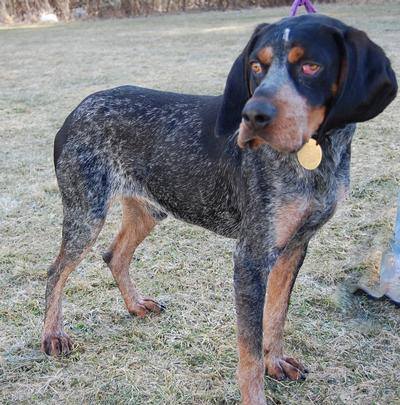
Blu’s a Bluetick Coonhound from way of Ohio. He was found in a litter of five back in Ohio when a generous rescue group called ” Stop the Suffering” picked up Blu and his mates. Blu was transferred to Greyhound Friends in the winter of 2013.

14642944_10210525099625327_1644640663_nWhat drew us to Blu, aside from him waving at us, was that he had a cherry eye. Dogs have three eyelids and it’s common for dogs under the age of two for one of the eyelids to protrude. Cherry eye is not serious but if untreated it causes dry eye which then could lead to other complications. Blu will probably be on eye drop medications all his life.

After our Saturday afternoon of surveying various rescue shelters, we decided to adopt the dog who might be left behind, the underdog. We figured Blu might be overlooked because of his cherry eye. Most folks want to adopt puppies and the storybook happy perfect little dog. Little do they realize the trauma and suffering most dogs in shelters have had in their lives before being scooped up in shelters. All dogs just need patience and love and if you win their heart over, they will do anything for you and give back tenfold.

Blu has made a huge impact on our lives. For me, being the prime caretaker of my mother, he has calmed me down enormously and is aware of encompassing emotions. My mother’s not so fond of dogs as she grew up in Greece where dogs lived outside and their purpose was hunting. Blu has brought so much love and happiness in our lives that now can’t imagine life without him! Blu is a blessing!!! Thank you to all the rescue shelters who save dogs and try to find them forever homes — what a difficult and most rewarding job you have! Thank you for not giving up on these beautiful dogs!

Greyhound Friends is located in Hopkinton, Massachusetts, please go visit their kennel and find your best friend like we did….

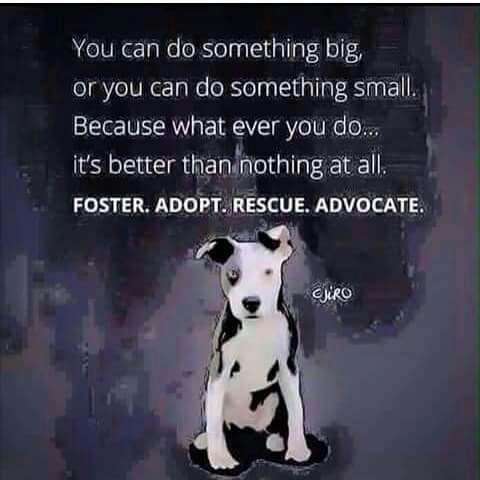
Featured Image with quote credit to Pinterest

ooOOoo

I can’t wait to receive Grinia’s guest post and I’m sure you feel the same way.

What lucky people we are to have these beautiful dogs in our lives.

Wanderings!

A Victorian Dog Story

Here’s a very delightful guest post coming up. But first to my introduction.

Speke’s Monument, Kensington Gardens


Whatever one feels about London, the city of my birth (Acton; North-West London, to be more precise), there’s no denying that it has some glorious parks.

One of those wonderful parks is Kensington Gardens that is located not that far from the Royal Albert Hall. Or as Wikipedia puts it:

Kensington Gardens, once the private gardens of Kensington Palace, are one of the Royal Parks of London, lying immediately to the west of Hyde Park.

So keep that image in your mind as we turn to today’s guest post.

ooOOoo

A Victorian Dog Story

victoriandog

If you are ever in the UK, wander through Kensington Gardens (past the palace where Princess Diana resided) and go Northeast, behind Victoria Lodge; you will find a pet cemetery. Mentioned by Peter Pan author, J.M. Barrie, in his work The Little White Bird, over 200 dogs, cats and birds have been laid to rest here. All of its inhabitants were once beloved pets.
The cemetery was started by the lodge keeper around 1881; the first dog to be buried in Kensington was her “Cherry”, a Maltese terrier who died of old age. The second dog was “Prince”, once belonging to the Duke of Cambridge (no relation to the present Duchess of Cambridge, Kate Middleton!). Struck by a carriage, this dog’s simple gravestone reads: “Poor Prince.” Though the cemetery is no longer active, contemporary guests can take pictures of the tiny tombstones and read such sentiments as “Maudie, An Old Friend”, “Darling Dolly My Sunbeam, My Consolation”; and “In Loving Memory of Our Faithful Little Friend Wobbles.”
Keeping dogs as pets gained popularity in the 19th century. As sanitation conditions started to be regulated, animals such as pigs, cows and sheep were banned from the streets. So dogs that were once kept outside were now invited by the fire. The dog changed from being a worker to being a member of the family. In 1837 there were about 140 dog nappers; they stole lap dogs from the wealthy and charged hefty ransoms for their return. A Temporary Home for Lost and Starving Dogs opened in 1860; ultimately this became The Battersea Dogs Home, where strays could be adopted. For more information on the Victorian cult of the dog, I would recommend At Home and Astray by Philip Howell. Meanwhile, if you are searching for a name for your new pet puppy, you might want to consider Dandie, Dash or Eos, pronounced ee-oohs–if they were good enough for Queen Victoria’s pooches, they may be good enough for yours!
ooOOoo
Let me close with the words of the author: Annabelle Troy
An American who loves UK culture, I alternate my time between New York City and London. I’m the author of four books available on Amazon: Jane Eyre Gets Real, A Cure for Cecily, The Grace of the Hunchback, and Hansel and Gretel Inside the House of Candy.  Inspiration comes to me through literature, history and magic.
Here’s the cover of that first-named book.
511hedjbc8lI don’t know about Jane Eyre but Annabelle Troy comes over as real enough!

CBD Hemp Oil outcomes.

Really good news now that it’s well over a month since our two dogs have been taking this oil.

First off, I want to republish in full a post first shared with you all on the 19th September.

ooOOoo

Just wanted to share our early results with you.

Back on the 13th September, I published a post under the title of Listening to our pets in more difficult times. I mentioned that Pharaoh was suffering pain in his rear hip joints and struggling at times to get up on all four feet and that we had started giving him Rimadyl.

One of the subsequent comments was from Pets, People, And Life who wrote:

Don’t wait around for a vet to tell you that your dog is in pain. You live in a state with legal MJ plus hemp oil is legal in all 50 states. I give CBD oil to my BC X Aussie 12 year old dog. He could not get up and yelped in pain before I began giving him 0.7ml daily that I drizzle over his food., After second dose he could stand up without help. Now he walks and runs with fluid movements of all limbs. It is totally safe and doesn’t require expensive tests, The danger of Rimadyl and other meds in that class used to treat arthritis, is that these types of meds cause kidney damage and your pet will have a shortened life span. Hemp oil works like a charm with no side effects.

We did some research and came across the following brand of Hemp (CBD) Oil specifically for dogs. We ordered it and it arrived last Saturday. Jean did not delay in adding* it twice a day to the food for both Pharaoh and Paloma.

p1160480Here we are at the end of Tuesday, at the time of writing this post, and already we can see observable improvements in both dogs.

Yes, it’s early days but I wanted to share this with you now.

There will be a more extensive report from me once these dogs have been using the oil for a few weeks.

  • One dropperful twice a day for Pharaoh, approx. 105 lbs, and half a dropperful twice a day for Paloma, approx. 45 lbs.

ooOOoo

Yesterday, as in Sunday 23rd, as per usual I let the ‘bedroom’ group of dogs out around 7am when I went down to clear out the stables. Usually Pharaoh comes away from the front door and ends up laying down on the area just outside the garage door.

But on this day he decided to trot down to the stables and join the others, mainly Brandy, Cleo and Oliver, in sniffing around after the horses and eating fresh horse dung. (Don’t ask me why our dogs find it so tasty!)

It was so lovely to see Pharaoh, who will be 13 1/2 years-old on December 3rd., still being able to walk around the property when he is in the mood.

Frankly, Jean and I are amazed at how well he is doing and how the hip displasia has not yet defeated him. We are certain that the CBD Hemp oil is a key factor.

Later that morning I took a couple of photographs to support my claim that he is still walking around, albeit somewhat stiffly first thing in the day.

Cleo watching Pharaoh come away from the house.
A shot taken of Pharaoh walking past me.

Dear old Pharaoh!

November writing alert!

Normal service may not be possible for the next few weeks!

learningfromdogs_3dbook_500xAs many of you know last December I published my first book Learning from Dogs.

That book had been the result of me getting my head down in the Novembers of 2013 and 2014. Why November? Because that is the month of NaNoWriMo, or to use the long-form: National Novel Writing Month.

Having brought book number one the light of the day, it was only natural that my mind started to turn to a sequel. At first, I thought of another book about dogs; perhaps Learning About Dogs? But for a variety of reasons I just couldn’t get started and it all came to a head last Wednesday during one of our regular group cycle rides. As follows:

Jim Goodbrod, he who wrote the foreword to my first book, asked how book number two was coming along.
“Oh Jim,” I replied, “I have left it far too late to contact the many academics that I have come across, to seek permission to quote their works and to find out if they have more scientific information of potential interest.”
“I have this terrible feeling that I’m setting myself up to fail!”

Jim then opened a wonderful window for me; metaphorically speaking. But before describing what Jim went on to say I should explain to you, dear reader, the connection between Jim and Janet, his wife, and Jean and me. Jim and Janet live about half-a-mile from us in Merlin, Southern Oregon, and right from the moment when we moved into our home back in 2012 they have been very good friends indeed. That friendship built upon Jim and Janet sharing very many similar outlooks on life to Jeannie and me. Plus Jim is a professional veterinarian doctor at a vet’s practice in Grants Pass, our local town some 12 miles from home, but has frequently given us advice ‘out of hours’ when one of our pets at home has gone down with something beyond Jean’s extensive experience.
So the four of us have spent much time together socially and I am embarrassed to admit that quite a few of my stories from past years have been told by me.

Back to that conversation during that bike ride. “Paul, Janet and I were only saying the other day that we would really love to see your next book being something autobiographical. You have had so many interesting experiences in so many parts of the world that we truly believe that they would be of interest to many others.”

It felt slightly uncomfortable to hear that. Uncomfortable in the sense that immediately responding by saying what a good idea that was carried too much egotism, was too self-indulgent. But at the same time I knew that Jim and Janet would offer a genuine recommendation and that it would most certainly get me out of my present difficult situation. I thanked Jim profusely. Jim then went on the describe the style that he and Janet would enjoy: “Janet and I have long loved reading books where each chapter was a self-contained story. In other words, a book that one could pick up and dip into and still feel that it was a good read.”

When I returned home and spoke about this to Jeannie she immediately said that it was something that she had been urging me to consider. An hour later I was speaking on the phone to my sister Eleanor and she, too, encouraged me to go down this route.

So that’s how it has come about that book number two is going to be semi-autobiographical, and it already has a name: Four Dogs On My Bed.

Or as the byline reads: On Life; On Love; and On Dogs.

All of which is a rather wordy way of saying that from now until the end of November my first priority is going to be book writing. How that will impact my attention to this blog and all you wonderful readers is uncertain. But if you see a string of re-posts from earlier times, if I don’t provide the most fulsome introduction to a guest author that they deserve, if my replies to comments are not as quick as I normally try to be, then you will know the reason why.

Thank you!

Taking a holiday with your loved one!

(That’s your loved pet in case you wondered where I was coming from 😉 )

I have only ever flown once with a pet. That was back in 2008 when I flew one-way from London to Los Angeles on a British Airways flight when coming to live with Jeannie. Yes, I was alone in the cabin but I was not alone in the aircraft. For in a special part of the hold devoted to carrying animals rode Pharaoh.

I will never forget that day when I had to travel to the unit at London Heathrow Airport where dogs, and other pets, were dropped off about an hour before I was due to check-in to the same flight.

For this reason.

Every other time that Pharaoh had been left by me at the kennels when I was going away on business, or some other journey, Pharaoh had always barked in sadness at being left. I always got back in my car feeling a traitor for having something to go to that didn’t involve dogs.

So in this instance I was fully expecting Pharaoh to really sound out how unhappy he was at being left. For it was a very unfamiliar place on an unfamiliar airfield and he was being ‘processed’ in a manner that he had never experienced before.

So the time came that the attendant had Pharaoh in the flight cage and I had to turn my back and walk out of the area where some thirty minutes before Pharaoh and I had entered. I was expecting terrible sad howls. But not a single sound came from Pharaoh. To this day I like to think that he knew that he and I were on our way to the greatest and most wonderful life-changing event of our whole lives. Going to live with Jeannie and all her animals!

OK! Got that off my chest!

I love guest posts for all sorts of reasons but most importantly of all because you dear readers also like guest posts.

I was approached by Brenda Leary with her offer of writing a guest post for Learning from Dogs. She gave me a choice from a number of essay titles and, as you might expect from my introduction, I chose an article from Brenda about flying with your pet.

Enjoy!

ooOOoo

Tips to Flying With your Dog

Or

Flying With Your Pet Made Easier


Jetting out for a well-deserved vacation? If you plan to go with your furry friend, we have great news for you. While traveling with pets may evoke tension and constant hair pulling, find out how to travel with a dog on a plane with these excellent tips.

Select the airline

Not all airlines allow their passengers to travel with their pets. The first step is identifying pet-friendly airlines and their pet limit. Once you get an affirmative answer, make the reservations immediately before you lose the seat.

Obviously, you cannot have your dog sit a few rows behind or in front of you; make sure to book two seats adjacent to each other. Depending on the airlines you choose, you could fork up to $100 for a one-way trip.

Compare different rates from various carriers and select the most affordable one. Alternatively, leave your pet with a sitter or a family member while you vacation.

Health checks

Similar to humans, pets need a full medical check- up before boarding a flight. Make an appointment with your veterinarian at least ten days before the trip. Have your dog vaccinated and give him any extra shots that he needs.

Obtain a health certificate and be sure to bring it to the check-in counter. Your vet will suggest packing a first aid kit with gauze and pet medications in case of emergencies. If you are traveling overseas, investigate the health care requirements of your destination.

Buy a dog carrier

When traveling with your pet, you need to keep him as comfortable as you possibly can to calm his nerves long enough until you land. Find a carrier that is spacious enough, so your dog or cat has some wiggle room to stretch during the flight.

The recommended size of a pet carrier is sixteen to nineteen inches long, and ten inches tall. Test out your carrier days before the trip and observe how your puppy behaves when he is locked in. If he shows signs of anxiety, try a different carrier until you find one that pleases him. If your dog weighs more than fifteen pounds, the airline will advise that he travels in a hard-sided kennel in the plane’s stowaway.

Pack wisely

When traveling with your kids or alone, packing is a crucial step that can make all the difference between a smooth or long flight. Similarly, pets behave like children and we gladly oblige and treat them as so.

Bring your pet’s favorite toys to keep him entertained (read: distracted), during the flight. You cannot underestimate the power of a dog bone on a trans-Atlantic flight! Airlines do not provide in-flight menus for pets. Pack enough food and water to last the duration of the trip.

Remember, traveling with your puppy counts as a carry on which leaves you with one carry on. Put your creatures of comfort in your bag and utilize the space on the pet carrier such as side pockets.

Arrive early

If you are traveling alone, you can expedite the check-in process by using mobile boarding passes. This convenience is not possible when traveling with your furry animal.

Traveling with your pet means additional time spent at the security desk while checking in. Pets do not go through x-ray machines; you will need to carry the dog through the metal detector and have the dog cage inspected separately.

To avoid last minute rush and a near-miss of your flight, arrive the airport earlier by at least one hour so you can comfortably go through these procedures without frowning.

Leash your dog
As we mentioned earlier, pets do not go through x-ray scans so you will have to remove him from the carrier for a separate inspection through the metal detector. If your pet is already showing signs of anxiety, they may attempt to make a run for it upon release from the cage.  Make sure to have a leash on their collar to prevent this from happening. Besides being a total nuisance to other travelers, running after a pet across the airport is hardly something you wish to do. Tag the leash and carrier with your dog’s name on it and your contact details. You can also insert a microchip in your puppy days leading up to the journey. When traveling with your dog, planning ahead gives you ample time to research on how to travel with a dog on a plane. Make a list of luggage items for your pet and other travel companions and counter-check before leaving the house. Buckle down and enjoy a smooth flight.

ooOOoo

I asked Brenda to let us know a little about herself. This is what she said:

brenda-learyI’m Brenda Leary. I have a passion for dogs. My ambition is to found a community for dogaholics that everyone could share useful knowledge about dogs.
I’m here to break down all the complex dog’s tips/advices and try my best to give you the stuff that is actually useful and works!
Follow my steps at Cuddle Your Dogs to discover dogs’ daily routines, tips and advices on caring for a dog/puppy and many, many things about this wonderful world.

A stopgap!

Rain may stop play!

It is 11:35 Sunday, as in yesterday!

Since the start of the rain on Thursday morning we have received over 9in of rain (23 cms). Since midnight this day, over 2 ins (5 cms) have fallen.

This was empty last Wednesday!

The internet connection is terrible and I have low confidence that it will stay up all day.

So please forgive me for leaving you with just this for now.

p1160529Normal service will be resumed as soon as possible!

Footnote!

By 3pm yesterday over 3 in (7.5 cms) of rain had fallen and Jean and I decided to go and rent a couple of movies to watch for the evening.

On the way of our driveway, that is a 1/4 mile long from the house to Hugo Road, it crosses over Bummer Creek. I took the following two pictures of the creek from the bridge.

Bummer Creek: looking upstream.

oooo

Bummer Creek: looking downstream.

Farewell the hazy, lazy, dry days of Summer!

Second footnote

The rain paused a little after 5pm and I managed to snap the following rather evocative (well to me, anyway) scenes of a misty outlook.

Mount Sexton to the North-East of us.

oooo

Fairy-tale scene??
Fairy-tale scene??

(Oh, and by 6pm the rain gauge was reading 3.6 in/9.14 cms)

As the saying goes:

An apple a day keeps the doctor away!

Picture credit Don Kinzler's blog on Growing Together
Picture credit Don Kinzler’s blog on Growing Together

Read this very interesting item that was published on the Care2 site:

ooOOoo

10 Surprising Ways Apples Are Good for Your Health

A Care2 favorite by Michelle Schoffro Cook

About Michelle Follow Michelle at @mschoffrocook

Martin Luther once said, “even if I knew that tomorrow the world would go to pieces, I would still plant my apple tree.”  New research gives more reasons than ever to plant apple trees and enjoy their delicious and nutritious fruit.  Here are ten surprising reasons to sink your teeth into an apple today:

1. Research found that when healthy adults consumed an apple fifteen minutes before eating a meal, they ate 15 percent less at the meal.  This simple habit can result in weight loss for anyone looking for an easy and healthy way to lose weight.

2. In other studies, apples have been shown to significantly alter the amounts of the bacteria Clostridiales and Bacteroides in the large intestine, conferring gastrointestinal health benefits.

3. Thanks to their phytonutrient content, apples have been show to lower the risk of asthma and lung cancer in numerous studies.

4. In a study funded by the USDA, postmenopausal women who ate dried apples daily experienced a 23 percent reduction in LDL cholesterol (the one known as “bad cholesterol”) and a 4% increase in HDL cholesterol (“the good cholesterol”) within six months.

5. In a British study published in BMJ, researchers found that eating an apple a day was as effective as statin drugs to lower cholesterol levels, without the harmful side-effects.  They also found that if 70% of the British population simply ate an apple on a daily basis, 8500 lives would be spared every year from heart attacks or strokes.

6. Researchers at Tufts University found that catechin polyphenols found in apples speed abdominal fat loss by 77 percent and double weight loss in overweight individuals.  Catechins also improve the body’s ability to use insulin, thereby preventing wild blood sugar fluctuations that effect energy, mood, and cravings.

7. Apples contain flavonoids (including catechin polyphenols and quercetin), which have been shown to interfere with the development of cancer cells and preventing their ability to multiply.

8. Research in the journal Nutrition Reviews found that a diet that’s too low in magnesium increases the risk of cancer.  Apples are a good source of magnesium.

9. According to research in the International Journal of Biological Macromolecules scientists found that apple oligosaccharides showed an ability to inhibit human colon cancer cells.  Oligosaccharides are complex carbohydrates.  The apple compound induced a process known as apoptosis, which is the body’s mechanism to kill damaged or cancerous cells. They also found that the apple oligosaccharide stopped the growth of new cancer cells. They concluded: “Apple oligosaccharide is a potential chemoprevention agent or anti-tumor agent and is worthy of further study.”

10. Apples contain a natural compound known as malic acid, which helps improve energy production in the body. It has been found to aid fibromyalgia and chronic fatigue syndrome.

ooOOoo

 Amazing what one reads and learns on ‘the internet’ these days. If it wasn’t such crap weather just now I would go outside and take a photograph of our three delicious apple trees! Trust me, Jean and I and the deer love to eat them!

Our smaller ones!

Are smaller dogs more difficult to care for?

Of the nine dogs that we have here at home two would be classified as small dogs: Sweeny and Pedy.

To my mind they are no more different from the other dogs than are our two German Shepherds; Pharaoh and Cleo.

But that still didn’t stop me from noting a recent article over on the Care2 site under the heading of Everyday Issues for People With Small Dog Breeds. Here it is for you good people.

ooOOoo

Everyday Issues for People With Small Dog Breeds

1391153-largeBy: Vetstreet.com October 10, 2016

About Vetstreet.com

I never thought of myself as a small-dog person. When I was growing up, I much preferred my dad’s German Shepherds to my stepmom’s Toy Poodles. The first dog I acquired as an adult was a retired racing Greyhound. But although Greyhounds are wonderful apartment and condo dogs, we have stairs, and it became difficult to get Savanna up and down them after she lost a leg to bone cancer.

The next dog, we decided, would be smaller. That’s how we ended up with Cavalier King Charles Spaniels (and one Chihuahua mix). But although they are more portable, small dogs come with their own set of issues. If you are considering acquiring a small-breed dog because you think one will be easier to live with, here’s what you should know.

It Ain’t Easy Being Small

Small dogs are, well, small. It’s easy to step on them, no matter how careful you try to be. It’s not so bad with the larger Toy breeds such as Pugs and Cavaliers — at least, not once they reach adult size — but smaller dogs such as Chihuahuas, Papillons and Yorkies run the risk of getting stepped on or kicked not just by the humans in the home but also by other pets. We frequently joke about attaching a balloon on a long string to the collar of our Chihuahua mix so we’ll be more likely to notice where she is.

Other pets may bully them. Lots of small dogs rule the roost, but when they have a gentle personality, their size can work against them. Esmeralda, a Papillon, was stalked by her owner’s much larger cat, who seemed to view the small, fluffy dog as a toy at best, potential dinner at worst. It was a painful dilemma for the owner, who finally ended up placing her cat in a new home to save her dog’s life.

Little dogs can hurt themselves jumping on and off furniture. It’s an especially common problem with breeds such as Italian Greyhounds, who have long, thin legs, or Japanese Chin, who often enjoy being on high places such as the back of the sofa. This is more common in young dogs, who are not only still growing but also tend to be fearless, but any small dog can suffer a broken bone if he lands the wrong way jumping off the furniture, is stepped on by an errant guest or is dropped to the floor by a child.

For this reason, it is often necessary to buy steps so small dogs can get off furniture safely and easily (getting up on their own can be an issue, too). It’s better to teach them this habit at an early age than to risk a broken bone.

Tiny dogs often think they’re bigger than they actually are. In their head, they’re just as big and badass as that Rottweiler down the street. It’s not uncommon to see a Yorkshire Terrier, Chihuahua or Miniature Pinscher take his life in his hands by challenging a bigger dog. Owners must always be prepared to keep their small dogs out of harm’s way — especially when their dogs try to bring it on themselves.

Too Cute To Train?

Little dogs can be just as smart as big ones — sometimes more so. But people often don’t make the effort to train them. That’s a shame, because small dogs are just as much in need of manners as large ones.

There are a couple of issues with training small dogs. One is that they’re so low to the ground it can be difficult to get their attention or to reach down and reward them with treats.

Another is that some can be slow to learn house training. But it doesn’t have to be that way. As with any other dog, perseverance and consistency win the day.

By Kim Campbell Thornton | Vetstreet.com

ooOOoo

I’m not completely sure whether I totally agree with everything that Kim writes about: what do you think?

So far as me and Jean are concerned our Sweeny and Pedy are adorable and at this time of the year are most welcome as all-night sleepers on our bed!

Pedy in front of Sweeny. Picture taken yesterday afternoon.

Divorcing one’s Vet!

A practical and informative guest post.

Back in September, I received an email from a Paige Johnson. He offered to write a guest post for Learning from Dogs. Now I love guest posts simply because I think that different perspectives are always valuable, and let’s face it you get enough of me ‘rabbiting on’ most days.

This is what Paige’s email said:

I reached out to your recently with a guest article offer and just wanted to send a quick note to follow up.

I’ve had my dog, GG, since my early 20s, and though it wasn’t easy — in fact, it was quite the trial and error process for both of us! — I’m happy to report that she has become a well-trained pup, great with kids, adults, and other animals.

That said, GG and I are about to face another challenge together. Moving. I know that uprooting her from the only home she’s ever known won’t be easy for her so I’ve been doing some research on how to make the process go as smoothly as possible for both of us.

I run LearnFit.org with some friends, and collectively, we love helping readers find balance in their life. Adding a dog to the mix definitely brings happiness, but it can be a tough adjustment, especially when you face another big life event, like moving or having a child.

Who wouldn’t warm to that approach!

So here is Paige’s guest post.

ooOOoo

4 Tips for New Dog Owners Who Need to Break Up with Your Vet

dog-91765_1280When you become a new dog owner, you worry about what to feed him, how often to bathe him, the best type of flea and tick treatment to use to protect him, and a litany of other things involved in caring for him. You also need to make sure that your veterinarian is on the same page with you so that you are comfortable with relying on him to deliver the best quality care for him and advice for you. Sometimes, however, you need to break up with your vet for one reason or another. If you are a new dog owner who needs to break up with your vet, we offer four tips to help you do it as quickly and painlessly as possible.

1. Consider all of the interactions you have had with your veterinarian

If you are having a difficult time deciding whether to leave your veterinarian, think about how you have been treated by the vet and his office staff and how your new dog has been cared for at the office. If your vet has been pushing you to purchase pet food and care products from him, or he has a policy that you must board your dog only at his office when you go out of town, you most likely are justified in thinking that it is time to break up with him. Vets who try to monopolize services unfortunately are in the business more for making money than for providing quality animal care.

As a new dog owner, you need to be aware of your right to feed your dog whatever food you feel is best for his nutrition and health and not just what your vet sells. You also have the right to choose a dog boarding provider who will provide one-to-one care for your dog while you are out of town, rather than put your dog in an impersonal kennel at the vet’s office. When you leave the vet, you should consider all of the interactions you have had with him, and if you feel that you are being pushed into choosing products and services that he offers without having a freedom of choice, you should break up with him.

2. Break up sooner, rather than later

As soon as you feel that you need to break up with your vet, you should take action. Breaking up with your vet sooner rather than later will make the process much easier on you. Prolonging your relationship with your vet when you are considering cutting ties with him will increase your uneasiness and make an awkward situation even more uncomfortable.

You especially need to break up with your vet as soon as your instincts tell you to do so if you are concerned that he is not providing adequate care for your dog. The last thing you want is to put your dog’s health in jeopardy because you are afraid to break up with your vet. As a new dog owner, it is your responsibility to put your dog’s health above everything else when you deal with your veterinarian and make decisions regarding his treatment and care.

3. Ask office personnel to transfer your records to a new veterinarian

You want to be sure you have a new veterinarian on board with your new dog before you leave your old vet’s office, so that your dog’s health is never at risk during the transition. Call your current veterinarian’s office and politely ask office personnel to transfer your records to your new vet. Even if you have had issues with office staff before, it is well within your rights as a pet owner to switch vets and have your records sent to the vet of your choice. The staff should treat you with professional courtesy as long as you are straightforward and polite as well during the interaction.

4. Explain the situation to your veterinarian if you are leaving because of extenuating circumstances

Sometimes, even people who love their veterinarians need to break up with them because of extenuating circumstances. For example, you may be moving to a new town and cannot take the time to drive to your current vet’s office from your new home. If you have been happy with the care from your veterinarian and are sad to leave his care, explain the situation to him and ask for some recommendations for your new area. Your vet may be able to refer you to a new office that shares his level of care and commitment to your new dog. Your vet also may be able to refer you to other services for your dog in your new area, such as reputable dog walkers or accommodating dog parks.

Breaking up with your veterinarian is not a fun thing to do for new dog owners, especially if you love your vet and don’t want to leave his care. However, you need to put your dog’s health first, and if your current veterinarian cannot meet your dog’s needs, it is time to break up and go elsewhere. Our four tips will make the process easier for you.

Image via Pixabay by tpsdave

ooOOoo

 Yes, we always “need to put your dog’s health first” and Paige offers some valuable advice for ensuring that is always our top priority.

Thank you, Paige!

Five years: Just like that!

How time flies!

I was outside working yesterday afternoon and came back into the house some thirty minutes before Jean and I were due to visit a neighbour. Ergo, I was looking for a shortcut in terms of putting together a post for all you good people.

The notion came to me that I would republish something that was on Learning from Dogs some fives years ago: October 8th, 2011 to be exact.

Here it is!

ooOOoo

Sit back and Smile

With thanks to Ellen M. for passing this across to Learning from Dogs.

ooOOoo

Then to prove how quickly time flies by, guess what! Dear Sue Dreamwalker left a message to that post back in 2011.

What a great story and video… 🙂 .. Love this guys last comment about his Best Friend being less expensive than a girl friend.. lol.. Dogs Rule..

Just as Sue is still doing and, I bet, will be leaving a wonderful response today!