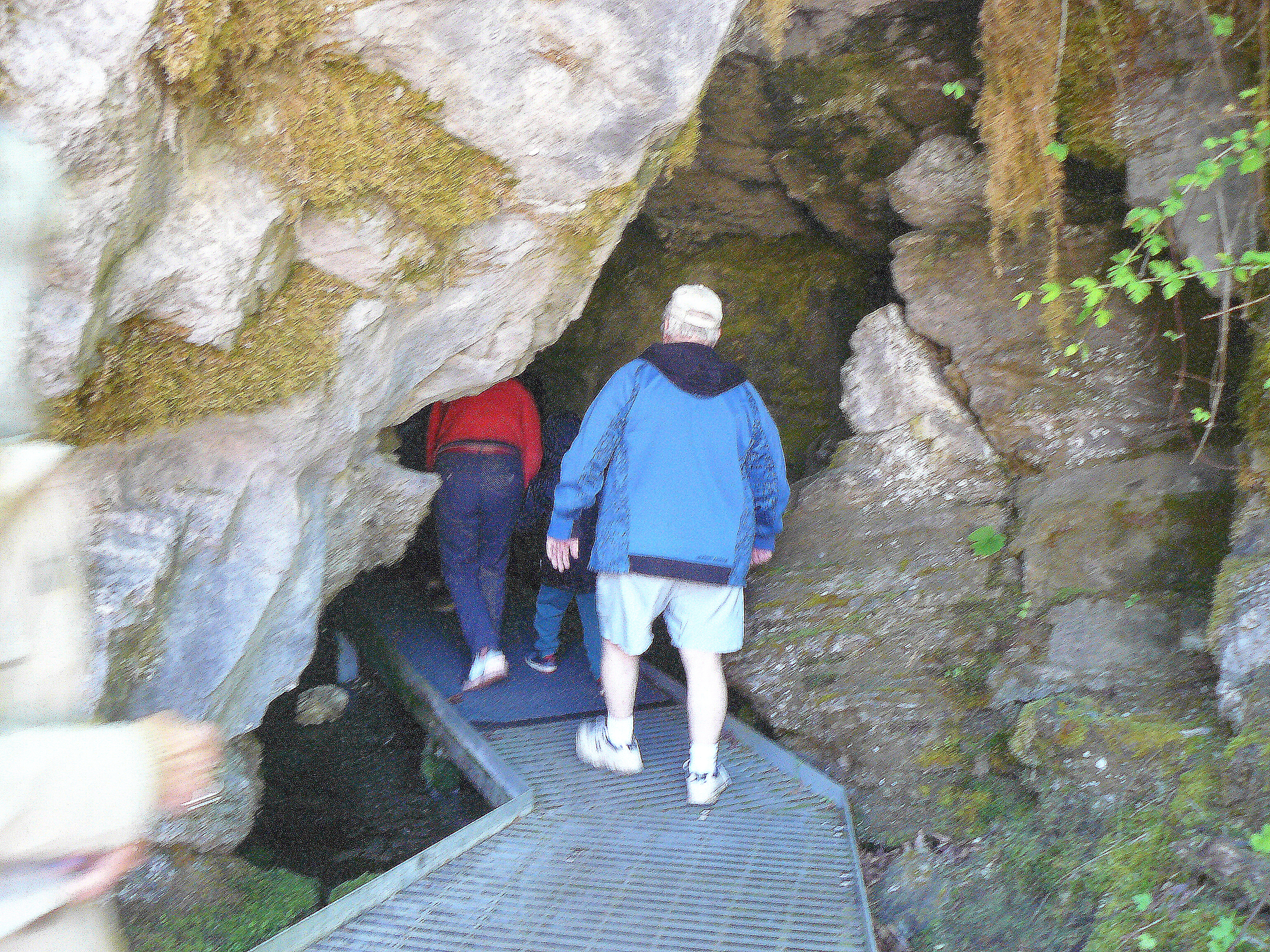
Category: tourism

This must be stopped!

And Now!!

Please, good people, this is going to be a very tough read, especially coming immediately after yesterday’s example of terrible cruelty.

But these instances of such disgusting behavior have to be shared.  For without sharing them then there will be no end to them.

I am indebted to Change.org for carrying this.

ooOOoo

Sign: Stop Tying Dogs to Bulls in Horrific Bullfight ‘Punishment’

Lady Freethinker

The village of Chalhuani in Peru has a horrific annual tradition where a dog is tied to the back of a bull at a bullfight as punishment for “bad” behavior. Both of the animals are then painfully killed during the fight.

Video posted by the Mirror exposed this cruel Virgen de la Asuncion tradition in action, sparking global outrage. The video shows a dog being forced onto the back of a bull while it yelps and barks in fear. The terrified dog is tied spread-eagle to the bull, with the ropes so tight it cannot move.

The bull then enters the ring, where it is viciously killed. All the while, the dog is trapped on the bull’s back, unable to save itself from an excruciating death.

One villager tried to justify the cruelty in an interview with a local news station:

“We pick a dog that was disobedient over the past 12 months and has caused trouble,” the villager said. “As a community we see this as a fitting punishment for the dog’s bad behavior.”

But “bad” behavior is no excuse for animal cruelty. No dog deserves this horror.

These bullfights are barbaric and must be stopped. Sign this petition to urge the Peruvian ambassador to the United States to end this terrible practice, so no more animals suffer this horrific fate.

This petition will be delivered to: Ambassador Miguel Castilla

ooOOoo

Good people!

This is the letter to be delivered to the Ambassador:

Letter to Ambassador Miguel Castilla
Stop Tying Dogs to Bulls’ Backs in Cruel Bullfighting ‘Punishment’
The village of Chalhuani in Peru has a horrific annual tradition where a dog is tied to the back of a bull at a bullfight as punishment for “bad” behavior. Both of the animals are then painfully killed during the fight.
These bullfights are barbaric and must be stopped. Not only is animal cruelty an unacceptable form of punishment for dogs, but bulls do not deserve to be forced into fights, where they are tortured and killed for entertainment.
I urge the Peruvian government to ban this horrific practice at once, so no more animals must suffer for this cruel “tradition.”

Please not only sign this petition yourself but share it as far and wide as you can.

Travels with Natalie

Huge pleasure in me introducing Natalie Derham-Weston

Those who take a close interest in this place (you poor, lost souls!) will have noticed from time to time me posting items that have been sent to me by Bob Derham. He and I first met when we were both based in Larnaca, Cyprus in the late 80’s/early 90’s and we have remained good and close friends ever since.

Natalie is Bob’s beautiful daughter and recently contacted me to ask if she might offer a guest post on her traveling experiences. Natalie has ambitions to be a travel writer and, as you are about to see, would make an excellent one.

So, that’s more than enough from me. Over to Natalie.

ooOOoo

Travel Blog: Instalment 1: The Introduction

After having spent much time over the last few years travelling, I have arrived home and really feel at a slight loss. I miss so many aspects of the backpacking lifestyle and writing about it brings it all back so vividly. I have never blogged or publicly documented anything before. However, here goes…

I have always been extremely privileged in the department of exploring, having grown up with a pilot as my father. By 9 months old I was perched on his lap in the flight deck of a BAC 1-11 drinking milk and probably mumbling loudly, on my way to Spain.
Since then, things have only picked up. We have taken family holidays across Europe, America, the UAE and latterly I have completed some independent travel through South East Asia, India, Nepal, South America and Indonesia. I even spent time being schooled in South Africa in my early teens and despite the gruelling slog of their strict education system, we had a blast on a farm at the weekends in the Karoo, racing around on quad bikes and roaming the many acres of raw land they had there.

My mother was an air hostess and my step mum a tours manager on the ocean liners. So I would presume this travelling bug I seem to have caught so ferociously has been somewhat inherited.

As part of my Dads job, he and my Mother used to live in Kenya for some time and I have grown up hearing stories of their escapades and have always been very open to the idea of other cultures and ways of life.

After 17 years of constant education and not confidently knowing which direction to take with my life, I decided backpacking around South East Asia would be a good stop gap. So this plan started to take shape, along with Hannah, my best friend from University. We began as most people do nowadays with some tentative Google searches and tried to create a clearer picture of where we should go and why. This is very difficult to gauge through a screen and since then I have taken this information with a generous pinch of salt. I do peruse the Lonely Planet books and like to have them as reference.

Regardless, we began to tally up costs, buy creams, tablets and lotions to cover every disease known to man and pay through the nose for a concoction of injections promised to keep us safe and which seemed to appease my Mother! I have to say both my parents have been exceedingly supportive every time I spring on them that I am fleeing the country and any responsibilities.

So, struggling under a bag almost as big as me, I met Hannah at Gatwick in March 2015, waved goodbye to Ma and Pa and we pranced off through security, eager to make a start.

We landed in Bangkok and convinced we would be living as cheaply as possible, which included transport, headed for some public transport system. Having vaguely fathomed the measure of the currency, Baht, we found a train to take us further into the depths of the area.

Our destination was Khao San Road, the tourist tapered high street. Our journey was broken into parts and we ended up on a street where we were accosted by a tuk tuk driver. Naively we accepted a lift. I have now learnt to agree on a fee before entering the vehicle!
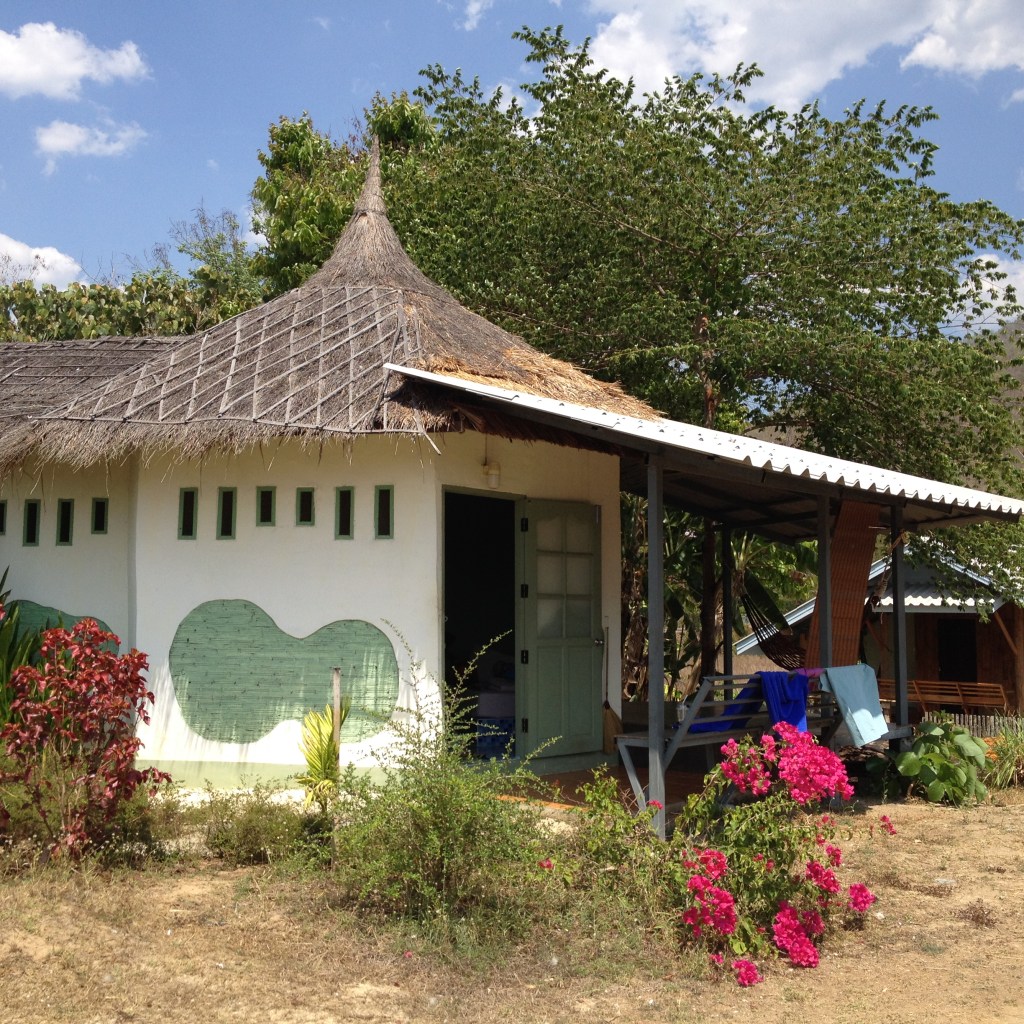
Anyway, after repeating the address of our hostel more times than I would like to recount, we rocked up outside. Our room was totally terrifying to two novice travellers. Again, another thing I’ve learnt not to be too fussy about. It was a luminescent green, although this was barely visible through the crude graffiti, it was bug ridden and the sheets looked like they had been used to clean the floors. We swiftly requested a change of rooms, which wasn’t much of an improvement and led to Hannah sleeping on her important belongings. In turn, leading to a broken phone. However, this did not dampen our enthusiasm and we immediately immersed ourselves in the heaving road, trying the fresh phad thai, for about 40p made by street vendors and tried our hand at haggling. We finished the day with some local ‘Tiger’ beer.

Over the next few days we ticked off some tourist spots in Bangkok, drinking our weight in water to compensate for the insane temperatures and removing our shoes 80% of the day, an Asian custom.

We had deliberately left our time very free but had one pre planned event in Chang Mai. This was an elephant sanctuary where we would have the chance to feed, wash and ride them. As two animal lovers, we had checked the ethos of the organisation and had found the elephants were ridden bareback to avoid aggravating them with cages and ropes.

However, we had to first make our way there and made our first overnight train journey, a surprisingly comfy affair. We ended up in a cheap hotel in Chang Mai. We checked in and headed upstairs to shower and generally relax. Hannah went in the bathroom first and I was just rifling through some paperwork when I heard a loud crash followed by some mild expletives. Hannah fell out the door looking a little sheepish. I glanced past her and saw the remains of what had been the basin, now strewn all over the floor in bits.

Unluckily, the thing must have been loose before and when Hannah had been brushing her teeth, it had chosen that moment to fall off. We went immediately down to reception to explain the situation and they waved it away as nothing and re-homed us across the corridor. We were very grateful and had a good night’s sleep.

Going downstairs early the next morning ready for the pick-up vehicle to the sanctuary, the reception began laying into us and demanded we pay for the damage. The police were threatened and this was when Hannah became overwhelmed, burst into tears and ran out! I was left to smooth the argument and try to rationally explain there may have been some lapse in due care of their maintenance. We finally escaped unscathed and both look back at this as another of our funny incidences.

The experience of caring for the elephants was extremely special. They had a one year old baby there who was so cheeky and constantly stole bananas. The first day we spent in a group of about 20 but we were the only ones to stay overnight. We both were invited to the nearby camp of the Burmese mahout (elephant guardians) and spent the evening drinking their homemade whisky, playing music with cups and pans and bottles and playing with their children.

The next day the two of us, one mahout and two elephants walked into the jungle. We made a camp fire, and whittled cups and chopsticks from bamboo we cut down and cooked our lunch. It was so raw and adventurous and I loved it.
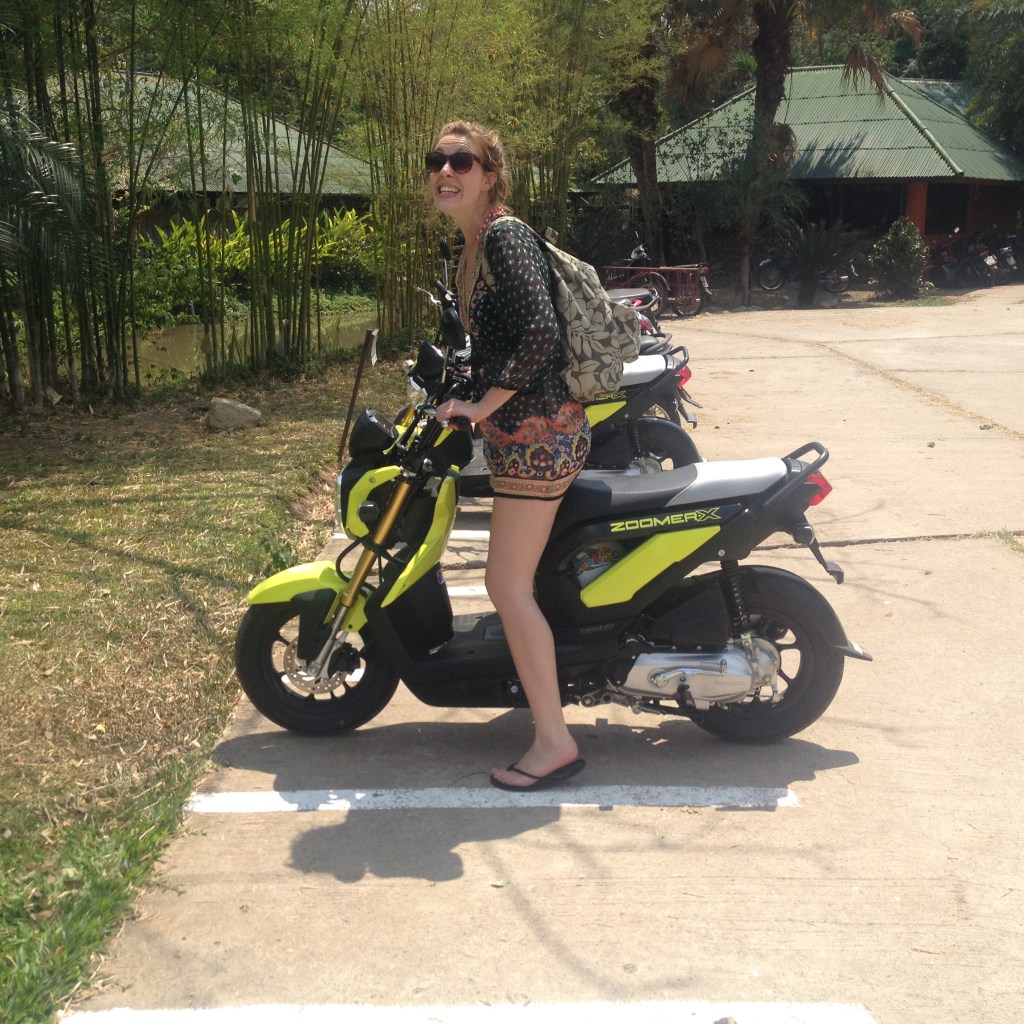
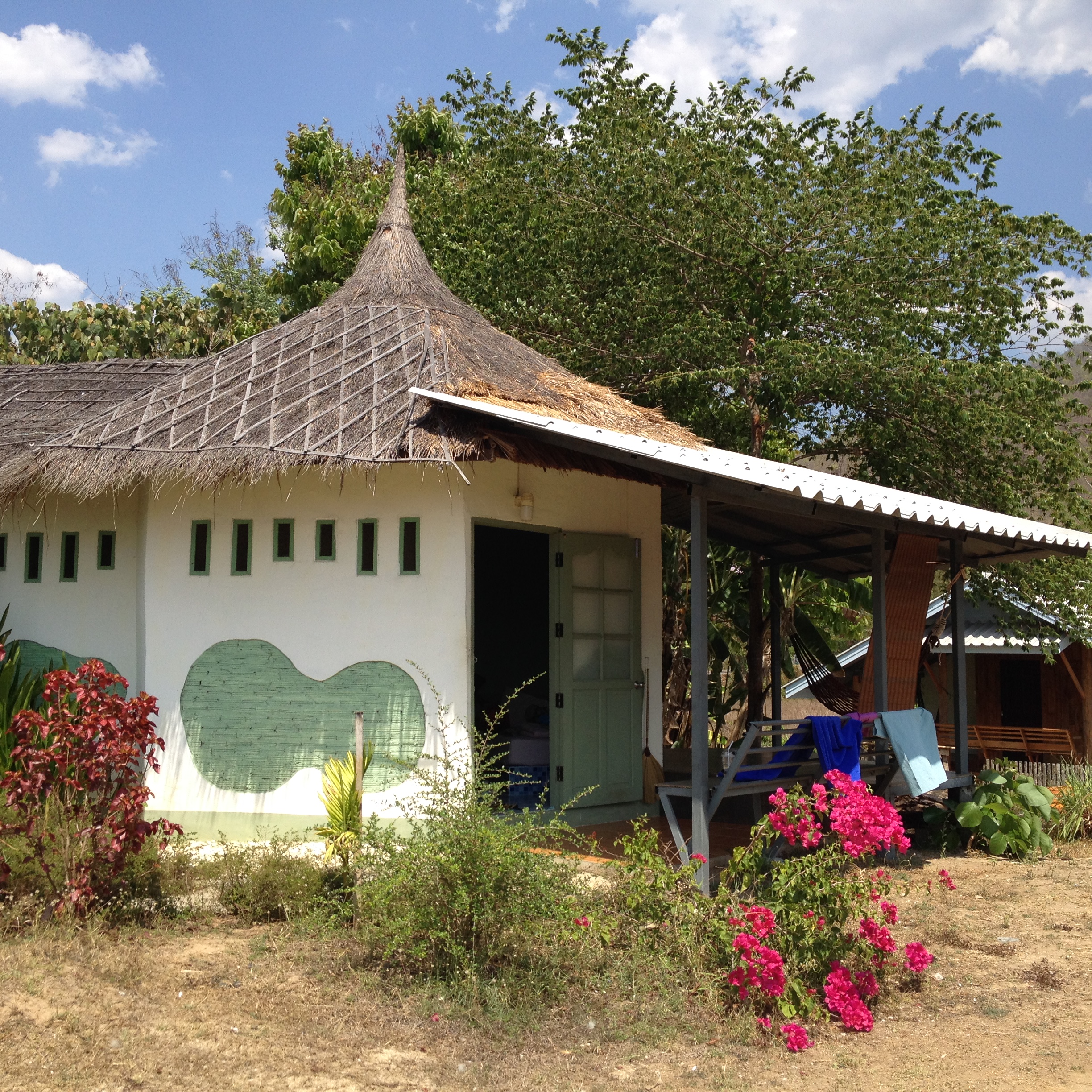
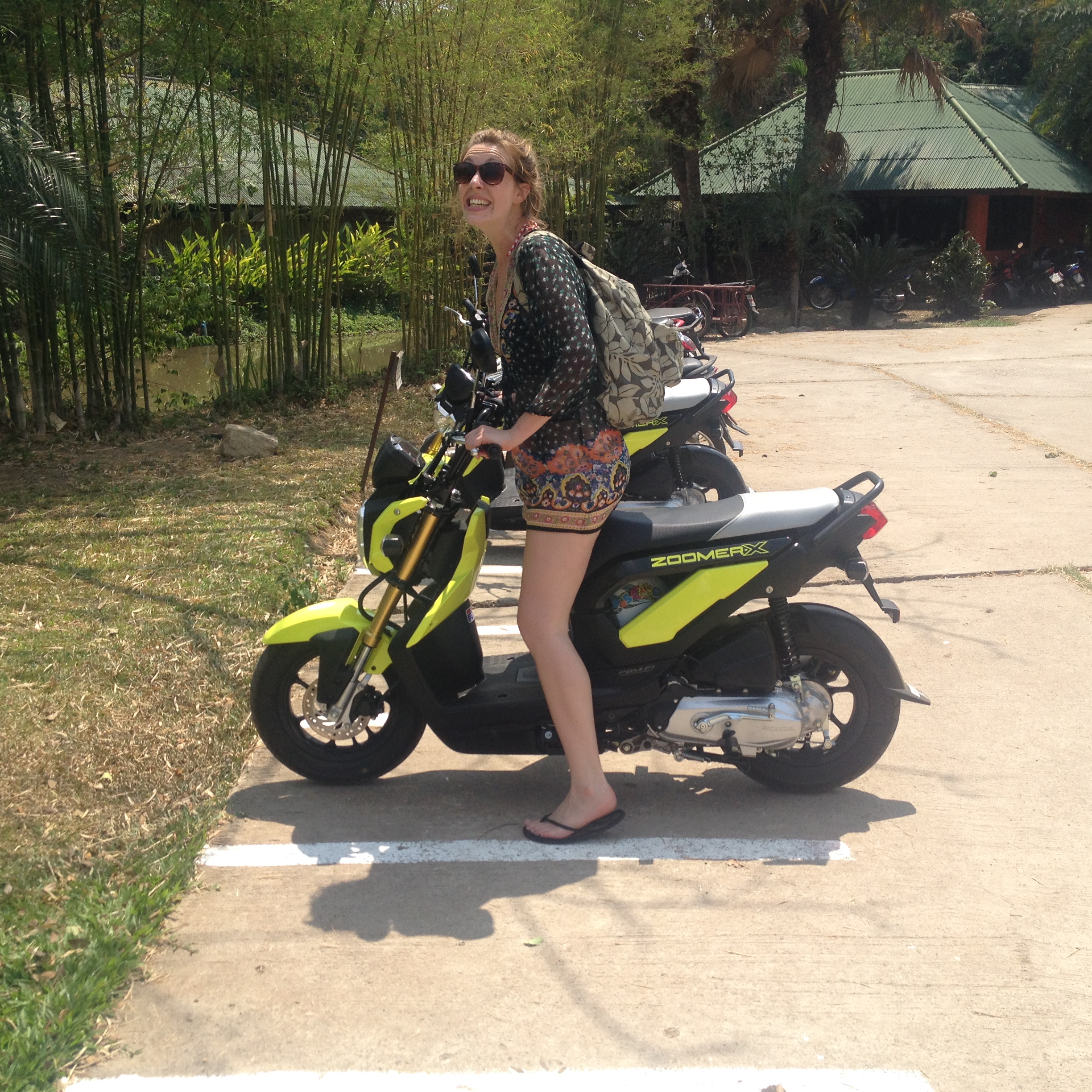
Next, we made our way to Pai, a secluded place tucked away behind some mountains North West of Chang Mai that some fellow travellers had recommended to us. This was one of my favourite stops and life here was spent at a very relaxed pace. We hired mopeds to be independent and discovered natural hot springs, forest parties, waterfalls and otherwise spent time in hammocks on the veranda of our private hut overlooking the incredible landscape.

This really concludes our first couple of weeks and I look back on this with very fond memories. More to follow…

ooOOoo

I know you, as with me, will look forward to Natalie’s second installment.

The ‘Dog Lady’.

The story of Paloma

Just want to go straight to what Jeannie wrote and I published back in January, 2014. There will be more memories of Paloma coming along on Monday.

ooOOoo

Preface.

Before I met Jean in December 2007, she had been rescuing feral dogs in the Mexican beach town of San Carlos for many, many years. Over those years, Jean must have rescued and found homes for 60 dogs or more. In the month that I met Jean, she had 12 dogs and 6 cats at her home. Ten months later, in September 2008, I flew out to be permanently with Jean with my German Shepherd, Pharaoh – that’s him on the home page of Learning from Dogs – taking the total up to 13 dogs.

When we moved up to Payson, Arizona in February, 2010 we brought all 13 dogs and 6 cats with us, much to the amazement of the US Immigration officers at the US-Mexican border town of Nogales! Indeed, our particular officer left his booth excitedly to explain to his colleagues that our dogs and cats represented a border crossing record! Paul.

oooo

Paloma

By Jean Handover   30th January, 2014

Paloma, December 29th 2011

The old white dog padded down the dusty pavement. Sway-backed and dull-eyed, her teats, heavy with milk, grazed the ground. An anonymous creature in a cruel world. The pavement sizzled in the afternoon Mexican summer sun blistering her tired feet, but she could not hurry. She had to conserve her energy. Her pups were soon coming and finding a safe place to give birth to them was her priority. The beach that had been her home was not a good place. .. needed cool shelter. She would find it.

She was alone among a sea of human legs in this scruffy Mexican beach town. No-one noticed her plight. No-one cared. She was used to it. She had long been adept at finding dried fish, discarded tortillas, sometimes a tasty morsel thrown by a tourist sunning in front of the big hotel.

This would be her eighth litter and she was very tired. As a puppy she belonged to a family with small children. There were plenty of leftovers. But when she became pregnant they drove her to the beach, threw her out and left her to fend for herself.

Her babies were always beautiful. She had Labrador in her genes donating a coat that was pure white. Humans always took her pups; she could only ever hope their fate was always a better one than hers.

Anonymity. She had perfected the art; never make eye contact, move low to the ground, escape the stray kick with a quick sideways leap.

She remembered at the very end of the long beach there was a house with a pool. Plenty of water. Onward she padded.

The lawn surrounding the pool was moist with sprinklers and the hibiscus hedge close to the house made a safe nest. Soon she had dug into the damp earth a big enough hole to curl into; it was cool under the canopy of red flowers.

A human voiced shouted, “Carlos, get that dog out of the hedge.” Then the long hose filling that tempting pool was turned on her and a burst of water hit her in the face. She uttered a low growl. Carlos, the gardener, backed away, “Señor, the dog, she is having babies.”

The owner of the house turned abruptly and went inside. He picked up his phone, made a call to the local English lady who over the years had acquired the nickname ‘Dog Lady’. He practically shouted down the phone, “I have a dog in my hedge having pups. You had better do something about it or I shall dispose of them, and I won’t be pretty about it!”

‘Dog Lady’ was used to this. Had been many years since she took on the practically impossible task of rescuing Mexican feral dogs and she was well-known for never turning a dog away. In less than 15 minutes, she had walked to the fine house overlooking the beach and quietly looked under the hedge. As anticipated, the dog was incapable of being moved, her focus entirely now on the safe birth of her pups. With appropriate feminine wiles, the white dog’s human saviour persuaded the disgruntled owner to allow the mother dog a stay of a few days. ‘Dog Lady’ promised that she would take them away as soon as possible.

“She’s a mean and wild dog, you’ll never tame her,” came the angry response from the house owner.

‘Dog Lady’ just smiled and said nothing.

But every day she took food to the white dog then sat quietly close by on the grass reading her book. The white dog had just the one pup, which ‘Dog Lady’ called Solovino, the Spanish for ‘comes alone’. The mother dog she called Paloma, Spanish for ‘Dove’. Many white dogs in Mexico were called Paloma and maybe years earlier that was what the children named her as the name did seem to resonate with this gentle dog.

Patiently, ‘Dog Lady’ moved closer and closer until Paloma would take meat from her hand, rapidly followed by allowing her ears to be caressed. Ten days later, while Paloma was eating, ‘Dog Lady’ picked up the little Solovino and put him into her car. Paloma’s response was immediate; she frantically ran to her child, her mothering instinct so great that she leapt without hesitation into this strange vehicle. Paloma and Solovino were safe.

The house owner graciously admitted that he had been taught a lesson in empathy and how sorry he was for being so rude and cruel.

Back at ‘Dog Lady’s’ home, a quiet sanctuary for so many dogs over the past years, Paloma and Solovino were quickly settled into a cool room. Paloma soon utterly trusted her ‘Dog Lady’ human companion and became the tame and loving dog she always wanted to be. Her shining eyes embraced her new world and she even regained her figure! Solovino grew quickly and found a wonderful family home in Tucson, Arizona.

Now some 6 years after ‘Dog Lady’ rescued Paloma from under that hedge, she is a beloved part of the Handover family. Indeed, she travelled in peace in February 2009 with her twelve dog friends from her sanctuary in San Carlos, Mexico to this dog paradise in the Arizonan forest just outside Payson.

Paloma will never want again.

ooOOoo

Paloma never ever did want again.

For They Bring Out The Best In Us!

A wonderful follow-on to yesterday’s post.

As many of you will know, yesterday I published a post under the heading of Dogs: Aren’t They Incredible. It was the first of three essays that have been published by The Smithsonian about the wonderful ways of the dog.

So when I was wondering just what to share with you today and was browsing ‘stuff’ this story over on the Care2 site struck me as a perfect companion to yesterday’s post.

ooOOoo

Man Hears Barking From Under Pavement and Rescues Buried-Alive Dog

Editor’s note: This post is a Care2 favorite, back by popular demand. It was originally published on October 4, 2015. Enjoy!

A pregnant dog buried alive under paving stones for two days was rescued by local hero Rustam Vadim who heard a soft barking sound as he walked home with family in the Russian city of Voronezh.

Concerned about the dog’s survival, Rustam immediately went to the public utilities office to ask for help in rescuing her but was told that that department had not made the repair to a long-standing large hole in the street and they could not help.

Apparently, workers from a different government agency had made the repair and were unaware of the dog hiding in the hole as they sealed it over with paving stones.

[Ed: This video has a Russian commentary but you don’t need words to understand it!]

“My husband started to hammer to pull out the cobblestone and to hand dig out the sand because he did not have a shovel,” Rustam’s wife explains. “There was a gap that laid between the large cobblestones. My husband removed one stone and saw the face of a dog. He started to slowly pull out the dog as she is pregnant. After rescuing the dog, we recovered the hole so there is no threat to people.”

The dog was reportedly taken to a shelter and is being cared for. How many of you would like a man like Rustam as your friend or neighbor?

Photo Credit: YouTube

ooOOoo

How many, indeed, would like Rustam as a friend.

In fact, it underlines the truth that despite all the gloom and doom we read about on a daily basis most of the people out there are nice people!

Finally, I was curious as to where Voronezh was in Russia. Thanks to ‘Google’ that question was quickly answered:

Voronezh is a city and the administrative center of Voronezh Oblast, Russia, straddling the Voronezh River and located 12 kilometers from where it flows into the Don. Wikipedia
It appears to be about an eight-hour drive South-south-east of Moscow and here’s a picture of the city.
Voronezh.

The Cave of Crystal Giants

This will take us away from the daily beat of life!

On the 18th. February the BBC News website carried an article that I found incredible. It was the story of Naica’s crystal caves in Mexico.

oooo

Naica’s crystal caves hold long-dormant life

By Jonathan Amos, BBC Science Correspondent, Boston, 18 February 2017.

 The caves were discovered by miners 100 years ago
The caves were discovered by miners 100 years ago. Picture credit: Penelope J. Boston

It is a remarkable discovery in an amazing place.

Scientists have extracted long-dormant microbes from inside the famous giant crystals of the Naica mountain caves in Mexico – and revived them. [Ed: my emphasis]

The organisms were likely to have been encased in the striking shafts of gypsum at least 10,000 years ago, and possibly up to 50,000 years ago.

It is another demonstration of the ability of life to adapt and cope in the most hostile of environments.

“Other people have made longer-term claims for the antiquity of organisms that were still alive, but in this case these organisms are all very extraordinary – they are not very closely related to anything in the known genetic databases,” said Dr Penelope Boston.

The new director of Nasa’s Astrobiology Institute in Moffett Field, California, described her findings here at the annual meeting of the American Association for the Advancement of Science (AAAS).

oooo

I was delighted to find more details in many other places on the ‘web’.

Such as this one on the National Geographic website:

By Victoria Jaggard

PUBLISHED February 17, 2017

Boston, Massachusetts

Creatures that thrive on iron, sulfur, and other chemicals have been found trapped inside giant crystals deep in a Mexican cave. The microbial life-forms are most likely new to science, and if the researchers who found them are correct, the organisms are still active even though they have been slumbering for tens of thousands of years.

If verified, the discovery adds to evidence that microbial life on Earth can endure harsher conditions in isolated places than scientists previously thought possible. (See “Life Found Deep Under Antarctic Ice for First Time?”)

“These organisms have been dormant but viable for geologically significant periods of time, and they can be released due to other geological processes,” says NASA Astrobiology Institute director Penelope Boston, who announced the find today at a meeting of the American Association for the Advancement of Science. “This has profound effects on how we try to understand the evolutionary history of microbial life on this planet.”

Then there’s another article on that NatGeo website: (Apologies for some duplication in the message.)

By Neil Shea, National Geographic Staff
In a nearly empty cantina in a dark desert town, the short, drunk man makes his pitch. Beside him on the billiards table sits a chunk of rock the size of home plate. Dozens of purple and white crystals push up from it like shards of glass. “Yours for $300,” he says. “No? One hundred. A steal!” The three or four other patrons glance past their beers, thinking it over: Should they offer their crystals too? Rock dust on the green felt, cowboy ballads on the jukebox. Above the bar, a sign reads, “Happy Hour: 8 a.m. to 9 p.m.”

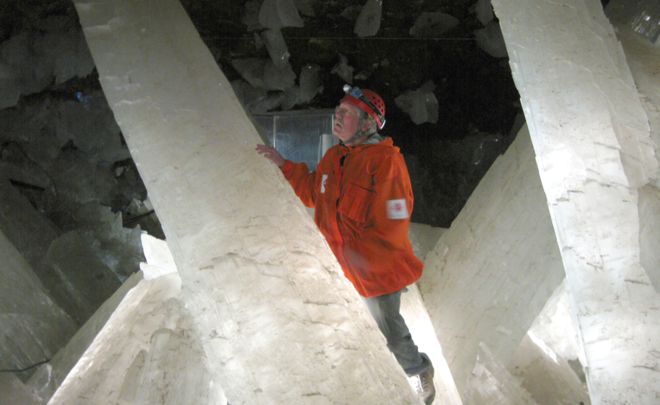
This remote part of northern Mexico, an hour or so south of Chihuahua, is famous for crystals, and paychecks at the local lead and silver mine, where almost everyone works, are meager enough to inspire a black market. “Thirty dollars.” He leans in. “Ten.” It’s hard to take him seriously. Earlier in the day, in a cave deep below the bar, I crawled among the world’s largest crystals, a forest of them, broad and thick, some more than 30 feet long and half a million years old. So clear, so luminous, they seemed extraterrestrial. They make the chunk on the pool table seem dull as a paperweight.

Nothing compares with the giants found in Cueva de los Cristales, or Cave of Crystals. The limestone cavern and its glittering beams were discovered in 2000 by a pair of brothers drilling nearly a thousand feet below ground in the Naica mine, one of Mexico’s most productive, yielding tons of lead and silver each year. The brothers were astonished by their find, but it was not without precedent. The geologic processes that create lead and silver also provide raw materials for crystals, and at Naica, miners had hammered into chambers of impressive, though much smaller, crystals before. But as news spread of the massive crystals’ discovery, the question confronting scientists became: How did they grow so big?

It takes 20 minutes to get to the cave entrance by van through a winding mine shaft. A screen drops from the van’s ceiling and Michael Jackson videos play, a feature designed to entertain visitors as they descend into darkness and heat. In many caves and mines the temperature remains constant and cool, but the Naica mine gets hotter with depth because it lies above an intrusion of magma about a mile below the surface. Within the cave itself, the temperature leaps to 112 degrees Fahrenheit with 90 to 100 percent humidity—hot enough that each visit carries the risk of heatstroke. By the time we reach the entrance, everyone glistens with sweat.

That article continues here.
Finally, lose yourself in this video. (If the voice doesn’t get to you!)

How to close today’s post?

Both by embracing the power of the natural order of things, life and death, and by reminding us all that there are in the order of over two billion stars in this universe.

That universe must be teeming with life, current and dormant, and the day when we truly confirm that will put everything into perspective!

oooo

Talk about synchronicity!

For yesterday, around 10am PST, the BBC News website carried this big news item: Earliest evidence of life on Earth ‘found’.

Here’s how that article opens:

Earliest evidence of life on Earth ‘found’

By Pallab Ghosh Science correspondent, BBC News
Scientists have discovered what they say could be fossils of some of the earliest living organisms on Earth.
They are represented by tiny filaments, knobs and tubes in Canadian rocks dated to be up to 4.28 billion years old.
That is a time not long after the planet’s formation and hundreds of millions of years before what is currently accepted as evidence for the most ancient life yet found on Earth.

The researchers report their investigation in the journal Nature.

As with all such claims about ancient life, the study is contentious. But the team believes it can answer any doubts.

The scientists’ putative microbes from Quebec are one-tenth the width of a human hair and contain significant quantities of haematite – a form of iron oxide or “rust”.

Matthew Dodd, who analysed the structures at University College London, UK, claimed the discovery would shed new light on the origins of life.

Do read the full article including viewing some wonderful photographs.

Small miracles

It’s not just the rescuing of people that matters.

Last Thursday, the 26th January, the BBC News website published a short video under the heading of: Italian avalanche survivors tell how they stayed alive.

Colleen Barry and Eldar Emric of Associated Press reported in US News:

A couple among the nine survivors of an Italian avalanche that devastated a mountain hotel say they survived nearly 58 hours buried beneath feet of snow by sucking on glass- and mud-filled ice, comforting each other and those nearby, and praying.

Now there’s no way I am belittling that survival; far from it. But 58 hours is a tad under 3 days.

Now read the following that was published on the Care2 site.

ooOOoo

Puppies Rescued 5 Days After Devastating Avalanche in Italy

3199461-largeBy: Laura Goldman    January 26, 2017

After an avalanche buried central Italy’s luxury Hotel Rigopiano and its guests Wednesday, Jan. 18, rescue workers spent days digging in the snow in a desperate attempt to locate any survivors.

About 120,000 tons of snow, 16 feet deep, slammed into the hotel at 60 miles per hour. It took a while for emergency operators to believe the avalanche had occurred. The first man who called to report it was told that everything was fine at the hotel.

When they finally realized a disaster had in fact happened, first responders had to ski to the hotel, which took 12 hours. It took another day until the roads could be cleared with snowplows so emergency vehicles could finally get through.

Despite these circumstances, 11 survivors, including three children, were somehow able to keep themselves alive for over 40 hours by using their cellphones as flashlights to find water. The children, trapped in a game room, ate packets of Nutella and drank bottled water.

By Monday, rescuers were only pulling bodies from the snow and rubble. Discouraged and depressed, they were ready to give up hope.

The rescuers were told there were three puppies at the hotel. They had no idea where they were until they heard a noise in a boiler room inside what remained of the building. It was the three fluffy, white Abruzzo sheepdog puppies, only six weeks old, who had miraculously managed to survive both the avalanche and being stranded for five days.

“They just started barking very softly,” said Sonia Marini, one of the rescuers. “In fact, it was hard to find them right away because they were hidden. Then we heard this very tiny bark and we saw them from a little hole the firefighters had opened in the wall. We expanded the hole and we pulled them out.”

The puppies, born Dec. 4, had survived in an air pocket by eating snow, Walter Milan, the spokesman for Italy’s elite Alpine rescue squad, told the Daily Beast. They are the offspring of Nuvola (Cloud) and Lupo (Wolf), who lived at the hotel and were popular with guests.

Like their lucky litter, Nuvola and Lupo also survived the avalanche, according to a Facebook post by Martina Rossi, who was a bartender at the hotel.

Lupo e Nuvola, i pastori abruzzesi nati e cresciuti all'Hotel Rigopiano, non so come, sono riusciti a raggiungere la mia contrada, una frazione di Farindola (Villa Cupoli) sani e salvi. Questo non può di certo colmare il vuoto e la distruzione che attraversa un paese in ginocchio ancora speranzoso, nell'attesa soltanto di notizie positive, me in prima persona. Ma questi due bellissimi cagnoloni, rivedendoli, di certo sono riusciti a farmi tornare a battere il cuore, almeno per qualche secondo, riportando la speranza.
Lupo e Nuvola, i pastori abruzzesi nati e cresciuti all’Hotel Rigopiano, non so come, sono riusciti a raggiungere la mia contrada, una frazione di Farindola (Villa Cupoli) sani e salvi.
Questo non può di certo colmare il vuoto e la distruzione che attraversa un paese in ginocchio ancora speranzoso, nell’attesa soltanto di notizie positive, me in prima persona.
Ma questi due bellissimi cagnoloni, rivedendoli, di certo sono riusciti a farmi tornare a battere il cuore, almeno per qualche secondo, riportando la speranza.

The three puppies raised the hopes and spirits of the rescuers. “If the puppies survived, humans could as well,” Milan told the Daily Beast. Firefighter Fabio Jerman agreed. “It’s an important sign of life, which gives us hope,” he said.

Sadly, no one else has been found alive. A week after the disaster, 24 bodies have been found and five people are still missing.

In addition to unusually heavy snowfall, the avalanche may have been caused by a series of earthquakes that struck the area the day before.

Last year, devastating quakes killed more than 300 people in Italy. Another fortunate four-legged survivor, a border collie pulled from the rubble two days after an earthquake struck in late October, is being trained to pay it forward as a rescue dog.

Photo credit: YouTube

ooOOoo

Well done the team, as in Walter Milan the spokesman, and the rest of Italy’s elite Alpine rescue squad!

Stories like this put a real smile on my face!


Yet another incredible hero!

The wonderful, inspiring story of what Janey Lowes is doing for dogs in need.

Janey Lowes loving a strteet dog in Sri Lanka
Janey Lowes caring for a street dog in Sri Lanka.

More accurately what Janey Lowes and a whole team are doing for the street dogs of Sri Lanka.

Jean and I saw this story featured on the BBC News website.

The English vet saving Sri Lanka’s street dogs

22 January 2017 Last updated at 00:17 GMT

A vet has left behind her home in England to care for Sri Lanka’s street dogs.

Janey Lowes from Barnard Castle, County Durham, has spent the past two years caring for the neglected animals.

There are about three million street dogs on the island – about 60% of puppies born on the street do not survive to adulthood.

The 28-year-old set up charity WECare Worldwide to raise money to buy the equipment needed to treat the animals and to set up her own clinic in Talalla.

I am pleased that the video clip that was included in the BBC News story has found its way to YouTube.

Inevitably the charity WECare Worldwide has its own website: the home page is here. Then you can read on the charity’s ‘About’ page: (Note: CNVR is the acronym standing for catch-neuter-vaccinate-release.)

CNVR

CNVR is carried out as it is the most humane way to reduce roaming dog populations and reduce the number of unwanted puppies that are dumped on the streets at a very young age. It also allows the females that would inevitably spend their whole lives pregnant to only have to worry about number one when thinking about limited food resources and shelter options, which transforms their lives.

Vaccinating the dog population against Rabies is the most effective way to eliminate the disease in the human population. As an island nation, eradication of Rabies in the near future is a very real possibility and will change the future of both animals and humans here, allowing improved relationships between the two.

CNVR is the backbone of everything we are trying to achieve in Sri Lanka.

But that’s only one part of what they do. Again, as the website sets out:


We focus on 3 main areas here in Sri Lanka.

  • CNVR (catch-neuter-vaccinate-release)
  • Treatment of sick and injured animals
  • Education and training


I shall be making contact with the charity very soon .

Not only to pass on our respect and admiration for what she has accomplished but to see if there are other ways we can help them in what they are doing. I use the word ‘we’ to cover not only Jean and me but also all of you who are close to this blog and who, so frequently, show how much love you have for dogs!

WECare Worldwide will help by providing free veterinary treatment, alongside love, compassion and respectful care of the Ceylon dogs, who make up such a huge part of Sri Lankan heritage and culture, both in the past and the current day.

The rights and wrongs of hunting!

The philosophy of hunting in terms of it being ‘right’ or ‘wrong’.

Anyone who comes here for more than a couple of visits will know that both Jean and I are opposed to hunting completely. Period!

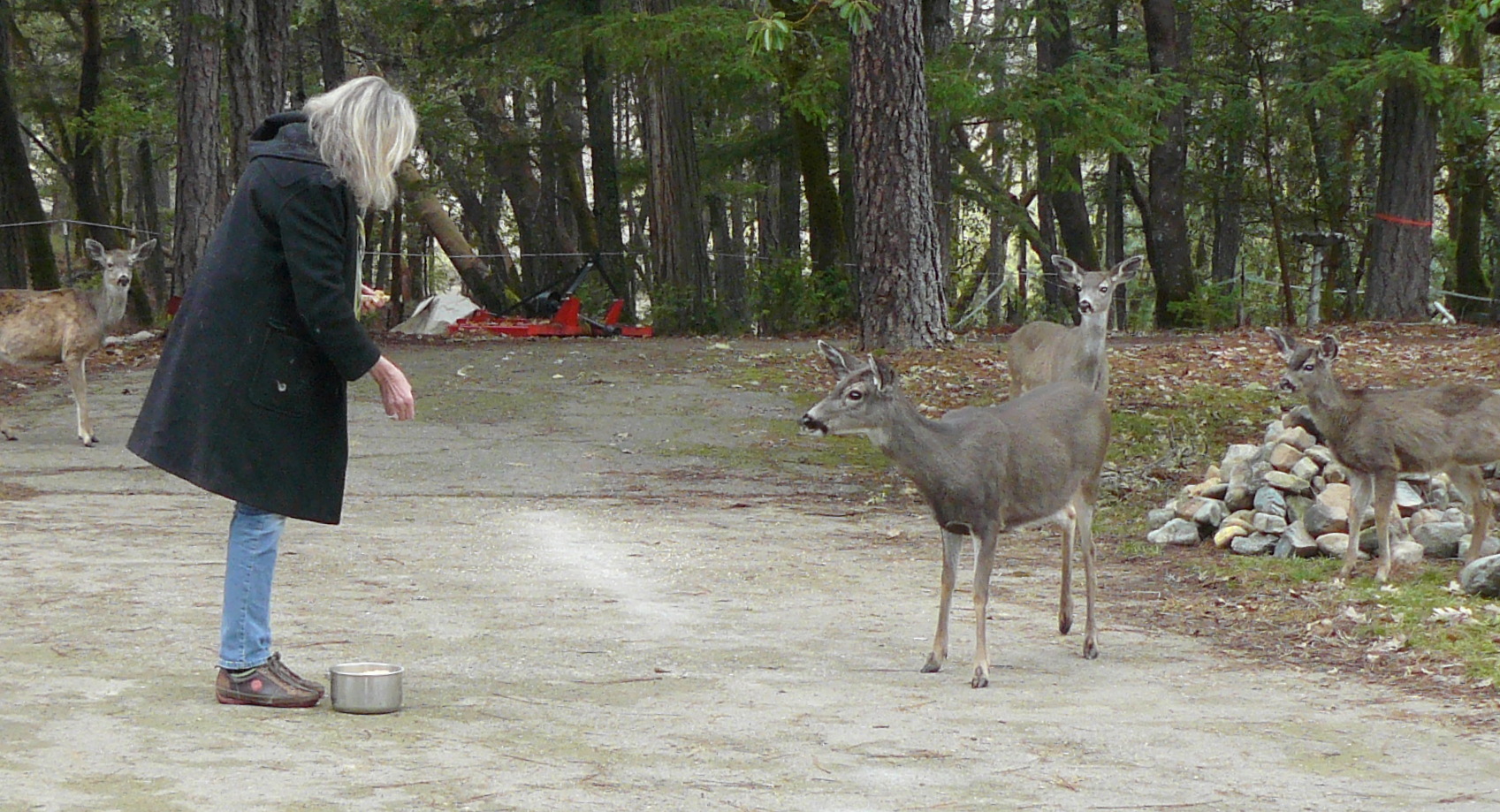
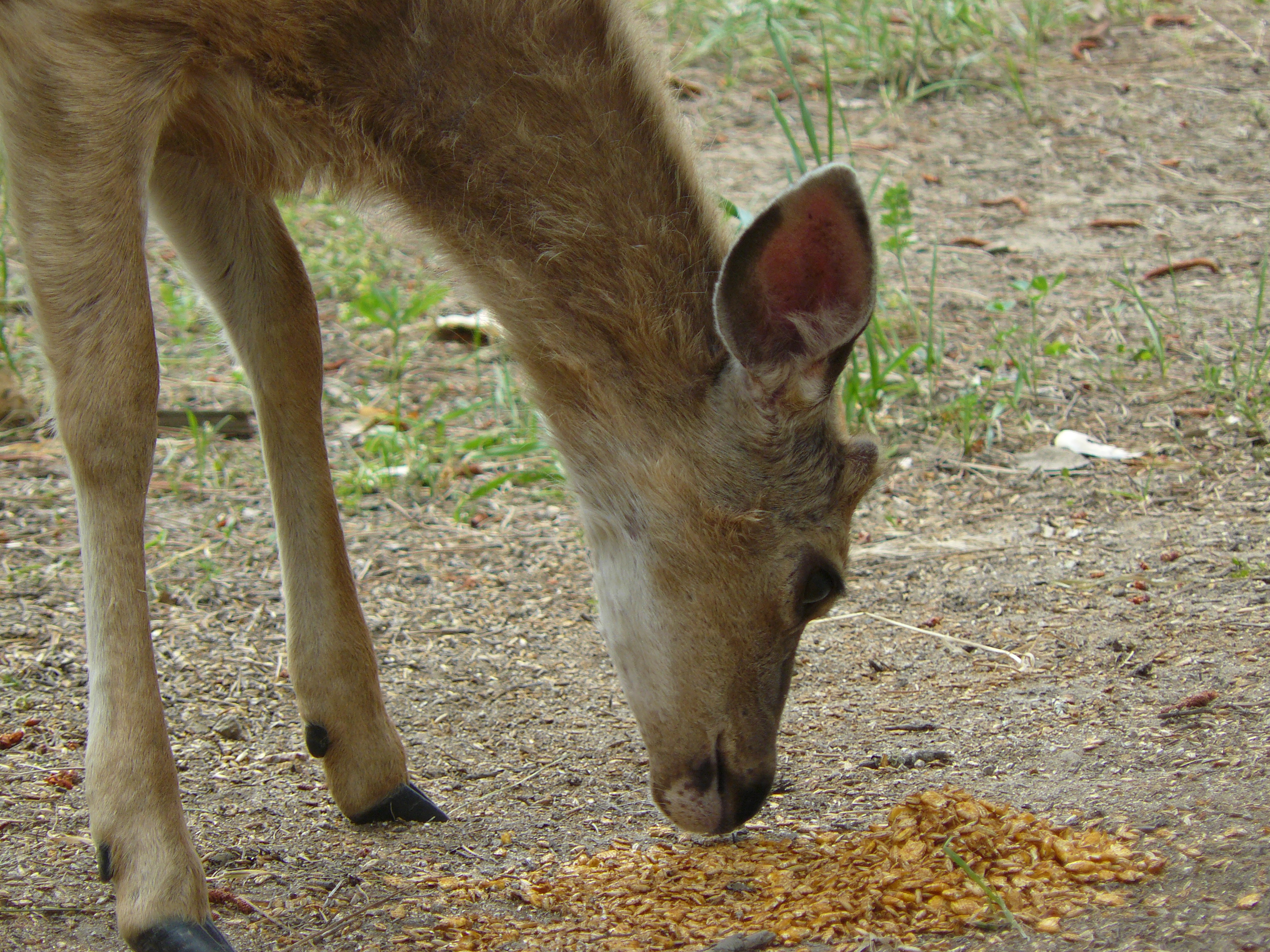
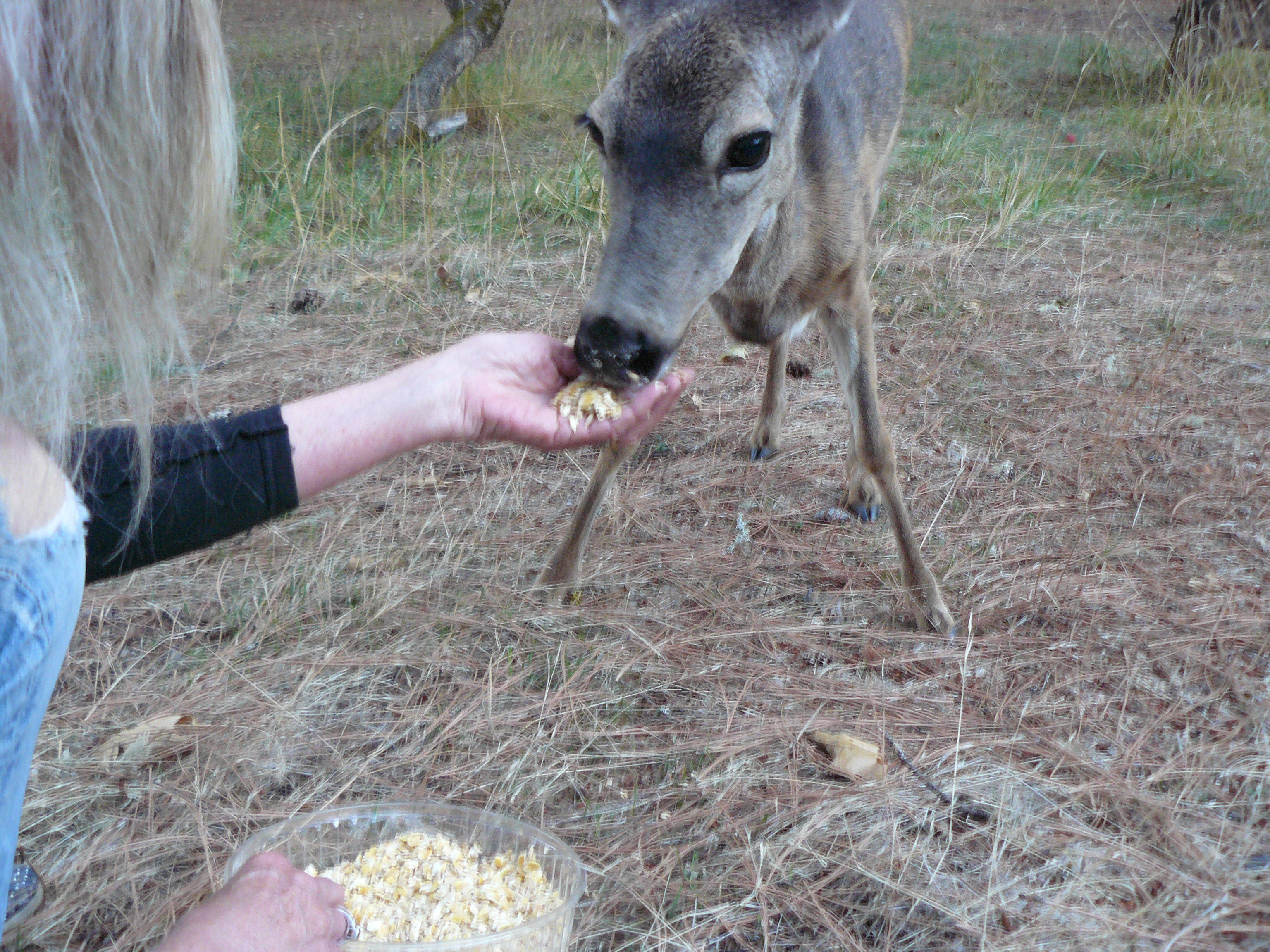
That’s not surprising as there have been a number of posts over the years describing how we feed the wild deer. Here’s three more photographs that haven’t previously been shared with you.

p1140238oooo

p1160189oooo

p1150179But, of course, the opinions of Jean and me are not, and should not be, the rule for the wider population of this part of Oregon.

All I would ask is that there is a proper, mature discussion as to the pros and cons of hunting wild animals in this, the twenty-first century.

All of which leads me to a recent essay posted on The Conversation site and republished here within the terms of that site.

ooOOoo

Is hunting moral? A philosopher unpacks the question

January 4, 2017 8.37pm EST

by
Three generations of a Wisconsin family with a nine-point buck. Wisconsin Department of Natural Resources/Flickr, CC BY-ND

Every year as daylight dwindles and trees go bare, debates arise over the morality of hunting. Hunters see the act of stalking and killing deer, ducks, moose and other quarry as humane, necessary and natural, and thus as ethical. Critics respond that hunting is a cruel and useless act that one should be ashamed to carry out.

As a nonhunter, I cannot say anything about what it feels like to shoot or trap an animal. But as a student of philosophy and ethics, I think philosophy can help us clarify, systematize and evaluate the arguments on both sides. And a better sense of the arguments can help us talk to people with whom we disagree.

Three rationales for hunting

One central question is why people choose to hunt. Environmental philosopher Gary Varner identifies three types of hunting: therapeutic, subsistence and sport. Each type is distinguished by the purpose it is meant to serve.

Therapeutic hunting involves intentionally killing wild animals in order to conserve another species or an entire ecosystem. In one example, Project Isabella, conservation groups hired marksmen to eradicate thousands of feral goats from several Galapagos islands between 1997 and 2006. The goats were overgrazing the islands, threatening the survival of endangered Galapagos tortoises and other species.

Subsistence hunting is intentionally killing wild animals to supply nourishment and material resources for humans. Agreements that allow Native American tribes to hunt whales are justified, in part, by the subsistence value the animals have for the people who hunt them.

 Crawford Patkotak, center, leads a prayer after his crew landed a bowhead whale near Barrow, Alaska. Both revered and hunted by the Inupiat, the bowhead whale serves a symbol of tradition, as well as a staple of food. AP Photo/Gregory Bull
Crawford Patkotak, center, leads a prayer after his crew landed a bowhead whale near Barrow, Alaska. Both revered and hunted by the Inupiat, the bowhead whale serves a symbol of tradition, as well as a staple of food. AP Photo/Gregory Bull

In contrast, sport hunting refers to intentionally killing wild animals for enjoyment or fulfillment. Hunters who go after deer because they find the experience exhilarating, or because they want antlers to mount on the wall, are sport hunters.

These categories are not mutually exclusive. A hunter who stalks deer because he or she enjoys the experience and wants decorative antlers may also intend to consume the meat, make pants from the hide and help control local deer populations. The distinctions matter because objections to hunting can change depending on the type of hunting.

What bothers people about hunting: Harm, necessity and character

Critics often argue that hunting is immoral because it requires intentionally inflicting harm on innocent creatures. Even people who are not comfortable extending legal rights to beasts should acknowledge that many animals are sentient – that is, they have the capacity to suffer. If it is wrong to inflict unwanted pain and death on a sentient being, then it is wrong to hunt. I call this position “the objection from harm.”

If sound, the objection from harm would require advocates to oppose all three types of hunting, unless it can be shown that greater harm will befall the animal in question if it is not hunted – for example, if it will be doomed to slow winter starvation. Whether a hunter’s goal is a healthy ecosystem, a nutritious dinner or a personally fulfilling experience, the hunted animal experiences the same harm.

But if inflicting unwanted harm is necessarily wrong, then the source of the harm is irrelevant. Logically, anyone who commits to this position should also oppose predation among animals. When a lion kills a gazelle, it causes as much unwanted harm to the gazelle as any hunter would – far more, in fact.

 Lions attack a water buffalo in Tanzania. Oliver Dodd/Wikipedia, CC BY
Lions attack a water buffalo in Tanzania. Oliver Dodd/Wikipedia, CC BY

Few people are willing to go this far. Instead, many critics propose what I call the “objection from unnecessary harm”: it is bad when a hunter shoots a lion, but not when a lion mauls a gazelle, because the lion needs to kill to survive.

Today it is hard to argue that human hunting is strictly necessary in the same way that hunting is necessary for animals. The objection from necessary harm holds that hunting is morally permissible only if it is necessary for the hunter’s survival. “Necessary” could refer to nutritional or ecological need, which would provide moral cover for subsistence and therapeutic hunting. But sport hunting, almost by definition, cannot be defended this way.

Sport hunting also is vulnerable to another critique that I call “the objection from character.” This argument holds that an act is contemptible not only because of the harm it produces, but because of what it reveals about the actor. Many observers find the derivation of pleasure from hunting to be morally repugnant.

In 2015, American dentist Walter Palmer found this out after his African trophy hunt resulted in the death of Cecil the lion. Killing Cecil did no significant ecological damage, and even without human intervention, only one in eight male lions survives to adulthood. It would seem that disgust with Palmer was at least as much a reaction to the person he was perceived to be – someone who pays money to kill majestic creatures – as to the harm he had done.

The hunters I know don’t put much stock in “the objection from character.” First, they point out that one can kill without having hunted and hunt without having killed. Indeed, some unlucky hunters go season after season without taking an animal. Second, they tell me that when a kill does occur, they feel a somber union with and respect for the natural world, not pleasure. Nonetheless, on some level the sport hunter enjoys the experience, and this is the heart of the objection.

Is hunting natural?

In discussions about the morality of hunting, someone inevitably asserts that hunting is a natural activity since all preindustrial human societies engage in it to some degree, and therefore hunting can’t be immoral. But the concept of naturalness is unhelpful and ultimately irrelevant.

A very old moral idea, dating back to the Stoics of ancient Greece, urges us to strive to live in accordance with nature and do that which is natural. Belief in a connection between goodness and naturalness persists today in our use of the word “natural” to market products and lifestyles – often in highly misleading ways. Things that are natural are supposed to be good for us, but also morally good.

Setting aside the challenge of defining “nature” and “natural,” it is dangerous to assume that a thing is virtuous or morally permissible just because it is natural. HIV, earthquakes, Alzheimer’s disease and post-partum depression are all natural. And as The Onion has satirically noted, behaviors including rape, infanticide and the policy of might-makes-right are all present in the natural world.

Head-Smashed-In Buffalo Jump, a UNESCO World Heritage Site in Alberta, Canada, commemorates a place where indigenous peoples of the North American Plains killed buffalo for more than 6,000 years by driving them over a cliff.

Hard conversations

There are many other moral questions associated with hunting. Does it matter whether hunters use bullets, arrows or snares? Is preserving a cultural tradition enough to justify hunting? And is it possible to oppose hunting while still eating farm-raised meat?

As a starting point, though, if you find yourself having one of these debates, first identify what kind of hunting you’re discussing. If your interlocutor objects to hunting, try to discover the basis for their objection. And I believe you should keep nature out of it.

Finally, try to argue with someone who takes a fundamentally different view. Confirmation bias – the unintentional act of confirming the beliefs we already have – is hard to overcome. The only antidote I know of is rational discourse with people whose confirmation bias runs contrary to my own.

ooOOoo

This is a very important essay from Joshua. Well done, that man!

I will just leave you all with this further image.

Two young stags keeping it together. (xxx)
Two young stags keeping it together. (Taken here at home in July, 2016.)

Best wishes to each of you; irrespective of your view on hunting!

Dogs and holidays

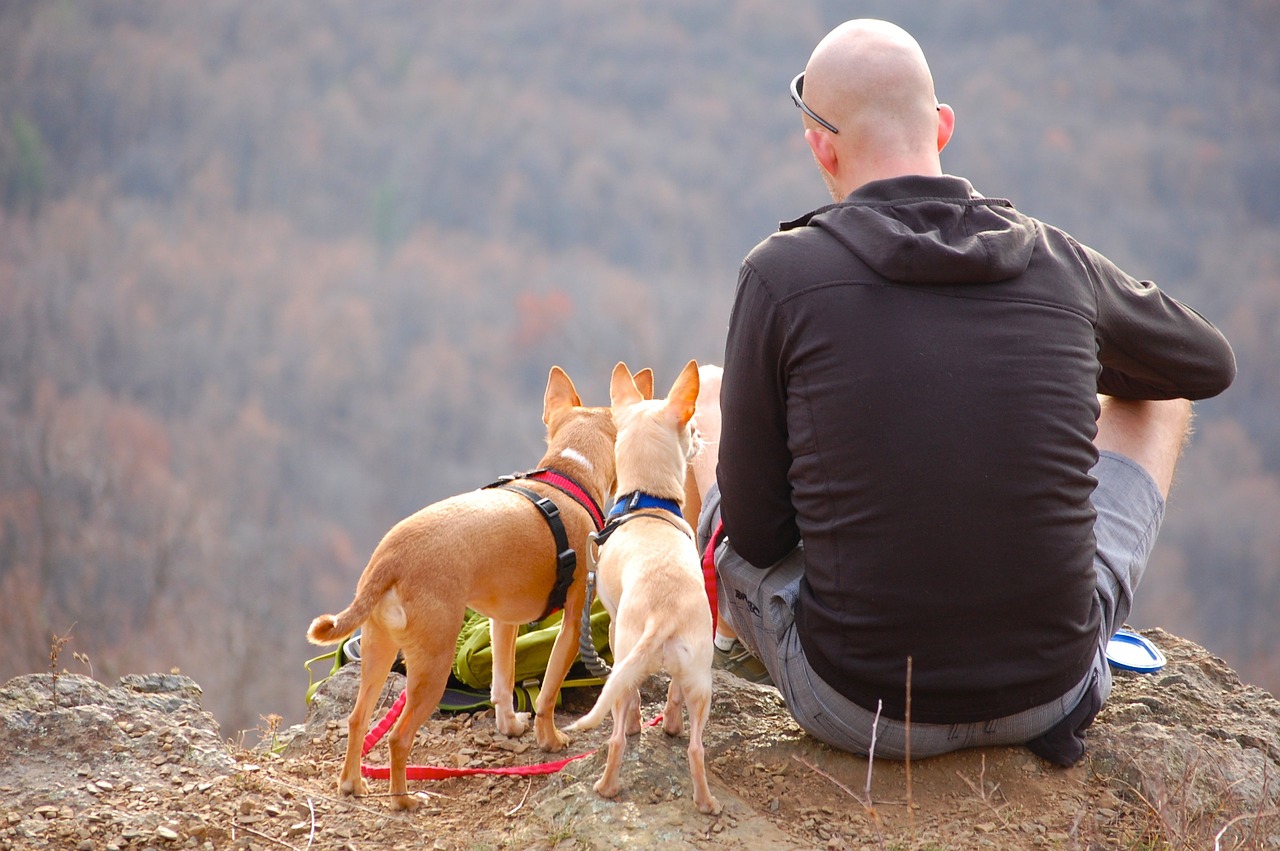
What are the options for taking a vacation with your pet dog.

Regular visitors to this place will recall that exactly one month ago I published a guest post from Paige Johnson. It was called Divorcing One’s Vet and was well-received. I am delighted, therefore, to present the second guest post from Paige.

ooOOoo

Rover-Friendly Vacations: What are Your Options?

The love Westerners have for their pets is known across the globe. We dress them, take them everywhere, feed them special foods, and refer to them as our kids. When considering a vacation, it can be difficult to contemplate leaving your fur baby at home or, even worse, trapped in a boarding kennel. The stress of worrying about your pet easily can cut into the relaxation a vacation will offer. Fortunately, there are several options for the doting pet parent. Here are a few ways you can handle vacationing and being a good parent to your pets.

Take Them Along

man-1181873_1280Pet-friendly vacations may be a little more restrictive than vacationing without your furry family member. However, if you are a pet owner who cannot bear the thought of being separated from your pet while on vacation, it may be worth the extra effort to plan a trip to a pet-friendly city like Austin. Traveling within the U.S. is easiest and cheapest for pet parents, particularly if the destination is within driving distance. Although, if you want to travel abroad, it is possible to take your pets with you.

To travel internationally with a pet, you must thoroughly check the country’s guidelines for bringing domesticated animals across the borders. Typically, you will need recent proof of vaccinations along with a pet passport. While certifiably healthy animals can sometimes pass borders unimpeded, many countries will require a quarantine period of 24 hours to several months. It is important to plan well and far in advance for international pet travel. Keep in mind that this option is bound to be more expensive than leaving your pet behind while you vacation.

Find a Pet Boarder or Sitter

A freelance pet walker, sitter, or boarder is far more preferable than boarding your pet in a kennel. Dog sitters give you the option of leaving your pet in the comfort of your own home with personalized attention, or dog boarders give you the option of leaving your pet in their home and ensuring they receive 24-hour care.

Research a Quality Kennel

Basic kennels will sequester your pet in their own small space with little interaction from caretakers or other pets. On the other hand, a quality kennel will be well-staffed, friendly, and ensure that your pet spends more time playing with other dogs than alone in a kennel. While a sitter is preferable, a good kennel certainly is an option, especially if they are centered around social interaction and quality care. Online reviews can be a helpful way to research a suitable boarding facility. It’s important to note that good boarders often will charge a little more than a sitter.

When your child is a dog or a cat, vacationing can become a more difficult and stressful activity than you originally thought. The guilt of leaving a pet at home can impede your ability to enjoy your vacation, particularly if you have to leave him in a kennel. Fortunately, there are better options to put your mind at ease. Whether you decide to plan a pet-friendly vacation or get a freelance pet sitter, you can rest assured that a relaxing, guilt-free vacation is in your future.

Image via Pixabay by msandersmusic

ooOOoo

An informative guest post from Paige. Mind you, when one has nine dogs at home I’m not sure realistically just what the options are!

Underground magic

A trip to the Oregon Caves National Monument & Preserve.

A week ago when our family guests were staying with us we decided it would be a treat for all of us to visit the very famous Oregon Caves – it was not a disappointment.

P1160302
Morten and Marius gathering information.

The history of the caves does involve a dog.

Apparently Elijah Davidson discovered the caves in 1874 when he was out with Bruno, his dog, and it disappeared. The dog had fallen down a fissure that Elijah managed to squeeze into and, bingo!, there was the most incredible deep cave ahead of him. (Watch the video below for a fuller description of how the cave was discovered.)

Joaquin Millers Chapel This is a room seen on the cave tour. It is called Joaquin Miller's Chapel and it is named after the author, Joaquin Miller because he wrote about Oregon Caves in Sunset magazine.
Joaquin Millers Chapel
This is a room seen on the cave tour. It is called Joaquin Miller’s Chapel and it is named after the author, Joaquin Miller because he wrote about Oregon Caves in Sunset magazine.

Clearly today’s visitors to the cave enter in a more gentle fashion!

P1160309WikiPedia has a very good description of the caves, from which I quote:

Oregon Caves National Monument and Preserve is a National Monument and Preserve in the northern Siskiyou Mountains of southwestern Oregon in the United States. The main part of the 4,558-acre (1,845 ha) park, including the marble cave and a visitor center, is located 20 miles (32 km) east of Cave Junction, on Oregon Route 46. A separate visitor center in Cave Junction occupies 4 acres (1.6 ha) of the total. Both parts of the monument, managed by the National Park Service, are in southwestern Josephine County, near the Oregon–California border. The climate is generally mild even at the cave’s elevation of about 4,000 feet (1,200 m) above sea level, but icicles can form at the cave entrance, and winter snow sometimes blocks the park highway.

Elijah Davidson, a resident of nearby Williams, discovered the cave in 1874. Over the next two decades, private investors failed in efforts to run successful tourist ventures at the publicly owned site. After passage of the Antiquities Act by the United States Congress, President William Howard Taft established Oregon Caves National Monument, to be managed by the United States Forest Service, in 1909. The popularity of the automobile, construction of paved highways, and promotion of tourism by boosters from Grants Pass led to large increases in cave visitation during the late 1920s and thereafter. Among the attractions at the remote monument is the Oregon Caves Chateau, a six-story hotel built in a rustic style in 1934. It is a National Historic Landmark and is part of the Oregon Caves Historic District within the monument. The Park Service, which assumed control of the monument in 1933, offers tours of the cave from mid-April through early November. In 2014, the monument was expanded by about 4,000 acres (1,600 ha) and re-designated a National Monument and Preserve. In addition, the River Styx, which flows through the cave and emerges as Cave Creek, was named to the National Wild and Scenic Rivers System.

Oregon Caves is a solutional cave, with passages totaling about 15,000 feet (4,600 m), that formed in marble. The parent rock was originally limestone that metamorphosed to marble during the geologic processes that created the Klamath Mountains, including the Siskiyous. Although the limestone formed about 190 million years ago, the cave itself is no older than a few million years. Valued as a tourist cave, the cavern also has scientific value; sections of the cave that are not on tour routes contain fossils of national importance.

Daughter Maija, grandson Morten and your truly just having exited the cave.
Daughter Maija, grandson Morten and yours truly just having exited the cave.

Between Marius and myself we took a great number of photographs but many of them can’t compare to the quality of photos found on the web.

For example here’s one of my pictures:

P1160322and here’s one taken from the National Parks Service website:

These are formations known as soda straws and like soda straws they are hollow tubes. They are made up of the mineral calcite.

Won’t go on! (But I will post a collection of photographs, both from me and Marius and found online in a future Picture Parade.)

What I will do is to close with this YouTube video. It is 17 minutes long but very interesting and, hopefully, an inspiration to others to come and visit this incredible geological site.

Happy Holidays to all!