Category: Photography

Extremes of weather.


“It sometimes feels like a strange movie, you know, it’s all so weird that sometimes I wonder if it is really happening.”

This quote by Marshall Bruce Mathers III (born October 17, 1972), better known by his stage name Eminem, is so apt for today’s item.  Because in so many places in so many countries, the weather ain’t what it used to be!

For example, in Grants Pass, Oregon, our local town, yesterday’s high was 86 deg F. (30 deg C.)!  Then recently NOAA reported that:

According to NOAA scientists, the globally-averaged temperature for March 2013 tied with 2006 as the 10th warmest March since record keeping began in 1880. It also marked the 37th consecutive March and 337th consecutive month with a global temperature above the 20th century average.

So with all this in mind, I’m republishing a recent item on Climate Crocks, with the permission of Peter Sinclair.

oooOOOooo

Jet Stream Blows Winds of Change

April 19, 2013

I’ve been recovering from earth-month speaking-event whiplash, having criss crossed the state over recent days to talk about climate change, and what scientists are telling us.

Meanwhile, Paul Douglas, above, gave a brief summary of what we know about the extreme spring in the US, just before the current river of moisture hit across the nation’s midsection last night.

wunder_river

Near record setting flooding is hitting at my location, schools closed and evacuations underway.  I got a bump from Jeff Masters last night about the situation, he is grappling with the big picture, will be posting more later today.  For now, more concern about extreme weather knock-on effects – possible washing of dangerous invasive species into the Great Lakes water system.

WeatherUnderground:

The rains have brought the Des Plaines River on the east side of Chicago to major flood stage this morning, and a record flood crest is expected on Friday. The Asian Carp, a dangerous invasive species that would cost billions of dollars were it to get loose in the Great Lakes, is present in the Des Plaines River. Today’s flood event is capable of washing significant numbers of Asian Carp from the Des Plaines River into a canal that feeds directly into Lake Michigan, where they might be able to set up a breeding population capable of devastating the Great Lakes’ fishing industry. However, in October 2010, the U.S. Army Corps of Engineers completed the Des Plaines River barricade, a 13-mile-long system of concrete barriers and a specially fabricated wire mesh that allows water to flow through the fence but prevents the passage of fish. Hopefully, this barricade will withstand the flood and prevent Asian Carp from washing into Lake Michigan.

CarbonBrief reports on similar extremes in northern Europe :

The Met Office has just released a report entitled “why was the start to spring 2013 so cold?”
–
The immediate cause was a natural climate fluctuation called the North Atlantic Oscillation (NAO). The NAO switches between two states, and this winter (in its negative phase) saw a southward shift of the jet stream, bringing cold air over the UK from northern Europe and Russia.

The Met Office identifies three other natural climate variations that may have made the negative NAO phase more likely.

One is the recent behaviour of another natural climate fluctuation, called the Madden-Julian Oscillation ( MJO). It was particularly strong during late February and March – often a sign that a negative NAO is on the way.

This winter also saw what’s called a Sudden Stratospheric Warming ( SSW) event, where winds in the stratosphere above the north pole reverse direction. This brought cold weather conditions to the UK.

Finally, Europe’s climate is influenced by another natural climate system – the Atlantic Multi-decadal Oscillation ( AMO). While the influence on UK winters is unclear, the report suggests:

“[T]here is some evidence that the changes in Atlantic sea surface temperatures associated with the AMO, dispose the circulation to give drier than normal spring conditions over the UK and northern Europe.”

Arctic Amplification

What about the effects of human-caused climate change? One question that has been much discussed recently is whether the recent rapid decline in Arctic sea ice could contribute to a change in the UK’s weather.

metoffice_seaicedecline_499x329

The new report explains how this could work:

“It is argued that amplification of global warming over the Arctic is reducing the equator to pole temperature gradient, thereby weakening the strength of the mid-latitude jet streams.”

This could allow cold Arctic air to push further south, over mid-latitude countries like the UK, and weather patterns could stay longer in one place.

The possibility of a link between the Arctic and UK weather appears to be gaining scientific support, but the Met Office acknowledges it’s still an “area of ongoing research”. The Met Office has told us it’s holding an “ informal workshop” in the next two to three months for leading UK scientists plus several international experts.

Multiple factors

While scientists are making progress in working out how climate change could influence the odds of abnormal weather, it would be unwise to attribute one year’s events to a single cause. The report points this out, noting that:

“…no single explanation can account for the cold conditions observed”.

The report also highlights that although this spring was unusually cold,”it is not unprecedented or outside the expected natural variability of our climate”.

Nevertheless, with what the Met Office describes as “particularly heightened interest” in recent weather, getting to grips with how climate change could be affecting things is important. Even if, as the Met Office suggests, the complexities of the UK weather make “communicating the science drivers more complicated and nuanced than some audiences may wish.”

oooOOOooo

So wherever you are, do try and watch the Chasing Ice film because the more we all see the truth of what’s happening the better we can embrace change; locally, regionally, and globably.

Snow leopards

Pure, simple wonderment!

To be honest, I had forgotten that I had this post stored in my ‘drafts’ folder.  But when browsing for something easy on the eye for a Sunday, I discovered this.

Despite the item going back to last July, it’s still wonderful and worth sharing.

Endangered snow leopards to be studied in Mongolia.

First, the news release from the Science Daily website:

First Ever Videos of Snow Leopard Mother and Cubs in Dens Recorded in Mongolia

July 12, 2012 — For the first time, the den sites of two female snow leopards and their cubs have been located in Mongolia’s Tost Mountains, with the first known videos taken of a mother and cubs, located and recorded by scientists from Panthera, a wild cat conservation organization, and the Snow Leopard Trust (SLT).

Because of the snow leopard’s secretive and elusive nature, coupled with the extreme and treacherous landscape which they inhabit, dens have been extremely difficult to locate. This is a tremendous discovery and provides invaluable insight into the life story of the snow leopard.

Dr. Tom McCarthy, Executive Director of Panthera’s Snow Leopard Program stated, “We have spent years trying to determine when and where snow leopards give birth, the size of their litters, and the chances a cub has of surviving into adulthood. This is one of those exceptional moments in conservation where after years of effort, we get a rare glimpse into the life of an animal that needs our help in surviving in today’s world. These data will help ensure a future for these incredible animals.“

A short video of the female and her cub who were bedded down in a partially human-made den was recorded from a safe distance by Örjan Johansson, Panthera’s Snow Leopard Field Scientist and Ph.D. student, using a camera fixed to an extended pole.

Read more of the article here.

Now enjoy this!

Our beautiful planet.

Remembering that Monday, 22nd April is Earth day, 2013. Like many others, I subscribe to Mother Nature Network. Recently published on MNN were twelve stunningly beautiful photographs.  There are reproduced below, hopefully without infringing any copyrights.  I just wanted to share them with readers of Learning from Dogs ahead of next Monday.

oooOOOooo

Earth Day photos: Celebrating the beauty of our planet

From the rolling hills of Tuscany to the surreal glacial formations of Patagonia, here are 12 stunning photos showcasing the diverse collection of landscapes found across the planet. By: Catie Leary Fri, Apr 19 2013 at 11:40 AM

Horseshoe Bend, Glen Canyon, Arizona, U.S.

 Photo: poorpoor/Flick

Snæfellsnes-og Hnappadalssýsla, Iceland

Photo: Greg Annandale/Flick

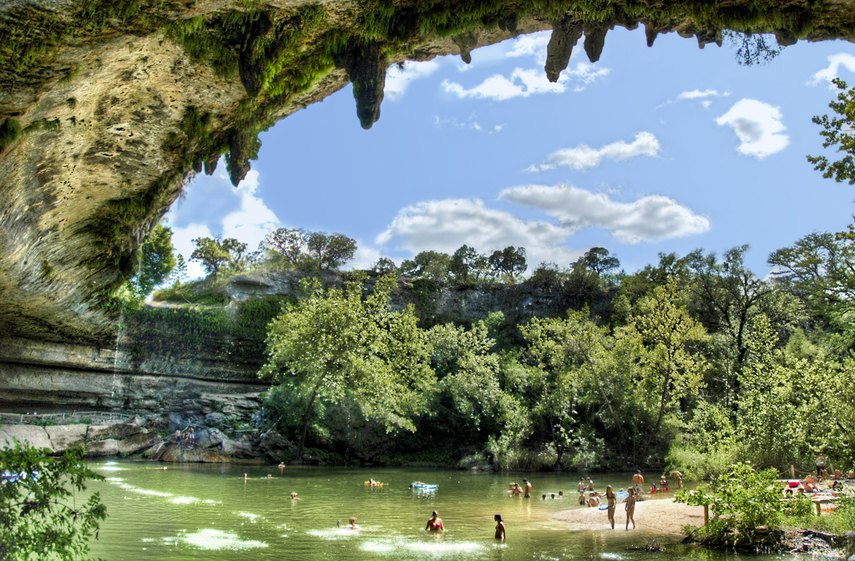
Hamilton Pool, Austin, Texas, U.S.

Photo: Stuck in Customs/Flickr

Glacier Grey, Torres del Paine National Park, Chile

Photo: Dietmar Temps/Flickr

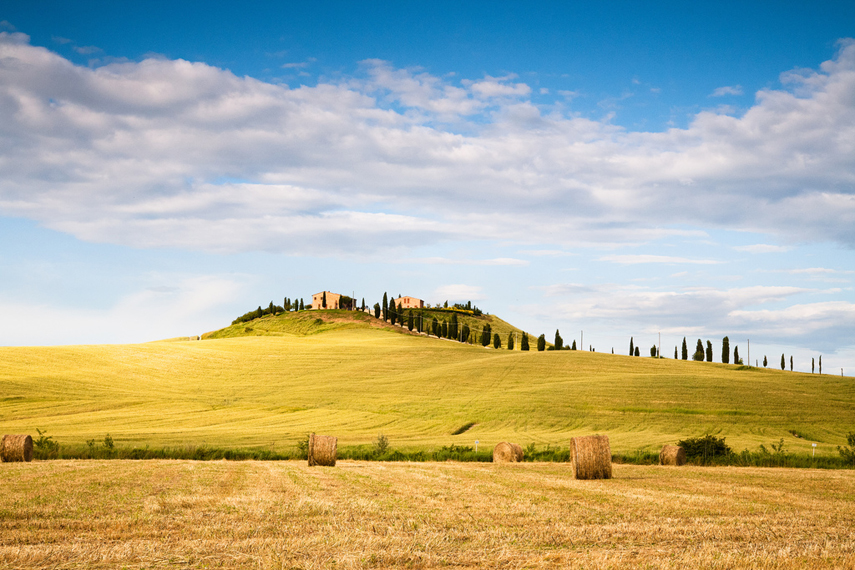
Pansarine, Tuscany, Italy

Photo: hippydreams/Flickr

Muir Woods, California, U.S.

Photo: kern.justin/Flickr

Minnehaha Falls, Minnesota, U.S.

Photo: Mary JI/Flickr

Mount Blanc, France
Mount Blanc, France

Photo: OneEighteen/Flickr

Star Trails, Rio Negro, Argentina

Photo: lrargerich/Flickr

Sicily, Italy
Sicily, Italy

Photo: gnuckx/Flickr

Tereia Beach, Maupiti, Leeward Islands

Photo: SF Brit/Flickr

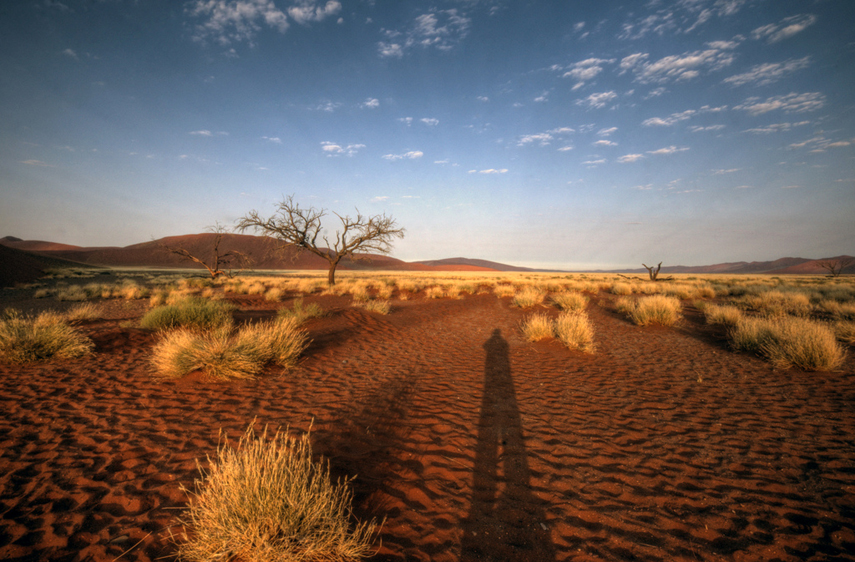
Namib Desert, Namibia

Photo: mariusz kluzniak/Flickr

oooOOOooo

So you all have a great week-end, wherever you are in the world, and do something, however small, for the one and only planet that nourishes all the life of the world. Planet Earth 1

The healing power of dogs.

How dogs offer us humans health and happiness.

Many months ago, I was contacted by a Peter Bloch offering to write a guest post on the subject of the healing power of dogs.  Peter had read a post that I had published in July last year which prompted the email dialogue between us.

Not going to say much more at this stage except that today I am republishing that post from last July.  On Monday, I will introduce Peter and his guest post.  Then on Tuesday, I will speak of my own experiences both as entrepreneurial mentor and as a ‘customer’ of a wonderful psychotherapist back in Devon during 2007.  Hope that works for you.
So here’s that Learning from Dogs post.

000OOOooo

The bond between dogs and humans

Such a beautiful and mutually-important relationship.

I didn’t plan to write more about this subject thinking that my last two posts, Woof at the Door and Prof. Pat Shipman, more than covered the theme; indeed much more.

But then a flurry of other articles conspired to pass my desk.

In no particular order there was an article on the Big Think website, Do Dogs Speak Human?  As the article opened,

What’s the Big Idea?

Perhaps the better question is, do humans speak dog? Either way, the debate over whether language is unique to humans, or a faculty also possessed by wild and domestic animals from dogs to apes to dolphins, is an interesting one. The answer depends on exactly how we define “language,” and who’s doing the talking, says David Bellos, the Booker prize-winning translator.

The article includes this three-minute video,

and concludes,

Broadly, a language is a mode of expression. “The argument that only human language is language and that animal communication systems, however sophisticated they are — and some of them are quite sophisticated — are not languages because they consist of discrete signals is a circular argument,” he argues. “It’s a self-fulfilling thing. And I think we should be a little bit more interested in the complexity and the variability of animal communication systems and less rigid about this distinction between what is a language and what is not a language.”

For now, we’re happy with this:

The June 30th edition of The Economist had an article entitled, Can dogs really show empathy towards humans? (You may have to register (free) to view this.)  That report ends, as follows,

As they report in Animal Cognition, “person-oriented behaviour” did sometimes take place when either the stranger or the owner hummed, but it was more than twice as likely to occur if someone was crying. This indicated that dogs were differentiating between odd behaviour and crying. And of the 15 dogs in the experiment that showed person-oriented responses when the stranger cried, all of them directed their attention towards the stranger rather than their owner.

These discoveries suggest that dogs do have the ability to express empathetic concern. But although the results are clear enough, Dr Custance argues that more work needs to be done to be sure that such behaviour is true empathy. It is possible, she points out, that the dogs were drawing on previous experiences in which they were rewarded for approaching distressed human companions. Dog-owners, however, are unlikely to need any more convincing.

It was then an easy follow-up to that Animal Cognition article which is available online here; here’s the abstract,

Empathy covers a range of phenomena from cognitive empathy involving metarepresentation to emotional contagion stemming from automatically triggered reflexes.

An experimental protocol first used with human infants was adapted to investigate empathy in domestic dogs. Dogs oriented toward their owner or a stranger more often when the person was pretending to cry than when they were talking or humming. Observers, unaware of experimental hypotheses and the condition under which dogs were responding, more often categorized dogs’ approaches as submissive as opposed to alert, playful or calm during the crying condition. When the stranger pretended to cry, rather than approaching their usual source of comfort, their owner, dogs sniffed, nuzzled and licked the stranger instead.

The dogs’ pattern of response was behaviorally consistent with an expression of empathic concern, but is most parsimoniously interpreted as emotional contagion coupled with a previous learning history in which they have been rewarded for approaching distressed human companions.

It doesn’t get closer than this.

To the Sea of Cortez.

Journey to the Sea of Cortez.

John Steinbeck
John Steinbeck

I feel very guilty as I didn’t make a note of where I came across this film.  Whoever highlighted the film, thank you!  It’s truly beautiful.  So, please, settle yourself down and be enthralled.

In March 1940, the author John Steinbeck and his friend, marine biologist Ed Ricketts, sailed down the coast of California and Mexico to the Sea of Cortez. “The abundance of life here gives one an exuberance,” they wrote, “a feeling of fullness and richness.”

Their stated purpose was to document the creatures that inhabit shallow waters and tide pools on the margins of the Sea of Cortez. But it became much more. In these mysterious, phosphorescent waters they sought an understanding of mankind’s relationship to the natural world and a wellspring of hope for a world headed toward war.

Looking beyond the events of the day, the two friends foresaw our rising impact on the oceans and the devastating impact that over fishing would have on this rich sea. And yet, in their journey, they encountered a periodic cooling of the eastern Pacific Ocean known as La Niña that can still set off an explosion of life.

Can the story of their journey inspire new efforts to preserve the Sea of Cortez? Down along the shores of western Mexico, the wind blows hot and dry. Beyond these barren landscapes, cold currents rush up from the deep and the ocean literally boils with life.

Following their journey down to the Sea of Cortez in March of 1940, John Steinbeck and Ed Ricketts searched for a way to describe what they saw. “Trying to remember this place,” they wrote, “is like trying to re-create a dream. It is fierce and hostile and sullen. The stone mountains pile up to the sky and there is little fresh water. But we know we must go back if we live, and we don’t know why.”

The Sea of Cortez is one of the most diverse marine ecosystems on the planet. It’s shaped by the cool waters of the California Current flowing into the warm tropics and by a complex undersea terrain that rises up along a chain of islands and sea mounts. It was the shorelines, between the desert and the deep, that drew John Steinbeck, the author, and Ed Ricketts, a marine biologist and expert on coastal ecosystems.

Ricketts’ book, “Between Pacific Tides,” is a classic study of the inter-tidal zones of the California coastline and the myriad creatures that live in shallow pools, clinging to rocks to sift the rich nutrients carried in by the tides. Steinbeck and Ricketts sought to extend this work to the Sea of Cortez and to explore ideas at the core of their friendship. They shared a belief that man’s fate, like that of the animals they saw, is linked to the health of the natural world. [Ed. my emphasis]

Ricketts is said to have inspired some of Steinbeck’s most memorable characters, including Doc in Cannery Row, and the preacher Jim Casy in The Grapes of Wrath, published a year before their voyage. Set against the backdrop of drought and economic depression, the book describes the dustbowl conditions that gripped the American heartland in the 1930’s. “Now the wind grew strong and hard and it worked at the rain crust in the corn fields. Little by little the sky was darkened by the mixing dust, and carried away. The wind grew stronger. The rain crust broke and the dust lifted up out of the fields and drove gray plumes into the air like sluggish smoke.”

In most years, southerly winds carry moisture into the midsection of the country from the Gulf of Mexico. In the 1930’s, according to a recent NASA study, those winds were diverted by a build up of warm water in the Western Atlantic and by a periodic cooling of the Eastern Pacific known as La Niña. This combination robbed the region of rain.

By the time Steinbeck and Ricketts began their journey, the historic backdrop had shifted to war. Fighting had engulfed Europe and was spreading to the western Pacific. While the United States was still officially neutral, American companies had begun supplying arms to the allied effort. In early 1940, John Steinbeck used money he earned from “The Grapes of Wrath” to hire a sardine boat called the Western Flyer. From Monterrey, California, he, his wife Carol, Ed Ricketts and a four-man crew headed south, charting a course along the Mexican coastline.

By all accounts, the journey was filled with adventure, camaraderie, and a sense of wonder at the diversity of living things they encountered. Over a six-week period, the two friends wrote journal entries, took notes on conversations, and catalogued specimens they collected on the way. They compiled these writings into a book: “Sea of Cortez, A Leisurely Journal of Travel and Research,” later changed to “The Log From the Sea of Cortez.”

The work amounts to a search for a way to understand nature, and humanity at large, in a world steadily coming apart at the seams.

Ed Ricketts
Ed Ricketts

The film was released last Feb 28, 2013. Directed by Thomas Lucas, the Producers were John Friday, Thomas Lucas and Adam Ravetch.

oooOOOooo

Will end with a couple of personal reflections.  First is that when I was invited out to Mexico for Christmas 2007 by Suzann and Don, I travelled to San Carlos, Mexico on the Eastern shores of the Sea of Cortez.  San Carlos is a little under 300 miles south of the Arizonan border with Mexico and was where Jean had been living for many years.  Meeting Jean changed my life forever!  Here’s a picture of the Sea of Cortez through the rear door of Jean’s house in San Carlos.

Not the longest walk in the world to the beach!

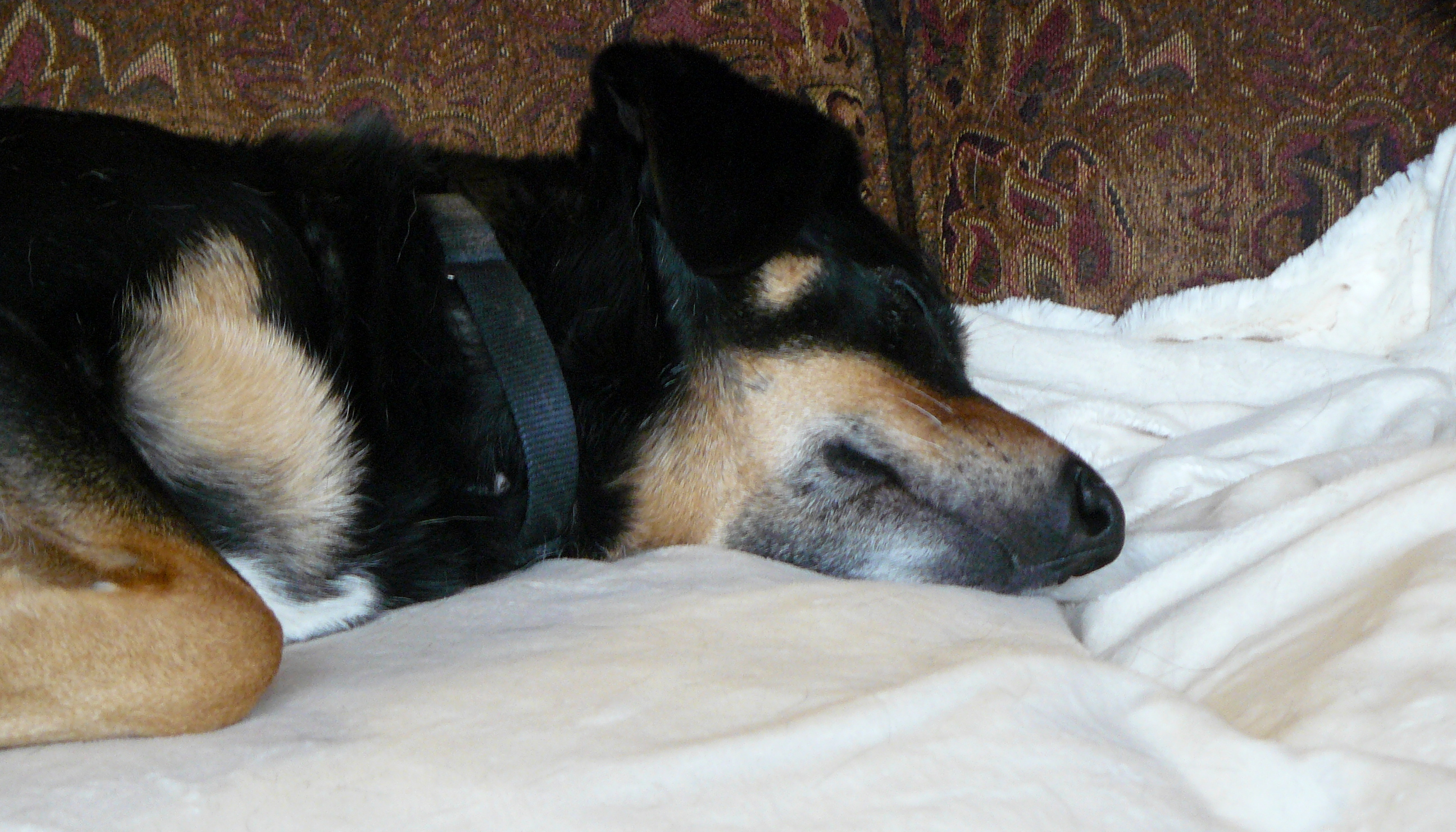
Second reflection is about dogs. Jean had spent many years rescuing Mexican feral dogs and finding homes for them; hundreds of them over her time in San Carlos.  We brought 13 of those dogs with us when we moved to Arizona and 9 came to Oregon.  Below is Hazel, one of the five remaining Mexican ‘rescue’ dogs that are still with us in Oregon.

Hazel doing what she does so well - sleeping.
Hazel doing what she does so well – sleeping.

Fancy lending a hand?

A new animated short film from Lucas Martell, the creator of Pigeon: Impossible.

Back on the 4th December, 2011 I published a post under the title of Pigeon: Impossible.  Here’s some of what I wrote:

A truly remarkable example of the level of film animation being produced.

The second item that came to me from Bob D. (yesterday’s is here) has clearly done the rounds; the YouTube video has been watched nearly 7 million times!  But if you haven’t seen this short film, just over 6 minutes long, then do watch it.  It shows just how close to reality film animation has become!  The story behind the film is from here, reproduced below.

Pigeon: Impossible is the tale of Walter, a rookie secret agent faced with a problem seldom covered in basic training: what to do when a curious pigeon gets trapped inside your multi-million dollar, government-issued nuclear briefcase.

The film took nearly 5 years to complete and is the first attempt at animation by writer/director Lucas Martell: “When the project started, it was mostly an excuse to learn 3D animation, but by the end of the project I had spent so much time reworking and polishing the story that I just wanted people to laugh.“

The end-result is a hilarious 6-minute romp through the streets of Washington D.C. as our hero fights to save himself, and the world from the chaos reigned down by a hungry pigeon. Breathtaking visuals and a sweeping soundtrack showcase the work of nearly one-hundred talented artists and musicians, and the film stands as a testament to what can be accomplished by a team of dedicated volunteers working for the love of their craft.

Personally, I think that last sentence is still an understatement.  Just watch this – and be amazed.

If you haven’t seen the film then you can watch it here.

Anyway, yesterday Lucas Martell left a comment to that post, as follows:

Lucas Martell
Lucas Martell

Hi, I’m the creator of Pigeon: Impossible and am so glad you enjoyed the film! We’re trying to finish our next animated short, and would love it if you could check it out and help us spread the word.

Thanks!

It seemed a worthwhile thing to do just that.  That next animated short is called The OceanMaker. Enjoy 4 minutes of it:

This is the website associated with the venture that explains more and also gives details of the way you can financially support the project, starting from as little as $10.  The website is great fun! (I couldn’t resist republishing the following)

oooOOOooo

About the Film

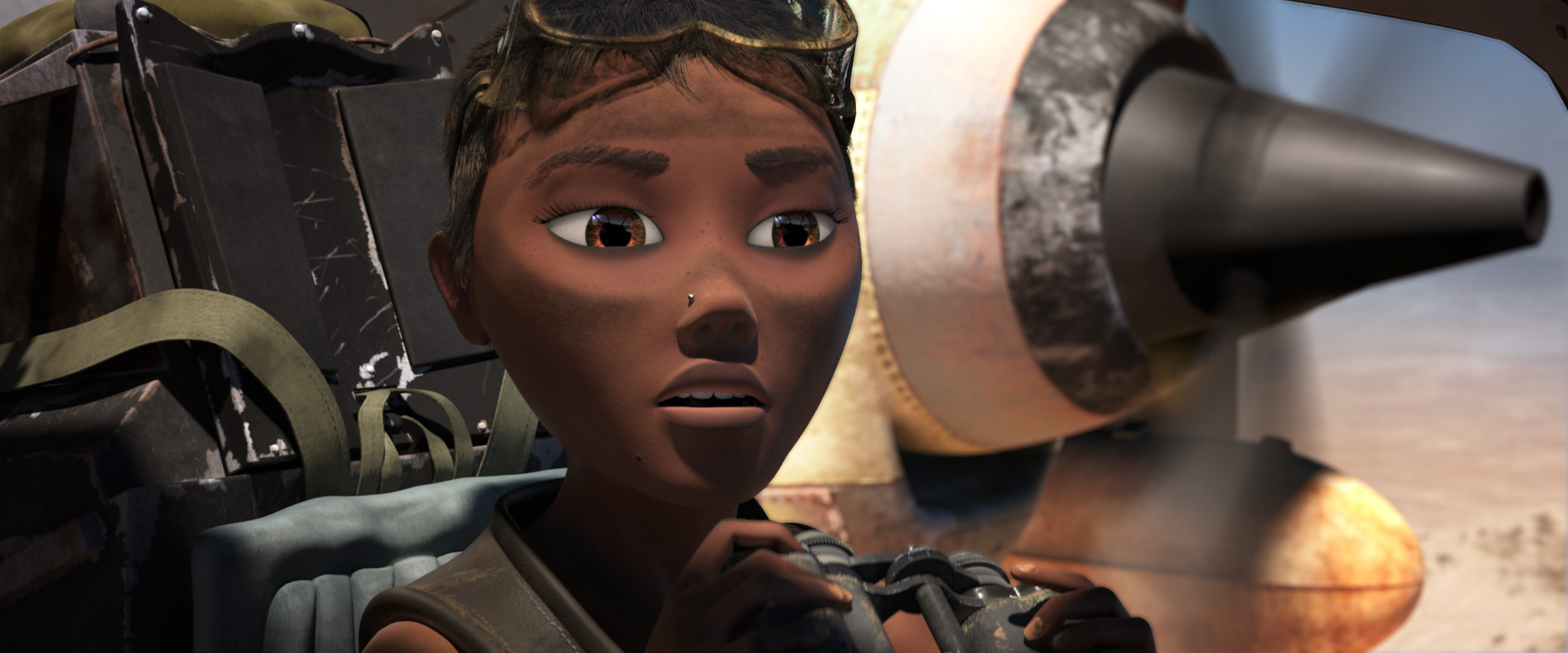
The OceanMaker is a 9-minute animated short film that takes place after Earth’s oceans have disappeared. It tells the tale of one courageous pilot who fights against vicious sky pirates for control of the last remaining source of water: the clouds.

OceanMaker1

From a visual standpoint, we’re steering away from the air pirates often found in steampunk and going straight-up “Mad Max” in the sky. The film is packed with old, beat-up planes that have been cobbled together from spare parts found in airplane graveyards.

OceanMaker2

Tonally, The OceanMaker is filled with exciting action, but the ending is emotional and powerful in a way that even feature-length films rarely achieve. The film also contains no dialogue, which means that the visuals and soundtrack need to be top notch in order to tell this story properly.

Finally, this film is unique in that it’s a complete story which stands on its own as a self-contained short film, but it’s also part of a even larger, more epic tale. Contributing to this project means a double dose of good karma, as you’re not only helping us complete the short, you’re getting us one step closer to making the feature! Our sights are set high and it’s going to be an amazing ride. We hope you’ll come along and share the adventure with us!

Goals

  • $10,000 – We can finish the models! – At the moment we have our hero models finished, but the story requires several other assets in order to set up the world and show how the loss of the oceans has affected life on earth. At $10,000, we’ll be able to bring on two model/texture artists to finish these assets.
  • $20,000 – We can finish the animation! – Animation is about 70% completed, but the remaining shots are the most challenging ones in the film. We’ll need two animators to bring these awesome shots to life!
  • $30,000 – We can finish the lighting! – Lighting and rendering are what make things pretty. It’s also a very technically challenging process, with each frame taking about an hour to render. At 24 frames per second, that’s just under 13,000 frames!
  • $40,000 – We can finish the film! – The last major step is the effects. In a word: clouds. They’re very tough to do right, and they’re pretty important for this whole story to work. Plus, these aren’t just static clouds in the background. We’re flying through them, scooping them up and making them grow!
  • $50,000 – Post Production! – This first stretch goal would allow us to hire a professional sound designer, as well as doing the final mix, color correction and output in a proper studio. This is crucial in order to submit the film to festivals and put it up on the big screen. If we reach this stretch goal, then all donors will also recieve a PDF copy of the script!
  • $60,000 – Live orchestra! – With this stretch goal, we could record Chris Reyman’s amazing score with a real live orchestra. This would be HUGE, as the film is extremely reliant on music, and the production value will increase dramatically. All donors at every level would receive a DRM-free copy of the score.
  • $70,000 – Expanded cast! – One thing that will make the film even better, is a second character. We already have a temporary version of that character in our animatic, but she’s very difficult to create and quite expensive for the few shots she’s in. However, that small addition would take the emotion and complexity of the story to a whole new level.
  • $80,000 – $100,000 The OceanMaker extended universe – As you can imagine, the OceanMaker is a really BIG story… too big to fit entirely within a short, but we’ve done an excellent job capturing the essence of it in a way that feels complete and stands on its own. However, if we hit $80,000, we can start to explore this broader story. This would be in the form of a graphic novel that delves deeper into the world both before and after the short film. The higher into this range we get, the longer this graphic novel could be and the more of the expanded story we could tell. Donors at every level would get a free digital copy of the graphic novel.
  • $100,000 and up – Feature!!! – OK, I realize we’re really reaching for the stars here, but you don’t do something like this without being a dreamer. If we somehow manage to reach the 100k mark, we’ll be able to start working on the feature film! It would be based in part on the content from the extended universe. The first step would be a treatment, then a script, then visual development and finally an animatic. Should we be able to complete any of these stages with money raised from this campaign, all donors will receive a digital copy of the completed work. You can take a sneak peek or remain unspoiled, but its the least we can do if your hard-earned dollars end up funding development of the feature.

oooOOOooo

So I hope you can contribute whatever you can afford.

Oh, and I should make it clear that neither Jean nor I have any financial or commercial connection with the project.

Case study?

Exquisitely lovely photograph.

Remember that wonderful picture of the young child teaching the dog to read.   Yet another beautiful picture found by Chris Snuggs on Facebook.

If only I could think of a neat caption!

Now we are 20!

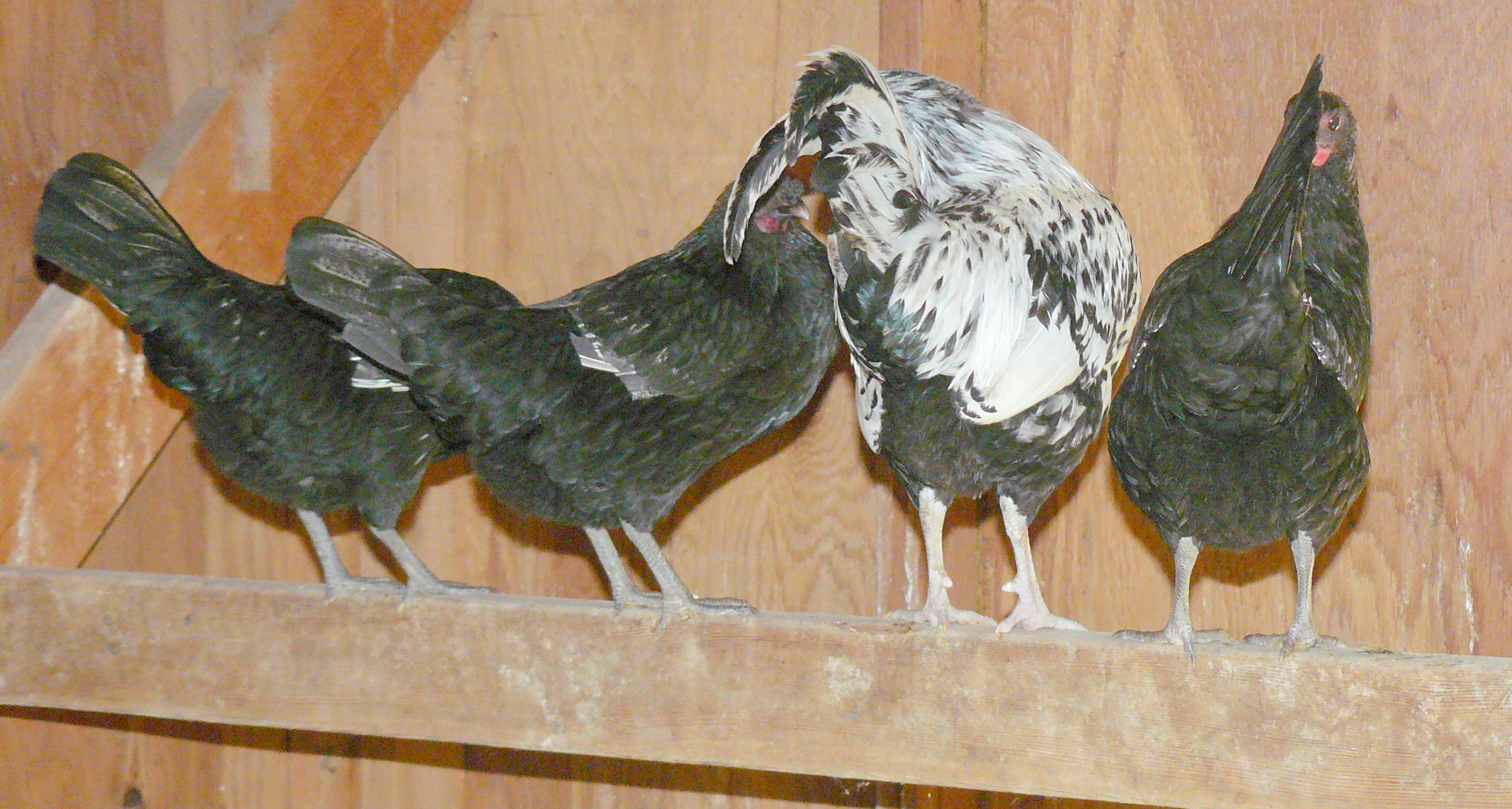
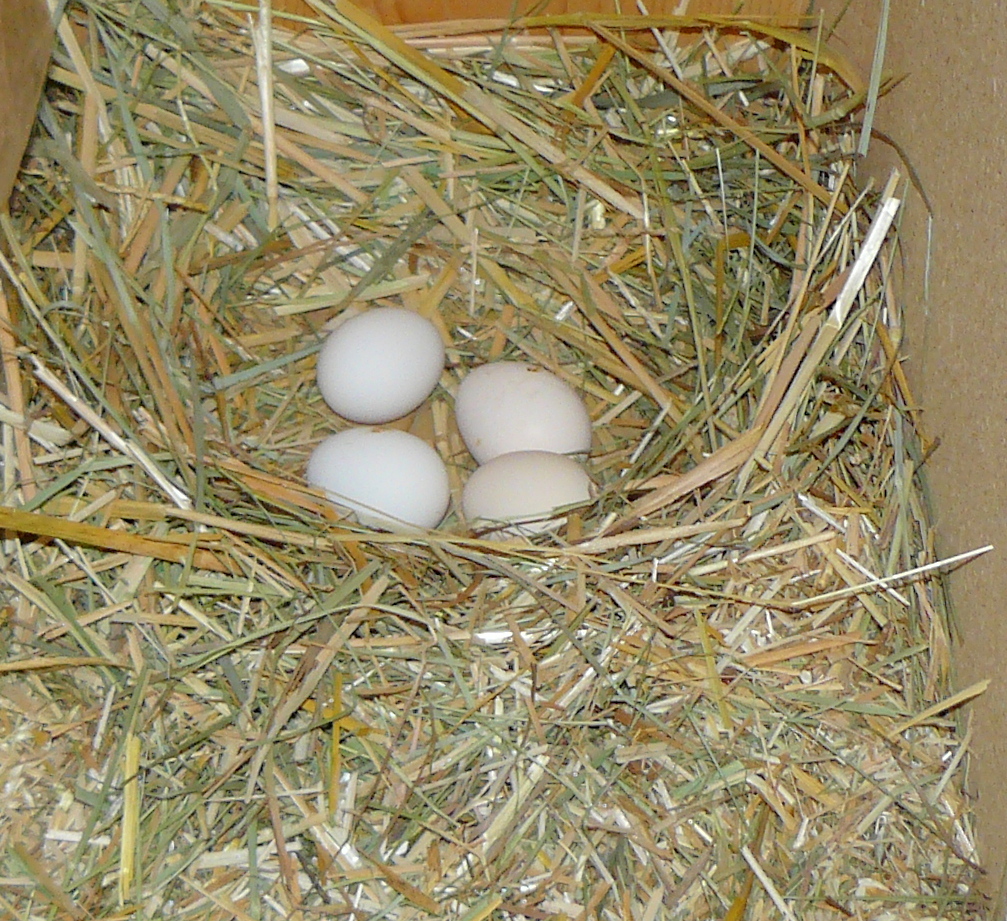
Three hens and a cockerel have joined our family!

We recently heard of some chickens that were facing the cooking pot unless a home could be found. We gave in.  It wasn’t hard because there was an existing chicken house on our property.

The chickens are adult bantams rescued from the wild.

Which brings us to 9 dogs, 5 cats, 2 miniature horses and 4 chickens.  As the old saying goes, “One doesn’t need to be mad to live here, but it helps!”

A few pictures to share with you.

Jean, meet your new chickens!

Jean learning a few details about our new arrivals.

P1120706
So far, so good!

Oh, glad to be out of that cage!

P1120710
Hey girls, we get to eat!

This just might be a nice new home!

P1120725
Oh, a proper chicken house!

Guess you girls ought to offer a thank-you.

P1120720
Good girls.

What a great start!

Golden moments!

A beautiful photograph found on Facebook

Very grateful to Chris Snuggs for forwarding this to me.

dog reading

As Chris pointed out in his email, “I have to say that the dog doesn’t look too excited, but is nonetheless paying polite attention ….”

May all our days have golden moments of peace and love.

Bears and duct tape!

With grateful thanks to Cynthia G. who sent this to me.

(Going to take a break from the serious writing for this long week-end)

So, what's the story here?
So, what’s the story here?

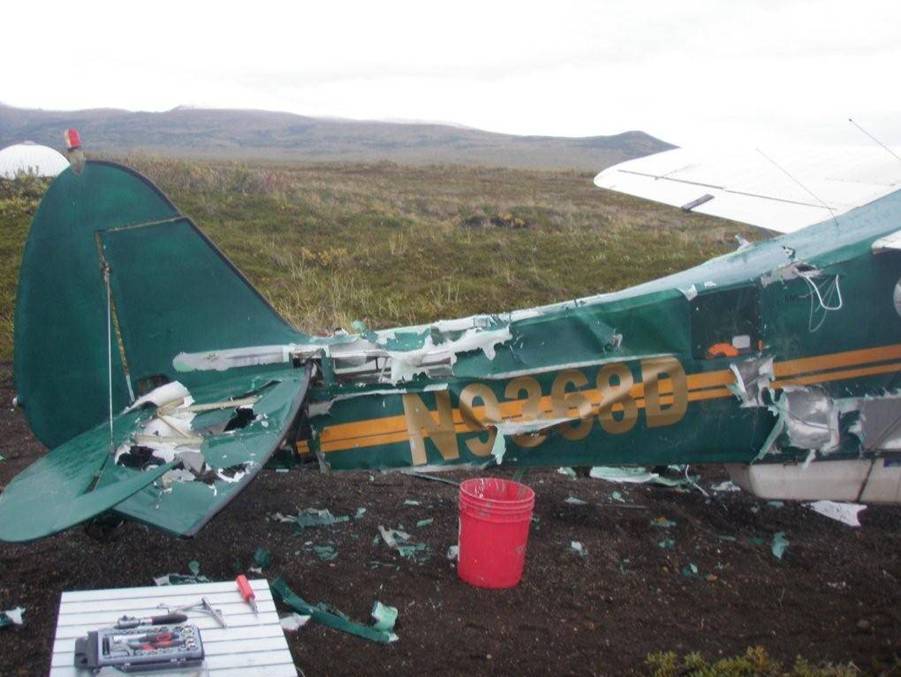
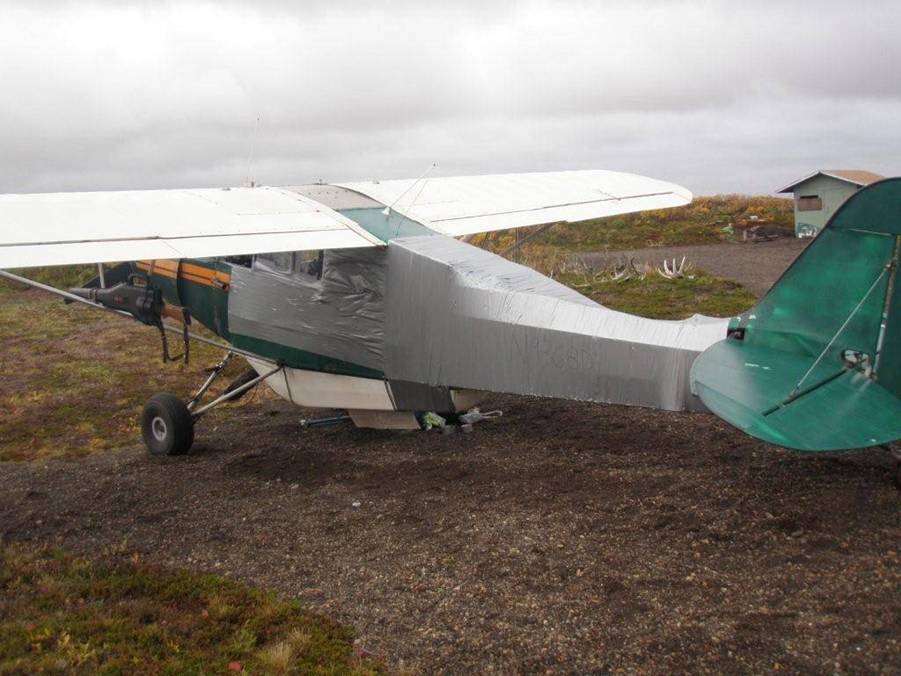
The place: The Alaskan Wilderness

Just a bear wanting some food!

The event: A private “fly-in” fishing excursion to that Alaskan wilderness.

Well, a bear would, wouldn't it!
Well, a bear would, wouldn’t it!

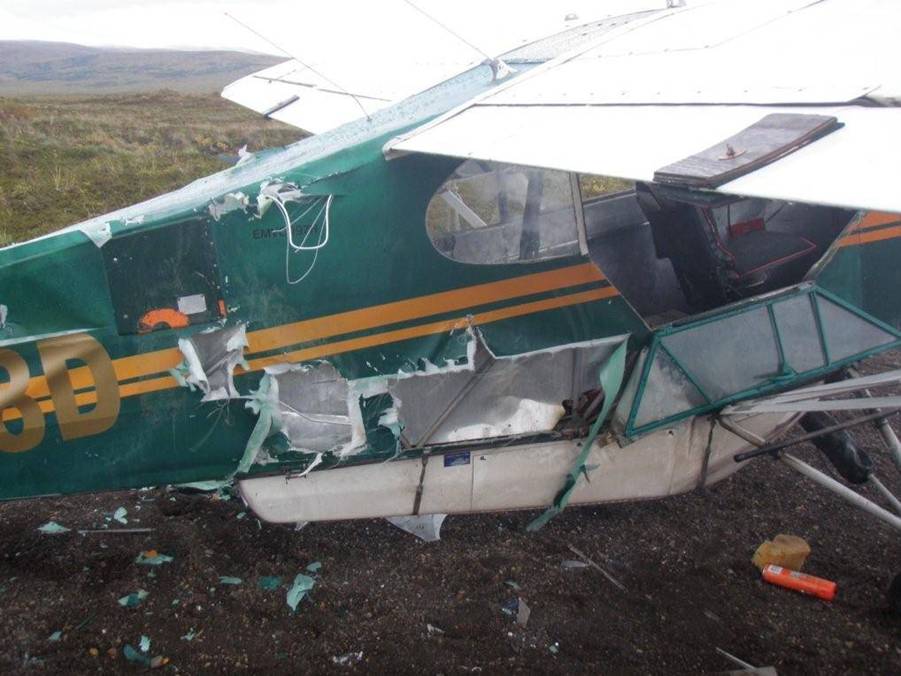
The mistake: The pilot and fishermen left a cooler and bait in the plane.

Now what?
Now what?

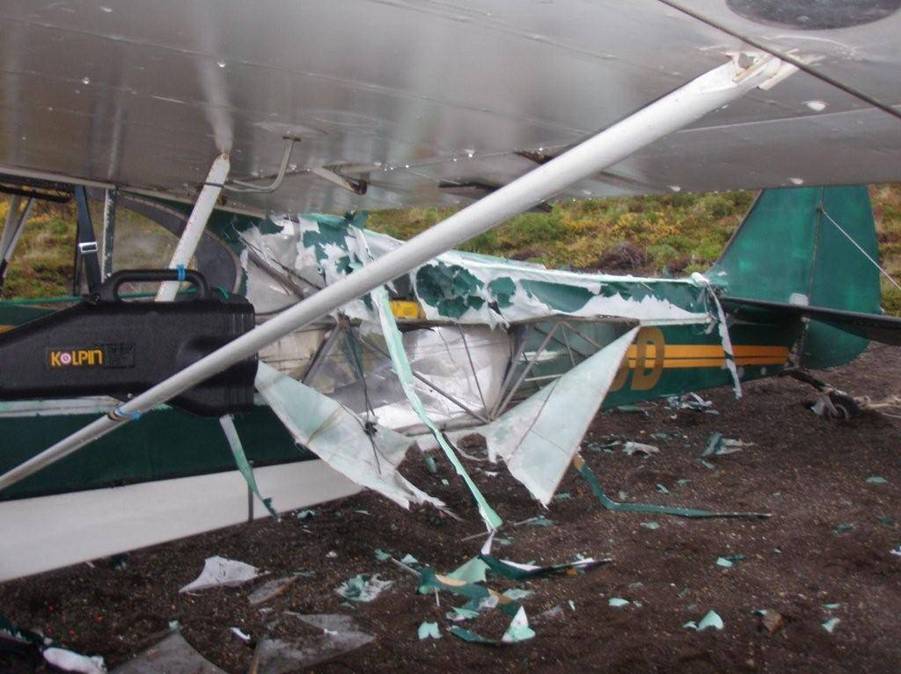
The consequence: The bear went exploring for food!

Nothing if not ingenious!

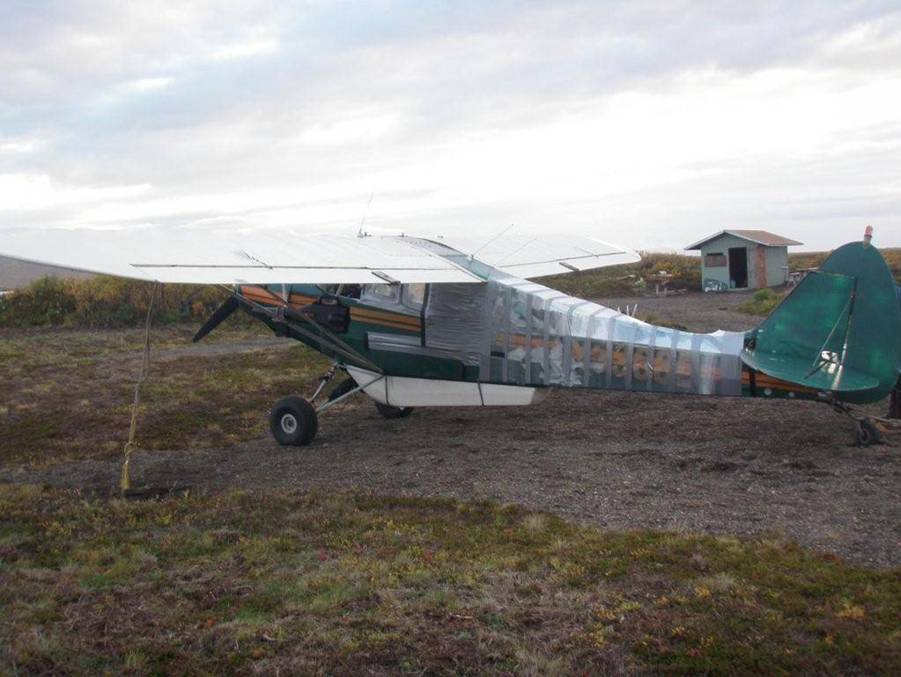
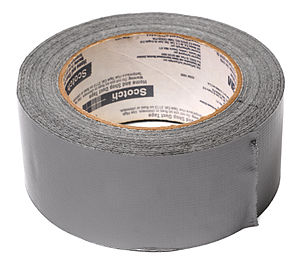
The smart thinking: The pilot used his radio and had another pilot bring him 2 new tires, 3 cases of duct tape, and a supply of sheet plastic.

And they all happily went home!

The result: The pilot patched the plane together, and they all flew home!

duct tape

The moral of this story: Duct Tape? Never Leave Home Without It