Category: Philosophy

To England and France, Part Five

Beautiful, peaceful and relaxing days!

We were in Reggie and Chris’s villa in the village of La Croix des Luques inland from the Cote d’Azur, Southern France.

I quickly realised that their villa was not far from the world-famous sailplaning airfield at Fayence. Or LES PLANEURS DE FAYENCE as it is known. Reggie gladly offered to take Jean and me across to the airfield.
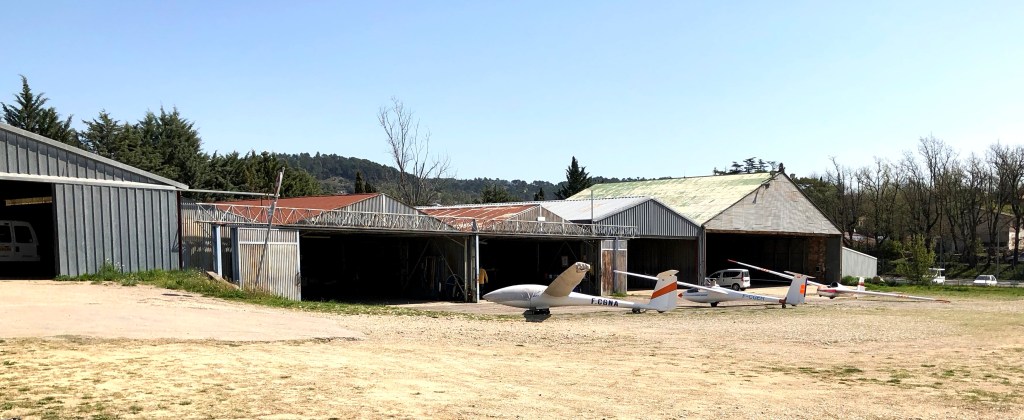
Many years ago, when I was living and working in Colchester, Essex, I became a very keen and active pilot with the Rattlesden Gliding Club in Suffolk eventually qualifying as a gliding instructor. So when Reggie suggested that I see about getting a dual flight at the Fayence Club I didn’t need asking twice.
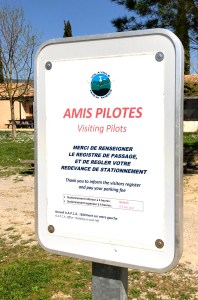
Unfortunately, they couldn’t accommodate my wishes before we had to leave France so that opportunity had to be let go.

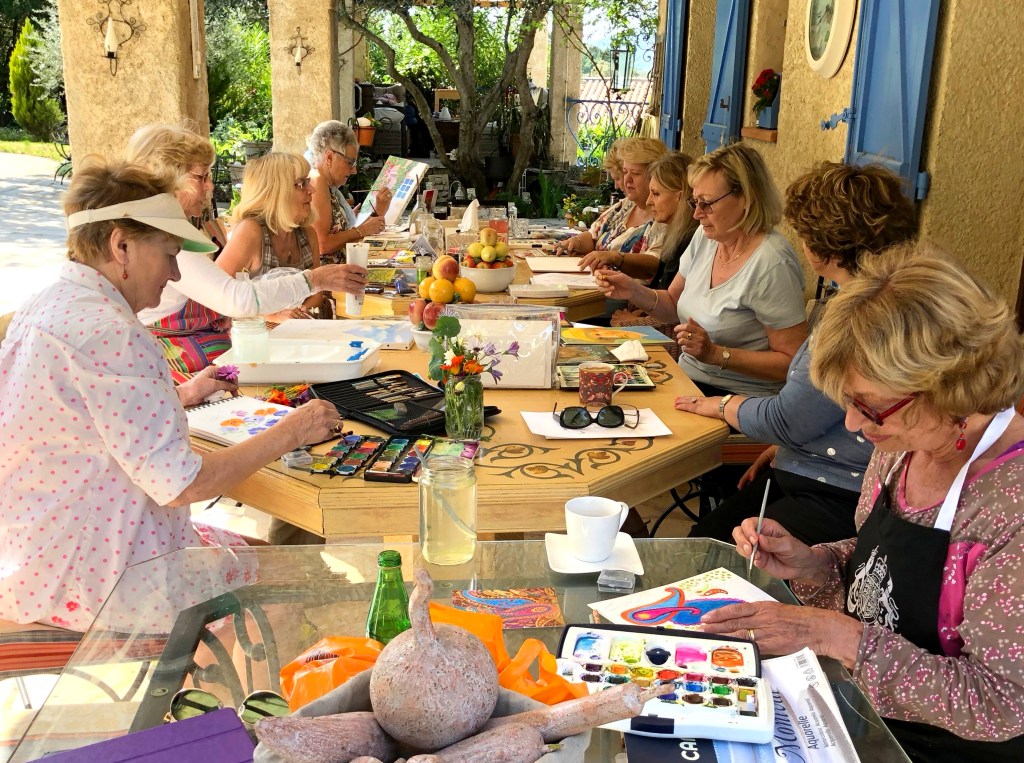
Another opportunity, this time for Jeannie, was taken advantage of. Chris was a member of a local art class and while we were going to be there the class would be meeting at the villa. Would Jean like to take part?

Jean is a good amateur artist, as many of her paintings and sketches around our house attest to. So that did take place and it was a wonderful afternoon for all concerned.
oooo
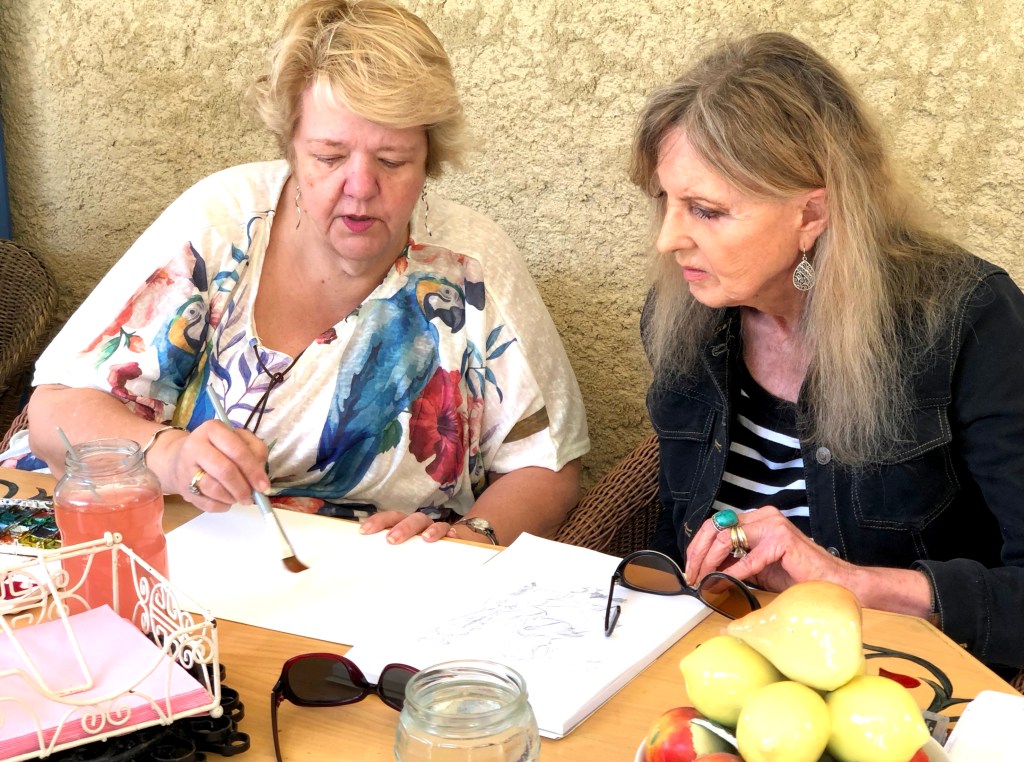
Stella, Christine’s sister, working alongside my Jeannie.

Then on a subsequent day Reggie and Chris took us for a drive along the beautiful coastline that is the essence of the Cote d’Azur.
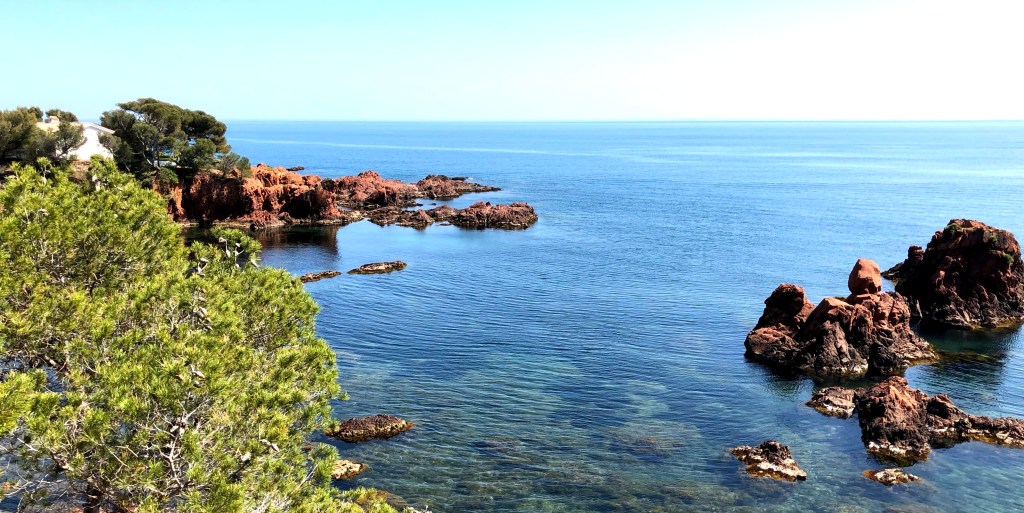
To reach the coast Reggie took a route that went down towards Frejus and Saint-Raphael and then joined the coast road just west of Le Dramont.

I found this was stirring up very old memories. For my father, a Chartered Architect, had a passion for this part of France and every summer back in the 1950s took the four of us (Mum, Dad, me and my sister Elizabeth) for a month’s holiday. Thus many of the coastal town names had echoes from over 60 years ago. (Father died in December, 1956 of cancer.)

As we drove along, I reminisced aloud to Reggie and Chris that when I was 15 my mother decided that it would be a good thing for me to do a student exchange with a French boy. It was arranged and in the early part of the summer of 1959 in to our house in Preston Road, Wembley came Philippe, whose home was in Paris.

Then in about 4 weeks it was my turn to accompany Philippe back to Paris. It was a very ornate apartment with an air of luxury living and I felt very lost in the place. Apparently, Philippe’s father was a director with Air France.

Anyway, the father announced just a couple of days after I had arrived that all the family the following day would be flying from Paris to Nice airport, (with Air France, of course!) to then spend a month at the family’s French villa in the coastal town of Antheor.

On me mentioning Antheor Reggie immediately exclaimed that we were just a few miles from going through Antheor and that we should stop there. I wondered if I would remember anything of the place.
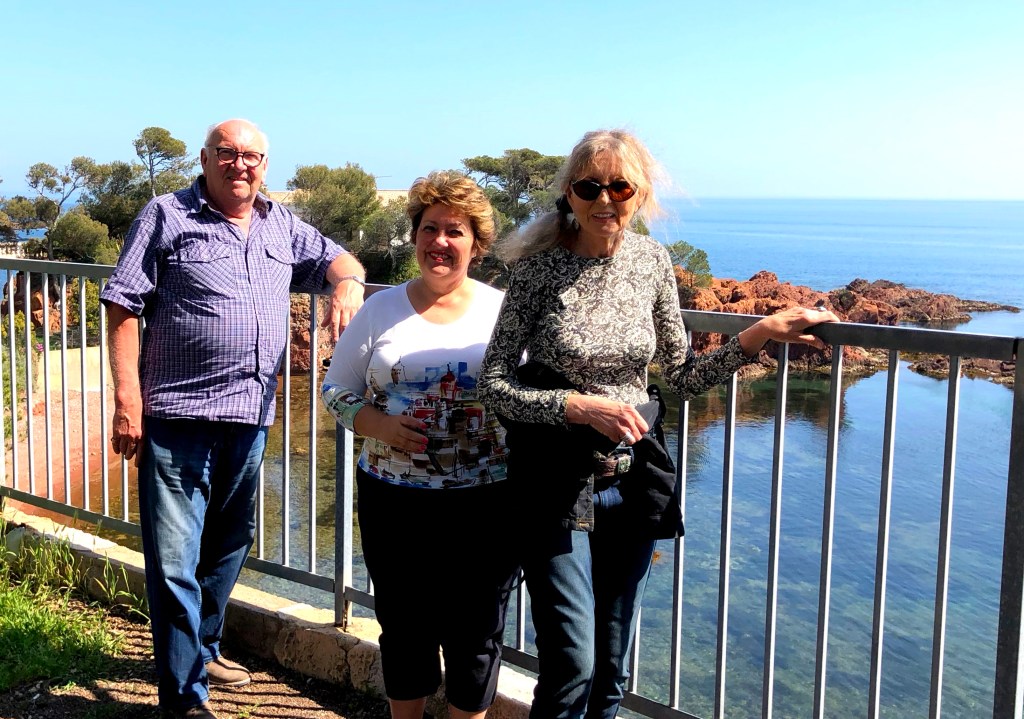
Well I did!! To my amazement when we stopped to look down at the beaches below the level of the road I thought that we were very close to the beach in front of the villa at Antheor where I used to swim, frequently on my own, every day that I stayed there.

I told everyone to stay where they were and ran on to the next beach.

Bingo!!

It was the same beach that I now recalled so clearly.
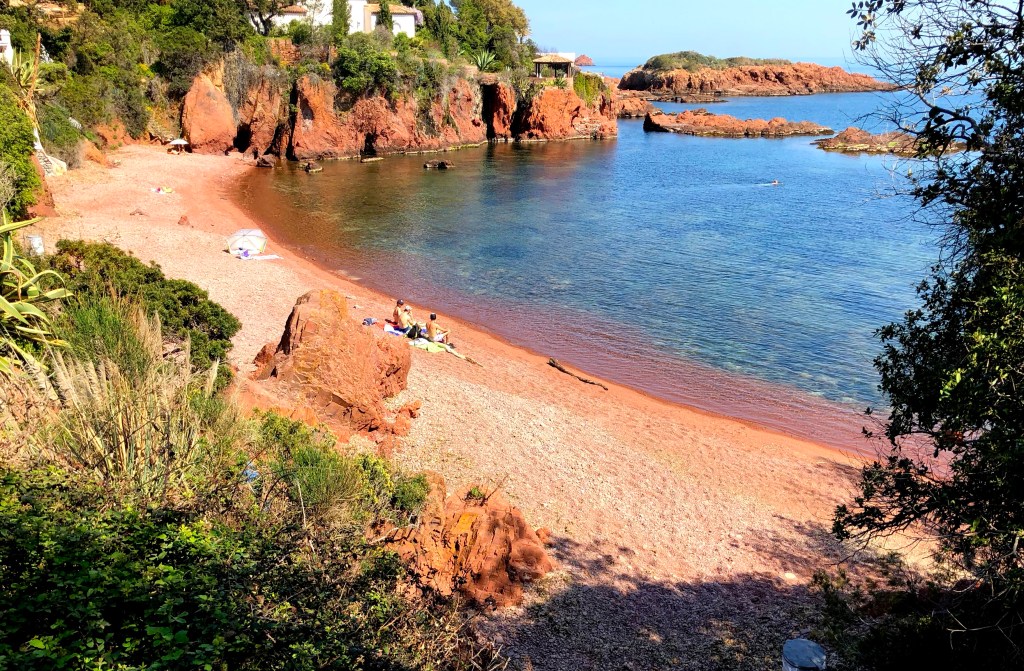
Swimming memories from 1959!

Even more amazing for me was that the iron gate and steep stone steps down to the beach were still there, albeit no longer being used as a more modern set of steps was in place.
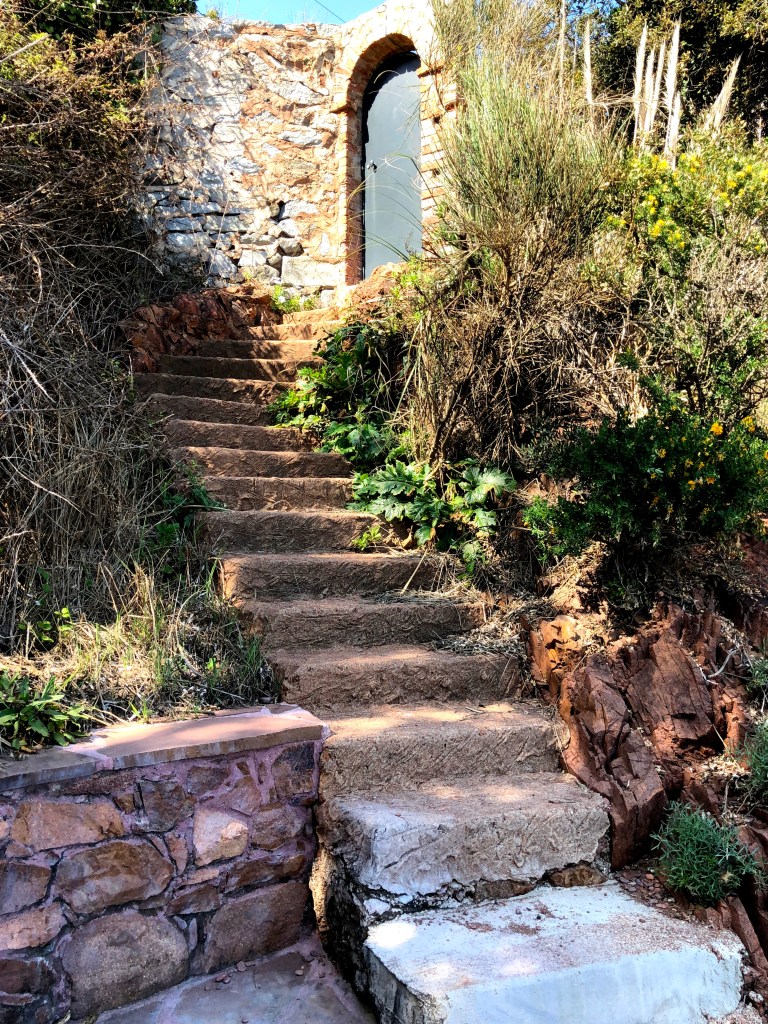
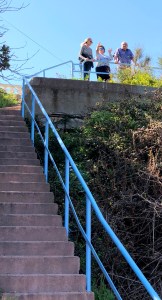
By this time, the others had arrived at the head of the new steps and were looking down at me as I became truly lost in days so very long ago.


I have no recollection why back then the rest of the family so rarely came down to the beach that was so close to where their villa was. Indeed, it was just a case of crossing the coast road, much quieter in those years, and descending the steps to the beach.

But for this London boy it was bliss beyond measure. Maybe at some level it reminded me of family holidays for our, as in sister Elizabeth and me, father’s death was still a painful memory.

I stood still and just looked at the beach and at the sea and was transported so very clearly back to the times when I swam around the rocks, wearing a face mask and snorkel, just lost forever in what one could see underwater.
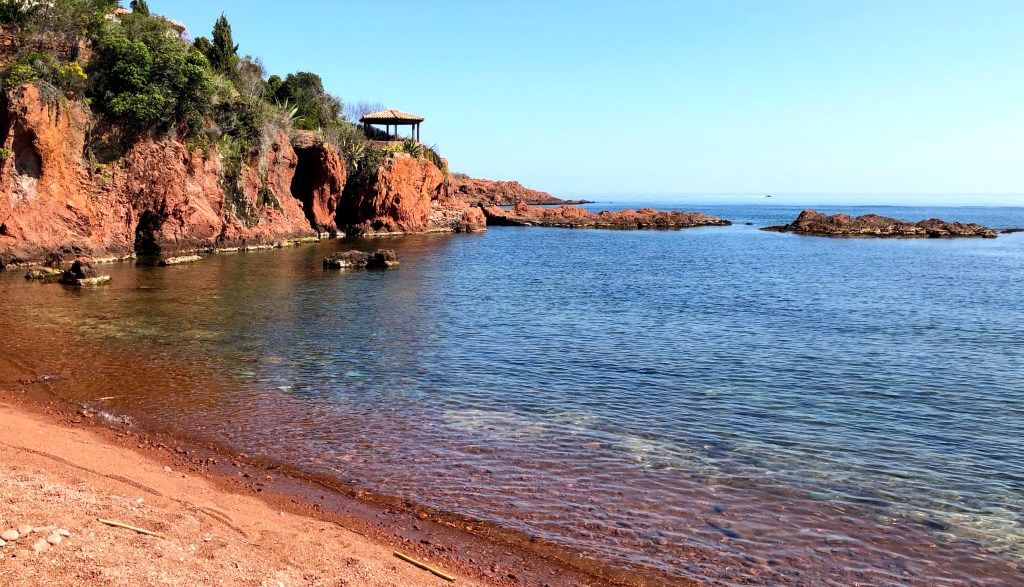
Then it was time to return to the car and resume our delightful drive.
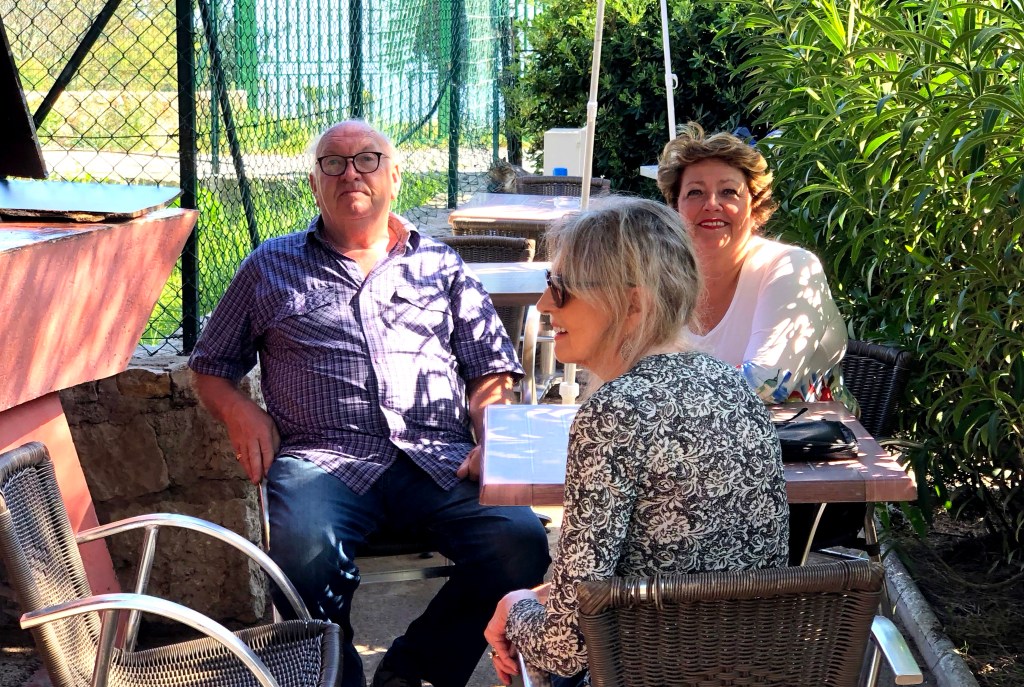
Soon after we stopped at a small beach cafe for an afternoon drink of something cool.
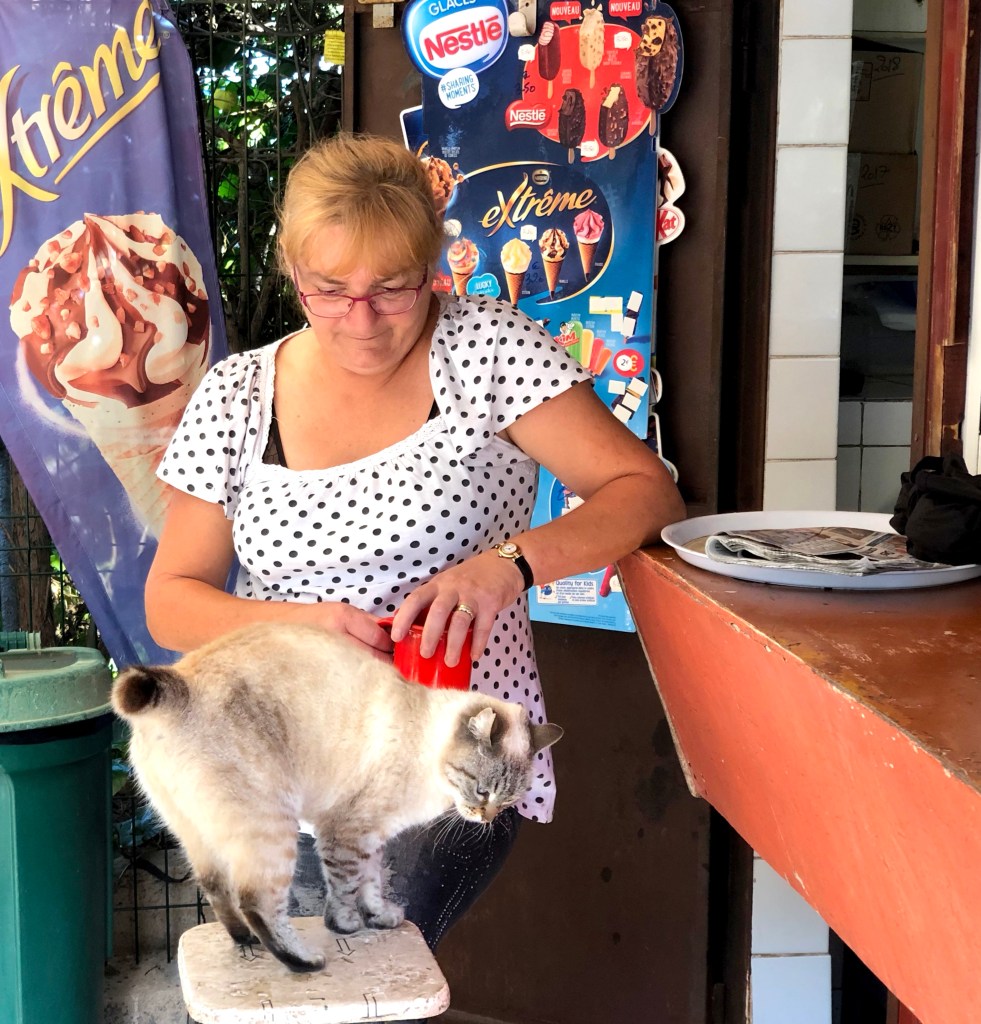
Everything, well for me at least, still seemed a little unreal; a little larger than life! I think that’s what inspired me to take the photograph above of the cafe proprietor and her cat!

Then we moved on again.

In due course, to another delightful evening meal somewhere local. The French expression “en famille” says it all!
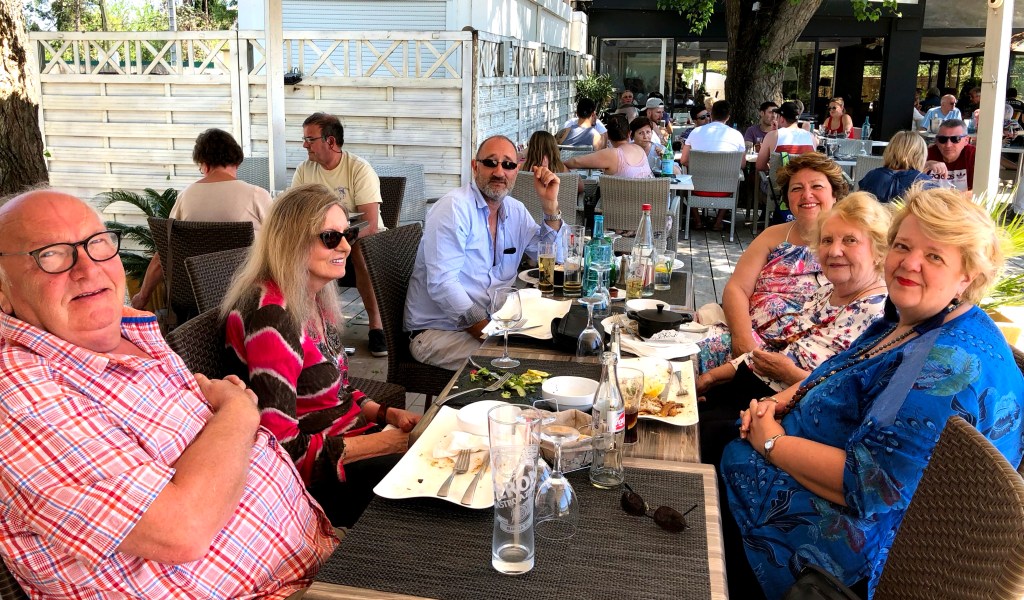
These wonderful days were going by far too quickly!

In a flash it was Tuesday and Jean and I were being driven to Nice airport for another easyJet flight. But instead of returning to Bristol we had booked an easyJet flight into Gatwick. Because the last 36-hours of our vacation were being spent with my daughter’s family.

Maija’s husband, Marius, who is employed by The Royal National Theatre, near Waterloo Bridge on the south bank of the River Thames in London, frequently is working evenings but in order to spend time with me and Jeannie he had taken a day’s holiday on the 25th.

Our last day of our vacation dawned bright and sunny. It was a school day for Morten and after he had left for school Marius and Maija suggested going for a walk along the South Downs. Perfect!

For those unfamiliar with the South Downs let me quote a little of what may be read on Wikipedia.

The South Downs are a range of chalk hills that extends for about 260 square miles (670 km2)[1] across the south-eastern coastal counties of England from the Itchen Valley of Hampshire in the west to Beachy Head, near Eastbourne, East Sussex, in the east. The Downs are bounded on the northern side by a steep escarpment, from whose crest there are extensive views northwards across the Weald. The South Downs National Park forms a much larger area than the chalk range of the South Downs and includes large parts of the Weald.

The South Downs are characterised by rolling chalk downland with close-cropped turf and dry valleys, and are recognised as one of the most important chalk landscapes in England.[2] The range is one of the four main areas of chalk downland in southern England.[3]

It is a beautiful place to walk.
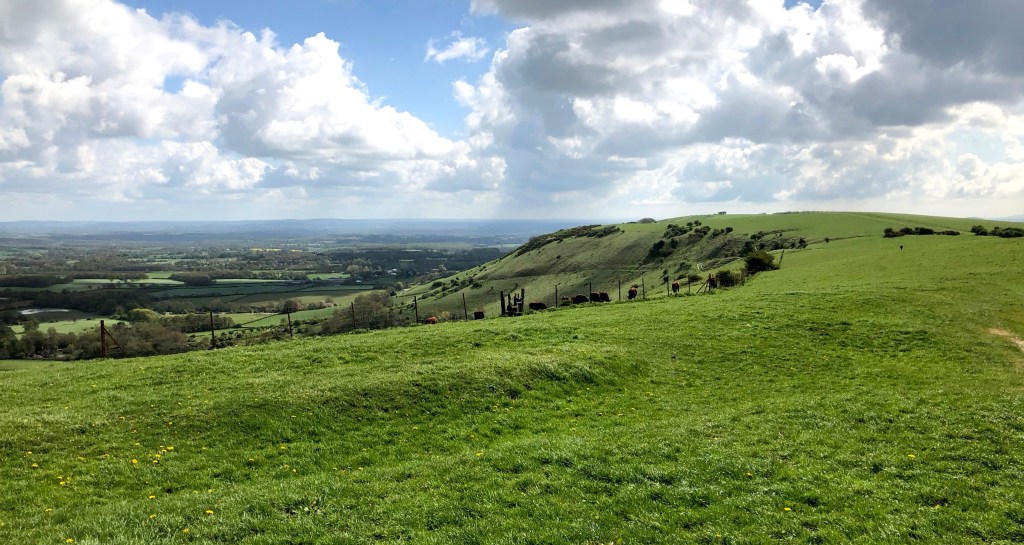
It was a magical way of spending our last day.
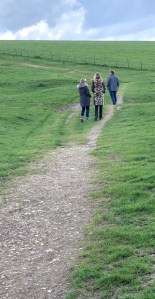
Again, I was aware of stirrings in my old memory box from many years ago, possibly when I might have taken young Alex and Maija for a walk along the Downs, or something along those lines.

But today it meant so much for Jeannie and me to be with Maija and Marius for this gorgeous walk.

A couple of hours later we found a place to have a late lunch and asked the lady serving our table to take a photograph of all four of us!
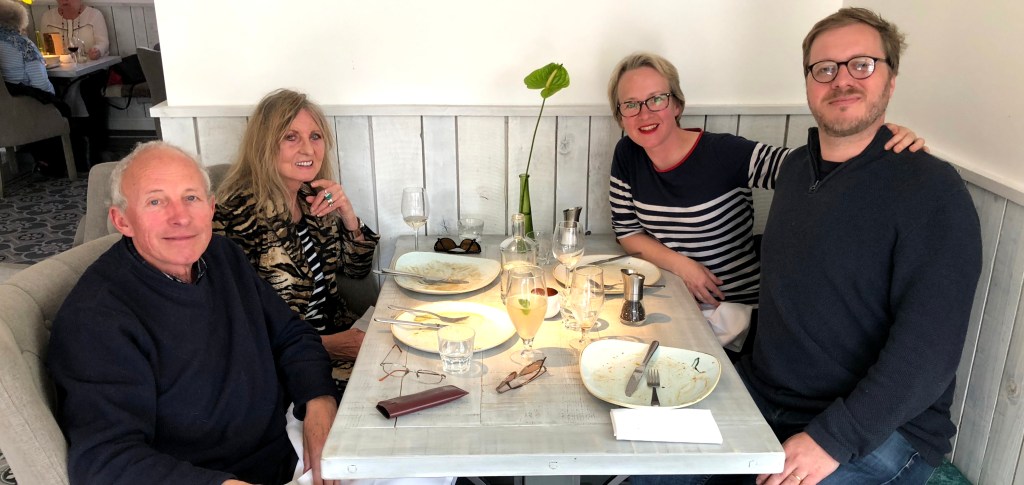
Obviously, we had to be home in time for Morten’s return from school.

Those last hours of that day were focussed on keeping Morten company. What else mattered!

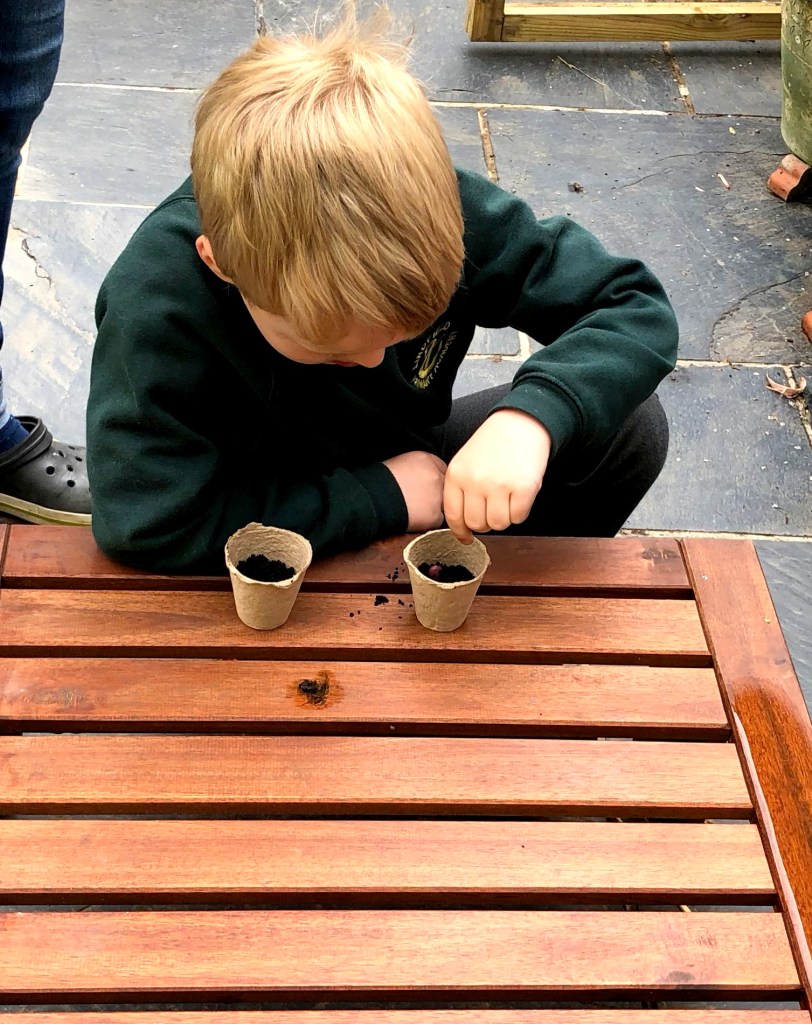
So the last photograph of the whole vacation is the one below. A picture taken of Morten planting some seeds that were bought while we were out that day.
We arrived back in Portland, Oregon around 6pm on the 26th and too late to drive all the way back to Merlin.

So after we had collected the car from the long-term parking we stopped off at the first motel that we saw heading though southern Portland.

Then around 11am on Friday, 27th April we pulled up in front of the house to be greeted by six very loving and contented dogs. Well done, Jana!

That evening those contented dogs demonstrating their happiness did more than anything to communicate a precious message.
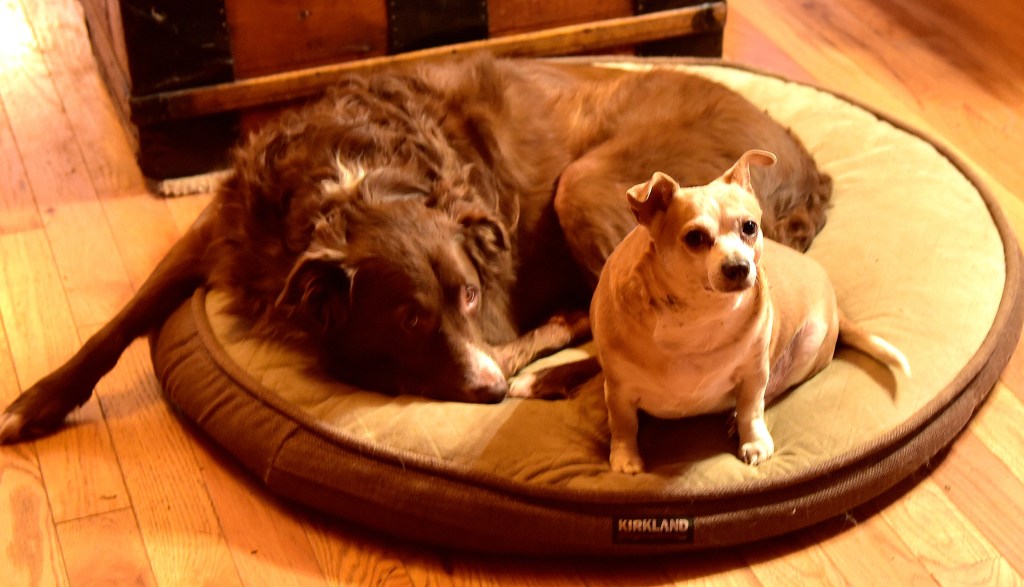
Oliver and Pedi

oooo

Brandy.

Welcome Home Jeannie and Paul!

The End!

Picture Parade Two Hundred and Thirty-Eight

The pictures that were mentioned in Dan’s item last Tuesday.

oooo

oooo

oooo

oooo

oooo

The second set of these compelling photographs in a week’s time.

You all take care out there!

Dogs and Humans!

Great to be back to blogging again!

Jean and I flew back into Portland last Thursday evening and after a motel stay near to the airport arrived back home last Friday a little before mid-day.

It was an incredible trip covering family in both England and France and I will start writing up the details of where we went and who we stayed with over the coming days; sing out if this is not want you want to read!!

But as good as the vacation was it was fabulous to be home and I wanted to share with you a few sights of home taken over the last couple of days.

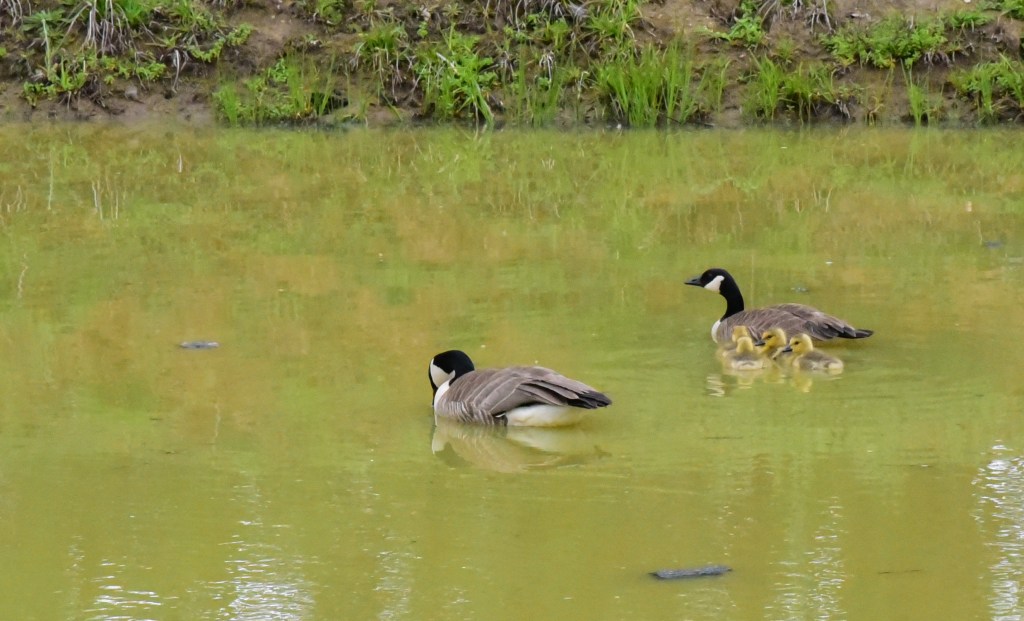
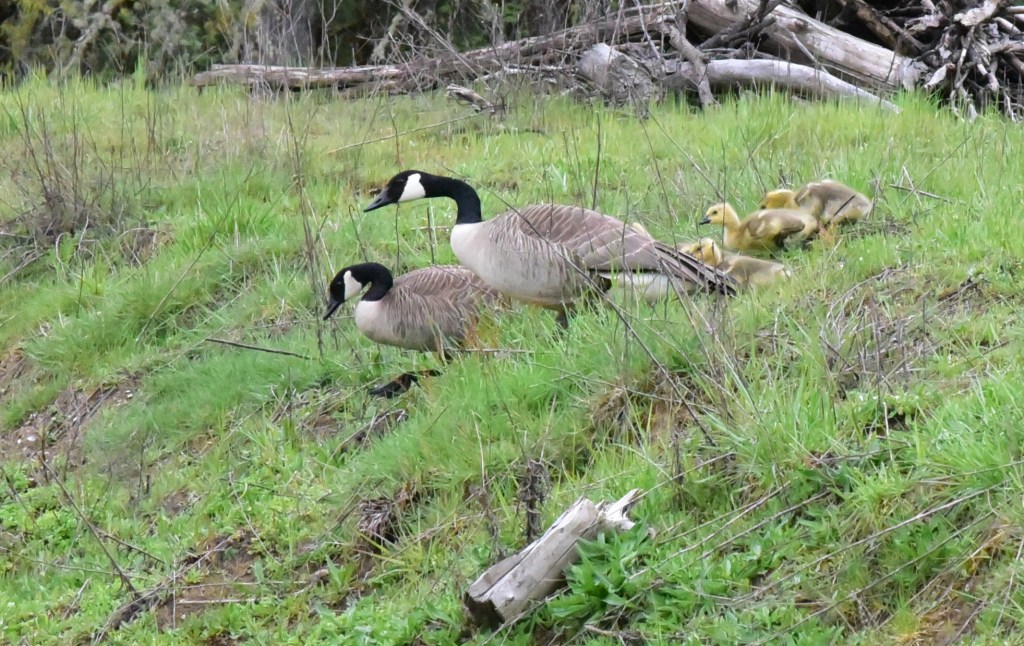
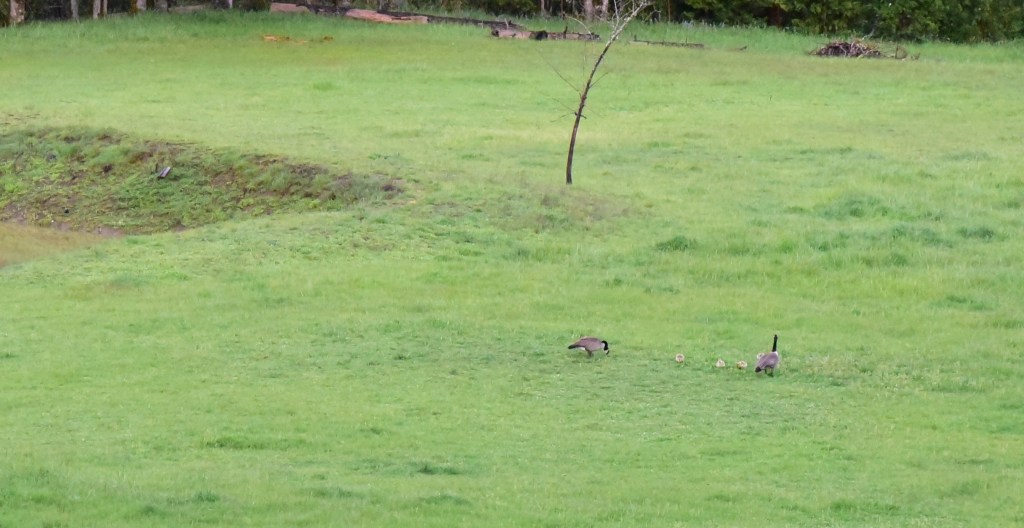
Mother Goose now has her goslings!

oooo

oooo

oooo

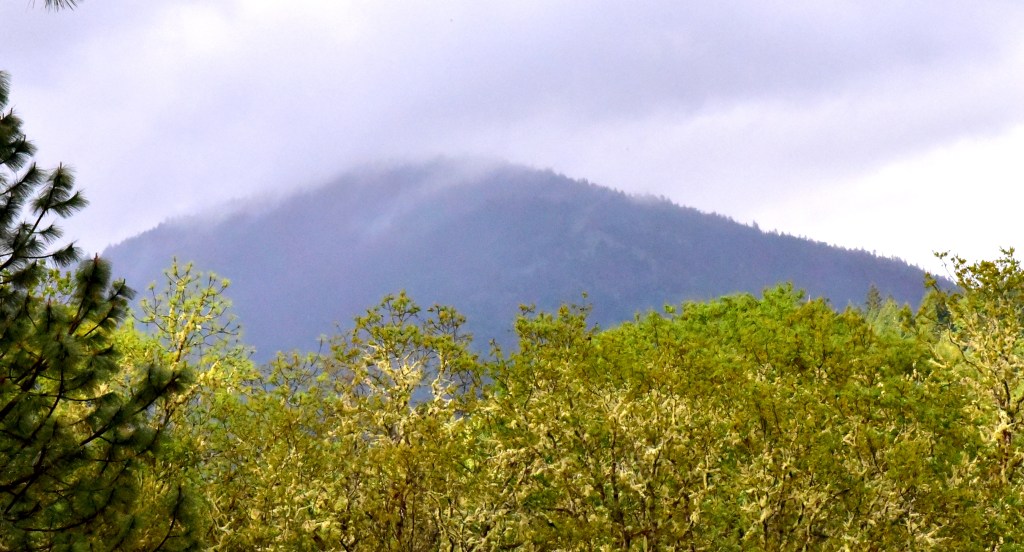
I will never tire of looking at Mount Sexton!

oooo

Nor of the beauty of where we live!

OK!

I can think of no better way of re-starting my blog posts than to republish an item that Dan shared with me back in early April.

ooOOoo

“Dogs Welcome”

A man wrote in a letter to a small hotel in a Midwest town he planned to visit on his vacation:

“I would very much like to bring my dog with me. He is well-groomed and very well behaved. Would you be willing to permit me to keep him in my room with me at night?”

An immediate reply came from the hotel owner, who wrote:

“SIR: I’ve been operating this hotel for many years. In all that time, I’ve never had a dog steal towels, bedclothes, silverware or steal pictures off the walls or use them as a coloring book.

I’ve never had to evict a dog in the middle of the night for being drunk and disorderly. And I’ve never had a dog run out on a hotel bill. Yes, indeed, your dog is welcome at my hotel. And, if your dog will vouch for you, you’re welcome to stay here, too.”

ooOOoo

Dan also shared some really gorgeous photographs that can be seen on the next two Sundays.

The Time Machine

Time!

When you read this post, assuming you will be reading it on Sunday 8th April, you may be wondering why there is no Picture Parade today.

Indeed, there are not going to be Picture Parades until the first Sunday in May.

Actually, to be completely honest, there are going to be no posts at all from tomorrow all the way through to May; the next post being a guest post on Tuesday, 1st May. Nor will I be popping into this place to acknowledge comments and replies! Sorry!

Why?

Simply because Jean and I are taking a little vacation. Will explain more when we return.

Jana Stewart will be living here at home caring for all the dogs, cats, horses, ponies, chickens and parakeets! Oh, nearly forgot! And putting out feed for the wild deer!

So this post is to share with you the aptly named The Time Machine album by Alan Parsons

Also, I wanted to specifically share with you three of the tracks from that album!


Can’t imagine you haven’t come across Alan Parsons before but in that unlikely event his website is here.

Plus, I will close with a copy of the opening WikiPedia information on Alan Parsons.

Alan Parsons (born 20 December 1948)[1] is an English audio engineer, songwriter, musician, and record producer. He was involved with the production of several significant albums, including the BeatlesAbbey Road and Let It Be, and the art rock band Ambrosia‘s debut album Ambrosia as well as Pink Floyd‘s The Dark Side of the Moon for which Pink Floyd credit him as an important contributor. Parsons’ own group, the Alan Parsons Project, as well as his subsequent solo recordings, have also been successful commercially.

Yes, I know I’m showing my age!!

Real Learning from Dogs – for our Children!

Another wonderful guest post from Zara Lewis.

Back on March 13th, Zara published her first guest post in this place. It was called Dogs and allergies and was very well received by many if not most of you.

So what a pleasure it was to receive a further email and material from Zara last Friday.

Here it is for all you good people!

ooOOoo

How Your Family Pooch Can Teach Your Youngsters Responsibility

by Zara Lewis, March 30th 2018

It’s easy to confuse pure obedience with true responsibility, simply because the former serves as the stepping stone, while the latter is a mindset that takes years to build. We as parents make choices every day that affect how well this mindset develops in our kids, but one of the best, most seamless ways for them to succeed is by nurturing their relationship with your family doggo.

With a four-legged friend by their side, kids tend to assume the role of a leader, a friend, and a caregiver with greater ease. Although it comes with its own set of parenting challenges, teaching your kids responsibility with your little fuzzy buddy is a rewarding experience that will enrich your kids’ childhood and help you be a better parent, as well!

Building healthy habits

From regular vet check-ups, vaccines, feeding on a schedule, and taking them for walks every day, your kids will quickly realize that only a healthy dog will be a happy dog. I know that some kids will be eager to split their chocolate cake with their furry pal, but when you explain to them that such a diet can be very harmful, they will be much more careful when choosing the right dog food.
When they’re young, they won’t perceive those walks and frisbee throws as exercise, but if they start embracing this lifestyle so early, they will be much more likely to stay active throughout their adulthood, too.

Learning about boundaries
No matter how in love your youngsters may be with their pet, they often don’t understand that dogs have moods, too. That means they won’t always be in the mood to be hugged, or that dogs won’t put up with having their tail pulled all the time.

The sooner they understand to respect the needs and wants of their pets, your kids will appreciate the meaning of personal preferences even in life. They will learn how to recognize certain body language signals that they are about to cross a line and transfer that knowledge to their hooman friends as well.


Mastering discipline

Just like that birthday cake is almost too irresistible not to be shared with your pooch, it’s no surprise that many kids want to take their dogs everywhere and share absolutely everything with them. My own little boy wanted to share his bed with our dog, Joey, and even though this is perfectly fine from time to time, making it into a habit wasn’t the best option for either of them.

So, we got a Snooza bed for Joey and placed it in our son’s bedroom and explained that it’s best for each of them to have their own space, since they both grow very fast. Plus, once I told my son that the cleaning of his room will be much more difficult if his bed was filled with dog hair, he immediately changed his mind!


Handling suitable tasks

Overburdening your kids with too many difficult chores is as bad as not giving them enough opportunities to be responsible. It’s best to discern how much your youngsters can handle depending on their age. For example, toddlers can tell you if their water bowl is empty or if they caught the little rascal in the potty act.

Older kids can share the entire feeding, grooming, and walking routine with you, depending on their school responsibilities and other chores. In fact, older kids can even help you train the dog by teaching them various tricks, and playing sessions are beneficial both for your kids and the dog, as they’ll help them grow stronger, and build their bond over time.

Fostering independence

Sometimes the homework will pile up and perhaps the flu season will kick in, so you’ll feel the need to spare your kids the trouble of caring for your pet. Even though it’s perfectly fine to help them manage their chores and take over a portion until they are well enough, they shouldn’t suddenly let you take over for good.
Moreover, encourage your kids to pitch in, no matter how little, with their birthday savings or their pocket money when buying dog food, or getting new chew toys. This is yet another way of sharing and learning to become more autonomous even financially with their pets.

The cycle of learning and teaching
While we’re on the subject of sharing, some kids perceive their pooch as another toy at first, or even as a chore you’ve added to their “unwanted” list. This is especially common among very young kids, and it becomes essential for parents to help them cope with these responsibilities by gradually introducing new ones.
Talk to them, see if they would actually like to take charge of a particular activity such as feeding or walking, while you share other responsibilities with them. Explain why these actions are important for keeping your pooch happy and healthy, and they will be much more likely to take on more responsibilities over time.

Finally, don’t forget to be a true role model while your kids are still in the learning stages of caring for your family pet. They will make mistakes, but they should look up to you for better behavioral patterns, and it’s your duty to be the caregiver you’d want your kids to become for your pooch.

ooOOoo

You do know if Zara carries on like this I shall hang up my keyboard and just savour Zara’s writings!!

Shit Happens!

A very inspirational essay from George Monbiot.

It is said that there are only two certainties in life: Death and Taxes.

I think that is one short: The Unexpected. As in Death, Taxes and The Unexpected!

As evidence of The Unexpected, one could put falling off one’s bike or being diagnosed with Parkinson’s Disease. Or the many other ‘hiccups’ that are an attribute of the real world that we humans live in. Put in the words of the street: Shit Happens!

Now read this very inspirational essay from George Monbiot. Republished here with Mr. Monbiot’s very kind permission.

ooOOoo

Unprostrated

16th March 2018

I have prostate cancer, but I’m happy. Here’s how.

By George Monbiot, published in the Guardian 14th March 2018

It came, as these things often do, like a gunshot on a quiet street: shocking and disorienting. In early December, my urine turned brown. The following day I felt feverish and found it hard to pee. I soon realised I had a urinary tract infection. It was unpleasant, but seemed to be no big deal. Now I know that it might have saved my life.

The doctor told me this infection was unusual in a man of my age, and hinted at an underlying condition. So I had a blood test, which revealed that my prostate specific antigen (PSA) levels were off the scale. An MRI scan and a mortifying biopsy confirmed my suspicions. Prostate cancer: all the smart young men have it this season.

On Monday, I go into surgery. The prostate gland is buried deep in the body, so removing it is a major operation: there are six entry points and it takes four hours. The procedure will hack at the roots of my manhood. Because of the damage that will be caused to the surrounding nerves, there’s a high risk of permanent erectile dysfunction. Because the urethra needs to be cut and reattached to the bladder, I will almost certainly suffer urinary incontinence for a few months, and possibly permanently. Because the removal of part of the urethra retracts the penis, it appears to shrink, at least until it can be stretched back into shape.

I was offered a choice: radical surgery or brachytherapy. This means implanting radioactive seeds in the parts of the prostrate affected by cancer. Brachytherapy has fewer side effects, and recovery is much faster. But there’s a catch. If it fails to eliminate the cancer, there’s nothing more that can be done. This treatment sticks the prostate gland to the bowel and bladder, making surgery extremely difficult. Once you’ve had one dose of radiation, they won’t give you another. I was told that the chances of brachytherapy working in my case were between 70 and 80%. The odds were worse, in other words, than playing Russian roulette (which, with one bullet in a six-chambered revolver, gives you 83%). Though I have a tendency to embrace risk, this was not an attractive option.

It would be easy to curse my luck and start to ask “why me?”. I have never smoked and hardly drink; I have a ridiculously healthy diet and follow a severe fitness regime. I’m 20 or 30 years younger than most of the men I see in the waiting rooms. In other words, I would have had a lower risk of prostate cancer only if I had been female. And yet … I am happy. In fact, I’m happier than I was before my diagnosis. How can this be?

The reason is that I’ve sought to apply the three principles which, I believe, sit at the heart of a good life. The first is the most important: imagine how much worse it could be, rather than how much better.

When you are diagnosed with prostate cancer, your condition is ranked on the Gleason Score, which measures its level of aggression. Mine is graded at 7 out of 10. But this doesn’t tell me where I stand in general. I needed another index to assess the severity of my condition, so I invented one: the Shitstorm Scale. How does my situation compare to those of people I know, who contend with other medical problems or family tragedies? How does it compare to what might have been, had the cancer had not been caught while it is still – apparently – confined to the prostate gland? How does it compare to innumerable other disasters that could have befallen me?

When I completed the exercise, I realised that this bad luck, far from being a cause of woe, is a reminder of how lucky I am. I have the love of my family and friends. I have the support of those with whom I work. I have the NHS. My Shitstorm Score is a mere 2 out of 10.

The tragedy of our times is that, rather than apply the most useful of English proverbs – “cheer up, it could be worse” – we are constantly induced to imagine how much better things could be. The rich lists and power lists with which the newspapers are filled, our wall-to-wall celebrity culture, the invidious billions spent on marketing and advertising, create an infrastructure of comparison that ensures we see ourselves as deprived of what others possess. It is a formula for misery.

The second principle is this: change what you can change, accept what you can’t. This is not a formula for passivity. I’ve spent my working life trying to alter outcomes that might have seemed immovable to other people. The theme of my latest book is that political failure is, at heart, a failure of imagination. But sometimes we simply have to accept an obstacle as insuperable. Fatalism in these circumstances is protective. I accept that my lap is in the lap of the gods.

So I will not rage against the morbidity this surgery might cause. I won’t find myself following Groucho Marx who, at the age of 81, magnificently lamented, “I’m going to Iowa to collect an award. Then I’m appearing at Carnegie Hall, it’s sold out. Then I’m sailing to France to pick up an honour from the French government. I’d give it all up for one erection.” And today there’s viagra.

The third principle is this: do not let fear rule your life. Fear hems us in, stops us from thinking clearly and prevents us from either challenging oppression or engaging calmly with the impersonal fates. When I was told that this operation has an 80% chance of success, my first thought was “that’s roughly the same as one of my kayaking trips. And about twice as good as the chance of emerging from those investigations in West Papua and the Amazon”.

There are, I believe, three steps to overcoming fear: name it, normalise it, socialise it. For too long, cancer has been locked in the drawer labelled Things We Don’t Talk About. When we call it the Big C, it becomes, as the term suggests, not smaller, but larger in our minds. He Who Must Not Be Named is diminished by being identified, and diminished further when he becomes a topic of daily conversation.

The super-volunteer Jeanne Chattoe, whom I interviewed recently for another column, reminded me that, just 25 years ago, breast cancer was a taboo subject. Thanks to the amazing advocacy of its victims, this is almost impossible to imagine today. Now we need to do the same for other cancers. Let there be no more terrible secrets.

So I have sought to discuss my prostate cancer as I would discuss any other issue. I make no apologies for subjecting you to the grisly details: the more familiar they become, the less horrifying. In doing so, I socialise my condition. Last month, I discussed the remarkable evidence suggesting that a caring community enhances recovery and reduces mortality. In talking about my cancer with family and friends, I feel the love that I know will get me through this. The old strategy of suffering in silence could not have been more misguided.

I had intended to use this column to urge men to get themselves tested. But since my diagnosis, we’ve discovered two things. The first is that prostate cancer has overtaken breast cancer to become the third biggest cancer killer in the UK. The second is that the standard assessment (the PSA blood test) is of limited use. As prostate cancer in its early stages is likely to produce no symptoms, it’s hard to see what men can do to protect themselves. That urinary tract infection was a remarkably lucky break.

Instead, I urge you to support the efforts led by Prostate Cancer UK to develop a better test. Breast cancer has attracted twice as much money and research as prostate cancer, not because (as the Daily Mail suggests) men are the victims of injustice, but because women’s advocacy has been so effective. Campaigns such as Men United and the Movember Foundation have sought to bridge this gap, but there’s a long way to go. Prostate cancer is discriminatory: for reasons unknown, black men are twice as likely to suffer it as white men. Finding better tests and treatments is a matter of both urgency and equity.

I will ride this out. I will own this disease but I won’t be defined by it: I will not be prostrated by my prostate. I will be gone for a few weeks but when I return, I do solemnly swear I will still be the argumentative old git with whom you are familiar.

http://www.monbiot.com

ooOOoo

It appears to be a unique aspect of the human mind. I am referring to our ability to worry about the future, to struggle to break away from ‘habitual’ responses to unanticipated crap coming along, to see the glass as half full as opposed to half empty, and so on, and so on.

Oh, to be like our dear, sweet, wise dogs.

Just let the world roll by!

What a great man he was!

I am, of course, referring to the recent death of Stephen Hawking.

There’s no way that I can add anything to the widespread reporting of the very sad death of the theoretical physicist, cosmologist and author Professor Stephen Hawking.

Except, possibly, this interesting quirk of fate.

For this great man died yesterday: March 14th.

The very same day that another very famous man, the German-born Albert Einstein, was born. As in March 14th. Albeit, Stephen Hawking’s death being 139 years after the birth of the 1921 winner of the Nobel Prize in Physics.

Did you also know that Professor Hawking was a great dog lover!

I was very pleased that The Conversation blog site released a wonderful tribute to Stephen Hawking. The item opens, thus:

ooOOoo

Acclaimed British theoretical physicist, cosmologist and author Stephen Hawking has died aged 76. Hawking is best known for his work on black holes, which revolutionised our understanding of the universe.

Hawking passed away today peacefully at his home in Cambridge, his family confirmed in a statement:

We are deeply saddened that our beloved father passed away today. He was a great scientist and an extraordinary man whose work and legacy will live on for many years.

His courage and persistence with his brilliance and humour inspired people across the world. He once said, “It would not be much of a universe if it wasn’t home to the people you love.” We will miss him forever.


Read more: A timeline of Stephen Hawking’s remarkable life


Hawking was born on January 8, 1942, in Oxford, England. In 1963 he was diagnosed with ALS, a form of Motor Neurone Disease, and later confined to a wheelchair and forced to communicate via a computerised voice. But he continued his theoretical work and was outspoken on many things over much of his life.

Tributes have been pouring in on social media for the scientist, who made complex science accessible to everyone in his 1988 bestselling book A Brief History of Time.

ooOOoo

Do read the rest of that article. I will take the tribute from Alice Gorman that closes The Conversation article to close today’s post.

ooOOoo

Alice Gorman, Senior Lecturer in archaeology and space studies, Flinders University

There are few scientists who reach as far into popular culture as Stephen Hawking did. His research tackled the biggest of big questions – the nature of time, space and the universe we live in.

Sometimes it feels like science is losing ground in the modern world, but people still look to the stars for answers about who we are and how we come to be here.

Hawking’s bestselling A Brief History of Time made cosmology accessible to people and brought black holes out of the shadows and into the public imagination.

Personally I’ll miss his appearances on The Big Bang Theory, where he could out-nerd the nerds, and also provide some often necessary common sense. It was always great to see a world-class scientist just having fun.

ooOOoo

What a very great man he was!

Beating depression without pills!

The value of a loving dog is not to be over estimated!

Returning to the theme of how dogs can help us humans fight off depression.

A delightful guest post from Taylor who recently asked if she could share a post from her own blog. I was delighted to have been asked.

oooooh

Dogs Can Help Decrease Symptoms of Anxiety and Depression.

by Taylor G. February 23rd. 2018.

I have always been a huge animal person. But mostly, a dog person/mom. I have two pups, and I am a dog walker in my neighboring towns. But I also suffer from depression and anxiety. Doctors always rush to prescribe medicine, but I have found that dogs can help as well. This post will be describing how dogs can help people suffering with depression and anxiety.

  1. Exercise- For all you dog owners out there, you know how much exercise your furry friends require. Since becoming a dog walker, I am forced to exercise and walk everyday. While it hasn’t cured my mental illnesses, it has decreased some of my symptoms. I am forced to get out of bed and do something. In recent studies, they have found that dog owners are a lot more likely to meet daily exercise requirements then none dog owners!
  2. Sense of Purpose- When you know that there is another living being that relies solely on you,
    Koda and I on a walk.

    you get a sense of worthiness. I know I struggle with feeling needed, but as soon as I schedule a dog walk, I know that that dog needs me. That the dog is waiting for me to walk it. It makes me feel needed in this world. It has increased my self worth and makes me feel like I have a purpose.

  3. Structure/Daily Routine- Many people who suffer with depression and anxiety know the struggle of having a routine. All we want is structure in our lives in a world where everything is hectic and last minute. Having a dog/being a dog walker, gives you a routine. Most dogs get up to do their business at the same time every morning and they know when its walk/feeding time. Trust me 🙂 It has given me a set schedule and has helped me feel more structured and less crazy!
  4. Forever Companion- Dogs will steal your heart, but you will also steal theirs. They are one of the most loving and caring animals out there. They sense your emotions and will be there for you through your good and bad days. I know that when I have a bad day, I always have my happy little furry babies to come home to. They are my friends when my depression tells me I have none.
  5. Petting Reduces Stress- It is proven, that the ‘motion’ and the ’emotion’ the goes into petting,
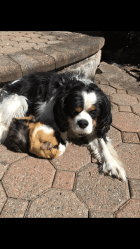
    Chloe with my Guinea Pig Daisy

    actually releases oxytocin (hormone related to anxiety relief), which can help reduce blood pressure!

  6. Mindfullness- For people who are trying to practice mindfulness (anxiety/depression technique that keeps you in the current moment), having a dog will help you do that! They keep you distracted from the bad things that are going on, and make you concentrate on their cute shenanigans.
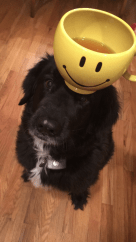
  7. Koda with a cup on his head.

    Help with Isolation- For those days when your depression gets the best of you, they help you feel less lonely and less isolated. They will be there for you when no one else is, and knowing that always makes me feel better.

  8. They allow me to smile- Last year, when my depression and anxiety were at its peak, I forgot how to smile. The only time I smiled was when I was in the presence of my dogs. They taught me how to smile again, and I am so grateful to them.

My dogs have helped give me my life back. While I am still fighting my

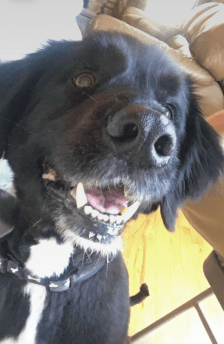
Koda smiling.

depression and anxiety, I am definitely proof that dogs can help in this fight against mental illness. While they also may be a huge responsibility, they are also a huge help in the war with mental illness.

ooOOoo

I will close by stating the obvious.

That is that everyone who has a dog or two in their life and has times of feeling depressed knows without question what it means to hug a dog.

Those who do not have a dog in their life and have experienced depression should find their own dog to hug – pronto!

The mists of the mind

Those inner voices inside our heads!

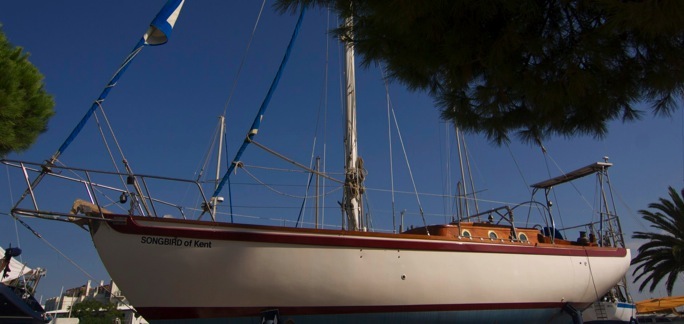
The photograph below is the yacht that I lived on for 5 years, from 1987 though to 1992. My base was Larnaca Marina in the Greek ‘sector’ of the Island of Cyprus although I cruised over much of the Mediterranean during the warm summer months. (Long-term readers, you poor souls, will realise that this isn’t the first time I have spoken of sailing and Tradewinds…)

Songbird of Kent
Tradewind 33 – Songbird of Kent

As I explain over on my ‘author’s’ blog:

During this period Paul became much more aware of the importance of marketing strategy, becoming a Chartered Member of the British Institute of Marketing, and the raft of competencies that deliver entrepreneurial success. In 1986, Paul accepted an offer to sell the Dataview group of companies. (Regrettably, this period also saw the failure of Paul’s marriage to Britta and their subsequent divorce.)

Again, chance intervened in that an Autumn vacation in 1986 to Larnaca in Cyprus resulted in Paul meeting a couple who wanted to sell their yacht, a Tradewind 33, and return to England. Thus very early in 1987, Paul left Essex and became a full-time ‘yachtie’ living on that Tradewind Songbird of Kent in Larnaca marina. Paul was then exposed to the life of an ocean-going sailor returning to Plymouth, Devon via The Azores onboard Songbird of Kent in 1992.

I purchased this Tradewind 33, designed by Englishman John Rock by the way, because somewhere in my soul was a dream to do some solo ocean sailing. Probably inspired by reading too many books written by famous British solo yacht-persons. Such as Robin Knox-Johnston, Chay Blyth, Naomi James, Ellen MacArthur, Pete Goss and the king of them all: Sir Francis Chichester who was the first person ever to sail around the world single-handed.

But it remained a dream for almost all those 5 years. Reason? Because at the start of the summer cruising period each year I slipped out of Larnaca and sailed along the southern coast of Cyprus, up the Western coast and then the open sea crossing to a nearby Turkish harbour, such as Anamur or Alanya. At the end of the summer I would repeat the solo trip in reverse. But I still haven’t said what the core reason was for not being braver and planning a solo ocean voyage.

Because that sailing voyage twice a year, that took me about four days to accomplish, and was undertaken alone, really scared me. I mean scared with a capital ‘S’! For it was impossible to accomplish without many hours of solo sailing at night!

Fast forward a number of years and one day, when I was living on Songbird at Larnaca Marina into the vacant berth next to me came a new visitor to Cyprus. His name was Les Powells and he very quickly explained that he was on his way back to England on his third solo circumnavigation of the world!

imagesInevitably Les and I got chatting over a couple of beers during our evenings together and Les asked me about my sailing ambitions noting that I lived on a yacht that most people purchased for ocean sailing purposes.

I explained my miserable experiences each year going to and fro between Cyprus and Turkey.

Les heard me out and then threw his head back and roared with laughter.

“Paul, what you are experiencing is the adjustment from a land-based life, as in living here in Larnaca, to a water-based life.

I suffer just the same adjustment stress as you have detailed.”

My face conveyed both my amazement and my yearning to learn more.

“Yes, Paul, every time I go to sea solo the first three or four days are hell! I hate them! I only stick with it because there is always a point, (Les really emphasised the word always) usually under a glorious night sky, when I truly become attuned to the life of a solo yachtsman far out from the nearest land and wouldn’t swap it for anything”

“You have to trust this and set out on a solo voyage of more than, preferably much more than, four days sailing.”

Thus in time that’s what happened.

In the Autumn of 1972 I returned to Plymouth in England, via the Azores, sailing solo on Songbird of Kent. Indeed, I was going to republish an article about lighthouses in Oregon but I’m changing tack in mid-stream; so to speak!

I am going to close today’s post by republishing an experience of being alone on the Atlantic Ocean that first graced these blog pages in October 2015. Lighthouses will have to wait.

ooOOoo

There is a place in my mind to which I can so easily travel; a memory of a dark night out in the Atlantic. But first let me set the scene from almost fifty years ago.

The call of the open ocean

Those first few hours were utterly absorbing as I went through the whole business of clearing the yacht harbour at Gibraltar and heading out to the South-West hugging this unfamiliar coastline of Southern Spain. It was tempting to move out to deeper waters but the almost constant flow of large ships through the Straights of Gibraltar soon quashed that idea. Thankfully, the coastal winds were favourable for me and my single-masted sailing yacht.

After such a long time sailing in the relatively confined waters of the Mediterranean, it was difficult for me to imagine that in a few hours time the southern-most point of Spain would pass me by and the vastness of the Atlantic ocean would be my home for the next few weeks.

Soon the city of Tarifa was past my starboard beam and the Spanish coastline was rapidly disappearing away to the North-West. The horizon ahead of me was already approaching 180 degrees of raw, open ocean.  There was just a flicker of a thought that whispered across my mind: “Oh Paul, what have you gone and done” as slowly but persistently the coastlines of Spain to the North and of Africa to the South became more and more distant and fuzzy.  It was at 15:30 that I made an entry in my yacht’s log: “No land in sight in any direction!

Now was the time to make sure that my bunk was made up, flashlights to hand, and my alarm clock ready and set. Alarm clock? Set to go off every twenty minutes during the night! For this was the only way to protect me and my yacht from being hit by one of those gigantic container ships that seemed to be everywhere. It took at least twenty minutes from the moment a ship’s steaming lights appeared above the horizon to crossing one’s path!

It was in the early hours of my first morning alone at sea, when once again the alarm clock had woken me and I was looking around an ocean without a single ship’s light to be seen that more of Les’ words came to me. I remembered asking Les: “What’s the ­appeal of sailing?” Les replied without a moment’s hesitation: “It’s the solitude. When you’re out at sea on your own, there’s no government or bankers to worry about. You’re not ­responsible to anyone but yourself.

Yes, I could sense the solitude that was all around me but it was an intellectual sense not an emotional one. That would come later. Inside, I was still afraid of what I had let myself in for.

Remarkably quickly however, the pattern of solo life aboard a thirty-three-foot yacht became my world. Frankly, it staggered me as to how busy were my days. Feeding myself, navigating, trying to forecast the winds, staying in touch with other yachties via the short-wave radio, keeping the boat tidy and a zillion other tasks meant the first few days and nights just slipped by.

But it was a sight on my fourth night at sea that created the memory that would turn out to remain with me for all my life. The memory that I can go to anytime in my mind.

That fourth night I was already well into the routine of waking to the alarm clock, clipping on my harness as I climbed up the three steps that took me from my cabin into the cockpit, scanning the horizon with my eyes, checking that the self-steering had the boat at the correct angle to the wind and then, if no ships’ lights had been seen, slipping back down into my bunk and sleeping for another twenty minutes. Remarkably, I was not suffering from any long-term tiredness during the day.

It was a little after 3am that fourth night when the alarm clock had me back up in the cockpit once again. Then it struck me.

Songbird was sailing beautifully. There was a steady wind of around ten knots from the south-east, almost a swell-free ocean, and everything set perfectly.  Not a sign of any ship in any direction.

Then I lifted my eyes upwards. There was not a cloud in the night sky, not a single wisp of mist to dim a single one of the million or more stars that were above my head. For on this dark, moonless night, so far removed from any shore-based light pollution, the vastness, yet closeness of the heavens above was simply breath-taking. I was transfixed. Utterly unable to make any rational sense of this night splendour that glittered in every direction in which I gazed. This dome that represented a vastness beyond any meaning other than a reminder of the magic of the universe.

This magic of the heavens above me that came down to touch the horizon in all directions. Such a rare sight to see the twinkling of stars almost touching the starkness of the ocean’s horizon at night. A total marriage of this one planet with the vastness of outer space.

I heard the alarm clock go off again and again next to my bunk down below. But I remained transfixed until there was a very soft lightening of the skyline to the east that announced that another dawn was on its way.

I would never again look up at the stars in a night sky without being transported back to that wonderful night and the memory of a lonely sea and sky.

ooOOoo

Dear, dear Les is still alive and still living on his yacht Solitaire in an English marina. A very close mutual friend, Bob Derham, arranges to visit Les on a very regular basis and take him out for shopping trips and a leisurely pub lunch.

Bob follows this blog and I hope will have the chance to read out today’s post to Les. For my closing sentence is directed to Les, and Les alone: “Dear Les, thank you from the bottom of my heart for the gift you gave me. For it is a rare night when here in rural Oregon when I go outside at the end of the evening and above my head is a clear, black night sky, full of stars, that I am not transported back to that night alone in the Atlantic ocean. I am still rendered speechless in awe of such night skies.”

The deep, dark, wonderful mists of the mind!

Lateral thinking

In debt to Edward de Bono.

One of the great differences between us humans and our beloved dogs is that frequently we think too much! But it’s worse than that. We think too much and get caught up in some spiral from which we can’t think ourselves back out. Perhaps that can be likened to a dog worrying away at something that the dog thinks is being overlooked by it’s human friend, or over-licking a wound or such.

A very quick web search will bring up the background information on Dr. de Bono who was responsible for overturning the way we think. It was de Bono who attended an IBM Office Products management course that I was attending, far too many moons ago, when I was promoted from being a salesman to the first rung of the management ladder; the position of Marketing Manager. It was during de Bono’s talk that I first learned of lateral thinking and what de Bono called the “PO” moment.

Just watch the first minute of this talk to get an appreciation of what the PO moment is. Seriously, the video starts with Simon Middleton defining a PO moment. It’s relevant to the rest of this post.

As you all know Jean has Parkinson’s Disease (PD). We have come to understand that PD affects different people in different ways, albeit there are some aspects that many PD sufferers share.

Take this symptom as described on the APDA website:

Many individuals report difficulties in multitasking and organizing daily activities.

In recent weeks I noticed I was becoming frustrated because although I was suggesting to Jeannie a number of what I thought were pleasant things to do in and around our property they weren’t being done.

As much as I tried to say to myself to chill out, this is all down to Jean’s PD, I couldn’t push out of sight the growing frustration that my help was being rejected, and I know I have a problem dealing with rejection! I really didn’t want my frustration to build up to anger.

Eventually, one morning last week after I came back to the bedroom from having fed the horses and the deer I blurted out, rather clumsily I admit, this frustration that was close to becoming a real annoyance.

At first Jean was upset by what I said, understandably so, but then we settled down to examining each suggestion of mine and where I was coming from. Then the conversation became very productive and in a moment of creative thinking I suggested what turned out to be a ‘PO’ moment. In other words, we had both agreed that while we acknowledged the fact that Jean was not motivated to do the things I was suggesting nonetheless it was important that we choose another day and time to discuss how I should remind Jean of these ‘overlooked’ suggestions and, more importantly, how it could be done in a loving and constructive manner.

It was a fascinating outcome and I immediately jumped out of bed, went to my office room next to the bedroom, grabbed a new, unused notebook and came back to the bedroom.

“Jean, let’s write this down in the book as a reminder of something we need to return to and resolve in a creative way! Let’s call these reminders Pharaoh moments!”

Jean very happily agreed!

I then explained to Jean that this felt very much like one of de Bono’s PO moments and calling it a Pharaoh moment was a beautiful way of remembering our wonderful dog.

It was beyond doubt an example of Jean and me thinking laterally.

So thank you, dear Edward, your legacy still endures.

I will close today’s post by inviting you to watch either or both of these talks by de Bono.

The first is a little over 4 minutes long.

Or a longer video that is still highly recommended:

Published on 22 Oct 2015

Edward de Bono is the originator of the concept of Lateral Thinking, which is now a firm entry in the Oxford English Dictionary. Dr de Bono was born in Malta. As a well-established academic, de Bono was a Rhodes Scholar at Oxford and holds an MA in psychology and physiology from Oxford. He is a Professor at many leading institutions around the world. He is an author of many best-selling books, and is known as the world’s leading authority on thinking.
I write this post as a very happy man who has lived the value and benefits of not bottling up one’s feelings!