Category: People

Discrimination!

Showing how very easy it is to be drawn into poor advice.

A close friend, who for all the right reasons has to remain nameless, recently sent me the following:

Self-performed C P R
Because we care for you!!!
1. Let’s say it’s 7:25 pm and you’re going home (alone of course) after an unusually hard day on the job.
2. You’re really tired, upset and frustrated.
3. Suddenly you start experiencing severe pain in your chest that starts to drag out into your arm and up in to your jaw. You are only about five km from the hospital nearest your home.
4. Unfortunately, you don’t know if you’ll be able to make it that far.
5. You have been trained in CPR, but the guy that taught the course did not tell you how to perform it on yourself.
6. HOW TO SURVIVE A HEART ATTACK WHEN ALONE?
Since many people are alone when they suffer a heart attack without help, the person whose heart is beating improperly and who begins to feel faint, has only about 10 seconds left before losing consciousness.
7. However, these victims can help themselves by coughing repeatedly and very vigorously. A deep breath should be taken before each cough, and the cough must be deep and prolonged, as when producing sputum from deep inside the chest.
A breath and a cough must be repeated about every two seconds without let-up until help arrives, or until the heart is felt to be beating normally again.
8. Deep breaths get oxygen into the lungs, and coughing movements squeeze the heart and keep the blood circulating. The squeezing pressure on the heart also helps it regain normal rhythm. In this way, heart attack victims can get to a hospital.
9. Tell as many other people as possible about this. It could save their lives!
10. A cardiologist says if everyone who gets this mail, kindly sends it to 10 people, you can bet that we’ll save at least one life.
11.  Rather than sending jokes, please..contribute by forwarding this mail which can save a person’s life!
12. If this message comes around to you more than once, please don’t get irritated. You should be happy that you have many friends who care about you and your well-being.

I thought that it would be good to pass this on to all you dear readers; a la Point 11.  So I did a quick web search to find a reliable and authentic source for this advice. Very quickly I came to the American Heart Association’s website and read the following:

Cough CPR

Updated:Dec 10,2014

The American Heart Association does not endorse “cough CPR,” a coughing procedure widely publicized on the Internet. As noted in the 2010 American Heart Association Guidelines for Cardiopulmonary Resuscitation and Emergency Cardiovascular Care, “cough CPR” is not useful for unresponsive victims and should not be taught to lay rescuers.During a sudden arrhythmia (abnormal heart rhythm), it may be possible for a conscious, responsive person to cough forcefully and repetitively to maintain enough blood flow to the brain to remain conscious for a few seconds until the arrhythmia is treated. Blood flow is maintained by increased pressure in the chest that occurs during forceful coughs. This has been mislabeled “cough CPR,” although it’s not a form of traditional resuscitation.

Why isn’t “cough CPR” appropriate in CPR training courses?
“Cough CPR” should not be taught in lay-rescuer CPR courses because it is generally not useful in the prehospital setting. In virtually all lay-rescuer CPR courses, the finding that signals an emergency is the victim’s unresponsiveness. Unresponsive victims will not be able to perform “cough CPR.”

Are there situations when “cough CPR” is appropriate?
“Cough” CPR may be considered in settings such as the cardiac catheterization laboratory where patients are conscious and constantly monitored (for example, with an ECG machine). A nurse or physician is also present who can instruct and coach the patients to cough forcefully every one to three seconds during the initial seconds of a sudden arrhythmia. However, as this is not effective in all patients, it should not delay definitive treatment.

This content was last reviewed on 11/14/2014.

AHA Recommendation

The best strategy is to be aware of the  warning signs for cardiac arrest – sudden loss of responsiveness and no normal breathing – and respond to them by calling 9-1-1.

At the same time this item on WikiPedia came up in the search:

Cough CPR is the subject of a hoax email that began circulating in 1999.[citation needed] It is described as a “resuscitation technique” in which through prolonged coughing and deep breathing every 2 seconds, a person suffering a cardiac dysrhythmia immediately before cardiac arrest can keep conscious until help arrives (or until the person can get to the nearest hospital). Neither the American Heart Association nor the American Red Cross endorses cough CPR during a heart attack.[1].

This confusion appears to revolve primarily over the public’s failure to discriminate between a heart attack, cardiac arrest and cardiac dysrhythmias. A heart attack occurs when an occlusion (e.g. blood clot) of an artery in the heart slowly causes tissue to die. This can result in chest pain and discomfort, and requires immediate medical attention to resolve the occlusion by emergency surgery or cardiac clot-busting drugs. A cardiac dysrhythmia is primarily an electrical problem within the heart, and is sometimes treated with electrolytes, vagal maneuver, or electrical cardioversion. Many dysrhythmias may herald an impending heart attack.[medical citation needed]

So good people, be careful and make a note of the AHA’s recommendation above.

Because our dogs need us to be around for ever!

Yes, it rains in Oregon!

Reflections on where we two Brits live.

We never planned to come and live in Southern Oregon. It was the result of a bizarre dream about our well running dry when we were living back in Payson, Arizona. Someone who was staying with us at the time, upon hearing about my strange dream, responded: “If you’re worried about water go and live in Oregon.”

So we did!

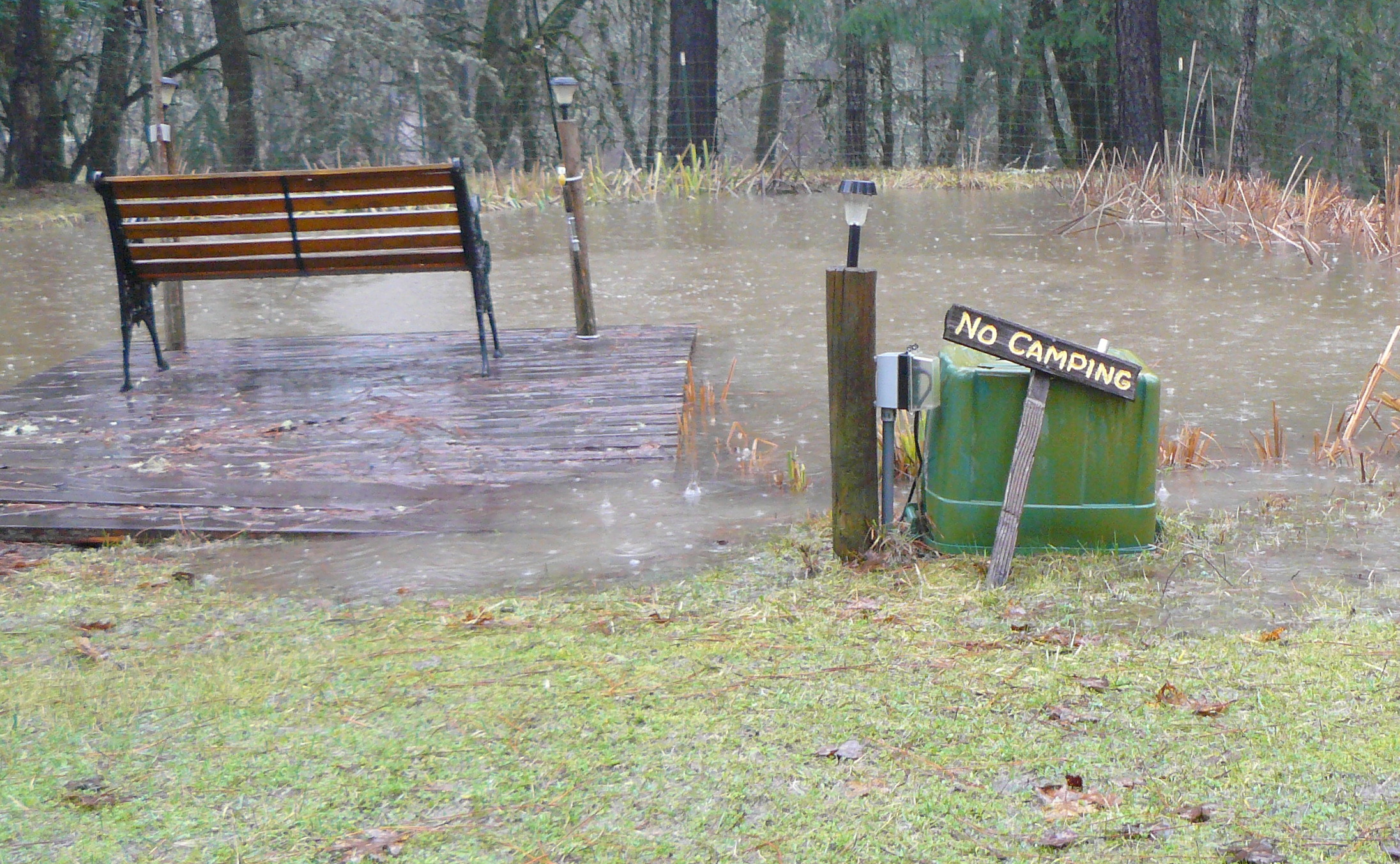
At the time of writing this post (2pm yesterday) our weather station that we have at home had recorded a total of 7.78 inches of rain for January that brought the total for December and January to 25.66 inches. Two days ago we had 2.48 inches in a single day, as these photographs bear out.

Just asas and already
Not even 11am and already 1.8 inches has fallen since midnight.

oooo

A very wet landscape.

oooo

Bummer Creek in full flow (the central pier is from a previous bridge.)

Anyway, all this is a preface to a lovely item about living in Oregon that was sent to me by Janet, a neighbour of ours.

ooOOoo

  • If someone in a Home Depot store offers you assistance and they don’t work there, you live in Oregon.
  • If you’ve worn shorts, sandals and a parka at the same time, you live in Oregon.
  • If you’ve had a lengthy telephone conversation with someone who dialed the wrong number, you live in Oregon.
  • If you measure distance in hours, you live in Oregon.
  • If you know several people who have hit a deer more than once, you live in Oregon.
  • If you have switched from ‘heat’ to ‘A/C’ and back again in the same day, you live in Oregon.
  • If you install security lights on your house and garage but leave both doors unlocked, you live in Oregon.
  • If you can drive 75 mph through 2 feet of snow during a raging blizzard without flinching, you live in Central, Southern or Eastern Oregon.
  • If you design your kid’s Halloween costume to fit over 2 layers of clothes or under a raincoat, you live in Oregon.
  • If driving is better in the winter because the potholes are filled with snow and ice, you live in Oregon.
  • If you know all 4 seasons: almost winter, winter, still winter, and road construction, you live in Oregon.
  • If you feel guilty throwing aluminum cans or paper in the trash, you live in Oregon.
  • If you know more than 10 ways to order coffee, you live in Oregon.
  • If you know more people who own boats than air conditioners, you live in Oregon.
  • If you stand on a deserted corner in the rain waiting for the “Walk” signal, you live in Oregon.
  • If you consider that if it has no snow or has not recently erupted, it is not a real mountain, you live in Oregon.
  • If you can taste the difference between Starbucks, Seattle’s Best, and Dutch Bros, you live in Oregon.
  • If you know the difference between Chinook, Coho and Sockeye salmon, you live in Oregon.
  • If you know how to pronounce Sequim, Puyallup, Clatskanie, Issaquah, Oregon, Umpqua, Yakima and Willamette, you live in Oregon.
  • If you consider swimming an indoor sport, you live in Oregon.
  • If you know that Boring is a city and not just a feeling, you live in Oregon.
  • If you can tell the difference between Japanese, Chinese and Thai food, you live in Oregon.
  • If you never go camping without waterproof matches and a poncho, you live in Oregon.
  • If you have actually used your mountain bike on a mountain, you live in Oregon.
  • If you think people who use umbrellas are either wimps or tourists, you live in Oregon.
  • If you buy new sunglasses every year, because you cannot find the old ones after such a long time, you live in Oregon.
  • If you actually understand these jokes and forward them to all your OREGON friends, you live or have lived in Oregon.

ooOOoo

Picking up that point about never go camping without waterproof matches and a poncho, let me close today’s post by returning to Oregon rain. Or more accurately, to a photograph that I took back last Sunday over at our neighbour’s property.

P1150884All the best, everyone!


Dogs are dirty – Thank Goodness!

A fascinating new study offering insight into the health of our gut!

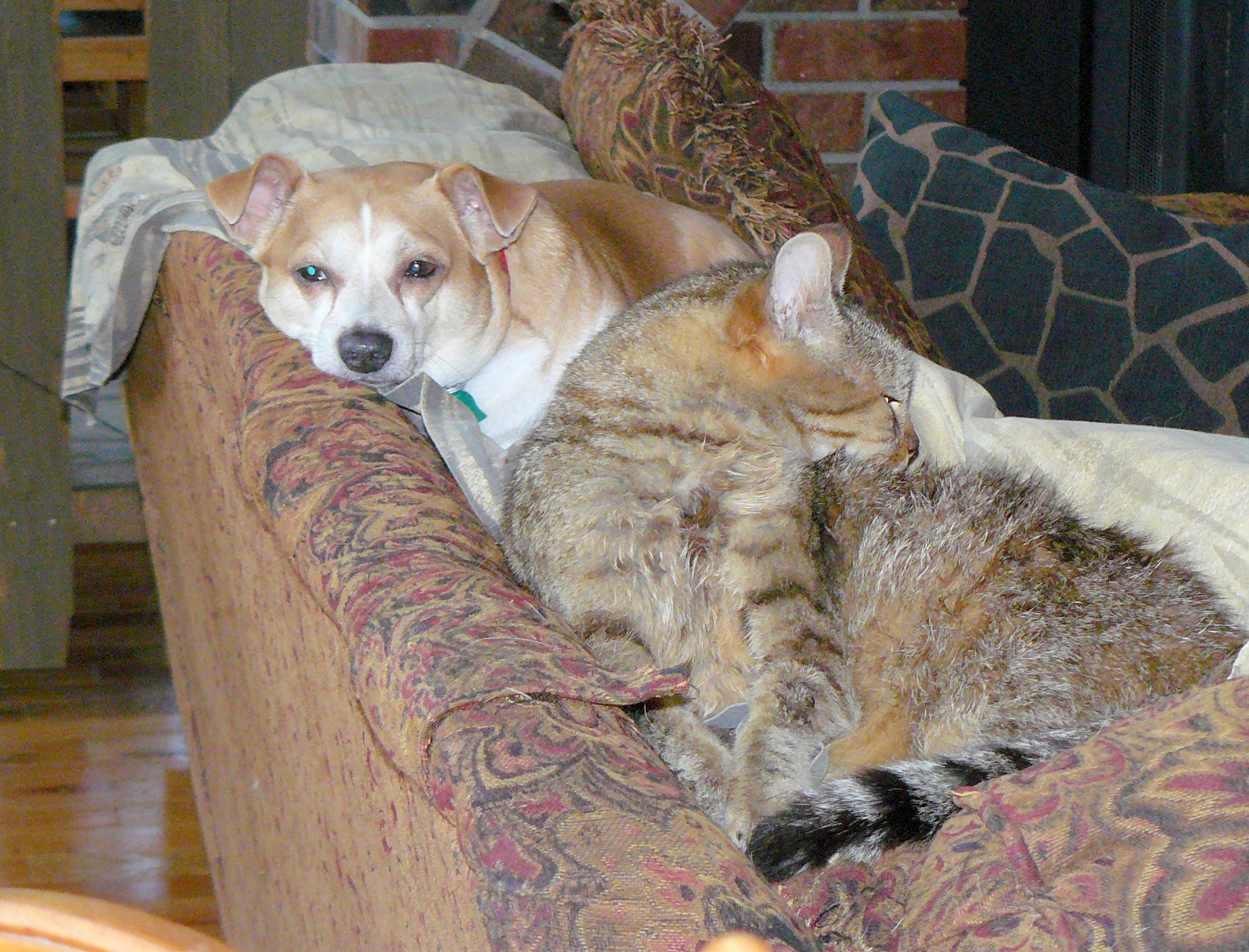
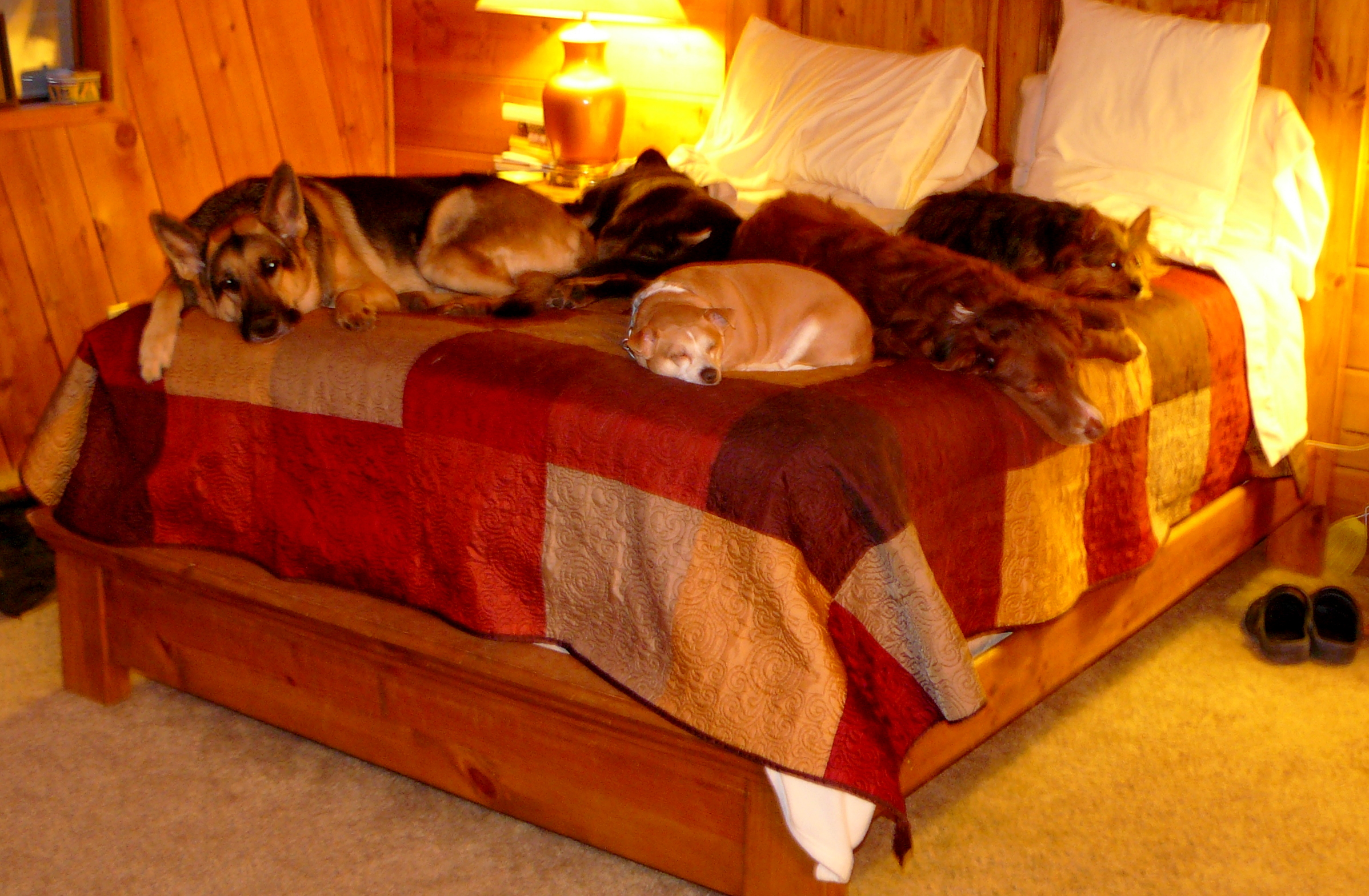
P1150755It doesn’t take too much imagination to appreciate that living in a house and sharing it with nine dogs and four cats doesn’t lend itself to perfect hygiene! Indeed, just yesterday morning we found evidence of mice in one of our bedroom cabinets. Plus both the bedroom and the main living room are never completely free of fleas, as my skin attests to. Then let’s not even speak of the hair and dust around the house!

Plus we live in a very rural location and the dog traffic in and out of the house is a consequence of our lifestyle choices that we do accept (99% of the time! 😉 ).

But possibly living a healthier life as a consequence of our ‘dirty’ animals was not something that would have ever crossed my mind until now, thanks to a recent essay published over on The Conversation site.

Read it and come to your own conclusion. It is republished within the generous terms of The Conversation; viz:

We believe in the free flow of information. We use a Creative Commons Attribution NoDerivatives licence, so you can republish our articles for free, online or in print.

ooOOoo

If being too clean makes us sick, why isn’t getting dirty the solution?

January 13, 2016 5.59am EST

Author: Associate Professor of Surgery, Duke University
image-20151216-30102-sybi4b
Wash up. Riccardo Meneghini/Flickr, CC BY-NC-ND.

Today rates of allergic, autoimmune and other inflammatory diseases are rising dramatically in Western societies. If that weren’t bad enough, we are beginning to understand that many psychiatric disorders, including depression, migraine headaches and anxiety disorders, are associated with inflammation. Perhaps the most startling observation is that our children are afflicted with the same inflammatory problems, contributing to the fact that over 40 percent of US children are on medications for some chronic condition.

And the cause, according to the “hygiene hypothesis,” is that being too clean causes a malformation of the immune system, leading to a wide range of inflammatory diseases. The original idea was that decreased infections in childhood due to hygiene led to a weak immune system, prone to become allergic and inflamed.

If the problem is that we are too clean, then, hypothetically, the issue can be easily resolved. We just need to get dirty, right? Wrong.

Getting dirty doesn’t help our immune system and generally makes inflammation worse. Much worse. That means there is something very wrong with the hygiene hypothesis.

Biodiversity is the real issue

What we actually have is a biodiversity problem. Our clean, indoor-centered lives and a Western diet rich in processed foods have depleted our biomes – the bacteria and worms that naturally live in our bodies, our guts in particular. These organisms play a role in the development and regulation of our immune systems, and scientists have identified the loss of biodiversity as being central to the high rates of inflammatory disease in the developed world.

 Giving up soap won’t help your biome. Bar of soap via www.shutterstock.com.
Giving up soap won’t help your biome. Bar of soap via http://www.shutterstock.com.

The hygiene hypothesis was right…in its day

An increase in inflammatory disorders, like allergies, was first observed about 150 years ago among the aristocracy in Europe, then reached the entire population of the industrialized world by the 1960s, and seems only to have climbed steadily since then.

When trying to understand why inflammatory diseases increased in the late 1800s and throughout the 20th century, scientists put their finger on things such as toilets and water treatment facilities. In those days, having a toilet was “hygiene.”

But times change. After generations of living with toilets and water treatment facilities, some of the wildlife in our bodies has been driven to the point of extinction. Our loss of contact with the soil due to indoor working environments has further depleted the wildlife of our bodies. And the typical Western diet doesn’t help either.

Even if you were to never use soap again for the rest of your life, you would not recover the wildlife your body is missing. Many of the lost organisms of our body don’t exist in North America in the wild, and others you simply won’t come across in your daily life.

On top of tremendous social difficulties imposed by a lack of soap, you’d likely increase your exposure to a lot of aggravating and even dangerous germs. The bacteria and viruses deposited on your shopping cart handle or the light switch at a hotel are generally not good. Those are often the germs of modern society that cause infection and inflammation. Your immune system would remain inflamed, and perhaps be even more agitated than before.

So what exactly are we missing? For practical purposes, it’s important to divide the wildlife of our bodies into two groups: microbes and more complex organisms such as worms. Microbes and worms affect our immune systems in different ways and both are important to be healthy. Biodiversity is the key.

A healthy crop of microbes and a few good worms

What would the gut biomes in our hunter-gatherer ancestors have looked like? A study by Jeffrey Gordon at Washington University in St. Louis showed that people living in modern preindustrial societies had more diverse micriobiome compositions than people living in the United States today. Seventy bacterial species Gordon found in preindustrial people’s biomes were present in very different amounts from those found in the modern U.S. participants.

While each group may have been exposed to different kinds of bacteria in their day-to-day life, the primary reason for the difference in diversity was attributed to diet. The preindustrial folks ate a diet rich in corn and cassava, compared to a U.S. diet rich in animal fat and protein.

And you might think that antibiotics are an issue, but they are usually less of a long-term problem for biodiversity. They can deplete bacteria in the gut microbiome, but the dangerous and disease-inducing tailspin is generally temporary. The microbiome usually recovers quite nicely, for the most part, although some lingering effects can remain.

The second group of organisms that we need are intestinal worms called helminths. These worms are called mutualists, because they benefit from us and we benefit from having them hanging around in our intestines. They used to naturally live in our gut. In fact, only 150 years ago most people in the West had intestinal worms that helped regulate immune function and prevent inflammatory disease. The culprit here isn’t diet, but cleanliness and sanitation.

Eat some fiber. Ali Karimian/Flickr, CC BY-SA.

If getting dirty won’t help your biome, what can you do?

When it comes to bacteria, a healthy diet is the critical ingredient. We can actually achieve a good mixture of gut bacteria very similar to that of our hunter-gatherer ancestors by adopting a good diet high in fiber and low in processed foods. The right diet helps the good bacteria in your gut flourish, and might make it easier for new varieties of good bacteria to take root.

In addition, there are some products that might, in theory, support a more hunter-gatherer-like bacterial flora, by exposing us to the kind of bacteria we don’t encounter anymore, but they haven’t been tested in clinical trials.

Probiotics, generally formulations of bacteria such as bifidobacteria and lactobacilli that grow readily in milk, are safe to use unless patients are severely ill. They could help support biodiversity in our guts if we need to take antibiotics.

Worms are a bit more challenging. There are two schools of thought on how to help helminth-less guts: one is to figure out what makes good worms good for us, and develop a drug that can do the same thing. The other is just to have these good worms living in your intestines.

Personally, I don’t think we can replicate complex biological relationships using a drug. My view is that modern medicine will eventually embrace the actual worm or maybe complex single-celled organisms called protozoans that work the same way, but research in this field is still in the early stages of development.

In the meantime, some intrepid people are going straight for the worm. As in actually acquiring worms in their gut. The challenge for these adventurers is to find a worm that has more benefits than disadvantages.

For instance, the same species of worm can have different effects in different people. The human hookworm, for instance, is commercially available and easily cultured at home. It has been found to treat multiple sclerosis and severe airway hypersensitivity but can also cause severe gastrointestinal distress in many patients.

For now, most individuals interested in immune health will focus on those factors that are risk-free, like avoiding chronic psychological stress, eating well and exercising, and watching out for vitamin D deficiency. These factors, all within our control, are important for avoiding a wide range of inflammation-related diseases, including allergy, autoimmunity, depression and cancer.

ooOOoo

It seems to me that another solution is having more and more dogs and fully embracing them into our lives.

P1150854My case rests!

Cute with a capital ‘K’.

Young animals are especially gorgeous.

Here’s a short video to watch:

And here’s the background story:

Published on Dec 22, 2015

Welcome to the world, tiny otter pup! A wild otter mom gave birth to her pup in our Great Tide Pool over the weekend.

It was then just a mouse click to go to the website of the Monterey Bay Aquarium and read this:

ooOOoo

The squee heard ‘round the world!

Sea Otter gives birth to newborn pup in Monterey Bay Aquarium Tide Pool

As you probably know by now, a wild baby sea otter was born this morning in our Great Tide Pool! For the last several days, a wild female sea otter had been using the protected basin of our Great Tide Pool to rest from the winter storms. Last night, just as the Aquarium closed, she was spotted once again slinking into the pool for some shut-eye. It’s rare for a healthy sea otter to visit the pool so frequently—we started to wonder if she was doing all right.

Sea Otter gives birth to newborn pup in Monterey Bay Aquarium Tide Pool

Well, mystery solved! Around 8:30 a.m., Aquarium staff witnessed a BRAND NEW pup resting on her belly, being furiously groomed by a proud momma. We’re talking umbilical-chord-still-attached, whoa-is-that-yep-that’s-the-placenta new-born otter pup!

Sea Otter gives birth to newborn pup in Monterey Bay Aquarium Tide Pool

In steady waves, Aquarium staff, volunteers, and then the days’ visitors made their way to the back deck to watch a conservation success story taking place—and become fluffier in front of their eyes. Not that long ago, sea otters were hunted to near extinction. Maybe 50 were left in all of California by the early 1800’s. But now, thanks to legislative protection and a change of heart toward these furriest of sea creatures, the otter population has rebounded to steady levels in the Monterey Bay, and with 3,000 total in central California.

Sea Otter gives birth to newborn pup in Monterey Bay Aquarium Tide Pool

We’ll keep you updated on this new otter family—mom may decide to head out any time. As of this writing though, she’s still grooming her pup and enjoying the comfort of our Great Tide Pool. The cute overload continues.

ooOOoo

“The cute overload continues.”

Just wonderful and a very long way from becoming an overload to this person!


The secret of our happiness.

It’s both obvious, and yet it is not!

Anyone who has more than a single dog around them knows how a group of dogs, even just a couple, are fantastic companions. Extending that line of thought brings one immediately to the realisation that a person who lives on their own yet has a dog never experiences the loneliness of a person who lives on their own ‘sans chien’.

So hold that notion in your mind as I introduce an item that was recently published on the Care 2 Living Healthy blogsite. It was called, in part, What really makes us happy and is republished here within the terms of Care 2.

ooOOoo

A 75-Year Study Reveals What Really Makes Us Happy

1372622.largeBy: Becky Striepe, January 8, 2016

Robert Waldinger directed a 75-year study looking at what makes us happy. It boils down to three things, and they’re not the things we tend to think are going to make us happy. His TED Talk about the study findings challenges our most common life goals.

When you ask most people what would make them happy, their answers tend to cluster around achievement. Maybe they think they’d be happier if they were rich or famous. Or maybe they feel like success in their careers would bring them true happiness.

Unlike many studies on happiness, the Harvard Study of Health Development happened in real time. The researchers didn’t rely on memories of past events. Instead, this project—passed down from research team to research team for 75 years—followed a group of 724 men through their lives. They were interviewed every two years, and got complete physicals at every check-in.

When the project began, 268 of the men were sophomores at Harvard University, where the study took place. The other 456 men were inner-city Boston high school students.

Waldinger was the study’s fourth director and in his talk he explains some of the interesting findings about happiness. He says happiness boils down to three things, but if you wanted to sum it up even more succinctly, you could say this: What really makes us happy is social connection.

Jogging

Waldinger says there are three main lessons about what really makes us happy that come from this study:

  1. Social connections are critical to our mental and physical health. Whether it’s relationships with family, friends or neighbors, people who have social connection are happier and healthier. In fact, he says, loneliness is toxic. People who want these relationships but lack them are not only not as happy but they experience worse health.
  2. Your number of friends doesn’t matter. What matters most is the quality of your relationships, not the quantity. People with loving relationships in their lives, not just from spouses, but friends or other family members, had overall better health. Quality of relationships was a better predictor of later-life health than markers we tend to focus on, like cholesterol levels.
  3. Quality relationships are good for brain health. People who have quality relationships in their lives have better memory as they age. People without quality relationships were more likely to experience cognitive decline as they grew older.

He defines a quality relationship as one where you feel like you can count on the other person. He says that doesn’t mean never fighting. It means an overall sense of security.

When you hear these results, they sort of seem like a no-brainer, right? But when the study began, 80 percent of participants said being rich would make them happy. We know on some level that relationships are a key to happiness, but we tend to discount their full importance. Why? Waldinger gets into that in his talk, as well (at around 12:15, if you want to skip ahead). You can watch it in full right here:

Published on Nov 30, 2015

What makes us happy and healthy as we go through life?
If you want to invest in “the good life,” where should you put your time and energy? Robert Waldinger answers these questions with lessons learned from a 75-year-long study of adult life that started in the late 1930s and continues to this day.
Robert Waldinger is a psychiatrist, psychoanalyst, and Zen priest. He directs the Harvard Study of Adult Development at Massachusetts General Hospital in Boston and teaches at Harvard Medical School.

ooOOoo

Thus while this study does not refer to dogs, nonetheless a dog or two (or nine!) does provide a wonderful social connection, as all those who know and love dogs will attest to.

As seen on BarkPost.

The power of WordPress.

Back to the theme of sharing.

The latest WordPress report is out in terms of a review of WordPress blogging for 2015. Here’s how that review opens:

Here’s an incredible fact: together, you published more than 660 million posts on WordPress.com in 2015, and made more than 655 million comments.

That’s a whole lot of joy, laughter, tears, insight, and thoughtfulness. And it’s just one part of a huge global community of people — WordPress now powers more than 25% of the internet — with interests ranging from the news shaping our world to personal stories that shape our own families and lives.

We talked about the serious and the mundane, the silly and the sorrowful; we talked about creativity, sports, marriage, parenthood, politics, love, romance, differences, divisions, and identity.

From all of us at Automattic to everyone in the WordPress.com community: it’s been a thrill to watch, participate in, and support your work.

What an incredible community. One that demonstrates multiple times a day that sharing our lives, our dreams and our fears, is all that matters.

Speaking of large numbers here’s a repeat of something that I published last January.  Hope not too many of you recall it from a year ago.

oooo

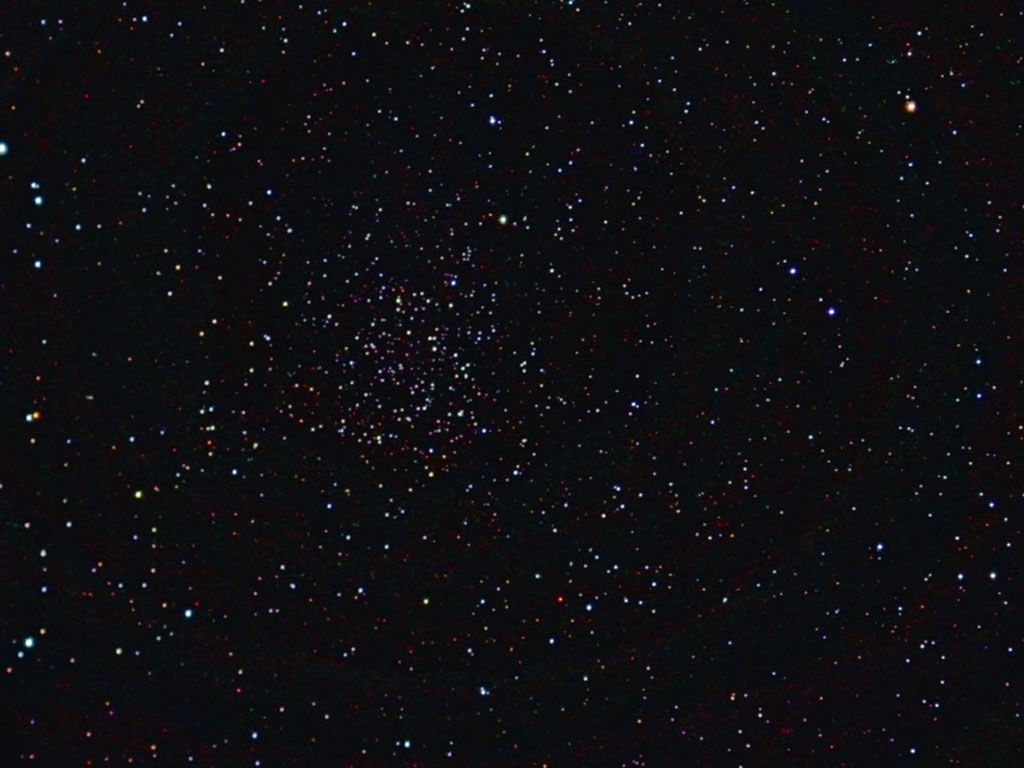
“I see millions of stars.”

Billions and billions of stars

The Lone Ranger and Tonto went camping in the desert.

After they got their tent all set up, both men fell sound asleep. Some hours later, Tonto wakes the Lone Ranger and says,

“Kemo Sabe, look towards sky, what you see?“

The Lone Ranger replies,

“I see millions of stars.“

Tonto then responded,

“What that tell you?“

The Lone Ranger ponders for a minute then says,

“Astronomically speaking, it tells me there are millions of galaxies and potentially billions of planets.

However, astrologically, it tells me that Saturn is in Leo.

Then again, thinking about the time just now, it appears to be approximately a quarter past three in the morning.

From a theologically perspective, it’s evident the Lord is all-powerful and we are small and insignificant.

Finally, meteorologically, it seems we will have a beautiful day tomorrow.

What’s it tell you, Tonto?”

Tonto is silent for a moment, then says,

“Kemo Sabe, you dumber than buffalo chip. Someone has stolen tent.”

oooo

All I want to add is this: Thank you all for taking an interest in Learning from Dogs.

The beauty and power of words!

You are going to love this – guaranteed!

Eleanore MacDonald is the author of the blog Notes From An Endless Sea. It’s a blog that I have been following for a while.

On the last day of last year, I published a post that contained the following:

There is much in this new world that concerns me and I know I am not alone with this view. But the rewards of reading the thoughts of others right across the world are wonderful beyond measure.

Little did I know that in just five days time Eleanore would demonstrate “wonderful beyond measure” par excellence! With her very kind permission I republish in full her post from last Sunday. Please don’t read any further until you can be very still and read Eleanore’s post with your total concentration on her stunningly beautiful prose.

ooOOoo

January 3, 2016
devotion (©Paul Kamm)

I didn’t have to search for it. My word for the year just came to me, and with it, a host of lovely synonyms in its wake. Devotion. Well, devotion––minus the religious connotations––holding hands with dedication, fealty, loyalty, commitment, fortitude and constancy.

In the past I have labored over what it might be for me, that word that embodies all I want to do with my intentions in the year ahead. But this year, it came floating to me like an errant leaf, late falling on a winter’s breeze. It resonated deep within and because it came with an entourage I felt like a farmer with acres and acres of fertile, unblemished land spread before me all waiting for me to plant an endless bounty.

So I start my new cycle, this new year, with the sowing of seeds of intention, digging deeply into this dark, rich soil.  It begins with a renewed Devotion and dedication to loving. To magic. And to beauty.

chalice well, glastonbury
magic
magic

And writing – something I failed so miserably at conjuring last year. A block is no joke, it is a deep, dark hole that any creative soul can fall into and in my case is called ‘writer’s block’, and it is real.  And it sucks.  I banish it now with a loyalty to work, those further and continual efforts to paint with words from a palette-full of color.

words
words
and more words ...
and more words …

And then there is Fealty. A deep and resonant fealty to my love/partner/mate, to family and those dear ones who love me as I am whether broken or whole; to those who love the animals and celebrate empathy, truth and compassion; to those who will be happy for me when I succeed, and cry with me in my sadness, who try to pick me up when I fall, and push me hard to continue to explore the vast continents of my interior and to walk onward along the path to becoming the best I can possibly be.

Those beloveds who allow me, in all of that vulnerability, to do the same for them.

Loyalty. Loyalty to my path. And to the greater good. To honesty, integrity, goodness, caring, loving––to kindness and empathy, to staying awake with eyes and ears and heart attentive to the big world around us, to laughter, to weeping buckets when I’m overflowing, to connection, to speaking up and speaking out (loudly!), to celebrating beauty and color, and to a nurturance of the evolution of soul and spirit, my own and that of others.

loyalty
loyalty
there is a world ...
there is a world …
music
music

Commitment.  To continuing to wield light, through music.

Commitment to seeing the glass half full.

And to the voiceless ones, who really are my reason for being. The animals. Commitment to doing what I can to ease the burden of suffering for those in need of compassion and caring, of rescue and respite.

Dear Ouranos
Dear Ouranos
the grande dame
the grande dame

Commitment to honoring those others who continue to do the hard and mostly thankless work attending to the emergent needs of those barely surviving untenable lives in the shadows; those caring for the pets of the homeless, animals who act as angels for the people of the streets whose only tether left to any comfort in this life is a beloved dog or cat companion; those pulling the newborn kits and pups from garbage bins, or flimsy boxes set in the cold rain along busy streets, those rescuing dogs from a brutal existence of abuse, abandonment, fighting, life at the end of a cold chain; those earthly angels whose hearts have been broken over and over again yet they continue on, continue giving, helping, trying to make a better life and a better world for those left behind.  (I have always held that, were humans to collectively realize that the other beings we share this glowing, gorgeous orb with––the animals, the trees, the waters, the land––all require and deserve our recognition, our action, our honor and caring, then the world’s ills would resolve. And so it goes…)

rescued
rescued
but who rescued who? (©Paul Kamm)

Fortitude. The fortitude to walk my path ahead in constancy, through dark and light with no time or inclination to curl into a ball and sink to the bottom of the well. Life now is too short for that.

Dedication, fealty, loyalty, commitment, fortitude… in action, together they reduce down and distill to a fine and pure constancy of devotion.

I am good with that! Right?

Do you have a ‘word for the year’? If so, do try to hold it close, in honor of its gift. When 2016 comes to pass, I would love to hear what your word was and how it served you. Or, how you served it.

Spreading my wings now…  With love and light, and hopes that your year ahead is graced by all that is good,

Eleanore

all that trails behind

all photos © Eleanore MacDonald except for those taken by Paul Kamm.

ooOOoo

 Adding anything from me runs the risk of diminishing the beauty of Eleanore’s words.

See you tomorrow!

Picture parade one hundred and twenty-nine

Welcome to the New Year!

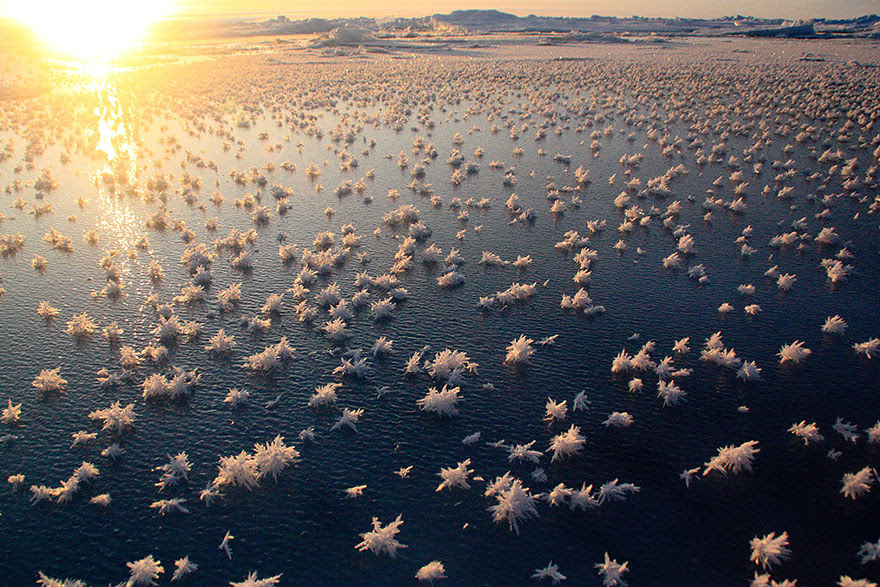
The final set of stunning ice photographs – Set One is here and Set Two here.

ice14oooo

ice15oooo

ice16oooo

ice17oooo

ice18oooo

ice19oooo

ice20oooo

You all take care!

I am what I learn!

Reflections on the old and the new.

So here we are on the last day of 2015, the cusp of a new year and who knows what the next twelve months have in store.

All I am going to do is to reflect on the huge potential our modern ‘wired-up’ world offers for learning.

Most will know the saying, “You can’t teach an old dog new tricks.”

But it is wrong!

Here at home, where a number of the dogs are in their old age (Pharaoh is the equivalent in age of 100 human years; one dog year being approximately the same as eight human years) Jean and I see no difficulty in these elderly dogs learning new tricks.  Staying with Pharaoh, as an example, his hearing is pretty poor now but he has learnt a whole range of hand signals in recent months and he still communicates very well with us.

There is much in this new world that concerns me and I know I am not alone with this view. But the rewards of reading the thoughts of others right across the world are wonderful beyond measure.

Here’s a tiny dip into some fascinating items and articles that have graced my in-box in just the last twenty-four hours.

  • Eckhart Tolle’s Moment Reminder: “As far as inner transformation is concerned, there is nothing you can do about it. You cannot transform yourself, and you certainly cannot transform your partner or anybody else. All you can do is create a space for transformation to happen, for grace and love to enter.”
  • Val Boyco, “Everything comes to us that belongs to us, if we create the capacity to receive it.” ~ Rabindranath Tagore
  • John Zande in his Sketches on Atheism, “Theism’s most potent, pervasive, irresistibly enchanting gift to frightened but otherwise sane individuals is a belief—a promise—that upon their death they will go home.”
  • Mother Nature Network, “7 ways to meditate while you move – If you don’t have time for sitting meditation, give one of these active meditations a try.”
  • George Monbiot, (on the UK floods), “These floods were not just predictable. They were predicted. There were clear and specific warnings that the management of land upstream of the towns now featuring in the news would lead to disaster.”

and my final selection:

  • Patrice Ayme: (from an essay on Brain & Consciousness) “The best microprocessors you can buy in a store now can do 10 to the power 11 (10^11; one hundred billions) operations per second and use a few hundred watts,” says Wilfred van der Wiel of the University of Twente in the Netherlands, a leader of the gold circuitry effort. “The human brain can do orders of magnitude more and uses only 10 to 20 watts.  That’s a huge gap in efficiency.”

So here’s to a new year of wonderful new learnings.  And let me leave you with this additional message for 2016.

Namely that The Nation weekly journal are celebrating their 150 years of publishing the magazine. They recently published a 150th Anniversary edition and the front editorial is written by Katrina Vanden Heuval. There is a ‘break out’ to one side on Page 2 of that editorial that reads:

Change is inevitable, but the one constant in The Nation‘s history has been a faith in what can happen if you tell people the truth.

Finding out the truth and sharing it so we can all see what can happen is my wish for 2016.

Happy New Year to all of you, and to all of your friends and loved ones.

Maggie the teaching dog.

Two views of teaching in the United Kingdom.

The title to today’s post may be a tad misleading, for it doesn’t offer a guide to both aspects of the post.

But first to what prompted the title.

Earlier yesterday, Neil Kelly, friend from my days when I was living in South Devon, sent me a link to a recent BBC News item. Here’s the story:

Maggie the dog made honorary primary school teacher

28 December 2015 Last updated at 04:31 GMT

A dog has become so successful in helping children to read, that she’ has become an honorary member of staff at a school in the West Midlands.

The idea of getting pupils to read to dogs in order to improve their literacy was first tried out in the UK five years ago, but Maggie, a 10-year-old Shih Tzu, has become so successful that she now has her own staff badge at Earls High school in Halesowen.

Phil Mackie went along to meet Maggie, and Grace, another Shih Tzu, who’ is training to take over when Maggie retires.

Teaching Assistant Toni Gregory spoke on behalf of the two literary pups.

Unfortunately, the short video of Toni Gregory speaking hasn’t yet made it to YouTube so I can’t include that in the post. But do go across to here and watch the short interview with Toni. Here’s a picture of Maggie.

_87347683_87347682Moving on!

It’s difficult not to see the connection between Maggie offering teaching services in a UK school and this recent essay from Richard Murphy of the Tax Research UK blog. It is republished in full with Richard’s very kind permission.

ooOOoo

The parents of primary school kids need to get very angry for their children

Posted on

Ninety three per cent of all children in the UK are taught in state schools. The parents of the other seven per cent may wish to pretend otherwise but the truth is that the prosperity, well being and future of the UK is dependent upon the ability of state schools to deliver the education our young people need. But, as the Guardian has reported, that is in jeopardy:

Britain’s leading expert on school recruitment has warned that a shortage of trainee teachers is reaching crisis levels in some of the most important subjects in the curriculum.

In evidence submitted to the parliamentary education select committee, TeachVac, an independent vacancy-matching and monitoring service for education professionals, said that it had identified a “woeful” lack of new teachers in several key secondary school subjects.

This is not a minor issue. As they note:

[TeachVac] has identified an 85% shortfall in the number of trainee teachers needed to fill vacancies in both business studies and social sciences. The number of new teachers for design and technology is also more than a third below what it needs to be and there is a 10% shortfall in the number of IT teachers required.

These are core subjects at the heart of the skill base the UK needs. And we may not be able to teach them.

There are three reasons for that. First, when the government portrays any job in the state sector as parasitical – and large parts of the media join in – any recruitment programme is going to be hard.

Second, student debt is crippling for those on what is thought to be middle pay, which is what many teachers can, at best, hope to earn.

And third, pay is just not good enough.

All of those are the direct result of policy. The first is ideological. The second is born of the desire to economically enslave people though debt which underpins neoliberalism. The third is the austerity mantra.

Put them together and this country will be crippled by denying an education to those who need and deserve it.

We need a new narrative.

The need to supply high quality education has to be at the core of that narrative.

I hope parents of those ten and younger realise what is going to happen to their children. It is not good, and they need to get angry, now.

ooOOoo

It strikes me that we need new narratives on so many issues ‘both sides of the pond’. Maybe, just maybe, 2016 kicks some of these new narratives into play.