Jim Ingraham of our local Caveman Camera Club sent out an email last week.
Wednesday, March 17th will be our next education meeting. It will be a light painting field trip with Dale George as the teacher/instructor.
We will meet at Reinhart Volunteer Park (also known as All Sports Park) at 7 pm. When you go into the park take your first left. Just go to the end of the very long parking lot and you are there.
As much as I don’t want to say this, I gotta…Observe social distancing and wear your facial covering. I want all members to attend. I cannot and would not attempt to enforce this, do what you’re going to do, but please be respectful of others.
Bring camera, tripod, remote shutter (not absolutely necessary), fully charged battery, warm clothes, maybe a headlamp to see your camera dials.
Daylight savings time will be in effect so it won’t be getting dark until 7:30 or so.
Let’s get out of the house and have some fun.
Jim Ingraham
Education Coordinator
Now I didn’t have a clue as to what a “light painting field trip” was but Jeannie agreed to come with me so we both turned up on the 17th at 7pm.
This was the area of the park where we all assembled.
oooo
oooo
oooo
oooo
oooo
In the main a single individual stood in front of us waving a light board in a synchronised manner. It was a flashing board. But there were times when he was joined by a woman and they both swung their own light boards.
Apart from cropping the images a little these photographs are as they were shot!
Talk about incredible!
(The shots were taken with a Nikon D750 with a Nikon 24-120 mm lens attached.
The settings were approximately 30 seconds Bulb f7.1 ISO 320.)
Nothing to do with dogs but everything to do with the future!
An item in The Conversation recently was not only interesting from a scientific point-of-view but also it had real lessons for the way that we humans are interfering with the planet.
As The Conversation introduced the article:
A mile below the surface of the Greenland ice sheet, an ancient Arctic ecosystem is preserved in the frozen soil. How scientists discovered its leaves, twigs and mosses is a story in itself. It starts with a secret military base built into the northern Greenland ice.
In 1963, inside a covert U.S. military base in northern Greenland, a team of scientists began drilling down through the Greenland ice sheet. Piece by piece, they extracted an ice core 4 inches across and nearly a mile long. At the very end, they pulled up something else – 12 feet of frozen soil.
The ice told a story of Earth’s climate history. The frozen soil was examined, set aside and then forgotten.
Half a century later, scientists rediscovered that soil in a Danish freezer. It is now revealing its secrets.
Using lab techniques unimaginable in the 1960s when the core was drilled, we and an international team of fellow scientists were able to show that Greenland’s massive ice sheet had melted to the ground there within the past million years. Radiocarbon dating shows that it would have happened more than 50,000 years ago. It most likely happened during times when the climate was warm and sea level was high, possibly 400,000 years ago.
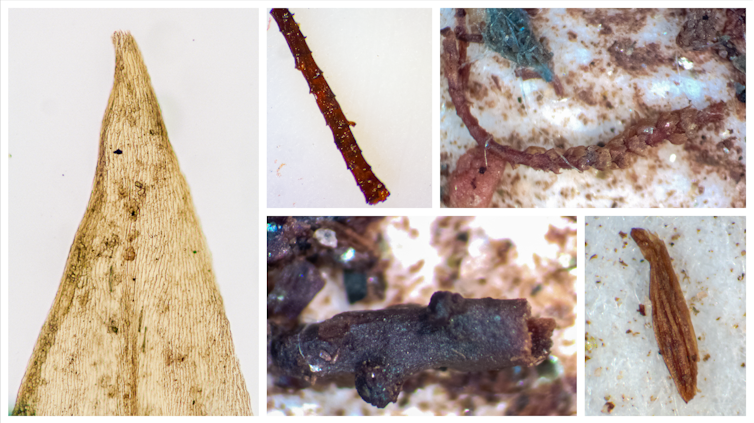
And there was more. As we explored the soil under a microscope, we were stunned to discover the remnants of a tundra ecosystem – twigs, leaves and moss. We were looking at northern Greenland as it existed the last time the region was ice-free. Our peer-reviewed study was published on March 15 in Proceedings of the National Academy of Sciences.
Engineers pull up a section of the 4,560-foot-long ice core at Camp Century in the 1960s. U.S. Army Corps of Engineers
Paul Bierman, a geomorphologist and geochemist, describes what he and his colleagues found in the soil.
With no ice sheet, sunlight would have warmed the soil enough for tundra vegetation to cover the landscape. The oceans around the globe would have been more than 10 feet higher, and maybe even 20 feet. The land on which Boston, London and Shanghai sit today would have been under the ocean waves.
All of this happened before humans began warming the Earth’s climate. The atmosphere at that time contained far less carbon dioxide than it does today, and it wasn’t rising as quickly. The ice core and the soil below are something of a Rosetta Stone for understanding how durable the Greenland ice sheet has been during past warm periods – and how quickly it might melt again as the climate heats up.
Secret military bases and Danish freezers
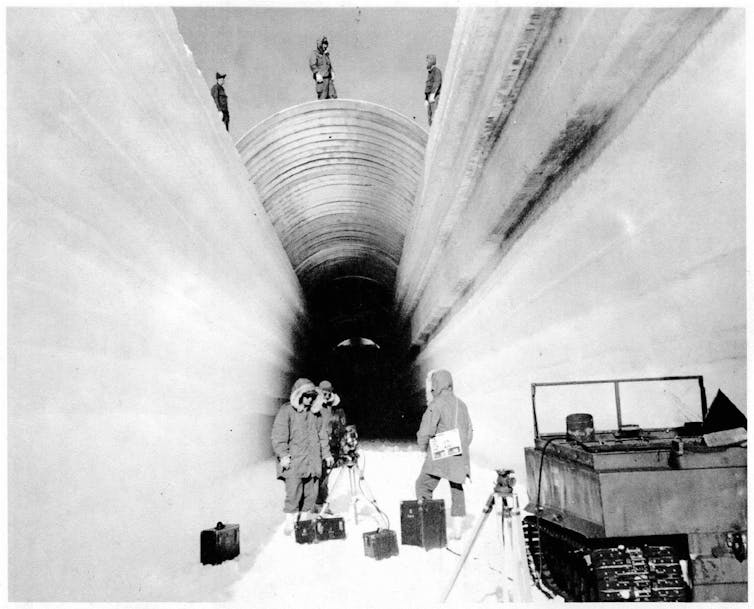
The story of the ice core begins during the Cold War with a military mission dubbed Project Iceworm. Starting around 1959, the U.S. Army hauled hundreds of soldiers, heavy equipment and even a nuclear reactor across the ice sheet in northwest Greenland and dug a base of tunnels inside the ice. They called it Camp Century.
It was part of a secret plan to hide nuclear weapons from the Soviets. The public knew it as an Arctic research laboratory. Walter Cronkite even paid a visit and filed a report.
Workers build the snow tunnels at the Camp Century research base in 1960. U.S. Army Corps of Engineers
Camp Century didn’t last long. The snow and ice began slowly crushing the buildings inside the tunnels below, forcing the military to abandon it in 1966. During its short life, however, scientists were able to extract the ice core and begin analyzing Greenland’s climate history. As ice builds up year by year, it captures layers of volcanic ash and changes in precipitation over time, and it traps air bubbles that reveal the past composition of the atmosphere.
One of the original scientists, glaciologist Chester Langway, kept the core and soil samples frozen at the University at Buffalo for years, then he shipped them to a Danish archive in the 1990s, where the soil was soon forgotten.
A few years ago, our Danish colleagues found the soil samples in a box of glass cookie jars with faded labels: “Camp Century Sub-Ice.”
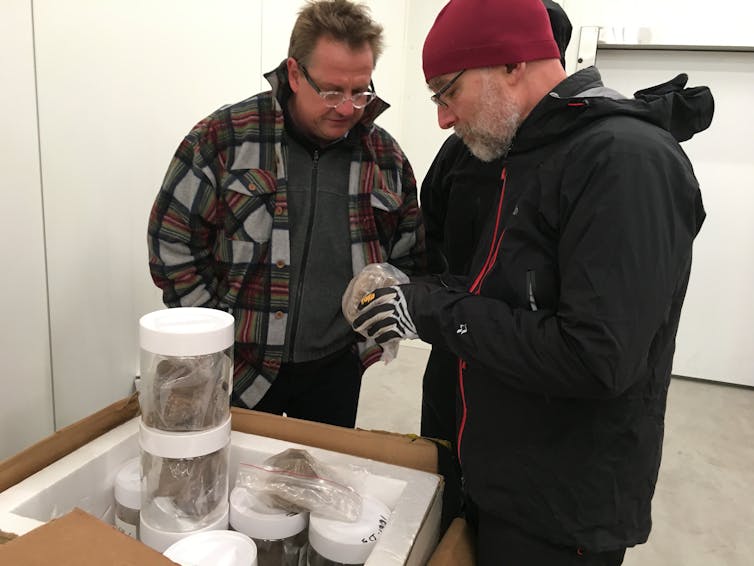
Geomorphologist Paul Bierman (right) and geochemist Joerg Schaefer of Columbia University examine the jars holding Camp Century sediment for the first time. They were in a Danish freezer set at -17 F. Paul Bierman, CC BY-ND
A surprise under the microscope
On a hot July day in 2019, two samples of soil arrived at our lab at the University of Vermont frozen solid. We began the painstaking process of splitting the precious few ounces of frozen mud and sand for different analyses.
First, we photographed the layering in the soil before it was lost forever. Then we chiseled off small bits to examine under the microscope. We melted the rest and saved the ancient water.
Then came the biggest surprise. While we were washing the soil, we spotted something floating in the rinse water. Paul grabbed a pipette and some filter paper, Drew grabbed tweezers and turned on the microscope. We were absolutely stunned as we looked down the eyepiece.
Staring back at us were leaves, twigs and mosses. This wasn’t just soil. This was an ancient ecosystem perfectly preserved in Greenland’s natural deep freeze.
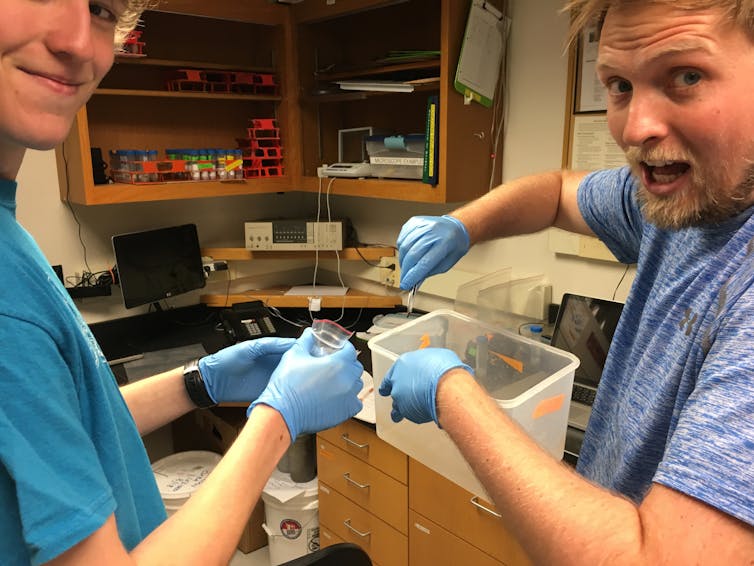
Glacial geomorphologist Andrew Christ (right), with geology student Landon Williamson, holds up the first twig spotted as they washed a sediment sample from Camp Century. Paul Bierman, CC BY-ND
Dating million-year-old moss
How old were these plants?
Over the last million years, Earth’s climate was punctuated by relatively short warm periods, typically lasting about 10,000 years, called interglacials, when there was less ice at the poles and sea level was higher. The Greenland ice sheet survived through all of human history during the Holocene, the present interglacial period of the last 12,000 years, and most of the interglacials in the last million years.
But our research shows that at least one of these interglacial periods was warm enough for a long enough period of time to melt large portions of the Greenland ice sheet, allowing a tundra ecosystem to emerge in northwestern Greenland.
We used two techniques to determine the age of the soil and the plants. First, we used clean room chemistry and a particle accelerator to count atoms that form in rocks and sediment when exposed to natural radiation that bombards Earth. Then, a colleague used an ultra-sensitive method for measuring light emitted from grains of sand to determine the last time they were exposed to sunlight.
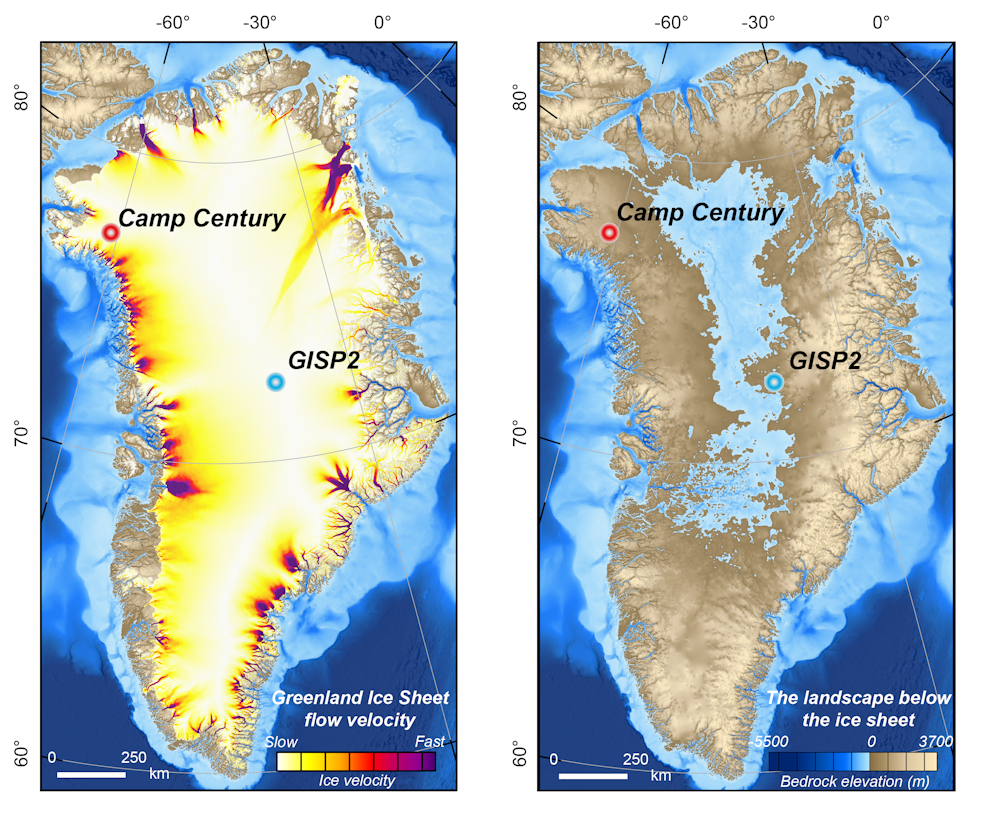
Maps of Greenland show the speed of the ice sheet as it flows (left) and the landscape hidden beneath it (right). BedMachine v3; Copernicus Climate Change Service (C3S), CC BY-ND
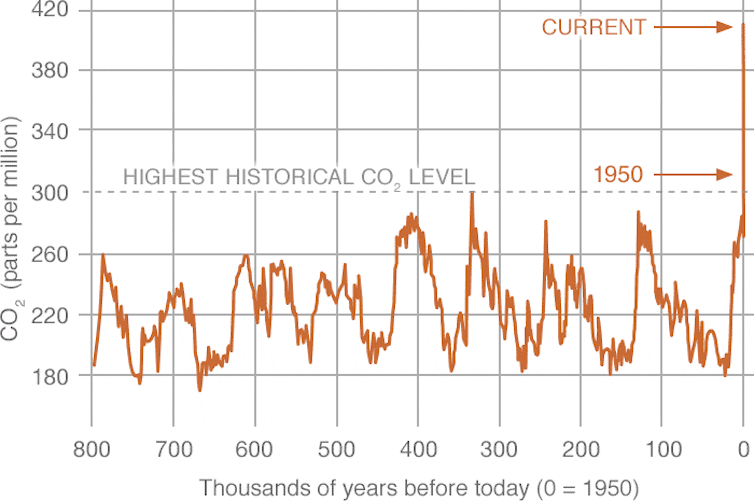
The concentration of carbon dioxide in the atmosphere today is well beyond past levels determined from ice cores. On March 14, 2021, the CO2 level was about 417 ppm. NASA Jet Propulsion Laboratory, CC BY-ND
Losing the Greenland ice sheet would be catastrophic to humanity today. The melted ice would raise sea level by more than 20 feet. That would redraw coastlines worldwide.
About 40% of the global population lives within 60 miles of a coast, and 600 million people live within 30 feet of sea level. If warming continues, ice melt from Greenland and Antarctica will pour more water into the oceans. Communities will be forced to relocate, climate refugees will become more common, and costly infrastructure will be abandoned. Already, sea level rise has amplified flooding from coastal storms, causing hundreds of billions of dollars of damage every year.
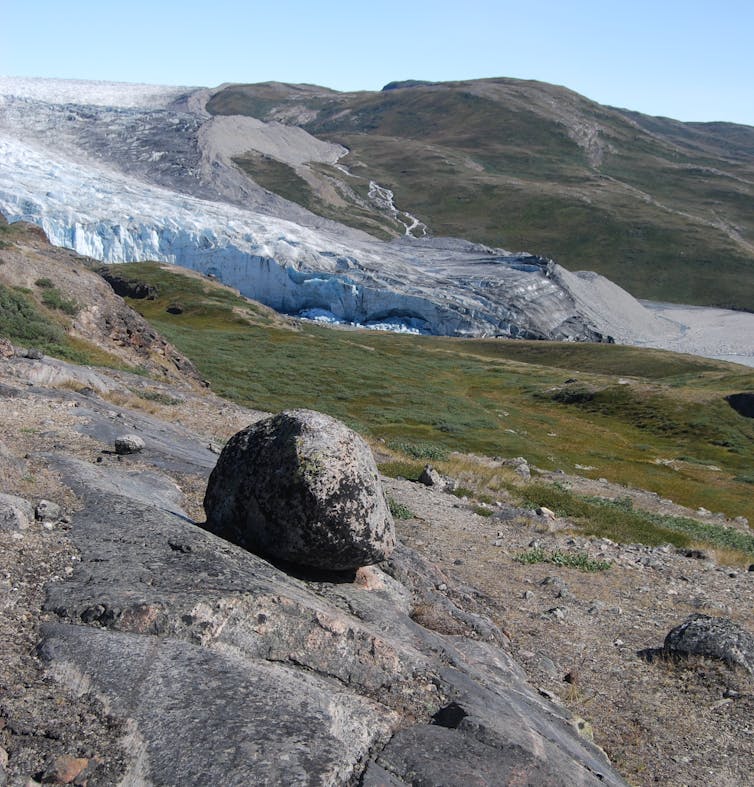
Tundra near the Greenland ice sheet today. Is this what Camp Century looked like before the ice came back sometime in the last million years? Paul Bierman, CC BY-ND
The story of Camp Century spans two critical moments in modern history. An Arctic military base built in response to the existential threat of nuclear war inadvertently led us to discover another threat from ice cores – the threat of sea level rise from human-caused climate change. Now, its legacy is helping scientists understand how the Earth responds to a changing climate.
The article is republished with the full permission of The Conversation.
I hope you read it because the way the climate is changing is affecting all of us now and sooner rather than later we have all got to amend our ways. Indeed, when I look at anyone who has potentially thirty or more years of life in them I ponder what their future is going to be like. And, of course, it won’t be a drastic change in thirty years it is already happening now albeit at times difficult to see.
But there is not one scintilla of doubt that we humans are the cause and we humans have to be the solution!
A man in California who took up wildlife photography a decade ago had never seen anything quite like what he saw this fall — and he was lucky he had his camera with him.
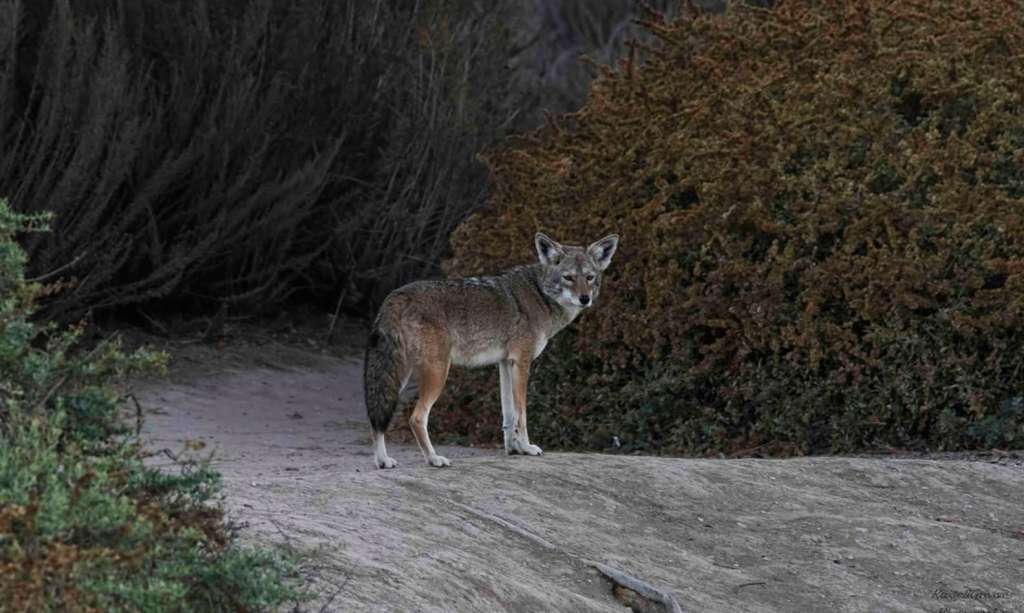
Every morning, Russell Greaves, of Huntington Beach, California, goes out to the Bolsa Chica Ecological Reserve behind his house to immerse himself in that slice of the natural world. He often sees coyotes, enough that he’s begun to recognize individuals in the area.
“A lot of people here just love the coyotes,” Greaves told The Dodo over the phone, during his morning walk on Tuesday.
Russell Greaves
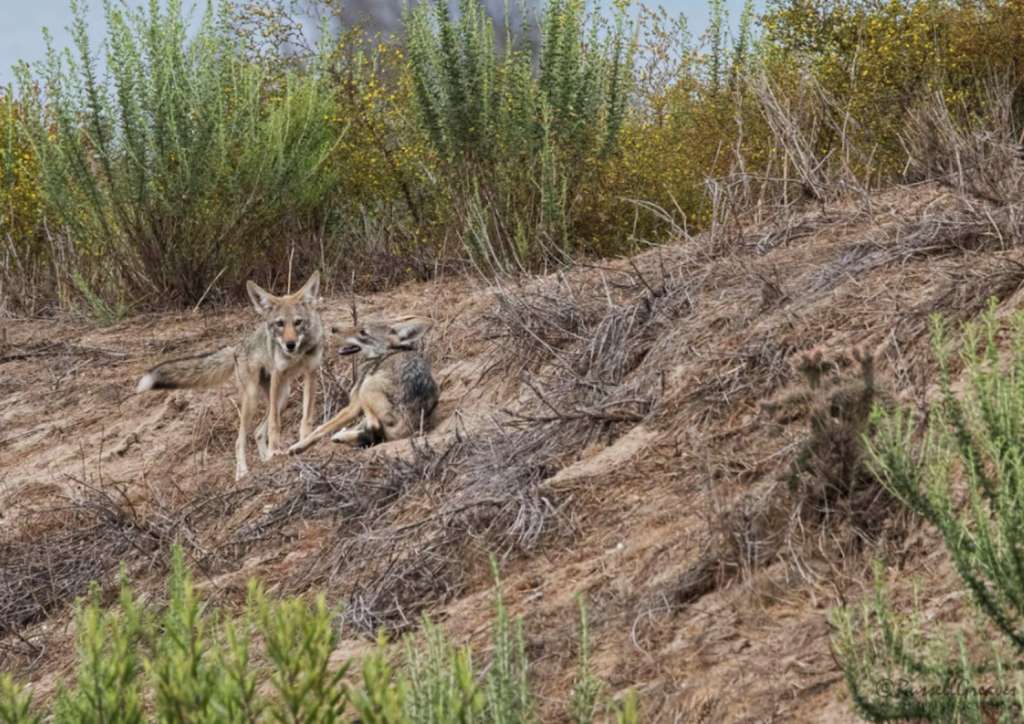
One morning in October, he saw a familiar wild coyote. It was a mom who had given birth to a litter of pups six months before.
“She had had four pups,” Greaves said. “The pups would come out and play around, while dad went out to hunt. But they’re out on their own now.”
Russell Greaves
It was nice to see the mom again — but there was something different about her. And as she got closer, Greaves couldn’t help but laugh.
Russell Greaves
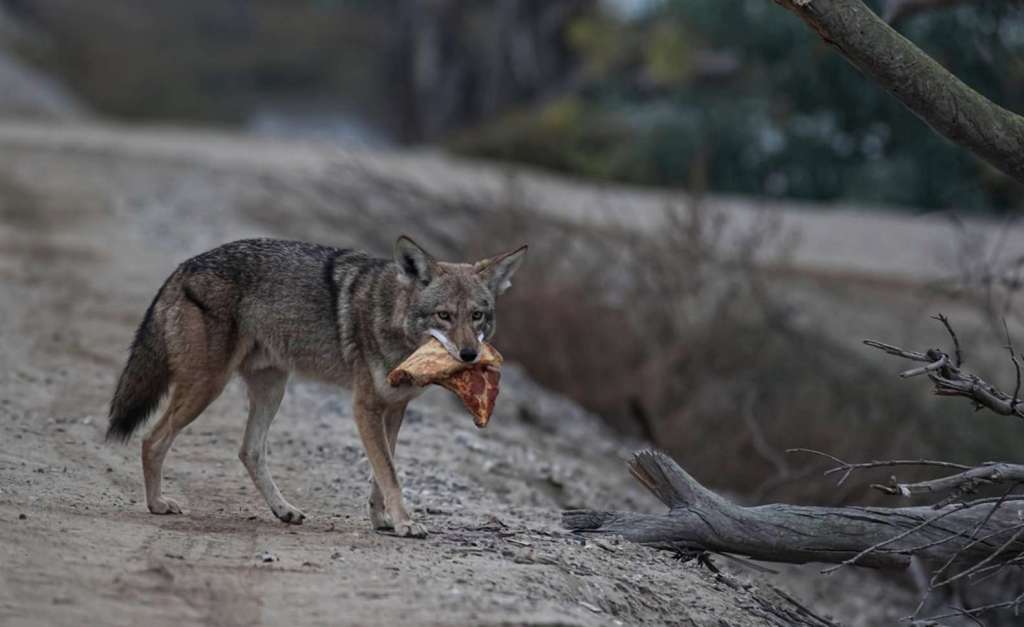
Somehow, the mother coyote had found a pizza — and she decided to go ahead and take it with her.
“It was nearly half a pizza,” Greaves said. It’s not certain where the coyote managed to find this enormous meal. Greaves said that there are some homeless people who camp out in the woods and perhaps she swiped it from them.
Since her pups had already gone out on their own, she probably wasn’t planning on sharing, Greaves speculated. “I thought, ‘This has got to be for herself.’”
Russell Greaves
More important than this meme-worthy sight is the balance the residents of the area have struck with the natural world — something sorely lacking in other communities across the country, where coyotes are often brutally hunted in killing contests.
Admittedly, not everyone loves the coyotes quite as much as Greaves does, but many people are fascinated by the wild family living nearby, and people take precautions to ensure a peaceful coexistence. “We tell people to not feed the coyotes. They’re not here to eat human food,” Greaves said. “We tell people who are walking their little dogs to be careful because the coyotes are around.”
Russell Greaves
“The coyotes come back to the same habitat because they like it here,” Greaves added.
And the coyotes are lucky to have people like Greaves, who love having them there.
Another international story of love and caring for our dogs.
This time about homeless or stray dogs and in Peru. Again it was written by Stephen Messenger and was shared on The Dodo website. Again it is about the fundamental goodness that is in a great many humans spanning continents.
ooOOoo
Nice Restaurant Owner Prepares A Free Meal For Every Stray Dog Who Visits
“They pay us with their happiness and wagging tails” ❤️
By Stephen Messenger
Published on the 26th February, 2021
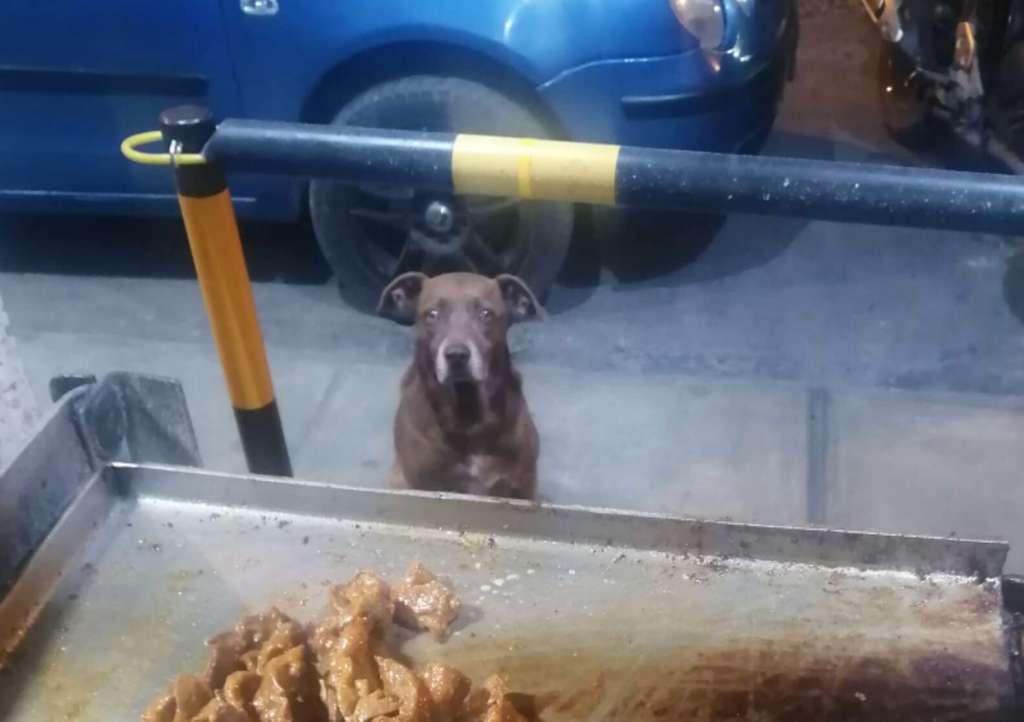
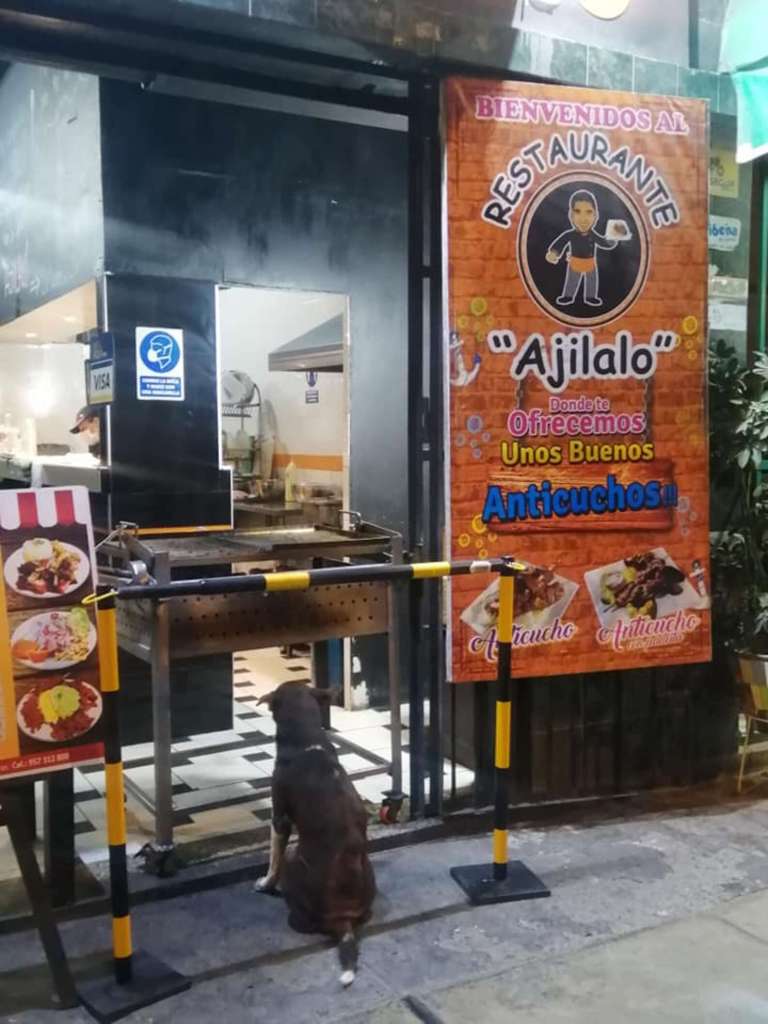
One evening five years ago, an unexpected customer dropped by Gerardo Ortiz’s restaurant, Ajilalo, in Peru. It was a stray dog, a look of hunger in her eyes.
Ortiz could have easily turned the dog away. But he didn’t.
Restaurante – Ajilalo
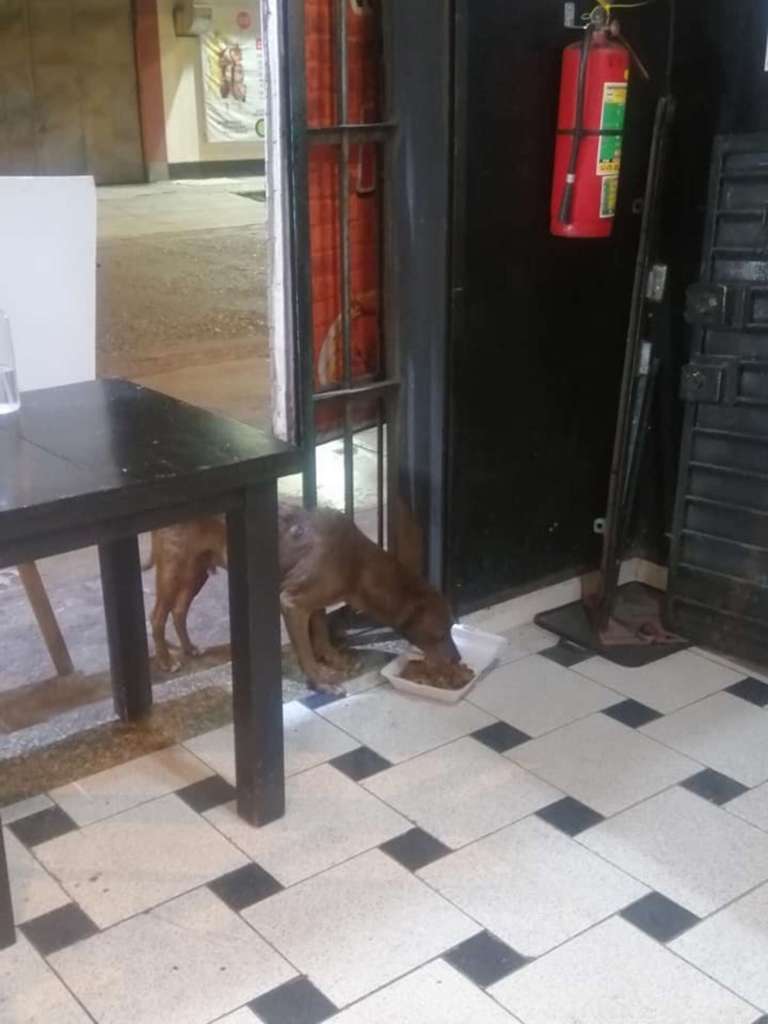
That evening, Ortiz offered the dog a free meal, made just for her.
And thus began an adorable tradition that continues to this day.
Restaurante – Ajilalo
Each evening, from then on, the hungry dog came and received a free meal from Ortiz’s restaurant.
But it didn’t take long for word of Ortiz’s kindness and generosity to spread among the community of local stray pups.
More dogs began to arrive with that first visitor— and Ortiz welcomed them all with a meal.
Restaurante – Ajilalo
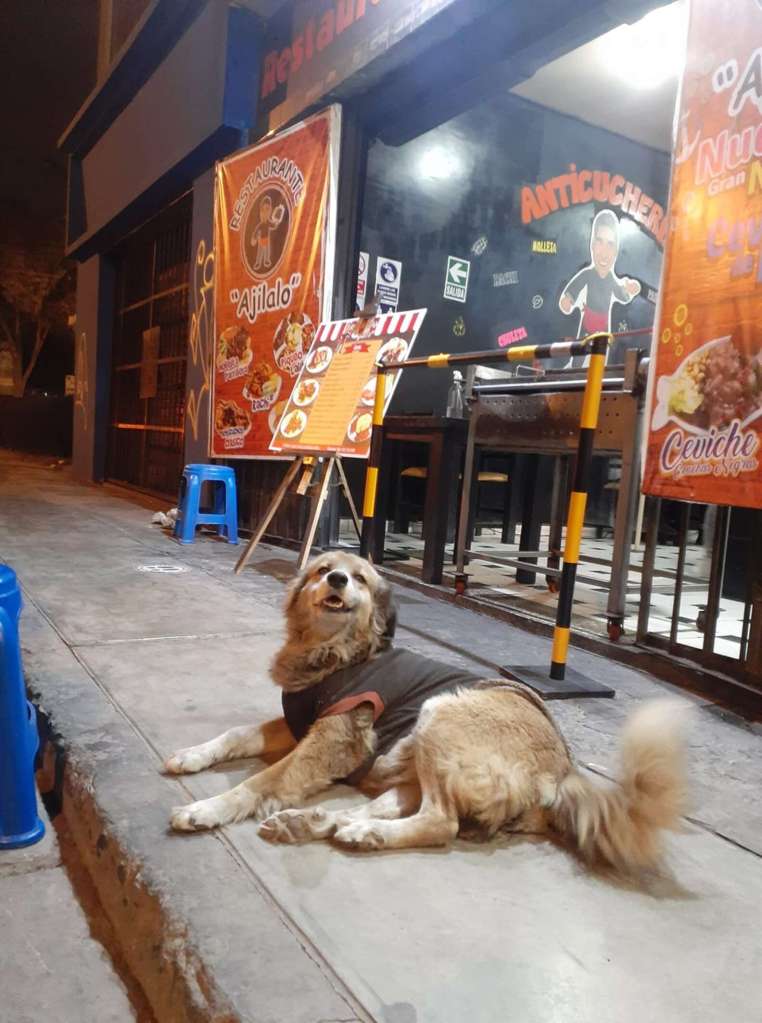
Nowadays, numerous stray dogs arrive to the doors of Ortiz’s restaurant each night. Many are regular “customers,” while others are first-timers — all hoping to fill their bellies thanks to Ortiz’s kindness.
Restaurante – Ajilalo
Often, as Ortiz is working, he’ll look up and see a new dog’s face at the front — waiting politely to see if the rumor that free food can found there is true.
It always is.
Restaurante – Ajilalo
“For me, they are the best customers,” Ortiz told The Dodo.
And his human customers hardly take that as a slight. Inspired by Ortiz, they often bring food for the visiting dogs as well.
Restaurante – Ajilalo
“Thankfully, our clients have reacted well to the dogs,” Ortiz said. “They are affectionate toward them.”
Restaurante – Ajilalo
Ultimately, Ortiz’s sweet routine of feeding all the stray dogs who visit does more than keep them from being hungry. It lets them know that their lives matter — a truth that Ortiz is happy to prove to them each and every day.
Restaurante – Ajilalo
“They do not pay us with money, but they pay us with their happiness and wagging tails,” Ortiz said. “They are very grateful, and we enjoy giving more than receiving. Since I was a child, I have loved animals. My mother always taught us to help others, both people and animals. She’s my inspiration.”
ooOOoo
This is such a wonderful share. Snr Ortiz confirms what we know absolutely. That people who care for animals care for so much more. As Gerardo says: “It lets them know that their lives matter.”
I am minded to remember when I first met Jean in December, 2007. Jean was living in San Carlos, Northern Mexico, and had been for many years. Her husband, Ben, had died in 2005.
Jean was rescuing street dogs off the streets of San Carlos and surrounding areas, caring for them, neutering or spaying them, and then finding homes for them mainly in Arizona, USA. Many, many dogs owed their lives to Jean’s love for those dogs. In 2010, after I had gone out to San Carlos with my Pharaoh to live with Jean and her dogs in 2008, we came North to Arizona to find a U.S. home and be married. We came through the Mexican-US border with 16 dogs, all of them with their paperwork in order. I will always recall the American border agent, after I had approached him with all the paperwork, leaning out of his booth and calling to the agent in the next booth: “Hey Jake, there’s a guy here with sixteen dogs!”
Jean and I were married in Payson, AZ on the 20th November, 2010.
Mr and Mrs Handover
Very sweet memories and the start of a loving era in our lives.
Back on Monday I spoke of Rik and his company Ahead4Heights.
Rik then sent me another piece of news about a film that he produced at short notice for Brixham Council.
Recent projects being a the Front page of the local rag, a roof inspection in Teignmouth for one of the largest local roofing contractors who is now on board and promising more work.
More interesting was a commission from Brixham Council for a short film showing the natural beauty of an area near Brixham in order to oppose a planning application for 400 houses. I received a call on that Friday telling me they needed the film for the public inquiry the following Tuesday! With only that Sunday looking good for flying I managed to fly, edit and upload the film later that evening so they had it for Monday morning, it was played at the hearing and has become a pivotal part of the evidence and was watched over 600 times over the following few days.
The land in question is dog walkers heaven and used by all the local residents.
Here is that front page of the Herald Express.
I regret that it is probably far too small a file to show the details. Never mind!
My son, Alex, recently shared on Facebook a video posted by Rik Christiansen who is the son of my elder sister, Rhona, now dead unfortunately.
This is what Alex said:
Anybody who needs Drone survey’s, my cousin has a business in Devon
Please go across to Rik’s website, Ahead4Heights, and also watch his promotional video; luckily on YouTube so it may be shared.
This is a short promotional film that showcases Ahead4Heights abilities within the drone industry as well as our production and editing skills. All footage, music, sound design, editing and production was created in-house. We are a complete solution.
Who knows!
It is not the first time I have written about Rik! Here is a previous post.
I subscribe to Ugly Hedgehog, a forum about all things photographic.
It is a mine of information, people share incredible photographs, and much more.
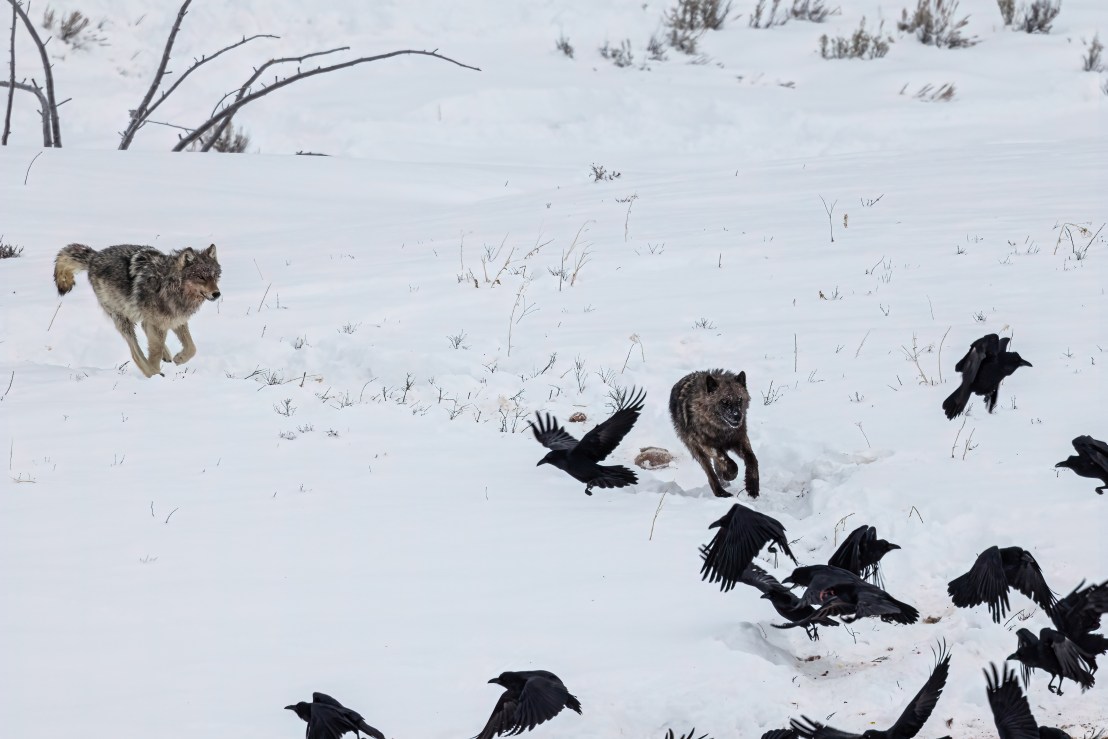
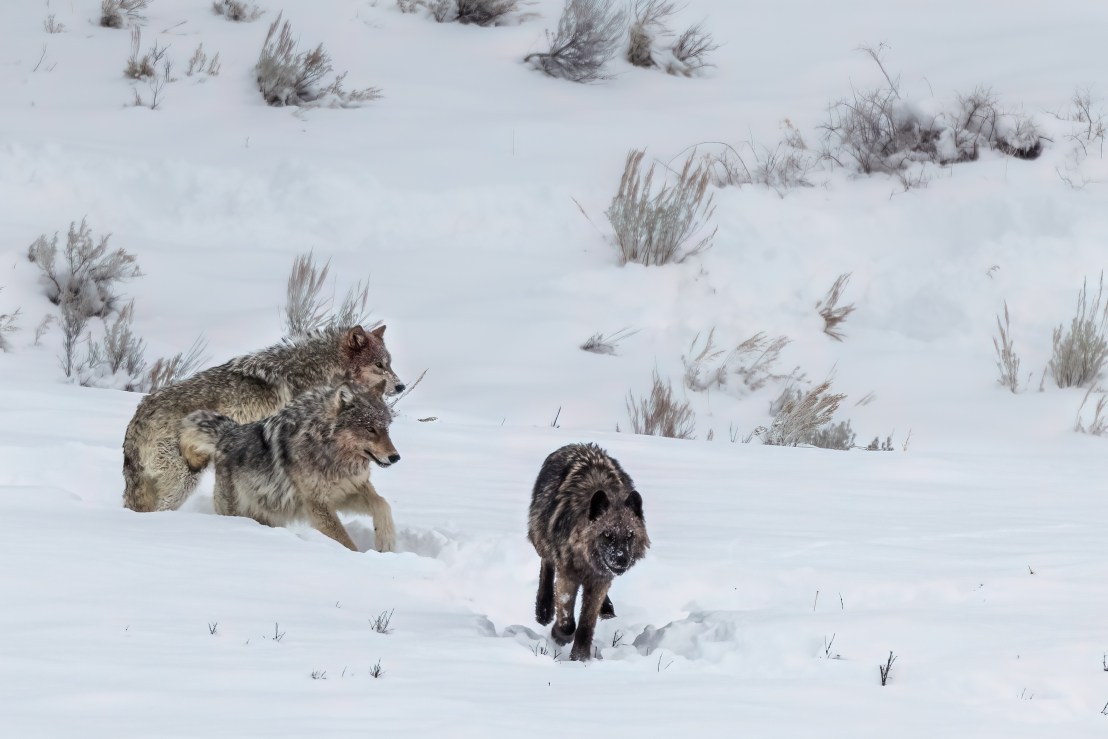
On February 17th this year Photolady2014 published a set of photographs of wolves that were just gorgeous.
This is how she introduced the pictures:
So I am still on cloud 9 seeing wolfs rather close. They were about 150 feet away. Not the quality that the pros were getting who were there. I have seen their photos and well I still have a lot to learn. But, for someone who just started wildlife a couple of years ago, I will take these! If you do the download you will see they are not all bad. I have had to do some sharpening and noise reduction. The pros were all using the 600mm F4 with 2x extenders.
Me: Canon R5, 100-500 & 1.4 extender. All are at 700mm.
I asked if I could share them on Learning from Dogs and said Photolady2014 of South West Colorado said ‘Yes’.
Here they are:
oooo
oooo
oooo
oooo
oooo
oooo
Photolady went on to report:
This is the Wapiti pack in Yellowstone.
We sat in below 0 weather for about 4 hours watching them and the coyotes who were patiently waiting their turn to eat!
Fabulous pictures and one can’t help thinking that some 23,000 years ago there started the long journey of domestication, and the bonding between humans and wolves brought about the dog.
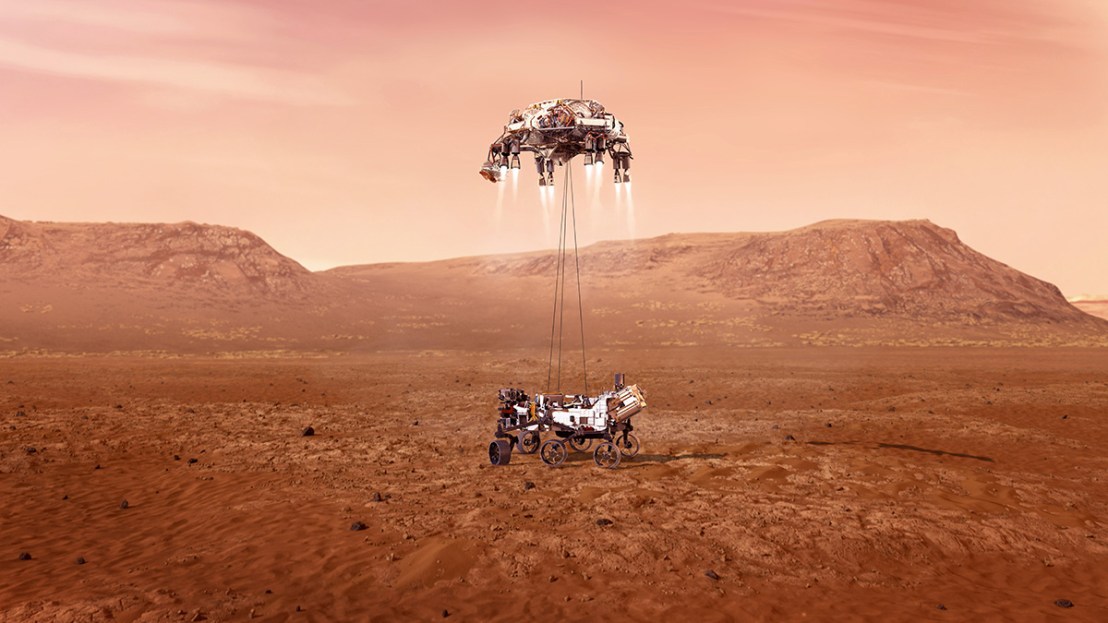
Mission Duration: At least one Mars year (about 687 Earth days)
Main Job: The Perseverance rover will seek signs of ancient life and collect rock and soil samples for possible return to Earth.
As someone who watched the television non-stop in 1969 to see man’s remarkable achievement, NASA has been an organisation of considerable interest all my life.
At 10:56 p.m. EDT Armstrong is ready to plant the first human foot on another world. With more than half a billion people watching on television, he climbs down the ladder and proclaims: “That’s one small step for a man, one giant leap for mankind.“
I make no apologies for republishing this further article about the health of one’s gut. Apart from the relevance at this time in terms of defeating Covid-19 the health of one’s digestive system is key and, essentially, the digestive system is the gut.
Read it and if you need to adjust your diet, DO IT!
ooOOoo
A healthy microbiome builds a strong immune system that could help defeat COVID-19
By Ana Maldonado-Contreras
Assistant Professor of Microbiology and Physiological Systems, University of Massachusetts Medical School
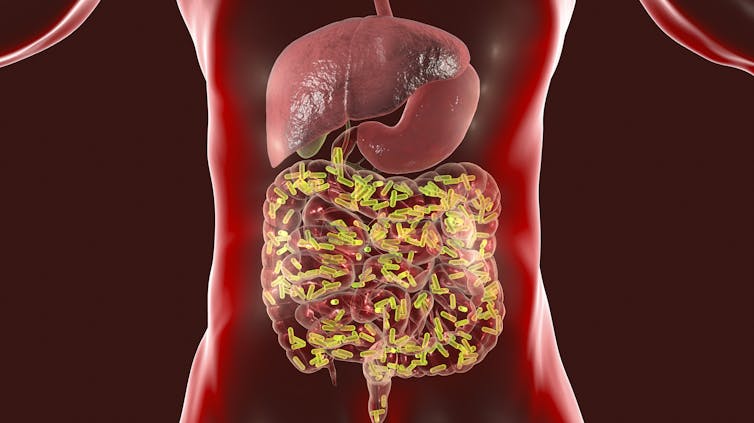
The microbes living in the gut are key to good health. Dr_Microbe/iStock/Getty Images Plus Ana Maldonado-Contreras, University of Massachusetts Medical School
Takeaways
Your gut is home to trillions of bacteria that are vital for keeping you healthy.
Some of these microbes help to regulate the immune system.
New research, which has not yet been peer-reviewed, shows the presence of certain bacteria in the gut may reveal which people are more vulnerable to a more severe case of COVID-19.
You may not know it, but you have an army of microbes living inside of you that are essential for fighting off threats, including the virus that causes COVID-19.
In the past two decades scientists have learned our bodies are home to more bacterial cells than human ones. This community of bacteria that lives in and on us – called the microbiome – resembles a company, with each microbe species performing specialized jobs but all working to keep us healthy. In the gut, the bacteria balance the immune response against pathogens. These bacteria ensure the immune response is effective but not so violent that it causes collateral damage to the host.
Bacteria in our guts can elicit an effective immune response against viruses that not only infect the gut, such as norovirusand rotavirus, but also those infecting the lungs, such as the flu virus. The beneficial gut microbes do this by ordering specialized immune cells to produce potent antiviral proteins that ultimately eliminate viral infections. And the body of a person lacking these beneficial gut bacteria won’t have as strong an immune response to invading viruses. As a result, infections might go unchecked, taking a toll on health.
I am a microbiologist fascinated by the ways bacteria shape human health. An important focus of my research is figuring out how the beneficial bacteria populating our guts combat disease and infection. My most recent work focuses on the link between a particular microbe and the severity of COVID-19 in patients. My ultimate goal is to figure out out how to enhance the gut microbiome with diet to evoke a strong immune response – for not just SARS-CoV-2 but all pathogens.
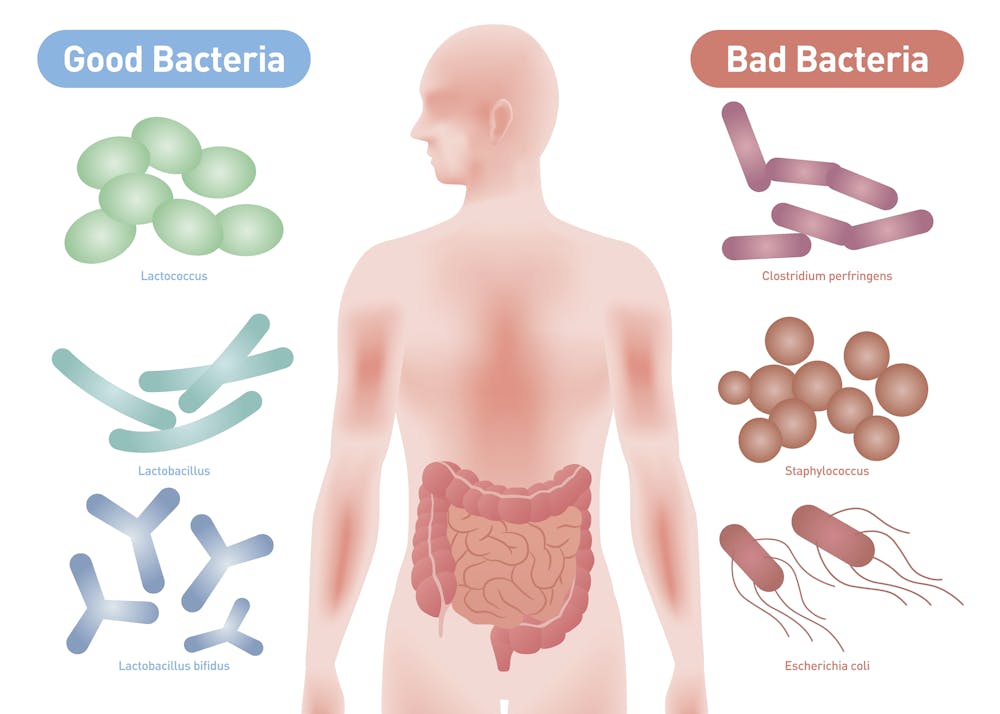
Good bacteria help the immune system ward off harmful microbes. chombosan/iStock/Getty Images Plus
How do resident bacteria keep you healthy?
Our immune defense is part of a complex biological response against harmful pathogens, such as viruses or bacteria. However, because our bodies are inhabited by trillions of mostly beneficial bacteria, virus and fungi, activation of our immune response is tightly regulated to distinguish between harmful and helpful microbes.
Our bacteria are spectacular companions diligently helping prime our immune system defenses to combat infections. A seminal study found that mice treated with antibiotics that eliminate bacteria in the gut exhibited an impaired immune response. These animals had low counts of virus-fighting white blood cells, weak antibody responses and poor production of a protein that is vital for combating viral infection and modulating the immune response.
In another study, mice were fed Lactobacillus bacteria, commonly used as probiotic in fermented food. These microbes reduced the severity of influenza infection. The Lactobacillus-treated mice did not lose weight and had only mild lung damage compared with untreated mice. Similarly, others have found that treatment of mice with Lactobacillus protects against different subtypes ofinfluenzavirus and human respiratory syncytial virus – the major cause of viral bronchiolitis and pneumonia in children.
Fermented foods like kimchi, red beets, apple cider vinegar, coconut milk yogurt, cucumber pickles and sauerkraut can help provide beneficial bacteria. marekuliasz/iStock/Getty Images PlusChronic disease and microbes
Patients with chronic illnesses including Type 2 diabetes, obesity and cardiovascular disease exhibit a hyperactive immune system that fails to recognize a harmless stimulus and is linked to an altered gut microbiome.
In these chronic diseases, the gut microbiome lacks bacteria that activate immune cells that block the response against harmless bacteria in our guts. Such alteration of the gut microbiome is also observed in babies delivered by cesarean section, individuals consuming a poor diet and the elderly.
Research in my laboratory focuses on identifying gut bacteria that are critical for creating a balanced immune system, which fights life-threatening bacterial and viral infections, while tolerating the beneficial bacteria in and on us.
Given that diet affects the diversity of bacteria in the gut, my lab studies show how diet can be used as a therapy for chronic diseases. Using different foods, people can shift their gut microbiome to one that boosts a healthy immune response.
A fraction of patients infected with SARS-CoV-2, the virus that causes COVID-19 disease, develop severe complications that require hospitalization in intensive care units. What do many of those patients have in common? Old age and chronic diet-related diseases like obesity, Type 2 diabetes and cardiovascular disease.
Minority communities continue to bear the brunt of the pandemic. Blake Nissen for The Boston Globe via Getty Images
Discovering microbes that predict COVID-19 severity
The COVID-19 pandemic has inspired me to shift my research and explore the role of the gut microbiome in the overly aggressive immune response against SARS-CoV-2 infection.
My colleagues and I have hypothesized that critically ill SARS-CoV-2 patients with conditions like obesity, Type 2 diabetes and cardiovascular disease exhibit an altered gut microbiome that aggravates acute respiratory distress syndrome.
Several studies described in one recent review have identified an altered gut microbiome in patients with COVID-19. However, identification of specific bacteria within the microbiome that could predict COVID-19 severity is lacking.
To address this question, my colleagues and I recruited COVID-19 hospitalized patients with severe and moderate symptoms. We collected stool and saliva samples to determine whether bacteria within the gut and oral microbiome could predict COVID-19 severity. The identification of microbiome markers that can predict the clinical outcomes of COVID-19 disease is key to help prioritize patients needing urgent treatment.
We demonstrated, in a paper which has not yet been peer reviewed, that the composition of the gut microbiome is the strongest predictor of COVID-19 severity compared to patient’s clinical characteristics commonly used to do so. Specifically, we identified that the presence of a bacterium in the stool – called Enterococcus faecalis– was a robust predictor of COVID-19 severity. Not surprisingly, Enterococcus faecalis has been associated with chronicinflammation.
Enterococcus faecalis collected from feces can be grown outside of the body in clinical laboratories. Thus, an E. faecalis test might be a cost-effective, rapid and relatively easy way to identify patients who are likely to require more supportive care and therapeutic interventions to improve their chances of survival.
Bacteria from the gut microbiome are responsible for the proper activationof those T-regulatorycells. Thus, researchers like me need to take repeated patient stool, saliva and blood samples over a longer time frame to learn how the altered microbiome observed in COVID-19 patients can modulate COVID-19 disease severity, perhaps by altering the development of the T-regulatory cells.
As a Latina scientist investigating interactions between diet, microbiome and immunity, I must stress the importance of better policies to improve access to healthy foods, which lead to a healthier microbiome. It is also important to design culturally sensitive dietary interventions for Black and Latinx communities. While a good-quality diet might not prevent SARS-CoV-2 infection, it can treat the underlying conditions related to its severity.
Please note that obesity is regarded as a chronic illness.
Let me reprint a paragraph from the article:
In the U.S., 117 million individuals – about half the adult population – suffer from Type 2 diabetes, obesity, cardiovascular disease or a combination of them. That suggests that half of American adults carry a faulty microbiome army.
This is not funny. Good eating, typically the Mediterranean diet, is not difficult.
But to get you in the mood, I am going to start with this video about small dog breeds for young persons.
Right, now to the essence of today’s post.
My son, Alex, recently sent me details of a new teaching programme introduced by his partner, Lisa. It is called Learning with Lisa.
It consists of 32 videos each one being published at 0700 British time (presently GMT). In other words one new video each working day; i.e. Monday to Friday.
Here is the background to this new service.
Learning with Lisa.
I am a qualified primary school teacher of 26 years now teaching a series of early phase phonics lessons designed for children in the Early Years Foundation Stage (pre-school and reception).
The first series – “Preparing for reading and writing in the Early Years” aims to give children, aged 3 to 4, the best possible start with early literacy skills by providing fun yet challenging activities 5 days a week. Some of the later sections are also suitable for children aged 4 to 5.
These videos are suitable for parents, carers and their children, trainee teachers and other early-years practitioners.
Preparing for reading and writing in the Early years.
The video gives an outline of the lessons included in the series and discusses the teacher’s philosophy. The video is aimed at parents, carers and early-years practitioners and gives an understanding of the processes involved in early phonics, reading and writing.
It will help viewers to navigate their way through the series so their child can participate in a fun and challenging experience. The series aims to give pre-school children the best possible start to early literacy.
Below, this is the first teaching video in the series.
If there are any readers willing to share and subscribe to Lisa’s channel please do.
Especially those that have 3-4 year old children and/or grandchildren, that would be great.
Have a think as to your friends who have young children and send them this link: Please!














 Ana Maldonado-Contreras