Category: People and their pets

Let us always remember them.

Another wonderful guest post from Susan Combs

Some eighteen months ago I published a guest post from Susan entitled: How To Meet The Nutritional Needs Of Pregnant Dogs

I am delighted to offer another guest post from Susan.

ooOOoo

7 Wonderful Ways to Cherish and Honor the Memories of Your Beloved Dog

by Susan Combs.

Our relationship with our dogs is arguably the most genuine and pious one. The shear nature of dogs to shower unconditional love to their owners makes them no less a family member. Their honesty, faithfulness and a deep sense of belonging to their families is the reason as to why they are so adored across all the cultures, communities and societies.

Since it is also the hard truth that dogs tend to live much shorter lives than their owners; which renders the relationship end abruptly in their passing away. This is certainly not a happy stage for any pet owner either.

Therefore, losing a beloved pet, especially a dog is one of the most painful situations for owners. Their affection towards owners in the times of adversity is the most nostalgic part of their memories long after they have gone. By being together through thick and thin with relentless love their owners’ lives are impacted in many ways, and their absence is deeply felt.

If you are also mourning the loss of your dog, it must be difficult for you to cope with this undesirable situation. However, we have some wonderful ways with which you can cherish and honor the memories of your beloved dog.

Here are they:

  1. Plant a tree in his honor

Planting a tree in the honor of your dog is an excellent way to let his legacy live on for a long time to come. Choose a nice spot in your garden or backyard and plant a young tree, preferably an eternity plant. As the day will pass, it will grow up signifying a new life form from the previous one. Eventually, you will witness a sapling grow into a beautiful and strong tree. Till the time you live, this tree will remind you about that special bond with your canine friend.

  1. Make jewelry with his ashes

If you want to keep your furry pal all the time with you, creating jewelry with his remains would be a perfect idea. You can turn his ashes into diamond and wear it in the form of a ring. So there cannot be a better way to pacify his soul than this. Whether you make a ring or wear it as a locket, the shine of the diamond will keep on reflecting his memories. Your friends will also see in awe that the sparkle of the diamond was once your dog himself.

  1. Donate in the name of your dog

You dog meant everything to you, he still does. So, what else would be more heart-felt gesture than to donate for a good cause in the name of your dog? It is also a great way to give back what your dog gave you unflinchingly. You can give money to animal shelters because donating to these organizations is the best possible way to support the lives of other pets. In the situation of cash crunch, you can still donate another valuable asset: time. You can be there, spend some time with them and take care of them. Helping an animal in need is the best chance to remember your beloved dog.

  1. Create a picture book

Since you spent a lot of time with your dog, you must also have taken plenty of pictures of his. So collect all the past photos of your dog at one place; you can also ask your friends and family members if in case they had also taken his pictures. With these photographs you can either create a photo album or a picture book by forming a large collage. It would be better if you take printouts of these pictures and cut & paste them on the wall.

  1. Write an obituary

Didn’t you ever think to pen down the journey of your dog since he was cute little puppy? Now is the time since he is not there with you anymore. So document an insightful journey from the moment when you took him in your hands for the first time to his final moments. Write down how you used to spend time with him, how you used to play with him, what activities did he do at home, and whose life did he touch besides yours. You can post this personal obituary online.

  1. Bury him with honor

From giving him a memorable funeral to making his cemetery, your dog deserves honor in his last rites. Gather all your friends and family in order to say final goodbye to him.

You can also often visit his burial site whenever you like. You can place a gravestone at this spot and write your message for him or whatever you used to feel about him.

  1. Adopt again

If the pain of separation is not endurable for you or if you do not want to let go off your happy life with him, adopting again is the only option for you. This is also a good way to pay your tribute to him as he would also want to pass on a chance to another dog in need.

ooOOoo

As was mentioned in Susan’s previous guest post here again is her background:

Susan works as a Pet Health and Safety Expert and holds expertise in the area of animal/pet care. She has over 6 years of experience in pet healthcare and is a pet parent to a dog named chilly.

Finally, I would like to add a wonderful way of my own to remember our dear dogs. That is write up your own memories of your dog and post them to the special section on this blog: We Shall Not Forget Them.

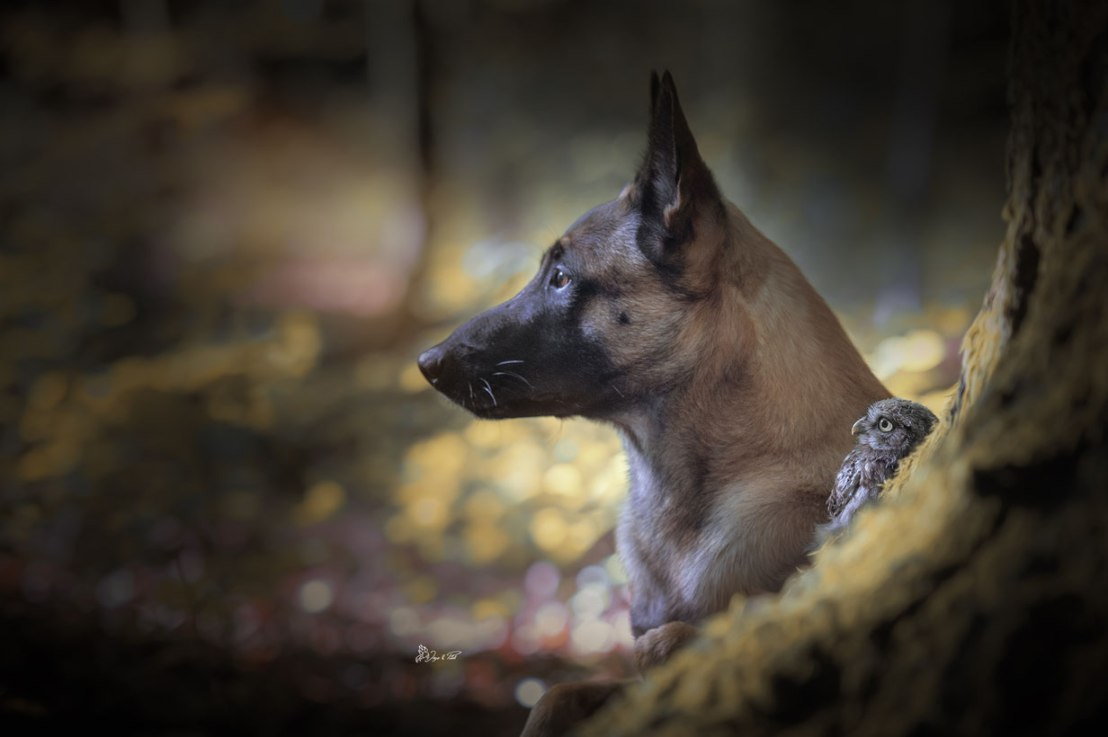
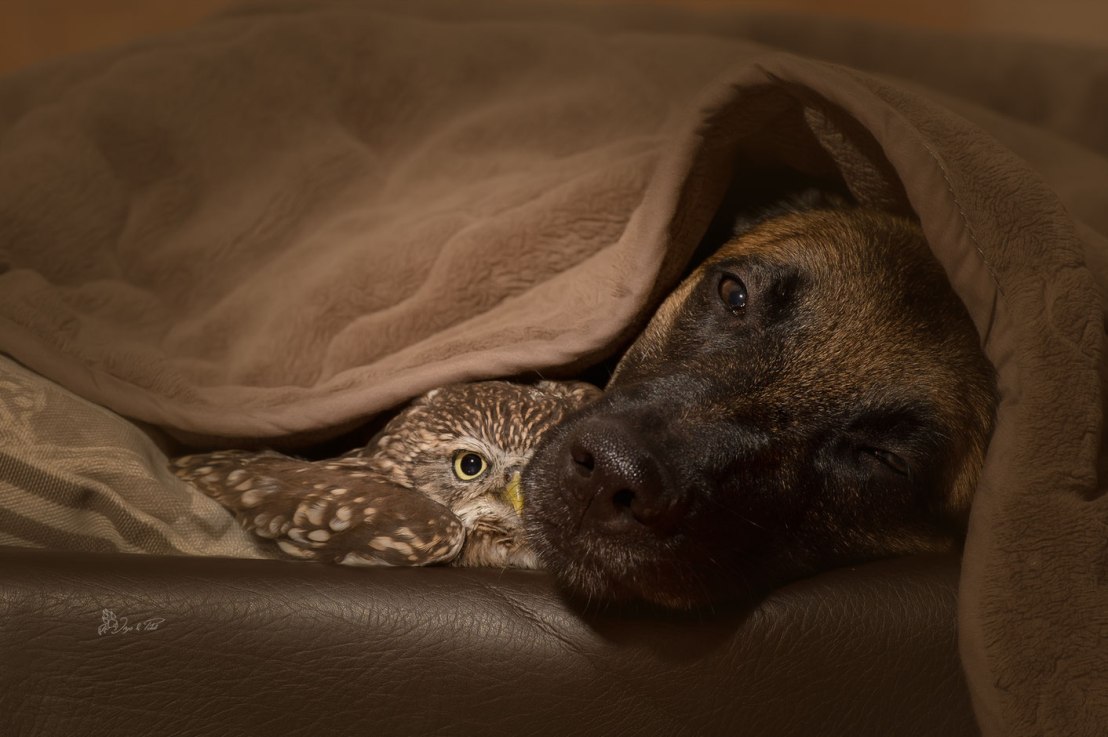
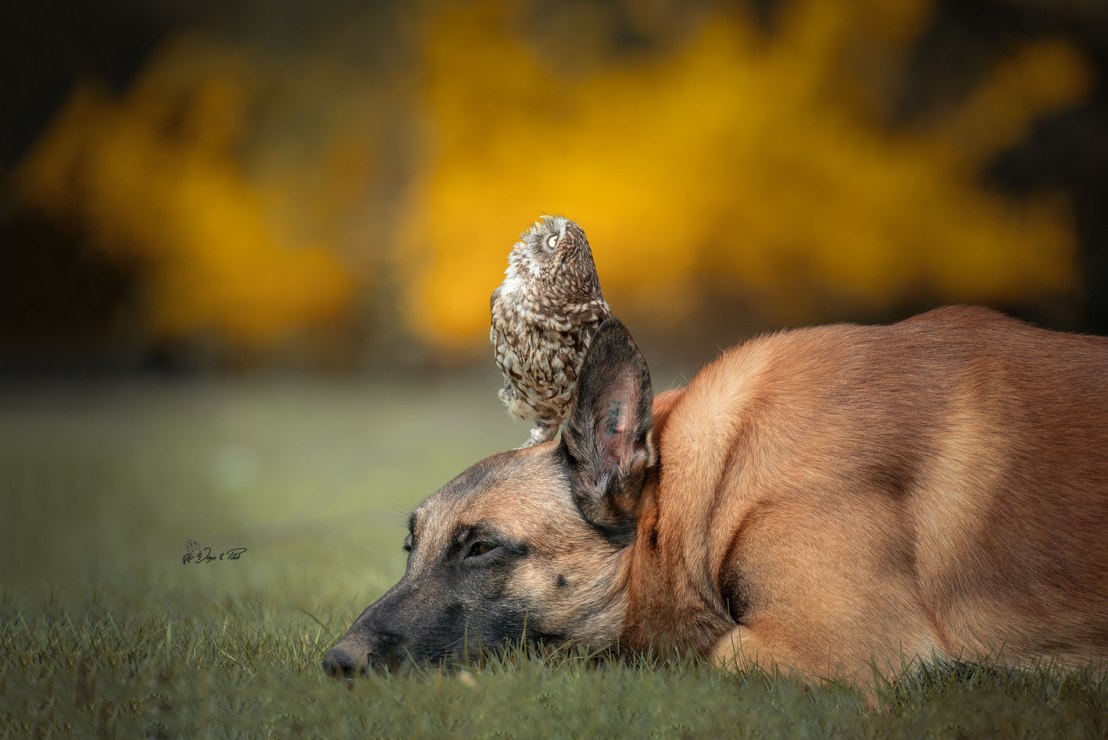
Picture Parade Two Hundred and Twenty-Three

Back to fabulous Tanja Brandt!

Again, good people, all taken from here.

oooo

oooo

oooo

oooo

oooo

oooo

One of these days I am going to have to find some other photographs to share with you. But not quite yet!!

Be careful!

Take notice regarding buying bones for your beloved dog!

The Dog Food Advisor service released this news yesterday:

The United States Food and Drug Administration has issued an important  warning regarding store-bought bone treats for dogs.

The associated treats have already caused numerous illnesses and even death in at least 15 dogs.

To learn which products are affected, please visit the following link:

FDA Warning: Store-Bought Bone Treats Could Kill Your Dog

Please be sure to share the news of this important recall event with other pet owners.

Mike Sagman, Editor
The Dog Food Advisor

If you go to that link you will read the following.

ooOOoo

FDA Warning: Store-Bought ‘Bone Treats’ Could Kill Your Dog

November 28, 2017 — The U.S. Food and Drug Administration has issued a warning regarding the purchase and use of store-bought “bone treats”. The FDA claims the danger goes beyond the risk of regular bones.

What’s a ‘Bone Treat’?

The FDA reports it has received about 68 reports of pet illnesses related to “bone treats”.

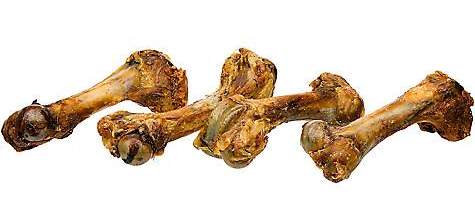
Bone treats differ from regular uncooked butcher-type bones because they’re processed and packaged for sale as “dog treats”.

Which Products?

A variety of commercially-available bone treats for dogs were listed in the reports including items described as:

  • “Ham Bones”
  • “Pork Femur Bones”
  • “Rib Bones”
  • “Smokey Knuckle Bones”

No specific brands are mentioned in the FDA bulletin.

The processed products may be dried through a smoking process or by baking. They may also contain other ingredients such as:

  • Preservatives
  • Seasonings
  • Smoke flavorings

According to Dr. Carmela Stamper, a veterinarian in the Center for Veterinary Medicine at the FDA…

“Giving your dog a bone treat might lead to an unexpected trip to your veterinarian, a possible emergency surgery, or even death for your pet.”

So, if you’re planning to give your dog a stocking full of bone treats this holiday season, you may want to reconsider.

Illnesses Reported

Illnesses reported to FDA by owners and veterinarians in dogs that have eaten bone treats have included:

  • Gastrointestinal obstruction (blockage in the digestive tract)
  • Choking
  • Cuts and wounds in the mouth or on the tonsils
  • Vomiting
  • Diarrhea
  • Bleeding from the rectum
  • Death

According to FDA, approximately 15 dogs have reportedly died after eating a bone treat.

How Widespread Is the Problem?

To date, reports submitted by pet owners and veterinarians have included about 90 dogs. Some reports included more than one dog.

In addition, FDA has received 7 reports of product problemssuch as…

  • Moldy-appearing bones
  • Treats splintering when chewed by the pet

How to Keep Your Dog Safe

FDA has included the following tips to help keep your dog safe:

  1. Chicken bones and other bones from the kitchen table can cause injury when chewed by pets, too. So be careful to keep platters out of reach when you’re cooking or the family is eating.
  2. Be careful what you put in the trash can. Dogs are notorious for helping themselves to the turkey carcass or steak bones disposed of there.
  3. Talk with your veterinarian about other toys or treats that are most appropriate for your dog. There are many available products made with different materials for dogs to chew on.

What to Do?

Dr. Stamper adds the following advice…

“We recommend supervising your dog with any chew toy or treat, especially one she hasn’t had before. And if she ‘just isn’t acting right,’ call your veterinarian right away!”

U.S. citizens can report complaints about FDA-regulated pet food products by calling the consumer complaint coordinator in your area.

Or go to http://www.fda.gov/petfoodcomplaints.

Canadians can report any health or safety incidents related to the use of this product by filling out the Consumer Product Incident Report Form.

Get Dog Food Recall Alerts by Email

Get free dog food recall alerts sent to you by email. Subscribe to The Dog Food Advisor’s emergency recall notification system.

ooOOoo

Please share this with other dog owners and carers who might not have seen the original announcement.

We must do everything we can to keep our dogs from harm!

Sharing our emotions

Good people, ran out of time yesterday but wanted to republish the following.

It first appeared in October, 2015. The pictures are no longer available online.

Exploring the range of emotions felt and displayed by our dogs.

Like so many bloggers, I subscribe to the writings of many others. Indeed, it’s a rare day when I don’t read something that touches me, stirring up emotions across the whole range of feelings that we funny humans are capable of.

Such was the case with a recent essay published on Mother Nature Network. It was about dogs and whether they are capable of complex emotions. Better than that, MNN allow their essays to be republished elsewhere so long as they are fully and properly credited.

Thus, with great pleasure I republished the following essay written by Jaymi Heimbuch.

ooOOoo

Are dogs capable of complex emotions?

Joy, fear, surprise, disgust, sadness. These are the basic emotions dogs feel that are also easy enough for humans to identify. But what about more complex emotions?

Many dog owners are convinced their dogs feel guilty when they’re caught misbehaving. In the same way, many owners are sure their dogs feel pride at having a new toy or bone. But it gets tricky when you assign these sorts of emotions to a dog. These are definitely emotions felt by humans, but are they also felt by dogs?

(see footnote)

Why we question the presence of complex emotions is wrapped up in the way we get to those emotions. The American Psychological Association explains, “Embarrassment is what’s known as a self-conscious emotion. While basic emotions such as anger, surprise or fear tend to happen automatically, without much cognitive processing, the self-conscious emotions, including shame, guilt and pride, are more complex. They require self-reflection and self-evaluation.”

Essentially we’re comparing our behavior or situation to a social expectation. For instance, guilt comes when we reflect on the fact that we’ve violated a social rule. We need to be aware of the rule and what it means to break it. So, can dogs feel guilt? Well, exactly how self-reflective and self-evaluative are dogs?

Among humans, children begin to experience empathy and what are called secondary emotions when they are around 2 years old. Researchers estimate that the mental ability of a dog is roughly equal to that of an 18-month-old human. “This conclusion holds for most mental abilities as well as emotions,” says Stanley Coren in an article in Modern Dog Magazine. “Thus, we can look to the human research to see what we might expect of our dogs. Just like a two-year-old child, our dogs clearly have emotions, but many fewer kinds of emotions than found in adult humans.”

In other words, if 18-month-old children can’t yet experience these emotions, and dogs are roughly equal to them in cognitive and emotional ability, then dogs can’t feel these self-reflective emotions either. At least, that’s what researchers have concluded so far.

Is that guilt or fear?

The evidence for primary emotions like love and happiness in dogs abounds, but empirical evidence for secondary emotions like jealousy and guilt is sparse. And this is partially because it’s difficult to create tests that provide clear-cut answers. When it comes to guilt, does a dog act guilty because she knows she did something wrong, or because she’s expecting a scolding? The same expression can come across as guilt or fear. How do we know which it is?

Scientific American explains it further:

“In wolves, it is thought that guilt-related behaviors serve to reinforce social bonds, as in primates, by reducing conflict and eliciting tolerance from other members of the social group. The same could be true of dogs, though their social groups would primarily include humans. The problem is that the display of the associated behaviors of guilt are not, themselves, evidence of the capacity to emotionally experience guilt… It may still be some time before we can know for certain whether dogs can experience guilt, or whether people can determine if a dog has violated a rule prior to finding concrete evidence of it.”

Guilt, and other secondary emotions, are complicated. That’s exactly why cognitive awareness and emotional capacity in dogs is still a topic under study. In fact, it’s an area that has grown significantly in recent years. We may discover that dogs have a more complex range of emotions than we’re aware of today.

Dogs are highly social animals, and social animals are required to navigate a range of emotions in themselves and those around them to maintain social bonds. It wasn’t so long ago that scientists thought that dogs (and other non-human animals) didn’t have any feelings at all. Perhaps our understanding of dog emotions is simply limited by the types of tests we’ve devised to understand their emotions. After all, we’re trying to detect a sophisticated emotional state in a species that doesn’t speak the same language.

There’s a lot we don’t know

Marc Bekoff makes the argument for leaving the possibility open. In an article in Psychology Today he writes, “[B]ecause it’s been claimed that other mammals with whom dogs share the same neural bases for emotions do experience guilt, pride, and shame and other complex emotions, there’s no reason why dogs cannot.”

Keeping the possibility open is more than just an emotional animal rights issue. There is a scientific basis for continuing the research. A recent study showed that the brains of dogs and humans function in a more similar way than we previously thought.

Scientific American reports that “dog brains have voice-sensitive regions and that these neurological areas resemble those of humans. Sharing similar locations in both species, they process voices and emotions of other individuals similarly. Both groups respond with greater neural activity when they listen to voices reflecting positive emotions such as laughing than to negative sounds that include crying or whining. Dogs and people, however, respond more strongly to the sounds made by their own species.”

Until recently, we had no idea of the similar ways human and dog brains process social information.

So do dogs feel shame, guilt and pride? Maybe. Possibly. It’s still controversial, but for now, there seems to be no harm in assuming they do unless proven otherwise.

ooOOoo

Footnote: At this point in the MNN article there was a link to a series of gorgeous photographs of dogs. If you dear readers can wait, then I will publish them this coming Sunday. If you can’t wait, then go here!

Our life-savers – literally

I am speaking of the dogs that saved a Canadian woman from certain death.

This story has been widely reported.

I first saw it as a prominent news item on the BBC News website:

ooOOoo

Three dogs help injured woman survive Canadian wilderness

24 November 2017

The search for Annette Poitras and her dogs lasted three days. COURTESY COQUITLAM RCMP

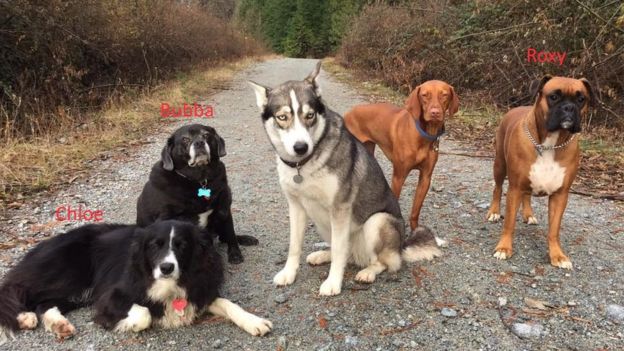
A Canadian dog walker could not have survived over two days in the wilderness without the help of her border collie, a boxer and a puggle.

Annette Poitras, 56, was walking the three dogs on Monday in the British Columbia backcountry when she fell, injured herself and lost her phone.

She was rescued on Wednesday afternoon after a long hunt by Coquitlam search and rescue.

Her husband says the three dogs helped Poitras stay alive during the ordeal.

Marcel Poitras told Global News that his wife and the dogs – a collie called Chloe, a boxer named Roxy, and Bubba, a pug-beagle mix – took care of each other over two days and two nights, with no supplies and periods of “torrential” rain.

ooOOoo

Newsweek also carried the story on November 25th.

(Continuing on from where I left the BBC report.)

ooOOoo

Her husband, Marcel Poitras told Global News that her three dogs—a collie called Chloe, a boxer named Roxy, and Bubba, a pug-beagle mix—helped her stay alive during the ordeal, during which Poitras had no supplies and endured torrential rain.

He said that she saw one of the dogs dig a hole underground to stay warm, and did the same.

“One of them was cuddling [her] and one of them was on guard and the other one was looking for food,” he said.

She also helped the dogs, covering the short haired boxer with her coat after she noticed it shivering during heavy rainfall on their second night.

He said the dogs did not leave her side.

Poitras was rescued after a two day search by the RCMP, which used helicopters and 100 volunteers to scour the countryside near Eagle Mountain for traces of her.

Some rescuers finally heard faint cries for help and loud barking and tracked down Poitras and the dogs to an area described by the Mounties as “well outside the normal trail system”, according to The Surrey Now Leader.

The rescue team said she was “alive and in good condition” in an area off trail, in dense bush and swamp.

CBC reported Friday that two of the dogs visited her hospital bedside Friday.

Poitras is expected to be released from hospital later in the week. Marcel said that after his wife is released from hospital they are hoping things will get back to normal.

ooOOoo

Back to the BBC item or more specifically two more photographs included by the BBC in their report of the incident.

Chloe, Bubba and Roxy stayed with Annette Poitras for the two days. Courtesy COQUITLAM SAR HANDOUT

oooo

Chloe, Roxy and Bubba being rescued from the bush. COURTESY NORTH SHORE RESCUE

In the words of Mr. Poitras, the husband of the rescued woman, “He says they are looking forward to “quiet, peace, walking dogs, visiting family” now the ordeal is over.”

Dear wonderful Chloe, Roxy and Bubba – life-savers all three of them!

Lucky Mr. & Mrs. Poitras.

What would we do without our dear dogs!

Memories, dear memories

A republication of a post from earlier times.

(I came across this when researching my posts for my second book.)

It was published on the 18th June, 2016.

ooOOoo

A Eulogy For Hazel

This dear, precious dog!

Back in March, 2014 when I was writing a series of posts about our dogs, I published a Meet the dogs – Hazel post. This eulogy consist mainly of what I wrote then, with a few minor changes to bring it up to date, and a closing thought.

Hazel

I first met Jean in Mexico; namely, in San Carlos, Sonora, Mexico to be precise. Just a few days before Christmas, 2007. At that time, Jean had 16 dogs, all of them rescues off the streets in and around San Carlos. Jean was well-known for rescuing Mexican feral dogs.

In September, 2008 I travelled out to Mexico, via London-Los Angeles, with my Pharaoh. Jean and I have been together ever since. In February, 2010, because we wanted to be married and to be married in the USA, we moved from San Carlos to Payson, in Arizona; some 80 miles North-East of Phoenix.

One morning, just a few days before we were due permanently to leave San Carlos and move our animals and belongings the 513 miles (827 km) to Payson, AZ, Jean went outside the front of the San Carlos house to find a very lost and disorientated black dog alone on the dusty street. The dog was a female who in the last few weeks had given birth to puppies that had been weaned. Obvious to Jean because the dog’s teats were still somewhat extended.

The dog had been abandoned outside in the street. A not uncommon happening because many of the local Mexicans knew of Jean’s rescues over many years and when they wanted to abandon a dog it was done outside Jean’s house. The poor people of San Carlos sometimes resorted to selling the puppies for a few Pesos and casting the mother dog adrift.

Of course the dog was taken in and we named her Hazel. Right from Day One Hazel was the most delightful, loving dog and quickly attached herself to me.

The truest of love between a man and a dog!

Of all the dogs that we have here at home, and, trust me, many are extremely loving, my relationship with Hazel was precious beyond description. She was in Pharaoh’s ‘group’ (Pharaoh, Cleo, Sweeny, Pedy and Brandy) so slept in our bedroom at night. Most nights Hazel was tucked up against me.

Plus frequently during the day Hazel would take an interest in what I was doing, as the next photograph illustrates.

Hazel taking an interest in my potterings.
Hazel taking an interest in my potterings; March 2014.

If ever one wanted an example of the unconditional love that a dog can offer a human, then Hazel was that example. Precious creature.

ooOOoo

Just stay with me for a little longer.

Recently there was a documentary on the BBC about Koko the gorilla and how many hand signs Koko had learnt. As Wikipedia explains (in part):

Hanabiko “Koko” (born July 4, 1971) is a female western lowland gorilla who is known for having learned a large number of hand signs from a modified version of American Sign Language (ASL).

Her caregiver, Francine “Penny” Patterson, reports that Koko is able to understand more than 1,000 signs of what Patterson calls “Gorilla Sign Language” (GSL). In contrast to other experiments attempting to teach sign language to non-human primates, Patterson simultaneously exposed Koko to spoken English from an early age. Reports state that Koko understands approximately 2,000 words of spoken English, in addition to the signs.

The reason why I mention this is at the end of the programme it is stated that Koko’s ability to communicate shows very clearly that she is capable of feelings and emotions. Indeed, the way that Koko hugs Penny is very moving.

The presenter of the BBC programme concludes how things have changed over all the years from the birth of Koko some 45 years ago to today. As in back in the ’70s’ the idea that animals had emotions was just not accepted whereas nowadays there is mounting evidence that many warm-blooded animals have emotions; are capable of emotional feelings.

Why do I mention this?

For there isn’t one shred of doubt in the minds of Jean and me that Hazel was full of feelings of love and affection towards her human friends.

That is the epitaph with which Hazel will be remembered! This is her legacy.

Picture of Hazel taken in the last twenty-four hours.
Picture of Hazel taken in March, 2014.

Unconditional love

Another powerful guest post from Linley.

Last October 11th, I published a guest post that had been sent in by Linley Achtenhagen. The published post was called Life with Luna and was incredibly well-received.

So here’s another guest post from Linley that I have no doubt will be equally well-received.

ooOOoo

Unconditional Love

by Linley Achtenhagen, October 29th, 2017.

Up until January 12, 2017, I had never lost a loved one.  I grew up with three grandparents, one grandpa passing away shortly after I was born, so I was pretty lucky to grow up with three out of four grandparents.  Sure, I had been to funerals for distant relatives I had met once or twice or my friend’s grandparents, and I grieved for them because they were hurting and I hate seeing people hurt.  I, however, had no idea what that pain felt like until one of my best friends passed away in a tragic accident while she was on a family vacation in Mexico.

Abbey Connor, my sweetest, sassiest, most beautiful friend and fellow UW-Whitewater student, taken away far too soon.  Getting the news that she was gone rocked me to the core.  I had just celebrated New Year’s Eve with her a few short weeks ago, and now I was never going to see her again.  How is that possible?  Why would this happen to her?  I had absolutely no idea how to handle this.  Going from losing no one to losing one of my best friends so suddenly was something I was not prepared to deal with but is anyone?  I cried and cried and cried and listened to people tell me it was going to be okay, but those words didn’t mean anything.  Of course, I appreciated the support of my friends and family, but nothing made the pain in my chest go away when I thought of Abbey.  I hurt so much for her family, if I felt this horrible, I couldn’t imagine how her family felt.  The only thing that I found comfort in was the one thing that couldn’t tell me they were sorry and that it was going to be okay, Luna.

There is no doubt in my mind that Luna knew I was hurting.  I am convinced that dogs have a 6th sense and are much more aware of our emotions than we give them credit.  Luna would just lay with me while I cried and her presence alone eased that pain.  My crazy and energetic dog would just sit and let me pet her for as long as I needed to.

Not even a month later, February 11th, our family dog, Will, passed away after a long battle with cancer.   For fellow dog lovers, you know how hard it is to let your furry companions go.  We had Will since he was a puppy, so he grew up with my siblings and me.  He was my four-legged brother and letting him go ripped my healing heart wide open again.  This time, my whole family was hurting, including Will’s sister, Grace.  Will and Grace had never spent a day apart; they slept in their dog crate together, chased chipmunks together, protected my family together, and she just couldn’t understand where he went.  We couldn’t explain to her that he wasn’t coming back and that made the pain that much worse.  The one thing that brought a smile to everyone’s face in the days, weeks, and months to come was Luna.  She would grab her squeaker toy and run up to everyone shaking and squeaking it just begging for someone to play tug with her. She would light up the room and bring a smile, even if only for a second, to our faces. She was helping us cope, and she didn’t realize it.

Two months later, April 13th, my grandma passed away.  I couldn’t believe that I had to deal with another death.  I was still grieving Abbey and Will’s passing, and now I had another death to try and cope with.  My grandma lived in Florida for half of the year, so while we weren’t the closest, she was my grandma, my dad’s mother, and of course, I loved her.  I hurt for my dad as he had to say goodbye to his mom.  I hurt for all of my cousins, aunts, and uncles.  I hurt for my mom and my siblings and I.  We had never lost a grandparent, and now we had to deal with this while still grieving Will’s passing, I still grieving Abbey’s.  It was such an overwhelming and stressful time, and once again the one thing that got me through each day was Luna.  No matter how hard of a day it was, each night when I crawled into bed, Luna would lay right next to me, her head on my chest and just be there.  I cannot put into words what that feeling is like.

John Grogan, author of Marley and Me, (if you haven’t seen the movie or read the book, add it to your list) wrote one of my favorite quotes.  He said, “A dog doesn’t care if you’re rich or poor, educated or illiterate, clever or dull.  Give him your heart, and he will give you his.”  This quote is undeniably accurate and I saw this proof in the months to come after I lost all of these loved ones.  Luna didn’t care if I didn’t have time to take her for a long walk, or I didn’t want to get out of bed, or I didn’t have the energy to play fetch with her that day, she was there for me and comforted me every moment.  She knew I loved her, and that was enough.  The most comforting part of all of this is that Luna didn’t even know she was doing it.  If more people loved each other like dogs love their humans, this world would be a much better place.

ooOOoo

Linley’s closing sentence is perfect and requires nothing more from me to close today’s post than for me to repeat her words: “If more people loved each other like dogs love their humans, this world would be a much better place.

Settling in to a new home

Anyone who emails me this is impossible to resist!

Hi,
I work on behalf of petsbyplane.com, and I recently noticed your blog while I was looking around for a few resources on pets and taking pets by plane!

I know sometimes it’s hard to create new content all the time and sometimes you probably find yourself needing blog content at learningfromdogs.com

I’m looking for high-quality sites like yours that I can contribute quality articles to in order to continue to build my profile, win a Pulitzer Prize and eventually take over the Universe.

Well another person trying to take over the Universe seems to fit the pattern of these present times so what the hell!

ooOOoo

Seven Techniques to Create a Safe New Home for Your Dog

by John Stuart.

Whether you are moving houses and you have to transport your dog or you are bringing a new dog into your house, you have to be prepared. Dogs can easily be stressed out by changes. They can become anxious, which will impact their behavior and even their eating habits. By doing your research beforehand and knowing how to handle various situations, you can be fully prepared on moving day and you can ensure your dog will enjoy his new home from the very first day.

1. Think about Transportation
If you’re bringing a dog home from a shelter, you will need to pick him up with a car and a dog crate. It’s strongly recommended to put your dog in a crate while you are driving since you don’t know yet how it will react to so many new things and environments. This way, you will be able to focus on driving and getting to your destination safely.

If, on the other hand, you are moving houses with your pet, you have to decide if you want to use a professional pet moving company or do it all by yourself. Moving to a different state or country will imply travelling by car or plane. Depending on the situation, you have to get informed about vaccines, plane tickets and necessary documents.

2. Keep Your Dog away from the Commotion on Moving Day
To keep your dog stress-free, consider taking him to a friend’s house while you pack up your last things or move out furniture. By keeping him away from the commotion, you are shielding him from unnecessary stress. Make sure not to pack all of your dog’s favorite toys. Keep a few around at all times as these will comfort and soothe your dog during anxious hours.

3. Make Sure the New Home Is Ready to Receive Your Dog
Moving with your pet is stressful. You have to take care of dozens of things at the same time. An important thing you shouldn’t forget to do is to check the new house is prepared for your dog. If you are renting, make sure the landlord accepts pets. You will probably have to make a deposit and even pay monthly rent for your dog. If the house has a backyard, ensure there are no gaps in the fence or other hazardous plants or objects. Inspect the rooms as well and eliminate dangerous things such as exposed wires, shabby furniture, old cans of paint or cleaning products.

4. Keep a Schedule
Dogs thrive on routine, so keep that in mind even when moving houses. You might not be able to go back to your schedule on the first day, but try to get back on track as soon as possible. Feed your dog at the same hours and take him for walks as you used to before.

5. Take it Easy
New surroundings can be overwhelming for your dog. There are new places, smells, sounds and people to get used to. He might be anxious at first, and even refuse to eat, but he will easily adjust to the new settings in his own time. The best thing you can do through this entire experience is to be very patient and talk encouragingly to him. If you want to start training him, start on day one. Be generous with the treats and occasionally repay good behavior with a new toy.

When you’re introducing your dog to the neighbors and showing him around new places, always keep him on a leash. He might be too excited to contain his happiness and you never know how he will react.

6. Find a Veterinarian Before Moving
You should ask your veterinarian for recommendations before moving. Get in touch with your new vet prior to the move and make sure they are fully equipped to take care of your pet. It’s essential to find a trustworthy vet before moving so you can have the peace of mind that your dog will be in good hands no matter what happens.

7. Give Your Dog a Lot of Attention and Love
Even if moving occupies your whole time, you should always make time to play with your dog and show him that he is loved. This will help him cope better with the situation and will help calm him down. If you would like to train your dog but don’t know how, reach out to a professional trainer. Give your dog the attention he needs and he will have a smoother transition and adjust to the new environment in no time.

ooOOoo

So what part of the Universe do you intend to start taking over first, John?

A new home for Max!

Can you help John Zande find a loving home for this recent rescue?

I can’t recall when John Zande and I first made contact but it was a while ago. John lives in Brazil and is the author of the book The Owner Of All Infernal Names. (Read by me and much recommended.)

John also writes from time to time on his blogsite: The Superstitious Naked Ape. Again, much recommended by me.

Anyway, I awoke yesterday morning to find an email from John. This is what John had written:

Morning Paul, hope everything is fine up there. I have a question. We rescued a dog the other day (part pit bull), lovely fellow, but needs a lot of nursing to get him back to health. Vet thinks he’s around 2 years old. I’d say closer to 1.5. We have him here, in the front of the house (keeping our animals inside and out the back), but he’s a barker. Not aggressive, but seems to enjoy “responding” to other dogs in the street barking… of which there are too many. Do you have any tricks for teaching a dog not to bark? I’ve tried putting him on a leash back on the house (to keep him from the front gate) as a sort of conditioning, but that hasn’t seemed to of worked. I bought a muzzle and put that on when he’s barking, but that hasn’t worked either. Any ideas?

Obviously I looked across at Jean, mentioned the email from John, and read it out to here wondering what would be her advice.

John,

A very good morning in return.

I have just shared your email with Jean and she offered the following.

Namely, that he is most likely barking for attention. If you have the time then stay with him and each time he barks say “No!” firmly and when he stops give him a treat as a reward.

Jean acknowledges that this a difficult one but let’s take it one step at a time. Let us know what you do.

Want me to make it a post on the blog? Do you have a photo of him?

Best of luck!

Paul

John is full in terms of taking on rescues just now and is looking for a caring home for this lovely-looking boy; his name is Max by the way.

Here are some photographs of Max.

oooo

oooo

oooo

What a kind, loving face!

These are some photos from last Thurs, when we got him. He’s put on some weight since. He was covered in oil, and his blood test has come back: low platelets, and ticks disease. Yeah, I’ve been out with him heaps, sitting with him and spending time. He knows its wrong, but seems to react to everything and every noise. I introduced the girl dogs to him this morning, and he was great. No problem. No aggression. Didn’t stop him barking, though 🙂 Our street has some noisy dogs (bad owners), so I guess he’s having trouble responding.
He is lovely. Would love to keep him, but we’re full, and can’t afford another. Had to get him off the street, though. He was in real trouble.
PLEASE!!! Can anyone find Max a home? If finding the money to transport Max to that new home is going to be an issue then I’m sure we can ‘pass the hat around’ to resolve that challenge.
The main thing is to find Max a home!
Finally …. my apologies to a number of you who have sent in guest posts for this place. You are not forgotten but you do understand why this plea from John had to be published today!


Picture Parade Two Hundred and Nineteen

Endless wonderful photographs of our pets!

I was going to offer more of Tanja Brandt’s photos for you today but during the week Belinda, who lives here on Hugo Road, sent me some pictures that I couldn’t wait to share with you.

oooo

oooo

oooo

oooo

oooo

oooo

oooo

Aren’t we so very lucky to have these wonderful creatures in our lives!