Yesterday’s post about the loyalty of dogs brought to mind a post that I published way back in 2013. Let me take an extract from yesterday’s post:
It’s no secret that domesticated dogs are descendants of wolves. Even today, modern dogs continue to share similar genes to wolves that live in the wild. The idea of “the loyal dog” is both a cultural and biological construct, as humans have created the dog over years of selective breeding and domestication to be this way. Essentially, humans picked and chose the wolf characteristics that would best serve their own benefit, transforming a wolf’s hierarchical structure and social bond to their packs into obedience and loyalty to humans.
The fact that is key is that dog packs are hierarchical. They have three status roles and the rest of the pack are all pack members. The three roles are Alpha dog, always a female, the Beta dog, always a male, and the Omega dog that could be either male or female.
The role of the alpha dog is to have first pick of the eligible males and to move the whole pack if in her analysis the territory becomes unsuitable for the pack. The role of the beta dog is to keep the pack under control and not to let fights get out of hand. The omega dog is to keep the pack happy and playful.
So to the post that was first published on the 10th April, 2013.
ooOOoo
Yearnings for a new start!
You may wonder about the title of this post? Stay with me for a moment.
As has been written before on Learning from Dogs, when dogs were living in the wild just three animals had pack roles. The leader of the pack, always a female animal, was the alpha dog. Second in command was the beta dog, always a dominant male, and the third role was the omega or clown dog. The wild dog pack was thought to have consisted, typically, of about 50 animals.
The wisdom of thousands of years showing clearly in Pharaoh’s eyes, our very own beta dog. Beloved Pharaoh. Born: June 3rd., 2003 – Died: June 19th., 2017. A very special dog that will never be forgotten.
As leader of her pack an alpha dog had two primary functions . One was having first choice as to the male dog she was going to mate with – thus demonstrating how women always choose! 😉
Her second important duty was deciding that her pack’s home range was insufficient for the needs of her ‘family’. As wolves still do, wild dogs lived within small, well-defined territories when food was abundant. When food became less abundant then it was time to move to more fertile grounds. As an aside, research in South Africa as to the area requirements for a small pack of African wild dogs (Lycaon pictus) shows they require from 65 square kilometers (25 square miles) to 150 sq. km. (58 sq. mi.). (See footnote.)
Dogs, like all wild animals, instinctively live in harmony with nature. So the call from the alpha dog to find a new range didn’t mean they left their old one as a barren disaster area. You can see where this is heading!
Wild dogs were in contact with early man at least 50,000 years ago. (Just reflect for a moment on the length of that relationship between man and dog.) So each specie has had plenty of time to learn from the other.
Thus, as mankind is on the verge of discovering that our existing ‘territory’ is becoming unsustainable for the healthy life of the species, one fundamental learning point from dogs appears to have escaped us: Mankind doesn’t have a new range available to our species.
This preamble came to mind when I recently read a short but powerful essay on Alex Jones’ blog The Liberated Way. The essay was called A global leaky bucket. Alex has very kindly given me permission to republish it.
A global leaky bucket
Global weather extremes will force people to hard choices.
Nature will have the last word in the debate over sustainability.
I write this in despair, it is snowing again here in Colchester UK. I admit envy for those of you who live in California or Hong Kong area, I see your photographs where the seasons always seem to be warm and sunny. The northern Jet Stream refuses to move, Greenland enjoys growing strawberries as the lambs die in the fields of Britain from the winter that refuses to let go.
The extremes of weather are noted in the South of the world as well as the North. Argentina has had the worst floods in decades last week. The cause is that the systems such as the Jet Stream are paralysed in one place, thus everyone suffers flood, drought or winter in excess. Nobody is sure why this paralysis is going on with systems like the Jet Stream, some say it is climate change, the point is that we are experiencing this, and it appears to be more than a temporary issue.
My opinion is that these weather extremes are here to stay for the long duration. One is then left with a harsh reality of does one seek to control the weather or adapt to the weather? How does one control the weather, a chaotic energy system where even a small change can have great consequences? Perhaps adaptation is the better option, but does one know how huge those adaptations will have to be where drought and flood could be lasting decades?
Lets say food, water and energy are all contained in a bucket. We take a jug and scoop out from the bucket what we need. There is a tap that is constantly running filling the bucket with the food, water and energy. We waste those resources so the bucket leaks. We disrupt or destroy the renewal systems in the ecosystems so the tap is no longer running as fast as it should. We are greedy consumers so we take more than we need from the bucket with our jug. How will the bucket look now? Is this a sustainable future to you?
If our global weather extremes continue as they are it will be like a storm rocking the bucket spilling its contents, will our bucket future look even less sustainable? Extreme weather destroys harvests, kills animals, sends already distressed ecosystems into the abyss. What happens when the bucket is so empty that people can no longer enjoy their lifestyle of wasteful excess, or worse that people grow cold, hungry and thirsty? Do they sit there and do nothing but die? Will they fight? Who will fight who? As the bucket contents get ever smaller, who will win in the fighting for what is left?
Copyright (c) Alex Jones 2011-2013.
Colchester has a place in my past as I started and ran a business there between the years of 1978 to 1986. More about that some other day.
Back to Alex’s essay. It strongly resonated with a recent item on Peter Sinclair’s excellent blog Climate Denial Crock of the Week which I will refer to tomorrow.
So I will leave you with this tragic, emotional thought – where, oh where, is our alpha dog?
Footnote: The figures for the ranges of wild dogs were taken from a fascinating paper published by Lindsay, du Toit and Mills that may be read here.
ooOOoo
One thing that has become clearer over the years and with the advent of DNA analysis is that the process of wolf and man coming together, and wolf becoming dog, was in the timeframe of 25,000 to 40,000 years ago. It’s a very wide band of time but there’s no scientific method, certainly at the moment, to refine the years down to a shorter number.
But even taking the lower limit, 25,000 years ago, it is still an indescribably long time back in the past.
I had a particularly uncomfortable 24 hours Monday afternoon through Tuesday morning.
I went to upload an update to my iMac early on Monday afternoon but for some reason it all went wrong. As in the iMac became unresponsive and continuously showed the Apple icon for about 10 minutes and then went blank for another 10 minutes, and went on repeating itself.
On Tuesday morning I spent several hours on the phone to Apple support and finally the third adviser told me to turn everything off and do a cold reset. That fixed it and I didn’t have to go down to Medford and leave the machine with Connecting Point Computers. Plus I saved $99!
So I am very grateful to be able to share this post with you all! It’s an article on Treehugger, Why Are Dogs So Loyal?
Enjoy!
ooOOoo
Why Are Dogs So Loyal?
There’s a scientific explanation to what makes them “man’s best friend”
Any dog owner will tell you that there’s something indescribable and unique about their loyal companions. Dogs wait for their humans patiently by the door when they leave, act like they’ve been given the world when their dinner bowls are filled, and express a sense of devotion that is rare in many other pets. Where does this trait, the trait that makes dogs “man’s best friend,” come from? Why are dogs so innately loyal? The obvious explanation would be that their owners provide them with food and shelter, but the deeper answer actually comes down to science.
It’s no secret that domesticated dogs are descendants of wolves. Even today, modern dogs continue to share similar genes to wolves that live in the wild. The idea of “the loyal dog” is both a cultural and biological construct, as humans have created the dog over years of selective breeding and domestication to be this way. Essentially, humans picked and chose the wolf characteristics that would best serve their own benefit, transforming a wolf’s hierarchical structure and social bond to their packs into obedience and loyalty to humans.
Selective Breeding
Throughout history, long-term domestication has resulted in hundreds of different dog breeds designed to fulfil specialized functions in society, many with significant behavioral differences. Early humans likely participated in selective breeding without even knowing they were doing so, by killing off the dogs who attacked or bit a member of their family or community. Additionally, dogs who were naturally gifted as loyal hunters would have been better cared for, upping the chances of successful and repeated reproduction. Dogs that contributed to society were kept for longer, while aggressive or unskilled dogs weren’t. And, as humans promoted dogs with tame or friendly characteristics, physical attributes began to change as well.
The early domesticated dogs intelligent enough to associate their owners with things like food and shelter in exchange for obedience (think: “don’t bite the hand that feeds you”) were more likely to survive longer. In a reliance comparison between dogs and cats, for example, studies show that dogs attempt tasks before looking at their owners while cats do not.
While it may have started with a simple exchange of food and shelter for animal-assisted guarding or hunting, humans eventually began to favor dogs that were more docile and sociable. As humans evolved to hunt less and moved on to more secure lifestyles, the domestication process eventually began to encourage companionship.
Pack Behavior
Dogs, like their wolf ancestors, are pack animals at their core. In order to survive in the wild, members of a pack have to be trusting and cooperative. A wolf leader, or alpha, is in charge until it becomes too sick or old to perform at its highest abilities and is eventually challenged by a stronger wolf for the betterment of the entire pack. This suggests that wolves are motivated by the good of the group rather than pure loyalty to its leader. This is exactly what a 2014 study in Vienna found when researchers examined lab-raised dog and wolf packs, concluding that the relationship between dogs and humans is hierarchical (with their owner at the top) rather than cooperative. As wolves were slowly domesticated into modern dogs, the study suggests, they were bred for their loyalty, dependance on human masters, and ability to follow orders.
Social Bonding
Oxytocin, the peptide hormone released when people hug, snuggle, or bond socially, also has a part to play. Gaze-mediated bonding, as well as petting and talking, increases oxytocin levels in both humans and dogs. This is a human-like mode of communication, since wolves rarely make eye contact with their handlers, meaning that the fact that you and your dog like to lock eyes is a trait likely picked up during the domestication process. Oxytocin is linked to feelings of attachment and confidence, which in turn facilitate the establishment of loyalty and love in emotional relationships. The fact that oxytocin increases in both humans and dogs — but not wolves — while engaging in eye contact and communicating social attachments may have supported the evolution of human-dog bonding.
Are Some Breeds More Loyal Than Others?
The domestic dog, or Canis lupus familiaris, is the first and only large carnivore ever to have been domesticated by humans. Mostly within the last 200 years or so, dogs have undergone a rapid change characterized by maintaining breeds through selective breeding imposed by humans. Compared to other wild and domestic species, modern dogs display incomparable genetic diversity between breeds, from a 1-pound poodle to a 200-pound mastiff.
We’ve all heard stories of individual dogs known for fierce loyalty, like Hachiko, the Japanese Akita who waited for his master every day by the Shibuya Station in Tokyo even after he passed away at work. A 2018 study on the genomic make-up of the Czechoslovakian wolfdog found that a common German shepherd crossed with a wild wolf has the same tameness and loyalty to its master as a fully domesticated dog.
There isn’t much scientific evidence of certain breeds being more loyal than others, though one could certainly argue that dogs bred for specific jobs like hunting and herding would have a higher chance of staying loyal to their owners. Breeds that are known for specific tasks may not check all the boxes depending on qualities preferred by the owner. The dependency on human guidance desired in companion dogs may get in the way of a rescue dog’s ability to function successfully in situations when its handler isn’t around, for example. There is a “nature vs. nurture” aspect to consider as well. It isn’t all about genes, though they do play a critical role, but a dog’s individual environment and history can also greatly affect its lifetime behavior.
ooOOoo
There, the science behind a dog’s loyalty.
Despite having spent a number of years writing and learning about dogs there were still a few points mentioned in this essay that were news to me.
Despite the gloom and real stress for many people it’s not wall-to-wall pessimism.
The reason I was prompted to write about this was a couple of connections made in the last few days and the power they have to keep this elderly chap still bouncing along.
Recently on the forum Ugly Hedgehog there was a gentleman who posted some photographs of some dogs that he had seen at the dog park. It was in a post called Today at the dog park.
They were lovely and I thought what a good idea it would be if I was able to republish them for next week’s Picture Parade. So I asked!
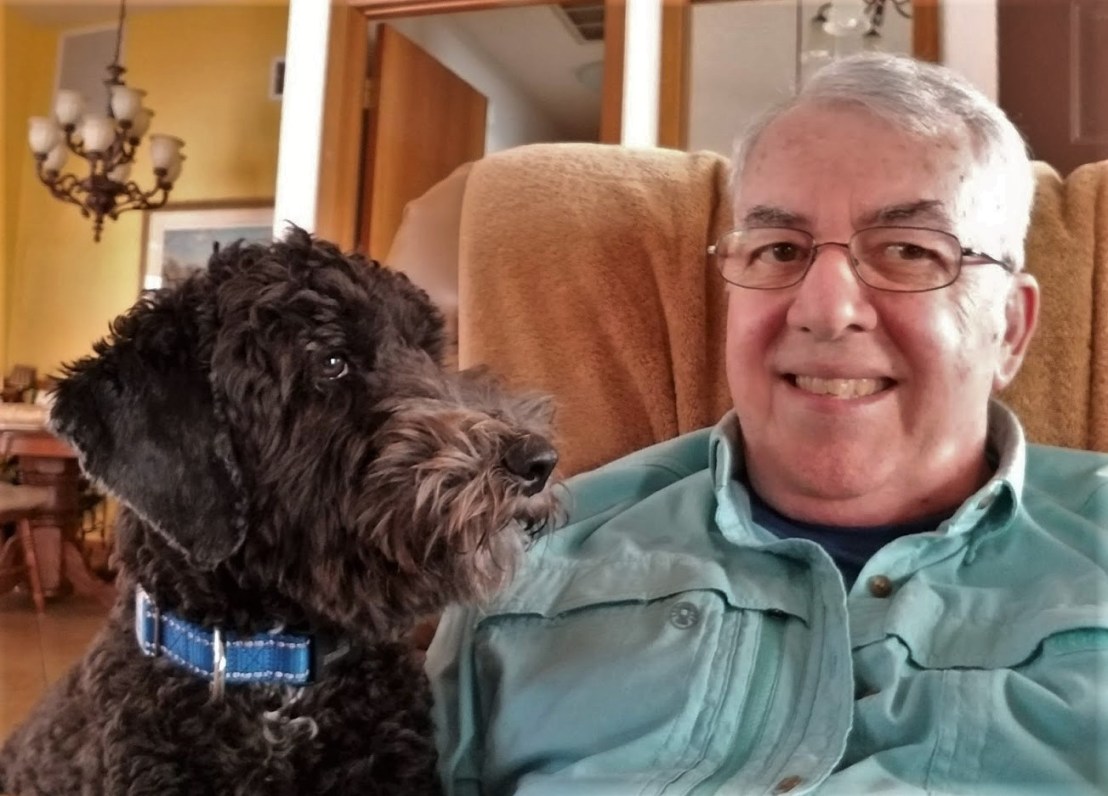
Well I was not disappointed and indeed said gentleman emailed me with a short bio and a photograph of him and his dog by way of an introduction. This is what he wrote:
I was born on Long Island and spent the first 60 years of my life there except for my Naval service for four years during the Vietnam war. I was a Naval Aviator, and after my active duty was over I returned to Long Island and got into a career in law enforcement that lasted 31 years. I made thousands of arrests during my career and many of those who were incarcerated threatened to “get me” some day, so I would prefer that you don’t use my real name.
When I retired at age 60 I moved to Tampa, FL because my daughter lived there and I have two granddaughters and now my son lives here too. It’s great for photographing flora and fauna all year round. My love for dogs has worn off on my kids as my daughter has two of them and my son three! Photography has been a hobby of mine for over 60 years. Here is a casual photo of me and my buddy Ollie (a three year old golden doodle).
Ollie and Nimbushopper
You will have to wait until Sunday to view his photographs!
At the end of November Jean and I wanted to join the local camera club. It was clear that I had a camera, a Nikon D750, that was way more advanced than I thought and, frankly, I didn’t know my way around it.
So we joined the Caveman Camera Club in Grants Pass, Oregon. Although at the moment the pandemic puts a halt on physical meetings, twice a month ‘zoom’ meetings are held. Also mentors were available. I took advantage of the opportunity to work under a mentor and last week I went the short distance of nine miles to meet with Gene. Gene had so much knowledge and had regularly taught photography for a number of years. I came away very inspired and very motivated to become better in my photographic and composure skills. Gene’s area of interest is landscapes.
What was clear was that for my whole life, and I have been taking photographs for a very long time, I had been taking pictures and not composing photographs.
It’s going to be a long journey but one that fills me with delight
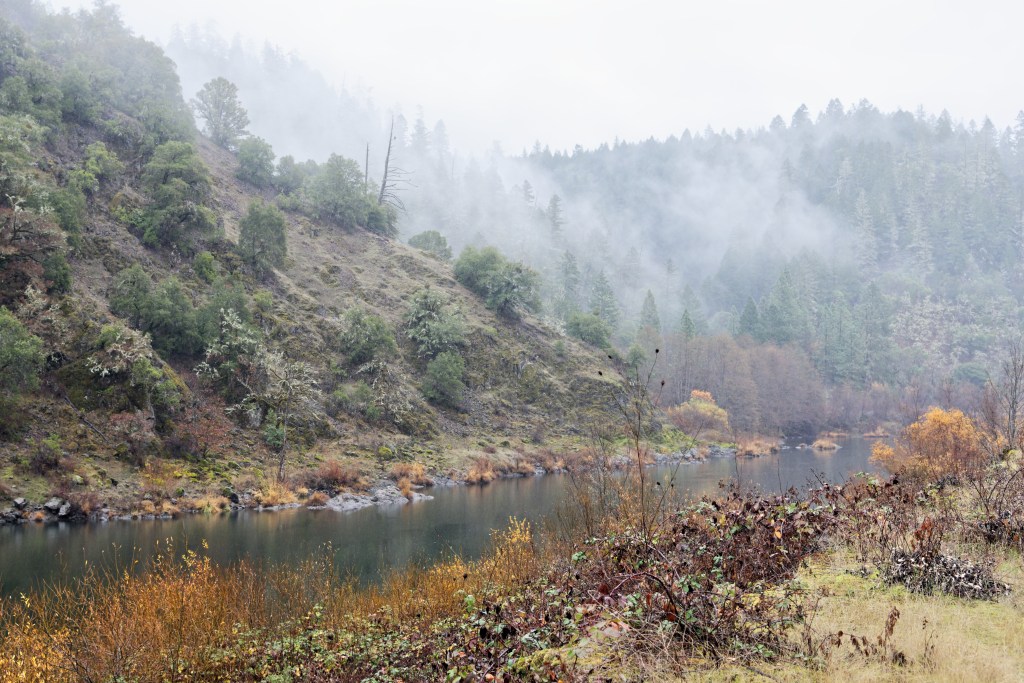
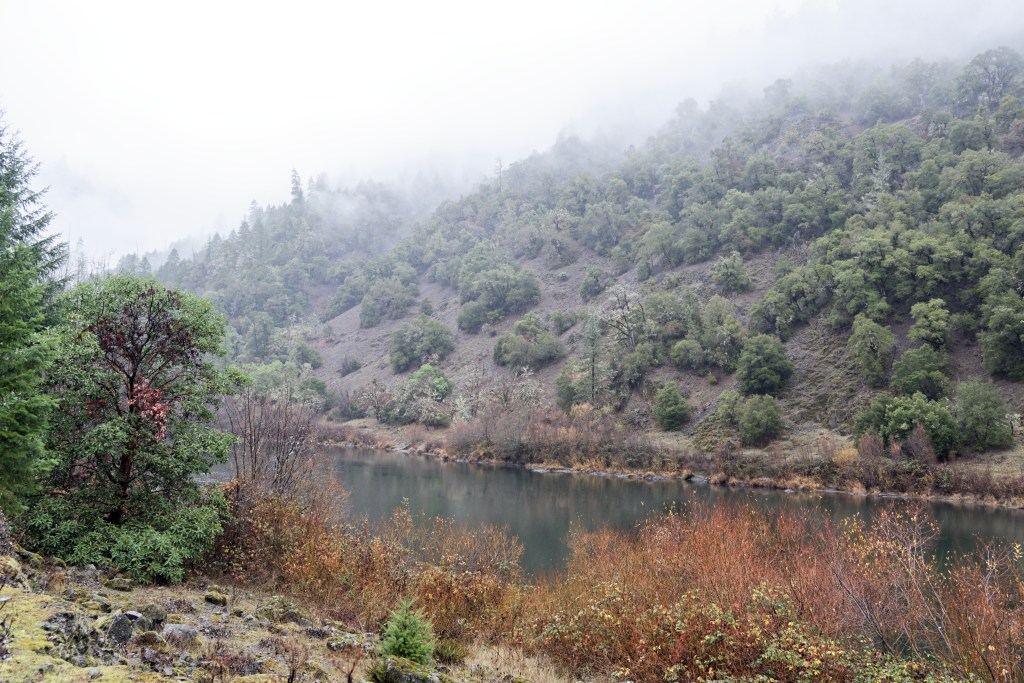
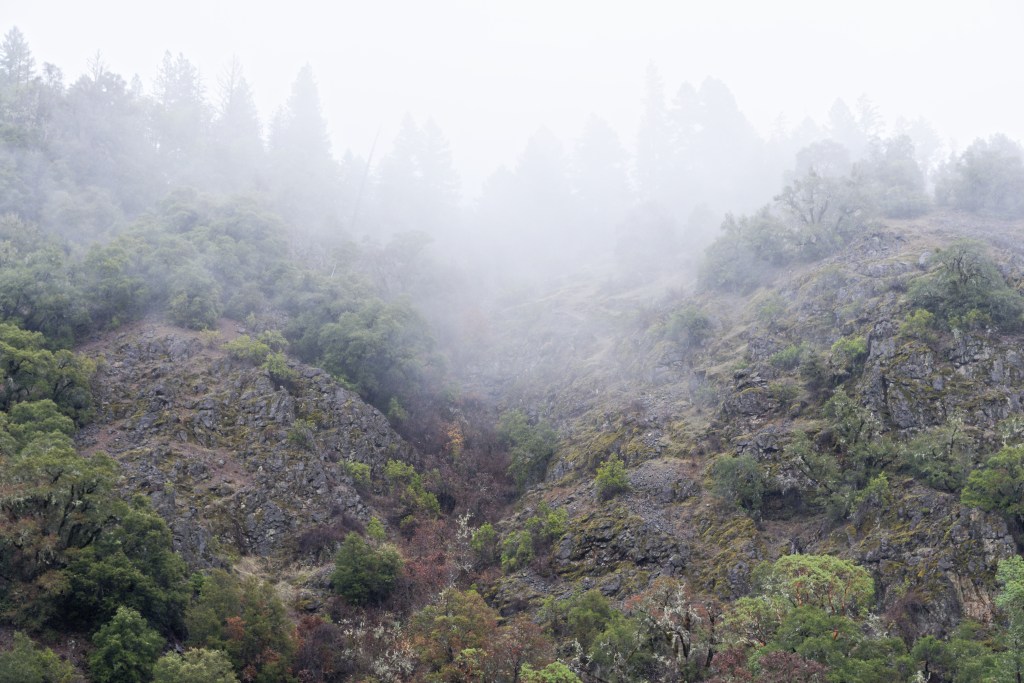
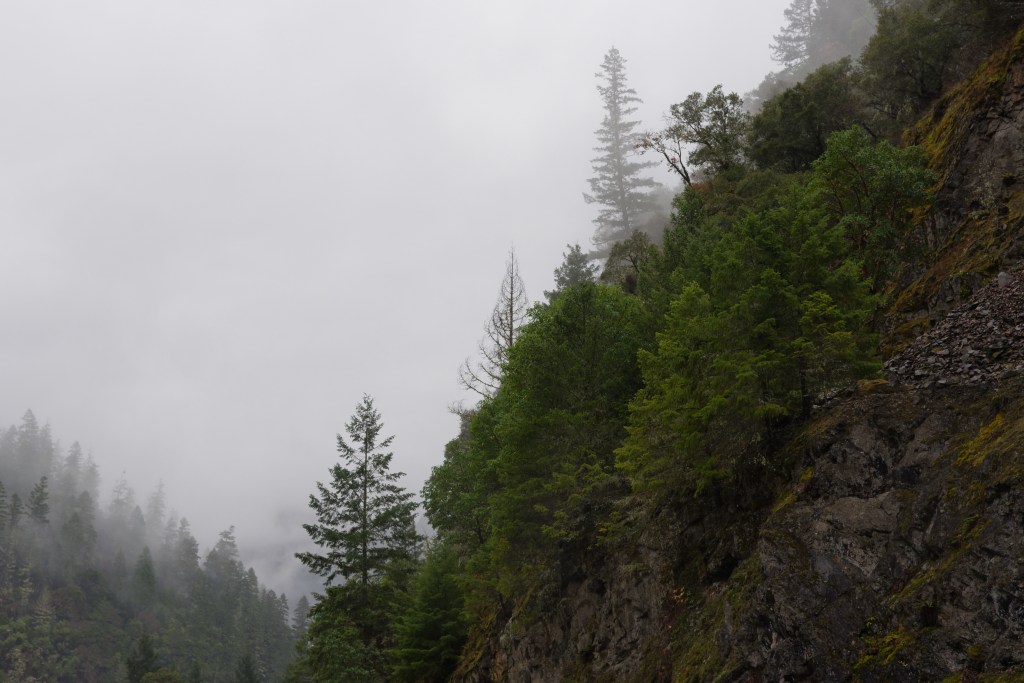
Here are some of my very first attempts, taken yesterday along the Rogue River in the rain and mist.
The Rogue River looking downstream.
oooo
The Rogue River looking upstream from the same point.
oooo
Looking towards the top of the opposite bank.
oooo
Trees in the mist.
Well it’s a start!
But I just wanted to reiterate that staying local both literally and virtually is very rewarding.
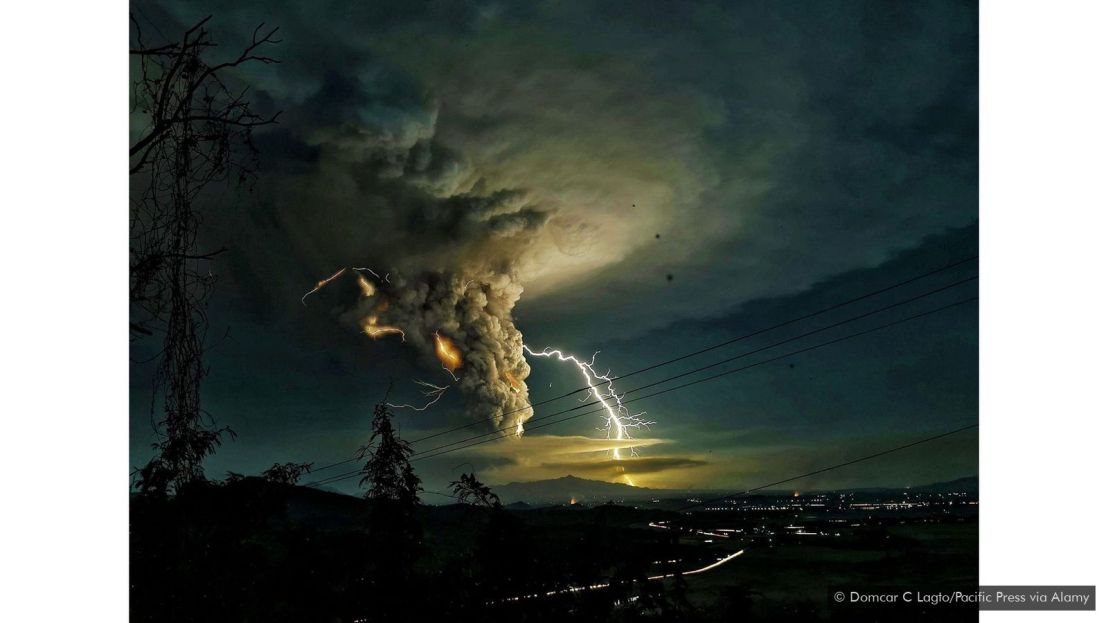
A lightning strike over the province of Batangas during the eruption of the Taal volcano in Philippines, January 2020 (Credit: Domcar C Lagto/Pacific Press via Alamy)
Eruption of Taal Volcano in Philippines, January 2020
Volcanic lightning occurs when fragments of propelled ash (including glass, ice, and rock) spark against each other in the violent plume that rises above an erupting volcano. The First-Century Roman writer Pliny the Younger is credited with recording the earliest-extant account of a so-called ‘dirty thunderstorm’ after witnessing the eruption of Mount Vesuvius in 79 AD. “A dreadful black cloud,” Pliny observed in a letter to Tacitus, “was torn by gushing flames and great tongues of fire like much-magnified lightning.” Photos taken in January 2020 of a similar display near Manila, Philippines when Taal Volcano erupted captured the world’s attention. The intense gnashing of darkness and light preserved by the images recalls the cataclysmic beauty of The Destruction of Pompei and Herculaneum, the Romantic artist John Martin’s 1822 painterly recreation of the ancient dirty thunderstorm that Pliny the Younger saw with his own eyes.
This is a copyrighted photograph and I may have to remove it pretty damn quickly.
Jean and I had the radio on, BBC Radio 4, yesterday morning and were listening to You and Yours. They had an item on puppies and the fact that at this time of the year, and especially this year, the number of puppies being brought in was very high.
There’s been a surge in puppies coming into the UK from oversees and animal welfare charities are worried about it. The Eurotunnel has put limits on the amount of dogs that can come through in one vehicle. We look at how puppies are advertised on social media and bred in countries like Russia and the Ukraine.
The former boss of Skybet, Richard Flint, reacts to the government announcement of a review of gambling laws. What can online betting companies do to make gambling fairer and safer?
We’ve been hearing how students have been struggling with their courses and accomodation in the pandemic – we hear from a father worried about his daughter in her first year, and she joins us too.
And, the number of house sales falling through because mortgage companies have downgraded valuations is rising. Are buyers just offering too much in the housing market boom?
The rules for bringing your dog into the United States depend on where you are coming from. Written or oral statements and any documents must be in English or have an English translation.
Different types of rabies exist in many mammals, but CDC focuses on importing dog rabies into the United States from certain high-risk countries. CDC experts collect and analyze rabies information around the world to determine a country’s risk for rabies.
Dog rabies was eliminated in the United States in 2007 and is under control in some other countries. However, many others do not have it controlled, and dogs coming from these countries can import this disease into the United States.
Dogs coming from a high-risk country will need a rabies vaccine certificate. High-risk countries have the greatest chance of importing dog rabies into the United States.
Photo credit: Audilis Sánchez, CDC
Example: Your adult dog lived in the United States (no-known–risk country) and visited Ghana (high-risk country) for any period of time. Before returning to the United States, your dog must have a valid rabies vaccine certificate. Be sure to get your dog vaccinated before you travel and take the papers with you.
Example: You are purchasing a puppy from Russia (high-risk country) on the Internet. Before entering the United States, your puppy must have a valid rabies vaccine certificate.
Dogs coming from a low-risk or no-known rabies risk (free of dog rabies) are NOT required to have a rabies vaccination certificate to enter the United States. However, when you enter the United States, you must provide written or oral statements that the dogs lived in a country with low or no risk for at least 6 months or since birth.
Photo credit: Michelle Decenteceo, CDC
Example: Your adult dog lived in the United States (no-known–risk country) and visited Mexico (low-risk country). This dog does NOT require a rabies certificate, because Mexico is low risk for dog rabies.
Example: Your puppy has lived in Germany since birth and is coming to the United States. This dog does NOT require a rabies certificate, because Germany has no-known risk for dog rabies.
Going back to that item on BBC Radio there was reference to a YouTube video of an illegal import from Russia.
Here it is:
Last week Love Island’s Molly Mae and Tommy Fury posted photos of their new pomeranian puppy from Russia, Mr Chai. But just a few days later they announced the devastating news that Mr Chai had died following health complications and it’s an all too common problem, when dogs from puppy farms are sold to unsuspecting families. Vet Dr Scott Miller joins us to make sure you know how to spot the signs of a reputable breeder if you’re thinking of getting a pet, alongside Sadee Slater – the victim of an irresponsible breeder.
Staying safe is more than luck; it requires research and care, and a whole lot more!
On her first day volunteering at the Norfolk SPCA in Virginia, Casey Lewis knew she wanted to adopt a dog, but was planning to wait until the moment was right. Then the volunteer coordinator introduced her to J.J. — and the adoption was official by the end of the day.
“It was love at first sight, and he came home with me that day … the SPCA still tells our story,” Lewis told The Dodo.
CASEY LEWIS
J.J. has been with his mom for over three years now, and in that time, he’s definitely caused a lot of trouble. He has very strong opinions about everything, and loves to get into things he shouldn’t.
“Last year he destroyed six boxes of tissues, tore down the baby gate for the first time, and got into the steel, pedal-operated trash can … cleanup took over an hour … But I love him, and I wouldn’t trade him for anything,” Lewis said.
CASEY LEWIS
Recently, Lewis had to go into work but couldn’t bring J.J. to doggy day care that day. She decided he’d be fine at home alone, and secured anything she thought he might be able to get into. She went off to work with her fingers crossed — and came home again to find that her hopes had been in vain.
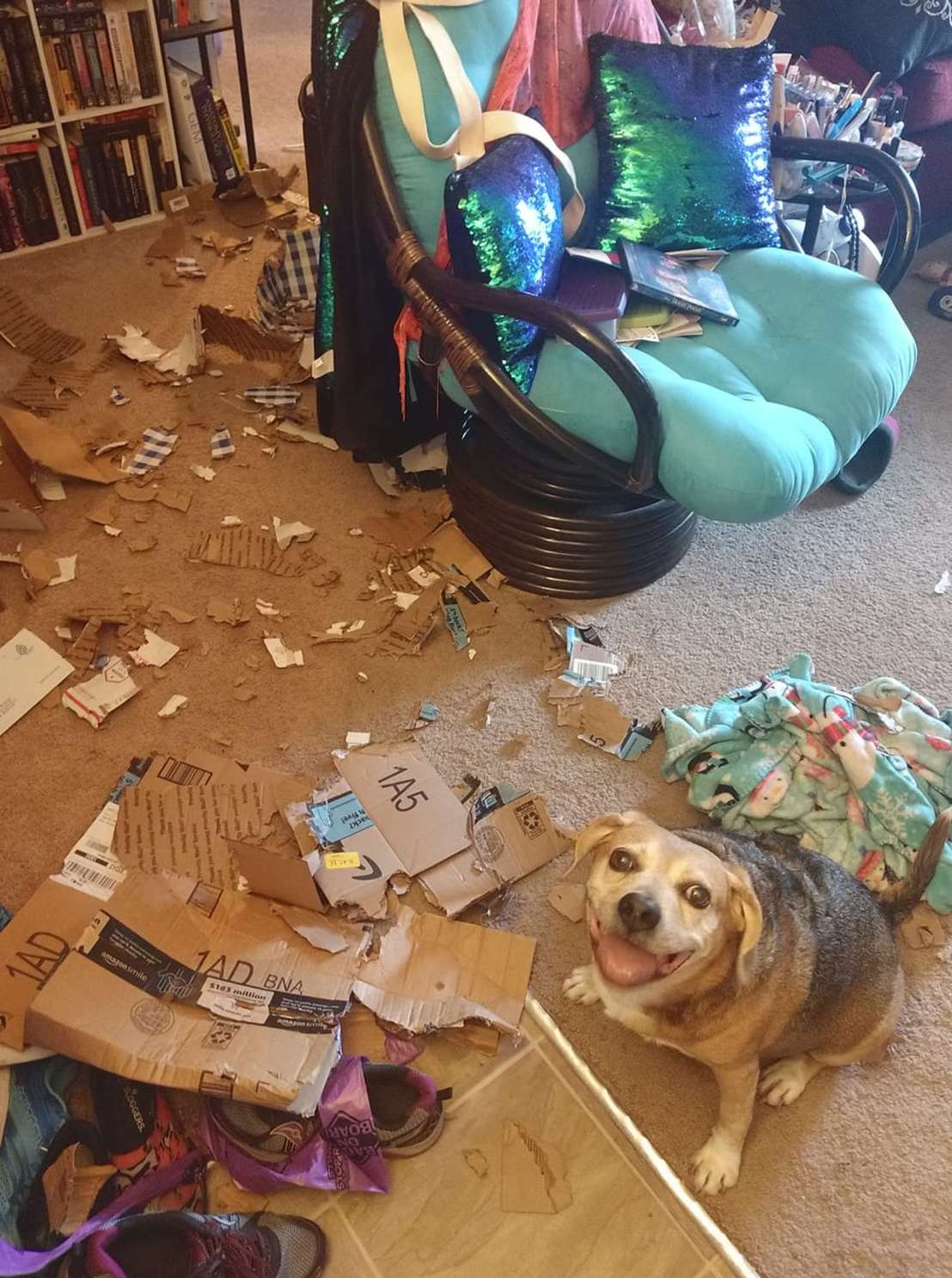
“What I found when I got home was a MESS,” Lewis said. “He’d torn six boxes into shreds of various sizes, from recognizable to fingernail-sized. He’d also pulled down the wooden baby gate in the kitchen and managed to move the storage tower that held it in place, and a large chunk had broken off an already-broken corner of the gate. I was lucky he didn’t decide to go for the trash.”
CASEY LEWIS
As Lewis observed the mess she now had to clean up, J.J. stood there proudly with the biggest smile on his face. He was clearly so excited to show his mom the art project he’d completed while she was gone, and couldn’t have been more pleased with himself.
“He’s always proud of his messes — ‘guilty beagle’ is an oxymoron,” Lewis said.
Much to J.J.’s dismay, Lewis cleaned up the mess he made that day, knowing there are bound to be many more in the future. J.J. just loves to explore and express himself, and even though it’s messy sometimes, his mom wouldn’t have him any other way.
ooOOoo
Well Casey is a real hero and clearly loves dogs beyond measure.
But, as I said at the start, J.J. is an exceptional dog. And one has to regard J.J. in his own terms. It’s no good applying human behavioural values to what J.J. is doing.
This was a story that was published by The Dodo last November 18th. It is a delightful account of an ex-rescue dog who is now in loving hands.
ooOOoo
Pregnant Rescue Dog Gets The Ultimate Maternity Shoot
“Lily Mae was born to model” 📸
By Lily Feinn
Published on the 13th November, 2020
Ryan Fant was out for a walk in a park in Little Rock, Arkansas, when he spotted a beautiful golden retriever running around without a collar. He approached the dog and started to play with her. When she began to follow him home, Fant decided to take in the lost dog and name her Lily Mae.
After a month of searching for her owner without luck, Fant decided to make Lily a permanent part of his family. But he soon noticed that the once-skinny dog’s stomach was growing … and growing.
INSTAGRAM/CAITIESFOSTERFAM
A vet confirmed that Lily Mae was pregnant, so Fant reached out to his friend Caitie Evers for help. With years of experience fostering new dog mamas and their pups, Evers was the perfect person to help Lily through this difficult time.
When Lily arrived, Evers was surprised that her growing belly didn’t seem to slow her down one bit. “She acts totally normal and makes me nervous with her running and jumping,” Evers told The Dodo. “She is a total sweetheart. She is a stage five clinger who prefers to be in my lap every moment.”
INSTAGRAM/CAITIESFOSTERFAM
With Lily’s due date just days away, Evers decided to get the word out about her puppies. And what better way to make the announcement than with an adorable maternity photo shoot?
“I have fostered a lot of pregnant dogs and new mama dogs and I have always said I wanted to do a photo shoot for them to gain attention for the foster/rescue dogs of the world,” Evers said. “So many people are amazed when they realize she is a rescue dog. I think it’s important to get the information out there that you can really truly find every single type of dog in rescue.”
SHAUNA KIELY PHOTOGRAPHY
She contacted her photographer friend and fellow rescuer Shauna Kiely, and the two set up the photo shoot for the very next day. Lily was excited to be the center of attention and get special hugs from Evers.
SHAUNA KIELY PHOTOGRAPHY
“Lily Mae was born to model,” Evers said. “She loved it and it only took like 30 minutes total!”
SHAUNA KIELY PHOTOGRAPHY
Two days later, Lily went into labor and gave birth to eight perfect puppies. Mama and the seven boys and one girl are all happy and healthy — thanks to the loving rescuer who saved them from the street and their kind foster mom.
“They are chunky babies at already almost a pound each,” Evers said. “They are doing wonderful and are healthy and active. Mom snuggles them and loves them but is also trusting me to care for them all. She allows me to change their bedding but if I take too long she’ll start putting them back on her own.”
INSTAGRAM/CAITIESFOSTERFAM
Once the babies are weaned, they will be available for adoption through the Houston-based rescue Chip N Snip, and Lily Mae will return to Arkansas to live with her dad. But, for now, the only thing Lily Mae cares about is being the best mom she can be.
To stay up-to-date on Lily Mae and her puppies’ journey, you can follow them on Instagram. If you’re interested in adopting one of Lily Mae’s puppies and live in a 3-hour radius of Houston, you can reach out to Chip N Snip here.
ooOOoo
We know totally the special joy and companionship that comes from dogs who had a rough start to their lives.
Oh how much we would like to adopt a couple of the darling puppies. But firstly we are trying to be strict in not weakening our resolve not to have more dogs and, secondly, we are thankfully more that three hours radius from Houston.
It really is delightful when someone comes along and reliably offers to submit a guest post or two, or three, or more. That person is John Brooks and he has submitted many posts; the last one being Ageing Gracefully Applies To Our Dogs As Well. It may be found here.
But before going on I would just like to say thank you to the very helpful comments about Pedi and his diabetes.
So without any further ado here is John’s latest:
ooOOoo
Pigs, Dogs, and Other Pets: Do They Get Along?
By John Brooks, December 3rd, 2020
Pigs are extremely intelligent animals, and this intelligence makes them great, loving and attentive pets. Most people opt for American miniature pigs as pets. This breed is a descendant of potbelly pigs and other small feral pig breeds. Breeders have specifically created miniature pigs to be smaller and lighter than full-sized pigs, so they can trot around the house like a dog or cat would. Most American miniature pigs will weigh between 50-75 pounds and stand 12-15-inches tall.
Ultimately however, it does not matter whether you have a full-sized or miniature pig, their ability to interact with other animals remains the same. Bringing a pig into a situation with other pets or bringing home a new pet when you already have a pet pig can be a stressful time. Pigs are prey animals. They typically react to new situations with fear.
But, you can cut down on your pet pig stress by choosing the right companion animal for them. Pigs can get along with other pets, you just need to make the introduction and relationship as safe and healthy as possible. Here we explain how to do just that.
Pigs and Dogs
Pigs and dogs living together in harmony is a big concern for most pet owners. There are plenty of photos online of pigs and dogs as best friends. But, do not count on your pig and dog getting along. Pigs are prey animals and dogs are predators. It is very easy for instinct to take over for both animals, especially if you are not there to supervise the interaction.
In addition to their instinctual behaviors, pigs and dogs have different social cues. Both are playful and intelligent animals, but their body language will be completely different. Your pig may annoy your dog and vice versa because they are unable to understand that the other animal needs a break.
These complications do not mean a pig and dog can get along. You just have to take precautions. If you do have a dog and pig together in the same household, it is essential that you supervise all of their interactions. Ultimately, if you are going to let your piggy roam free, your dog will need to be in a crate while you do so, or in another room or outside.
Pigs and Other Pets
As far as other pets are concerned, pigs will do well with almost any other prey animal. If you are searching for a friend for your piggy, here are the most common pig and pet relationships, and tips for making these relationships work:
Cats
In general, pigs and cats do well together. Despite cats being predators, the website All About Cats state that pigs have similar personality traits to cats. Additionally, cats are much less likely to hurt a pig than a dog. Even miniature pigs weigh from 50-100 pounds. It will be very hard for a common housecat to injure this size animal.
As with all animals, you will need to ensure the personalities of your cat and pig work well together. A lazy cat and playful pig will not be a good combination. However, a cat and pig with complementary personalities will likely get along just fine.
Farm Animals
Personality will come into play when introducing pigs to other farm animals. Animals that tend to buck or head-butt can hurt a pig. Similarly, pigs can bite if they feel threatened. Always test out a farm animal with a pig under supervision before putting them in a pasture together.
Farm animals that work well with pigs include sheep, goats, cows, donkeys, horses, and llamas. Obviously, you will need a lot of property to house any of these animals. Pigs work well in the same pasture as other farm animals, but it is better to give them their own living quarters in a barn or lean-to.
Conclusion
Pigs can be an amazing pet. They are trainable and affectionate. You can even teach them to walk on a harness. But, you will need to take some care in finding them a friend. Pigs can become close to many different species of animals. Some just work better than others.
Keep the personality of your pig in mind when looking for a companion. You will also want to keep early interactions short. Finally, supervision is key when it comes to successful relationships between your pig, dog, and other pets.
ooOOoo
Another brilliant essay.
Thank you to John and I write on my own behalf and, I am certain, on behalf of many, many other people.
In recent weeks Pedi, one of our two smaller dogs, ergo Sweeny and Pedi, was peeing without control and drinking lots of water to go with it.
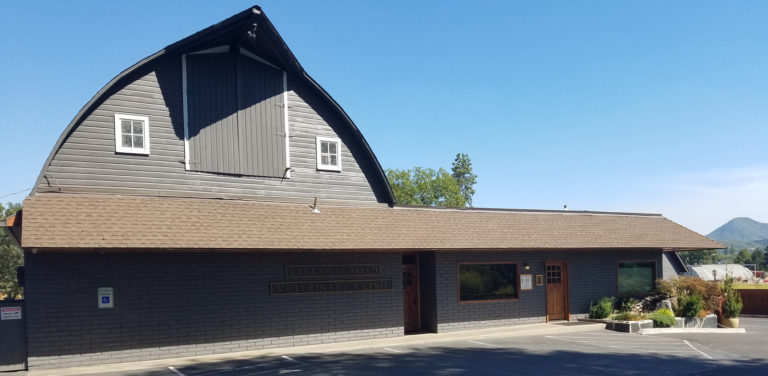
We rang Jim last week, who used to be our neighbour but they then moved to Roseburg, who is a veterinary doctor and he thought it likely when he heard the symptoms that it was diabetes. We had an appointment with Lincoln Road Veterinary Clinic on Tuesday.
At Lincoln Road Veterinary Clinic, we believe pets are a part of the family. Our teamwork philosophy strives to provide the best choices for your pet by keeping you informed of treatment options and recommendations. Our team of skilled professionals apply advanced diagnostic and treatment techniques to provide the best medical and surgical care available for your pet.
Our office is conveniently located on the west edge of Grants Pass in a warm and inviting country setting. We have a dog park so your furry friends can exercise and play!
We were seen by Dr. Karen who also thought that was the case. She took a blood sample and then rang us at home about 2 hours later to confirm.
That gave us enough time to go back into town and to the Walmart pharmacy to purchase the insulin and the needles.
We were under clear instructions from Dr. Karen to inject Pedi with insulin 30 minutes after food and to give him food every 12 hours. We chose to feed Pedi at 04:30 and 16:30 local time every day and then give him his injection at 05:00 and 17:00.
We have an appointment next Wednesday morning, the 9th, to confirm that Pedi is on the ‘right track’. Having insulin injections will be Pedi’s routine for the rest of his life.
The American Kennel Club have quite a long piece on diabetes in dogs, from which I quote:
Treatment of Diabetes in Dogs
Diet. Your veterinarian will recommend the best type of diet for your diabetic dog. Usually this will include some good-quality protein, as well as fiber and complex carbohydrates that will help to slow absorption of glucose. Your vet may also recommend a diet with relatively low fat content.
Exercise. To help avoid sudden spikes or drops in glucose levels, it is especially important that diabetic dogs maintain a moderate but consistent exercise routine.
Injections. Most diabetic dogs will require daily shots of insulin under the skin, something that the owner will have to learn to do. Although it’s understandable to be apprehensive about doing this, it’s not as hard as it might sound. It can become a quick and easy daily routine that isn’t traumatic at all for either dog or owner.
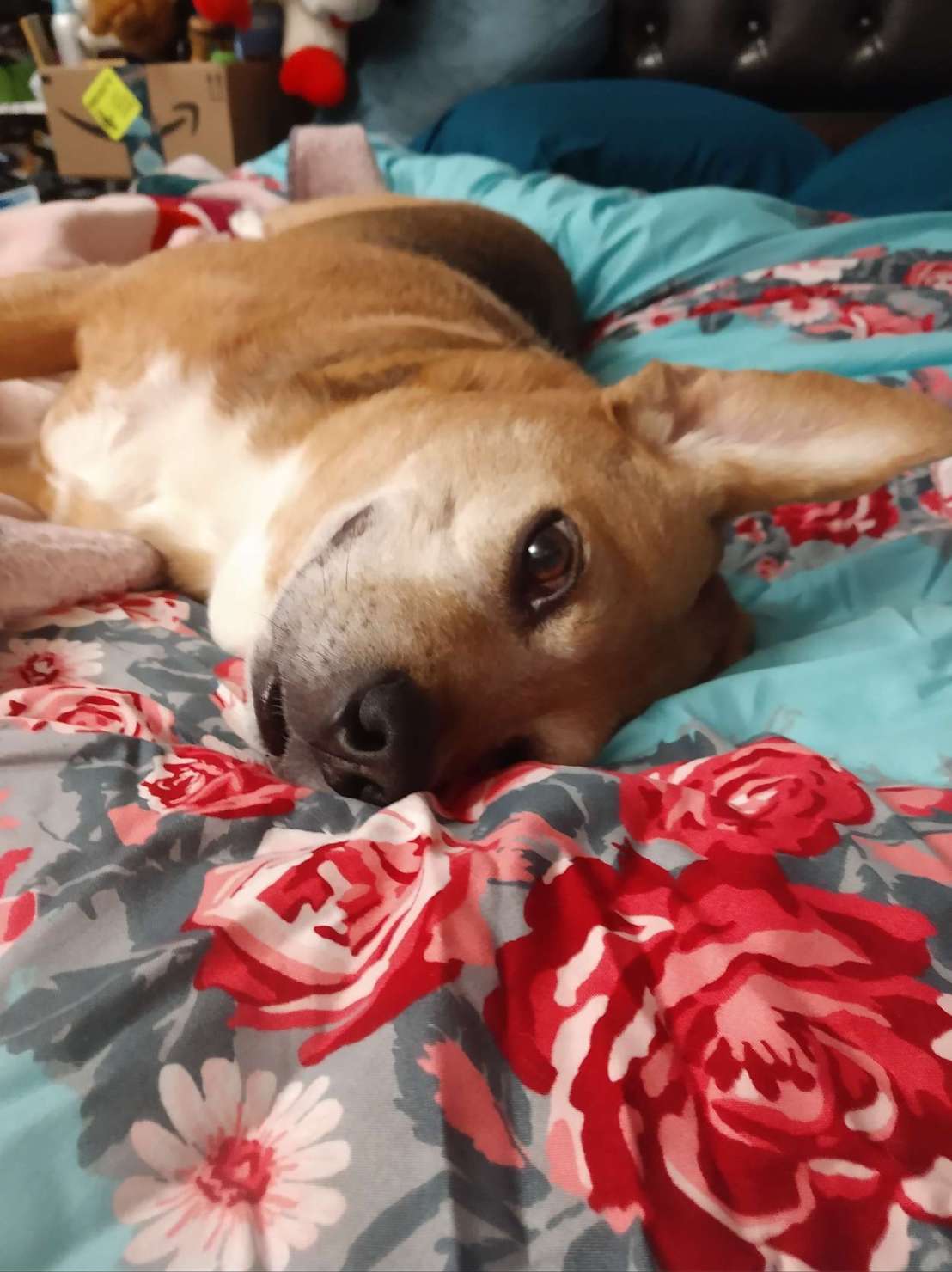
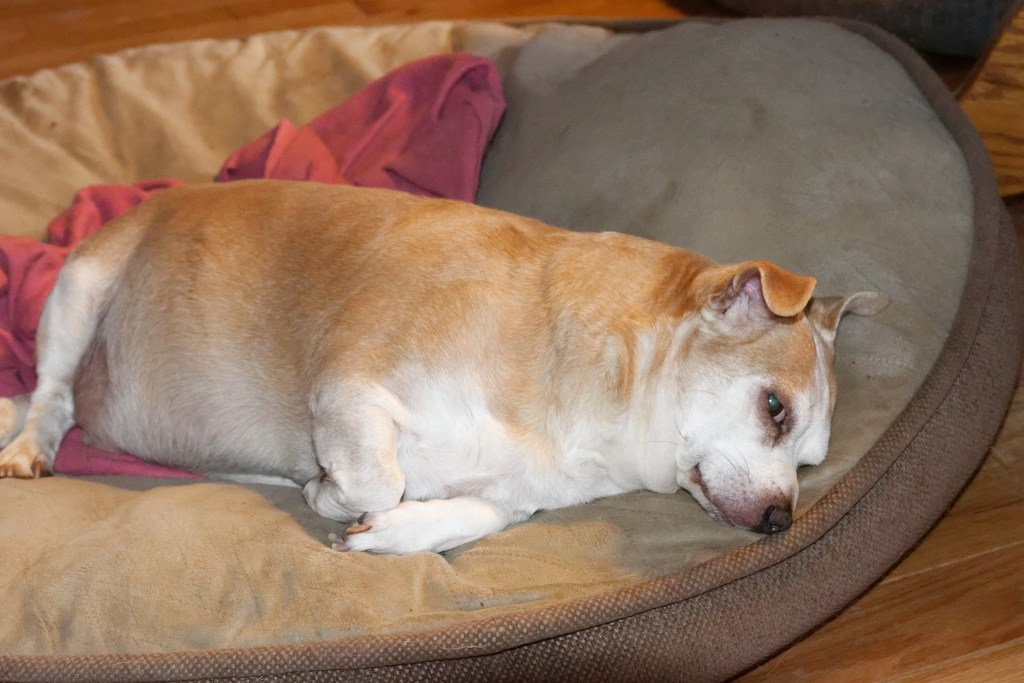
This is a photograph that I took of Pedi yesterday.
He really is not aware of the disease.
It’s up to Jean and me to administer the insulin and keep him happy!











 Learning from Dogs