Category: People and their pets

Maybe there is a difference?

Between the genders!

I don’t think I had considered it before now, or rather at the end of January this year, that women across many cultures have an extra special relationship with dogs. It came from an article published in Treehugger on the 27th January and I hope it is alright to share it with you today.

ooOOoo

Why Women Have Had a Great Impact on Dog-Human Relationships

Dogs were more likely to be seen as a type of “person” when bonded with women.

By

Mary Jo DiLonardo

Throughout cultures, women often have closer relationships with dogs. GM Visuals / Getty Images

Sure, they’re called man’s best friend, but it’s women who likely had a bigger impact on the evolutionary relationship between dogs and their humans.

In a new analysis published in the Journal of Ethnobiology, researchers found that several factors probably played a part in creating the beneficial bonds between canines and people. One of those key factors, they found, is gender.

“Both men and women were important for the care and status of dogs across societies, but women had a stronger influence,” Robert Quinlan, Washington State University anthropology professor and corresponding author on the paper, tells Treehugger.

The researchers analyzed documents in the Human Relations Area Files, an anthropological database of collections covering cultural and social life. They sorted through thousands of mentions of dogs, ultimately finding data from 844 ethnographers (researchers who study human culture) writing in 144 societies.>They studied these cultures hoping to get insight into how the beneficial relationship between dogs and humans developed, the researchers said. They tracked traits associated with what they called dogs’ “personhood” across cultures.

“In some cultures, that idea is quite explicit: Dogs are defined as a type of ‘person,’ with human-like qualities. But it also can look like treating dogs in ‘person’-like ways — including giving dogs names, allowing to sleep in humans’ beds, viewing them as beings with souls, or burying and mourning them upon death,” Jaime Chambers, a WSU anthropology PhD student and first author on the paper, tells Treehugger.

They found accounts of the Toraja Indigenous People in Indonesia describing dogs as “equals,” the Sri Lankan Vedda referring to dogs as “four-footed persons,” and the Kapauku in Papua New Guinea calling dogs the only non-human animals with souls, Chambers says.

“We also tracked instances where ethnographers mentioned dogs having a special relationship to women, versus a relationship to men. When it came to dogs’ usefulness to humans, we didn’t detect either gender having more of an influence than the other,” Chambers says. “But in cultures where women and dogs shared a special bond, humans were more likely to be useful to dogs (providing things like affection, food, shelter, and healing) and to regard dogs as ‘person-like.’”

They found that in societies where men were observed interacting with dogs, the likelihood of dogs receiving care and other benefits from humans increased by 37%, and the likelihood that they were treated like people increased by 63%.

In contrast, in societies where dogs were observed interacting with women, the likelihood that they received care and other benefits from humans increased by 127%, and the likelihood that they were treated like people increased by 220%.

“The influence of men and women were additive so that in societies where dogs interacted with both men and women, their benefits and status were increased even more than in societies where dogs tended to interact with only men or only women,” Quinlan points out.

How Women Interact with Dogs

When sifting through the documents, researchers found examples of how women interacted differently with dogs than did men.

“We found women playing a notable role in welcoming dogs into the family sphere. Among the Munduruku from the Amazon and Tiwi from Australia, ethnographers describe women caring for dogs like their own children — literally allowing them to feed and sleep alongside their own human kids,” Chambers says.

“In some cultures, dogs serve as women’s companions in their daily work, such as Amazonian Tukano women who tend their gardens and hunt small game with their dog by their side. In Scandinavia, Saami women play a key role in controlling dogs’ breeding, keeping both male and female dogs and distributing the puppies to their human friends and relatives.”

But dogs aren’t revered everywhere.

“Among the Rwala Bedouin, there’s ambivalence around dogs — they’re seen as an unclean, polluting source, forbidden from eating from cooking vessels — yet they’re still valued as watchdogs and kept close to particular households via women (who sleep near them at night, and feed them via tossed scraps),” Chambers says.

Heat and Hunting

Gender isn’t the only thing that appears to have played a role in the coevolution of dogs and humans. Researchers also found that the warmer the climate, the less useful dogs were to people as hunting partners.

Humans evolved in tropical environments and are pretty good at keeping cool, Quinlan says. However, canine ancestors evolved in cold environments in northern latitudes.

“Dogs burn a lot of energy quickly when they are very active, like chasing prey and so forth, and that can make keeping cool a big problem. Anyone who has taken their dog for a run on a chilly day versus a hot day can easily see the difference,” Quinlan says.
“So, in hot environments dogs can overheat really quickly, making them less useful as hunting partners, herders, etc. ”There are some breeds in some hot environments that have better heat tolerance, yet those are the exceptions.”

Hunting also seemed to strengthen the ties between humans and dogs. In societies where people hunted with their dogs, the animals were more valued. That benefit appeared to decline when food production increased through agriculture or keeping livestock and dogs weren’t as necessary anymore.

Mutual Cooperation Theory

There have been many theories about how dog domestication happened. Some think that humans directly tamed the animals, while others think that people and dogs were mutually attracted to each other and discovered benefits from working together.

“We will never be able to precisely identify the chain of events and conditions leading to dog domestication, but shifting our emphasis like this allows us to rethink the relationship between humans and nature by moving away from a sense of complete human dominance to a kind of cooperation between humans and other beings where the other beings are on a more equal footing,” Quinlan says.

“A mutual cooperation scenario is probably more realistic, and it suggests that we all might benefit from thinking of humans as just one important player among many when we think about humans and the natural world. For us, this rethinking allowed us to approach dog-human relationships from multiple interrelated angles, and the insights we hoped to get from viewing the relationships from multiple angles was a big motivator for this research.”

ooOOoo

I don’t know about you but we found this a very interesting and fascinating theory.

I would love to say more but despite me being the publisher of this blog I am still an individual with lots to learn about dog domestication.

Picture Parade Three Hundred and Seventy-Seven

The last Picture Parade for February.

But yet more dog photographs from Nimbushopper!

oooo

oooo

oooo

oooo

oooo

oooo

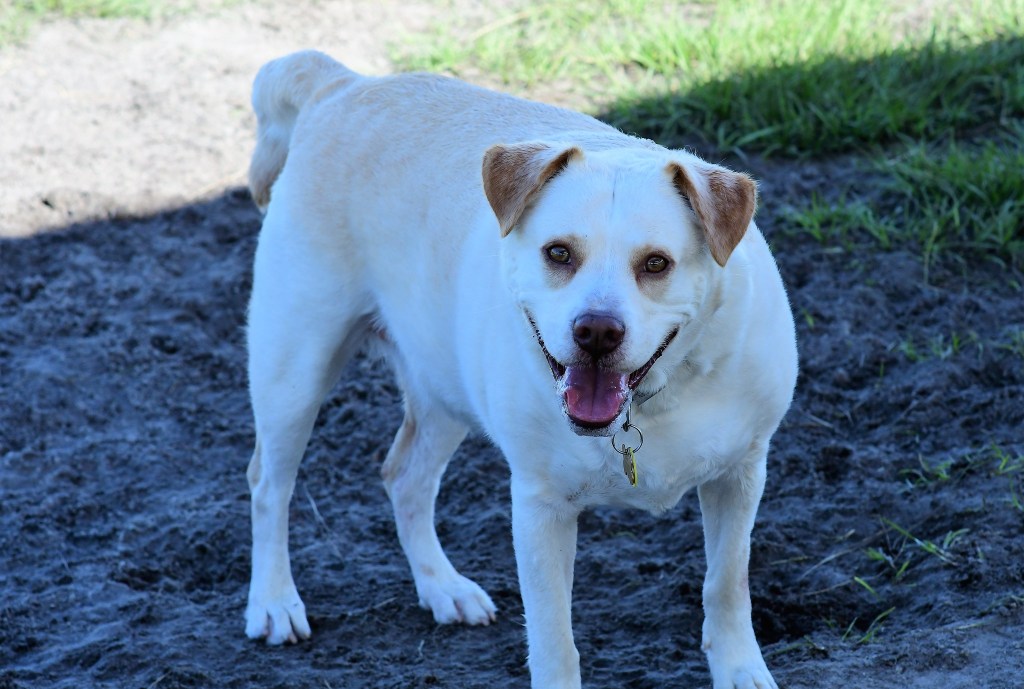
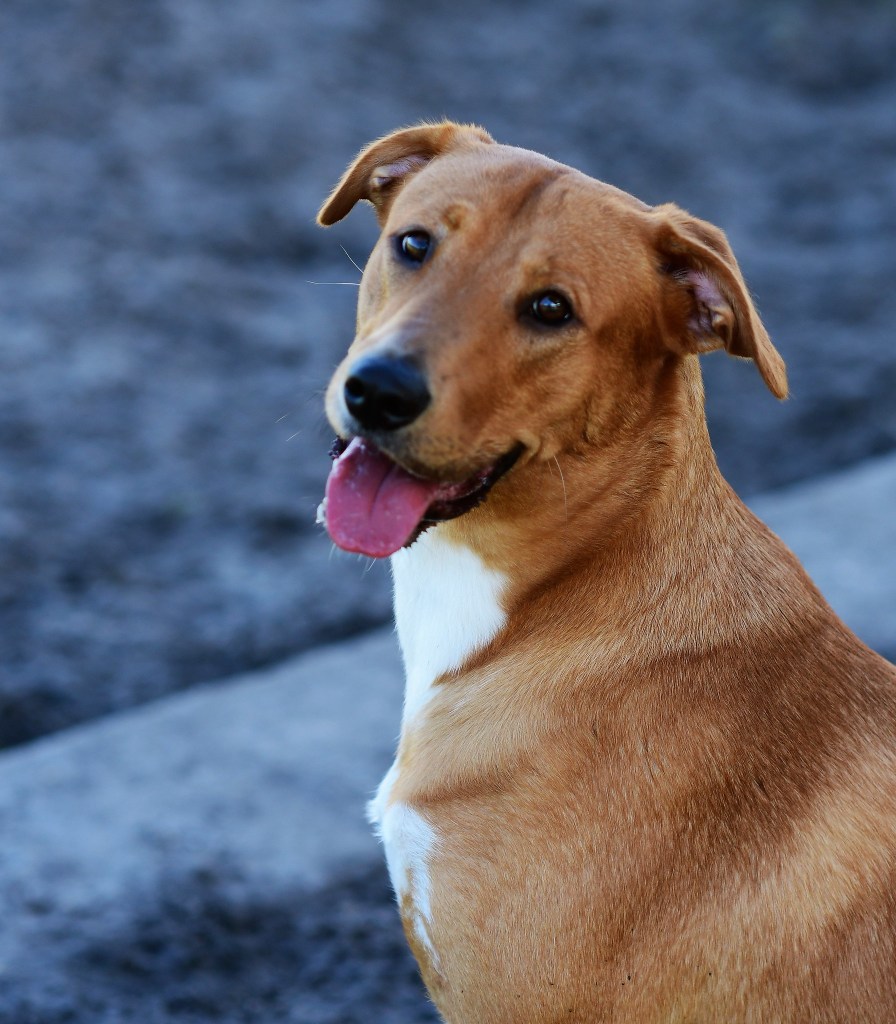
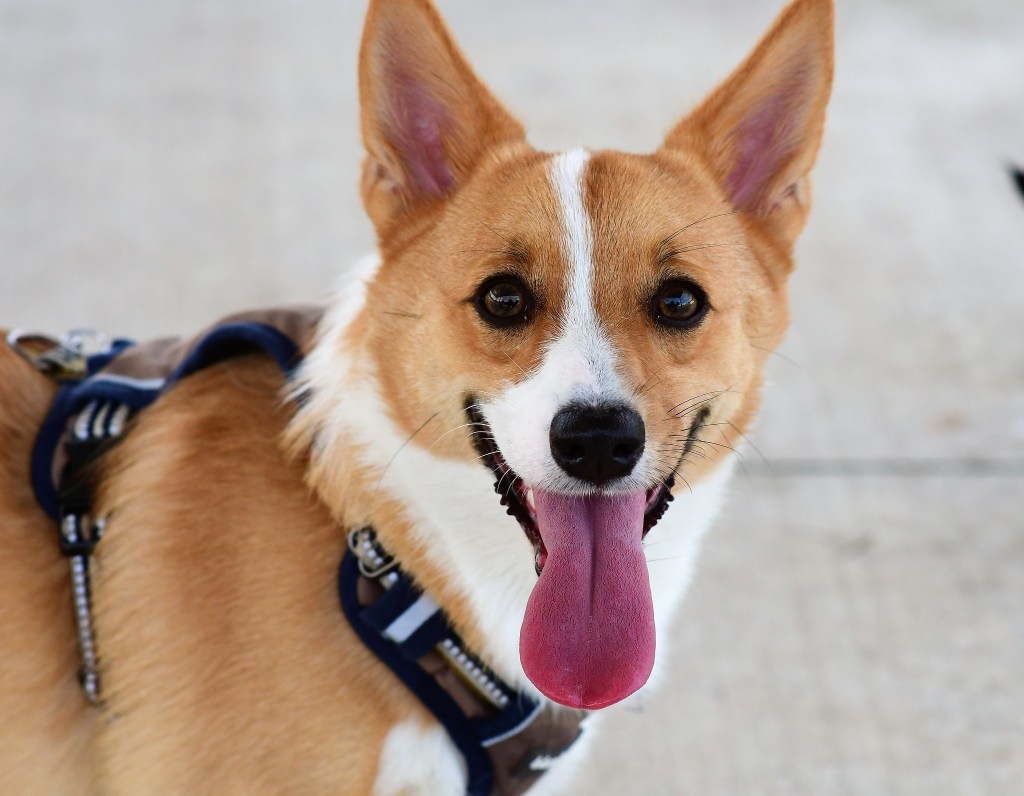
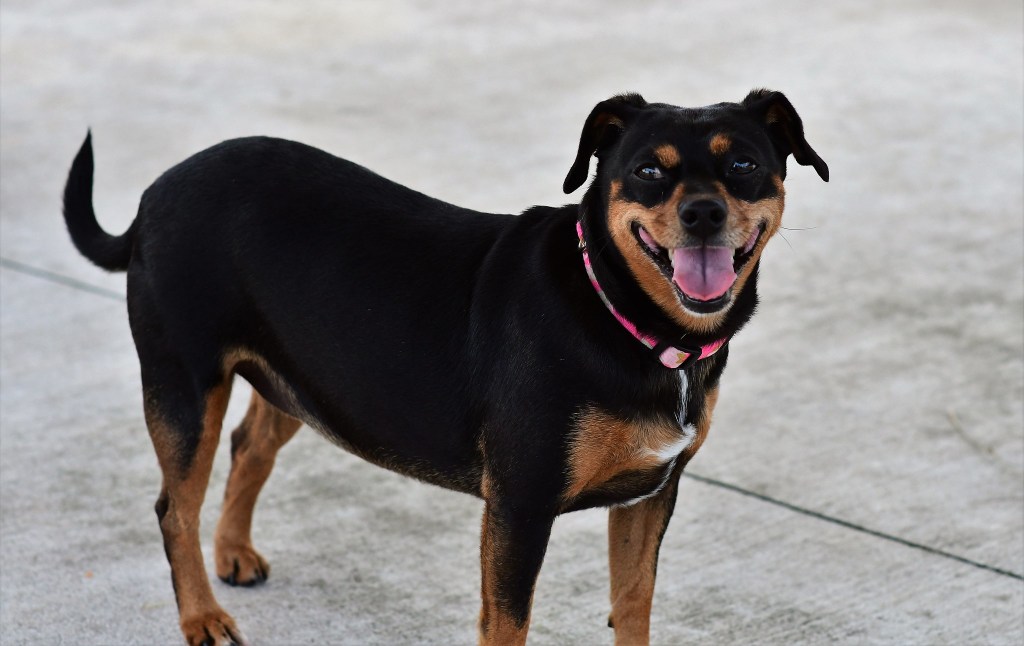
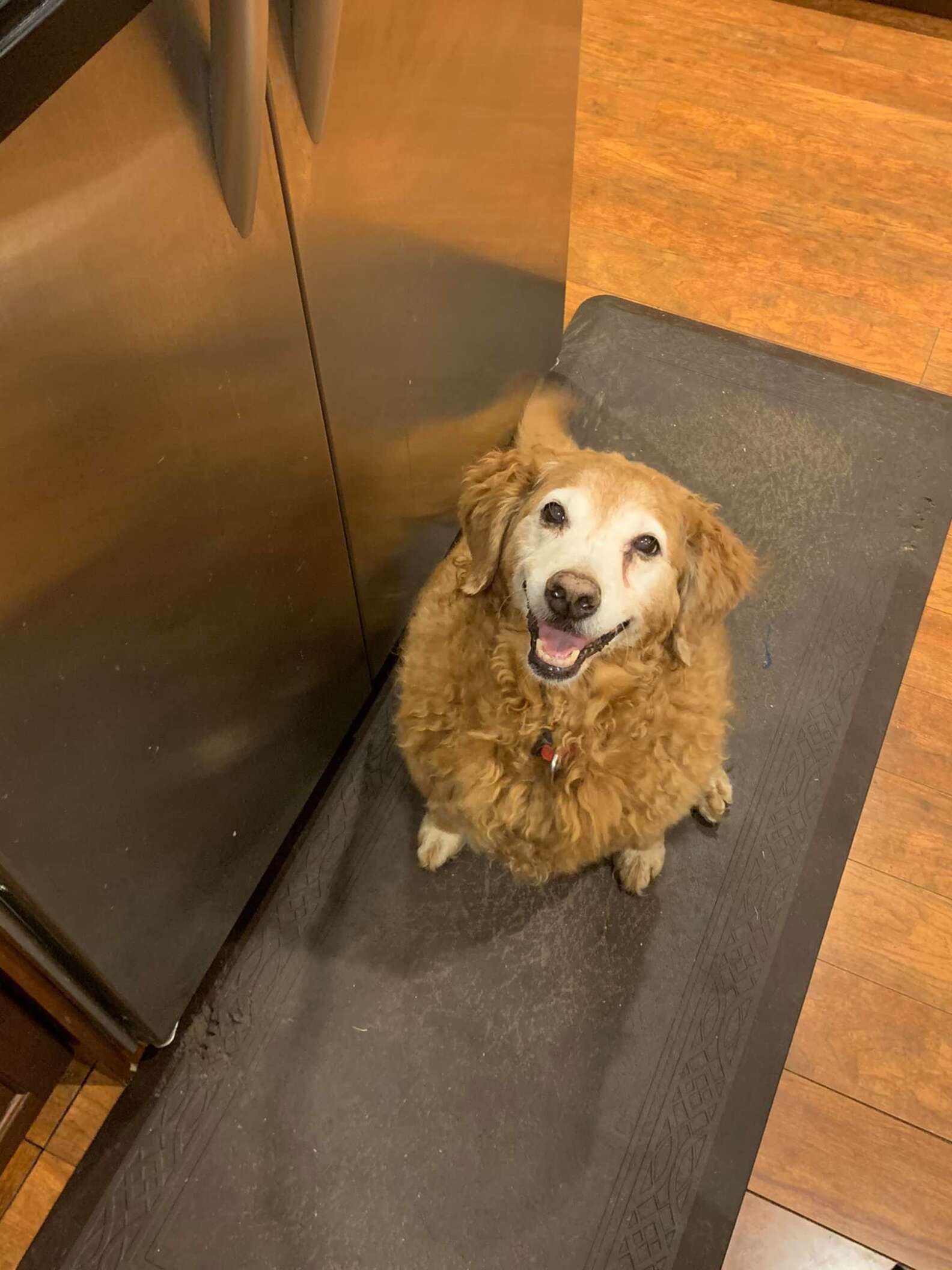
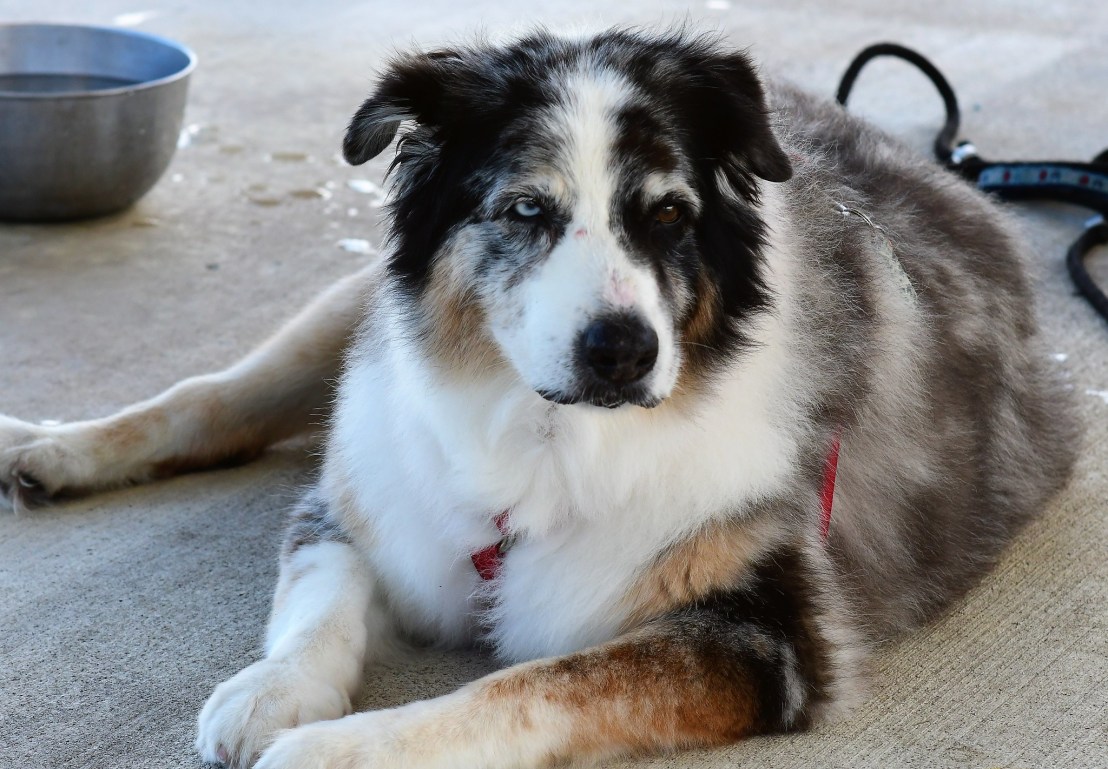
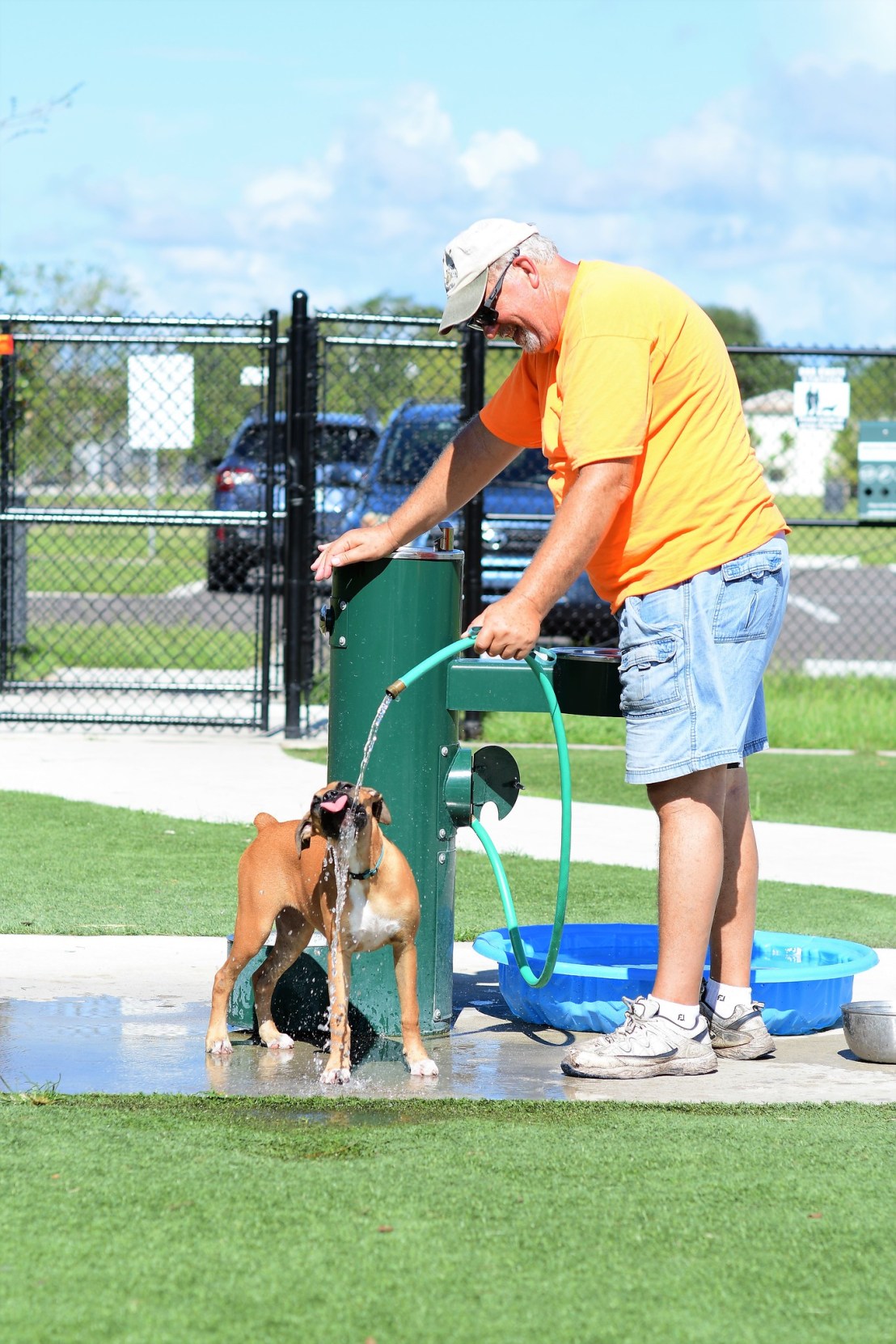
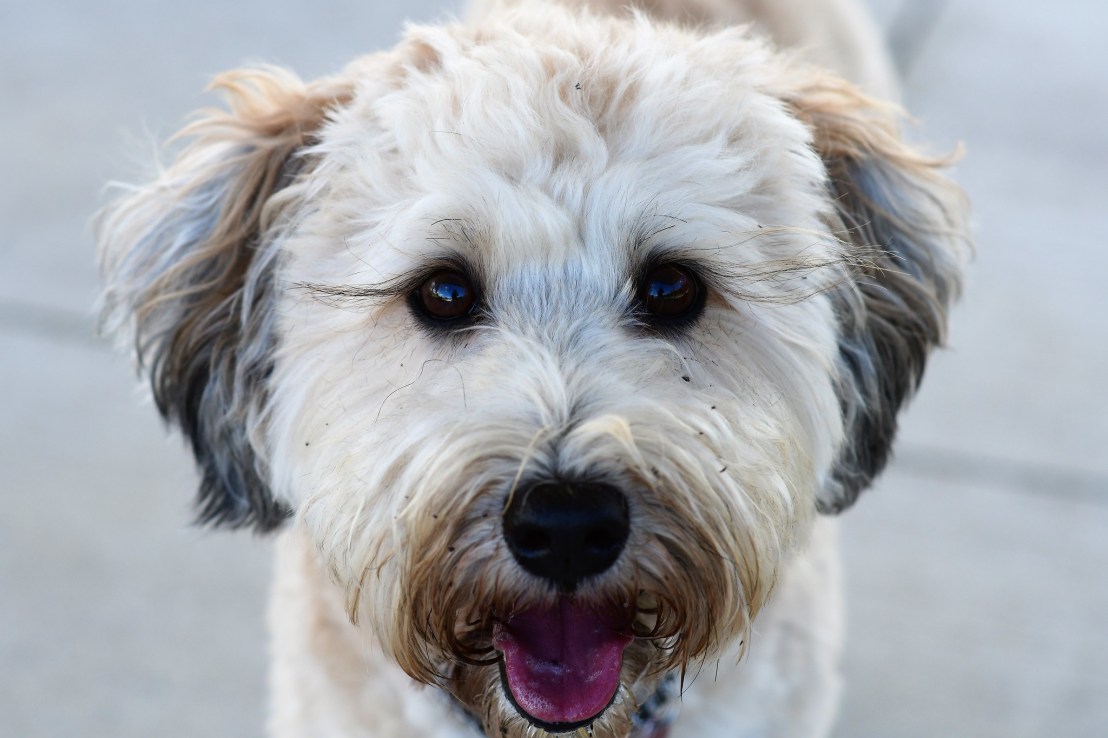
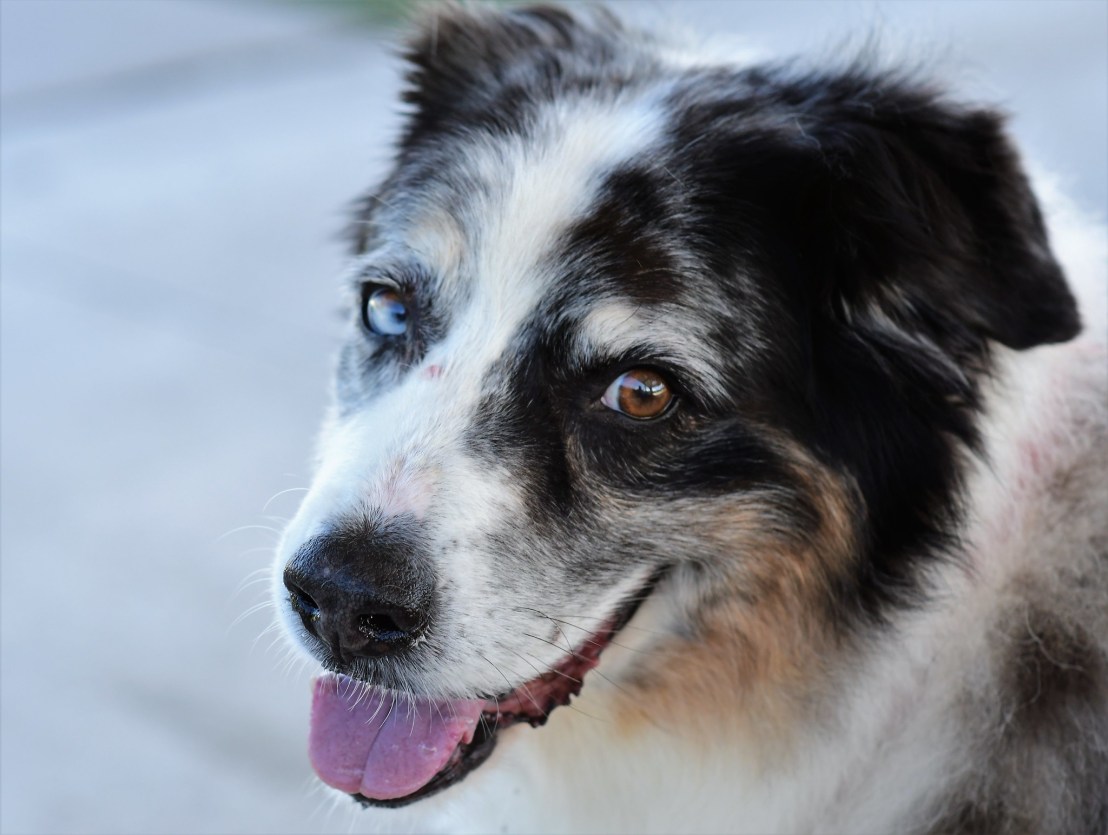
These are such beautiful photographs and that’s not all! I have just chosen the photos of the dogs looking at the camera. For the eyes of most dogs are just captivating.

Let me share with you a couple of the photos I have taken of our dogs.

Brandy!

oooo


Oliver, as a younger dog being hugged by Jeannie

See you all next week!

A Romanian sledride!

There’s no limit to the joy that we get from our dogs!

This article was recently seen on The Dodo and features a Romanian tale.

ooOOoo

Boy Takes His Dog Out For The Most Adorable Sled Ride

They’re best buddies ❤️️

By Lily Feinn   Published on 2/10/2021

The streets were empty during a recent snowstorm in Romania.

But, while most people were staying warm at home, one little boy and his dog decided to go for a “walk.”

FACEBOOK/ALIN SI GINA ABRUDAN

To make the most of the snow, 12-year-old Andrei attached a sled to his bicycle and his dog Pufi hopped on. True to Pufi’s name, the dog’s fluffy coat protects him from inclement weather, but the little pup seemed grateful to play with his human and not have to get his paws wet.

As Andrei started to cycle home, Pufi was a very good boy, balancing on the sled like a pro.

“Andrei and Pufi puppy conquered us hopelessly and reminded us of childhood when the simple things brought us the greatest joys: snow, a sled and a reliable friend next to you,” CERT Transilvania wrote on Facebook. “Today we also gave Andrei joy by giving him a brand-new bike, equipped with everything he needs for many years to come on the road to school or racing with Pufi.”

Now, Andrei and Pufi can safely sled and bike wherever they want together, through whatever weather comes their way.

ooOOoo

We just adore stories such as this one.

P.S. The above video doesn’t want to play!

SpiritDog Training.

I have relaxed my rule about posts from commercial concerns.

For the first time since July, 2009, I am presenting a guest post from a commercial business. This is how it evolved.

On the 11th February this year I received the following email:

Hi Paul,

Anne here from SpiritDog Training!

I came across Learning From Dogs while researching supplementary dog training materials and I am impressed with the articles you shared on your website.

I noticed that you are accepting guest contributions on your blog and I was wondering if our team can contribute an article for your site?

Our founder, Steffi Trott, has been featured in major publications such as Reader’s Digest, FitBark, Romper and Rachel Ray In Season so you can be assured that the content will be of high-quality.

I’ve prepared some topics here which I’m sure your readers would enjoy:

1.  How Much Exercise is Too Much?
2.  How To Teach Your Dog To Bark On Command
3.  Which Doodle is The Best Fit For Busy Families?
4.  Dog parks: Yay or nay?
5.  Fetch or keep-away? How to teach your dog to return his ball every time
6.  Nail trim horror? How to get your dog used to doggy pedicures

Please let me know if you are interested in any of these.

Looking forward to hearing from you, Paul!

Kind Regards,
Anne

I was minded to accept the invitation. I have received no income and I am not endorsing SpiritDog Training. But I thought that on balance this post should be allowed.

First, some words from Steffi Trott:

I am Steffi Trott, the dog trainer at SpiritDog Training (and hopeless dog enthusiast!). I am an energizer bunny who loves everything related to animals, the outdoors and – of course – training. I have four dogs of my own that I – of course – train every day and that participate in competitive agility as well.

I am always committed to finding the right approach for every dog and owner team – taking into consideration the individual disposition and natural strengths and weaknesses of everyone involved.

I have been teaching dog training to thousands of clients both locally and through online lessons since 2013.

I train with clients all over New Mexico and travel to teach seminars – which has taken me as far as Germany!

I studied dog training with European trainers such as multi-worldchampions in agility and European Open winners Silvia Trkman, Polona Bonac, Martina Klimesova and Anna Hinze as well as US trainers like Kim Terrill and Daisy Peel.

I have a lot of personal interest in dog cognition and behavior and keep up to date with all scientific publications on the matter.

Dog training is a very new field and just over the past couple decades trainers have gained an understanding of how much we can influence a dog’s behavior with positive, game-based methods. I firmly believe that every dog trainer needs to strive to perfect their own training skills and never stop learning and exploring.

Let me join you in finding the best possible approach for your dog!

So to the guest post submitted by Anne Handshack, the marketing associate, on behalf of Steffi.

ooOOoo

Adult dogs and playing – rethinking our expectations

By: Steffi Trott

In my work as a dog trainer, I frequently encounter the expectation that adult dogs should enjoy “playing” with other dogs. In many cases this is a misguided idea. It can cause owners to push their dogs into situations in which they are uncomfortable and may even show reactivity. Today we will look at how adult dogs interact and whether or not “playing” is a common behavior for them.

Puppies love to play

Everyone knows that puppies love to play. You can pretty much put any two puppies of any two breeds into the same space and they will run and wrestle with each other within minutes. This intense desire to play starts as soon as puppies can move around – as early as 3 or 4 weeks of age. Puppies retain the play drive until they are somewhere between 6 and 24 months old. In general, working or guard dog breeds stop to play with any other dog earlier, while companion dogs and many Doodles continue playing for longer. Some dogs completely stop any play – others get more selective in when, with whom and how they play.

Interaction yes, play no

Most friendly and socialized dogs do not dislike other dogs once they stop actively playing. They simply don’t want to race, tug and wrestle anymore. A well-mannered and social adult dog will still greet other dogs, sniff them and wander around and mark bushes with them. If your dog e.g. was friends with the neighbor’s puppy, chances are that they will both stop the wild playing at roughly the same time and switch to more laid-back interactions.

Once a dog reaches this specific point in his life at which he stops to constantly seek out play with other dogs, we need to rethink the social situations which we put him in. Have you been taking your dog to a busy park regularly? Chances are there were many other, young and playful dogs there. If they bother your dog with incessant playbowing, barking and running up to him, he may not enjoy these outings anymore and you may want to change your walking routines.

Ideally you should find canine friends for your adult dog that have the same energy level and are looking for the same interactions.

Time to quit daycare?

My clients frequently come to me with the same concern: Their puppy used to do great at his doggy daycare, but around the first birthday he stops interacting and playing as much with the dogs there. Their report cards say that the dog spent time sniffing around by himself or perhaps even got a bit snarly with the other dogs. Of course, owners are worried – is their dog regressing in his social skills?

Not at all. Again – daycares are mainly filled with young, boisterous, energetic puppies who want to play all day long. As dogs grow up, most of them reach a point at which that just does not sound like fun anymore. This is completely normal and not a reason for concern. Again, it is important to take your dog’s cues into consideration when deciding on activities for him. For a lot of adult dogs, daycare just is not so fun anymore. They might need to quit going there as the energy level is too high and they do not participate in wild play.

How much play is appropriate?

Even if you have an adult dog who does still occasionally play with other dogs, you need to monitor his play behavior. Dogs should ideally always be supervised when playing together so that owners can intervene if issues arise. 

It might be that your adult dog enjoys a bit of play, but eventually wants to just sniff by himself and be left alone. If the other dog now keeps on pestering your dog the situation might escalate. You need to always be the dog’s advocate. If your dog doesn’t want to keep playing, help him to make that happen!

Play drives can vary

While puppies always want to play with any other dog; the same adult dog might have varying interests in playing based on the day. It could depend on:

  • What he has done so far on a given day – if he has only relaxed he may be more open to playing than if he has gone on a long hike or trained a bunch
  • If “something better” is around – many adult dogs would prefer e.g. playing frisbee over playing with another dog, but if the owner puts away any toys the dog may choose to then play
  • The environment of their interaction – in a new place many adult dogs want to first sniff and explore, whereas they may be more open to playing in a known and somewhat “boring” place such as their own yard
  • Their play partner – adult dogs generally prefer to play with dogs they know rather than “doggy strangers”

The Bottom Line

Puppies love to play with any other dogs. Once they reach adulthood, it can be difficult for owners to recognize the signs that they are not so interested in this anymore. The change can be sudden or gradual. 

It is important to never push adult dogs into playful interactions. Your dog will decide himself if or when he wants to play, and you should be mindful of his preferences. Perhaps he only wants to play with a certain other dog or only for a short time. Or maybe he does not want to play at all!

You need to always be his advocate and make sure that he can be comfortable in interactions with other dog.

ooOOoo

If any of the readers of today’s article have views as to whether or not this guest post should have been allowed then please I would love to hear from you.


Dogs can be so smart!

But the day is tinged with sadness!

Today, Tuesday, we went across to The Red Barn to get some hay, a regular occurrence.

Tyler, the manager, was not there but his brother, Zach, was. But just as important were Jean & I seeing Tully again. He is such a sweet dog and so full of life. A Labrador cross. But we learnt that recently he had been hit by a car, suffered severe injuries, and had to be put down. Even Duke, another dog of the same breed, seemed sad.

Apparently Tully was hit by a car and the driver didn’t even stop!

So on to today’s post.

ooOOoo

Dog Pretends To Go Outside To Go Potty So She Can Get A Treat

Such an adorable little liar 💛

By Caitlin Jill Anders
Published on the 8th February, 2021.

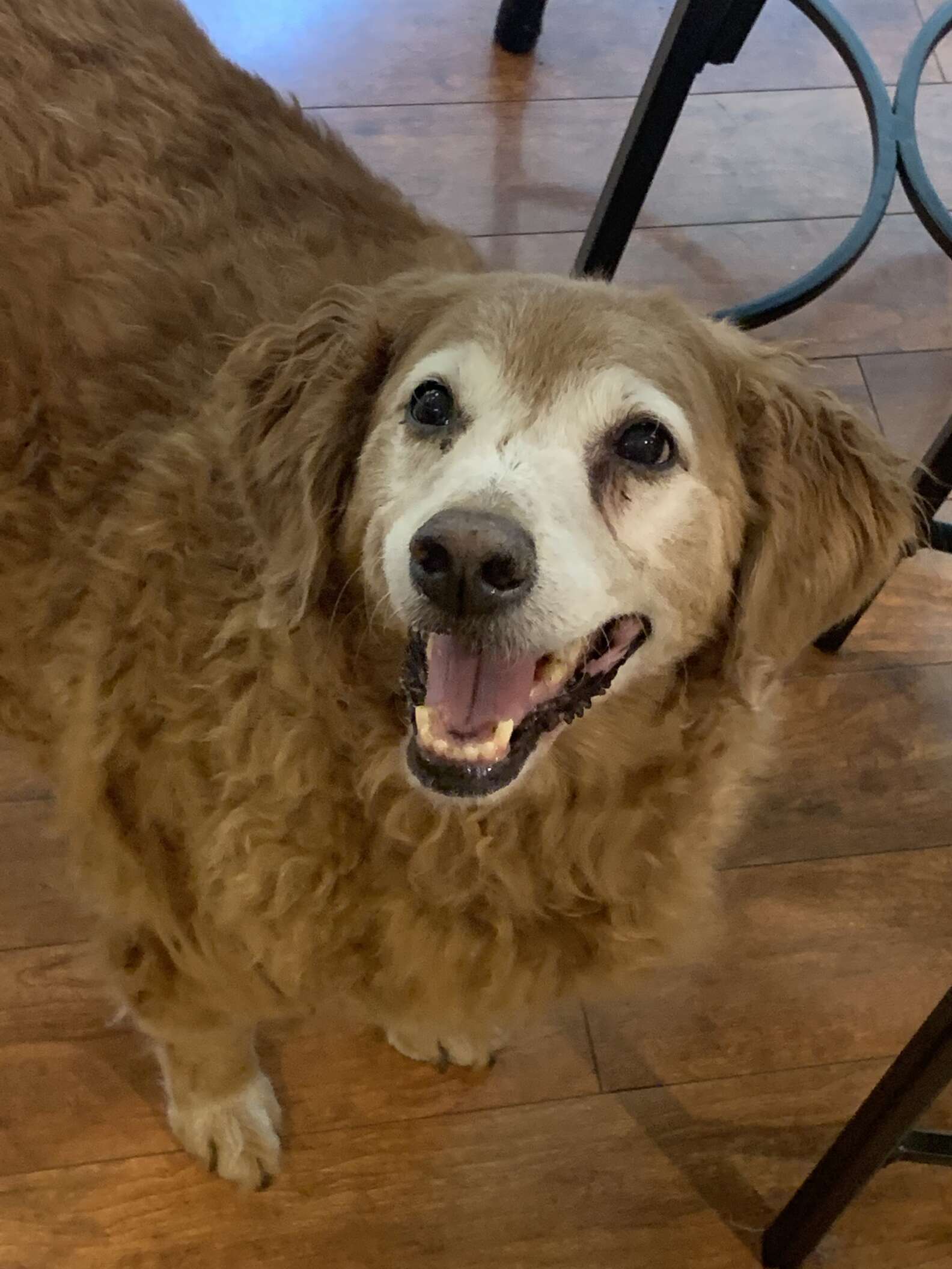
Even though Dakota is almost 12 years old, she still acts like a puppy most of the time. She loves meeting new people and taking naps, and is happy pretty much all the time. Her absolute favorite thing in the whole world, though, is food.

“She acts like she is innocent but … is an evil genius inside when it comes to food of any kind,” Cheryl Dorchinsky, Dakota’s mom, told The Dodo.

CHERYL FEINGOLD

When the family got a new dog door and wanted to teach Dakota how to use it, they of course turned to treats to help encourage her. She was scared of it at first, but once treats were involved, she quickly turned into a dog door pro and never looked back.

Once she knew how to use the dog door, though, she also quickly figured out how to use it to her advantage to trick her family into giving her extra treats.

CHERYL FEINGOLD

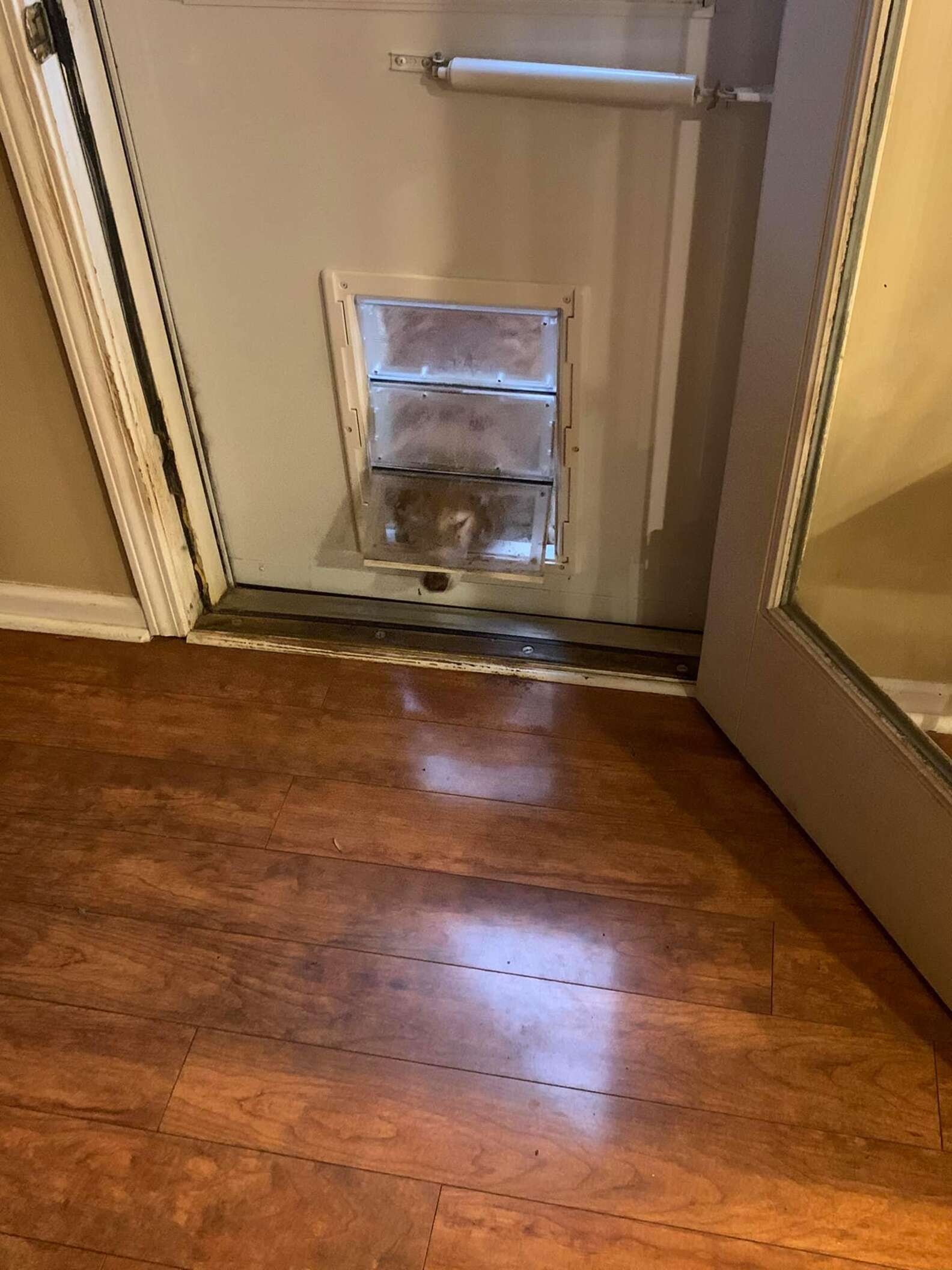
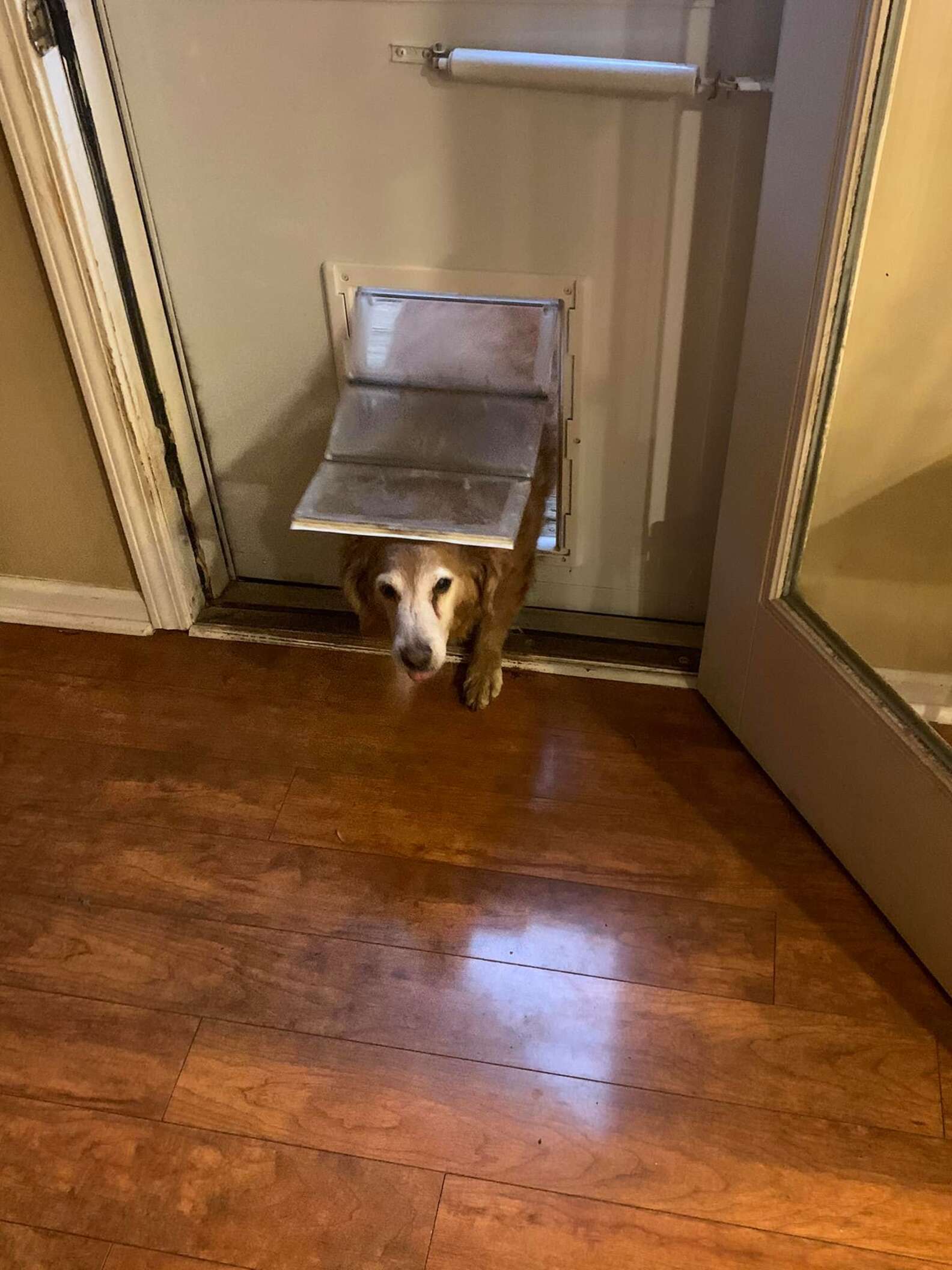
Whenever Dakota goes outside and goes to the bathroom, she gets a treat, so one day, she came up with a genius plan. She decided to start going outside through the dog door, sitting right outside it for a little while, then coming back in as if she’d gone to the bathroom and asking for a treat.

What Dakota failed to consider is that the dog door is clear — so her mom can see her sitting right outside it, very blatantly not going to the bathroom.

CHERYL FEINGOLD

“At first I believed her but then questioned how she came back in so fast,” Dorchinsky said. “I would watch and noticed that she was doing that. It’s almost like a child who thinks you can’t see them if they can’t see you. She always looks away. It’s funny!”

Even though Dorchinsky has totally caught on to the sneaky scheme, Dakota doesn’t care. She still does it every single day, because the potential treats are absolutely worth it.

CHERYL FEINGOLD

“She seems very proud of her scam,” Dorchinsky said. “There is no shame in Dakota’s game.”

Despite knowing that Dakota isn’t actually going to the bathroom most of the time, Dorchinsky still gives her treats anyway. It’s hard to say no to that face.

CHERYL FEINGOLD

“If I don’t react she will bark at me to let me know she went potty (fuzzy liar),” Dorchinsky said. “She is adorable and I totally give in. Maybe she deserves the treat for not going potty on the porch?”

ooOOoo

As I said, dogs are very smart!

Picture Parade Three Hundred and Seventy-Six

More fabulous photos from Nimbushopper.

oooo

oooo

oooo

oooo

oooo

oooo

oooo

oooo

In a sense these are an extension of yesterday’s post about the wolves.

But so far as these dogs are concerned I shall never tire of downloading them and sharing them with you.

Dear Lulu!

She is now a wealthy dog!

From the BBC News of seven days ago:

Lulu the dog inherits $5m from deceased US owner

Lulu the border collie was left $5 million (£3.6 million) after her owner died last year.

Bill Dorris left the dog in the care of his friend, Martha Burton. The will states that Burton is to be reimbursed for Lulu’s reasonable monthly expenses.

The love for dogs shows no bounds at all.

Beautiful creatures!

Now here’s an idea!

Using the dog’s nose to sniff out positive Covid cases!

I follow Tony and I have been across to his blog before One Regular Guy Writing about Food, Exercise and Living Past 100.

But on the 15th February Tony came up with a brilliant idea; read it for yourself:

ooOOoo

Dogs’ highly evolved noses can rapidly detect the SARS-CoV-2 virus

For some 15,000 years, dogs have been our hunting partners, workmates, helpers and companions. Could they also be our next allies in the fight against COVID-19? As a dog owner with a small poodle who could sniff out a chicken bone in the middle of a football field I was not surprised to learn this.

According to UC Santa Barbara professor emeritus Tommy Dickey and his collaborator, BioScent researcher Heather Junqueira, they can. And with a review paper published in the Journal of Osteopathic Medicine they have added to a small but growing consensus that trained medical scent dogs can effectively be used for screening individuals who may be infected with the COVID-19 virus.

I would volunteer my 15-year-old poodle, Gabi, for this study.

This follows a comprehensive survey of research devoted to the use of trained scent dogs for detecting COVID. “The most striking result is that studies have already demonstrated that dogs can identify people who are COVID-19 positive,” Dickey said of their findings. “Not only that,” he added, “they can do it non-intrusively, more rapidly and with comparable or possibly better accuracy than our conventional detection tests.

Not surprisingly, the magic lies in canine sense of smell, which gives dogs the ability to detect molecules in tiny concentrations — “one part in a quadrillion compared with one part in one billion for humans,” according to the paper. Add to that other optimizations for smell, such as a large nasal area and the structure of their noses, which allows inflow through the nostrils and outflow through nasal folds. Further, with 125-300 million olfactory cells and a third of their brains devoted to interpreting odors, dogs are well equipped with the ability to sniff out the volatile organic compounds that indicate the presence of COVID.

ooOOoo

I must gently disagree with Tony’s opening statement. Dogs evolved from the grey wolf something like 23,000 years ago.

But what a great article and will we see the authorities take him up on the idea? I certainly hope so.

German Shepherd

A wonderful video.

This was sent to me by Jules. Julie is the partner of my friend of too many years, Richard Maugham. Richard and I go back many, many years. Indeed we met on a flight in the Commodore PET Jet over 40 years ago. Prior to that Richard was working for Olivetti and me for IBM Office Products. We were then selling electric typewriters and the early forms of dedicated word-processing machines. As I said a long time ago!

This is what ‘Frosty Life’ has to say about the video:

My daughter has a German Shepherd puppy that is huge, but is only 7 months old. This German Shepherd has never experienced snow before. Watch as Rollo, the German Shepherd experiences snow for the first time and then he barks at the snow. This GSD has his hackles up as he growls and barks at the new fallen snow. It is amazing to watch her German Shepherd as he experiences snow for the first time and barks at it. He ate the snow and now he likes it.

Enjoy!

Picture Parade Three Hundred and Seventy-Five

It’s Valentine’s Day and yet more dogs!

Yes, they are from Nimbushopper and you can go across to his Flickr account here.

oooo

oooo

oooo

oooo

oooo

oooo

And the last one for today is a non-doggy one but is still a beautiful photograph.

So on to next Sunday and, hopefully, more photographs.

You all take great care of yourselves.

Finally, a Happy Valentine’s Day!