Category: People and their pets

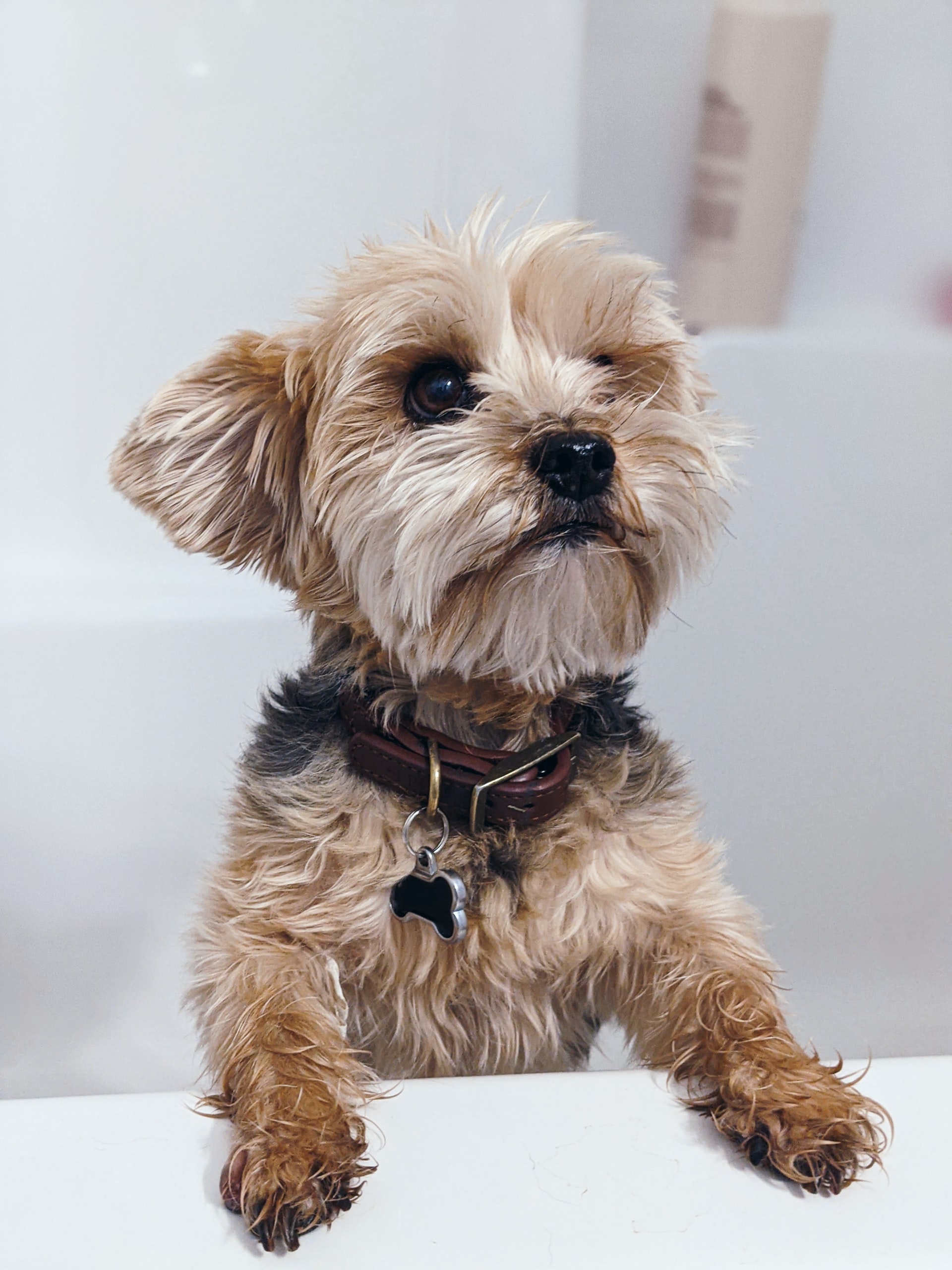
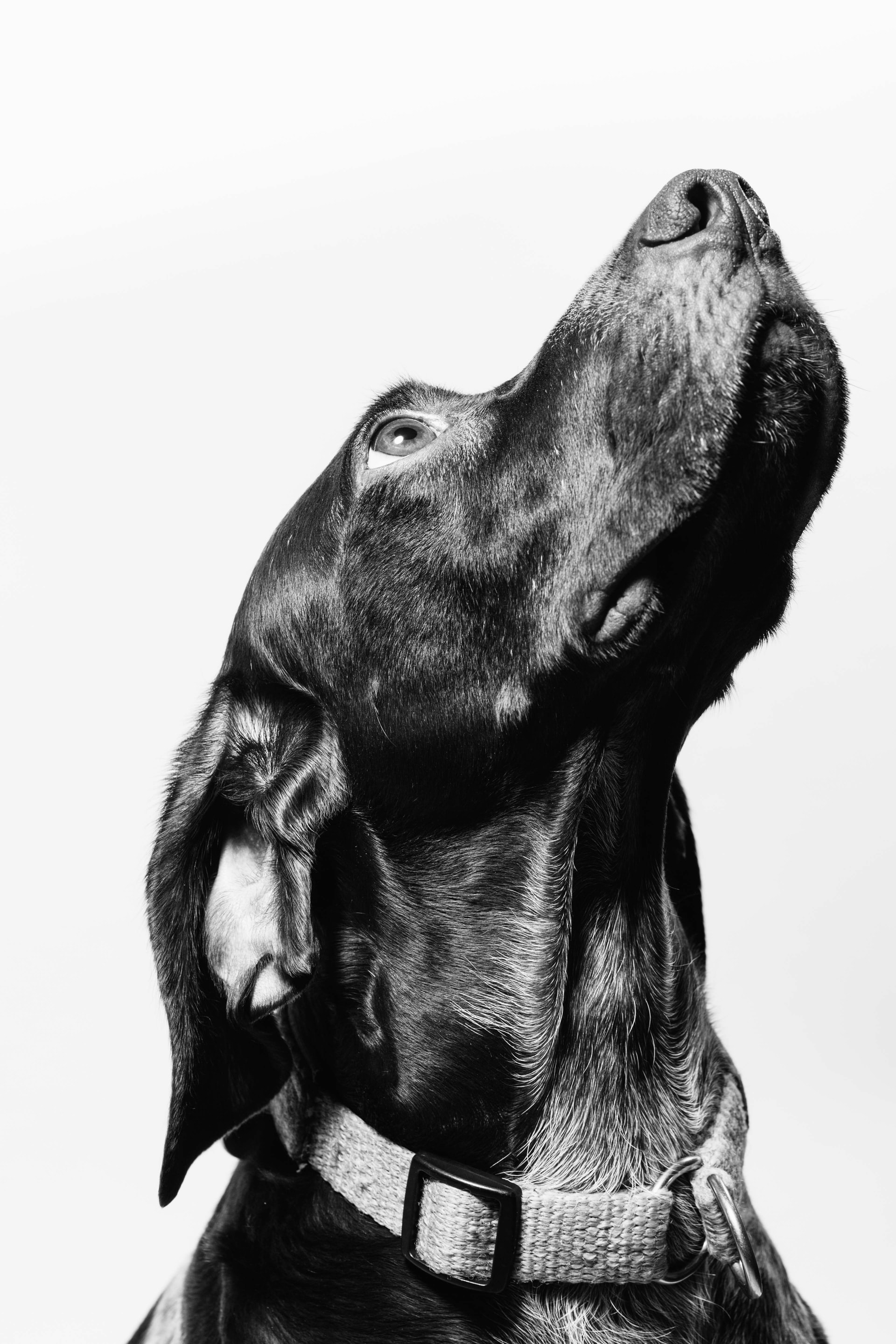
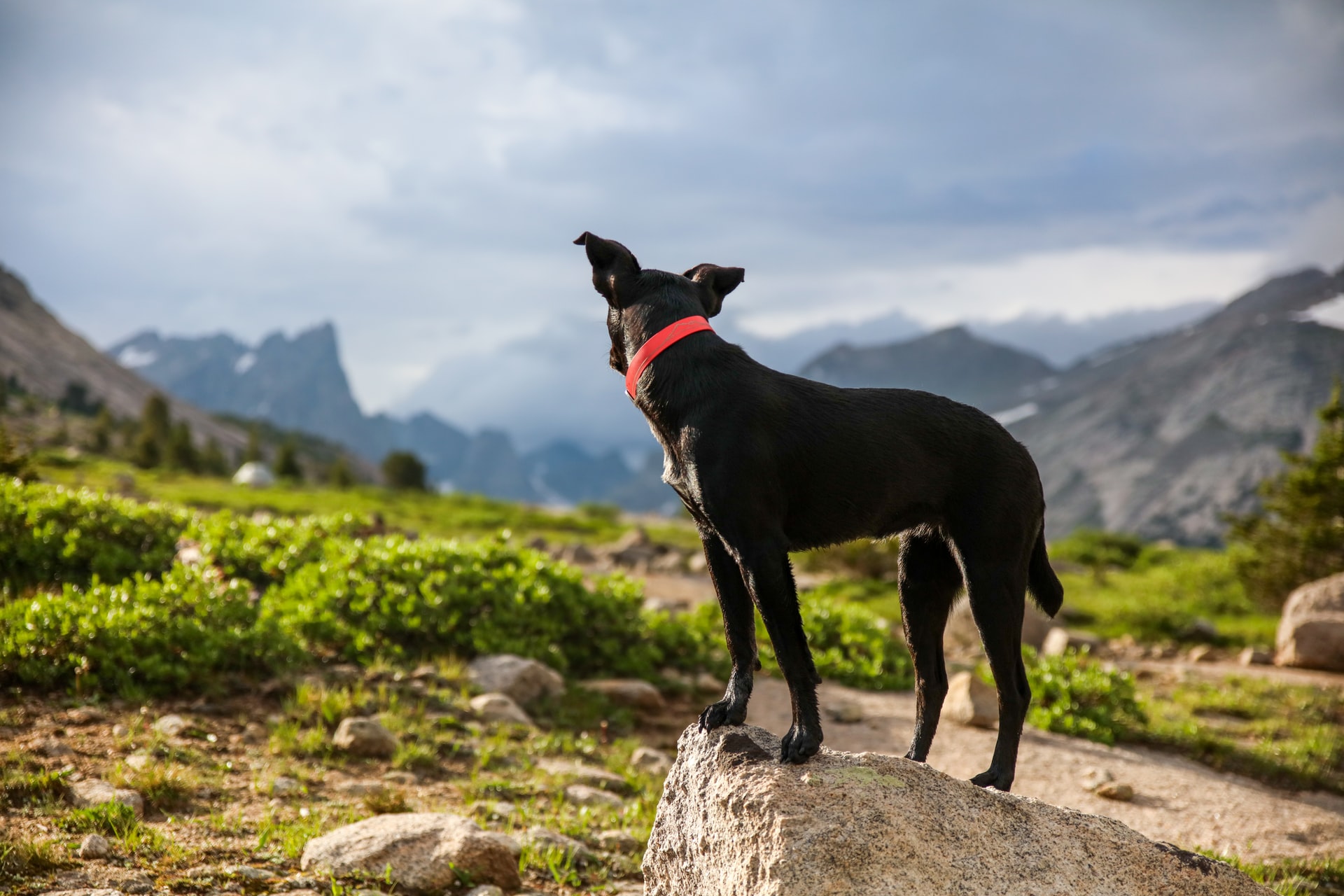
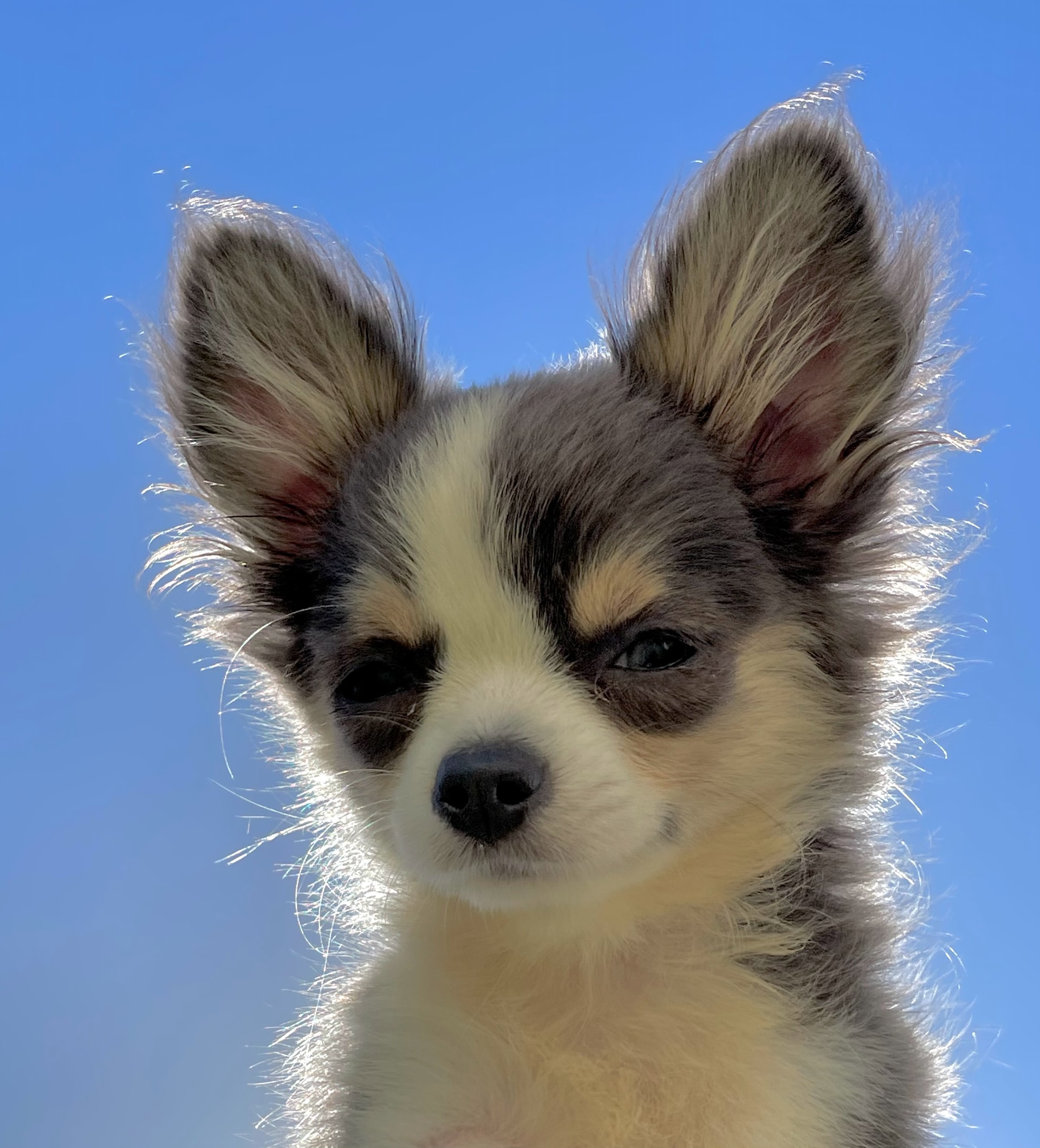
Picture Parade Four Hundred and Fifteen

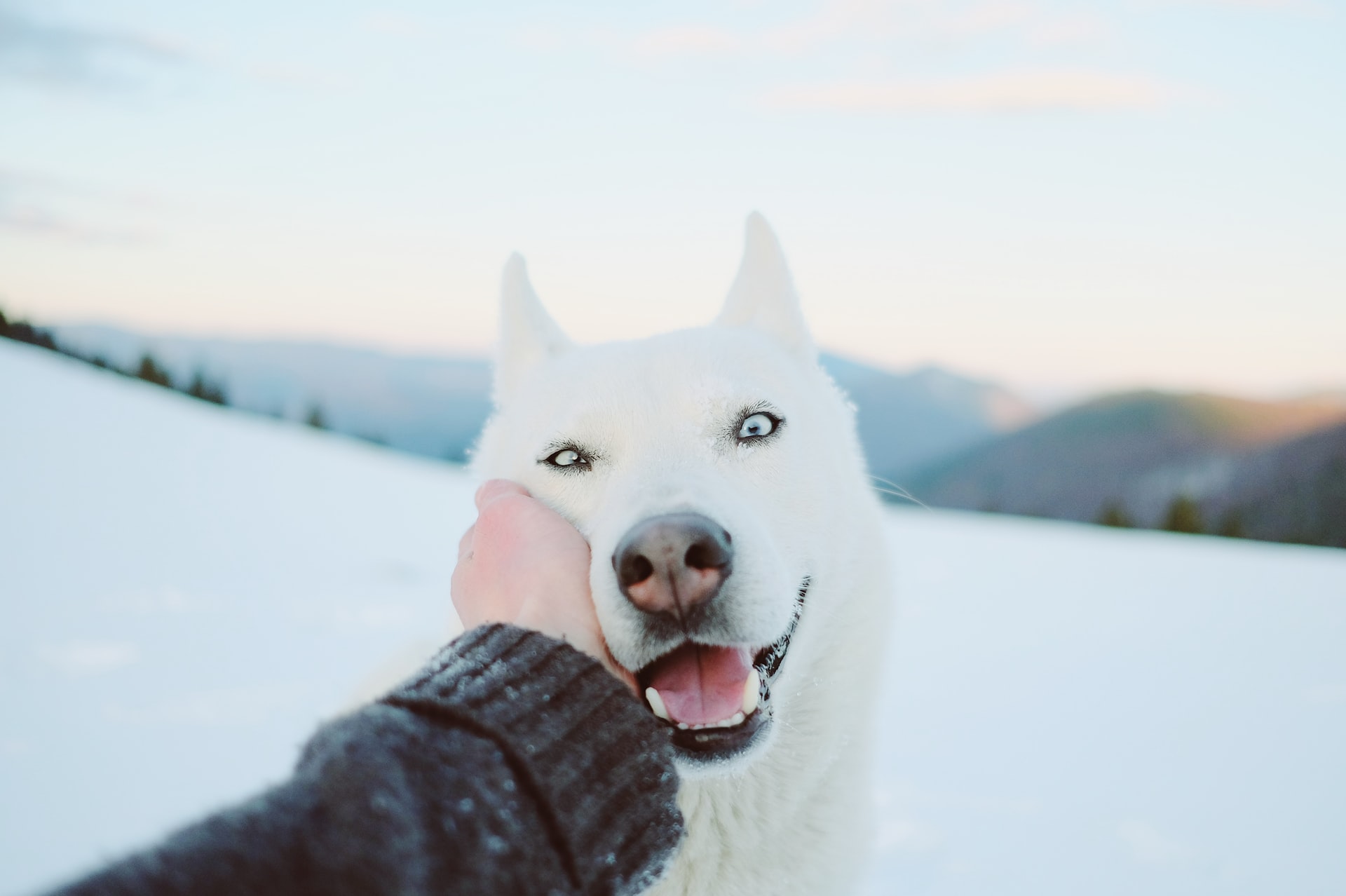
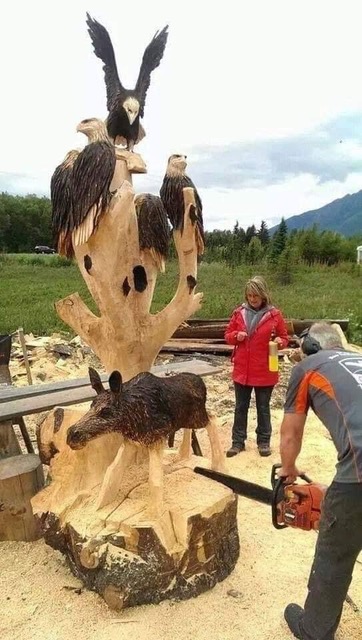
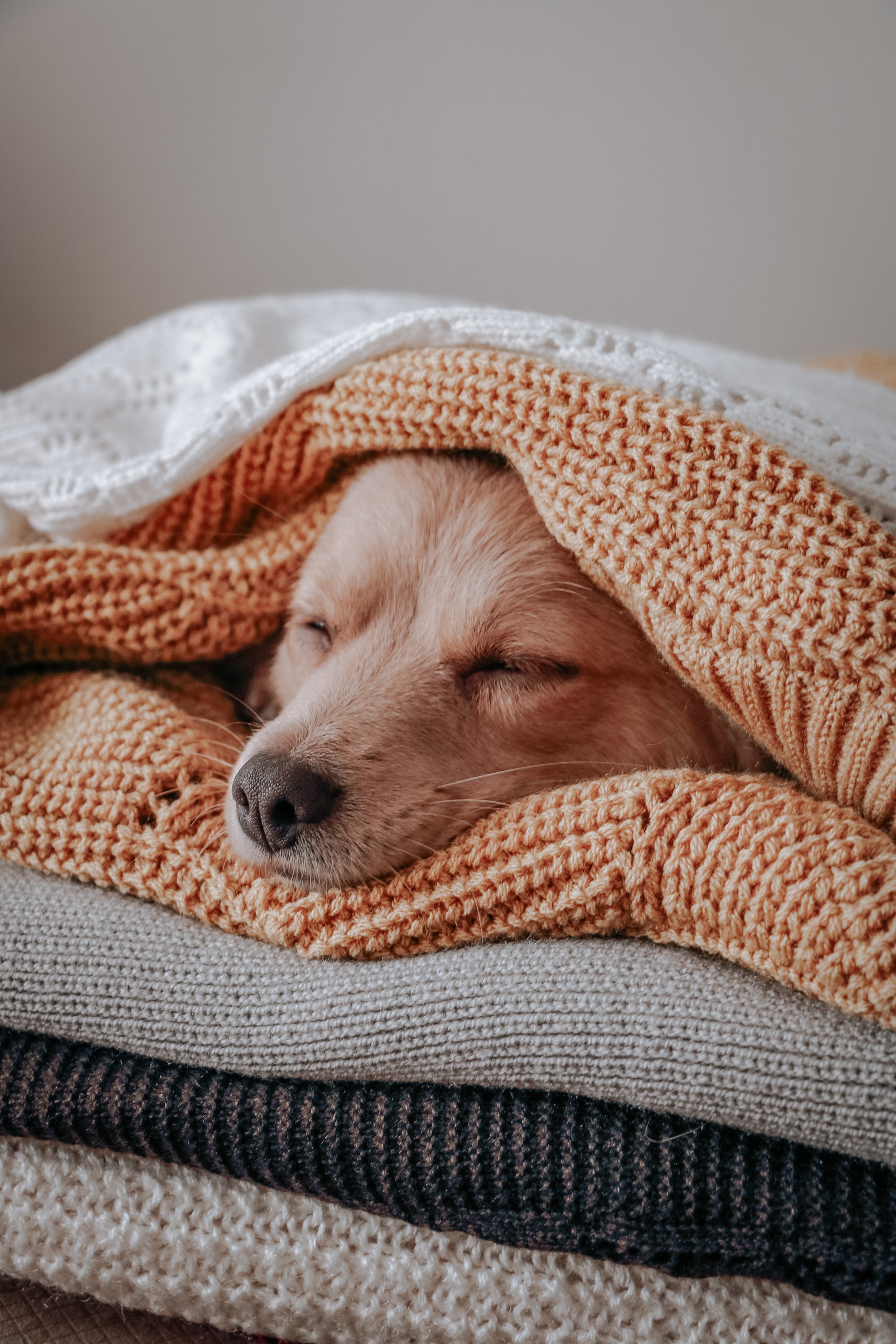
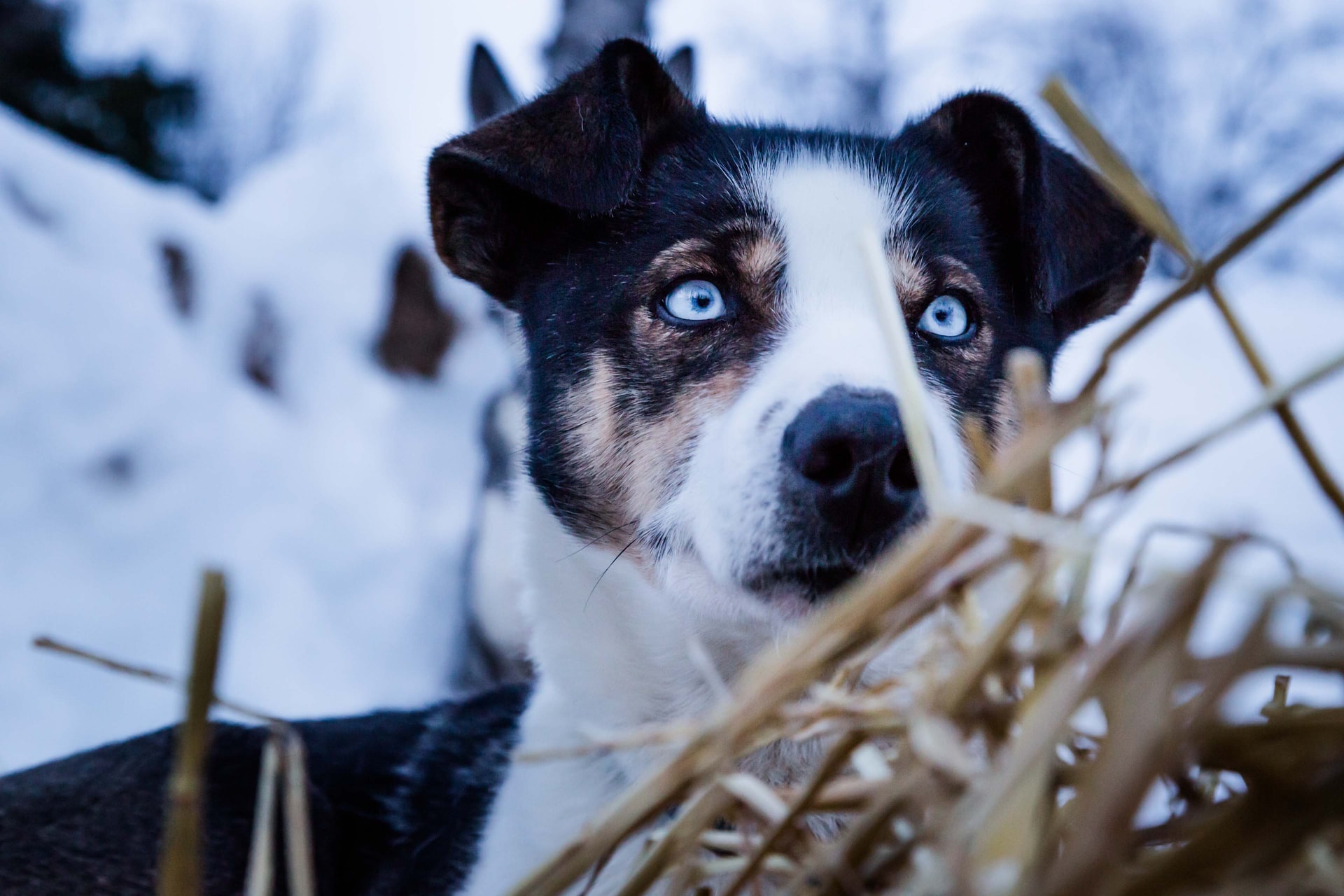
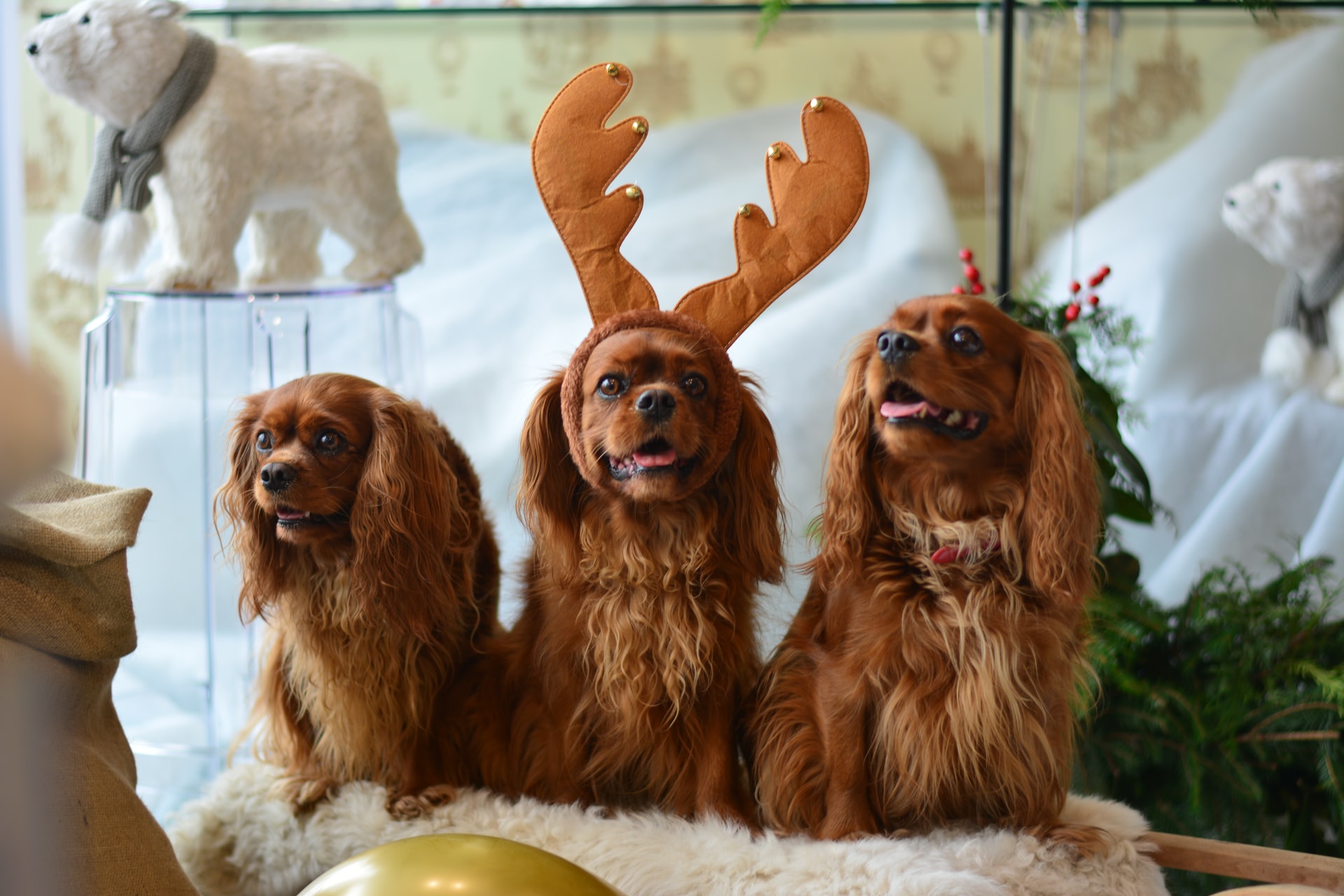
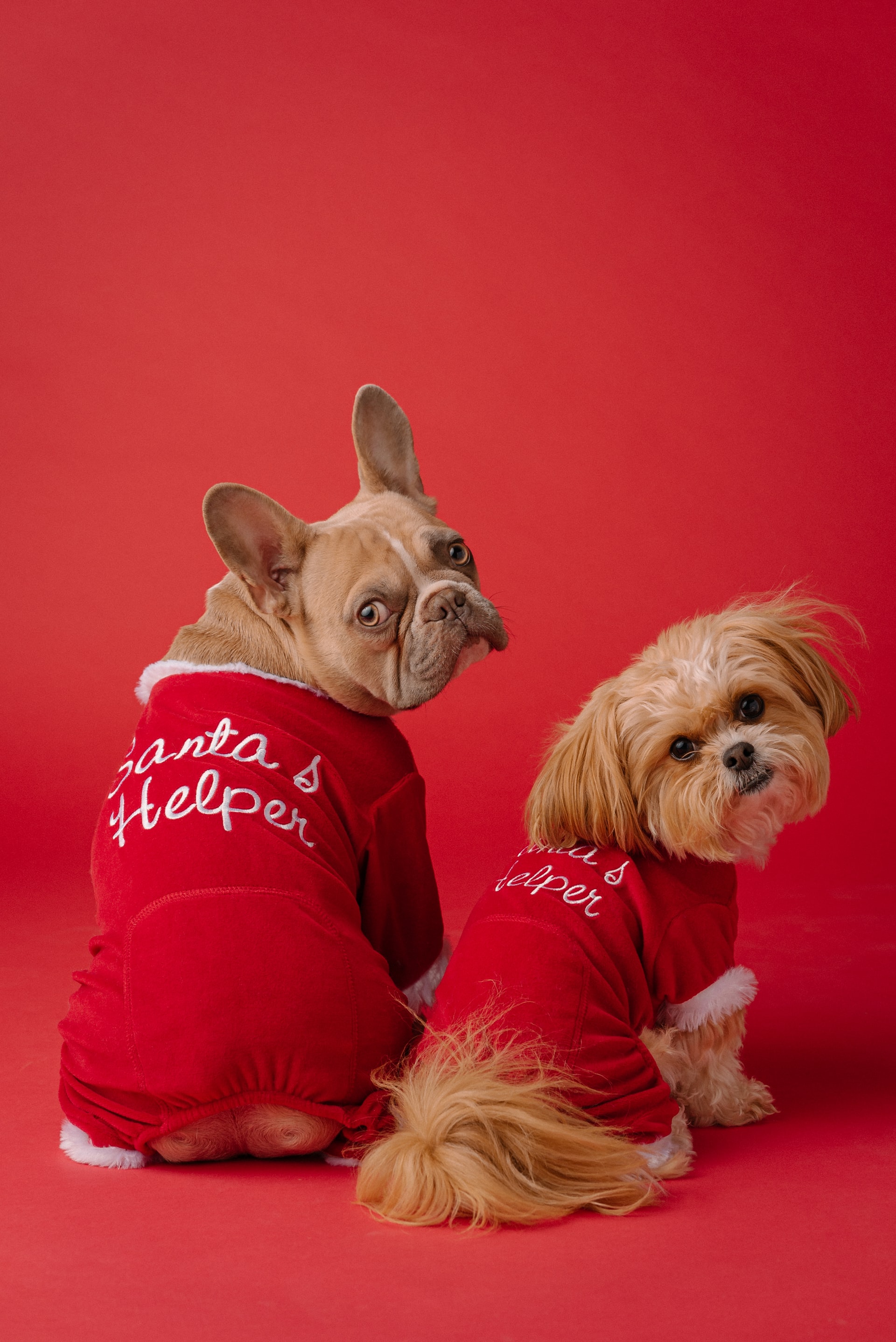
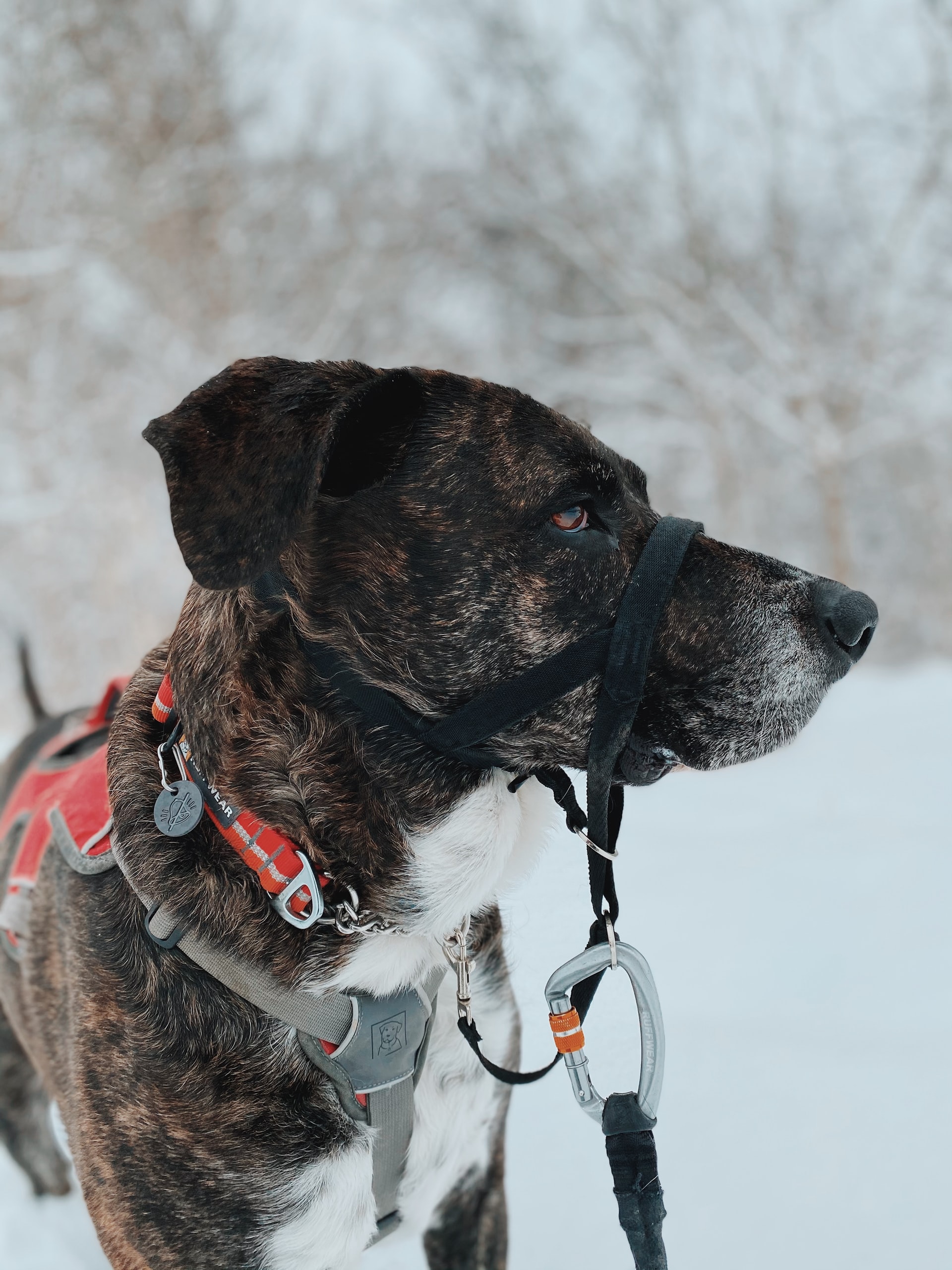
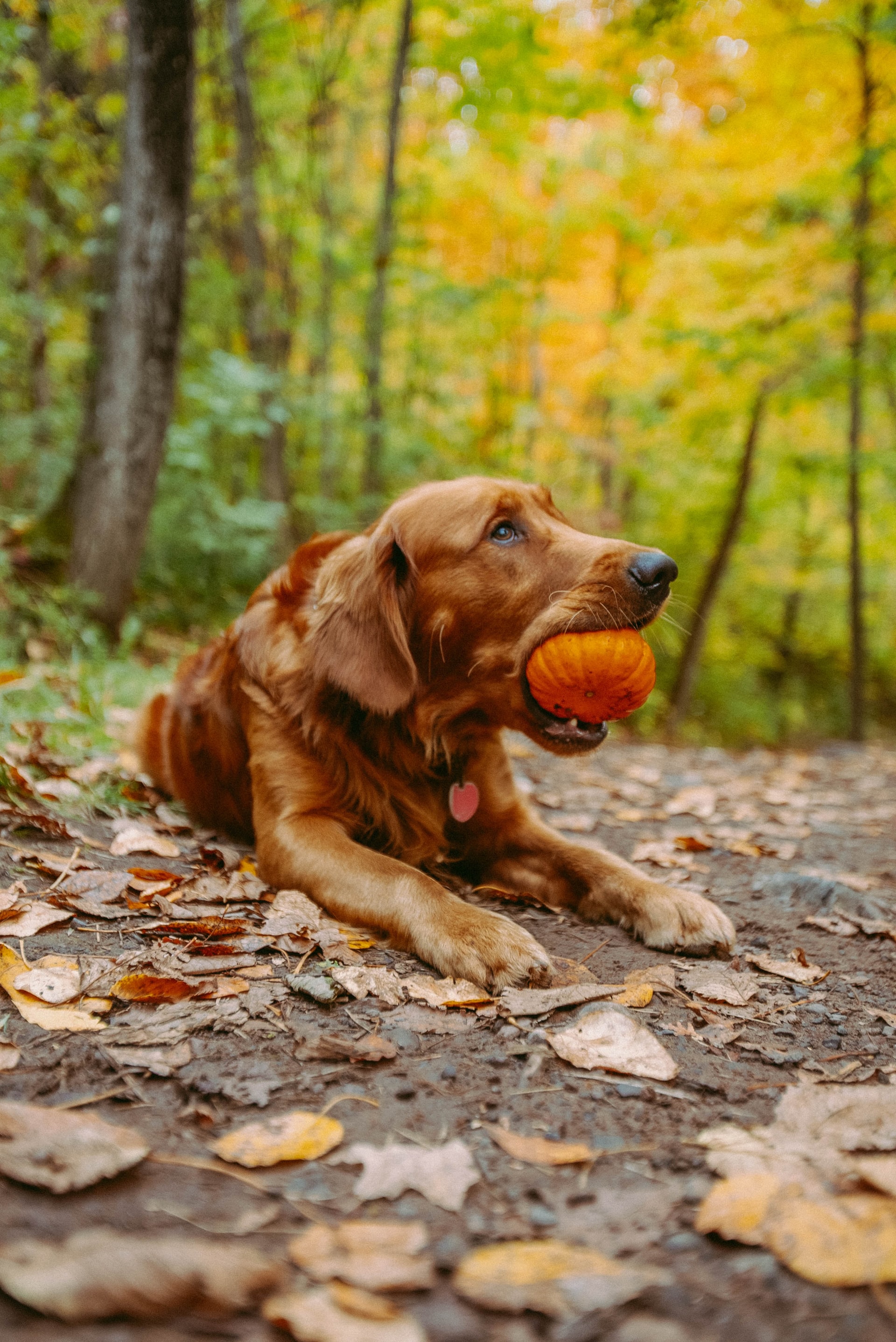
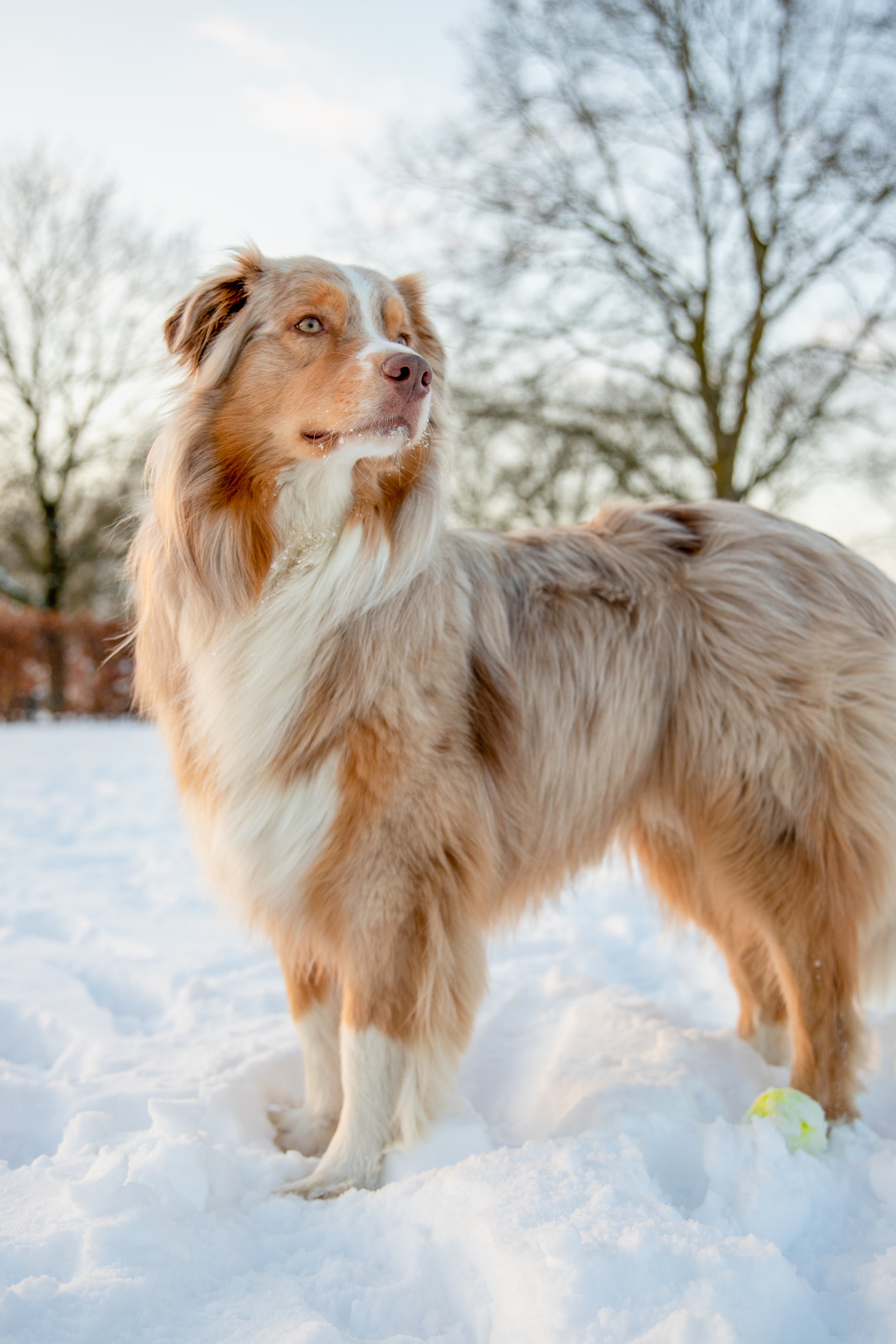
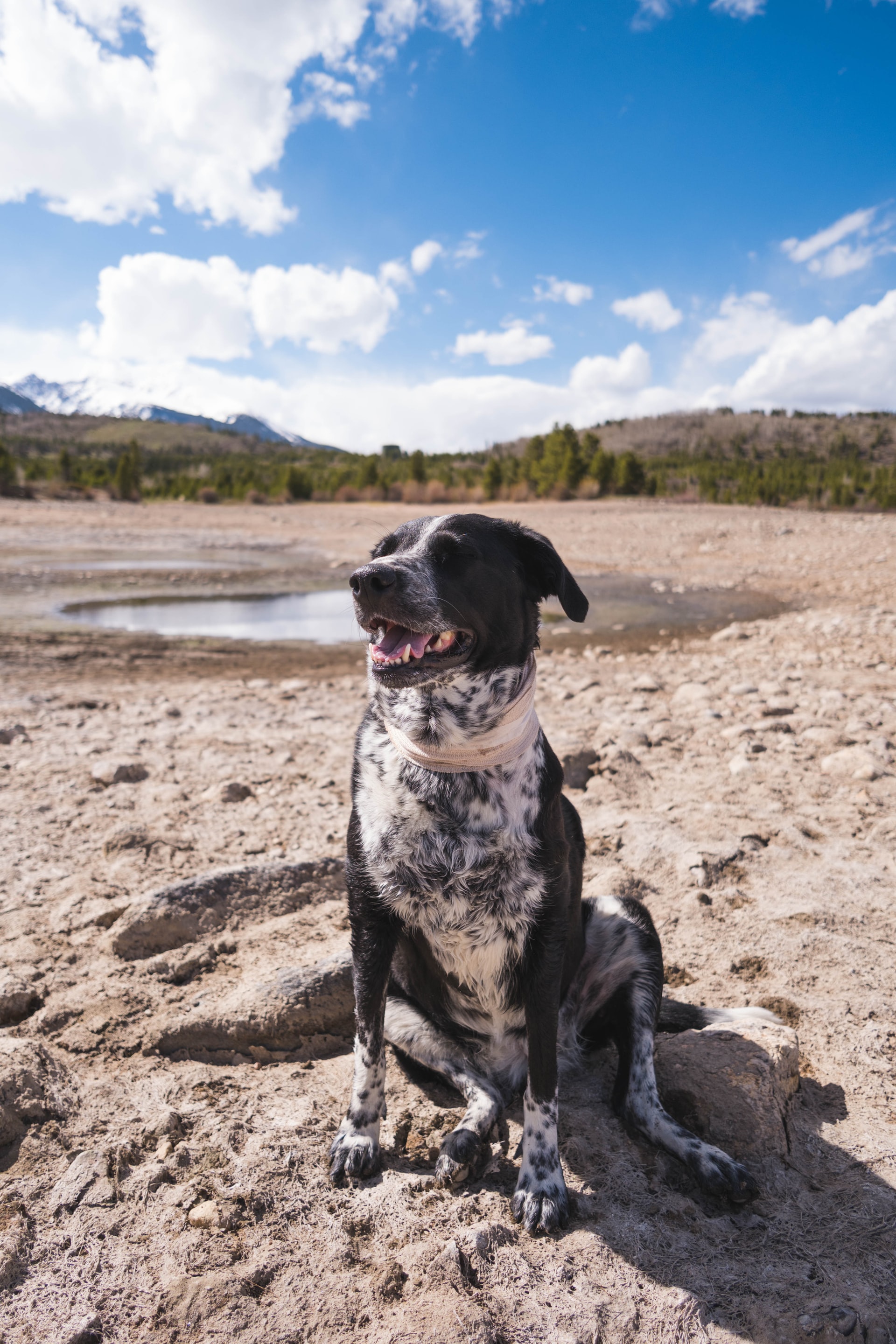
More dogs for your pleasure!

Again, taken from Unsplash.

oooo

oooo

oooo

oooo

oooo

oooo

oooo

Aren’t they fabulous.

More next week, with a bit of luck!

Taking Your Dog to Work!

A guest post from Indiana Lee.

On a regular number of occasions, say one or two times a month, I receive an email from someone wanting to write a guest post. Ninety-five percent of them are hoping I won’t check and will agree because they are really trying to promote some business or other.

Indiana was different.

A month ago I received this:

Hello, 

My name is Indiana, and I would love to become a regular contributor to the Learning From Dogs articles. In my past few years as a freelancer, I’ve crafted articles about what herbal tea can do for your pets, and I think my take on how animals can teach us how to live life to the fullest would be a great addition to the voices on your blog.

Are you accepting pitches and/or articles from new contributors?

Looking forward to hearing from you!
Indiana

I gladly accepted and on Tuesday was sent the following guest post.

ooOOoo

Psychological Benefits of Bringing Your Dog to Work

There’s no denying the mental health benefits of owning a dog. They reduce stress, boost your mood, and can even help to manage your anxiety. Even just petting a dog has rewarding mental health benefits. 

Another perk of pet ownership is the lack of loneliness. Dogs are called “man’s best friend” for a reason. Their presence can make a big difference in your life, especially if you’re otherwise fairly isolated. 

The psychological benefits of owning a dog can go far beyond your home life. Bringing your four-legged friend to work can ease your mind, boost your productivity, and encourage a positive, calm environment in your office.  

Need more of a reason to get them excited about a car ride to work? Let’s cover some of the psychological benefits.

The Positivity of a Pet in a Post-Pandemic World

Your dog may have had your attention all day over the last year or so as more people worked from home. You probably got used to feeling more relaxed with them around. Thankfully, you’re not the only one. As a result, it’s expected that more offices across the country will be more pet-friendly as people return to an in-person work environment. Not only do employers want to keep their workers happy, but more people are starting to recognize the benefits of dogs in the office, including:  

Having dogs around can also help people who might be struggling with social anxiety, especially because of the pandemic. A pet-friendly environment will encourage people to open up and work together. Team-building and collaborative efforts will increase, which can boost business while improving overall communication in the workplace. 

Let’s face it, you’ll feel more comfortable and confident with your four-legged friend by your side. While their presence can already help with loneliness, they can also give you the courage and confidence to approach and work with others. 

Considerations for Dogs in the Workplace

If your employer allows pets at work, you might be tempted to pack Fido’s favorite squeaky toy and bring them in tomorrow. But, there are a few tips to keep in mind to make the experience beneficial for all involved. 

First, make sure your dog maintains good hygiene. Your dog should be clean, groomed, and free from ticks, fleas, or other potential contagions that could affect people or other pets. It’s also a good idea to make sure their vaccinations are all up-to-date, and they have a clean bill of health. An employer that encourages a pet-friendly environment might also be willing to provide pet insurance. Doing so will cover common dog conditions like: 

  • Parvo
  • Bite wounds
  • Fracture
  • Lacerations
  • Poisoning

Consider talking to your employer about the possibility of pet insurance. It can be used as a strong incentive to attract new employees and increase worker loyalty. If you’re an employer reading this, it’s worth looking into for those who treat their dogs like furry family members. 

Finally, if your dog is healthy and well-behaved, introduce them to both people and other pets slowly. Even the most well-behaved dogs can have an “off” day or be triggered by something unexpected.  The more comfortable and familiar they become in their surroundings at work, the less stressed you’ll both be. 

Eventually, going to work together can become a part of your daily routine. 

If you’ve gotten used to being around your dog every day while you work, that doesn’t necessarily have to change. Inquire whether your office is jumping on the beneficial trend of becoming pet-friendly. If they are, go at your own pace with your pet, and bring them in when you’re ready to experience the benefits they can provide every day.

ooOOoo

Of course I imagine that there are many other insurance companies that offer pet insurance as well as MetLife that the link took you to.

But for those that are working and want to stay close to their dog then this has many good points.

Thank you, Indiana!

Picture Parade Four Hundred and Fourteen

You have guessed it! More fabulous dogs.

Again, taken from Unsplash.

oooo

oooo

oooo

oooo

More next week.

You all stay well and safe!

Every dog should have a child!

A really delightful video.

Jess and Cheryl Anderson have a blog that I subscribe to. Two days ago I received this:

This made both of us smile…BIGTIME!  I’ve had a dog almost all of my life.  They’ve been my best friends!  Maybe some of this will explain!   JESS

Just feast your eyes (and your heart)!

We have said it many times before but we say it again; dogs are the most perfect of animals. To watch this video is to show that dogs read us humans, especially at a young age, with love and compassion, and fun!

(7am on the 25th) And I should have added Happy Thanksgiving to all Americans!

Picture Parade Four Hundred and Thirteen

Yet more gorgeous dogs!

As usual, taken from the Unsplash website.

oooo

oooo

oooo

oooo

oooo

oooo

Perfect, perfect photographs of beautiful dogs. No less!

Picture Parade Four Hundred and Twelve.

Back to Unsplash!

Taken from here!

oooo

oooo

oooo

oooo

oooo

oooo

I know I have duplicated one but so what.

And that photography of the Golden Retriever looking over the cliff edge really speaks to me!

More in a week’s time!

Picture Parade Four Hundred and Eleven

The last of the dog photographs from David Bozsik.

oooo

oooo

oooo

oooo

oooo

That is it, I am afraid. They have been a beautiful set of photographs and we have to thank David Bozsik for them.

I near forgot to mention that, again, these fabulous photographs are Copyright David L Bozsic. I have been given permission by David to republish them.

Science on the business of loving our dogs (and cats).

A fascinating article!

I have long subscribed to The Conversation and shared quite a few stories with you good people. But this recent one was a terrific report.

Read it yourself and I am sure you will agree with me.

ooOOoo

New research suggests cat and dog ‘moms’ and ‘dads’ really are parenting their pets – here’s the evolutionary explanation why.

Pet parenting can provide love and companionship to both human and animal. Willie B. Thomas/DigitalVision via Getty Images

Shelly Volsche, Boise State University

old pug dog in a stroller and harness
A pup out for a stroll, without paws touching the ground. Shelly Volsche, CC BY-ND

Have you noticed more cats riding in strollers lately? Or bumper stickers that read, “I love my granddogs”? You’re not imagining it. More people are investing serious time, money and attention in their pets.

It looks an awful lot like parenting, but of pets, not people.

Can this kind of caregiving toward animals really be considered parenting? Or is something else going on here?

I’m an anthropologist who studies human-animal interactions, a field known as anthrozoology. I want to better understand the behavior of pet parenting by people from the perspective of evolutionary science. After all, cultural norms and evolutionary biology both suggest people should focus on raising their own children, not animals of a completely different species.

More child-free people, more pet parents

The current moment is unique in human history. Many societies, including the U.S., are experiencing major changes in how people live, work and socialize. Fertility rates are low, and people have more flexibility in how they choose to live their lives. These factors can lead people to further their education and value defining oneself as an individual over family obligations. With basics taken care of, people can focus on higher order psychological needs like feelings of achievement and a sense of purpose.

The scene is set for people to actively choose to focus on pets instead of children.

In earlier research, I interviewed 28 self-identified child-free pet owners to better understand how they relate to their animals. These individuals pointedly shared that they had actively chosen cats and dogs instead of children. In many cases, their use of parent-child relational terms – calling themselves a pet’s “mom” for instance – was simply shorthand.

They emphasized fulfilling the species-specific needs of their dogs and cats. For example, they might fulfill the animal’s need to forage by feeding meals using a food puzzle, while most children are fed at the table. These pet owners acknowledged differences in the nutrition, socialization and learning needs of animals versus children. They were not unthinkingly replacing human children with “fur babies” by treating them like small, furry humans.

woman with party hat with dog
Pet parents might celebrate their dog’s big day – but with a doggy treat and not chocolate cake. fotostorm/E+ via Getty Images

Other researchers find similar connections, showing that child-free pet owners perceive their companions as emotional, thinking individuals. This way of understanding the mind of the animal helps lead to the development of a parent identity toward companion animals. In other cases, uncertain individuals find their need to nurture sufficiently fulfilled by caring for pets, cementing their fertility decisions to remain child-free.

Nurturing others is part of being human

Yet, these findings still do not answer this question: Are people who choose pets over children truly parenting their pets? To answer, I turned to the evolution of parenting and caregiving.

Evolutionary anthropologist Sarah Hardy wrote in 2009 that humans are cooperative breeders. This means it is literally in our DNA and our ancestral history to help care for offspring who are not our own. Anthropologists and biologists call this trait alloparenting. It is an evolutionary adaptation that helped human beings who cooperatively raised children survive. For early humans, this ancient environment was likely made up of small, foraging societies in which some people exchanged child care for food and other resources.

I propose that it is this evolutionary history that explains pet parenting. If people evolved to alloparent, and our environment is now making caring for children more difficult or less appealing to some, it makes sense for people to alloparent other species entering their homes. Alloparenting companion animals can offer a way to fulfill the evolved need to nurture while reducing the investment of time, money and emotional energy compared to raising children.

two kids and dog bathing in tub
Do people relate to animals differently in families with children? Mayte Torres/Moment via Getty Images

Untangling differences in caring for pets

To further understand this phenomenon of child-free adults parenting pets, I launched an online survey via social media, seeking responses from U.S.-based dog and cat owners over the age of 18. The survey included questions about attachment and caregiving behaviors using the Lexington Attachment to Pets Scale. It also asked a series of questions I developed to probe specific human caretaking behaviors oriented toward pets – things like feeding, bathing and training – as well as how much autonomy companion animals had in the home.

The final sample of 917 respondents included 620 parents, 254 nonparents and 43 people who were undecided or did not answer. Most of the respondents were also married or in a domestic partnership for over one year (57%), between the ages of 25 and 60 (72%) and had at least a bachelor’s degree (77%). They were also mostly women (85%) and heterosexual (85%), a common situation in human-animal interactions research.

Both parents and nonparents reported high amounts of training and play with their pets. This finding makes sense given that all pet owners need to help their dogs and cats learn how to navigate a human world. Survey respondents reported socializing, training and enrichment, including play, for their animals.

Nonparents were more likely to be the one providing general care for the animal. This finding also makes sense since parents often adopt or purchase companion animals as a way to help their children learn responsibility and to care for others. Child-free animal owners invest time, money and emotional energy directly in their pets.

Nonparents reported higher rates of general attachment to their animals. They more frequently viewed their pets as individuals. Nonparents were also more likely to use family terms such as “parent,” “child,” “kids” and “guardians” when referring to their relationships with their pet.

woman on couch petting cat
Caring for another being can be fulfilling and rewarding. Delmaine Donson/E+ via Getty Images

It is this difference, combined with the evidence from my earlier research that these individuals address the species-specific needs of the dogs and cats in their care, that suggests pet parenting is, truly, parenting pets. Though the details may look quite different – attending training classes instead of school functions, or providing smell walks for dogs instead of coloring books for children – both practices fulfill the same evolved function. Whether child or pet, people are meeting the same evolved need to care for, teach and love a sentient other.

My colleagues and I continue to collect data from all over the world about how people live with animals. For now, this study provides evidence that, perhaps rather than being evolved to parent, humans are evolved to nurture. And as a result, who and when we parent is much more flexible than you might initially believe.

[Get our best science, health and technology stories. Sign up for The Conversation’s science newsletter.]

Shelly Volsche, Clinical Assistant Professor of Anthropology, Boise State University

This article is republished from The Conversation under a Creative Commons license. Read the original article.

ooOOoo

Shelly does a fabulous job of looking more closely at the science and it is a science that has a very wide appeal. For in the UK, according to the RSPCA, “In the UK, it’s estimated that 12 million (44 percent of) households have pets with around 51 million pets owned.

Here in America The Washington Post reported that: “Google the U.S. pet population, and you’re quickly confronted with two oft-cited, and contradictory, sources. The American Pet Products Association (APPA) found that 68 percent of U.S. households owned some sort of pet in 2016 — “equal to the highest level ever reported,” it gushed in the executive summary. Among those pets were about 90 million dogs and 94 million cats, the group said.

That is just two countries. The worldwide population of dogs and cats must be gigantic.

Picture Parade Four Hundred and Ten

Another set of beautiful dog photographs from David Bozsik.

Again, please preserve the copyright on these photographs. I have been given permission to republish them.

oooo

oooo
oooo
oooo
oooo

There are some more to share with you in a week’s time.

Stay safe out there!

Yet another story about a dog!

Keep them coming I say.

We had a break from the rain yesterday and I went for a bike ride in the morning and then in the afternoon it was a case of going to the recycling depot. All pretty humdrum stuff but nevertheless what our life, in the main, is made up of plus the many other things that we have to do, indeed enjoy doing, with our six dogs, two horses and thirteen acres in rural Southern Oregon.

So I got to my iMac pretty late on in the day and found a delightful article about a dog who has a fascination with a commercial laundromat.

Read it for yourself.

ooOOoo

Dog Who Works At Laundromat Can’t Stop Taking Naps On All The Machines

“He figured out a way to climb from the chair to the smaller washers and then to the bigger ones.”

By Lily Feinn, Published on the 11th October, 2021

If you walk into Larkin Street Laundry around closing time, you might get an extra-special greeting.

Every night, an 8-year-old golden retriever named Cody helps his dad close up the laundromat. Cody takes his job very seriously: While his dad cleans and puts everything away, Cody takes a nap on top of the washing machines.

INSTAGRAM/CODYTHERETRIEVER

Luckily, his dad doesn’t mind that Cody isn’t the best worker.

“My dad owns the laundromat and has always taken our dogs there with him when he closes up at the end of the day,” Stephanie, Cody’s sister who asked that her last name not be used, told The Dodo. “Our old dog loved to sit in the chairs to watch customers and people pass by, but Cody is more nimble than him.”

“After we tried to get him to just sit on the chairs, he figured out a way to climb from the chair to the smaller washers and then to the bigger ones,” she added. “He’s a little lazier than our old dog, so he’d rather lay down and wait for pets and treats.”

Instagram/Reichenyoo

Cody has become the main attraction at the laundromat, providing the perfect distraction for customers waiting for their clothes to finish drying.

This arrangement works out for the independent Cody, who loves attention but prefers people come to him. “His motto has always been: ‘I do what I want,’” Stephanie said.

INSTAGRAM/CODYTHERETRIEVER

And from his high-up vantage point, Cody can keep watch on everything going on at the laundromat.

“I think he likes how he can see everyone at eye level when he’s on top of the washers,” Stephanie said. “He’s also kinda snobby for a dog, so I have a theory he likes to feel like a king up there.”

INSTAGRAM/CODYTHERETRIEVER

After years of laundromat service, Cody has become a local celebrity — and even the subject of a few memes. But the good boy doesn’t let fame distract him. After all, he has a job to do, and those washers aren’t going to sit on themselves.

ooOOoo

That Larkin Street Laundromat is at Nob Hill in San Francisco. I looked it up by clicking on the link in the text.

It is just fascinating what dogs will do. They have a will of their own and yet they seem to be happiest when in the company of people.

Wonderful creatures!