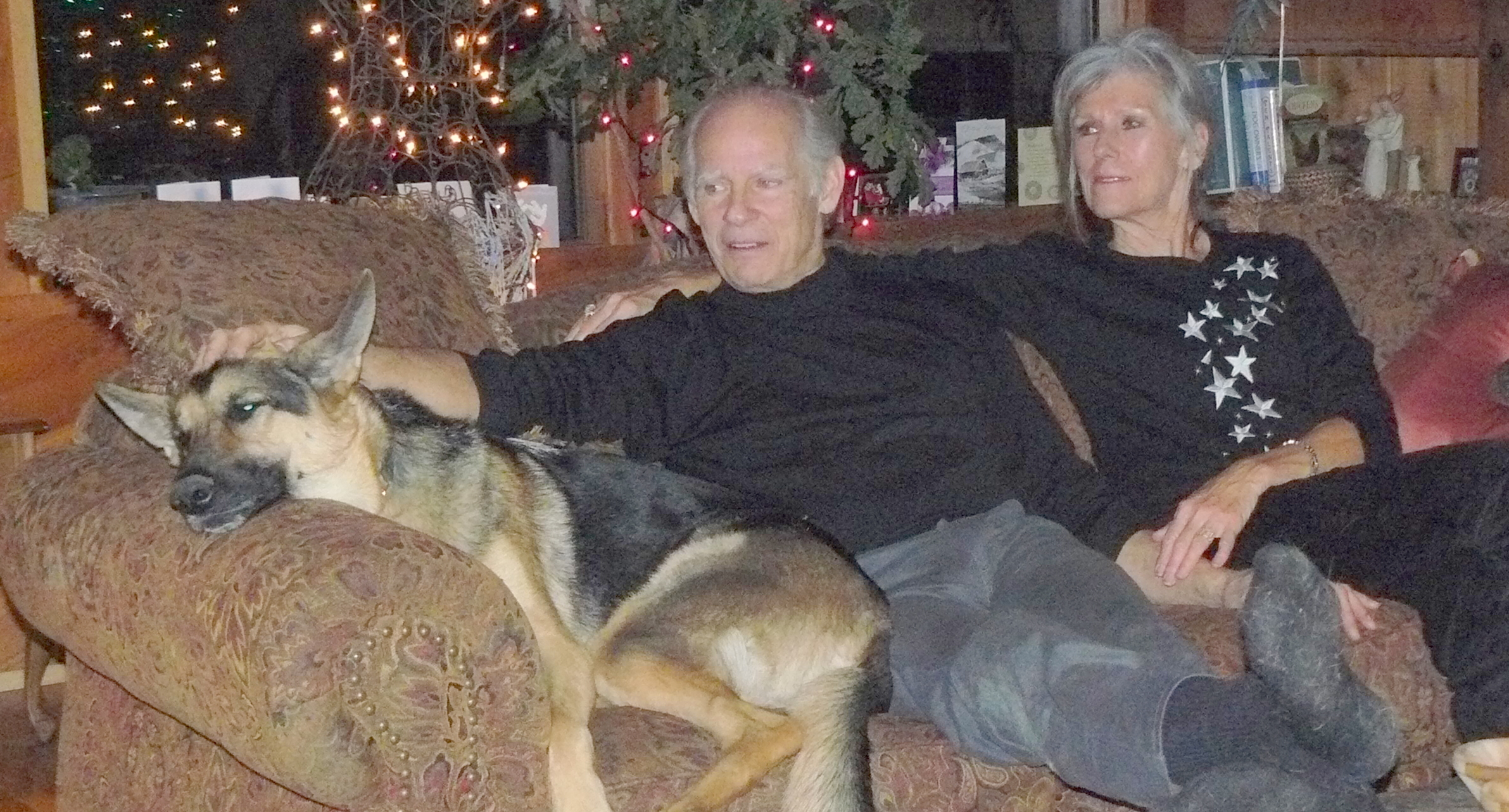
An introduction.
In yesterday’s post about meeting Dhalia, I spoke about a story that was written three years ago. It was the Summer of 2011 and Jean and I had signed up to a Creative Writing course that was being run at our local college in Payson, Arizona where we were then living. This story was a course exercise. While it was published a couple of years ago on Learning from Dogs the fabulous response to the Meet the dogs – Dhalia post yesterday merits it being offered to you, dear reader, for a second time.
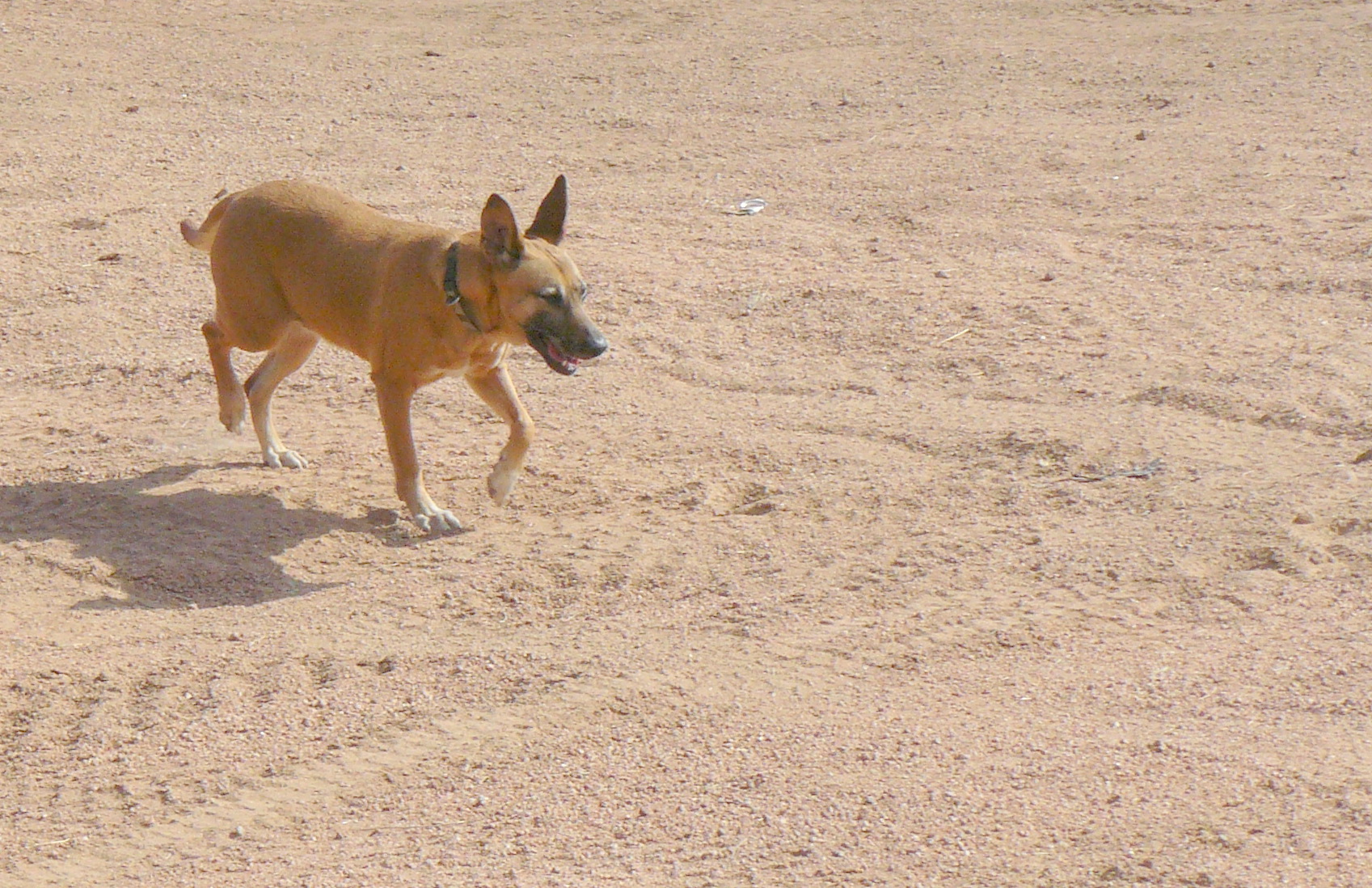
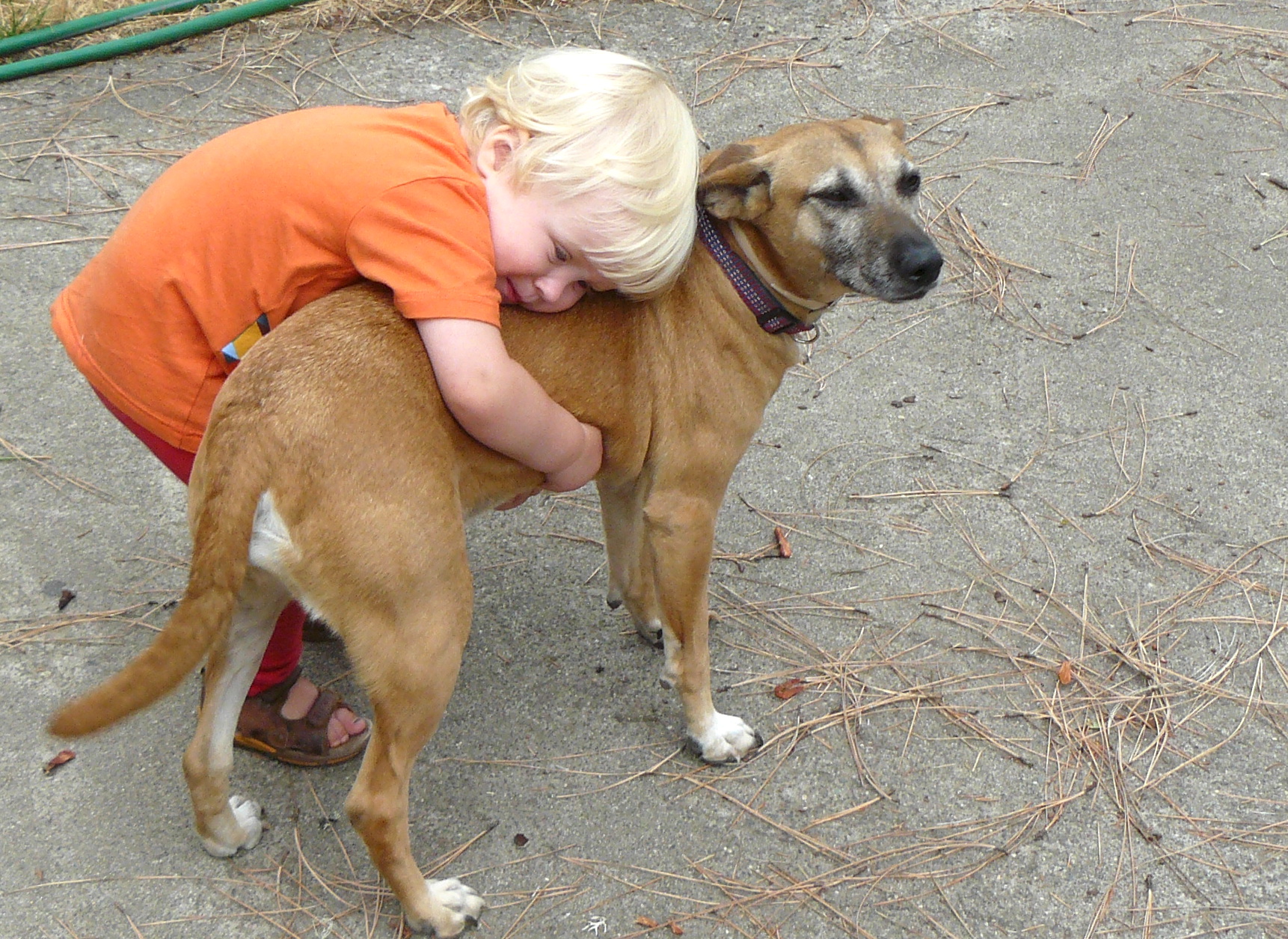
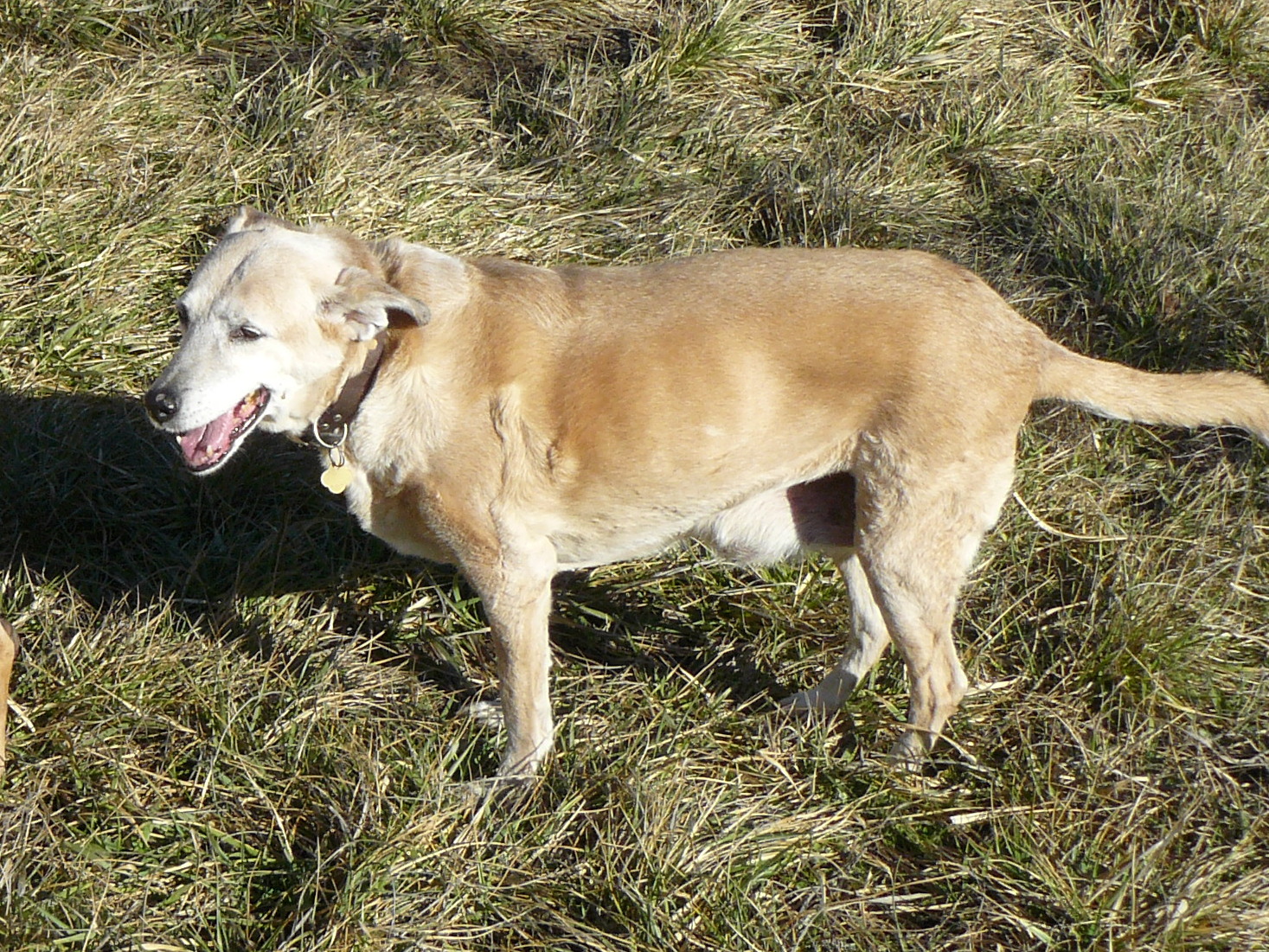
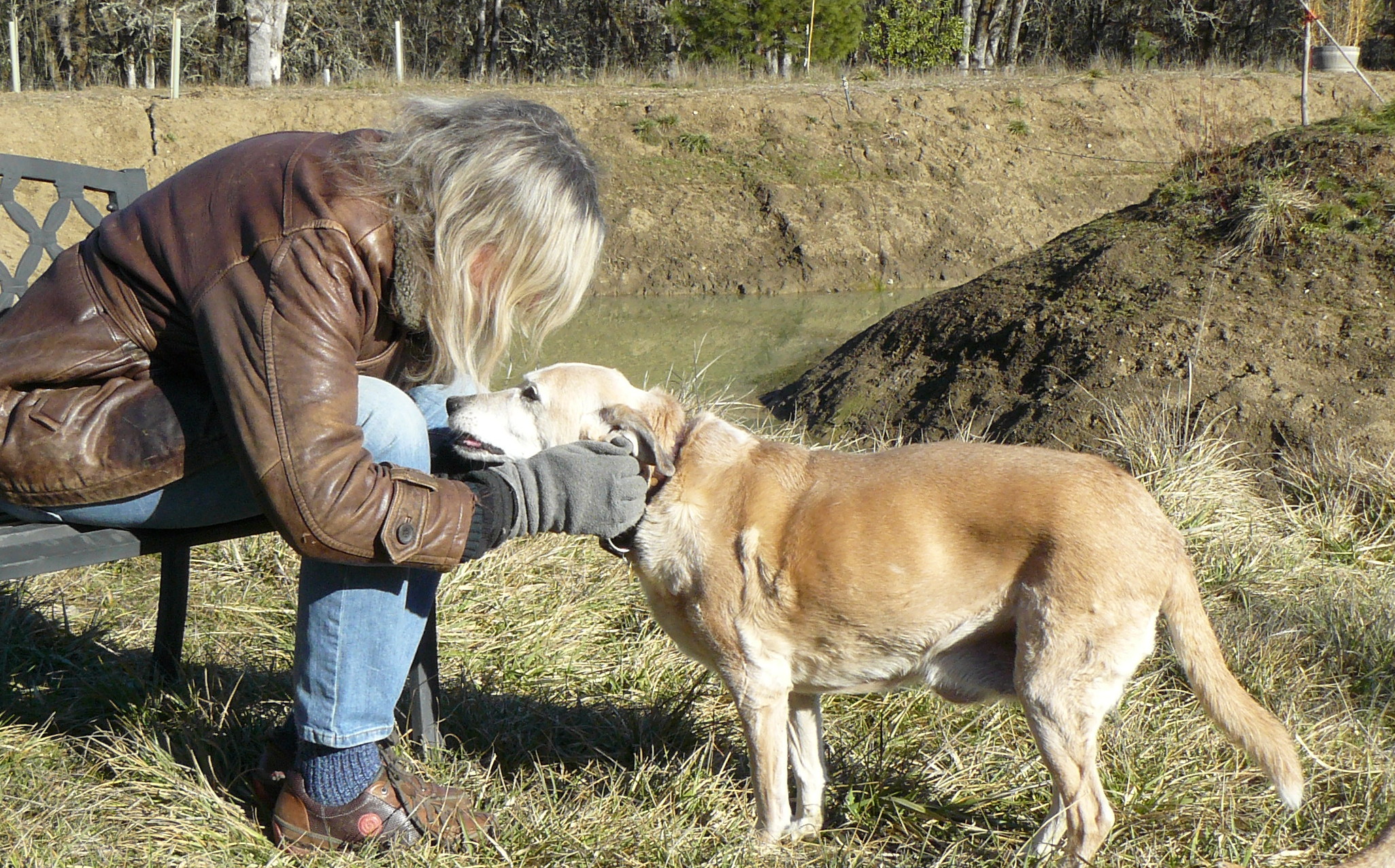
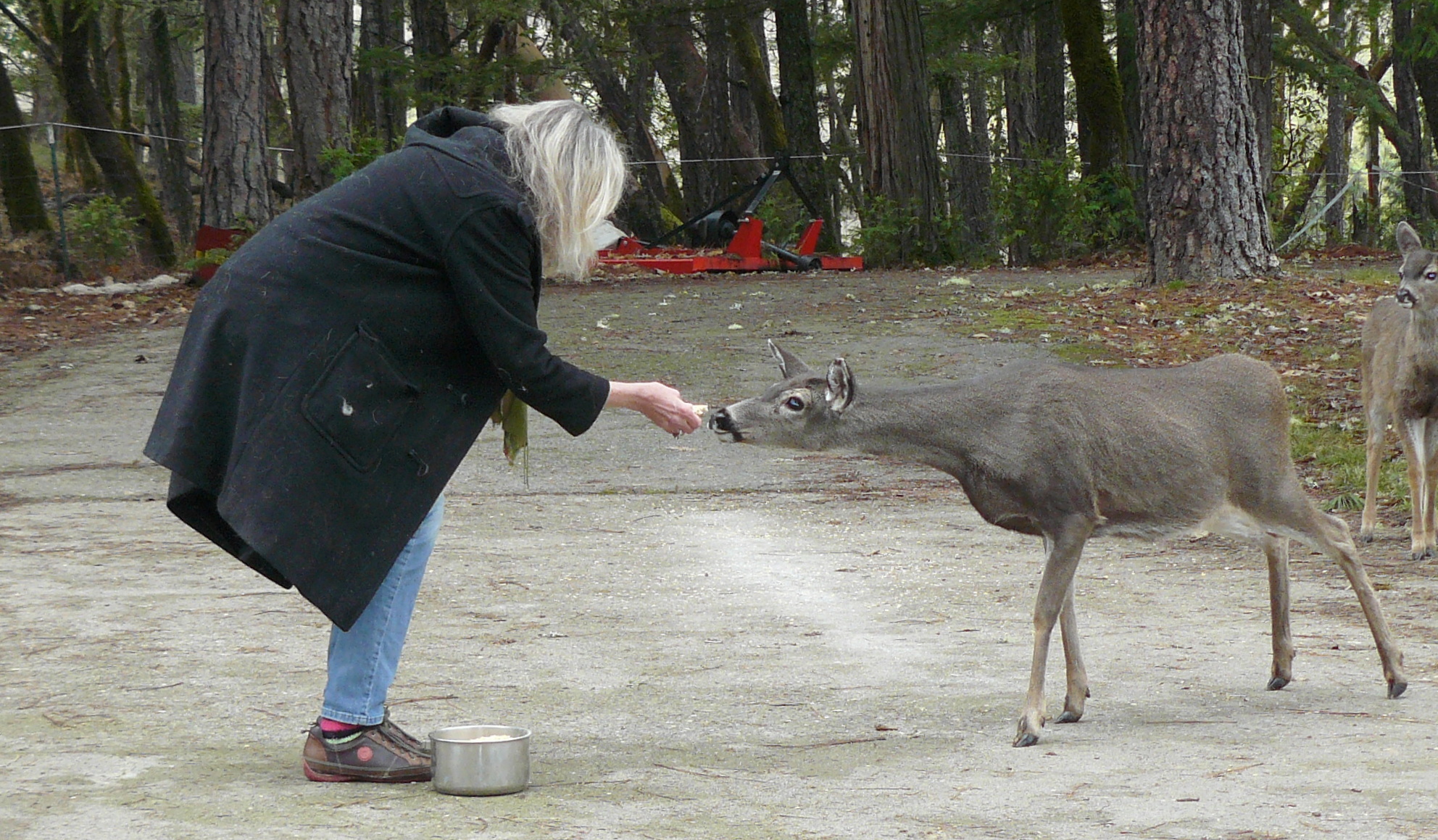
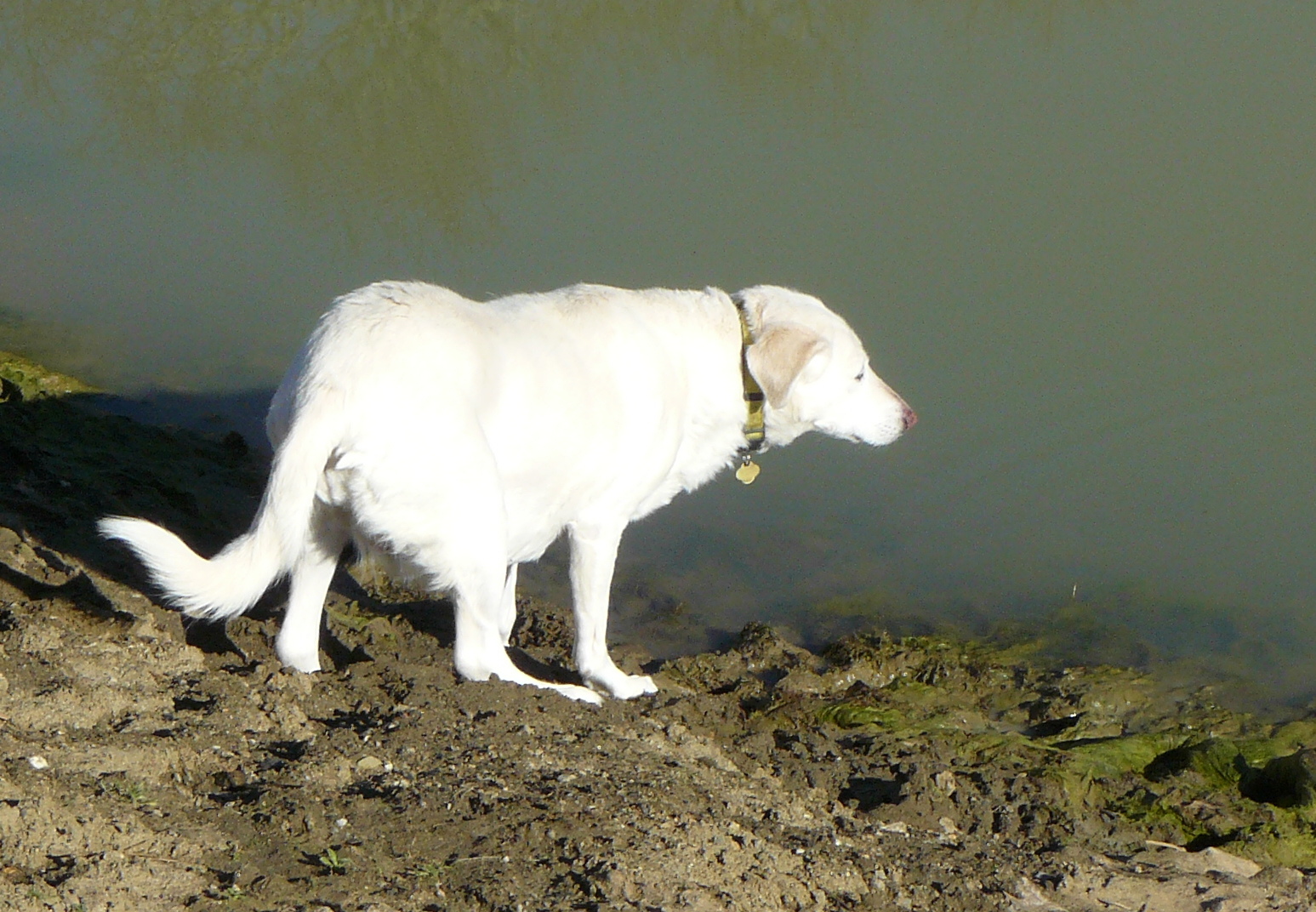
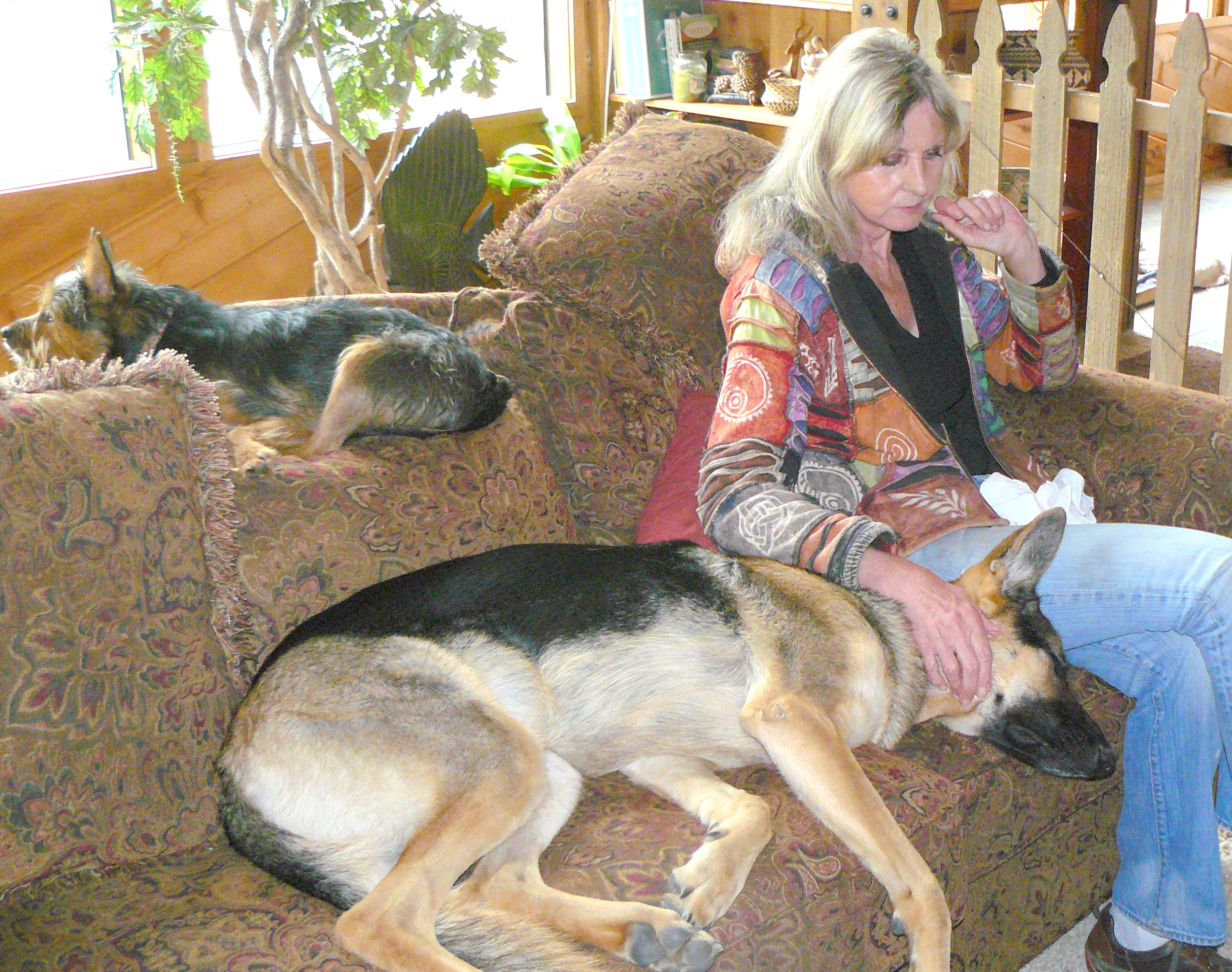
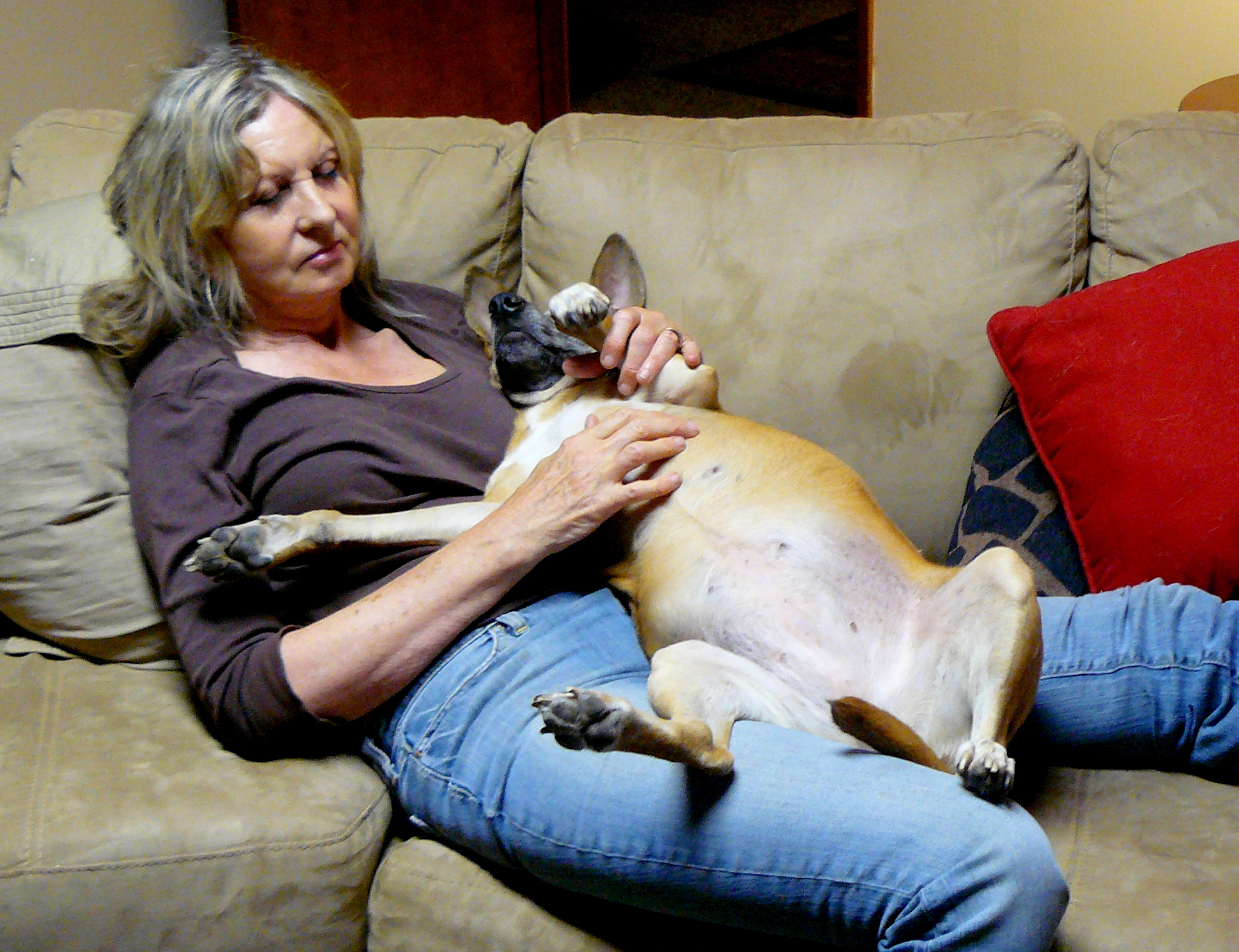
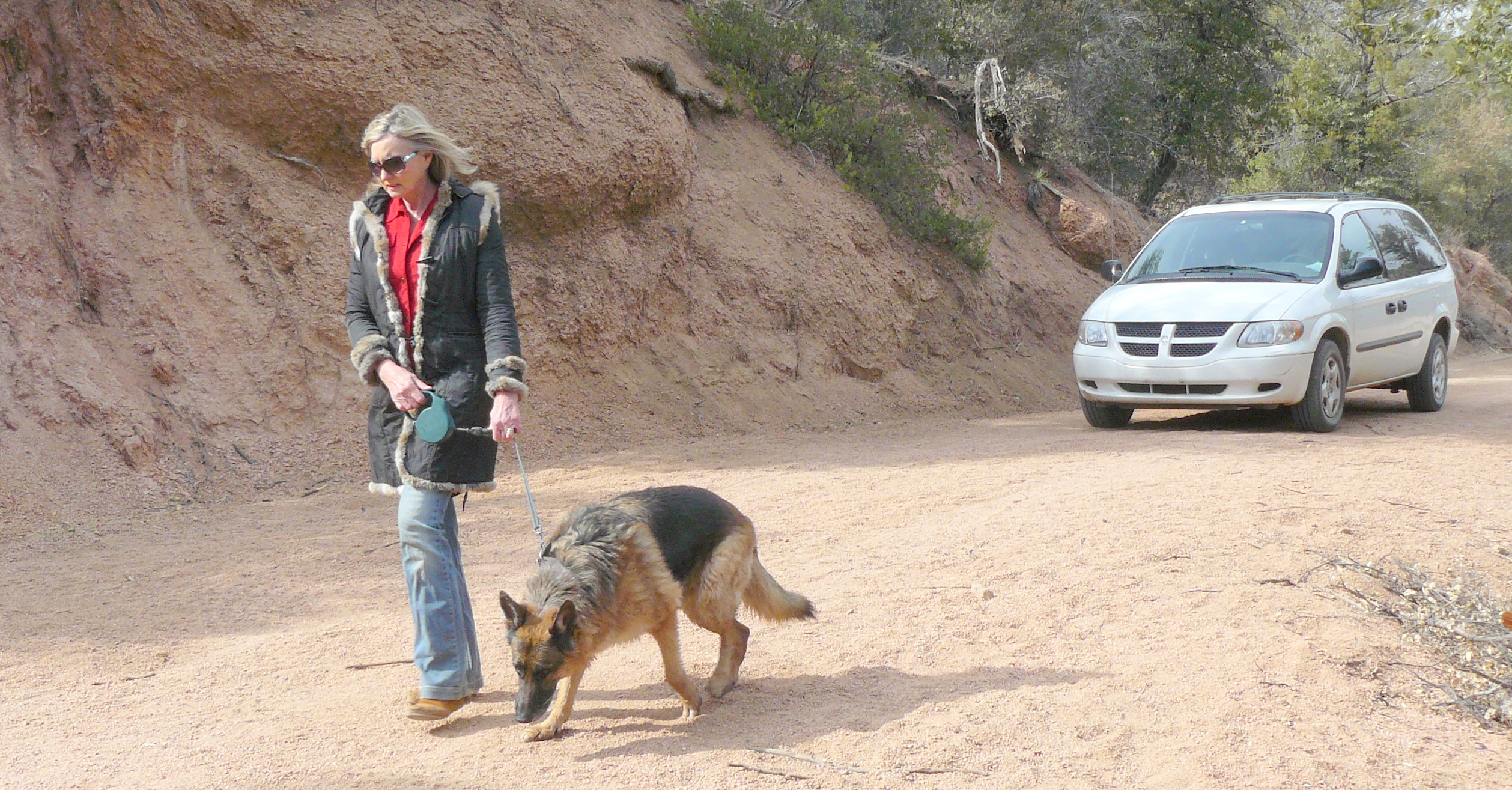
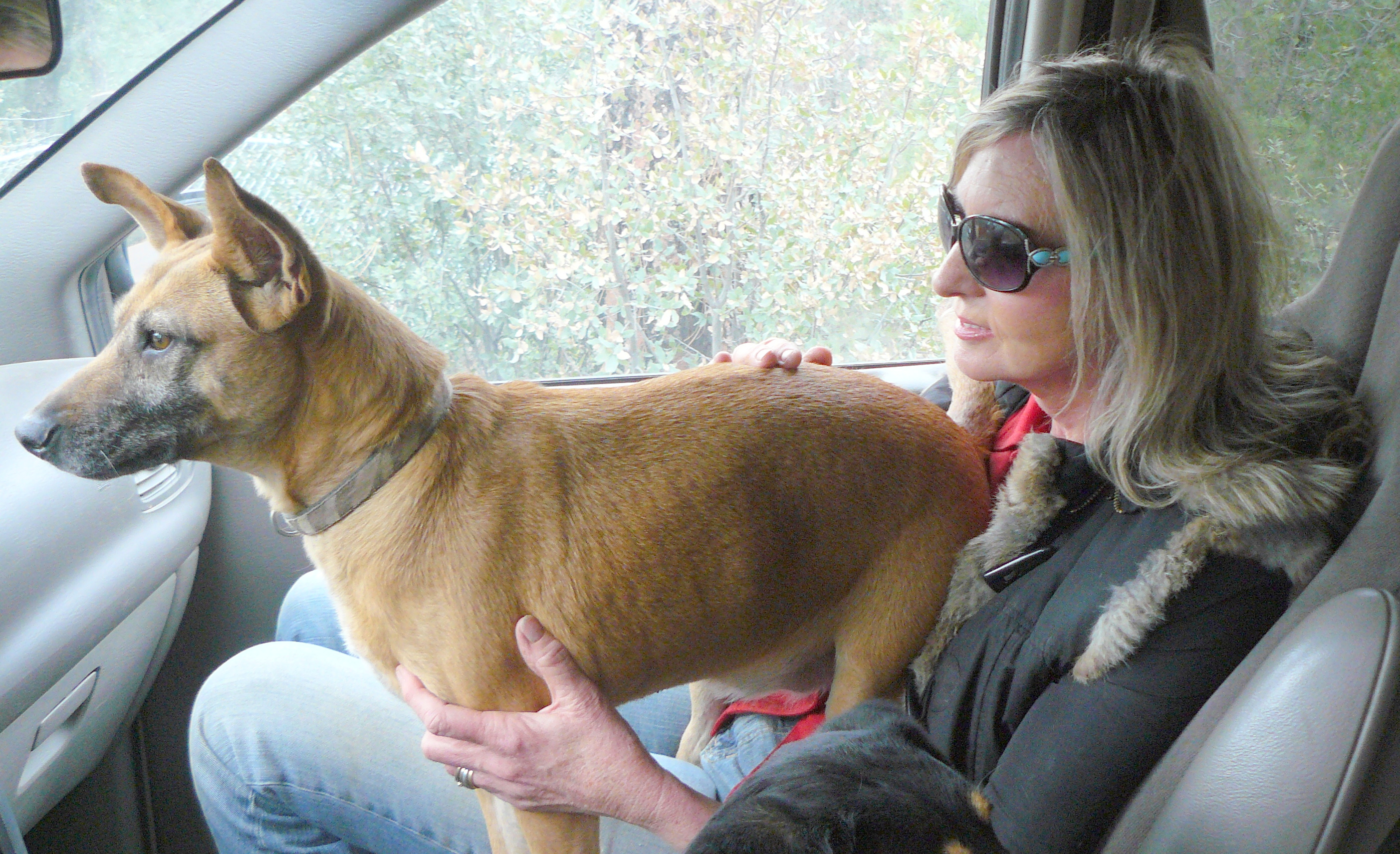
The story is fictional. However, the idea for the story was triggered by an event when we were living in Payson, AZ when Dhalia did run off and was lost for a couple of hours, thankfully finding her own way back to the house. Thus while the event did not take place, the location and names of all concerned are real! The photographs are genuine and selected because they seemed so apt for the story, fictional or otherwise. Hope you enjoy!
ooOOoo
Messages from the Night
by
Paul Handover
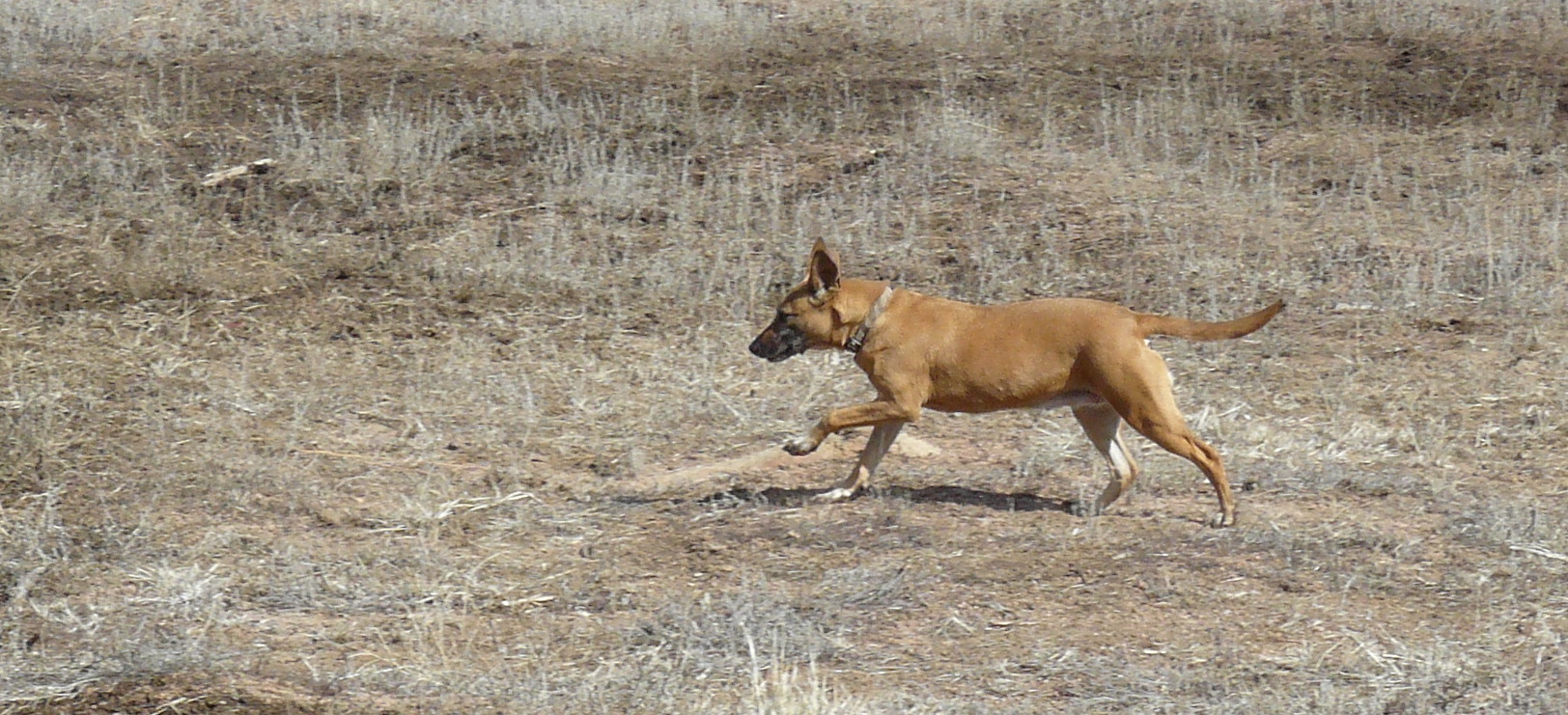
“Jean, where’s Dhalia?”
“Don’t know. She was here just moments ago.”
“Jeannie, you take the other dogs back to the car and I’ll go and scout around for her. Oh, and you better put Pharaoh on the leash otherwise you know he’ll follow me.”
“Paul, don’t worry, Dhalia’s always chasing scents; bet she beats us back to the car. Especially as it’s going to be dark soon.”
Nonetheless, he started back down the dusty, dirt road, the last rays of the sun pink on the high, tumbled cliffs of granite. This high rocky, forest plateau, known as the Granite Dells, just three miles from their home on the outskirts of Payson, made perfect dog-walking country and rarely did they miss an afternoon out here. However this afternoon, for reasons he was unclear about, they had left home much later than usual.
There was no sign of Dhalia ahead on the road so he struck off left, hoping she was somewhere up amongst the trees and the high boulders. Soon he reached the first crest, panting hard in the thin air. Behind him, across the breath-taking landscape, the setting sun had dipped beneath faraway mountain ridges; a magnificent sight. Suddenly, in the midst of that brief pause admiring this perfect evening, a sound echoed around the cliffs. The sound of a dog barking. He bet his life on that being Dhalia. Just as quickly the barking stopped.
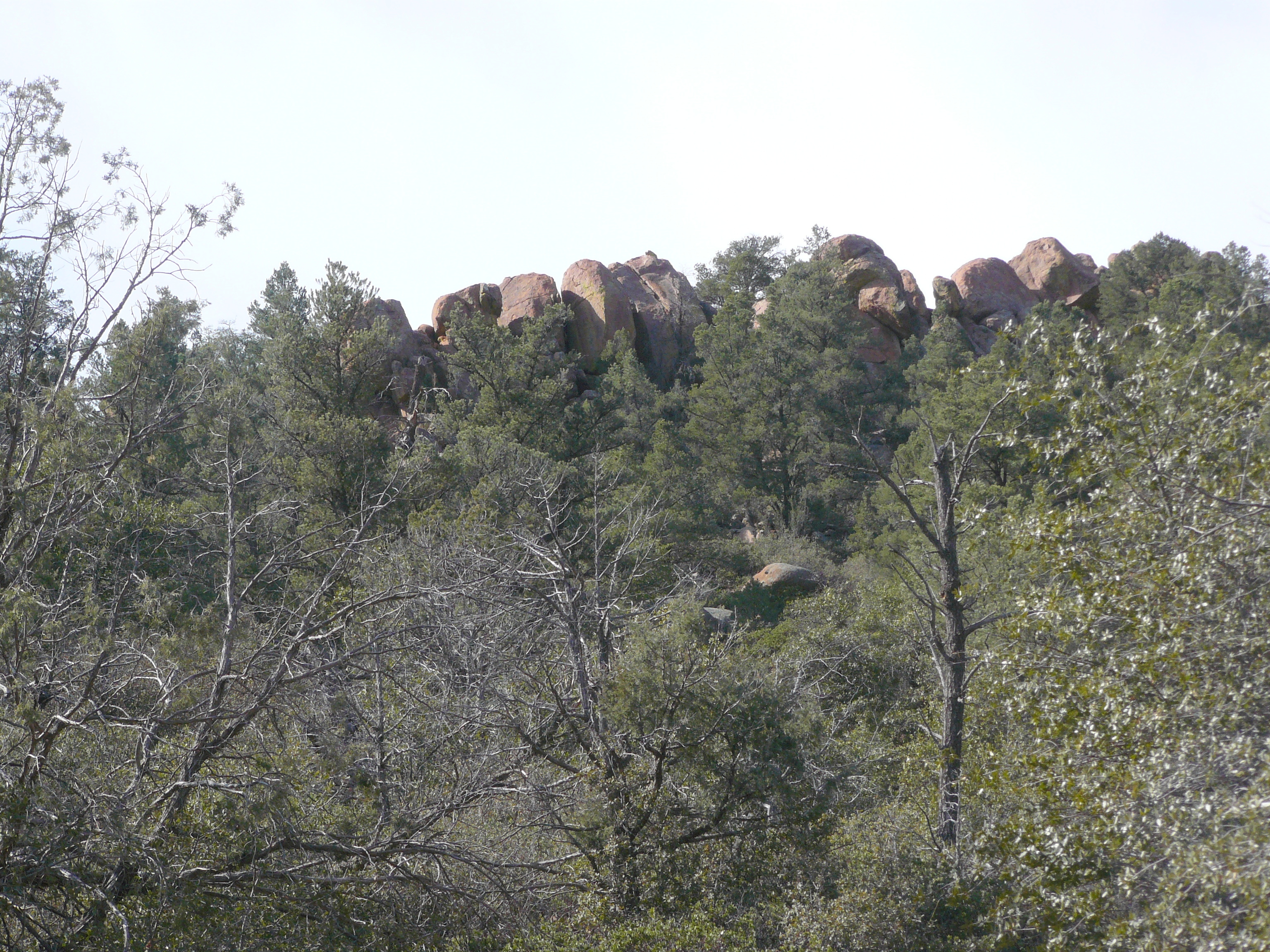
The barking started up again, barking that suggested Dhalia was hunting something. The sound came from an area of boulders way up above the pine trees on the other side of the small valley ahead of him. Perhaps, Dhalia had trapped herself. More likely, he reflected, swept up in the evening scents of the wilderness, Dhalia had temporarily reverted back to the wild, hunting dog she had been all those years ago. That feral Mexican street dog who in 2005 had tentatively turned away from scavenging in a pile of rubbish in a dirty Mexican town and shyly approached Jean. An approach that forever more changed the futures for both the dog and Jean. Jean had named her Dhalia.
He set off down to the valley floor and after fifteen minutes of hard climbing had reached the high boulders on the far side.
He whistled, then called “Dhalia! Dhalia! Come, there’s a good girl.” Thank goodness for such a sweet, obedient dog. He anticipated the sound of dog feet scampering through rough undergrowth. But no sound came.
He listened so intently. There were no sounds, no more barking. Where oh where had she gone? Perhaps past these boulders down in the next steep ravine beyond him, the one so densely forested with pine trees. With daylight practically gone he needed to find Dhalia soon.
He plunged down the slope, through tree branches that whipped across his face, then fell heavily as his foot found empty space instead of the expected firm ground. He cursed, picked himself up and paused. That fall had a message. The madness of continuing this search in the near dark. This terrain made very rough going even in daylight. At night, the boulders and plunging ravines would guarantee a busted body, at best! Plus, he ruefully admitted, he didn’t have a clue about finding his way back to the road from wherever he now was!
The unavoidable truth smacked him full in the face. He would be spending this night alone in the high, open forest. It had one hell of a very scary dimension.
He forced himself not to dwell on just how scary it all felt. He needed to stay busy, find some way of keeping warm; last night at home it had dropped to within a few degrees of freezing. He looked around, seeing a possible solution. He broke a small branch off a nearby mesquite tree and made a crude brush with which he swept up the fallen pine needles he saw everywhere about him. Soon he had a large stack of needles sufficient to cover him, or so he hoped. Thank goodness that when he and Jeannie had decided to give the four dogs this late afternoon walk, he was wearing jeans and a long-sleeved shirt, a pullover thrown over his shoulders. Didn’t make Dhalia’s antics any less frustrating but he probably wasn’t going to freeze to death!
He lay down, shuffled about, swept the pine needles across his body, tried to find a position that carried some illusion of comfort. The air temperature was sinking as if connected to those last rays of the sun. His confidence was sinking in harmony with the temperature. The isolation and loneliness of his predicament was enveloping him like some evil, dark cloud.
No matter the physical position that he adopted with his body, he couldn’t silence his mind. He couldn’t silence the screaming in his head; his deep, primeval fear of this dark forest about him, imagination already running away with visions of hostile night creatures, large and small, watching him, smelling him, biding their time. Perhaps he might sleep for a while and give his imagination a rest? A moment later he was struck by the absurdity of that last thought. Caused him to utter aloud, “You stupid old fool. There’s no way you’re going to sleep through this!” His words echoed back from unseen cliffs nearby in the darkness reinforcing his sense of isolation.
He was very frightened. Why so? Where in his psyche did that come from? He had spent many nights alone at sea without a problem; solo sailing a thousand miles from shore. But, of course, then he knew his location, always had a radio link to the outside world. Being lost in this dark, lonely forest touched something very deep in him. He started shivering.
The slightest movement caused the needles to slip from him and the cold night air began to penetrate his body. He mused about how cold it might get and, by extension, thanked his lucky stars that the night was early October not, say, mid-December. So far, not too cold. But soon it was the fear rather than the temperature that started to devour him. What stupid fool said, ‘Nothing to fear but fear itself!’ His plan to sleep under pine needles, fear or no fear, had failed; he couldn’t get warm. He had to move.
He looked around, faintly saw a boulder a few yards away, like some giant, black shadow. No details, just this huge outline etched against the night. He carefully raised himself, felt the remaining needles fall away from him, and gingerly shuffled across to the dark rock. He half-expected something to bite his extended hand as he explored the surface, ran his fingers down towards the unseen ground. Miracle of miracles, the granite gently emitted the warmth absorbed from the day’s sun. He slowly settled himself to the ground, eased his back against the rock-face, pulled his knees up to his chest and wrapped his arms around his legs. He felt a great deal less vulnerable than he had when laying on the forest floor and let out a long sigh. Moments later he burst into tears, huge heart-rending sobs coming from deep within him.
Gradually the tears washed away his fear, restored a calmer part of his brain. That calmer brain brought him the realisation that he hadn’t considered, well not up until now, what Jeannie must be going through. At least he knew he was alive. Jeannie, not knowing, would be in despair. He bet she would remember that time when out walking here in this area of the Granite Dells they had lost little Poppy, her adorable 10 lb poodle mix, never to be found again despite ages spent combing the area, calling out her name. A year later and Jeannie still said from time to time, “I so miss Poppy!”. First Poppy and now him! No question, he had to get through this in one piece, mentally as much as physically. Presumably, Jeannie would have called 911 and been connected to the local search and rescue unit. Would they search for him in the dark? He thought that unlikely.
Thinking about Jean further eased his state of mind and at last his shivering stopped. Thank goodness for that! He fought to retain this new perspective. He would make it through, even treasure this night under the sky. This wonderful, awesome, night sky. Even the many crowns of the majestic pine trees that soared way up above him couldn’t mask a sky that just glittered with starlight. The Granite Dells, just outside Payson, were at an elevation of 5,000 feet and, frequently, had beautifully clear skies. Tonight offered a magical example of that.
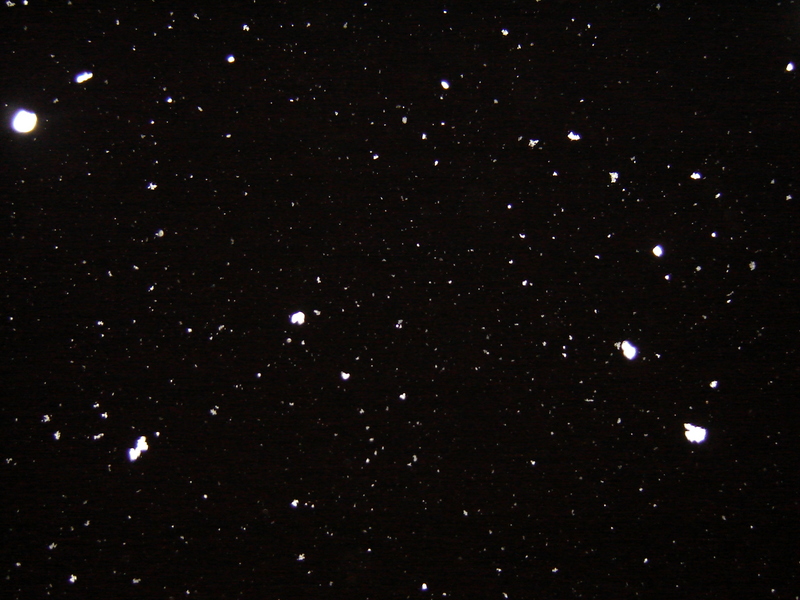
Often during his life the night skies had spoken to him, presented him with a reminder of the continuum of the universe. On this night, however, he felt more humbled by the hundred, million stars surrounding him than he could ever previously recall.
Time slipped by, his wrist-watch unread in the darkness. Above his head, however, was that vast stellar clock. He scanned the heavens, seeking out familiar pinpoints of light, companions over so much of his lifetime. Ah, yes! There was the Big Dipper; Ursa Major to give the constellation its formal name, and there the Big Dipper pointing the way to Polaris, the star that was so closely aligned to North Pole. Great! Now the rotation of the planet became his watch, the Big Dipper circling around Polaris, fifteen degrees for each hour.
What a situation he had got himself into. As with other challenging times in his life, lost in the Australian bush, at sea hunkering down through a severe storm, there was never a choice other than to work it out. He felt a gush of warm emotions that flowed from this changed perspective.
Far away, a group of coyotes started up a howl. What a timeless sound. How long had coyotes been on the planet? He sank into those inner places of his mind noting how the intense darkness raised such deep thoughts. What if this night heralded the end of his life, the last few hours of the life of Paul Handover? What parting message would he give to those that he loved?
Jeannie would know beyond any doubt how much he had adored her, how her love had created an emotional paradise for him beyond measure. Then his son and daughter, dear Alex and Maija. Oh, the complexities he had created in their lives by leaving their mother so many years ago. He knew that they still harboured raw edges, and quite reasonably so. He still possessed raw edges from his father’s death, way back in 1956. That sudden death, five days before Christmas, so soon after he had turned 12, that had fed a life-long feeling of emotional rejection. That feeling that had lasted for 51 years until, coincidentally, also five days before Christmas, he had met Jean in 2007.
His thoughts returned to Alex and Maija. Did they know, without a scintilla of doubt, that he loved them. Maybe his thoughts would find them. Romantic nonsense? Who knows! Dogs had the ability to read the minds of humans, often from far out of visual range. He knew Pharaoh, his devoted German Shepherd, skilfully read his mind.
He struggled to remember that saying from James Thurber. What was it now? Something about men striving to understand themselves before they die. Would that be his parting message for Alex and Maija? Blast, he wished he could remember stuff more clearly these days and let go of worrying about the quote. Perhaps his subconscious might carry the memory back to him.
He looked back up into the heavens. The Big Dipper indicated at least an hour had slipped by. Gracious, what a night sky in which to lose one’s mind. Lost in that great cathedral of stars. Then, as if through some stirring of his consciousness, that Thurber saying did come back to him: All men should strive to learn before they die, what they are running from, and to, and why. As last words they would most certainly do for Alex and Maija!
He reflected on those who, incarcerated in solitary confinement, had their minds play many tricks, especially when it came to gauging time. What a bizarre oddment of information to pop up in his head! Where had that come from? Possibly because he hadn’t a clue about his present time. It felt later than 11pm and earlier than 4am, but any closer guess seemed impossible. Nevertheless, from out of these terrible, heart-wrenching hours of being alone he found his calm, a calm that had gently arisen from within. He slept.
Suddenly, a sound slammed him awake. Something had made a sound. Something out there in the dark had made a sound fairly close to him. Now his whole body was totally alert, every nerve straining to identify what might be out there, so close to him. It sounded like animal feet moving through the autumn fall of dead leaves. He prayed it wasn’t a mountain lion. Surely such a wild cat preparing to attack him would be silent. Now the unknown creature had definitely paused, no sound, just him knowing that out there something waited. Now what? The creature had started sniffing. He hoped it was not a wild pig. Javelinas, those pig-like creatures that always moved in groups, could make trouble. He knew they had no qualms at attacking a decent-sized dog and crouched down like this he didn’t offer a much larger target.
Should he get to his feet and run? Almost immediately he answered his own question. In the dark and in this terrain he would harm himself within seconds and that would make him an attractive meal for any meat-eating animal out there. No, he chose to stay still. Feeling the ground around him he closed his right-hand around a small rock. The sniffing stopped. Nothing now, save the sound of his rapid, beating heart. He sensed, sensed strongly, the creature looking directly at him. It seemed very close; perhaps ten or twenty feet away. The adrenalin hammered through his veins.
He tried to focus on the spot where he sensed that the animal waited trying not to think what it might be waiting for. He pushed that line of thought straight out of his head. His ears then picked up a weird, bizarre sound. A flap, flap sound against something like the trunk of a small tree. Surely not! Had he lost his senses? It sounded like a dog wagging its tail. A dog’s tail flap, flap, flapping against a tree-trunk. If it was a dog, it just had to be Dhalia!
Then came that small, shy bark! A bark that he knew so well. Unbelievably, it was Dhalia. He softly called, “Dhalia, Dhalia, come here, there’s a good girl.”
With a quick rustle of feet Dhalia leapt upon him, her tail wagging furiously, her head quickly burrowing into his body warmth. He hugged her and, once more, tears streamed down his face. Despite the darkness, he could see her perfectly in his mind. Her tight, short-haired coat of light-brown hair, her aquiline face, her bright inquisitive eyes and those wonderful head-dominating ears. Lovely large ears that seemed to listen to the world. A shy, loving dog when Jean had rescued her in 2005 and all these years later still a shy, loving dog.
Dhalia licked his tears, her gentle tongue soft and sweet on his skin. He shuffled more onto his back which allowed her to curl up against his chest, still enveloped by his arms. His mind drifted away to an era immensely long ago. Back to an earlier ancient man, likewise wrapped around his dog under a dome of stars, likewise bonded in a thousand mysterious ways. He was unaware of slipping into a deep sleep.
The morning sun arrived as imperceptibly as an angel’s sigh. Dhalia sensed the dawn before Paul, bringing him out of his dreams by the slight stirring of her warm, gentle body.
Yes, there it came, the end of this night. That sun, ancient beyond imagination, galloping towards them across the desert lands; another beat of the planet’s heart. Dhalia slid off his chest, stretched herself from nose to tail, yawned and looked at him, as much to say it’s time to go home! He could just make out the face of his watch: 4.55am. He, too, raised himself, slapped his arms around his body to get some circulation going. The cold air stung his face, yet it couldn’t even scratch the inner warmth of his body, the gift from the loving embrace that he and Dhalia had shared.
They set off and quickly crested the first ridge. Ahead, about a mile away, they saw the forest road busy with arriving search and rescue trucks. Paul noticed Jean’s Dodge parked ahead of the trucks and instinctively knew she and Pharaoh had already disappeared into the forest; undoubtedly Pharaoh sensing the way to them.
They set off down the slope, Dhalia’s tail wagging with unbounded excitement, Paul ready to start shouting for attention from the next ridge. They were about to scrabble across a small, dry creek-bed when, across from them, Pharaoh raced out of the trees. He raced up to them, barking at the top of his voice in clear dog speak, ‘I’ve found them, I’ve found them, they’re safe, they’re safe’. Paul crouched down to receive his second huge face lick in less than six hours.
Later, when safely home, it came to him. When they had set off in that early morning light to return back to civilisation, Dhalia had stayed utterly pinned to him. It was so out-of-character for her not to run off ahead. Let’s face it, that’s what got them into the mess in the first place. What came to him was that Dhalia had known that during that long, dark night, it had been he who had been the lost soul.
The message from the night, as clear as the rays of the new day’s sun, the message to pass to all those he loved. If you don’t get lost, there’s a chance you may never be found.
Copyright © 2011, Paul Handover
ooOOoo
We have so much to learn from dogs.