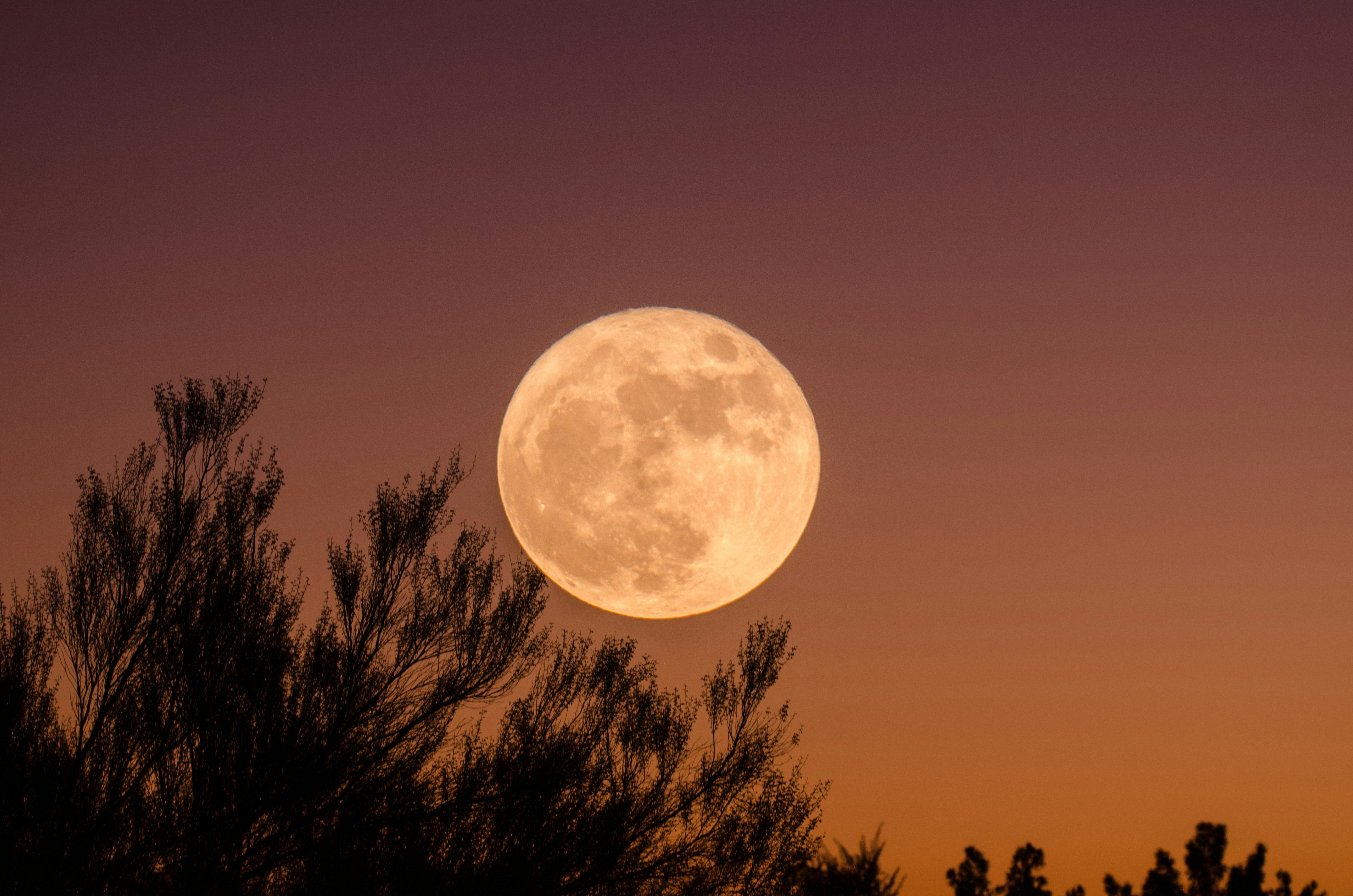
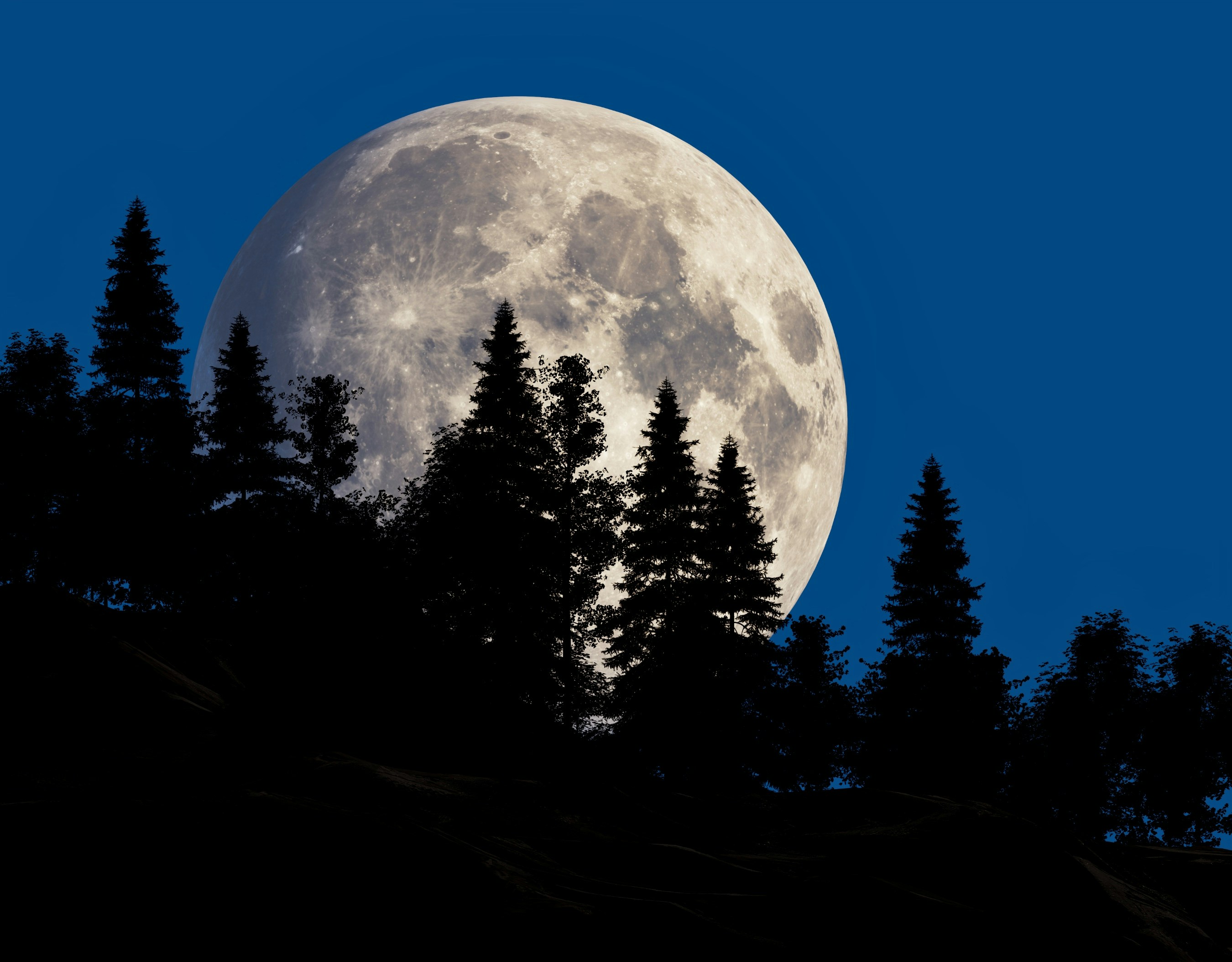
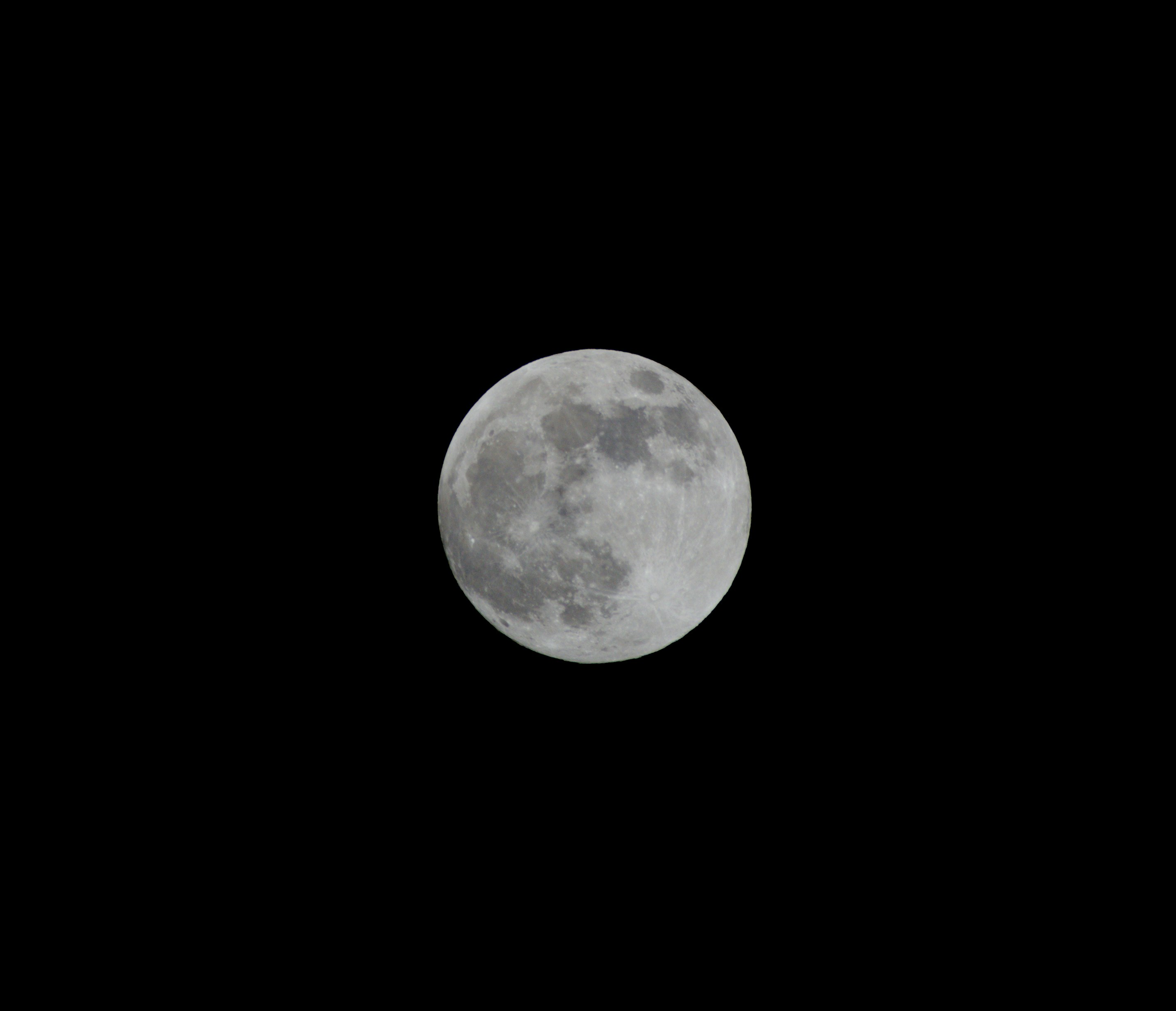
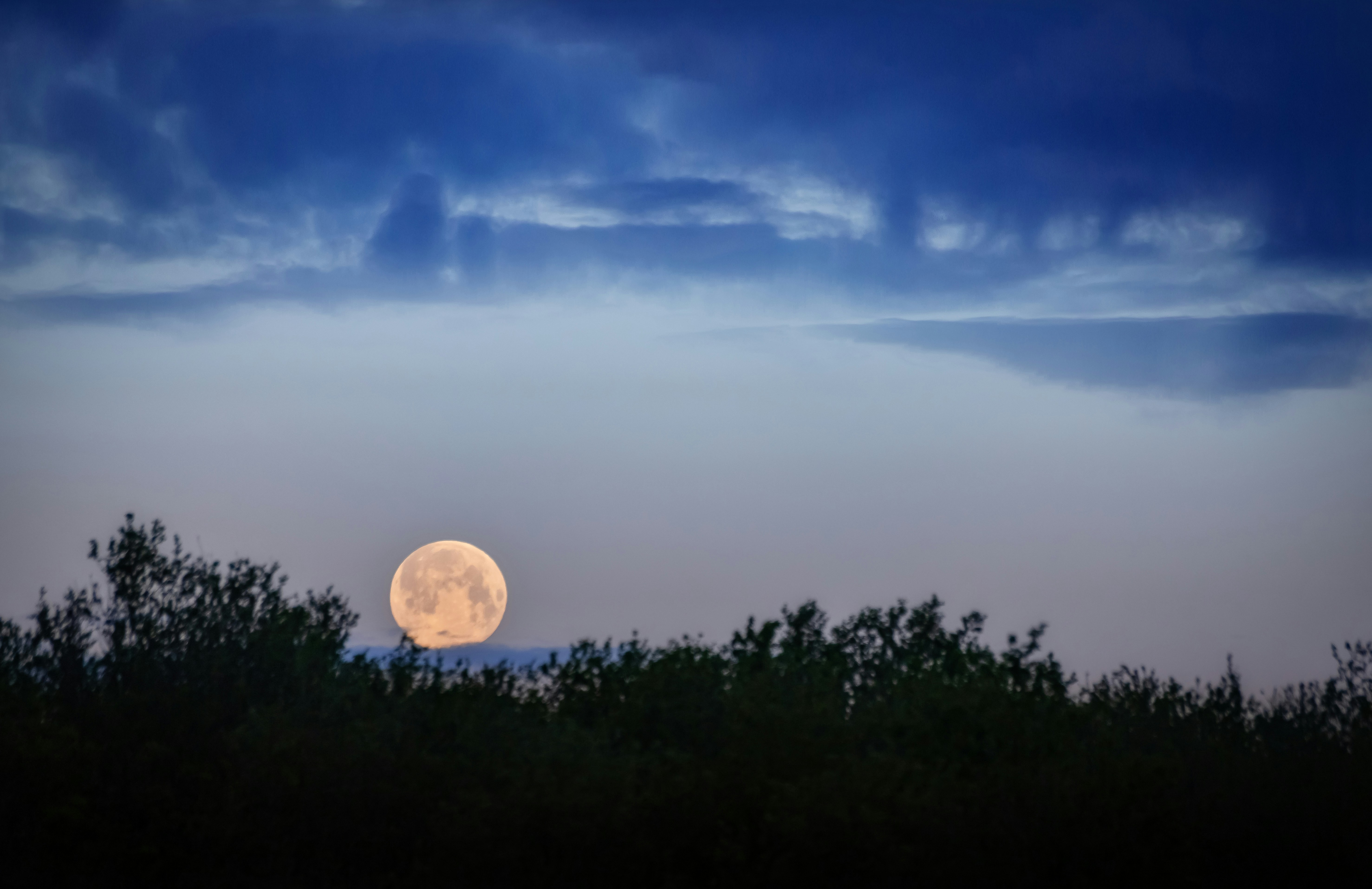
There was something really special about the last full moon. We watched as the moon rose on the very early nights of February, 2026 and I wished I had taken some photos. But no problem as YouTube had captured the images of the moon taken by others.
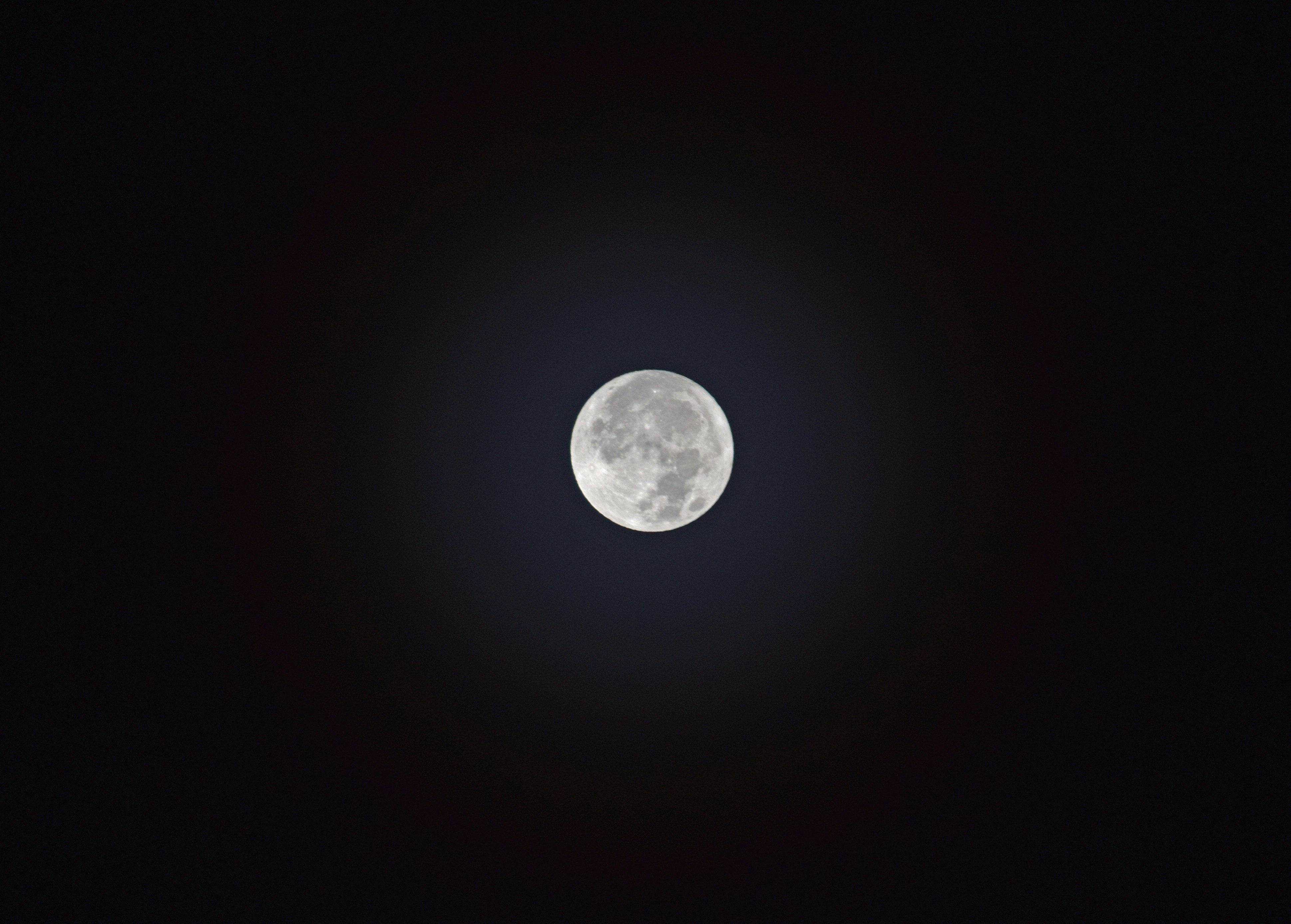
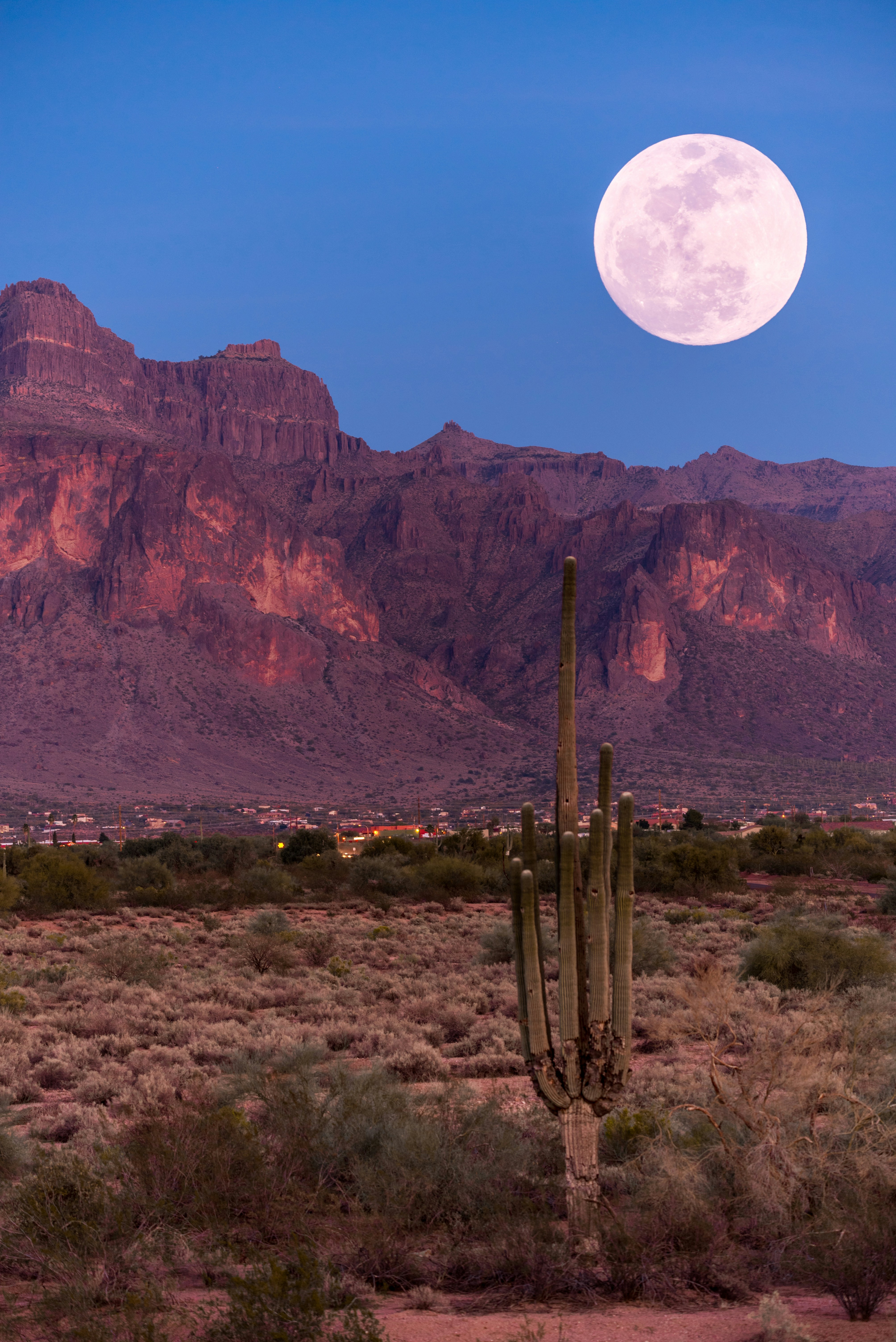
The Snow Moon in 2026 was the full moon that lit up the night sky on February 1, 2026, reaching its peak illumination around 5:09 p.m. EST (around 22:09 UTC) that evening. Because the moon appears full for a couple of nights around that moment, it was visible as a bright, full lunar disk on the nights of February 1 and 2. It’s traditionally called the “Snow Moon” because February is usually one of the snowiest months in the Northern Hemisphere. Here are some gorgeous images from our talented community of photographers. Enjoy them!
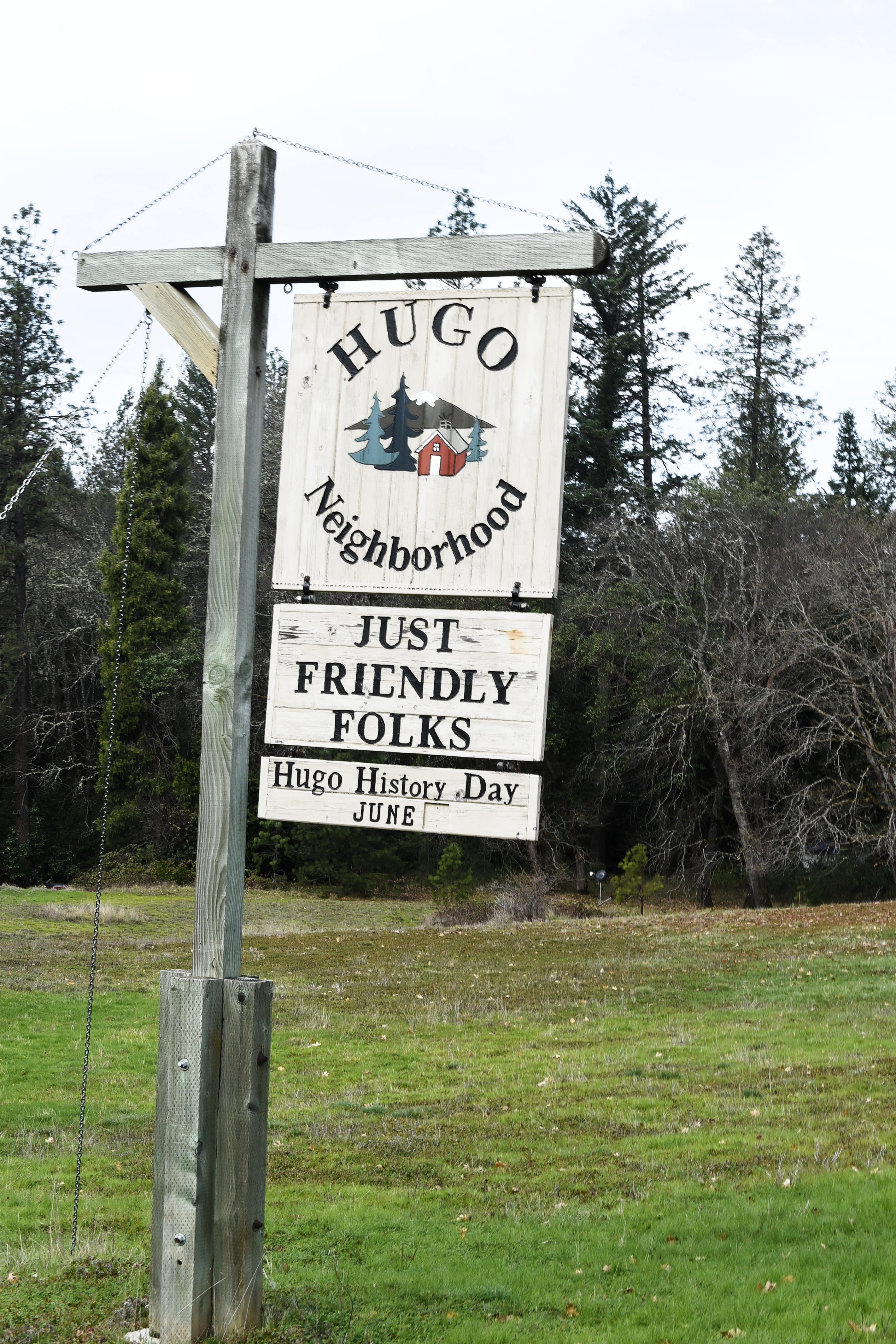
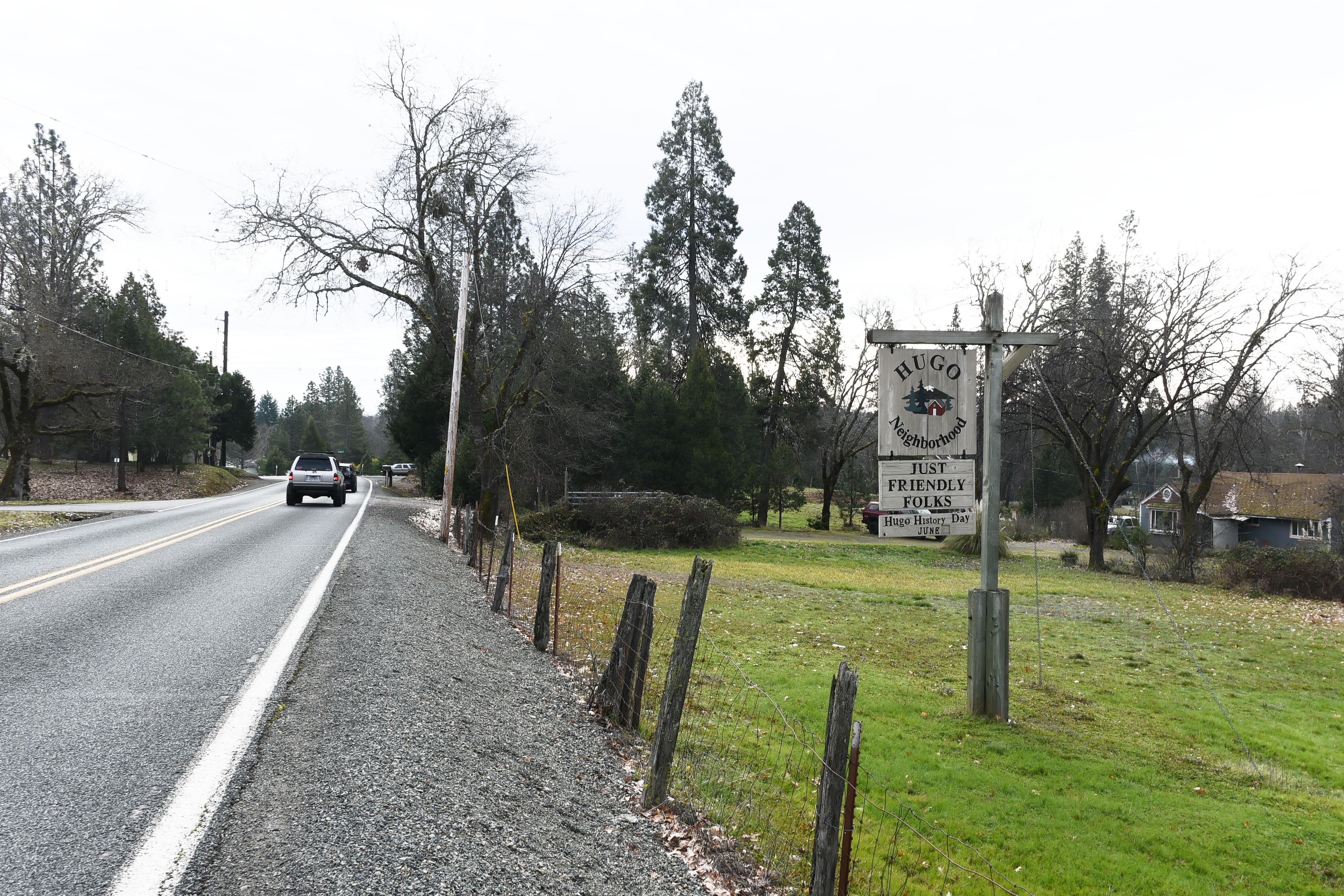
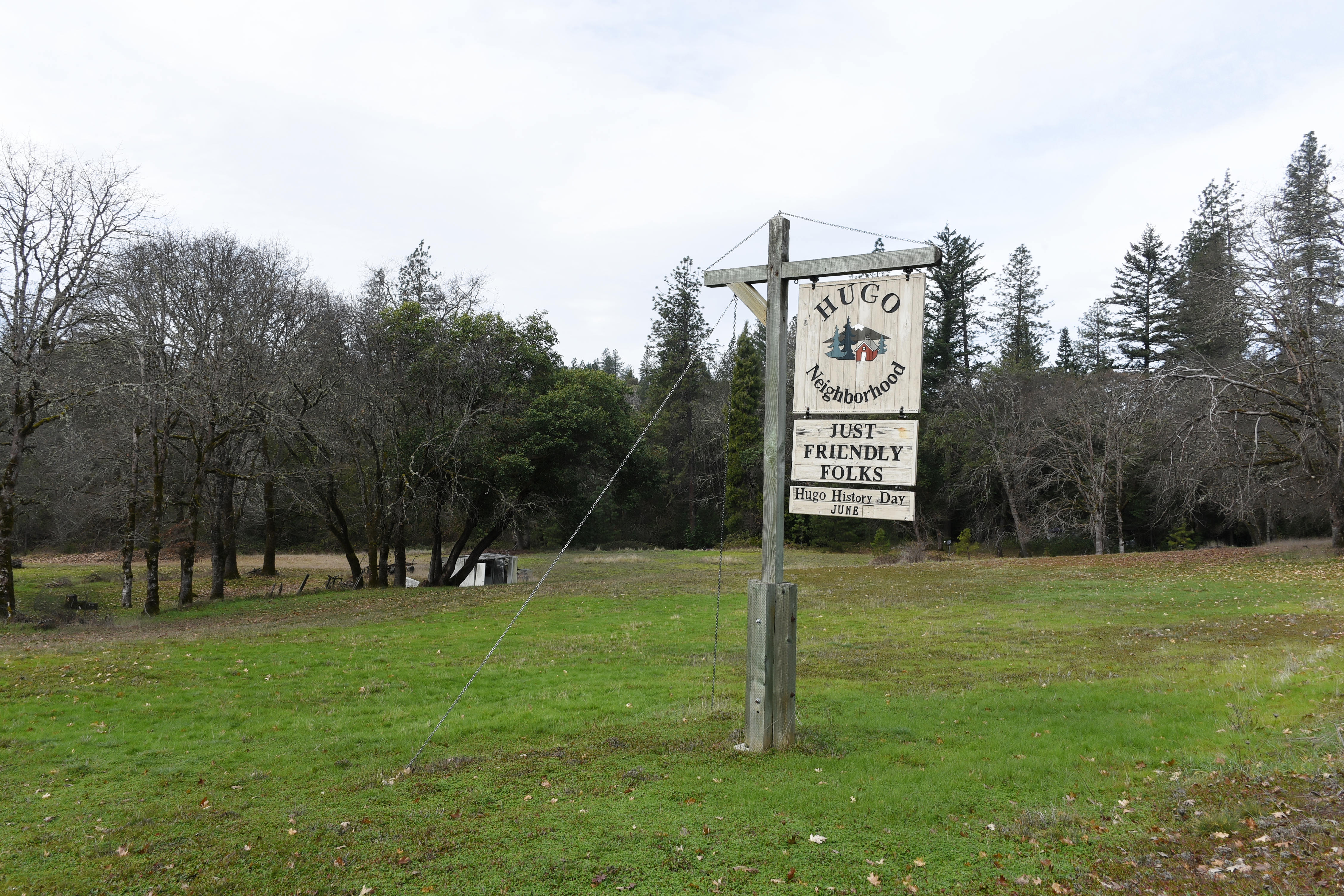
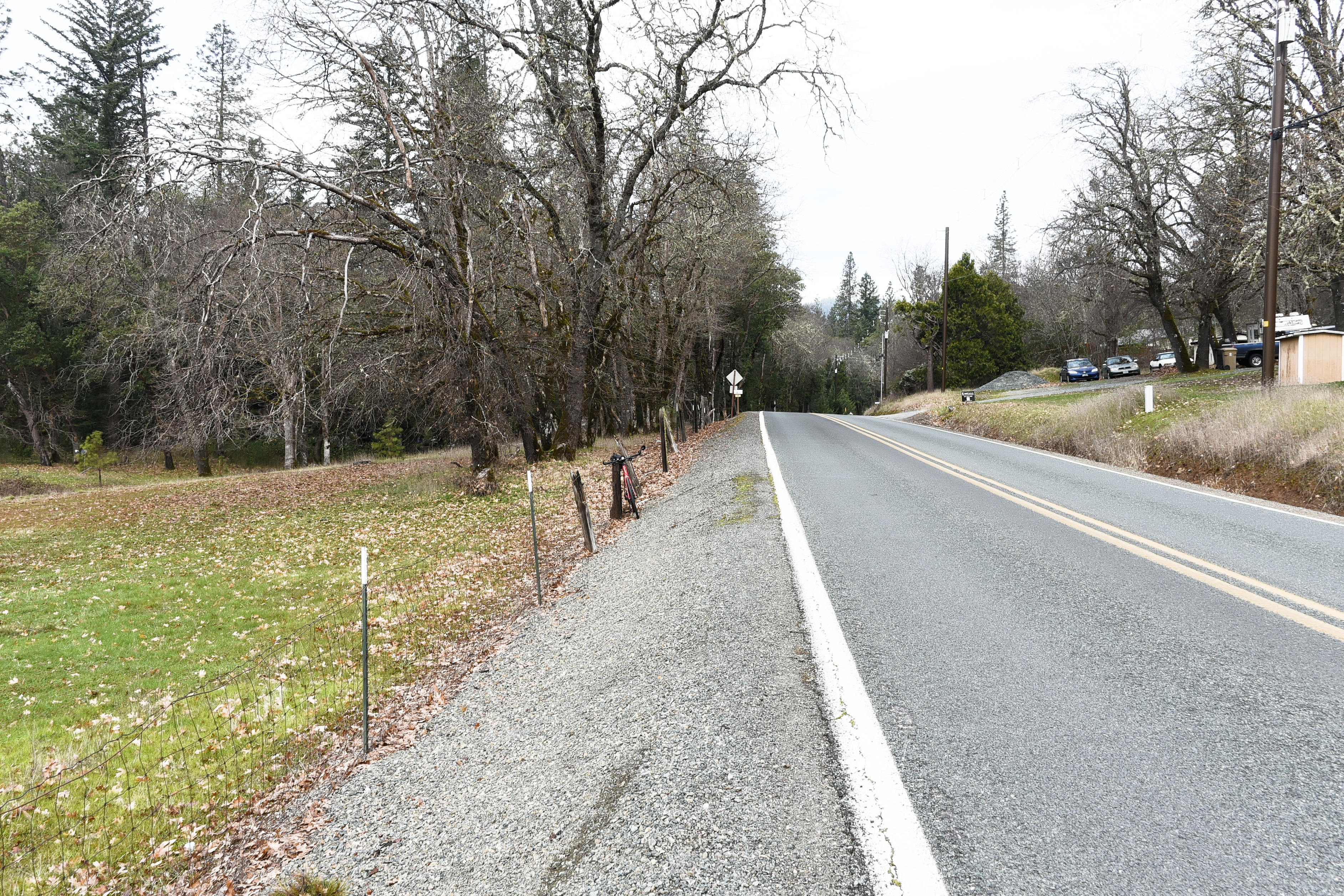
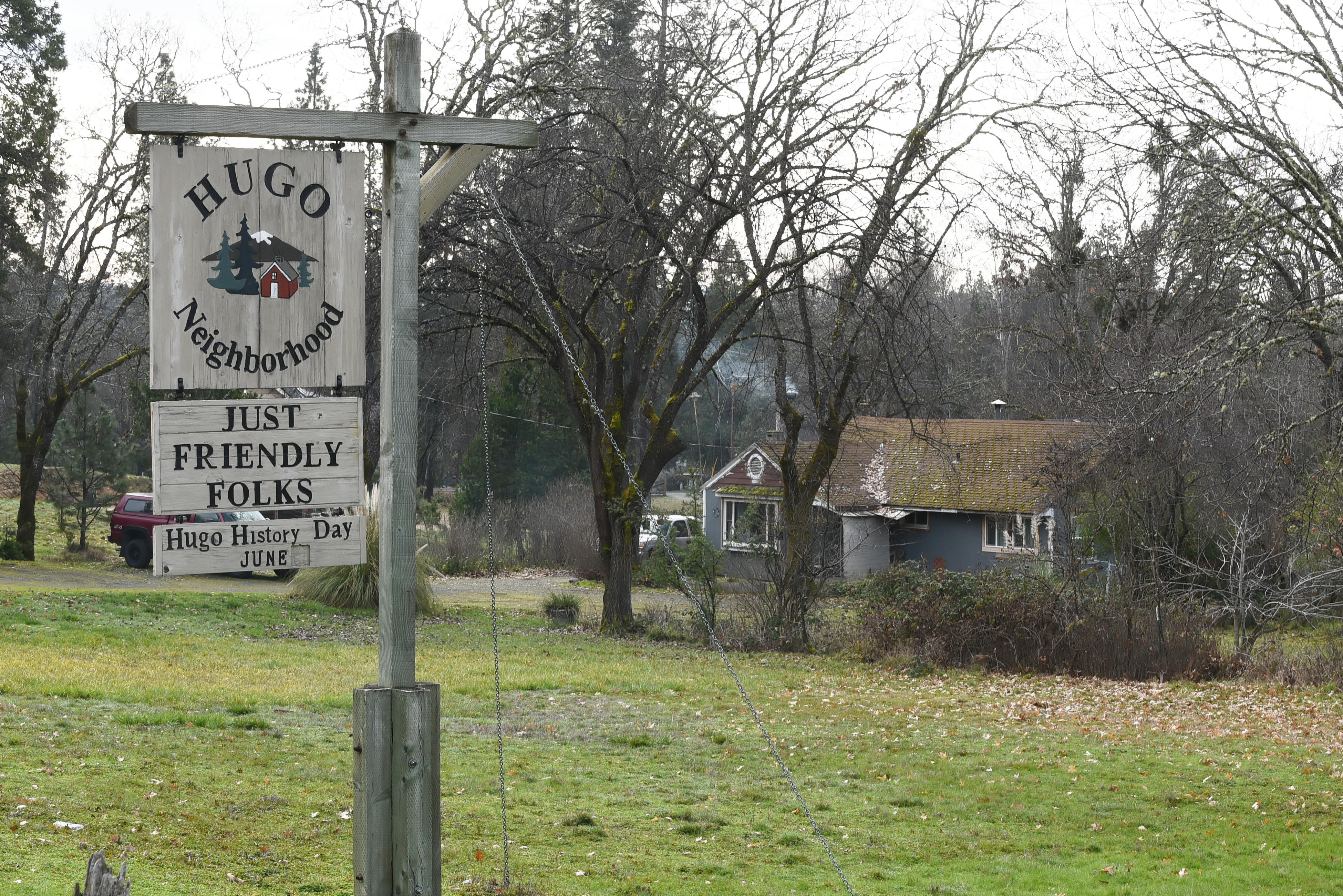
Of my three cycle rides a week, about once a week I turn left on Hugo Road, rather than turning right. After a very few miles I then turn right onto Three Pines Road. Less than a mile further on I pass a sign that speaks of our neighbourhood.
For those that live in this area are the friendliest Jeannie and I have ever known. And we are not the only ones to know this, as you will see from the following photos.
oooo
oooo
oooo
oooo
What the precise area is and why the locals are so, so friendly is beyond us. But to say we are grateful is an understatement. As the sign says:
A popular New Year’s resolution is to take up meditation – specifically mindfulness meditation. This is a healthy choice.
Regular mindfulness practice has been linked to many positive health benefits, including reduced stress and anxiety, better sleep and quicker healing after injury and illness. Mindfulness can help us to be present in a distracted world and to feel more at home in our bodies, and in our lives.
There are many different types of meditation. Some mindfulness practices ask meditators simply to sit with whatever thoughts, sensations or emotions arise without immediately reacting to them. Such meditations cultivate focus, while granting more freedom in how we respond to whatever events life throws at us.
Other meditations ask practitioners to deliberately focus on one emotion – for example, gratitude or love – to deepen the experience of that emotion. The purpose behind this type of meditation is to bring more gratitude, or more love, into one’s life. The more people meditate on love, the easier it is to experience this emotion even when not meditating.
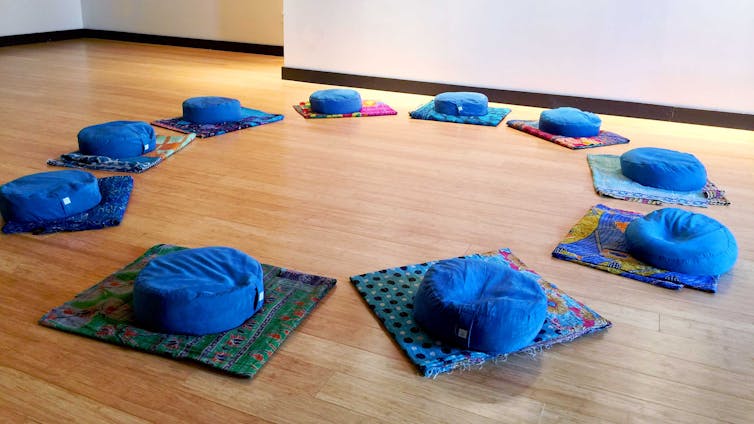
One such meditation is known as “metta,” or loving-kindness. As a scholar of communication and mindfulness, as well as a longtime meditation teacher, I have both studied and practiced metta. Here is what loving-kindness means and how to try it out for yourself:
Loving-kindness, the feeling cultivated in metta meditation, is very different from romantic love. In the ancient Pali language, the word “metta” has two root meanings: The first is “gentle,” in the sense of a gentle spring rain that falls on young plants, nourishing them without discrimination. The second is “friend.”
Metta is limitless and unbounded love; it is gentle presence and universal friendliness. Metta practice is meant to grow people’s ability to be present for themselves and others without fail. https://www.youtube.com/embed/FyKKvCO_vSA?wmode=transparent&start=0 A guided loving-kindness meditation practice.
Metta is not reciprocal or conditional. It does not discriminate between us and them, rich and poor, educated and uneducated, popular or unpopular, worthy and unworthy. To practice metta is to give what I describe in my research as “the rarest and most precious gift” – a gift of love offered without any expectation of it being returned.
How to practice loving-kindness meditation
In the fifth century, a Sri Lankan monk, Buddhaghosa, composed an influential meditation text called the “Visuddhimagga,” or “The Path of Purification.” In this text, Buddhaghosa provides instructions for how to practice loving-kindness meditation. Contemporary teachers tend to adapt and modify his instructions.
The practice of loving-kindness often involves quietly reciting to oneself several traditional phrases designed to evoke metta, and visualizing the beings who will receive that loving-kindness.
Traditionally, the practice begins by sending loving kindness to ourselves. It is typical during this meditation to say:
May I be filled by loving-kindness May I be safe from inner and outer dangers May I be well in body and mind May I be at ease and happy
After speaking these phrases, and feeling the emotions they evoke, next it’s common to direct loving-kindness toward someone – or something – else: It can be a beloved person, a dear friend, a pet, an animal, a favorite tree. The phrases become:
May you be filled by loving-kindness May you be safe from inner and outer dangers May you be well in body and mind May you be at ease and happy
Next, this loving-kindness is directed to a wider circle of friends and loved ones: “May they …”
The final step is to gradually expand the circle of well wishes: including the people in our community and town, people everywhere, animals and all living beings, and the whole Earth. This last round of recitation begins: “May we …”
In this way, loving-kindness meditation practice opens the heart further and further into life, beginning with the meditator themselves.
Loving-kindness and mindful democracy
Clinical research shows that loving-kindness meditation has a positive effect on mental health, including lessening anxiety and depression, increasing life satisfaction and improving self-acceptance while reducing self-criticism. There is also evidence that loving-kindness meditation increases a sense of connection with other people.
The benefits of loving-kindness meditation are not just for the individual. In my research, I show that there are also tremendous benefits for society as a whole. Indeed, the practice of democracy requires us to work together with friends, strangers and even purported “opponents.” This is difficult to do if our hearts are full of hatred and resentment.
Each time meditators open their hearts in metta meditation, they prepare themselves to live more loving lives: for their own selves, and for all living beings.
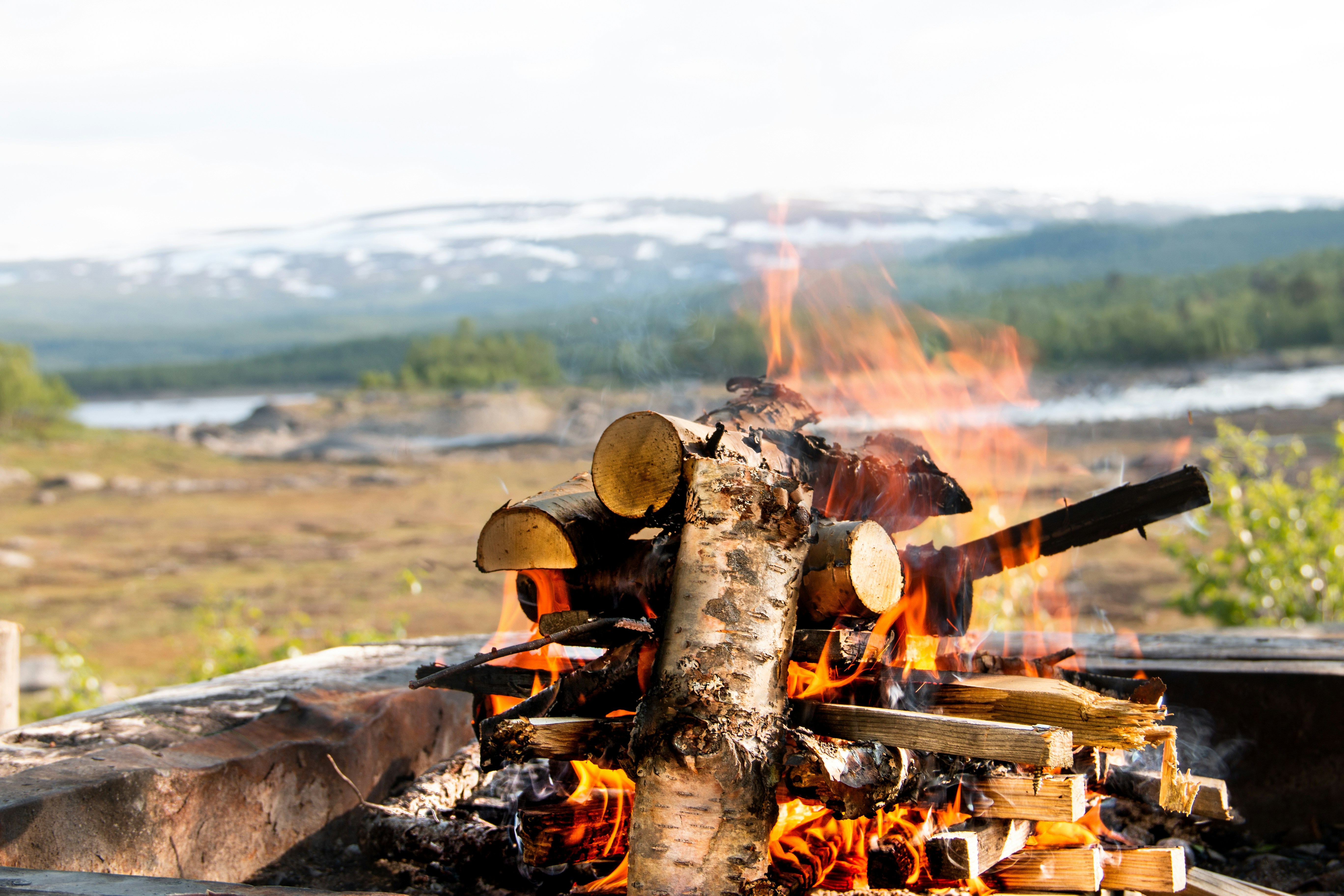
A very ancient event that is still important today.
BBC Radio 4 is broadcasting this week a series of programmes under the title of ‘An Almanac for Anxiety: In Search of a Calmer Mind’. The first episode was Fire.
The history of fire circles spans ancient human gathering traditions, modern pagan rituals, and even fire performance art, evolving from basic survival and community building around fire to intentional spiritual circles for healing, transformation, or entertainment, with practices rooted in ancient fire veneration and a recent resurgence of shamanic/Pagan practices in Western culture, notes 4qf.org and Patheos.
This is another republication of a George Monbiot post. The title of his post is Total Futility Rate.
It is another great article!
ooOOoo
Total Futility Rate
Posted on15th December 2025
Let’s focus our campaigning on things we can actually change.
By George Monbiot, published as a BlueSky thread, 15th December 2025
Because the issue of population change is so widely misunderstood, I’ll seek to lay it out simply. This note explains why there is almost nothing anyone can do to change the global population trajectory, both as numbers rise, then as they fall.
The residual rise is due to:
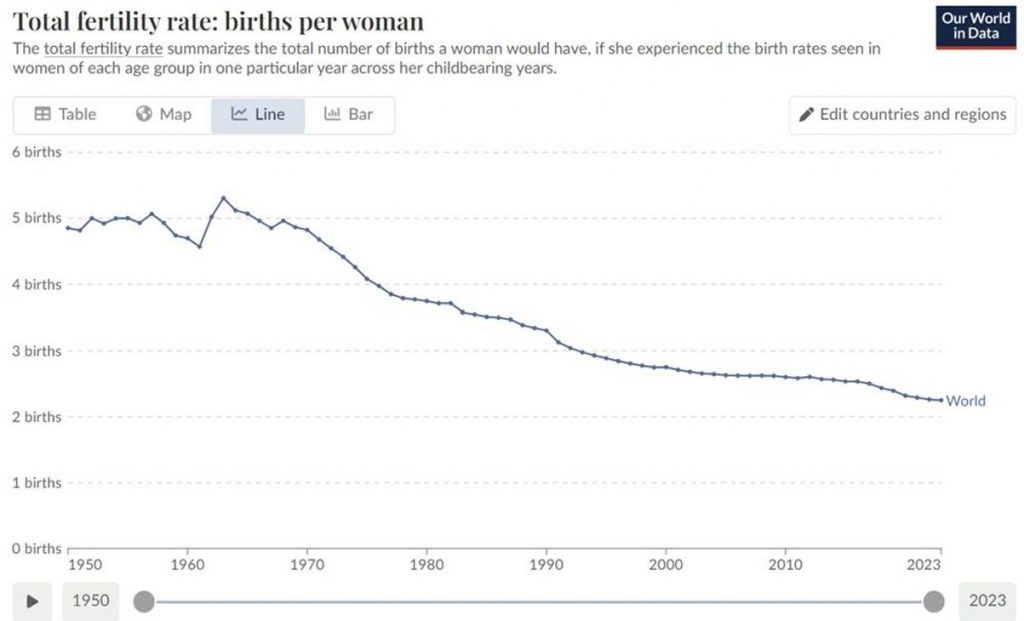
A. The birth rate 60-100 years ago, which created a larger current base population. This means more children being born even as birth rates are in radical decline. The global total fertility rate, by the way, is now 2.2, just above the replacement rate of 2.1.
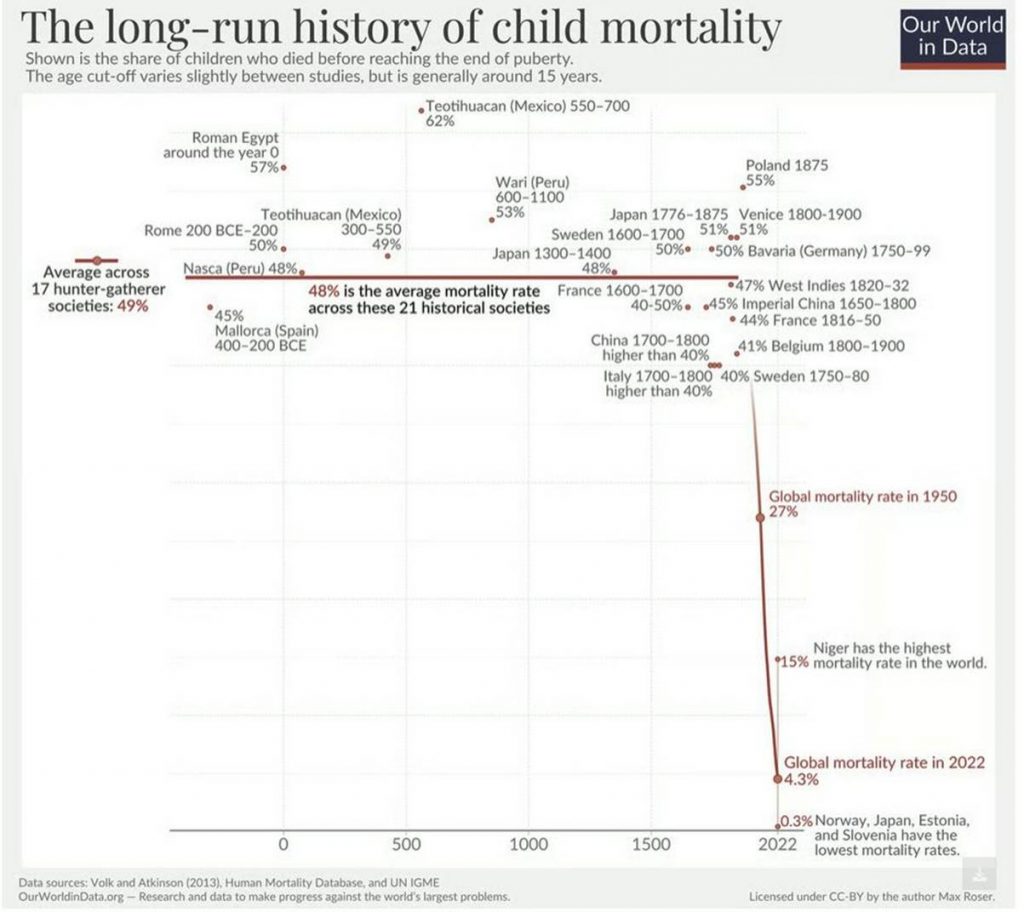
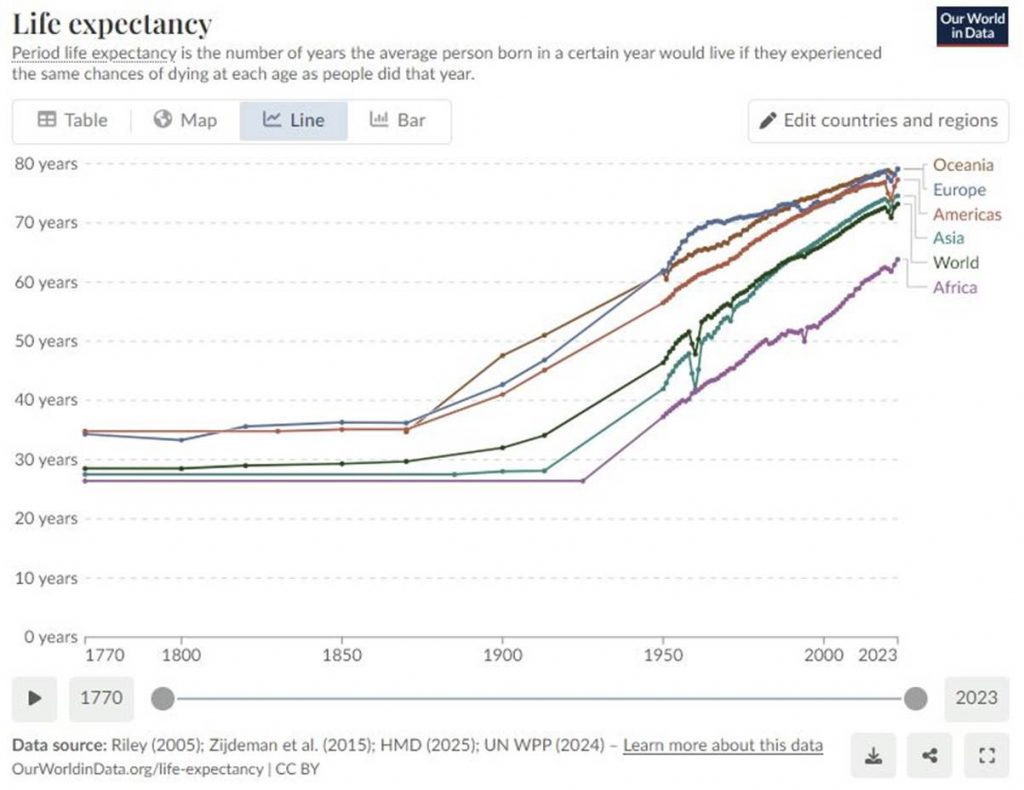
B. Infant mortality has declined very fast and longevity has risen very fast. Again, there’s nothing you can do about either of those things and, I hope, nothing you would want to.
All women should have total reproductive freedom and full access to modern birth control. Because it’s a fundamental right. Not because old men on other continents want them to have fewer children. Even if total reproductive freedom became universal now, it would scarcely nudge the curve, due to the factors mentioned above.
Before long, people will be fretting instead about the downwave, a very rapid decline in populations as the impact of 60+ years of falling birth rates overtakes the effects mentioned above. There’s almost nothing we can do about that either. It’s about as locked in as any human behaviour can be. As the opportunity costs of childcare rise (i.e. as prosperity increases), the birth rate declines.
Of course, if economic and social life collapsed, the process might go into reverse, and birth rates could be expected to rise again. But is that really what you want? For my part, I’m heartily sick of people who think collapse is the answer to anything.
In the short run, we can survive the decline in wealthy countries by reopening the door to immigrants, which would also offer sanctuary to people fleeing from the climate breakdown and conflict we’ve caused overseas. Two wins, in other words. In the long run, we’ll steadily shuffle away.
Whether you think that’s good or bad will not affect the outcome. I see demographic change as an underlying factor, like gravity, we simply have to adapt to as well as we can. If you want to pick a fight with a mathematical function, be my guest. But it seems to me as if you’re wasting your time.
But surely there’s no harm in it? Surely we can seek, however hopelessly, to change the population trajectory while also campaigning against environmental breakdown, inequality, injustice? Some people who worry about population do. But in my experience, most fixate on population to the exclusion of other issues.
Something must be done about them breeding too fast, rather than us consuming too fast. All too often, residual population growth is used as a scapegoat to shift blame from rich-world impacts, which means that the people in places where growth is still occurring are themselves scapegoated. The result, broadly speaking, is wealthy white people pointing the finger at much poorer Black and Brown people and saying, “You’re the problem.” It’s more than a distraction, it’s a grim and sometimes racist alternative to effective action. It’s an excuse for inaction.
So yes, do both if you want to, while being aware that one activity is useful and the other is futile. But be aware that for most population obsessives, it’s either/or, and is used to avoid moral responsibility and effective citizenship.
If you read this you will understand why Mr Monbiot explains clearly the changes in the global demographics: That the global population is falling. My own guess is that in the lifespans of those who today are in their teens, the global population will be remarkably lower. I can’t forecast the changes that will bring about but I’m certain they will be significant.
George’s last point is key “(It) is used to avoid moral responsibility and effective citizenship.“
Now I am going to republish that site because it is the only way I can think of to spread the word more widely.
ooOOoo
Rebecca also writes for radio. She has been a frequent broadcaster on BBC Radio Four over the years.
Her radio essay ‘Reflections on My Mother’s Kenwood Mixer’, a homage to her mother’s gritty resilience in times of trouble, promoted scores of people on Twitter and Facebook to share stories about Kenwoods and their own steely mothers. Her essay ‘On Waiting’, tells the story of being marooned with her daughters at dusk in a bus-stop in remote Norfolk during a Covid lockdown. Her essay ‘House Clearing’ tells the story of the strangeness of dismantling her mother’s house after she had moved into a carehome. And her final essay for the programme, ‘On Migration’, describes an astonishing ten days in which hundreds of wild geese flew across the skies of her home town, as well the story of the great philosopher Aristotle study of migrating birds whilst himself a migrant in flight for his life on the island of Lesbos.
You’ll find a link to Rebecca’s Private Passions episode here too. A kind of Desert Island Discs without the Desert Island…. and with the extraordinary composer Michael Berkeley in the interview seat.
Also here is her five-part series commissioned by Radio Four in 2025 called Beautiful Strangeness. You can find the link below.
Being the age I am, Rebecca’s Beautiful Strangeness programmes spoke to me in a way that I find difficult to put into words but nonetheless the series did.
Last Thursday night we had a supermoon in Southern Oregon. That got me thinking of whether people had taken photos of the moon even if they were not the supermoon of December, 2025.
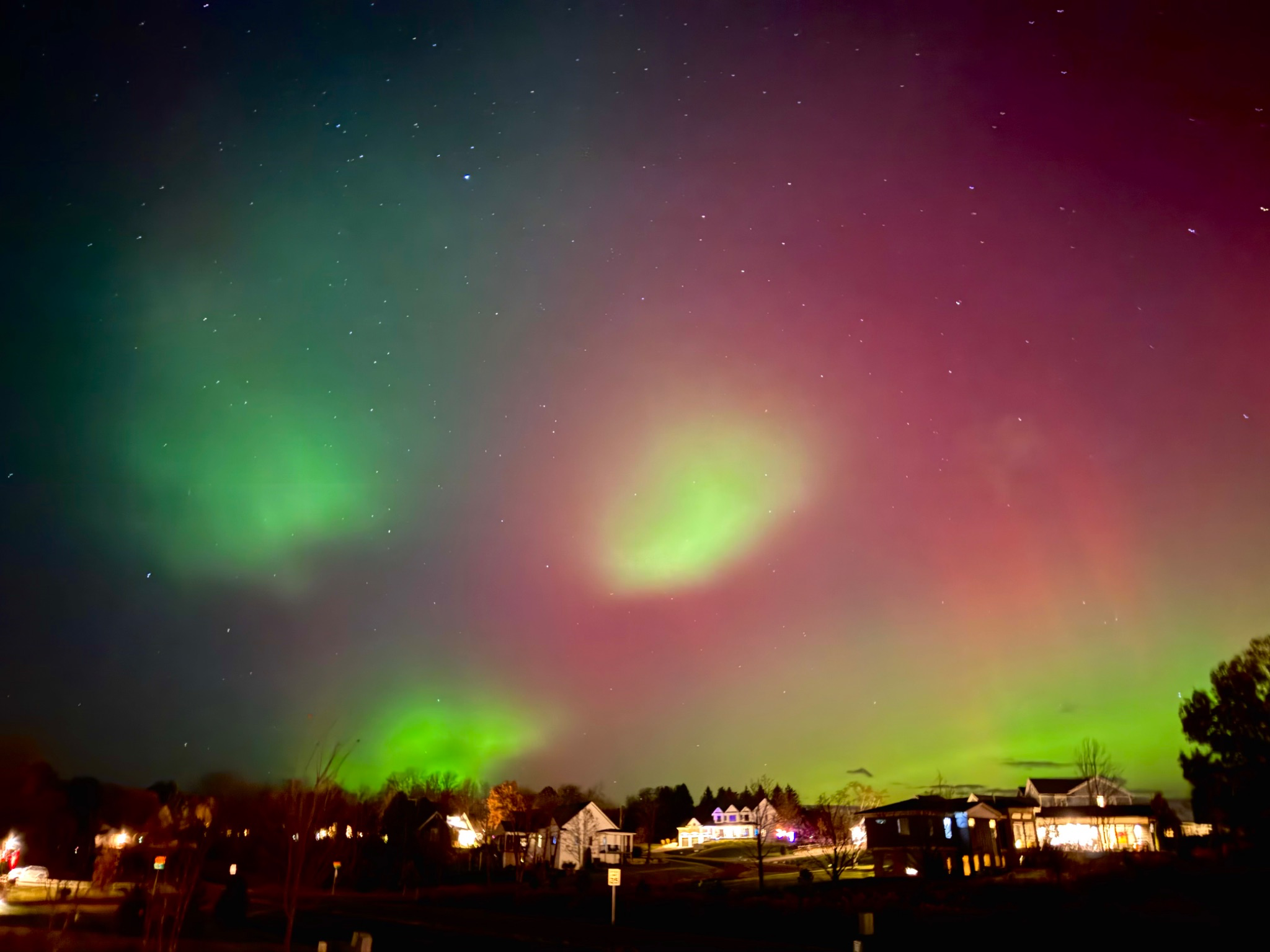
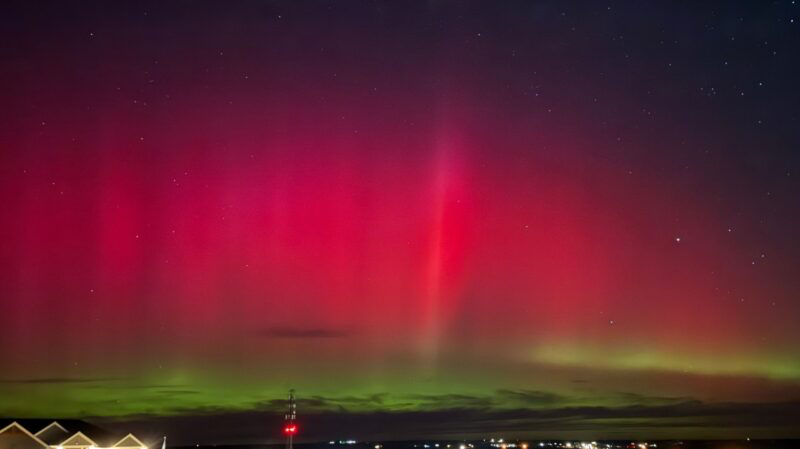
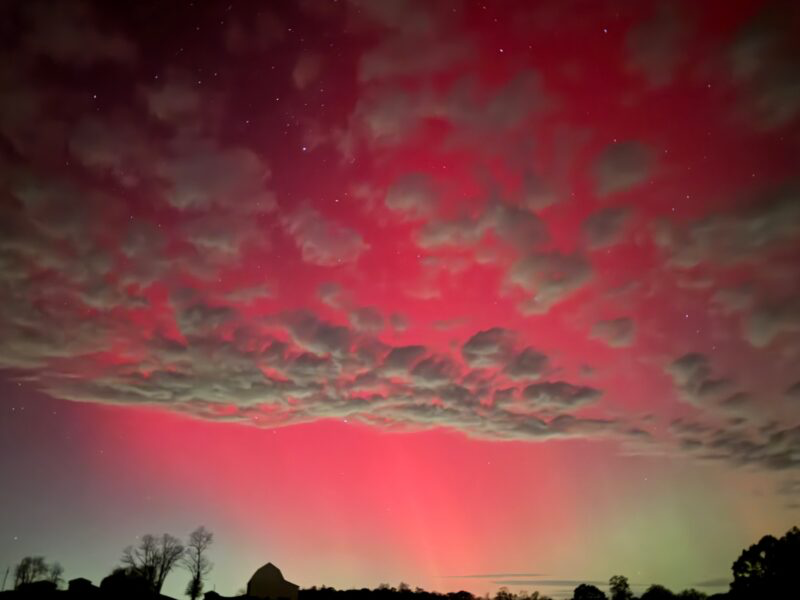
EarthSky’s Kelly Kizer Whitt captured the northern lights from near Madison, Wisconsin, on November 11, 2025. Kelly wrote: “An amazing night of aurora. In front of the red curtains we had bright green active blobs. One of the better displays I’ve seen.” Thank you, Kelly!
oooo
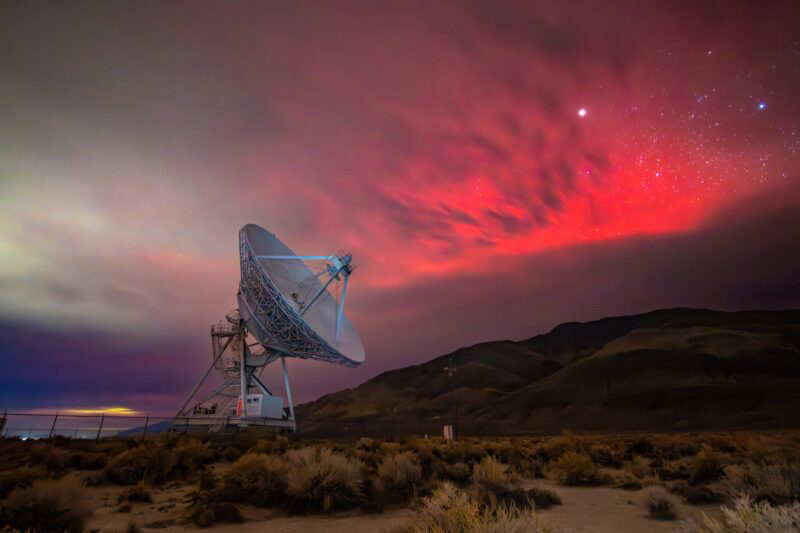
Ross Stone in Big Pine, California, captured this stunning view on November 11, 2025, and wrote: “The NRAO radio telescope in Owens Valley and the beautiful red aurora in the November sky. This was awesome, and the sky was so bright.” Thank you, Ross!
oooo
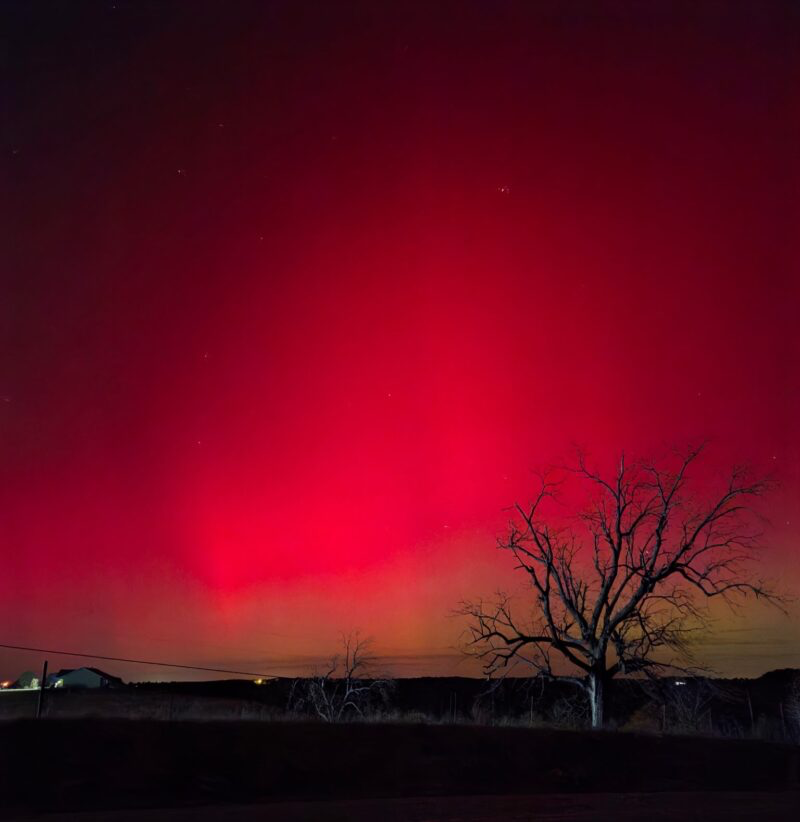
EarthSky’s Marcy Curran in Cheyenne, Wyoming, captured a beautiful display of auroras on November 11, 2025. Marcy wrote: “Aurora put on quite a show from Wyoming tonight. Lots of reds and green easily visible to the eye. We live in a semi-rural spot.” Thank you, Marcy!
oooo
Darrell Reese could see the aurora on November 11, 2025, from Ohio! Thank you for sharing your photo, Darrell.
oooo
Ruth Goodwin-Hager in Eureka Springs, Arkansas, shared this image from November 11, 2025, and wrote: “I banged on my neighbors’ doors and recruited others to come outside and see the fabulous lights. It’s been 30 years since I’ve seen northern lights from my backyard like this. Amazing!” Thank you, Ruth!
oooo
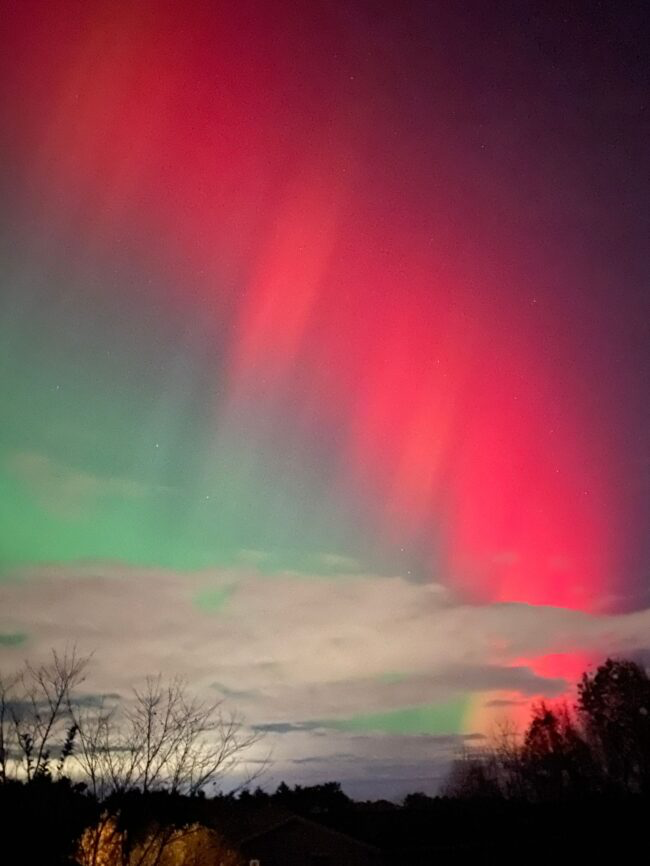
Patricia Evans in Seabrook, New Hampshire, captured the aurora on November 11, 2025. Patricia wrote: “Aurora borealis honors Veterans Day. I was afraid that the cloud cover would prevent viewing the aurora borealis but the reds and greens were amazingly intense! What a goosebump moment!” Thank you, Patricia!
Bela writes frequently and publishes her poetry online.
Recently she published a poem, Do You Need Time?
I am delighted to share the poem with you all. Here is the link to Pulse.
ooOOoo
Do you need time?
I’m not sure I need time — at least not as it’s commonly considered. It’s simply what we’re given, like it or not, for as long as we draw breath: a new sunrise, a fading sunset, and the spaces in between, where we live out an unknown number of days on this breathing planet.
Time to ponder or to provide, to nurture, to rest, depending on the moment and the hands we’re dealt.
There is time for mountains to rise, for seas to tumble rhythmically on distant shores. Time for ground creatures to burrow in before winter, for hawks to circle rivers and fields, searching — always searching — for what sustains them. Time for trees to grow or go dormant, for planets to whirl their patient orbits — there is time.
How we humans engage time is another matter. We guard it, chase it, curse it, as though it had power over us. But time simply is. Rushing or hoarding has never bought us one more minute in an hour or one more day in a year.
Perhaps all that’s left is to flow with it — scheduled or not — to find our own rhythm within its turning frame. We can wrangle with it until the end, but still, it will roll on.
And maybe that’s mercy: that time needs nothing from us but our willingness to live inside it — fully, gratefully, while we can.

 Learning from Dogs