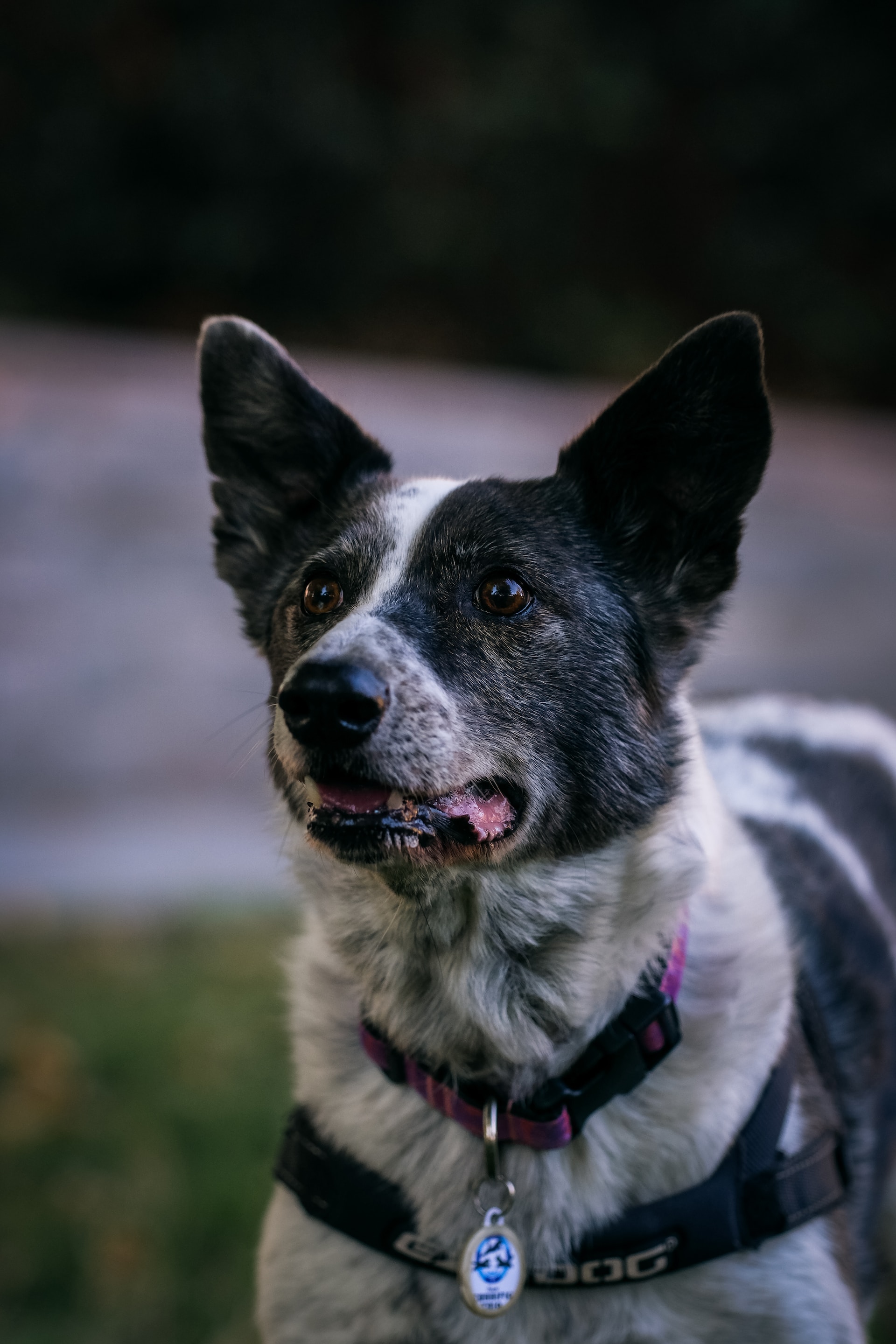
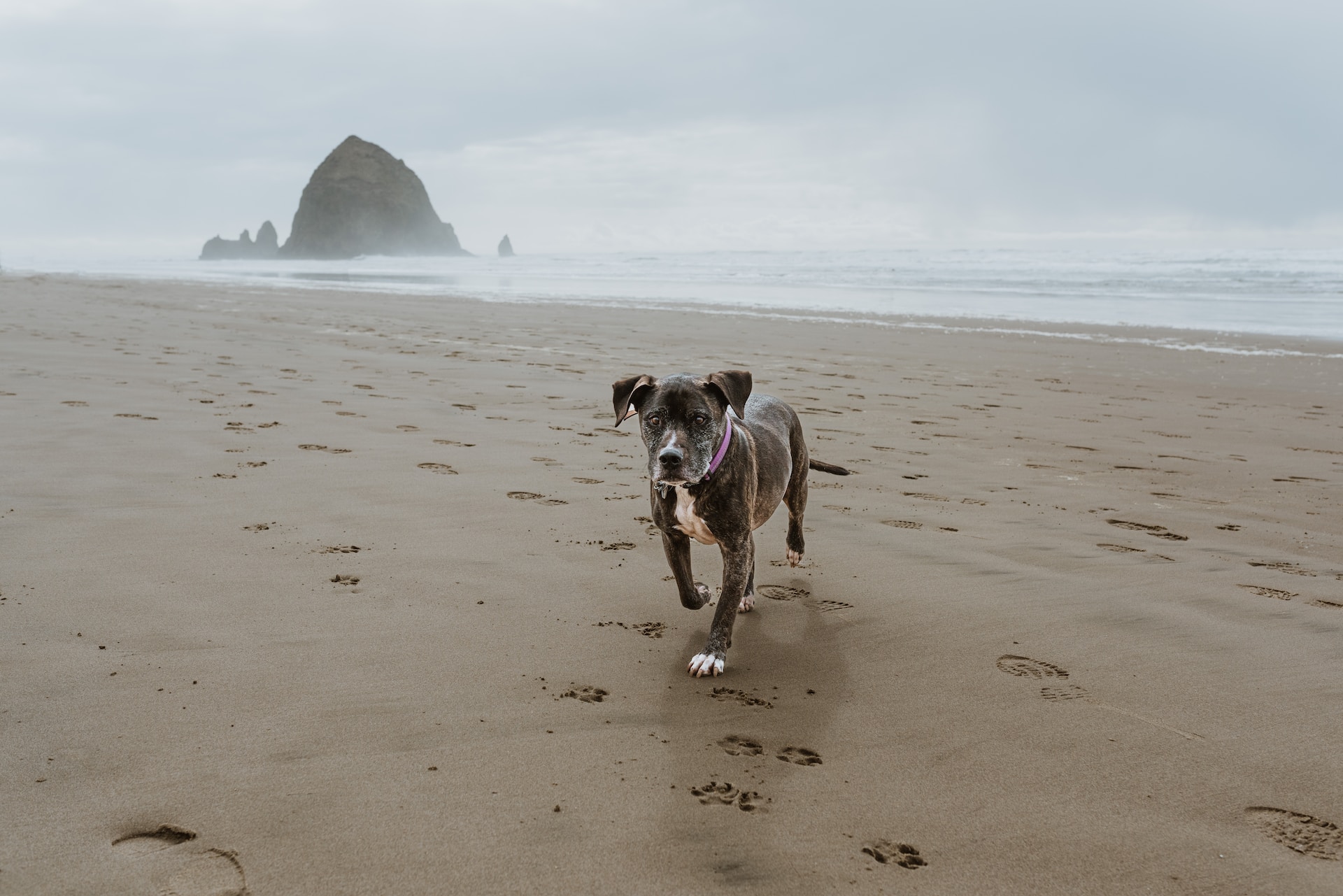
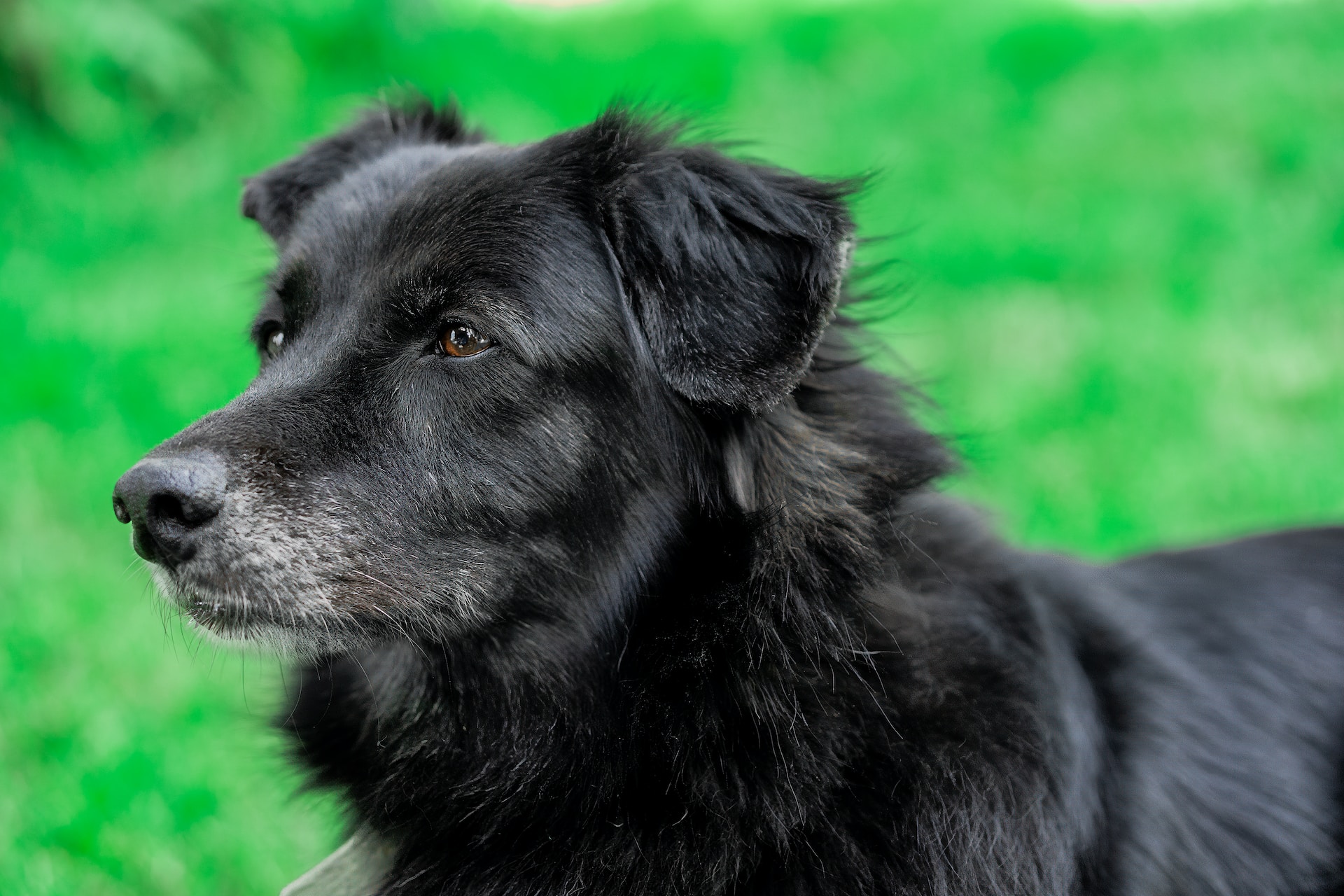
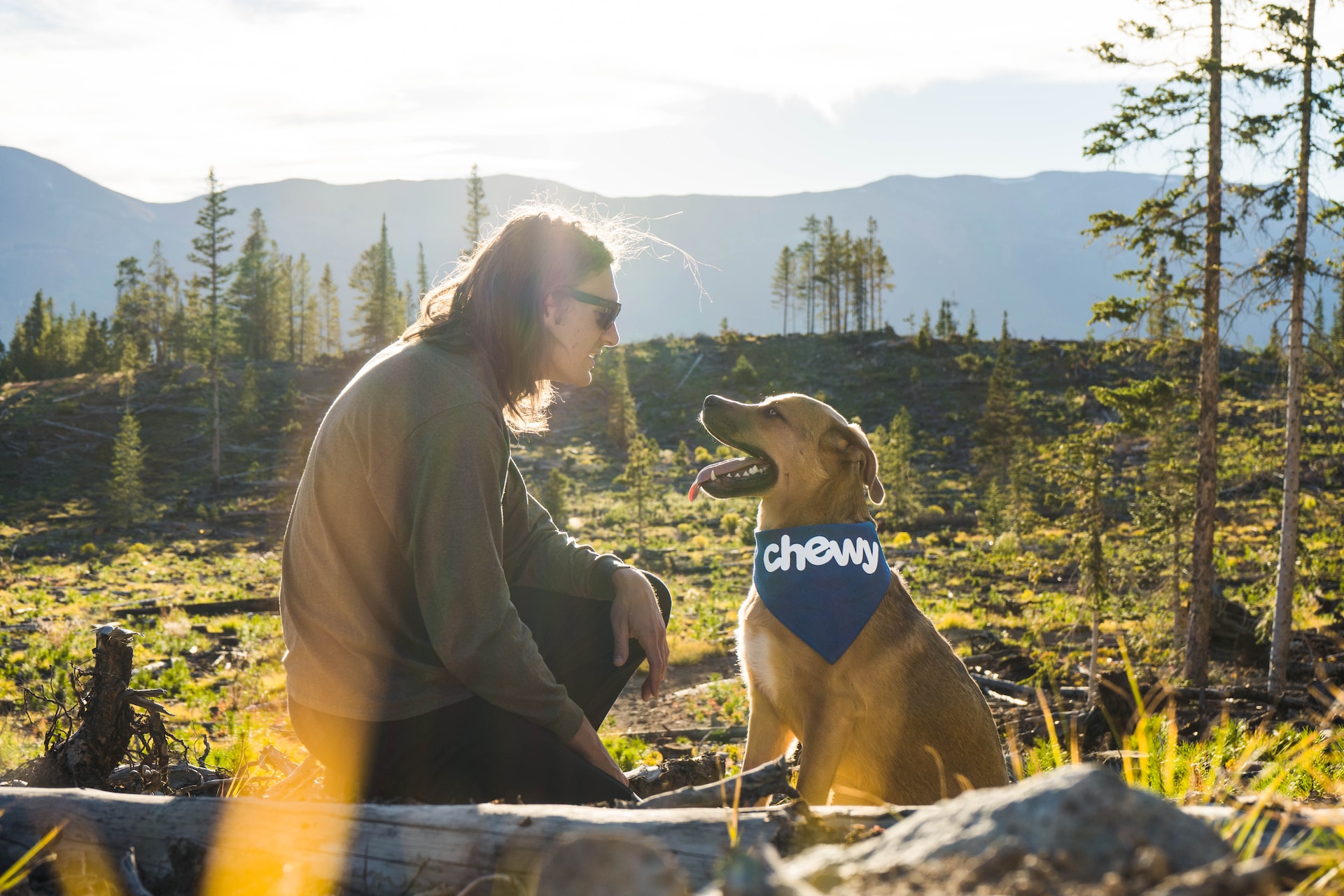
Category: Musings

Memories of Pharaoh

What a wonderful relationship it has been.

(This post was drafted back in 2020 and, for whatever reason, never got published, until today! Pharaoh, of course, is no longer with us)

Years ago if I was ever to own a dog, it had to be one breed and one breed only: a German Shepherd Dog.

The reason for this was that back in 1955 my father and mother looked after a German Shepherd dog called Boy.  Boy belonged to a lovely couple, Maurice and Marie Davies.  They were in the process of taking over a new Public House (Pub); the Jack & Jill in Coulsdon, Surrey.  My father had been the architect of the Jack & Jill.

Jack & Jill, Longlands Avenue, Coulsdon, Surrey

As publicans have a tough time taking holidays, it was agreed that the move from their old pub to the Jack & Jill represented a brilliant opportunity to have that vacation.  My parents offered to look after Boy for the 6 weeks that Maurice and Marie were going to be away.

Boy was the most gentle loveable dog one could imagine and I quickly became devoted to him; I was 11 years old at the time.  So when years later it seemed the right time to have a dog, there was no question about the breed.  Boy’s memory lived on all those years, and, as this post reveals, still does!

Pharaoh was born June 3rd, 2003 at Jutone Kennels up at Bovey Tracy, Devon, on the edge of Dartmoor.  As the home page of the Jutone website pronounces,

The Kennel was established in 1964 and it has always been the aim to breed the best German Shepherd Dogs for type and temperament. To this end the very finest German bloodlines are used to continue a modern breeding programme.

and elsewhere on that website one learns:

Jutone was established by Tony Trant who was joined by Sandra Tucker in 1976. Sandra continues to run Jutone since Tony passed away in 2004. Both Tony and Sandra qualified as Championship Show judges and Sandra continues to judge regularly. Sandra is the Secretary and a Life Member of the German Shepherd Dog Club of Devon.

Tony Trant

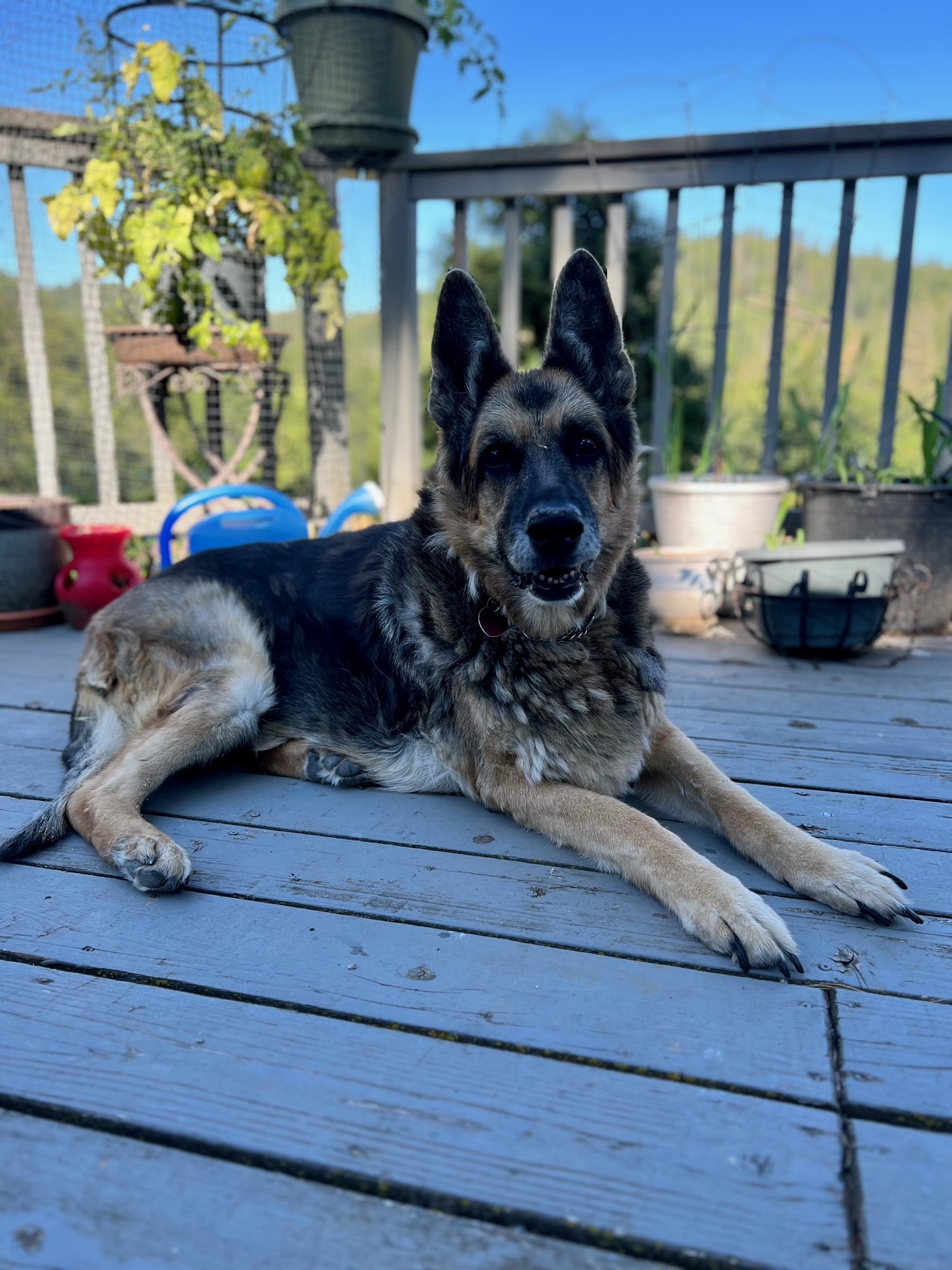
Turning to Pharaoh, here are a few more pictures over the years.

Pharaoh, nine months old.

oooo

One year old: June 3rd 2004.

The next picture of Pharaoh requires a little background information.

For many years I was a private pilot and in later days had the pleasure, the huge pleasure I must say, of flying a Piper Super Cub which is a group-owned aircraft based at Watchford Farm in South Devon.  The aircraft, a Piper PA-18-135 Super Cub, was originally supplied to the Dutch Air Force in 1954 and was permitted by the British CAA to carry her original military markings including her Dutch military registration, R-151, although there was a British registration, G-BIYR, ‘underneath’ the Dutch R-151.  (I wrote more fully about the history of the aircraft on Learning from Dogs back in August 2009.)

Piper Cub R151

Anyway, every time I went to the airfield with Pharaoh he always tried to climb into the cockpit.  So one day, I decided to see if he would sit in the rear seat and be strapped in.  Absolutely no problem with that!

Come on Dad, let's get this thing off the ground!

My idea had been to fly a gentle circuit in the aircraft.  First I did some taxying around the large grass airfield that is Watchford to see how Pharaoh reacted.  He was perfectly behaved.

Then I thought long and hard about taking Pharaoh for a flight.  In the Cub there is no autopilot so if Pharaoh struggled, or worse, it would have been almost impossible to fly the aircraft and cope with Pharaoh.  So, in the end, I abandoned taking him for a flight.  The chances are that it would have been fine.  But if something had gone wrong, the outcome just didn’t bear thinking about.

So we ended up motoring for 30 minutes all around the airfield which, as the next picture shows, met with doggie approval.  The date was July 2006.

That was fun, Dad!

What a dear dog he has been over all the years!

As if to reinforce the fabulous dog he still is, yesterday it was almost as though he knew he had to show how youthful he still was.

Because, when I took his group of dogs out around 7.30am armed with my camera, Pharaoh was brimming over with energy.

First up was a swim in the pond.

Ah, an early birthday dip! Bliss!

Then in a way he has not done before, Pharaoh wanted to play ‘King of my Island’, which is in the middle of the pond.

Halt! Who goes there!

oooo

This is my island! So there!

Then a while later, when back on dry land, so to speak, it was time to dry off in the morning sunshine.

Actually, this isn’t such a bad life!

Long may he have an enjoyable and comfortable life.

ooOOoo

This was written quite obviously before Pharaoh died. He is still on the home page of this blog.

Beloved Pharaoh. Born: June 3rd., 2003 – Died: June 19th., 2017. A very special dog that will never be forgotten.

A post on preventing dog bites.

This article from the ASPCA is being shared.

Luckily dogs that have behaviour problems are unknown in our home. But that doesn’t mean that a primer on preventing dog bites is not called for. The following seems like a primer!

ooOOoo

Dog Bite Prevention

Increasing Safety, Reducing Risks

To reduce the number of injuries from dog bites, adults and children should be educated about bite prevention, and dog owners should practice responsible dog ownership.

Understanding dog body language is a key way to help avoid being bitten for people of all ages. Know the signs that dogs give to indicate that they’re feeling anxious, afraid, threatened or aggressive, and be sure to respect the dog’s feelings about interacting with or being touched by strangers.

  • An aggressive dog may try to make themselves look bigger. Their ears may be up and forward, the fur on their back and tail may stand on end or puff out, and their tail may be straight up—it may even wag. They may have a stiff, straight-legged stance and be moving toward or staring directly at what they think is an approaching threat. They may also bare their teeth, growl, lunge or bark.
  • An anxious or scared dog may try to make themselves look smaller. They may shrink to the ground in a crouch, lower their head, repeatedly lick their lips, put their tail between their legs, flatten their ears back and yawn. They may look away to avoid direct eye contact. The dog may stay very still or roll on their back and expose their stomach. Alternatively, they may try to turn away or slowly move away from what they think is an approaching threat.
  • Many dogs can show a mixture of these body postures, indicating that they feel conflicted. Remember to avoid any dog showing any of signs of fear, aggression or anxiety—no matter what else the dog is doing. It’s important to realize that a wagging tail or a crouching body doesn’t always mean friendliness.
  • Ask first before petting a dog. When meeting an unfamiliar dog, don’t reach out to pet them. First, ask their pet parent, “May I pet your dog?” A strange hand in a dog’s face may scare them, leading to a bite.
  • If you receive permission to pet a dog, let them sniff your closed hand. Then, you may proceed to pet their shoulders or chest. Avoid petting the top of the dog’s head. If the dog looks uncomfortable, speak happily to the dog and casually remove your hand. Resist moving abruptly or jerkily.
  • Avoid dogs who are barking or growling. It is also best to steer clear of dogs who are loose, behind a fence or tied up.
  • If an unknown dog approaches you, stay quiet and still. Do not run or scream.
  • Always supervise children and dogs. Never leave a baby or young child alone with a dog. Teach your children to treat your dog gently and with respect, giving the dog their own space and opportunities to rest.
  • When in public, always keep your dog on a leash for the safety of your dog and those around them.

Recommendations for Pet Parents

Although you can’t guarantee that your dog will never bite someone, there are many ways that you can significantly reduce the risk.

  • Adopt from a well-managed animal shelter whose staff and volunteers can fill you in on the dog’s background, personality and behavior in the shelter.
  • Socialize your dog! Well-socialized dogs make enjoyable, trustworthy companions. Undersocialized dogs are a risk to their owners and to others because they can become frightened by everyday things—which means they are more likely to aggress or bite. Socializing is the opposite of isolating. It’s important for puppies to meet, greet and enjoy a variety of people, animals, places and things. Done properly, socializing helps puppies feel comfortable and friendly in various situations, rather than uncomfortable and potentially aggressive. The main rule for effective socializing is to let your dog progress at their own pace and never force them to be around someone or something when they’re clearly fearful or uncomfortable.
  • Take your dog to humane, reward-based training classes—the earlier the better. We recommend starting your puppy in puppy kindergarten classes as early as eight weeks, right after their first set of vaccinations. Early training opens a window of communication between you and your dog that will help you consistently and effectively teach them good behavior.
  • Always supervise your dog while they’re outdoors—even in a fenced yard. Don’t allow your dog to roam alone.
  • Don’t wait for a serious accident to happen. The first time your dog shows aggressive behavior toward anybody, even if no injury occurs, seek professional help from a Certified Applied Animal Behaviorist (CAAB), a veterinary behaviorist (Dip ACVB), or a qualified Certified Professional Dog Trainer (CPDT). Please see our article, Finding Professional Behavior Help, for information about finding an expert in your area. Your animal shelter may also offer or be able to refer you to helpful services.
  • Err on the safe side. Be aware of common triggers of aggression, including pain, injury or sickness, the approach of strangers or strange dogs, the approach of people in uniforms, costumes or unusual attire (especially hats), unexpected touching, unfamiliar places, crowds and loud noises like thunder, wind, construction, fireworks and appliances. If possible, avoid exposing your dog to these triggers. If they seem stressed or panicked in crowds, leave them at home. If they overreact to visitors or delivery personnel, keep them in another room when they come to your house. Work with a qualified behavior and training professional to help your dog become more comfortable with these and other situations.
  • License your dog as required by law and provide regular veterinary care, including rabies vaccinations.

ooOOoo

This appears to be very good advice, and I hope there’s no-one out there that has suffered from the consequences of dog aggression. If there’s a reader who has something to share with you all, then read my Interaction page.

Dogs foraging!

A plant list from the ASPCA.

This list came in from the ASPCA recently and I though it worth sharing with you. But just before I do that let me select from the About Us page on the ASPCA website.

We Are Their Voice

The American Society for the Prevention of Cruelty to Animals® (ASPCA®) was the first humane society to be established in North America and is, today, one of the largest in the world.

Our organization was founded on the belief that animals are entitled to kind and respectful treatment at the hands of humans and must be protected under the law. Headquartered in New York City, the ASPCA maintains a strong local presence, and with programs that extend our anti-cruelty mission across the country, we are recognized as a national animal welfare organization. We are a privately funded 501(c)(3) not-for-profit corporation, and are proud to boast more than 2 million supporters across the country.

The ASPCA’s mission, as stated by founder Henry Bergh in 1866, is “to provide effective means for the prevention of cruelty to animals throughout the United States.”

Plus there is a YouTube video.

Now to that plant list. It is a long list and I am going to only show you the first few dozen plants. If you want to see more of the list then you are going to have to go here and look it up for yourself.

ooOOoo

Toxic and Non-Toxic Plant List – Dogs

Plants Toxic to Dogs

Adam-and-Eve (Arum, Lord-and-Ladies, Wake Robin, Starch Root, Bobbins, Cuckoo Plant) | Scientific Names: Arum maculatum | Family: Araceae 

African Wonder Tree () | Scientific Names: Ricinus communis | Family:

Alocasia (Elephant’s Ear) | Scientific Names: Alocasia spp. | Family: Araceae 

Aloe () | Scientific Names: Aloe vera | Family: Liliaceae 

Amaryllis (Many, including: Belladonna lily, Saint Joseph lily, Cape Belladonna, Naked Lady) | Scientific Names: Amaryllis spp. | Family: Amaryllidaceae 

Ambrosia Mexicana (Jerusalem Oak, Feather Geranium) | Scientific Names: Chenopodium botrys | Family:Chenopodiaceae 

American Bittersweet (Bittersweet, Waxwork, Shrubby Bittersweet, False Bittersweet, Climbing Bittersweet) | Scientific Names: Celastrus scandens | Family: Celastraceae 

American Holly (English Holly, European Holly, Oregon Holly, Inkberry, Winterberry) | Scientific Names: Ilex opaca | Family: Aquifoliaceae 

American Mandrake (Mayapple, Indian Apple Root, Umbrella Leaf, Wild Lemon, Hog Apple, Duck’s Foot, Raccoonberry) | Scientific Names: Podophyllum peltatum | Family: Berberidaceae 

American Yew (Canada Yew, Canadian Yew) | Scientific Names: Taxus canadensus | Family: Taxaceae 

Andromeda Japonica (Pieris, Lily-of-the-Valley Bush) | Scientific Names: Pieris japonica | Family: Ericaceae 

Angelica Tree (Hercules’ Club, Devil’s Walking Stick, Prickly Ash, Prickly Elder) | Scientific Names: Aralia spinosa | Family:Araliaceae 

Apple (Includes crabapples) | Scientific Names: Malus sylvestrus | Family: Rosaceae 

Apricot (Group also includes Plum, Peach, Cherry) | Scientific Names: Prunus armeniaca | Family: Rosaceae 

Arrow-Head Vine (Nephthytis, Green Gold Naphthysis, African Evergreen, Trileaf Wonder) | Scientific Names: Syngonium podophyllum | Family: Araceae 

Arum (Cuckoo-pint, Lord-and-Ladies, Adam-and-Eve, Starch Root, Bobbins, Wake Robin) | Scientific Names: Arum maculatum | Family: Araceae 

Arum Lily (Calla Lily, Pig Lily, White Arum, Trumpet Lily, Florist’s Calla, Garden Calla) | Scientific Names: Zantedeschia aethiopica | Family: Araceae 

Asparagus Fern (Asparagus, Emerald Feather, Emerald Fern, Sprengeri Fern, Plumosa Fern, Lace Fern, Racemose Asparagus, Shatavari) | Scientific Names: Asparagus densiflorus cv sprengeri | Family: Liliaceae 

Australian Ivy Palm (Schefflera, Umbrella Tree, Octopus Tree, Starleaf) | Scientific Names: Brassaia actinophylla | Family:Araliaceae 

Australian Nut (Macadamia Nut, Queensland Nut) | Scientific Names: Macadamia integrifolia | Family: Proteaceae 

Autumn Crocus (Meadow Saffron) | Scientific Names: Colchicum autumnale | Family: Liliaceae 

Azalea (Rosebay, Rhododendron) | Scientific Names: Rhododendron spp | Family: Ericaceae 

Baby Doll Ti Plant (Ti-Plant, Good-Luck Plant, Hawaiian Ti Plant) | Scientific Names: Cordyline terminalis | Family:Agavaceae 

Barbados Aloe (Medicine Plant, True Aloe) | Scientific Names: Aloe barbadensis | Family: Aloaceae 

Barbados Lily (Amaryllis, Fire Lily, Lily of the Palace, Ridderstjerne) | Scientific Names: Hippeastrum spp. | Family:Amaryllidaceae 

Barbados Pride (Peacock Flower, Dwarf Poinciana) | Scientific Names: Caesalpinia pulcherrima | Family:

Barbados Pride 2 (Bird of Paradise, Poinciana, Brazilwood) | Scientific Names: Poinciana gilliesii | Family: Leguminosae 

Bay Laurel (Sweet Bag, Bay Tree, Tree Laurel, Laurel Tree, Laurel) | Scientific Names: Laurus nobilis | Family: Lauraceae 

Bead Tree (China Ball Tree, Paradise Tree, Persian Lilac, White Cedar, Japanese Bead Tree, Texas Umbrella Tree, Pride-of-India, Chinaberry Tree) | Scientific Names: Melia azedarach | Family: Meliaceae 

Begonia (Over 1,000 species and 10,000 hybrids) | Scientific Names: Begonia spp. | Family: Begoniaceae 

Bergamot Orange (Bergamot, Citrus bergamia) | Scientific Names: Citrus Aurantium | Family: Rutaceae 

Bird of Paradise (Peacock Flower, Barbados Pride, Poinciana, Pride of Barbados) | Scientific Names: Caesalpinia gilliesii | Family: Leguminosae 

Bird of Paradise 2 (Peacock Flower, Barbados Pride, Poinciana, Pride of Barbados) | Scientific Names: Poinciana gilliesii | Family: Leguminosae 

Bird of Paradise Flower (Crane Flower, Bird’s Tongue Flower) | Scientific Names: Strelitzia reginae | Family: Strelitziaceae 

Bird’s Tongue Flower (Bird of Paradise Flower, Crane Flower) | Scientific Names: Strelitzia reginae | Family: Strelitziaceae 

Bishop’s Weed (Greater Ammi, False Queen Anne’s Lace) | Scientific Names: Ammi majus | Family: Apiaceae 

Bitter Root (Dogbane Hemp, Indian Hemp) | Scientific Names: Apocynum androsaemifolium | Family: Apocynaceae 

Black Calla (Solomon’s Lily, Wild Calla, Wild Arum) | Scientific Names: Arum palestinum | Family: Araceae 

Black Cherry () | Scientific Names: Prunus serotina | Family: Rosaceae 

Black Laurel (Dog Hobble, Dog Laurel, Fetter Bush, Sierra Laurel) | Scientific Names: Leucothoe spp. | Family: Ericaceae 

Black Nightshade (Nightshade, Deadly Nightshade) | Scientific Names: Solanum nigrum | Family: Solanaceae 

Black Walnut () | Scientific Names: Juglans nigra | Family: Juglandaceae 

Bobbins (Arum, Lord-and-Ladies, Adam-and-Eve, Starch Root, Wake Robin, Cuckoo Plant) | Scientific Names: Arum maculatum | Family: Araceae 

Bog Laurel (Pale Laurel, Bog Kalmia) | Scientific Names: Kalmia poliifolia | Family: Ericaceae 

Borage (Starflower) | Scientific Names: Borage officinalis | Family: Boraginceae 

Boxwood () | Scientific Names: Buxus spp. | Family: Buxaceae 

Branching Ivy (English Ivy, Glacier Ivy, Needlepoint Ivy, Sweetheart Ivy, California Ivy) | Scientific Names: Hedera helix | Family: Araliaceae 

Brazilwood (Bird of Paradise, Poinciana, Barbados Pride) | Scientific Names: Poinciana gilliesii | Family: Leguminosae 

Bread and Butter Plant (Indian Borage, Spanish Thyme, Coleus, Maratha, Militini, East Indian Thyme) | Scientific Names:Coleus ampoinicus | Family: Labiatae 

Brunfelsia (Yesterday, Today, Tomorrow, Kiss-Me-Quick, Lady-of-the-Night, Fransiscan Rain Tree) | Scientific Names:Brunfelsia species | Family: Solanaceae 

Buckeye (Horse Chestnut) | Scientific Names: Aesculus spp | Family: Hippocastanaceae 

Buckwheat () | Scientific Names: Fagopyrum spp. | Family: Polygonaceae 

Buddhist Pine (Yew Pine, Japanese Yew, Southern Yew, Podocarpus) | Scientific Names: Podocarpus macrophylla | Family: Podocarpaceae 

Burning Bush (Wahoo, Spindle Tree) | Scientific Names: Euonymus atropurpurea | Family: Celastraceae 

Buttercup (Butter Cress, Figwort) | Scientific Names: Ranunculus spp. | Family: Ranunculaceae 

Butterfly Iris (Spuria Iris) | Scientific Names: Iris spuria | Family: Iridaceae

ooOOoo

That was only the ‘A’ and ‘B’ selection!

I did say it was a long list. Again, if you want to go there here is the link.

If by sharing this information one dog’s life is saved then it was worthwhile.

Getting older and older!

An interesting post for all of us, albeit, those on the right side of 70? will find this less important.

It is very difficult for me to add anything useful to this article so I will not try.

Except to say that the author, Aditi Gurkar, is Assistant Professor of Geriatric Medicine at the University of Pittsburgh so she should know what she is talking about!

ooOOoo

Are you a rapid ager? Biological age is a better health indicator than the number of years you’ve lived, but it’s tricky to measure

Healthspan measures incorporate quality of life in ways that lifespan does not. Ira T. Nicolai/The Image Bank via Getty Images

Aditi Gurkar, University of Pittsburgh

Do you ever wake up some days and think, “When I was younger, I could survive on just four hours of sleep, but now it seems like I need 10”? Or have you ever walked out of the gym and “felt” your knees?

Almost everyone experiences these kinds of signs of aging. But there are some people who seem to defy their age. The late U.S. Supreme Court Justice Ruth Bader Ginsberg stayed on the bench until her death at age 87. The “Great British Bake Off” judge Mary Berry, now in her 80s, continues to inspire people all over the world to bake and enjoy life. And actor Paul Rudd was named People magazine’s “Sexiest Man Alive” in 2021 at age 52 while still looking like he’s in his 30s. Is age just a number then?

Researchers have focused a lot of attention on understanding the causes and risk factors of age-related diseases like Alzheimer’s, dementia, osteoporosis and cancer. But many ignore the major risk factor for all of these diseases: aging itself. More than any individual risk factor such as smoking or lack of exercise, the number of years you’ve lived predicts onset of disease. Indeed, aging increases the risk of multiple chronic diseases by up to a thousandfold.

However, no two people age the same. Although age is the principal risk factor for several chronic diseases, it is an unreliable indicator of how quickly your body will decline or how susceptible you are to age-related disease. This is because there is a difference between your chronological age, or the number of years you’ve been alive, and your biological age – your physical and functional ability.

As the author notes in her TED Talk, aging is not just a number.

I am a scientist interested in redefining “age.” Instead of benchmarking chronological age, my lab is invested in measuring biological age. Biological age is a more accurate measure of healthspan, or years lived in good health, than chronological age, and doesn’t directly correlate with wrinkles and gray hairs. Rapid agers experience a faster rate of functional deterioration relative to their chronological age.

My grandmother, who lived to be 83 but was bedridden and could not remember who I was for the last few years of her life, was a rapid ager. My grandfather, on the other hand, also lived until he was 83, but he was active, functional and even did my homework with me until he passed away – he was a healthy ager.

With the unprecedented growth of the world’s aging population, I believe that figuring out ways to measure biological age and how to maintain or delay its advance is critical not only for individual health, but also for the social, political and economic health of our society. Detecting rapid agers early on presents an opportunity to delay, change or even reverse the trajectory of biological aging.

Genetics and biological age

Biological aging is multifaceted. It arises from a complex mix of genetic traits and is influenced by factors like microbiome composition, environment, lifestyle, stress, diet and exercise.

Genetics were once thought to have no influence on aging or longevity. However, in the early 1990s, researchers reported the first studies identifying genes that were able to extend the lifespan of a small roundworm. Since then, multiple observations support the influence of genetics on aging.

For example, children of long-lived parents and even those with long-lived siblings tend to live longer. Researchers have also identified multiple genes that influence longevity and play a role in resilience and protection from stress. These include genes that repair DNA, protect cells from free radicals and regulate fat levels.

However, it is clear from studies in identical twins – who share the same genes but not the same exact lifespans – that genes are not the only factor that influences aging. In fact, genes probably account for only 20% to 30% of biological age. This suggests that other parameters can strongly influence biological aging.

Environmental and lifestyle effects

Researchers have found that environmental and lifestyle factors heavily influence biological age, including social connectedness, sleeping habits, water consumption, exercise and diet.

Social connectedness is essential for well-being throughout life. But social connections can be challenging to maintain over time due to loss of family and friends, depression, chronic illness or other factors. Several studies have reported a strong link between social isolation and increased stress, morbidity and mortality.

Three women dancing together in a park
Social connectedness and physical activity are linked to well-being throughout life. Filippo Bacci/E+ via Getty Images

Similarly, diet and exercise are strong influencers of biological age. Blue zones, which are areas around the world where people live long lives, attribute their successful aging to diet, exercise and social connectedness. Mostly plant-based meals and spurts of activity throughout the day are well-known “secrets” of healthspan and longevity. Although newer studies on the effects of diet interventions such as intermittent fasting and time-restricted feeding on longevity have not been rigorously tested, they do show multiple health benefits, including better glucose and insulin regulation

While genetics is difficult to control, diet and exercise can be modified to delay biological aging.

How to measure biological age

Currently, there is no effective test to predict an individual’s health trajectory early enough in life in order to intervene and improve quality of life with age. Scientists are interested in identifying a molecule that is sensitive and specific enough to serve as a unique fingerprint for biological age.

Considering the health and resilience of the individual instead of focusing solely on disease state is important in discussions on biological age. Resilience is the state of adapting and bouncing back from a health challenge and is often more predictive of functional health. A molecular aging fingerprint may provide a tool to help identify people who are less resilient and require more aggressive monitoring and early intervention to preserve their health and help reduce gender, racial and ethnic health disparities.

There are several promising molecular markers that may serve as biological age fingerprints.

One of these markers are epigenetic clocks. Epigenetics are chemical modifications of DNA that control gene function. Several scientists have found that DNA can get “marked” by methyl groups in a pattern that changes with age and could potentially act as a readout for aging.

It is important to note, however, that while epigenetic clocks have been valuable in predicting chronological age, they do not equate to biological age. In addition, it is unclear how these epigenetic marks work or how they contribute to aging.

Older adult holding gold balloons of the number 70 in a backyard
Age is so much more than a number. Klaus Vedfelt/DigitalVision via Getty Images

Another well-regarded marker of biological age is the build-up of dysfunctional cells called senescent or zombie cells. Cells become senescent when they experience multiple types of stress and become so damaged that they cannot divide anymore, releasing molecules that cause chronic low-grade inflammation and disease.

Animal studies have shown that getting rid of these cells can improve healthspan. However, what clearly defines senescent cells in humans is still unknown, making them challenging to track as a measure of biological age.

Lastly, the body releases unique metabolites, or chemical fingerprints, as byproducts of normal metabolism. These metabolites play a dynamic and direct role in physiological regulation and can inform functional health. My lab and others are figuring out the exact makeup of these chemicals in order to figure out which can best measure biological age. A lot of work still remains on not only identifying these metabolites, but also understanding how they affect biological age.

People have long sought a fountain of youth. Whether such an elixir exists is still unknown. But research is starting to show that delaying biological age may be one way to live healthier, fuller lives.

Aditi Gurkar

This article is republished from The Conversation under a Creative Commons license. Read the original article.

ooOOoo

There is no arguing the fact that more and more great articles are appearing online. Indeed, the whole world is changing radically in many areas.

Onwards and upwards! 😉

Footnote: This appeared online on the Inspiring Quotes website. The link is here, from which I reproduce the following:

Growing older is one of the most pervasive preoccupations of humankind. The passing of time is, after all, an inescapable part of the human condition. And aging, like love, is one of the most common themes in literature, be it the calm of poet Robert Brownings’ “Grow old along with me! The best is yet to be,” or poet Dylan Thomas’ raging against the dying of the light. 

This is just a beautiful Picture Parade

In other words, Picture Parade Four Hundred and Seventy-Eight.

Introducing A guest post (sort of) by Cara Sue Achterberg.

Read this! It tells the story of the volunteers who spend their time at the Animal Control centre in Bernie County.

ooOOoo

Animal Control And/Or Care

By Cara Sue Achterberg

Bertie County is a small county most people pass through on their way to vacation on the Outer Banks. The county’s tiny shelter is the next to last stop on a road that ends at the regional jail. The shelter sits on a property prone to flooding, and although the county has had plans to move it, the folks we talked to were skeptical that the collection of sheds, trailers, and kennels would leave the spot it has occupied as long as anyone can remember.

Bertie County Animal Control in Windsor is a municipal, open-intake shelter comprised of ten kennels on a concrete pad with a roof, plus two quarantine kennels, and three puppy runs.

There is no heat or AC or walls, for that matter. The day we arrived, county maintenance workers were busy wrapping plastic around the kennels to try to give the dogs some protection from the cold.

The county has two full-time Animal Control officers and one part-time ACO, but the care of the dogs is done by Josh, a full-time kennel tech. The county pays for Josh (and a part-time person who comes in once on Saturday and Sunday to feed/clean), plus the ACO salaries, and the property utilities, but everything else is left up to the Bertie County Humane Society.

Beyond the $2000/year the county gives the Humane Society, they must raise the money to pay for everything else – veterinary needs, vaccinations, spay/neuter, food/treats, transport to rescues, beds, heartworm preventative, flea/tick treatment, dewormers and anything else.

Pretty much every dog that comes in is heartworm positive. As Vicky, a volunteer who used to be the kennel manager at the shelter, told me, “If we get one that’s negative, I go buy a lottery ticket!”

Vicky was at the shelter that day to give rabies vaccines to Cooper and Spot, two young dogs at the shelter. (NC is the first state I’ve discovered that doesn’t require that rabies vaccines be given by a veterinarian.)

oooo

oooo

We learned about Bertie County after we connected with another of their volunteers, Gina. Gina lives two hours away, but she is a tireless advocate for the dogs and the shelter. She networks the dogs to rescues, arranges for veterinarian appointments and transports, even finds donors to pay for heartworm treatment. Gina is one of those rescue warriors with a heart that just slays me. It’s inhuman how many hours and how much work she puts in to save these dogs, many she has never met.

Gina has been involved with BCHS ever since she discovered how many dogs were being killed in Bertie County. She began pulling dogs to foster within her rescue operation and eventually called on other rescues to get involved. Because she lives so far away, she depends on Diane, who lives in Bertie County and is the president of the Humane Society, and Vicky, who used to be the kennel manager at the shelter and still volunteers her time there.

There were only six dogs (and lots of cats) the day we visited thanks to Gina’s work to find rescues to empty the shelter just before the holidays and the bitter, record cold that came. The shelter normally handles about 100 dogs a year.

oooo

oooo

oooo

oooo

ooOOoo

Because of the number of photographs, beautiful photographs I would add, this is today’s Picture Parade.

Dogs and cats

A guest post from Ashly Brown

This is a great post. As I just said a guest post that covers an important question; for those that have cats and dogs read on!

ooOOoo

How to Stop a Dog Aggression Towards Cats

By Ashly Brown.

Meta Description

Learn how to stop dog aggression towards cats with these helpful tips and techniques. Discover how to train and manage your dog to live peacefully with cats and prevent any dangerous incidents.

How to Stop a Dog Aggression Towards Cats

Dogs and cats are known to be natural enemies, and it’s not unusual for dogs to act aggressively towards cats. Even though it’s natural for a dog to feel territorial or defensive around a cat, this can be dangerous for the cat and stressful for the owner. So, it’s important to do something to stop a dog from being mean to cats. Here are some tips:

  • Watch out for your dog around cats.

The first thing you can do to stop your dog from being mean to cats is to always watch your dog when it’s around cats. Even if you think your dog is friendly towards cats, you should never leave your dog alone with a cat. Dogs can be hard to predict, and their instincts to hunt can come out at any time.

  • Slowly get your dog used to the cat.

It’s important to go slowly and carefully when bringing a new cat into your home or letting your dog meet a cat for the first time. Keep your dog on a leash and let your cat come up to it at its own speed. Give your dog treats for being good, and keep a close eye on them at all times.

  • Teach your dog the basic commands for obedience.

If you teach your dog basic obedience commands like “sit,” “stay,” and “leave it,” it will be less likely to attack cats. By teaching your dog to do what you say, you can take its mind off the cat and keep it from chasing or hurting it.

  • Give your dog and cat separate places to live.

If your dog and cat don’t get along, you may need to give them each their own place to live. This could mean putting your cat in a different room or putting a baby gate between your cat and dog. Make sure your cat’s separate living space has a place to eat, drink, and go to the bathroom.

  • Use training with positive reinforcement

Positive reinforcement is a great way to teach your dog how to behave well. When your dog acts well around your cat, praise them or give them treats. This will make them more likely to keep behaving well and make them feel good about the cat behavior.

  • Think about asking an expert.

If your dog is very mean to cats, you may need to get help from a professional dog trainer or behaviorist. They can help you come up with a plan for training your dog that fits its needs and habits. They might also be able to give you more advice on how to stop your dog from being mean to cats.

  • Think About Medications

In some cases, a dog may need to be put on medicine to stop being mean to cats. Talk to your vet about whether your dog can take a certain medicine. They might be able to give you medicine to help your dog feel less anxious or less likely to attack cats.

  • Be steady and patient.

Stopping a dog from being mean to a cat can take a long time and patience and consistency. Don’t stop working with your dog if you don’t see results right away. You can teach your dog to get along with cats if you give it time and work at it.

  • Figure out the cause

Find out what makes your dog act mean towards cats. This can help you stop the behavior. It could be a certain sound or smell, or it could be something the cat does. You can work to get rid of the trigger or get your dog used to it if you know what it is.

  • Desensitize Your Dog

Desensitizing your dog means slowly exposing them to the thing that makes them aggressive towards cats, while keeping them far away. This can help them feel less scared or worried about the trigger and keep them from getting angry. Start by showing the trigger to your dog from a distance where they don’t show any signs of aggression. Over time, you can slowly get closer.

  • Use a muzzle or head collar.

Putting your dog in a head collar or giving it a muzzle can help keep it from attacking the cat. Dog bark collars can help you keep your dog from moving around too much, and muzzles can stop them from biting or attacking. It’s important to know how to use these tools right and to never leave your dog alone while they are on.

  • Manage Your Dog’s Environment

Taking care of your dog’s environment can help stop your dog from being mean to cats. This could mean keeping your dog on a leash when there are cats around or putting up baby gates to keep them apart. It’s important to give your dog and cat a safe and secure place to live.

Conclusion 

In conclusion, it is possible to stop a dog from being mean to a cat, but it takes time, patience, and consistent work on the part of the owner. Understanding why your dog is mean to cats is very important for coming up with a good plan to stop the behavior. You should never punish or hurt your dog physically if he or she is mean to cats. This can make the problem worse and cause fear and anxiety.

Focus instead on training with positive reinforcement, desensitization, and management techniques like making a safe space and using head collars or muzzles. Your dog can learn to live peacefully with cats with consistent training and management. This can prevent any dangerous or harmful situations from happening.

It’s important to remember that every dog is different, and what works for one dog might not work for another. Talking to a professional dog trainer or behaviorist can help you come up with a custom plan to stop your dog from being mean to cats.

Author Bio:

Ashly Brown is an experienced writer and pet enthusiast who loves to share her knowledge and insights on the latest trends in pet care. As a dedicated pet cat owner, Ashley understands the importance of finding the best gadgets to keep your feline friend healthy, happy, and entertained in the pet cats world. With her expertise in technology and pet care, Ashley provides valuable information and advice to help cat owners make informed decisions about the latest gadgets for their furry friends

ooOOoo

Ashly shows her experience as a pet lover and being a writer; in spades!

There will be many that have cats and dogs who take her advice with great interest and many of you that will find in Ashly’s tips some very educational ideas.

Thank you, Ashly!

The relationship between us and wild animals.

In this particular case looking at the wolf.

So many times a particular article from a website that allows republishing is not only a good and relevant article but also is a quick way of me publishing a post when, as I was yesterday, a bit pressed for time.

So here is that article from The Conversation.

ooOOoo

Wolf restoration in Colorado shows how humans are rethinking their relationships with wild animals

A gray wolf in Yellowstone National Park. NPS/Jim Peaco

Christopher J. Preston, University of Montana

From sports to pop culture, there are few themes more appealing than a good comeback. They happen in nature, too. Even with the Earth losing species at a historic rate, some animals have defied the trend toward extinction and started refilling their old ecological niches.

I’m a philosopher based in Montana and specialize in environmental ethics. For my new book, “Tenacious Beasts: Wildlife Recoveries That Change How We Think About Animals,” I spent three years looking at wildlife comebacks across North America and Europe and considering the lessons they offer. In every case, whether the returnee is a bison, humpback whale, beaver, salmon, sea otter or wolf, the recovery has created an opportunity for humans to profoundly rethink how we live with these animals.

One place to see the rethink in action is Colorado, where voters approved a ballot measure in 2020 mandating the reintroduction of gray wolves west of the Continental Divide. Colorado’s Parks and Wildlife Agency has released a draft plan that calls for moving 30 to 50 gray wolves from other Rocky Mountain states into northwest Colorado over five years, starting in 2024.

Aldo Leopold, the famed conservationist and professor of game management at the University of Wisconsin, believed that moral beliefs evolve over time to become more inclusive of the natural world. And what’s happening in Colorado suggests Leopold was right. Human attitudes toward wolves have clearly evolved since the mid-1940s, when bounties, mass poisoning and trapping eradicated wolves from the state.

Recovering animals encounter a world that is markedly different from the one in which they declined, especially in terms of how people think about wildlife. Here are several reasons I see why societal attitudes toward wolves have changed. The importance of keystone species

Wolves released in northwest Colorado will wear GPS collars that enable wildlife managers to track them.

The idea that certain influential species, which ecologists call keystone species, can significantly alter the ecosystems around them first appeared in scientific literature in 1974. Bison, sea otters, beavers, elephants and wolves all exert this power. One way in which wolves wield influence is by preying on coyotes, which produces ripple effects across the system. Fewer coyotes means more rodents, which in turn means better hunting success for birds of prey.

Wolves also cause nervous behaviors among their prey. Some scientists believe that newly returned predators create a “landscape of fear” among prey species – a term that isn’t positive or negative, just descriptive. This idea has shifted thinking about predators. For example, elk avoid some areas when wolves are around, resulting in ecological changes that cascade down from the top. Vegetation can recover, which in turn may benefit other species.

Insights into pack dynamics

Animal behavioral science research has provided pointers for better wolf management. Studies show that wolf packs are less likely to prey on livestock if their social structure remains intact. This means that ranchers and wildlife managers should take care not to remove the pack’s breeding pair when problems occur. Doing so can fragment the pack and send dispersing wolves into new territories.

Wildlife agencies also have access to years of data from close observation of wolf behavior in places like Yellowstone National Park, where wolves were reintroduced starting in 1995. This research offers insights into the wolf’s intelligence and social complexity. All of this information helps to show how people can live successfully alongside them.

Predators provide economic value

Research has also demonstrated that wolves provide economic benefits to states and communities. Wisconsin researchers discovered that changes in deer behavior due to the presence of wolves have saved millions of dollars in avoided deer collisions with cars. These savings far exceed what it costs the state to manage wolves.

Wolf recovery has been shown to be a net economic benefit in areas of the U.S. West where they have returned. The dollars they attract from wolf-watchers, photographers and foreign visitors have provided a valuable new income stream in many communities.

Predators do kill livestock, but improved tracking has helped to put these losses in perspective. Montana Board of Livestock numbers show that wolves, grizzly bears and mountain lions caused the loss of 131 cattle and 137 sheep in the state in 2022. This is from a total of 2,200,000 cattle and 190,000 sheep. Of the 131 cattle, 36 were confirmed to be taken by wolves – 0.0016% of the statewide herd.

According to the U.S. Department of Agriculture, dogs, foxes and coyotes in Montana all killed more sheep and lambs than wolves did in 2020. Even eagles were three times more deadly to sheep and lambs than wolves were.

Actual costs to ranchers are certainly higher than these numbers suggest. The presence of wolves causes livestock to lose weight because the animals feed more nervously when wolves are around. Ranchers also lose sleep as they worry about wolves attacking their livestock and guard dogs. And clearly, low statewide kills are small comfort to a rancher who loses a dozen or more animals in one year. Margins are always tight in the livestock business.

t

A northern Colorado rancher discusses options for protecting his cattle from wolves, which already are naturally present in the state.

What’s more, predators’ economic impacts don’t end with ranching. In Colorado, for example, elk numbers are likely to decline after wolves are reintroduced. This may affect state wildlife agency budgets that rely on license fees from elk hunters. It may also affect hunting outfitters’ incomes.

In my view, voters who supported bringing wolves back to Colorado should remain deeply aware of the full distribution of costs and support proactive compensation schemes for losses. They should be mindful that support for wolf reintroduction varies drastically between urban and rural communities and should insist that effective mechanisms are in place ahead of time to ensure fair sharing of the economic burdens that wolves generate.

A new ethical playing field

Despite these complexities, the idea of the “big bad wolf” clearly no longer dominates Americans’ thinking. And the wolf is not alone. Social acceptance of many other wildlife species is also increasing. For example, a 2023 study found that between 80% and 90% of Montanans believed grizzly bears – which are recovering and expanding their presence there – have a right to exist.

Aldo Leopold famously claimed to have experienced an epiphany when he shot a wolf in New Mexico in the 1920s and saw “a fierce green fire” dying in her eyes. In reality, his attitude took several more decades to change. Humans may have an ingrained evolutionary disposition to fear carnivorous predators like wolves, but the change ended up being real for Leopold, and it lasted.

Leopold, who died in 1948, did not live to see many wildlife species recover, but I believe he would have regarded what’s happening now as an opportunity for Americans’ moral growth. Because Leopold knew that ethics, like animals, are always evolving.

Christopher J. Preston, Professor of Philosophy, University of Montana

This article is republished from The Conversation under a Creative Commons license. Read the original article.

ooOOoo

Those last few paragraphs under the sub-heading of ‘A new ethical playing field’ show how many other wildlife species have gained a real advantage, a social acceptance as the article said. Long may it continue.

The clue to making us human

A really fascinating article from The Conversation on Imagination.

The website The Conversation had another very interesting link to something that sorts out the humans from all other life forms. It is imagination!

I have pleasure in republishing it!

ooOOoo

Imagination makes us human – this unique ability to envision what doesn’t exist has a long evolutionary history

Your brain can imagine things that haven’t happened or that don’t even exist. agsandrew/iStock via Getty Images Plus

Andrey Vyshedskiy, Boston University

Published February, 23rd, 2023

You can easily picture yourself riding a bicycle across the sky even though that’s not something that can actually happen. You can envision yourself doing something you’ve never done before – like water skiing – and maybe even imagine a better way to do it than anyone else.

Imagination involves creating a mental image of something that is not present for your senses to detect, or even something that isn’t out there in reality somewhere. Imagination is one of the key abilities that make us human. But where did it come from?

I’m a neuroscientist who studies how children acquire imagination. I’m especially interested in the neurological mechanisms of imagination. Once we identify what brain structures and connections are necessary to mentally construct new objects and scenes, scientists like me can look back over the course of evolution to see when these brain areas emerged – and potentially gave birth to the first kinds of imagination.

From bacteria to mammals

After life emerged on Earth around 3.4 billion years ago, organisms gradually became more complex. Around 700 million years ago, neurons organized into simple neural nets that then evolved into the brain and spinal cord around 525 million years ago.

Velociraptor chasing a furry critter
It was to mammals’ advantage to hide out while cold-blooded dinosaurs hunted during the day. Daniel Eskridge/Stocktrek Images via Getty Images

Eventually dinosaurs evolved around 240 million years ago, with mammals emerging a few million years later. While they shared the landscape, dinosaurs were very good at catching and eating small, furry mammals. Dinosaurs were cold-blooded, though, and, like modern cold-blooded reptiles, could only move and hunt effectively during the daytime when it was warm. To avoid predation by dinosaurs, mammals stumbled upon a solution: hide underground during the daytime.

Not much food, though, grows underground. To eat, mammals had to travel above the ground – but the safest time to forage was at night, when dinosaurs were less of a threat. Evolving to be warm-blooded meant mammals could move at night. That solution came with a trade-off, though: Mammals had to eat a lot more food than dinosaurs per unit of weight in order to maintain their high metabolism and to support their constant inner body temperature around 99 degrees Fahrenheit (37 degrees Celsius).

Our mammalian ancestors had to find 10 times more food during their short waking time, and they had to find it in the dark of night. How did they accomplish this task?

To optimize their foraging, mammals developed a new system to efficiently memorize places where they’d found food: linking the part of the brain that records sensory aspects of the landscape – how a place looks or smells – to the part of the brain that controls navigation. They encoded features of the landscape in the neocortex, the outermost layer of the brain. They encoded navigation in the entorhinal cortex. And the whole system was interconnected by the brain structure called the hippocampus. Humans still use this memory system for remembering objects and past events, such as your car and where you parked it.

two bits of human brain are highlighted, one on each side
An interior brain structure called the hippocampus helps synthesize different kinds of information to create memories. Sebastian Kaulitzki/Science Photo Library via Getty Images

Groups of neurons in the neocortex encode these memories of objects and past events. Remembering a thing or an episode reactivates the same neurons that initially encoded it. All mammals likely can recall and re-experience previously encoded objects and events by reactivating these groups of neurons. This neocortex-hippocampus-based memory system that evolved 200 million years ago became the first key step toward imagination.

The next building block is the capability to construct a “memory” that hasn’t really happened.

Involuntary made-up ‘memories’

The simplest form of imagining new objects and scenes happens in dreams. These vivid, bizarre involuntary fantasies are associated in people with the rapid eye movement (REM) stage of sleep.

Scientists hypothesize that species whose rest includes periods of REM sleep also experience dreams. Marsupial and placental mammals do have REM sleep, but the egg-laying mammal the echidna does not, suggesting that this stage of the sleep cycle evolved after these evolutionary lines diverged 140 million years ago. In fact, recording from specialized neurons in the brain called place cells demonstrated that animals can “dream” of going places they’ve never visited before.

In humans, solutions found during dreaming can help solve problems. There are numerous examples of scientific and engineering solutions spontaneously visualized during sleep.

The neuroscientist Otto Loewi dreamed of an experiment that proved nerve impulses are transmitted chemically. He immediately went to his lab to perform the experiment – later receiving the Nobel Prize for this discovery.

Elias Howe, the inventor of the first sewing machine, claimed that the main innovation, placing the thread hole near the tip of the needle, came to him in a dream.

Dmitri Mendeleev described seeing in a dream “a table where all the elements fell into place as required. Awakening, I immediately wrote it down on a piece of paper.” And that was the periodic table.

These discoveries were enabled by the same mechanism of involuntary imagination first acquired by mammals 140 million years ago.

young professionals looking at glass wall with post-it notes
Intentionally brainstorming ideas depends on being able to control your imagination. Goodboy Picture Company/E+ via Getty Images

Imagining on purpose

The difference between voluntary imagination and involuntary imagination is analogous to the difference between voluntary muscle control and muscle spasm. Voluntary muscle control allows people to deliberately combine muscle movements. Spasm occurs spontaneously and cannot be controlled.

Similarly, voluntary imagination allows people to deliberately combine thoughts. When asked to mentally combine two identical right triangles along their long edges, or hypotenuses, you envision a square. When asked to mentally cut a round pizza by two perpendicular lines, you visualize four identical slices.

This deliberate, responsive and reliable capacity to combine and recombine mental objects is called prefrontal synthesis. It relies on the ability of the prefrontal cortex located at the very front of the brain to control the rest of the neocortex.

When did our species acquire the ability of prefrontal synthesis? Every artifact dated before 70,000 years ago could have been made by a creator who lacked this ability. On the other hand, starting about that time there are various archeological artifacts unambiguously indicating its presence: composite figurative objects, such as lion-man; bone needles with an eye; bows and arrows; musical instruments; constructed dwellings; adorned burials suggesting the beliefs in afterlife, and many more.

Multiple types of archaeological artifacts unambiguously associated with prefrontal synthesis appear simultaneously around 65,000 years ago in multiple geographical locations. This abrupt change in imagination has been characterized by historian Yuval Harari as the “cognitive revolution.” Notably, it approximately coincides with the largest Homo sapiens‘ migration out of Africa.

Genetic analyses suggest that a few individuals acquired this prefrontal synthesis ability and then spread their genes far and wide by eliminating other contemporaneous males with the use of an imagination-enabeled strategy and newly developed weapons.

So it’s been a journey of many millions of years of evolution for our species to become equipped with imagination. Most nonhuman mammals have potential for imagining what doesn’t exist or hasn’t happened involuntarily during REM sleep; only humans can voluntarily conjure new objects and events in our minds using prefrontal synthesis.

Andrey Vyshedskiy, Professor of Neuroscience, Boston University

This article is republished from The Conversation under a Creative Commons license. Read the original article.

ooOOoo

There we are! As the author of the article says: “Most nonhuman mammals have potential for imagining what doesn’t exist or hasn’t happened involuntarily during REM sleep; only humans can voluntarily conjure new objects and events in our minds using prefrontal synthesis.

It has been a very long journey for us humans to be equipped with imagination. One wonders what the next ten or twenty years will bring? Any thoughts you want to leave as comments?

Plastics in the ocean

A fascinating insight into recovered plastic.

Like so many others we do our little bit regarding plastic but do not properly think about the issue. I have to admit that I am not even sure if all plastics are harmful or just some.

But I comprehend art!

That is why I am republishing, with permission, this article from The Conversation.

ooOOoo

My art uses plastic recovered from beaches around the world to understand how our consumer society is transforming the ocean

Pam Longobardi amid a giant heap of fishing gear that she and volunteers from the Hawaii Wildlife Fund collected in 2008. David Rothstein, CC BY-ND

Pam Longobardi, Georgia State University

I am obsessed with plastic objects. I harvest them from the ocean for the stories they hold and to mitigate their ability to harm. Each object has the potential to be a message from the sea – a poem, a cipher, a metaphor, a warning.

My work collecting and photographing ocean plastic and turning it into art began with an epiphany in 2005, on a far-flung beach at the southern tip of the Big Island of Hawaii. At the edge of a black lava beach pounded by surf, I encountered multitudes upon multitudes of plastic objects that the angry ocean was vomiting onto the rocky shore.

I could see that somehow, impossibly, humans had permeated the ocean with plastic waste. Its alien presence was so enormous that it had reached this most isolated point of land in the immense Pacific Ocean. I felt I was witness to an unspeakable crime against nature, and needed to document it and bring back evidence.

I began cleaning the beach, hauling away weathered and misshapen plastic debris – known and unknown objects, hidden parts of a world of things I had never seen before, and enormous whalelike colored entanglements of nets and ropes.

Three large plastic art installations, the central one a cornucopia spilling plastic objects onto the floor.
‘Bounty Pilfered’ (center), ‘Newer Laocoön’ (left) and ‘Threnody’ (right). All made of ocean plastic from the Atlantic, Pacific and Gulf of Mexico, installed at the Baker Museum in Naples, Fla., 2022. Pam Longobardi, CC BY-ND

I returned to that site again and again, gathering material evidence to study its volume and how it had been deposited, trying to understand the immensity it represented. In 2006, I formed the Drifters Project, a collaborative global entity to highlight these vagrant, translocational plastics and recruit others to investigate and mitigate ocean plastics’ impact.

My new book, “Ocean Gleaning,” tracks 17 years of my art and research around the world through the Drifters Project. It reveals specimens of striking artifacts harvested from the sea – objects that once were utilitarian, but have been changed by their oceanic voyages and come back as messages from the ocean.

Array of plastic objects, including toys, action figures and fragments of larger objects.
‘Drifters Objects,’ a tiny sample of the plastic artifacts Pam Longobardi has collected from beaches worldwide. Pam Longobardi, CC BY-ND

Living in a plastic age

I grew up in what some now deem the age of plastic. Though it’s not the only modern material invention, plastic has had the most unforeseen consequences.

My father was a biochemist at the chemical company Union Carbide when I was a child in New Jersey. He played golf with an actor who portrayed “The Man from Glad,” a Get Smart-styled agent who rescued flustered housewives in TV commercials from inferior brands of plastic wrap that snarled and tangled. My father brought home souvenir pins of Union Carbide’s hexagonal logo, based on the carbon molecule, and figurine pencil holders of “TERGIE,” the company’s blobby turquoise mascot.

On the 2013 Gyre Expedition, Pam Longobardi traveled with a team of scientists, artists and policymakers to investigate and remove tons of oceanic plastic washing out of great gyres, or currents, in the Pacific Ocean, and make art from it.

Today I see plastic as a zombie material that haunts the ocean. It is made from petroleum, the decayed and transformed life forms of the past. Drifting at sea, it “lives” again as it gathers a biological slime of algae and protozoans, which become attachment sites for larger organisms.

When seabirds, fish and sea turtles mistake this living encrustation for food and eat it, plastic and all, the chemical load lives on in their digestive tracts. Their body tissues absorb chemicals from the plastic, which remain undigested in their stomachs, often ultimately killing them.

Two piles of tiny particles of virtually identical sizes.
Plastic ‘nurdles,’ (left), tiny pellets that serve as raw materials for manufacturing plastic products, and herring roe, or eggs (right). These visually analogous forms exemplify how fish can mistake plastic for food. Pam Longobardi, CC BY-ND

The forensics of plastic

I see plastic objects as the cultural archaeology of our time – relics of global late-capitalist consumer society that mirror our desires, wishes, hubris and ingenuity. They become transformed as they leave the quotidian world and collide with nature. By regurgitating them ashore or jamming them into sea caves, the ocean is communicating with us through materials of our own making. Some seem eerily familiar; others are totally alien.

Two views of a degraded arm from a plastic doll, found on Playa Jaco in Costa Rica.
A degraded plastic doll arm, from the series ‘Evidence of Crimes.’ Pam Longobardi, CC BY-ND

A person engaging in ocean gleaning acts as a detective and a beacon, hunting for the forensics of this crime against the natural world and shining the light of interrogation on it. By searching for ocean plastic in a state of open receptiveness, a gleaner like me can find symbols of pop culture, religion, war, humor, irony and sorrow.

A rolling landscape covered with thousands of life vests.
‘Division Line,’ 2016. This photograph shows the ‘life-jacket cemetary’ in Lesvos, Greece. Traumatized asylum-seekers and migrants arriving by boat from Türkiye leave the life vests on shore as they stagger inland. Most of the waste is plastic. © Pam Longobardi, CC BY-ND

In keeping with the drifting journeys of these material artifacts, I prefer using them in a transitive form as installations. All of these works can be dismantled and reconfigured, although plastic materials are nearly impossible to recycle. I display some objects as specimens on steel pins, and wire others together to form large-scale sculptures.

A plastic bottle cap inscribed 'Endless' and a photograph of a beach littered with plastic objects.
From the series ‘Prophetic Objects,’ a plastic cap from a Greek manufacturer of cleaning products, found on the Greek island of Kefalonia. Pam Longobardi, CC BY-ND

I am interested in ocean plastic in particular because of what it reveals about us as humans in a global culture, and about the ocean as a cultural space and a giant dynamic engine of life and change. Because ocean plastic visibly shows nature’s attempts to reabsorb and regurgitate it, it has profound stories to tell.

A large sculpted anchor in the center of an art gallery, with ties to life preservers mounted on the ceiling.
‘Albatross’ and ‘Hope Floats,’ 2017. Recovered ocean plastic, survival rescue blankets, life vest straps and steel. Pam Longobardi, CC BY-ND

I believe humankind is at a crossroads with regards to the future. The ocean is asking us to pay attention. Paying attention is an act of giving, and in the case of plastic pollution, it is also an act of taking: Taking plastic out of your daily life. Taking plastic out of the environment. And taking, and spreading, the message that the ocean is laying out before our eyes.

Pam Longobardi, Regents’ Professor of Art and Design, Georgia State University

This article is republished from The Conversation under a Creative Commons license. Read the original article.

ooOOoo

Pam at one point describes the ocean plastic”… because of what it reveals about us as humans in a global culture, and about the ocean as a cultural space and a giant dynamic engine of life and change …”. It raises questions that I can only ponder the answer. Ultimately, are there too many inhabitants on this planet? What does the next generation think? Is there an answer?

Picture Parade Four Hundred and Seventy-One

Unsplash with a difference.

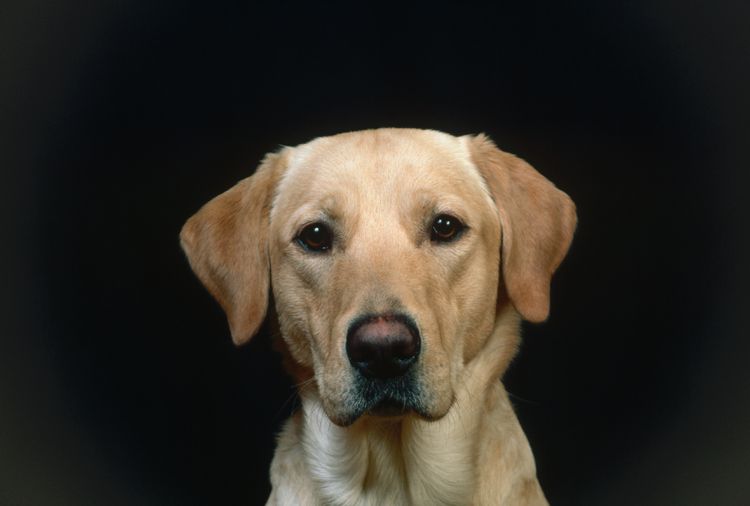
These are all photographs of Labradors.

oooo

oooo

oooo

oooo

oooo

oooo

oooo

Gorgeous, though I say it myself.

I missed stating this last week but copyright always exists in the original photographs.