Category: Health

The incredible story of Diablo

Just watch this after the introduction.

Countless numbers of people have dreamt that they can communicate with animals and I would imagine an enormous percentage of those would have dreamt that they can communicate with dogs.

Certainly of the three dogs we have alive still here at home (we had in the past some fifteen dogs) Oliver below appears to understand much of what is said to him by me and Jean

If one goes to the YouTube website then one is introduced to Anna Breytenbach who has made it her life’s passion to better communicate with animals. Here’s a small piece from the extensive WikiPedia entry:

In her twenties she decided to pursue her passion for wildlife (big cats in particular) by becoming a cheetah handler at a conservation education project. On moving to America, she explored wolf and other predator conservation. She has also served on committees for wolf, snow leopard, cheetah and mountain lion conservation.

Anna Breytenbach and friend

So now we come to this video of Anna and Diablo, more properly called Spirit, (and the video will make that clear).

Arjan Postma explains the background to the film:

I just want to share this message as much as possible without any commercial intent, personal benefit or whatsoever. All used materials and therefore copyrights do not belong to me. I hope you enjoy discovering and watching this story and skill as much as I did: What if you could talk to animals and have them talk back to you? Anna Breytenbach has dedicated her life to what she calls interspecies communication. She sends detailed messages to animals through pictures and thoughts. She then receives messages of remarkable clarity back from the animals. In this section, Anna transforms a deadly snarling leopard into a relaxed content cat. The amazing story of how leopard Diabolo became Spirit… I found the source of this amazing documentary here: http://www.cultureunplugged.com/docum… This is the first full length documentary film on the art of animal communication. Nominated for Best Long Documentary, Best Director of “Jade Kunlun” Awards of 2012 World Mountain Documentary Festival of Qinghai China. Director: Craig Foster | Producer: Vyv Simson | Narrator: Swati Thiyagarajan Genre: Documentary | Produced In: 2012.

P.S. Happy Thanksgiving to everyone!

Healing your dog!

A guest post from Breanna Alam.

Let me first provide some background to Breanna. She offered the following:

Breanna Alam is a passionate dog-lover who strives to find holistic ways for dogs to live their very best lives. The most recent passing of her 10.5 year old boxer, Santana taught her how to truly understand a dog’s purpose in this world. She always felt a strong emotional connection to dogs, and throughout her life she often noticed that dogs reflect the personalities of their owners. Breanna earned her master’s degree in User Experience Design and utilizes that knowledge to better understand how dogs and owners can enhance their experiences with one another in their everyday lives. This also brought her to the realization that through showing owners how to better understand their dogs, they can better understand themselves. She hopes to spread peace, love, and deeper connections to dogs and their owners all around the world by bringing awareness to the natural ways to plug back into the earth. 

I’d love to spread the word about the natural healing power of crystals for dogs!

And what better than this article by Breanna on how crystals help the healing of dogs.

ooOOoo

How Crystals Can Help Heal Your Dog

By Breanna Alam.

Crystals are a natural way to connect to the earth. They often form when magma hardens and cools slowly or when water evaporates from a mixture. This can take a few days to several years! Most crystals are naturally formed while others can be man-made or manipulated to exude a certain color or shape. Since crystals are composed of natural elements from the earth, they contain grounding properties that allow us to feel centered and calm. But the power of crystals doesn’t stop at humans, dogs can benefit from them too! 

oooo

Chevron Amethyst

Black Obsidian

If you’re concerned about negativity, black obsidian is perfect for you. While other crystals tend to enhance positive attributes and surrounding energy, black obsidian will absorb the negative! This works well in conjunction with other crystals, but also works perfectly fine on its own. If your dog has a dark or painful past, black obsidian can help draw out the toxic energy that is no longer serving purpose in your happy home. Along with drawing out negativity, this powerful stone has the ability to help heal old wounds and traumas. Place black obsidian in any area your dog frequents to reap the benefits of this powerful stone. 

Howlite

Does your precious pooch have trouble sleeping? Howlite might do the trick! This powerful stone promotes a better sleep cycle to allow you both to wake up feeling refreshed each morning. It’s also known to encourage expression, which can help boost the confidence of shy dogs. When a dog feels more confident, they are less likely to excessively chew or exhibit destructive behavior. Howlite is a dreamy white and grey color combination and one that could benefit from staying near your dog’s bed.

Howlite.

Rose Quartz

New owners should definitely consider adding rose quartz to their shopping list. It’s well known for attracting feelings of unconditional love, within and without. An increase in self-love allows dogs to see an increase in love all around. This can especially come in handy with opening a dog’s heart to its new owner. It also helps to heal old wounds, which could benefit those suffering from a traumatic past. Rose quartz is a soft pink color, and you can place it anywhere near your dog to amplify all the loving energy around you both!

If you’ve been curious about how crystals can help strengthen your relationship with your dog, we hope this article helps. Always be sure to keep crystals in an area where your dog can’t accidentally (or purposely) eat them. Check with SpaDog weekly for more tips, tricks, and useful information on spoiling your dog in healthy and fun ways!

ooOOoo

Thank you, Breanna, I am sure that will find many readers who see where you are coming from. That last sentence says it all for dog-lovers: “Check with SpaDog weekly for more tips, tricks, and useful information on spoiling your dog in healthy and fun ways!”

Thank you once again!

A fascinating article about Pit Bulls

The breed has come full circle!

We have had a couple of pit bull mixes here at home and they have been nothing but fabulous dogs.

So just three weeks ago The Conversation published an extensive account of the recent history of the breed. It is republished for you all today.

ooOOoo

Pit bulls went from America’s best friend to public enemy – now they’re slowly coming full circle.

A pit bull is not an official breed – it’s an umbrella term for a type of dog. Barbara Rich via Getty Images

Colin Dayan, Vanderbilt University

As recently as 50 years ago, the pit bull was America’s favorite dog. Pit bulls were everywhere. They were popular in advertising and used to promote the joys of pet-and-human friendship. Nipper on the RCA Victor label, Pete the Pup in the “Our Gang” comedy short films, and the flag-wrapped dog on a classic World War I poster all were pit bulls.

With National Pit Bull Awareness Day celebrated on Oct. 26, it’s a fitting time to ask how these dogs came to be seen as a dangerous threat.

A black and white dog runs with a tennis ball in its mouth
Stella, a pit bull owned by author Colin Dayan. Colin Dayan, CC BY-ND

Starting around 1990, multiple features of American life converged to inspire widespread bans that made pit bulls outlaws, called “four-legged guns” or “lethal weapons.” The drivers included some dog attacks, excessive parental caution, fearful insurance companies and a tie to the sport of dog fighting.

As a professor of humanities and law, I have studied the legal history of slaves, vagrants, criminals, terror suspects and others deemed threats to civilized society. For my books “The Law is a White Dog” and “With Dogs at the Edge of Life,” I explored human-dog relationships and how laws and regulations can deny equal protection to entire classes of beings.

In my experience with these dogs – including nearly 12 years living with Stella, the daughter of champion fighting dogs – I have learned that pit bulls are not inherently dangerous. Like other dogs, they can become dangerous in certain situations, and at the hands of certain owners. But in my view, there is no defensible rationale for condemning not only all pit bulls, but any dog with a single pit bull gene, as some laws do.

I see such action as canine profiling, which recalls another legal fiction: the taint or stain of blood that ordained human degradation and race hatred in the United States.

Painting of a black and white dog looking into the horn of a Victorian record player
English artist Francis Barraud (1856-1924) painted his brother’s dog Nipper listening to the horn of an early phonograph in 1898. Victor Talking Machine Co. began using the symbol in its trademark, His Master’s Voice, in 1900. Wikipedia

Bred to fight

The pit bull is strong. Its jaw grip is almost impossible to break. Bred over centuries to bite and hold large animals like bears and bulls around the face and head, it’s known as a “game dog.” Its bravery and strength won’t allow it to give up, no matter how long the struggle. It loves with the same strength; its loyalty remains the stuff of legend.

For decades pit bulls’ tenacity encouraged the sport of dogfighting, with the dogs “pitted” against each other. Fights often went to the death, and winning animals earned huge sums for those who bet on them.

But betting on dogs is not a high-class sport. Dogs are not horses; they cost little to acquire and maintain. Pit bulls easily and quickly became associated with the poor, and especially with Black men, in a narrative that connected pit bulls with gang violence and crime.

That’s how prejudice works: The one-on-one lamination of the pit bull onto the African American male reduced people to their accessories.

A dog confined in an animal crate, with police in the background.
A pit bull-type dog seized during a 2007 raid on an illegal dogfighting operation in East Cleveland, Ohio. Owen Humphreys – PA Images via Getty Images

Dogfighting was outlawed in all 50 states by 1976, although illegal businesses persisted. Coverage of the practice spawned broad assertions about the dogs that did the fighting. As breed bans proliferated, legal rulings proclaimed these dogs “dangerous to the safety or health of the community” and judged that “public interests demand that the worthless shall be exterminated.”

In 1987 Sports Illustrated put a pit bull, teeth bared, on its cover, with the headline “Beware of this Dog,” which it characterized as born with “a will to kill.” Time magazine published “Time Bombs on Legs” featuring this “vicious hound of the Baskervilles” that “seized small children like rag dolls and mauled them to death in a frenzy of bloodletting.”

Presumed vicious

If a dog has “vicious propensities,” the owner is assumed to share in this projected violence, both legally and generally in public perception. And once deemed “contraband,” both property and people are at risk.

This was evident in the much-publicized 2007 indictment of Atlanta Falcons quarterback Michael Vick for running a dogfighting business called Bad Newz Kennels in Virginia. Even the Humane Society of the United States and People for the Ethical Treatment of Animals – two of the nation’s leading animal welfare advocacy groups – argued that the 47 pit bulls recovered from the facility should be killed because they posed a threat to people and other animals.

If not for the intervention of Best Friends Animal Society, Vick’s dogs would have been euthanized. As the film “Champions” recounts, a court-appointed special master determined each dog’s fate. Ultimately, nearly all of the dogs were successfully placed in sanctuaries or adoptive homes.

This 2010 report describes the successful rehabilitation of dogs rescued from Michael Vick’s Bad Newz dogfighting operation.

Debating breed bans

Pit bulls still suffer more than any other dogs from the fact that they are a type of dog, not a distinct breed. Once recognized by the American Kennel Club as an American Staffordshire terrier, popularly known as an Amstaff, and registered with the United Kennel Club and the American Dog Breeders Association as an American pit bull terrier, now any dog characterized as a “pit bull type” can be considered an outlaw in many communities.

For example, in its 2012 Tracey v. Solesky ruling, the Maryland Court of Appeals modified the state’s common law in cases involving dog injuries. Any dog containing pit bull genes was “inherently dangerous” as a matter of law.

This subjected owners and landlords to what the courts call “strict liability.” As the court declared: “When an attack involves pit bulls, it is no longer necessary to prove that the particular pit bull or pit bulls are dangerous.”

Dissenting from the ruling, Judge Clayton Greene recognized the absurdity of the majority opinion’s “unworkable rule”: “How much ‘pit bull,’” he asked, “must there be in a dog to bring it within the strict liability edict?”

It’s equally unanswerable how to tell when a dog is a pit bull mix. From the shape of its head? Its stance? The way it looks at you?

Conundrums like these call into question statistics that show pit bulls to be more dangerous than other breeds. These figures vary a great deal depending on their sources.

Any statistics about pit bull attacks depend on the definition of a pit bull – yet it’s really hard to get good dog bite data that accurately IDs the breed

Prince George’s County, Md., is negotiating with advocates suing to revoke the county’s pit bull ban.

Over the past decade, awareness has grown that breed-specific legislation does not make the public safer but does penalize responsible owners and their dogs. Currently 21 states prohibit local government from enforcing breed-specific legislation or naming specific breeds in dangerous dog laws. Maryland passed a law reversing the Tracey ruling in 2014. Yet 15 states still allow local communities to enact breed-specific bans.

Pit bulls demand a great deal more from humans than some dogs, but alongside their bracing way of being in the world, we humans learn another way of thinking and loving. Compared with many other breeds, they offer a more demanding but always affecting communion.

Colin Dayan, Professor of English, Robert Penn Warren Professor in the Humanities, and Professor of Law, Vanderbilt University

This article is republished from The Conversation under a Creative Commons license. Read the original article.

ooOOoo

That is a very interesting account of the breed and shows the complexities of owning Pit Bulls in certain States, or rather local communities enacting breed-specific bans.

However, in our experience, we have found them to be smart, loving animals, and we know we are not alone in having those thoughts.

Dogs may be better for our overall health than we realised!

This is a great article!

(And I am sorry for missing yesterday!)

Now here’s a truism. One cannot feel bad about the world, at whatever scale, when one pets a dog. I have observed my wife, Jean, kissing and cuddling anyone of our three dogs and she is in a beautiful mental place. Same for me

I love all our three dogs but Oliver, below, is so in tune with me that I swear he practically understands what I say!

So when recently I read a post about the positive effects on mental health that owning a dog provides I just had to share it with you. It was first published in The Dodo.

ooOOoo

Petting A Dog Is Good For Your Brain

As if we needed another reason to love them more ❤️

By Ellen Schmidt

Published on the 14th October, 2022

PIXEL-SHOT/SHUTTERSTOCK.COM

Dog parents already know that petting a dog is one of the best things ever.

And as it turns out, science agrees. While some studies have shown that petting a dog can both lower your stress and release the “feel good” hormone, oxytocin, new research suggests that petting a dog is good for your brain in other ways, too.

Scientists in Switzerland claim in a new study that when you pet a dog, you can get a boost of brain activity in the frontal cortex — a crucial part of the brain that controls attention, working memory, problem-solving, thinking and emotional reactions.

During the study, participants hung around a pup while fitted with a scanner. They started out just watching the dog from across the room, gradually getting closer until they could pet him. Then they did the same thing with a stuffed animal.

And when comparing both scenarios, researchers discovered there was a stronger boost of brain activity when the real dog was nearby and available for a few pets.

This study just goes to show how great therapy animals truly are, since they can boost the cognitive and emotional activity in the brain of their human in ways a stuffed animal can’t.

“If patients with deficits in motivation, attention and socioemotional functioning show higher emotional involvement in activities connected to a dog, then such activities could increase the chance of learning and of achieving therapeutic aims,” study lead author, Rahel Marti, told CNN.

While pet parents already know just how awesome petting a dog is, it’s good to know the positives of bonding with a pup are endless — just like their love for us.

ooOOoo

I am at the age where I am very anxious to do all that is good for my brain. This “... frontal cortex — a crucial part of the brain that controls attention, working memory, problem-solving, thinking and emotional reactions.” hits the target.

This is a great article as I said at the head of this piece.

Dogs are the perfect companions for us humans; body and mind!

The story of Zeus!

What a wonderful tale!

First, let me will quote from the text that comes with the YouTube video.

This is the remarkable story of Zeus, who was effectively paralyzed at the time he was rescued from a high-kill animal shelter in Oklahoma by the wonderful people at St. Francis CARE in Murphysboro, Illinois.

Video edited and produced by Jason Greene

Next, this unmissable video confirms what so many now already: Dogs are stars in their own world.

There you go! A short, little post for today but one that highlights the power of dogs! They are incredible!

The wonders of soil!

Jane Zelikova gives a very powerful TED Talk.

The promotion for this TED Talk appeared in my ‘in box’ last week and I was curious as to its contents. So I watched the talk on Sunday afternoon and was amazed. This is so much more significant to all of us than the title suggests.

First watch the talk.

Then some background to Jane, who is a ecosystem scientist:

Dr. Tamara Jane Zelikova works at the intersection of climate science and policy. Her work focuses on advancing the science of carbon removal and she has published in scientific journals like Nature and Proceedings of the National Academy of Sciences, written and contributed to climate policy reports and published articles in popular media outlets like Scientific American. She is currently the executive director of the Soil Carbon Solutions Center at Colorado State University, where she works with leading scientists to build the tools and approaches needed to accelerate the deployment of credible soil-based climate solutions, measure their impacts and bring them to scale.

That then led me to the Soil Carbon Solutions Center website and this is a site you should visit. A little piece from their About section:

Unlocking the potential of soil for a more sustainable planet

Soil is one of the largest natural carbon reservoirs and an important climate mitigation tool that is ready to deploy today. Accelerating the adoption of regenerative agricultural practices that build soil carbon on working lands offers the potential to substantially draw down atmospheric carbon while improving the environmental, economic and social sustainability of food, fiber and bioenergy production.

Please, please watch the TED Talk!

Creating a healthy environment…

… for your dogs!

This is another guest post from Indiana Lee. She writes with a compassionate and loving style and I am so pleased to be able to offer this post to you.

ooOOoo

How To Create a Healthy, Eco-Friendly Environment for Your Dog

As a dog owner, it’s perfectly normal to want an environment for your canine companion that is fun, happy, and healthy. That includes making sure they have a clean and secure place that’s comfortable and safe, as well as free from hazardous materials and harmful pests. 

Creating a healthy environment for your dog is easier than you might think. By dedicating a specific space to your pooch and making some simple swaps, you can be an eco-friendly pet parent, doing something good for the planet and your pup all at once. 

Create a Safe Space

First and foremost, try to create a safe space in your home for your dog. You can always consider a pet room, but even just an area in your living room or a comfy crate can do the trick.

Having a designated area for your dog in your home can make a big difference. Dogs are den animals and like having their own safe space to go to. While you don’t necessarily need to dedicate a whole room to your four-legged friend, your space should be pet-proofed to keep them safe.

That includes keeping things organized and clearing up clutter, so your dog doesn’t get into or chew on things they shouldn’t. You can also use baby gates to keep your dog in their space or to prevent them from going into areas of your home that haven’t been pet-proofed.

Use Eco-friendly Cleaning Products

Once you have set up that space, it’s important to keep it clean for your dog. Between rest and play and dinner time, it’s all too easy for your home to get dirty quickly. This means you have to keep your home clean, regularly pick up after your dog, and sanitize their space.

However, you must keep them away from potentially toxic substances — including the supplies you use to clean their area. Make sure your dog can’t get to any of the following: 

  • Bleach
  • Aerosols
  • Ammonia
  • Phenol
  • Formaldehyde

You’ll quickly learn to become a “label reader” when it comes to the cleaning products you choose. Not only are the above ingredients bad for your pet, but they can also damage the environment. 

When shopping for cleaning supplies, choose all-natural products as often as possible. Alternatively, consider making your own so you know exactly which ingredients are used. Vinegar, baking soda, and lemon juice are all common household items that you can use in cleaners — and they’re better for your pet and the planet.

Keep Pests Away

Creating a safe environment for your pet also means protecting your pooch from pests. You might not be able to control what comes into your house — especially since many pests can sneak in through tiny cracks — but you can discourage them from bothering your dog. You can do so while still making your yard a fun place for your dog.

You can reduce the risk of certain bugs and rodents entering your home by keeping your yard clean and trimmed. Don’t give wild animals a space to “hang out” and enjoy. The more time they spend in your yard, the more likely it is that they’ll get inside.

Additionally, the more wildlife you have in your yard, the more likely it is that your dog will bring in fleas or ticks that have “jumped” from raccoons, possums, or mice. Pests like fleas and ticks can be especially harmful to dogs, and they’re quick to get into rugs, carpets, and furniture, which can end up putting everyone’s health at risk. You can vacuum frequently if you’ve seen your dog with a tick or fleas and utilize some of the cleaning supplies listed earlier to deter them from sticking around. 

If you see a bug on your dog, give them a thorough brushing and use natural shampooing solutions to get rid of the fleas quickly. Keep their fur trimmed back neatly and make sure they’re as clean as possible. Regular baths and grooming can also help keep pests away from your pet and ensure your dog doesn’t bring any extra visitors into your home.

Are you sensing a pattern? 

A clean, healthy home typically means a happier, safer space for dogs. Whether you’re trying to live more sustainably or just focus on more natural ways of doing things, these suggestions will get you on the right track. Not only will your dog have a secure and pet-friendly environment to enjoy, but you can feel good knowing you’re doing something to improve the health of your entire family, as well as the future of the planet. 

ooOOoo

This really hits the spot. For we live in the country in Southern Oregon and have more than our fair share of flies and fruit flies, and who knows what else!

Picture Parade Four Hundred and Fifty-Four

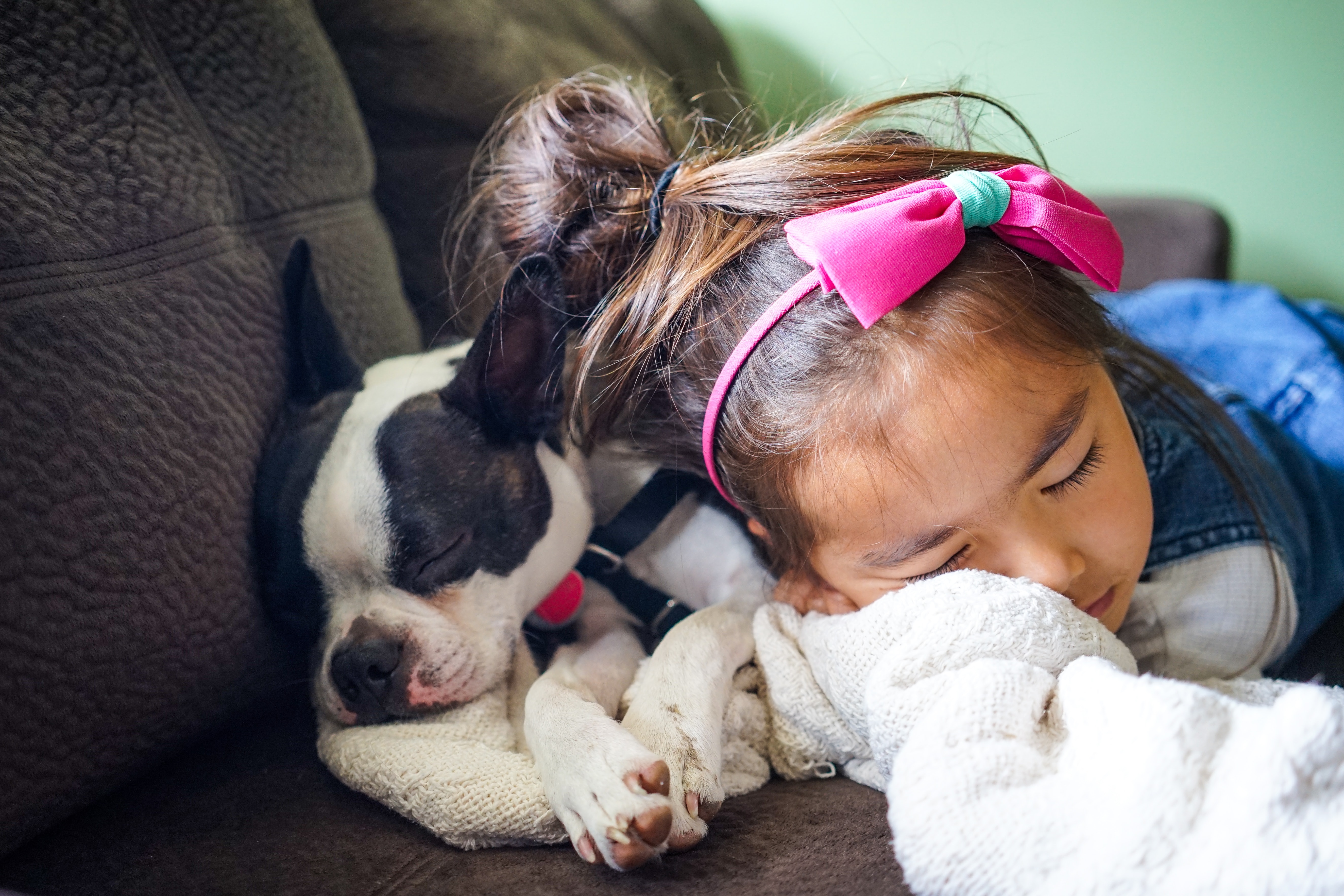
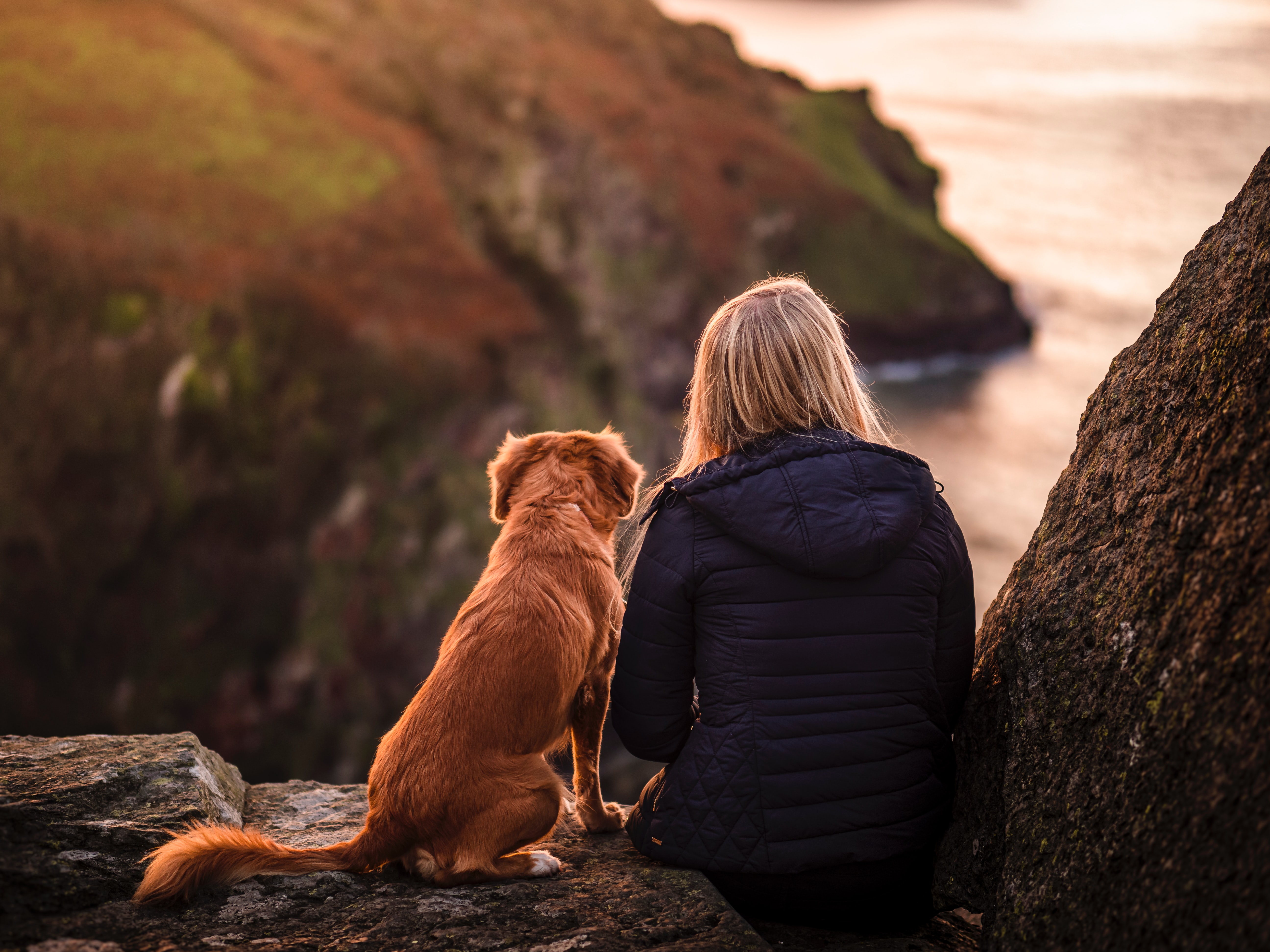
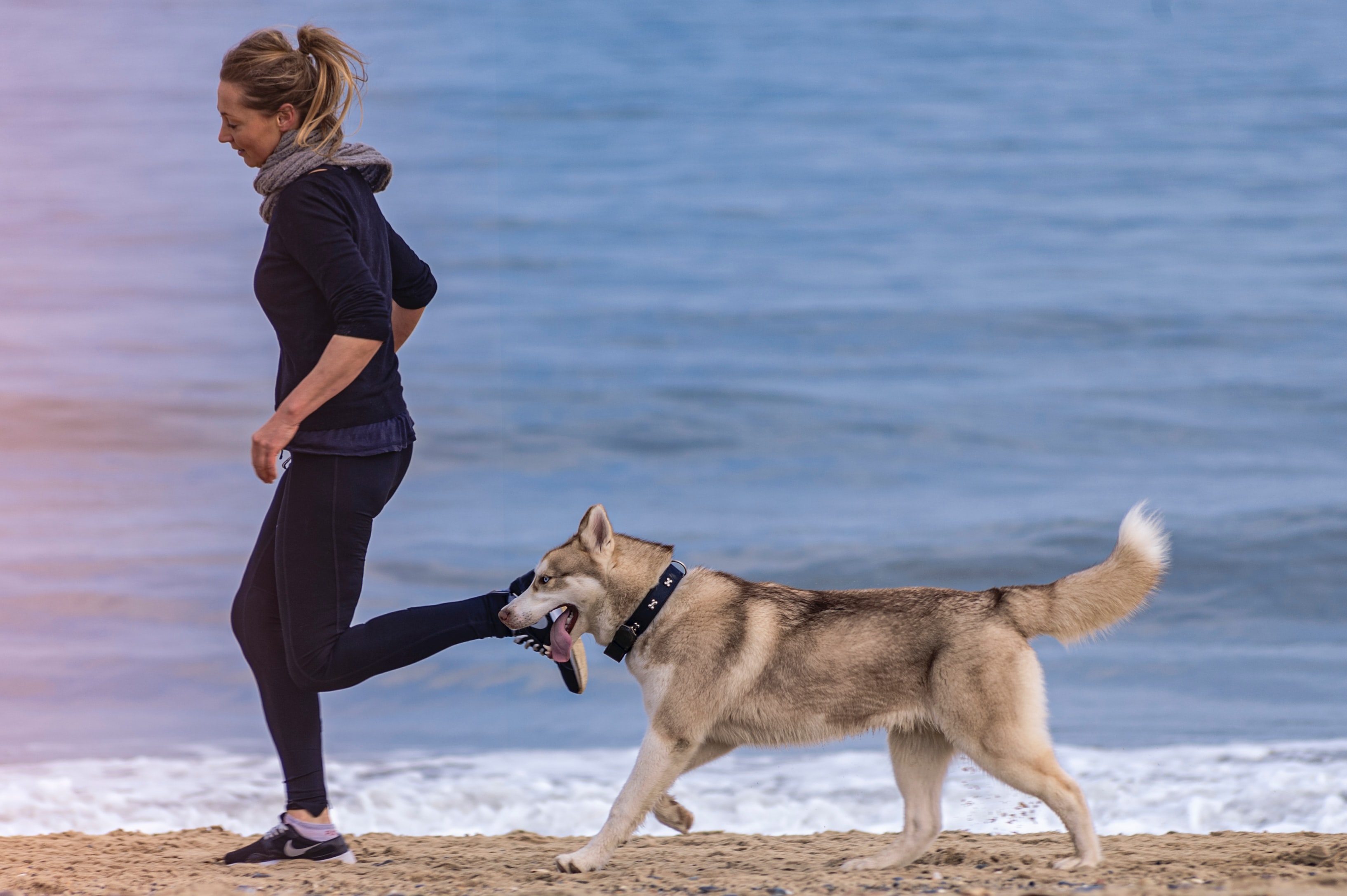
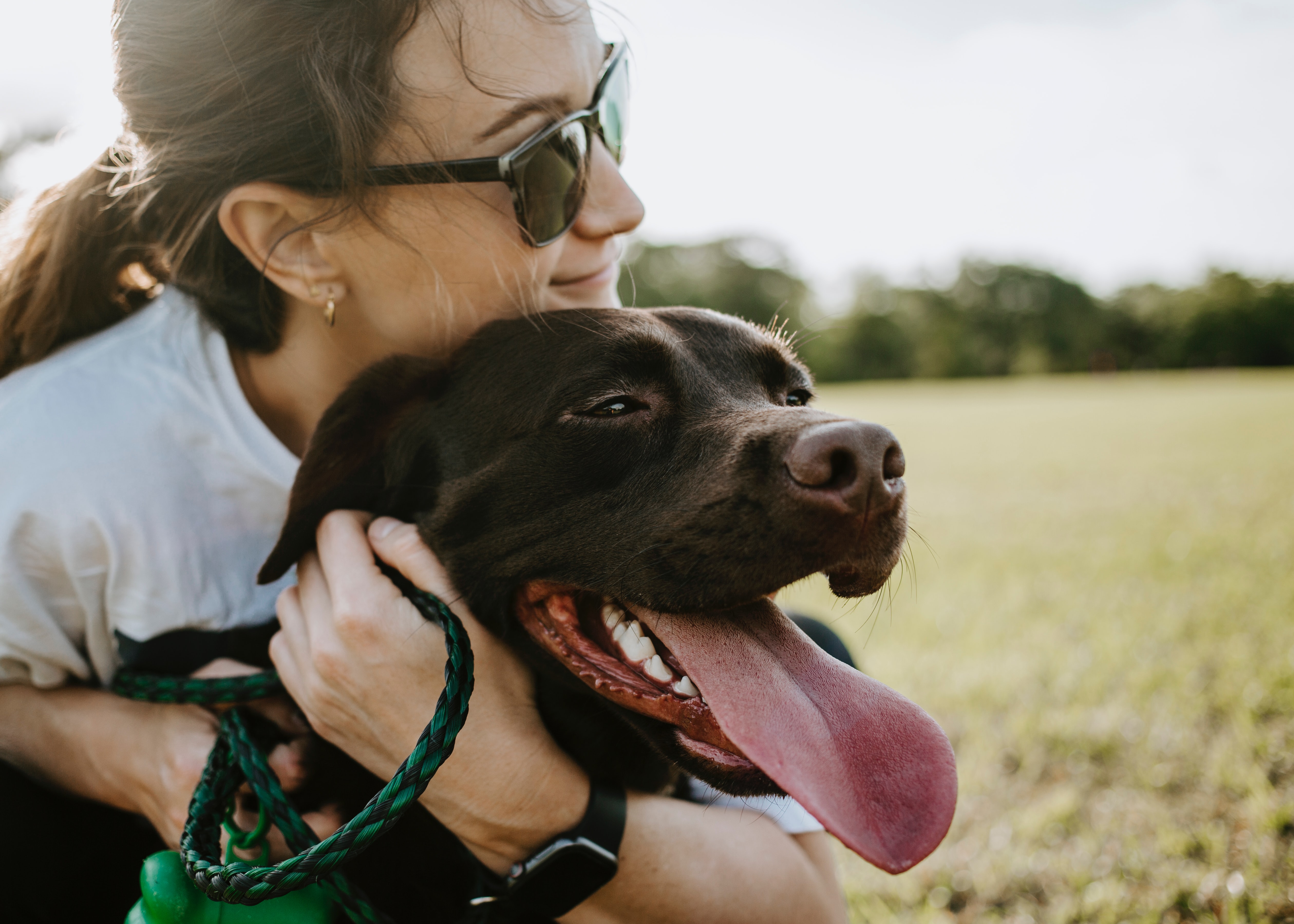
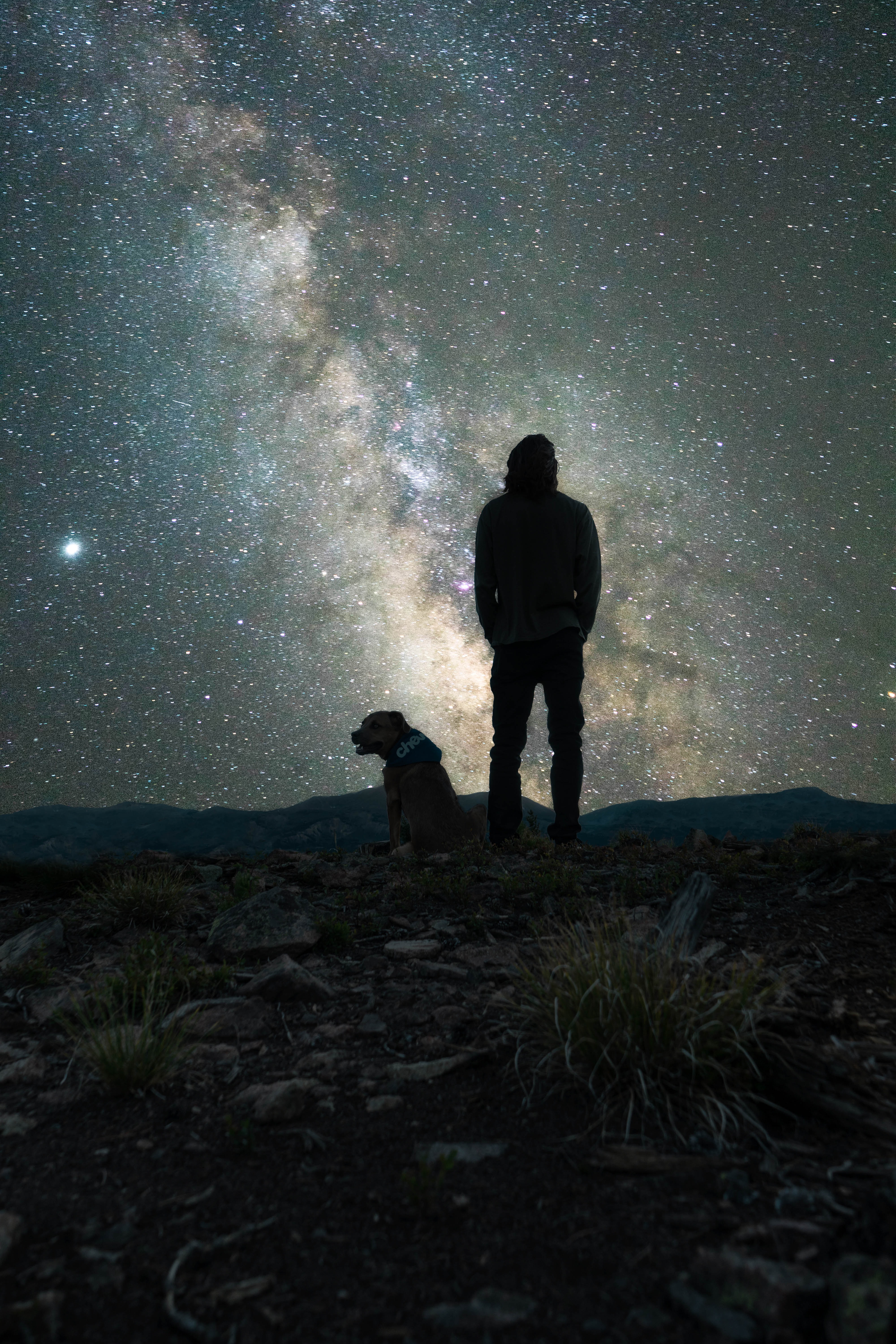
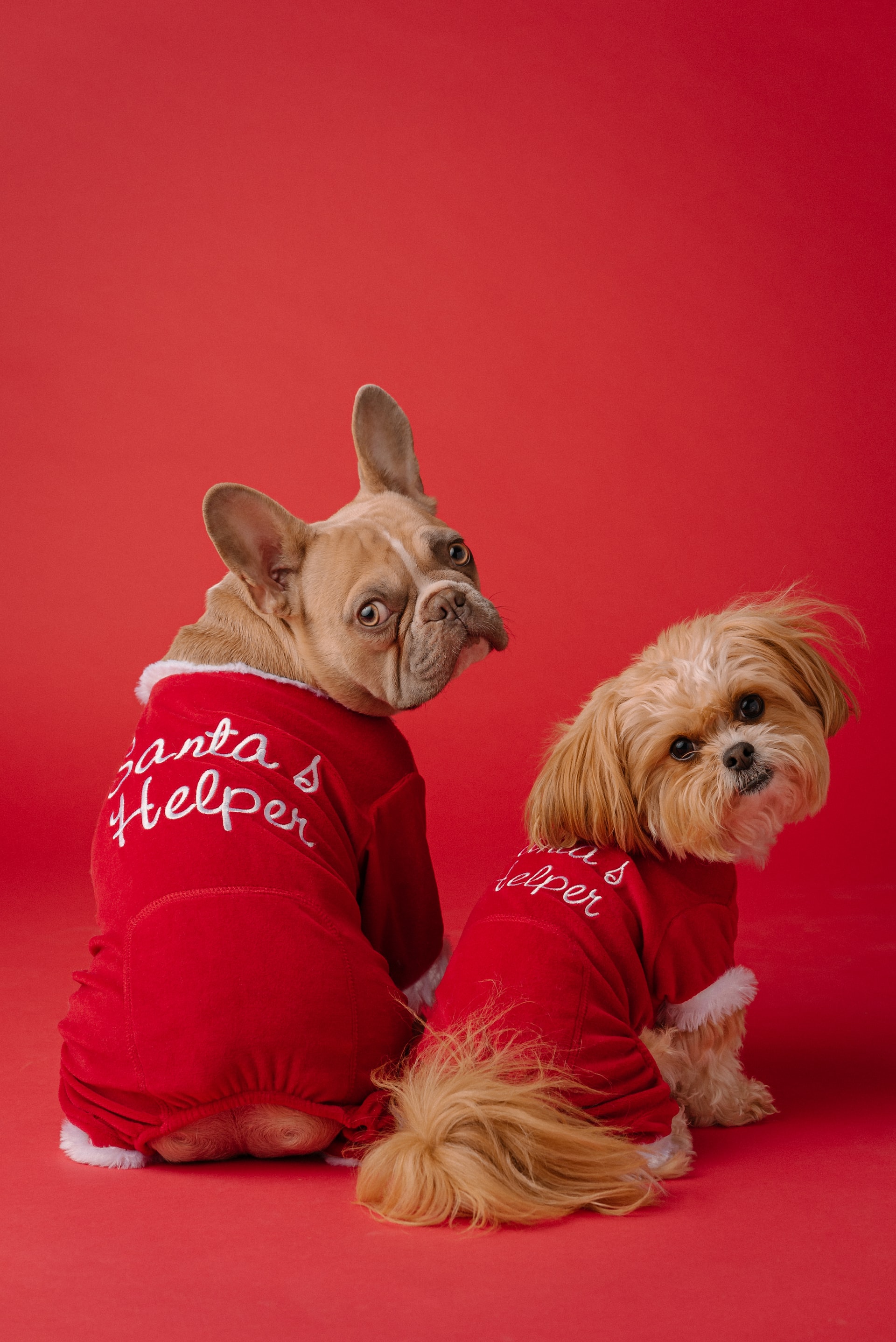
Once more dog photographs from Unsplash.

oooo

oooo

oooo

oooo

oooo

oooo

So there’s another week gone.

Thanks always to Unsplash for their glorious, free photographs of dogs.

A lovely story about a dog!

The making of an American Service Dog.

I made a note to republish about a couple of weeks ago and then ‘stuff’ got in the way. (Like me falling from my bike; again!)

I saw this photograph and then with the smallest amount of research came across the story. I hope I can share it with you all.

First, a photograph of Jill Piper who is Lasting Image Photography

Next, a few words from her website that explain a little more about Jill.

I started working in a photo studio in 1985 (yikes!). I’ve worked in studios in Maine and California, and started Lasting Image in 1997. I have photographed literally thousands of people of all ages.

I was a Grand Imaging Award finalist in 2019 (crazy hard to do!) and a PPA Silver Medalist in 2020.
I regularly enter my work in Professional Photographers of America’s image competitions for judging and critique. It’s brutal. But it has made me a better photographer.

Here is Ziggy’s owner describing what it takes for Ziggy to become a service dog.

ooOOoo

Thank you to my friend Anne Marie Shumate from Lasting Image Photography for doing such a great job photographing Ziggy and me. 

Ziggy is a SDIT or otherwise known as a Service Dog in Training. He has passed two of the three major test and four of the ten outings. Once he completes his other test he’ll get his final certificate from Soldiers Best Friend, a non-profit 501c3. Jamie Barilla is my trainer. She works with the two of us for two days a week. Sometimes Ziggy catches on quicker than I do, so I think Jamie is training me!

Jamie Barilla works with Soldiers Best Friend, a non-profit 501c3. Besides working on Photography with my own non-profit 501c3, I spend a great deal of time training Ziggy. Not counting the 2 1/2 hours of training Ziggy receives a day, I also have to write a daily report of what we do everyday.

I now can understand the complexities involved in training a service dog. He already knows over 64 commands, with a lot more coming down the road. A lot of the commands Ziggy first learned, even though they were OK at the beginning, had to be tweaked to make them even better.

So if you see a service dog now you know it takes a lot of work. Some 50 to 70 percent of dogs that enter a service dog program don’t make the grade; either because the dog doesn’t have the proper temperament or the person involved doesn’t have the time or energy to put into the dog.

ooOOoo

Well we hope that Ziggy gets the final certificate and I can see no reason why that doesn’t come about. And, finally, coming back to Jill to note that she is a great lover of dogs. Have a look at the page on her website that shows the awards that she has won. Please, take a peep and see the wonderful photos of dogs!

Picture Parade Four Hundred and Fifty-Three

More dogs from Unsplash.

oooo

oooo

oooo

oooo

oooo

oooo

Again, I have to say, and I know many will agree with me, that these photographs from Unsplash are perfectly gorgeous.

You all have a good week ahead!