For every case of cruelty towards animals there is an example of boundless love.
I first saw this story on the popular Grist website, from which I quote,
Watch rescued ducks discover the water for the first time in this heartwarming video
These ducks were rescued from a hoarder, who was keeping over 160 fowl in filthy, overcrowded conditions. The neglected birds had never even seen a pond. But the Woodstock Farm Animal Sanctuary has nursed them back to health, repairing infections, injured feet, and nutritional deficiencies — and now you can watch these newly rehabilitated duckies learn to swim. They’re a bit confused about it at first, but eventually, they take to it like a … well, you know.
Just be warned that the embedded link to that story about the hoarder is a tough read. Although it does have a happy ending, a very happy ending.
Rescue: Over 130 Neglected Birds from Hoarding Case
Almost a year after our initial efforts to rescue over 160 ducks, geese, turkeys and chickens that were living with a hoarder in appalling conditions, we were finally able to bring them to safety. They are now enjoying sunshine on their feathers, water to swim in, clean bedding, warmth, grass under their feet and room to roam for the very first time. Initially, we tried working with their owner towards an amicable surrender, pleading with her to consider the quality of life for the birds and used many of our own resources to help provide a cleaner environment for them. The hoarder’s initial intentions were good and her love for the animals apparent, but she neglected to see how their overcrowding, over-breeding, lack of shelter and space and filthy conditions were hurting them. She also continued to buy chicks and ducklings online and mail ordered to her.
We are treating all of their health issues by providing veterinary care, nutritional supplements, quality food and vitamins daily in their water. They are beginning to thrive with their new freedom. It’s a joy for us to see and we’re so happy to be able to give these animals the lives they deserve. YOUR SUPPORT helps in many cases like this and give them life-long shelter and the care and love they need and so deserve.
Much gratitude to the ASPCA for a grant to help to care for all of these very-deserving animals.
Many of these birds are up for adoption, please contact us if interested.
So back to the ducks!
Probably my favorite part is when the ducks keep running away from the water in what, as one Woodstock worker points out, looks just like a Benny Hill routine. Or maybe it’s the part where the sanctuary workers go for the “tough love uncle” approach to swimming lessons, and just chuck the birds in the pond. Or maybe it’s watching that first duck figure out that the water is amazing. Or maybe it’s watching ALL of them figure out that the water is amazing! What I’m saying is that I could, and will, watch this video all day.
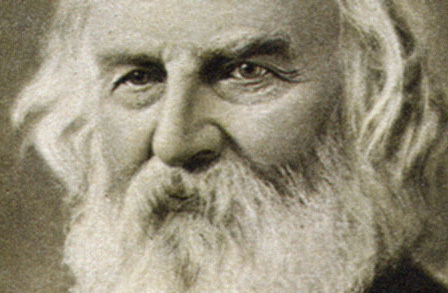
“Lives of great men all remind us, we can make our lives sublime, and, departing, leave behind us, footprints on the sands of time.” Longfellow.
Longfellow, the only American writer honored in the Poets’ Corner of Westminster Abbey.
Longfellow has been dead for 130 years, as of last March, but of his many wonderful words that have stayed with us over the last century and more, these must be some of the more familiar. (Or am I showing my appalling lack of literary knowledge?)
Following on from yesterday’s post about the scary mathematics of climate change, this really is the ONE thing that we have to learn from dogs; from nature. If we don’t live in harmony with our planet pretty damn soon, then this particular civilisation is not far from extinction. Let me remind you of a key paragraph from yesterday,
It’s simple math: we can burn 565 more gigatons of carbon and stay below 2°C of warming — anything more than that risks catastrophe for life on earth. The only problem? Fossil fuel corporations now have 2,795 gigatons in their reserves, five times the safe amount. And they’re planning to burn it all — unless we rise up to stop them.
Ergo, we do not have endless time available to us!
Otherwise the footprints left on those sands of time will be nothing more than the next civilisation pondering from time to time why those Atlantacists that sunk beneath the waves were unable to do anything to save their world!
If you think I’m being a tad excitable, then see what Rob Hopkins wrote recently over at Transition Culture.
New Economics Foundation’s ’100 Months’ campaign today reaches its midway point. It was launched in August 2008 based on the understanding that the time that remains to us to avoid the likelihood of runaway climate change is limited, and based on the science at the time, there was a closing window of opportunity to do something meaningful about it.
Then adding,
“The question here is “what should we do differently?” The answer is “pretty much just about everything”. Nationally and internationally, while the scale and pace of climate change are accelerating, meaningful responses are dwindling. Part of our collective paralysis comes from the fact that we struggle to imagine a world with less energy, less consumerism, less annual GDP growth. What will it look like, sound like, feel like? Does it inevitably mean that you should start seeking out your cave on Dartmoor [Devon in South-West England, PH] as we speak, and developing a taste for slugs? Of course not.
Shortly before the 100 Months campaign began, I was part of initiating an experiment to see what a self-organised response to climate change might look like, one based on rebuilding community, on the belief that what is needed is people, everywhere, making their communities happier, healthier, lower-carbon, and more resilient, in a huge variety of ways.
Rob Hopkins was also asked to write a piece for the UK’s Guardian Newspaper in recognition that we are half-way through that 100-month campaign. Here’s how Rob concluded that piece,
Transition Bath set up an energy company which has raised £250,000 in shares from local people. Transition town Totnes’ Transition Streets programme has enabled almost 700 local householders to reduce their carbon emissions while rediscovering a sense of community on their streets. Bristol soon sees the launch of the Bristol Pound, the UK’s first citywide transition complementary currency. Transition Brixton’s Brixton Energy is installing community-owned renewables supported by local people. Check out transitionnetwork.org to get a sense of the amazing projects under way.
At its core, this is about the belief that our best way forward is for communities to build local resilience in order to be able to better face the shocks of the present and the uncertainties of the future, from economic crisis to climate change, seeing increased community resilience as economic development. It’s a process of plugging the leaks in our local economies, seeing every leak as a potential new business, new livelihood, new apprenticeship opportunity.
Of course we need government responses, and international responses, but all of those will struggle without a vibrant bottom-up movement of ordinary people showing what’s possible and how thrilled they are by those possibilities. So although the answer is “pretty much just about everything”, I would argue that seeing this as a once-in-a-lifetime opportunity for entrepreneurship, vision and action is where our successful navigation of the next 50 months lies.
A wonderful story that mustn’t be allowed to fade away.
Togo
A week ago, I wrote a post called Sticks and Stones. Towards the end of that post, I mentioned Togo,
In 1925, a ravaging case of diphtheria broke out in the isolated Alaskan village of Nome. No plane or ship could get the serum there, so the decision was made for multiple sled dog teams to relay the medicine across the treacherous frozen land. The dog that often gets credit for eventually saving the town is Balto, but he just happened to run the last, 55-mile leg in the race. The sled dog who did the lion’s share of the work was Togo. His journey, fraught with white-out storms, was the longest by 200 miles and included a traverse across perilous Norton Sound — where he saved his team and driver in a courageous swim through ice floes.
and added that I would write more about Togo. Here it is.
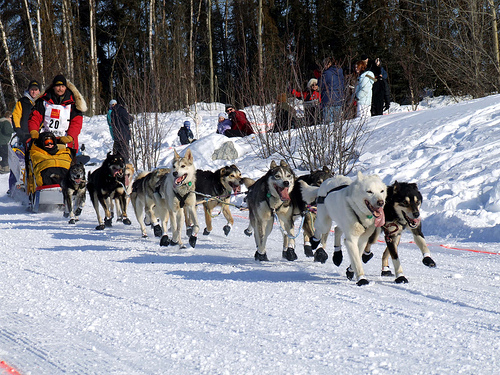
Togo (October 1913 – December 5, 1929) was the sled dog who led Leonhard Seppala and his dog sled team as they covered the longest distance in the 1925 relay of diphtheria antitoxin from Anchorage to Nome, Alaska, to combat an outbreak of the disease. The run is commemorated by the annual Iditarod dog sled race.
Annual Iditarod Trail Sled Dog Race
Togo was a Siberian Husky, his coat was black, brown, and gray, and he weighed about 48 pounds (22 kg). Seppala’s lead dog during the 1914 All-Alaska Sweepstakes, and was a precocious leader. At the time of the serum run Togo was twelve years old.
Within that entry, under the sub-heading of the Great Race of Mercy is this,
The first batch of 300,240 units of serum was delivered by train from Anchorage to Nenana, Alaska, where it was picked up by the first of twenty mushers and more than 100 dogs who relayed the serum a total of 674 miles (1,085 km) to Nome.
Togo and Seppala traveled 170 miles (274 km) from Nome in three days, and picked up the serum in Shaktoolik on January 31. The temperature was estimated at −30 °F (−34 °C), and the gale force winds causing a wind chill of −85 °F (−65 °C).
The return trip crossed the exposed open ice of the Norton Sound. The night and a ground blizzard prevented Seppala from being able to see the path but Togo navigated to the roadhouse at Isaac’s Point on the shore by 8 AM preventing certain death to his team. After traveling 84 miles (134 km) in one day, the team slept for six hours before continuing at 2 AM.
Before the night the temperature dropped to −40 °F (−40 °C), and the wind increased to 65 mi/h (105 km/h). The team ran across the ice, which was breaking up, while following the shoreline. They returned to shore to cross Little McKinley Mountain, climbing 5,000 feet (1,500 m). After descending to the next roadhouse in Golovin, Seppala passed the serum to Charlie Olsen, who in turn would pass it to Gunnar Kaasen and Balto.
A web search for ‘Togo’ including a mention on a website called Find A Grave that has this,
Birth: Oct., 1913
Death: Dec. 5, 1929, Poland Spring, Androscoggin County, Maine, USA
A sled dog for Leonhard Seppala. In 1925, When a diphtheria out brake happened in Nome Alaska. Seppala, Togo and a team of dogs ran to Nenana. He ran 10 times the distance of a average sled run. However another dog named Balto got nearly all of the fame. After the run, Seppala sold Togo to a friend in Poland Spring Maine were Togo was euthanized on December 5th 1929. He was stuffed and was put on display at Yale University. He was eventually moved to the Iditarod Trail Sled Dog Race Museum in Wasilla Alaska, where he is today.
Burial: Iditarod Trail Sled Dog Race Museum, Wasilla, Matanuska-Susitna Borough, Alaska, USA
Some fascinating insights into the nature of sleep.
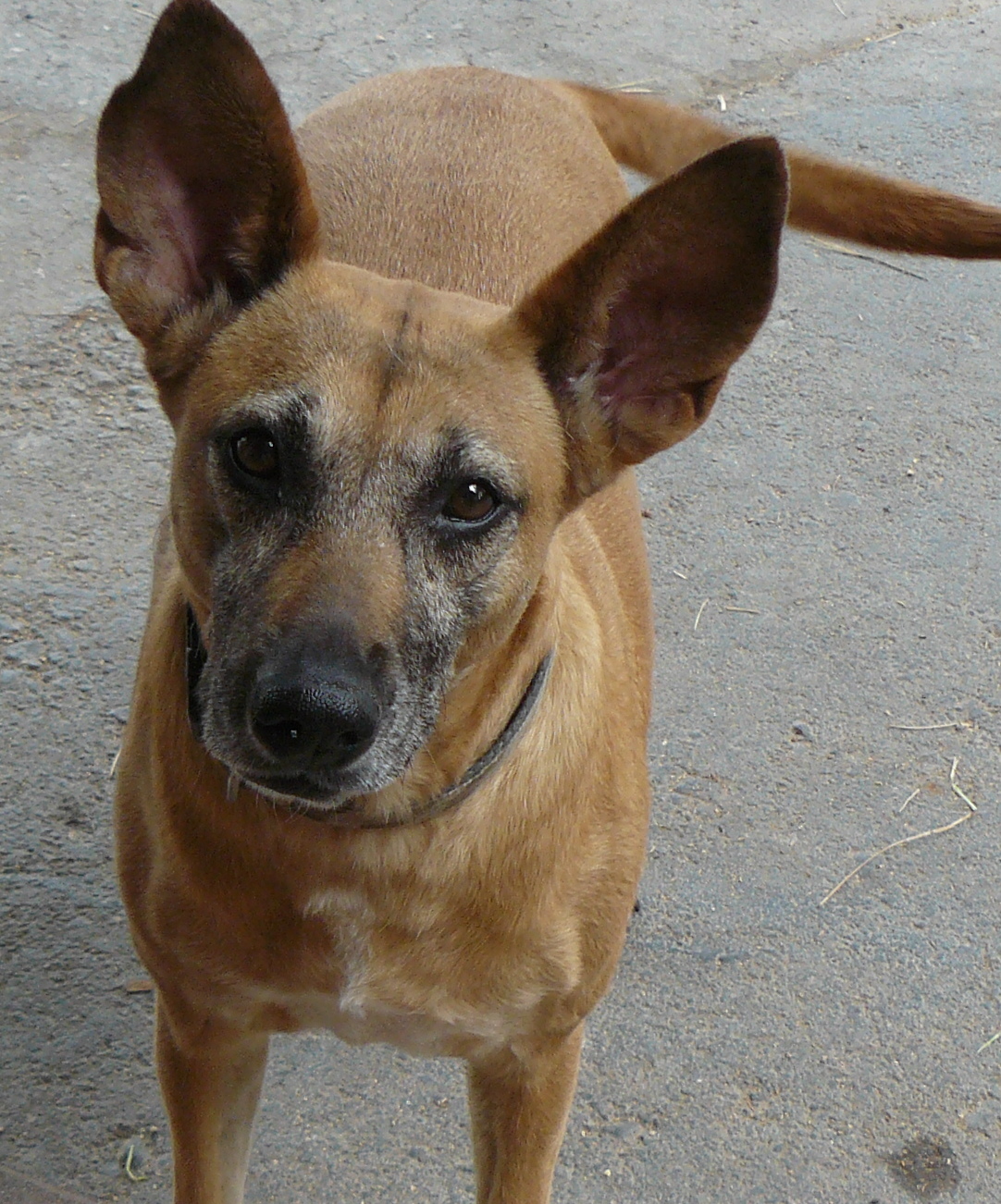
Of the eleven dogs that we have at home, five are in what Jean and I call our bedroom group. That group consists of Pharaoh, he of the LfD home page, young puppy GSD Cleo, little Jack Russell cross Sweeny, ex-Mexican rescue dogs Dhalia and Hazel.
DhaliaPuppy Cleo
Most nights all of them except Pharaoh compete for space on the bed. Turning over, as we all do during our sleep, is a challenge and I often have to be awake to accomplish the task. Plus Cleo especially loves to wake me for an early-morning pee around 5am. Don’t get me wrong, I wouldn’t have it any other way as much of the night, when I have turned to face the edge of the bed, my arm is around either Hazel or Dhalia. To sleep with an arm around a dog that is cuddled into one’s chest is to stir wonderings of early man sleeping with his (her) dogs many thousands of years ago.
Plus one of the consequences of our regular fasting on Thursday and Friday of each week is that the reduced calorie intake seems to act as a diuretic for me; ergo, I am taking regular trips to the bathroom during the night!
Anyway, the result of these disturbed patterns of ‘sleeping’ is that my ambition of an unbroken 8 hours of sleep is rarely achieved. So it was with great interest that I saw an article on the Big Think website, “Rethinking the 8-Hour Sleep Imperative, or Why You Should Take Naps“. Here’s how it opened,
A restful night that includes eight hours of uninterrupted sleep is now more of a fallacy than ever before, partially because technology has demanded we attend to work, family and friends at all hours of the day. “[R]oughly 41 million people in the United States—nearly a third of all working adults—get six hours or fewer of sleep a night, according to a recent report from the Centers for Disease Control and Prevention.” But our own rigidity with respect to sleep patterns may be causing us harm, too, as we demand our bodies conform to the eight-hour regimen rather than observing more natural rhythms.
At the bottom there was a link to an article on The New York Times Sunday Review called Rethinking Sleep. That set out, following from above,
And sleep deprivation is an affliction that crosses economic lines. About 42 percent of workers in the mining industry are sleep-deprived, while about 27 percent of financial or insurance industry workers share the same complaint.
The author, David K. Randall*, went on to write,
The idea that we should sleep in eight-hour chunks is relatively recent. The world’s population sleeps in various and surprising ways. Millions of Chinese workers continue to put their heads on their desks for a nap of an hour or so after lunch, for example, and daytime napping is common from India to Spain.
One of the first signs that the emphasis on a straight eight-hour sleep had outlived its usefulness arose in the early 1990s, thanks to a history professor at Virginia Tech named A. Roger Ekirch, who spent hours investigating the history of the night and began to notice strange references to sleep. A character in the “Canterbury Tales,” for instance, decides to go back to bed after her “firste sleep.” A doctor in England wrote that the time between the “first sleep” and the “second sleep” was the best time for study and reflection. And one 16th-century French physician concluded that laborers were able to conceive more children because they waited until after their “first sleep” to make love. Professor Ekirch soon learned that he wasn’t the only one who was on to the historical existence of alternate sleep cycles. In a fluke of history, Thomas A. Wehr, a psychiatrist then working at the National Institute of Mental Health in Bethesda, Md., was conducting an experiment in which subjects were deprived of artificial light. Without the illumination and distraction from light bulbs, televisions or computers, the subjects slept through the night, at least at first. But, after a while, Dr. Wehr noticed that subjects began to wake up a little after midnight, lie awake for a couple of hours, and then drift back to sleep again, in the same pattern of segmented sleep that Professor Ekirch saw referenced in historical records and early works of literature.
Later on, Mr. Randall highlights a NASA study …
In a NASA-financed study, for example, a team of researchers led by David F. Dinges, a professor at the University of Pennsylvania, found that letting subjects nap for as little as 24 minutes improved their cognitive performance.
then reports that,
Robert Stickgold, a professor of psychiatry at Harvard Medical School, proposes that sleep — including short naps that include deep sleep — offers our brains the chance to decide what new information to keep and what to toss. That could be one reason our dreams are laden with strange plots and characters, a result of the brain’s trying to find connections between what it’s recently learned and what is stored in our long-term memory. Rapid eye movement sleep — so named because researchers who discovered this sleep stage were astonished to see the fluttering eyelids of sleeping subjects — is the only phase of sleep during which the brain is as active as it is when we are fully conscious, and seems to offer our brains the best chance to come up with new ideas and hone recently acquired skills. When we awaken, our minds are often better able to make connections that were hidden in the jumble of information.
Anyway, do go and read the full article or, perhaps, follow the example of your dog!
Meanwhile, I think I will just take a little …….. nap!
* David K. Randall is a senior reporter at Reuters and the author of “Dreamland: Adventures in the Strange Science of Sleep.”
I am indebted to Peter Sinclair for his permission to reproduce the graph below. It was embedded in his post on Climate Crocks on the 20th September, a post he not unreasonably called The Planetary Emergency.
As Peter wrote,
As you can see from the graphic above, the actual observations of arctic sea ice melt are far outstripping the climate model predictions of just a few years ago, that the denial-sphere continues to call “alarmist”. Apparently, not alarming enough.
The point of publishing this on Learning from Dogs is simply as an introduction to a post coming out tomorrow called Hear no evil; or is that hear no climate change?, the purpose of which is to ask a very simple question of the two gentlemen wishing to reside in the White House as President of the USA for another four years. All revealed tomorrow!
This is not the first time that I have wandered through this subject. Indeed, Learning from Dogs would never have seen the light of day if, all those years ago, Jon Lavin hadn’t raised the fascinating idea that dogs are integrous animals. As the quote says in the sidelink Purpose of Learning from Dogs;
There is nothing to fear except the persistent refusal to find out the truth, the persistent refusal to analyse the causes of happenings. Dorothy Thompson.
So what is it that has rocked my boat again? A number of things, to be honest. So much so, please forgive me for running these musings over to tomorrow!
Regular readers may have noticed that both Tuesday’s post Modelling the future and yesterday’s A study of man’s behaviours explored determining truth; frequently a fickle beast to track down! Then last Monday, I read the latest post from Climate Denial Crock of the Week that was about Sea Ice Slowing to Minimum. It was yet another reminder that embracing the truth of what is happening to our planet is vital, I mean VITAL, for anyone who has a reasonable expectation to be alive in 20 years time.
Here’s how Peter opened that post (published with Peter’s kind permission):
Not there yet, but in an interview with Dr. Jennifer Francis of Rutgers last week, the message was clear – the ice has retreated so much that at this point, we will already be experiencing the impacts of a low or no-ice arctic minimum, including “very interesting” weather in the northern hemisphere this fall and winter. Wow. I can’t wait.
Peter then included an update in that post, a reference to a report published in the Australian newspaper The Sydney Morning Herald. I requested permission to republish the SMH article but that wasn’t granted, well to be factual it was offered at a fee of $420.75 – say no more. Here is how that report from on board the Greenpeace ice-breaker Arctic Sunrise opened,
We are a few hundred miles from the north pole. The air temperature is -3C, the sea freezing. All around us in these foggy Arctic waters at the top of the world are floes – large and small chunks of sea ice that melt and freeze again with the seasons.
Arne Sorensen, our Danish ice pilot, is 18 metres up in the crow’s nest of the Arctic Sunrise vessel. Visibility is just 200 metres and he inches the 1,000-tonne Greenpeace ice-breaker forward at two knots through narrow passages of clear water.
A few paragraphs later come this:
More than 600,000 sq km more ice has melted in 2012 than ever recorded by satellites. Now the minimum extent has nearly been reached and the sea is starting to refreeze.
‘‘This is the new minimum extent of the ice cap,’’ [Sorensen] says – the frontline of climate change. ‘‘It is sad. I am not doubting this is related to emitting fossil fuels to a large extent. It’s sad to observe that we are capable of changing the planet to such a degree.’’
British, Italian and American scientists on the Arctic Sunrise say they are shocked at the speed and extent of the ice loss.
Over at the Guardian newspaper, their reporter John Vidal, also aboard the Arctic Sunrise, reports:
One of the world’s leading ice experts has predicted the final collapse of Arctic sea ice in summer months within four years.
In what he calls a “global disaster” now unfolding in northern latitudes as the sea area that freezes and melts each year shrinks to its lowest extent ever recorded, Prof Peter Wadhams of Cambridge University calls for “urgent” consideration of new ideas to reduce global temperatures.
In an email to the Guardian he says: “Climate change is no longer something we can aim to do something about in a few decades’ time, and that we must not only urgently reduce CO2 emissions but must urgently examine other ways of slowing global warming, such as the various geoengineering ideas that have been put forward.”
Professor Peter Wadhams is head of the Cambridge University Polar Ocean Physics Group, from which one may learn,
Sea ice covers 7% of the surface of our planet. It is one of the most important and variable components of the planetary surface and is the key to understanding many basic questions about the energy balance of the Earth. The ice-covered seas represent the cold end of the enormous heat engine that enables the Earth to have temperatures suitable for human life over most of its surface.
Just go back and re-read, “.. the enormous heat engine that enables the Earth to have temperatures suitable for human life over most of its surface.”
So determining the truth of what is happening to our planet is not some elegant academic exercise, it is about determining the likelihood of human life surviving or not!
Doesn’t that put everything else we are doing into some form of perspective? Let me rant on tomorrow!
A reflection on why living in harmony with Planet Earth seems so challenging.
John Hurlburt is the ‘mover and shaker’ behind a series of talks and discussions under the overall title of Everything Fits Together, part of the adult education umbrella of St Paul’s Episcopal Church here in Payson, AZ. John generously asked if I would lead the discussion tonight (19th) along the theme of Nature and Faith. I plan to close the session with these words and the compelling video that was on Learning from Dogs last Friday A planet worth protecting.
oooOOOooo
Man – a study in behaviours.
The relationship between Planet Earth and man goes back a very long way. But what of today?
There is little doubt that many people, even with the minimum of awareness about the world in which we live, are deeply worried. On so many fronts there are forbidding and scary views. It feels as though all the certainty of past times has gone; as if all the trusted models of society are now broken. Whether we are talking politics, economics, employment or the environment, nothing seems to be working.
Why might this be?
It would be easy to condemn man’s drive for progress and an insatiable self-centredness as the obvious causes of our society failing in widespread ways. But in my view that’s too simple an explanation. It’s much more complex.
I propose that the challenges we all face today have their roots in the dawning of our evolution. Let’s remind ourselves how far back that goes.
The earliest documented members of the genus Homo are Homo habilis which evolved around 2.3 million years ago. Homo habilis was the first species for which we have positive evidence of the use of stone tools.
A theory known as Recent African Ancestry theory, postulates that modern humans evolved in Africa possibly from Homo heidelbergensis and migrated out of the continent some 50,000 to 100,000 years ago, replacing local populations of Homo erectus and Homo neanderthalensis.
Thus for tens of thousands of years, the behaviours of humans have served our species well, by definition. Ergo, mankind has evolved as the result of mankind’s behaviours. Behaviours that may have changed little over those countless years.
So one might speculate that these behaviours have been potentially damaging to the ultimate survival of our species, perhaps hugely damaging, for a very long time. But because man’s population footprint has been so small for 99% of eternity the consequences have not impinged on the planet until now. Let’s reflect on those population figures.
Until the development of agriculture, around the 11th millennium BC, the world population was stable at around one million persons, as man lived out a subsistence hunter-gatherer existence. By about 2000 years ago the global population of man had climbed to around 300 million. It took another 1,200 years for that global population to reach the first billion, as it did in 1804.
However, just 123 years later, in 1927, the two-billionth baby was born. The three-billionth baby was born in 1960, just 33 years later! Only a further 14 years slip by for the four-billionth baby to be born in 1974. Another blink of the geological eyelid and 13 years later, in 1987, along comes the five-billionth bundle of joy. Around October 1999, the sixth-billionth baby is born! It is likely that we are in a world where there are now seven billion people! Indeed, the world population clock estimates that on September 12th, a week ago, the world population was 7,039,725,283 persons.
About a billion every decade. The equivalent of a growth of 100 million each and every year, or around 270,000 every single day! Or if you prefer 11,250 an hour (Remember that’s the net growth, births minus deaths, of the population of humans on this planet!)
Combine man’s behaviours with this growth of population and we have the present situation. A totally unsustainable situation on a planet that is our only home.
The only viable solution is to amend our behaviours. To tap into the powers of integrity, self-awareness and mindfulness and change our game.
All of us, no exceptions, have to work with the fundamental, primary relationships we have with each other and with the planet upon which we all depend. We need the birth of a new level of consciousness; of our self, of each other and of the living, breathing planet. A new consciousness that will empower change. We need spiritual enlightenment. We need a spiritual bond with this beautiful planet.
Over eons of time, Planet Earth has favoured our evolution. Now, today, not tomorrow, it is time to favour our beautiful planet with our love and with our faith. It is the ultimate decision for our species.
oooOOOooo
If you need a reminder of how beautiful our planet is (and I’m sure the majority of LfD readers don’t require that reminder) then go back and watch David Attenborough’s video and voice-over to the song What a Wonderful World.
I will close by inserting into this post, the video that Martin Lack included in a recent comment to my post The wind doth blow!
Science may just be starting to make some sense of this cruelest of diseases.
It used be to the dreaded ‘C’ word; cancer. But now that ‘C’ word has a companion, the dreaded ‘A’ word. The incidence of Alzheimer’s disease seems to be on a terrible rise. Indeed, my wife, Jean, lost her late husband to Alzheimer’s disease. My half-sister back in England is now very ill with the disease. Just chatting to some people here in Payson a few days ago revealed many who had friends or relations suffering.
So a recent item first seen on the website of The Permaculture Research Institute of Australia really jumped off the ‘page’! It was an article by George Monbiot entitled The Mind Thieves. I dropped Mr. Monbiot a quick email requesting permission to republish the article and very promptly received a positive answer. Thank you, Sir.
So before moving to the article, first a little background on George M. From his website, one quickly reads,
George Monbiot
I had an unhappy time at university, and I now regret having gone to Oxford, even though the zoology course I took – taught, among others, by Richard Dawkins, Bill Hamilton and John Krebs – was excellent. The culture did not suit me, and when I tried to join in I fell flat on my face, sometimes in a drunken stupor. I enjoyed the holidays more: I worked on farms and as a waterkeeper on the River Kennet. I spent much of the last two years planning my escape. There was only one job I wanted, and it did not yet exist: to make investigative environmental programmes for the BBC.
I’m not going to copy the full ‘About George‘ description but do urge you to pop across to here and read it yourself; George has had, trust me, a fascinating life journey that I suspect is far from over. This is how that About description closes,
Here are some of the things I love: my family and friends, salt marshes, arguments, chalk streams, Russian literature, kayaking among dolphins, diversity of all kinds, rockpools, heritage apples, woods, fishing, swimming in the sea, gazpacho, sprinting up the pitch in ultimate frisbee, ponds and ditches, growing vegetables, insects, pruning, forgotten corners, fossils, goldfinches, etymology, Bill Hicks, ruins, Shakespeare, landscape history, palaeoecology and Father Ted.
Here are some of the things I try to fight: undemocratic power, corruption, deception of the public, environmental destruction, injustice, inequality and the misallocation of resources, waste, denial, the libertarianism which grants freedom to the powerful at the expense of the powerless, undisclosed interests, complacency.
Here is what I fear: other people’s cowardice.
I still see my life as a slightly unhinged adventure whose perpetuation is something of a mystery. I have no idea where it will take me, and no ambitions other than to keep doing what I do. So far it’s been gripping.
The article was first published in the British Guardian newspaper (there’s an online link to it here) as the article mentions below. But I am republishing, in full thanks to George, the copy that appeared on George’s website on the 10th September last, including the references.
oooOOOooo
The Mind Thieves
September 10th, 2012
The evidence linking Alzheimer’s disease to the food industry is strong and growing.
By George Monbiot, published in the Guardian, 11th September 2012
When you raise the subject of over-eating and obesity, you often see people at their worst. The comment threads discussing these issues reveal a legion of bullies, who appear to delight in other people’s problems.
When alcoholism and drug addiction are discussed, the tone tends to be sympathetic. When obesity is discussed, the conversation is dominated by mockery and blame, though the evidence suggests that it can be driven by similar forms of addiction(1,2,3,4). I suspect that much of this mockery is a coded form of snobbery: the strong association between poor diets and poverty allows people to use this issue as a cipher for something else they want to say, which is less socially acceptable.
But this problem belongs to all of us. Even if you can detach yourself from the suffering caused by diseases arising from bad diets, you will carry the cost, as a growing proportion of the health budget will be used to address them. The cost – measured in both human suffering and money – could be far greater than we imagined. A large body of evidence now suggests that Alzheimer’s is primarily a metabolic disease. Some scientists have gone so far as to rename it. They call it diabetes type 3.
New Scientist carried this story on its cover last week(5): since then I’ve been sitting in the library trying to discover whether it stands up. I’ve now read dozens of papers on the subject, testing my cognitive powers to the limit as I’ve tried to get to grips with brain chemistry. While the story is by no means complete, the evidence so far is compelling.
Around 35 million people suffer from Alzheimer’s disease worldwide(6); current projections, based on the rate at which the population ages, suggest that this will rise to 100 million by 2050(7). But if, as many scientists now believe, it is caused largely by the brain’s impaired response to insulin, the numbers could rise much further. In the US, the percentage of the population with diabetes type 2, which is strongly linked to obesity, has almost trebled in 30 years(8). If Alzheimer’s, or “diabetes type 3”, goes the same way, the potential for human suffering is incalculable.
Insulin is the hormone which prompts the liver, muscles and fat to absorb sugar from the blood. Diabetes 2 is caused by excessive blood glucose, resulting either from a deficiency of insulin produced by the pancreas, or resistance to its signals by the organs which would usually take up the glucose.
The association between Alzheimer’s and diabetes 2 is long-established: type 2 sufferers are two to three times more likely to be struck by this dementia than the general population(9). There are also associations between Alzheimer’s and obesity(10) and Alzheimer’s and metabolic syndrome (a complex of diet-related pathologies)(11).
Researchers first proposed that Alzheimer’s was another form of diabetes in 2005. The authors of the original paper investigated the brains of 54 corpses, 28 of which belonged to people who had died of the disease(12). They found that the levels of both insulin and insulin-like growth factors in the brains of Alzheimer’s patients were sharply reduced by comparison to those in the brains of people who had died of other causes. Levels were lowest in the parts of the brain most affected by the disease.
Their work led them to conclude that insulin and insulin-like growth factor are produced not only in the pancreas but also in the brain. Insulin in the brain has a host of functions: as well as glucose metabolism, it helps to regulate the transmission of signals from one nerve cell to another, and affects their growth, plasticity and survival(13,14).
Experiments conducted since then appear to support the link between diet and dementia(15,16,17,18), and researchers have begun to propose potential mechanisms. In common with all brain chemistry, these tend to be fantastically complex, involving, among other impacts, inflammation, stress caused by oxidation, the accumulation of one kind of brain protein and the transformation of another(19,20,21,22). I would need the next six pages of this paper even to begin to explain them, and would doubtless get it wrong (if you’re interested, please follow the links on my website).
Plenty of research still needs to be done. But if the current indications are correct, Alzheimer’s disease could be another catastrophic impact of the junk food industry, and the worst discovered so far. Our governments, as they are in the face of all our major crises, appear to be incapable of responding.
In this country as in many others, the government’s answer to the multiple disasters caused by the consumption of too much sugar and fat is to call on both companies and consumers to regulate themselves. Before he was replaced by someone even worse, the former health secretary, Andrew Lansley, handed much of the responsibility for improving the nation’s diet to food and drinks companies: a strategy that would work only if they volunteered to abandon much of their business(23,24).
A scarcely-regulated food industry can engineer its products – loading them with fat, salt, sugar and high fructose corn syrup – to bypass the neurological signals which would otherwise prompt people to stop eating(25). It can bombard both adults and children with advertising. It can (as we discovered yesterday) use the freedoms granted to academy schools to sell the chocolate, sweets and fizzy drinks now banned from sale in maintained schools(26). It can kill the only effective system (the traffic light label) for informing people how much fat, sugar and salt their food contains. Then it can turn to the government and blame consumers for eating the products it sells. This is class war: a war against the poor fought by the executive class in government and industry.
We cannot yet state unequivocally that poor diet is a leading cause of Alzheimer’s disease, though we can say that the evidence is strong and growing. But if ever there was a case for the precautionary principle, here it is. It’s not as if we lose anything by eating less rubbish. Averting a possible epidemic of this devastating disease means taking on the bullies: those who mock people for their pathologies and those who spread the pathologies by peddling a lethal diet.
References:
1. Caroline Davis et al, 2011. Evidence that ‘food addiction’ is a valid phenotype of obesity. Appetite Vol. 57, pp711–717. doi:10.1016/j.appet.2011.08.017
2. Paul J. Kenny, November 2011. Common cellular and molecular mechanisms in obesity and drug addiction. Nature Neuroscience, Vol. 12, pp 638-651. doi:10.1038/nrn3105
3. Joseph Frascella et al, 2010. Shared brain vulnerabilities open the way for nonsubstance addictions: Carving addiction
at a new joint? Annals of the New York Academy of Sciences, Vol. 1187, pp294–315. doi: 10.1111/j.1749-6632.2009.05420.x
4. Ashley N. Gearhardt et al, 2010. Can food be addictive? Public health and policy implications. Addiction, 106, 1208–1212. ad. d_3301 1208..1212 doi:10.1111/j.1360-0443.2010.03301.x
5. Bijal Trivedi, 1st September 2012. Eat Your Way to Dementia. New Scientist.
6. Sónia C. Correia et al, 2011. Insulin-resistant brain state: The culprit in sporadic Alzheimer’s disease? Ageing Research Reviews Vol. 10, 264–273. doi:10.1016/j.arr.2011.01.001
7. Fabio Copped`e et al, 2012. Nutrition and Dementia. Current Gerontology and Geriatrics Research, Vol. 2012, pp1-3. doi:10.1155/2012/926082
8. See the graph in Bijal Trivedi, 1st September 2012. Eat Your Way to Dementia. New Scientist.
9. Johanna Zemva and Markus Schubert, September 2011. Central Insulin and Insulin-Like Growth Factor-1 Signaling – Implications for Diabetes Associated Dementia. Current Diabetes Reviews, Vol.7, No.5, pp356-366. doi.org/10.2174/157339911797415594
10. Eg Weili Xu et al, 2011. Midlife overweight and obesity increase late life dementia risk: a population-based twin study. Neurology, Vol. 76, no. 18, pp.1568–1574.
11. M. Vanhanen et al, 2006. Association of metabolic syndrome with Alzheimer disease: A population-based study. Neurology, vol. 67, pp.843–847.
12. Eric Steen et al, 2005. Impaired insulin and insulin-like growth factor expression and signaling mechanisms in Alzheimer’s disease – is this type 3 diabetes?. Journal of Alzheimer’s Disease, Vol. 7, pp.63–80.
13. Konrad Talbot et al, 2012. Demonstrated brain insulin resistance in Alzheimer’s disease patients is associated with IGF-1 resistance, IRS-1 dysregulation, and cognitive decline. The Journal of Clinical Investigation, Vol.122, No.4, pp.1316–1338. doi:10.1172/JCI59903.
14. Naoki Yamamoto et al, 2012. Brain insulin resistance accelerates Aβ fibrillogenesis by inducing GM1 ganglioside clustering in the presynaptic membranes. Journal of Neurochemistry, Vol. 121, 619–628. doi: 10.1111/j.1471-4159.2012.07668.x
15. Eg:
Wei-Qin Zhao and Matthew Townsend, 2009. Insulin resistance and amyloidogenesis as common molecular foundation for type 2 diabetes and Alzheimer’s disease.
Biochimica et Biophysica Acta, Vol.1792, pp.482–496. doi.org/10.1016/j.bbadis.2008.10.014,
16. Sónia C. Correia et al, 2011. Insulin-resistant brain state: The culprit in sporadic Alzheimer’s disease? Ageing Research Reviews Vol. 10, 264–273. doi:10.1016/j.arr.2011.01.001
17. T. Ohara et al, 2011. Glucose tolerance status and risk of dementia in the community, the Hisayama study. Neurology, Vol. 77, pp.1126–1134.
18. Karen Neumann et al, 2008. Insulin resistance and Alzheimer’s disease: molecular links & clinical implications. Current Alzheimer Research, Vol.5, no.5, pp438–447.
19. Eg: Lap Ho et al, 2012. Insulin Receptor Expression and Activity in the Brains of Nondiabetic Sporadic Alzheimer’s Disease Cases. International Journal of Alzheimer’s Disease, Volume 2012. doi:10.1155/2012/321280
20. Suzanne M. de la Monte, 2012. Contributions of Brain Insulin Resistance and Deficiency in Amyloid-Related Neurodegeneration in Alzheimer’s Disease. Drugs, Vol. 72, no.1, pp. 49-66. doi: 10.2165/11597760
21. Ying Liu et al, 2011. Deficient brain insulin signalling pathway in Alzheimer’s disease and diabetes. Journal of Pathology, Vol. 225, pp.54–62. doi: 0.1002/path.2912
22. Konrad Talbot et al, 2012. Demonstrated brain insulin resistance in Alzheimer’s disease patients is associated with IGF-1 resistance, IRS-1 dysregulation, and cognitive decline. The Journal of Clinical Investigation, Vol.122, No.4, pp.1316–1338. doi:10.1172/JCI59903.
Don’t know about you but the above is a fine example of investigative reporting. It deserves the widest circulation because if it is proved that there is a link between diet and Alzheimer’s disease then, once again, it shows how taking personal responsibility for our health has huge implications for us, our families and for society at large.
This was sent to me recently. It has been doing the rounds big time, and rightly so!
oooOOOooo
Before going on to today’s post, I feel the need to explain something. That is that over the last week or so I have been republishing many more items rather than writing my own creative stuff. This is an unfortunate consequence of us having our house here in Payson up for sale, which is generating more work than usual. Plus we are packing. All this to do with us moving from Arizona to Oregon in the first week of November.
oooOOOooo
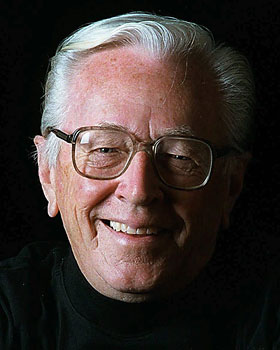
Charles Schulz
The following is the philosophy of Charles Schulz, the creator of the ‘Peanuts’ comic strip.
You don’t have to actually answer the questions. Just ponder on them. It will make very good sense!
Here’s A Little Quiz
You don’t have to actually answer the questions. Just read them straight through, ponder a tad, and you’ll get the point.
Name the five wealthiest people in the world.
Name the last five Heisman trophy winners.
Name the last five winners of the Miss America pageant.
Name ten people who have won the Nobel or Pulitzer Prize.
Name the last half dozen Academy Award winners for best actor and actress.
Name the last decade’s worth of World Series Winners.
How did you do?
The point is, none of us remember the headliners of yesterday. These are no second-rate achievers. They were the best in their fields.
But the applause dies. Awards tarnish over time. Achievements are forgotten and accolades and certificates are buried with their owners.
Here’s another quiz. See how you do on this one:
List a few teachers who aided your journey through school.
Name three friends who have helped you through a difficult time.
Name five people who have taught you something worthwhile.
Think of a few people who have made you feel appreciated and special!
Think of five people you enjoy spending time with.
Did you find that Easier? Of course you did!
So here’s the lesson!
The people who make a difference in your life are not the ones with the most credentials, or the most money…or the most awards…they simply are the ones who care the most.
“You don’t stop laughing when you grow old, you grow old when you stop laughing.” George Bernard Shaw.
Recently sent to me by Lindy C. from Devon, England.
This is dedicated to all of us who are seniors, to all of you who know seniors, and to all of you who will become seniors.
“WHERE is my SUNDAY paper?” The irate customer calling the newspaper office, loudly demanded to know where her Sunday edition was.
“Madam“, said the newspaper employee, “today is Saturday. The Sunday paper is not delivered until tomorrow, on SUNDAY.”
There was quite a long pause on the other end of the phone, followed by a ray of recognition as Madam was heard to mutter under her breath, “Well, shit, that explains why there was no one at church either!”
oooOOOooo
As British comedian Bob Monkhouse is reputed to have said, “Growing old is compulsory; growing up is optional.” (NB. More fabulous quotations from this naturally very funny man may be found here.)
On the subject of Bob Monkhouse, let me close with this video of Norman Wisdom appearing on the Bob Monkhouse Show back in 1983. As one of the YouTube commentators put it, “Two of Britains funniest men; we will never seek their likes again.“







 Learning from Dogs