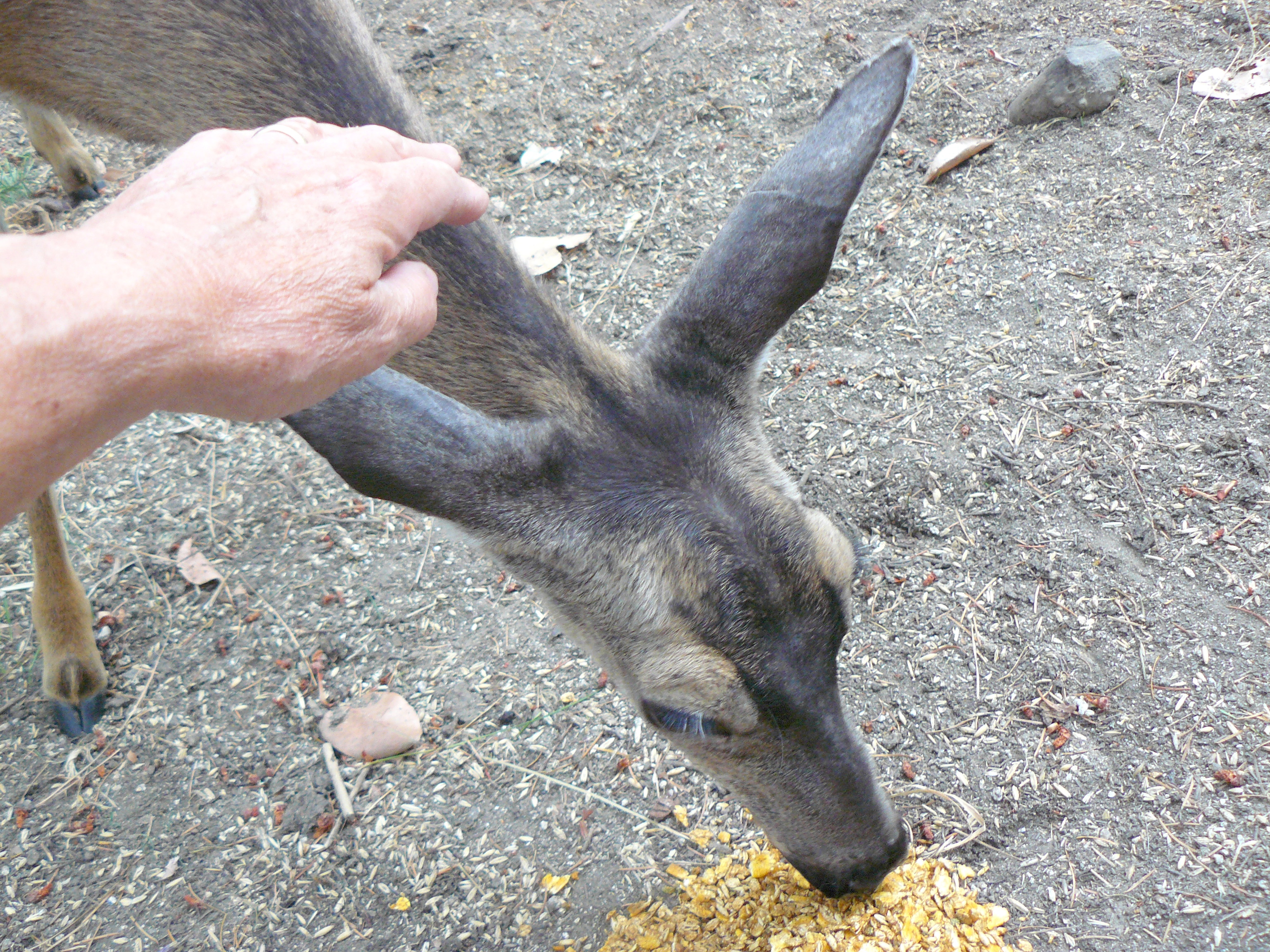
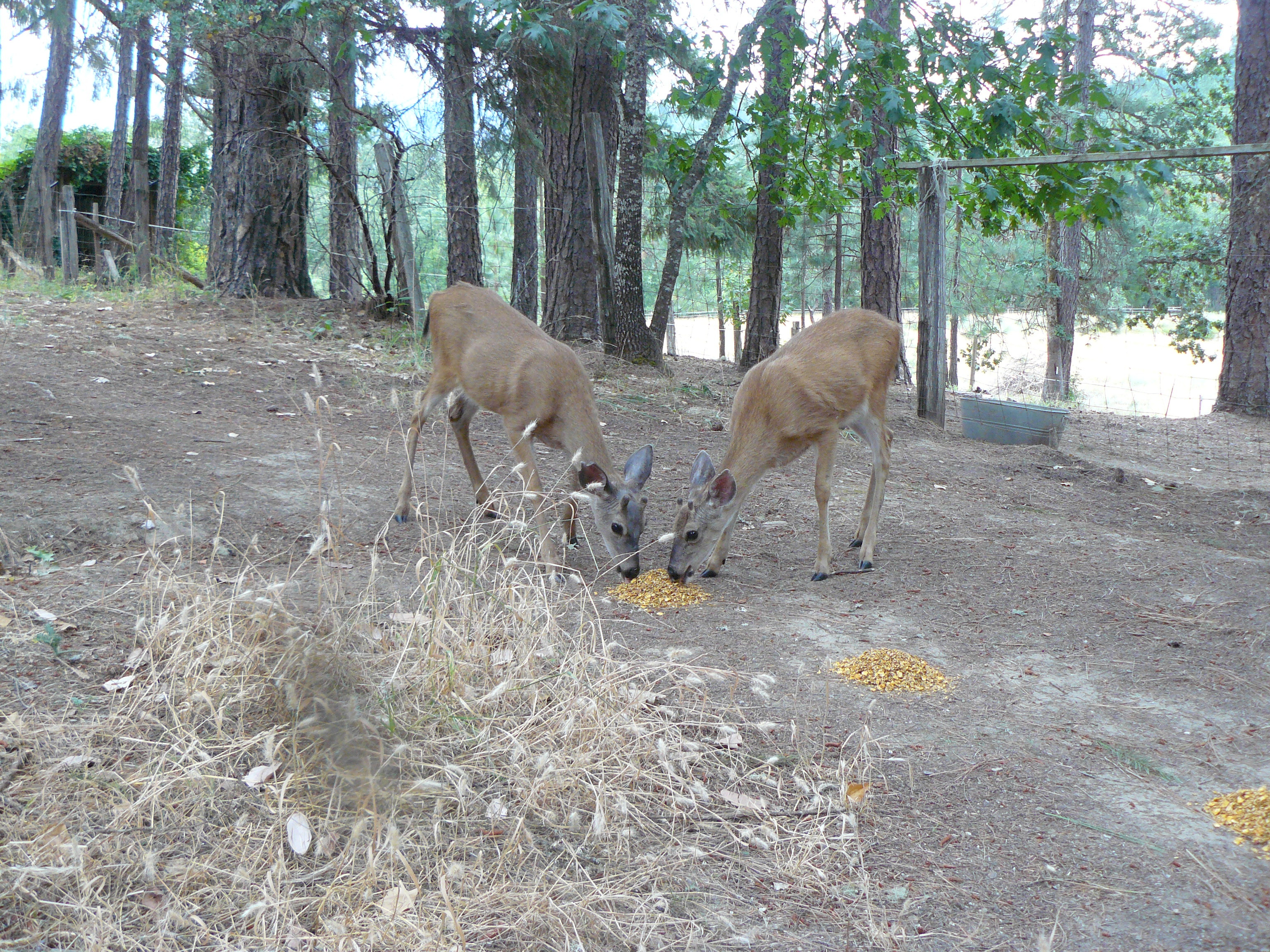
Continuing the photographs of the deer that visit our property.
(The first set of photographs was a week ago.)
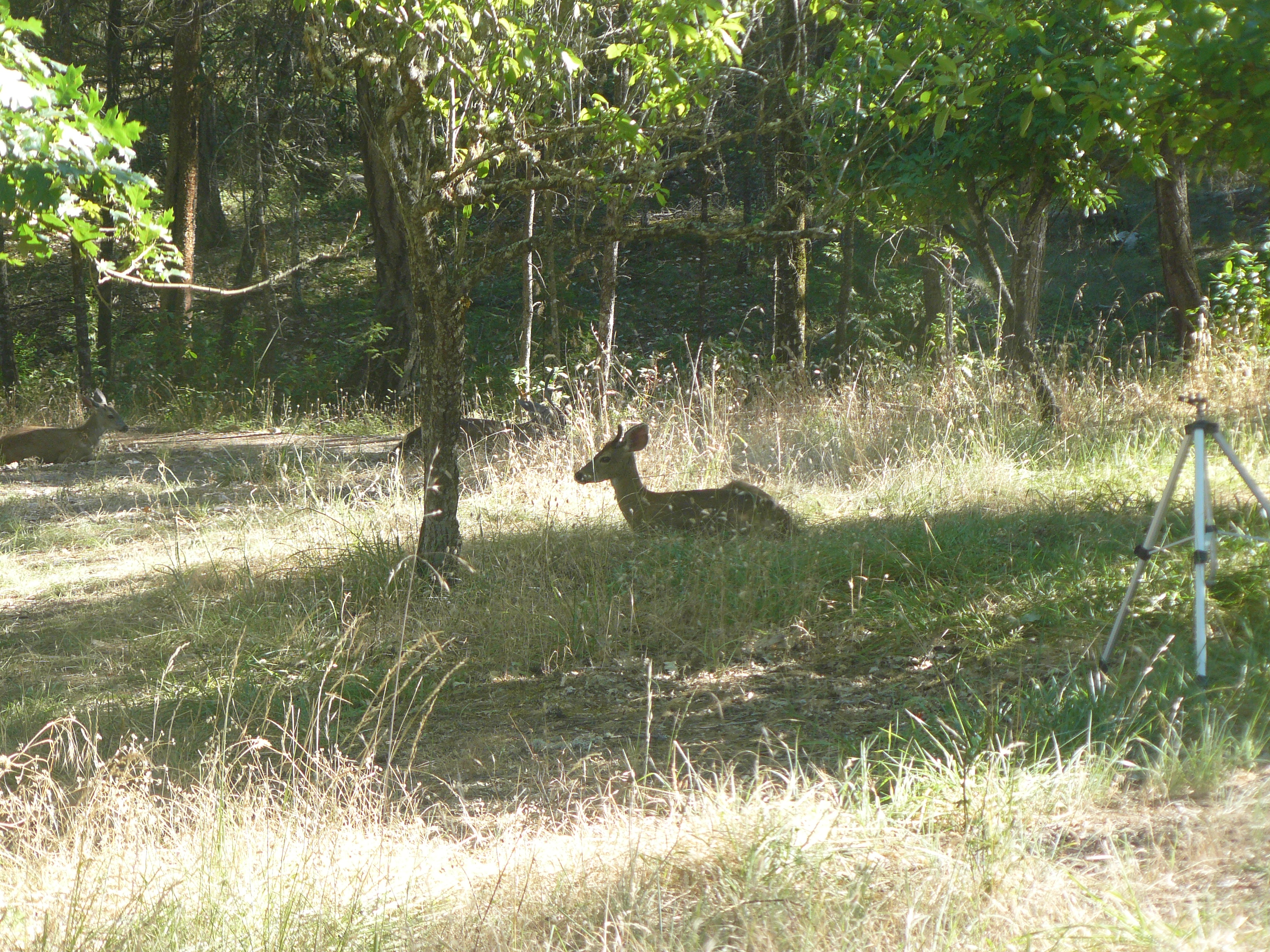 oooo
oooo
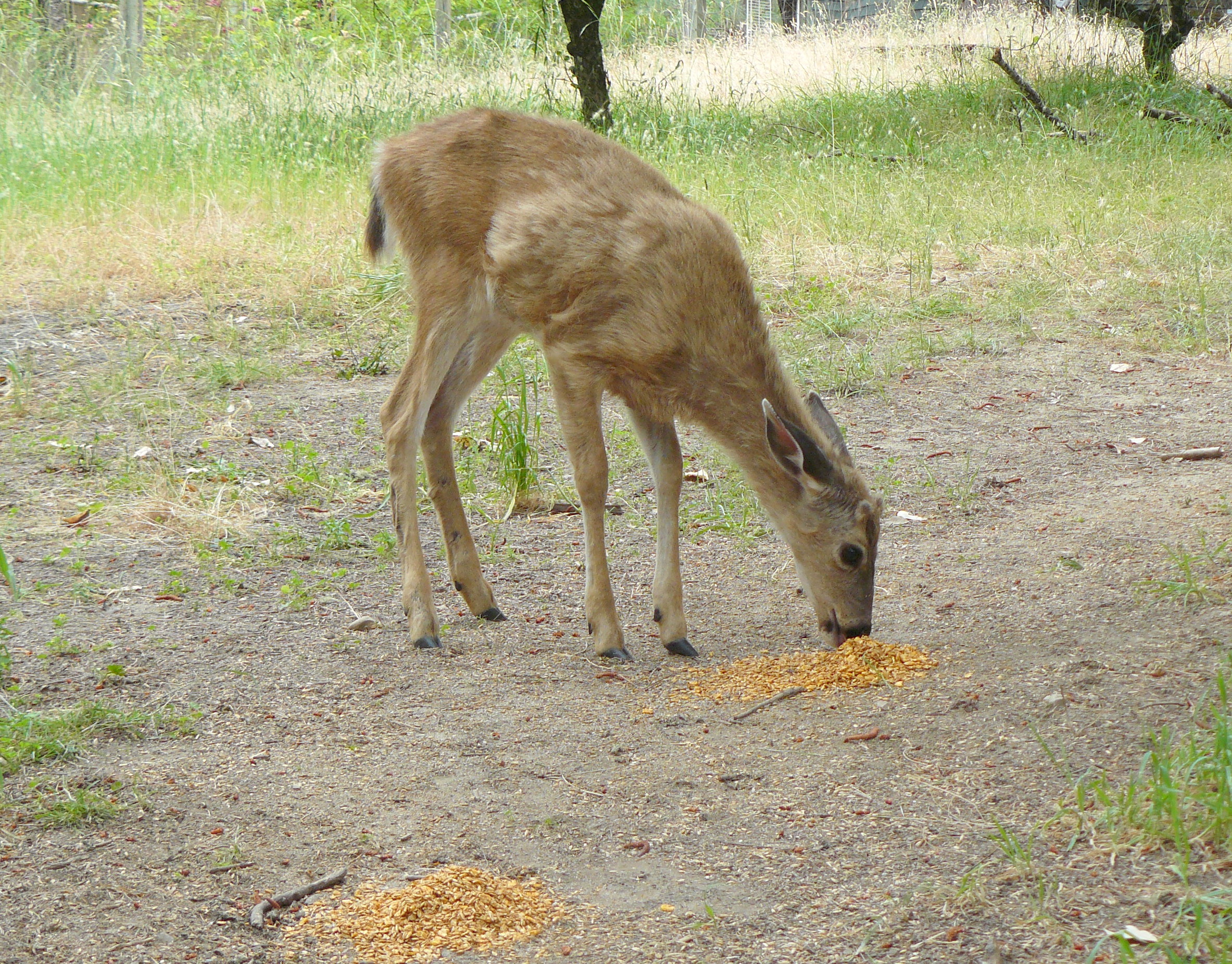 oooo
oooo
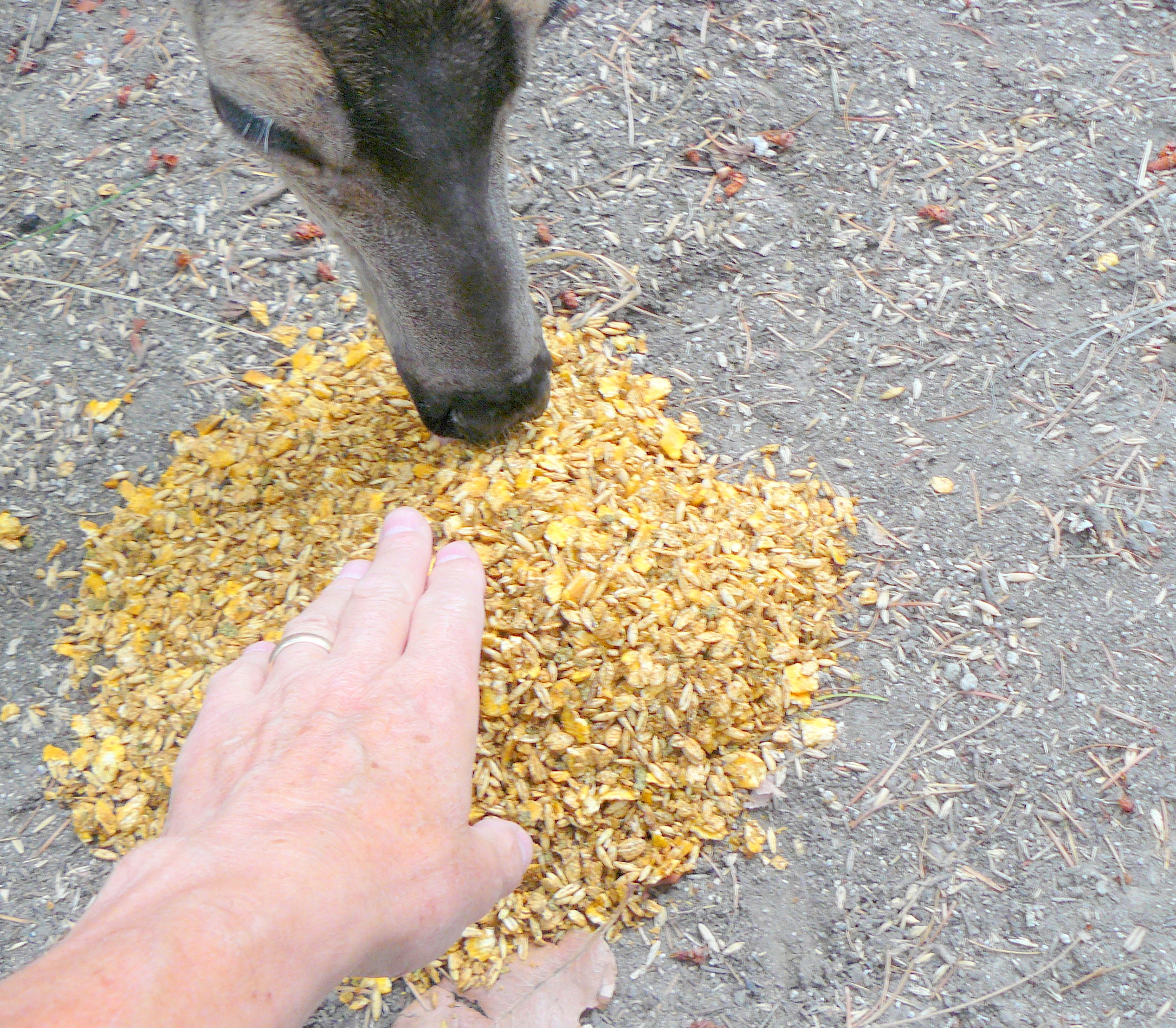 oooo
oooo
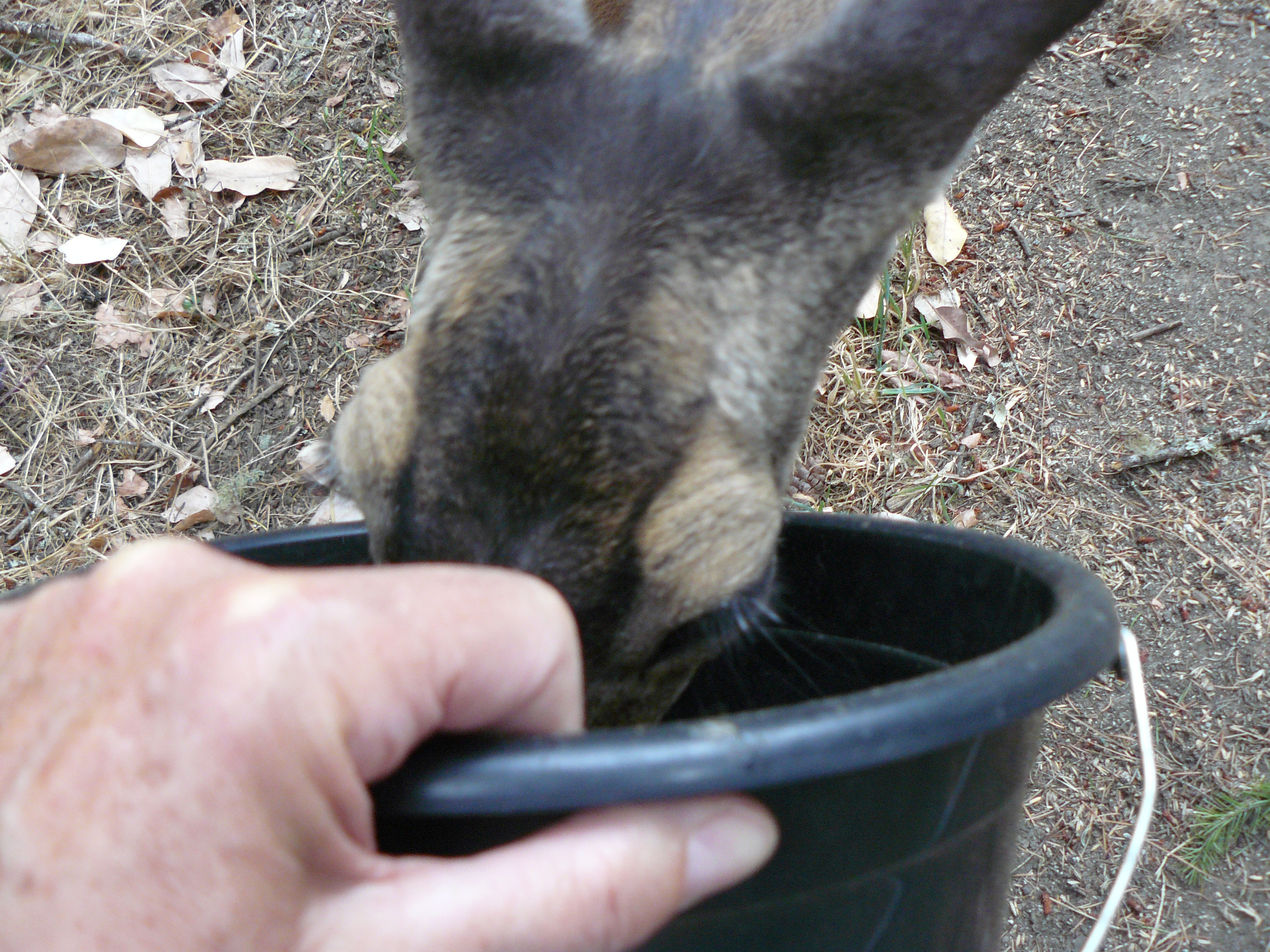 oooo
oooo
 oooo
oooo
 oooo
oooo
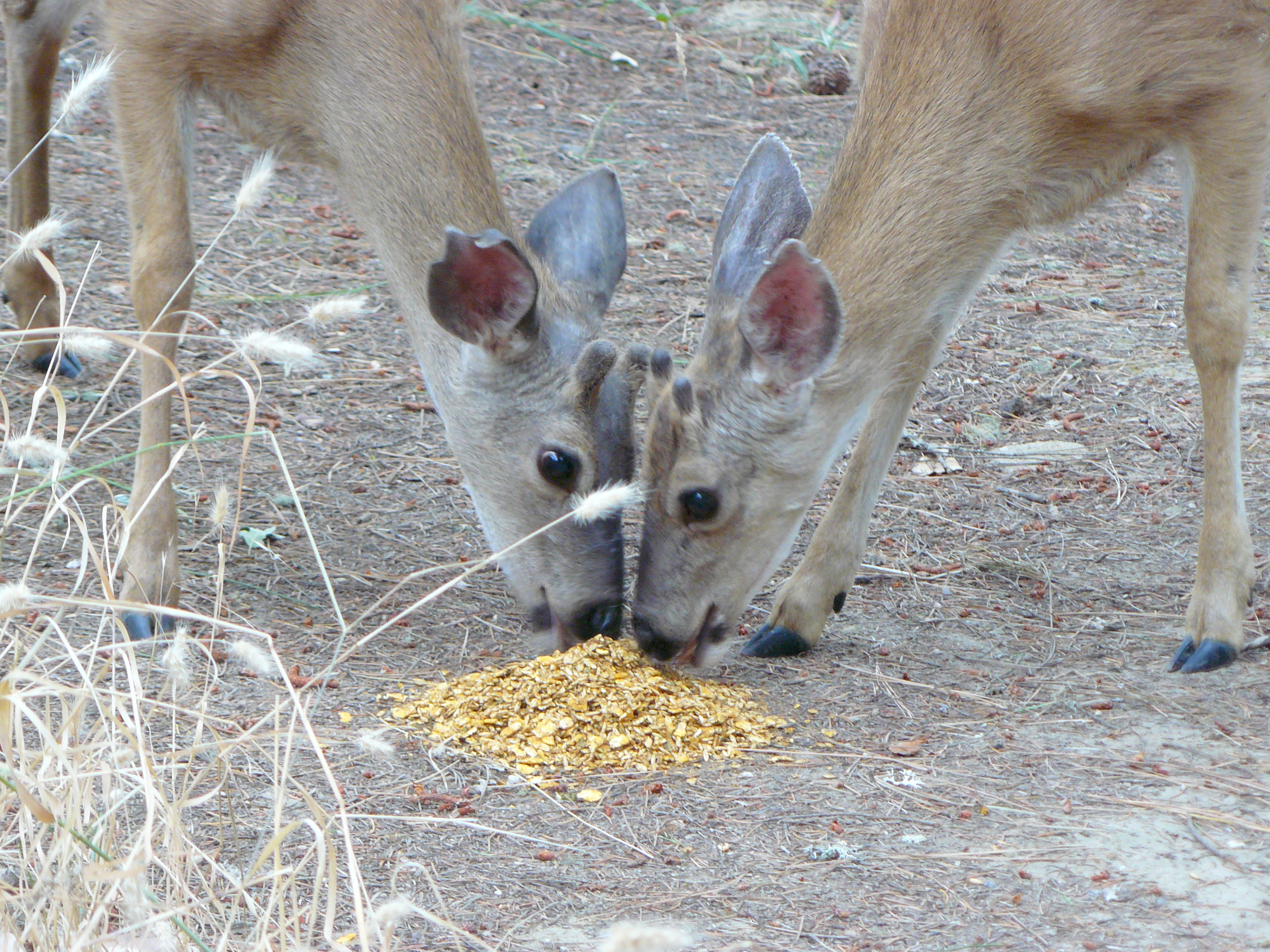 Hope you all share the same warm feeling that Jean and I enjoy seeing these pictures.
Dogs are animals of integrity. We have much to learn from them.
Category: Food
Continuing the photographs of the deer that visit our property.
(The first set of photographs was a week ago.)
oooo
oooo
oooo
oooo
oooo
oooo
Hope you all share the same warm feeling that Jean and I enjoy seeing these pictures.
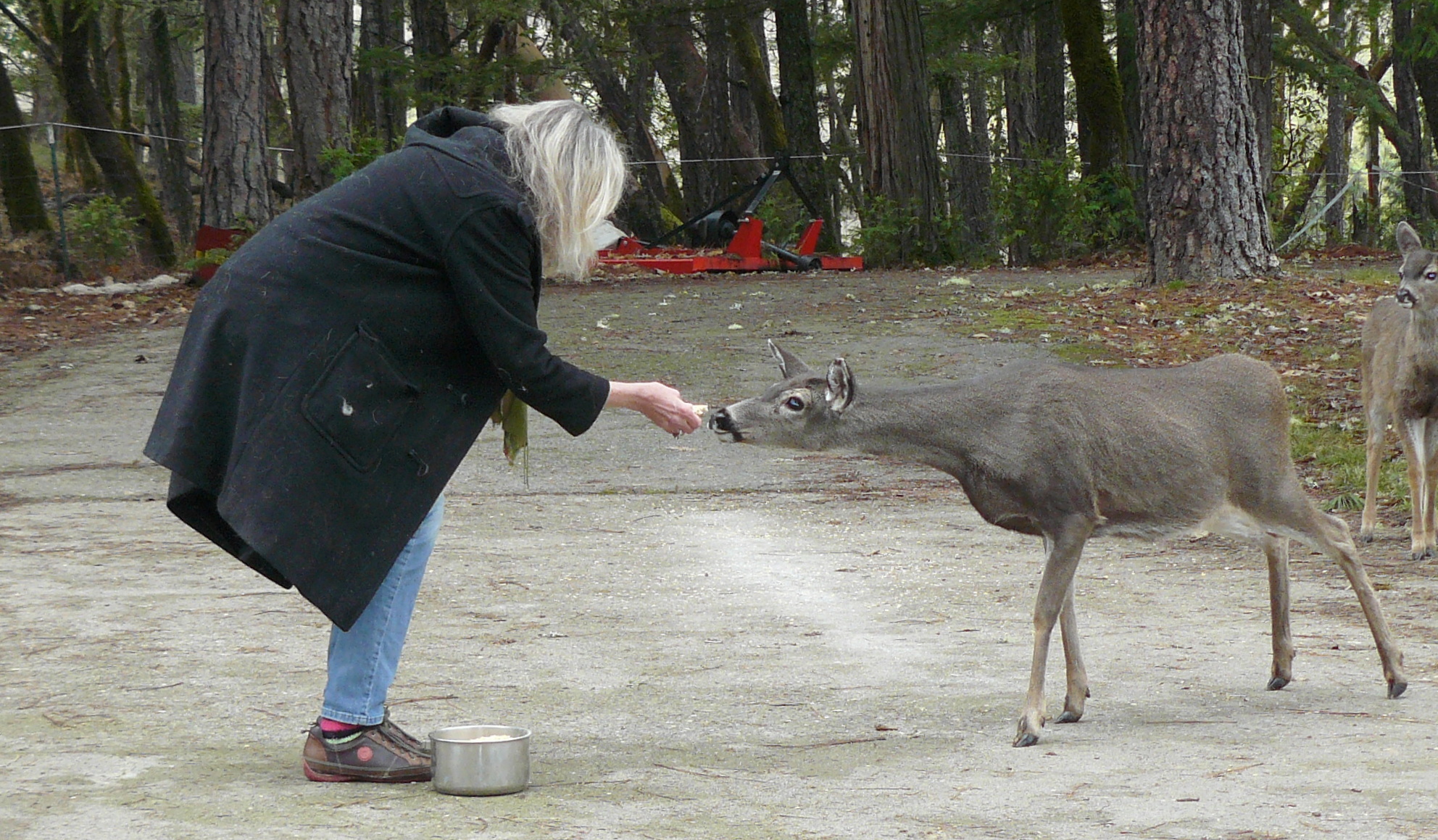
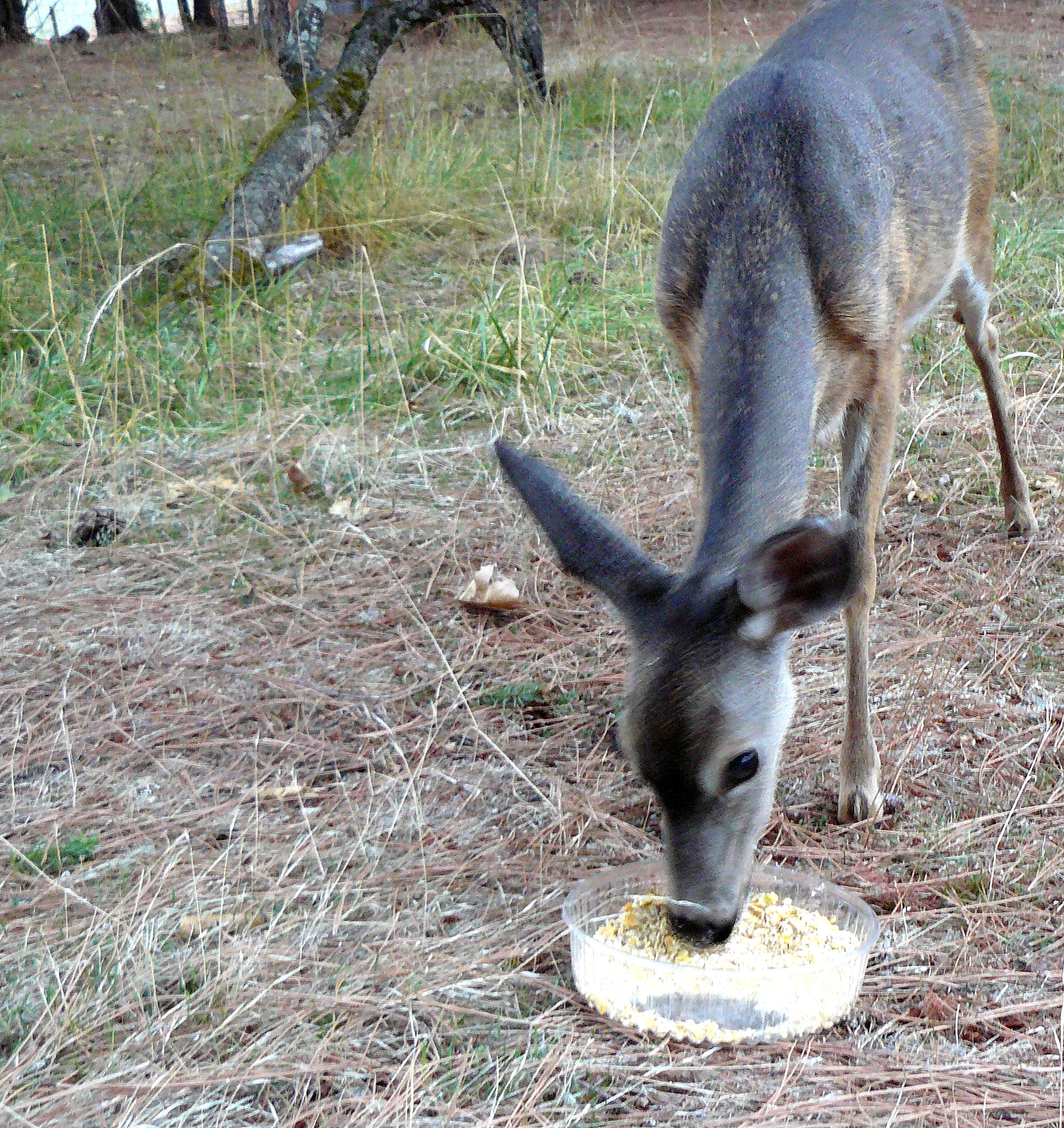
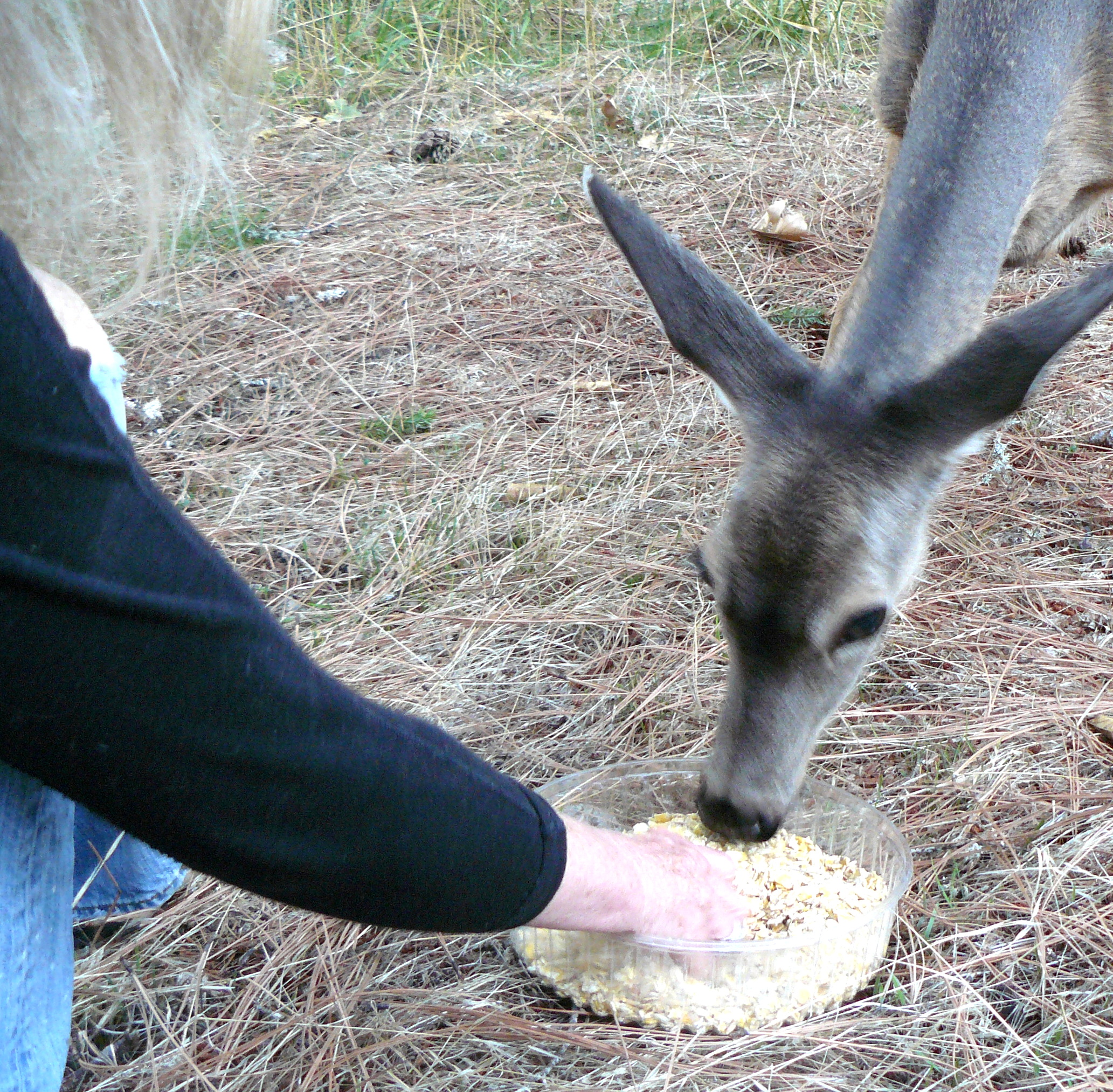
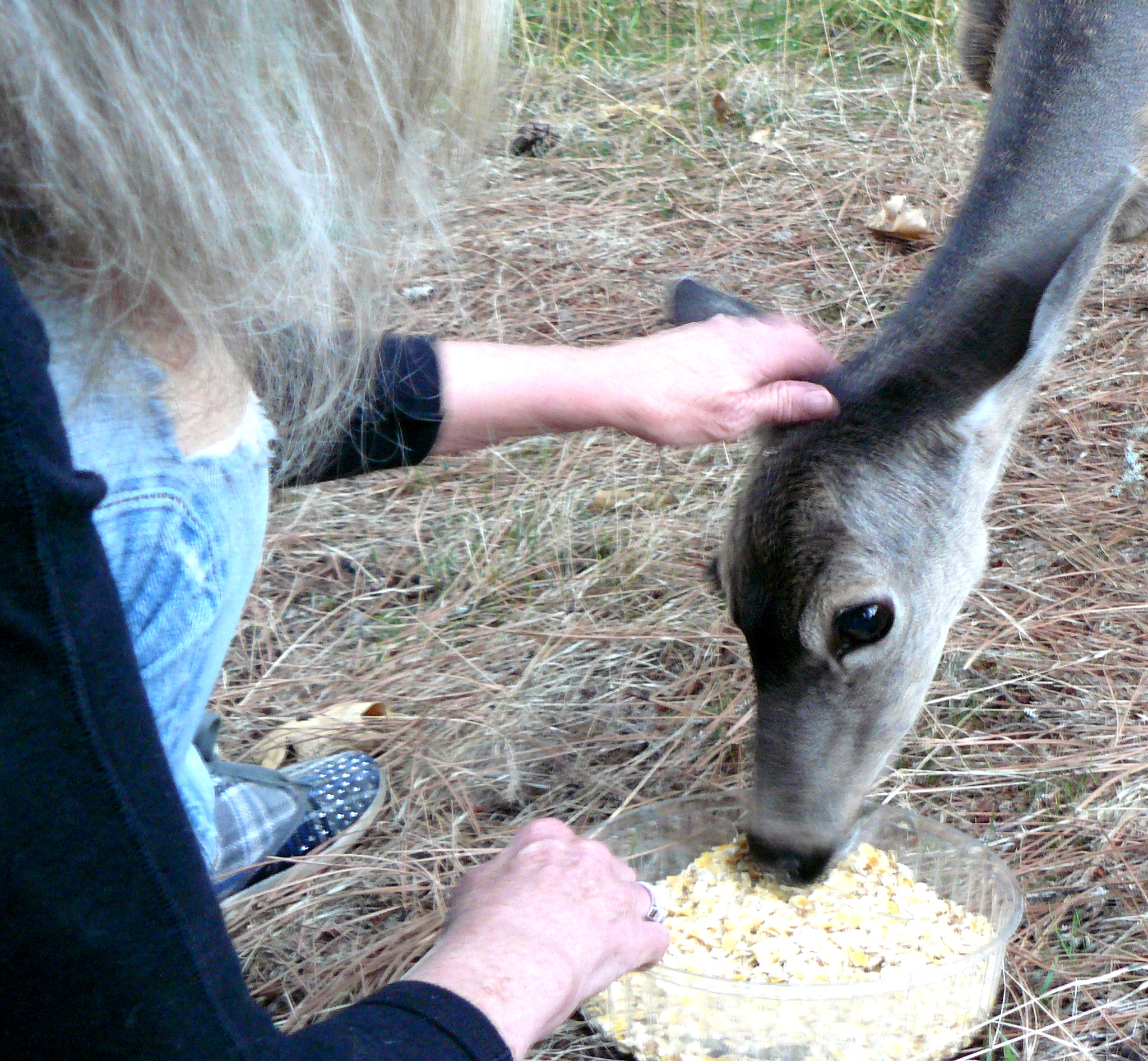
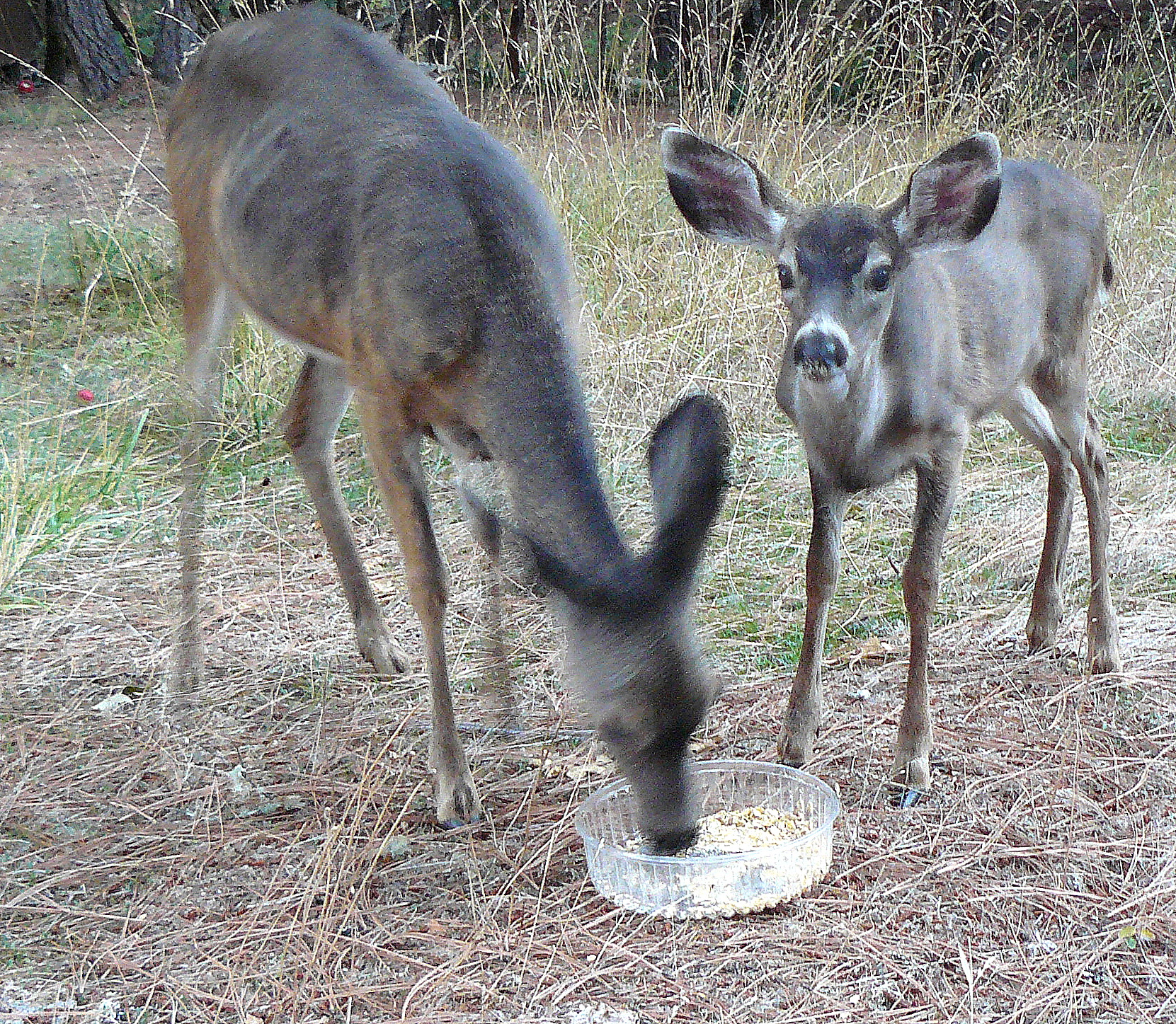
Returning to the photographs of the deer that come to our property.
Feeding the deer has been featured before on Learning from Dogs but I just wanted to devote today and next Sunday to nothing more sophisticated than photographs; all of them taken here at home.
oooo
oooo
oooo
oooo

oooo
oooo
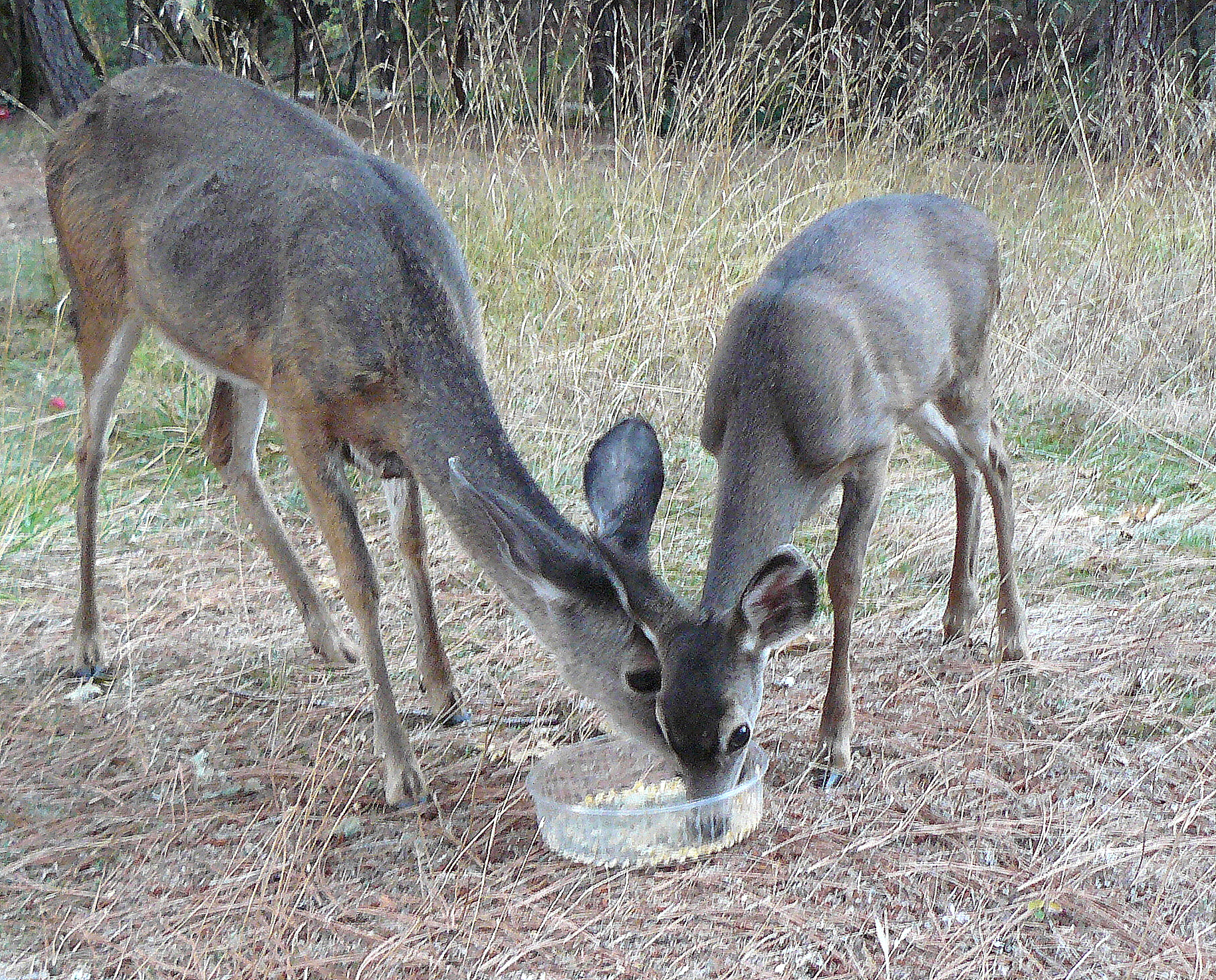
oooo
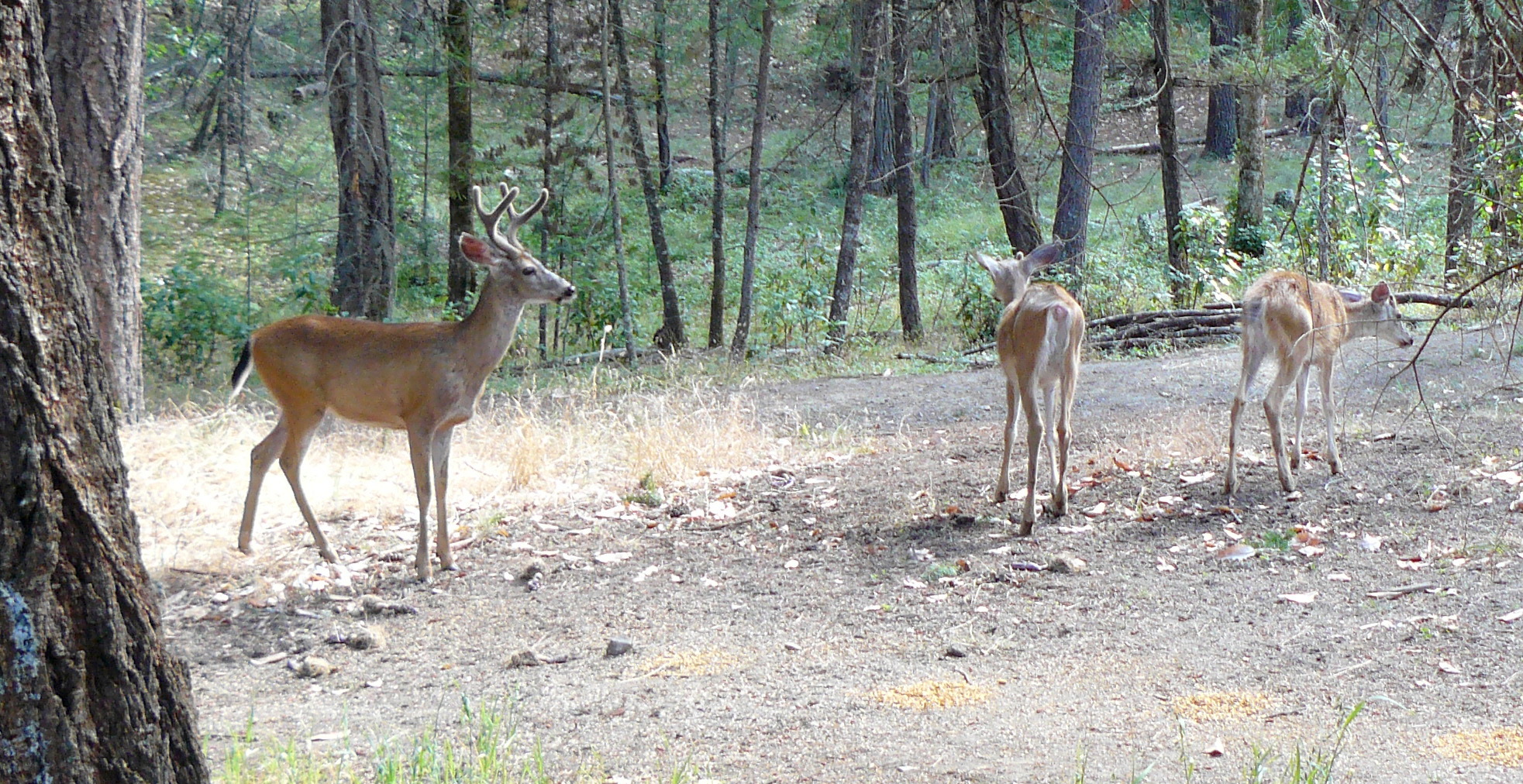
oooo
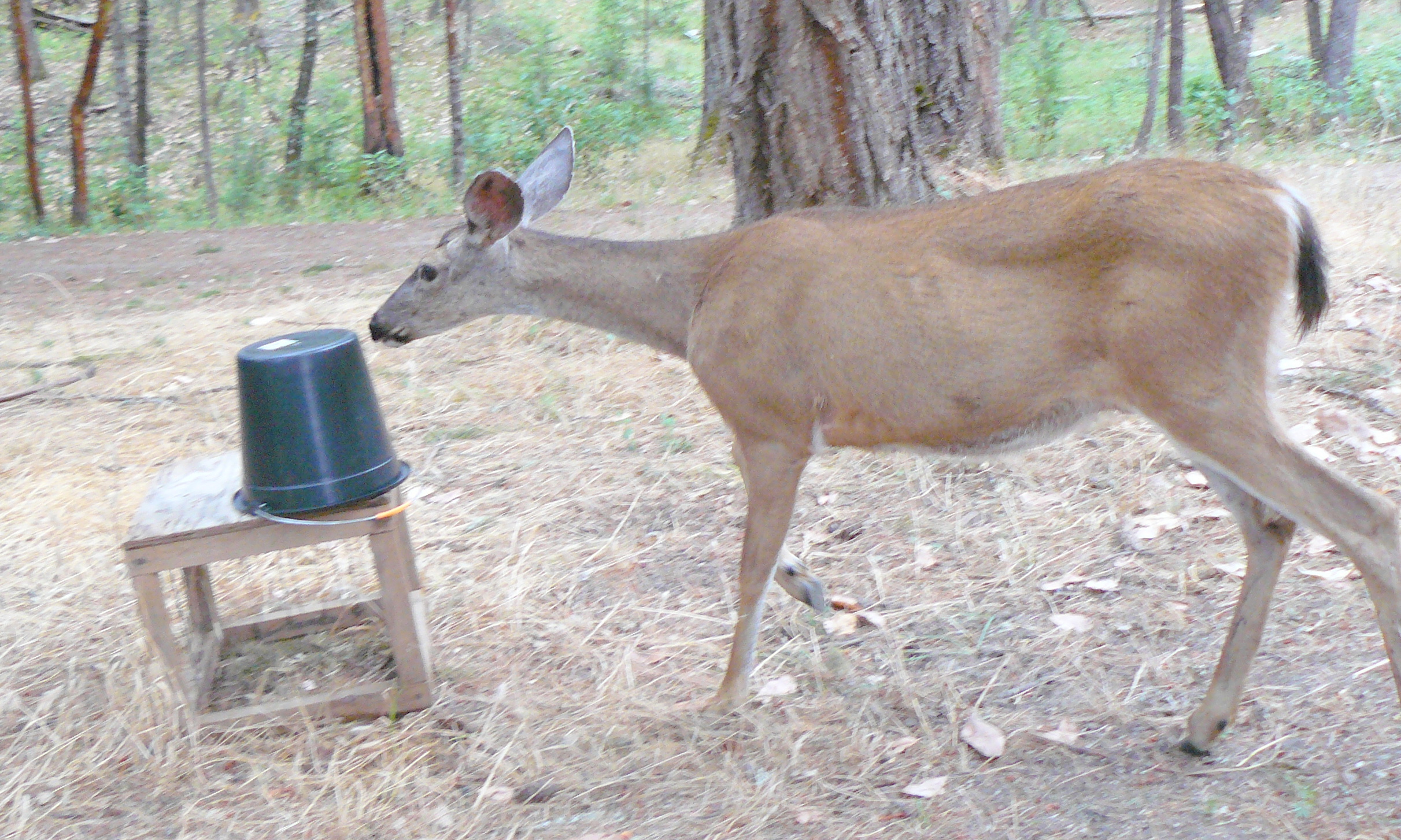
oooo
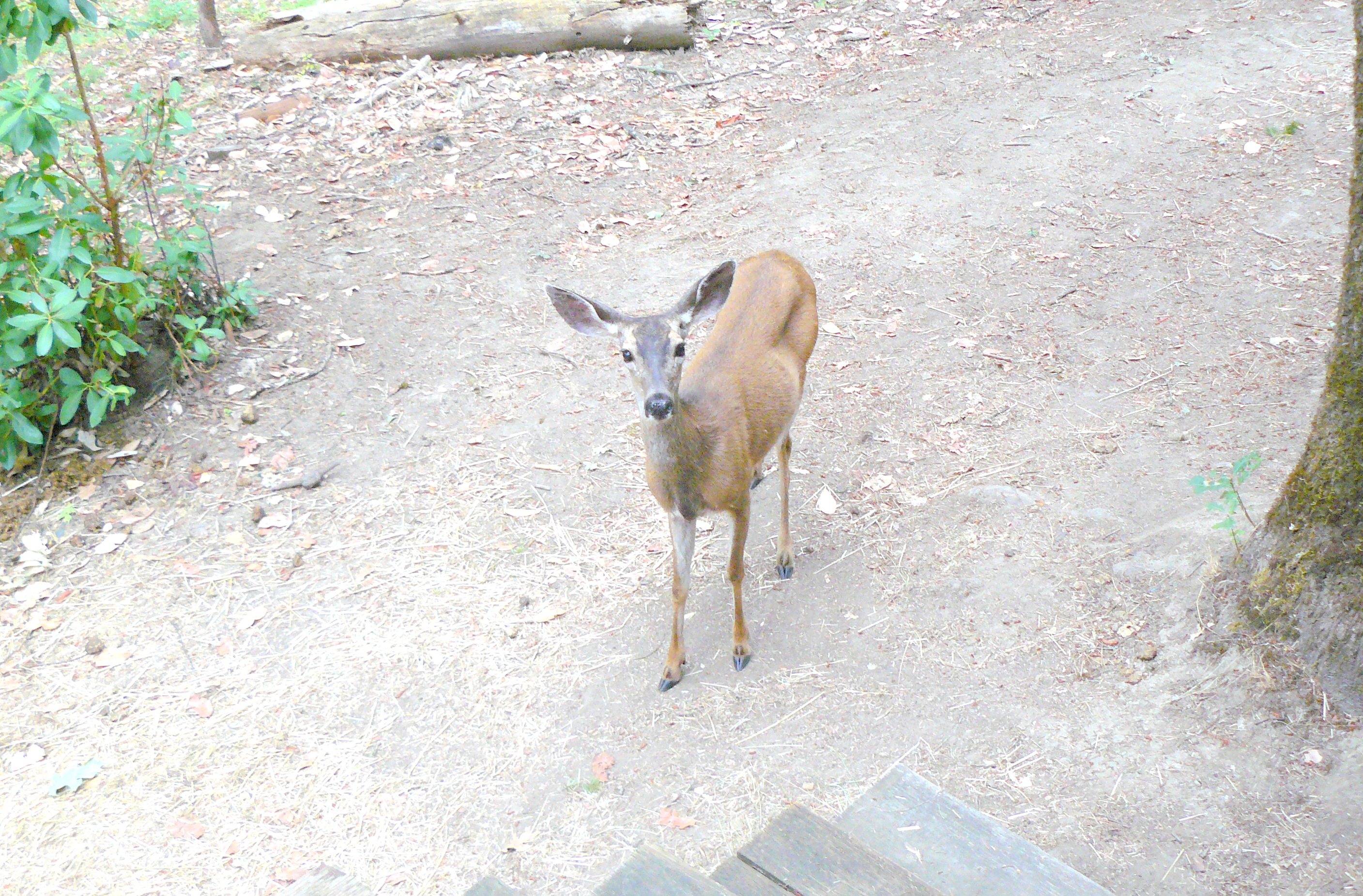
oooo
The photographs continue next Sunday.
Of there being a day where no animal lives out of sight of love.
Of course, when I speak of animals I have in mind those animals that end up in rescue shelters of one form or another: cats; horses; dogs; ponies; birds; and other species.
But on the broader topic of offering love to animals I must share something with you before going on to the main subject of today’s post.
That is that for the last few years we have been feeding the wild deer.
Slowly a number of them have grown to trust Jean and me to the point where one particular young female became such a regular that we named her: Doris. It is Doris that is in the picture above eating the cob that we put out twice a day.
Doris doesn’t warm to strangers plus she doesn’t come every day. When she does it is clear that she is familiar with us and perceives no threat from this ‘neck of the woods’, as the next photograph supports:
In fact, I can now gently stroke her neck when she is feeding and will share those pictures with you all in a future Picture Parade post.
I call the closeness of me and Doris love. I love how this animal trusts me and, in turn, the care and responsibility that is called for from me.
My dream is that the love, care and responsibility offered by people will one day be so widespread and extensive that there comes no call for animal rescue shelters.
OK!
A couple of days ago Cori Meloney signed up to follow Learning from Dogs. Cori is the author of the blog Three Irish Cats. As is my usual way I went across to her blog to leave a ‘thank you’ note for her decision to follow my scriblings. I immediately saw her latest post and knew without doubt that it should be republished here. Cori very promptly gave me permission to so do.
ooOOoo
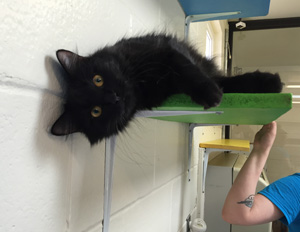
I volunteer with a small (but mighty!) rescue group here in Southern Maryland called Rescue Angels of Southern Maryland. We mostly deal with cats, though we’ve recently begun to rescue dogs as well.
Most of the cats we find homes for come from owner surrenders, friendly cats and kittens from our feral colonies, and at-risk animals from our local municipal shelter, Tri-County Animal Shelter.
Saturday, Rescue Angels was one of the groups that participated in Tri-County’s annual Clear the Shelters Day celebration. Seventy-seven animals found forever homes that day. Watching the parade of happy animals and their new owners as they left the building was totally worth sweltering in the 95-degree heat.
As the only public animal shelter to serve the three Southern Maryland counties, Tri-County is a busy place. It frequently gets full, and organizations like Rescue Angels and others in the area step in when we can to remove animals from the shelter. This is not a no-kill shelter, so a full shelter means animals will die. New animals come in every day.

Three things struck me when I was at Tri-County last weekend.
The first is that I wish Tri-County could be this busy every Saturday. Granted, adoption fees on Clear the Shelters Day were eliminated or reduced and there was a lot of publicity for this event, but there are always wonderful animals at the shelter that want to go home with a family. Many animals end up there because the owner surrendered them; the reason often given is “did not want.”
The second is that I am increasingly amazed by the dedication of the shelter staff. They have a difficult job, and it often goes without thanks. It’s not easy to be civil to an owner who is dropping off their pet because they don’t want it anymore. It’s not easy to put down perfectly healthy animals because humans have acted irresponsibly. I can only imagine that the staff constantly feels like it is in crisis mode; they may have nearly cleared the shelter on Saturday, but come midweek, those cages and pens will be filled again with animals in need.
The third thought is that we, the community, created this shelter, and we need to fix it. Tri-County has a terrible reputation here in Southern Maryland. The kill rate for cats is more than 50 percent. The facility is small and needs renovation and expansion. It is nearly always full to overflowing. Members of the community sometimes say terrible things about the staff.

But Tri-County is constantly full because the Southern Maryland has let its companion animals down. Cats are not spayed or neutered, and they’re treated as disposable. Need to move? Drop your cat at the shelter, or worse, just leave it behind. Dog getting too big? Don’t feel like dealing with behavior or health issues? Drop the animal at the shelter.
I’ll be honest: My opinion of Tri-County and its staff has not always been positive. What makes it worse is that I had those opinions without actually visiting the shelter. I am ashamed of that fact. Since I started volunteering with Rescue Angels, I have visited the shelter many times to take cats that our rescue was putting into foster care. I have met some of the staff members, and they are always happy to talk with me about their animals. They’re ecstatic when an animal leaves the building. The shelter has a rescue coordinator whose job is to work with local rescue groups to remove animals from the shelter when they are at risk of being killed or when shelter life is impacting their well-being. These folks are animal lovers forced into a terrible situation by a community that treats its animals as disposable and Tri-County as its dumping ground.
So, now that Clear the Shelters Day has passed, I challenge my fellow residents of Southern Maryland: Visit Tri-County Animal Shelter. Talk with the staff. Visit with the cats in the free-roaming room. Take a dog for a walk. Take pictures and share them on Facebook. Volunteer. Follow Tri-County on Facebook and interact with their posts. Foster, which allows rescue groups to remove more animals from the shelter. Rescue Angels can help you become a foster family for dogs or cats.
All three Southern Maryland counties are working on plans to build their own shelter facilities. In the meantime, Tri-County Animal Shelter is our public shelter. It’s our job as the community to support the staff, help care for the animals, and reduce the number of animals killed there.
I hope to see you there, leash in hand.
By: Cori S. Meloney
ooOOoo
So if any reader is within reach of Southern Maryland and wants to offer an animal love, care and responsibility then please make your way across to Rescue Angels of Southern Maryland.
How to draw today’s post to a close?
In searching for inspiration about all animals living in the sight of love I realised that what I was dreaming of was more about compassion than love; albeit the two states of mind being very close to one another.
That led me to perusing the Dalai Lama’s teachings on compassion: Compassion and the Individual. Here’s how that teaching concludes:
Compassion and the world
In conclusion, I would like briefly to expand my thoughts beyond the topic of this short piece and make a wider point: individual happiness can contribute in a profound and effective way to the overall improvement of our entire human community.Because we all share an identical need for love, it is possible to feel that anybody we meet, in whatever circumstances, is a brother or sister. No matter how new the face or how different the dress and behavior, there is no significant division between us and other people. It is foolish to dwell on external differences, because our basic natures are the same.
Ultimately, humanity is one and this small planet is our only home. If we are to protect this home of ours, each of us needs to experience a vivid sense of universal altruism. It is only this feeling that can remove the self-centered motives that cause people to deceive and misuse one another.
If you have a sincere and open heart, you naturally feel self- worth and confidence, and there is no need to be fearful of others.
I believe that at every level of society – familial, tribal, national and international – the key to a happier and more successful world is the growth of compassion. We do not need to become religious, nor do we need to believe in an ideology. All that is necessary is for each of us to develop our good human qualities.
I try to treat whoever I meet as an old friend. This gives me a genuine feeling of happiness. It is the practice of compassion.
Loving animals is very much part of protecting this home of ours.
That is my dream.
Just had to share this with you!
I sat down in front of my PC a little after 3pm. I was knackered, not to put too polite a spin on it! For the reason that since 9am this morning young Justin and I had been working outside repairing the front, road-side, boundary fence because our lovely Brandy had discovered a hole in it. Jean and I only becoming aware of that break in the fence when neighbouring residents, Dordie and Pam, on setting out for a bike ride yesterday, found Brandy waiting outside our front gate, which is a quarter-of-a-mile from our house. Brandy, as with all the other dogs that we have, is far too precious to delay mending the fence.
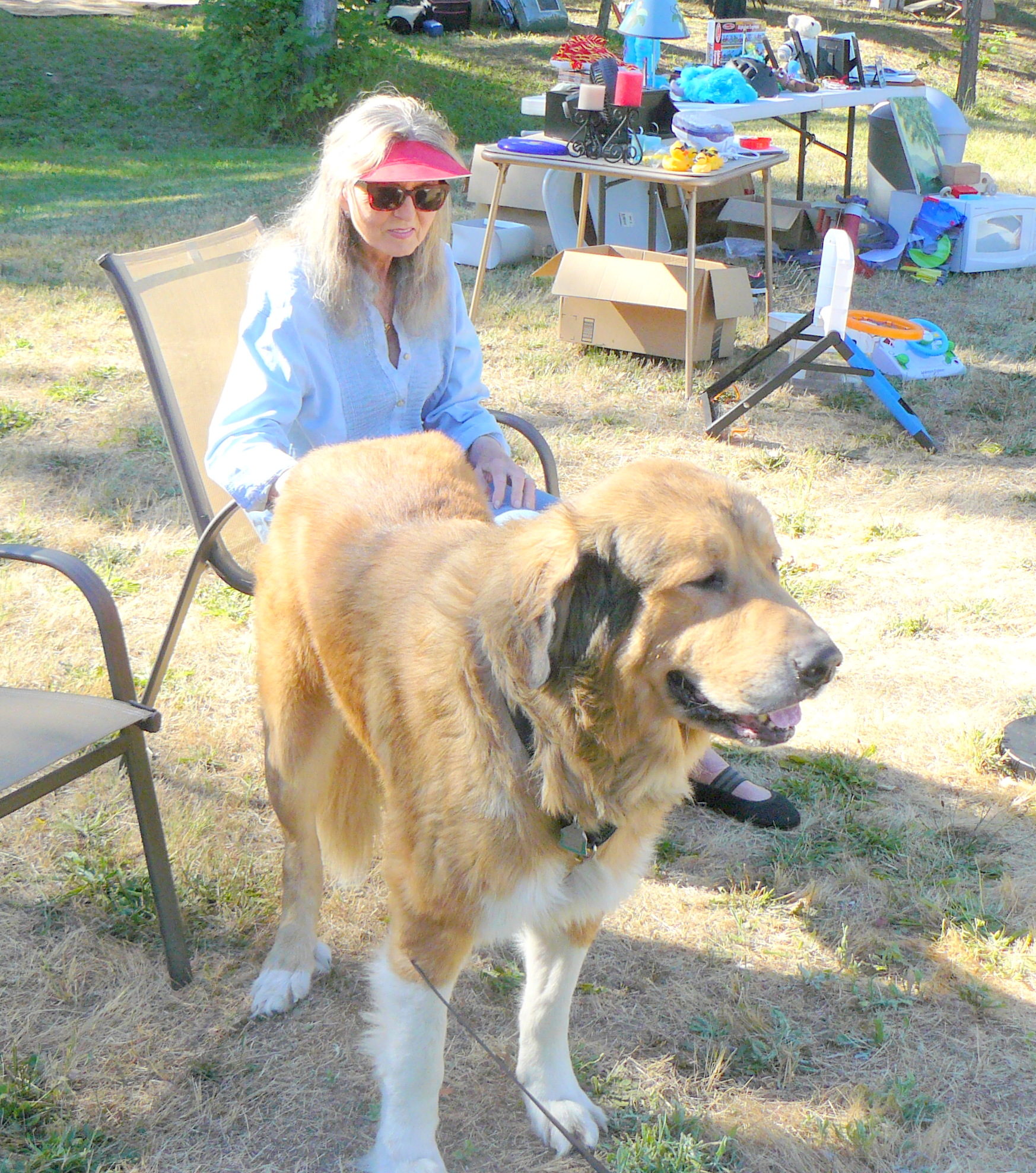
So, as I always do, when I can’t muster the creative juices is to see what’s sitting in my ‘blog’ mail folder.
Bingo.
The following recently was sent to me by neighbour Larry, his email simply saying, “Is this what they call “British Humor”??”
Enjoy!
(P.S. Best to watch a little after you have eaten!)
Follow that, as they say!
These are deeply interesting times.
Among the many impressive qualities of the dog is one that we humans must envy so much at times.
I’m not speaking of a dog’s ability to seek out food or, at the other end of things, the dog’s way of keeping it’s backside clean! 😉 No, I’m referring to the way a dog lives in the present. Presumably unworried as to what the future might mean.
We humans, however, as hard as we try to be rooted in the ‘here and now’ also depend on assessing the future and determining the best way to respond to that uncertainty. I’m sure that assessing and managing risk is one of the ways that have made us such a successful species.
In terms of voicing these uncertain times I really was drawn to a comment from ‘John D’ over on Richard Murphy’s Tax Research UK blogsite. I’m going to republish that comment in full before moving on to the central theme of today’s post: Into the Future.
John D says:
June 10 2016 at 4:58 pm
Paul, I share your apprehension. I believe ‘the world’ has entered a cycle of almost unprecedented uncertainty. So many issues. So few solutions being articulated in the mainstream. However, shift happens and Richard is right to say that there is always opportunity for change. Gramsci, an underrated theorist, summed it up in his ‘Prison Notebooks'(1929-35) writing: “The crisis consists precisely in the fact that the old is dying and the new cannot be born; in this interregnum a great variety of morbid symptoms appear.”The stranglehold Neo-liberalism has exercised on orthodox economics for the past 40 years is difficult to understand but, given that its major protoganists have held all the aces, it’s not really surprising. Under Reagan there was a major ‘re-education’ programme in the Universities where any heterodox economic teaching was eliminated from the ‘Economics 101’ curriculum. Acording to Richard Wolff an entire generation of students graduated from the major universities without ever having studied Marx in any context.
(For anyone interested here’s a succinct history of Neo-liberalism – http://www.newleftproject.org/index.php/site/article_comments/a_short_history_of_neoliberalism_and_how_we_can_fix_it).
The good news is nothing lasts forever. The seeds of change have already been sown and will eventually blossom, possibly in unexpected locations. Sadly, as Ivan says, there has been irretrievable damage to lives and livelihoods in the US, UK and many EU countries. Michael Hudson recently spelled out its negative effects – http://www.counterpunch.org/2016/06/07/the-wages-of-neoliberalism-poverty-exile-and-early-death.
Like many, I don’t think radical change will come about until enough people are hurting enough. Maybe a real property crash will be a wake-up call. However, in or out of the EU isn’t going to trigger a change in the economic agenda any time soon. Personally I believe that a vote for Brexit (ominously a possibilty) will set-back any fundamental reforms, especially in the UK. But I don’t want to open up that can of worms again here!
The perennial question is ‘what to do?’. And the answer is always the same: ‘do something, anything, to nurture the seeds into saplings’. Every little helps! It’s going to be a rough ride, not without some collateral damage in terms of still more unnecessary deaths. Usually I’m not as optimistic as Richard but because it’s Friday afternoon and the sun is shining I feel the beginning of the end is within our grasp. I so hope so. Back to Gramsci – the immediate worry is what will fill the intervening vacuum. Happy weekend!
The seeds of change have already been sown and will eventually blossom, possibly in unexpected locations.
The perfect introduction to an email that Dan Gomez sent me on Thursday.
ooOOoo
Below is a summary by Udo Gollub of the findings at a recent futurist conference in Germany. This’s – they predict – is how the world will operate in 10 to 20 years time.
For those of us who are about to amble into the sunset on our Zimmer frames, this is simply interesting. We inhabited a world where people used cosy concepts like pension, nest egg, job security, promotion in the work place and other reassuring socio economic terms.
For those who are in mid career or are only entering the world of (non) work now, this makes for scary/exciting reading – depending on how ready you are to change in mid air — if it is at all possible.
And for the generation still in their nappies … well, it is a matter of how parents prepare them for an unimaginable world when they enter the world of ‘work’ in 20 years time.
GERT CLAASSEN
Hermanus
Into the future
By Udo Gollub at Messe Berlin, Germany
I just went to the Singularity University summit. Here are the key points I gathered.
Rise and Fall. In 1998, Kodak had 170,000 employees and sold 85% of all photo paper worldwide. Within just a few years, their business model disappeared and they were bankrupt. What happened to Kodak will happen in a lot of industries in the next 10 years – and most people don’t see it coming. Did you think in 1998 that 3 years later you would never take pictures on paper film again?
Yet digital cameras were invented in 1975. The first ones only had 10,000 pixels, but followed Moore’s law. So as with all exponential technologies, it was a disappointment for a long time, before it became superior and mainstream in only a few short years. This will now happen with Artificial Intelligence, health, self-driving and electric cars, education, 3D printing, agriculture and jobs.
Welcome to the 4th Industrial Revolution. Welcome to the Exponential Age. Software and operating platforms will disrupt most traditional industries in the next 5-10 years.
Uber is just a software tool. They don’t own any cars, but they are now the biggest taxi company in the world. Airbnb is the biggest hotel company in the world, although they don’t own any properties.
Artificial Intelligence: Computers become exponentially better in understanding the world. This year, a computer beat the best Go player in the world, 10 years earlier than expected. In the US, young lawyers already don’t get jobs. Because of IBM Watson, you can get legal advice, (so far for more or less basic stuff), within seconds. With 90% accuracy, compared with 70% accuracy when done by humans. So if you are studying law, stop immediately. There will be 90% fewer generalist lawyers in the future; only specialists will be needed. ‘Watson’ already helps nurses diagnose cancer, four times more accurately than doctors. Facebook now has pattern recognition software that can recognize faces better than humans. By 2030, computers will have become ‘more intelligent’ than humans.
Cars: In 2018 the first self driving cars will be offered to the public. Around 2020, the complete industry will start to be disrupted. You don’t want to own a car anymore. You will call a car on your phone; it will show up at your location and drive you to your destination. You will not need to park it, you only pay for the driven distance and you can be productive whilst driving. Our kids will never get a driver’s licence and will never own a car. It will change the cities, because we will need 90-95% fewer cars for our future needs. We can transform former parking spaces into parks. At present,1.2 million people die each year in car accidents worldwide. We now have one accident every 100,000 kms. With autonomous driving, that will drop to one accident in 10 million km. That will save a million lives each year.
Electric cars will become mainstream around and after 2020. Cities will be cleaner and much less noisy because all cars will run on electricity, which will become much cheaper.
Most traditional car companies may become bankrupt by tacking the evolutionary approach and just building better cars; while tech companies (Tesla, Apple, Google) will take the revolutionary approach and build a computer on wheels. I spoke to a lot of engineers from Volkswagen and Audi. They are terrified of Tesla.
Insurance companies will have massive trouble, because without accidents, the insurance will become 100 times cheaper. Their car insurance business model will disappear.
Real estate values based on proximities to work-places, schools, etc. will change, because if you can work effectively from anywhere or be productive while you commute, people will move out of cities to live in a more rural surroundings.
Solar energy production has been on an exponential curve for 30 years, but only now is having a big impact. Last year, more solar energy was installed worldwide than fossil. The price for solar will drop so much that almost all coal mining companies will be out of business by 2025.
Water for all: With cheap electricity comes cheap and abundant water. Desalination now only needs 2kWh per cubic meter. We don’t have scarce water in most places; we only have scarce drinking water. Imagine what will be possible if everyone can have as much clean water as they want, for virtually no cost.
Health: The Tricorder X price will be announced this year – a medical device (called the “Tricorder” from Star Trek) that works with your phone, which takes your retina scan, your blood sample and your breath. It then analyses 54 biomarkers that will identify nearly any diseases. It will be cheap, so in a few years, everyone on this planet will have access to world class, low cost, medicine.
3D printing: The price of the cheapest 3D printer came down from 18,000$ to 400$ within 10 years. In the same time, it became 100 times faster. All major shoe companies started printing 3D shoes. Spare airplane parts are already 3D-printed in remote airports. The space station now has a printer that eliminates the need for the large amount of spare parts they used to need in the past.
At the end of this year, new smart phones will have 3D scanning possibilities. You can then 3D scan your feet and print your perfect shoe at home. In China, they have already 3D-printed a complete 6-storey office building. By 2027, 10% of everything that’s being produced will be 3D-printed.
Business opportunities: If you think of a niche you want to enter, ask yourself: “in the future, do you think we will have that?” And if the answer is yes, then work on how you can make that happen sooner. If it doesn’t work via your phone, forget the idea. And any idea that was designed for success in the 20th century is probably doomed to fail in the 21st century.
Work: 70-80% of jobs will disappear in the next 20 years. There will be a lot of new jobs, but it is not clear that there will be enough new jobs in such a short time.
Agriculture: There will be a 100$ agricultural robot in the future. Farmers in 3rd world countries can then become managers of their fields instead of working in them all day. Aeroponics will need much less water. The first veal produced in a petri dish is now available. It will be cheaper than cow-produced veal in 2018. Right now, 30% of all agricultural surfaces are used for rearing cattle. Imagine if we don’t need that space anymore. There are several start-ups which will bring insect protein to the market shortly. It contains more protein than meat. It will be labelled as “alternative protein source” (because most people still reject the idea of eating insects).
Apps: There is already an app called “moodies” which can tell the mood you are in. By 2020 there will be apps that can tell by your facial expressions if you are lying. Imagine a political debate where we know whether the participants are telling the truth and when not!
Currencies: Many currencies will be abandoned. Bitcoin will become mainstream this year and might even become the future default reserve currency.
Longevity: Right now, the average life span increases by 3 months per year. Four years ago, the life span was 79 years, now it is 80 years. The increase itself is increasing and by 2036, there will be more than a one-year increase per year. So we all might live for a long, long time, probably way beyond 100.
Education: The cheapest smartphones already sell at 10$ in Africa and Asia. By 2020, 70% of all humans will own a smartphone. That means everyone will have much the same access to world class education. Every child can use Khan Academy for everything he needs to learn at schools in First World countries. Further afield, the software has been launched in Indonesia and will be released in Arabic, Swahili and Chinese this summer. The English app will be offered free, so that children in Africa can become fluent in English within half-a-year.
ooOOoo
Interesting times, indeed!
You all have a very good weekend!
Please note and share.
The last food recall that was shared with you all was the one on the 12th March concerning Dave’s Pet Food made by Purina.
ooOOoo
May 31, 2016 — Blue Buffalo Company of Wilton, Connecticut, has confirmed that it is voluntarily recalling a limited batch of its Life Protection Formula Dog Food product due to the presence of excessive moisture and mold.
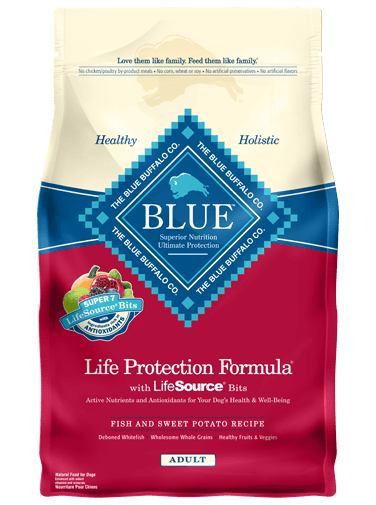 What’s Being Recalled?
The company is voluntarily recalling a single batch of its Blue Buffalo Life Protection Formula Fish and Sweet Potato Recipe for Dogs with the following batch information:
What Caused the Recall?
According to a company representative, the voluntary recall was initiated due the discovery of excessive moisture and mold.
The recall is limited to a single batch that was manufactured during one 2 hour period.
What to Do?
Customers are invited to return affected product to the place of purchase for a full refund.
Those with questions may call Blue Buffalo Customer Service at 855-201-4331 between 8 am and 5 pm ET, Monday through Friday.
U.S. citizens can report complaints about FDA-regulated pet food products by calling the consumer complaint coordinator in your area.
Or go to http://www.fda.gov/petfoodcomplaints.
Canadians can report any health or safety incidents related to the use of this product by filling out the Consumer Product Incident Report Form.
ooOOoo
All of you stay safe out there!
There are some foods that are potentially very dangerous for cats.
Over two years ago I published an article that had been written by a guest. His name is Rohit Agarwal and the article that he wrote for Learning from Dogs was called Dogs and Fences. As it is likely that some readers may not have recalled Rohit’s piece and my introduction, let me repeat a part of what I said in that introduction:
I had no foreknowledge of Rohit, who described himself thus:
Author Bio: Rohit is a dog lover and pet enthusiast; he owns two adorable and wonderful dogs that include a German shepherd and a Labrador retriever. As work keeps him away from home, concerns arise about the safety and comfort of his pet friends, which made him try out various products that facilitate the same. Recently he was worried about leaving his dogs in the yard of his house and tried the underground fence for dogs, which worked great.
Rohit also made clear that he is a contributor to Petstek.com, the company behind the link in the last sentence of his bio.
Rohit’s article was well received so when he recently offered a further guest piece I had no hesitation in saying yes. Here it is.
ooOOoo
Six Foods Cats Should Never, Ever Eat!
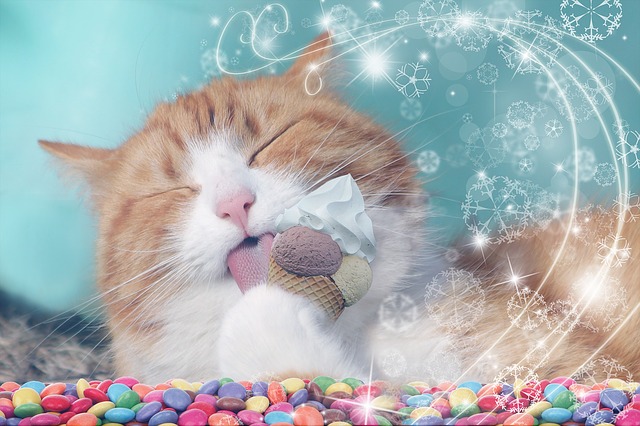
We all are guilty of sneaking our animal family members some human food. In the case of our felines, they often sneak their own tasty treats. It is all fun and most food is generally safe for cats to eat. Unfortunately, not all of our food is considered safe for cats to consume. Here are a few foods to avoid.
Image Credits ThePixelman, CC0 1.0
Raisins
Raisins seem like a totally safe option for an animal, but unfortunately they are quite dangerous for felines. Scientists haven’t figured out the toxin, but consuming raisins can lead to sudden kidney failure in cats. This also means that grapes are off limits. If you notice that your cat has consumed either grapes or raisins, watch them closely for signs of toxicity. These signs include diarrhea, lack of appetite, lethargy, and abdominal pain. Usually, to cause death, large amounts have to be consumed, but even small amounts can lead to sickness.
Onions
Onions can potentially destroy a cat’s red blood cells which can cause a number of blood problems, such as anemia. This holds true for onions in any form, such as powdered, raw, and cooked. Onion powder can be in a multitude of food so be sure to read labels if you think you might give your feline friend a taste of dinner. Garlic is in the same family as onions, so therefore, all of this holds true for garlic in all forms. Garlic is less toxic.
Raw eggs
Humans are supposed to avoid eating raw eggs, so it make sense that our felines should avoid it as well. Eating a raw egg contains a risk of a bacterial infection which is called food poisoning. Your cat could potentially get salmonella or E.coli. Both of these infections could easily lead to death in such a small animal.
Alcohol
Now, this one might seem obvious, but cats are known for being sneaky and taking a lap of their owner’s drink. Consuming even small amounts of alcohol can lead to intoxication and alcohol poisoning. Because of their size, it can take as little as two teaspoons to do damage to their system or cause the cat to enter into a coma. More than two teaspoons can quickly lead to death.
Caffeine
Just like in canines, caffeine is not recommended for any breed of cats. In large quantities, caffeine is capable of being fatal. It is a diuretic that can lead to dehydration. Caffeine also overstimulates the heart and nervous system. If your cat consumes any, watch for signs of caffeine poisoning which includes restlessness, rapid breathing, heart palpitations, and tremors. Remember, caffeine isn’t just in coffee and soda; it is also found in tea, cold medicines and chocolate of all forms.
Chocolate is also lethal to cats, just as it is extremely dangerous for dogs. The agent in chocolate that leads to death is called theobromine. It can be found in all forms of chocolate, but it is especially dangerous in unsweetened baking chocolate. Eating chocolate can lead to tremors, an abnormal heart rhythm, seizures, and death.
Fat Trimmings and Bones
This one doesn’t seem so obvious; felines eat meat so one would assume fat trimmings would be safe. Consuming fat can lead to intestinal issues such as vomiting and diarrhea. It can also cause pancreatitis. Signs of pancreatitis include lethargy, dehydration, and loss of appetite. Sometimes, a cat can also run a fever. Avoiding bones does make more sense. Small bones can easily splinter which could cause lacerations in the stomach or choking.
If you believe that your cat has eaten any of these foods, you should watch them closely for any signs of illness. Contact your veterinarian if concerned. Prevention is key to keeping your feline friend safe.
ooOOoo
Let’s keep all our lovely animals safe!
Why it’s impossible to actually be a vegetarian!
Jean and I are both vegetarians. Indeed, Jean has been a ‘veggie’ for decades and I swung inline with her when we started being together in 2008.
So it was natural (pun unintended!) for my eyes to notice a recent item that was published over on The Conversation.
Not only is it an interesting article but it also saved my bacon (pun intended!) when I was running out of time and wondering what to post for today.
The article is republished here within the generous terms of The Conversation.
ooOOoo
April 26, 2016

In case you’ve forgotten the section on the food web from high school biology, here’s a quick refresher.
Plants make up the base of every food chain of the food web (also called the food cycle). Plants use available sunlight to convert water from the soil and carbon dioxide from the air into glucose, which gives them the energy they need to live. Unlike plants, animals can’t synthesize their own food. They survive by eating plants or other animals.
Clearly, animals eat plants. What’s not so clear from this picture is that plants also eat animals. They thrive on them, in fact (just Google “fish emulsion”). In my new book, “A Critique of the Moral Defense of Vegetarianism,” I call it the transitivity of eating. And I argue that this means one can’t be a vegetarian.
I’ll pause to let the collective yowls of both biologists and (erstwhile) vegetarians subside.
A transitive property says that if one element in a sequence relates in a certain way to a second element, and the second element relates in the same way to a third, then the first and third elements relate in the same way as well.
Take the well-worn trope “you are what you eat.” Let’s say instead that we are “who” we eat. This makes the claim more personal and also implies that the beings who we make our food aren’t just things.
How our food lives and dies matters. If we are who we eat, our food is who our food eats, too. This means that we are who our food eats in equal measure.
Plants acquire nutrients from the soil, which is composed, among other things, of decayed plant and animal remains. So even those who assume they subsist solely on a plant-based diet actually eat animal remains as well.
This is why it’s impossible to be a vegetarian.
For the record, I’ve been a “vegetarian” for about 20 years and nearly “vegan” for six. I’m not opposed to these eating practices. That isn’t my point. But I do think that many “vegetarians” and “vegans” could stand to pay closer attention to the experiences of the beings who we make our food.
For example, many vegetarians cite the sentience of animals as a reason to abstain from eating them. But there’s good reason to believe that plants are sentient, too. In other words, they’re acutely aware of and responsive to their surroundings, and they respond, in kind, to both pleasant and unpleasant experiences.
Check out the work of plant scientists Anthony Trewavas, Stefano Mancuso, Daniel Chamowitz and František Baluška if you don’t believe me. They’ve shown that plants share our five senses – and have something like 20 more. They have a hormonal information-processing system that’s homologous to animals’ neural network. They exhibit clear signs of self-awareness and intentionality. And they can even learn and teach.
It’s also important to be aware that “vegetarianism” and “veganism” aren’t always eco-friendly. Look no further than the carbon footprint of your morning coffee, or how much water is required to produce the almonds you enjoy as an afternoon snack.
I suspect how some biologists may respond: first, plants don’t actually eat since eating involves the ingestion – via chewing and swallowing – of other life forms. Second, while it’s true that plants absorb nutrients from the soil and that these nutrients could have come from animals, they’re strictly inorganic: nitrogen, potassium, phosphorus and trace amounts of other elements. They’re the constituents of recycled minerals, devoid of any vestiges of animality.
As for the first concern, maybe it would help if I said that both plants and animals take in, consume or make use of, rather than using the word “eat.” I guess I’m just not picky about how I conceptualize what eating entails. The point is that plants ingest carbon dioxide, sunlight, water and minerals that are then used to build and sustain their bodies. Plants consume inasmuch as they produce, and they aren’t the least bit particular about the origins of the minerals they acquire.
With respect to the second concern, why should it matter that the nutrients drawn by plants from animals are inorganic? The point is that they once played in essential role in facilitating animals’ lives. Are we who we eat only if we take in organic matter from the beings who become our food? I confess that I don’t understand why this should be. Privileging organic matter strikes me as a biologist’s bias.
Then there’s the argument that mineral recycling cleanses the nutrients of their animality. This is a contentious claim, and I don’t think this is a fact of the matter. It goes to the core of the way we view our relationship with our food. You could say that there are spiritual issues at stake here, not just matters of biochemistry.
Let’s view our relationship with our food in a different way: by taking into account the fact that we’re part of a community of living beings – plant and animal – who inhabit the place that we make our home.
We’re eaters, yes, and we’re also eaten. That’s right, we’re part of the food web, too! And the well-being of each is dependent on the well-being of all.
From this perspective, what the self-proclaimed “farmosopher” Glenn Albrecht calls sumbiotarianism (from the Greek word sumbioun, to live together) has clear advantages.
Sumbioculture is a form of permaculture, or sustainable agriculture. It’s an organic and biodynamic way of farming that’s consistent with the health of entire ecosystems.
Sumbiotarians eat in harmony with their ecosystem. So they embody, literally, the idea that the well-being of our food – hence, our own well-being – is a function of the health of the land.
In order for our needs to be met, the needs and interests of the land must come first. And in areas where it’s prohibitively difficult to acquire the essential fats that we need from pressed oils alone, this may include forms of animal use – for meat, manure and so forth.
Simply put, living sustainably in such an area – whether it’s New England or the Australian Outback – may well entail relying on animals for food, at least in a limited way.
All life is bound together in a complex web of interdependent relationships among individuals, species and entire ecosystems. Each of us borrows, uses and returns nutrients. This cycle is what permits life to continue. Rich, black soil is so fertile because it’s chock full of the composted remains of the dead along with the waste of the living.
Indeed, it’s not uncommon for indigenous peoples to identify veneration of their ancestors and of their ancestral land with the celebration of the life-giving character of the earth. Consider this from cultural ecologist and Indigenous scholar-activist Melissa Nelson:
The bones of our ancestors have become the soil, the soil grows our food, the food nourishes our bodies, and we become one, literally and metaphorically, with our homelands and territories.
You’re welcome to disagree with me, of course. But it’s worth noting that what I propose has conceptual roots that may be as old as humanity itself. It’s probably worth taking some time to digest this.
ooOOoo
In reflecting on how to close this post I couldn’t help thinking that “The bones of our ancestors have become the soil, ” presumably includes the bones of our dogs! Leading me to ponder that maybe our dogs from old are nourishing our bodies; I would like to think that is the case.
Came in late yesterday afternoon.
Smallbatch Pets has announced it is voluntarily recalling a select lot of its Duckbatch Sliders frozen dog food because it may be contaminated with Salmonella and Listeria.
March 26, 2016 — Smallbatch Pets Inc. is voluntarily recalling one lot of frozen dog Duckbatch Sliders due to their potential to be contaminated with Salmonella and Listeria monocytogenes.
The following image was copied in good faith by The Dog Food Advisor from Smallbatch Pets’ website and may not be a true representation of the recalled product.
 What’s Recalled?
The affected products are sold frozen in 3 pound bags and can be identified with the following manufacturing codes:
The “Best By” date is located on the back of the package below the seal.
Eighty cases of the affected lot of dog Duckbatch Sliders were sold between the dates of February 23, 2016 and March 10, 2016.
They were distributed to retail pet food stores in the following states:
Salmonella and Listeria can affect animals eating the products and there is risk to humans from handling contaminated pet products, especially if they have not thoroughly washed their hands after having contact with the products or any surfaces exposed to these products.
Healthy people infected with Salmonella and Listeria monocytogenes should monitor themselves for some or all of the following symptoms: nausea, vomiting, diarrhea or bloody diarrhea, abdominal cramping and fever.
Rarely, Salmonella and Listeria monocytogenes can result in more serious ailments, including arterial infections, endocarditis, arthritis, muscle pain, eye irritation, and urinary tract symptoms.
Consumers exhibiting these signs after having contact with this product should contact their healthcare providers.
Pets with Salmonella and Listeria monocytogenes infections may be lethargic and have diarrhea or bloody diarrhea, fever, and vomiting.
Some pets will have only decreased appetite, fever and abdominal pain.
Infected but otherwise healthy pets can be carriers and infect other animals or humans.
If your pet has consumed the recalled product and has these symptoms, please contact your veterinarian.
No pet or consumer illnesses from this product have been reported to date.
However, because of their commitment to safety and quality, Smallbatch Pets is conducting a voluntary recall of this product.
Consumers should also follow the Simple Handling Tips published on the Smallbatch Pets package, when disposing of the affected product.
This recall was initiated after routine testing by the Food and Drug Administration of a 3 pound bag of dog Duckbatch Sliders that was collected at a distributor revealed the presence of Salmonella and Listeria monocytogenes.
This recall is being made with the knowledge of the U.S. Food and Drug Administration.
Consumers who have purchased the above lots of dog duck sliders are urged to stop feeding them and return product to place of purchase for a full refund or dispose of them immediately.
Those with questions may call Smallbatch Pets at 888-507-2712, Monday through Friday, 9:00 AM to 4:00 PM PT. Or email the company at info@smallbatchpets.com
U.S. citizens can report complaints about FDA-regulated pet food products by calling the consumer complaint coordinator in your area.
Or go to http://www.fda.gov/petfoodcomplaints.
Canadians can report any health or safety incidents related to the use of this product by filling out the Consumer Product Incident Report Form.
Get free dog food recall alerts sent to you by email. Subscribe to The Dog Food Advisor’s recall notification list.
Dear readers, the source of the above information is here.
Do share this amongst your doggie friends!
As reported yesterday.
March 18, 2016 — Fromm Family Foods of Mequon, Wisconsin, has announced it is voluntarily recalling three of its canned dog foods because they may contain elevated levels of vitamin D.
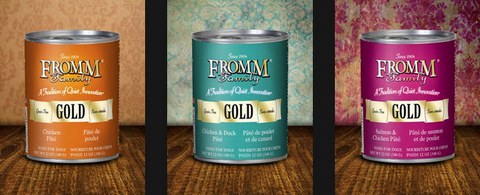
The company is recalling all lots of the following three Fromm Gold canned dog foods:
The affected products were shipped to distributors between December 2015 and February 2016.
Fromm has discovered through its own analysis that the affected canned dog foods do not contain recommended levels of vitamins and minerals.
These products may contain elevated levels of Vitamin D.
According to the company…
The recall is being implemented in an abundance of caution as symptoms should only be noted in situations where dogs have eaten the affected products as their only meal for an extended period of time and leading to depression of appetite.
While there have been no reports of any health problems, Fromm is recommending the affected products not be fed.
The company has notified the FDA and has also invited distributors as well as The Dog Food Advisor to share the details of this event with consumers.
Recalled product may be returned to authorized Fromm retailers for a full refund.
Consumers with questions may call Fromm Customer Service at 800-325-6331. The company has added additional hours to assist dog owners during the recall.
U.S. citizens can report complaints about FDA-regulated pet food products by calling the consumer complaint coordinator in your area.
Or go to http://www.fda.gov/petfoodcomplaints.
Canadians can report any health or safety incidents related to the use of this product by filling out the Consumer Product Incident Report Form.
Get free dog food recall alerts sent to you by email. Subscribe to The Dog Food Advisor’s recall notification list.
ooOOoo
As always, feel free to share this widely with other dog lovers. For we must look after our fabulous friends.

