This came in late yesterday afternoon, Pacific Time.
This was the email that was sent out.
Evanger’s Dog and Cat Food Company of Wheeling, Illinois, has announced it is voluntarily recalling specific lots of its pet food due to its potential to be contaminated with pentobarbital.
To learn which products are affected, please visit the following link:
If one goes to that Evanger’s Recall Link then this is what you will read. It is republished in full.
ooOOoo
Evanger’s Dog Food Recall of February 2017
February 3, 2017 — Evanger’s Dog and Cat Food Company, Inc. of Wheeling, Illinois, is voluntarily recalling specific lots of its Hunk of Beef product due to potential contamination with the deadly drug, pentobarbital.
Pentobarbital can affect animals that ingest it, and possibly cause side effects such as drowsiness, dizziness, excitement, loss of balance or nausea — or in extreme cases, death.
What’s Being Recalled?
Although pentobarbital was detected in a single lot, the company is recalling all related Hunk of Beef products manufactured the week of June 6 through June 13, 2016.
The affected lots numbers that start with 1816E03HB, 1816E04HB, 1816E06HB, 1816E07HB, and 1816E13HB, and have an expiration date of June 2020.
The second half of the barcode reads 20109, which can be found on the back of the product label.
Where Was the Product Sold?
The affected products were sold both online and also distributed to retail locations only in the following states:
California
Florida
Georgia
Illinois
Indiana
Maryland
Massachusetts
Michigan
Minnesota
New York
Ohio
Pennsylvania
South Carolina
Washington
Wisconsin
About the Recall
The recall affects 5 lots of food that were produced from its supplier’s lot of beef, which is specifically used for the Hunk of Beef product and no other products.
To date, five dogs reportedly became ill. And one of the five dogs died after consuming the product with lot number 1816E06HB13. [Ed: My emphasis]
Evanger’s is proactively issuing a recall so as not to risk potential exposure to pentobarbital in the product.
According to Evanger’s, all suppliers of meat products are USDA approved.
The insists the beef supplier provides the company with beef chunks from cows that are slaughtered in a USDA facility.
Evanger’s continues to investigate how the contaminant entered its raw material supply.
Because it sources its meat products from suppliers that are USDA approved and since no other products have reported any problems, the company is not extending the recall to other supplier lots.
According to Evanger’s, this is the first recall event for the company in its 82 years of manufacturing.
What to Do?
Although it has been verified that little or no product remains on store shelves, consumers are asked to return recalled product to the place of purchase for a full refund.
Consumers with questions may contact the company at 847-537-0102 between 10 AM and 5 PM Central Time, Monday through Friday.
U.S. citizens can report complaints about FDA-regulated pet food products by calling the consumer complaint coordinator in your area.
I will, of course, continue to publish every dog food alert that comes into my in-box. But don’t let that stop you from signing up for recall alerts on your own account.
Finally, if any of you are users of Evanger’s Hunk of Beef dog food and want to share your experiences then I shall be very happy to publish them here for the wider benefit of every single person who loves dogs!
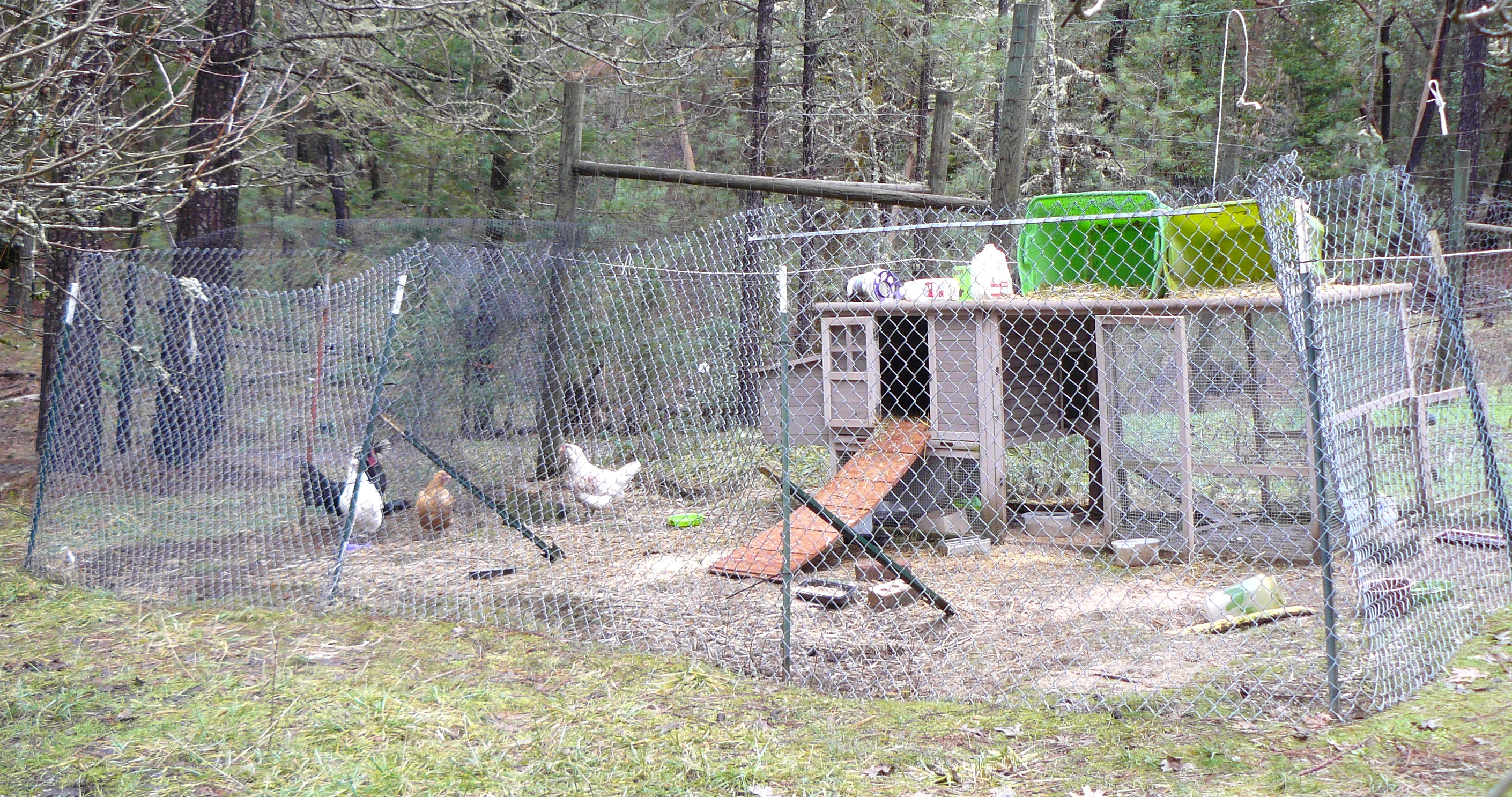
We have a rather run-down ‘home’ for our chickens close to the house. It was run-down before the snow fell and almost brought down the surrounding wire fence.
But, hopefully, this coming Thursday sees a new walk-in run being constructed for our birds so they are better protected.
It’s time we started paying attention to chickens, one of the most misunderstood and ignored species on Earth.
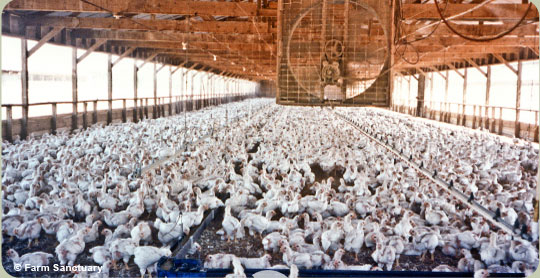
There was a time when chickens were viewed as exotic, fascinating birds. Descendants of exotic Asian jungle fowl, they were revered for their ferocity and intelligence, and domesticated around 8,000 years ago, more for cockfighting than eating. But then, we humans began eating them in ever-larger quantities, until we reached the point where we are now, with 20 billion (mostly white) chickens living in dirty, crowded barns, awaiting slaughter.
Chickens have been a part of human lives for millennia, and yet they are one of the most misunderstood, if not ignored, species on Earth. Lori Marino, an American neuroscientist and animal intelligence researcher, wants to change this. She is intrigued by the fact that chickens are so rarely recognized for their cognitive abilities and frustrated that studies about birds almost always focus on other, less-domesticated species, like crows and parrots.
“Arguably even the scientific community has been influenced by public perceptions of chickens as cognitively simple… This asymmetry in the literature is likely a reflection of, as well as a contributor to, the disconnect scientists and the public have between chickens as commodities and who they actually are as individuals.”
Chickens deserve more attention, and here are some quirky, interesting facts to get you thinking about chickens less as food and more as fascinating co-inhabitants of our world. These come via Marino’s recent paper, “Thinking Chickens,” published online in Animal Cognition in January 2017.
1. Chickens are a sub-species of the red jungle fowl that hails from southeast Asia.
The red jungle fowl (galls gallus) inhabit the edges of fields, scrubland, and groves. Domestication was well established 8,000 years ago, but some records suggest it could have started as much as 58,000 years ago.
2. Domestic chickens are similar to their wild counterparts.
Despite the intense breeding and genetic manipulation of recent years, chickens have not been cognitively or behaviorally affected by domestication. This stands in contrast to dogs and wolves, for example, which have diverged significantly due to domestication. Nor have chickens become less aggressive toward predators through domestication, which is a common outcome; in fact, some chickens are more aggressive even than red jungle fowl.
3. A chicken’s beak is highly sensitive to touch.
The beak, with numerous nerve endings, is used to explore, detect, drink, preen, and defend. This also means that when a bird is de-beaked, as often happens in industrial farming, it experiences great pain, sometimes for months, which changes its behavior. Marino writes, “At the end of the beak is a specialized cluster of highly sensitive mechanoreceptors, called the bill tip organ, which allows chickens to make fine tactile discriminations.”
4. Chickens have finely tuned senses.
They can see long distance and close-up at the same time in different parts of their vision. They can see a broader range of colors than humans. They can hear at low and high frequencies at a variety of pressure levels. They possess well-developed senses of taste and smell. They can orient to magnetic fields, like many other birds.
5. Chickens are surprisingly good at math.
Three-day-old chicks are able to perform basic arithmetic and discriminate quantities, always opting to explore a set of balls with the greater number, even when an object was visibly transferred from one set to another. Five-day-old chicks have been found to track up to five objects.
“When they were presented with two sets of objects of different quantities disappearing behind two screens, they were able to successfully track which screen hid the larger number by apparently performing simple addition and subtraction.”
6. Chickens can exercise self-control.
In an experimental setting, chickens have been given the choice between 2-second delay with 6 seconds of access to food, versus a 6-second delay with 22-seconds of access to food. The hens waited for the longer reward, “demonstrating rational discrimination between different future outcomes while employing self-control to optimize those outcomes.” Self-control usually doesn’t appear in humans until four years of age.
These are just a few of the remarkable discoveries described in Marino’s study, a highly readable, entertaining paper. It’s an important reminder that chickens, arguably the most ubiquitous animals in our world, deserve far more respect than they currently receive. Hopefully this will lead to more people questioning the horrific conditions in which most of them are kept.
It’s easy to fall into the trap of looking for a humourous way to close today’s post. But a more responsible approach would be to repeat the words from the start of the article to serve as a reminder of trying, wherever possible, to think about the food we eat, especially when animals and birds have to be slaughtered to provide us with that food.
…. we reached the point where we are now, with 20 billion (mostly white) chickens living in dirty, crowded barns, awaiting slaughter.
But please don’t leave this page until you have watched the following video.
Published on Dec 3, 2014
After 22 years of raising chickens for Perdue, one brave factory farmer Craig Watts was at his breaking point and did something no one has done before. He invited us, as farm animal welfare advocates, to his farm to film and tell his story. Ask your supermarket for Better Chicken at http://better-chicken.org.
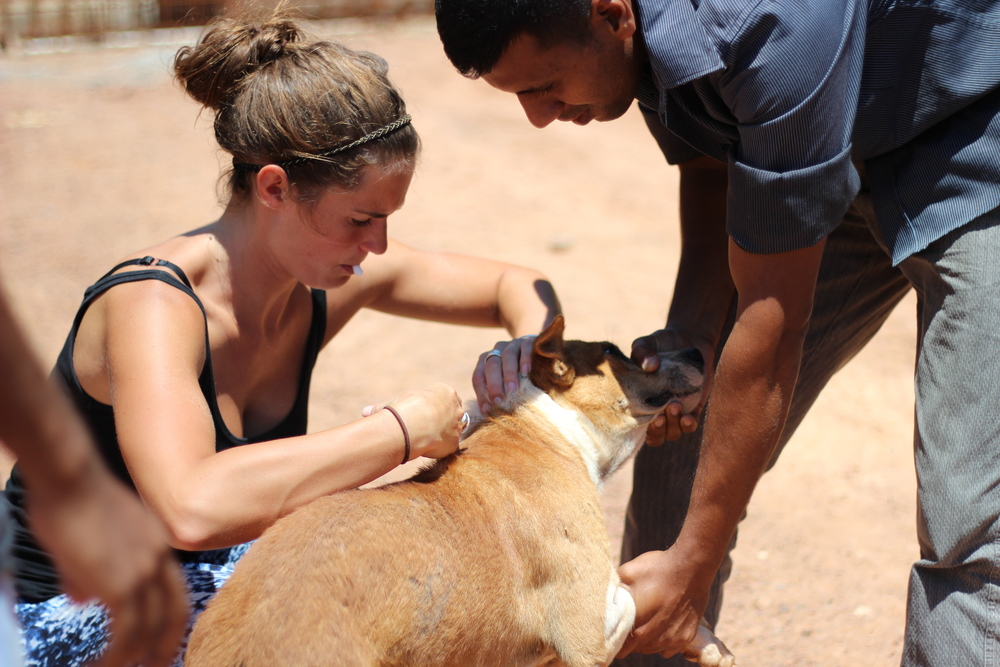
A vet has left behind her home in England to care for Sri Lanka’s street dogs.
Janey Lowes from Barnard Castle, County Durham, has spent the past two years caring for the neglected animals.
There are about three million street dogs on the island – about 60% of puppies born on the street do not survive to adulthood.
The 28-year-old set up charity WECare Worldwide to raise money to buy the equipment needed to treat the animals and to set up her own clinic in Talalla.
I am pleased that the video clip that was included in the BBC News story has found its way to YouTube.
Inevitably the charity WECare Worldwide has its own website: the home page is here. Then you can read on the charity’s ‘About’ page: (Note: CNVR is the acronym standing for catch-neuter-vaccinate-release.)
CNVR
CNVR is carried out as it is the most humane way to reduce roaming dog populations and reduce the number of unwanted puppies that are dumped on the streets at a very young age. It also allows the females that would inevitably spend their whole lives pregnant to only have to worry about number one when thinking about limited food resources and shelter options, which transforms their lives.
Vaccinating the dog population against Rabies is the most effective way to eliminate the disease in the human population. As an island nation, eradication of Rabies in the near future is a very real possibility and will change the future of both animals and humans here, allowing improved relationships between the two.
CNVR is the backbone of everything we are trying to achieve in Sri Lanka.
But that’s only one part of what they do. Again, as the website sets out:
We focus on 3 main areas here in Sri Lanka.
CNVR (catch-neuter-vaccinate-release)
Treatment of sick and injured animals
Education and training
I shall be making contact with the charity very soon .
Not only to pass on our respect and admiration for what she has accomplished but to see if there are other ways we can help them in what they are doing. I use the word ‘we’ to cover not only Jean and me but also all of you who are close to this blog and who, so frequently, show how much love you have for dogs!
WECare Worldwide will help by providing free veterinary treatment, alongside love, compassion and respectful care of the Ceylon dogs, who make up such a huge part of Sri Lankan heritage and culture, both in the past and the current day.
As released by Dog Food Advisor at 07:45 PST today.
Blue Ridge Beef of Eatonton, Georgia, has announced it is voluntarily recalling one lot of its raw frozen pet food due to its potential to be contaminated with Listeria monocytogenes bacteria.
To learn which products are affected, please visit the following link:
When one goes to that Blue Ridge web link this is what you will read:
ooOOoo
January 17, 2017 — Blue Ridge Beef of Eatonton, Georgia, has announced it is voluntarily recalling one lot of its Turkey with Bone raw frozen product due to its potential to be contaminated with Listeria monocytogenes.
What’s Being Recalled?
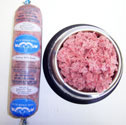
The affected product is sold in 2 pound chubs and can be identified with the following manufacturing codes:
Blue Ridge Beef Turkey with Bone
Size: 2 pound chubs
UPC Code 854298001887
Lot #103 mfdga12716
About Listeria
Listeria can affect animals eating the product.
And there is a risk to humans from handling contaminated pet products, especially if they have not thoroughly washed their hands after having contact with the products or any surface exposed to these products.
Healthy people infected with Listeria monocytogenes should monitor themselves for some or all of the following symptoms: nausea, vomiting, diarrhea or bloody diarrhea, abdominal cramping and fever.
Consumers exhibiting these signs after having contact with this product should contact their healthcare provider.
Where Was It Distributed?
The affected products were distributed to retail stores in the following states:
Florida
Georgia
North Carolina
South Carolina
What Caused the Recall?
This recall was initiated as a result of an FDA inspection and sampling of the product. This recall is being made with the knowledge of the US Food and Drug Administration.
What to Do?
Consumers who have purchased the above lot of Blue Ridge Beef Turkey with Bone raw frozen product are urged to stop feeding the product and return it to the place of purchase for a full refund.
Or dispose of the affected product immediately.
Those with questions can email the company at blueridgebeefga@yahoo.com
U.S. citizens can report complaints about FDA-regulated pet food products by calling the consumer complaint coordinator in your area.
(This was first posted on December 8th, 2016. It is being republished because of the mention of peanut butter in the article presented in my post that came out an hour ago.)
ooOOoo
Keep peanut butter away from your dogs!
Because it could kill your beloved companion.
Fellow author Judi Holdeman sent me an email that contained a warning that had been in a recent health newsletter from Jeff Reagan. Here’s the essence of that warning (and my emphasis in parts):
If your dog is anything like my dog, they probably love a good scoop of peanut butter.
As I’m writing this, my pup Ellie is actually snuggled up next to my leg and going to town on her peanut butter filled Kong. She’s in heaven…
But I want to warn you about a NEW problem with dogs and peanut butter.
There’s been a number of reports lately of dogs who are winding up dead because of their beloved peanut butter.
How is this happening?
It has to do with a new ingredient being used in certain peanut butters.
That ingredient is xylitol.
Xylitol is an artificial sweetener that you’ll recognize from things like gum and candy.
And while it’s generally “safe” for humans to eat, it can be deadly for dogs. Just a small amount of it can cause severe liver damage and can even kill your dog.
From my research, I’ve found 5 brands of peanut butter that have recently added xylitol to their ingredients. I’m listing these brands below…
– Go Nuts Co
– Hank’s Protein Plus Peanut Butter
– Krush Nutrition
– Nuts N More
– P28
Now luckily most of these are NOT the most popular brands.
These brands are usually sold at specialty shops or health food stores.
But I still wanted to alert you to this…
Because if your dog is anything like mine, they probably love peanut butter.
So make sure you’re staying away from the brands I listed above.
And double-check the label on your peanut butter to make sure it doesn’t have xylitol in it.
Feel free to forward this email on to your friends or family that have dogs so they are aware of this…
– Jeff Reagan. Editor, Patriot Health Alliance
Please, good people, do share this as far and wide as possible.
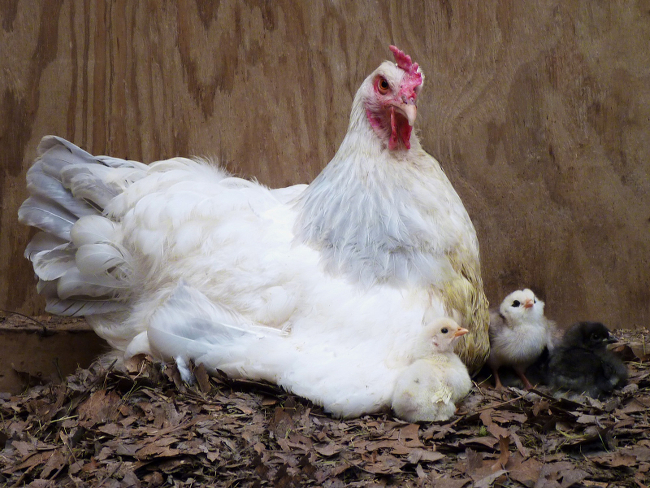
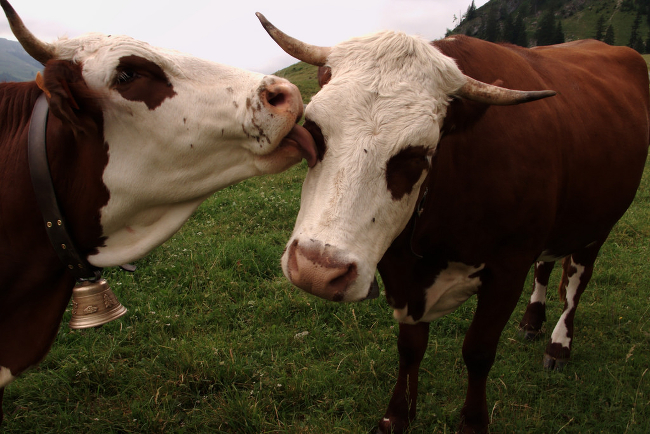
Smaller creatures taking a break!Larger creatures taking a break!
See what the coming week has in store! (Oh, we live in Josephine County!)
FLOOD WATCH
NATIONAL WEATHER SERVICE MEDFORD OR
151 PM PST SAT JAN 7 2017

...HEAVY RAIN WILL COMBINE WITH MELTING SNOW TO CAUSE POSSIBLE
LOCAL FLOODING LATE TONIGHT THROUGH SUNDAY...

.ANOTHER FRONT MOVES INTO THE REGION LATE TONIGHT WITH MODERATE
TO HEAVY RAINFALL RATES. SNOW LEVELS WILL RISE WELL ABOVE THE
VALLEY FLOORS AND WILL COMBINE WITH SNOW MELT TO INCREASE RUN-OFF
THROUGH THE DAY SUNDAY AND INTO SUNDAY NIGHT.
...FLOOD WATCH NOW IN EFFECT FROM LATE TONIGHT THROUGH SUNDAY
EVENING...

THE FLOOD WATCH IS NOW IN EFFECT FOR

* PORTIONS OF THE COOS AND CURRY COUNTY COASTS...EASTERN CURRY
  AND JOSEPHINE COUNTY IN OREGON...AND WESTERN SISKIYOU COUNTY IN
  NORTHERN CALIFORNIA.

* FROM LATE TONIGHT THROUGH SUNDAY EVENING.

* 1 TO 3 INCHES OF RAIN...WITH HIGHEST AMOUNTS NEAR THE COAST AND
  LOWEST NEAR GRANTS PASS...ARE EXPECTED ON SUNDAY. THIS MODERATE
  TO HEAVY RAIN COMBINED WITH SNOW MELT MAY CAUSE URBAN AND SMALL
  STREAM FLOODING. CURRY AND JOSEPHINE COUNTIES ARE THE PRIMARY
  AREAS OF CONCERN...HOWEVER...PORTIONS OF WESTERN SISKIYOU COUNTY
  MAY SEE LOCALIZED FLOODING AS WELL.

* RECENT BROKEN BRANCHES AND OTHER DEBRIS FROM THE HEAVY SNOW
  COMBINED WITH ICE MAY CLOG STORM DRAINS AND CULVERTS IN THE
  WATCH AREA. HEAVY RAIN MAY ALSO CAUSE SLIDES OR DEBRIS FLOWS ON
  THE GAP WILDFIRE BURN SCAR NEAR HORSE CREEK...POSSIBLY REACHING
  HIGHWAY 96 BELOW THE BURN SCAR.

PRECAUTIONARY/PREPAREDNESS ACTIONS...

LANDSLIDES AND DEBRIS FLOWS ARE POSSIBLE DURING THIS FLOOD EVENT.
PEOPLE...STRUCTURES AND ROADS LOCATED BELOW STEEP SLOPES...IN
CANYONS AND NEAR THE MOUTHS OF CANYONS MAY BE A SERIOUS RISK FROM
RAPIDLY MOVING LANDSLIDES. A FLOOD WATCH MEANS THERE IS A
POTENTIAL FOR FLOODING BASED ON CURRENT FORECASTS.
We’re about to turn over a new leaf on a new year — something I think we’re all pretty excited about — and it’s a good time to sit back, take stock, and think about what we want to do for ourselves, and the world, in 2017.
New year’s resolutions don’t have to be big and fancy, and sometimes they work best when they’re small and manageable, so I rounded up seven totally free ways you can help animals next year, from something you can do weekly (like writing letters) to bigger projects (like fostering animals).
1) Keep an eagle eye on upcoming animal-related legislation.
Photo credit: Anthony
Chances are that there’s some animal-related regulation coming your way in 2017 on the local, state and even federal level. This includes laws and ordinances as well as rules, regulations and executive orders. You can make a big difference by weighing in on these issues — sometimes, surprisingly few members of the public comment!
You can take advantage of resources for animal welfare groups and sites like Care2 to keep track of big upcoming government actions. You may want to call or write to support legislation, to ask that it be more robust, or to oppose it, depending on the contents. For legislation, you need to contact your elected official to explain how you feel and provide a concrete action to take, like “Please cosponsor this bill” or “please vote against this bill.” Rules and regulations are opened to public comment by the agencies making them, allowing you to speak at public meetings or submit written comments.
The Federal Register is a great place to search for upcoming regulations — it’s a little bit intimidating at first, but don’t let that put you off!
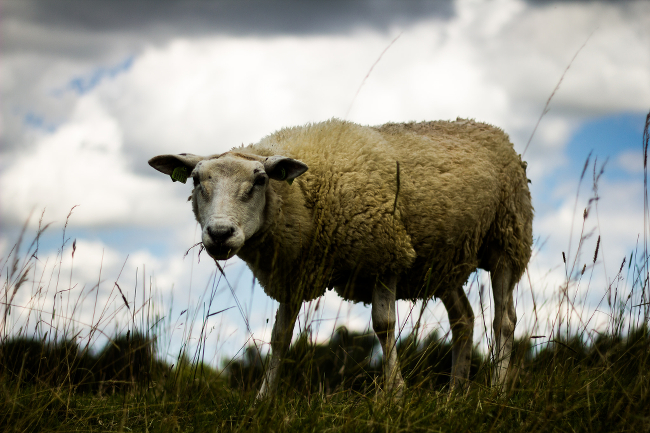
2) Don’t be sheepish — speak up about nonlethal solutions to predators and pests.
Photo credit: Lennart Tange
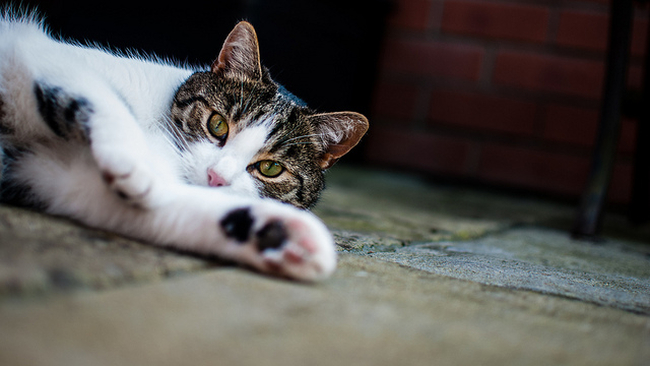
No matter where you live, there’s probably a battle brewing over feral cats, mountain lions, raccoons, coyotes, skunks, alligators, or someone else from the non-human world who’s getting squeezed by human incursion into its habitat. Historically, many areas have favored a lethal response to animals deemed “pests.” You can change that — and you already are, across the country. When you see animals on the agenda, speak up to request investigation into a nonlethal solution to a problem.
For example, maybe a feral cat colony is causing controversy in the community. You can talk about how responsible colony management should control numbers and limit annoying smells. You could also discuss how research shows that TNR can be more effective at long-term colony management than just trapping and removing cats — in Florida, they found that doing this just allowed other predators to move in, creating an even bigger headache!
Come backed with research and evidence, rather than emotion. You can look to advocacy groups for their data, but also explore scientific papers, and see how other municipalities are dealing with the same problem, because they may have tips to share.
3) Lend a paw at a local animal welfare organizations.
Photo credit: Chris Perriman
Animal welfare groups can always use volunteer help. At the shelter, they don’t just need a hand with cuddling cats, walking dogs, and handling other species. They need all kinds of help, from more boring stuff like cleaning and filing to web design, social media management, legal counseling, accounting, event planning, and much more. Even something as simple as taking your camera (or your photography class) to the shelter once a week to photograph everyone who’s looking for a home can make a huge difference. It turns out that great shelter photos save lives!
Advocacy groups that don’t run shelters or don’t have one in your area also need help. Lots of mundane office stuff is time consuming, and volunteers can make it go more smoothly, whether you’re stuffing envelopes or answering phones. If you have special training or skills, offer those too, especially if you’re willing to get into a long-term relationship with the group. Pro-bono legal services, for example, are incredibly valuable. Your graphic design skills could help them relaunch an impressive, gorgeous website. You get the idea!
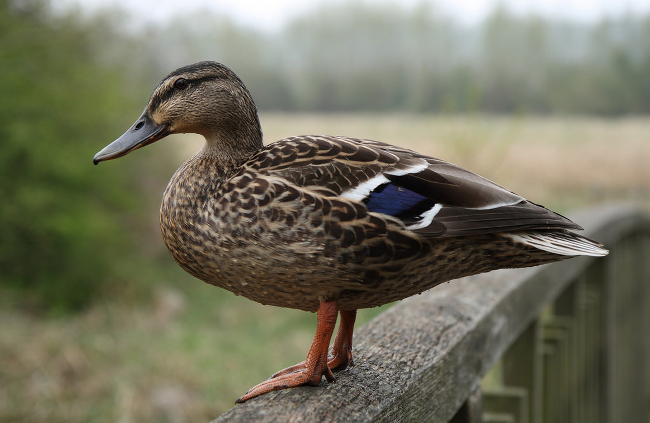
4) Don’t duck the issues — teach youth about animal welfare issues.
Photo credit: Danny Chapman
Many kids love animals, and the best time to hit people with humane messages is when they’re young. Some organizations actually offer humane educator training to help people learn about how to communicate with children about animal welfare issues. Humane educators can lead classes and mentor kids in the community, whether they’re taking people on bird walks and teaching them about ecology or working with kids who are learning to ride horses to teach them how to handle their mounts respectfully and kindly.
If you already are an educator, consider working humane topics into your curriculum. If you’re not, look into what might be required to teach classes at a community center, mentor students in programs like 4-H and FFA, lead educational sessions at a local museum (another great volunteer opportunity!), or come into classrooms with presentations. You may need some training and a background check to work with youth, but once you’re squared away, you can establish lasting relationships with teachers and schools to introduce humane coursework to the classroom and beyond.
5) You’ve goat mail — or at least, someone will after you write a letter on behalf of animals!
Photo credit: Holly Occhipinti
Once a week — or every two weeks, or once a month — resolve to sit down and write a letter. It doesn’t have to be an epic, and you can establish a template, but pick a specific person to target, and go to town. Maybe you want to write a letter-to-the-editor once a month about an animal issue in your community that you’re concerned about. Perhaps you want to write a letter to a corporation to ask them to stop, or start, a practice related to animals — like dropping animal testing, or introducing tougher humane standards to the supply chain.
Keep your letter concise, polite and actionable. Explain why you’re writing, the basis for your concern, the solution you’re recommending and why. You can appeal to issues like cost efficiency, making your town more attractive for visitors, compassion for animals (that’s why we’re here, after all!), falling in line with industry-wide practices, setting an example for others, or any number of other things. Present a clear case for what you’re arguing so that the person reading your letter is moved to act, and has something to bring to other people while trying to convince them to get involved.
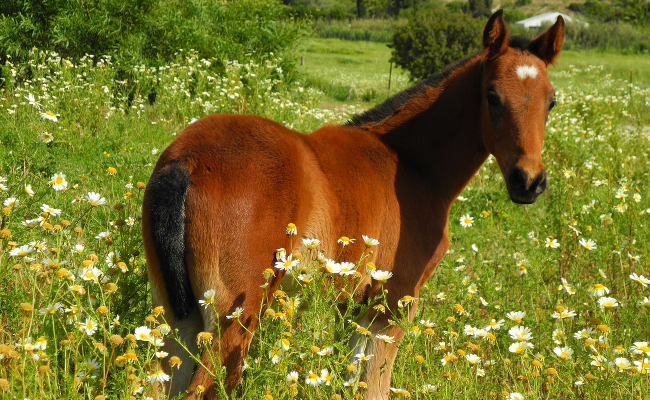
6) Be a mother hen — foster somebody in need.
Photo credit: normanack
If you can’t adopt more animals or don’t have room for a full-time friend in your life, consider fostering. Fostering saves lives, getting animals who can’t handle shelter stress or who need a little extra care to a safe place where they can unwind and grow into themselves. Some shelters have foster programs, and many animal welfare groups do — some run almost entirely on fosters, in fact!
Generally, participants in a foster program are provided with food, medication and veterinary expenses to keep things low-key for you. If you have a spare room, fostering can be a great fit for your life, although watch out for foster fail! (When that kitten you swore you were just fostering is still lying on the living room rug ten years later, you are definitely a victim of foster fail.)
When fostering, be honest about what you can and cannot take on: For example, if you have a barn, you might be able to handle horses and sheep, but not notoriously mischievous and curious goats. You might not be able to take a kitten who needs constant feeding, or a dog that has aggression issues.
That said, if you can stretch your comfort zone, do. Some animals need a little extra care because they’ve had a hard life. That makes them vulnerable to euthanasia, and a foster can make all the difference. Things like giving animals fluids or medications, managing diapers, or handling other vet stuff might sound scary, but it’s pretty easy to get the hang of it.
7) Don’t have a cow — on your plate or anywhere else.
Photo credit: Nicolas Vigier
We saved the easiest for last, because chances are that you’re already well on your way with this one. When it comes to what you eat, consider cutting animal products — or at least meat — out of your life. You’ll save a ton of suffering, and also, a ton of money, if you’re trying to cut back in 2017.
If you can’t cut animal products out entirely, consider moderating: Meatless Mondays are popular, for example! Something else that really works for me is a soup exchange — a group of us make huge batches of vegan soup and share them out once a month, so there’s always a go-to vegan meal hanging out in my fridge or freezer when I need it!
While you’re at it, think about what you wear and use, too. Leather is an obvious source of animal suffering, but some people also like to avoid fibers like wool and cashmere (cashmere also comes with a big environmental price tag). You’d also be surprised by where animal products sneak in, from bodycare products to that goop you waterproof your shoes with. (No really. Go look.)
And, of course, cutting animal testing out of your life is valuable too. Growing numbers of cosmetics are produced without the use of animal testing, though it’s always a good idea to independently verify to see if a company is skirting labeling conventions. For example, some companies say “made without animal testing” because they don’t test ingredients on animals, but third party contractors do. Ugh!
If you take medication, you’re caught in the animal testing trap — but it’s worth writing the manufacturer, as well as the FDA, which governs drug testing, to push for alternatives to animal testing so that you have cruelty free options for your health care needs.
You can also make your preference for cruelty free medical supplies clear to your health care providers as well, as they may be able to recommend alternatives if they’re aware that this is a concern for you. (For example, some sutures are made from animal products, which is weird and creepy, and pig valves are used in some valve replacement surgeries. Gross, right?)
Dear Fellow Dog Lover,
Because you signed up on our website and asked to be notified, I’m sending you this special recall alert. If you no longer wish to receive these emails, please click to unsubscribe.
Blue Ridge Beef of Eatonton, Georgia, has announced it is voluntarily recalling 2 of its raw frozen products due to their potential to be contaminated with Salmonella and Listeria bacteria.
To learn which products are affected, please visit the following link:
If you visit that Blue Ridge link you will read the following:
ooOOoo
December 8, 2016 — Blue Ridge Beef of Eatonton, Georgia has announced it is voluntarily recalling two of its frozen products due to their potential to be contaminated with Salmonella and/or Listeria monocytogenes.
What’s Being Recalled?
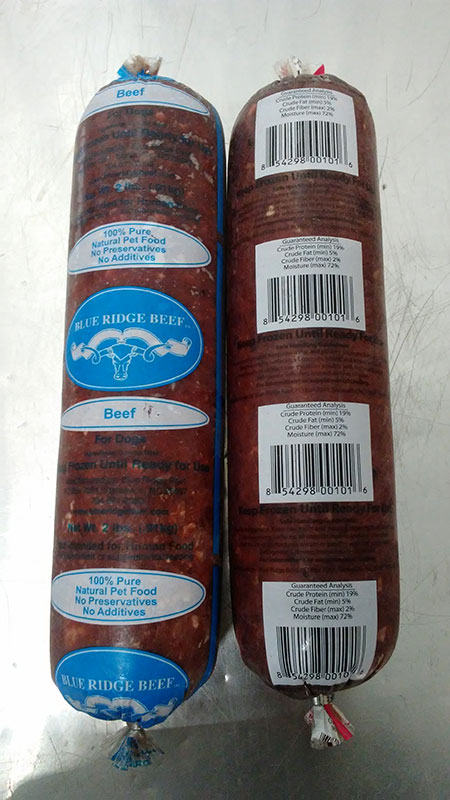
The affected products are sold in 2 pound chubs and can be identified with the following manufacturing codes:
Lot #mfd ga8516
Beef for dogs
UPC code 8542980011009
Lot #mfd ga81216
Kitten grind
UPC code 854298001016
Where Was It Sold?
The affected products were distributed to retail stores in the following states:
Arizona
Florida
Georgia
North Carolina
South Carolina
Texas
About Salmonella and Listeria
Salmonella and Listeria can affect animals eating the product.
There is a risk to humans from handling contaminated pet products, especially if they have not thoroughly washed their hands after having contact with the products or any surface exposed to these products.
Healthy people infected with Salmonella and/or Listeria should monitor themselves for some or all of the following symptoms:
Nausea
Vomiting
Diarrhea
Bloody disarrhea
Abdominal cramping
Fever
Consumers exhibiting these signs after having contact with this product should contact their healthcare provider. Consumers should also follow the simple handling tips on the package.
What Caused the Recall?
This recall was initiated after the FDA received two complaints associated with these products, including one complaint of two kitten illnesses and one complaint of a puppy death.
Subsequent testing by the FDA of a 2 pound chub of beef for dogs and kitten grind collected at a veterinary office revealed the presence of Salmonella and Listeria monocytogenes.
There is no direct evidence linking these unfortunate instances to contaminated product.
This recall is being made with the knowledge of the U.S. Food and Drug Administration.
What to Do?
Consumers who have purchased the above lots of beef for dogs or kitten grind are urged to stop feeding them and return products to the place of purchase for a full refund.
Or dispose of them immediately. Those with questions can email the company at blueridgebeefga@yahoo.com
U.S. citizens can report complaints about FDA-regulated pet food products by calling the consumer complaint coordinator in your area.
Four household products that could be making you sick.
In yesterday’s post I republished an email sent by fellow author Judi Holdeman warning about some brands of peanut butter in terms of potential harm to our gorgeous dogs. Or to be more precise about the dangers of xylitol that is an ingredient in those named brands.
Today, I am delighted to publish a guest post from Charlotte Meier. Charlotte explained to me that she “Operates Home Safety Hub, a site which provides resources on preventing injury and property loss. Her mission is the same as Home Safety Hub’s, which is to help people keep their homes safe. ” Yes, keeping our homes safe includes keeping our dogs safe.
Here is that guest post.
ooOOoo
Four household products that could be making you sick.
We tend to believe that household products such as cleaners or kitchen utensils are good for us. Keeping your house bacteria-free surely can’t have a negative effect on your well-being, right? Unfortunately, as the world becomes more eco-friendly, studies are now showing that your favorite household products could be damaging both you and the planet.
It is critical that you do the research necessary to identify healthy and eco-friendly products. However, that may be easier said than done. Here are a few common household products that could be harmful to your health or the environment.
Nonstick Cookware
Nonstick cookware (such as pots, pans, and baking dishes) was initially celebrated and sought-after, seeming to make cooking simpler and cleanup easy. However, we now know that the nonstick surface is created using Teflon which releases toxic gasses. When you use this cookware at a high temperature, you are essentially poisoning yourself and placing yourself at risk for organ failure, cancer, and other health concerns.
A few healthy alternatives are cast iron, stainless steel, and ceramic coated cookware. Just be certain you do your research on the proper way to care for each type of cookware. For example, cast iron cannot be washed with soap and should be dried immediately after rinsing to avoid rust.
Air Fresheners
Keeping your home smelling fresh with wall plug-ins or sprays is very common. However, many of these products can have a detrimental impact on your health. Furthermore, aerosols are very bad for the environment.
If you want your home to smell wonderful, there are a number of ways you can do so in an eco-friendly and beneficial way. Scented soy candles can be highly effective as can boiling aromatic spices. Recipes for seasonal home scent blends can be found for essential oil diffusers as well.
Garden Insecticides
If you are using insecticides in your garden or on your landscaping, lawn, or potted plants, you are endangering your health and the well-being of the planet. Insecticides are extraordinarily harmful, affecting the nervous system and respiratory system in humans while carrying toxins to water supplies and culling bee populations.
If you have a pest problem, you need to either seek out a home remedy such as vinegar or purchase a genuinely eco-friendly insect control.
Anti-Bacterial Cleaners
Exposure to bacteria is how our immune systems learn and grow. In order do that, you must embrace bacteria in your home. Anti-bacterial products keep your home sterile, leaving your immune system to drop its guard and increase the likelihood of getting sick. When you clean your home, you certainly want to keep it clean, but you do not want it entirely sterile. Anti-bacterial products may do more harm than good.
If you want an eco-friendly cleaner, try utilizing the app ThinkDirty, which rates the safety of household products in terms of their impact on people and the planet. Seventh Generation is one of the best lines of household goods for those seeking eco-friendly options.
Knowing how to best keep yourself and the planet well can be very difficult. False or misleading advertising can trick you into using unhealthy products and knowing what is truthful is no easy feat. However, with a little time, effort, and research, you can make the right decisions with your household products.
There you are good people; another Friday come and gone.
But I do hope that you found value in what Charlotte wrote about. Indeed, I have no doubt that many of you did.
Let me close by sharing the email that Charlotte sent me a couple of weeks ago.
Hi!
Our homes are our safe havens. In fact, the term “homesick” refers to a longing for the comfort and love that we associate with home when we’re away from it.
But many Americans, today, are homesick in a different way. They (and often their pets as well) are suffering from respiratory illnesses, skin irritations, allergies, and in some cases, even cancer, due to factors found in their homes.
As part of my research for my new site, HomeSafetyHub.org, I’ve been studying ways our homes make us sick and what we can do about them. I’d love to share what I’ve learned with your readers in the form of a guest article.
The article will offer tips and advice on what factors to test for, suggestions for easy, environmentally-friendly DIY repairs to eliminate problems, what products or building materials to avoid, and more.
If you’re interested in receiving a guest article, please let me know. No payment necessary, of course, I’d just love the opportunity to share my original content on a great site.
Hope to hear from you soon!
All the best,
Charlotte
Fellow author Judi Holdeman sent me an email that contained a warning that had been in a recent health newsletter from Jeff Reagan. Here’s the essence of that warning (and my emphasis in parts):
If your dog is anything like my dog, they probably love a good scoop of peanut butter.
As I’m writing this, my pup Ellie is actually snuggled up next to my leg and going to town on her peanut butter filled Kong. She’s in heaven…
But I want to warn you about a NEW problem with dogs and peanut butter.
There’s been a number of reports lately of dogs who are winding up dead because of their beloved peanut butter.
How is this happening?
It has to do with a new ingredient being used in certain peanut butters.
That ingredient is xylitol.
Xylitol is an artificial sweetener that you’ll recognize from things like gum and candy.
And while it’s generally “safe” for humans to eat, it can be deadly for dogs. Just a small amount of it can cause severe liver damage and can even kill your dog.
From my research, I’ve found 5 brands of peanut butter that have recently added xylitol to their ingredients. I’m listing these brands below…
– Go Nuts Co
– Hank’s Protein Plus Peanut Butter
– Krush Nutrition
– Nuts N More
– P28
Now luckily most of these are NOT the most popular brands.
These brands are usually sold at specialty shops or health food stores.
But I still wanted to alert you to this…
Because if your dog is anything like mine, they probably love peanut butter.
So make sure you’re staying away from the brands I listed above.
And double-check the label on your peanut butter to make sure it doesn’t have xylitol in it.
Feel free to forward this email on to your friends or family that have dogs so they are aware of this…
– Jeff Reagan. Editor, Patriot Health Alliance
Please, good people, do share this as far and wide as possible.
 What’s Being Recalled?












 Learning from Dogs