Category: Food

Resolutions

In twenty-four hours time it will be January 1st, 2017.

I saw the following recently on the Care2 website and thought that at many levels it would make a wonderful closing post for 2016.

ooOOoo

Seven New Year’s Resolutions to Protect Animals in 2017

3197109-largeBy: s.e. smith December 29, 2016

We’re about to turn over a new leaf on a new year — something I think we’re all pretty excited about — and it’s a good time to sit back, take stock, and think about what we want to do for ourselves, and the world, in 2017.

New year’s resolutions don’t have to be big and fancy, and sometimes they work best when they’re small and manageable, so I rounded up seven totally free ways you can help animals next year, from something you can do weekly (like writing letters) to bigger projects (like fostering animals).

1) Keep an eagle eye on upcoming animal-related legislation.

9768698735_f002511a4e_k
Photo credit: Anthony

Chances are that there’s some animal-related regulation coming your way in 2017 on the local, state and even federal level. This includes laws and ordinances as well as rules, regulations and executive orders. You can make a big difference by weighing in on these issues — sometimes, surprisingly few members of the public comment!

You can take advantage of resources for animal welfare groups and sites like Care2 to keep track of big upcoming government actions. You may want to call or write to support legislation, to ask that it be more robust, or to oppose it, depending on the contents. For legislation, you need to contact your elected official to explain how you feel and provide a concrete action to take, like “Please cosponsor this bill” or “please vote against this bill.” Rules and regulations are opened to public comment by the agencies making them, allowing you to speak at public meetings or submit written comments.

The Federal Register is a great place to search for upcoming regulations — it’s a little bit intimidating at first, but don’t let that put you off!

2) Don’t be sheepish — speak up about nonlethal solutions to predators and pests.

Photo credit: Lennart Tange

No matter where you live, there’s probably a battle brewing over feral cats, mountain lions, raccoons, coyotes, skunks, alligators, or someone else from the non-human world who’s getting squeezed by human incursion into its habitat. Historically, many areas have favored a lethal response to animals deemed “pests.” You can change that — and you already are, across the country. When you see animals on the agenda, speak up to request investigation into a nonlethal solution to a problem.

For example, maybe a feral cat colony is causing controversy in the community. You can talk about how responsible colony management should control numbers and limit annoying smells. You could also discuss how research shows that TNR can be more effective at long-term colony management than just trapping and removing cats — in Florida, they found that doing this just allowed other predators to move in, creating an even bigger headache!

Come backed with research and evidence, rather than emotion. You can look to advocacy groups for their data, but also explore scientific papers, and see how other municipalities are dealing with the same problem, because they may have tips to share.

3) Lend a paw at a local animal welfare organizations.

7623633684_328b5ab21e_z
Photo credit: Chris Perriman

Animal welfare groups can always use volunteer help. At the shelter, they don’t just need a hand with cuddling cats, walking dogs, and handling other species. They need all kinds of help, from more boring stuff like cleaning and filing to web design, social media management, legal counseling, accounting, event planning, and much more. Even something as simple as taking your camera (or your photography class) to the shelter once a week to photograph everyone who’s looking for a home can make a huge difference. It turns out that great shelter photos save lives!

Advocacy groups that don’t run shelters or don’t have one in your area also need help. Lots of mundane office stuff is time consuming, and volunteers can make it go more smoothly, whether you’re stuffing envelopes or answering phones. If you have special training or skills, offer those too, especially if you’re willing to get into a long-term relationship with the group. Pro-bono legal services, for example, are incredibly valuable. Your graphic design skills could help them relaunch an impressive, gorgeous website. You get the idea!

4) Don’t duck the issues — teach youth about animal welfare issues.

Photo credit: Danny Chapman

Many kids love animals, and the best time to hit people with humane messages is when they’re young. Some organizations actually offer humane educator training to help people learn about how to communicate with children about animal welfare issues. Humane educators can lead classes and mentor kids in the community, whether they’re taking people on bird walks and teaching them about ecology or working with kids who are learning to ride horses to teach them how to handle their mounts respectfully and kindly.

If you already are an educator, consider working humane topics into your curriculum. If you’re not, look into what might be required to teach classes at a community center, mentor students in programs like 4-H and FFA, lead educational sessions at a local museum (another great volunteer opportunity!), or come into classrooms with presentations. You may need some training and a background check to work with youth, but once you’re squared away, you can establish lasting relationships with teachers and schools to introduce humane coursework to the classroom and beyond.

5) You’ve goat mail — or at least, someone will after you write a letter on behalf of animals!

Photo credit: Holly Occhipinti

Once a week — or every two weeks, or once a month — resolve to sit down and write a letter. It doesn’t have to be an epic, and you can establish a template, but pick a specific person to target, and go to town. Maybe you want to write a letter-to-the-editor once a month about an animal issue in your community that you’re concerned about. Perhaps you want to write a letter to a corporation to ask them to stop, or start, a practice related to animals — like dropping animal testing, or introducing tougher humane standards to the supply chain.

Keep your letter concise, polite and actionable. Explain why you’re writing, the basis for your concern, the solution you’re recommending and why. You can appeal to issues like cost efficiency, making your town more attractive for visitors, compassion for animals (that’s why we’re here, after all!), falling in line with industry-wide practices, setting an example for others, or any number of other things. Present a clear case for what you’re arguing so that the person reading your letter is moved to act, and has something to bring to other people while trying to convince them to get involved.

6) Be a mother hen — foster somebody in need.
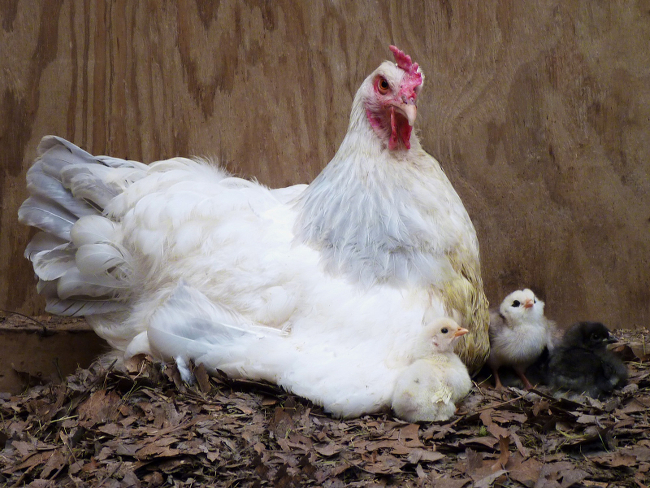
Photo credit: normanack

If you can’t adopt more animals or don’t have room for a full-time friend in your life, consider fostering. Fostering saves lives, getting animals who can’t handle shelter stress or who need a little extra care to a safe place where they can unwind and grow into themselves. Some shelters have foster programs, and many animal welfare groups do — some run almost entirely on fosters, in fact!

Generally, participants in a foster program are provided with food, medication and veterinary expenses to keep things low-key for you. If you have a spare room, fostering can be a great fit for your life, although watch out for foster fail! (When that kitten you swore you were just fostering is still lying on the living room rug ten years later, you are definitely a victim of foster fail.)

When fostering, be honest about what you can and cannot take on: For example, if you have a barn, you might be able to handle horses and sheep, but not notoriously mischievous and curious goats. You might not be able to take a kitten who needs constant feeding, or a dog that has aggression issues.

That said, if you can stretch your comfort zone, do. Some animals need a little extra care because they’ve had a hard life. That makes them vulnerable to euthanasia, and a foster can make all the difference. Things like giving animals fluids or medications, managing diapers, or handling other vet stuff might sound scary, but it’s pretty easy to get the hang of it.

7) Don’t have a cow — on your plate or anywhere else.
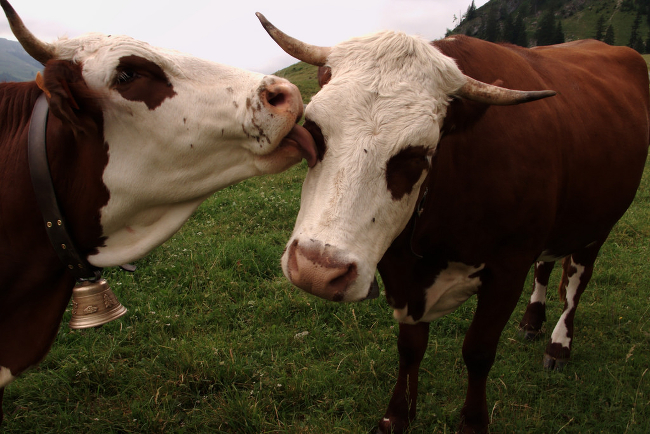
Photo credit: Nicolas Vigier

We saved the easiest for last, because chances are that you’re already well on your way with this one. When it comes to what you eat, consider cutting animal products — or at least meat — out of your life. You’ll save a ton of suffering, and also, a ton of money, if you’re trying to cut back in 2017.

If you can’t cut animal products out entirely, consider moderating: Meatless Mondays are popular, for example! Something else that really works for me is a soup exchange — a group of us make huge batches of vegan soup and share them out once a month, so there’s always a go-to vegan meal hanging out in my fridge or freezer when I need it!

While you’re at it, think about what you wear and use, too. Leather is an obvious source of animal suffering, but some people also like to avoid fibers like wool and cashmere (cashmere also comes with a big environmental price tag). You’d also be surprised by where animal products sneak in, from bodycare products to that goop you waterproof your shoes with. (No really. Go look.)

And, of course, cutting animal testing out of your life is valuable too. Growing numbers of cosmetics are produced without the use of animal testing, though it’s always a good idea to independently verify to see if a company is skirting labeling conventions. For example, some companies say “made without animal testing” because they don’t test ingredients on animals, but third party contractors do. Ugh!

If you take medication, you’re caught in the animal testing trap — but it’s worth writing the manufacturer, as well as the FDA, which governs drug testing, to push for alternatives to animal testing so that you have cruelty free options for your health care needs.

You can also make your preference for cruelty free medical supplies clear to your health care providers as well, as they may be able to recommend alternatives if they’re aware that this is a concern for you. (For example, some sutures are made from animal products, which is weird and creepy, and pig valves are used in some valve replacement surgeries. Gross, right?)

Photo credit: Tracy

ooOOoo

All that is required from me is to hope that every one of you has a peaceful and healthy New Year.
Dog food recall alert

Concerning Blue Ridge Beef

Repeat of what came in yesterday:

Dear Fellow Dog Lover,
Because you signed up on our website and asked to be notified, I’m sending you this special recall alert. If you no longer wish to receive these emails, please click to unsubscribe.

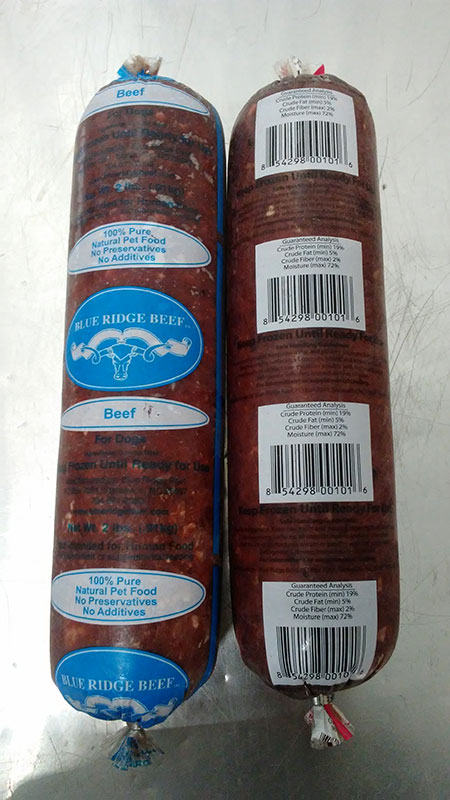
Blue Ridge Beef of Eatonton, Georgia, has announced it is voluntarily recalling 2 of its raw frozen products due to their potential to be contaminated with Salmonella and Listeria bacteria.

To learn which products are affected, please visit the following link:

Blue Ridge Beef Pet Food Recall of December 2016

Please be sure to share the news of this alert with other pet owners.

Mike Sagman, Editor
The Dog Food Advisor

P.S. Not already on our dog food recall notification list yet? Sign up to get critical dog food recall alerts sent to you by email. There’s no cost for this service.

If you visit that Blue Ridge link you will read the following:

ooOOoo

December 8, 2016 — Blue Ridge Beef of Eatonton, Georgia has announced it is voluntarily recalling two of its frozen products due to their potential to be contaminated with Salmonella and/or Listeria monocytogenes.

What’s Being Recalled?

blue-ridge-beef-dog-food-recallblue-ridge-beef-cat-food-recallThe affected products are sold in 2 pound chubs and can be identified with the following manufacturing codes:

  • Lot #mfd ga8516
    Beef for dogs
    UPC code 8542980011009
  • Lot #mfd ga81216
    Kitten grind
    UPC code 854298001016

Where Was It Sold?

The affected products were distributed to retail stores in the following states:

  • Arizona
  • Florida
  • Georgia
  • North Carolina
  • South Carolina
  • Texas

About Salmonella and Listeria

Salmonella and Listeria can affect animals eating the product.

There is a risk to humans from handling contaminated pet products, especially if they have not thoroughly washed their hands after having contact with the products or any surface exposed to these products.

Healthy people infected with Salmonella and/or Listeria should monitor themselves for some or all of the following symptoms:

  • Nausea
  • Vomiting
  • Diarrhea
  • Bloody disarrhea
  • Abdominal cramping
  • Fever

Consumers exhibiting these signs after having contact with this product should contact their healthcare provider. Consumers should also follow the simple handling tips on the package.

What Caused the Recall?

This recall was initiated after the FDA received two complaints associated with these products, including one complaint of two kitten illnesses and one complaint of a puppy death.

Subsequent testing by the FDA of a 2 pound chub of beef for dogs and kitten grind collected at a veterinary office revealed the presence of Salmonella and Listeria monocytogenes.

There is no direct evidence linking these unfortunate instances to contaminated product.

This recall is being made with the knowledge of the U.S. Food and Drug Administration.

What to Do?

Consumers who have purchased the above lots of beef for dogs or kitten grind are urged to stop feeding them and return products to the place of purchase for a full refund.

Or dispose of them immediately. Those with questions can email the company at blueridgebeefga@yahoo.com

U.S. citizens can report complaints about FDA-regulated pet food products by calling the consumer complaint coordinator in your area.

Or go to http://www.fda.gov/petfoodcomplaints.

Canadians can report any health or safety incidents related to the use of this product by filling out the Consumer Product Incident Report Form.

ooOOoo

We must keep our dogs and cats as healthy and safe as possible.

Feel free to share this howsoever you wish.

Possibly more harmful things!

Four household products that could be making you sick.

In yesterday’s post I republished an email sent by fellow author Judi Holdeman warning about some brands of peanut butter in terms of potential harm to our gorgeous dogs. Or to be more precise about the dangers of xylitol that is an ingredient in those named brands.

Today, I am delighted to publish a guest post from Charlotte Meier. Charlotte explained to me that she “Operates Home Safety Hub, a site which provides resources on preventing injury and property loss. Her mission is the same as Home Safety Hub’s, which is to help people keep their homes safe. ” Yes, keeping our homes safe includes keeping our dogs safe.

Here is that guest post.

ooOOoo

Four household products that could be making you sick.

charlotte We tend to believe that household products such as cleaners or kitchen utensils are good for us. Keeping your house bacteria-free surely can’t have a negative effect on your well-being, right? Unfortunately, as the world becomes more eco-friendly, studies are now showing that your favorite household products could be damaging both you and the planet.

It is critical that you do the research necessary to identify healthy and eco-friendly products. However, that may be easier said than done. Here are a few common household products that could be harmful to your health or the environment.

Nonstick Cookware

Nonstick cookware (such as pots, pans, and baking dishes) was initially celebrated and sought-after, seeming to make cooking simpler and cleanup easy. However, we now know that the nonstick surface is created using Teflon which releases toxic gasses. When you use this cookware at a high temperature, you are essentially poisoning yourself and placing yourself at risk for organ failure, cancer, and other health concerns.

A few healthy alternatives are cast iron, stainless steel, and ceramic coated cookware. Just be certain you do your research on the proper way to care for each type of cookware. For example, cast iron cannot be washed with soap and should be dried immediately after rinsing to avoid rust.

Air Fresheners

Keeping your home smelling fresh with wall plug-ins or sprays is very common. However, many of these products can have a detrimental impact on your health. Furthermore, aerosols are very bad for the environment.

If you want your home to smell wonderful, there are a number of ways you can do so in an eco-friendly and beneficial way. Scented soy candles can be highly effective as can boiling aromatic spices. Recipes for seasonal home scent blends can be found for essential oil diffusers as well.

Garden Insecticides

If you are using insecticides in your garden or on your landscaping, lawn, or potted plants, you are endangering your health and the well-being of the planet. Insecticides are extraordinarily harmful, affecting the nervous system and respiratory system in humans while carrying toxins to water supplies and culling bee populations.

If you have a pest problem, you need to either seek out a home remedy such as vinegar or purchase a genuinely eco-friendly insect control.

Anti-Bacterial Cleaners

Exposure to bacteria is how our immune systems learn and grow. In order do that, you must embrace bacteria in your home. Anti-bacterial products keep your home sterile, leaving your immune system to drop its guard and increase the likelihood of getting sick. When you clean your home, you certainly want to keep it clean, but you do not want it entirely sterile. Anti-bacterial products may do more harm than good.

If you want an eco-friendly cleaner, try utilizing the app ThinkDirty, which rates the safety of household products in terms of their impact on people and the planet. Seventh Generation is one of the best lines of household goods for those seeking eco-friendly options.

Knowing how to best keep yourself and the planet well can be very difficult. False or misleading advertising can trick you into using unhealthy products and knowing what is truthful is no easy feat. However, with a little time, effort, and research, you can make the right decisions with your household products.

Image via Pixabay by Taken

ooOOoo

There you are good people; another Friday come and gone.
But I do hope that you found value in what Charlotte wrote about. Indeed, I have no doubt that many of you did.
Let me close by sharing the email that Charlotte sent me a couple of weeks ago.

Hi!
Our homes are our safe havens. In fact, the term “homesick” refers to a longing for the comfort and love that we associate with home when we’re away from it.
But many Americans, today, are homesick in a different way. They (and often their pets as well) are suffering from respiratory illnesses, skin irritations, allergies, and in some cases, even cancer, due to factors found in their homes.

As part of my research for my new site, HomeSafetyHub.org, I’ve been studying ways our homes make us sick and what we can do about them. I’d love to share what I’ve learned with your readers in the form of a guest article.

The article will offer tips and advice on what factors to test for, suggestions for easy, environmentally-friendly DIY repairs to eliminate problems, what products or building materials to avoid, and more.

If you’re interested in receiving a guest article, please let me know. No payment necessary, of course, I’d just love the opportunity to share my original content on a great site.
Hope to hear from you soon!
All the best,
Charlotte

Keep peanut butter away from your dogs!

Because it could kill your beloved companion.

Fellow author Judi Holdeman sent me an email that contained a warning that had been in a recent health newsletter from Jeff Reagan. Here’s the essence of that warning (and my emphasis in parts):

If your dog is anything like my dog, they probably love a good scoop of peanut butter.

As I’m writing this, my pup Ellie is actually snuggled up next to my leg and going to town on her peanut butter filled Kong.  She’s in heaven…

But I want to warn you about a NEW problem with dogs and peanut butter.

There’s been a number of reports lately of dogs who are winding up dead because of their beloved peanut butter.

How is this happening?

It has to do with a new ingredient being used in certain peanut butters.

That ingredient is xylitol.

Xylitol is an artificial sweetener that you’ll recognize from things like gum and candy.

And while it’s generally “safe” for humans to eat, it can be deadly for dogs.  Just a small amount of it can cause severe liver damage and can even kill your dog.

From my research, I’ve found 5 brands of peanut butter that have recently added xylitol to their ingredients. I’m listing these brands below…

– Go Nuts Co

– Hank’s Protein Plus Peanut Butter

– Krush Nutrition

– Nuts N More

– P28

Now luckily most of these are NOT the most popular brands.

These brands are usually sold at specialty shops or health food stores.

But I still wanted to alert you to this…

Because if your dog is anything like mine, they probably love peanut butter.

So make sure you’re staying away from the brands I listed above.

And double-check the label on your peanut butter to make sure it doesn’t have xylitol in it.

Feel free to forward this email on to your friends or family that have dogs so they are aware of this…

– Jeff Reagan. Editor, Patriot Health Alliance

Please, good people, do share this as far and wide as possible.

CBD Hemp Oil outcomes.

Really good news now that it’s well over a month since our two dogs have been taking this oil.

First off, I want to republish in full a post first shared with you all on the 19th September.

ooOOoo

Just wanted to share our early results with you.

Back on the 13th September, I published a post under the title of Listening to our pets in more difficult times. I mentioned that Pharaoh was suffering pain in his rear hip joints and struggling at times to get up on all four feet and that we had started giving him Rimadyl.

One of the subsequent comments was from Pets, People, And Life who wrote:

Don’t wait around for a vet to tell you that your dog is in pain. You live in a state with legal MJ plus hemp oil is legal in all 50 states. I give CBD oil to my BC X Aussie 12 year old dog. He could not get up and yelped in pain before I began giving him 0.7ml daily that I drizzle over his food., After second dose he could stand up without help. Now he walks and runs with fluid movements of all limbs. It is totally safe and doesn’t require expensive tests, The danger of Rimadyl and other meds in that class used to treat arthritis, is that these types of meds cause kidney damage and your pet will have a shortened life span. Hemp oil works like a charm with no side effects.

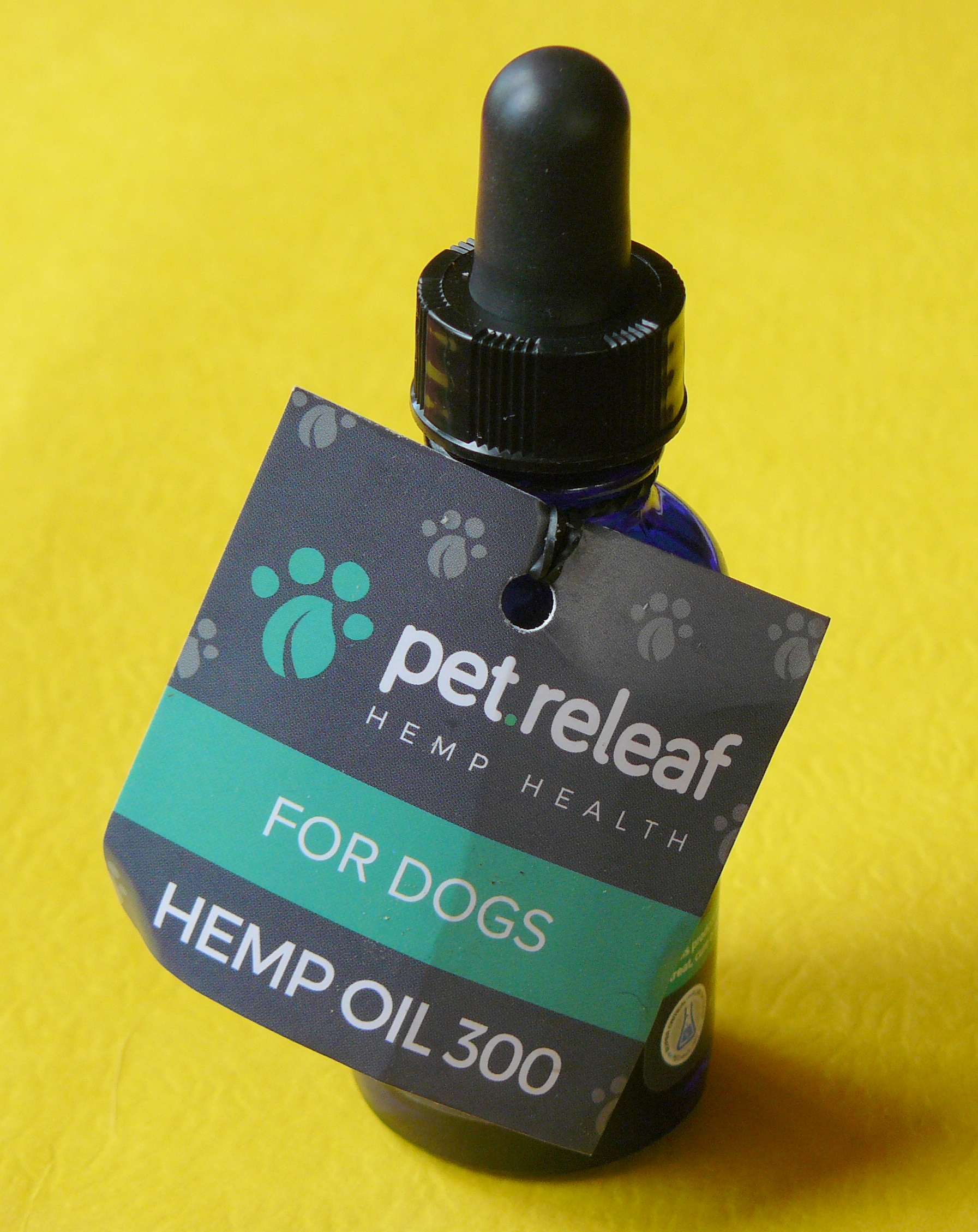
We did some research and came across the following brand of Hemp (CBD) Oil specifically for dogs. We ordered it and it arrived last Saturday. Jean did not delay in adding* it twice a day to the food for both Pharaoh and Paloma.

p1160480Here we are at the end of Tuesday, at the time of writing this post, and already we can see observable improvements in both dogs.

Yes, it’s early days but I wanted to share this with you now.

There will be a more extensive report from me once these dogs have been using the oil for a few weeks.

  • One dropperful twice a day for Pharaoh, approx. 105 lbs, and half a dropperful twice a day for Paloma, approx. 45 lbs.

ooOOoo

Yesterday, as in Sunday 23rd, as per usual I let the ‘bedroom’ group of dogs out around 7am when I went down to clear out the stables. Usually Pharaoh comes away from the front door and ends up laying down on the area just outside the garage door.

But on this day he decided to trot down to the stables and join the others, mainly Brandy, Cleo and Oliver, in sniffing around after the horses and eating fresh horse dung. (Don’t ask me why our dogs find it so tasty!)

It was so lovely to see Pharaoh, who will be 13 1/2 years-old on December 3rd., still being able to walk around the property when he is in the mood.

Frankly, Jean and I are amazed at how well he is doing and how the hip displasia has not yet defeated him. We are certain that the CBD Hemp oil is a key factor.

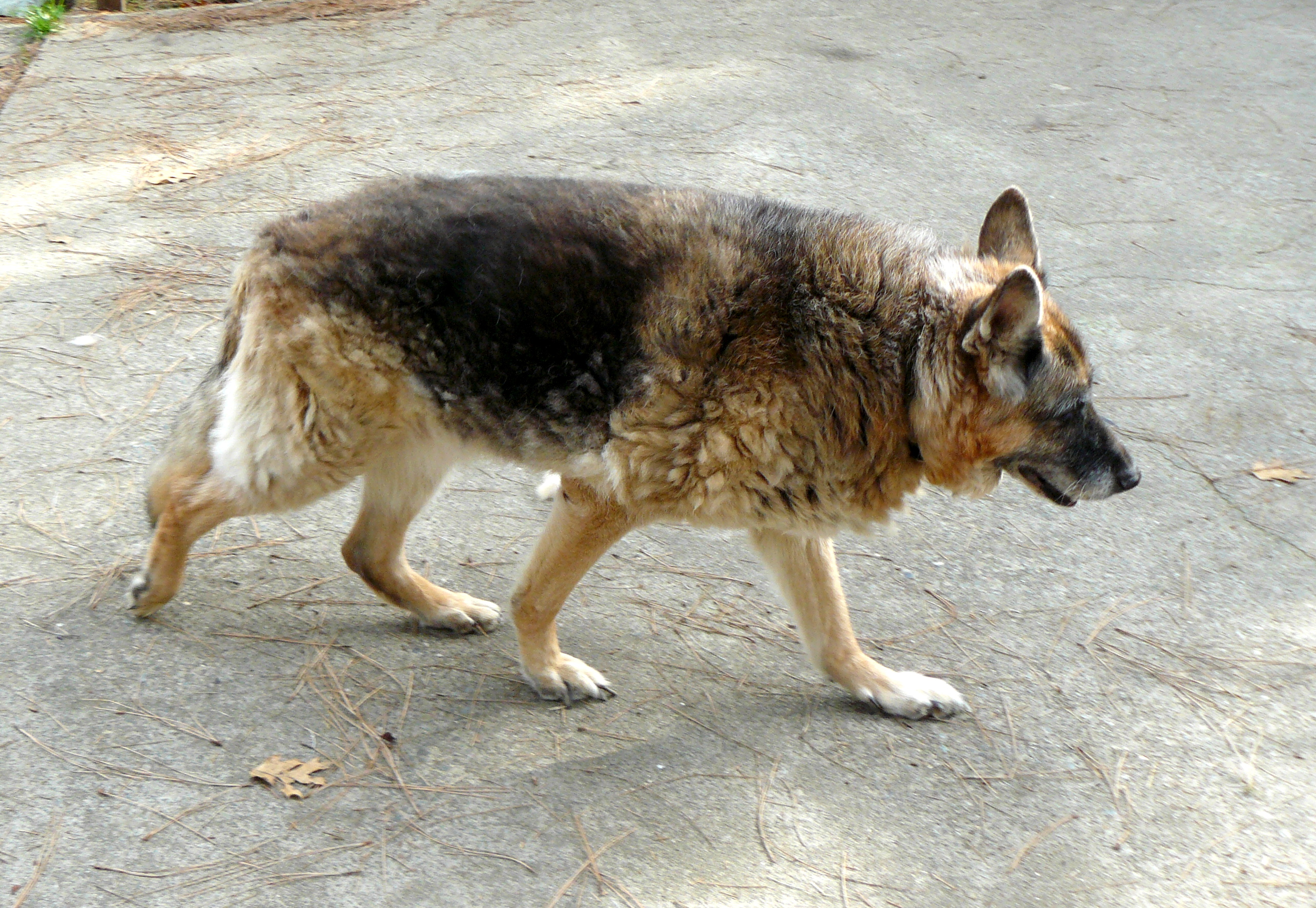
Later that morning I took a couple of photographs to support my claim that he is still walking around, albeit somewhat stiffly first thing in the day.

Cleo watching Pharaoh come away from the house.
A shot taken of Pharaoh walking past me.

Dear old Pharaoh!

As the saying goes:

An apple a day keeps the doctor away!

Picture credit Don Kinzler's blog on Growing Together
Picture credit Don Kinzler’s blog on Growing Together

Read this very interesting item that was published on the Care2 site:

ooOOoo

10 Surprising Ways Apples Are Good for Your Health

A Care2 favorite by Michelle Schoffro Cook

About Michelle Follow Michelle at @mschoffrocook

Martin Luther once said, “even if I knew that tomorrow the world would go to pieces, I would still plant my apple tree.”  New research gives more reasons than ever to plant apple trees and enjoy their delicious and nutritious fruit.  Here are ten surprising reasons to sink your teeth into an apple today:

1. Research found that when healthy adults consumed an apple fifteen minutes before eating a meal, they ate 15 percent less at the meal.  This simple habit can result in weight loss for anyone looking for an easy and healthy way to lose weight.

2. In other studies, apples have been shown to significantly alter the amounts of the bacteria Clostridiales and Bacteroides in the large intestine, conferring gastrointestinal health benefits.

3. Thanks to their phytonutrient content, apples have been show to lower the risk of asthma and lung cancer in numerous studies.

4. In a study funded by the USDA, postmenopausal women who ate dried apples daily experienced a 23 percent reduction in LDL cholesterol (the one known as “bad cholesterol”) and a 4% increase in HDL cholesterol (“the good cholesterol”) within six months.

5. In a British study published in BMJ, researchers found that eating an apple a day was as effective as statin drugs to lower cholesterol levels, without the harmful side-effects.  They also found that if 70% of the British population simply ate an apple on a daily basis, 8500 lives would be spared every year from heart attacks or strokes.

6. Researchers at Tufts University found that catechin polyphenols found in apples speed abdominal fat loss by 77 percent and double weight loss in overweight individuals.  Catechins also improve the body’s ability to use insulin, thereby preventing wild blood sugar fluctuations that effect energy, mood, and cravings.

7. Apples contain flavonoids (including catechin polyphenols and quercetin), which have been shown to interfere with the development of cancer cells and preventing their ability to multiply.

8. Research in the journal Nutrition Reviews found that a diet that’s too low in magnesium increases the risk of cancer.  Apples are a good source of magnesium.

9. According to research in the International Journal of Biological Macromolecules scientists found that apple oligosaccharides showed an ability to inhibit human colon cancer cells.  Oligosaccharides are complex carbohydrates.  The apple compound induced a process known as apoptosis, which is the body’s mechanism to kill damaged or cancerous cells. They also found that the apple oligosaccharide stopped the growth of new cancer cells. They concluded: “Apple oligosaccharide is a potential chemoprevention agent or anti-tumor agent and is worthy of further study.”

10. Apples contain a natural compound known as malic acid, which helps improve energy production in the body. It has been found to aid fibromyalgia and chronic fatigue syndrome.

ooOOoo

 Amazing what one reads and learns on ‘the internet’ these days. If it wasn’t such crap weather just now I would go outside and take a photograph of our three delicious apple trees! Trust me, Jean and I and the deer love to eat them!

Cesar Dog Food Recall

Please share!

This was issued yesterday.

ooOOoo

Cesar Dog Food Recall of October 2016

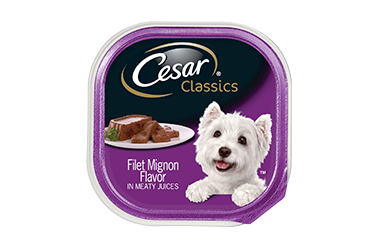
October 7, 2016 — Mars Petcare has announced it has initiated a voluntary recall of a limited number of Cesar Filet Mignon Flavor wet dog food due to a potential choking risk from small pieces of plastic which entered the food during the production process.

cesar-classic-filet-mignonWhat’s Recalled?

Cesar Classics Filet Mignon can be purchased individually as well as in flavor variety multipacks.

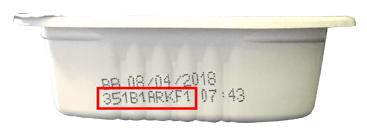
The affected dog food can be identified by checking the Best Before and Lot Code on the product lid.

Each product will have a lot code printed on the side of the tray that begins with 631FKKC or 631GKKC and best before date that falls between 08/04/18 and 08/05/18.

The Cesar Classics Filet Mignon Flavor can also be found in variety packs with the following lot codes:

  • 632D14JC
  • 633B24JC
  • 634A14JC
  • 634A24JC
  • 634B14JC
  • 634B24JC
  • 634E14JC
  • 635A24JC
  • 635B14JC
  • 636D24JC
  • 636E14JC

Lot Code is indicated by the red box below:

cesar-recall-lot-codeThe Lot Codes listed above are the only affected products. All other Cesar products can be safely consumed.

Why the Recall?

Select packages of this product may contain small pieces of plastic, which entered the food during the production process.

What to Do?

Mars Petcare encourages consumers who have purchased affected product to discard the food or return it to the retailer for a full refund or exchange.

While a small number of consumers have reported finding the plastic pieces, we have not received any reports of injury or illness associated with the affected product.

At Mars Petcare, we take our responsibility to pets and their owners seriously and are working with all of our distributors and retail customers to ensure the recalled products are no longer sold and are removed from inventory.

Consumers can reach the company at 800-421-6456.

U.S. citizens can report complaints about FDA-regulated pet food products by calling the consumer complaint coordinator in your area.

Or go to http://www.fda.gov/petfoodcomplaints.

Canadians can report any health or safety incidents related to the use of this product by filling out the Consumer Product Incident Report Form.

Get Dog Food Recall Alerts by Email

Get free dog food recall alerts sent to you by email. Subscribe to The Dog Food Advisor’s recall notification list.

ooOOoo

Hope no dog that you know is affected by this potential problem. Come to that, hope no dog anywhere is affected!

Mouthing it canine fashion.

Another fascinating insight into the behaviours of dogs.

Every dog owner knows how dogs appear to have their mouths directly linked to their emotions. From licking to growling, from dribbling to holding stuff, we humans don’t really have a clue as to the role of the canine mouth over and above eating food.

Which is why this recent item over on the Care2 site caught my eye (not my mouth!) and I wanted to share it with you.

ooOOoo

Why Does My Dog Grab Something in His Mouth When He’s Excited?

1390782-largeBy Vetstreet.com September 26, 2016

About Vetstreet.com Follow Vetstreet.com at @vetstreet

Some dogs seem to love to entertain. When guests come to the door, these dogs become delighted hosts, racing to greet their visitors with something — anything — they find to put in their mouths.

What’s behind this amusing behavior?

Vetstreet checked in with Dr. Wailani Sung, a veterinary animal behaviorist, to find out.

There are several different reasons your dog might be doing this, she says. Among them: They’re offering a gift, they’re looking for attention or they want to show us they’re happy.

“I think some dogs are so excited to see a visitor because it may represent a new person who will play with him/her, so the dog grabs a toy to try to entice the person to play, whether it is tug or throwing the object,” Dr. Sung explains.

A Welcome Distraction?

For other dogs, it may be a behavior that the owners taught them or encouraged to give them something more appropriate to do in place of jumping on people or barking.

“Other owners have recognized that their dogs may appear anxious or worried, but if they get the dog engaged with their toys, they appear less concerned about new visitors in the house,” she says. “Some dogs may naturally grab a toy on their own, whether to solicit play or to have something to do.”

The dog may also be reacting to your own excitement and responding in kind.

Dr. Sung has seen the behavior mainly in Retrievers but said it’s something any breed might exhibit.

Avoiding an Embarrassing Moment

In some cases, owners report some rather embarrassing situations — like when the first thing their pooch spotted to grab was dirty laundry or other “unmentionables.”

Dr. Sung says it’s best to be sure those things are out of the dog’s reach. But if the arrival is a surprise and the dog does get something he shouldn’t have, the owner should try to keep calm and get the dog to exchange the contraband for another toy or treat.

“They should distract the dog, redirect to a more appropriate behavior, such as come and sit, and then ask the dog to drop it,” Dr. Sung said. “Sometimes people forget and raise their voices or go chasing after their dog and it becomes a game to the dog. Then the next time visitors arrive, the dog remembers how much fun he had last time people arrived and grabbed an item.”

It can be flattering to be the source of a canine host’s excitement — unless he’s so thrilled, he’s jumping or running into people. In those cases, Dr. Sung recommends putting him in another room or in his kennel or bed while guests arrive to try to avoid the excitement.

By Amy Sinatra Ayres | Vetstreet.com

ooOOoo

Anyone got any wonderful stories about what their dog has put in their mouth? (That you would like to share!!)

Toys and Treats, Part Two

Top 5 Homemade Treats and Dog Toys for Powerful Chewers

Continuing Sarah’s guest post. Part One was yesterday.

ooOOoo

Here Are Some Heavy Duty Dog Toys You Can Make Yourself

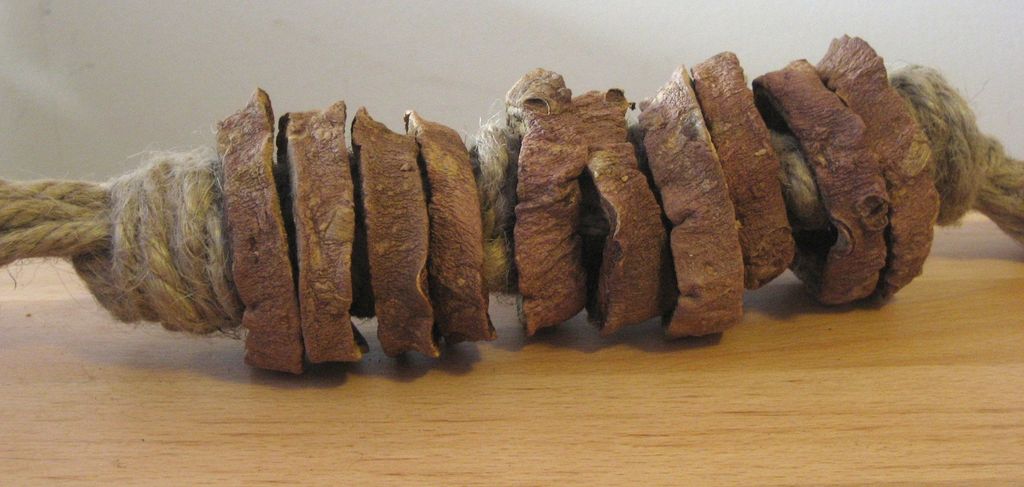
#1: “Indestructible Dog Toy (Made with Dried Sweet Potato)

sweet-potato-ring-toy-6
I love this toy because it’s both healthy for my dog and has no unnecessary additives. It’s a great chew toy and treat all in one.

Shesparticular on instructibles.com came up with this idea for a DIY chew toy for her mom’s dog. Her mom’s dog, Molly, loves to play. She says when Molly plays it “usually involves rounding up all her toys and ripping them to shreds.”

In Shesparticular’s pictures of Molly, you can tell she’s a little dog. It may seem surprising, but little dogs can do just as much damage as big ones. So this recipe she’s come up with is pure genius if you want to make strong dog toys that are healthy for your dog.

Here’s what you’ll need and instructions on how to make this toy at home:

  • Hemp or jute rope. Nine 2 1/2 foot ropes braided together to make a larger rope works for medium sized dogs. You’ll need to adjust the length of the rope based on your dog’s size.
  • Sweet potatoes or yams. One potato for a smaller toy, two for a medium toy and three to four for a larger toy
  • Sheet pan and parchment or foil
  • A sharp knife
  • Round cookie cutter a bit larger than the diameter of your rope
  • Vegetable peeler (optional)

Instructions:

  1. Preheat your oven to 250 degrees Fahrenheit
  2. Wash your sweet potatoes well. Peeling them isn’t necessary unless you prefer it.
  3. Slice the sweet potato into rounds approximately 1/2″ thick 
  4. Using the cookie cutter, remove the center of each round
  5. Place rounds on cookie sheet and bake for 2 1/2 hours then flip them over and bake for another 2 1/2 hours.
  6. They’re done when they’re dried out and hard. If there are any soft parts, bake them longer and check them every 30 minutes.
  7. Once they’re done, allow them to cool. 
These sweet potato rings look like hollowed out dog bones, without the risk of splintering

Once your sweet potato rings have cooled, you can start making your toy.

Start by tying a knot at the end of your hemp rope. If you’re using many thinner pieces, braid them together. This will make it easier to string the sweet potato pieces on. 

String two potato rings onto your rope then tie a knot in the rope. Continue adding two rings at a time and tying a knot after each pair until you reach the end of the rope.

When you’ve finished, hand this toy over to your dog and watch them chew for hours.

# 2: Knotted Hand Towel Toy

I have so many old hand towels that I didn’t know what to do with until I saw this clever idea.

This toy’s so easy to make, even a dog could do it. Taylor Martin from cnet.com came up with this simple way to repurpose old linens and make a great dog toy. 

All you have to do is take an old, tattered hand towel and tie a knot in the middle. You can even use a full sized towel and make several knots. 

My dog is a Pitbull mix, so though this is a tough toy, he would likely still rip it to shreds. The good news is, it doesn’t cost a cent. So even if it only lasts a few days, you didn’t lose any money on it.

#3: Ring Dog Toy

Just looking at this toy, you can tell it’s tough. No way my Pitt mix will be able to destroy this.

A user called J3443RY at instructables.com designed this indestructible dog toy. This is just a basic rope knot toy. 

If you know how to tie a crown knot, all you need to do is create two lengths of rope by tying 4 lengths of rope in crown knots. All you need to make this toy is some nylon repelling rope. 

Here are some step by step instructions for creating this toy

  1. Cut 4 equal lengths of rope. You can adjust the size of the toy based on the size of your dog. 4 Inches of rope is equal to 1 inch of the finished toy. For example; for a 6 inch finished knot you would need 24 inches of rope to start.
  2. Use 2 of the 4 ropes to create a 7″ long finished crown knot. 
  3. For step three, the user has included an instructional video. This will help you to combine the two finished knots into one ring.

When you’re finished with this toy, you will have a nearly chew proof dog toy that your dog can enjoy for hours.

For more advice on caring for your dog and other great recipes, visit metroeastrba.com.

Now Check Out Some Cool Doggy Dental Treats

#4: Darla Cook’s Homemade Greenies

I can’t get over how adorable these little tooth brush shapes are.

Darla Cook is a blogger and a lover of culinary arts. She is a student at The Culinary Institute of America, so you know her recipes must be the best.

Darla’s blog focuses on general cooking and there aren’t many dog recipes on her blog. But I found a pretty great recipe there for homemade Greenies for dogs. She calls these adorable toothbrush shaped treats Franks Breath Brushes.

If you’re a pet owner, you know that Greenies are a great dental treat for your dog, but they’re expensive to buy. 

If you want to save money and have more control over what goes into your dog’s treats, make them yourself at home.

Here is Darla’s recipe.

Franks Breath Brushes

Ingredients:

  • 3 1/2 brown rice flour plus 2 cups more (rice flour for crunch)
  • 1 tablespoon of activated charcoal (I opened 12 capsules for 1 tablespoon.)
  • 4Tbsp. Vegetable Oil
  • 1 egg
  • 1/2 cup packed fresh mint
  • 1/2 cup packed fresh Italian parsley
  • 1 cup chicken broth
  • Liquid chlorophyll (whole foods/health food store)

Instructions: 

Preheat over to 400F. Line your baking sheet with parchment paper.
Combine the charcoal with 3 1/2 cups brown rice flour and set it aside.

Put parsley, mint oil and 1/4 cup of broth or water into food processor. Process until chopped, like pesto. Add 3-4 droppers full of chlorophyll. Pulse a few times to mix. Add this green paste to flour mixture and mix well. Beat egg and mix in. Knead adding the rest of water/broth. By this time you should have a sticky dough ball. Flour the work surface and knead dough until an even green color. Divide dough into workable portions and roll out to about 1/4 inch thick. Add flour to the work surface and dough surface as needed to take away stickiness as you work. Cut out with your favorite shapes, and dock with a fork to keep puffiness down. Bake for 25 or 20 minutes. Cool and store in an airtight container in the fridge.

I will be trying these treats on my dog, for sure. I feel much more confident in the treats I feed my dog when I can make them myself and I know what's in them. 
I will be trying these treats on my dog, for sure. I feel much more confident in the treats I feed my dog when I can make them myself and I know what’s in them.

#5 DIY Doggy Breath Mints

These treats look good enough for even humans to eat.

I’ve found yet another great dog breath freshening recipe. This recipe, by Clifford Genece at skinnyms.com, has something in common with Darla’s recipe. It doesn’t contain any wheat flour.

It is so important to avoid giving your dog anything that contains wheat flour. Many dogs are allergic to wheat products. It can cause some pretty intense itching and skin irritation.

Rather than using flower at all, this recipe calls for oatmeal. This recipe also calls for eggs. So Clifford even provides advice for people whose dogs are allergic to poultry products. 

Here’s Clifford’s simple recipe for these yummy treats.

Ingredients:

  • 2 1/2 cups old-fashioned oats
  • 1/2 cup fresh parsley, finely chopped
  • 1/2 cup fresh mint, finely chopped
  • 1 large egg
  • 1/4 cup of water, plus 1 teaspoon
  • 3 tablespoons coconut oil (unrefined extra-virgin is best)

Directions:

Preheat the oven to 325° F

Add oats to a blender and pulse to a flour like consistency. In a large bowl whisk together diced parsley and mint, egg, water, and oil. Add oat flour and stir to combine. Knead dough a few times then turn out onto a lightly floured surface.

Using your hands or a rolling pin, flatten dough to about 1/8″ thick. Using a cookie cutter or knife cut out approximately 40 (1-inch mints) mints. Place mints about 1/4-inch apart on a parchment lined or non-stick cookie sheet. Bake 35-40 minutes, or until golden and crispy.

Allow mints to cool completely before serving. Store in an airtight container.

Tip: For dogs with allergies to chicken products, substitute one large egg with 1/4 cup unsweetened applesauce.

These are some of my favorite DIY dental treats and dog toys for powerful chewers. These treats and toys are a great way to keep your dog’s jaws strong and breath fresh. Don’t forget to take a look in your dog’s mouth every now and then and make sure their teeth are in good condition. 

Description: Dental treats and dog toys for powerful chewers can be expensive, so why not make your own at home? Give these helpful recipes and DIY dog toys a try.

ooOOoo

 Don’t know about you but we think this has been a very valuable and useful article from Sarah!

We must do the best for our beloved dogs!

Toys and Treats, Part One

I was contacted by Sarah a few weeks ago with regard to her writing a guest post for you good people. For reasons that have escaped me I kept overlooking to publish it. That is now being corrected; indeed it has so much great information that I am splitting it over today and tomorrow.

ooOOoo

Top 5 Homemade Treats and Dog Toys for Powerful Chewers

I’ve never met a dog that didn’t love to chew, but it’s not just a fun canine pastime. It’s necessary for their dental health and for training Fido to stay away from your shoes. Are you too busy to brush your dog’s teeth every day? There’s no need to feel guilty, I am too.

Not everyone has time to do a full dental routine for their dog every day. However, there are other ways to ensure your dog’s dental health. I’ve done some research and found that there are many ways to do this without lifting a finger. Including some dog toys for powerful chewers and even some yummy dental treats.

Why Your Dog’s Dental Health is Important

Dogs aren’t in the habit of brushing and flossing. Most dog owners don’t even realize how important a dog’s dental health is. In fact, I didn’t even know that it was necessary to brush my dog’s teeth until I did some research on the subject.

There are other things you can do to keep your dog’s teeth sparkling if you don’t have time to brush them every day. You need to give them fun things to chew on and snack on in place of regular brushing. Such as some sturdy dog toys or rawhide chews.

According to PetMD “Actively encouraging the dog to utilize chew treats that require some “exercising” of the teeth, such as is provided by compressed rawhide chewies, hard rubber or nylon chew toys, can assist in keeping the mouth structures vital.”

If you do have time to brush your dog’s teeth, it’s important that you do it correctly. Here is how you should do it, according to Banfield.com.

  1. Use a toothbrush that is just for dogs.
  2. Never use your toothpaste to brush your dog’s teeth. There is toothpaste that you can buy just for your dog that is not toxic if swallowed.
  3. Give Fido a small sample of the toothpaste so that they become familiar with the flavor.
  4. Lift your dog’s lips to expose the gums and teeth. Brush the teeth like you would your own, but be gentle.
  5. Most dogs won’t allow you to brush the inside surface of the teeth. Focus on the outside surfaces.
  6. The molars and canines tend to build up tartar, so make sure you give them a good brushing. And of course, reward your dog for letting you put them through that. They are likely confused to why you were all in their mouth, so pats, play, and healthy treats are in order.

Now that you know how to brush your dog’s teeth, let’s learn other ways to improve their dental health.

Rawhide Treat Benefits

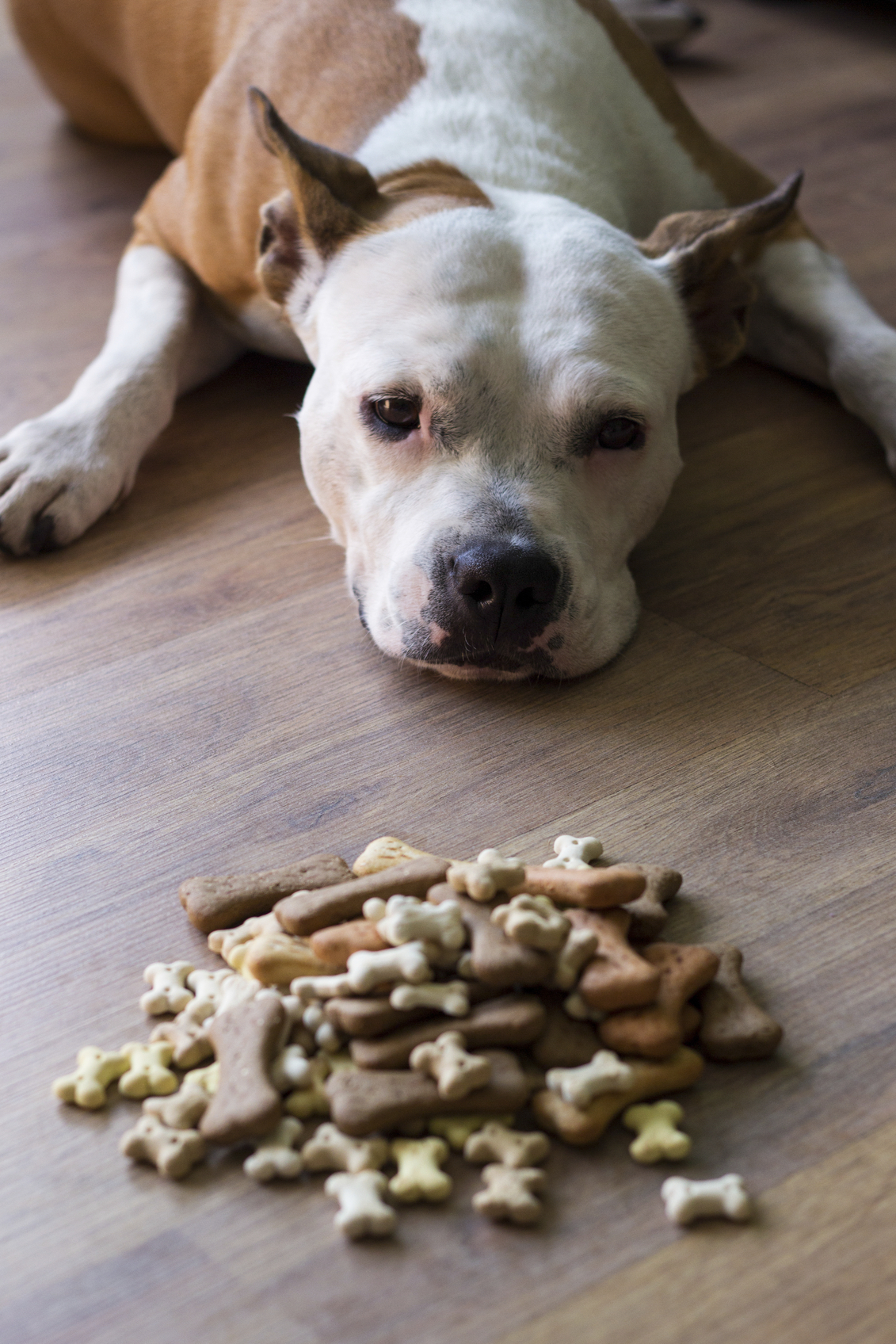
Dog tired of waiting to eat a treats

Rawhide treats and chews are a tasty way for your dog to keep their teeth clean and jaws strong. It’s good for cleaning their teeth and keeping their breath fresh but it also gives their jaws a good workout.
All dogs need to chew. Providing treats like rawhide keeps them from chewing on your nice leather shoes.
There’s not a whole lot of risk to letting your dog chew on rawhide. But there are some risks you should know about. For example, rawhide can sometimes contain small amounts of chemicals, according to Pets. WebMD. Your dog can even come in contact with E. Coli or Salmonella when chewing on rawhide.
Some dogs can be allergic to rawhide anything that’s used to make rawhide treats. This can cause unpleasant discomfort associated with diarrhea.
Sometimes rawhide can be a choking hazard. If a piece breaks off it can become lodged in the esophagus. If this happens, in some cases, a vet can remove any lodged pieces through the throat.
You should always talk to your vet before you decide to introduce any new treats into your dog’s diet.
Here Are Some Heavy Duty Dog Toys You Can Make Yourself

ooOOoo

Come back tomorrow to learn how to make these great toys.