It is easier to save the picture on WordPress!
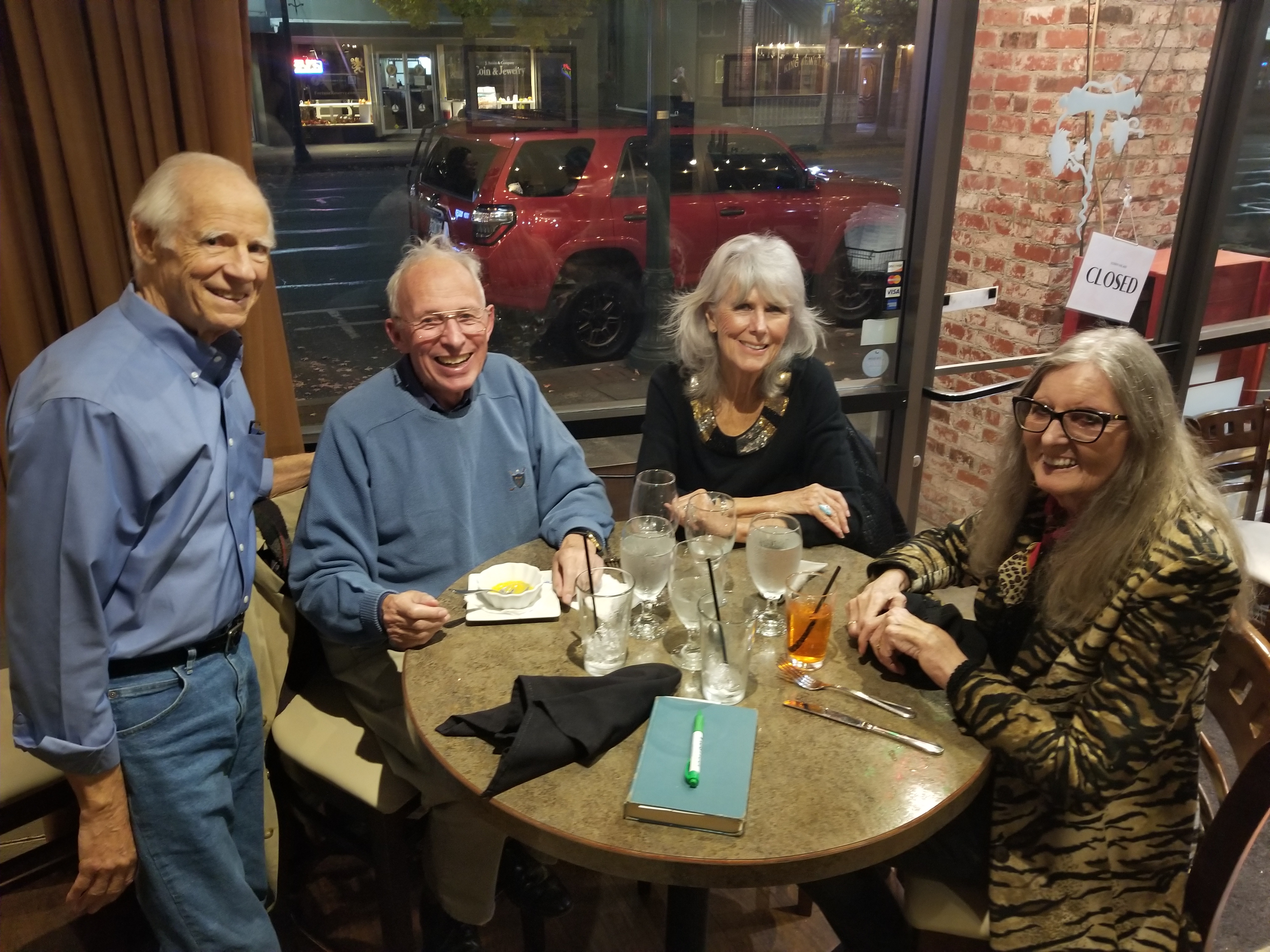
The meal was taken at The Twisted Cork in Grants Pass. We did not have a reservation hence the small round table. It was still a lovely event.
Dogs are animals of integrity. We have much to learn from them.
Category: Food
It is easier to save the picture on WordPress!
The meal was taken at The Twisted Cork in Grants Pass. We did not have a reservation hence the small round table. It was still a lovely event.
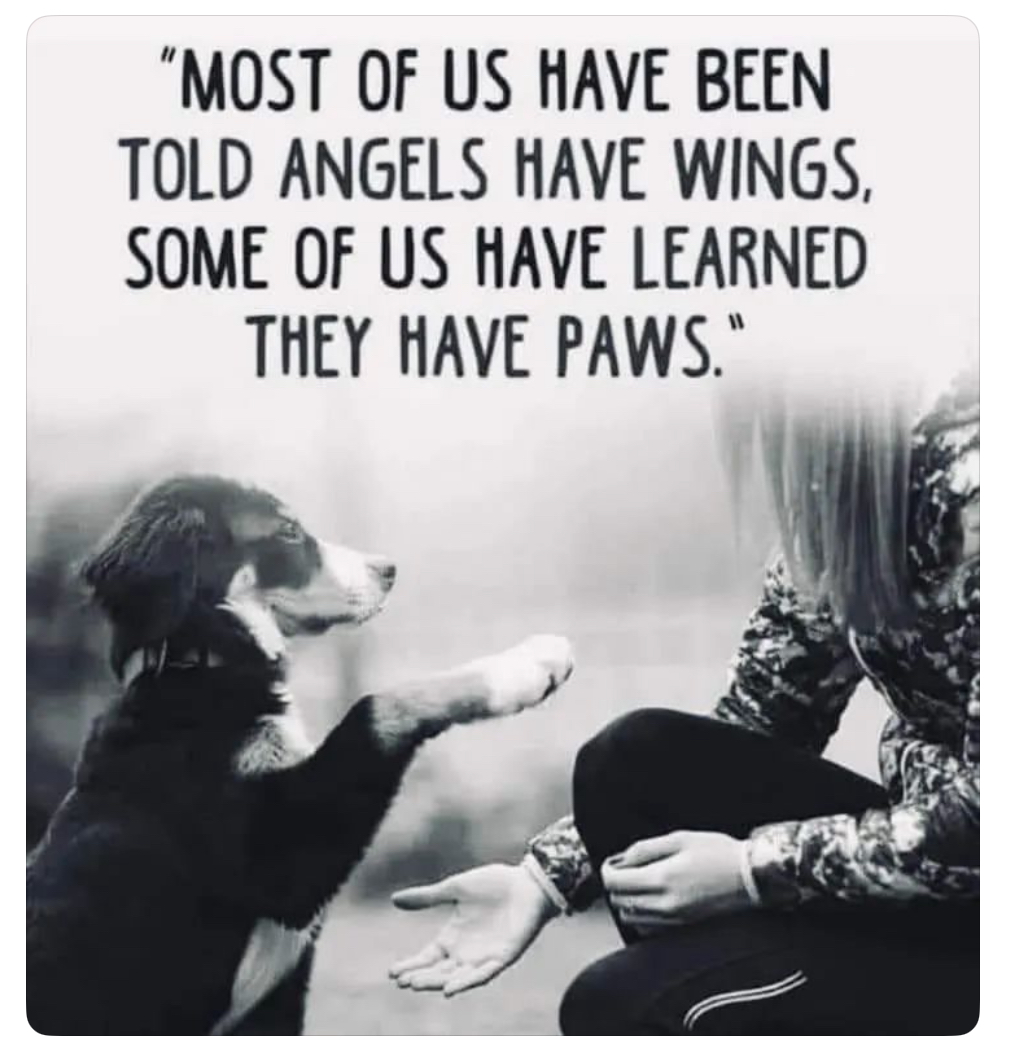
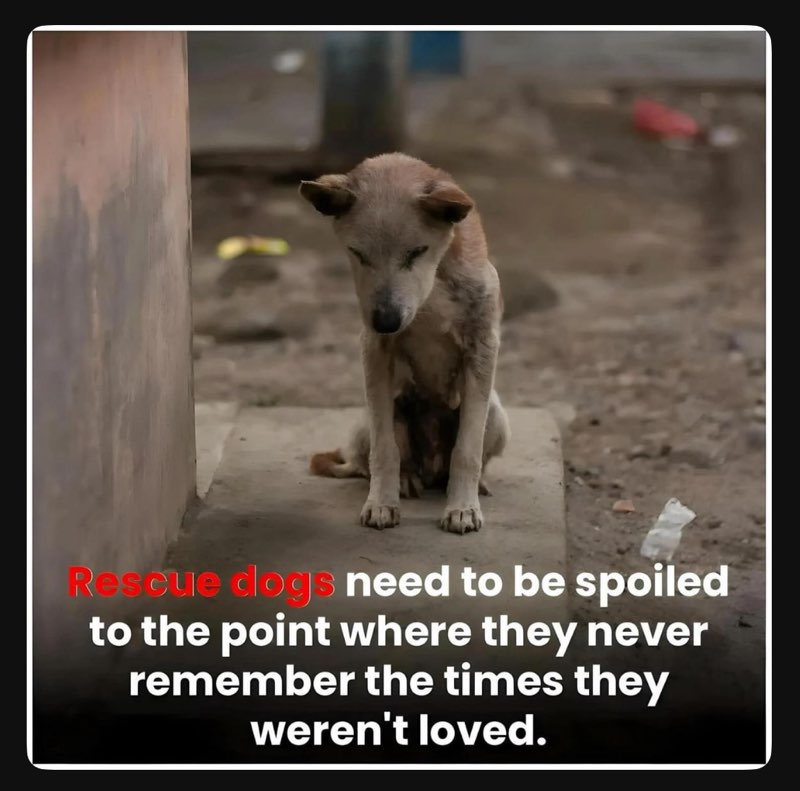
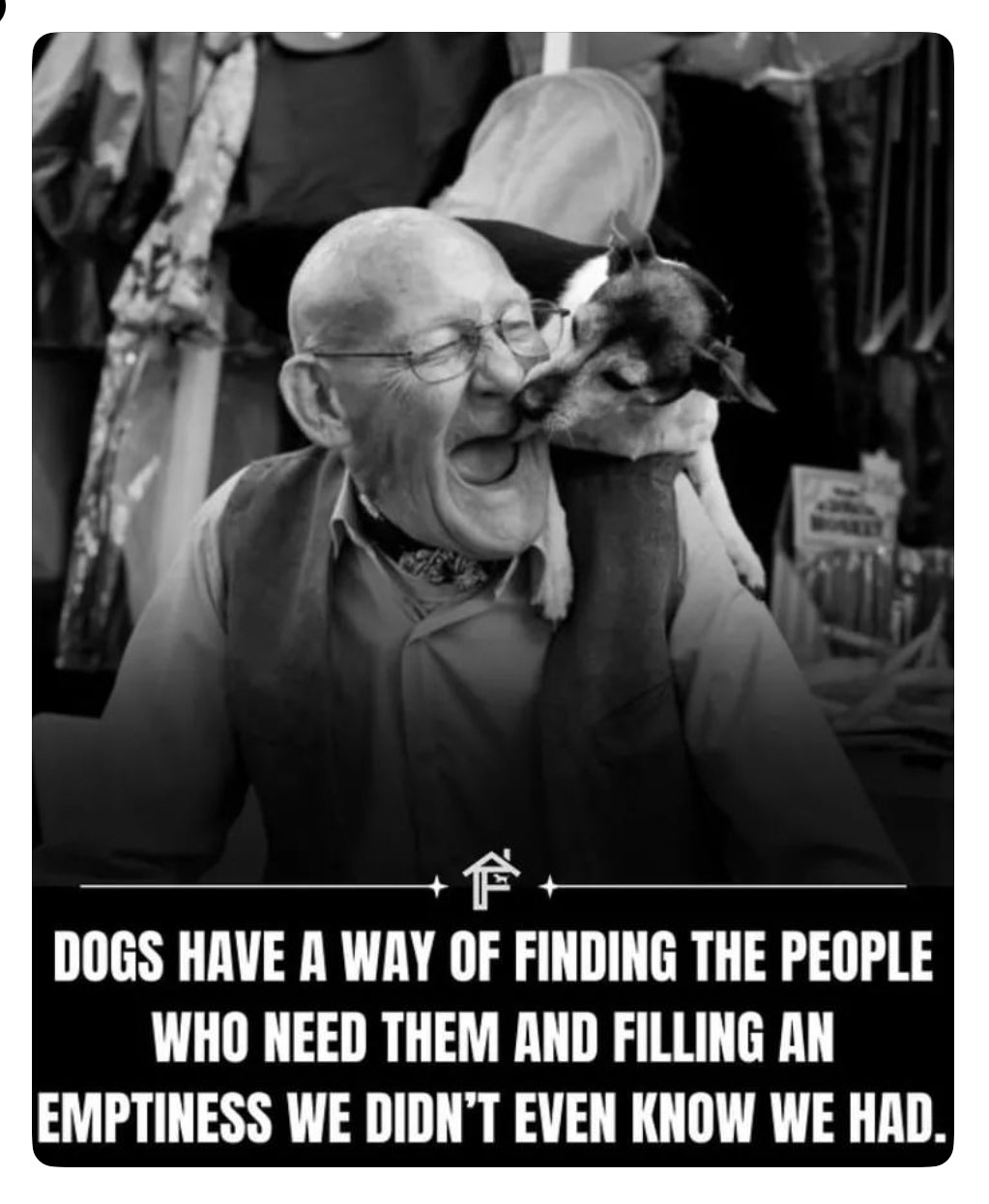
More gorgeous pictures, and a saying, from Jess.
oooo

oooo
oooo

oooo
oooo
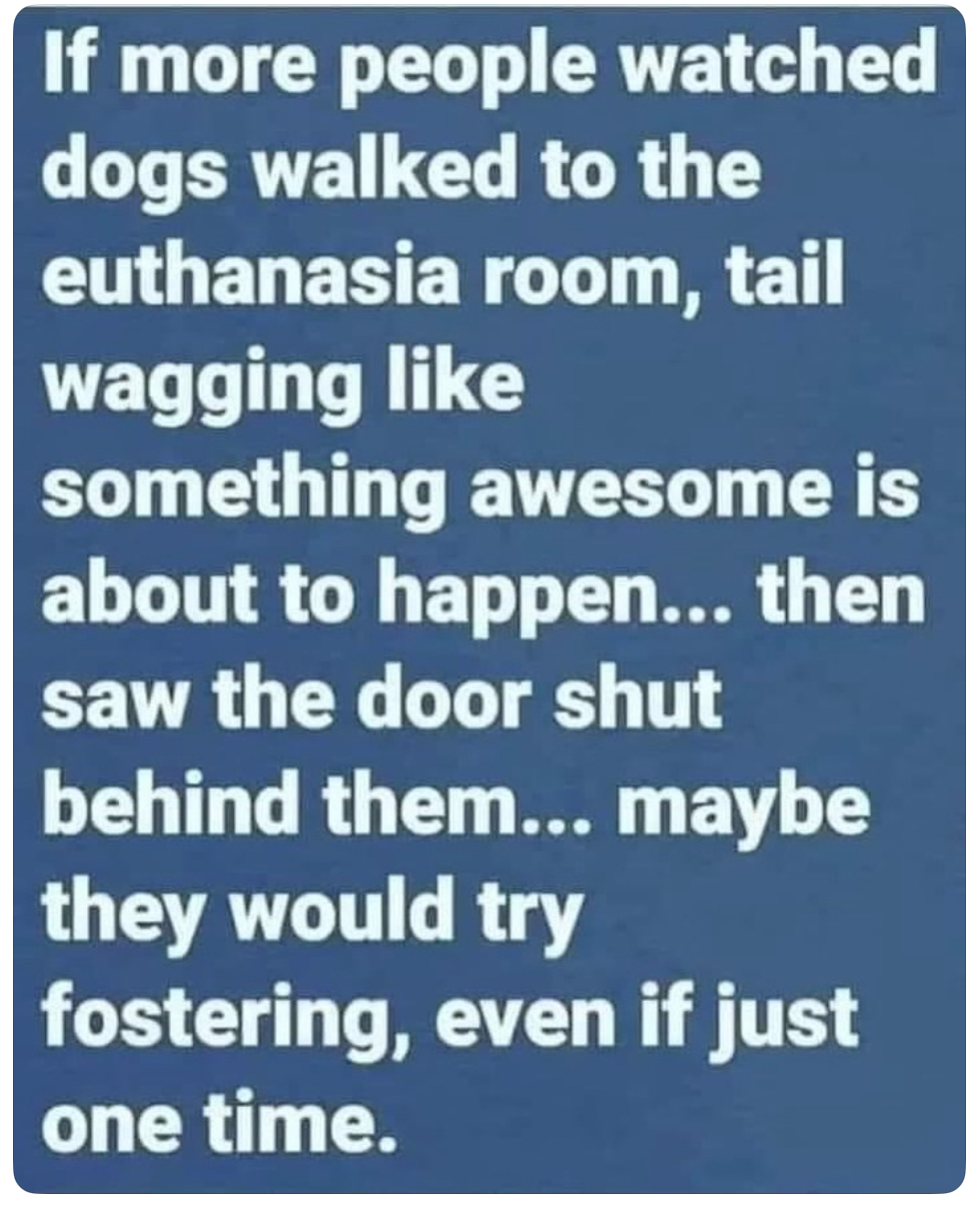
This last saying has an ‘ouch’ to it.
Another set of fabulous pictures from Jess!
oooo

oooo

oooo

Wonderful!
Thank you, Jess!
Thanks to the Dodo for this.
I just love articles about dogs being rescued. Such as this one:
ooOOoo
Tiny Dog Trapped In Canal For Days Almost Loses Hope Of Being Found
By Ashley Ortiz, Published on May 28, 2024.
It was a sunny spring day in Compton, California, when a group of residents spotted something white bolt across an unused canal. It’s not uncommon to find discarded items strewn along the canal, known as Compton Creek, but this was the first time they’d seen a dog trapped inside.
Situated tens of feet below ground level, the worried onlookers were unsure how a tiny pup made it into the canal in the first place.
“[T]here was no way in except to climb down,” Suzette Hall, founder of Logan’s Legacy 29 dog rescue, wrote on Facebook.

The Good Samaritans rushed to help the pup, later named Sammy, but he was too scared to let anyone get close.
“There were people who went to try to get the dog, but they were unable to secure [him],” Kristina Ross, one of Sammy’s original helpers, wrote in a Facebook comment.

Ross posted footage of Sammy sprinting down the canal on Facebook and pleaded for someone to save him. After three days of failed attempts, they contacted Logan’s Legacy, and Hall was eager to help.
Hall soon arrived with a humane dog trap in hand. As she figured out a way to lower herself into the canal to set up the trap, another pair of Good Samaritans descended.
“I [saw] the post today and jumped down the sewer with a rope,” one of the Good Samaritans wrote on Instagram. “[I] felt the need to rescue this poor baby.”

The pair trudged through muddy sewer water and trash to reach Sammy. As dangerous and uncomfortable as wading through the canal was, they knew that Sammy’s experience was even worse.
Hall watched as the men tried to catch Sammy multiple times. On their final attempt, one of the guys, Nelson, successfully cornered Sammy and threw a net around him to stop him from bolting again.
Nelson then carefully gathered up the net with Sammy still in it, and his partner lifted the pup out of the canal. They handed Sammy over to Hall, who gave the dog a big, triumphant hug before loading him up in her car.
“He literally melted in my arms,” Hall wrote. “He knew he was finally safe.”

Ross, the woman who had originally posted about Sammy, offered to foster him for the night. The grateful pup slept through the night in a cozy bed before heading to the veterinary clinic the next day, where he was immediately treated for a rotten tooth and an injured paw.
The tiny dog was soon on the mend, but his rescuers still couldn’t believe what he’d been through.
“I can’t imagine how scared he was down here in that big, huge canal, all by himself,” Hall wrote on Facebook. “He’s in recovery and doing just fine.”

While Sammy recovered at the vet clinic, he stole the heart of one of the vet techs caring for him. Instantly smitten with the pup, the loving vet tech decided to give him the best forever home he could’ve ever dreamed of.
“She said, ‘We have fallen in love … can we please adopt him?’” Hall wrote on Facebook. “[It’s] just so meant to be. He is beyond loved and getting spoiled.”
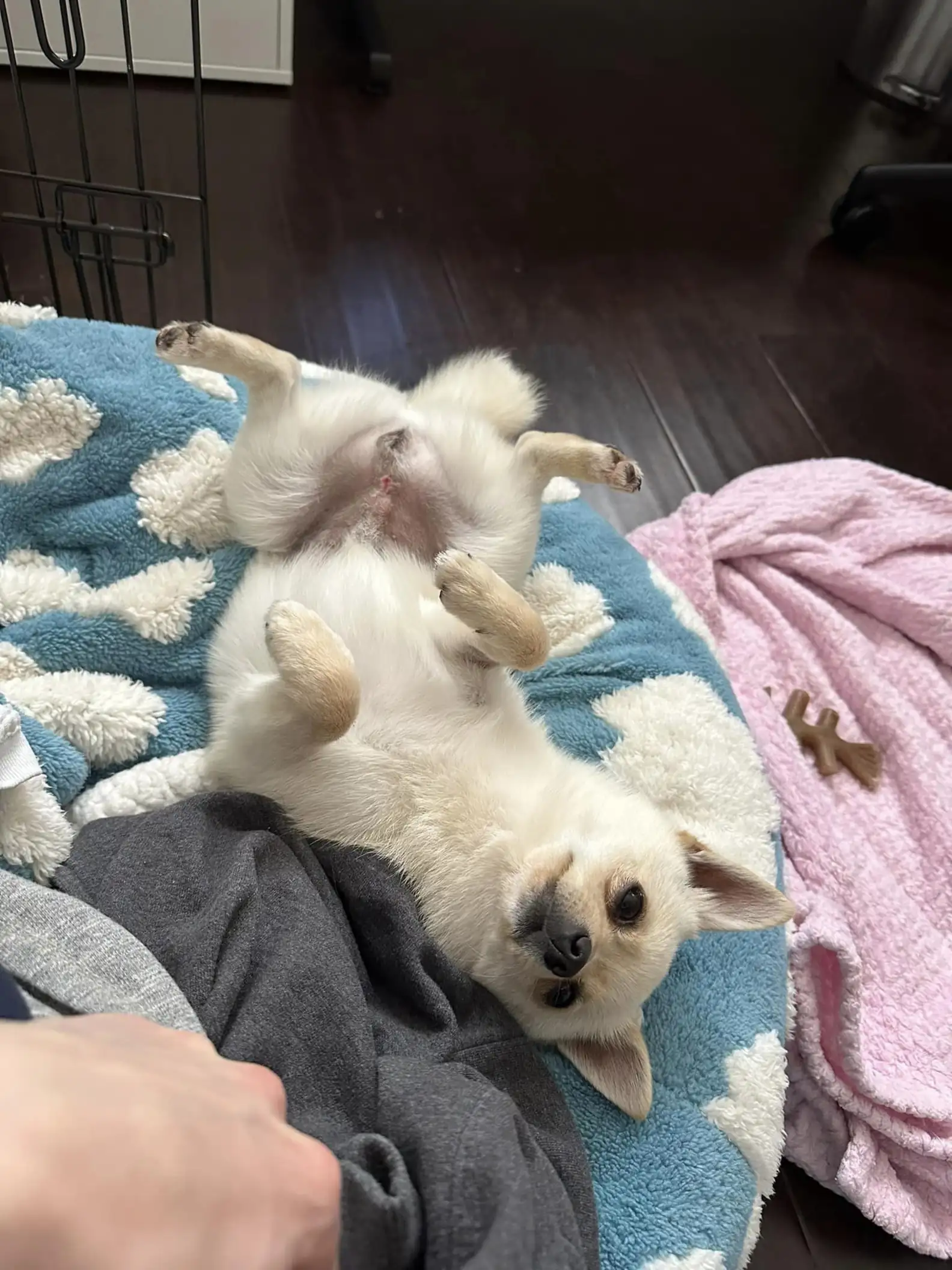
Over a month after his rescue, Sammy is thriving in his new home alongside his equally tiny Chihuahua sibling. His days are filled with cozy beds, walks with his family and play sessions with his doting sibling — and he wouldn’t have it any other way.
For his rescuers, it seems like Sammy’s journey through the canal was just yesterday. But for Sammy, his days of feeling alone and scared are far in the past. Now, he only knows love.
To help pups like Sammy get the care they need, you can donate to Logan’s Legacy 29 here.
ooOOoo
I have included the link to Logan’s Legacy 29 just in case you wanted to help Sammy as well. We have made a small donation.
This is the most perfect outcome one can imagine. Beautiful Sammy!
A recent post from The Conversation reveals all!
I have no excuse for not being better at looking after my teeth, for one of my elder sisters, Corinne, was a dental assistant and when I was in my mid-fifties I moved down to South-West England and bought a home just a few miles from Corinne’s home. Thereafter she looked after my teeth at the dental practice in Totnes.
But I was careless in following Corinne’s advice and it wasn’t until in my seventies, and living in Merlin, Oregon, that I saw the light; so to speak!
Read this!
ooOOoo
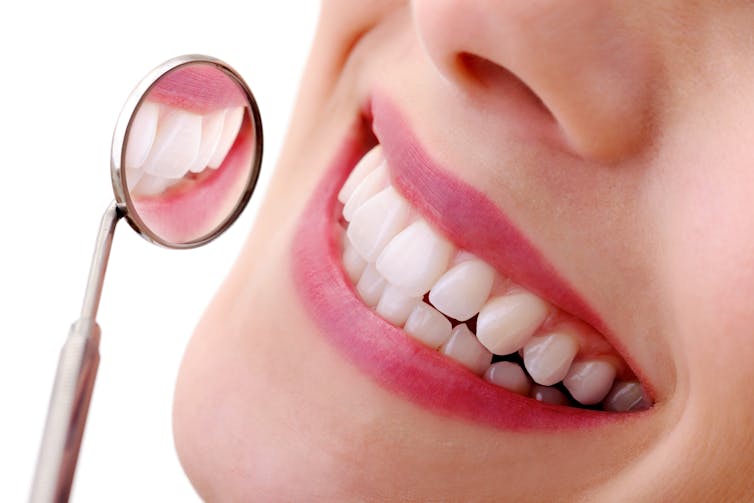
Samer Zaky, University of Pittsburgh
At an auction in England in 2011, one of John Lennon’s teeth sold for just over US$31,000.
How much are your teeth worth?
Teeth are amazing little miracles. They light up our smiles, we use them to speak and we chew with them more than 600 times at every meal.
Yet, in a society where 1 out of 5 Americans ages 75 and up live without their teeth, many people may not realize that teeth are designed to stay with us for a lifetime.
I’m a dentist and an assistant professor spanning clinical dentistry and craniofacial regeneration research. Researchers like me are still deepening our understanding of tooth development, with the ultimate goal of serving patients with on-demand regrown ones.
In the process, I have developed reverence for natural teeth and for the complex beauty of these biological and mechanical masterpieces.
The secret of teeth longevity lies in their durability as well as in how they are anchored to the jaw – picture a hammer and its hand grip. For each tooth, durability and anchorage are functions of the complex interface between six different tissues; each alone is a biological marvel.
For anchorage, the cementum, ligament and bone grip the tooth at its root portion that is buried under the gum. The ligament, a soft tissue that is about 0.2 millimeters wide (about the diameter of four hairs), attaches the cementum of the root on one end to the bone of the jaw on the other end. It serves to anchor the tooth as well as to cushion its movement during chewing.
For durability, however, the secret lies in the enamel, dentin and pulp – our focus in this discussion.
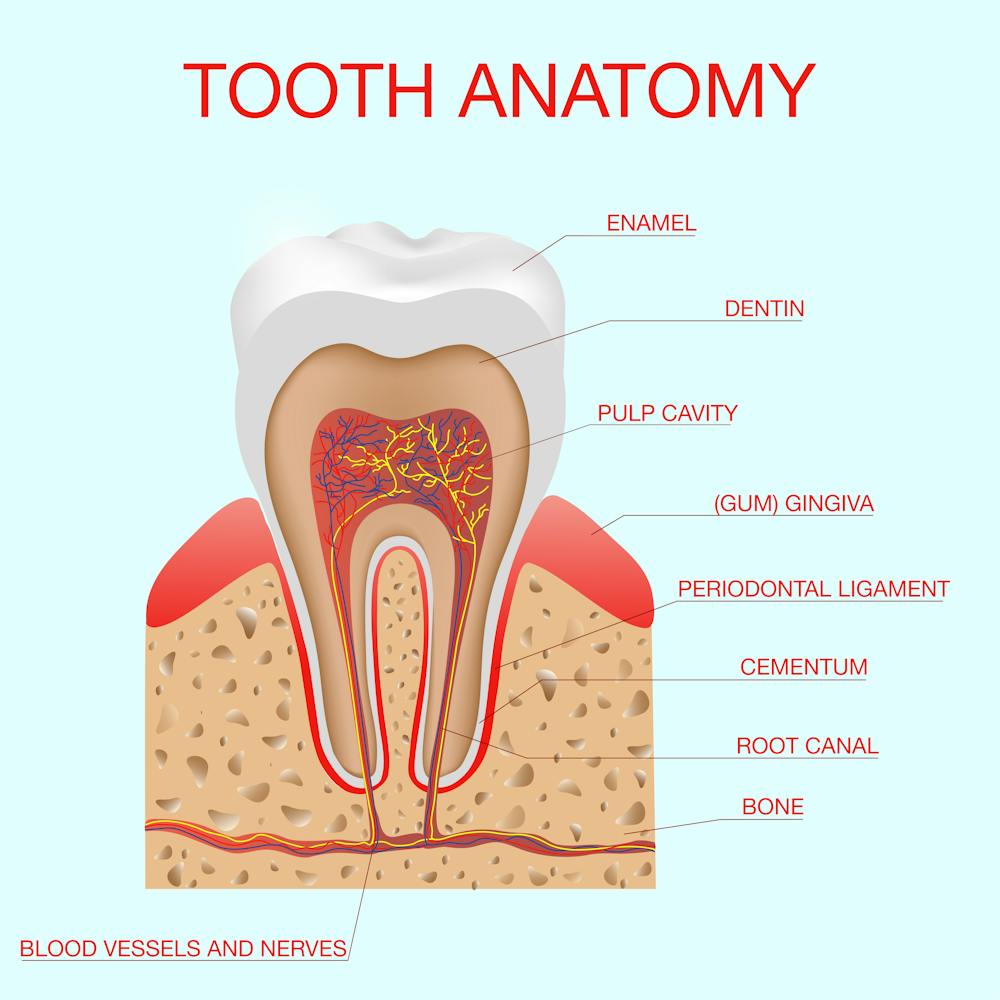
The enamel is the protective shell that covers the visible part of the tooth above the gum. Thanks to its high mineral content, enamel is the hardest tissue in the body. It needs to be, since it acts as a shield against the constant impact of chewing.
Enamel does not contain cells, blood vessels or nerves, so it is nonliving and nonsensitive. Enamel is also non-regenerating. Once destroyed by decay or broken by misuse such as ice chewing, nail biting or bottle opening – or touched by the dental drill – that part of our priceless enamel is gone for good.
Because it interfaces with a germ-laden world, the enamel is also where decay starts. When acid-generating bacteria accumulate on unbrushed or poorly brushed teeth, they readily dissolve the minerals in the enamel.
How bacteria invade the teeth and cause cavities.
Like hair or fingernails, the non-innervated enamel is not sensitive. The decay advances through the 2.5-millimeter thick (tenth of an inch) layer of enamel painlessly. When caught at that phase during a dental checkup visit, the dentist can treat the decay with a relatively conservative filling that hardly compromises the tooth’s structural integrity.
Because of its high mineral content, enamel is stiff. Its lifelong support is provided by the more resilient infrastructure – the dentin.
With less mineral content than enamel, dentin is the resilient body of the tooth. It is a living tissue formed of parallel tiny tubes housing fluid and cellular extensions. Both originate from the pulp.
The pulp is the tooth’s soft tissue core. Vastly rich in cells, blood vessels and nerves, it is the life source of the tooth – its heart – and the key to its longevity.
Like smoke detectors communicating with a remote fire station, the cellular extensions within the dentin sense decay as soon as it breaks through the nonsensitive layer of enamel into dentin. Once the extensions communicate the danger signal to the pulp, our tooth sensitivity alarm goes off: The tooth heart is in flames.
The inflamed pulp initiates two protective actions. The first is to secrete an additional layer of dentin to delay the approaching attack. The second is toothache, a call to visit the dentist.
The earlier the visit, the less the drilling and the smaller the filling. If caught in time, most of the tooth’s natural tissues will be preserved and the pulp will likely regain its healthy state. If caught too late, the pulp slowly dies out.
Without its heart, a nonliving tooth has no defense against further decay invasion. Without a hydration source, a dried-out dentin will sooner or later break under the forces of constant chewing. Besides, a tooth that has already lost a significant portion of its natural structure to decay, cavity preparation or root canal instrumentation becomes weak, with limited longevity.
In other words, the tooth is never the same without its heart. Pulpless, the tooth loses its womb-to-tomb endurance and mother nature’s lifelong warranty.
More complex – and more precious – than a pearl within an oyster, the formation of a tooth within our jawbone involves layered mineral deposition. As tooth development progresses in a process of ultimate cellular engineering, the cells of the six aforementioned tissues – enamel, dentin, pulp, cementum, ligament and bone – multiply, specialize and mineralize synchronously with each other to form uniquely interlocking interfaces: enamel to dentin, dentin to pulp, cementum to dentin and cementum to ligament to bone.
https://www.youtube.com/embed/xrebAYBnKw0?wmode=transparent&start=0 Tooth development – the ultimate process of cellular engineering.
In a progress akin to 3D printing, the tooth crown grows vertically to full formation. Simultaneously, the root continues its elongation to eventually launch off the crown from within the bone across the gum to appear in the mouth – the event known as teething. It is about that time, around 12 years of age, that our set of adult teeth is complete. These pearls are set to endure a lifetime and are undoubtedly worth preserving.
Tooth decay, the most prevalent disease in humans, is both predictable and preventable. The earlier it is caught, the more the tooth integrity can be preserved. Since the process starts painlessly, it is imperative to visit the dentist regularly to keep those insidious germs in check.
During your checkup visit, the dental professional will clean your teeth and check for early decay. If you are diligent with your daily preventive measures, the good news for you will be no news – enough to make anyone smile.
Samer Zaky, Research Assistant Professor in Oral and Craniofacial Sciences, University of Pittsburgh
This article is republished from The Conversation under a Creative Commons license. Read the original article.
ooOOoo
There’s that saying: “No news is good news.”
Another compelling story.
Yet another fantastic story of a dog being transformed, courtesy of The Dodo.
ooOOoo
Dog Is Completely Transformed After Groomers Give Her An Emergency Makeover
By Stephen Messenger, Published on April 5, 2024
Recently, staff at the Wyandotte Animal Shelter in Michigan took in a dog whose condition was described as among the worst they’d ever seen. Pixie, as the dog is named, had fur so overgrown and matted that she could hardly move.
Gazing upon Pixie, one might never guess that an adorable dog existed beneath it.

According to staff at the shelter, Pixie was surrendered by her owner, who, regrettably, had neglected to give her the care and attention she needed — leading to her severely unkempt condition. Ultimately, though, his decision to surrender her is what Pixie needed most.
“He had a hard time letting her go but surrendered her to us so we could ensure she would go to someone who could give her the life she deserved,” the shelter wrote.
With that, Pixie’s world was about to change forever — and it would have to start with a much-needed haircut.

Staff at the shelter reached out to The Downriver Grooming Co. for what would be an emergency grooming session to help Pixie escape from her matted prison.
“[They got] her in within minutes of our call, and for [three] hours they spent freeing her from that matted fur,” the shelter wrote.
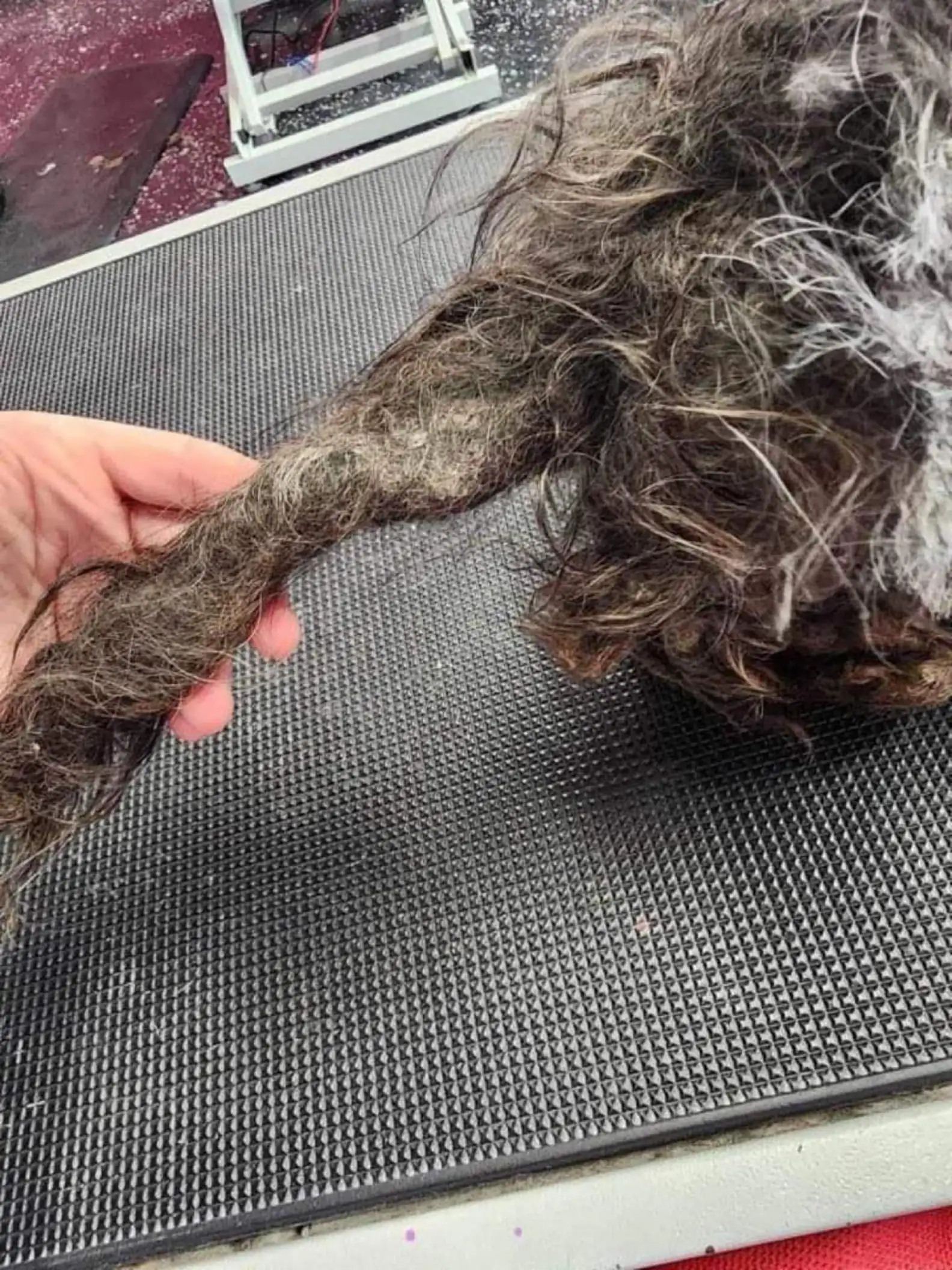
After all was said and done, the real Pixie had emerged.
She was totally unrecognizable from her former self.

“This little girl was only 5.5 pounds, but she seemed twice her size due to the matted fur,” the shelter wrote, adding that she was in remarkably good health, despite her ordeal beneath that overgrown coat.
Pixie’s world had changed for the better — but it wouldn’t be long until it improved even more.

Within days of Pixie’s transformation, thanks to the kindness of those who’d helped her, the little dog got the second chance she so desperately needed.
“Pixie was adopted,” a spokesperson for the Wyandotte Animal Shelter told The Dodo. “Her new family reports that she is doing very well in her new home.”
ooOOoo
We all need second chances from time to time, humans and dogs.
A dramatic article from George Monbiot about water!
I read the latest from George Monbiot yesterday morning and was startled. Startled because I hadn’t thought of it before. Startled because here in Merlin, Southern Oregon we have had so much rain since the beginning of November, 2023 that our acres are swimming in the wet. Startled since that time also our Bummer Creek, which flows across our land, has been at record depths.
But this report is incredibly important and I wanted to share it with you, as I have Geo. Monbiot’s permission for so doing.
ooOOoo
Posted on11th March 2024
The mega-droughts in Spain and the US are a portent of a gathering global water crisis.
By George Monbiot, published in the Guardian 4th March 2024
There’s a flaw in the plan. It’s not a small one: it is an Earth-sized hole in our calculations. To keep pace with the global demand for food, crop production needs to grow by at least 50% by 2050. In principle, if nothing else changes, this is feasible, thanks mostly to improvements in crop breeding and farming techniques. But everything else is going to change.
Even if we set aside all other issues – heat impacts, soil degradation, epidemic plant diseases accelerated by the loss of genetic diversity – there is one which, without help from any other cause, could prevent the world’s people from being fed. Water.
A paper published in 2017 estimated that to match crop production to expected demand, water use for irrigation would have to increase by 146% by the middle of this century. One minor problem. Water is already maxed out.
In general, the dry parts of the world are becoming drier, partly through reduced rainfall; partly through declining river flow as mountain ice and snow retreats; and partly through rising temperatures causing increased evaporation and increased transpiration by plants. Many of the world’s major growing regions are now threatened by “flash droughts”, in which hot and dry weather sucks moisture from the soil at frightening speed. Some places, such as the southwest of the US, now in its 24th year of drought, may have switched permanently to a drier state. Rivers fail to reach the sea, lakes and aquifers are shrinking, species living in freshwater are becoming extinct at roughly five times the rate of species that live on land and major cities are threatened by extreme water stress.
Already, agriculture accounts for 90% of the world’s freshwater use. We have pumped so much out of the ground that we’ve changed the Earth’s spin. The water required to meet growing food demand simply does not exist.
That 2017 paper should have sent everyone scrambling. But as usual, it was ignored by policymakers and the media. Only when the problem arrives in Europe do we acknowledge that there’s a crisis. But while there is understandable panic about the drought in Catalonia and Andalusia, there’s an almost total failure among powerful interests to acknowledge that this is just one instance of a global problem, a problem that should feature at the top of the political agenda.
Though drought measures have triggered protests in Spain, this is far from the most dangerous flashpoint. The catchment of the Indus river is shared by three nuclear powers – India, Pakistan and China – and several highly unstable and divided regions already afflicted by hunger and extreme poverty. Today, 95% of the river’s dry season flow is extracted, mostly for irrigation. But water demand in both Pakistan and India is growing rapidly. Supply – temporarily boosted by the melting of glaciers in the Himalayas and the Hindu Kush – will, before long, peak and then go into decline.
Even under the most optimistic climate scenario, runoff from Asian glaciers is expected to peak before mid-century, and glacier mass will shrink by about 46% by 2100. Some analysts see water competition between India and Pakistan as a major cause of the repeated conflicts in Kashmir. But unless a new Indus waters treaty is struck, taking falling supplies into account, this fighting could be a mere prelude for something much worse.
There’s a widespread belief that these problems can be solved simply by enhancing the efficiency of irrigation: huge amounts of water are wasted in agriculture. So let me introduce you to the irrigation efficiency paradox. As better techniques ensure that less water is required to grow a given volume of crops, irrigation becomes cheaper. As a result, it attracts more investment, encourages farmers to grow thirstier, more profitable plants, and expands across a wider area. This is what happened, for instance, in the Guadiana river basin in Spain, where a €600m investment to reduce water use by improving the efficiency of irrigation has instead increased it.
You can overcome the paradox through regulation: laws to limit both total and individual water consumption. But governments prefer to rely on technology alone. Without political and economic measures, it doesn’t work.
Nor are other technofixes likely to solve the problem. Governments are planning massive engineering schemes to pipe water from one place to another. But climate breakdown and rising demand ensure that many of the donor regions are also likely to run dry. Water from desalination plants typically costs five or 10 times as much as water from the ground or the sky, while the process requires masses of energy and generates great volumes of toxic brine.
Above all, we need to change our diets. Those of us with dietary choice (in other words, the richer half of the world’s population) should seek to minimise the water footprint of our food. With apologies for harping on about it, this is yet another reason to switch to an animal-free diet, which reduces both total crop demand and, in most cases, water use. The water demand of certain plant products, especially almonds and pistachios in California, has become a major theme in the culture wars, as rightwing influencers attack plant-based diets. But, excessive as the watering of these crops is, more than twice as much irrigation water is used in California to grow forage plants to feed livestock, especially dairy cows. Dairy milk has much higher water demand even than the worst alternative (almond milk), and is astronomically higher than the best alternatives, such as oat or soya milk.
This is not to give all plant products a free pass: horticulture can make massive demands on water supplies. Even within a plant-based diet, we should be switching from some grains, vegetables and fruit to others. Governments and retailers should help us through a combination of stronger rules and informative labelling.
Instead, they do the opposite. Last month, at the behest of the EU’s agricultural commissioner, Janusz Wojciechowski, the European Commission deleted from its new climate plan the call to incentivise “diversified” (animal-free) protein sources. Regulatory capture is never stronger than in the food and farming sector.
I hate to pile yet more on to you, but some of us have to try to counter the endless bias against relevance in politics and most of the media. This is yet another of those massive neglected issues, any one of which could be fatal to peace and prosperity on a habitable planet. Somehow, we need to recover our focus.
ooOOoo
Oh dear, oh dear!
One hates to be alarmist and yet Monbiot is a very smart reporter and this is truly important.
Oh dear, oh dear!
Man’s First Friend
Last Sunday Jean and I watched a Top Documentary Film about the origins of dogs. It was filmed in 2018 and was precious.
Here are the words that accompanied the film:
He has been an integral part of our existence for over 20,000 years. Throughout history, his contributions have been diverse and invaluable. He’s aided us in procuring sustenance, safeguarded our domesticated animals, served as a shield against adversaries, provided navigation during harsh conditions, and rescued us from imminent danger.
Presently, he offers solace, alleviating solitude and assisting us in managing the challenges of advancing age. He has evolved into an unwavering comrade. The origins of dogs raise intriguing questions: How did these remarkable creatures emerge? How did they ascend to such prominence in our lives? How did we forge a collaborative relationship, leveraging their distinct abilities? Moreover, what remarkable feats do they accomplish for us in contemporary times?
Prepare to embark on a journey that unveils the extraordinary escapades of these exceptional beings, showcasing their heroic deeds. Transitioning from wild wolves to beloved companions, from predatory instincts to steadfast friendship, we will traverse the globe to narrate the captivating narrative of how dogs earned their title: man’s first friend.
Director: Frédéric Fougea
Luckily the film, that runs for 90 minutes, is available on YouTube.
Here it is:
If you haven’t seen the film then, please, put some time aside to watch it. You will not be disappointed.
This came in from our neighbour, Dordie!
You will love it!
ooOOoo
This dog catching a fish while his owner is away.. Dogs are the best..
It was originally posted on ‘X’ by but then I found it on YouTube. However the text that was shown on X read:
Buitengebieden,
Welcome to the positive side of X. I’m Sander from the Netherlands. All copyrights belong to their respective owners! DM for credits/removal/submission!
ooOOoo
Wonderful! Thanks Dordie!
A woman who knew no bounds when it came to rescuing three large dogs.
This is such a beautiful account of Veronica Shea taking action, and personal risks, to provide, firstly trust, and then love for Princess George, Grace and Steve, as they were named. The story was published on The Dodo.
Please read for yourself.
ooOOoo
Woman Visits Mountain Every Day To Convince Huge Dogs To Let Her Rescue Them
Published on the 26th October, 2023
In 2020, Veronica Shea was out hiking with her dog in the Angeles National Forest in California, when she spotted something strange moving ahead of them.
“We whip around the curve, and I look over and there was this huge black thing,” Shea told The Dodo. “He went up the side of a cliff.”
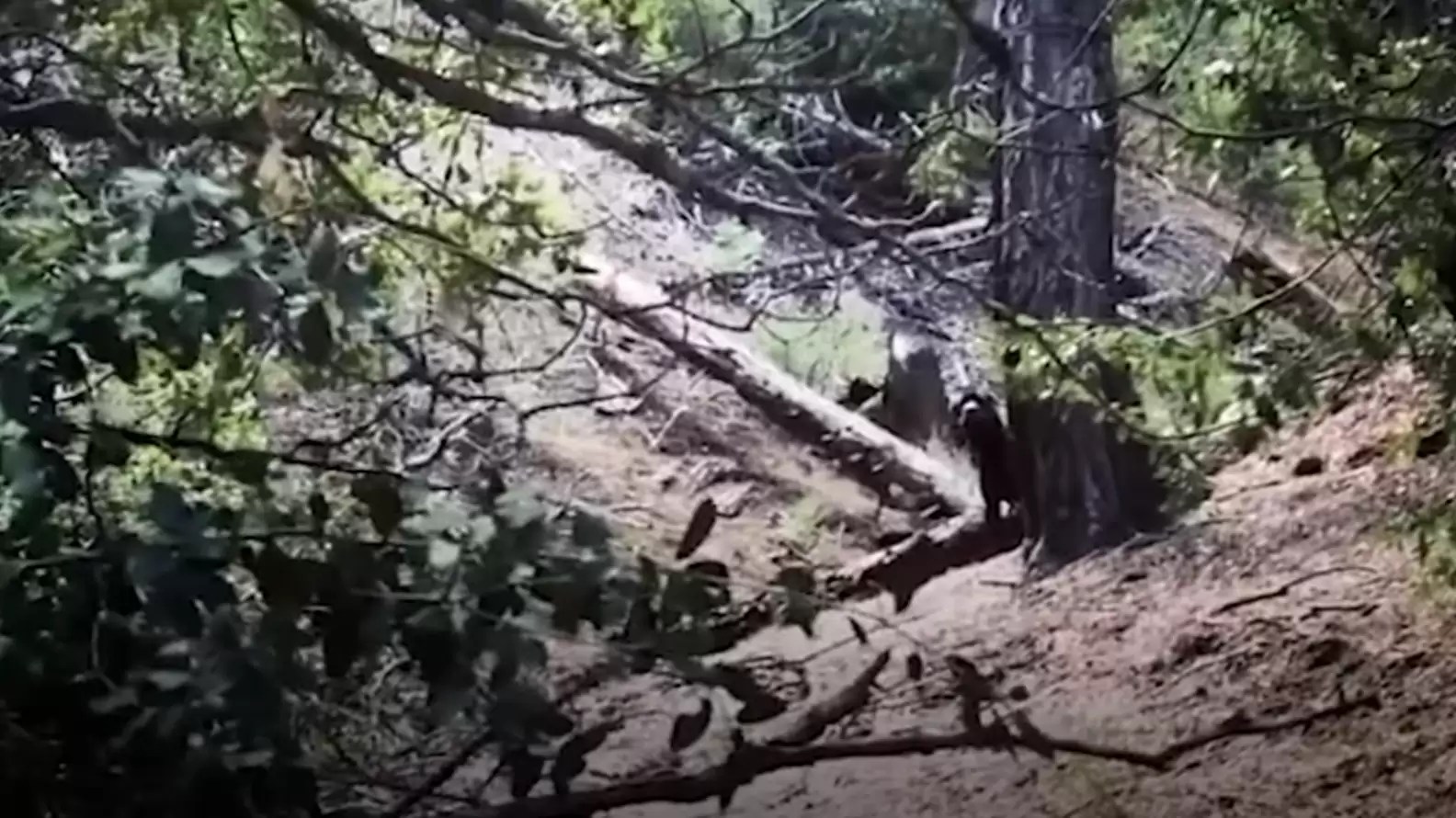
Shea followed the furry animal and came face to face with three malnourished dogs alone in the wilderness. Realizing the dogs had been abandoned, she knew she had to help them. Every day for several weeks, Shea trudged up the mountain to feed the dogs and work on gaining their trust.
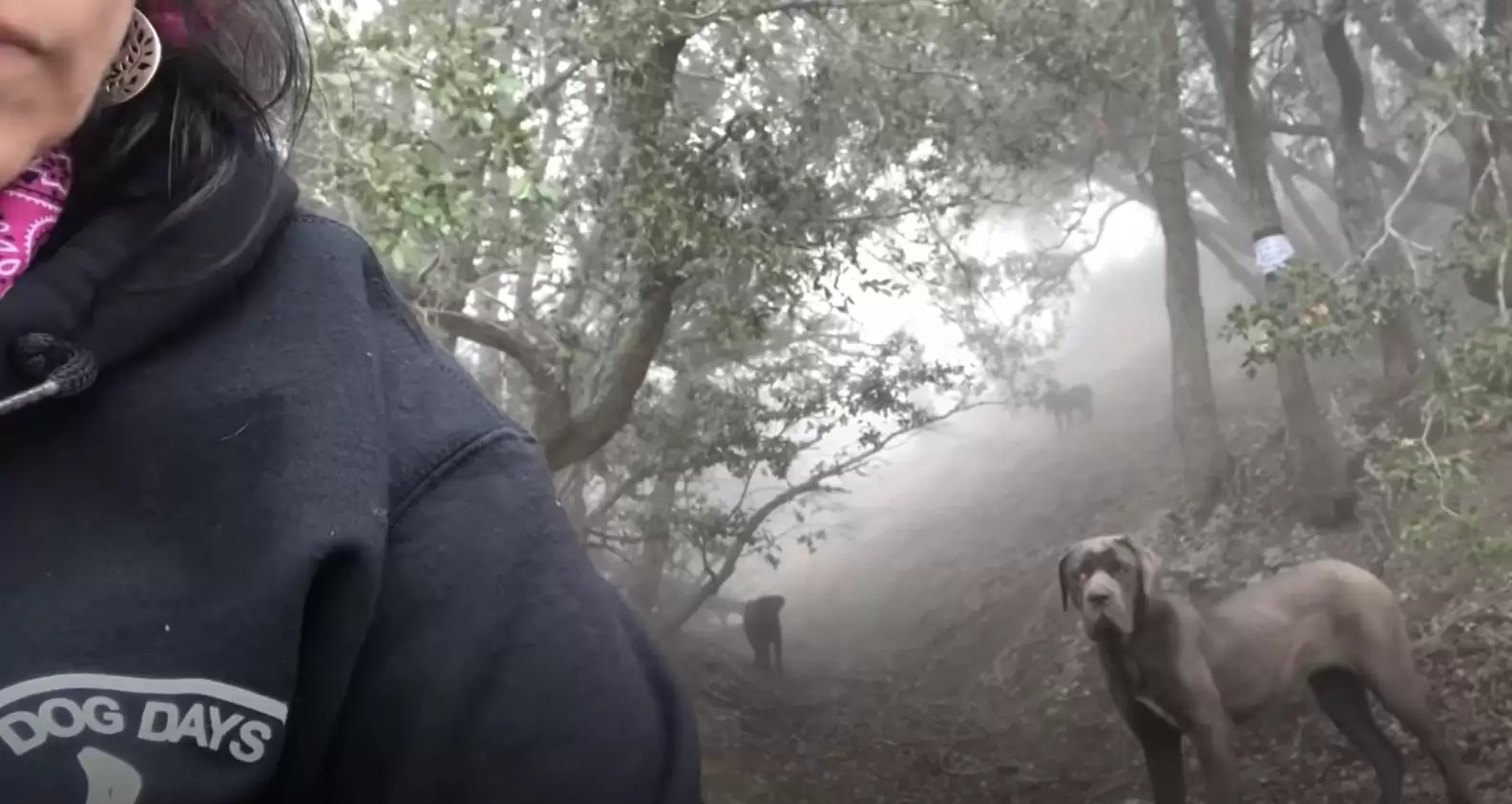
Slowly, the dogs got used to her and even began eating out of her hand. But Shea had no idea how to get them off the mountain. If she trapped one dog, would the others flee? She knew she couldn’t do it alone.
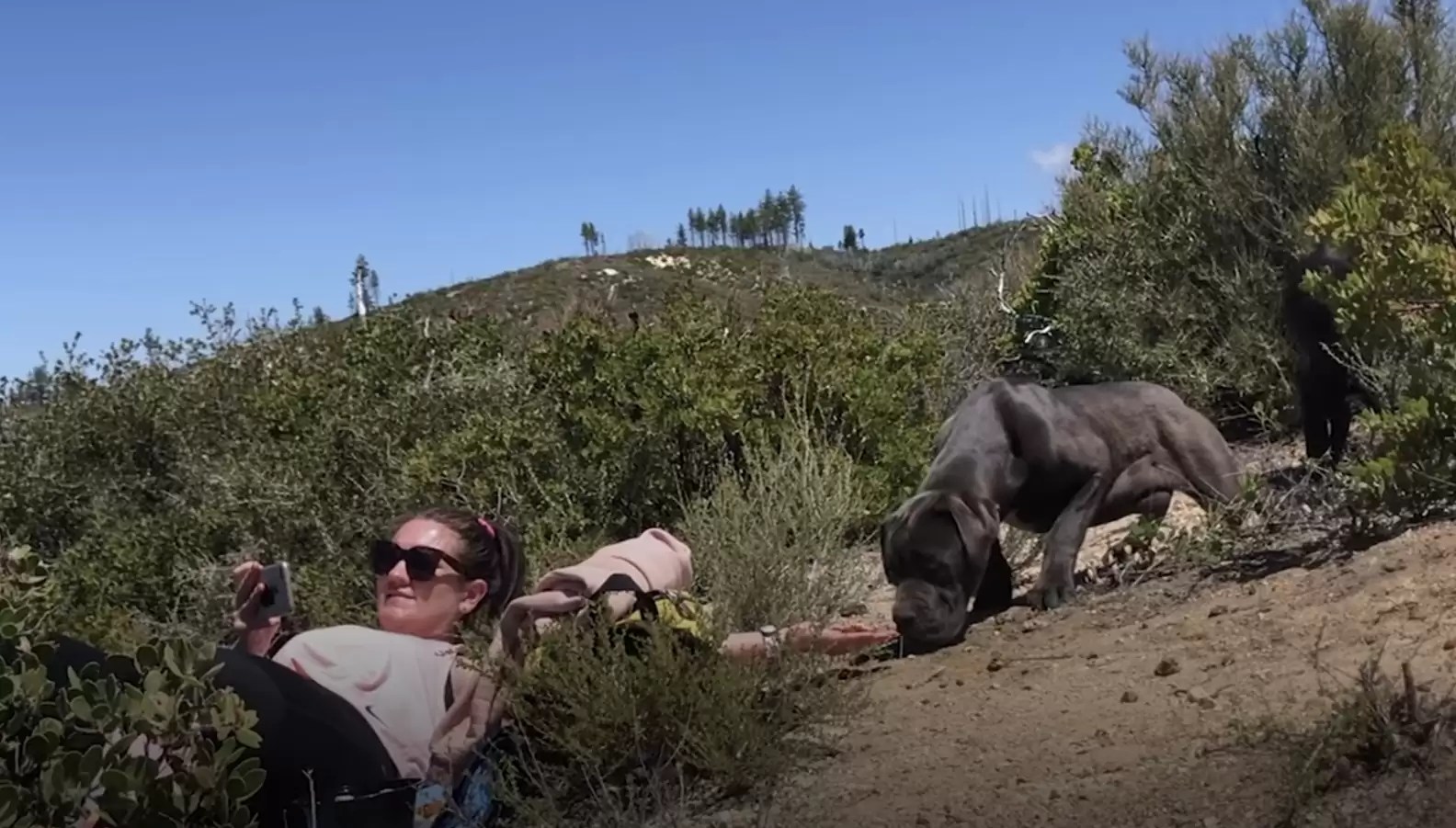
When she asked for help, a whole team of rescuers stepped forward. Together, they carried equipment up the mountain and put together a makeshift cage. The rescuers carefully lured the dogs inside and carried them down the mountain.
The three dogs —mastiffs named Princess George, Grace and Steve, who are believed to be siblings — were safe now. But they still had a long journey ahead.
The rescuers approached Cheri Wulff Lucas, a well known dog behaviorist and trainer in California, to see if she could help the nervous dogs learn to trust again.
“They weren’t adoptable the way they came,” Lucas told The Dodo. “They couldn’t be touched. They couldn’t be leashed. They were just terrified.”
Princess George, Grace and Steve responded well to Lucas’ training. Still, they continued to have a “very strong startle reflex,” said Lucas. This made it difficult to find them the perfect home.
“It was going to take a very special home for them to go into because they’re not the kind of dogs that are going to go to the dog park,” Lucas said. “Even walking them on city streets would be a lot for them. And if they do spook, they weigh 125 pounds, so [they would be] very hard to contain.”
But Lucas knew the dogs were safe on her own property.
“I’m out in the middle of nowhere,” Lucas said. “There’s no traffic around here. You can’t even see another home from here. So if they did get out, they would just come back here to me.”
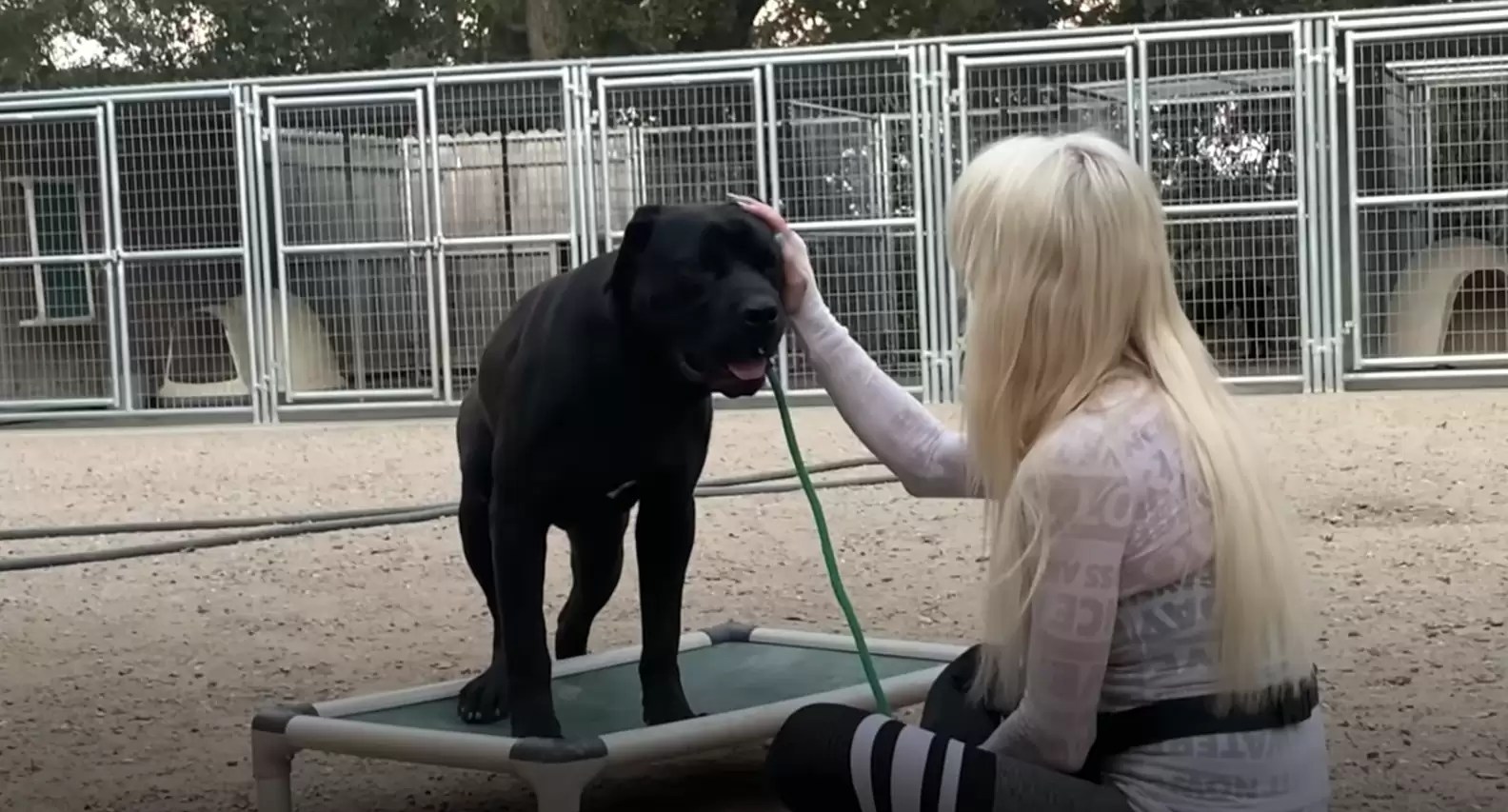
While Lucas never planned on keeping the dogs herself, that’s exactly what she ended up doing. This turned out to be the best decision for everyone. Princess George, Grace, and Steve continued to live in a safe and supportive environment. And Lucas discovered that the dogs could help her with her work as a trainer.
“If I get dogs that needs socialization — to be more familiar and less reactive with other dogs — I use my pack to help rehabilitate them,” Lucas said. “And all three of them are highly social with dogs. They know how to smell properly, how to not overpower the dog that needs the socialization. They’re just flawless. And that’s not something I taught them — they came that way.”
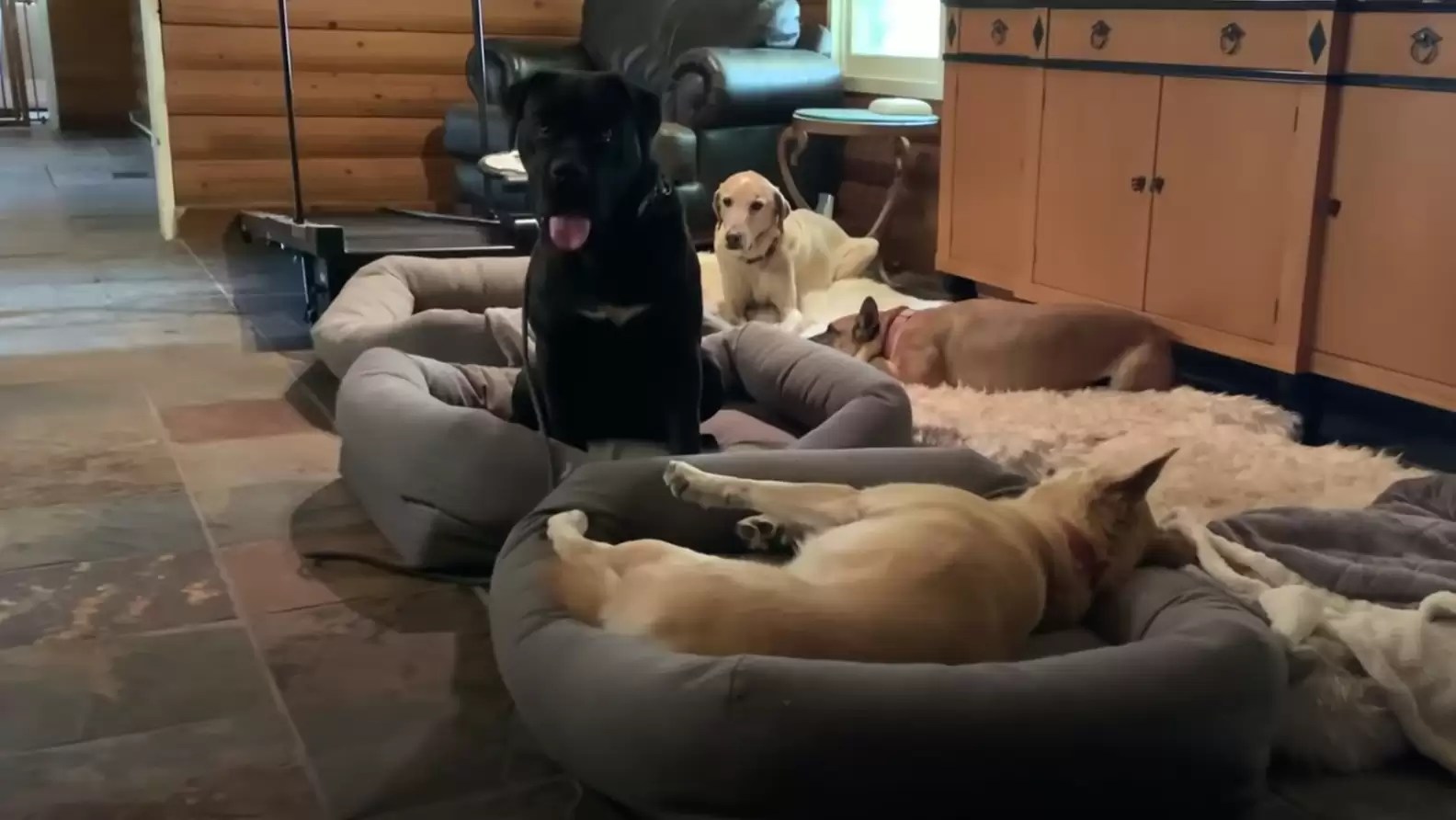
The threesome were particularly helpful when Lucas started working with another dog named Andi, who was rescued from a hoarding case.
“She had lived in a pen for seven years without human touch or being leashed or anything and she was terrified,” Lucas said. “They just came in and really made her feel comfortable. It was really sweet to see. They brought her around in a way that I never could as a human.”
Lucas ended up adopting Andi as well, bringing her personal pack of dogs to 12.
Princess George, Grace and Steve have been living with Lucas now for over three years, and they’re completely different dogs now.
“They’re incredibly playful,” Lucas said. “If you came to my house and did not know their backstory, you would think they were like any other dog.”
Lucas describes George as a “couch potato” who loves hanging around the house and socializing with the other dogs. Steve is the one who likes to play endless games of “chase” out in the yard. Grace remains a bit timid, but she shares a very close relationship with Steve.
“They’re pets — they’re really pets now,” she said. “They’re not cases for me anymore.”
ooOOoo
Lucas sums it up perfectly in that last sentence; “They’re pets – they’re really pets now,“
Lucas reminds me of Jean for when we first met, in December 2007, Jean had more than twenty dogs at home, all rescues, and led to me publishing my first book in 2009: Learning from Dogs.
 Learning from Dogs