Category: Food

Our teeth

A recent post from The Conversation reveals all!

I have no excuse for not being better at looking after my teeth, for one of my elder sisters, Corinne, was a dental assistant and when I was in my mid-fifties I moved down to South-West England and bought a home just a few miles from Corinne’s home. Thereafter she looked after my teeth at the dental practice in Totnes.

But I was careless in following Corinne’s advice and it wasn’t until in my seventies, and living in Merlin, Oregon, that I saw the light; so to speak!

Read this!

ooOOoo

Healthy teeth are wondrous and priceless – a dentist explains why and how best to protect them

Healthy teeth are truly priceless. Moncherie/E+ via Getty Images

Samer Zaky, University of Pittsburgh

At an auction in England in 2011, one of John Lennon’s teeth sold for just over US$31,000.

How much are your teeth worth?

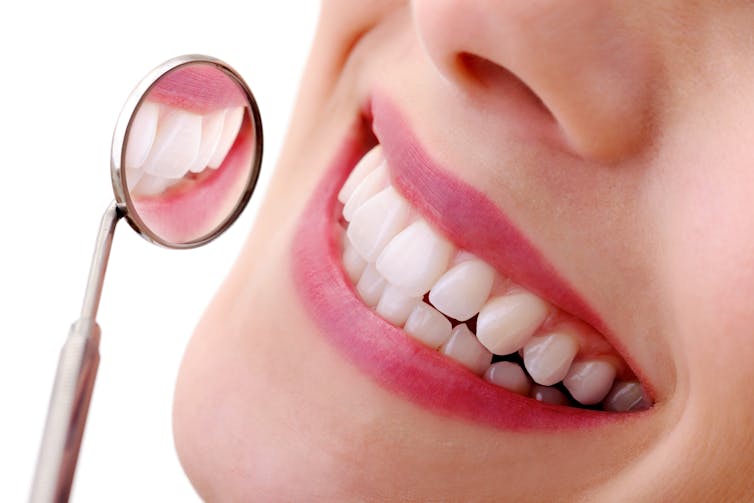
Teeth are amazing little miracles. They light up our smiles, we use them to speak and we chew with them more than 600 times at every meal.

Yet, in a society where 1 out of 5 Americans ages 75 and up live without their teeth, many people may not realize that teeth are designed to stay with us for a lifetime.

I’m a dentist and an assistant professor spanning clinical dentistry and craniofacial regeneration research. Researchers like me are still deepening our understanding of tooth development, with the ultimate goal of serving patients with on-demand regrown ones.

In the process, I have developed reverence for natural teeth and for the complex beauty of these biological and mechanical masterpieces.

Designed for lifelong function

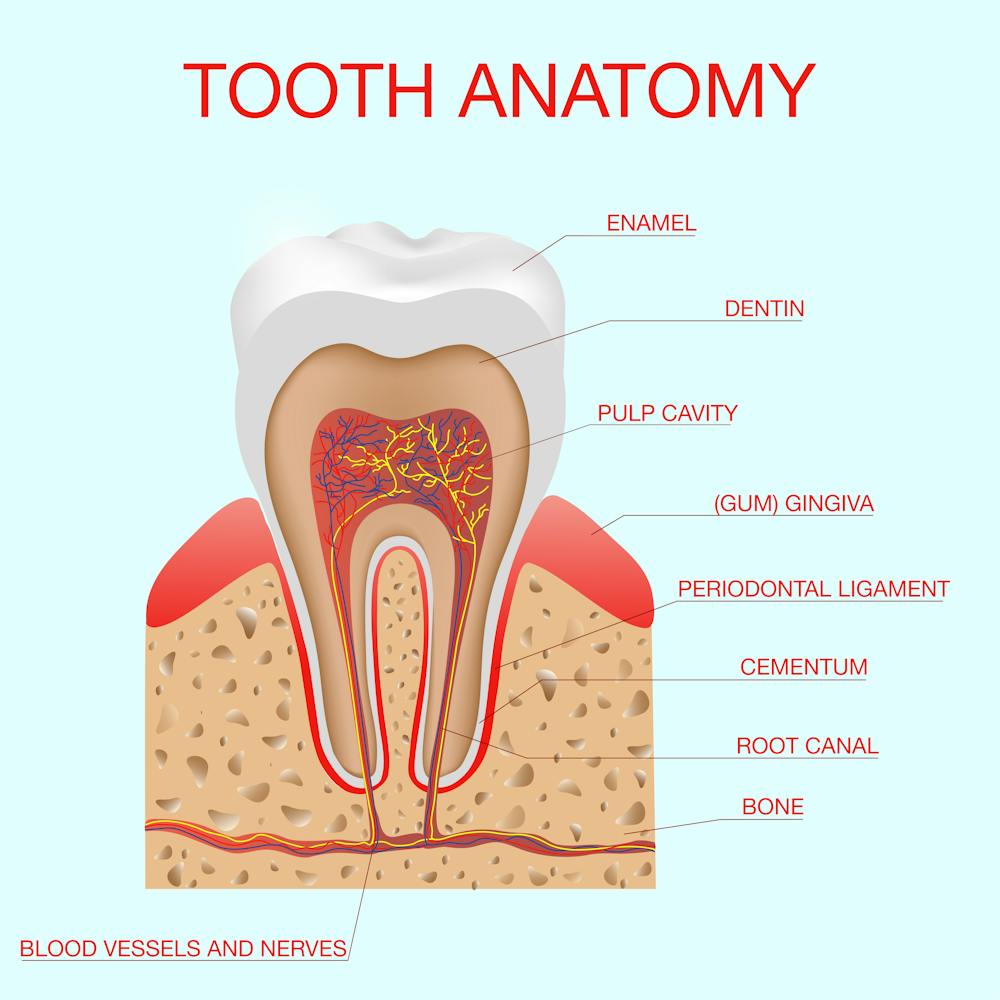
The secret of teeth longevity lies in their durability as well as in how they are anchored to the jaw – picture a hammer and its hand grip. For each tooth, durability and anchorage are functions of the complex interface between six different tissues; each alone is a biological marvel.

For anchorage, the cementum, ligament and bone grip the tooth at its root portion that is buried under the gum. The ligament, a soft tissue that is about 0.2 millimeters wide (about the diameter of four hairs), attaches the cementum of the root on one end to the bone of the jaw on the other end. It serves to anchor the tooth as well as to cushion its movement during chewing.

For durability, however, the secret lies in the enamel, dentin and pulp – our focus in this discussion.

An illustration of tooth anatomy
Dentin and pulp are the body and heart of the tooth. Anna Koroleva/iStock via Getty Images

Enamel – the shield

The enamel is the protective shell that covers the visible part of the tooth above the gum. Thanks to its high mineral content, enamel is the hardest tissue in the body. It needs to be, since it acts as a shield against the constant impact of chewing.

Enamel does not contain cells, blood vessels or nerves, so it is nonliving and nonsensitive. Enamel is also non-regenerating. Once destroyed by decay or broken by misuse such as ice chewing, nail biting or bottle opening – or touched by the dental drill – that part of our priceless enamel is gone for good.

Because it interfaces with a germ-laden world, the enamel is also where decay starts. When acid-generating bacteria accumulate on unbrushed or poorly brushed teeth, they readily dissolve the minerals in the enamel.

How bacteria invade the teeth and cause cavities.

Like hair or fingernails, the non-innervated enamel is not sensitive. The decay advances through the 2.5-millimeter thick (tenth of an inch) layer of enamel painlessly. When caught at that phase during a dental checkup visit, the dentist can treat the decay with a relatively conservative filling that hardly compromises the tooth’s structural integrity.

Because of its high mineral content, enamel is stiff. Its lifelong support is provided by the more resilient infrastructure – the dentin.

Dentin and pulp – body and heart

With less mineral content than enamel, dentin is the resilient body of the tooth. It is a living tissue formed of parallel tiny tubes housing fluid and cellular extensions. Both originate from the pulp.

The pulp is the tooth’s soft tissue core. Vastly rich in cells, blood vessels and nerves, it is the life source of the tooth – its heart – and the key to its longevity.

Like smoke detectors communicating with a remote fire station, the cellular extensions within the dentin sense decay as soon as it breaks through the nonsensitive layer of enamel into dentin. Once the extensions communicate the danger signal to the pulp, our tooth sensitivity alarm goes off: The tooth heart is in flames.

The inflamed pulp initiates two protective actions. The first is to secrete an additional layer of dentin to delay the approaching attack. The second is toothache, a call to visit the dentist.

The earlier the visit, the less the drilling and the smaller the filling. If caught in time, most of the tooth’s natural tissues will be preserved and the pulp will likely regain its healthy state. If caught too late, the pulp slowly dies out.

Without its heart, a nonliving tooth has no defense against further decay invasion. Without a hydration source, a dried-out dentin will sooner or later break under the forces of constant chewing. Besides, a tooth that has already lost a significant portion of its natural structure to decay, cavity preparation or root canal instrumentation becomes weak, with limited longevity.

In other words, the tooth is never the same without its heart. Pulpless, the tooth loses its womb-to-tomb endurance and mother nature’s lifelong warranty.

The tooth coming together

More complex – and more precious – than a pearl within an oyster, the formation of a tooth within our jawbone involves layered mineral deposition. As tooth development progresses in a process of ultimate cellular engineering, the cells of the six aforementioned tissues – enamel, dentin, pulp, cementum, ligament and bone – multiply, specialize and mineralize synchronously with each other to form uniquely interlocking interfaces: enamel to dentin, dentin to pulp, cementum to dentin and cementum to ligament to bone.

https://www.youtube.com/embed/xrebAYBnKw0?wmode=transparent&start=0 Tooth development – the ultimate process of cellular engineering.

In a progress akin to 3D printing, the tooth crown grows vertically to full formation. Simultaneously, the root continues its elongation to eventually launch off the crown from within the bone across the gum to appear in the mouth – the event known as teething. It is about that time, around 12 years of age, that our set of adult teeth is complete. These pearls are set to endure a lifetime and are undoubtedly worth preserving.

Save your teeth, visit the dentist

Tooth decay, the most prevalent disease in humans, is both predictable and preventable. The earlier it is caught, the more the tooth integrity can be preserved. Since the process starts painlessly, it is imperative to visit the dentist regularly to keep those insidious germs in check.

During your checkup visit, the dental professional will clean your teeth and check for early decay. If you are diligent with your daily preventive measures, the good news for you will be no news – enough to make anyone smile.

Samer Zaky, Research Assistant Professor in Oral and Craniofacial Sciences, University of Pittsburgh

This article is republished from The Conversation under a Creative Commons license. Read the original article.

ooOOoo

There’s that saying: “No news is good news.”

A new dog!

Another compelling story.

Yet another fantastic story of a dog being transformed, courtesy of The Dodo.

ooOOoo

Dog Is Completely Transformed After Groomers Give Her An Emergency Makeover

She’s unrecognizable.

By Stephen Messenger, Published on April 5, 2024

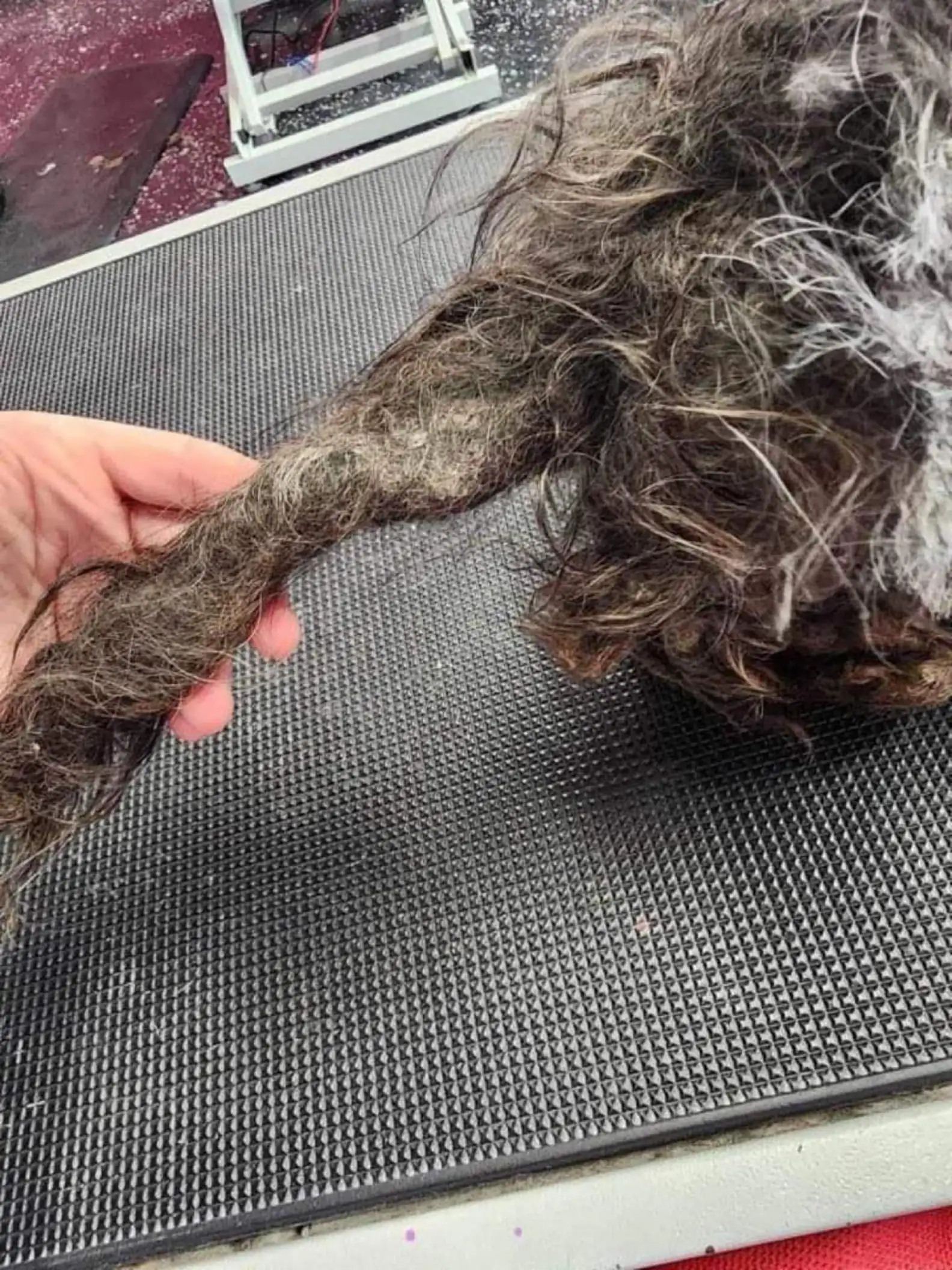
Recently, staff at the Wyandotte Animal Shelter in Michigan took in a dog whose condition was described as among the worst they’d ever seen. Pixie, as the dog is named, had fur so overgrown and matted that she could hardly move.

Gazing upon Pixie, one might never guess that an adorable dog existed beneath it.

Wyandotte Animal Shelter

According to staff at the shelter, Pixie was surrendered by her owner, who, regrettably, had neglected to give her the care and attention she needed — leading to her severely unkempt condition. Ultimately, though, his decision to surrender her is what Pixie needed most.

“He had a hard time letting her go but surrendered her to us so we could ensure she would go to someone who could give her the life she deserved,” the shelter wrote.

With that, Pixie’s world was about to change forever — and it would have to start with a much-needed haircut.

Wyandotte Animal Shelter

Staff at the shelter reached out to The Downriver Grooming Co. for what would be an emergency grooming session to help Pixie escape from her matted prison.

“[They got] her in within minutes of our call, and for [three] hours they spent freeing her from that matted fur,” the shelter wrote.

Wyandotte Animal Shelter

After all was said and done, the real Pixie had emerged.

She was totally unrecognizable from her former self.

Wyandotte Animal Shelter

“This little girl was only 5.5 pounds, but she seemed twice her size due to the matted fur,” the shelter wrote, adding that she was in remarkably good health, despite her ordeal beneath that overgrown coat.

Pixie’s world had changed for the better — but it wouldn’t be long until it improved even more.

Wyandotte Animal Shelter

Within days of Pixie’s transformation, thanks to the kindness of those who’d helped her, the little dog got the second chance she so desperately needed.

“Pixie was adopted,” a spokesperson for the Wyandotte Animal Shelter told The Dodo. “Her new family reports that she is doing very well in her new home.”

ooOOoo

We all need second chances from time to time, humans and dogs.

Water, water, everywhere, but …

A dramatic article from George Monbiot about water!

I read the latest from George Monbiot yesterday morning and was startled. Startled because I hadn’t thought of it before. Startled because here in Merlin, Southern Oregon we have had so much rain since the beginning of November, 2023 that our acres are swimming in the wet. Startled since that time also our Bummer Creek, which flows across our land, has been at record depths.

But this report is incredibly important and I wanted to share it with you, as I have Geo. Monbiot’s permission for so doing.

ooOOoo

Dry Run

Posted on11th March 2024

The mega-droughts in Spain and the US are a portent of a gathering global water crisis.

By George Monbiot, published in the Guardian 4th March 2024

There’s a flaw in the plan. It’s not a small one: it is an Earth-sized hole in our calculations. To keep pace with the global demand for food, crop production needs to grow by at least 50% by 2050. In principle, if nothing else changes, this is feasible, thanks mostly to improvements in crop breeding and farming techniques. But everything else is going to change.

Even if we set aside all other issues – heat impacts, soil degradation, epidemic plant diseases accelerated by the loss of genetic diversity – there is one which, without help from any other cause, could prevent the world’s people from being fed. Water.

A paper published in 2017 estimated that to match crop production to expected demand, water use for irrigation would have to increase by 146% by the middle of this century. One minor problem. Water is already maxed out.

In general, the dry parts of the world are becoming drier, partly through reduced rainfall; partly through declining river flow as mountain ice and snow retreats; and partly through rising temperatures causing increased evaporation and increased transpiration by plants. Many of the world’s major growing regions are now threatened by “flash droughts”, in which hot and dry weather sucks moisture from the soil at frightening speed. Some places, such as the southwest of the US, now in its 24th year of drought, may have switched permanently to a drier state. Rivers fail to reach the sea, lakes and aquifers are shrinking, species living in freshwater are becoming extinct at roughly five times the rate of species that live on land and major cities are threatened by extreme water stress.

Already, agriculture accounts for 90% of the world’s freshwater use. We have pumped so much out of the ground that we’ve changed the Earth’s spin. The water required to meet growing food demand simply does not exist.

That 2017 paper should have sent everyone scrambling. But as usual, it was ignored by policymakers and the media. Only when the problem arrives in Europe do we acknowledge that there’s a crisis. But while there is understandable panic about the drought in Catalonia and Andalusia, there’s an almost total failure among powerful interests to acknowledge that this is just one instance of a global problem, a problem that should feature at the top of the political agenda.

Though drought measures have triggered protests in Spain, this is far from the most dangerous flashpoint. The catchment of the Indus river is shared by three nuclear powers – India, Pakistan and China – and several highly unstable and divided regions already afflicted by hunger and extreme poverty. Today, 95% of the river’s dry season flow is extracted, mostly for irrigation. But water demand in both Pakistan and India is growing rapidly. Supply – temporarily boosted by the melting of glaciers in the Himalayas and the Hindu Kush – will, before long, peak and then go into decline.

Even under the most optimistic climate scenario, runoff from Asian glaciers is expected to peak before mid-century, and glacier mass will shrink by about 46% by 2100. Some analysts see water competition between India and Pakistan as a major cause of the repeated conflicts in Kashmir. But unless a new Indus waters treaty is struck, taking falling supplies into account, this fighting could be a mere prelude for something much worse.

There’s a widespread belief that these problems can be solved simply by enhancing the efficiency of irrigation: huge amounts of water are wasted in agriculture. So let me introduce you to the irrigation efficiency paradox. As better techniques ensure that less water is required to grow a given volume of crops, irrigation becomes cheaper. As a result, it attracts more investment, encourages farmers to grow thirstier, more profitable plants, and expands across a wider area. This is what happened, for instance, in the Guadiana river basin in Spain, where a €600m investment to reduce water use by improving the efficiency of irrigation has instead increased it.

You can overcome the paradox through regulation: laws to limit both total and individual water consumption. But governments prefer to rely on technology alone. Without political and economic measures, it doesn’t work.

Nor are other technofixes likely to solve the problem. Governments are planning massive engineering schemes to pipe water from one place to another. But climate breakdown and rising demand ensure that many of the donor regions are also likely to run dry. Water from desalination plants typically costs five or 10 times as much as water from the ground or the sky, while the process requires masses of energy and generates great volumes of toxic brine.

Above all, we need to change our diets. Those of us with dietary choice (in other words, the richer half of the world’s population) should seek to minimise the water footprint of our food. With apologies for harping on about it, this is yet another reason to switch to an animal-free diet, which reduces both total crop demand and, in most cases, water use. The water demand of certain plant products, especially almonds and pistachios in California, has become a major theme in the culture wars, as rightwing influencers attack plant-based diets. But, excessive as the watering of these crops is, more than twice as much irrigation water is used in California to grow forage plants to feed livestock, especially dairy cows. Dairy milk has much higher water demand even than the worst alternative (almond milk), and is astronomically higher than the best alternatives, such as oat or soya milk.

This is not to give all plant products a free pass: horticulture can make massive demands on water supplies. Even within a plant-based diet, we should be switching from some grains, vegetables and fruit to others. Governments and retailers should help us through a combination of stronger rules and informative labelling.

Instead, they do the opposite. Last month, at the behest of the EU’s agricultural commissioner, Janusz Wojciechowski, the European Commission deleted from its new climate plan the call to incentivise “diversified” (animal-free) protein sources. Regulatory capture is never stronger than in the food and farming sector.

I hate to pile yet more on to you, but some of us have to try to counter the endless bias against relevance in politics and most of the media. This is yet another of those massive neglected issues, any one of which could be fatal to peace and prosperity on a habitable planet. Somehow, we need to recover our focus.

http://www.monbiot.com

ooOOoo

Oh dear, oh dear!

One hates to be alarmist and yet Monbiot is a very smart reporter and this is truly important.

Oh dear, oh dear!

A very beautiful film

Man’s First Friend

Last Sunday Jean and I watched a Top Documentary Film about the origins of dogs. It was filmed in 2018 and was precious.

Here are the words that accompanied the film:

He has been an integral part of our existence for over 20,000 years. Throughout history, his contributions have been diverse and invaluable. He’s aided us in procuring sustenance, safeguarded our domesticated animals, served as a shield against adversaries, provided navigation during harsh conditions, and rescued us from imminent danger.

Presently, he offers solace, alleviating solitude and assisting us in managing the challenges of advancing age. He has evolved into an unwavering comrade. The origins of dogs raise intriguing questions: How did these remarkable creatures emerge? How did they ascend to such prominence in our lives? How did we forge a collaborative relationship, leveraging their distinct abilities? Moreover, what remarkable feats do they accomplish for us in contemporary times?

Prepare to embark on a journey that unveils the extraordinary escapades of these exceptional beings, showcasing their heroic deeds. Transitioning from wild wolves to beloved companions, from predatory instincts to steadfast friendship, we will traverse the globe to narrate the captivating narrative of how dogs earned their title: man’s first friend.

Director: Frédéric Fougea

Luckily the film, that runs for 90 minutes, is available on YouTube.

Here it is:

If you haven’t seen the film then, please, put some time aside to watch it. You will not be disappointed.

Dogs are the best!

This came in from our neighbour, Dordie!

You will love it!

ooOOoo

This dog catching a fish while his owner is away.. Dogs are the best..

It was originally posted on ‘X’ by but then I found it on YouTube. However the text that was shown on X read:

Buitengebieden,

Welcome to the positive side of X. I’m Sander from the Netherlands. All copyrights belong to their respective owners! DM for credits/removal/submission!

ooOOoo

Wonderful! Thanks Dordie!

This IS a rescue story.

A woman who knew no bounds when it came to rescuing three large dogs.

This is such a beautiful account of Veronica Shea taking action, and personal risks, to provide, firstly trust, and then love for Princess George, Grace and Steve, as they were named. The story was published on The Dodo.

Please read for yourself.

ooOOoo

Woman Visits Mountain Every Day To Convince Huge Dogs To Let Her Rescue Them

“They couldn’t be touched. They couldn’t be leashed. They were just terrified.”

By Elizabeth Claire Alberts

Published on the 26th October, 2023

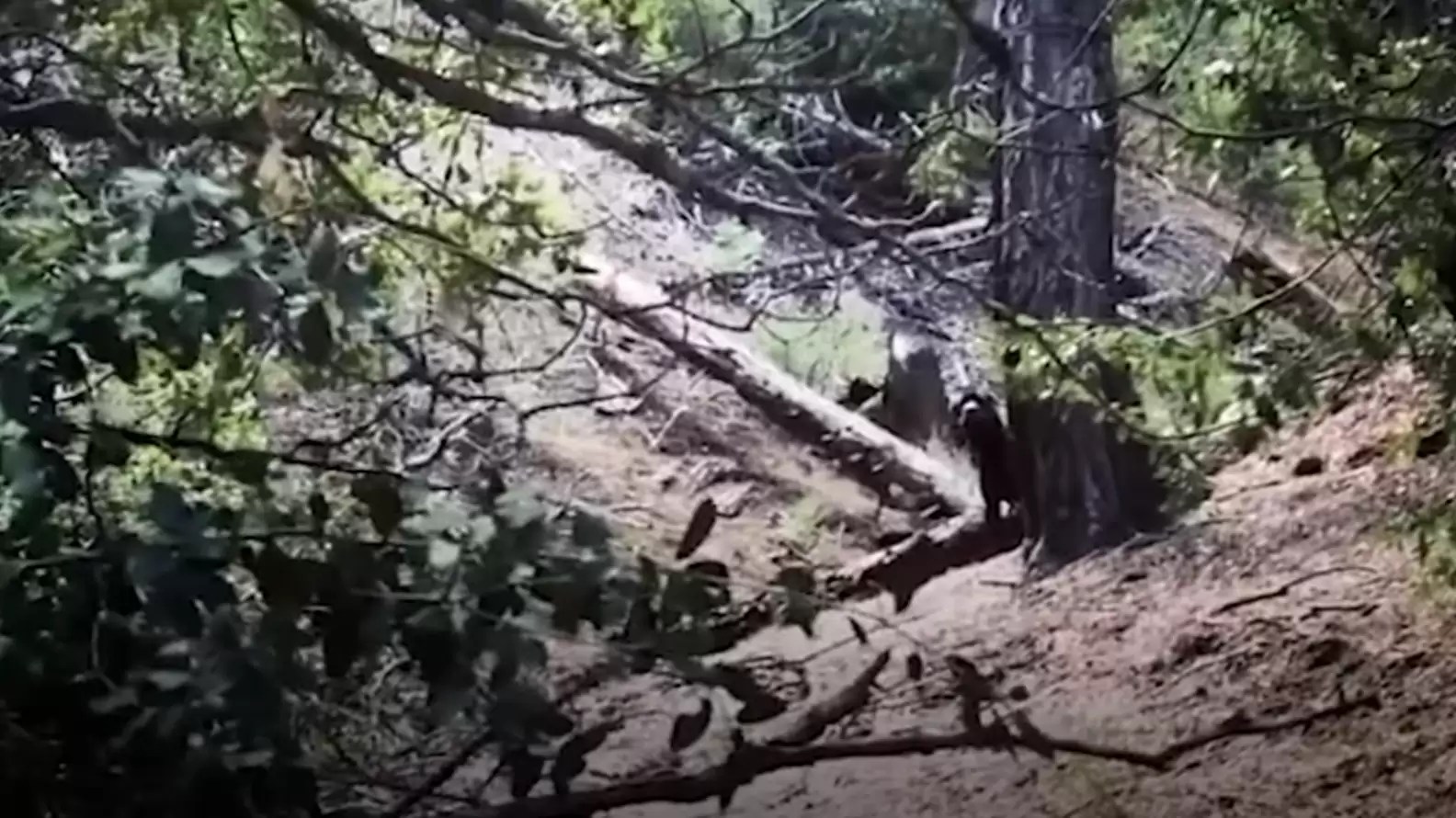
In 2020, Veronica Shea was out hiking with her dog in the Angeles National Forest in California, when she spotted something strange moving ahead of them.

“We whip around the curve, and I look over and there was this huge black thing,” Shea told The Dodo. “He went up the side of a cliff.”

Veronica Shea

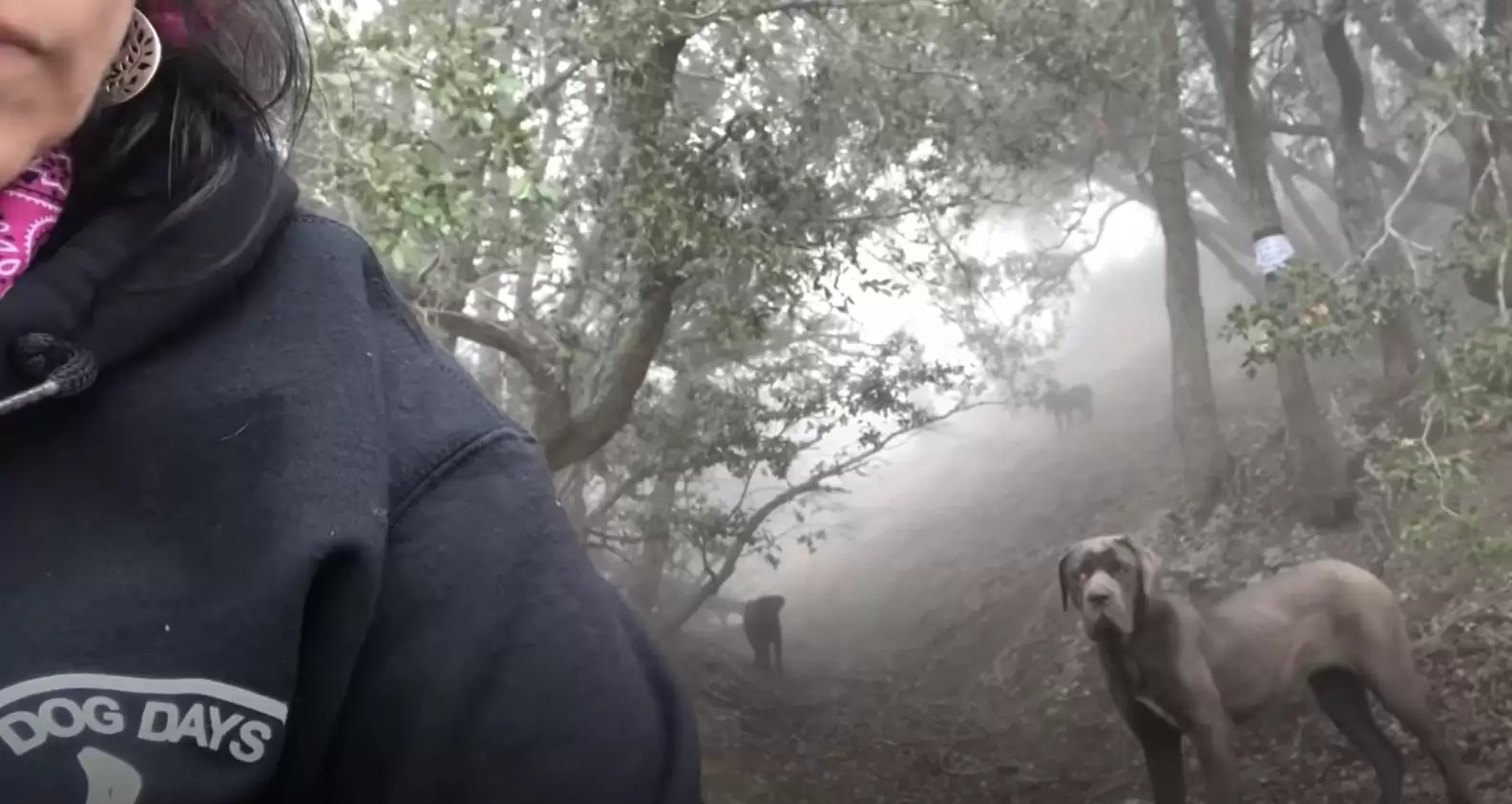
Shea followed the furry animal and came face to face with three malnourished dogs alone in the wilderness. Realizing the dogs had been abandoned, she knew she had to help them. Every day for several weeks, Shea trudged up the mountain to feed the dogs and work on gaining their trust.

Veronica Shea

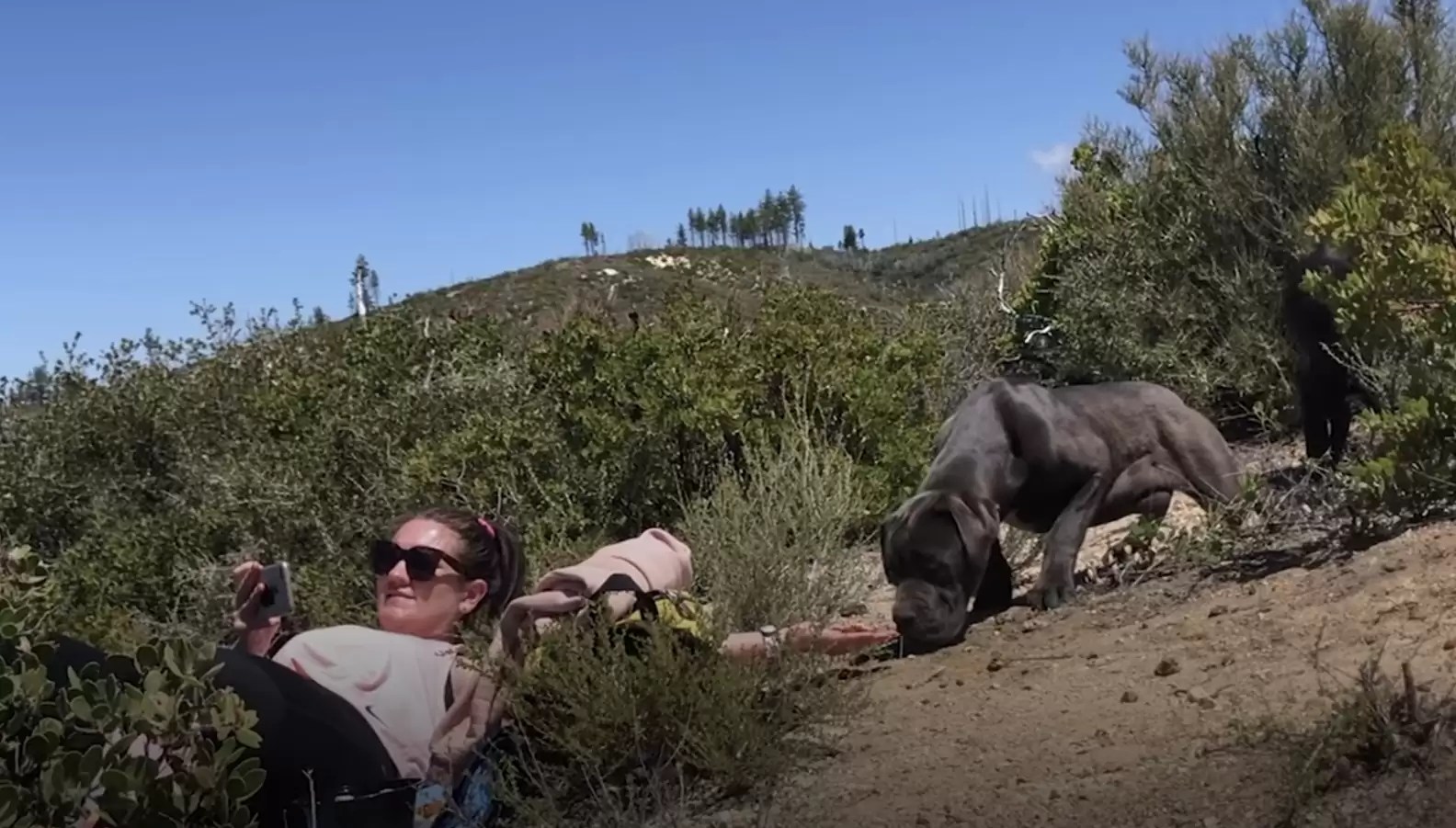
Slowly, the dogs got used to her and even began eating out of her hand. But Shea had no idea how to get them off the mountain. If she trapped one dog, would the others flee? She knew she couldn’t do it alone.

Veronica Shea

When she asked for help, a whole team of rescuers stepped forward. Together, they carried equipment up the mountain and put together a makeshift cage. The rescuers carefully lured the dogs inside and carried them down the mountain.

The three dogs —mastiffs named Princess George, Grace and Steve, who are believed to be siblings — were safe now. But they still had a long journey ahead.

Veronica Shea

The rescuers approached Cheri Wulff Lucas, a well known dog behaviorist and trainer in California, to see if she could help the nervous dogs learn to trust again.

“They weren’t adoptable the way they came,” Lucas told The Dodo. “They couldn’t be touched. They couldn’t be leashed. They were just terrified.”

Princess George, Grace and Steve responded well to Lucas’ training. Still, they continued to have a “very strong startle reflex,” said Lucas. This made it difficult to find them the perfect home.

“It was going to take a very special home for them to go into because they’re not the kind of dogs that are going to go to the dog park,” Lucas said. “Even walking them on city streets would be a lot for them. And if they do spook, they weigh 125 pounds, so [they would be] very hard to contain.”

But Lucas knew the dogs were safe on her own property.

“I’m out in the middle of nowhere,” Lucas said. “There’s no traffic around here. You can’t even see another home from here. So if they did get out, they would just come back here to me.”

Veronica Shea

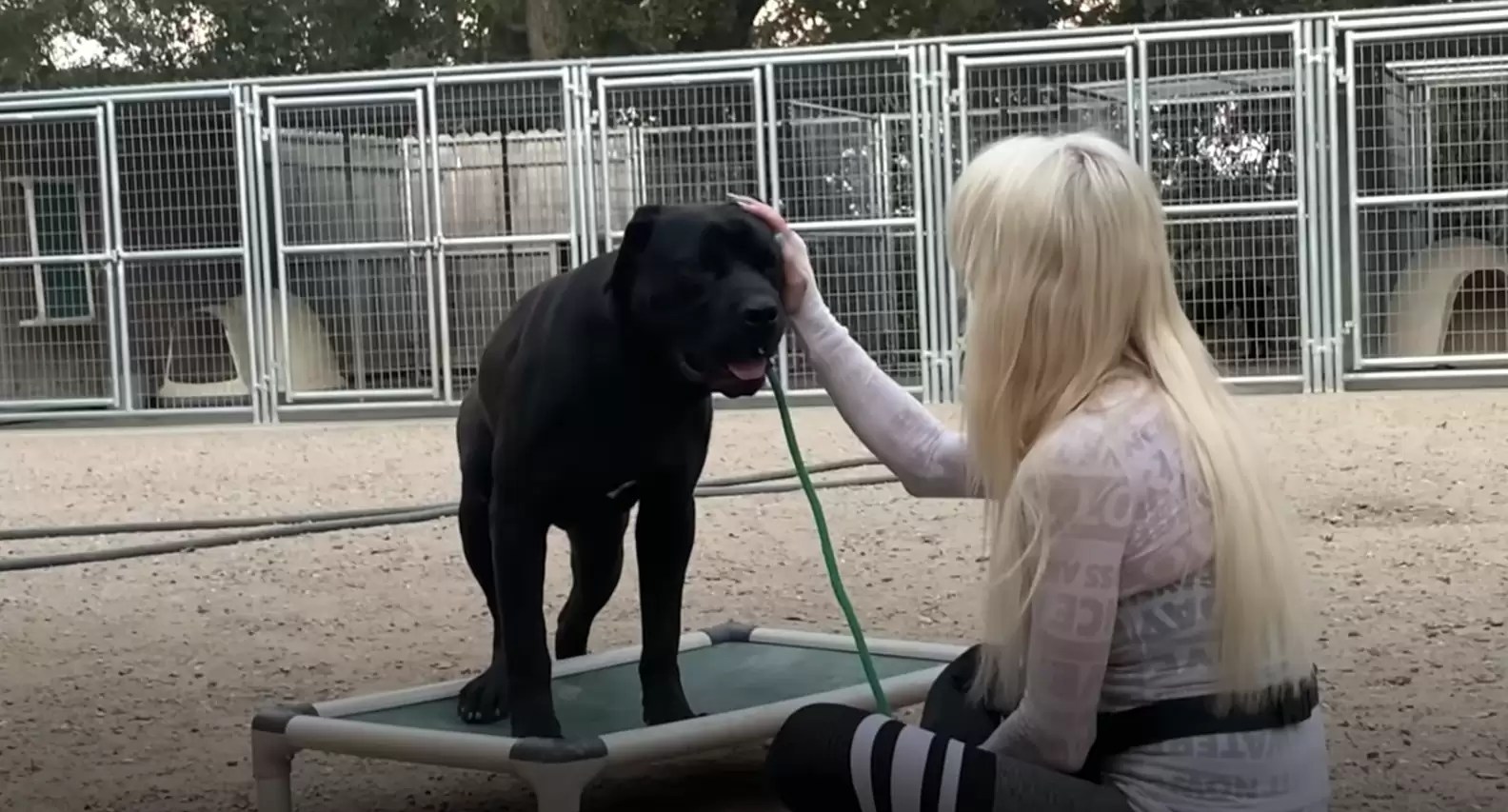
While Lucas never planned on keeping the dogs herself, that’s exactly what she ended up doing. This turned out to be the best decision for everyone. Princess George, Grace, and Steve continued to live in a safe and supportive environment. And Lucas discovered that the dogs could help her with her work as a trainer.

“If I get dogs that needs socialization — to be more familiar and less reactive with other dogs — I use my pack to help rehabilitate them,” Lucas said. “And all three of them are highly social with dogs. They know how to smell properly, how to not overpower the dog that needs the socialization. They’re just flawless. And that’s not something I taught them — they came that way.”

Veronica Shea

The threesome were particularly helpful when Lucas started working with another dog named Andi, who was rescued from a hoarding case.

“She had lived in a pen for seven years without human touch or being leashed or anything and she was terrified,” Lucas said. “They just came in and really made her feel comfortable. It was really sweet to see. They brought her around in a way that I never could as a human.”

Lucas ended up adopting Andi as well, bringing her personal pack of dogs to 12.

Princess George, Grace and Steve have been living with Lucas now for over three years, and they’re completely different dogs now.

“They’re incredibly playful,” Lucas said. “If you came to my house and did not know their backstory, you would think they were like any other dog.”

Lucas describes George as a “couch potato” who loves hanging around the house and socializing with the other dogs. Steve is the one who likes to play endless games of “chase” out in the yard. Grace remains a bit timid, but she shares a very close relationship with Steve.

“They’re pets — they’re really pets now,” she said. “They’re not cases for me anymore.”

ooOOoo

Lucas sums it up perfectly in that last sentence; “They’re pets – they’re really pets now,

Lucas reminds me of Jean for when we first met, in December 2007, Jean had more than twenty dogs at home, all rescues, and led to me publishing my first book in 2009: Learning from Dogs.

Just a wonderful video of a dog rescue

Perfect for the last day of November, 2023!

It is also Jean’s birthday and a happy day all round.

I saw this three minute video yesterday and just had to share it with you all!

I saw it first on The Dodo but then I found it was also on YouTube which is much easier from my blogging point of view.

Ways to help stray animals.

A welcome to a new guest author from India.

A while ago I was contacted by email from Anushka Mishra about her writing a guest post. This is what I received:

Greetings,

This is Anushka Mishra, Content Strategist at Jaldee Vets. We hope this email finds you well. We are writing to propose a guest blogging opportunity for your esteemed pet care blog. Our platform, Jaldee Vets specializes in pet care with a significant emphasis towards strays. In the spirit of becoming the voice for the voiceless, we provide free consultancy to stray animals. Through our blog posts we want to convey the message of carrying out social responsibility of protecting stray and providing care to animals.

We will be providing an SEO optimized blog of 500-600 words. With our high-quality guest blog, you will benefit from fresh and engaging content that can captivate your readers. We can offer our expertise in pet care to cover topics such as nutrition, health, training, and grooming, providing valuable insights to your audience.

In return, we would gain exposure to your dedicated readership and the opportunity to showcase our #StrayLivesMatter initiative of providing free consultancy to strays. It would be an excellent platform for us to establish ourselves as a reliable resource and expand our reach within the pet care community.

We look forward to discussing the specifics and exploring potential topics. We eagerly await your positive response.

Warm regards,

Anushka Mishra

As is normal in these situations I took a look at the organisation that Anushka represented and replied:

Anushka,

Good day to you and thank you for your email and the offer.

Unfortunately, I only take guest posts from those who have no business connection because otherwise I would have the challenge of determining what businesses I would support and what businesses I would not support.

Hope you understand,

Kind regards,

Paul H.

However, I got it wrong because Jaldee Vets is in the business of doing much more. They are an Indian firm that provide online services including providing free online vet consultations for stray dogs and cats.

So here is Anushka’s guest post.

ooOOoo

Ways to help stray animals

The bigger picture of looking at the whole world is that around 200 million strays embrace the streets, finding love and joy in slight caresses and mini treats. Every nation has strays flaunting their roads. However, what differentiates one is the condition in each of these countries. In some countries, the situation of street animals is alarming, with the perpetual enmity of brutal and inhumane behaviour towards them. The indifference towards these creatures has led to a massive shoot in their population. They are usually left to cater for themselves and are more prone to fall prey to some diseases.

On the contrary, some countries look after their strays with utmost concern. They have working policies for neutering and spraying strays and adequate amenities to provide suitable shelter care. Along with the direct accommodations, there is always a persistent attempt at propagating vigilance and educating people. As a living entity endowed with the privilege to stand up for ourselves and speak our concerns out loud, it is our responsibility to tend to those devoid of such benefits. The implementation and execution of official policies and reforms are outside our hands. However, it’s well within our powers to do small bits and pieces to make life easier for these hustling babies. 

Helping stray animals

Adopt

The best way to help the button-eyed sweethearts is by welcoming them into the comfort of your abode. Bringing home a new member can add a hint of sparkling confetti to the lives of all the family members. On the other hand, it would always bestow the four-legged friend with a healthier living ribboned in kindness and surrounded by loved ones. If you have doubts about becoming a full-time parent, there’s always an option of fostering. This allows you a trial run for a life as a pet parent and gives the pet adequate living temporarily until they find a permanent residence. 

Volunteer

Various animal welfare organizations work towards rescuing and sheltering stray animals. These organizations are always open towards a helping hand who can assist with multiple works. Volunteering involves but isn’t limited to helping in the rescuing process. The job extends to several back-end works such as photography, content writing, bringing sponsors on board, etc. Volunteering in such initiatives is a noble method of helping stray animals and would also give you some quality time with these endearing pets. 

Generating awareness

Little drops accumulate together to make an entire ocean; thus, every drop counts. Just like that, every small step towards raising awareness and educating people on the cause of animal safety can eventually make a profound difference. No one alone can end all the mistreatment and cruelty happening to animals. However, we can do our best by educating our friends, family and acquaintances on the subject. You can participate in events promoting such values or engage with online campaigns to help add more voice to the cause. 

Feed and Care

All it takes to help a stray is a strong will and good food. The easiest way to bring joy to these lovely friends is by feeding them and providing them warm clothes if winter is around the corner. Good food would ensure a healthy and sound living for stray animals, which they direly require. 

When Injury strikes?

Unless you are a professional or vet, you can do only so much. On some grim day, you may stumble across an injured animal. The immediate response to such a situation should always be to consult a vet. Jaldee Vets, with its online consulting platform, is thriving to make lives more manageable for stray animals. Through our site, one can avail of free online consultancy for strays who may require the same. If you encounter an animal injured or have met with an accident and can’t find a clinic nearby, you can hop on to the site and get immediate help for the furry pal. The consultancy is online and completely free. 

Strays are a social responsibility. To help them isn’t just a noble cause but a necessary one. So, wait no further and take these small and practical steps to shower some ounces of comfort and kindness into the lives of many animals.  

ooOOoo

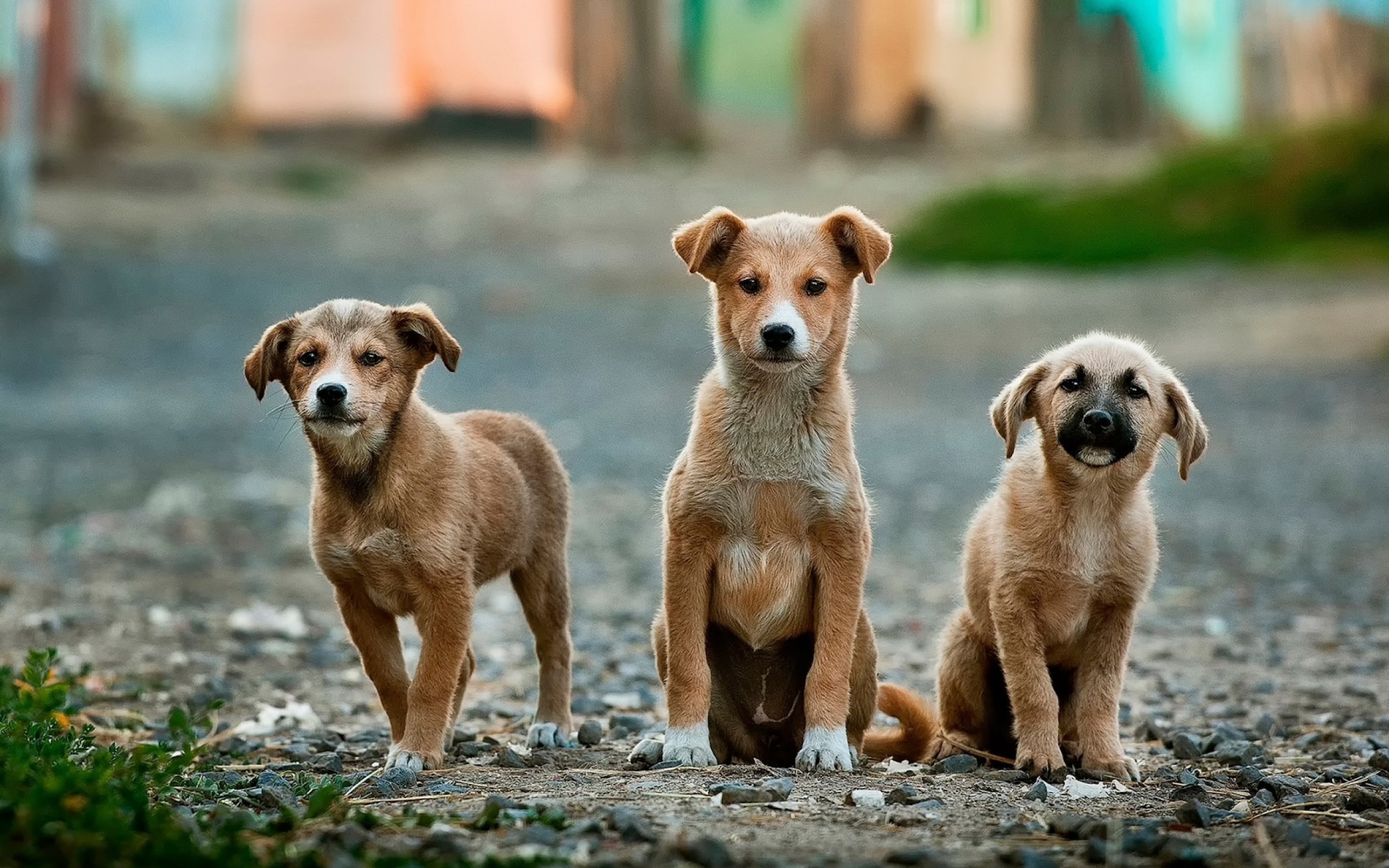
The only way to close this is by adding a couple of pictures from Unsplash of stray dogs.

Photo by Anoir Chafik on Unsplash

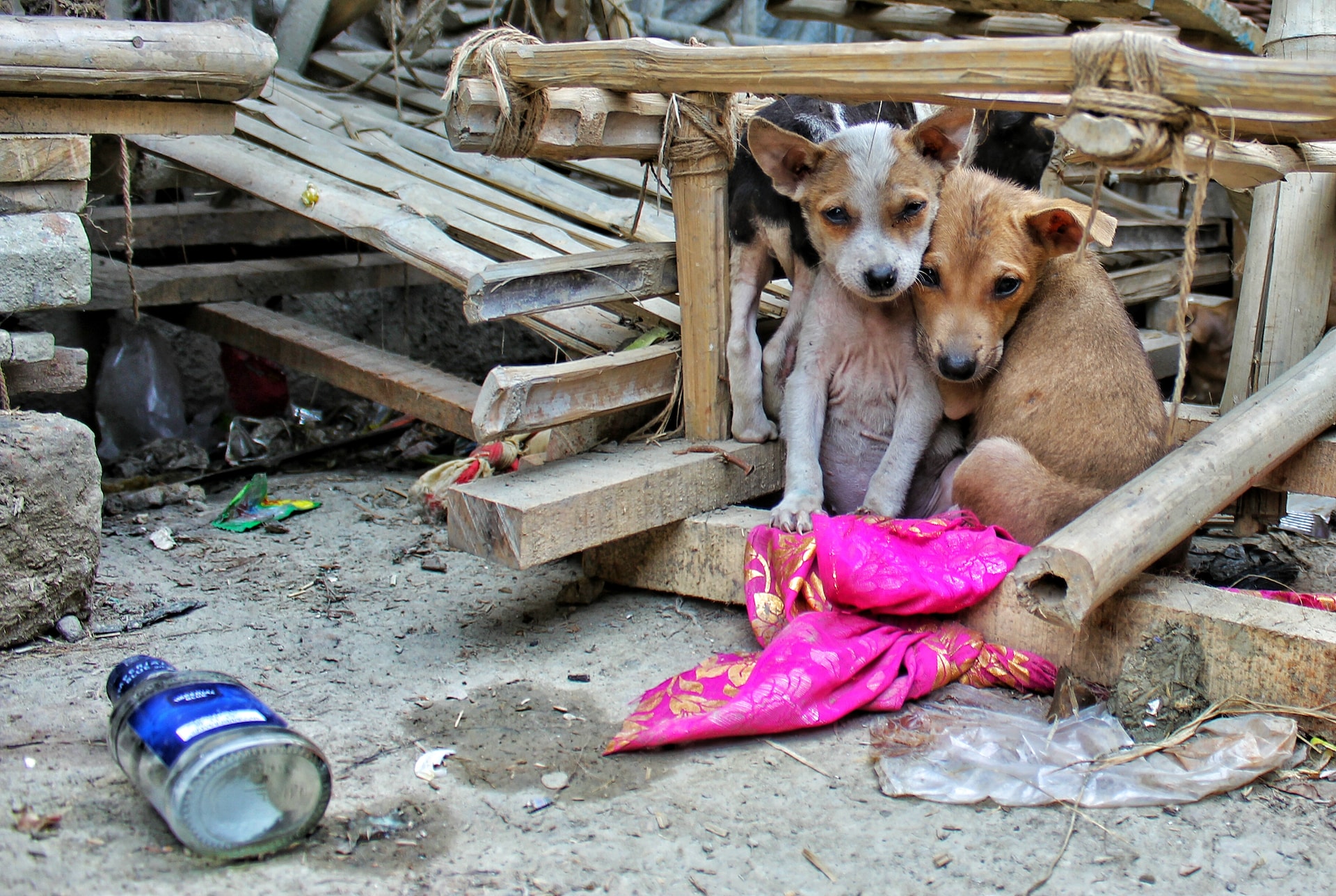
oooo

Photo by Evan Clark on Unsplash

These pictures make my heart ache and I hope you support Jaldee Vets. Finally are you in favour of me publishing guest posts from Anushka? Please give me feedback.

Common dog diseases

A very valuable guest post.

Back on September 19th I received an email offering me a guest post. It was from Luna Angeni. At first I was highly suspicious thinking of scams and the like and replied: “Before responding further please explain what your niche is?”

Luna replied: “Thank you for your response. I’m working on Animal Health care. It’s the perfect fit for your site.”

I agreed and this is her article.

ooOOoo

How to Control and Prevent Common Dog Diseases Effectively

By Luna Angeni

Man’s best friend” is a phrase that perfectly defines the deep bond between humans and their canine companions.

It’s our duty to ensure the health and well-being of our furry friends. One of the most critical aspects of canine care is disease prevention and control. This is what we are going to focus on here.

In this blog, we will learn about some effective ways we can control and prevent common dog diseases to keep our canine fellows happy and healthy.

Let’s get started!

Understanding Common Dog Diseases

Dogs, like humans, are susceptible to a range of diseases and health issues.

To effectively control and prevent these complications, we need to understand them first.

Let’s review some common canine diseases:

Canine Parvovirus (Parvo)

Canine parvovirus is a highly contagious and potentially fatal disease that affects puppies and unvaccinated dogs.

It spreads through direct contact with an infected dog or contaminated environment.

Symptoms include:

1. Severe diarrhea

2. Vomiting
3. Lethargy
4. Loss of appetite

To prevent parvo, ensure your dog is up-to-date on vaccinations and avoid areas where the virus may be present.

Canine Distemper

Canine distemper is another contagious viral disease that can be fatal, particularly in puppies.

It affects various body systems and presents symptoms such as:

1. Fever
2. Nasal discharge

3. Coughing
4. Neurological signs

Vaccination is the most effective way to prevent distemper.

Heartworm Disease

Heartworm disease is transmitted through mosquito bites and can be life-threatening if left untreated.

It affects the heart and lungs, leading to symptoms like:

1. Coughing
2. Exercise intolerance

3. Weight loss

Prevention through vaccination is key for this common dog disease.

Preventive Measures for Common Canine Diseases

Preventing common dog diseases is often more manageable than treating them.

Here are some essential preventive measures every dog owner should follow:

Vaccination

Regular vaccination is the cornerstone of disease prevention in dogs.

As your veterinarian recommends, ensure your dog receives all necessary vaccinations against parvovirus, distemper, rabies, and others.

Regular Exercise

Exercise not only keeps your dog physically fit but also mentally stimulated.

Engaging in regular exercise helps boost dogs’ overall health and keeps obesity-related diseases at bay.

Proper Nutrition

A balanced diet is crucial for maintaining a healthy immune system.

Consult your veterinarian to determine the best diet for your dog’s specific needs.

Avoid feeding your canine human food, as some ingredients can be toxic to them.

Hygiene and Cleanliness

Maintaining proper hygiene for your dog and their living environment is essential.

In this regard, you must ensure:

1. Regular grooming
2. Cleaning your dog’s bedding
3. Keeping their living area free from parasites and bacteria

Regular Vet Check-ups

Routine visits to the veterinarian are crucial for early disease detection and prevention.

Your vet can identify potential health issues before they become severe and provide guidance on maintaining your dog’s health.

Recognizing the Signs of Illness

Despite your best efforts, your dog may still fall ill occasionally.

Recognizing the early signs of common dog diseases is essential for prompt treatment.

Here are some common signs of complications in dogs:

Changes in Appetite

A sudden loss of appetite or excessive hunger can indicate a health issue.

So, you must monitor your dog’s eating habits closely.

Changes in Behavior

Drastic changes in behavior, such as increased aggression, withdrawal, or excessive vocalization, can be indicative of pain or discomfort.

Vomiting and Diarrhea

Frequent vomiting or diarrhea can be symptomatic of various diseases, including gastrointestinal complications.

Lethargy

If your dog is unusually lethargic or lacks energy, it could be a sign of an underlying problem.

In such cases, seek a veterinarian’s help immediately.

Breathing Problems

Labored breathing, coughing, or wheezing may suggest respiratory or cardiac problems.

Immediate Action and Veterinary Care

Taking immediate action is essential if you notice any signs of illness or discomfort in your dog.

Contact your veterinarian and follow their guidance.

Early intervention can often make a significant difference in the outcome of the disease.

Conclusion

Your dog’s health is in your hands.

Effective disease control and prevention are crucial for ensuring your furry friend’s long and happy life.

Understanding common dog diseases and treatment and following preventive measures can significantly reduce the risk of complications and provide them with the best possible care.

For more guides on animal health solutions and tips for healthy dogs, you must visit Vet and Tech – a source for online veterinary education.

FAQs

What Vaccinations Does My Dog Need?

Consult your vet for a personalized vaccination schedule. Common dog vaccinations include rabies, distemper, parvovirus, and kennel cough.

What’s the Best Diet for My Dog?

High-quality commercial dog food is a good option. Still, you need to consult your vet for a diet tailored to your dog’s age, breed, and health.

How Often Should I Take My Dog to the Vet?

Generally, annual check-ups are recommended, but older dogs can benefit more from biannual visits. And–puppies may need more frequent check-ups.

ooOOoo

That is a wonderful set of recommendations and advice. Really of no surprise when one considers Luna’s biography:

I am a clinical veterinarian, researcher, and professional content writer. Being a medical professional and a content writer, I hold key writing skills such as Blog writing. I shall provide beautifully crafted, interesting to read, easily understood, highly informative, 100% original, error, and plagiarism-free content. 

Luna Angeni

I sincerely hope this will be far from the one and only post!

P.S. I also openly admit that I have featured her blog site Vet and Tech but will also explain that I have no special association with her blog or with Luna Angeni.

Dogs and scents

A fascinating article about our unique body odour.

I was researching stories that I could republish and was concentrating at first on The Conversation. Then I saw the post for today and went no further. It is primarily about the odour that each of us has.

ooOOoo

Your unique body odor could identify who you are and provide insights into your health – all from the touch of a hand

The scent emitted from your hands could offer clues about who you are. Siro Rodenas Cortes/Moment via Getty Images

Chantrell Frazier, Framingham State University; Kenneth G. Furton, Florida International University, and Vidia A. Gokool, Lawrence Livermore National Laboratory

From the aroma of fresh-cut grass to the smell of a loved one, you encounter scents in every part of your life. Not only are you constantly surrounded by odor, you’re also producing it. And it is so distinctive that it can be used to tell you apart from everyone around you.

Your scent is a complex product influenced by many factors, including your genetics. Researchers believe that a particular group of genes, the major histocompatibility complex, play a large role in scent production. These genes are involved in the body’s immune response and are believed to influence body odor by encoding the production of specific proteins and chemicals.

But your scent isn’t fixed once your body produces it. As sweat, oils and other secretions make it to the surface of your skin, microbes break down and transform these compounds, changing and adding to the odors that make up your scent. This scent medley emanates from your body and settles into the environments around you. And it can be used to track, locate or identify a particular person, as well as distinguish between healthy and unhealthy people.

We are researchers who specialize in studying human scent through the detection and characterization of gaseous chemicals called volatile organic compounds. These gases can relay an abundance of information for both forensic researchers and health care providers.

Science of body odor

When you are near another person, you can feel their body heat without touching them. You may even be able to smell them without getting very close. The natural warmth of the human body creates a temperature differential with the air around it. You warm up the air nearest to you, while air that’s farther away remains cool, creating warm currents of air that surround your body.

Researchers believe that this plume of air helps disperse your scent by pushing the millions of skin cells you shed over the course of a day off your body and into the environment. These skin cells act as boats or rafts carrying glandular secretions and your resident microbes – a combination of ingredients that emit your scent – and depositing them in your surroundings.

Your scent is composed of the volatile organic compounds present in the gases emitted from your skin. These gases are the combination of sweat, oils and trace elements exuded from the glands in your skin. The primary components of your odor depend on internal factors such as your race, ethnicity, biological sex and other traits. Secondary components waver based on factors like stress, diet and illness. And tertiary components from external sources like perfumes and soaps build on top of your distinguishable odor profile.

Identity of scent

With so many factors influencing the scent of any given person, your body odor can be used as an identifying feature. Scent detection canines searching for a suspect can look past all the other odors they encounter to follow a scent trail left behind by the person they are pursuing. This practice relies on the assumption that each person’s scent is distinct enough that it can be distinguished from other people’s.

Researchers have been studying the discriminating potential of human scent for over three decades. A 1988 experiment demonstrated that a dog could distinguish identical twins living apart and exposed to different environmental conditions by their scent alone. This is a feat that could not be accomplished using DNA evidence, as identical twins share the same genetic code.

The field of human scent analysis has expanded over the years to further study the composition of human scent and how it can be used as a form of forensic evidence. Researchers have seen differences in human odor composition that can be classified based on sex, gender, race and ethnicity. Our research team’s 2017 study of 105 participants found that specific combinations of 15 volatile organic compounds collected from people’s hands could distinguish between race and ethnicity with an accuracy of 72% for whites, 82% for East Asians and 67% for Hispanics. Based on a combination of 13 compounds, participants could be distinguished as male or female with an overall 80% accuracy.

Researchers have trained dogs to sniff out COVID-19 infections.

Researchers are also producing models to predict the characteristics of a person based on their scent. From a sample pool of 30 women and 30 men, our team built a machine learning model that could predict a person’s biological sex with 96% accuracy based on hand odor.

Scent of health

Odor research continues to provide insights into illnesses. Well-known examples of using scent in medical assessments include seizure and diabetic alert canines. These dogs can give their handlers time to prepare for an impending seizure or notify them when they need to adjust their blood glucose levels.

While these canines often work with a single patient known to have a condition that requires close monitoring, medical detection dogs can also indicate whether someone is ill. For example, researchers have shown that dogs can be trained to detect cancer in people. Canines have also been trained to detect COVID-19 infections at a 90% accuracy rate.

Similarly, our research team found that a laboratory analysis of hand odor samples could discriminate between people who are COVID-19 positive or negative with 75% accuracy.

Forensics of scent

Human scent offers a noninvasive method to collect samples. While direct contact with a surface like touching a doorknob or wearing a sweater provides a clear route for your scent to transfer to that surface, simply standing still will also transfer your odor into the surrounding area.

Although human scent has the potential to be a critical form of forensic evidence, it is still a developing field. Imagine a law enforcement officer collecting a scent sample from a crime scene in hopes that it may match with a suspect.

Further research into human scent analysis can help fill the gaps in our understanding of the individuality of human scent and how to apply this information in forensic and biomedical labs.

Chantrell Frazier, Assistant Professor of Chemistry and Food Science, Framingham State University; Kenneth G. Furton, Professor of Chemistry and Biochemistry, Florida International University, and Vidia A. Gokool, Postdoctoral Researcher, Lawrence Livermore National Laboratory

This article is republished from The Conversation under a Creative Commons license. Read the original article.

ooOOoo

This is so interesting and I, for one, learnt a great deal more about the human body and in particular the scent glands.

Plus, it was a joy to read about the role of canines in all of this.