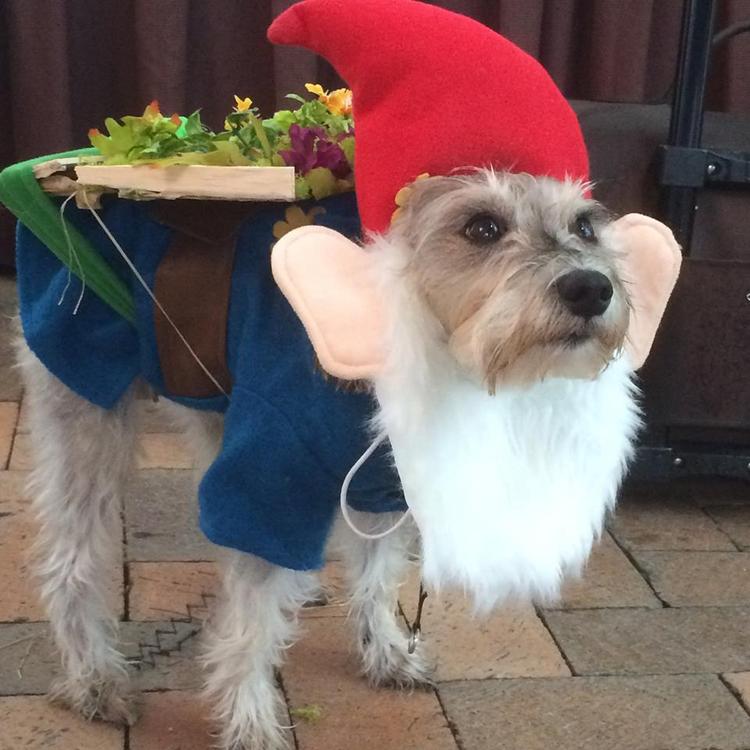
These longest-living dog breeds will stick around.Getty Images
By now, most people are aware that smaller dogs generally live longer than their larger counterparts, but by how much exactly?
A 2013 report by Banfield Pet Hospital revealed that most dogs that weighed less than 19 pounds had an average lifespan of approximately 11.3 years, while medium to large dogs in the 20- to 90-pounds range lived approximately 10.8 years, and giant dogs more than 90 pounds usually only lived until the eight-year mark.
But even amongst small dogs, there’s a wide range of life expectancies. So, if you’re looking for a furry companion that will be around for a long time, make sure to narrow your search to one of the following breeds that are well-known to have long life expectancies
Dachshund
While the dachshund can live up to 20 years, it is prone to suffer from back injuries.Getty Images
The famous “hot dog” dog is one adorably furry creature that generally will live a pretty long life in human years — about 15 to 20 years.
As the smallest member of the hound family, the dachshund — thanks to its distinctive shape — is prone to suffer from back injuries, so it’s important for owners to make sure they don’t jump off of high surfaces like couches, and even beds, to help them live a long healthy life
Chihuahua
One of the smallest breeds, the Chihuahua is also one of the longest-living.Getty Images
The sweet, sassy and petite Chihuahua can live up to a whopping 20 years. As one of the smallest breeds on this list, clocking in at a mere 3 to 5 pounds, most members of the Chihuahua family live around 15 to 18 years, but some common Chihuahua health problems to look out for include heart problems and patellar luxation
Toy Poodle
Thanks to their miniature size, toy poodles tend to live the longest of all the poodle varieties.Getty Images
Not only are poodles sharp as a whip and great with kids, they also happen to be one breed that lives the longest. Toy poodles in particular, thanks to their miniature size, tend to live the longest of all the poodle varieties — about 15 to 20 years.
They do require plenty of physical and mental exercise (hence, the intelligence), so make sure to keep that in mind before you commit to a toy poodle for two decades.
Beagle
The longest-living beagle lived to be 27 years old.Getty Images
Who can resist those big floppy ears and puppy dog eyes? Long considered a wonderful family pet, the average beagle lives approximately 12 to 17 years. In fact, the longest living beagle, Butch, lived to an incredible 27 years!
Aging beagles commonly deal with back issues, so make sure they stay active and don’t overeat.
Lhasa Apso
The Lhasa apso’s long hair makes it the perfect furry friend.Getty Images
Long-haired, shaggy and slightly goofy looking, Lhasa apsos are definitely easy to love. Luckily for their owners, their best fur buddy will be around for a long time, with an average lifespan somewhere in the vicinity of 15 to 20 years.
They are known to suffer from skin problems — something that can often be managed simply by making sure they eat the right blend of dog food.
Pomeranian
Pomeranians require lots of grooming.Getty Images
These popular small dogs are playful, full of life and super alert. They live approximately 12 to 16 years, although some have been recorded to have lived up to the two-decade mark — that’s 140 in dog years!
Thanks to all that glorious pomeranian hair, this breed will require a lot of grooming (unless you love tangles everywhere), so it’s just something to keep in mind as you’ll likely be brushing that fur for many, many years to come.
ooOOoo
Now I just counted the images and there are 50 of them.
On Monday when Jeannie and I went to our regular session at Club Northwest, Jean to her Rock Steady class, and me to spend 45 minutes with Austin Raymond, one of the fitness coaches, he and I were speaking of health in general and veganism in particular. Austin, Jean and I are vegans.
Austin mentioned had we watched the film The Game Changers on Netflix? I replied that we had not but we were subscribers to Netflix and would watch it in the evening.
Well what an incredible film! I mean really incredible!
P.S. If you are a Netflix subscriber then you may watch it without any fuss.
(So I taken time out from book writing to publish this post; I’m over 9,000 words already written in November!)
Here’s a YouTube trailer to the film:
Have you ever seen an ox eating meat!
But apart from the solid science that we never were meat-eaters were the facts about illness being so much prevalent in those eating meat compared to vegans. That was just one aspect of the film that grabbed our attention! There were many more.
Back to fundamentals!
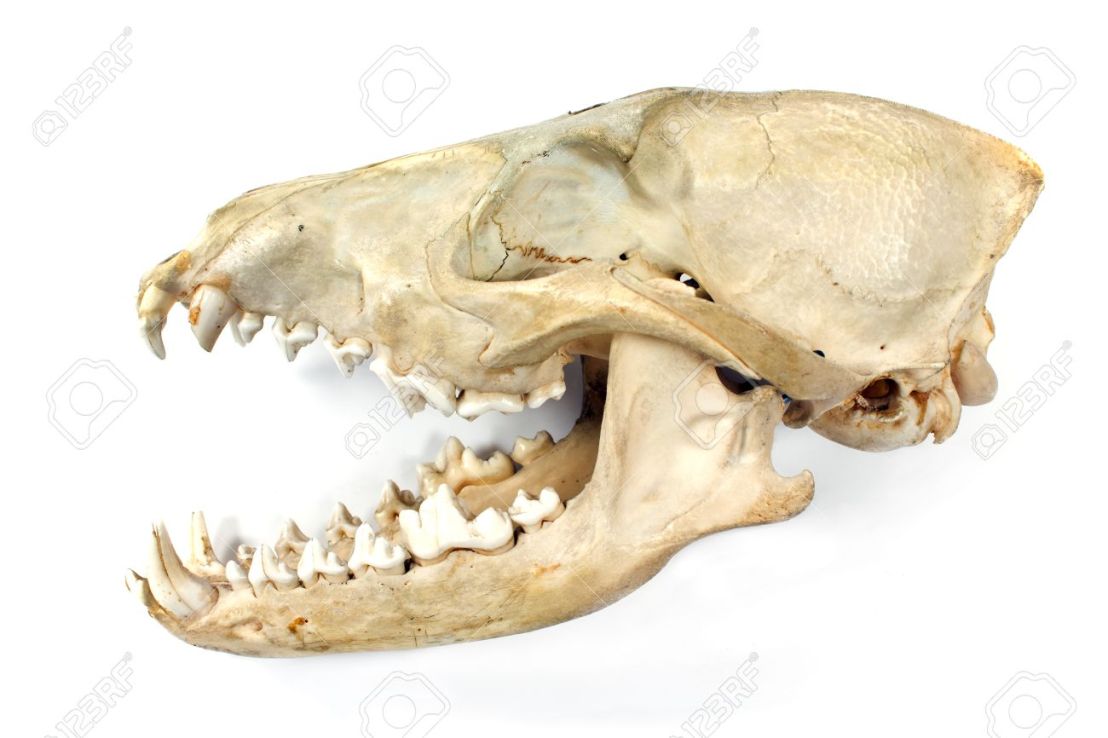
Let’s examine one fact, the jaw shape.
Here’s the jaw of a dog.
Dog skull and jaw isolated on white
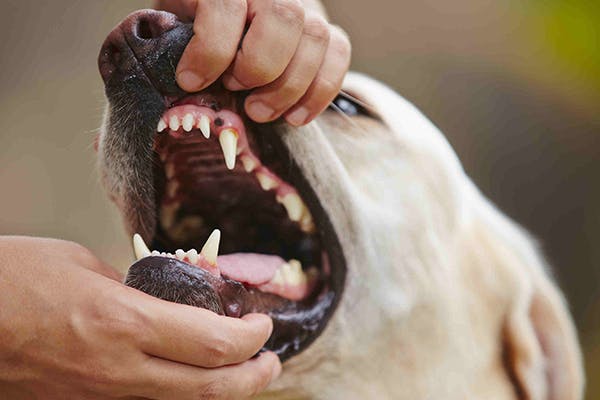
and here’s another:
That is a mouth that has evolved to tear meat from an animal.
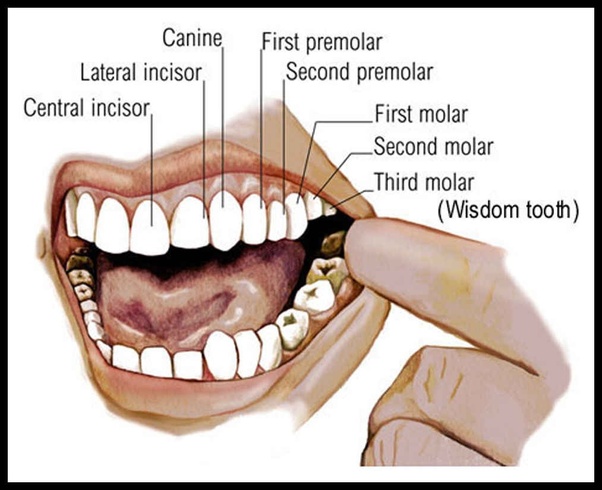
And here’s the jaw of a human:
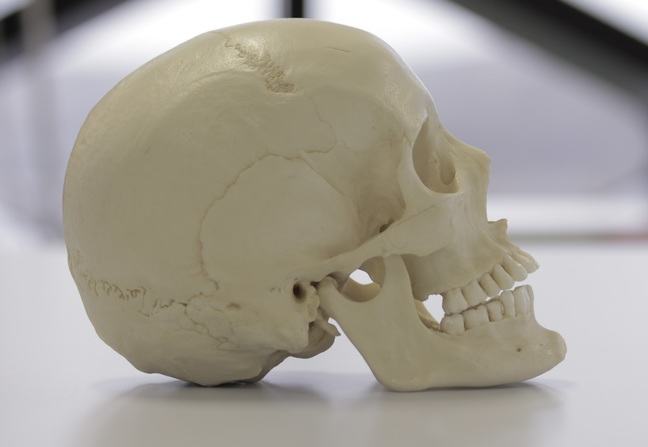
and the picture of the whole skull.
Notice that the teeth have always been adapted to eat fruit and vegetables.
And that’s before we think how much land has been converted from natural land and forest to grazing land for cattle and sheep!
Now I don’t know how long the full documentary will remain for free on YouTube but here it is:
Photographers Kelly Pratt and Ian Kreidich frequently work with professional dancers, capturing their gorgeous movements and their breathtaking abilities. But in a random moment, Pratt suggested to her husband, Kreidich, that they throw a few dogs into the mix for an unusual collaboration.
“We definitely didn’t fully know what to expect with this project,” Pratt tells MNN. “We started very small — at first we worked with our friends at the St. Louis Ballet — and just slowly tried to figure out what worked and what didn’t, when it came to working with dogs. No one had ever done this before, so it was all trial and error.”
Pratt and Kreidich spent more than two years photographing 100 dancers and 100 dogs in more than 10 cities across the U.S. Now the images of graceful dancers and furry companions are in the book “Dancers & Dogs.”
There’s no shortage of good news about the benefits of a dog in your life.
I have been reading recently about how having a dog, or six, in your life is linked to that life being extended. As I shall be 75 in eleven days time this was not a casual thought.
The reading was as a result of two new studies being published recently: Cardiovascular Quality and Outcomes. I was going to ‘top and tail’ one of these articles and publish it in this place.
I was blown away by the results. Using their own search facility I put in the word ‘dog’ and received 313 responses. Top of the list were the two articles that I just mentioned.
But first a word about the Association. As their History page very comprehensively says (just a small extract from me):
Before the American Heart Association existed, people with heart disease were thought to be doomed to complete bed rest — or destined to imminent death.
But a handful of pioneering physicians and social workers believed it didn’t have to be that way. They conducted studies to learn more about heart disease, America’s No. 1 killer. Then, on June 10, 1924, they met in Chicago to form the American Heart Association — believing that scientific research could lead the way to better treatment, prevention and ultimately a cure. The early American Heart Association enlisted help from hundreds, then thousands, of physicians and scientists.
“We were living in a time of almost unbelievable ignorance about heart disease,” said Paul Dudley White, one of six cardiologists who founded the organization.
In 1948, the association reorganized, transforming from a professional scientific society to a nationwide voluntary health organization composed of science and lay volunteers and supported by professional staff.
Since then, the AHA has grown rapidly in size and influence — nationally and internationally — into an organization of more than 33 million volunteers and supporters dedicated to improving heart health and reducing deaths from cardiovascular diseases and stroke.
Here is a timeline of American Heart Association milestones in more than 90 years of lifesaving history:
Now I’m going to republish the first two articles from that long list of published items. The first is Do dog owners live longer?
ooOOoo
Do dog owners live longer?
As dog lovers have long suspected, owning a canine companion can be good for you. In fact, two recent studies and analyses published in Circulation: Cardiovascular Quality and Outcomes, a scientific journal of the American Heart Association, suggest your four-legged friend may help you do better after a heart attack or stroke and may help you live a longer, healthier life. And that’s great news for dog parents!
Dog owners have better results after a major health event.
The studies found that, overall, dog owners tend to live longer than non-owners. And they often recover better from major health events such as heart attack or stroke, especially if they live alone.
Some exciting stats for dog owners:
Heart attack survivors living by themselves had a 33% reduced risk of death if they owned a dog, while survivors living with someone else (a partner or child) had a 15% reduced risk.
Stroke survivors living by themselves had a 27% reduced risk of death if they owned a dog, while survivors living with someone else (a partner or child) had a 12% reduced risk.
Dog owners are 31% less likely to die from a heart attack or stroke than non-dog owners.
Interacting with dogs can boost your production of “happy hormones” such as oxytocin, serotonin and dopamine. This can lead to a greater sense of well-being and help lower levels of the stress hormone cortisol. And having a dog can help lower blood pressure and cholesterol, ease depression and improve fitness.
Studies show that people who walk their dogs get significantly more exercise than those who don’t. And there’s a bonus: our pets can also help us feel less social anxiety and interact more with other humans. Maybe that’s why dog owners report less loneliness, depression and social isolation.
Make the most of dog ownership.
Here are some tips to make the most of your four-legged companion time:
Playing and interacting with your pooch will bring the most health benefits for both of you.
Get out with your pet. Not only are the walks good for both of you, you may find yourself meeting other dog owners in your area. And socializing can be a good thing!
Some dogs love to travel. Research pet-friendly hotels so you and your furry friend can have all sorts of adventures together.
Everybody loves a good snuggle. Give lots of scratches behind the ears, belly rubs or good old-fashioned head pats. The more you love your pet, the more they’ll love you back.
The second is also very recent, about the findings from Sweden.
ooOOoo
Here’s more evidence your dog might lengthen your life
By American Heart Association News
(filadendron/E+, Getty Images)
Letting your health go to the dogs might turn out to be a great idea: New research bolsters the association between dog ownership and longer life, especially for people who have had heart attacks or strokes.
Earlier studies have shown dog ownership alleviates social isolation, improves physical activity and lowers blood pressure. The new work builds on that, said Dr. Glenn N. Levine, who led a committee that wrote a 2013 report about pet ownership for the American Heart Association.
“While these non-randomized studies cannot prove that adopting or owning a dog directly leads to reduced mortality, these robust findings are certainly at least suggestive of this,” he said in a news release.
The two new studies were published Tuesday in Circulation: Cardiovascular Quality and Outcomes.
One study, from Sweden, compared dog owners and non-owners after a heart attack or stroke. Records of nearly 182,000 people who’d had heart attacks and nearly 155,000 people who’d had strokes were examined. Dog ownership was confirmed with data from the Swedish Board of Agriculture, where registration of dog ownership has been mandatory since 2001, and the Swedish Kennel Club, where pedigree dogs have been registered since 1889.
When compared with people who didn’t own dogs, owners who lived alone had a 33% lower risk of dying after being hospitalized for a heart attack. For dog owners who lived with a partner or child, the risk was 15% lower.
Dog-owning stroke survivors saw a similar benefit. The risk of death after hospitalization for those who lived alone was 27% lower. It was 12% lower if they lived with a partner or child.
What’s behind the canine advantage?
“We know that social isolation is a strong risk factor for worse health outcomes and premature death,” said study co-author Dr. Tove Fall, a doctor of veterinary medicine and a professor at Uppsala University in Sweden. “Previous studies have indicated that dog owners experience less social isolation and have more interaction with other people. Furthermore, keeping a dog is a good motivation for physical activity, which is an important factor in rehabilitation and mental health.”
The second set of researchers reviewed patient data from more than 3.8 million people in 10 separate studies.
Compared to non-owners, dog owners had a 24% reduced risk of dying from any cause; a 31% reduced risk of dying from cardiovascular-related issues; and a 65% reduced risk dying after a heart attack.
The study did not account for factors such as better fitness or an overall healthier lifestyle that could be associated with dog ownership, said co-author Dr. Caroline Kramer, an endocrinologist and clinician scientist at Leadership Sinai Centre for Diabetes at Mount Sinai Hospital in Toronto. “The results, however, were very positive.”
As a dog owner herself, Kramer said adopting her miniature Schnauzer, Romeo, “increased my steps and physical activity each day, and he has filled my daily routine with joy and unconditional love.”
Tove, however, cautioned more research needs to be done before people are prescribed dogs for health reasons. “Moreover, from an animal welfare perspective, dogs should only be acquired by people who feel they have the capacity and knowledge to give the pet a good life.”
If you have questions or comments about this story, please email editor@heart.org.
American Heart Association News Stories
American Heart Association News covers heart disease, stroke and related health issues. Not all views expressed in American Heart Association News stories reflect the official position of the American Heart Association.
Copyright is owned or held by the American Heart Association, Inc., and all rights are reserved. Permission is granted, at no cost and without need for further request, to link to, quote, excerpt or reprint from these stories in any medium as long as no text is altered and proper attribution is made to the American Heart Association News. See full terms of use.
HEALTH CARE DISCLAIMER: This site and its services do not constitute the practice of medical advice, diagnosis or treatment. Always talk to your health care provider for diagnosis and treatment, including your specific medical needs. If you have or suspect that you have a medical problem or condition, please contact a qualified health care professional immediately. If you are in the United States and experiencing a medical emergency, call 911 or call for emergency medical help immediately.
Just a quick hello before heading out for our morning walk – my dog walks me 5 miles a day! Thanks for having this great space for sharing and learning from others. I am new to the art and looking forward to achieving pro status in the years ahead. I enjoy landscape photography but am experimenting with other genres too.
I replied:
Tony, what a fabulous dog.
What’s his or her name?
And soon came the answer:
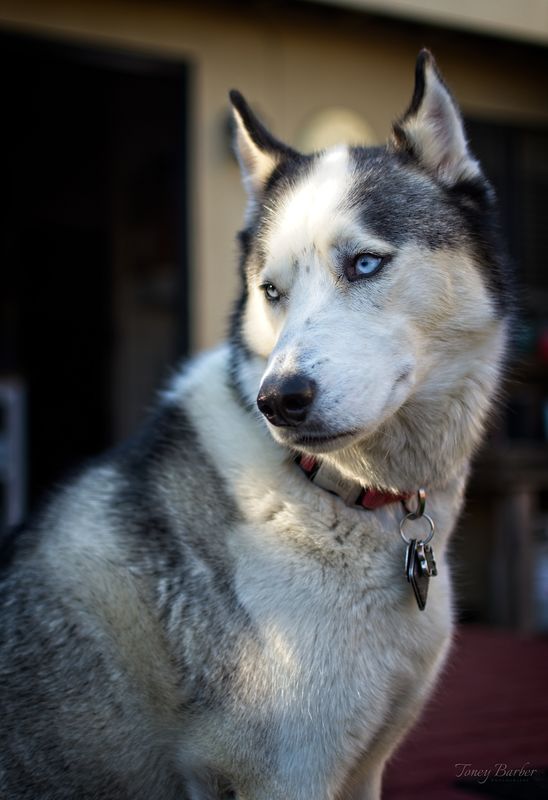
His name is Loki and he lives up to his namesake without question. He is a rescue and when I first saw him in his cage, his back was leaning against the gate, his back toward me, staring over his shoulder at me. His gaze was one of relief, and it felt like he was saying “I knew you’d come”. Two and a half years ago this awesome dog came home with me and, well, as they say, “the rest is history”.
Back to the photograph that came with the original entry:
Isn’t he gorgeous! And that’s an understatement!
I then asked Toney if I might republish the photograph.
Again, in time, Toney replied:
Of course. I’m attaching another shot from the same session. Shoot me a link to your blog. I’de love to check it out.
And this is that second photograph of beautiful, handsome Loki!
(Please note that permission has been specifically granted to me to republish the above two photographs and that there is no authority whatsoever for the photographs to be copied from this blogpost. I need to say that!)
But I will close by saying that I am extremely grateful to Toney for allowing me to republish these photographs of the very beautiful Loki!
The problem with coming up to the age of 75, and aware that I am close to the average life expectancy in the US, is that one increasingly worries about stuff. Such as it seems like the world is becoming more unsettled. But then it is put down to age!
But this article does imply that it is a more unsettled world and we should take notice. Republished with permission.
ooOOoo
5 tips for surviving in an increasingly uncertain world
What does the future hold – and how will you handle what comes next? Svetlana Lukienko/Shutterstock.com
The U.S. presidential impeachment inquiry has added another layer of uncertainty to an already unstable situation that includes political polarization and the effects of climate change.
As a clinical psychologist in the Washington, D.C. area, I hear people report being stressed, anxious, worried, depressed and angry. Indeed, an American Psychological Association 2017 survey found that 63% of Americans were stressed by “the future of our nation,” and 57% by the “current political climate.”
Humans dislike uncertainty in most situations, but some deal with it better than others. Numerous studies link high intolerance of uncertainty to anxiety and anxiety disorders, obsessive-compulsive disorder, depression, PTSD and eating disorders.
While no one person can reduce the uncertainty of the current political situation, you can learn to decrease intolerance of uncertainty by implementing these scientifically sound strategies.
When unsure how to best proceed with a work assignment, you might either immediately seek help, over-research or procrastinate. As you prepare for the day, uncertainty about the weather or traffic is quickly short-circuited by checking a phone. Similarly, inquiries about family or friends’ whereabouts or emotions can be instantly gratified by texting or checking social media.
Tolerance for uncertainty is like a muscle that weakens if not used. So, work that muscle next time you face uncertainty.
Start gradually: Resist the urge to reflexively check your GPS the next time you are lost and aren’t pressured for time. Or go to a concert without Googling the band beforehand. Next, try to sit with the feelings of uncertainty for a while before you pepper your teenager with texts when he is running late. Over time, the discomfort will diminish.
Rita Levi-Montalcini was a promising young Jewish scientist when fascists came to power in Italy and she had to go into hiding. As World War II was raging, she set up a secret lab in her parents’ bedroom, studying cell growth. She would later say that the meaning that she derived from her work helped her to deal with the evil outside and with the ultimate uncertainty of whether she would be discovered.
Focusing on what can transcend finite human existence – whether it is religion, spirituality or dedication to a cause – can decrease uncertainty-driven worry and depression.
3. Don’t underestimate your coping ability
You might hate uncertainty because you fear how you would fare if things went badly. And you might distrust your ability to cope with the negative events that life throws your way.
It turns out that humans are generally resilient, even in the face of very stressful or traumatic events. If a feared outcome materializes, chances are you will deal with it better than you could now imagine. Remember that the next time uncertainty rears its head.
4. Bolster resilience by increasing self-care
You have probably heard it many times by now: Sleep well, exercise and prioritize social connections if you want to have a long and happy life.
Possibly the best tool for coping with uncertainty is making sure that you have an active and meaningful social life. Loneliness fundamentally undermines a person’s sense of safety
and makes it very hard to deal with the unpredictable nature of life.
In spite of civilization’s great progress, the fantasy of humankind’s absolute control over its environment and fate is still just that – a fantasy. So, I say to embrace the reality of uncertainty and enjoy the ride.
This is a post that you will have to settle down to watch; it’s 1 hour and 20 minutes long. (But see note underneath.)
The link was provided by my good friend of many years, Dan Gomez, and I haven’t yet watched the video. That will be the night of the 22nd when Jeannie and I will watch it.
But I sense it’s a good video!
Enjoy!
21:15 We watched the video. It is very interesting but at the 40-minute mark it comes to the end and then restarts. So you only need to watch it for about 40 minutes.
This is about a dog that lives near a golf course.
This was a story that appeared on The Dodo website in September. Unfortunately I can’t seem to republish the video nor the entry in Instagram but it is still a cute story and worth sharing with you all.
ooOOoo
Friendly Dog Who Lives Near Golf Course Loves Begging For Pets
Loni Gaisford was out golfing with her family last Sunday at the Mick Riley Golf Course in Murray, Utah, when she saw something unusual by the fourth hole.
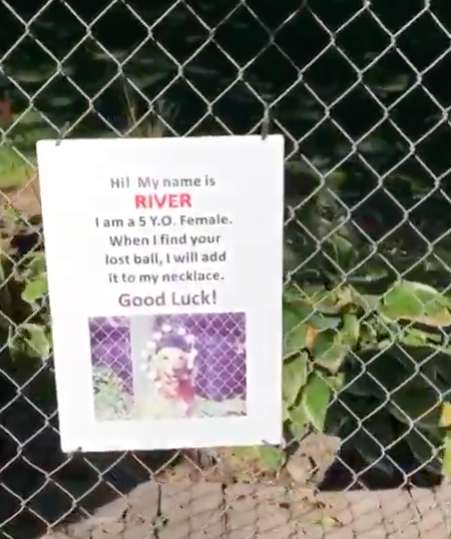
Golf balls were attached in a ring to the metal fence separating the green from a neighboring house. Gaisford decided to investigate, curious why someone would make such a strange display.
Loni Gaisford
“When we pulled up to the tee box … we noticed the golf ball ring in the fence with a sign next to it,” Gaisford told The Dodo. “I walked over to read the sign thinking it was a memorial for someone.”
The sign read: “Hi! My name is River. I’m a 5 Y.O. female. When I find your lost ball, I will add it to my necklace. Good luck!”
Loni Gaisford
Gaisford finally understood the hilarious meaning behind the golf ball ring — and then she spotted the dog from the photo, playing nearby.
“We noticed River was in the backyard with a toy,” Gaisford said. “[She] walked over to the hole in the fence but the toy was too big to stick her head through the window so she just let us rub her back.”
After Gaisford teed off, she returned to say goodbye to River. The dog suddenly dropped the toy and stuck her head through the “necklace” to receive a few head scratches
Gaisford posted the video to her Instagram later that night, and as the comments came in, she realized that River was something of a local celebrity. “Every time I play that course she never does that … Jealous,” one commenter wrote.
Another commenter couldn’t resist making a few golf puns: “What’s the best type of fence for a dog who lives next to a golf course!? A fence with a hole in one!”
When the video made it to Reddit, more golf lovers shared stories of their own special experiences with the pup: ”One day, I was at McRiley and the owner of that dog was walking her (no leash) and she jumped right into our cart and sat down,” la_fern72 wrote on Reddit. “She was super friendly.”
Gaisford couldn’t be happier that her video has reached so many people — including those who will never set foot on a golf course. “Meeting River brightened my day,” Gaisford said, “and I knew the internet would love meeting River as much as I did.”
ooOOoo
Well I tried ever so hard to find a way of showing you the video, and unfortunately it is not on YouTube, so you are going to have to go across to the website to watch it. Sorry!
 These longest-living dog breeds will stick around.Getty Images



 The Lhasa apso’s long hair makes it the perfect furry friend.Getty Images