About Bark & Bond: At Bark & Bond, we believe that there is nothing more powerful — and simple — than the way a dog changes our routine. Whether it’s with a look full of expectation, an unexpected lick or just by being there, silent, sharing the same space.
This world of blogging opens up incredible connections!
Recently I had a ‘Like’ from someone that I hadn’t come across before. As is my response to such events, I went across to their blog site to thank them by adding a ‘Like’ to their blog site. Then I found it was about street dogs and I started reading their posts. I was blown away by the integrity of the author and he was blogging from Kabul!
I am only going to republish three of the stories today but will be coming back with more.
Panagah Amn
A humanitarian project in Kabul dedicated to building a safe shelter for stray and injured animals.
The shelter is in its early stages, and with your support, we can bring it to life.
Our goal is to provide food, medical care, and protection.
Panagah Amn is a small but passionate initiative dedicated to helping stray and injured animals in Kabul, Afghanistan. Our shelter was born from a deep sense of compassion and responsibility toward the many dogs and cats suffering in the streets without food, medical care, or shelter.
We welcome support from individuals and organizations who share our vision. Together, we can build a safer world for all living beings.
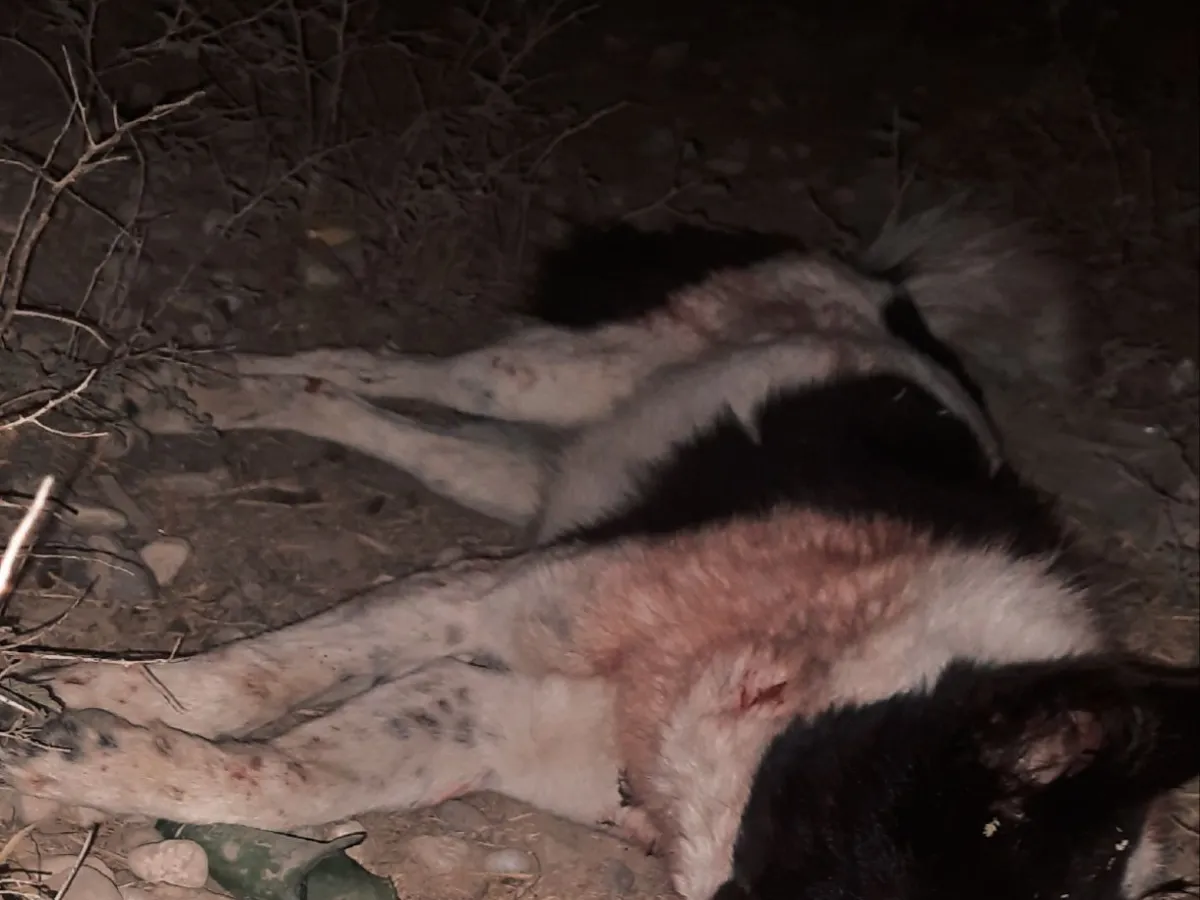
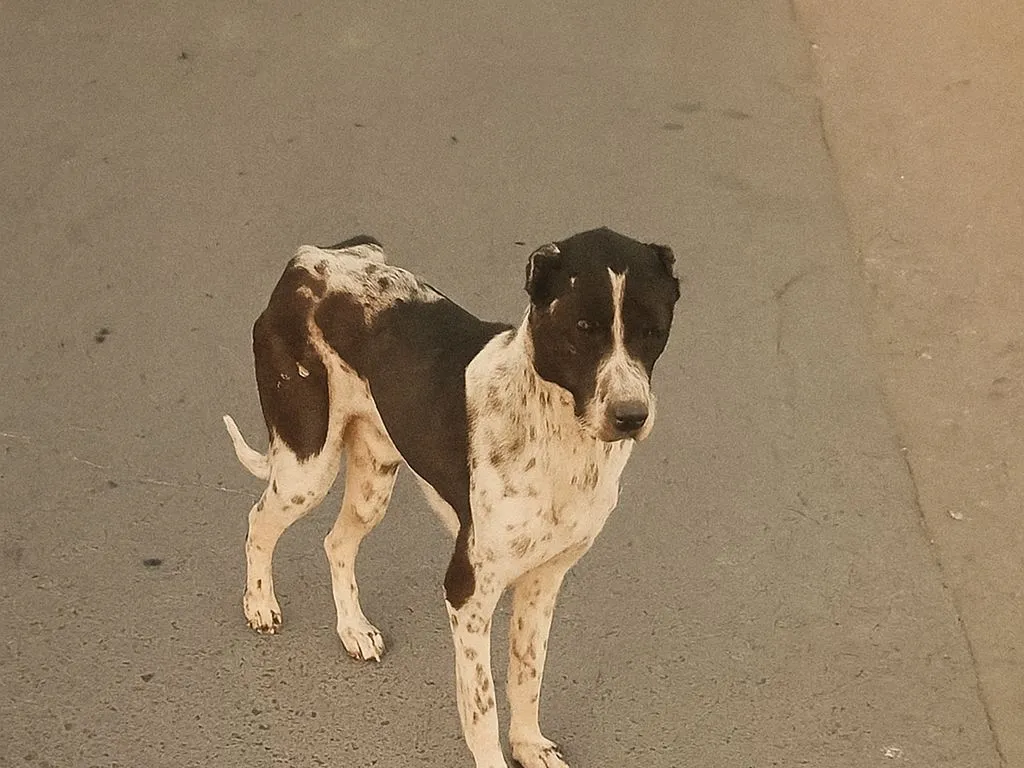
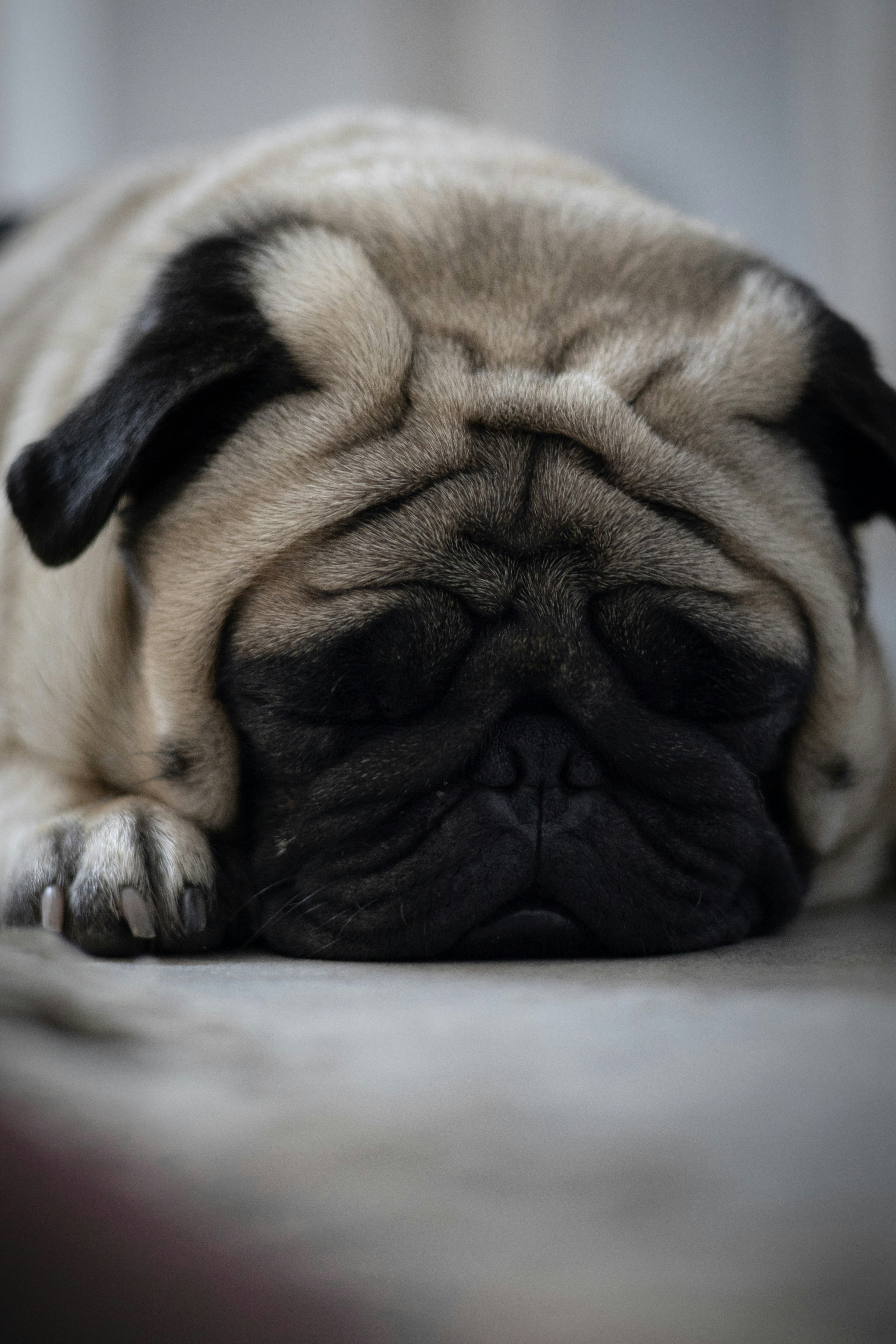
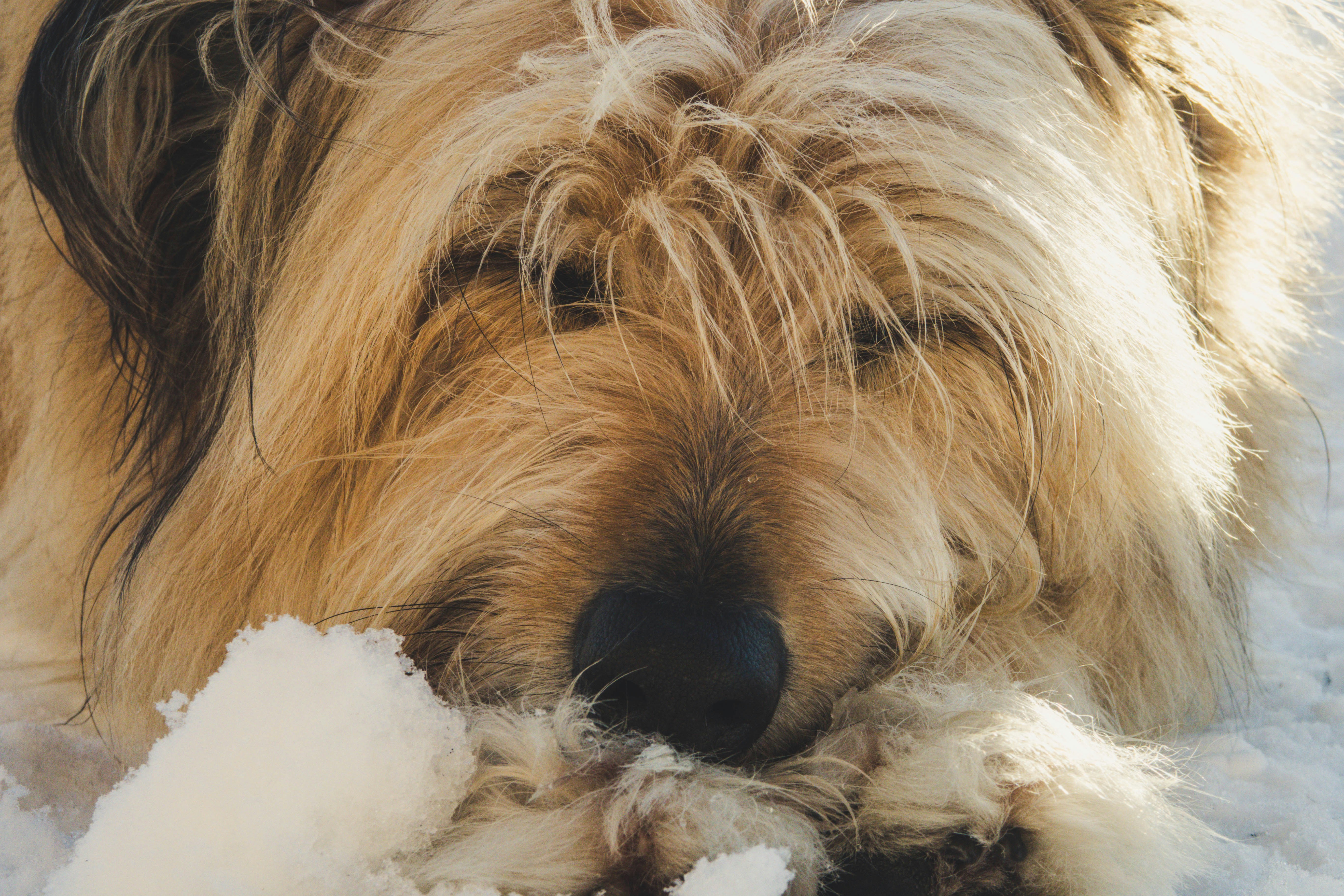
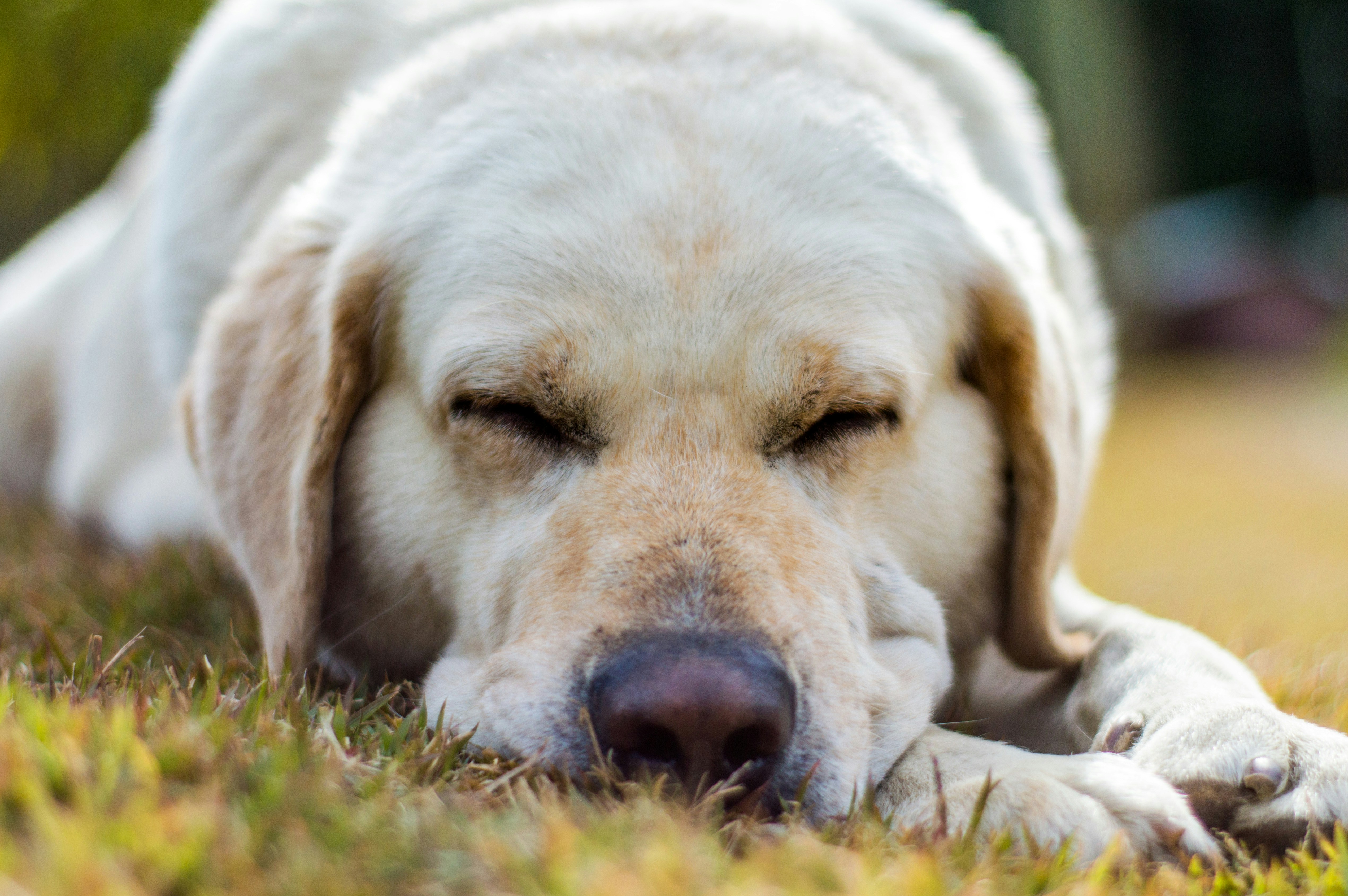
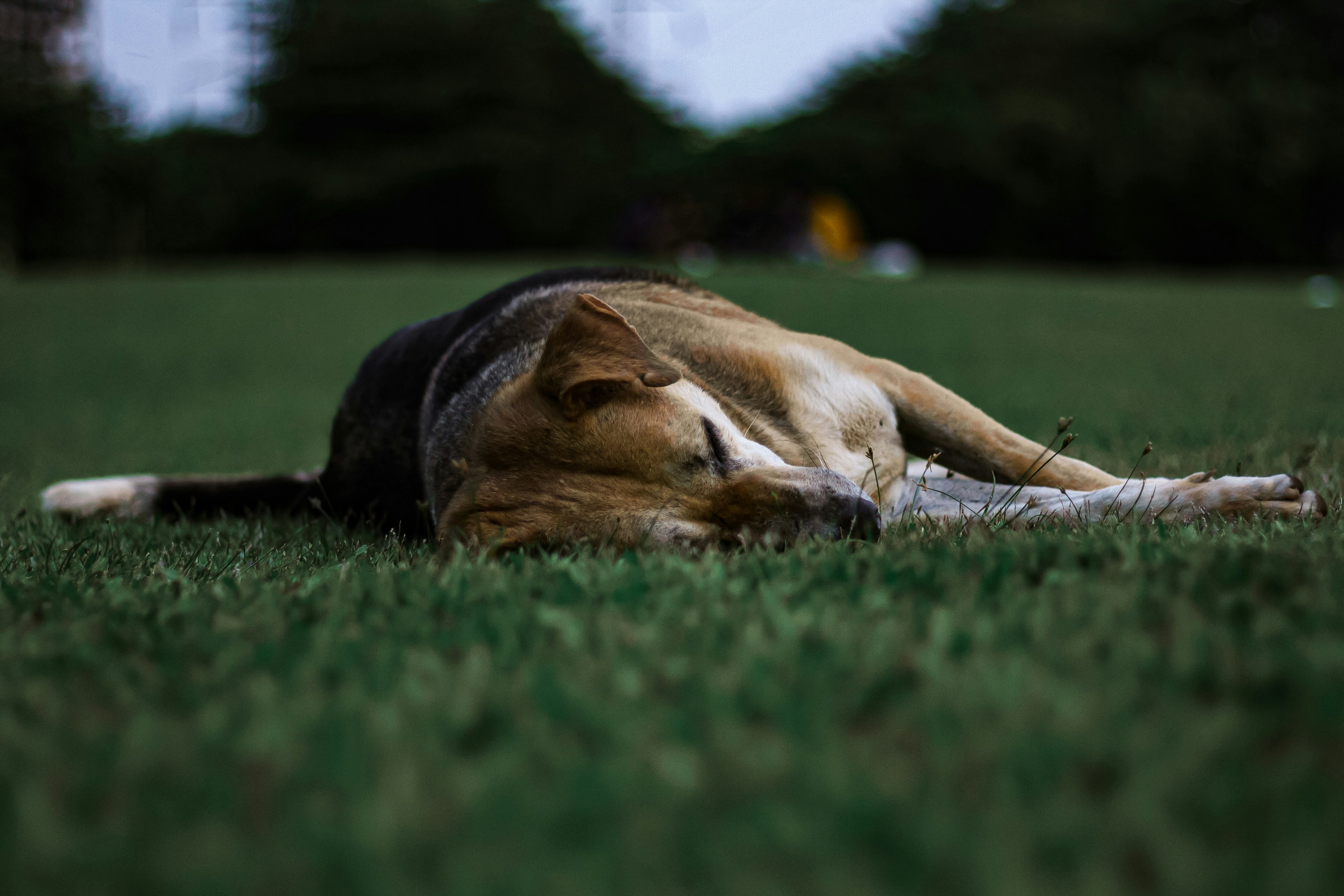
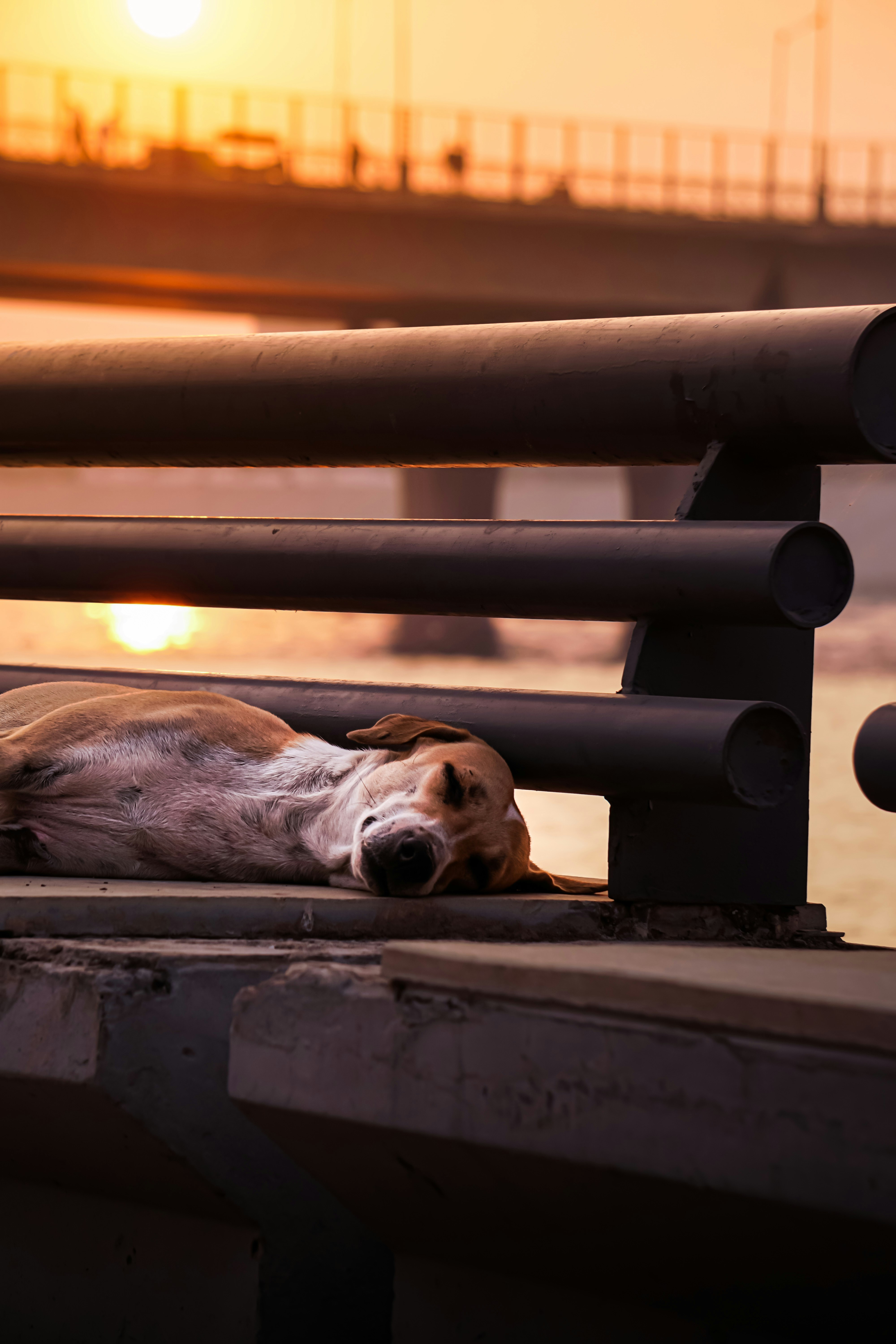
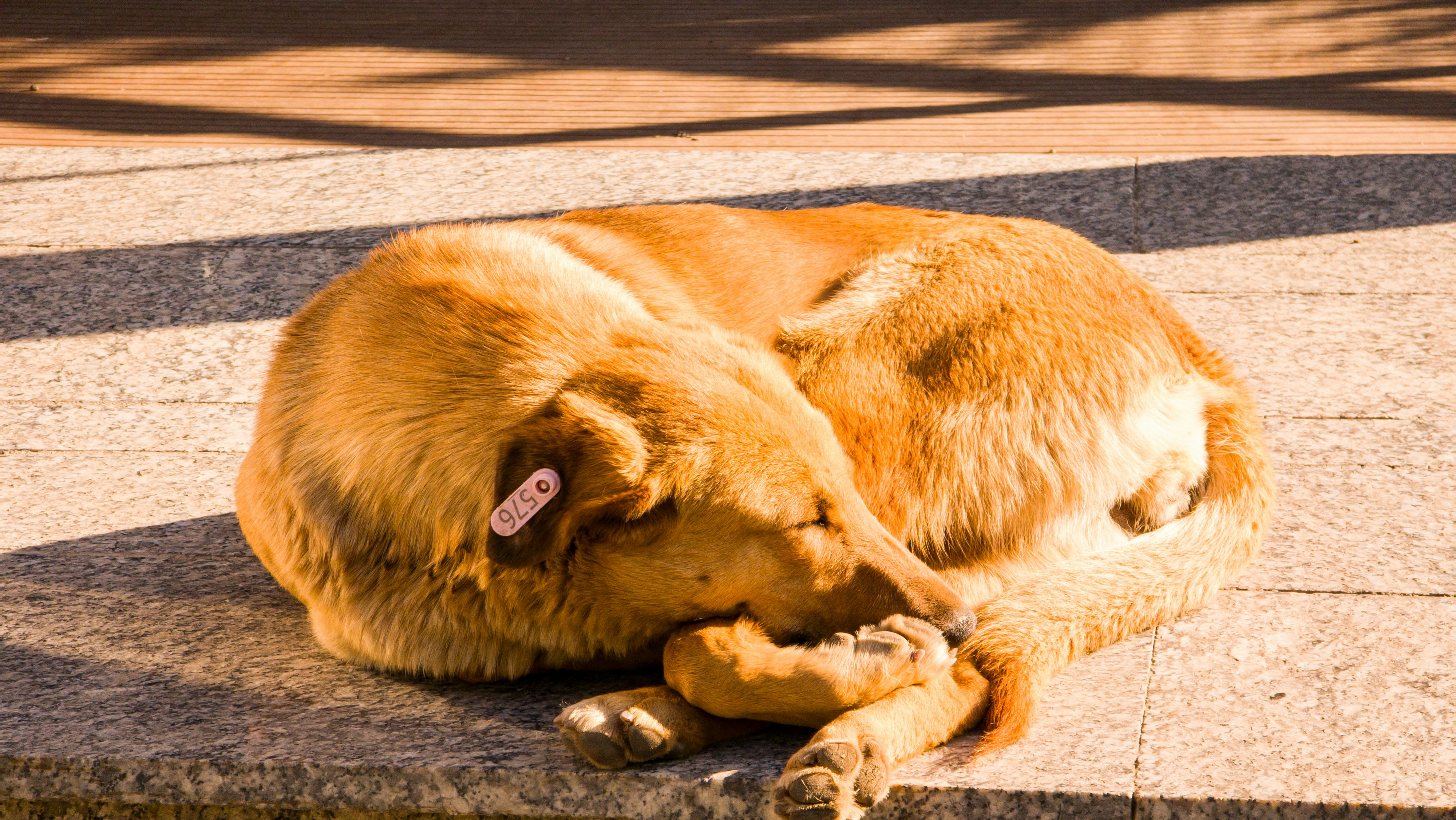
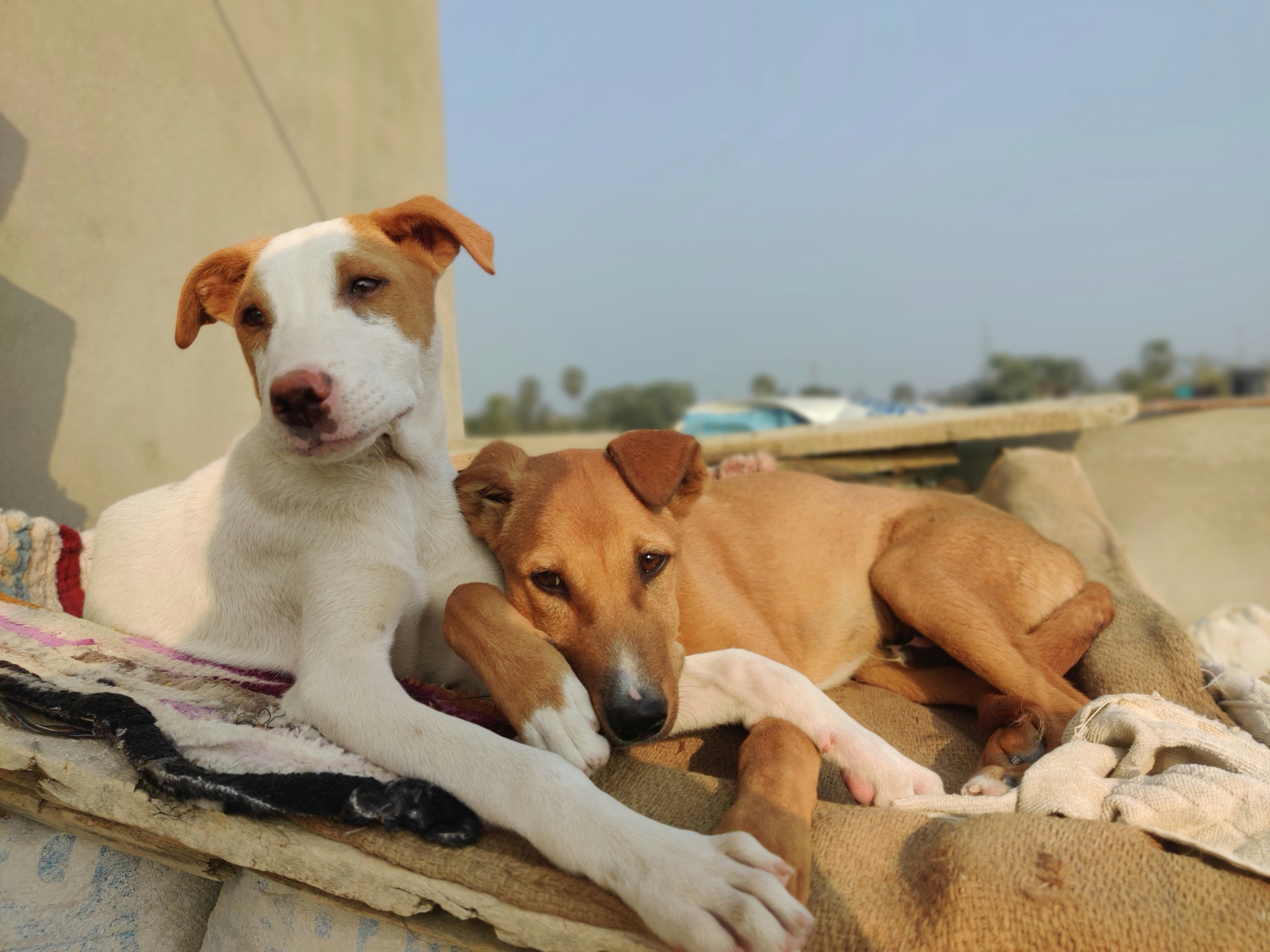
Staying with their website, I want to share these pictures with you.
He Died Waiting for Kindness
He had no name… Perhaps because no one had ever paused for even a moment to ask him: “What is your name, silent little angel?” The cold of the night had settled over the road, and the car lights passed one after another beside his blood‑stained body… No one slowed down. No one turned their head to see his pain. As if he were invisible — like a dry leaf pushed aside by the wind. But he was not invisible… He felt the pain, he felt the fear, and with every fading breath, he swallowed the loneliness. His body lay on the gravel, his eyes half‑open, as if he was still waiting… Waiting for someone who, just once, would look at him with kindness. When I arrived, the blood was still fresh… If I had reached just 20 minutes earlier, maybe… Maybe I could have saved him. Maybe I could have whispered: “You are not alone… I am here.” But it was too late. He had already chosen to leave the pain of this earth and return to the sky… To the arms of the angels — where no cars would ever drive past his heart again. No one was even willing to lift his tiny body from the road… As if he had no worth. As if a life filled with silence and waiting meant nothing. But to me, he mattered. I lifted him from the road… Not as a stray dog, but as a soul who deserved to be farewelled with dignity. I buried him… With shaking hands, yet with a heart that wanted — at least once — for someone to be kind to him. In that moment, he taught me something… Despite his wounds, despite his pain, his eyes were still full of kindness. His gaze seemed to say: “I wish everyone were like you…” But the truth is: I wish everyone were like him non‑judgmental, gentle, with a heart that remained free of hatred, even in the final breath.
If this story touched your heart… please don’t stay silent. For him, it’s already too late… But there are still hundreds of “him” breathing on our streets, and each one needs just one kind human for their life to change. Please…
Be the voice of these silent angels.
oooo
I wish everyone was like you.
It was Friday… As every week, I set out with an 8-kilogram bag of food to visit those whom the world has forgotten, yet I have never been able to forget them… From afar, the scene I saw made my heart tremble. Little puppies ran toward me with excitement and hope, so happy as if the entire world had become kind to them with just this one meal. Some were so hungry they could barely run, yet with shining eyes, they looked at me, as if saying: “You came… today we are saved.” Amid all the sounds, joy, and excitement, my eyes fell on one—a gaze silent yet screaming a thousand cries… A dog, thin, wounded, and trembling… standing in the middle of the road, afraid, yet hopeful. Fear kept him from approaching… as if he had come close to kindness many times before, only to be met with stones, kicks, and cruelty. And he had every right to be afraid… truly. As I stepped closer, I saw something no animal lover ever forgets: his ears were gone… both torn off. The scars on his head were still visible… and his leg was injured, probably struck by stones multiple times. Yet… despite all this pain, despite all the suffering… he was still calm. He didn’t bark, growl, or attack… he just looked. He had been hurt by humans… yet he still had hope in them. I gently placed the food on the ground. He took a step back… fearful, hesitant. Then, with utmost caution, he came forward, took a bite, and stepped back again, as if saying: “Forgive me… I’m not used to someone treating me kindly.” I wished I could approach, clean his wounds, and show him that not all humans are cruel. But he ran away… not from me, but from memories that resembled “me.” But that gaze… that final look that still lingers in my heart like a dagger… eyes full of tears, untold words, gratitude, and fear… as if saying: “Thank you… for a meal. Maybe today is not my last day.” As he walked away, his legs trembled… not only from hunger, but from life… from loneliness… from being forgotten. On my way back, this question kept turning in my mind like a painful melody: Until when? Until when must voiceless animals suffer from human cruelty? Until when will every meal be their only hope for survival? Until when will we just watch? In Kabul, there are hundreds of animals like him. Some die from hunger, some from stones thrown by children and adults, and some like him… with wounds never healed, yet when they see a morsel of food, gratitude shines in their eyes. I am alone… but my dream is big. I want to build a shelter: a place where no animal dies from hunger, cold, disease, or violence. A place where they can learn once more that humans can be kind. But this is impossible without your support. We need a sponsor, a foreign donor, or a compassionate organization to take the first step. Perhaps you know someone… perhaps your introduction could save a life. If you can help, collaborate, or want to get in touch with us, please contact us via the email on our website. You can be the hope for an animal’s tomorrow… with a subscription, a referral, or a small step of support. Sometimes, saving the world is impossible… but saving “a world” for one animal is possible. And perhaps today, it is our turn to change the world for one of them.
oooo
ooOOoo
Dogs are so precious. What some humans do is beyond Jean and me, and, thankfully many thousands of other people.
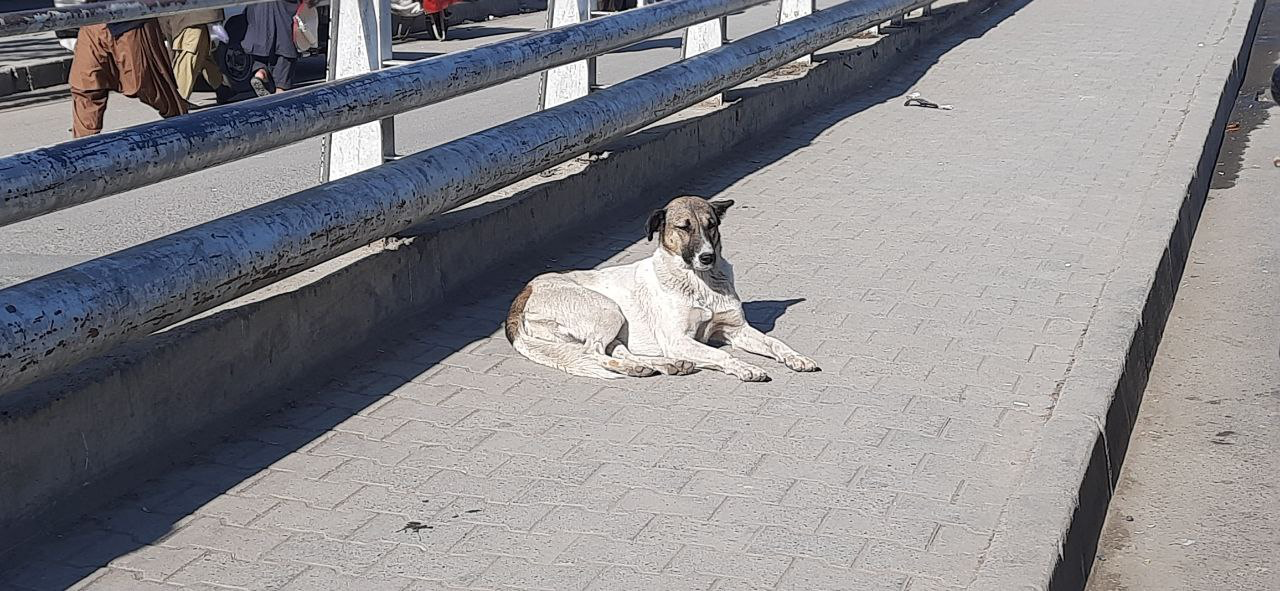
But that doesn’t alter the fact that stray street dogs exist.
I won’t pontificate but the message is clear.
Thank you, Dr. Mateullah Abrahemi.
Let me copy some more text about the founder:
Dr. Mateullah Abrahemi, the founder of Panagai Amn in Kabul, is a committed and compassionate advocate for stray animals, especially street dogs. With a deep belief in the right to life and welfare of these vulnerable beings, he strives to provide them with a safe shelter, food, medical care, and kindness.
His efforts are not limited to dreams and ideas; rather, he takes practical, well-planned steps to improve the living conditions of these animals. With valuable experience in animal care, Dr. Abrahemi has now launched the Panagai Amn project, aiming to expand his efforts into a comprehensive support center.
He meticulously handles financial and logistical planning, designs a multilingual website via WordPress, manages resources, produces video content, and builds international communication bridges to attract more support for the cause.
Throughout this challenging journey, when many of his requests for assistance from organizations remained unanswered or were met with rejection,
As previously mentioned, I am going to share these images on, I hope, a weekly basis.
We love our dogs and can never envisage being without one.
So what happens to them after the last one of us die?
I have just turned 81 and, although I am fit, think more seriously about this matter than I used to. Jean has no children and my son and daughter, from a previous marriage, are living in the U.K.
So an article from The Conversation caught my eye and I wanted to share it with you.
ooOOoo
Diane Keaton’s $5M pet trust would be over the top if reports prove true – here’s how to ensure your beloved pet is safe after you are gone
I’m a law professor who teaches about wills, trusts and other forms of inheritance law. Every semester, I teach my students how they can help clients provide for their pets after death. Because they, like many Americans, love their pets and want to know how to take care of them, this topic always piques their interest. https://www.youtube.com/embed/FYJGCvpJIV0?wmode=transparent&start=0 Diane Keaton was very open about her devotion to her dog, Reggie.
Writing pets into a will
An estimated 66% of all U.S. households include at least one pet. Many Americans consider their cats, dogs, tortoises or other animals to be part of their family, and their spending on those nonhuman relatives is immense. In 2024, they paid a total of about $152 billion for goods and services to feed and otherwise support their pets.
Taking good care of your pets can go beyond buying them treats and sweaters. It can include leaving clear directions to ensure their needs are met once you’re gone. There are several ways that you can do this.
The first is through your will. You can’t give your pet money directly in your will, because the law says that pets are property, like your books or your dishes.
You can, however, leave a bequest, the technical term for a gift to a person or a cause listed in a will, to someone who will be the animal’s caretaker. That bequest can include directions that the money be spent meeting the pet’s needs.
It’s worth it to also name an alternate or contingent caretaker in case the first person you name does not want to or cannot take on that responsibility, or they die before you or the animals you’ve provided for in the will.
Choupette’s life of luxury
German fashion designer, photographer and creative director Karl Lagerfeld, who died in 2019 at 85, was someone who made the mistake of leaving money directly to his fluffy Birman cat, Choupette. It worked out for Choupette, though.
The cat was, according to several reports, still alive in 2025 and eating meals out of the porcelain bowls that Lagerfeld bought for her. Choupette is cared for at great expense and in the utmost luxury by Françoise Caçote, the designer’s former housekeeper. The cat even had a 13th birthday party at Versailles.
Another pet owner who did right by her pet was the comedian, producer and red carpet interviewer Joan Rivers.
The late Joan Rivers, right, seen on the set of her short-lived talk show in 1987, planned ahead for her dogs’ care. Bettmann via Getty Images
Creating pet trusts
If you’d like an arrangement that’s more secure than a will, then you might want to opt for a pet trust, another celebrity favorite. These kinds of trusts were not possible until the 1990s, because pets were not considered true beneficiaries – meaning they couldn’t sue the trustee.
But in the 1990s, states began to change their rules to allow for pet trusts. Today, pet trusts are valid in the whole country, although the rules vary slightly from state to state.
To establish a pet trust, you or a lawyer must draw up a trust document that names two important people: a trustee and a caretaker. The trustee is the person who will manage the money you leave in trust. They will make distributions to the caretaker that you select.
You must also specify how the money is to be spent meeting the animal’s needs and who would get any money that could be left in the trust when the pet dies. Typically, these trusts take effect at the owner’s death, just like other provisions in a will.
Drafting a pet trust can be free, if you use an online template and get no legal guidance. The same thing might cost around $100 if you use an online service such as Legal Zoom that provides directions. More commonly, however, pet trusts are part of a broader estate plan, and costs range depending on how complicated your estate is.
When the rich go overboard
One of the most over-the-top pet trusts came from Leona Helmsley, the New York hotel and real estate mogul known widely as the “Queen of Mean.” She was famous for her pettiness and tough management style and for landing in prison for tax evasion.
The grandchildren, upset that Trouble got more money than they did, took the case to court, where the probate judge was less than impressed by Trouble’s luxury lifestyle and knocked down the amount in trust to $2 million. The other $10 million flowed back to her family’s foundation, where the bulk of the estate went in the first place.
Lesson learned: Your dog can have a trust fund, but don’t go overboard.
Bequests for pets can be challenged – in which case it’s up to courts to determines how much they think is reasonable for the pet’s need. In Helmsley’s case, $12 million was found to be excessive. And maybe with good reason. Trouble still had a nice life with fewer millions. The dog died in December 2010 after several years in Sarasota, Florida, at a Helmsley-owned hotel.
Other pet owners who aren’t celebrities have used pet trusts as well, such as Bill Dorris, a Nashville businessman without any human heirs. He left his dog, Lulu, $5 million.
Pet-loving celebrities who loved all the pets
Finally, there’s a lesson to be learned from British fashion designer and icon Alexander McQueen, who was worth £16 million ($21 million) when he died in 2010 at the age of 40. McQueen left £50,000 ($66,000) in a trust for his two bull terriers so that they would be well cared for during the remainder of their lives.
McQueen also included a bequest of £100,000 ($132,000) to the Battersea Dogs and Cats Home in his will to help fund the care of some of the millions of other animals out there that need the basics of food and shelter.
So, my advice is that you go ahead and create a pet trust for your cat. But don’t forget to give some money in your will – and ideally while you’re alive – to help the vast majority of the millions of companion animals who need new homes every year. None of them have trust funds.
What becomes of Reggie, Keaton’s golden retriever, and her estate remains to be seen. Keaton, who starred in hit movies such as “Annie Hall,” “Reds” and “The First Wives Club,” isn’t the first celebrity to leave millions of dollars to a pet. And it’s unlikely that she will be the last.

 Learning from Dogs