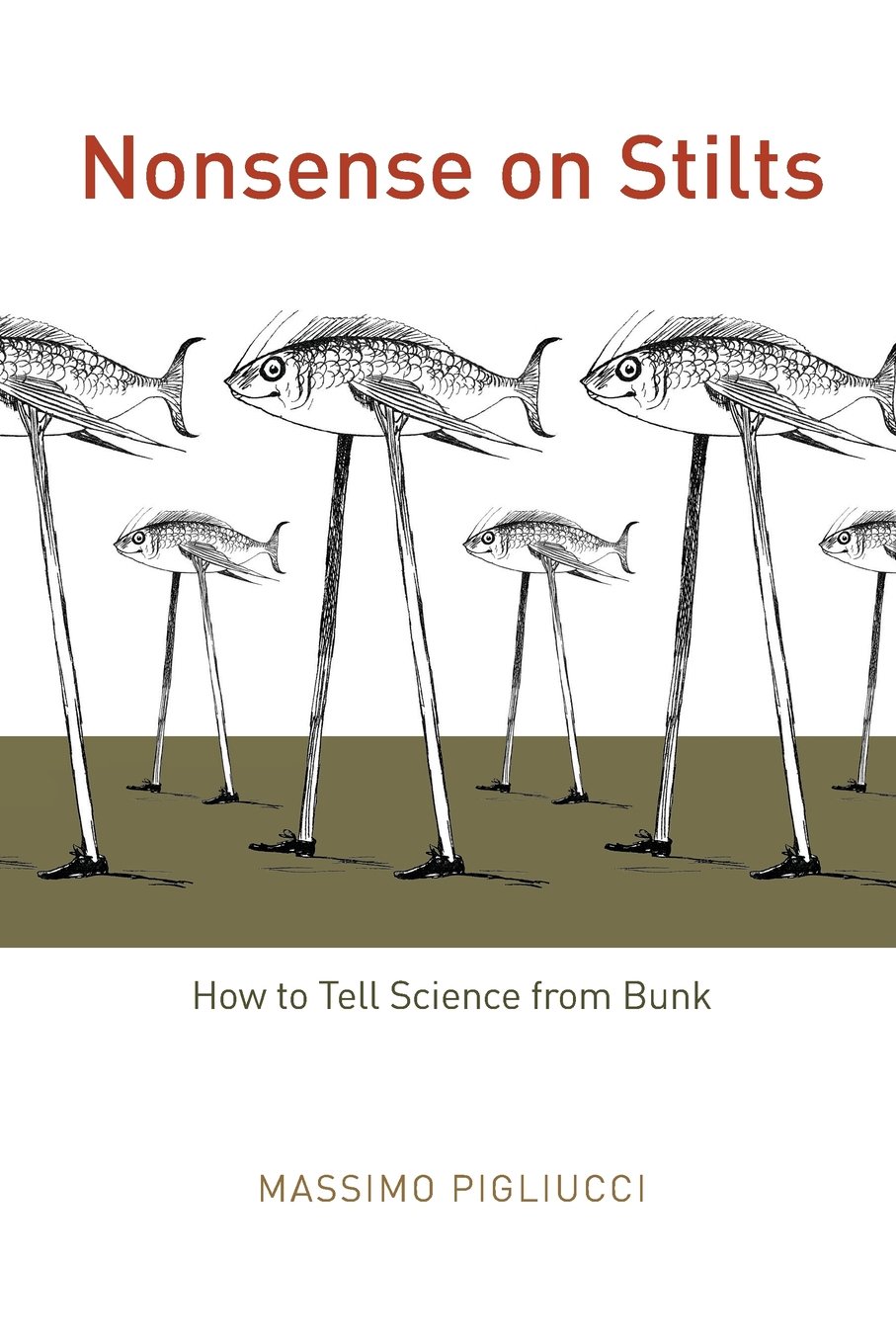
The subtitle of the book is “How to Tell Science from Bunk“
I am up to page 48 and I read something that is so obvious but had not occured to me before now. I have spoken to friends and they, too, had not realised this.
Namely, that the fact that “…. a variation on the old latitudinal hypothesis ….. explains a major causal factor explaining the rise of more successful civilizations in Euroasia, say, than in sub-Saharan Africa or on the American continent, is that Euroasia expands along an East-West axis.“
This East-West expansion provides greater opportunity for the invention of agriculture and the domestication of, say, the horse. Simply because feed crops are easier to grow owing to the smaller change in weather patterns. Unlike, the North-South expansion, where there is the problem of having to adjust to different weather towards the North or towards the South.
I hope that I can republish this photograph. I shall provide all the details.
ooOOoo
Milky Way over Isola delle Correnti
On 07/17/2026 11:00 pm by Enrico Modica | Website | Portopalo di Capopassero, Sicily, Italy
The photograph was captured at approximately 11:00 PM (23:00 CEST) on July 17, 2026, near Isola delle Correnti, the southernmost point of Sicily, Italy, where the Ionian Sea meets the Mediterranean Sea.
The image depicts the Galactic Centre of the Milky Way rising above the island, with the lighthouse beam reflecting across the sea and naturally guiding the viewer’s eye toward the star-filled sky. The bright central bulge of our Galaxy lies in the direction of the constellation Sagittarius, approximately 27,000 light-years from Earth. Also visible are several prominent summer constellations, including Scorpius (with the bright red star Antares), Ophiuchus and Aquila (with Altair).
Camera: Nikon D750 (full-frame DSLR) Lens: Samyang 14 mm f/2.8 Mount: Sky-Watcher Star Adventurer 2i Pro (star tracker)
Sky Camera: Nikon D750 Lens: Samyang 14 mm Star tracker used 30 stacked exposures ISO 800 Aperture: f/3.2 Exposure time: 45 seconds per frame
Foreground 4 untracked exposures ISO 400 Aperture: f/4 Exposure time: 30 seconds per frame Processing
The sky images were calibrated, aligned, and stacked using DeepSkyStacker to improve the signal-to-noise ratio. The RAW files were then developed in Adobe Lightroom Classic, while the final image was completed in Adobe Photoshop, where the tracked sky and the static foreground were blended and refined to achieve a natural representation of the scene while preserving the finest details of the Galactic Centre.
ooOOoo
It is a stunning image.
It takes me back many years to when I was living on Songbird of Kent, a sloop, in Cyprus, and using the summers to cruise. I will never forget the night skies at sea, far from lights from the land.
We came across this tribute to Ella the other day and I wanted to include a YouTube link (above).
She was born in 1917 and died in June, 1996.
Here is a summary of her life, courtesy of a Google search.
Ella Jane Fitzgerald was an American jazz singer, composer, and songwriter who is often called the “First Lady of Song”. Known for her rhythmic sense, intonation, and scat singing, Fitzgerald was the first African-American woman to win a Grammy and the first woman to win multiple Grammys. She won 13 Grammys in total and sold more than 40 million albums. Fitzgerald’s career was marked by her determination to break down societal barriers.
I came across this YouTube video while looking for something else.
“This is the heartwarming story of a shelter dog who found his voice — and completely changed my life forever. When I first walked into the animal shelter, I never expected to meet a dog like him. He didn’t bark like the others… he talked. Every sound, every expression, felt like he was trying to tell me something. This is the story of how one rescue dog went from being overlooked to becoming my best friend, and how adopting him changed both of our lives.”
Saying ‘no’ is difficult. This is an article from The Conversation that talks of our need at times to be the opposite of friendly, to stand one’s ground, and to be true to yourself.
ooOOoo
The science of defiance: A psychology researcher explains why people comply – and how to resist
You’re in a meeting when your boss suggests changing a number to make the quarterly report look stronger. Heads nod. The slides move on. You feel a knot in your stomach: Do you speak up and risk being branded difficult, or stay silent and become complicit?
Most people picture defiance as dramatic outbursts. In reality, it’s often these small, tense moments where conscience collides with compliance.
I first saw the power of defiance not in the workplace, but closer to home. My mother was the ultimate people-pleaser: timid, polite, eager to accommodate. Barely 4 feet, 10 inches tall, she put everyone else’s needs above her own. But one day, when I was 7, I saw a different side to her.
We were walking home from the grocery store in West Yorkshire, England, when a group of teenage boys blocked our path in a narrow alleyway. They hurled racist insults and told us to “go back home.”
My reaction was instantaneous: Stay quiet, avoid conflict and get past them as quickly as possible. I grabbed my mother’s arm, urging her to move with me. But she didn’t. My quiet, deferential, never-confrontational mother did something completely different. She stopped, turned and looked the boys directly in the eyes. Then she asked, calmly but firmly, “What do you mean?”
She wasn’t loud or aggressive. And in that moment, she showed me that defiance doesn’t always roar, and it can come from the people you least expect.
I’ve carried these lessons into my work as a physician-turned-organizational psychologist. For decades, I’ve studied why people comply, staying silent when they don’t want to, and how they can resist wisely. In my book “Defy: The Power of No in a World that Demands Yes,” I offer a framework based on behavioral science research that can help you defy in ways that are intentional, effective and true to your values.
When people think of defiance, they often picture teenagers slamming doors, protesters shouting in the streets or rebels breaking rules just for the thrill of it. But that’s not the kind of defiance I study or the kind that shapes our lives most often.
That pressure can come from anywhere: a boss urging you to fudge the numbers, a friend nudging you toward something you don’t believe in, a culture telling you to stay in your place. Defiance in those moments might be as small as saying “no,” asking for clarification or simply pausing instead of rushing along with the group. Other times, it means speaking up, challenging authority or maybe walking away.
Seen this way, defiance isn’t a fixed trait that some people are born with and others lack. It’s a practice: a skill you can strengthen over time. Some days you might comply, other days you might resist. What matters is that you have the awareness and the tools to make the choice consciously, rather than letting fear or habit decide for you.
Why people comply
If defiance is so important, why do people so often stay silent?
One reason is a psychological process I’ve uncovered in my research: insinuation anxiety. It arises when people worry that not complying with another person’s wishes may be interpreted as a signal of distrust. Turning down a boss’s request to “adjust” the numbers might feel like you’re implying they’re dishonest. To avoid that discomfort, you go along – even when it violates your values.
Behavioral science has long documented this pull toward compliance. In the 1960s, for example, psychologist Stanley Milgram showed that ordinary people would administer what they believed were dangerous electric shocks to strangers simply because an authority figure told them to.
My own research has shown surprisingly high levels of compliance with obviously bad advice, even when given by a stranger with no consequences for disagreeing. People feel immense social pressure to go along with what others suggest. That’s because if you’ve never been trained in how to say no, it feels uncomfortable and awkward.
A framework for action
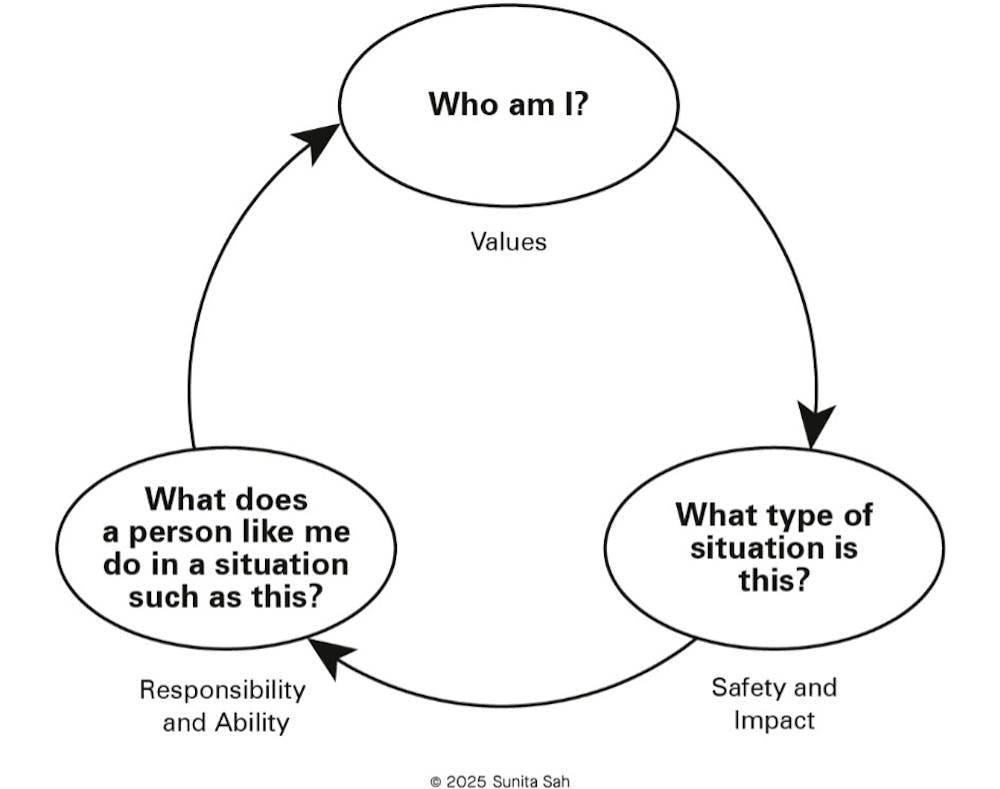
If compliance is the human default, how can you build the muscle of defiance? In my research, I’ve developed a simple actionable guide that I call the Defiance Compass. Like a navigation aid, it orients you in difficult situations by asking three questions:
Who am I? What are the core values that matter most to me?
What type of situation is this? Is it safe to resist? Will it have a positive impact?
What does a person like me do in a situation like this? How can I take responsibility and act in a way that’s consistent with my identity and values?
Three questions can help you zero in on whether the time is right for you to defy. Sunita Sah
Asking these questions shifts defiance from a gut reaction to a conscious practice. And here’s what’s important: That third question (“What does a person like me do?”) circles back to the first (“Who am I?”), because how you act again and again becomes who you are.
Defiance doesn’t always mean open confrontation. Sometimes it means asking a clarifying question, buying time or quietly refusing. It can mean speaking up or walking away. The key is to start small, practice regularly and anchor your choices in your values. Like any skill, the more you practice, the more natural it becomes.
Why defiance matters now
Defiance may be risky, but it’s never been more relevant. At work, employees are pressured to meet targets at any cost. In politics, citizens face waves of misinformation and polarization. In everyday life, people struggle to set healthy boundaries. Across all these contexts, the temptation to comply for the sake of comfort is strong.
Of course, not every act of defiance is safe or guaranteed to make a difference. Sometimes it comes at real personal cost and some people still choose to act even when the impact isn’t certain: think of Rosa Parks refusing to give up her seat, or Colin Kaepernick taking a knee. In those moments, the act itself becomes the message. Both of those individuals were deeply connected to their values and the assessment is personal: What feels worth the risk to one person might not to another.
Defiance does require practice: noticing when values are at stake, pausing before you nod along, and choosing actions that align with who you want to be. Each act of consent, compliance or defiance shapes not just your story but the stories of our societies.
If you practice defiance, and teach it and model it, you can imagine a different type of society. You can start to envision a world where, in that same alleyway from my childhood, one of the boys will step forward and tell his friends, “That’s not OK. Let them pass.”
Across the range of society there will always be persons who choose to act with poor social values. Some are very senior, such as many politicians, some are towards the bottom of society. That is a fact of life.
Sunita Sah does us proud in writing this article, and I am delighted to republish it, with the permission of The Conversation.
A few days ago I asked our neighbours to the south of us if they would like to come out on July 4th. The answer was thanks but no. Fireworks and dry forest do not mix and they wanted to stay home for the day.
I write this as an introduction to the latest post from The Conversation.
ooOOoo
Fireworks, heat and drought put this July 4th at high risk for wildfires
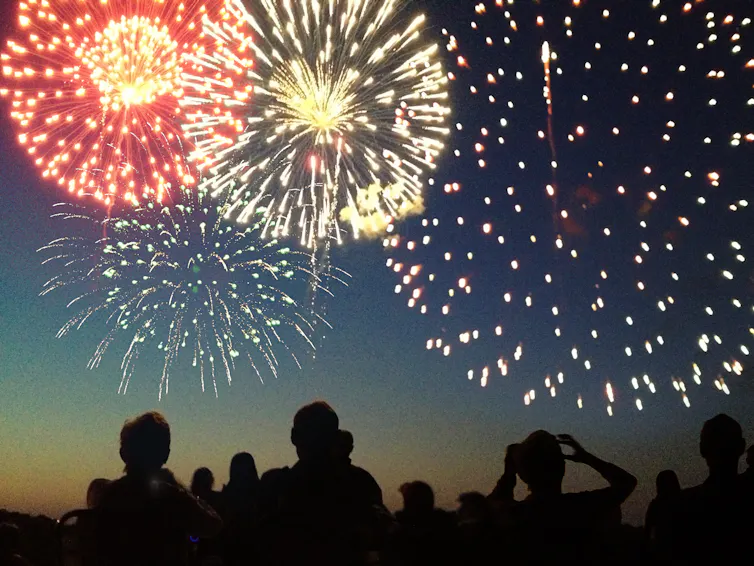
Across the United States, the sky will be erupting with fireworks on July 4, 2026, and the days around it as America celebrates the 250th anniversary of its independence. Many cities will be hosting spectacular fireworks shows.
But not everyone will be leaving the pyrotechnics to the professionals, so let’s talk about the risk of fireworks starting fires, including dangerous wildfires.
In 2026, much of the U.S. has been very dry and in moderate to severe drought. That means many areas are at high risk for fires igniting and spreading.
Dry start to the year
In the first half of the year, the U.S. has already experienced more wildfires than in the first half of any of the previous 10 years, which has included some of the country’s worst fire years on record.
At the same time, large parts of the U.S. West and Southeast are forecast to see above-normal heat along with dryness through early July. Heat waves significantly raise the fire risk. A recent study found that 42% of all land burned in the West from 2001 to 2024 happened during or right after a heat wave.
4th of July fireworks
In hot, dry conditions it doesn’t take much to start a fire. Dry vegetation – trees, shrubs and grasses – provides the fuel. A windy day can substantially raise the risk of a runaway fire. The spark often comes from human activities, whether a car, power line or someone lighting fireworks.
Between 1992 and 2015, humans started 97% of all fires that threatened homes in the wildland-urban interface, the areas where homes and cities overlap with wildlands.
In many states and drought-plagued regions, commercial fireworks are banned for community safety, and not just because of the fire risk. Emergency rooms saw an estimated 9,700 fireworks-related injuries in 2023 – injuries to hands, faces, ears and elsewhere – a third of them involving children.
The National Fire Protection Association encourages everyone to leave the fireworks to the professionals who are prepared to manage any wayward sparks. Public displays are cheaper for you, safer for everyone, and often far more spectacular.
Penny Martin continues to write posts for Learning from Dogs and this latest one is brilliant.
ooOOoo
How You Can Make a Real Difference for Shelter and Rescue Pets
Busy parents juggling work and school pickups, local business owners trying to stay visible, and animal lovers who can’t bring home another pet often care deeply about local animal welfare but feel stuck between compassion and capacity. Shelters and rescues don’t run on good intentions alone; they rely on community support for shelter pets to keep care consistent and outcomes hopeful. When that support is thin, animals wait longer, stress rises, and the whole community feels the strain. The encouraging part is that animal shelter volunteers, pet rescue awareness, and understanding the real rescue pet adoption benefits can turn everyday concern into steady, meaningful impact.
Understanding What “Supporting Rescue Pets” Means
Shelter and rescue support is the hands-on help that keeps animals safe, calm, and adoptable while they wait for a home. In practice, it usually means fostering for a short window, volunteering time and skills, or giving targeted donations that cover food, vet care, and transport.
This matters because small, steady support shortens an animal’s road from intake to adoption. The need is constant since 2.8 million dogs and cats entered U.S. shelters in just the first half of 2025. Foster care helps too, and studies by the ASPCA show dogs in foster spend less time waiting for permanent homes.
Think of it like a relay team: one person handles weekend fostering, another covers a Tuesday walk shift, and a third funds vaccines. Together, those pieces reduce stress, prevent crowding, and make adoption feel more doable. Clear, consistent visuals can amplify that support when you share adoptable pets and campaigns.
Make Scroll-Stopping Adoption and Fundraiser Images in Minutes
Once you understand what rescue support looks like day to day, it’s easier to see why clear, consistent visuals can be a quiet force-multiplier for everything else. AI-generated visuals can help you create compelling images for adoption campaigns, fundraising posts, and educational materials that raise awareness and spark community support for pets in need.
One especially handy approach is using an AI image-to-image generator, which starts with a reference photo you already have and then uses your written prompts to guide the creative output into new styles or variations. That means the same pet can be shown in different looks, while still staying recognizable, so your outreach graphics feel cohesive, readable, and shareable across social platforms and print. If you’re curious how this works in practice, Adobe Firefly is one example of an image-to-image tool that demonstrates the idea.
Choose High-Impact Ways to Help—Time, Space, or Money
You don’t have to do everything to make a real difference, you just need to choose a few actions that fit your life right now. Pick one from “time,” “space,” or “money,” and you’ll quickly become the kind of supporter shelters can count on.
Foster one pet for a defined window: Ask a shelter about “weekend foster,” “two-week decompression,” or “foster-to-adopt” options so you can say yes without overcommitting. Fostering gets pets out of the noisy kennel environment and into a home routine, which often improves adoptability, one analysis of the foster care model reports better outcomes compared to traditional shelter housing. To make it sustainable, clarify who provides food, meds, crates, and what to do after-hours if something feels urgent.
Offer temporary pet care for crisis moments: Many shelters and rescues need short-term help for pets whose owners are hospitalized, displaced, or escaping unsafe situations. Volunteer to cover 24–72 hours, a week, or “day boarding” while paperwork and placements are arranged. This is a great option if you can’t foster long-term but you can handle a short burst of responsibility.
Volunteer in a role that matches your energy, not just your heart: If you love people, help with adoption counseling, event check-in, or donation sorting. If you prefer animals, sign up for dog walking, cat socialization, enrichment prep, or transport runs to vet appointments. Ask for a consistent shift (even 2 hours every other week) so staff can schedule around you and you build real skill.
Become a “quiet helper” from home: Many rescues need behind-the-scenes support like answering messages, updating pet bios, building simple spreadsheets, calling vet clinics, or writing thank-you notes to donors. This is also where those scroll-stopping graphics matter: offer to turn a pet’s best photo into a clean adoption post, a “supply drive needs” image, or a mini success-story carousel people will actually share.
Donate strategically, fill the gap, not the pile: Before buying anything, check the shelter’s wish list or ask, “What do you run out of every week?” Most places consistently need consumables like kitten formula, canned food, laundry detergent, paper towels, and enrichment items, plus gift cards for emergencies. If you want your dollars to stretch, offer to sponsor one specific cost (a vaccine day, a spay/neuter deposit, a heartworm test fund) and ask them what amount is most useful.
Use your space for micro-logistics: If your home can’t take a foster pet, it might be perfect for holding donated supplies, assembling adoption packets, or staging a “pop-up pantry” for families who need short-term pet food help. Even one closet or a spare corner of a garage can smooth out the chaos between donation drop-offs and distribution.
Organize a small, repeatable adoption event: Partner with a rescue to host a two-hour meet-and-greet at a community spot that already has foot traffic, like a café patio, hardware store garden area, or office courtyard. Offer to handle the simple pieces: a sign-up sheet, clear “ask me about adopting” badges, water bowls, and a few consistent photo backdrops so every pet goes home with a great shareable image.
Recruit one friend and make it easy for them to say yes: People are far more likely to help when the task is specific: “Can you walk dogs this Saturday 10–12?” beats “We should volunteer sometime.” If you’re trying to build a volunteer bench, it helps to know 25% of Gen Z are actively volunteering, so asking students, interns, or early-career coworkers can be surprisingly effective.
Help pets stand out with better bios and adoption follow-up: Pick one animal and improve their listing: 5 clear photos, 3 personality adjectives, 3 “loves,” 1 training note, and 1 ideal-home match. Offer adopters a simple handoff sheet with routine, food, favorite toys, and how to contact the rescue for support. Better expectations reduce returns and help the adoption stick.
Commit to a “one-month impact plan”: Choose one action for each week, one shift, one foster weekend, one supply run, one post-and-share sprint, then repeat what worked. Consistency is what turns good intentions into saved lives, and it also makes it easier to decide when fostering, volunteering, or donating feels like the right next step for you.
Common Questions About Helping Shelter Pets
Q: How do I start fostering if I’ve never done it before? A: Call or email a shelter and ask what short-term options they offer and what supplies they provide. Request a clear handoff: food, meds, crate needs, and who to contact after hours. A foster coordinator can also match you with an easier pet for a first run.
Q: What are the hardest parts of volunteering, and how do I avoid burning out? A: The biggest challenges are emotional ups and downs and schedules that shift when the shelter gets busy. Choose one role and one repeating time slot you can protect, even if it is small. If you feel overwhelmed, ask to switch to a lighter duty like laundry, enrichment prep, or admin help.
Q: How do shelter donations usually work, and what’s most helpful? A: Many groups sort donations by immediate use, storage space, and safety rules, so unrequested items can create extra work. Cash or gift cards often help cover urgent medical needs, especially since rising cost of veterinary care can affect adoptions and drive surrenders. If you prefer shopping, ask for a current wish list and stick to it.
Q: What basic legal things should adopters expect to sign or follow? A: Most adoptions include a contract that covers fees, return policies, and required care like licensing or vaccinations. Read it carefully, ask what support is available if issues come up, and confirm what happens if the pet is not a fit. Keep copies of your agreement and medical records in one folder.
Q: Can fostering really change outcomes, or is it just a temporary fix? A: It can be a big driver of success because it gives pets a calmer place to reset and show their true personality. A 30% higher adoption rate has been found at shelters with a full foster program. Even one short foster can free kennel space and help a pet get noticed.
Choose One Consistent Way to Support Shelter and Rescue Pets
Wanting to help is easy; figuring out how to fit it into a busy life, and keep going when it gets emotional, is the hard part. The most reliable approach is simple: choose one doable lane and lean into long-term shelter support through steady community involvement in animal rescue. Over time, that consistency means making a positive impact for pets with fewer disruptions and more second chances. Small, steady help saves lives. Pick one next step today, sign up for an orientation, commit to a regular shift, or set a monthly donation, and stick with it. That ongoing volunteering and follow-through is what turns ordinary people into empowered pet rescue advocates and gives shelters the stability to keep showing up, too.
ooOOoo
If this inspires just one person to support their local shelter then I’m certain Penny (and me) will be honoured.
Are you over 60 and still eating frozen foods every day? ❄️🍽️ STOP right there — because some frozen foods could be silently damaging your health 😨⚠️
In this powerful 31-minute motivational health talk, you’ll discover the 4 WORST frozen foods seniors should NEVER touch 🚫 and the 4 BEST frozen options you SHOULD eat daily to protect your body, boost energy, and support longevity 💪🧠✨
As we age, our bodies become more sensitive to hidden toxins, preservatives, and sodium overload 🧂 — and many frozen foods are packed with exactly that. But not all frozen foods are bad! Some can actually improve your health, strengthen muscles, and support heart & brain function ❤️🧠
P.S. If you cannot see this video because of the ‘Error 153’ problem then go to the YouTube website, the URL is
Why are there seven days in a week? – Henry E., age 8, Somerville, Massachusetts
Waiting for the weekend can often seem unbearable, a whole six days between Saturdays. Having seven days in a week has been the case for a very long time, and so people don’t often stop to ask why.
Most of our time reckoning is due to the movements of the planets, Moon and stars. Our day is equal to one full rotation of the Earth around its axis. Our year is a revolution of the Earth around the Sun, which takes 365 and ¼ days, which is why we add an extra day in February every four years, for a leap year.
But the week and the month are a bit trickier. The phases of the Moon do not exactly coincide with the solar calendar. The Moon cycle is 27 days and seven hours long, and there are 13 phases of the Moon in each solar year.
Some of the earliest civilizations observed the cosmos and recorded the movements of planets, the Sun and Moon. The Babylonians, who lived in modern-day Iraq, were astute observers and interpreters of the heavens, and it is largely thanks to them that our weeks are seven days long.
The reason they adopted the number seven was that they observed seven celestial bodies – the Sun, the Moon, Mercury, Venus, Mars, Jupiter and Saturn. So, that number held particular significance to them.
Other civilizations chose other numbers – like the Egyptians, whose week was 10 days long; or the Romans, whose week lasted eight.
The Babylonians divided their lunar months into seven-day weeks, with the final day of the week holding particular religious significance. The 28-day month, or a complete cycle of the Moon, is a bit too large a period of time to manage effectively, and so the Babylonians divided their months into four equal parts of seven.
The number seven is not especially well-suited to coincide with the solar year, or even the months, so it did create a few inconsistencies.
However, the Babylonians were such a dominant culture in the Near East, especially in the sixth and seventh centuries B.C., that this, and many of their other notions of time – such as a 60-minute hour – persisted.
The seven-day week spread throughout the Near East. It was adopted by the Jews, who had been captives of the Babylonians at the height of that civilization’s power. Other cultures in the surrounding areas got on board with the seven-day week, including the Persian empire and the Greeks.
Centuries later, when Alexander the Great began to spread Greek culture throughout the Near East as far as India, the concept of the seven-day week spread as well. Scholars think that perhaps India later introduced the seven-day week to China.
Finally, once the Romans began to conquer the territory influenced by Alexander the Great, they too eventually shifted to the seven-day week. It was Emperor Constantine who decreed that the seven-day week was the official Roman week and made Sunday a public holiday in A.D. 321.
The weekend was not adopted until modern times in the 20th century. Although there have been some recent attempts to change the seven-day week, it has been around for so long that it seems like it is here to stay.
So there we are, the ancient history of the week. Including the fact that the weekend was not adopted until the 20th century. In the 1940’s to be precise.