Category: Core thought

Eating human food?

For our precious dogs, that is!

Dog Food Selector recently published a post about whether or not dogs can eat human foods.

As one might anticipate the answer is neither an unqualified yes nor a no. The article included a detailed list of human foods and an analysis of their potential risks as well as a useful graphical summary.

But first to the article.

ooOOoo

Can Dogs Eat Human Foods?

The most important recommendation for introducing new foods to your dog’s diet is to do so progressively.

Because introducing new foods into your dog’s diet may lead to digestive problems.

Our advice is to introduce only one new food at a time, in small amounts at first and observe your dog for any reactions to the change.

Keep in mind that every dog is different, so if you have any doubts please check with your veterinarian to see which ingredients are appropriate for your dog.

But how about foods you eat?

We’re sure you sometimes wonder yourself: Can my dog eat this? Is this food bad for him? Are human foods for dogs OK?

The following list includes numerous foods organized by alphabetical order.

Every food is marked with the potential risk to induce gastrointestinal or toxicity problems in dogs.

The risk is classified as:

0: Minimal risk if given in controlled amounts
1: Low risk
2: Moderate risk
3: High Risk
We advise you not to give your dog foods marked with risk 2 and 3.

Anyhow, you should always consult a vet to get a specific overview of the human foods’ risks on your dog.

ooOOoo

Then follows an extensive list of foods in alphabetical order. Here’s an example:

Food: Apricot Risk: 2 Comments: The seeds, leaves, and stems contain cyanide. Additionally, the pits can be a potential choking hazard or cause an intestinal obstruction.

But as well as the detailed list of foods with their associated Risk factor and additional comments, the article included the following ‘infographic’.

Produced by DogFoodSelector.com

I think that’s a most useful reference.

What are your thoughts as to how useful this chart is?

The power of love …

….. for the animals in our lives.

In yesterday’s post Senior Smiles there was a lovely exchange between Cindy and me. Cindy wrote:

Just a few days ago I relived in my mind the pain of losing our 16 year old Bichon- and that was a year and a half ago! Honestly, that is my biggest fear of adopting another dog- esp an older one.

Cindy then, mistakenly in my view, thought that, “it’s selfish to hang on to grief like this, and I REALLY don’t mean to“, to which I replied:

Grief is not a selfish attitude, far from it! You will know when it’s the right time to adopt, and love, a new dog.

You can then easily imagine my pleasure when thinking of what to write for today’s post to see a recent item over on the Care2 site about our commitment to our pets. About our love for our pets.

The item was called How Far Would You Go For Your Pet? and is republished here today. I would like to dedicate this post to Cindy! Cindy is the author of the blog: Mermaid in a Mudslide.

ooOOoo

How Far Would You Go for Your Pet?

1388717.largeBy: TreeHugger. August 23, 2016

There is simply no denying the power that pets hold over us.

I suppose there are a number of reasons why we love our dogs and cats (and others) so much, but surely their innocence and unconditional love rank right up there on top. Plus they’re cute, and furry, and funny, and sweet, and overall good companions. But I have to think there is something about them providing access to the larger animal world in general as well – domesticated animals are like a bridge between us civilized humans and wildlife, and for this they serve an important role. If we can find compassion for our companion animals, in many cases that compassion seeps out and becomes extended to other elements of the natural world as well.

And we really, really have compassion for our pets. Like, approaching fervency. Last year Americans spent over $60 billion on their pets, a number expected to increase by another $2 billion this year. That. Is. So. Much. Money. If you spent $20 per second, it would take 95 years to spend $60 billion.

But even more telling than how much we spend on our pets is the other sacrifices we would make for them. With pets on their mind, the website Abodo conducted a survey of 2,000 dog and cat owners and asked them all kinds of bordering-on-Sophie’s-Choice type of questions. The following results display just how cuckoo we are for our creature cohabitants.

What-Would-People-Really-Do-for-Their-Pets

See more of the survey’s results here.

Written by Melissa Breyer, this post originally appeared on TreeHugger.

Photo Credit: dougwoods/Flickr

ooOOoo

The power of (unconditional) love!

The harmonious order of things!

The wisdom of balance.

Let me start off with a quote:

thomasmerton385072

Thomas Merton was an author who was born January 31st, 1915 and died on December 10th, 1968.

As part of the process of slowing down the progress of Parkinson’s Disease Jean is participating in three therapy sessions each week at the Outpatient’s Clinic at our local Three Rivers Hospital. One of the those sessions is physical therapy. I sat in on the initial introductory session and was fascinated by how much emphasis was placed on Jean’s ability to balance properly (and she was very good – better than me at times). Apparently a decline in one’s balance is an indicator of the brain not functioning as it should.

Psychologically and emotionally maintaining “an even keel” is vital to dealing with the countless ‘events’ that come our way every day.

I have been a follower of Val Boyco’s blog Find Your Middle Ground for some time and frequently read posts that reach out to me way beyond the words on the screen. As it was with a post published last Thursday: Steps to Find your Middle Ground.

It is republished here with Val’s very kind permission.

ooOOoo

Steps to Find your Middle Ground

Posted on August 18, 2016 by Val Boyko

dscf1561

This list is for all the list people out there. Enjoy the steps I have discovered in finding my own middle ground and living life in balance 💛

    • Notice! Take time to pause and be aware of the incredible gift of life that you share with others and with nature. Wake up to the little things. Wake up to your self. Wake up to it all. This is called living mindfully. Become a keen observer.
    • Accept that life has ups and downs. Really! Some one told us when were little that life should be a breeze. This is called wishful thinking. Be grateful for the highs and graceful in the lows. This is called living life well.
    • Become present. Stop lamenting the past or worrying about tomorrow. Living is in each moment. Now. Take a deep breath. Then another. Notice you are still here… not there.
    • Get to know yourself. Take that first scary step of self-discovery. Turn off the tv. Sit for a while. Journal about what comes up. Have a meaningful conversation. Listen more to others. Listen more to yourself.
    • Let go of judgments. We think that judging others or ourselves makes us feel strong. Judgments come from fear of not being in control and having things go our way. Our way is not the way. There is nothing wrong, so stop trying to be right. Stop comparing, criticizing and start letting others be. Let yourself be.
    • Realize that you are not your thinking. You are the one who is aware of your thoughts. You are awareness within a physical body, with an imaginative and fearful ego-mind that creates stories. Your thinking is not the truth about who you are or the world around you.
    • Find the peace within. Beyond the next breath and the next thought there is a deep reservoir of peace waiting to be stepped into. This cool refreshing stillness has always been there and will always be there for us to access. To connect to this wondrous pool becomes our practice… whether it’s in mindfulness meditation, yoga, sitting in nature, or while commuting on the train, realize that you too can find your own middle ground.

This blog is my way of helping people get their feet wet.

Photo by Larry Hobbell

ooOOoo

Now go and read that quote again by Thomas Merton.

Have a lovely day!

The lesson of love from our dogs just keeps rolling along.

Neighbour Dordie had the following sent to her in an email and, subsequently, passed it on to me.

I share it with you and hope that it brightens your day.

ooOOoo

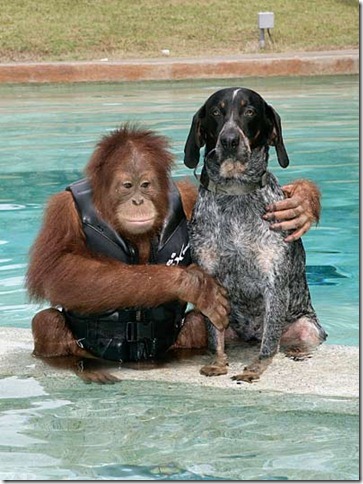
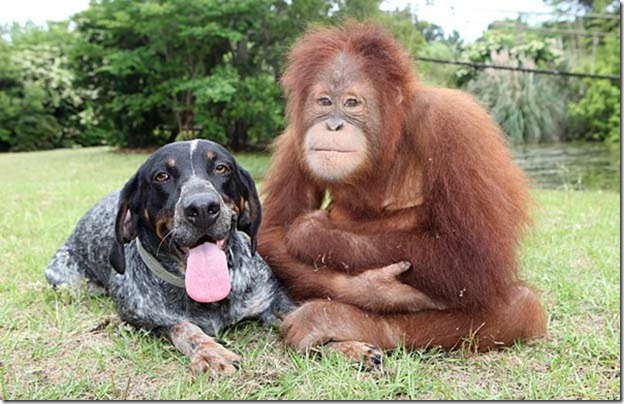
After losing his parents, this three-year-old orangutan was so depressed he wouldn’t eat and didn’t respond to any medical treatments.  The veterinarians thought he would surely die from sadness.

ATT00001The zoo keepers found an old sick dog on the grounds in the park at the zoo where the orangutan lived. They took the dog to the animal treatment center; the dog arriving at the same time that the orangutan was there being treated.

ATT00002The two lost souls met and have been inseparable ever since. The orangutan found a new reason to live and each always tries his best to be a good companion to his new-found friend. They are together 24-hours-a-day in all their activities.

ATT00003They  live in Northern California where swimming is their favorite past-time, although Roscoe (the orangutan) is a little afraid of the water and needs his friend’s help to swim.

ATT00004Together, they have discovered the joy and laughter in life and the value of friendship.

ATT00005They have found more than a friendly shoulder to lean on.

ATT00006Long Live Friendship!
I don’t know… some say life is too short, others say it is too long.

But, I know that nothing that we do makes sense if we don’t touch the hearts of others… While it lasts!

May you always have – Love to Share, Health to Spare, and Friends who Care… Even if they are a little hairy at times.

ooOOoo

Shared with you with the fondest love of Jean and me and all our furry friends.

We are what we think of most!

A republication of a recent post from Val Boyko.

Yesterday, Val published a post over on her blog Find Your Middle Ground that really ‘spoke’ to me. That’s not to imply, by the way, that her other posts don’t very often reach out to me and, undoubtedly, to many others.

Val’s post was called The Depths of our Relationships and explored the different levels of relationships that we have with others in and around our lives.

Instinctively most people would regard us humans as far more complex than our animal companions. As the old Devon (South-West England) expression goes, “There’s now’t so queer as folk.”

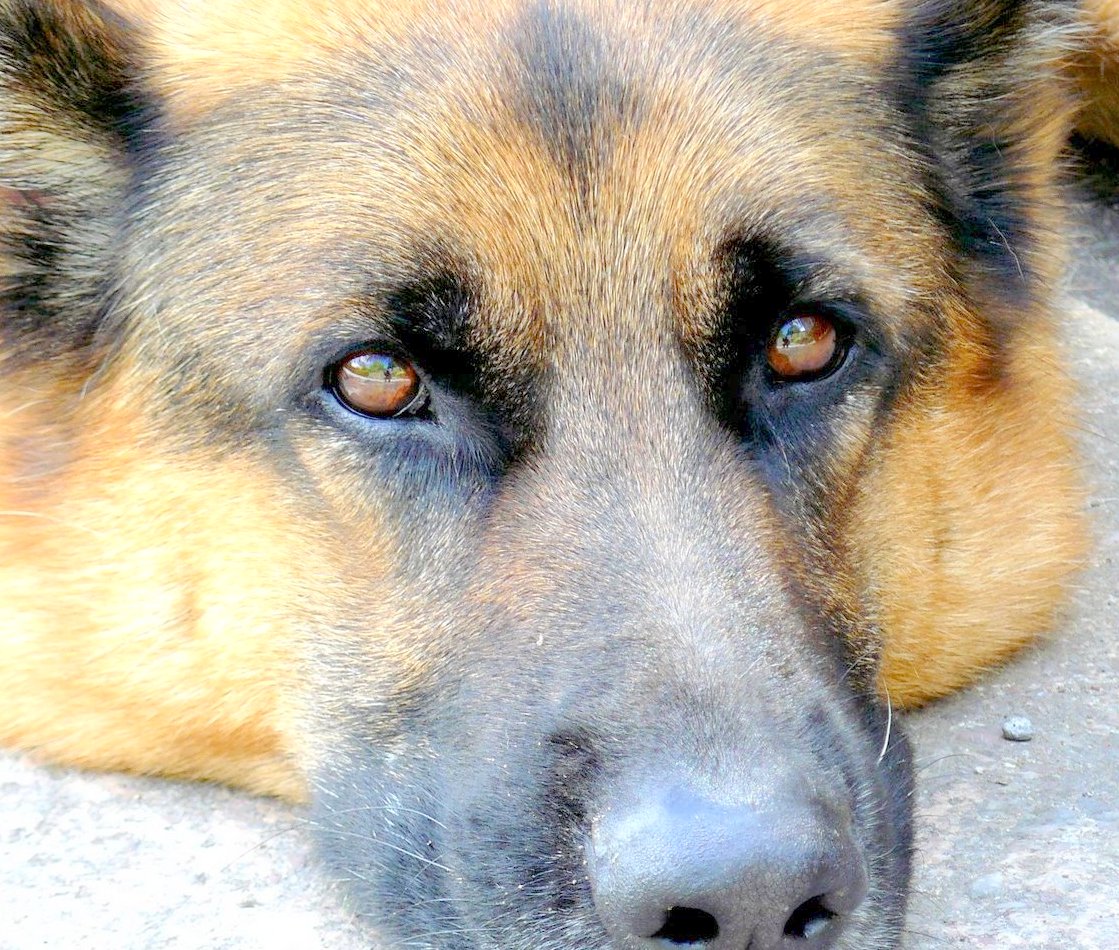
Yet, once we have really got to know a dog there will be many who will see behind those fabulous eyes a sense of a depth of character, a soul comes to mind, that suggests that the brain of the dog offers a canine psychological complexity most of us don’t allow for.

To support that proposition just look at the eyes of Pharaoh in this photograph going back to June, 2007.

Pharaohjun2007However, today I am  republishing Val’s recent post and I do so with great pleasure.

ooOOoo

The Depths of our Relationships

Picture Parade One Hundred and Fifty-Nine

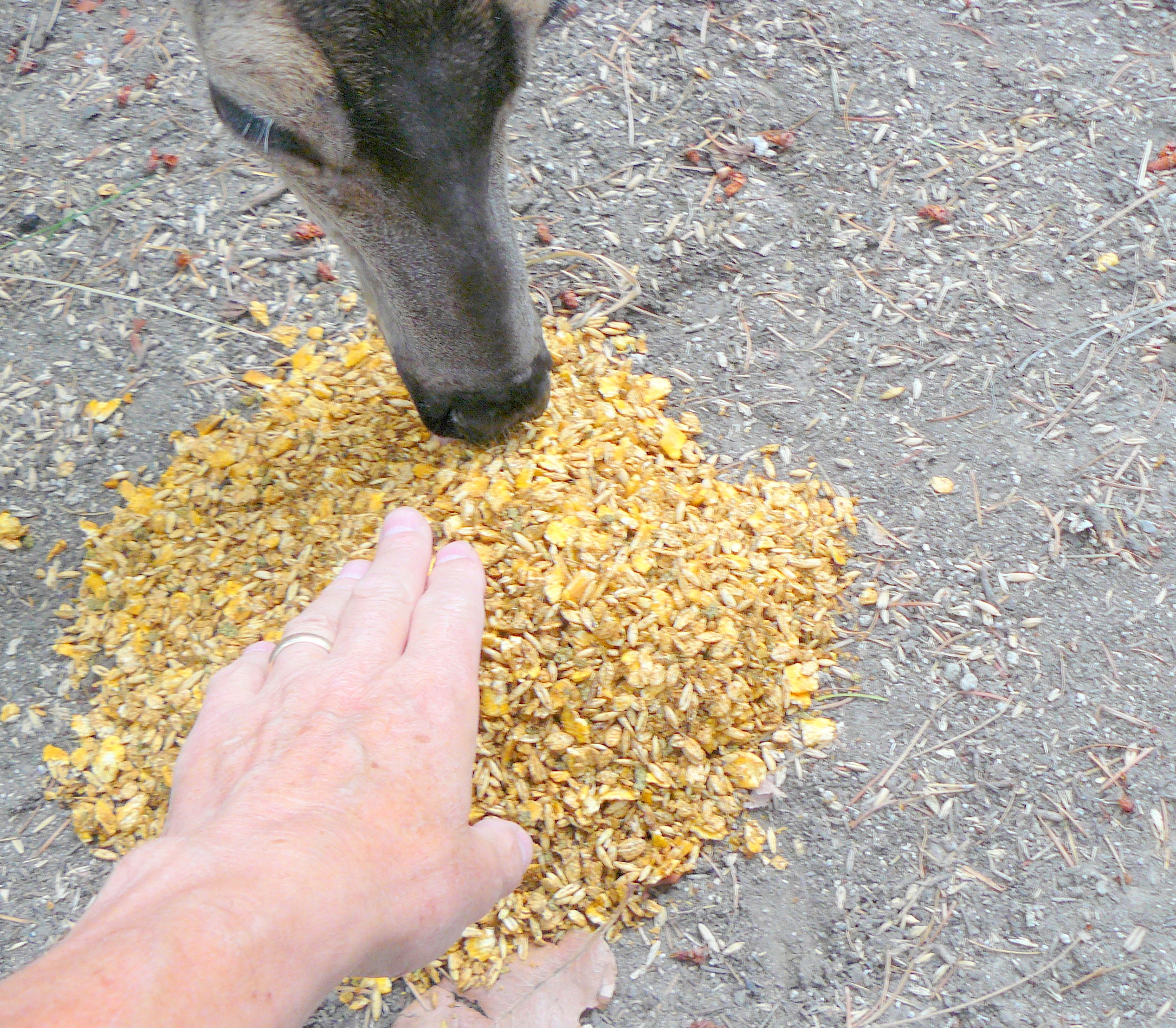
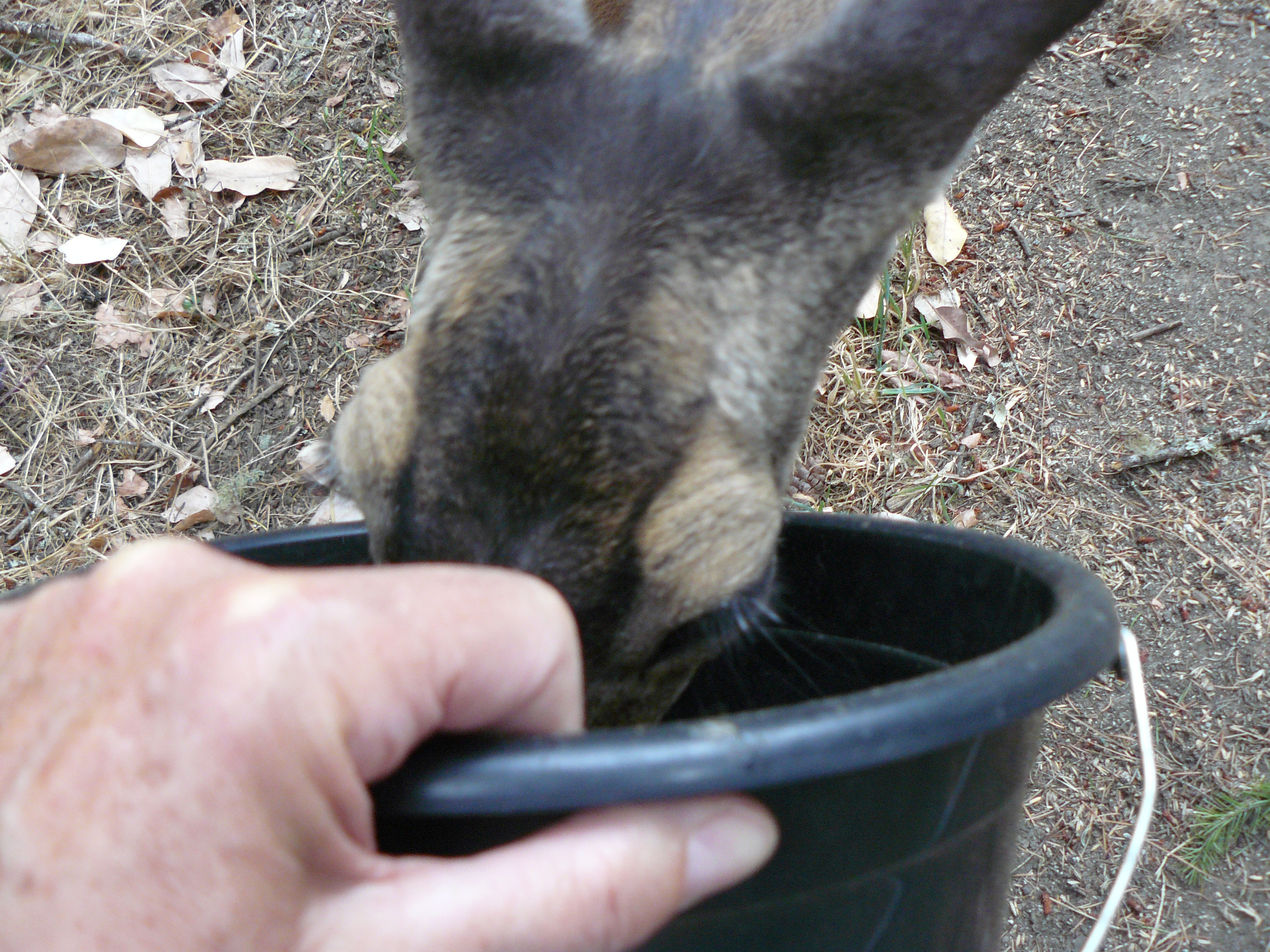
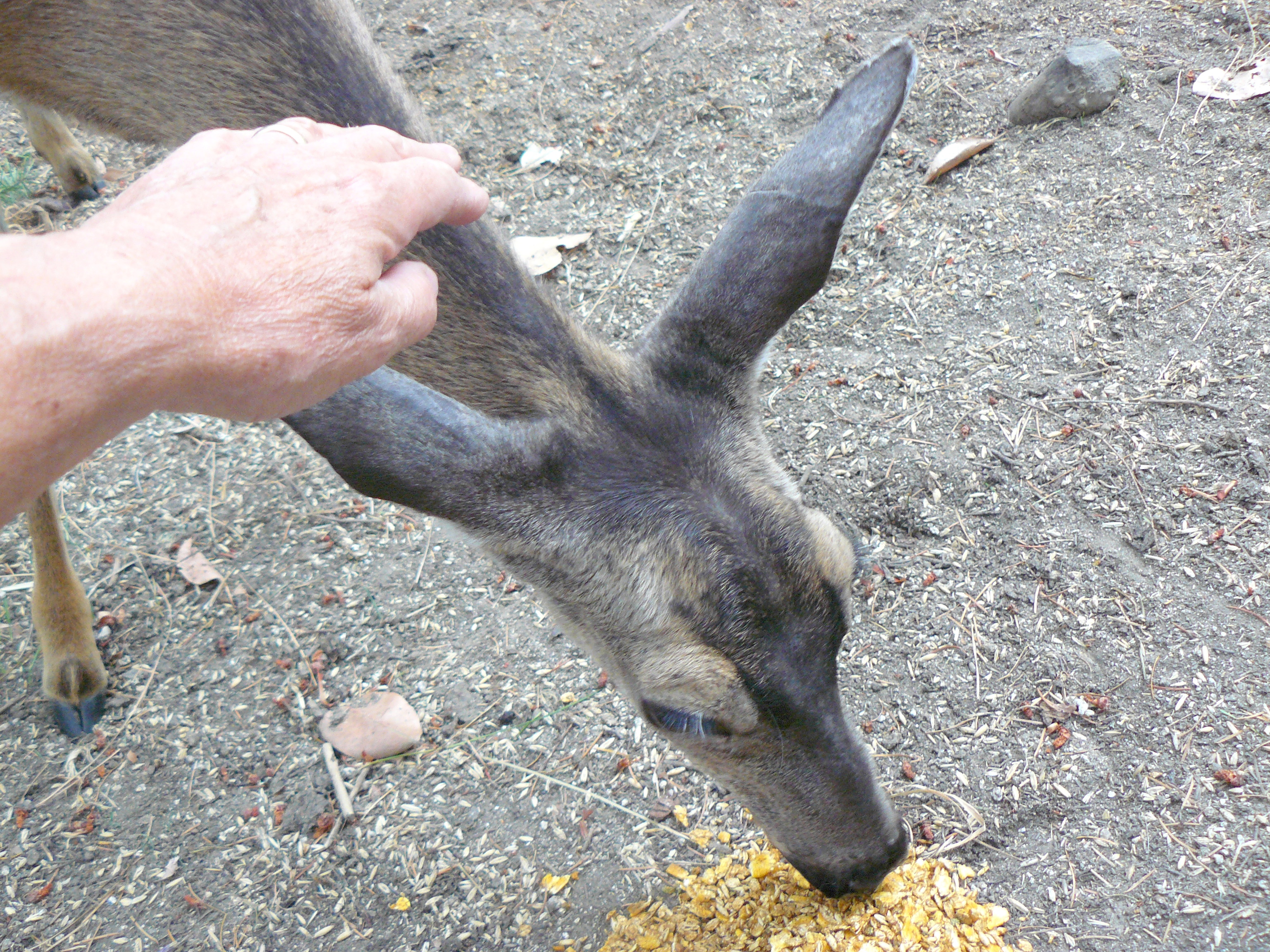
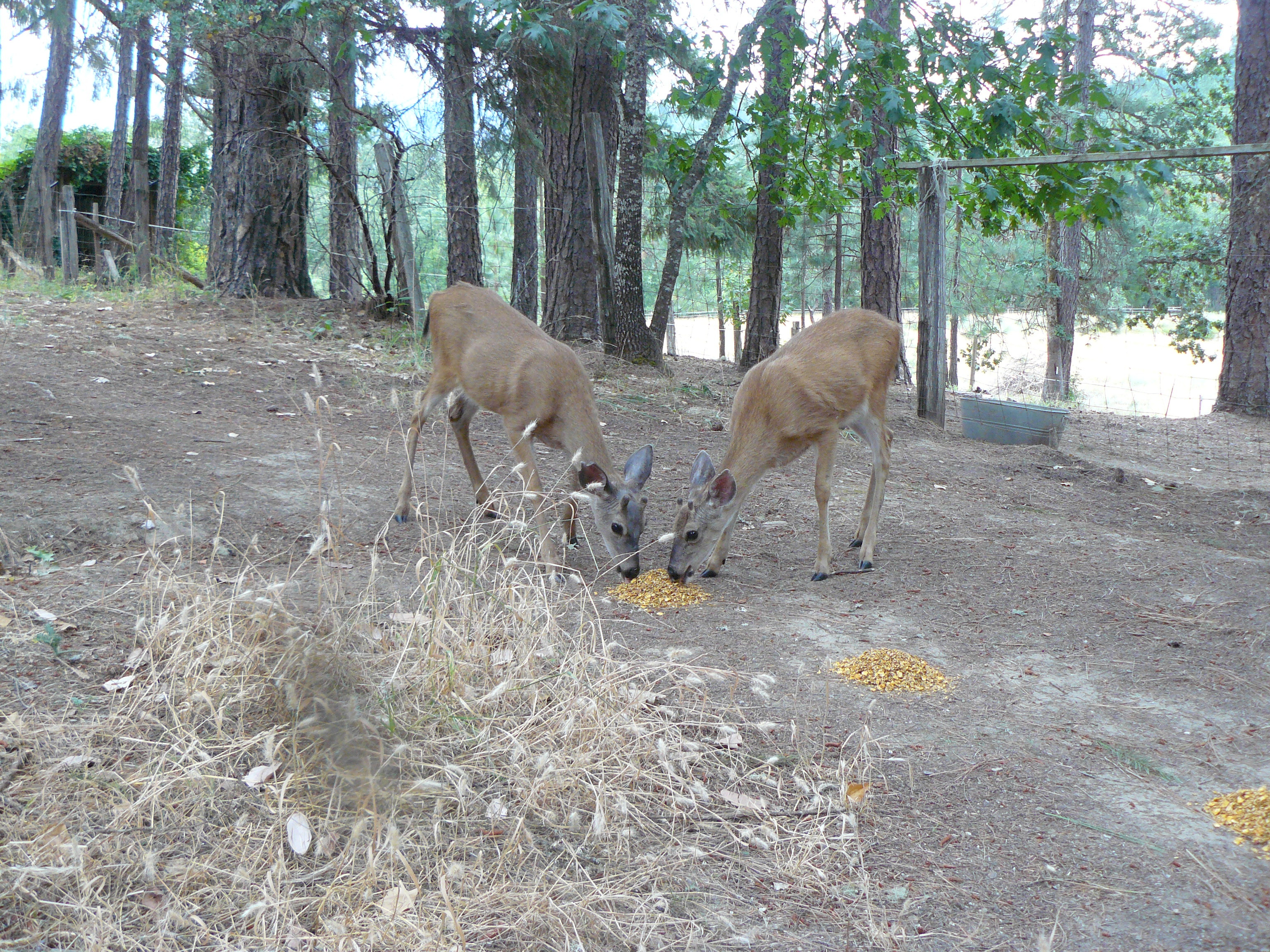
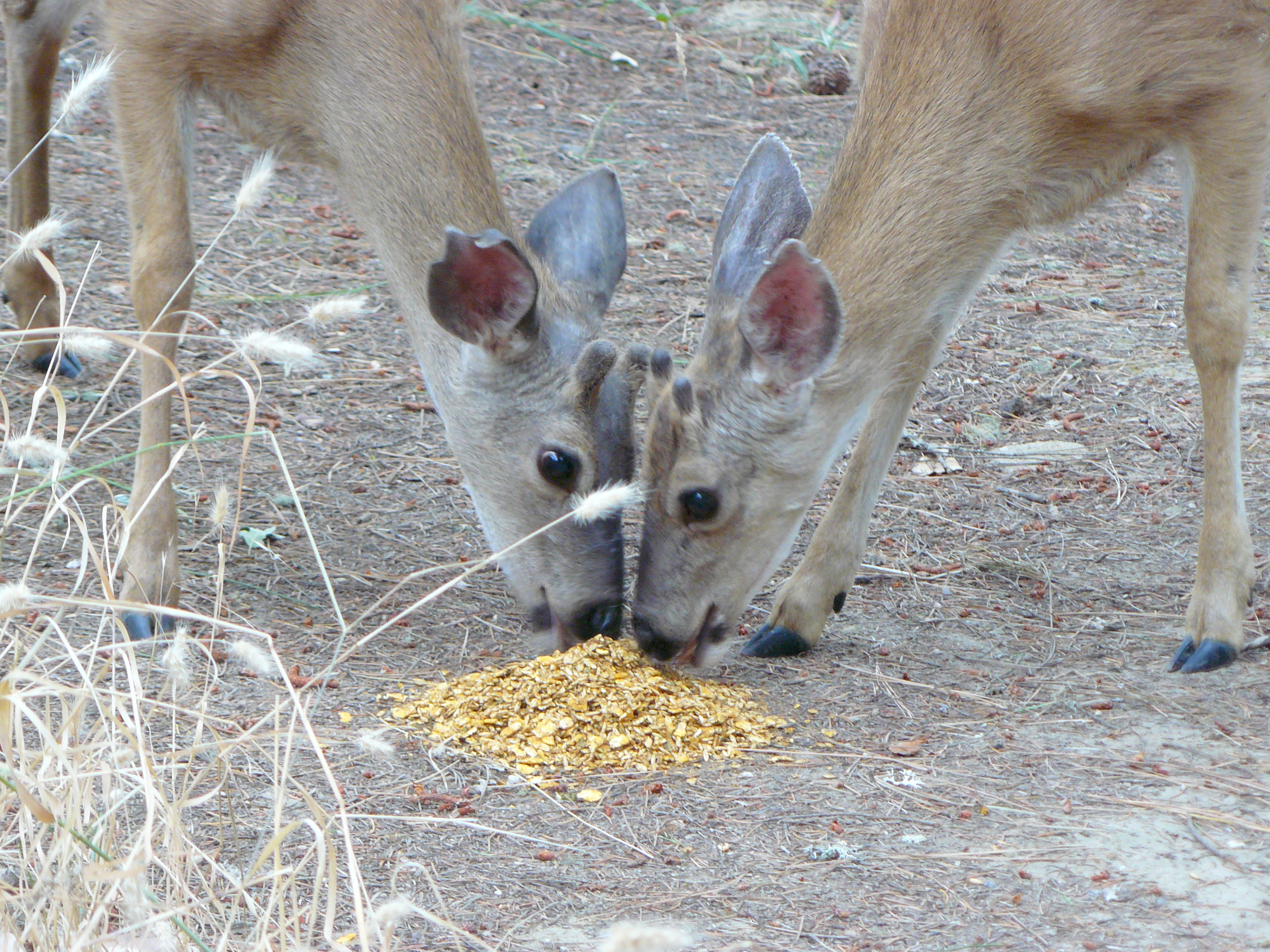
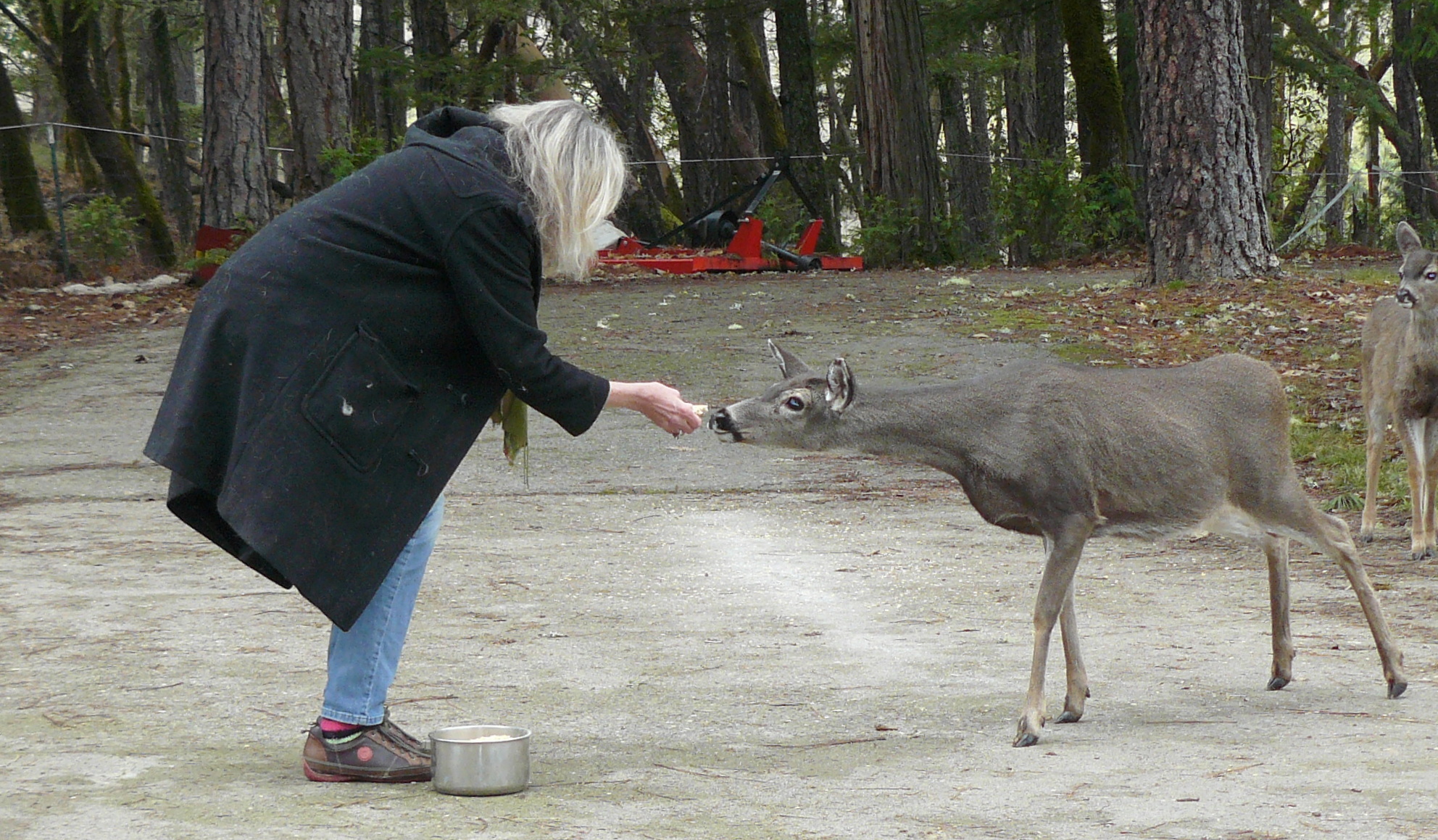
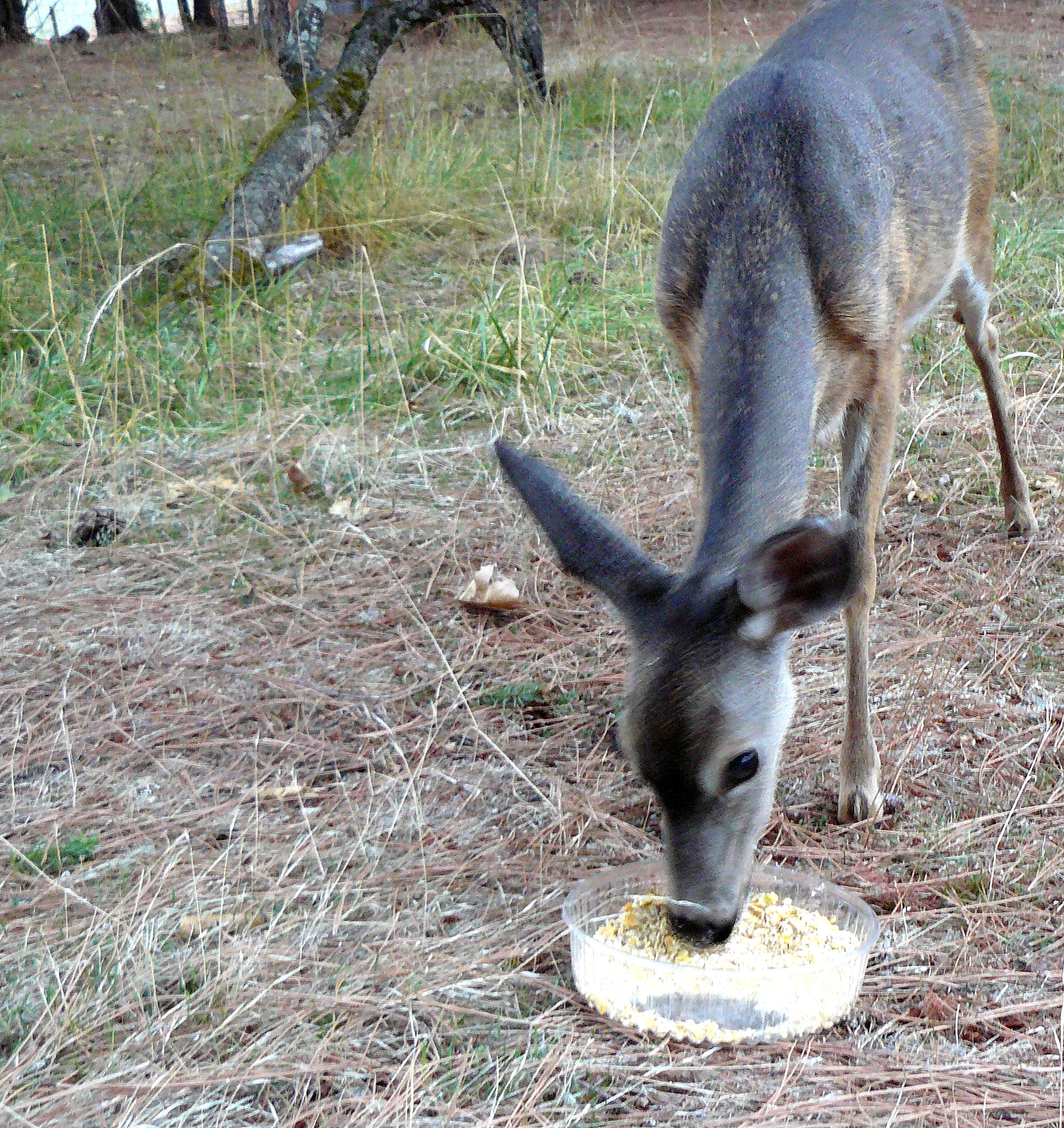
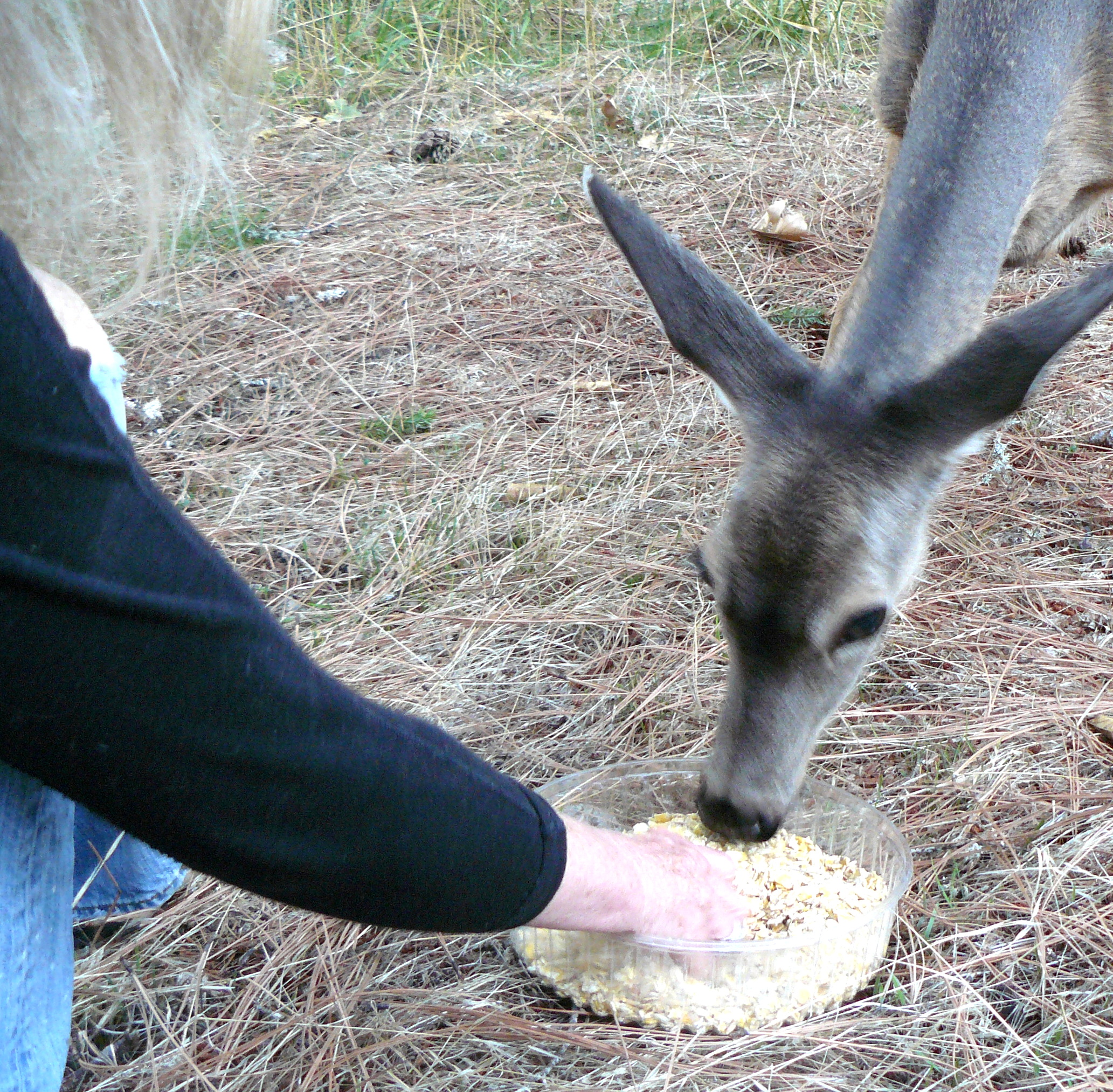
Continuing the photographs of the deer that visit our property.

(The first set of photographs was a week ago.)

P1160229oooo

P1160187oooo

P1160243oooo

P1160237oooo

P1160240oooo

P1160249oooo

P1160253Hope you all share the same warm feeling that Jean and I enjoy seeing these pictures.

Loving our dogs

even our deaf dogs!

Another day yesterday where my creative juices had evaporated; if that’s what creative juices do!

But that doesn’t devalue the following article in the slightest! An article that was recently read on the Care2 blogsite and is republished here for your pleasure.

ooOOoo

Prisoners Care for Deaf Dogs Displaced by Wildfire

3185692.large By: Laura Goldman  August 3, 2016

Freedom with a capital ‘F’.

Sometimes the most obvious solutions take the longest to find.

I feel a little embarrassed that this introduction may come across as rather self-indulgent; I don’t intend that.

My purpose is to offer an introduction to a recent blogpost from Sue Dreamwalker that explains why her post really ‘spoke’ to me and why it felt important to share Sue’s post with all you good people.

Yesterday morning I left a comment to a Transition Times article, penned by Jennifer Browdy. The article was headed: Hillary Clinton: Holding the Center in These Complex Transition Times, So We Can Do the Essential Work of Creating a Better World.

Subsequently, I left a follow-up to my first comment, replying to a comment from Diane Husic. This is what Diane wrote:

Many of us realize what a critical junction the country faces in this election cycle. As an academic, I am trying to figure out the appropriate role I should play. We need to teach students to be respectful of difference, to be tolerant, to be problem solvers, and to be civically engaged, but we aren’t supposed to use our positions to “force” our political views on them. But given the magnitude of issues confronting the planet and humanity and the importance of having leadership that “gets it” (and displays compassion and empathy), this is a tough balance to try to find.

and this was my reply to Diane:

Diane, as someone who previously has run his own business and then, after selling it in 1986, spent a number of years as a mentor with the Prince’s Youth Business Trust in the UK, I have come to the conclusion that the best role model we adults can offer our ‘students’ is this: “Be the best you can be!” That flows from being fully aware of the person that one is. For self-awareness is the key to understanding oneself and, consequently, of understanding others. Understanding why people think and behave the way they do, for good and bad, is the only effective way of engaging with others and seeking that ‘civic engagement’ so critically important.

Apologies, that paragraph sounds like a damn speech! I didn’t intend it to be so. Plus, my own journey of self-awareness has been a long and tortuous one – but that doesn’t change my view just expressed.

Coincidentally, I have been having some informal chats with Jan Schmuckle: http://www.janconsults.com/home

Her recently released book on the effectiveness of Role Montage in building leadership skills is highly relevant to today’s students. In Jan’s words (and I have no commercial or financial link with Jan):

Role Montage: A Creative New Way to Discover the
Leader Within You is written from Jan’s experience
with her client work and her research. It helps
leaders explore self-awareness and leadership using
the role montage process.

I’ll creep back into my hole!😉

You can see why I offered a warning about coming across as self-indulgent!

But if you have stayed with me so far (and thank you) you will now understand why Sue’s post spoke so clearly to me. Republished here with Sue’s very kind permission.

ooOOoo

Set Yourself Free..

by Sue Dreamwalker. July 28th, 2016.

This morning I switched on the radio and the first record I heard was this one.. It was the very first time I had listened to this recording, never hearing it before.. It made me smile.. Especially when it mentioned taking Calcium and taking care of our knees..  So I decided to YouTube it to listen to again and to my delight found several versions..

Life has been busy within the Dreamwalker’s Domain this last week.. Last night I was so tired I went to bed at 7pm and slept for 12 hours.

Today the Universe thought to allow me to cool  down in the showers of rain,  so I thought I would share about my Busy time in the Sun on my Gardening Blog. And to share what brought such a smile to my face first thing this morning..

I particularly enjoyed the lyrics in the middle of this narrative of the inclusion of Rozalla’s Song Everybody’s Free to Feel Good, which is an old favourite of mine..

 So Go On FEEL GOOD and DANCE.. LAUGH and SING..

And SHARE THE FEEL GOOD FACTOR 

Sending Love and Blessings

Next time I will share with you the village I grew up in as we went  back to see the Well Dressings.. Along with some of my thoughts..

Sue

ooOOoo

Feeling good about ourselves is the result of knowing and liking who we are. The foundation stone of knowing and liking all the many good people we interact with throughout our lives.

And now go and hug a dog!

Picture Parade One Hundred and Fifty-Eight

Returning to the photographs of the deer that come to our property.

Feeding the deer has been featured before on Learning from Dogs but I just wanted to devote today and next Sunday to nothing more sophisticated than photographs; all of them taken here at home.

P1140241
Photograph taken mid-January, 2014

oooo

Mother deer reaches down to feed; the tray is about three feet in front of Jean and me.
A deer reaches down to feed; the tray is about three feet in front of Jean and me. (October, 2014)

oooo

Jean reaches forward and gently draws the tray closer to us. Mother deer continues to feed.
Jean reaches forward and gently draws the tray closer to us. The deer continues to feed. (October, 2014)

oooo

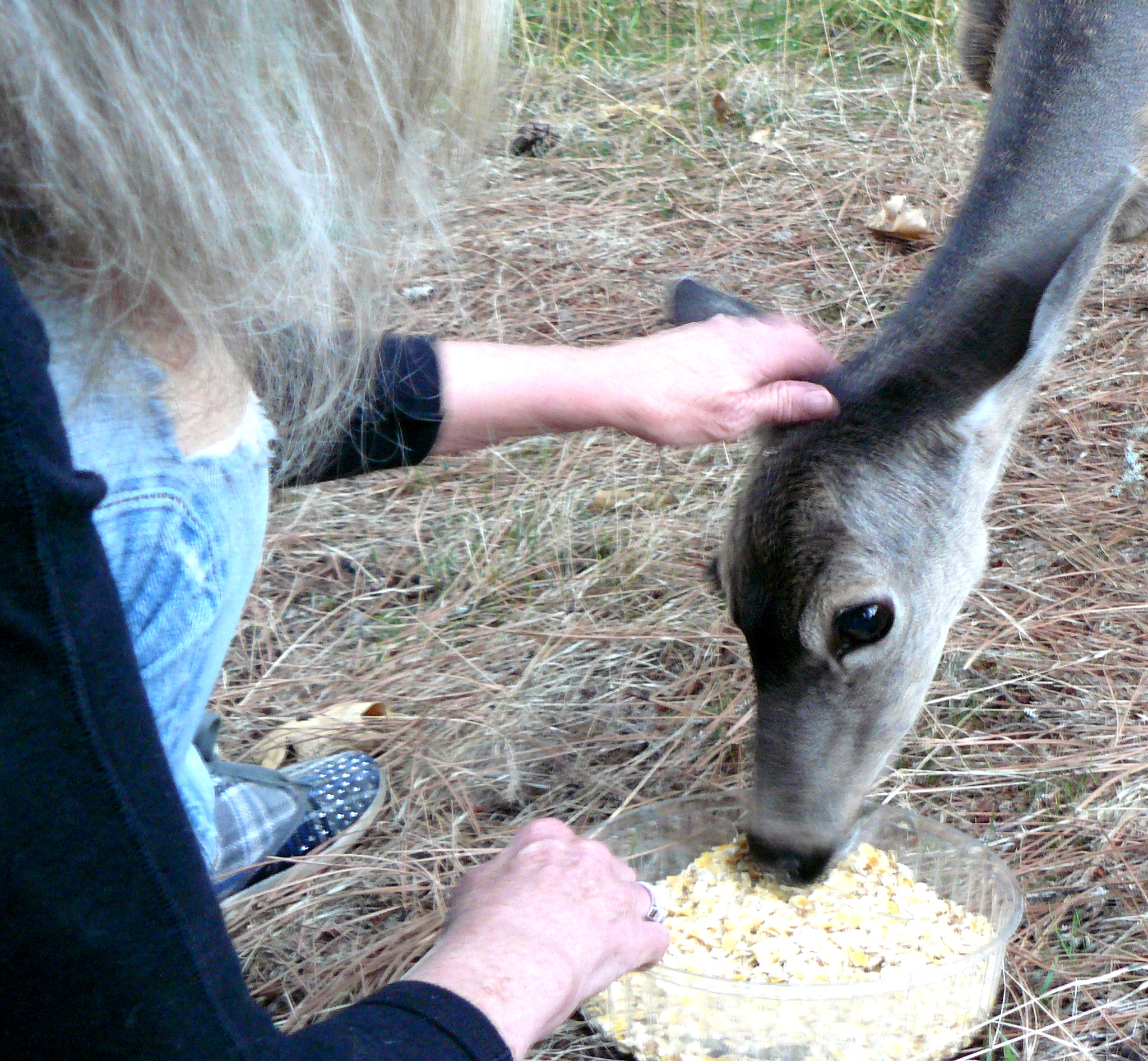
Then, unbelievably, the wild deer continues feeding as Jean fondles the deer's ear.
Then, unbelievably, the wild deer continues feeding as Jean fondles the deer’s head and neck. (October, 2014)

oooo

The trust between the deer and Jean then enabled the deer to feed from Jean's hand.
The trust between the deer and Jean then enabled the deer to feed from Jean’s hand. (October, 2014)

oooo

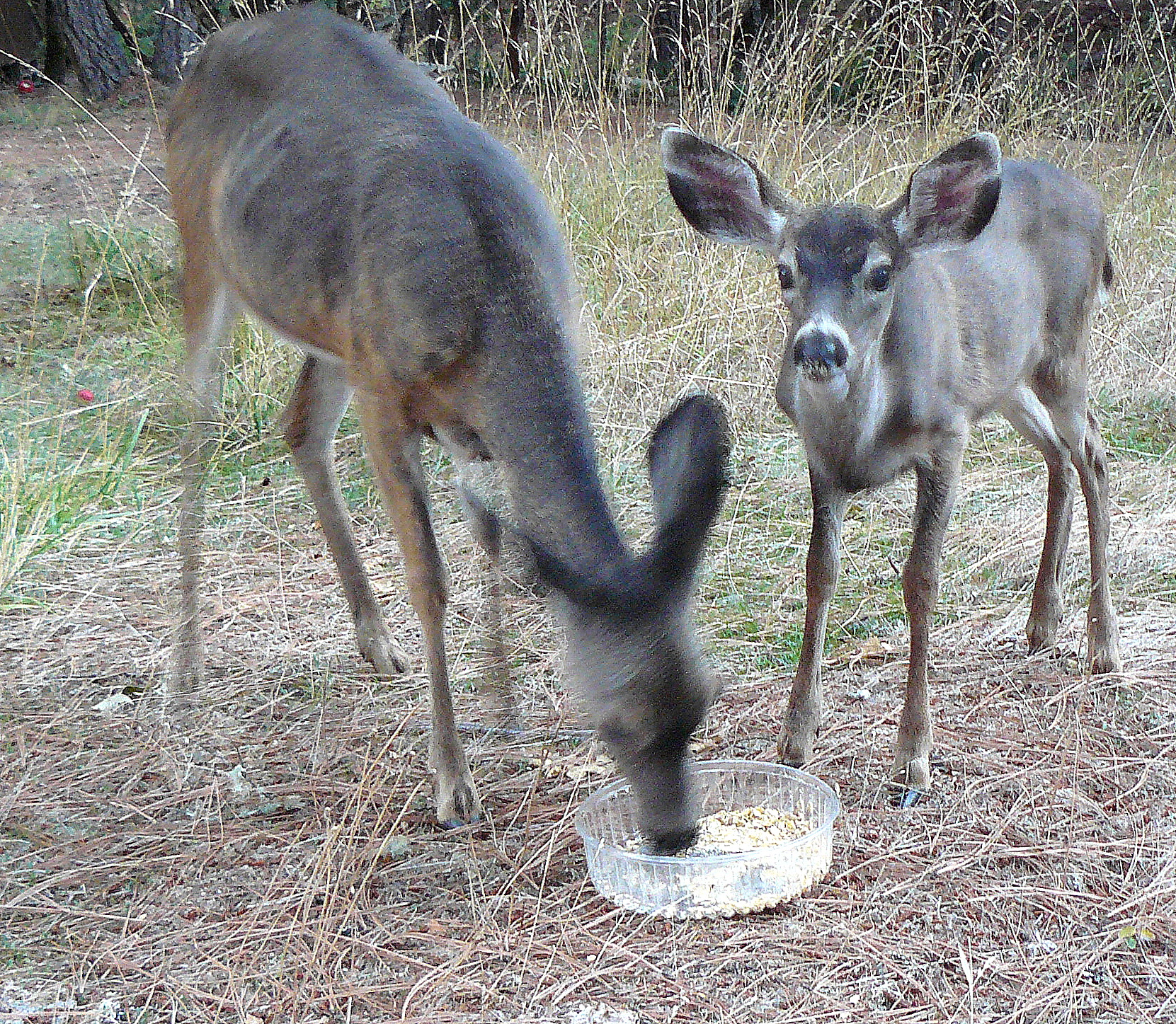
There was a rustle in the leaves some twenty feet away and we saw the fawn watching her mother feeding on the cob. Jean pushed the tray away, just by a few feet, and the fawn came right up to her mother.
Then there was a rustle in the leaves some twenty feet away and we saw the fawn watching her mother feeding on the cob. Jean and I backed away, just by a few feet, and the fawn came right up to her mother. (October, 2014)

oooo

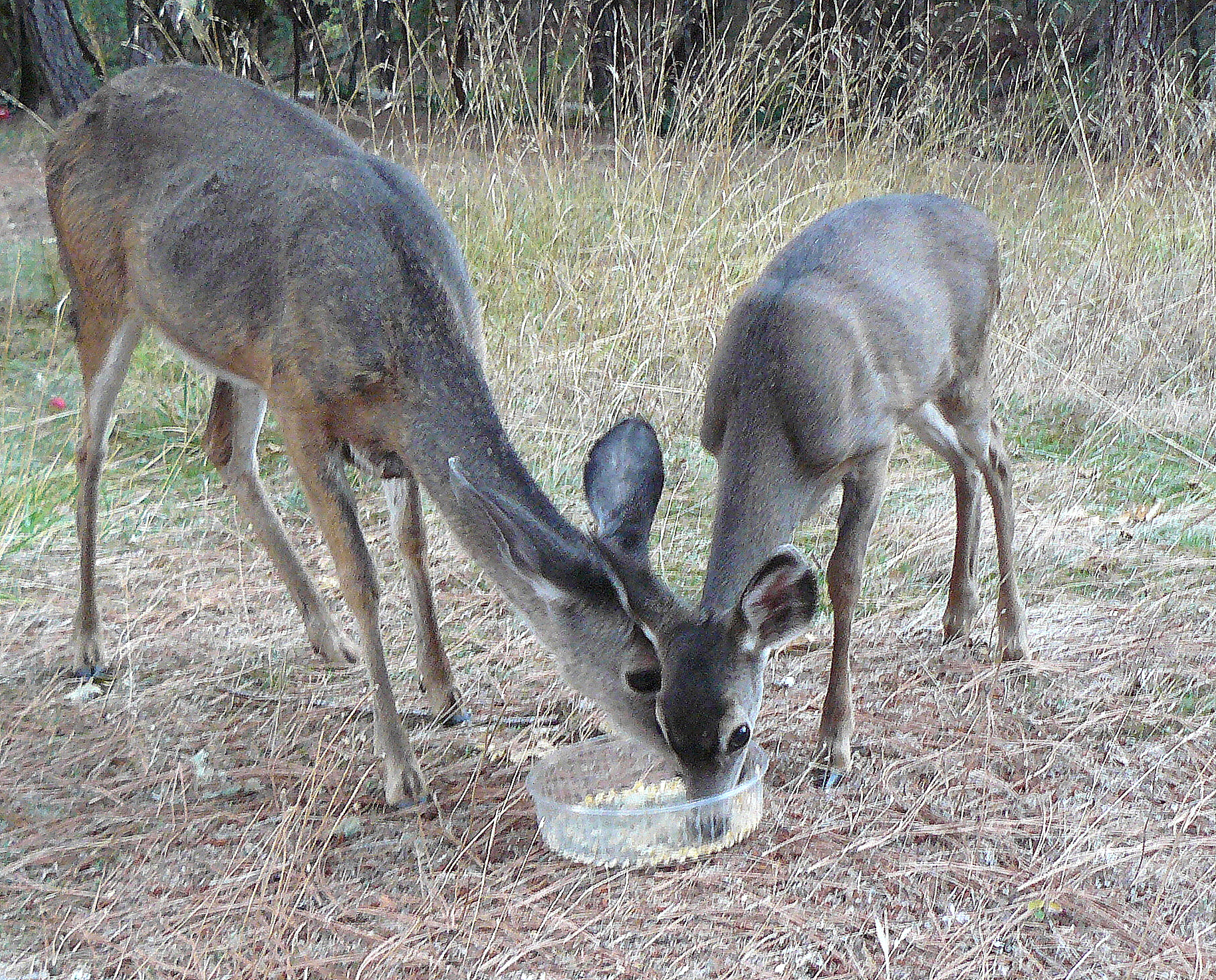
The culmination of the most magical of experiences: mother deer and her fawn eating together some three feet in front of us.
The culmination of the most magical of experiences: mother deer and her fawn eating together some three feet in front of us. (October, 2014)

oooo

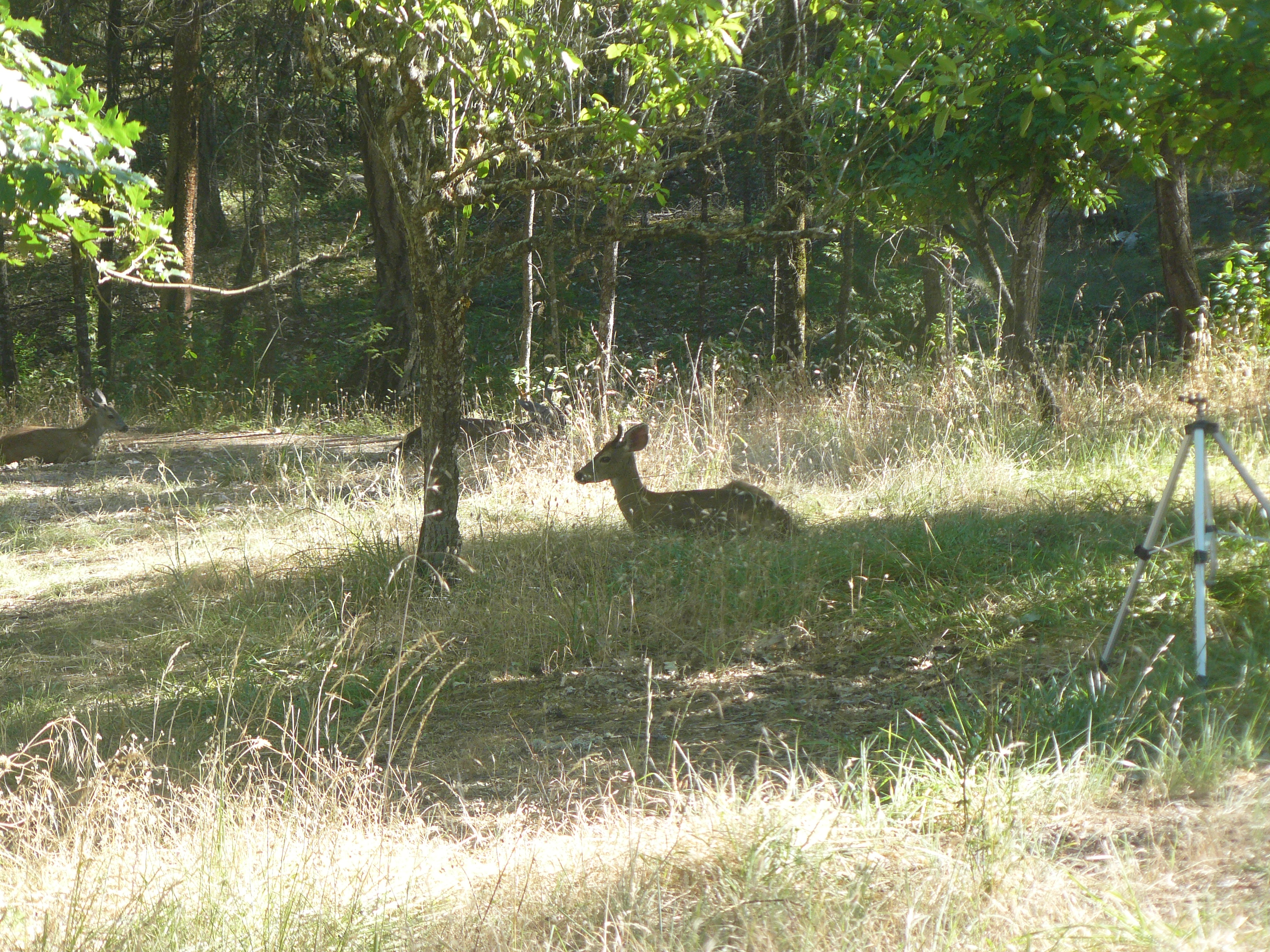
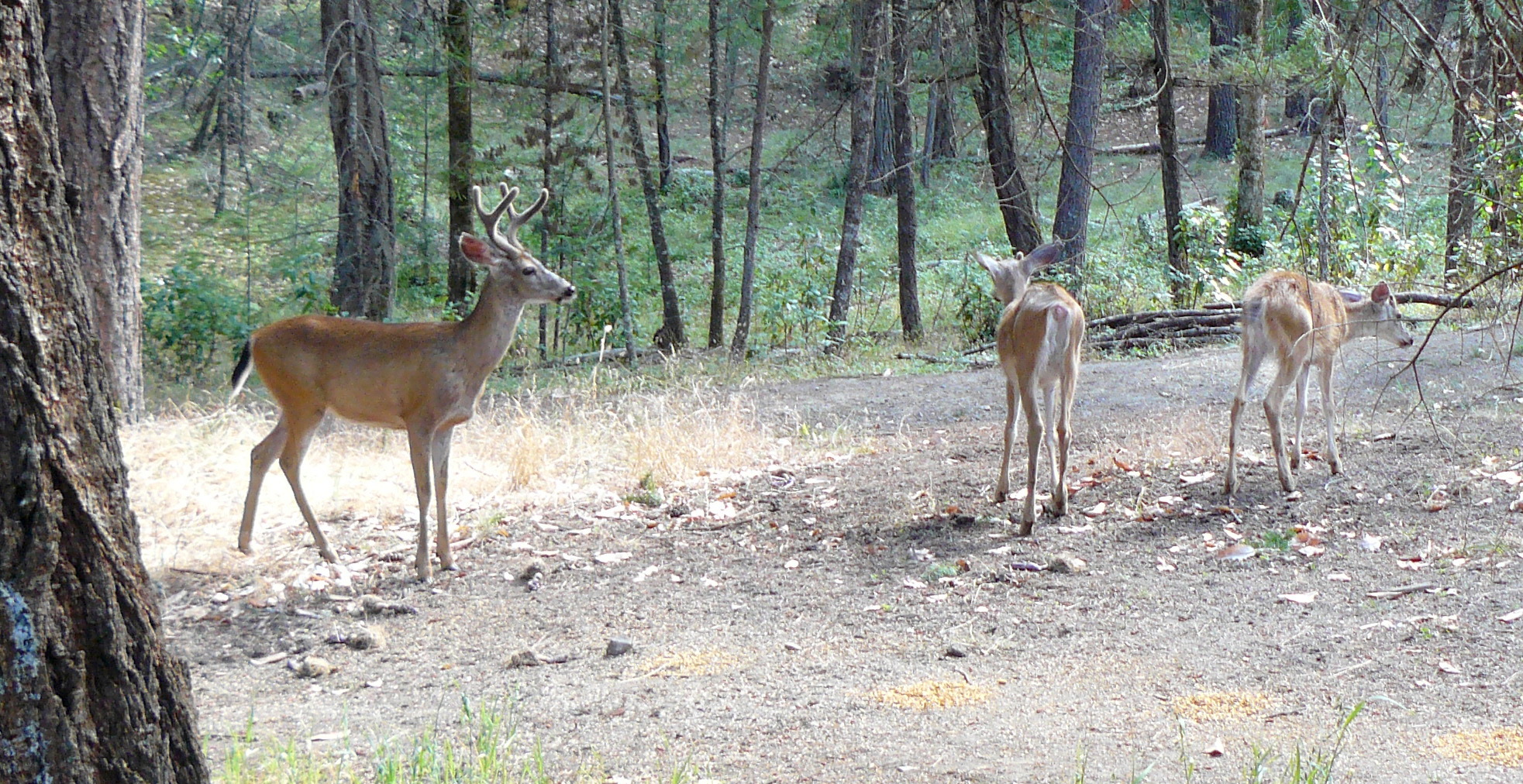
Three stags. (July, 2016)

oooo

Doris returns after a brief absence.
Doris returns after a brief absence. (July, 2016)

oooo

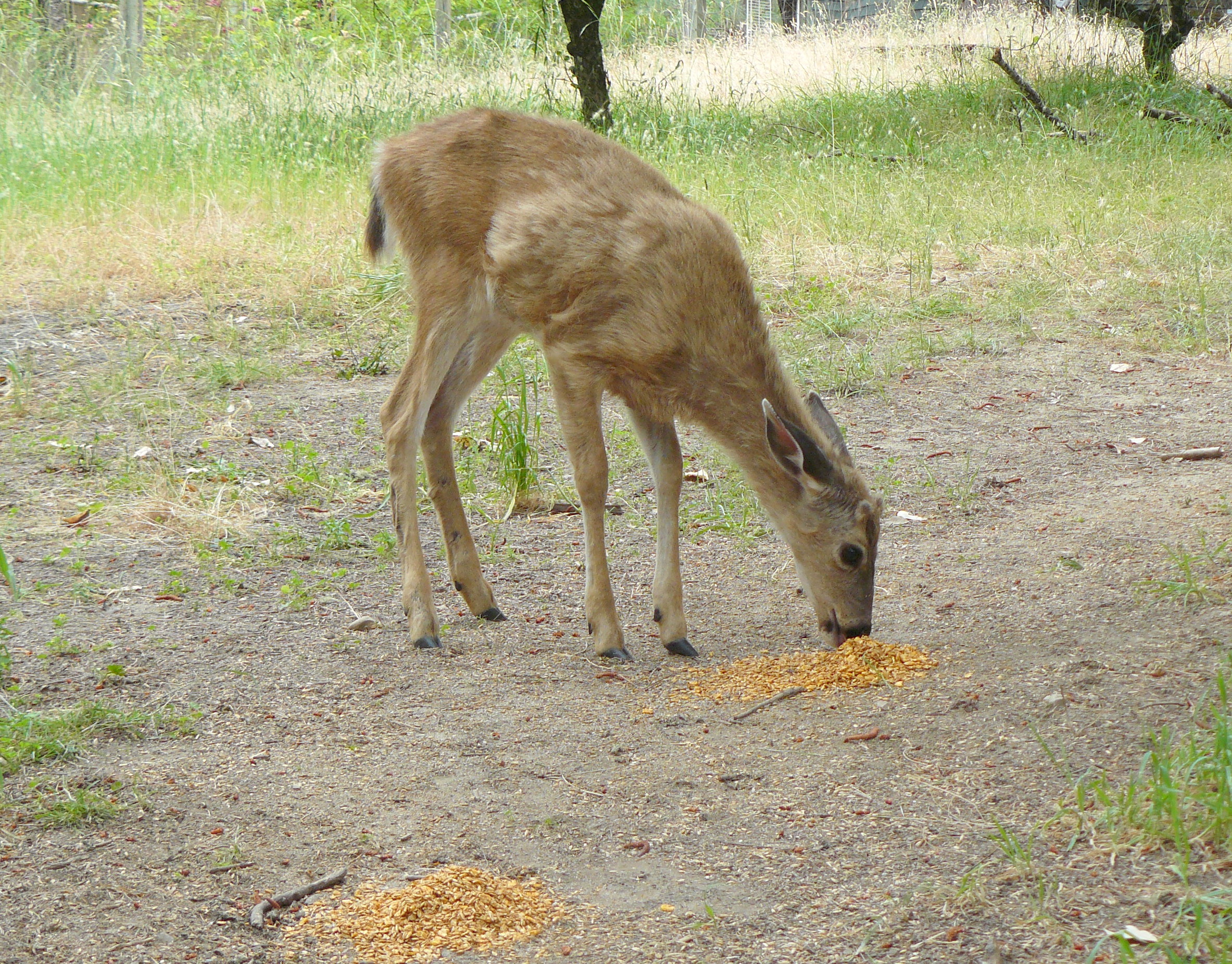
"Where's my breakfast, Mr. Paul?"
“Where’s my breakfast, Mr. Paul?” (July, 2016)

oooo

The photographs continue next Sunday.

Underground magic

A trip to the Oregon Caves National Monument & Preserve.

A week ago when our family guests were staying with us we decided it would be a treat for all of us to visit the very famous Oregon Caves – it was not a disappointment.

P1160302
Morten and Marius gathering information.

The history of the caves does involve a dog.

Apparently Elijah Davidson discovered the caves in 1874 when he was out with Bruno, his dog, and it disappeared. The dog had fallen down a fissure that Elijah managed to squeeze into and, bingo!, there was the most incredible deep cave ahead of him. (Watch the video below for a fuller description of how the cave was discovered.)

Joaquin Millers Chapel This is a room seen on the cave tour. It is called Joaquin Miller's Chapel and it is named after the author, Joaquin Miller because he wrote about Oregon Caves in Sunset magazine.
Joaquin Millers Chapel
This is a room seen on the cave tour. It is called Joaquin Miller’s Chapel and it is named after the author, Joaquin Miller because he wrote about Oregon Caves in Sunset magazine.

Clearly today’s visitors to the cave enter in a more gentle fashion!

P1160309WikiPedia has a very good description of the caves, from which I quote:

Oregon Caves National Monument and Preserve is a National Monument and Preserve in the northern Siskiyou Mountains of southwestern Oregon in the United States. The main part of the 4,558-acre (1,845 ha) park, including the marble cave and a visitor center, is located 20 miles (32 km) east of Cave Junction, on Oregon Route 46. A separate visitor center in Cave Junction occupies 4 acres (1.6 ha) of the total. Both parts of the monument, managed by the National Park Service, are in southwestern Josephine County, near the Oregon–California border. The climate is generally mild even at the cave’s elevation of about 4,000 feet (1,200 m) above sea level, but icicles can form at the cave entrance, and winter snow sometimes blocks the park highway.

Elijah Davidson, a resident of nearby Williams, discovered the cave in 1874. Over the next two decades, private investors failed in efforts to run successful tourist ventures at the publicly owned site. After passage of the Antiquities Act by the United States Congress, President William Howard Taft established Oregon Caves National Monument, to be managed by the United States Forest Service, in 1909. The popularity of the automobile, construction of paved highways, and promotion of tourism by boosters from Grants Pass led to large increases in cave visitation during the late 1920s and thereafter. Among the attractions at the remote monument is the Oregon Caves Chateau, a six-story hotel built in a rustic style in 1934. It is a National Historic Landmark and is part of the Oregon Caves Historic District within the monument. The Park Service, which assumed control of the monument in 1933, offers tours of the cave from mid-April through early November. In 2014, the monument was expanded by about 4,000 acres (1,600 ha) and re-designated a National Monument and Preserve. In addition, the River Styx, which flows through the cave and emerges as Cave Creek, was named to the National Wild and Scenic Rivers System.

Oregon Caves is a solutional cave, with passages totaling about 15,000 feet (4,600 m), that formed in marble. The parent rock was originally limestone that metamorphosed to marble during the geologic processes that created the Klamath Mountains, including the Siskiyous. Although the limestone formed about 190 million years ago, the cave itself is no older than a few million years. Valued as a tourist cave, the cavern also has scientific value; sections of the cave that are not on tour routes contain fossils of national importance.

Daughter Maija, grandson Morten and your truly just having exited the cave.
Daughter Maija, grandson Morten and yours truly just having exited the cave.

Between Marius and myself we took a great number of photographs but many of them can’t compare to the quality of photos found on the web.

For example here’s one of my pictures:

P1160322and here’s one taken from the National Parks Service website:

These are formations known as soda straws and like soda straws they are hollow tubes. They are made up of the mineral calcite.

Won’t go on! (But I will post a collection of photographs, both from me and Marius and found online in a future Picture Parade.)

What I will do is to close with this YouTube video. It is 17 minutes long but very interesting and, hopefully, an inspiration to others to come and visit this incredible geological site.

Happy Holidays to all!