Category: Core thought

Welcome to the fold, Jonathan.

Another dog lover coming to the blogging world.

Last Wednesday, the 2nd, Jonathan sent me an email. He said that he was just starting out and also attached a file and asking if there was a chance of me publishing it. Of course, I replied. Here is that article. It is a very open and beautiful account of Jonathan taking on a new dog!

ooOOoo

Remarks from a New Dog Owner!

by Jonathan, Fur The Pups

furthepupsblog.com

Backing the twenty-foot Penske rental down the freshly grated driveway, my mind is racing with thoughts, all too distracted to be driving such a large vehicle. The day has finally come. A new house. A new dog. A new town. Altogether, a new beginning. Soon after I finish backing this truck up, unloading all of my stuff, and fueling myself with whatever food I can find, I will go pick up the new dog. His name is Barry. He is a brown labradoodle whose is as small as he is energetic.

The thoughts don’t stop coming. How will I care for him? How will I be sure he is happy? What if I do something wrong? How could it possibly be that I can provide for another living being? These are thoughts that had come and gone for the last few months after deciding I would like to have Barry. As often as I convinced myself that I could do it, I questioned myself.

Anxiety and I were well acquainted far before Barry came into the picture. The prospect of owning a dog was just another medium for the anxiety to surface. Before Barry came into the picture, I had been battling anxiety for nearly six months straight. One imperfect travel experience left me rattled for quite some time and from then on I was either actively experiencing a panic attack or on the verge of one. Depression set in not long after, and I became an empty vessel for quite some time, barely recognizable from my formal self. Six months came and went until I finally sought out the help I needed. I was a broken person. Professional help was a requirement.

And the professional help was sufficient. It allowed me to at least function again and go about my day-to-day without constantly being in a state of fight-or-flight, without the irrational thoughts and worries. But I still did not feel like myself.

And then came Barry.

My original worries regarding Barry were just that: worries. As someone who grew up around dogs, cared for dogs, dog-sat plenty of times, and generally is quite responsible, there was no real reason to believe I couldn’t be a wonderful puppy parent. When Barry came home the first night we had to bath him. I know this is not always highly regarded in the dog community due to the puppy’s sensitive skin. But he needed a bath desperately, so I drew a slightly warmer-than-lukewarm bath and bathed him. His beautiful eyes gazed at me as he began to figure out this new reality. Ripped from the comfortable arms of his previous reality of familial warmth, loving siblings, and the scent of his breeders, there is no doubt he also experienced anxiety. I’m sure he felt loneliness. He was scared. But when his bath was over, I took him out, wrapped him in a warm, clean towel, and held him. He wiggled his head into a nook in the towel and promptly fell asleep. His stomach rose, fell, rose, fell. This being who just met me several hours ago, who was no more than 2 months old, gave all of his trust to me and embraced his new reality.

It did not take me long to follow in his footsteps and embrace my new reality. I fell in love with our new routine, our daily walks, and his company on my usually lonesome days. The subtle tether of Anxiety slowly began to vanish with every new command he learned, with every minuscule improvement in his loose-leash walking, with every excited tail wag at the call of his name. Embracing my new reality became effortless, and my former self reemerged. I began seeking out new hobbies, reaching out to old friends, and becoming excited about new challenges at work. This is not to say Anxiety and I have completely lost touch. That is not the case by any means. Rather I have a new relationship with Anxiety – one where the reality of these feelings can be observed, examined, and ridiculed to a point where they do not take control of my life. How our loving canine friends handle new situations and welcome change should not be taken for granted. Let us adopt their ways and come closer to living as wonderfully as they do. 🙂

ooOOoo

And now the photograph of Barry!

What a gorgeous dog. Well done!

And, please, go to Jonathan’s blog. Fur The Pup’s Blog.

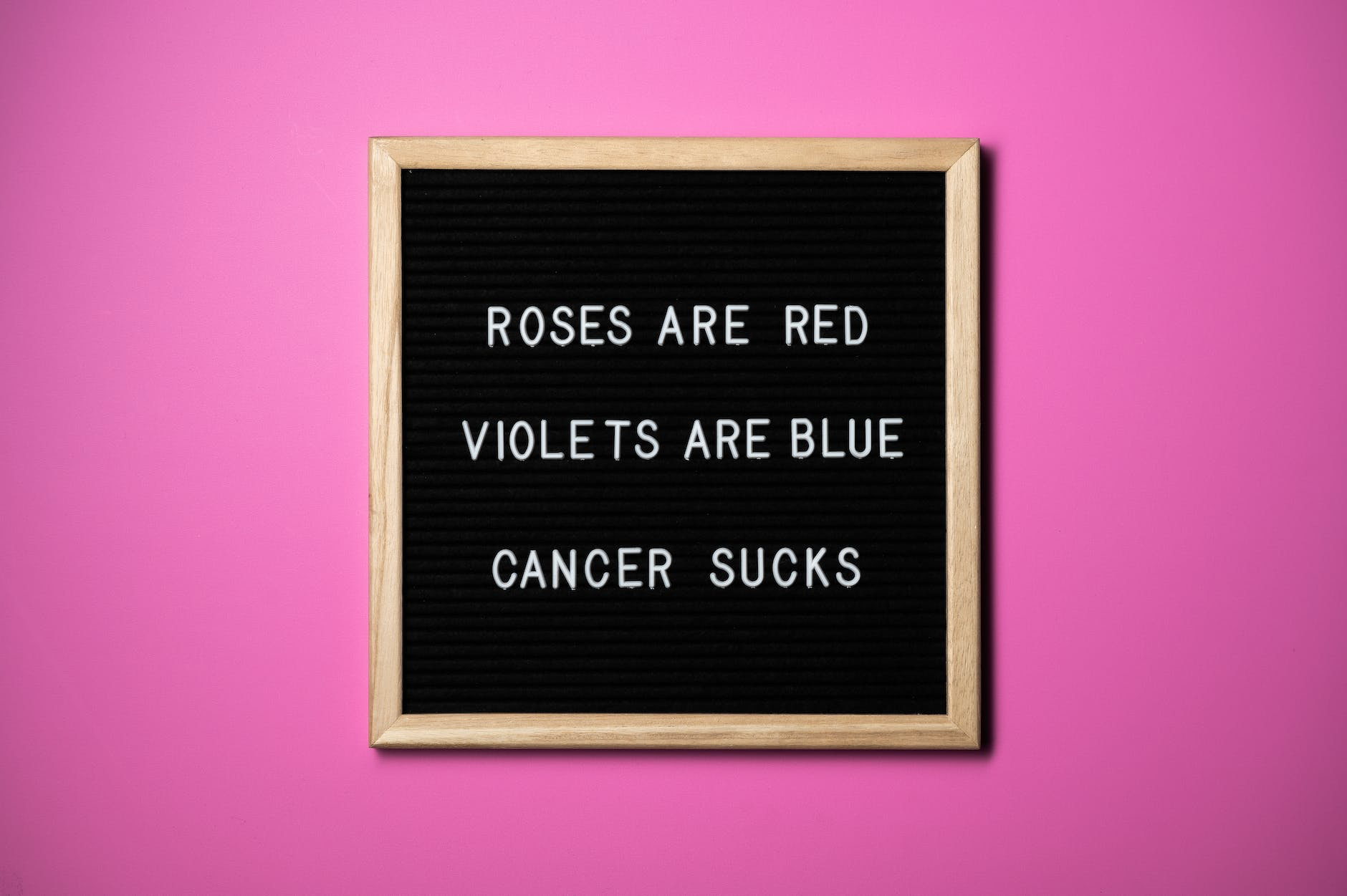
That dreadful ‘C’ word.

It is a rare family that is not touched by cancer.

My father died at the age of 55 from lung cancer. That was December 20th, 1956 and while he did not smoke he did have his regular cigar every Sunday afternoon. I suspect he may have smoked from time to time in his office. It was a tragic time for me and Elizabeth, my younger sister. Speaking personally I did not fully understand the personal implications until shortly after the 50th anniversary of his death: December 20th, 2006.

Tony is a keen blogger and he writes under the blog name of Wellness Secrets of a SuperAger. His latest post is 5 Things You Can Do to Prevent Cancer. I have pleasure in republishing Tony’s post below. Please read it!

ooOOoo

5 Things You Can Do to Prevent Cancer.

We all know that steering clear of tobacco is a crucial way to reduce your cancer risk. But there’s a lot more than you can do.

RUSH family physician Joyce Chen, MD, and clinical dietitian Kristin Gustashaw explain how we can make better choices to protect our health.

Photo by Brett Sayles on Pexels.com

You may not realize it, but aging is a risk factor for cancer. The longer your cells are turning over, the more likely miscopying can happen. Though we can’t control aging, we can control the speed at which we age. “We know, in theory, we can kind of age ourselves faster or slower, depending on how much insult we give our bodies,” Gustashaw says.

Chen explains: “Lifestyle is key. So when you are concerned about cancer from external forces, it’s important to realize that you can actually do something about a lot of them.”

Here are some key lifestyle changes you can make to reduce your cancer risk.

Cancer prevention action plan

1. Stop smoking — or better yet, don’t start.

Choosing not to use tobacco is one of the most effective forms of cancer prevention.

And it’s not just lung cancer that’s preventable either. By not smoking you can also prevent the following types of cancer:

  • Bladder cancer
  • Mouth cancer
  • Oral cancer
  • Pancreatic cancer
  • Tongue cancer
  • Throat cancer

Traditional cigarettes pose the biggest threat. But e-cigarettes, or vaping, also pose a risk of cancer. With cigarette smoking, the nicotine and tar can cause cancer. With e-cigarettes, you’re still getting the nicotine in your lungs but without the smoke and tar of regular cigarettes.

Since e-cigarettes are still relatively new to the market, the long-term health effects remain unknown, but they’re still potentially problematic.

“The vapor you’re breathing in has chemicals and particles, especially the flavored ones, that can damage or scar your lungs,” Chen says.

“It’s one of those lifestyle factors that I tell my patients, ‘We’ll do all we can as a provider to help you quit or at least cut down, but if you haven’t started, don’t start.’ Because once you start, it’s hard to stop; it’s an addiction.”

2. Watch your alcohol consumption

With alcohol, the main cancer mechanism is how it breaks down in our bodies. The ethanol in alcohol is metabolized through acetaldehyde, which is a poisonous byproduct and a known carcinogen.

After you drink, the alcohol is metabolized as acetaldehyde. It doesn’t stay around in our bodies for long because it gets further broken down into less toxic compounds, and then it’s eliminated in our bodies. That means the more you drink, the more you increase your risk for developing cancer.

“Acetaldehyde is a carcinogen that causes the cancer,” says Chen. “So when you’re drinking large quantities of alcohol then you’re going to build up acetaldehyde. And that buildup can accumulate in your saliva, your stomach acid and your GI tract.” 

Alcohol also has a solvent property, which means it allows other carcinogens to get into our cells and wreak havoc. So, for example, if you smoke and drink alcohol together, alcohol’s solvent property helps harmful chemicals in tobacco get into the cells that line your mouth, throat and esophagus — putting you at a higher risk of developing oral cancers.

Nutrient absorption, specifically the vitamin folate, can also be affected by alcohol. Folate tells our body to stay healthy so alcohol inhibits its ability to pass that message on to the body.

“Alcohol also acts as an irritant to our bodies, specifically to the cells lining our mouths, throats and stomach cells,” says Chen. “When exposed to that irritant, your cells try to repair themselves, which could lead to your cells making mistakes and mutations that lead to cancer.”

3. Maintain a healthy weight.

Maintaining a healthy weight is another opportunity to reduce your risk for cancer. That means your diet plays a large role in cancer prevention.

A recent study in The Lancet Public Health revealed that younger adults (ages 25 to 49) in the U.S. are at an increased risk of developing obesity-related cancers. The study also reports that because of the obesity epidemic over the past 40 years, due in part to poor diet, younger generations have weight issues for a longer period of time than previous generations. This indicates that in the future, cancer may be more prevalent in this generation as they age into older adults.

According to Chen, carrying excessive weight is associated with increased risk for the following cancers:

  • Colorectal cancer
  • Gallbladder cancer
  • Gastrointestinal cancers
  • Kidney cancer
  • Liver cancer
  • Ovarian cancer
  • Pancreatic cancer
  • Post-menopausal breast cancer
  • Stomach cancer

In addition to a healthy diet, exercise can also help you maintain a healthy weight and keep cancer at bay.

In fact, a recent study published in Cell Metabolism found that exercise can reduce your chances of getting cancer by improving your immune system, lowering the risk of recurrence and slows cancer progression by reducing tumor growth and lessening the harsh effects of cancer treatment on the body.

Reducing your stress is key if you’re looking at trying to avoid or outlive cancer.

4. Avoid UV exposure from the sun, tanning beds and other culprits.

Yet another lifestyle factor you can control that prevents cancer is limiting ultraviolet (UV) ray exposure. Whether it’s natural UV exposure from the sun or artificial UV exposure from tanning beds, both put you at risk for skin cancer. UV exposure causes gene mutations that can cause cancer.

A tan is a result of your skin cells being damaged. There are also spray tans and lotions that don’t give you exposure to UV radiation but have other concerns. There’s a color additive in the spray tans and lotions called dihydroxyacetone or DHA. While DHA is FDA-approved for external application to the skin, with spray tans you could be inhaling some of that ingredient.

The FDA states that it shouldn’t be inhaled or applied to areas that are covered by mucous membranes. Mucous membranes are your lips, mouth, your nose, around your eyes and your face.

“Protect yourself in a spray booth by using eye protection like goggles, nose plugs or put lip balm on beforehand and try to keep your mouth closed to not inhale that ingredient. That would be a safer way to get that sun-kissed glow that everyone wants,” Chen says.

Also, don’t be fooled into thinking that a spray tan offers protection against the sun. Just because you think you’re getting a so-called base tan, you still have to use sunscreen.

With UV exposure, certain tanning salons might propose that it’s the UV rays that help your body get vitamin D. But UVB are the UV rays needed for the body to produce vitamin D.

“The majority of tanning bulbs are actually UVA rays so you’re not getting vitamin D from a tanning bed,” Chen explains.

Like alcohol, UV exposure also builds up over time. So, for example, if you start young and go frequently to tanning beds, that will put you more at risk for skin cancer.

Gel manicures can also pose UV exposure risk that increases your likelihood for cancer. UVA rays are used to dry or set the polish. But once again, it’s dose cumulative. If you regularly get gel manicures and you started in your teenage years, you may have a greater risk for developing cancer because you’re exposing your hands to UVA rays more often.

Chen recommends giving your nails a break by not getting this type of manicure week after week.

5. Visit your doctor regularly for preventive care and well visits.

One of the best things you can do to help prevent cancer and other diseases is to see your primary care physician regularly.

“Try to prevent cancer by getting your routine care, your routine immunizations and your proper screenings,” says Chen. “It’s great that you are healthy, but preventive care/well visits are important because a lot of conditions, especially cancer, can be treated properly if we catch it early.” 

Other effective prevention strategies

All in all, your best strategy for cancer prevention, particularly for the external agents you can control, is to limit your exposures — or avoid them, if at all possible.

Gustashaw also cites the importance of stress management. “How you manage stress is associated with longevity. Stress itself is not directly associated with an increased risk of cancer, however, stress can often lead to unhealthy habits such as making unhealthy food choices, overeating, smoking, drinking and not exercising,” she says. 

Gustashaw adds: “Reducing your stress is key if you’re looking at trying to avoid or outlive cancer and to live longer and healthier overall.”

Plenty of other opportunities for cancer prevention behavior also exist. A study from JAMA Internal Medicine found that participants with the following four lifestyle factors had approximately one-third less risk of developing cancer compared to those who had none of those lifestyle factors:

  1. Never having smoked
  2. Having a body mass index (BMI) of less than 30
  3. Getting physical activity more than 3.5 hours each week (or basically 30 minutes daily)
  4. Eating a healthy diet

ooOOoo

So there we are. It is a long post but so important to us all.

When the music stops!

One of the few things that is common to us all!

Death!

Hate to say it but it is the great leveller. Some believe in some form of afterlife but not me (nor Jeannie). But how we all get to that final state is far from being simple or straightforward.

That’s why I am republishing, with permission, a recent article in The Conversation.

ooOOoo

Aging is complicated – a biologist explains why no two people or cells age the same way, and what this means for anti-aging interventions

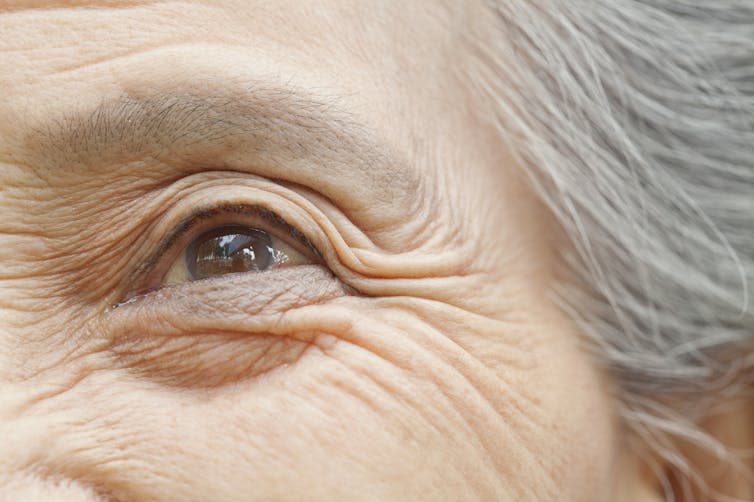
While some people may be older in chronological age, their biological age might be much younger. FangXiaNuo/E+ via Getty Images

Ellen Quarles, University of Michigan

Assistant Professor in Molecular, Cellular, and Developmental Biology.

You likely know someone who seems to age slowly, appearing years younger than their birth date suggests. And you likely have seen the opposite – someone whose body and mind seem much more ravaged by time than others. Why do some people seem to glide though their golden years and others physiologically struggle in midlife?

I have worked in the field of aging for all of my scientific career, and I teach the cellular and molecular biology of aging at the University of Michigan. Aging research doesn’t tend to be about finding the one cure that fixes all that may ail you in old age. Instead, the last decade or two of work points to aging as a multi-factoral process – and no single intervention can stop it all.

What is aging?

There are many different definitions of aging, but scientists generally agree upon some common features: Aging is a time-dependent process that results in increased vulnerability to disease, injury and death. This process is both intrinsic, when your own body causes new problems, and extrinsic, when environmental insults damage your tissues.

Your body is comprised of trillions of cells, and each one is not only responsible for one or more functions specific to the tissue it resides in, but must also do all the work of keeping itself alive. This includes metabolizing nutrients, getting rid of waste, exchanging signals with other cells and adapting to stress.

The trouble is that every single process and component in each of your cells can be interrupted or damaged. So your cells spend a lot of energy each day preventing, recognizing and fixing those problems.

Aging can be thought of as a gradual loss of the ability to maintain homeostasis – a state of balance among body systems – either by not being able to prevent or recognize damage and poor function, or by not adequately or rapidly fixing problems as they occur. Aging results from a combination of these issues. Decades of research has shown that nearly every cellular process becomes more impaired with age.

Repairing DNA and recycling proteins

Most research on cellular aging focuses on studying how DNA and proteins change with age. Scientists are also beginning to address the potential roles many other important biomolecules in the cell play in aging as well.

One of the cell’s chief jobs is to maintain its DNA – the instruction manual a cell’s machinery reads to produce specific proteins. DNA maintenance involves protecting against, and accurately repairing, damage to genetic material and the molecules binding to it.

Proteins are the workers of the cell. They perform chemical reactions, provide structural support, send and receive messages, hold and release energy, and much more. If the protein is damaged, the cell uses mechanisms involving special proteins that either attempt to fix the broken protein or send it off for recycling. Similar mechanisms tuck proteins out of the way or destroy them when they are no longer needed. That way, its components can be used later to build a new protein.

Aging disrupts a delicate biological network

The cross-talk between the components inside cells, cells as a whole, organs and the environment is a complex and ever-changing network of information.

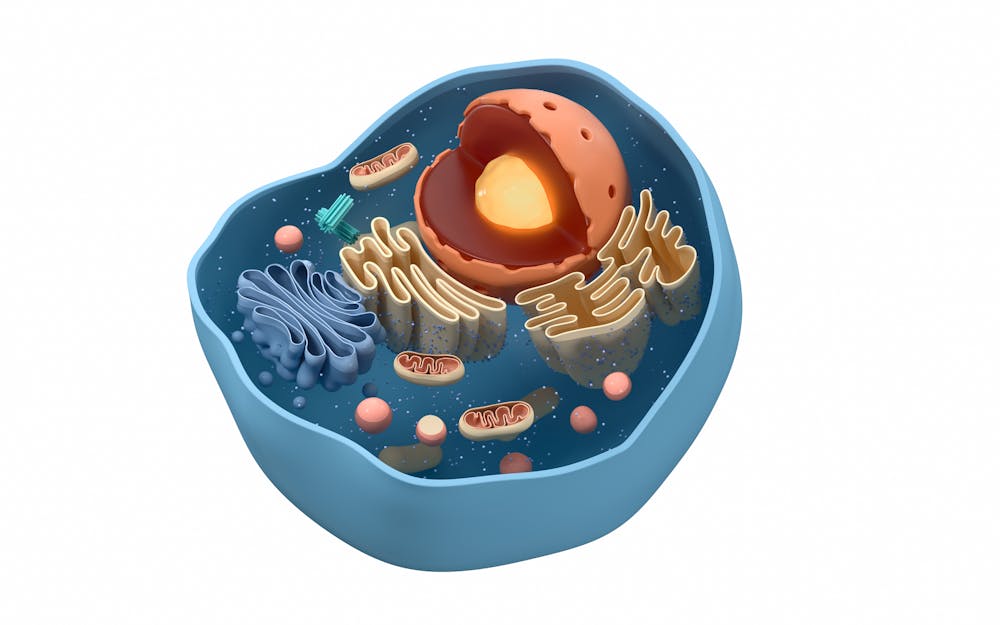
When all processes involved in creating and maintaining DNA and protein function are working normally, the different compartments within a cell serving specialized roles – called organelles – can maintain the cell’s health and function. For an organ to work well, the majority of the cells that make it up need to function well. And for a whole organism to survive and thrive, all of the organs in its body need to work well.

Aging can lead to dysfunction at any of these levels, from the sub-cellular to the organismal. Maybe a gene encoding an important protein for DNA repair has become damaged, and now all of the other genes in the cell are more likely to be repaired incorrectly. Or perhaps the cell’s recycling systems are unable to degrade dysfunctional components anymore. Even the communication systems between cells, tissues and organs can become compromised, leaving the organism less able to respond to changes within the body.

Random chance can lead to a growing burden of molecular and cellular damage that is progressively less well-repaired over time. As this damage accumulates, the systems that are meant to fix it are accruing damage as well. This leads to a cycle of increasing wear and tear as cells age.

Anti-aging interventions

The interdependence of life’s cellular processes is a double-edged sword: Sufficiently damage one process, and all the other processes that interact with or depend on it become impaired. However, this interconnection also means that bolstering one highly interconnected process could improve related functions as well. In fact, this is how the most successful anti-aging interventions work.

There is no silver bullet to stop aging, but certain interventions do seem to slow aging in the laboratory. While there are ongoing clinical trials investigating different approaches in people, most existing data comes from animals like nematodes, flies, mice and nonhuman primates.

One of the best studied interventions is caloric restriction, which involves reducing the amount of calories an animal would normally eat without depriving them of necessary nutrients. An FDA-approved drug used in organ transplantation and some cancer treatments called rapamycin seems to work by using at least a subset of the same pathways that calorie restriction activates in the cell. Both affect signaling hubs that direct the cell to preserve the biomolecules it has rather than growing and building new biomolecules. Over time, this cellular version of “reduce, reuse, recycle” removes damaged components and leaves behind a higher proportion of functional components.

Other interventions include changing the levels of certain metabolites, selectively destroying senescent cells that have stopped dividing, changing the gut microbiome and behavioral modifications.

What all of these interventions have in common is that they affect core processes that are critical for cellular homeostasis, often become dysregulated or dysfunctional with age and are connected to other cellular maintenance systems. Often, these processes are the central drivers for mechanisms that protect DNA and proteins in the body.

There is no single cause of aging. No two people age the same way, and indeed, neither do any two cells. There are countless ways for your basic biology to go wrong over time, and these add up to create a unique network of aging-related factors for each person that make finding a one-size-fits-all anti-aging treatment extremely challenging.

However, researching interventions that target multiple important cellular processes simultaneously could help improve and maintain health for a greater portion of life. These advances could help people live longer lives in the process.

Ellen Quarles, Assistant Professor in Molecular, Cellular, and Developmental Biology, University of Michigan

This article is republished from The Conversation under a Creative Commons license. Read the original article.

ooOOoo

I was born in London towards the tail end of 1944. I was the product of an affair between my father and mother. I came before my younger sister, Elizabeth, born in 1948. Then my father died on December 20th, 1956 and eventually my mother remarried my stepfather but he died in 1979 and then my mother died in 2016.

Elizabeth is still alive and so is my step-sister, Eleanor. I also had two half-sisters, Rhona, Corinne, born of my father and his first wife, but they are long dead.

But my family still continue and with a bit of luck I have a few years left; I shall be 80 in November, 2024.

When the music stops it will have been a fabulous life!

And speaking of music:

Thank you, Alan!

One of the numerous effects of a warming climate.

An article that I wanted to share with you!

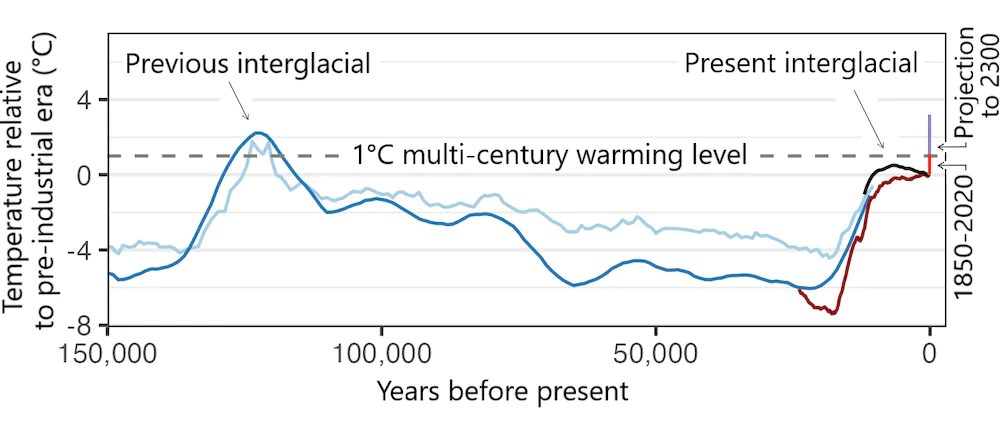
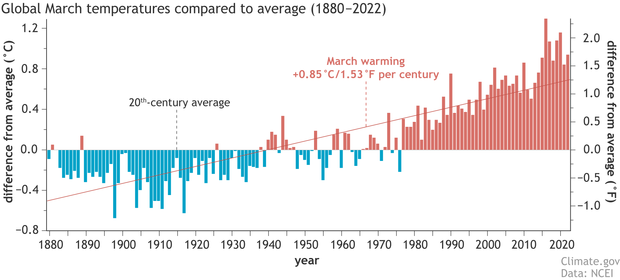
There is no question that we are warming the world, and in my mind, there’s very little doubt that it is us older persons who are the cause. Take this chart, for example, where the effects of populations in the 1980’s – 2000’s had a dramatic impact on the worsening trend:

The reason for today’s post is to share an article that writes of the science of precipitation.

ooOOoo

THE PHYSICS OF PRECIPITATION
IN A WARMING CLIMATE

WRITTEN BY DR ASHLEIGH MASSAM

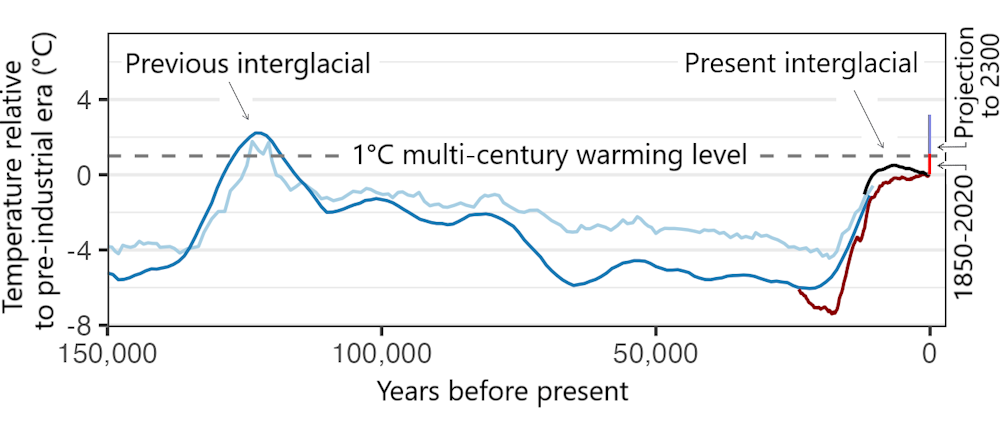
The scientific consensus on climate change is that atmospheric temperatures are rising and will continue to rise. Mean global temperatures are already 1˚C warmer than preindustrial times (relative to 1850–1900), predominantly due to human activity increasing the amount of greenhouse gases in the atmosphere (IPCC, 2018a). The 2020 Paris Conference of Parties (COP) agreed on the aim of a 1.5˚C cap on climate change-induced warming, although without rapidly introducing measures to reduce carbon and greenhouse gas emissions, global warming could easily go beyond this limit. 

In fact, the Intergovernmental Panel on Climate Change (IPCC) warns that even a mean global temperature increase of 1.5˚C will lead to an increase in the frequency and intensity of rainfall events. But what links a warmer climate to an increase in intense rainfall events? This blog post will explain the physics behind the changes to precipitation rates in a warming climate.

A SIMPLE OVERVIEW OF THE PHYSICS

Climate projections simultaneously warn of higher annual mean surface temperatures, higher rates of intense rainfall and more frequent intense rainfall events. The atmospheric moisture content increases with respect to a change in temperature – essentially, the warmer the atmosphere, the more water is held in the atmosphere, and therefore higher rates of precipitation can be expected.

This is explained by the Clausius-Clapeyron relationship between surface temperature and water vapour. According to the Clausius-Clapeyron relationship, atmospheric water content increases by between 6 and 7% per 1 °C. Therefore, even just an increase of 1.5°C could result in ~9% more water in the atmosphere, which could have a major impact on storm systems and subsequent rainfall.

Storm systems travelling across oceans will have an increased moisture content from water evaporated from the sea surface, forming a larger storm system and therefore more precipitation. JBA has recently discussed the risk of flooding from intensifying rainfall due to climate change and this will be explored in respect to storm systems later in this blog.

HOW PRECIPITATION IS FORMED

In meteorology, precipitation can be liquid or solid water that falls from the atmosphere and reaches the Earth’s surface. Types of precipitation include rain, sleet, or snow, depending on the temperature of the atmosphere. During the water cycle (fig. 1), water evaporates from the surface into the atmosphere, and changes state from liquid to vapour. The water vapour forms cloud droplets, which join together until the heavy droplets fall from the clouds as precipitation. Several processes affect this simple view of the journey from evaporation to precipitation.

Figure 1: A diagram of the water cycle showing the connections between water masses, the atmosphere and the transpiration and condensation of water vapour.

THE SURFACE TEMPERATURE – PRECIPITATION RELATIONSHIP IN MORE DEPTH

The connection between precipitation and surface temperature is defined by the Clausius-Clapeyron equations. The Clausius-Clapeyron equations calculate the energy required to cause a chemical reaction at a given pressure. In terms of precipitation, the Clausius-Clapeyron equations can be used to calculate the thermal energy required to condense water vapour into droplets when the atmospheric pressure is known. 

When water droplets are evaporated into the atmosphere, they travel upwards. As the Clausius-Clapeyron relationship is dependent on atmospheric pressure, the thermal energy requirement for a phase change is lower at a lower pressure. As the water droplets travel upwards, two things happen: 

  1. The atmospheric pressure decreases, and 
  2. The atmospheric temperature cools (this is known as the temperature lapse rate and is typically estimated at -6.5°C per kilometre). 

When the water vapour reaches an elevation where the atmospheric pressure and temperature satisfy the Clausius-Clapeyron relationship, the water vapour condenses into cloud droplets. 

IMPACTS OF A WARMING CLIMATE ON THE SURFACE TEMPERATURE – PRECIPITATION RELATIONSHIP

The release of carbon dioxide, and other greenhouse gases, into the atmosphere by humans has already led to climate change in the form of atmospheric warming. Long-term measurements show that the atmosphere has already warmed by 1°C since 1900. IPCC projections suggest that additional warming is inevitable, and attempts are being made to keep global atmospheric warming to under 1.5°C. Although, as previously mentioned, this could still increase the frequency and intensity of rainfall (IPCC, 2018b). To understand how an increase in annual mean surface temperature will influence rainfall events, we can apply the Clausius-Clapeyron relationship in a geographical context. 

As the Clausius-Clapeyron equations define the relationship between vapour and pressure, they can also be used to define the saturation vapour pressure with respect to temperature. In meteorology, the saturation vapour pressure is the maximum pressure of water vapour, at a given temperature, before it condenses. Therefore, the pressure required to condense a water droplet increases exponentially with respect to a change in temperature. 

This means that the Clausius-Clapeyron relationship can be used to determine the moisture content of the atmosphere. Warmer atmospheric temperatures will increase the atmospheric moisture content before condensation because the atmospheric pressure will not be affected by climate change in the same way as temperature. This results in the previously mentioned calculation that moisture content will increase by ~6.5% in the atmosphere per 1°C increase in temperature and means that atmospheric warming of 1.5°C will yield an increase in atmospheric moisture content of ~9%.

THE EFFECT ON STORMS AND PRECIPITATION

This ~9% increase has an impact on storm systems and therefore rainfall. Hurricane Harvey made landfall on the coast of Texas in August 2017. Over seven days, areas of Texas including Galveston and Houston experienced nearly 1.5 metres of rainfall. 

Research published since the event suggests that the intensity of Hurricane Harvey is attributable to a combination of the storm stalling over one location and climate change. The Gulf of Mexico, the source of moisture for Hurricane Harvey, has experienced anthropogenic-induced sea-surface temperature warming of 1°C since preindustrial times (Pall et al., 2017; Trenberth et al., 2018). Comparing Hurricane Harvey’s precipitation records with an equivalent event from 1950, extreme value analysis concluded that climate change contributed to a 5-7% increase in rainfall rates covering the full region affected by the hurricane (Risser and Wehner, 2017). 

With an increase in rainfall events and the wider impacts of climate change, it’s important for organisations to think about the potential risk to their business. JBA’s UK Climate Change Flood Model assesses and quantifies future flood risk in the UK under a warming climate and complements our range of global Climate Change Analytics, helping clients to understand and manage the effects of climate change on their assets and to enable long-term planning.

For more information on our climate change work, including bespoke consultancy services offered by our expert team, get in touch.

REFERENCES

IPCC, 2018a: Summary for Policymakers. In: Global warming of 1.5°C. An IPCC Special Report on the impacts of global warming of 1.5°C above pre-industrial levels and related global greenhouse gas emission pathways, in the context of strengthening the global response to the threat of climate change, sustainable development, and efforts to eradicate poverty [Masson-Delmotte, V., P. Zhai, H.-O. Pörtner, D. Roberts, J. Skea, P.R. Shukla, A. Pirani, W. Moufouma-Okia, C. Péan, R. Pidcock, S. Connors, J.B.R. Matthews, Y. Chen, X. Zhou, M.I.Gomis, E. Lonnoy, T.Maycock, M.Tignor, and T. Waterfield (eds.)].]. World Meteorological Organization, Geneva, Switzerland.

IPCC, 2018b. Impacts of 1.5ºC Global Warming on Natural and Human Systems. In: Global Warming of 1.5°C. An IPCC Special Report on the impacts of global warming of 1.5°C above pre-industrial levels and related global greenhouse gas emission pathways, in the context of strengthening the global response to the threat of climate change, sustainable development, and efforts to eradicate poverty [Masson-Delmotte, V., P. Zhai, H.-O. Pörtner, D. Roberts, J. Skea, P.R. Shukla, A. Pirani, W. Moufouma-Okia, C. Péan, R. Pidcock, S. Connors, J.B.R. Matthews, Y. Chen, X. Zhou, M.I.Gomis, E. Lonnoy, T.Maycock, M.Tignor, and T. Waterfield (eds.)]. World Meteorological Organization, Geneva, Switzerland.

Pall, P., Patricola, C.M., Wehner, M.F., Stone, D.A., Paciorek, C.J., Collins, W.D. 2017. Diagnosing conditional anthropogenic contributions to heavy Colorado rainfall in September 2013. Weather and Climate Extremes, 17, pp 1-6.

Risser, M.D., Wehner, MF. 2017. Attributable human-induced changes in the likelihood and magnitude of the observed extreme precipitation during Hurricane Harvey. Geophysical Research Letters¸ 44(24), doi: 10.1002/2017GL075888.

Trenberth, K.E., Cheng, L., Jacobs, P., Zhang, Y., Fasullo, J. 2018. Hurricane Harvey links to ocean heat content and climate change adaptation. Earth’s Future, 6(5), doi: 10.1029/2018EF000825

ooOOoo

The IPCC states what is clearly known in science circles; a warmer atmosphere equals more moisture in the air and that translates into more rainfall.

It comes down to warmer atmospheric temperatures increasing the atmospheric moisture content before condensation, simply because the atmospheric pressure will not be affected by climate change in the same way as temperature, as was described earlier in the paper. The reference to Hurricane Harvey was very powerful.

The world has to focus on climate change in an urgent manner. Because there isn’t a great deal of time, something like 10 years, at most, to bring about huge changes in the way we consume energy.

A post on preventing dog bites.

This article from the ASPCA is being shared.

Luckily dogs that have behaviour problems are unknown in our home. But that doesn’t mean that a primer on preventing dog bites is not called for. The following seems like a primer!

ooOOoo

Dog Bite Prevention

Increasing Safety, Reducing Risks

To reduce the number of injuries from dog bites, adults and children should be educated about bite prevention, and dog owners should practice responsible dog ownership.

Understanding dog body language is a key way to help avoid being bitten for people of all ages. Know the signs that dogs give to indicate that they’re feeling anxious, afraid, threatened or aggressive, and be sure to respect the dog’s feelings about interacting with or being touched by strangers.

  • An aggressive dog may try to make themselves look bigger. Their ears may be up and forward, the fur on their back and tail may stand on end or puff out, and their tail may be straight up—it may even wag. They may have a stiff, straight-legged stance and be moving toward or staring directly at what they think is an approaching threat. They may also bare their teeth, growl, lunge or bark.
  • An anxious or scared dog may try to make themselves look smaller. They may shrink to the ground in a crouch, lower their head, repeatedly lick their lips, put their tail between their legs, flatten their ears back and yawn. They may look away to avoid direct eye contact. The dog may stay very still or roll on their back and expose their stomach. Alternatively, they may try to turn away or slowly move away from what they think is an approaching threat.
  • Many dogs can show a mixture of these body postures, indicating that they feel conflicted. Remember to avoid any dog showing any of signs of fear, aggression or anxiety—no matter what else the dog is doing. It’s important to realize that a wagging tail or a crouching body doesn’t always mean friendliness.
  • Ask first before petting a dog. When meeting an unfamiliar dog, don’t reach out to pet them. First, ask their pet parent, “May I pet your dog?” A strange hand in a dog’s face may scare them, leading to a bite.
  • If you receive permission to pet a dog, let them sniff your closed hand. Then, you may proceed to pet their shoulders or chest. Avoid petting the top of the dog’s head. If the dog looks uncomfortable, speak happily to the dog and casually remove your hand. Resist moving abruptly or jerkily.
  • Avoid dogs who are barking or growling. It is also best to steer clear of dogs who are loose, behind a fence or tied up.
  • If an unknown dog approaches you, stay quiet and still. Do not run or scream.
  • Always supervise children and dogs. Never leave a baby or young child alone with a dog. Teach your children to treat your dog gently and with respect, giving the dog their own space and opportunities to rest.
  • When in public, always keep your dog on a leash for the safety of your dog and those around them.

Recommendations for Pet Parents

Although you can’t guarantee that your dog will never bite someone, there are many ways that you can significantly reduce the risk.

  • Adopt from a well-managed animal shelter whose staff and volunteers can fill you in on the dog’s background, personality and behavior in the shelter.
  • Socialize your dog! Well-socialized dogs make enjoyable, trustworthy companions. Undersocialized dogs are a risk to their owners and to others because they can become frightened by everyday things—which means they are more likely to aggress or bite. Socializing is the opposite of isolating. It’s important for puppies to meet, greet and enjoy a variety of people, animals, places and things. Done properly, socializing helps puppies feel comfortable and friendly in various situations, rather than uncomfortable and potentially aggressive. The main rule for effective socializing is to let your dog progress at their own pace and never force them to be around someone or something when they’re clearly fearful or uncomfortable.
  • Take your dog to humane, reward-based training classes—the earlier the better. We recommend starting your puppy in puppy kindergarten classes as early as eight weeks, right after their first set of vaccinations. Early training opens a window of communication between you and your dog that will help you consistently and effectively teach them good behavior.
  • Always supervise your dog while they’re outdoors—even in a fenced yard. Don’t allow your dog to roam alone.
  • Don’t wait for a serious accident to happen. The first time your dog shows aggressive behavior toward anybody, even if no injury occurs, seek professional help from a Certified Applied Animal Behaviorist (CAAB), a veterinary behaviorist (Dip ACVB), or a qualified Certified Professional Dog Trainer (CPDT). Please see our article, Finding Professional Behavior Help, for information about finding an expert in your area. Your animal shelter may also offer or be able to refer you to helpful services.
  • Err on the safe side. Be aware of common triggers of aggression, including pain, injury or sickness, the approach of strangers or strange dogs, the approach of people in uniforms, costumes or unusual attire (especially hats), unexpected touching, unfamiliar places, crowds and loud noises like thunder, wind, construction, fireworks and appliances. If possible, avoid exposing your dog to these triggers. If they seem stressed or panicked in crowds, leave them at home. If they overreact to visitors or delivery personnel, keep them in another room when they come to your house. Work with a qualified behavior and training professional to help your dog become more comfortable with these and other situations.
  • License your dog as required by law and provide regular veterinary care, including rabies vaccinations.

ooOOoo

This appears to be very good advice, and I hope there’s no-one out there that has suffered from the consequences of dog aggression. If there’s a reader who has something to share with you all, then read my Interaction page.

Getting older and older!

An interesting post for all of us, albeit, those on the right side of 70? will find this less important.

It is very difficult for me to add anything useful to this article so I will not try.

Except to say that the author, Aditi Gurkar, is Assistant Professor of Geriatric Medicine at the University of Pittsburgh so she should know what she is talking about!

ooOOoo

Are you a rapid ager? Biological age is a better health indicator than the number of years you’ve lived, but it’s tricky to measure

Healthspan measures incorporate quality of life in ways that lifespan does not. Ira T. Nicolai/The Image Bank via Getty Images

Aditi Gurkar, University of Pittsburgh

Do you ever wake up some days and think, “When I was younger, I could survive on just four hours of sleep, but now it seems like I need 10”? Or have you ever walked out of the gym and “felt” your knees?

Almost everyone experiences these kinds of signs of aging. But there are some people who seem to defy their age. The late U.S. Supreme Court Justice Ruth Bader Ginsberg stayed on the bench until her death at age 87. The “Great British Bake Off” judge Mary Berry, now in her 80s, continues to inspire people all over the world to bake and enjoy life. And actor Paul Rudd was named People magazine’s “Sexiest Man Alive” in 2021 at age 52 while still looking like he’s in his 30s. Is age just a number then?

Researchers have focused a lot of attention on understanding the causes and risk factors of age-related diseases like Alzheimer’s, dementia, osteoporosis and cancer. But many ignore the major risk factor for all of these diseases: aging itself. More than any individual risk factor such as smoking or lack of exercise, the number of years you’ve lived predicts onset of disease. Indeed, aging increases the risk of multiple chronic diseases by up to a thousandfold.

However, no two people age the same. Although age is the principal risk factor for several chronic diseases, it is an unreliable indicator of how quickly your body will decline or how susceptible you are to age-related disease. This is because there is a difference between your chronological age, or the number of years you’ve been alive, and your biological age – your physical and functional ability.

https://youtube.com/watch?v=9eOofp64IYI%3Fwmode%3Dtransparent%26start%3D0

As the author notes in her TED Talk, aging is not just a number.

I am a scientist interested in redefining “age.” Instead of benchmarking chronological age, my lab is invested in measuring biological age. Biological age is a more accurate measure of healthspan, or years lived in good health, than chronological age, and doesn’t directly correlate with wrinkles and gray hairs. Rapid agers experience a faster rate of functional deterioration relative to their chronological age.

My grandmother, who lived to be 83 but was bedridden and could not remember who I was for the last few years of her life, was a rapid ager. My grandfather, on the other hand, also lived until he was 83, but he was active, functional and even did my homework with me until he passed away – he was a healthy ager.

With the unprecedented growth of the world’s aging population, I believe that figuring out ways to measure biological age and how to maintain or delay its advance is critical not only for individual health, but also for the social, political and economic health of our society. Detecting rapid agers early on presents an opportunity to delay, change or even reverse the trajectory of biological aging.

Genetics and biological age

Biological aging is multifaceted. It arises from a complex mix of genetic traits and is influenced by factors like microbiome composition, environment, lifestyle, stress, diet and exercise.

Genetics were once thought to have no influence on aging or longevity. However, in the early 1990s, researchers reported the first studies identifying genes that were able to extend the lifespan of a small roundworm. Since then, multiple observations support the influence of genetics on aging.

For example, children of long-lived parents and even those with long-lived siblings tend to live longer. Researchers have also identified multiple genes that influence longevity and play a role in resilience and protection from stress. These include genes that repair DNA, protect cells from free radicals and regulate fat levels.

However, it is clear from studies in identical twins – who share the same genes but not the same exact lifespans – that genes are not the only factor that influences aging. In fact, genes probably account for only 20% to 30% of biological age. This suggests that other parameters can strongly influence biological aging.

Environmental and lifestyle effects

Researchers have found that environmental and lifestyle factors heavily influence biological age, including social connectedness, sleeping habits, water consumption, exercise and diet.

Social connectedness is essential for well-being throughout life. But social connections can be challenging to maintain over time due to loss of family and friends, depression, chronic illness or other factors. Several studies have reported a strong link between social isolation and increased stress, morbidity and mortality.

Three women dancing together in a park
Social connectedness and physical activity are linked to well-being throughout life. Filippo Bacci/E+ via Getty Images

Similarly, diet and exercise are strong influencers of biological age. Blue zones, which are areas around the world where people live long lives, attribute their successful aging to diet, exercise and social connectedness. Mostly plant-based meals and spurts of activity throughout the day are well-known “secrets” of healthspan and longevity. Although newer studies on the effects of diet interventions such as intermittent fasting and time-restricted feeding on longevity have not been rigorously tested, they do show multiple health benefits, including better glucose and insulin regulation

While genetics is difficult to control, diet and exercise can be modified to delay biological aging.

How to measure biological age

Currently, there is no effective test to predict an individual’s health trajectory early enough in life in order to intervene and improve quality of life with age. Scientists are interested in identifying a molecule that is sensitive and specific enough to serve as a unique fingerprint for biological age.

Considering the health and resilience of the individual instead of focusing solely on disease state is important in discussions on biological age. Resilience is the state of adapting and bouncing back from a health challenge and is often more predictive of functional health. A molecular aging fingerprint may provide a tool to help identify people who are less resilient and require more aggressive monitoring and early intervention to preserve their health and help reduce gender, racial and ethnic health disparities.

There are several promising molecular markers that may serve as biological age fingerprints.

One of these markers are epigenetic clocks. Epigenetics are chemical modifications of DNA that control gene function. Several scientists have found that DNA can get “marked” by methyl groups in a pattern that changes with age and could potentially act as a readout for aging.

It is important to note, however, that while epigenetic clocks have been valuable in predicting chronological age, they do not equate to biological age. In addition, it is unclear how these epigenetic marks work or how they contribute to aging.

Older adult holding gold balloons of the number 70 in a backyard
Age is so much more than a number. Klaus Vedfelt/DigitalVision via Getty Images

Another well-regarded marker of biological age is the build-up of dysfunctional cells called senescent or zombie cells. Cells become senescent when they experience multiple types of stress and become so damaged that they cannot divide anymore, releasing molecules that cause chronic low-grade inflammation and disease.

Animal studies have shown that getting rid of these cells can improve healthspan. However, what clearly defines senescent cells in humans is still unknown, making them challenging to track as a measure of biological age.

Lastly, the body releases unique metabolites, or chemical fingerprints, as byproducts of normal metabolism. These metabolites play a dynamic and direct role in physiological regulation and can inform functional health. My lab and others are figuring out the exact makeup of these chemicals in order to figure out which can best measure biological age. A lot of work still remains on not only identifying these metabolites, but also understanding how they affect biological age.

People have long sought a fountain of youth. Whether such an elixir exists is still unknown. But research is starting to show that delaying biological age may be one way to live healthier, fuller lives.

Aditi Gurkar

This article is republished from The Conversation under a Creative Commons license. Read the original article.

ooOOoo

There is no arguing the fact that more and more great articles are appearing online. Indeed, the whole world is changing radically in many areas.

Onwards and upwards! 😉

Footnote: This appeared online on the Inspiring Quotes website. The link is here, from which I reproduce the following:

Growing older is one of the most pervasive preoccupations of humankind. The passing of time is, after all, an inescapable part of the human condition. And aging, like love, is one of the most common themes in literature, be it the calm of poet Robert Brownings’ “Grow old along with me! The best is yet to be,” or poet Dylan Thomas’ raging against the dying of the light. 

Please, please watch this

And I wish I knew what to say…

This is a video that is three years old.

But it is more pertinent today than it was when it was first released.

The video asks ‘… why we never really learnt how to talk about this’.

The video is a little less than ten minutes long so watch it now, with the family as well, if that is appropriate, and perhaps have a discussion afterwards.

Jean and I do not have any answers especially when the news is all about other things.

Yes, we know that the climate is changing but what exactly does that mean is a more difficult question to answer. Mind you there are a growing number of organisations committed to finding answers.

Yes, there are many scientists who have clear opinions on the situation but we need a global movement, NOW, to address this very urgent requirement, and there is no sign that the global community are even talking about climate change let alone doing something.

Please, please watch this:

I would love to hear your thoughts.

The Role of Dog Fosters

Jess forwards another stirring account of a dog rescuer.

Jess Anderson sent me this video of a Labrador, age 19 no less, being rescued. That is one senior dog!

The video and the supporters who left comments all said how wonderful were their experiences of saving senior dogs.

The video came from the Dodo Foster Diaries and at the time of writing had had nearly 600 viewings.

There is a very good article on PetFinder about the first few days with a senior dog. Go and watch it!

Another dog rescue for the New Year.

It was published late last year but so what!

This story from the Dodo caught my eye. Don’t know why because the articles about dogs being rescued are not rare! But anyway, whatever the reason it seemed a good article to share with you all today.

ooOOoo

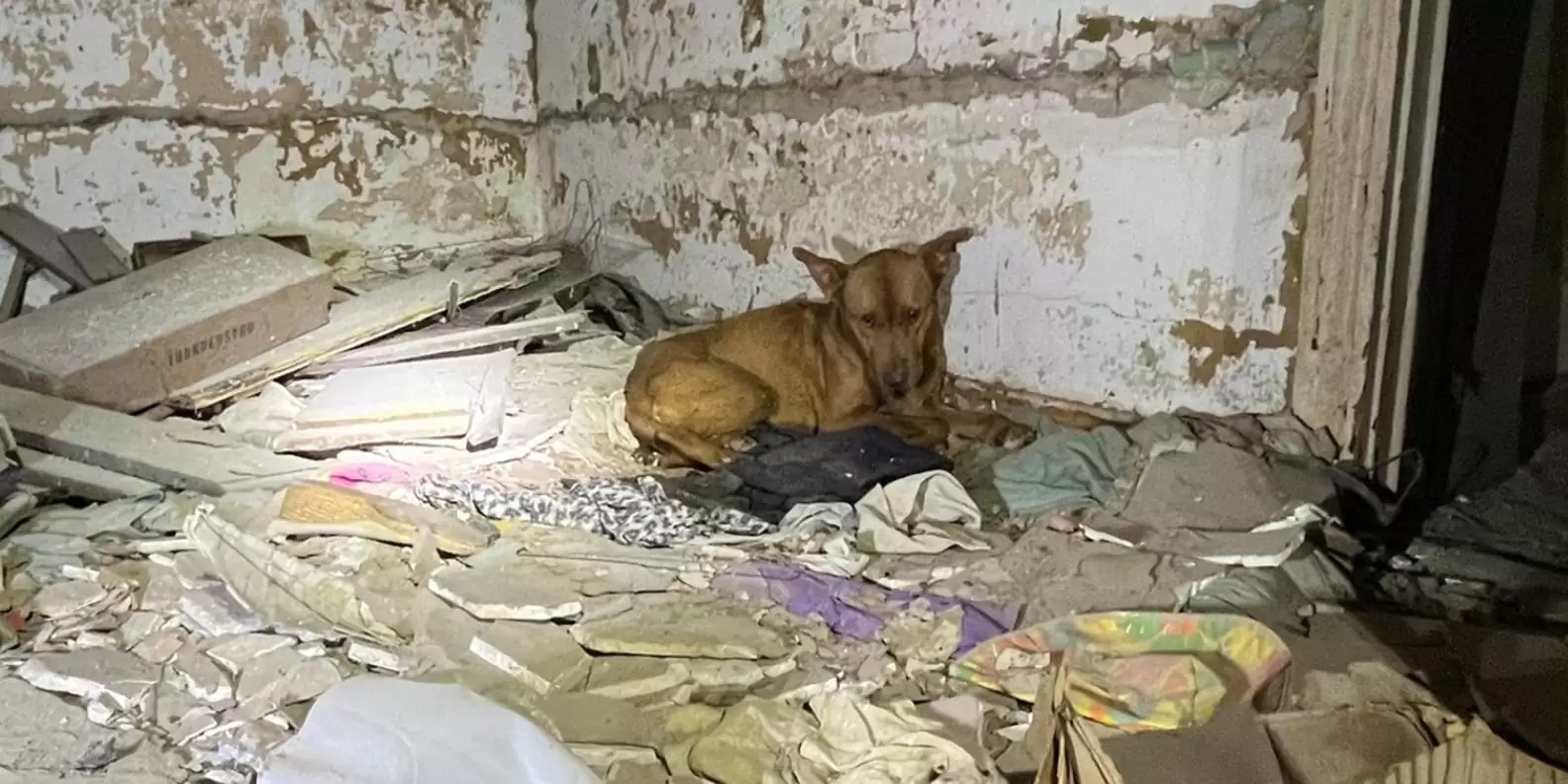
Dog Trembling In A Pile Of Rubble Is So Grateful Someone Finally Noticed Her

“Her legs were shaking so hard” 💔

By Ashley Ortiz, Published on the 23rd December, 2022

The first time Donna Lochmann searched a crumbling, abandoned apartment building in St. Louis, Missouri, she couldn’t find who she was looking for. A Good Samaritan called Stray Rescue of St. Louis (SRSL) to report a dog sighting, but Lochmann, the shelter’s chief life saving officer, came out empty-handed.

“We searched every floor and never saw anything,” Lochmann told The Dodo. “There was not one dog, nothing.”

With temperatures dropping and more calls coming in about a dog barking from inside the building, Lochmann decided to go back again and keep searching. This time, she found someone.

“When I got to the backside of the building, I saw a dog lying in the grass,” Lochmann said. “I saw her run towards the back of the building and she went in, so I followed her.”

Unfortunately, by the time Lochmann made it inside the building, the dog had already disappeared into one of the many empty apartments. She couldn’t find the pup on her own, so Lochmann went back to the shelter and recruited the help of other staff members.

Lochmann and her team went back to the building the next day, and as they went from room to room searching for the scared pup, they suddenly heard barking coming from inside.

“I got over there and there was a poor dog just lying in the rubble of this building,” Lochmann said. “She was absolutely trembling, her legs were shaking so hard.”

The weather was cold that day, but Lochmann knew that the dog’s shaking was caused by fear more so than lack of warmth.

“I felt so bad for her,” Lochmann said. “It’s been a while since I’ve seen one shaking that hard, and it’s just gut-wrenching to see them so scared of you.”

To get the dog out of the building, Lochmann decided to use a plastic crate instead of attempting to walk her out on a leash. Not only would it be physically difficult to lead the pup out of the crumbling building on a leash, but Lochmann feared it would stress her out even more.

So Lochmann used the leash she had to guide the dog into the plastic crate, then quickly closed the door behind her.

“Once she was in the crate, she was calm,” Lochmann said.

Lochmann and her team carried the crate out of the building, then gently loaded it into her Jeep. They brought her back to the shelter, where she underwent a medical evaluation. Luckily for the pup, she passed with flying colors.

The dog, whom Lochmann named Habenero, was OK physically, but she was still a little nervous when she first got to the shelter.

“She was still pretty scared at first,” Lochmann said. “But she came around fairly quickly. Within a few days, she wasn’t growling anymore and she stopped shaking when we would talk to her.”

Habanero has since been spending time with Lochmann and her crew at the shelter, slowly getting used to her surroundings. Together, they go on walks around the neighborhoods surrounding the shelter and enjoy plenty of snuggles throughout the day.

Now that Habanero is feeling more comfortable, Lochmann believes that she’s finally ready to go into a foster home. It’ll be yet another change for the 7-year-old pup, but Lochmann is confident that she’ll thrive.

“Once she gets into a home, she’s gonna have a bit of adjustment to do,” Lochmann said. “But she’ll do great. I’m just glad she’s not trembling anymore.”

All images by STRAY RESCUE OF ST. LOUIS with whom copyright rests.

ooOOoo

The thing about dogs is the way that we, as in humans, bond so well with the majority of dogs, and that the majority of dogs bond so well with us.

I was just saying this to Jeannie yesterday morning when Oliver jumped up on to the three-seat settee, admittedly onto his special cushion, next to me and proceeded to snooze with his head on my thigh. Dogs are the perfect companions and they are incredibly conscious of the states of mind of their loving humans.

Christmas food for your pets

They can be toxic!

This is a timely warning that feeding our dogs and cats nibbles from the plate or worse can be life-threatening.

ooOOoo

Holiday foods can be toxic to pets – a veterinarian explains which, and what to do if Rover or Kitty eats them

Treat Kitty to a new box or pet-safe treat, but not scraps from holiday meals. Cyndi Monaghan/Moment via Getty Images

Leticia Fanucchi, Oklahoma State University

During the holidays, it’s typical for people to indulge in special foods. Being a pet owner myself, I know that many pet parents want to give their fur babies special treats as well.

As a veterinarian and clinical veterinary researcher, however, I also know that some very common foods – including many popular holiday staples – are dangerous to pets.

Here are some of the most common food-related crises we veterinarians encounter in the animal ER during the holidays, and what to do if they happen.

Fatty food risks

Turkey with gravy is probably among the most popular holiday meals. And most dogs or cats would certainly agree with their humans that roast turkey is delicious.

However, the fat contained in turkey skin – and the excess of fatty, greasy foods that can accompany it, such as gravy, butter and bacon – don’t go down well with cats and dogs. Pets that ingest an overload of fats may develop pancreatitis, an inflammation of the pancreas, the organ that helps break down fat, protein and carbs.

Pancreatitis causes the pancreas to leak digestive enzymes and ultimately “digest” itself. If untreated, pancreatitis can affect other organ systems such as the kidneys and the liver and even cause blood clotting.

The most common symptoms of pancreatitis include vomiting and diarrhea. Pets that may have pancreatitis should be rushed to the closest veterinary hospital or ER. The vet will perform diagnostic blood tests, including a specific test for pancreatic enzymes called pancreatic lipase immunoreactivity or cPLI/fPLI.

Treatment for pancreatitis mostly involves dealing with its symptoms. The pet receives IV fluids to help establish electrolytes balance, with added anti-nausea and pain medications to stop the vomiting. Antibiotics may be necessary, as well as liver protectants and probiotics, and a special diet.

Onion offenses and bread badness

If only turkey were the sole problem! Many other common holiday ingredients can also harm pets.

Several allium species common to holiday cooking, such as leeks, garlic, onions, chives and shallots, can be healthy for people. For dogs and cats, though, alliums are toxic. If ingested, they can cause hemolytic anemia – a decreased number of red blood cells.

The signs of hemolytic anemia, which normally appear a few days after ingestion, include vomiting, diarrhea, lethargy and jaundice.

To treat hemolytic anemia in pets, veterinarians do blood tests to determine whether a transfusion is necessary. They address the symptoms of allium intoxication with IV fluids, antioxidants and anti-nausea drugs.

Yeast-risen foods like rolls and breads are also holiday dinner staples that people should keep away from their pets. The yeast in these foods can ferment in a pet’s warm stomach and produce toxic levels of ethanol. In pets, ethanol toxicity may lead to metabolic acidosis, which can cause sudden drop in blood glucose, respiratory depression, seizures and cardiac arrest.

Normally, pet owners do not suspect metabolic acidosis until it is almost too late, because it has few outward symptoms. So if there’s a possibility that a pet has swallowed any type of cooked or raw yeast dough, get it to a veterinary ER right away.

By the way, pets can also experience ethanol toxicity by lapping up cocktails or beer, so keep alcoholic drinks out of their reach as well.

No chocolate for pets

Now, what about a favorite holiday treat – chocolate?

Substances that may actually attract humans to chocolate – methylxanthines like theobromine and caffeine – are toxic to both dogs and cats. When vets provide emergency treatment for chocolate ingestion, we typically hear that children shared their candy with their beloved pet.

A boy holding a puppy sits with his family during the lighting of candles on a hanukkiah menorah.
Chocolate contains substances that are poisonous to pets, even though they are safe for people. Nathan Bilow/Photodisc via Getty Images

Pets that ingest chocolate can develop “chocolate intoxication,” a condition in which methylxanthines accumulate in the body and make them sick. Signs of chocolate intoxication in pets include tremors, increased heart rate, vomiting, diarrhea, restlessness and even seizures.

Chocolate intoxication in pets is a medical emergency. The pet needs to have its stomach emptied and receive support therapy with IV fluids and activated charcoal. The vet will probably want to know the type and how much chocolate the pet ate, because some kinds of chocolate, such as baking chocolate, can have worse toxic effects.

Chocolate also has a lot of fat, so the cat or dog’s pancreas will not enjoy it either.

Grapes and dogs don’t mix

How about fruits? Well, there is a fruit very toxic to dogs that often shows up at holiday gatherings: grapes, both fresh and dehydrated into raisins.

If eaten, the tartaric acid in grapes or raisins may cause acute kidney disease. Common signs of acute kidney disease in dogs are vomiting, intermittent diarrhea and increased intake of water.

Acute kidney disease in dogs is a medical emergency. If it is suspected, the pet should be rushed to a veterinary hospital or ER right away. Treatment is typically limited to stabilizing the pet with IV fluids.

Sweet for people, poison to pets

While xylitol toxicity is one of the more common emergencies we veterinarians see these days, it’s still largely unknown among pet owners.

Xylitol is an artificial sweetener often used in sugar-free products. While safe for humans, for cats and dogs it’s a fast-acting and potentially deadly poison.

Ingesting even the smallest amount of xylitol can cause a pet’s liver to rapidly release insulin, causing hypoglycemia – unusually low blood glucose levels. Within 30 minutes, the pet will experience symptoms such as vomiting, lethargy and seizures and lose coordination of its limbs – called ataxia.

Emergency treatment for a pet with xylitol toxicity involves giving the animal IV fluids containing dextrose to raise its blood glucose level and carefully monitoring its progress.

The bottom line? Several delicious foods that are safe for humans can be very dangerous for pets in general – not just cats and dogs, but also birds, reptiles and pocket pets like mice, hamsters and gerbils. So make the holidays special for furry or feathery babies by giving them treats from the pet food store or veterinarian’s office, and keep them away from the kitchen counter and trash can.

Leticia Fanucchi, Clinical Assistant Professor of Veterinary Clinical Sciences, Oklahoma State University

This article is republished from The Conversation under a Creative Commons license. Read the original article.

ooOOoo

That’s a very important point about Xylitol. So please take notice and have a wonderful holiday for you and for your pets.

Please take care!