More beautiful dogs!
Once again, taken from Pexels.

oooo

oooo

oooo

oooo

oooo

oooo

Aren’t they gorgeous!
I don’t know how long I will be able to republish these photographs but until I reach that point I will keep them coming!
Dogs are animals of integrity. We have much to learn from them.
Category: Communication
More beautiful dogs!
Once again, taken from Pexels.
oooo
oooo
oooo
oooo
oooo
oooo
Aren’t they gorgeous!
I don’t know how long I will be able to republish these photographs but until I reach that point I will keep them coming!
Is the fence!
I saw this article yesterday on The Conversation and thought it was very significant and, as a result, worthy of sharing with you.
But first a picture of the Australian dingo.
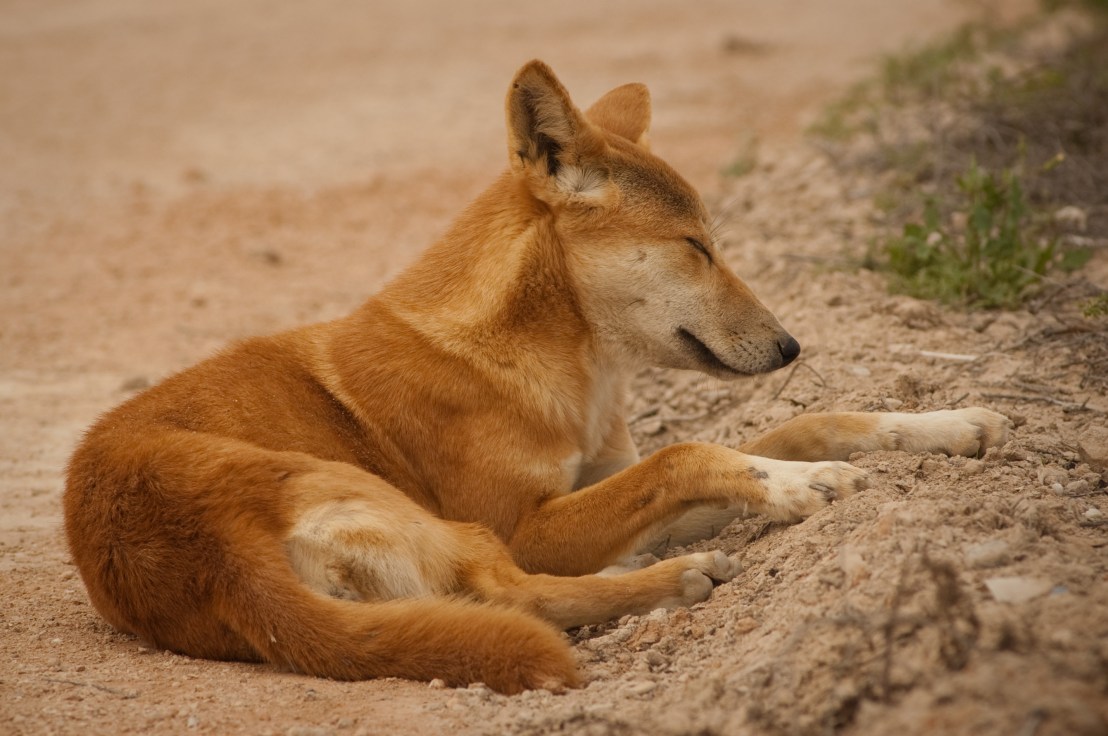
Taken from an article on WikiPedia.
Here is that article from The Conversation.
ooOOoo
November 30, 2020
By , Postdoctoral Researcher, University of California Santa Barbara,
and
, Ph.D. Candidate in Environmental Science, Policy and Management, University of California, Berkeley,
and
, PhD Candidate in Environmental Science, Policy and Management, University of California, Berkeley.
What is the most common form of human infrastructure in the world? It may well be the fence. Recent estimates suggest that the total length of all fencing around the globe is 10 times greater than the total length of roads. If our planet’s fences were stretched end to end, they would likely bridge the distance from Earth to the Sun multiple times.
On every continent, from cities to rural areas and from ancient to modern times, humans have built fences. But we know almost nothing about their ecological effects. Border fences are often in the news, but other fences are so ubiquitous that they disappear into the landscape, becoming scenery rather than subject.
In a recently published study, our team sought to change this situation by offering a set of findings, frameworks and questions that can form the basis of a new discipline: fence ecology. By compiling studies from ecosystems around the world, our research shows that fences produce a complex range of ecological effects.
Some of them influence small-scale processes like the building of spider webs. Others have much broader effects, such as hastening the collapse of Kenya’s Mara ecosystem. Our findings reveal a world that has been utterly reorganized by a rapidly growing latticework of fences.
Connecting the dots
If fences seem like an odd thing for ecologists to study, consider that until recently no one thought much about how roads affected the places around them. Then, in a burst of research in the 1990s, scientists showed that roads – which also have been part of human civilization for millennia – had narrow footprints but produced enormous environmental effects.
For example, roads can destroy or fragment habitats that wild species rely on to survive. They also can promote air and water pollution and vehicle collisions with wildlife. This work generated a new scientific discipline, road ecology, that offers unique insights into the startling extent of humanity’s reach.
Our research team became interested in fences by watching animals. In California, Kenya, China and Mongolia, we had all observed animals behaving oddly around fences – gazelles taking long detours around them, for example, or predators following “highways” along fence lines.
We reviewed a large body of academic literature looking for explanations. There were many studies of individual species, but each of them told us only a little on its own. Research had not yet connected the dots between many disparate findings. By linking all these studies together, we uncovered important new discoveries about our fenced world.

Remaking ecosystems
Perhaps the most striking pattern we found was that fences rarely are unambiguously good or bad for an ecosystem. Instead, they have myriad ecological effects that produce winners and losers, helping to dictate the rules of the ecosystems where they occur.
Even “good” fences that are designed to protect threatened species or restore sensitive habitats can still fragment and isolate ecosystems. For example, fences constructed in Botswana to prevent disease transmission between wildlife and livestock have stopped migrating wildebeests in their tracks, producing haunting images of injured and dead animals strewn along fencelines.
Enclosing an area to protect one species may injure or kill others, or create entry pathways for invasive species.
One finding that we believe is critical is that for every winner, fences typically produce multiple losers. As a result, they can create ecological “no man’s lands” where only species and ecosystems with a narrow range of traits can survive and thrive.
Altering regions and continents
Examples from around the world demonstrate fences’ powerful and often unintended consequences. The U.S.-Mexico border wall – most of which fits our definition of a fence – has genetically isolated populations of large mammals such as bighorn sheep, leading to population declines and genetic isolation. It has even had surprising effects on birds, like ferruginous pygmy owls, that fly low to the ground.
Australia’s dingo fences, built to protect livestock from the nation’s iconic canines, are among the world’s longest man-made structures, stretching thousands of kilometers each. These fences have started ecological chain reactions called trophic cascades that have affected an entire continent’s ecology.
The absence of dingoes, a top predator, from one side of the fence means that populations of prey species like kangaroos can explode, causing categorical shifts in plant composition and even depleting the soil of nutrients. On either side of the fence there now are two distinct “ecological universes.”
Our review shows that fences affect ecosystems at every scale, leading to cascades of change that may, in the worst cases, culminate in what some conservation biologists have described as total “ecological meltdown.” But this peril often is overlooked.

To demonstrate this point, we looked more closely at the western U.S., which is known for huge open spaces but also is the homeland of barbed wire fencing. Our analysis shows that vast areas viewed by researchers as relatively untrodden by the human footprint are silently entangled in dense networks of fences.
Do less harm
Fences clearly are here to stay. As fence ecology develops into a discipline, its practitioners should consider the complex roles fences play in human social, economic and political systems. Even now, however, there is enough evidence to identify actions that could reduce their harmful impacts.
There are many ways to change fence design and construction without affecting their functionality. For example, in Wyoming and Montana, federal land managers have experimented with wildlife-friendly designs that allow species like pronghorn antelope to pass through fences with fewer obstacles and injuries. This kind of modification shows great promise for wildlife and may produce broader ecological benefits.
Another option is aligning fences along natural ecological boundaries, like watercourses or topographical features. This approach can help minimize their effects on ecosystems at low cost. And land agencies or nonprofit organizations could offer incentives for land owners to remove fences that are derelict and no longer serve a purpose.
Nonetheless, once a fence is built its effects are long lasting. Even after removal, “ghost fences” can live on, with species continuing to behave as if a fence were still present for generations.
Knowing this, we believe that policymakers and landowners should be more cautious about installing fences in the first place. Instead of considering only a fence’s short-term purpose and the landscape nearby, we would like to see people view a new fence as yet another permanent link in a chain encircling the planet many times over.
ooOOoo
This is something that I hadn’t hitherto thought about. I suspect that I am not alone.
There are many aspects of the fence that warrant more careful thought. I will close by repeating what was said just a few paragraphs above:
There are many ways to change fence design and construction without affecting their functionality. For example, in Wyoming and Montana, federal land managers have experimented with wildlife-friendly designs that allow species like pronghorn antelope to pass through fences with fewer obstacles and injuries. This kind of modification shows great promise for wildlife and may produce broader ecological benefits.
Another option is aligning fences along natural ecological boundaries, like watercourses or topographical features. This approach can help minimize their effects on ecosystems at low cost. And land agencies or nonprofit organizations could offer incentives for land owners to remove fences that are derelict and no longer serve a purpose.
We are never too old to learn!
Still more from Pexels!
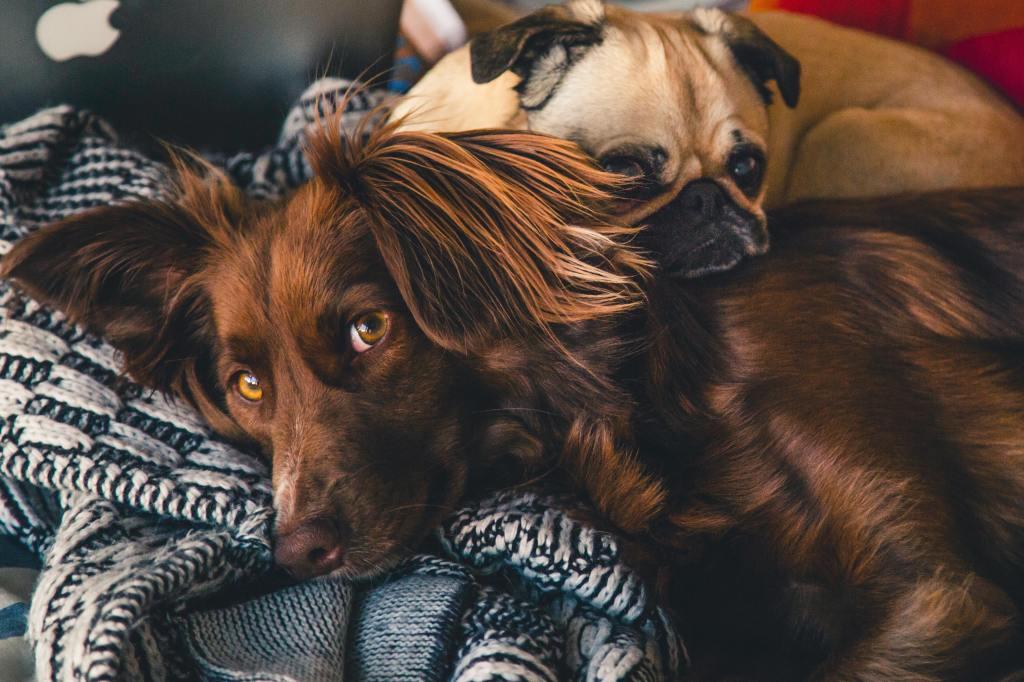
oooo

oooo

oooo
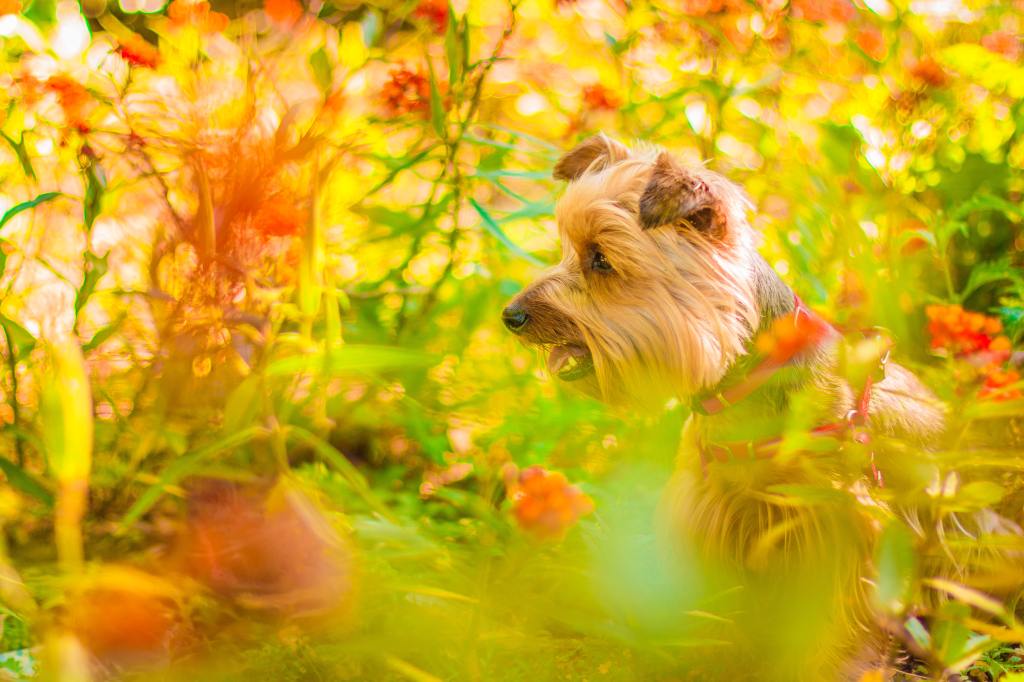
oooo

oooo

oooo

oooo

There!
And another set of fabulous photos in a week’s time.
Can’t do better than post the Facebook page!
For some reason when one goes to “See more” it doesn’t stay that way.
So this is provided as follows:
Albert cries a lot and craves people around him. He is often found curled up in his basket but with his eyes open. If we could fix Alberts bereavement we would. Our Albert is a down hearted senior in kennels. This larger Staffy cross is nine years old and we are now working hard to find him a quiet and warm home and a very loving human. Life can be very cruel for hounds and humans and loss is a terrible thing for both. Although a painful story for a senior dog we now work towards finding a new chapter for Albert as soon as possible. We have visions of Albert curled up by an open fire this Christmas next to his new owners slippers. Happy are we that the heartbroken Albert face is gone and back is one happy staffy smile. Please support. Please share. Help us to find Albert the spark that lights his fire this Christmas. More details and applications forms are available at www.goodlifedogrescue.co.uk
I was first alerted to this by Lisa, my son’s partner.
Well done Lisa!
Have a very happy time!
Jean and I send you our love!

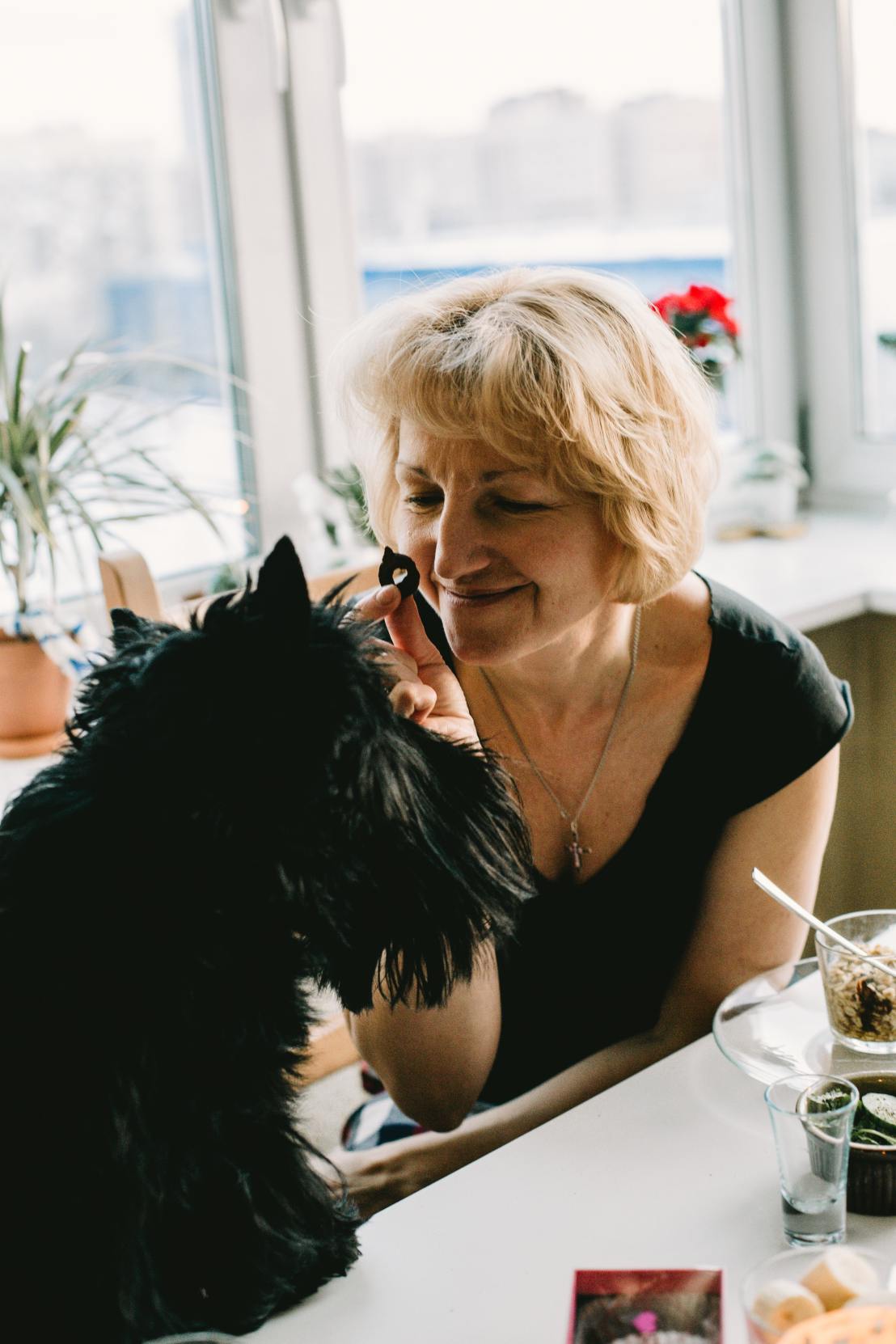
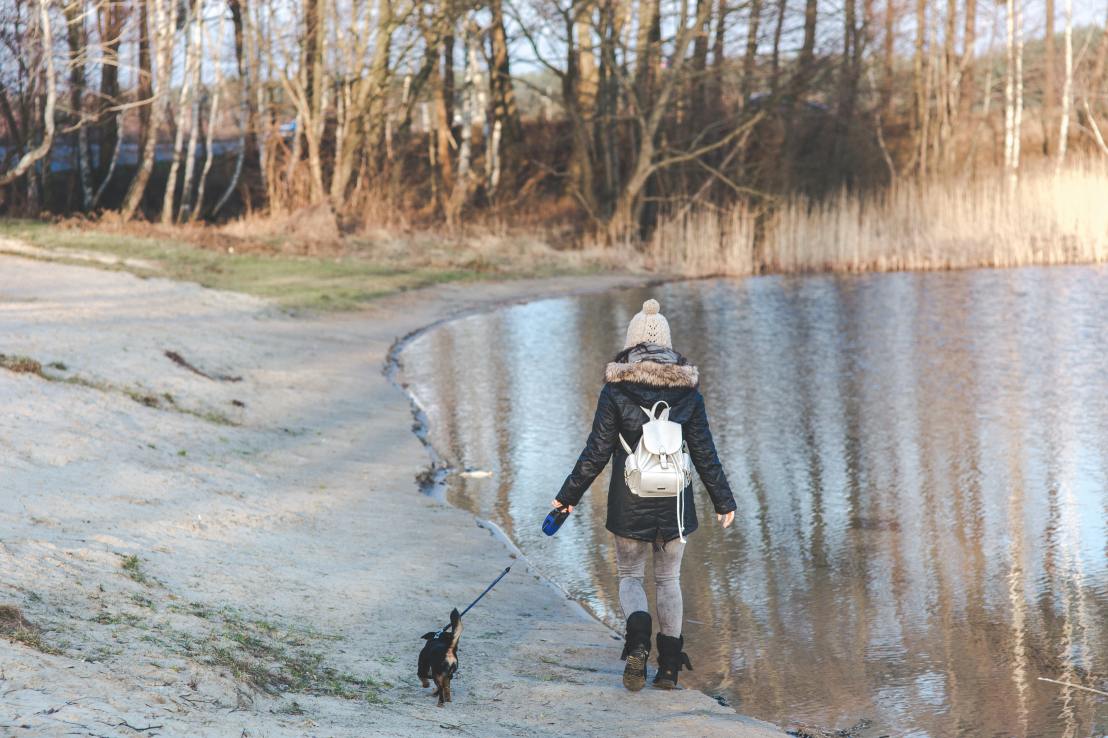
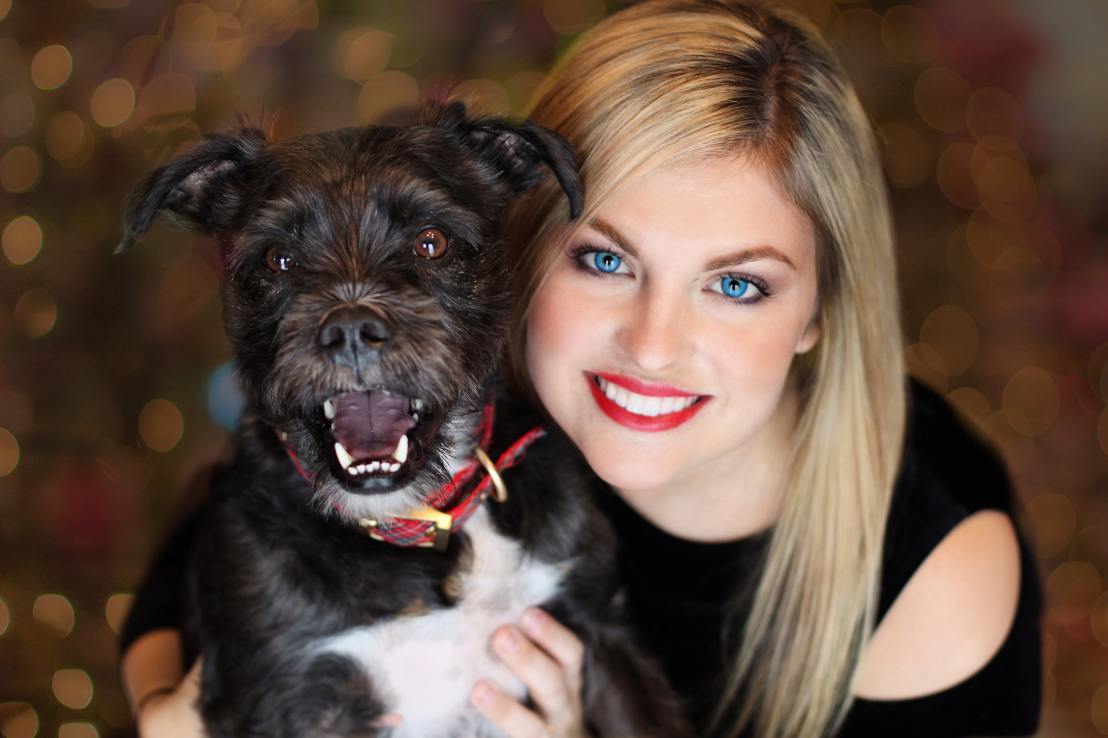
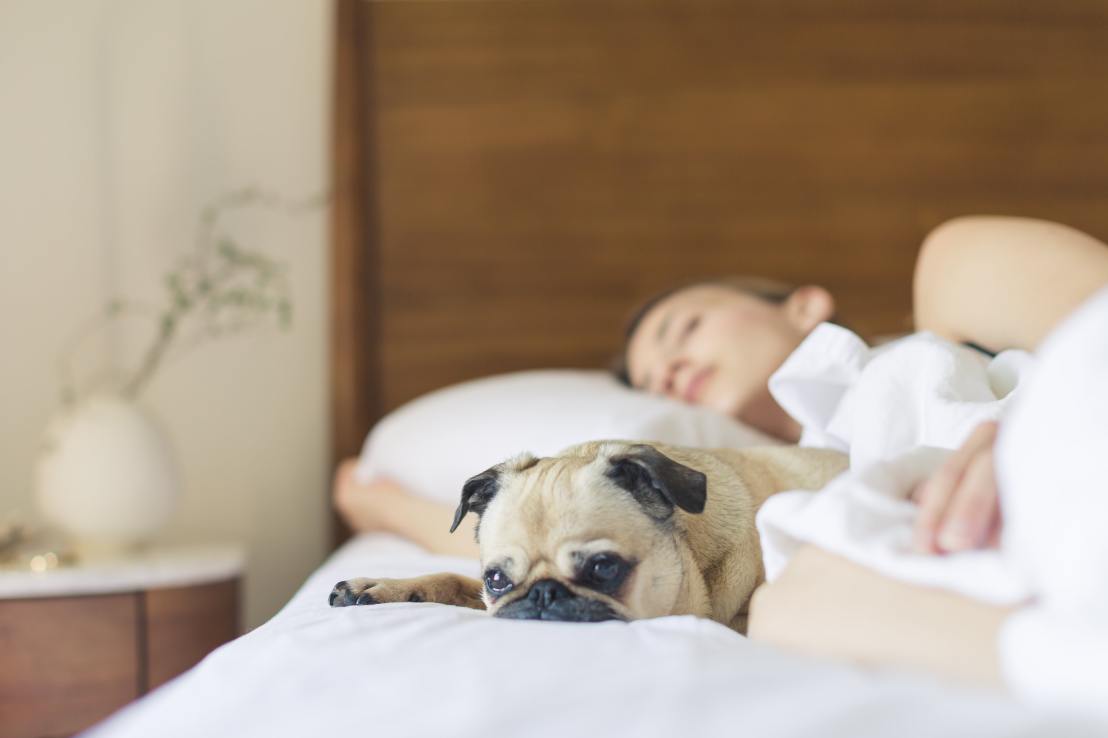
There’s a theme to this week’s Picture Parade.
First of all I must again thank Pexels for providing these photographs. They are from a grouping called Man’s Best Friend.
This is the theme. That dogs are our closest and longest animal companions by far. Indeed, the era that humans befriended wolves is so long ago that an exact time is far from settled. Here’s a piece in the August 2020 issue of Scientific American magazine:
In the 14,000 to 40,000 years during which this domestication process occurred, wild wolves were probably doing better than dogs in terms of numbers – after all, our dogs were probably another food source for humans when times became lean. The first written record of a wolf hunt was recorded in the sixth century B.C.E., when Solon of Athens offered a bounty for every wolf killed.
So in all these photographs today there is a human with the dog!
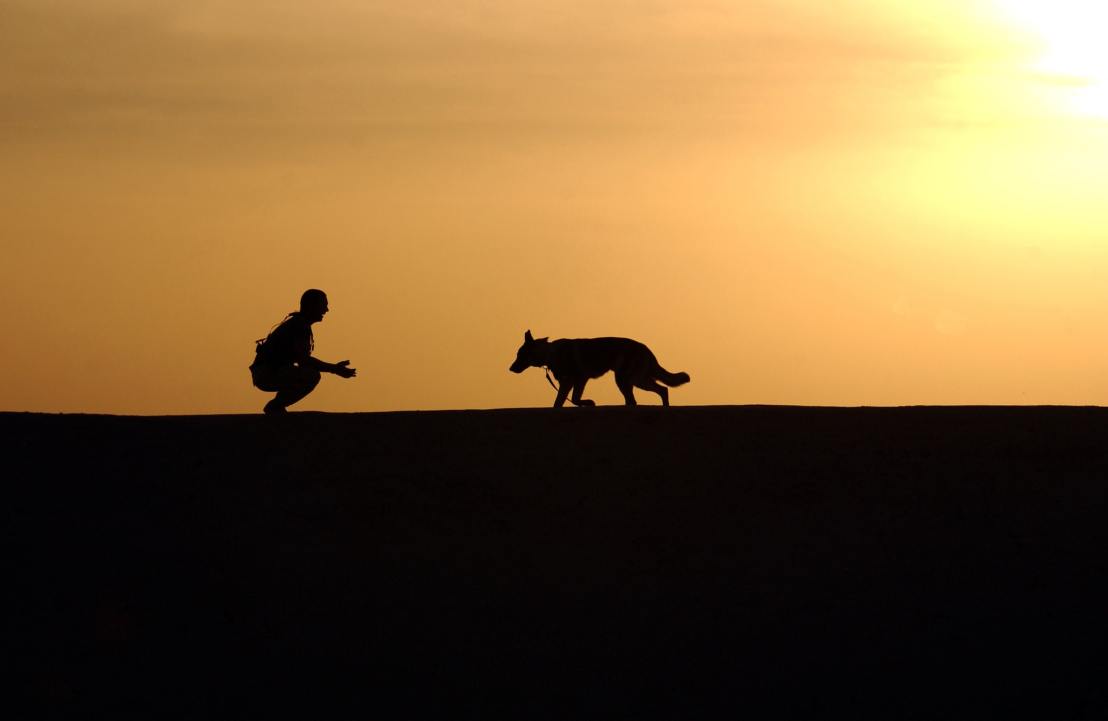
oooo
oooo
oooo
oooo
oooo
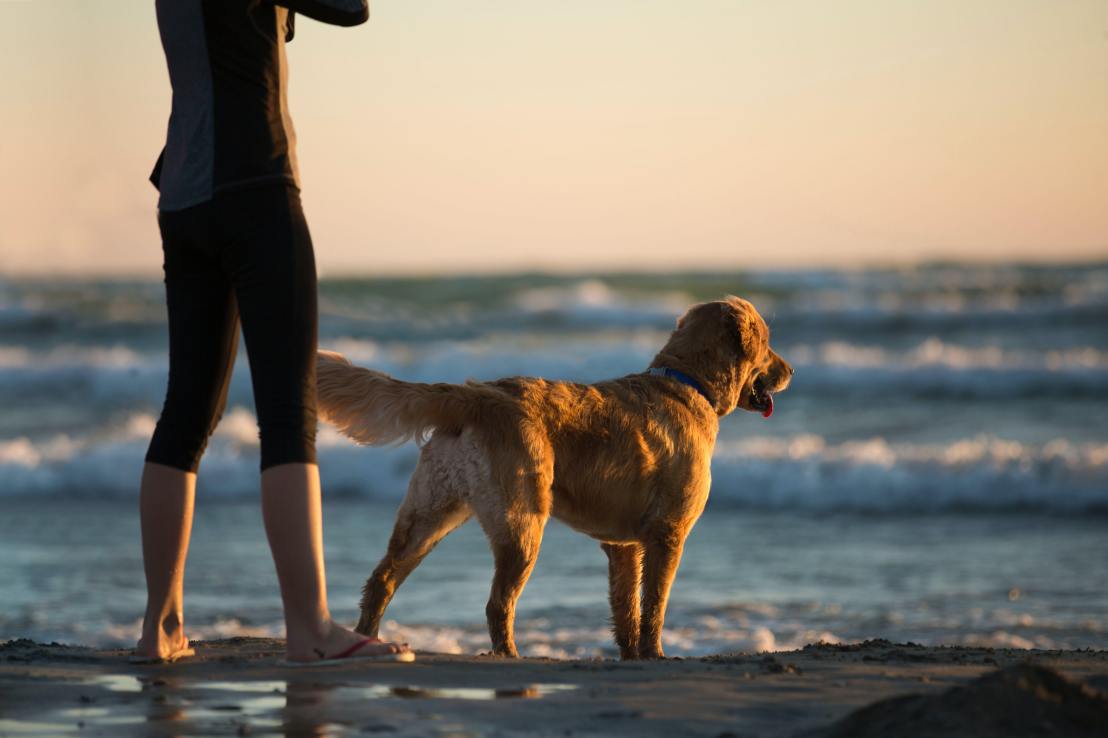
oooo

oooo
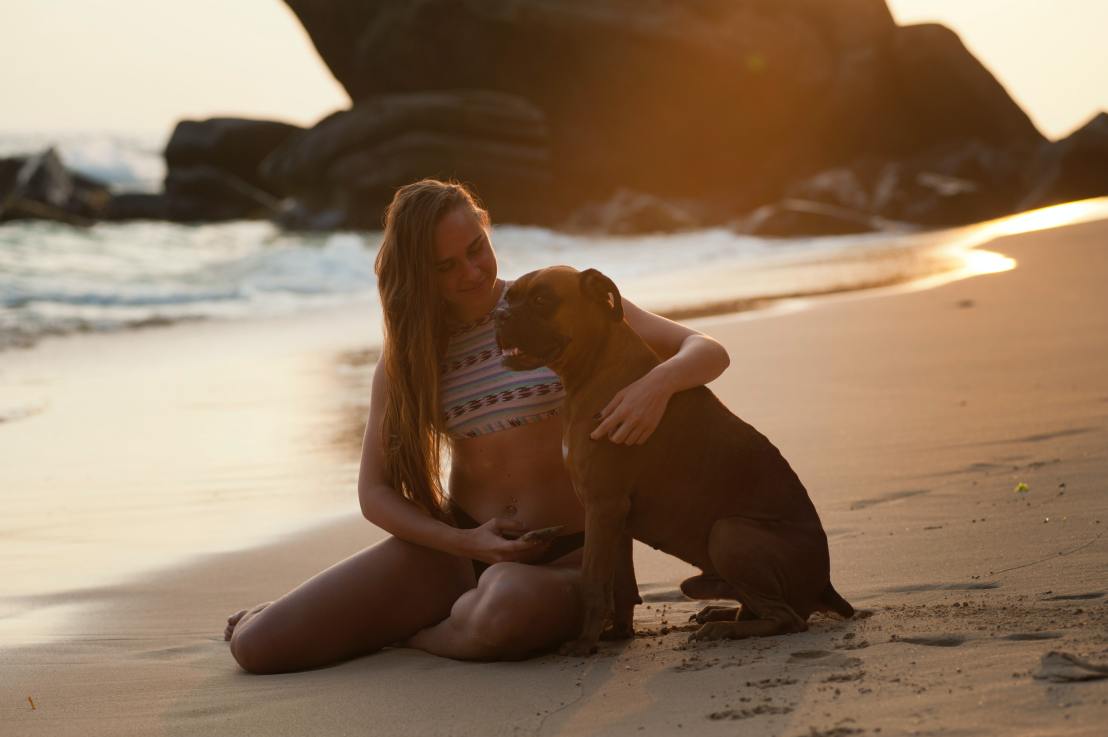
Fabulous even though I say it myself!
Yet another one.
This came in yesterday afternoon, Pacific time, and it is shared with you all.
ooOOoo

November 13, 2020 — Albright’s Raw Dog Food of Fort Wayne, Indiana, is voluntarily recalling 67 cases of Chicken Recipe for Dogs because it has the potential to be contaminated with Salmonella bacteria.
What’s Being Recalled?
The product is labeled Albright’s Raw Dog Food Chicken Recipe for Dogs and is packaged in 2-pound chubs/rolls (see image above).
Each chub/roll is printed with:
Product was sold frozen, and was distributed from the company to distributors from 7/8/20 to 8/27/20.
One animal illness has been reported. No human illnesses have been reported to date.
Where Was It Sold?
Albright’s Raw Dog Food Chicken Recipe for Dogs was distributed in CA, FL, IL, IN, NH, NJ, NV, NY, PA, and TN.
The affected product was also distributed through retail stores, mail order, and direct delivery.
What Caused the Recall?
The problem bacteria was revealed after testing conducted by the FDA.
The problem was confined to this batch and the company has ceased the distribution of the batch as FDA and the company continue their investigation as to what caused the problem.
About Salmonella in Humans
Salmonella can affect animals eating the products and there is risk to humans from handling contaminated pet products, especially if they have not thoroughly washed their hands after having contact with the products or any surfaces exposed to these products.
Healthy people infected with Salmonella should monitor themselves for some or all of the following symptoms: nausea, vomiting, diarrhea or bloody diarrhea, abdominal cramping and fever.
Rarely, Salmonella can result in more serious ailments, including arterial infections, endocarditis, arthritis, muscle pain, eye irritation, and urinary tract symptoms.
Consumers exhibiting these signs after having contact with this product should contact their healthcare providers.
About Salmonella in Pets
Pets with Salmonella infections may be lethargic and have diarrhea or bloody diarrhea, fever, and vomiting.
Some pets will have only decreased appetite, fever and abdominal pain.
Infected but otherwise healthy pets can be carriers and infect other animals or humans.
If your pet has consumed the recalled product and has these symptoms, please contact your veterinarian.
What to Do?
Due to the frozen condition of the product, it is possible that retailers and end users may still have the product in their freezers.
Consumers who have purchased Albright’s Raw Dog Food Chicken Recipe for Dogs are urged to return it to the place of purchase for a full refund.
Consumers with questions may contact the company at 260-422-9440 Monday through Friday, 8 AM to 4 PM ET.
U.S. citizens can report complaints about FDA-regulated pet food products by calling the consumer complaint coordinator in your area.
Or go to the FDA’s “Report a Pet Food Complaint” page.
Canadians can report any health or safety incidents related to the use of this product by filling out the Consumer Product Incident Report Form.
ooOOoo
Once again, please share this as far and wide as you can.
Still sharing more photographs of dogs!
The next wonderful batch of free photographs of dogs.

oooo

oooo

oooo

oooo

oooo

oooo

They continue to be so beautiful.
That last one, for example, is truly a work of art!
Yet another tale of smartness!
We have to be so careful here at home when we are speaking of anything to do with the dogs. For they listen even when they don’t appear to be so doing.
So, for example, me saying: “Jeannie, shall we let the dogs out?” is a no-no because almost before the sentence is finished they are up on their feet and crowding towards the front door. And there are plenty of other examples.
That requires speaking in code or sign language in an attempt to communicate something without the dogs cottoning on to what we are speaking about.
All of which is my introduction to yet another story from The Dodo to be shared with you.
ooOOoo
“He is a great actor!”
By Caitlin Jill Anders
Published on 11/11/2020
Titan was adopted by his family from Furry Friends Animal Refuge in Iowa at the end of August. His parents have had so much fun getting to know him over the past few months, and have learned that he’s pretty much the friendliest and most stubborn dog they’ve ever met.
“He has to say hello to EVERYONE when we go out,” Natalie Bretey, Titan’s mom, told The Dodo. “Everyone is his friend. While he does love being a big, friendly baby, he is also severely stubborn. He will frequently halt on walks until we go the way he has decided, or to stop and watch cars and people go by. We knew he was loving and friendly, but we had no clue how stubborn he was.”

Titan’s favorite thing in the world is going on walks, and his least favorite thing is when it’s time for his walk to end. He frequently tries to make his walks last longer, and he and his parents have already had many standoffs in the short time he’s been in their lives.
“He walks as if he has never had a walk before in his life,” Bretey said. “Which at first, may have been the case!”
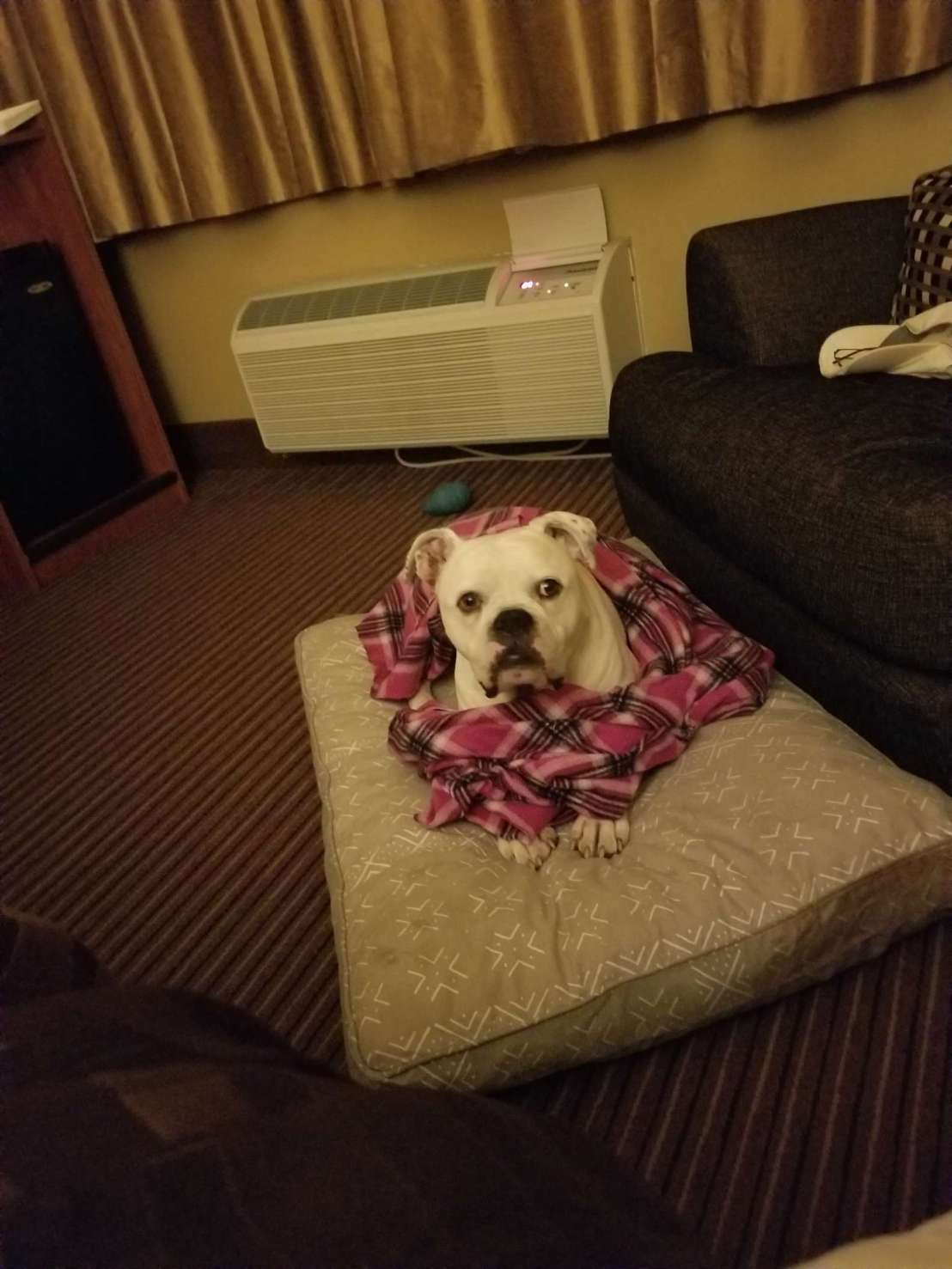
Titan is 7 years old and does have a few health issues, including chronic ear ulcers, mild hip dysplasia and allergies. While his parents are actively addressing his ear issues, his hip dysplasia hasn’t acted up yet — but they were worried it might be the very first time Titan encountered stairs.
“We realized he wasn’t a fan of stairs the very first day,” Bretey said. “We got back to my boyfriend’s apartment, and quickly realized that Titan had no intention of walking up the stairs. We started panicking; was this because of his hip dysplasia?!”
Titan’s parents were worried that his aversion to stairs might be because he was in pain — but quickly realized it was just because he didn’t feel like climbing them.

Now, every time Titan encounters the stairs, he tries to convince his parents to carry him up them. Sometimes he’ll even fake a limp, but as soon as his parents reach the top of the stairs and put him down again, the limp magically disappears and he runs down the hallway like the most athletic dog in the world.
“Titan pulls his limp trick at least once a week,” Bretey said. “This past week, he tripped on his new jammies going up the first step and stumbled back. He held his paw in the air and looked at me with the most pained look he could muster. I called his dad to come carry him up the stairs. Since he had stumbled this time, I was worried he wasn’t faking it for once! His dad came down and said, ‘He’s probably faking it again’ and hoisted him into his arms and up the stairs. Before we even reached the top, Titan was wiggling his way out of the set of arms and onto the floor. His limp was gone, and he jogged to the front door. We just laugh. He is a great actor!”
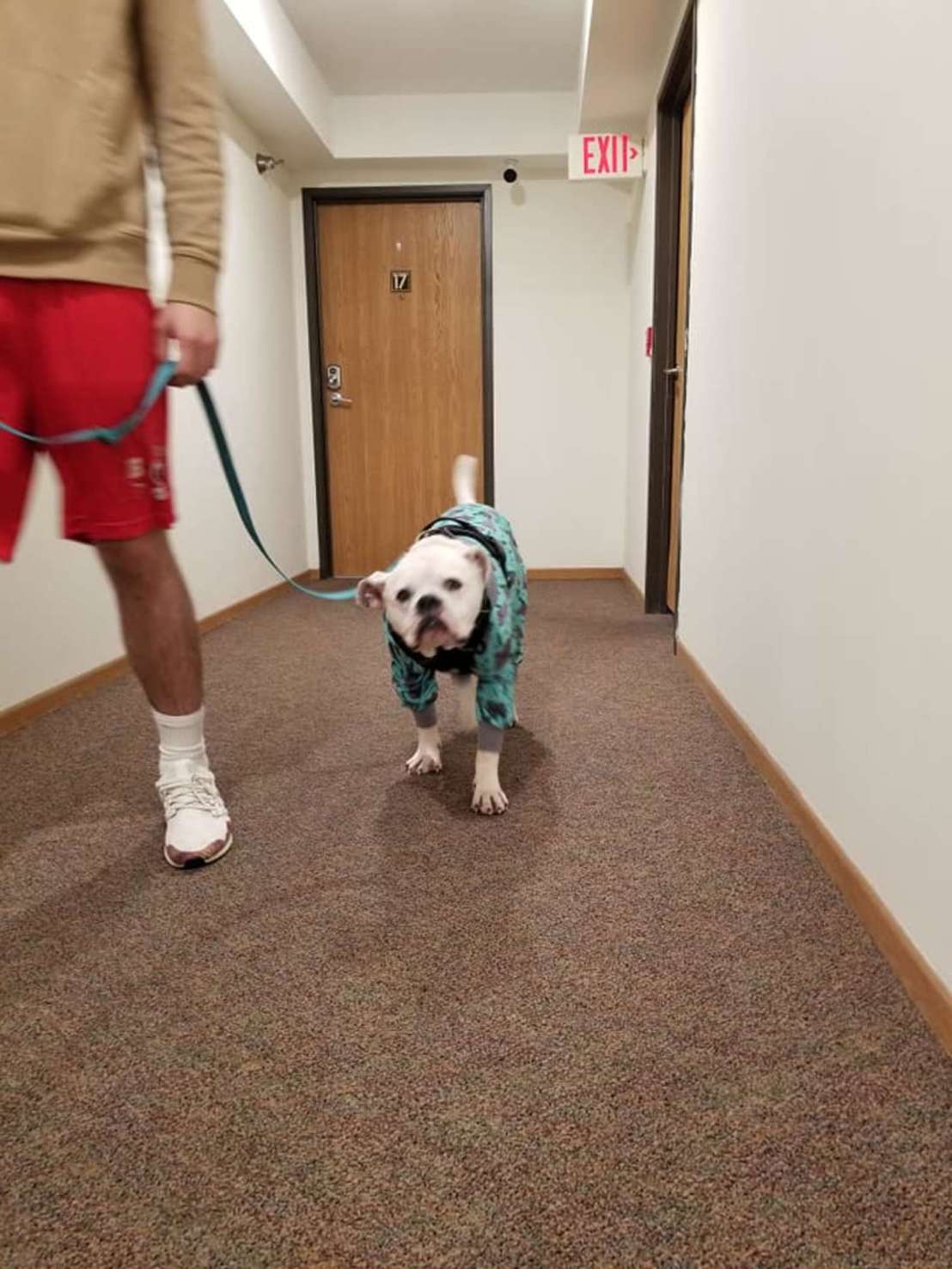
Titan’s parents are pretty sure he’d never encountered stairs before he came to live with them, and just never developed a taste for them. They’re very careful to listen and watch for any signs of actual pain and carry him up the stairs frequently — even though most of the time, it’s just Titan being Titan, but that’s OK. They love him enough to carry him anywhere.
When Titan was first adopted, there was a lot he had to learn about being a dog. His parents have absolutely adored watching him come out of his shell and explore the world around him. They want to give him the best life they possibly can, and are more than willing to put up with a little stubbornness along the way.
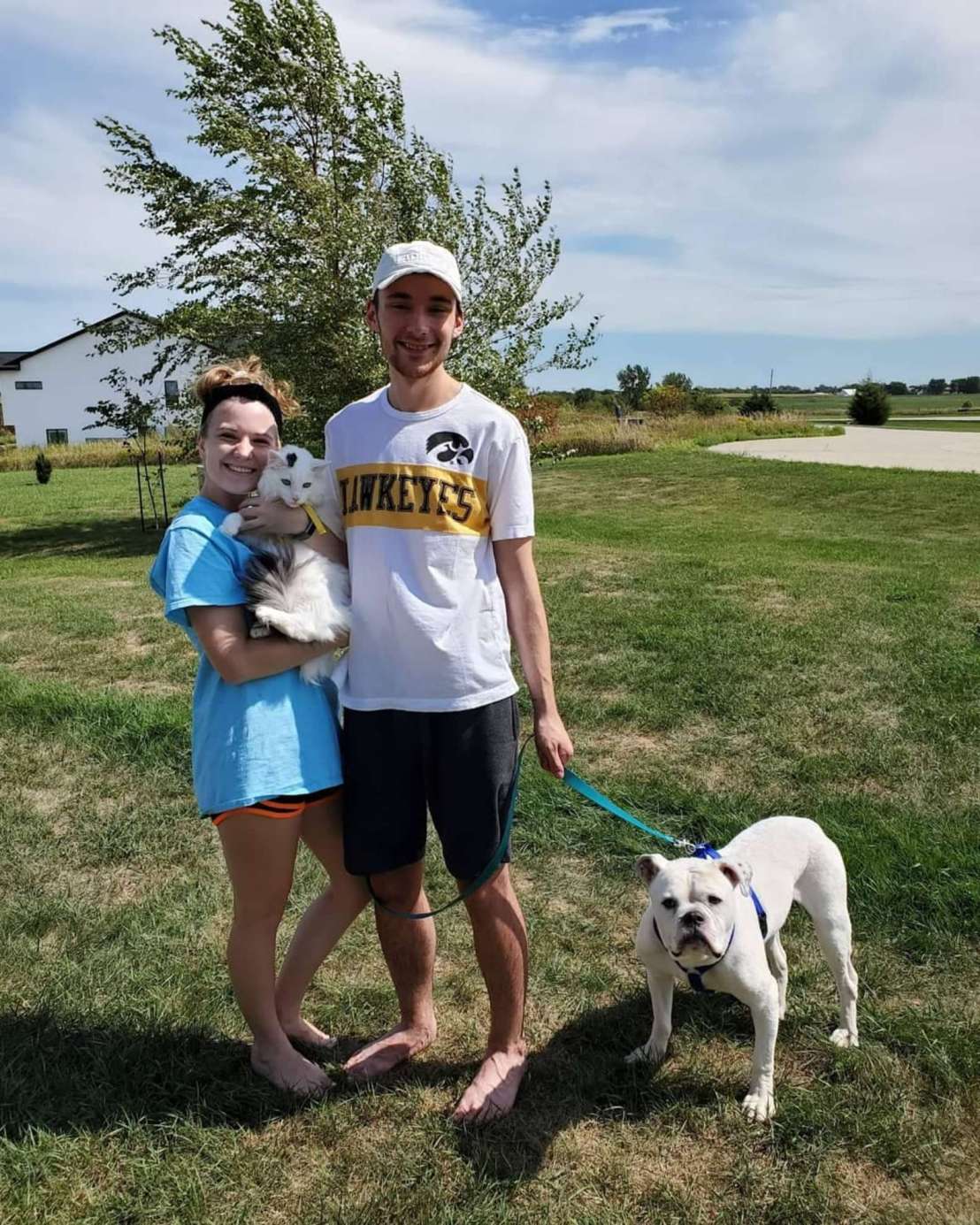
“We try not to think about all the things he went through, but have had fun watching him learn how to ride in a car, enjoy pup cups from coffee places, go on walks, and interact with everyone,” Bretey said. “His big heart has made every hard moment worth it.”
ooOOoo
It’s very true. Dogs can be stubborn. It often comes from their early days when they were unloved and had to decide what to do and what not to do.
I would like to think that over time Titan will display less stubbornness and, as was written at the end, learn lots of new things to do and, above all, to be loved.
This is yet another great story about a dog.
I came to my desk a little late in the day but wanted to share this article. Again it is from The Dodo and, apologies, I am going straight into it. It’s a very lovely story.
ooOOoo
“I think he was just really happy that someone was being nice to him.”
By Lily Feinn
Published on 10/31/2020.
On a cold rainy day, a little puppy named Chowder thought he’d found the perfect spot to stay dry. A garage behind an abandoned building had become a dumping ground for neighborhood furniture and trash, and that’s where Chowder discovered a discarded mattress and crawled underneath.
But things were about to get a whole lot better for the little stray.
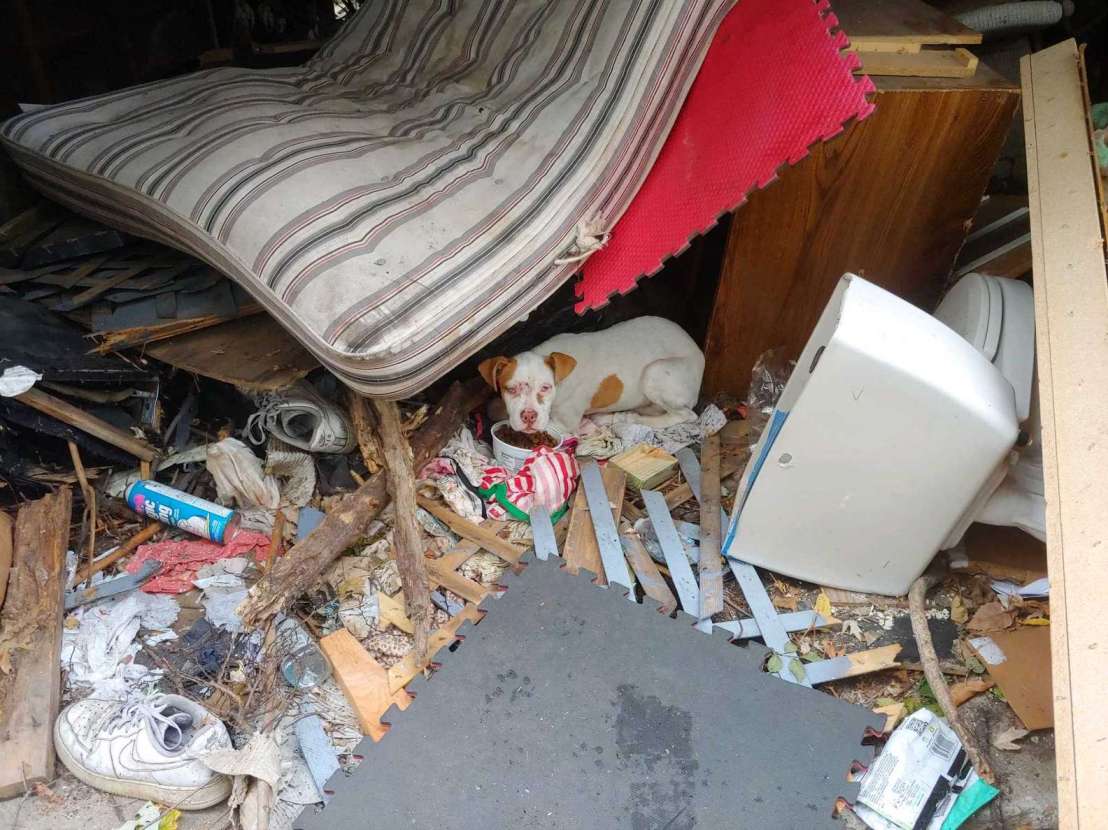
“[There’s a] super nice couple who lives in the area, and the husband had apparently gone out to the alley to throw some trash away,” Donna Lochmann, a rescuer with Stray Rescue of St. Louis, told The Dodo. “When the husband went out, he noticed that this white dog had found shelter underneath this corner of a mattress … and he gave him a little bit of food and water.”
The man called Stray Rescue of St. Louis, and Lochmann and her fellow rescuer rushed to the scene. When Lochmann met the 4-month-old puppy, she was shocked by how trusting he was.
“When we got out [of the car] he ran right up to me,” Lochmann said. “He was just the friendliest little guy. He wasn’t afraid of us or anything like that. I think he was just really happy that someone was being nice to him.”
Lochmann clipped a leash around Chowder’s neck, and the puppy was immediately excited. He put his paws on her shoulders as she picked him up to help him into the car and handed him over to her fellow rescuer.

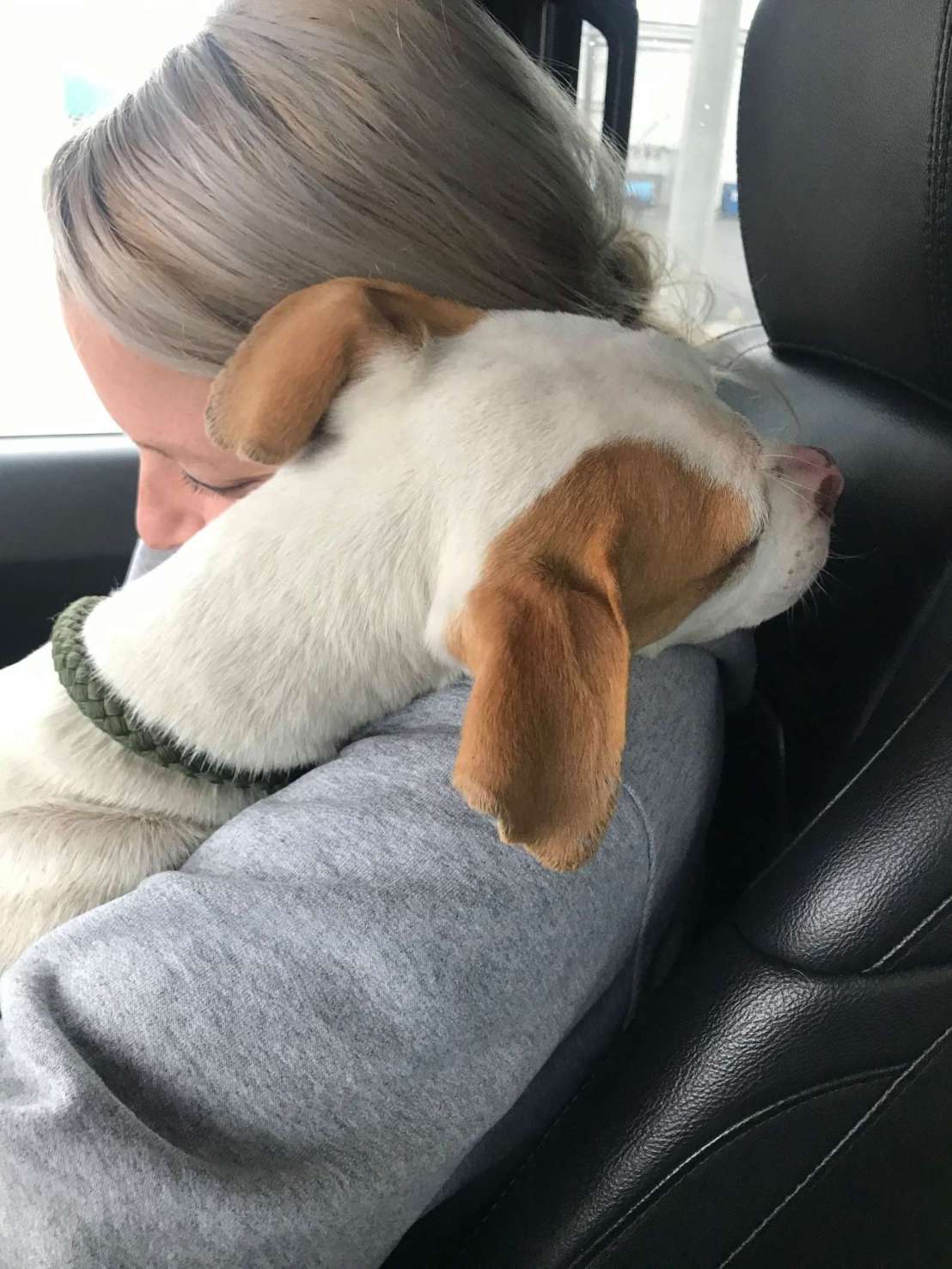
“He went up and sat on her lap and just snuggled with her,” Lochmann said. “He had his head on her shoulder and just buried his face in her arm. He was just so thankful to be warm and to have people be nice to him.”

Chowder snuggled his rescuers the whole drive to the shelter as if he knew he was finally safe.
At the shelter, Chowder started to relax and let his puppy personality shine. The energetic dog became even happier to see people, get attention and play with toys.
Now in a foster home, Chowder is adjusting to indoor life and learning how to live with people.

Once he is neutered and his eye infection has cleared up, he will be ready to find his forever family. And his rescuers know whoever ends up adopting the grateful puppy will be in for plenty of snuggles and hugs in the years to come.
ooOOoo
Please, please someone adopt this puppy. He is a beautiful dog. That comes out even via these blog pages.
In case you or someone you know wants to know more then:
If you’re interested in adopting Chowder, you can fill out an adoption application here. To help other stray dogs like Chowder find their forever homes, you can make a donation to Stray Rescue of St. Louis.
Please!
 Learning from Dogs