Wishing you peace and happiness.
A Happy Christmas and a Very Happy New Year.
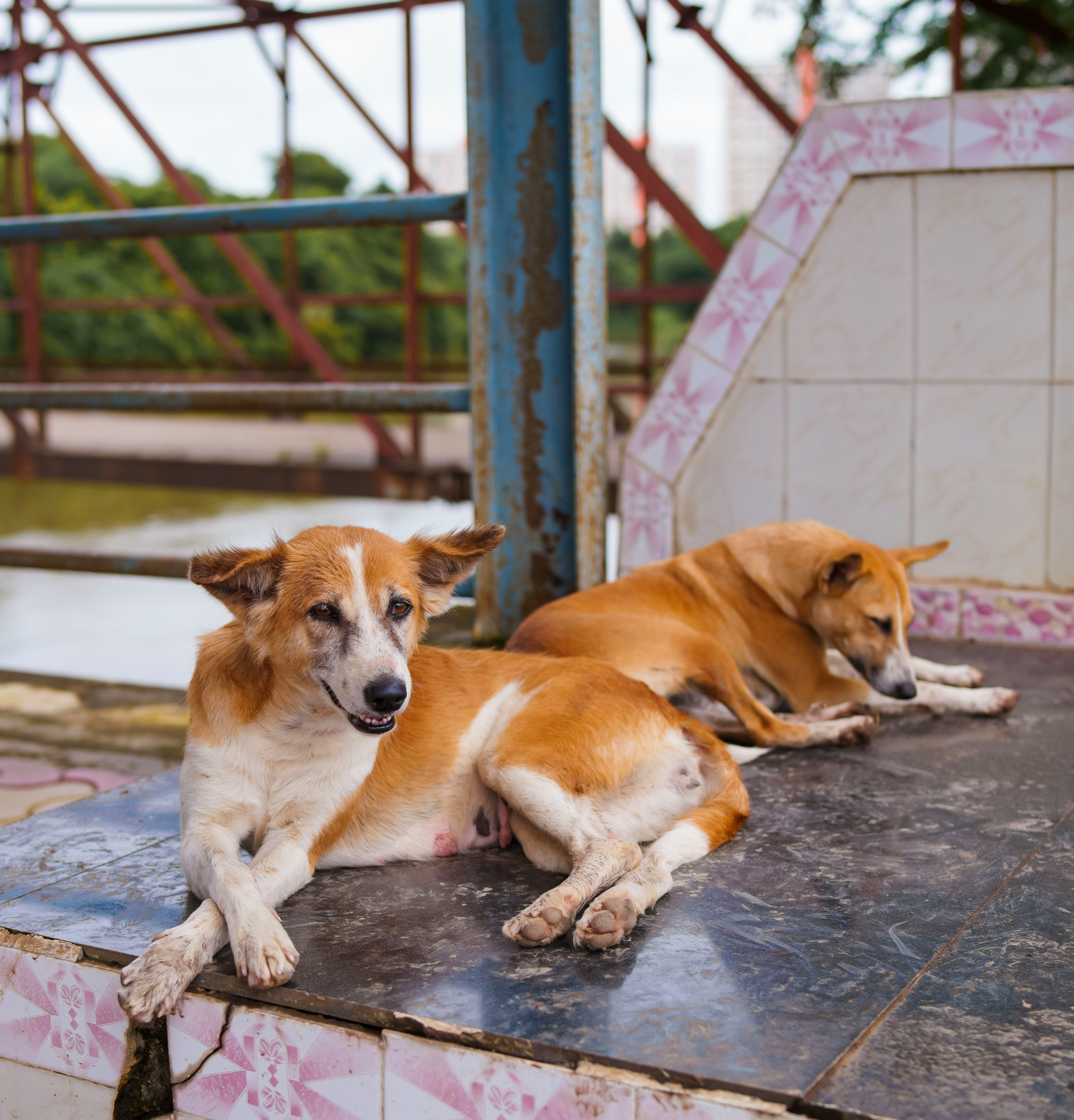
Dogs are animals of integrity. We have much to learn from them.
Category: Communication
We have not lost our wolves.
Here is a partial list of the wolf situation in Oregon:
However, in eastern North America things are not so good; as this article from The Coversation explains:
ooOOoo
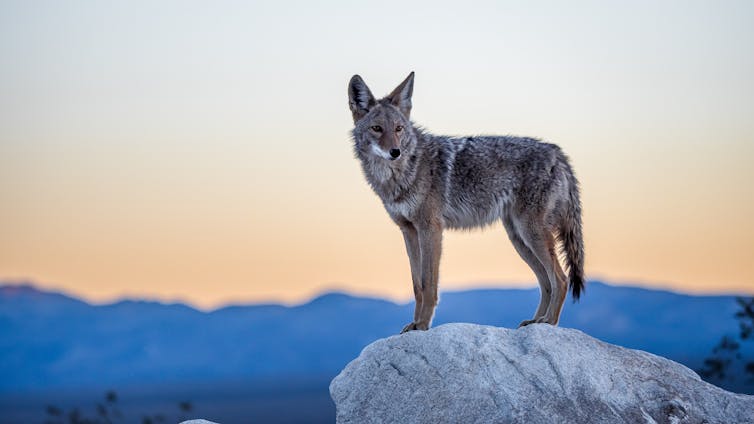
Alex Jensen, North Carolina State University
Imagine a healthy forest, home to a variety of species: Birds are flitting between tree branches, salamanders are sliding through leaf litter, and wolves are tracking the scent of deer through the understory. Each of these animals has a role in the forest, and most ecologists would argue that losing any one of these species would be bad for the ecosystem as a whole.
Unfortunately – whether due to habitat loss, overhunting or introduced species – humans have made some species disappear. At the same time, other species have adapted to us and spread more widely.
As an ecologist, I’m curious about what these changes mean for ecosystems – can these newly arrived species functionally replace the species that used to be there? I studied this process in eastern North America, where some top predators have disappeared and a new predator has arrived.
Wolves used to roam across every state east of the Mississippi River. But as the land was developed, many people viewed wolves as threats and wiped most of them out. These days, a mix of gray wolves and eastern wolves persist in Canada and around the Great Lakes, which I collectively refer to as northeastern wolves. There’s also a small population of red wolves – a distinct and smaller species of wolf – on the coast of North Carolina.
The disappearance of wolves may have given coyotes the opportunity they needed. Starting around 1900, coyotes began expanding their range east and have now colonized nearly all of eastern North America.

So are coyotes the new wolf? Can they fill the same ecological role that wolves used to? These are the questions I set out to answer in my paper published in August 2025 in the Stacks Journal. I focused on their role as predators – what they eat and how often they kill big herbivores, such as deer and moose.
I started by reviewing every paper I could find on wolf or coyote diets, recording what percent of scat or stomach samples contained common food items such as deer, rabbits, small rodents or fruit. I compared northeastern wolf diets to northeastern coyote diets and red wolf diets to southeastern coyote diets.
I found two striking differences between wolf and coyote diets. First, wolves ate more medium-sized herbivores. In particular, they ate more beavers in the northeast and more nutria in the southeast. Both of these species are large aquatic rodents that influence ecosystems – beaver dam building changes how water moves, sometimes undesirably for land owners, while nutria are non-native and damaging to wetlands.
Second, wolves have narrower diets overall. They eat less fruit and fewer omnivores such as birds, raccoons and foxes, compared to coyotes. This means that coyotes are likely performing some ecological roles that wolves never did, such as dispersing fruit seeds in their poop and suppressing populations of smaller predators.
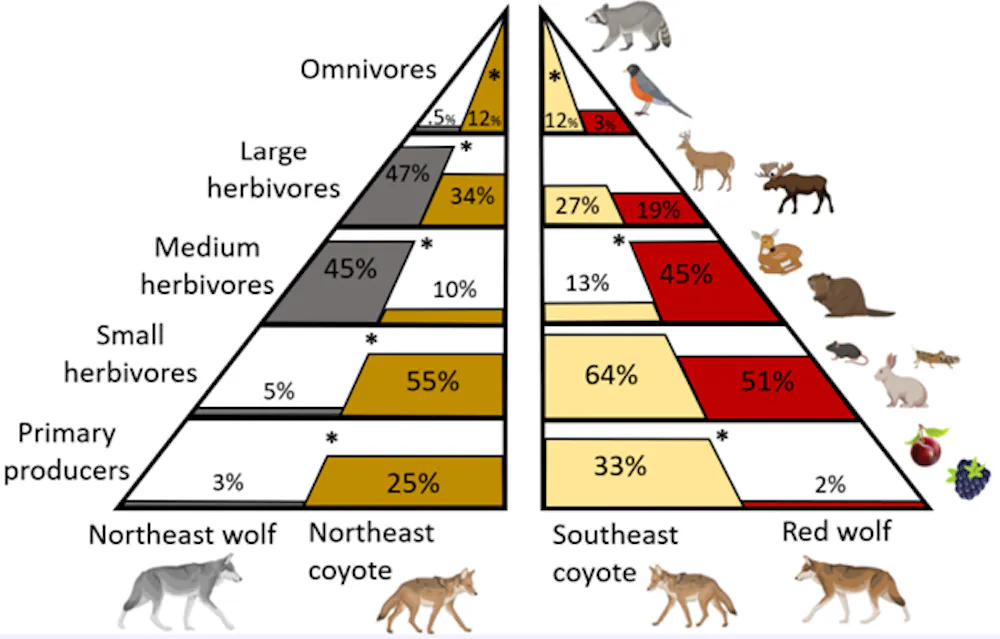
But diet studies alone cannot tell the whole story – it’s usually impossible to tell whether coyotes killed or scavenged the deer they ate, for example. So I also reviewed every study I could find on ungulate mortality – these are studies that tag deer or moose, track their survival, and attribute a cause of death if they die.
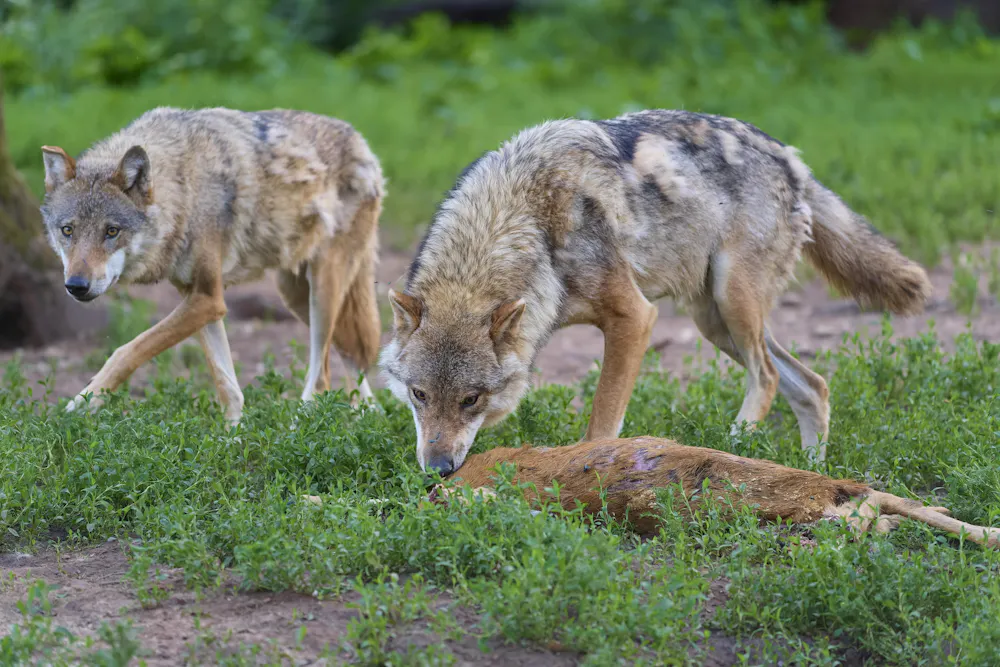
These studies revealed other important differences between wolves and coyotes. For example, wolves were responsible for a substantial percentage of moose deaths – 19% of adults and 40% of calves – while none of the studies documented coyotes killing moose. This means that all, or nearly all, of moose in coyote diets is scavenged.
Coyotes are adept predators of deer, however. In the northeast, they killed more white-tailed deer fawns than wolves did, 28% compared to 15%, and a similar percentage of adult deer, 18% compared to 22%. In the southeast, coyotes killed 40% of fawns but only 6% of adults.
Rarely killing adult deer in the southeast could have implications for other members of the ecological community. For example, after killing an adult ungulate, many large predators leave some of the carcass behind, which can be an important source of food for scavengers. Although there is no data on how often red wolves kill adult deer, it is likely that coyotes are not supplying food to scavengers to the same extent that red wolves do.
So what does this all mean? It means that although coyotes eat some of the same foods, they cannot fully replace wolves. Differences between wolves and coyotes were particularly pronounced in the northeast, where coyotes rarely killed moose or beavers. Coyotes in the southeast were more similar to red wolves, but coyotes likely killed fewer nutria and adult deer.
The return of wolves could be a natural solution for regions where wildlife managers desire a reduction in moose, beaver, nutria or deer populations.
Yet even with the aid of reintroductions, wolves will likely never fully recover their former range in eastern North America – there are too many people. Coyotes, on the other hand, do quite well around people. So even if wolves never fully recover, at least coyotes will be in those places partially filling the role that wolves once had.
Indeed, humans have changed the world so much that it may be impossible to return to the way things were before people substantially changed the planet. While some restoration will certainly be possible, researchers can continue to evaluate the extent to which new species can functionally replace missing species.
Alex Jensen, Postdoctoral Associate – Wildlife Ecology, North Carolina State University
This article is republished from The Conversation under a Creative Commons license. Read the original article.
ooOOoo
So there is a big difference between the Eastern seaboard and the Western States of the USA. We live in the forested part of Southern Oregon but I have never seen a wolf despite Alex Jensen writing that they inhabit this area.
The wolf is a magnificent animal, the forerunner of the dog. I would love to see a wolf!
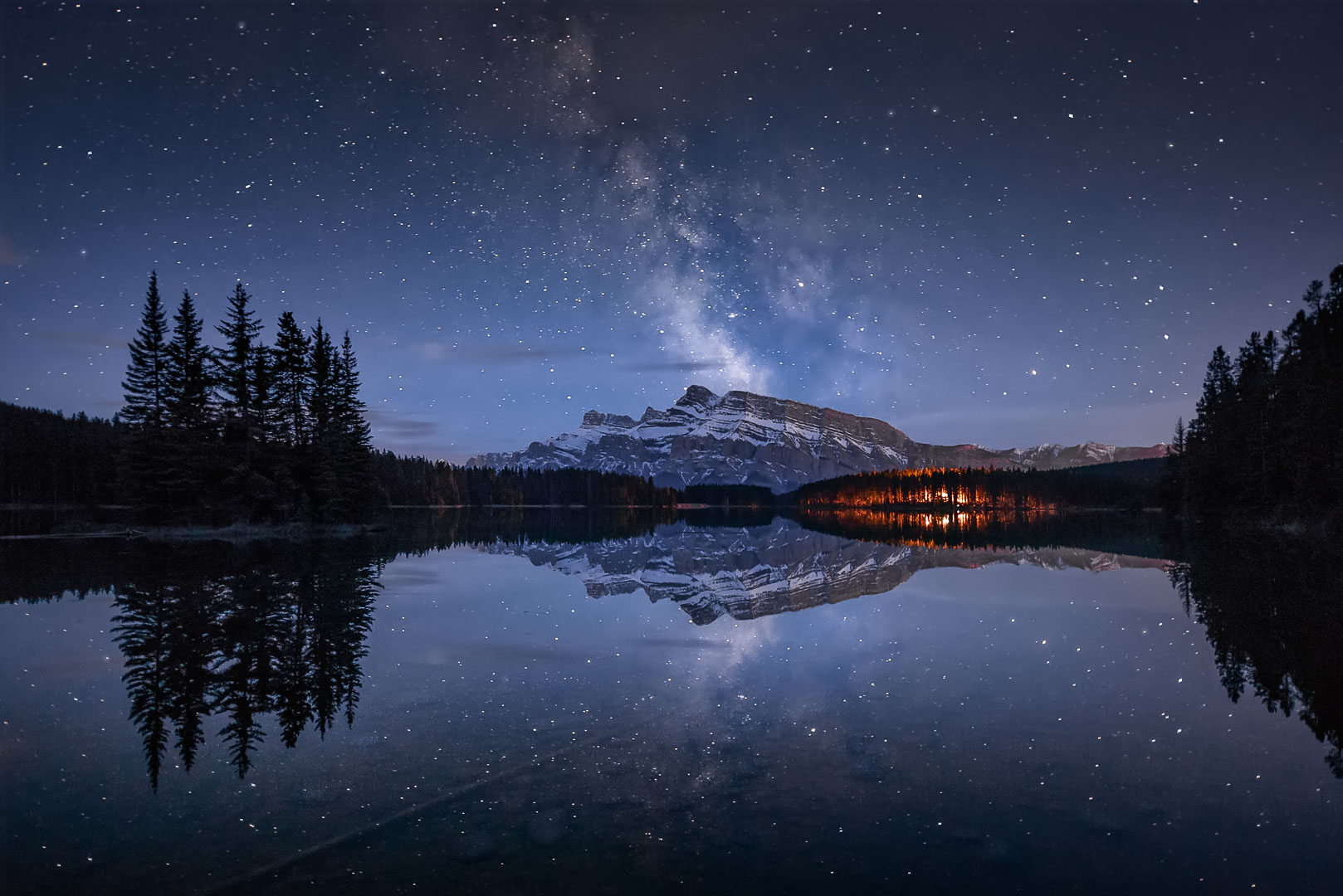
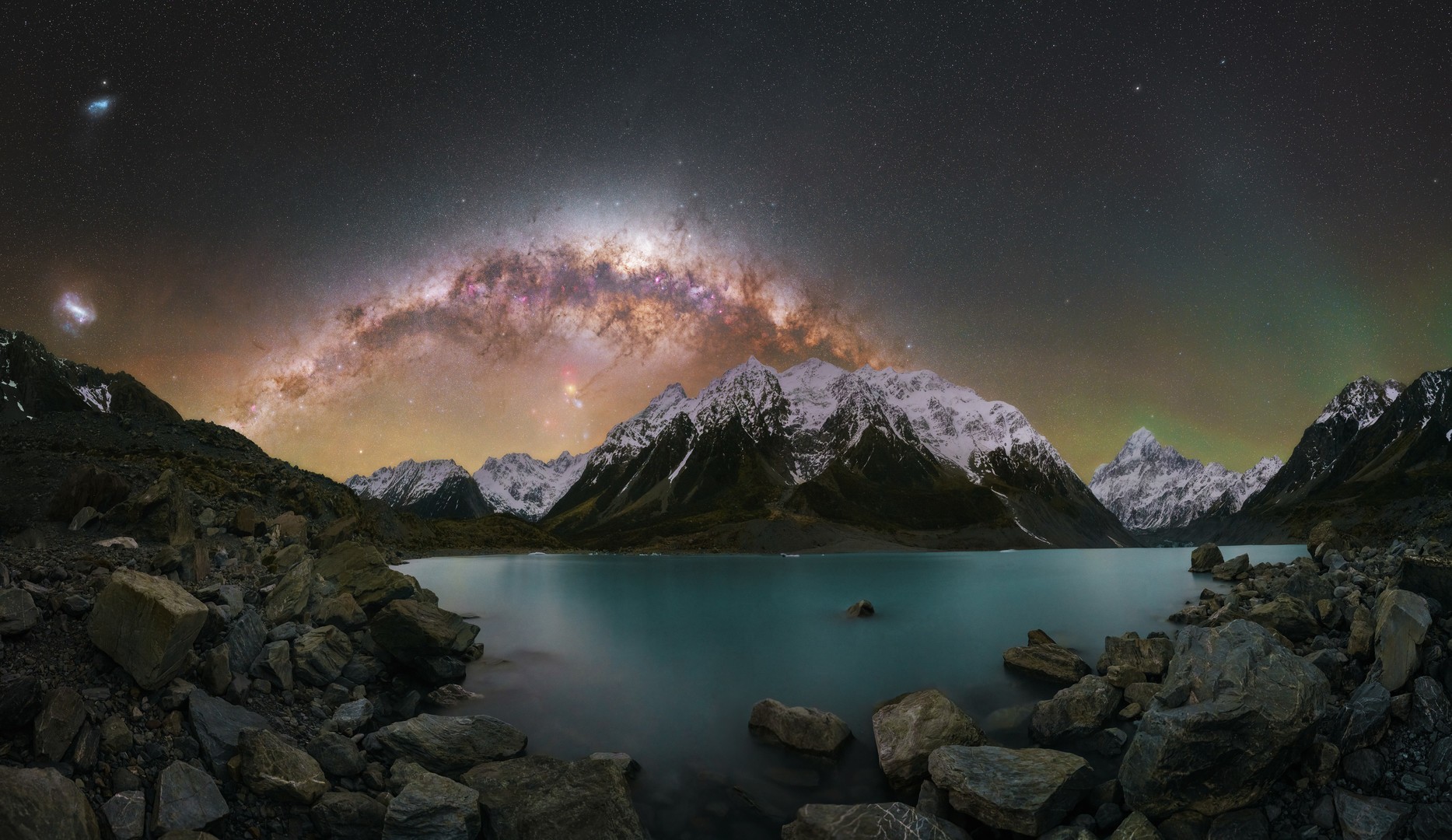
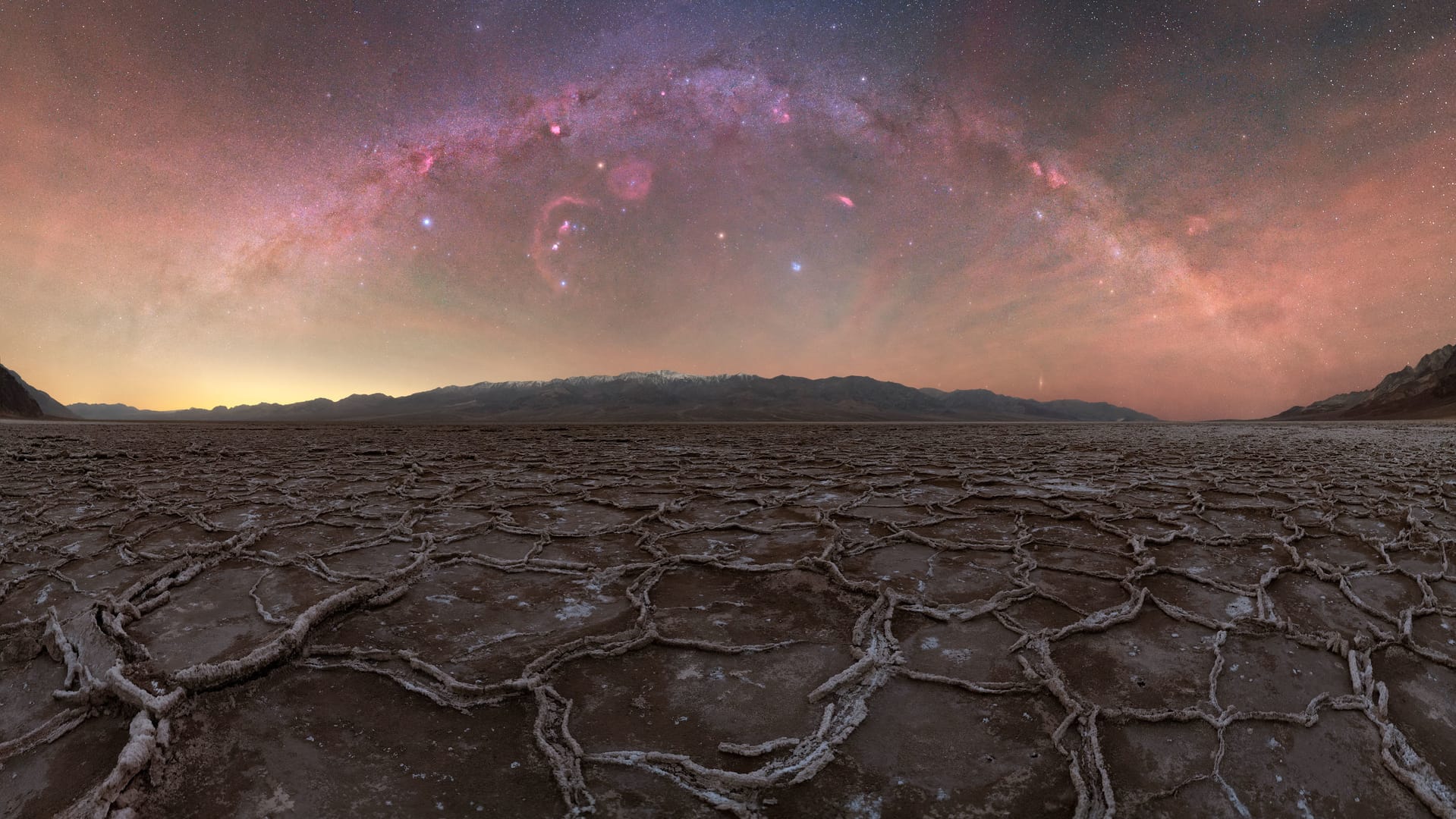
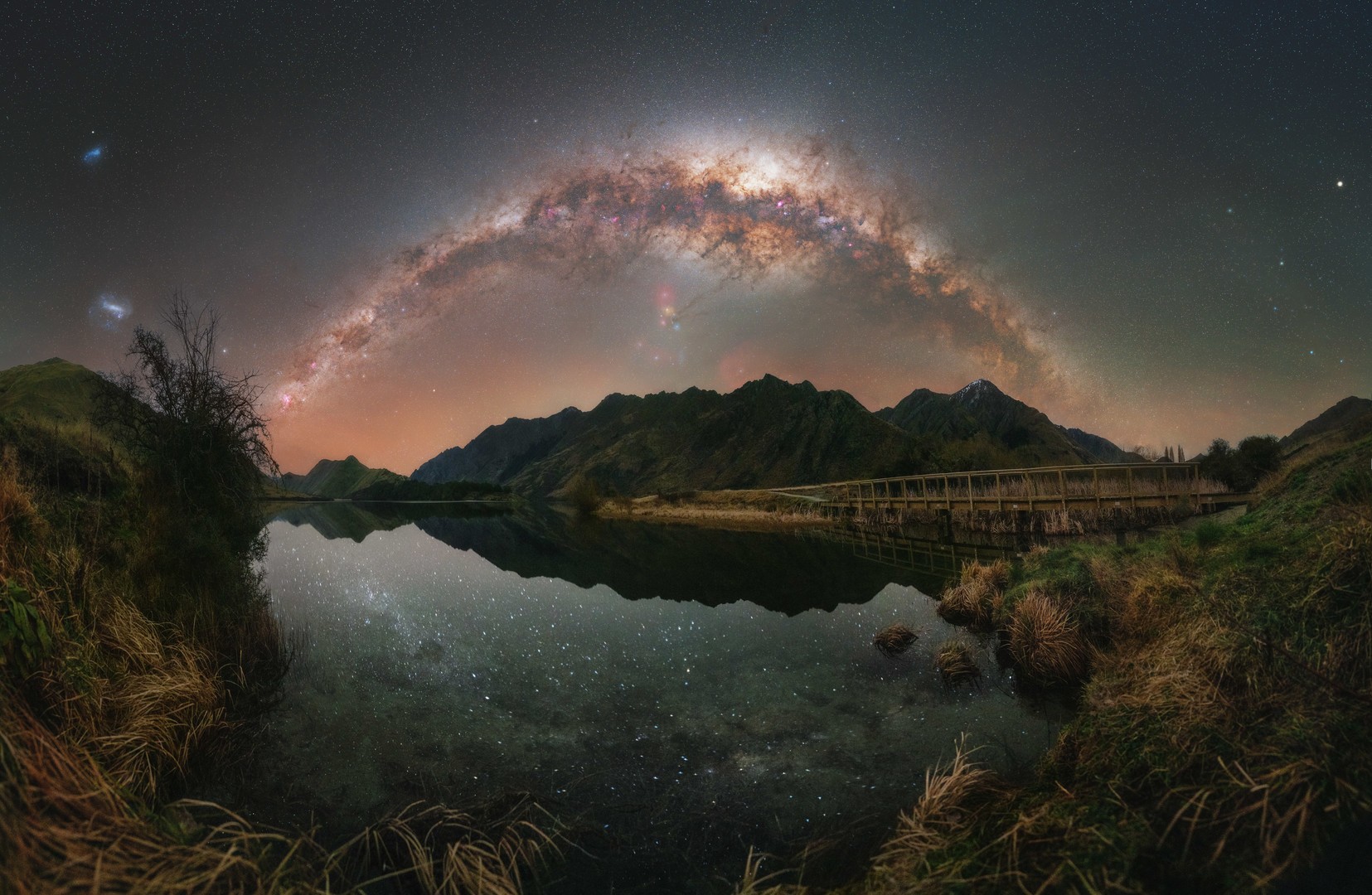
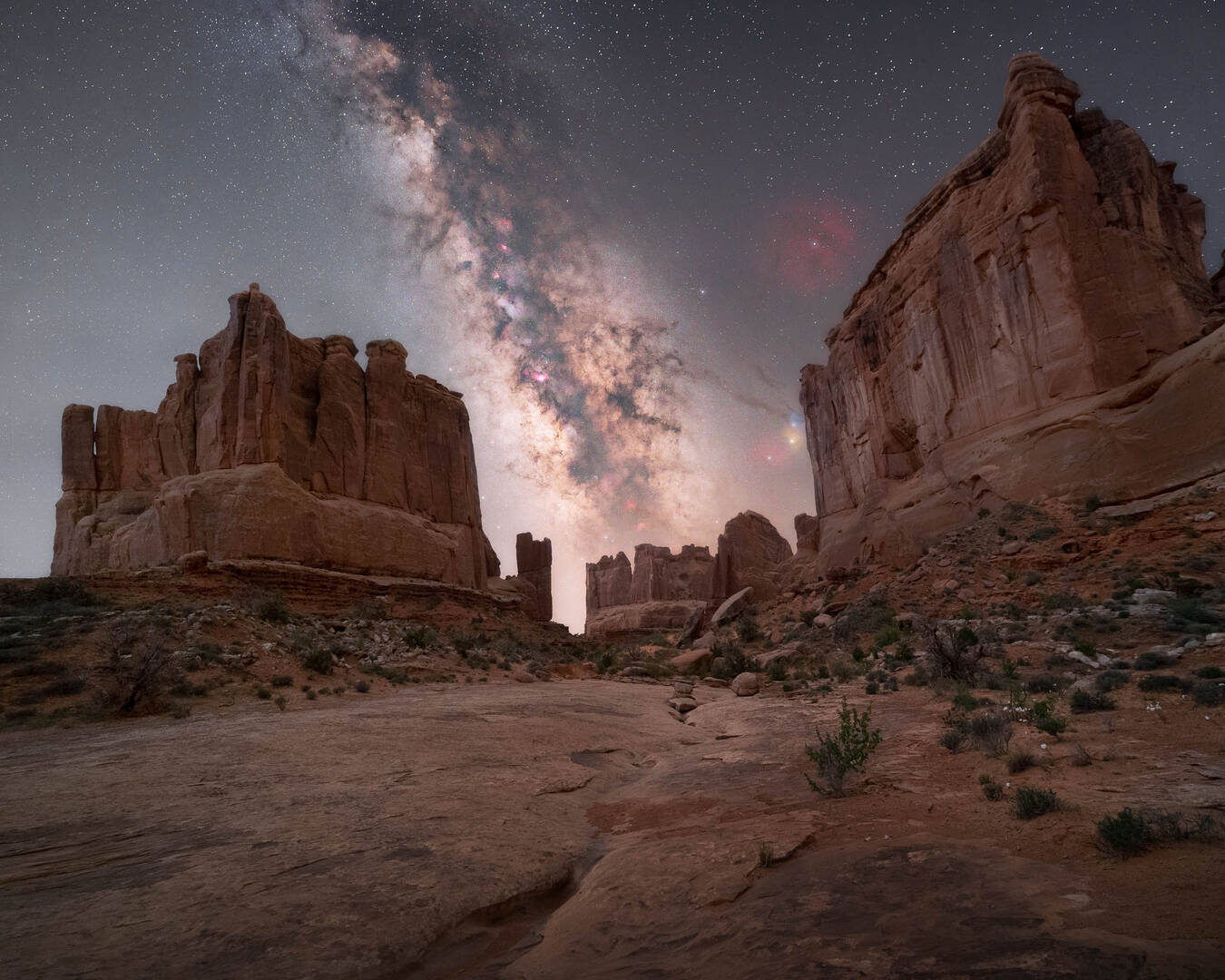
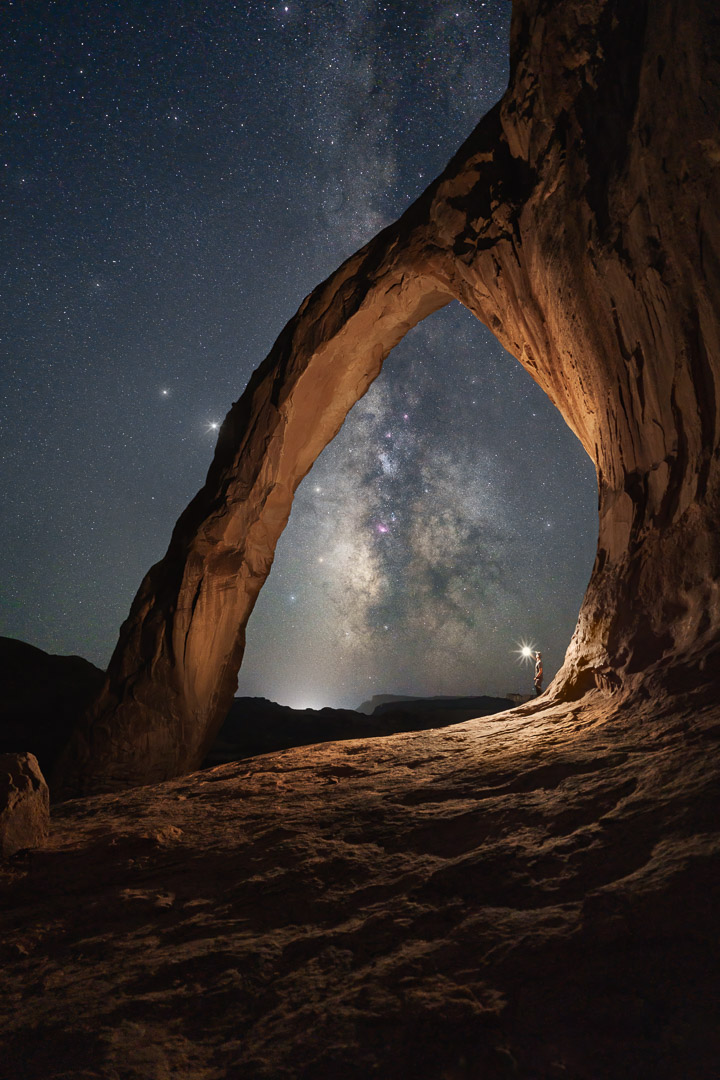
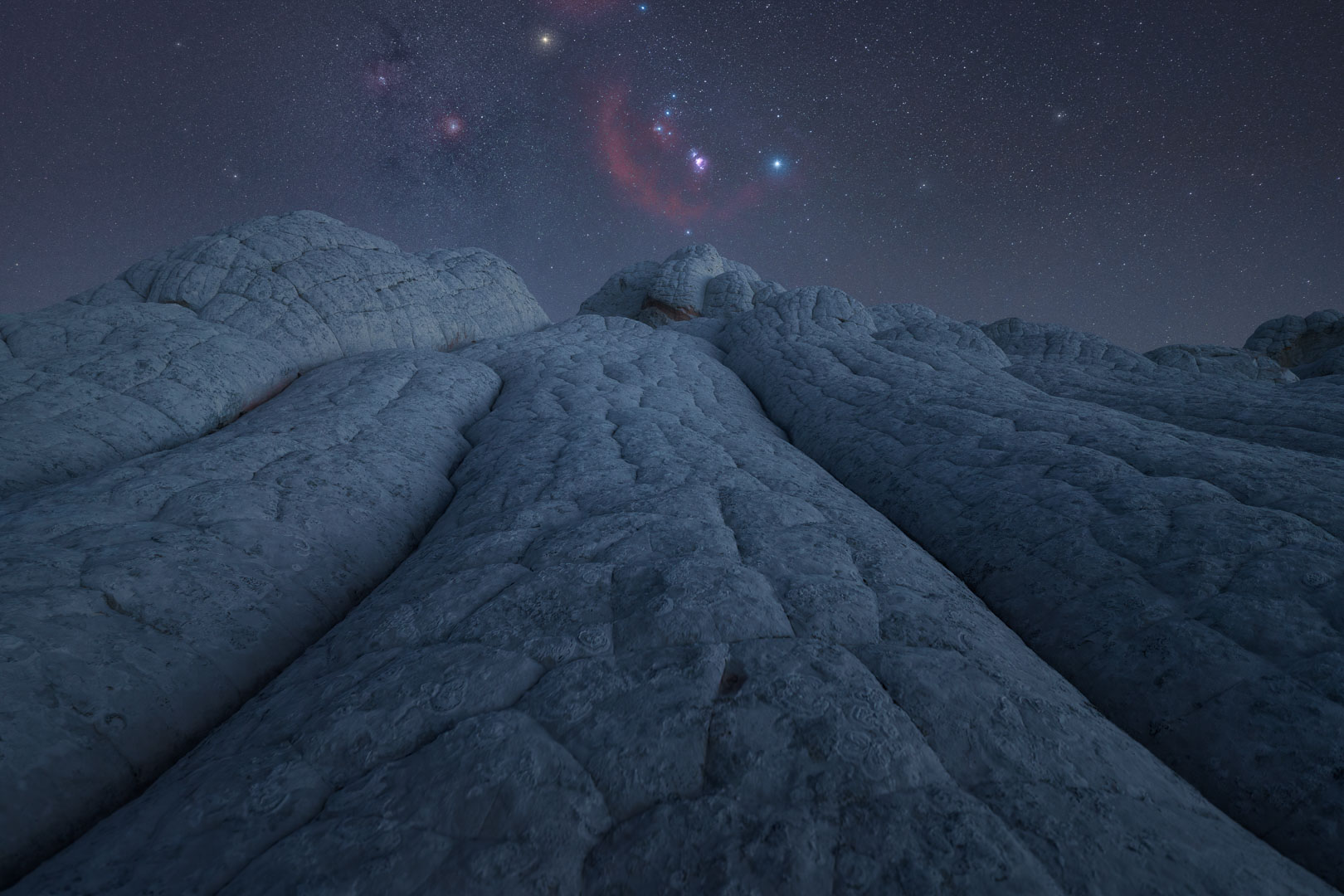
I am very grateful for being given permission to republish these photographs.
They are from the website capturetheatlas.com and the photographer concerned is Dan Zafra.
oooo
oooo
oooo
oooo
oooo
oooo
oooo
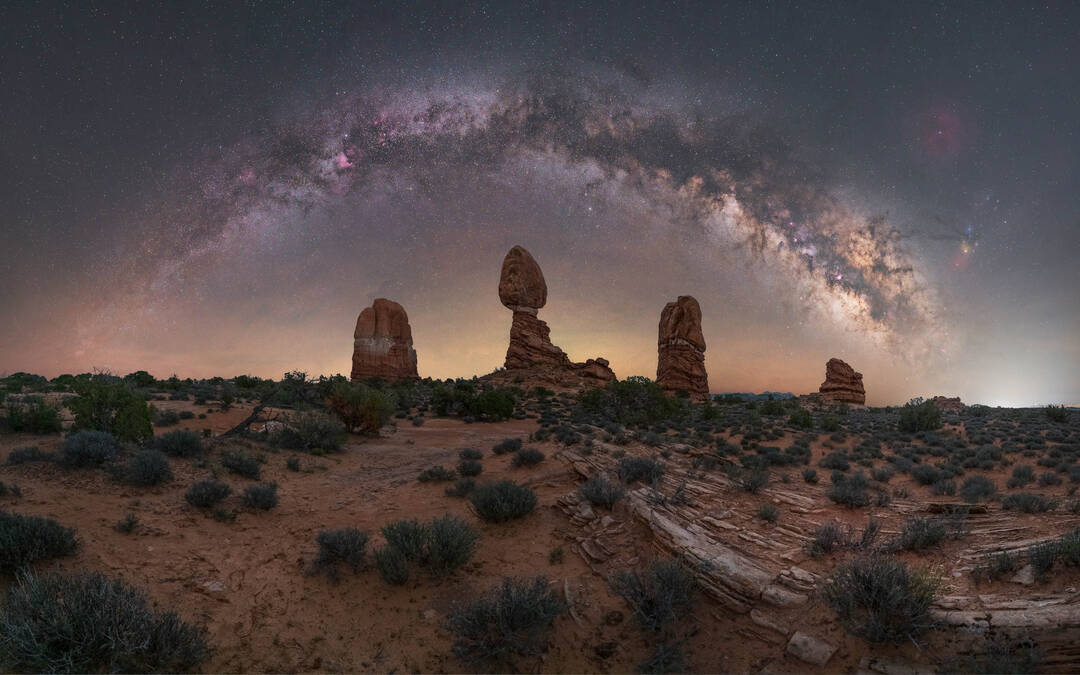
These photographs are perfect. The lighting, the landscape, the setting; just brilliant.
Dan Zafra is an artist!
Finally, we are at the shortest day of the year: the Winter Solstice.
…. with a mathematical function!
This is another republication of a George Monbiot post. The title of his post is Total Futility Rate.
It is another great article!
ooOOoo
Posted on15th December 2025
Let’s focus our campaigning on things we can actually change.
By George Monbiot, published as a BlueSky thread, 15th December 2025
Because the issue of population change is so widely misunderstood, I’ll seek to lay it out simply. This note explains why there is almost nothing anyone can do to change the global population trajectory, both as numbers rise, then as they fall.
The residual rise is due to:
A. The birth rate 60-100 years ago, which created a larger current base population. This means more children being born even as birth rates are in radical decline. The global total fertility rate, by the way, is now 2.2, just above the replacement rate of 2.1.
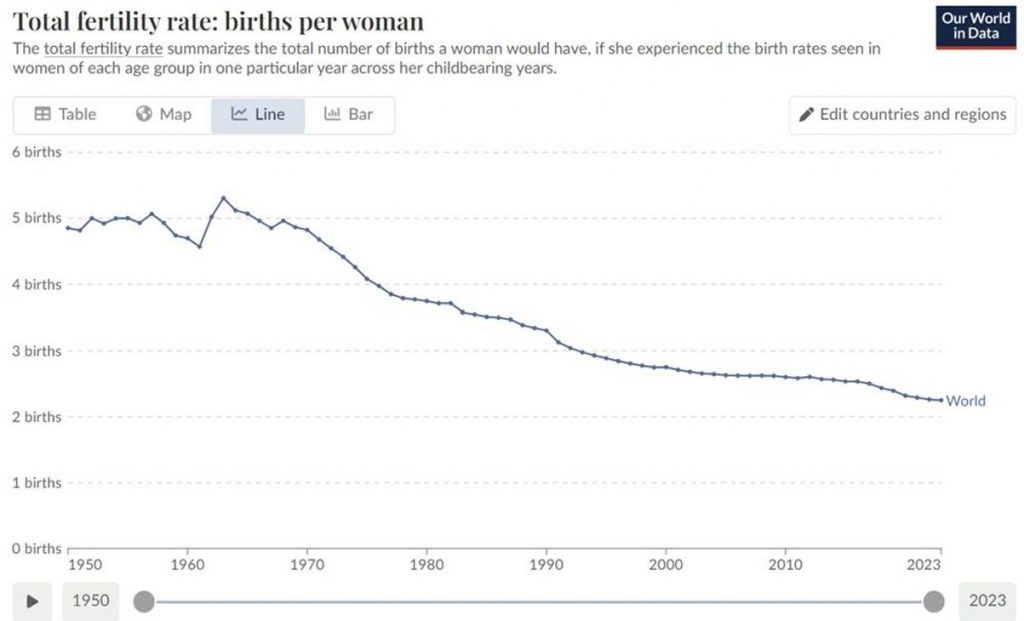
B. Infant mortality has declined very fast and longevity has risen very fast. Again, there’s nothing you can do about either of those things and, I hope, nothing you would want to.
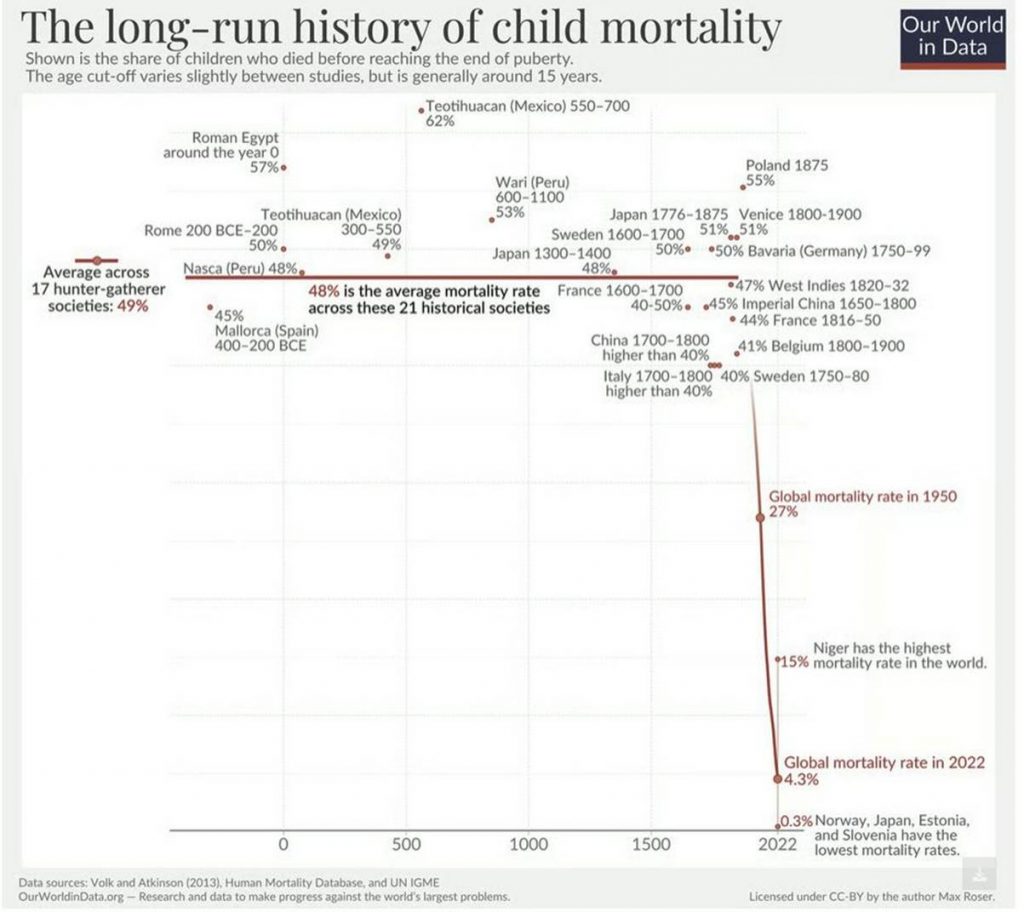
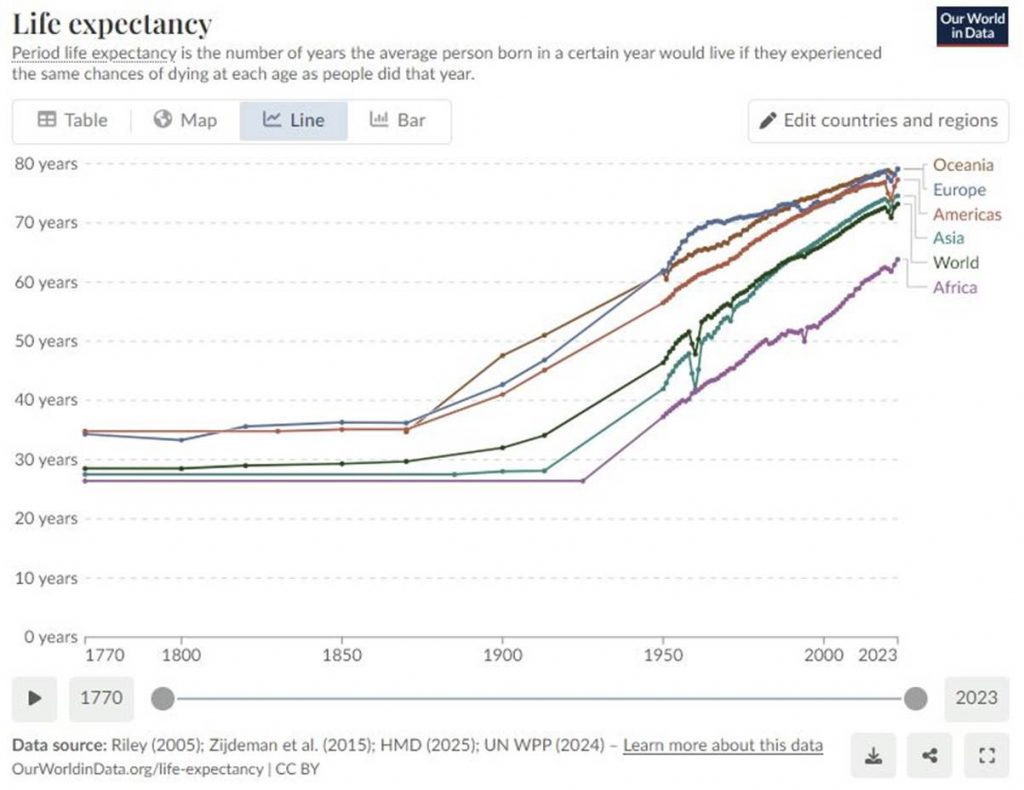
All women should have total reproductive freedom and full access to modern birth control. Because it’s a fundamental right. Not because old men on other continents want them to have fewer children. Even if total reproductive freedom became universal now, it would scarcely nudge the curve, due to the factors mentioned above.
Before long, people will be fretting instead about the downwave, a very rapid decline in populations as the impact of 60+ years of falling birth rates overtakes the effects mentioned above. There’s almost nothing we can do about that either. It’s about as locked in as any human behaviour can be. As the opportunity costs of childcare rise (i.e. as prosperity increases), the birth rate declines.
Of course, if economic and social life collapsed, the process might go into reverse, and birth rates could be expected to rise again. But is that really what you want? For my part, I’m heartily sick of people who think collapse is the answer to anything.
In the short run, we can survive the decline in wealthy countries by reopening the door to immigrants, which would also offer sanctuary to people fleeing from the climate breakdown and conflict we’ve caused overseas. Two wins, in other words. In the long run, we’ll steadily shuffle away.
Whether you think that’s good or bad will not affect the outcome. I see demographic change as an underlying factor, like gravity, we simply have to adapt to as well as we can. If you want to pick a fight with a mathematical function, be my guest. But it seems to me as if you’re wasting your time.
But surely there’s no harm in it? Surely we can seek, however hopelessly, to change the population trajectory while also campaigning against environmental breakdown, inequality, injustice? Some people who worry about population do. But in my experience, most fixate on population to the exclusion of other issues.
Something must be done about them breeding too fast, rather than us consuming too fast. All too often, residual population growth is used as a scapegoat to shift blame from rich-world impacts, which means that the people in places where growth is still occurring are themselves scapegoated. The result, broadly speaking, is wealthy white people pointing the finger at much poorer Black and Brown people and saying, “You’re the problem.” It’s more than a distraction, it’s a grim and sometimes racist alternative to effective action. It’s an excuse for inaction.
So yes, do both if you want to, while being aware that one activity is useful and the other is futile. But be aware that for most population obsessives, it’s either/or, and is used to avoid moral responsibility and effective citizenship.
ooOOoo
If you read this you will understand why Mr Monbiot explains clearly the changes in the global demographics: That the global population is falling. My own guess is that in the lifespans of those who today are in their teens, the global population will be remarkably lower. I can’t forecast the changes that will bring about but I’m certain they will be significant.
George’s last point is key “(It) is used to avoid moral responsibility and effective citizenship.“
The universe and normal matter.
Frequently I look up at the night sky and ponder about so many things that I cannot understand. I wish I did but it is far too late now. But that doesn’t stop me from reading about the science and more. Here is a perfect example of that and I am delighted to be able to share it with you.
ooOOoo
Chris Impey, University of Arizona
If you look across space with a telescope, you’ll see countless galaxies, most of which host large central black holes, billions of stars and their attendant planets. The universe teems with huge, spectacular objects, and it might seem like these massive objects should hold most of the universe’s matter.
But the Big Bang theory predicts that about 5% of the universe’s contents should be atoms made of protons, neutrons and electrons. Most of those atoms cannot be found in stars and galaxies – a discrepancy that has puzzled astronomers.
If not in visible stars and galaxies, the most likely hiding place for the matter is in the dark space between galaxies. While space is often referred to as a vacuum, it isn’t completely empty. Individual particles and atoms are dispersed throughout the space between stars and galaxies, forming a dark, filamentary network called the “cosmic web.”
Throughout my career as an astronomer, I’ve studied this cosmic web, and I know how difficult it is to account for the matter spread throughout space.
In a study published in June 2025, a team of scientists used a unique radio technique to complete the census of normal matter in the universe.
The most obvious place to look for normal matter is in the form of stars. Gravity gathers stars together into galaxies, and astronomers can count galaxies throughout the observable universe.
The census comes to several hundred billion galaxies, each made of several hundred billion stars. The numbers are uncertain because many stars lurk outside of galaxies. That’s an estimated 1023 stars in the universe, or hundreds of times more than the number of sand grains on all of Earth’s beaches. There are an estimated 1082 atoms in the universe.
However, this prodigious number falls far short of accounting for all the matter predicted by the Big Bang. Careful accounting indicates that stars contain only 0.5% of the matter in the universe. Ten times more atoms are presumably floating freely in space. Just 0.03% of the matter is elements other than hydrogen and helium, including carbon and all the building blocks of life.
The intergalactic medium – the space between galaxies – is near-total vacuum, with a density of one atom per cubic meter, or one atom every 35 cubic feet. That’s less than a billionth of a billionth of the density of air on Earth. Even at this very low density, this diffuse medium adds up to a lot of matter, given the enormous, 92-billion-light-year diameter of the universe.
The intergalactic medium is very hot, with a temperature of millions of degrees. That makes it difficult to observe except with X-ray telescopes, since very hot gas radiates out through the universe at very short X-ray wavelengths. X-ray telescopes have limited sensitivity because they are smaller than most optical telescopes.
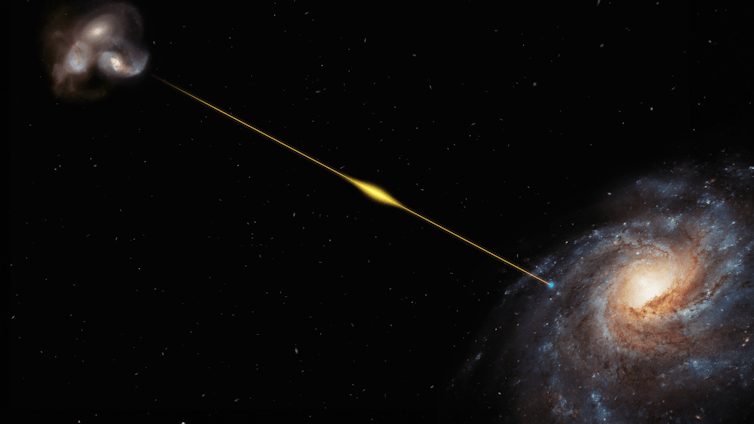
Astronomers recently used a new tool to solve this missing matter problem. Fast radio bursts are intense blasts of radio waves that can put out as much energy in a millisecond as the Sun puts out in three days. First discovered in 2007, scientists found that the bursts are caused by compact stellar remnants in distant galaxies. Their energy peters out as the bursts travel through space, and by the time that energy reaches the Earth, it is a thousand times weaker than a mobile phone signal would be if emitted on the Moon, then detected on Earth.
Research from early 2025 suggests the source of the bursts is the highly magnetic region around an ultra-compact neutron star. Neutron stars are incredibly dense remnants of massive stars that have collapsed under their own gravity after a supernova explosion. The particular type of neutron star that emits radio bursts is called a magnetar, with a magnetic field a thousand trillion times stronger than the Earth’s.

Even though astronomers don’t fully understand fast radio bursts, they can use them to probe the spaces between galaxies. As the bursts travel through space, interactions with electrons in the hot intergalactic gas preferentially slow down longer wavelengths. The radio signal is spread out, analogous to the way a prism turns sunlight into a rainbow. Astronomers use the amount of spreading to calculate how much gas the burst has passed through on its way to Earth.
In the new study, published in June 2025, a team of astronomers from Caltech and the Harvard Center for Astrophysics studied 69 fast radio bursts using an array of 110 radio telescopes in California. The team found that 76% of the universe’s normal matter lies in the space between galaxies, with another 15% in galaxy halos – the area surrounding the visible stars in a galaxy – and the remaining 9% in stars and cold gas within galaxies.
The complete accounting of normal matter in the universe provides a strong affirmation of the Big Bang theory. The theory predicts the abundance of normal matter formed in the first few minutes of the universe, so by recovering the predicted 5%, the theory passes a critical test.
Several thousand fast radio bursts have already been observed, and an upcoming array of radio telescopes will likely increase the discovery rate to 10,000 per year. Such a large sample will let fast radio bursts become powerful tools for cosmology. Cosmology is the study of the size, shape and evolution of the universe. Radio bursts could go beyond counting atoms to mapping the three-dimensional structure of the cosmic web.
Scientists may now have the complete picture of where normal matter is distributed, but most of the universe is still made up of stuff they don’t fully understand.
The most abundant ingredients in the universe are dark matter and dark energy, both of which are poorly understood. Dark energy is causing the accelerating expansion of the universe, and dark matter is the invisible glue that holds galaxies and the universe together.

Dark matter is probably a previously unstudied type of fundamental particle that is not part of the standard model of particle physics. Physicists haven’t been able to detect this novel particle yet, but we know it exists because, according to general relativity, mass bends light, and far more gravitational lensing is seen than can be explained by visible matter. With gravitational lensing, a cluster of galaxies bends and magnifies light in a way that’s analogous to an optical lens. Dark matter outweighs conventional matter by more than a factor of five.
One mystery may be solved, but a larger mystery remains. While dark matter is still enigmatic, we now know a lot about the normal atoms making up us as humans, and the world around us.
Chris Impey, University Distinguished Professor of Astronomy, University of Arizona
This article is republished from The Conversation under a Creative Commons license. Read the original article.
ooOOoo
The details are incredible. Take for example that three-quarters of the matter out there is found outside the galaxies. Or that there are more stars in the universe than all of the sand grains on Planet Earth.
Just amazing!
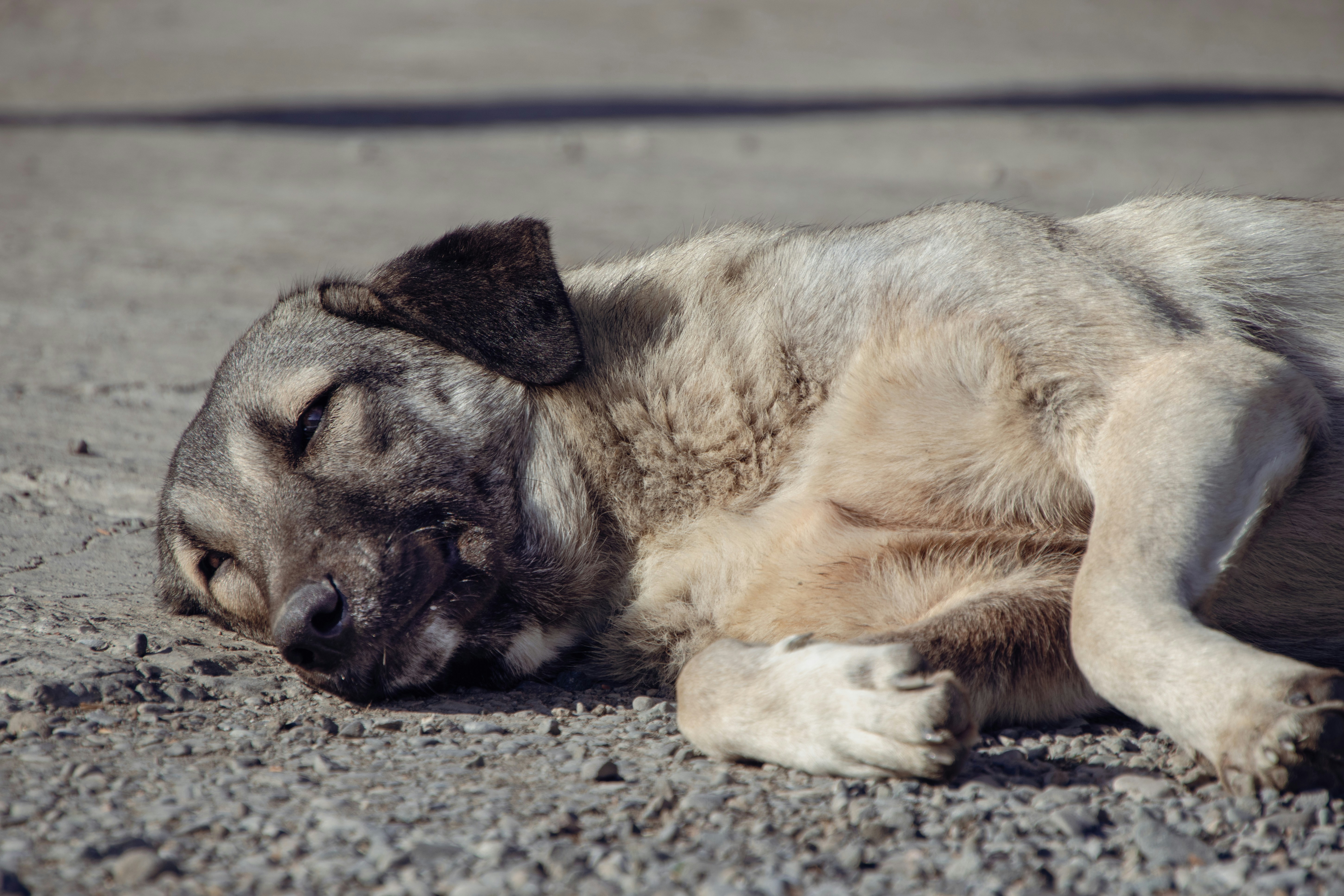
Once more pictures from UnSplash.
oooo
oooo

oooo
oooo

oooo
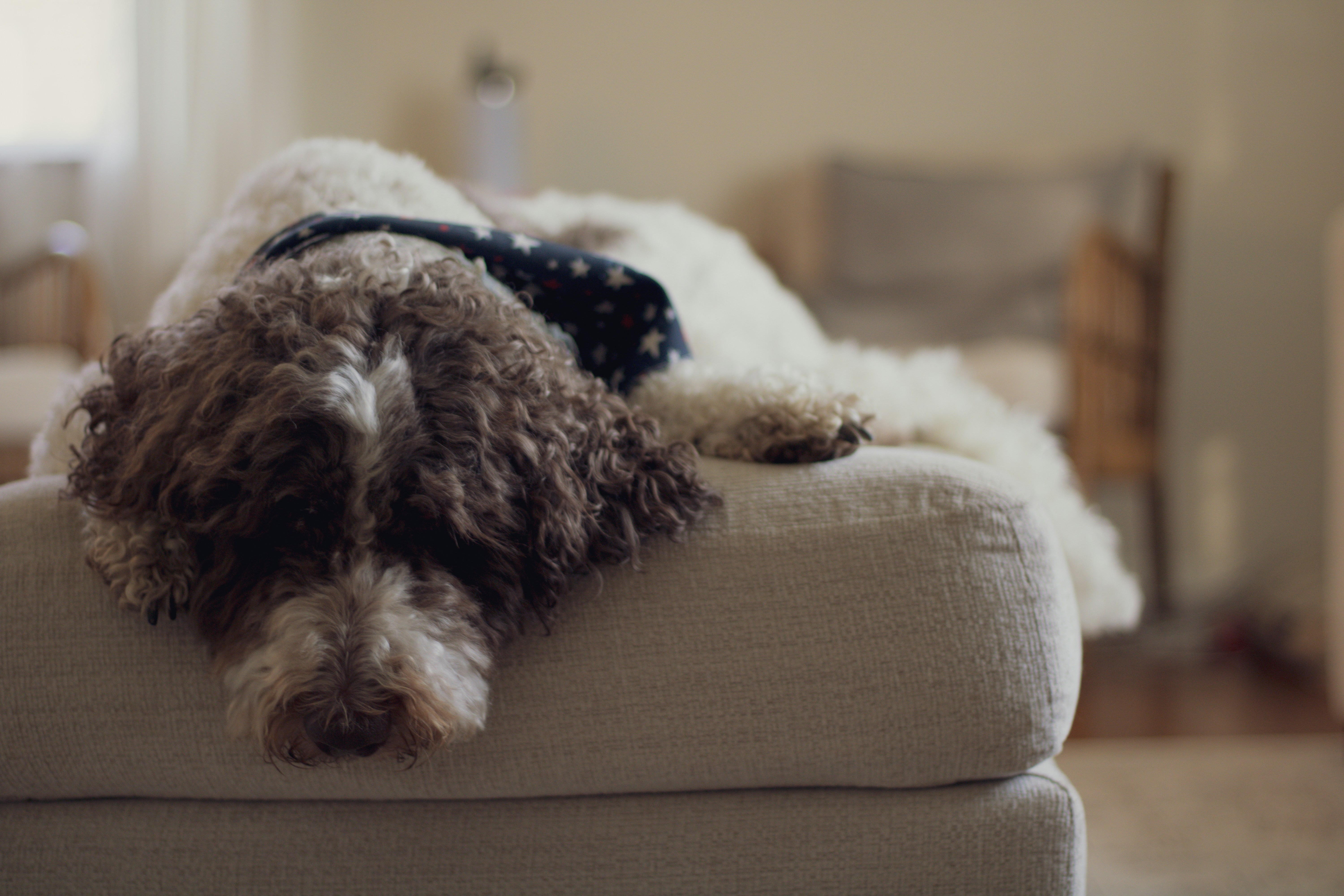
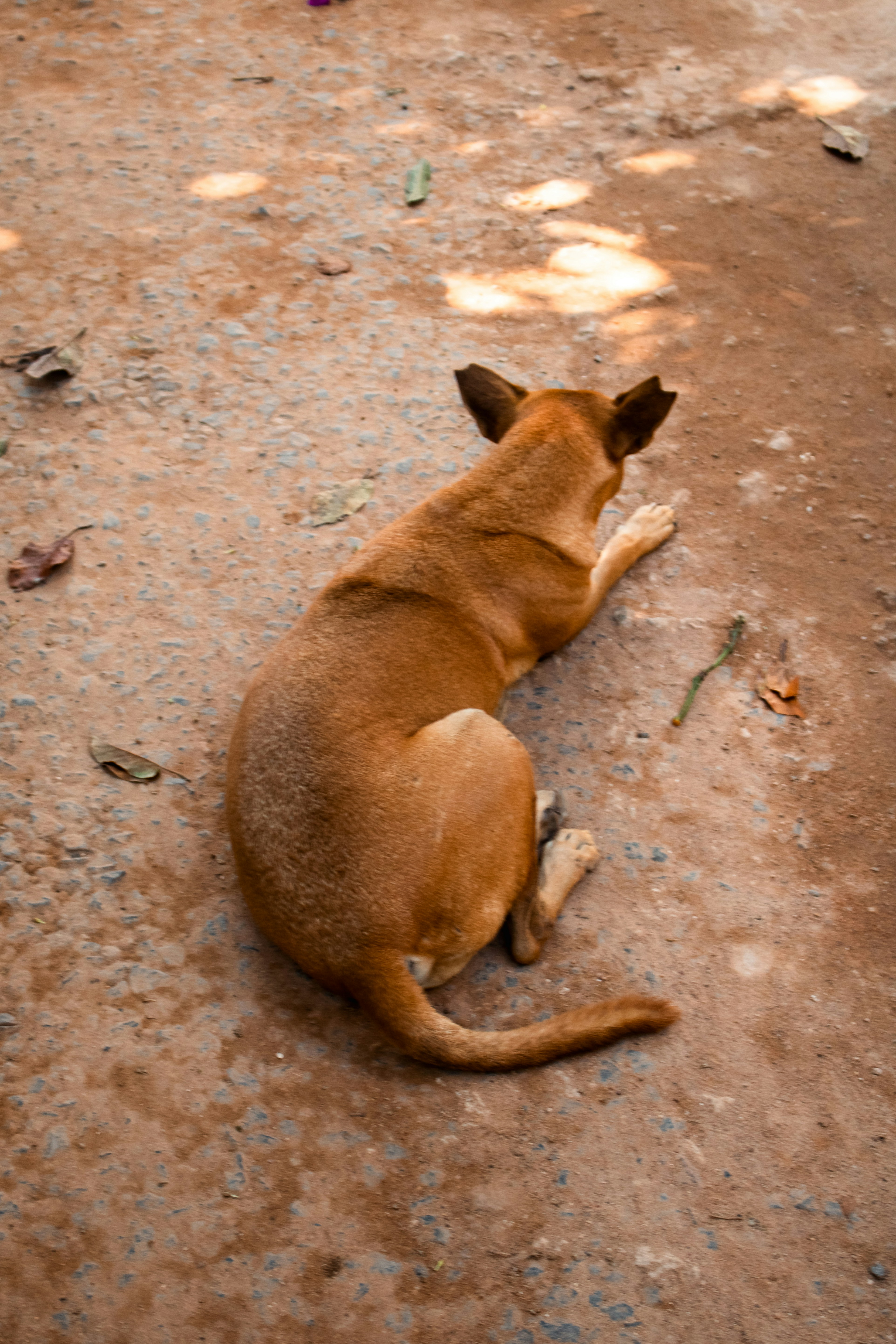
Makes me feel sleepy just looking at these gorgeous dogs!
Speaks on BBC Radio 4 this week.
Let me offer you Rebecca Stott’s website.
Now I am going to republish that site because it is the only way I can think of to spread the word more widely.
ooOOoo
Rebecca also writes for radio. She has been a frequent broadcaster on BBC Radio Four over the years.
Her radio essay ‘Reflections on My Mother’s Kenwood Mixer’, a homage to her mother’s gritty resilience in times of trouble, promoted scores of people on Twitter and Facebook to share stories about Kenwoods and their own steely mothers. Her essay ‘On Waiting’, tells the story of being marooned with her daughters at dusk in a bus-stop in remote Norfolk during a Covid lockdown. Her essay ‘House Clearing’ tells the story of the strangeness of dismantling her mother’s house after she had moved into a carehome. And her final essay for the programme, ‘On Migration’, describes an astonishing ten days in which hundreds of wild geese flew across the skies of her home town, as well the story of the great philosopher Aristotle study of migrating birds whilst himself a migrant in flight for his life on the island of Lesbos.
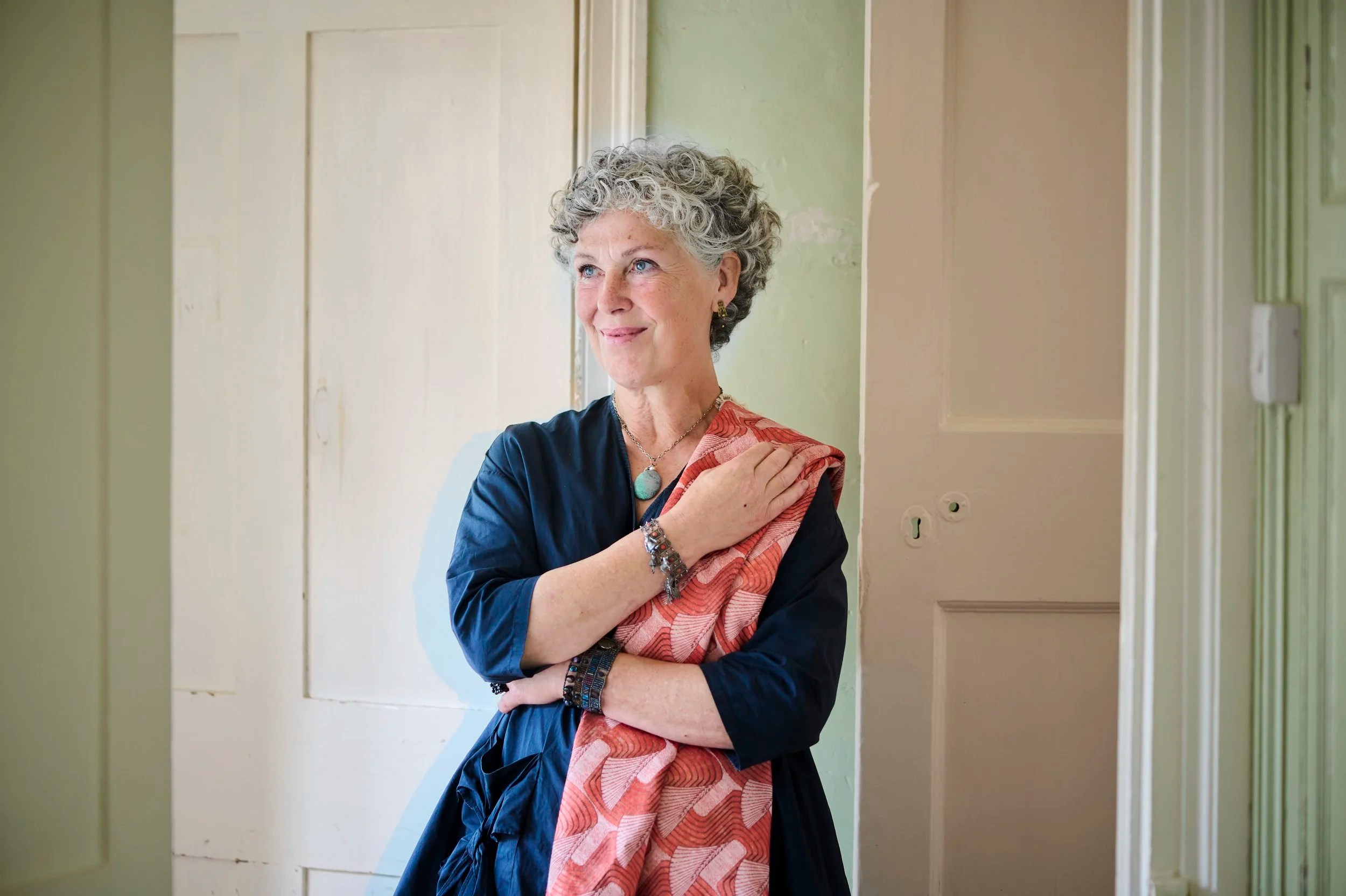
You’ll find a link to Rebecca’s Private Passions episode here too. A kind of Desert Island Discs without the Desert Island…. and with the extraordinary composer Michael Berkeley in the interview seat.
Also here is her five-part series commissioned by Radio Four in 2025 called Beautiful Strangeness. You can find the link below.
https://www.bbc.co.uk/programmes/m002fv7z/episodes/player
ooOOoo
Being the age I am, Rebecca’s Beautiful Strangeness programmes spoke to me in a way that I find difficult to put into words but nonetheless the series did.
Perfect!
I’m indebted to George Monbiot for this article, and ‘Tolly’ as a nickname for Iain Tolhurst.
Many articles from people that I follow online pass through my ‘inbox’.
But there was something special about a recent article by George Monbiot that was published in the Guardian on December 5th and I have great pleasure in republishing it here, with George’s permission.
ooOOoo
Posted on 7th December 2025
A eureka moment in the pub could help transform our understanding of the ground beneath our feet.
By George Monbiot, published in the Guardian 5th December 2025
It felt like walking up a mountain during a temperature inversion. You struggle through fog so dense you can scarcely see where you’re going. Suddenly, you break through the top of the cloud, and the world is laid out before you. It was that rare and remarkable thing: a eureka moment.
For the past three years, I’d been struggling with a big and frustrating problem. In researching my book Regenesis, I’d been working closely with Iain Tolhurst (Tolly), a pioneering farmer who had pulled off something extraordinary. Almost everywhere, high-yield farming means major environmental harm, due to the amount of fertiliser, pesticides and (sometimes) irrigation water and deep ploughing required. Most farms with apparently small environmental impacts produce low yields. This, in reality, means high impacts, as more land is needed to produce a given amount of food. But Tolly has found the holy grail of agriculture: high and rising yields with minimal environmental harm.
He uses no fertiliser, no animal manure and no pesticides. His techniques, the result of decades of experiment and observation, appear to enrich the crucial relationships between crops and microbes in the soil, through which soil nutrients must pass. It seems that Tolly has, in effect, “trained” his soil bacteria to release nutrients when his crops require them (a process called mineralisation), and lock them up when his crops aren’t growing (immobilisation), ensuring they don’t leach from the soil.
So why the frustration? Well, Tolly has inspired many other growers to attempt the same techniques. Some have succeeded, with excellent results. Others have not. And no one can work out why. It’s likely to have something to do with soil properties. But what?
Not for the first time, I had stumbled into a knowledge gap so wide that humanity could fall through it. Soil is a fantastically complex biological structure, like a coral reef, built and sustained by the creatures that inhabit it. It supplies 99% of our calories. Yet we know less about it than any other identified ecosystem. It’s almost a black box.
Many brilliant scientists have devoted their lives to its study. But there are major barriers. Most soil properties cannot be seen without digging, and if you dig a hole, you damage the structures you’re trying to investigate. As a result, studying even basic properties is cumbersome, time-consuming and either very expensive or simply impossible at scale. To measure the volume of soil in a field, for example, you need to take hundreds of core samples. But as soil depths can vary greatly from one metre to the next, your figure relies on extrapolation. This makes it very hard to tell whether you’re losing soil or gaining it. Measuring bulk density (the amount of soil in a given volume, which shows how compacted it might be), or connected porosity (the tiny catacombs created by lifeforms, a crucial measure of soil health), or soil carbon – at scale – is even harder.
So farmers must guess. Partly because they cannot see exactly what the soil needs, many of their inputs – fertilisers, irrigation, deep ploughing – are wasted. Roughly two-thirds of the nitrogen fertiliser they apply, and between 50% and 80% of their phosphorus, is lost. These lost minerals cause algal blooms in rivers, dead zones at sea, costs for water users and global heating. Huge amounts of irrigation water are also wasted. Farmers sometimes “subsoil” their fields – ploughing that is deep and damaging – because they suspect compaction. The suspicion is often wrong.
Our lack of knowledge also inhibits the development of a new agriculture, which may, as Tolly has done, allow farmers to replace chemical augmentation with biological enhancement.
So when I came to write the book, I made a statement so vague that it reads like an admission of defeat: we needed to spend heavily on “an advanced science of the soil”, and use it to deliver a “greener revolution”. While we know almost nothing about the surface of our own planet, billions are spent on the Mars Rover programme, exploring the barren regolith there. What we needed, I argued, is an Earth Rover programme, mapping the world’s agricultural soils at much finer resolution.
I might as well have written “something must be done!” The necessary technologies simply did not exist. I sank into a stygian gloom.
At the same time, Tarje Nissen-Meyer, then a professor of geophysics at the University of Oxford, was grappling with a different challenge. Seismology is the study of waves passing through a solid medium. Thanks to billions from the oil and gas industry, it has become highly sophisticated. Tarje wanted to use this powerful tool for the opposite purpose – ecological improvement. Already, with colleagues, he had deployed seismology to study elephant behaviour in Kenya. Not only was it highly effective, but his team also discovered it could identify animal species walking through the savannah by their signature footfall.
By luck we were both attached, in different ways, to Wolfson College, Oxford, where we met in February 2022. I saw immediately that he was a thoughtful man – a visionary. I suggested a pint in The Magdalen Arms.
I explained my problem, and we talked about the limits of existing technologies. Was seismology being used to study soil, I asked. He’d never heard of it. “I guess it’s not a suitable technology then?” No, he told me, “soil should be a good medium for seismology. In fact, we need to filter out the soil noise when we look at the rocks.” “So if it’s noise, it could be signal?” “Definitely.”
We stared at each other. Time seemed to stall. Could this really be true?
Over the next three days, Tarje conducted a literature search. Nothing came up. I wrote to Prof Simon Jeffery, an eminent soil scientist at Harper Adams University, whose advice I’d found invaluable when researching the book. I set up a Zoom call. He would surely explain that we were barking up the wrong tree.
Simon is usually a reserved man. But when he had finished questioning Tarje, he became quite animated. “All my life I’ve wanted to ‘see’ into the soil,” he said. “Maybe now we can.” I was introduced to a brilliant operations specialist, Katie Bradford, who helped us build an organisation. We set up a non-profit called the Earth Rover Program, to develop what we call “soilsmology”; to build open-source hardware and software cheap enough to be of use to farmers everywhere; and to create, with farmers, a global, self-improving database. This, we hope, might one day incorporate every soil ecosystem: a kind of Human Genome Project for the soil.
We later found that some scientists had in fact sought to apply seismology to soil, but it had not been developed into a programme, partly because the approaches used were not easily scalable.
My role was mostly fixer, finding money and other help. We received $4m (£3m) in start-up money from the Bezos Earth Fund. This may cause some discomfort, but our experience has been entirely positive: the fund has helped us do exactly what we want. We also got a lot of pro-bono help from the law firm Hogan Lovells.
Tarje, now at the University of Exeter, and Simon began assembling their teams. They would need to develop an ultra-high-frequency variant of seismology. A big obstacle was cost. In 2022, suitable sensors cost $10,000 (£7,500) apiece. They managed to repurpose other kit: Tarje found that a geophone developed by a Slovakian experimental music outfitworked just as well, and cost only $100. Now one of our scientists, Jiayao Meng, is developing a sensor for about $10. In time, we should be able to use the accelerometers in mobile phones, reducing the cost to zero. As for generating seismic waves, we get all the signal we need by hitting a small metal plate with a welder’s hammer.
On its first deployment, our team measured the volume of a peat bog that had been studied by scientists for 50 years. After 45 minutes in the field, they produced a preliminary estimate suggesting that previous measurements were out by 20%. Instead of extrapolating the peat depth from point samples, they could see the wavy line where the peat met the subsoil. The implications for estimating carbon stocks are enormous.
We’ve also been able to measure bulk density at a very fine scale; to track soil moisture (as part of a wider team); to start building the AI and machine learning tools we need; and to see the varying impacts of different agricultural crops and treatments. Next we’ll work on measuring connected porosity, soil texture and soil carbon; scaling up to the hectare level and beyond; and on testing the use of phones as seismometers. We now have further funding, from the UBS Optimus Foundation, hubs on three continents and a big international team.
Eventually, we hope, any farmer anywhere, rich or poor, will be able to get an almost instant readout from their soil. As more people use the tools, building the global database, we hope these readouts will translate into immediate useful advice. The tools should also revolutionise soil protection: the EU has issued a soil-monitoring law, but how can it be implemented? Farmers are paid for their contributions “to improve soil health and soil resilience”, but what this means in practice is ticking a box on a subsidy form: there’s no sensible way of checking.
We’re not replacing the great work of other soil scientists but, developing our methods alongside theirs, we believe we can fill part of the massive knowledge gap. As one of the farmers we’re working with, Roddy Hall, remarks, the Earth Rover Program could “take the guesswork out of farming”. One day it might help everyone arrive at that happy point: high yields with low impacts. Seismology promises to shake things up.
ooOOoo
George Monbiot puts his finger precisely on the point of his article: “While we know almost nothing about the surface of our own planet, billions are spent on the Mars Rover programme.“
It may not be so rare as one thinks.
Last Sunday the BBC (Radio 4) broadcast a programme entitled Are You Ready. The programme was presented by Lucy Easthope: “Lucy Easthope is on a mission to find out how we can become better prepared as individuals and as a society.”
It was thirty-minutes long and contained very useful information. I wanted to share further information found online.
Firstly on YouTube.
Be prepared for a blackout with this emergency kit! Don’t get caught in the dark – watch this video to see what essentials you need to have on hand. In this video I want to help you be prepared for when the power goes OUT. Your emergency kit can be a lifeline when the lights go out. With these preps, you can help keep you and your loved one’s safe. Don’t wait until it’s too late – start preparing now for peace of mind in 2024 and beyond. Watch till the end and I’ll share with you 3 ADDITIONAL items that are non-nucket items but can be a HUGE blessing in a power outage.
LIST OF GEAR IN THIS VIDEO: 5 gallon buckets: https://amzn.to/3L6crXS (If you want one, here’s a label maker I use: https://amzn.to/3VYnqca)
BUCKET #1:
Freeze-dried food: https://amzn.to/4bnFPUu
Canned food – get this at your local grocery store
Pepperoni sticks: https://amzn.to/3VWAAqi
Clif Bars: https://amzn.to/45G25aG
Powerade: https://amzn.to/45YtPI5
Gatorade: https://amzn.to/45YtPI5
Mentos: https://amzn.to/3xziLEl
Starburst: https://amzn.to/3zvkuLi
BUCKET #2:
Toilet paper: https://amzn.to/3XIFOXU
Exotac 16 Hour Candle: https://amzn.to/4bgaxyM
Bag of rice: https://amzn.to/4ckwwFW
Bottled Water: https://amzn.to/3XHaSY6
BUCKET #3:
3M Duct Tape: https://amzn.to/4bBN1MZ
Anker battery: https://amzn.to/3L0Qf1r
Batteries: https://amzn.to/3xLvZxI
Bleach: https://amzn.to/4eCJ659
Soap: https://amzn.to/3znY3rK
MyMedic First Aid Kit: https://tinyurl.com/3nfbz9bs
Plugs, instructions for electronics, and cash
Lantern – a batter one from UCO: https://amzn.to/4ciik06
Hybridlight Lantern: https://amzn.to/3L2x5Z0
Candles: https://amzn.to/4bkuynR
Energizer headlamps: https://amzn.to/4ciUHor
Huge flashlight: https://amzn.to/4eFB3o4
Emergency radio: https://amzn.to/3XFCrBd
Meat thermometer: https://amzn.to/3xwj7M1
BONUS RECOMMENDATIONS: Blankets and a fan
+ Power Bank from Anker: https://amzn.to/3zlFcgV
Solar panels for power bank: https://amzn.to/3znYTVq
Secondly, from The Guardian newspaper.
As a former Red Cross emergency volunteer in London, I have experienced that events such as blackouts, gas leaks and floods aren’t as uncommon as we would like to think. I have a camping bag as a “go bag” containing:
* toilet roll
* soap
* toothbrush and toothpaste
* a change of clothes, walking shoes and a raincoat
* a blanket
* a first-aid kit with added blister plasters and water filtration tablets
* 2 large bottles of water
* four days’ worth of non-perishable snacks (cereal bars, crackers, flapjack type things)
* a battery and solar-powered radio
* a battery and solar-powered torch
* a map and compass
* a small address book containing my loved ones’ home addresses.
There you are.
I thought we had a ‘go bag’ prepared but it must have been me thinking of it and nothing more.
Time to turn ideas into actions! Plus we have two dogs plus two caged birds that would not be left behind.
P.S. I have found the two large boxes we had purchased a while ago plus a list of the items to be taken in the event of an emergency. However these were in the garage and had been forgotten. So now they are in the home and will be prepared for use in that emergency.
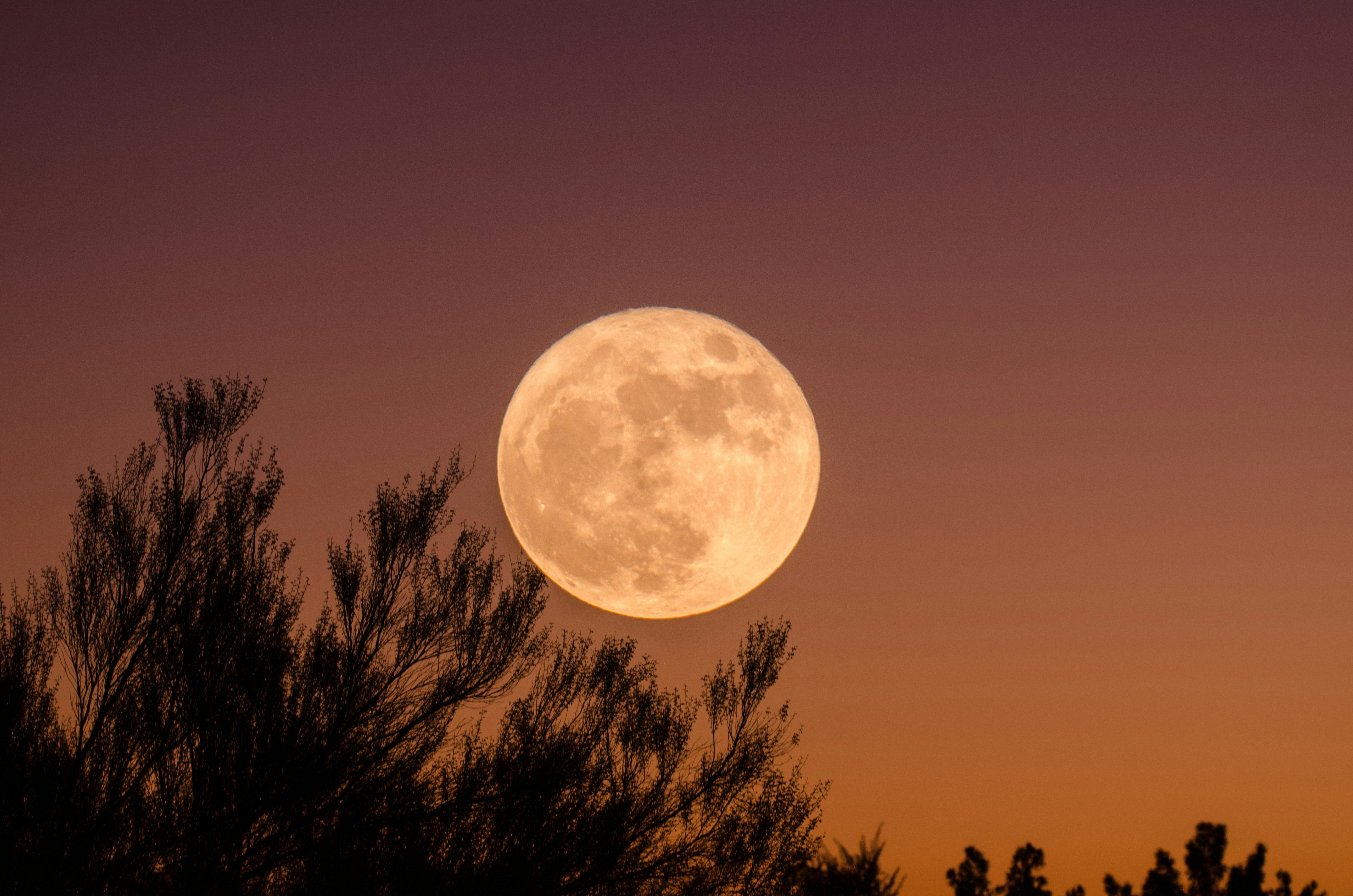
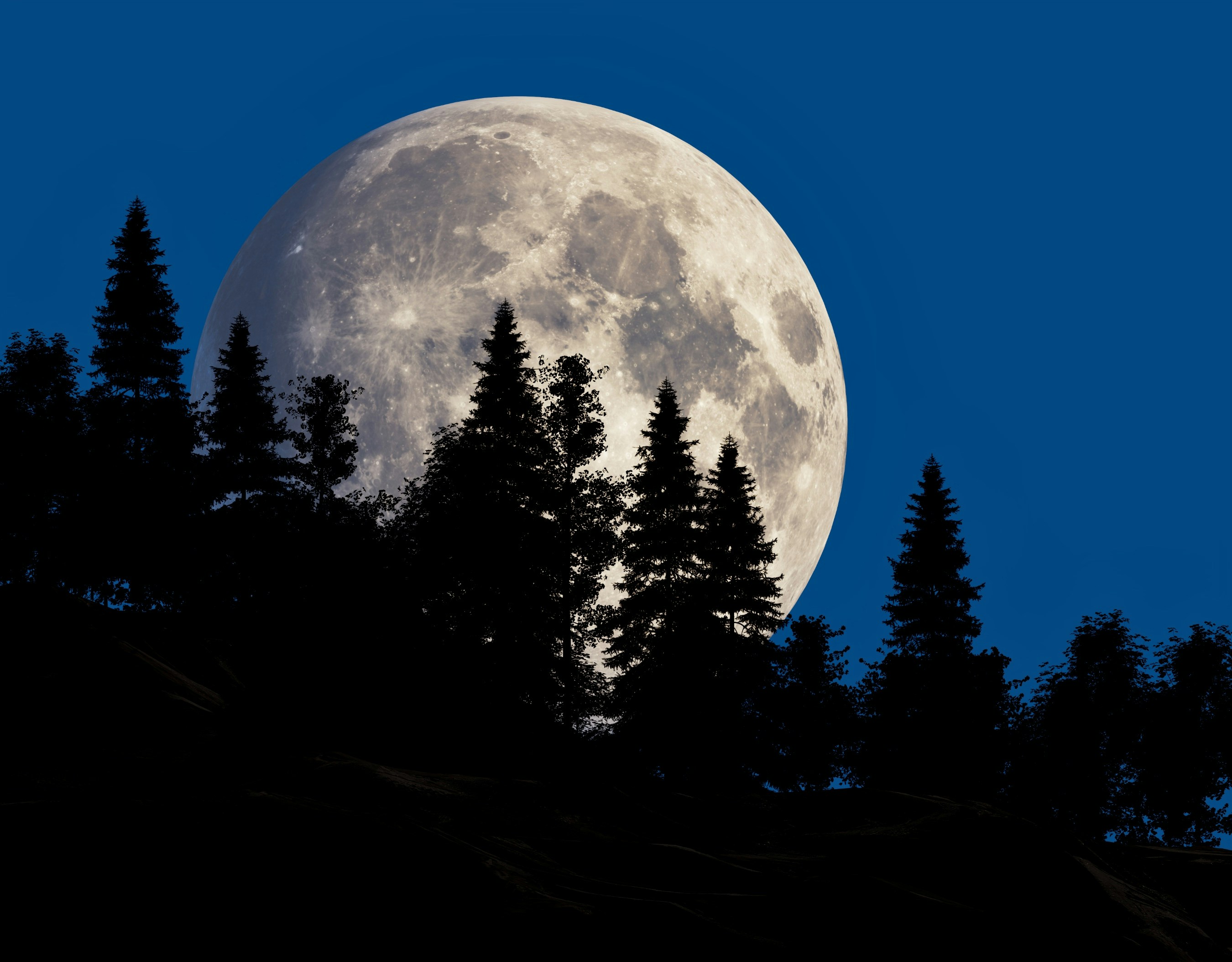
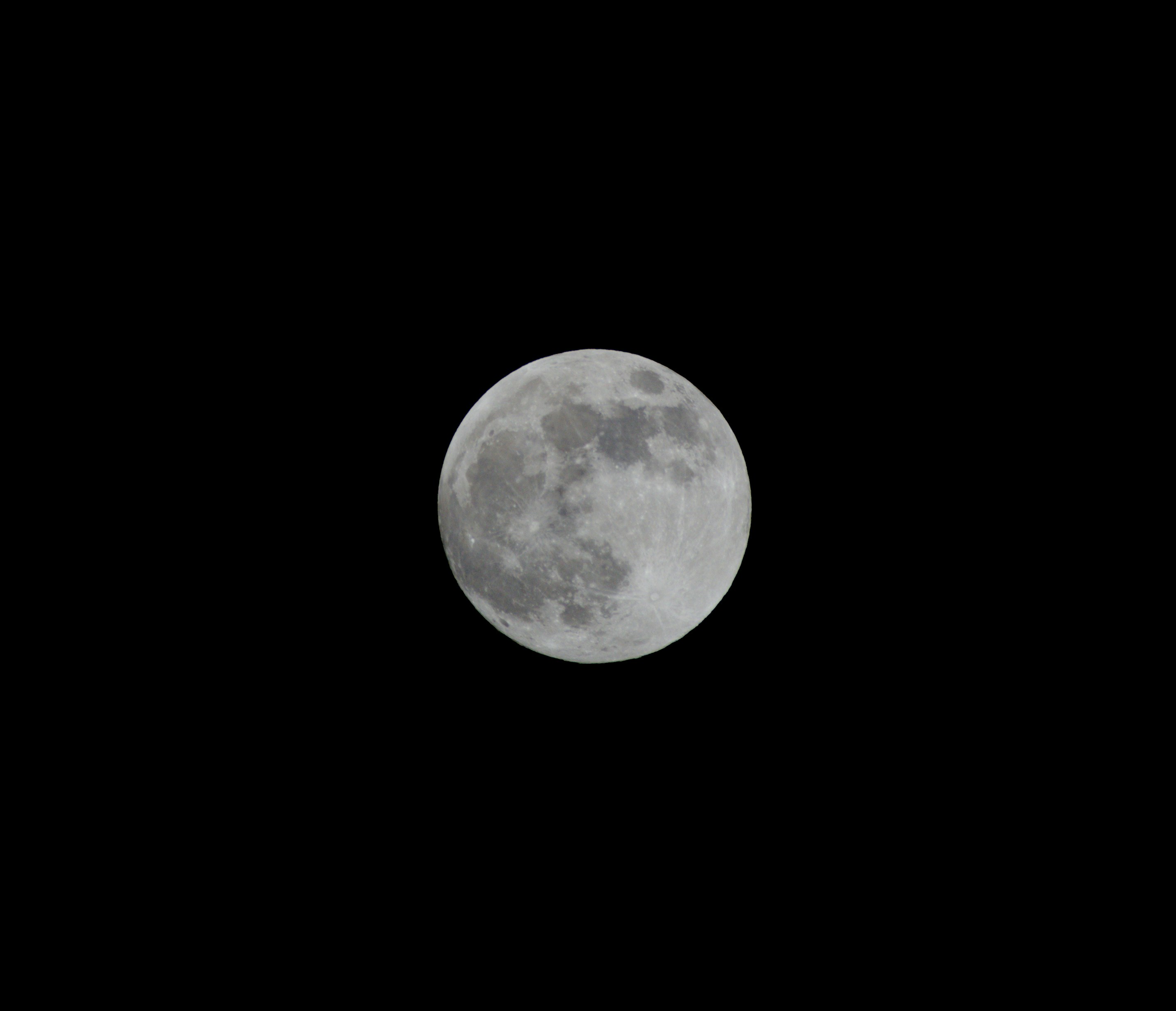
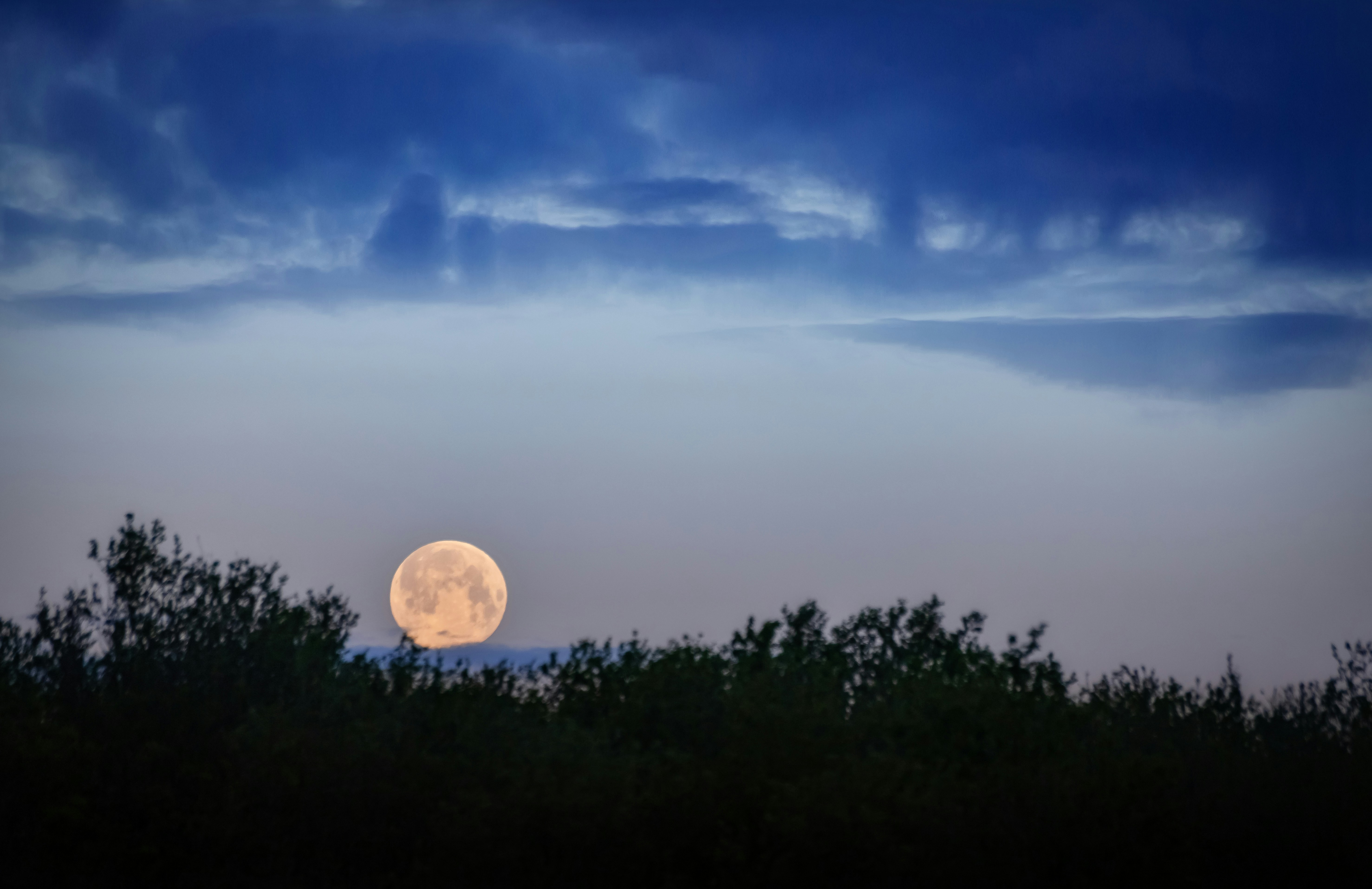
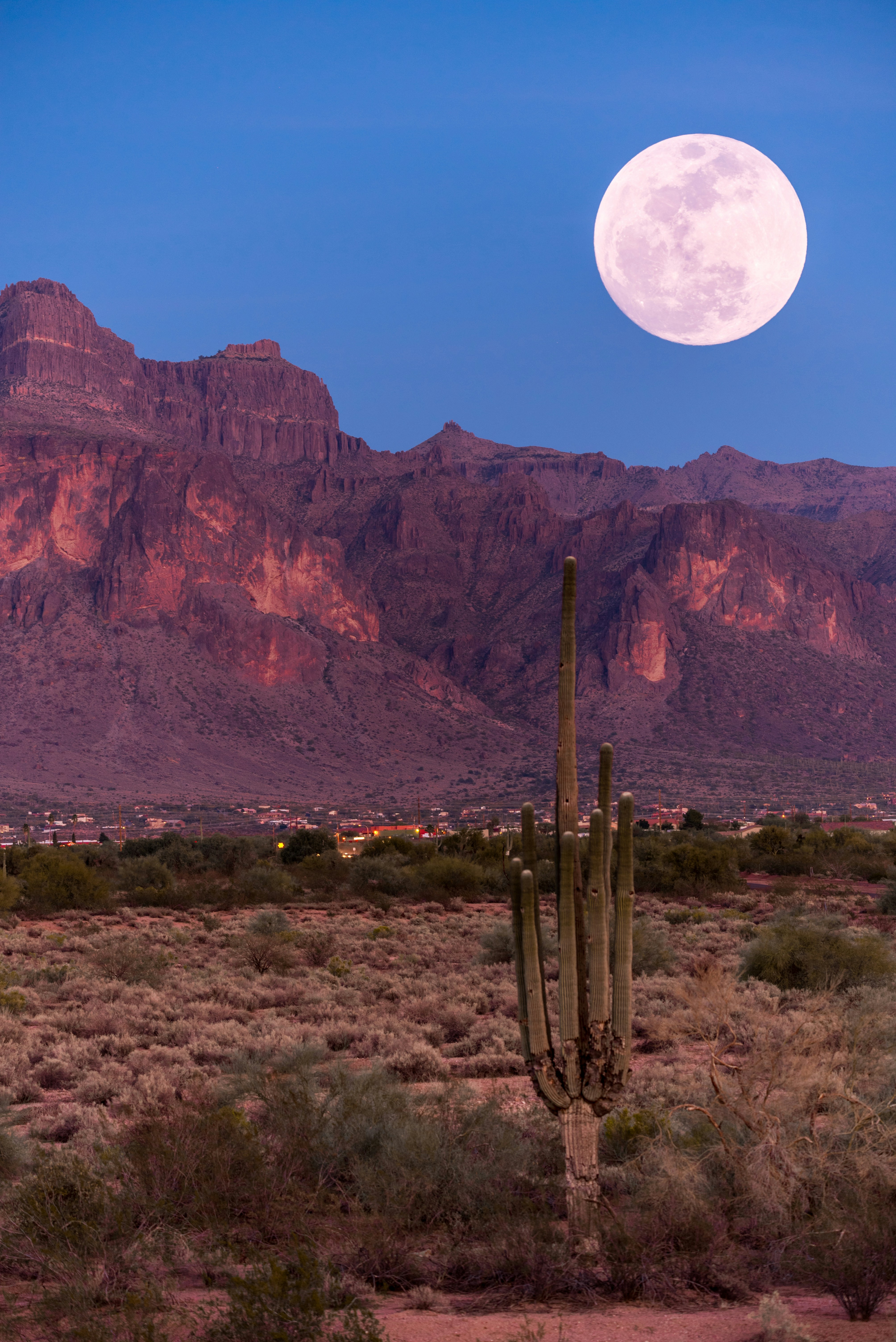
The Supermoon.
Last Thursday night we had a supermoon in Southern Oregon. That got me thinking of whether people had taken photos of the moon even if they were not the supermoon of December, 2025.
The photos are from Unsplash.
oooo
oooo
oooo
oooo
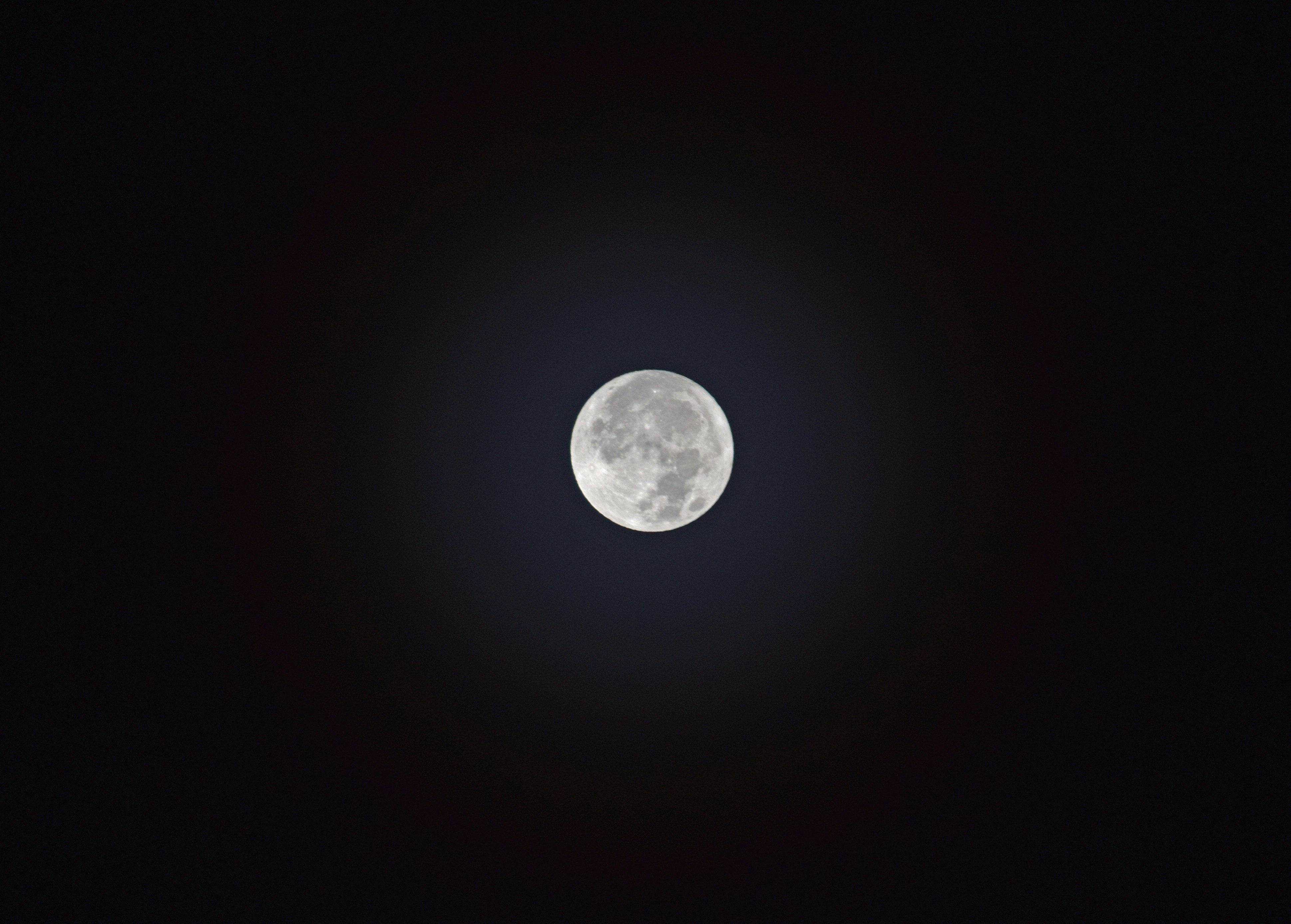
(I believe the above photograph was the 2025 supermoon.)
oooo
Then yesterday YouTube posted a video of the 2025 SuperMoon. Here it is:

 Learning from Dogs