More of those glorious pictures from Sue via John Hurlburt.
If you missed the first set, then they may be found here.
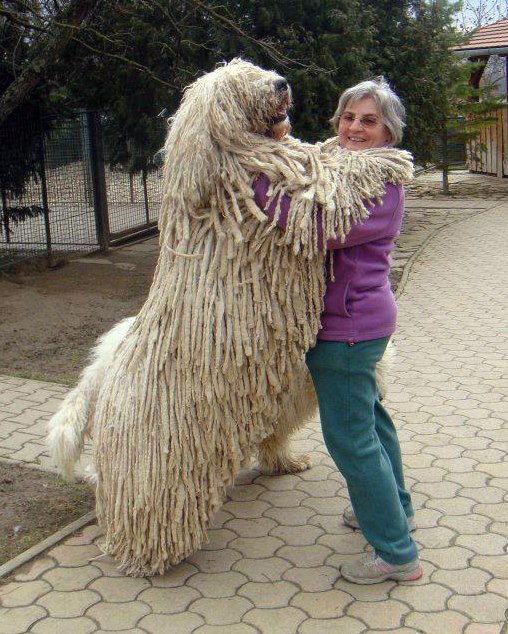
oooo

oooo

oooo

oooo

oooo

oooo

oooo
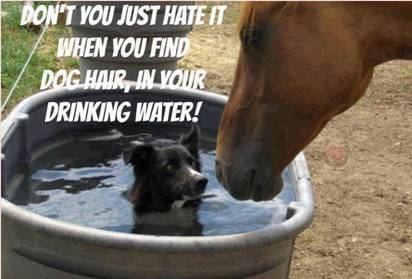
oooo
Yet more next Sunday. You good people out there have a happy and stress-free week.
Dogs are animals of integrity. We have much to learn from them.
Category: Communication
More of those glorious pictures from Sue via John Hurlburt.
If you missed the first set, then they may be found here.
oooo
oooo
oooo
oooo
oooo
oooo
oooo
oooo
Yet more next Sunday. You good people out there have a happy and stress-free week.
This had me laughing out loud!
Now before reading on, please allow me a moment to explain that the following does cast aspersions over the current president of the United States of America. I don’t have the right to vote in any form of US election so am very happy to let all of American politics flow over the top of my head. Thus this is published simply because it gave me so much fun when reading it and I wanted to share the fun with you. Very grateful to neighbour Larry for sending it to me.
Enjoy!
ooOOoo

To the citizens of the United States of America from Her Sovereign Majesty Queen Elizabeth II
In light of your failure in recent years to nominate competent candidates for the esteemed position of President of the USA and thereby a continuing failure properly to govern yourselves, as the Head of State of the United Kingdom I do hereby give notice of the revocation of your independence; effective immediately. (You should look up ‘revocation’ in the Oxford English Dictionary.)
As your new Sovereign, I, Queen Elizabeth II, will resume monarchical duties over all states, commonwealths, and territories (except North Dakota, which I have never liked).
The United Kingdom’s current Prime Minister, David Cameron, will now appoint a Governor for America without the need for further elections.
The United States Congress and the Senate are disbanded with immediate effect. My Government is preparing a questionnaire, to be circulated next year, to determine whether any of you noticed the change.
To aid in your transition to a British Crown dependency, the following rules are introduced with immediate effect:

ooOOoo
As a Brit living happily here in Southern Oregon, all I can add to this statement from Her Majesty is don’t mention the Scottish referendum in just a few weeks time!
Now I think I better run for cover!
New studies indicate the complex language used by animals.
There is so much of interest ‘out there’ that one could spend every hour of the day just reading and learning. Here’s a wonderful example.
Via a route that now escapes me, recently I came across a report entitled, The ABC’s of animal speech: Not so random after all. It was published on the PHYS.ORG website and knowing the leanings of readers of Learning from Dogs, I am confident that republishing it will be of interest to many.
ooOOoo
Aug 20th, 2014

The calls of many animals, from whales to wolves, might contain more language-like structure than previously thought, according to study that raises new questions about the evolutionary origins of human language.
The study, published today [August 20th] in the journal Proceedings of the Royal Society B, analyzed the vocal sequences of seven different species of birds and mammals and found that the vocal sequences produced by the animals appear to be generated by complex statistical processes, more akin to human language.
Many species of animals produce complex vocalizations – consider the mockingbird, for example, which can mimic over 100 distinct song types of different species, or the rock hyrax, whose long string of wails, chucks and snorts signify male territory. But while the vocalizations suggest language-like characteristics, scientists have found it difficult to define and identify the complexity.
Typically, scientists have assumed that the sequence of animal calls is generated by a simple random process, called a “Markov process.” Using the Markov process to examine animal vocalization means that the sequence of variables—in this case, the vocal elements—is dependent only on a finite number of preceding vocal elements, making the process fairly random and far different from the complexity inherent in human language.
Yet, assuming a Markov process exists raises questions about the evolutionary path of animal language to human language—if animal vocal sequences are Markovian, how did human language evolve so quickly from its animal origins?
In this Science Minute from NIMBioS, Dr. Arik Kershenbaum explains new research that suggests the calls of many animals might contain more language-like structure than previously thought. Credit: NIMBioS
Indeed, the study found no evidence for a Markovian process. The researchers used mathematical models to analyze the vocal sequences of chickadees, finches, bats, orangutans, killer whales, pilot whales and hyraxes, and found most of the vocal sequences were more consistent with statistical models that are more complex than Markov processes and more language-like.
Human language uses what’s called “context-free grammars,” whereby certain grammatical rules apply regardless of the context, whereas animal language uses simple or “regular” grammar, which is much more restrictive. The Markov process is the most common model used to examine animal vocal sequences, which assumes that a future occurrence of a vocal element is entirely determined by a finite number of past vocal occurrences.
The findings suggests there may be an intermediate step on the evolutionary path between the regular grammar of animal communication and the context-free grammar of human language that has not yet been identified and explored.
“Language is the biggest difference that separates humans from animals evolutionarily, but multiple studies are finding more and more stepping stones that seem to bridge this gap. Uncovering the process underlying vocal sequence generation in animals may be critical to our understanding of the origin of language,” said lead author Arik Kershenbaum, a postdoctoral fellow at the National Institute for Mathematical and Biological Synthesis.
0000
Explore further: Bird study finds key info about human speech-language development
More information: Kershenbaum A, Bowles A, Freeburg T, Dezhe J, Lameira A, Bohn K. 2014. Animal vocal sequences: Not the Markov chains we thought they were. Proceedings of the Royal Society B. rspb.royalsocietypublishing.or… .1098/rspb.2014.1370
Journal reference: Proceedings of the Royal Society B
Provided by National Institute for Mathematical and Biological Synthesis
ooOOoo
If you wanted a reminder to be careful about what you say in front of the animals, then that study underlines that in spades, as does the closing picture!

(Thanks neighbour Dordie for sending it to me!)
This will take your breath away.
Yesterday, I read the latest from TomDispatch, an essay entitled Eduardo Galeano, A Lost and Found History of Lives and Dreams (Some Broken).
I wasn’t sure if I had vaguely heard of Eduardo Galeano before but whatever, I had no idea of the power and beauty of his writings and was simply blown away when reading them. As Tom introduced the writings:
Who isn’t a fan of something — or someone? So consider this my fan’s note. To my mind, Uruguayan writer Eduardo Galeano is among the greats of our time. His writing has “it” — that indefinable quality you can’t describe but know as soon as you read it. He’s created a style that combines the best of journalism, history, and fiction and a form for his books that, as far as I know, has no name but involves short bursts of almost lyrical reportage, often about events long past. As it turns out, he also carries “it” with him. I was his English-language book editor years ago and can testify to that, even though on meeting him you might not initially think so. He has nothing of the showboat about him. In person, he’s almost self-effacing and yet somehow he brings out in others the urge to tell stories as they’ve never told them before.
Despite Tom’s blanket permission to republish his essays, I’m not going to do so in this case, there’s a small niggle in the back of my mind that the copyright issues are rightfully protecting Mr. Galeano’s publishing rights.
So just going to offer this single extract and trust that you will go here and read Tom’s full essay: please do!
Century of Disaster
Riddles, Lies, and Lives — from Fidel Castro and Muhammad Ali to Albert Einstein and Barbie
By Eduardo Galeano[The following passages are excerpted from Eduardo Galeano’s history of humanity, Mirrors (Nation Books).]
Walls
The Berlin Wall made the news every day. From morning till night we read, saw, heard: the Wall of Shame, the Wall of Infamy, the Iron Curtain…
In the end, a wall which deserved to fall fell. But other walls sprouted and continue sprouting across the world. Though they are much larger than the one in Berlin, we rarely hear of them.
Little is said about the wall the United States is building along the Mexican border, and less is said about the barbed-wire barriers surrounding the Spanish enclaves of Ceuta and Melilla on the African coast.
Practically nothing is said about the West Bank Wall, which perpetuates the Israeli occupation of Palestinian lands and will be 15 times longer than the Berlin Wall. And nothing, nothing at all, is said about the Morocco Wall, which perpetuates the seizure of the Saharan homeland by the kingdom of Morocco, and is 60 times the length of the Berlin Wall.
Why are some walls so loud and others mute?
See what I mean!
There is much more about Eduardo Galeano on the web as these two following links prove.
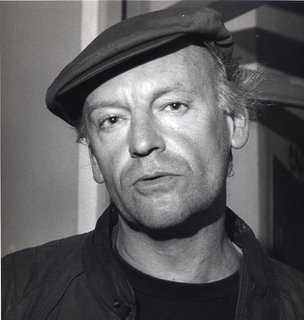
Wikipedia have an entry here that is informative. Then there is an in-depth article about the man over on The Atlantic website, that starts thus:
Eduardo Galeano is regarded as one of Latin America’s fiercest voices of social conscience. Yet he insists that language — its secrets, mysteries, and masks — always comes first.
November 30, 2000
“The division of labor among nations,” Eduardo Galeano proclaimed in the opening sentence of Open Veins of Latin America, “is that some specialize in winning and others in losing.” A native of Uruguay who was forced into exile under the country’s military regime during the 1970s, Galeano has always identified with the losing side. Open Veins, originally published in Mexico in 1971, employed captivating, elegiac prose to chronicle five centuries of plunder and imperialism in Latin America. Radically different in style, though not in content, from Marxist-oriented “dependency theory” of the 1960s — which held that Latin America had been systematically marginalized by the world economy since the colonial era — Open Veins quickly became a canonical text in radical circles, selling hundreds of thousands of copies in the Southern Hemisphere. In a period of social upheaval, guerrilla warfare, and dictatorship, the book, composed in three months of intense labor, was routinely treated as samizdat: when Open Veins was banned by the Pinochet regime, a young woman fled Chile with the book stashed in her infant’s diapers.
Going to close by musing on the fact that in today’s visual, technological age, the sharing of words, in all ways, shapes and sizes, across so many parts of our global society, is a pure miracle. Such creativity out there!
Funny how things happen.
Yesterday evening we had close friend Don Reeve staying with us. To put this into context, it was Don and his wife, Suzann, who in 2007 invited me to spend Christmas with them at their Winter home down in San Carlos, Mexico. That, in turn, led me to meeting Jean, Suzann’s best friend, and look where that got me! 🙂
(Can’t resist adding that Jean and I were born in London, some 23 miles from each other!)
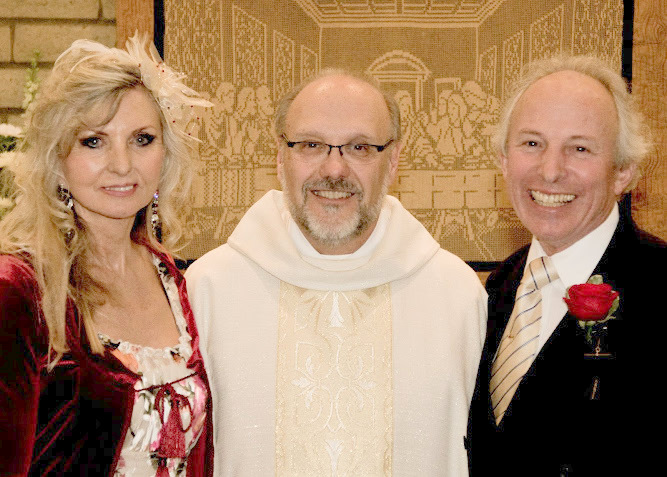
Thus you can understand the pleasure it was for Jean and me again to see Don; albeit for a brief overnight stay.
What was an extra, unanticipated pleasure was meeting a young, rescue dog that Don had adopted in recent weeks. Her name is Margarita and she was found and rescued by Suzann from the streets in San Carlos. What was so glorious was to see the love and hope for a better future that flowed between Don and the sweet, young Margarita. It resonated so perfectly well with Suzan’s post published here on Monday: Rescued dogs are life-savers.
By the time I sat down at my desk yesterday, I was conscious of a) not having a clue as to what to write, and b) inspired by the sense of hope that dogs offer us humans. Serendipitously, the theme of hope led me to a post written by Jennifer Broudy de Hernandez over on her Transition Times blog. It was called Warriors for the Planet and was the most beautiful essay.
I’m delighted to reblog that here with Jennifer’s approval.
ooOOoo
Another summer, another war. I wonder how many summers there have been in the last 5,000 years when human beings were not occupied with killing each other?
Correction: not “human beings,” “men.”
Let’s be frank: even though there may be women in the armed forces of many countries now, war still remains a masculine activity and preoccupation. The women who serve as soldiers must adhere to the masculine warrior code and become honorary “bros,” for whom the worst insult is still be called a “girl” or a “pussy.”
 I have been reading Anne Baring’s magisterial book The Dream of the Cosmos, in which she gives a detailed account of the shift, around the time of Gilgamesh, from the ancient, goddess- and nature-worshipping “lunar cultures” to the contemporary era of solar, monotheistic, warrior-worshipping cultures.
In her elaboration of this shift, I read the tragedy of our time, enacted over and over again all over the planet, and not just by humans against humans, but also by humans against the other living beings with whom we share our world. I quote at length from Baring’s remarkable book:
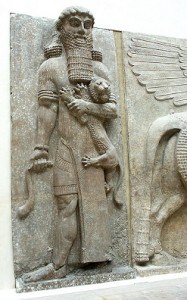 “The archetype of the solar hero as warrior still exerts immense unconscious influence on the modern male psyche, in the battlefield of politics as well as that of corporate business and even the world of science and academia: the primary aim of the male is to achieve, to win and, if necessary, to defeat other males. The ideal of the warrior has become an unconscious part of every man’s identity from the time he is a small child.
“With the mythic theme of the cosmic battle between good and evil and the indoctrination of the warrior went the focus on war and territorial conquest. War has been endemic throughout the 4000 years of the solar era. The glorification of war and conquest and the exaltation of the warrior is a major theme of the solar era—still with us today in George W. Bush’s words in 2005: ‘We will accept no outcome except victory.’ This call to victory echoes down the centuries, ensuring that hecatombs of young warriors were sacrificed to the god of war, countless millions led into captivity and slavery, countless women raped and widows left destitute. It has sanctioned an ethos that strives for victory at no matter what cost in human lives and even today glorifies war and admires the warrior leader. This archaic model of tribal dominance and conquest has inflicted untold suffering on humanity and now threatens our very survival as a species.

“The cosmic battle between light and darkness was increasingly projected into the world and a fascination with territorial conquest gripped the imagination and led to the creation of vast empires. It is as if the heroic human ego, identified with the solar hero, had to seek out new territories to conquer, had to embody the myth in a literal sense and as it did so, channel the primitive territorial drives of the psyche into a Dionysian orgy of unbridled conquest, slaughter and destruction. We hear very little about the suffering generated by these conquests: the weeping widows, the mothers who lost sons, the orphaned children and the crops and patterns of sowing and harvesting devastated and disrupted by the foraging armies passing over them, the exquisite works of art pillaged and looted….The long chronicle of conquest and human sacrifice, of exultation in power and the subjugation of enemies might truly be named the dark shadow of the solar age” (118;124).
Like Baring, I see our time as a critical era in the long history of homo sapiens on the planet. There is still hope that enough of us will be able to detach ourselves from the pressures and busyness of our lives—will become conscious of what is happening to the planet and human civilization writ large—will understand that there are other ways to relate to each other and to the Earth, ways that will seem increasingly possible and obvious once we focus on them and begin to put our energies into manifesting our visions of a creative, collaborative, respectful mode of being.
Baring ends her disturbing chapter on the ascendancy of the solar warrior culture with a hopeful quote from The Passion of the Western Mind by Richard Tarnas, from which she springs into her own positive vision of the potential of our time.
“’We stand at the threshold of a revelation of the nature of reality that could shatter our most established beliefs about ourselves and the world. The very constriction we are experiencing is part of the dynamic of our imminent release. For the deepest passion of the Western mind has been to reunite with the ground of its being. The driving impulse of the West’s masculine consciousness has been its quest not only to realize itself, to forge its own autonomy, but also, finally, to recover its connection with the whole, to come to terms with the great feminine principle in life; to differentiate itself from but then rediscover and reunite with the feminine, with the mystery of life, of nature, of soul. And that reunion can now occur on a new and profoundly different level from that of the primordial unconscious unity, for the long evolution of human consciousness has prepared it to be capable at last of embracing the ground and matrix of its own being freely and consciously.’
“As this deep soul-impulse gathers momentum, the ‘marriage’ of the re-emerging lunar consciousness with the dominant solar one is beginning to change our perception of reality. This gives us hope for the future. If we can recover the values intrinsic to the ancient participatory way of knowing without losing the priceless evolutionary attainment of a strong and focused ego, together with all the discoveries we have made and the skills we have developed, we could heal both the fissure in our soul and our raped and vandalized planet” (130-131).
My heart aches for the suffering of the innocent civilians trapped in the crossfire in Gaza this summer, and for the grieving families of the passenger plane heinously shot down by warriors who were either poorly trained or just plain evil.
I am heartsick when I think about the holocaust that is overtaking living beings on every quadrant of our planet as humans continue to ravage the forests and seas, to melt the poles with our greenhouse gases, and to poison the aquifers and soil with our chemicals.

This is where the solar cultures, with their “great” warrior kings, have led us. And yet, as Baring says, they have also presided over the most amazing advances in science and technology that humans have ever known in our long history on the planet.
We don’t need or want to go back to the simple innocence of ancient lunar societies. We don’t have to bomb ourselves back into the Stone Age.
What we need is to go forward, wisely and joyously, into a new phase of consciousness, in which the masculine warrior spirit is used for protection and stewardship rather than destruction, and the Earth is honored as the Mother of all that she is.
Never let anyone tell you it can’t be done. It is already happening.
ooOOoo
May I tempt you to go back and re-read that penultimate paragraph. A sentence that I cannot resist emphasising:
What we need is to go forward, wisely and joyously, into a new phase of consciousness, in which the masculine warrior spirit is used for protection and stewardship rather than destruction, and the Earth is honored as the Mother of all that she is.
The power of hope!
Safeguarding our dearest animal companions.

Yesterday, the guest post published by Suzan from Romania touched many of you. In that guest post there was mention of the dog Joe.
Take Joe. Joe had been sold on Facebook and bought by dog-baiters, bitten so severely vets thought he would die. You’d think that’s turned him off to humans? But no! He was a beautiful 6yr-old Collie. He was awesome. He obeyed, loved and cherished us, giving cuddles, playing gently … I’ve never had such a beauty under my roof.
I also wrote that I would publish more today. Taken directly from Mrs Skeats’ blog.
ooOOoo
It’s 19th June 2014. Joe died 6 months ago on 23rd December 2013.
Joe was a 6 year old beautiful boy taken from us after only 10 months by a cruel twist .. an accident due to a lack of information .. so I started a mini campaign. And I’ve just read about another poor soul, a friend of a friend, having to wait to see if his dog will survive a stick injury. Heartbreaking.
Ok so writing about it channelled my grief but the whole thing goes beyond that.
What was to be thought a rare, freak accident turned out to be all too familiar to vets and families worldwide. What was thought to be a personal kick in the nuts turns out to be a case of ignorance that is most definitely not bliss.
I received hundreds of comments on my first post after Joe died. I received hundreds of facebook and twitter comments too. The current ‘WordPress’ views are at over 139,000 which is great, and yet not enough. Dogs are still being treated for nasty stick injuries, vets see a few each month. I can’t preach and say stop it, but I can let anyone and everyone who cares know what a potential danger stick throwing is: better than being totally ignorant of the risks.
What happened to Joe, and happens to dogs all over the world at a frighteningly too-often rate, was borne of ignorance, stupidity, even years of “that’s what we do with dogs”. We simply never thought about the consequences it could bring.
Historically, when man decided to have dogs as pets and not merely working companions (not all that long ago in the UK) chasing a stick was a favourite game. We’ve all seen the old adverts in faded yellows and reds with a boy, stick in hand and his faithful dog panting happily as he waits for the ‘toy’ to be thrown. Why should we think it’s dangerous? We see things like celebs on the One Show with their dog, happily throwing it a stick, or in videos…. Dogs and stick throwing seems synonomous.
These are but a few stories of reasons why we should try and change this ……………..
The story of Joe just a few days after he died.
London dog saved from near death in stick scare.
Narrow escape for a Border Collie.
The list goes on.
Please think twice before you throw a stick for your dog to chase.

ooOOoo
Please follow those links that Suzan included and read the articles. The message is clear. If you are the owner of a dog or play with dogs, don’t ever throw them a stick to catch.
As with yesterday’s post, please share this as widely as you can.
Thank you.
Some people just keep going.
In last week’s picture parade, I featured my mother swimming up at Secesh Reservoir near Wolf Creek. There were many lovely comments and it made my mother’s day to read all your kind words. I also mentioned that my mother was determined to take a swim in our nearby Rogue River and that it would be featured in today’s picture parade.
So here are those pictures.
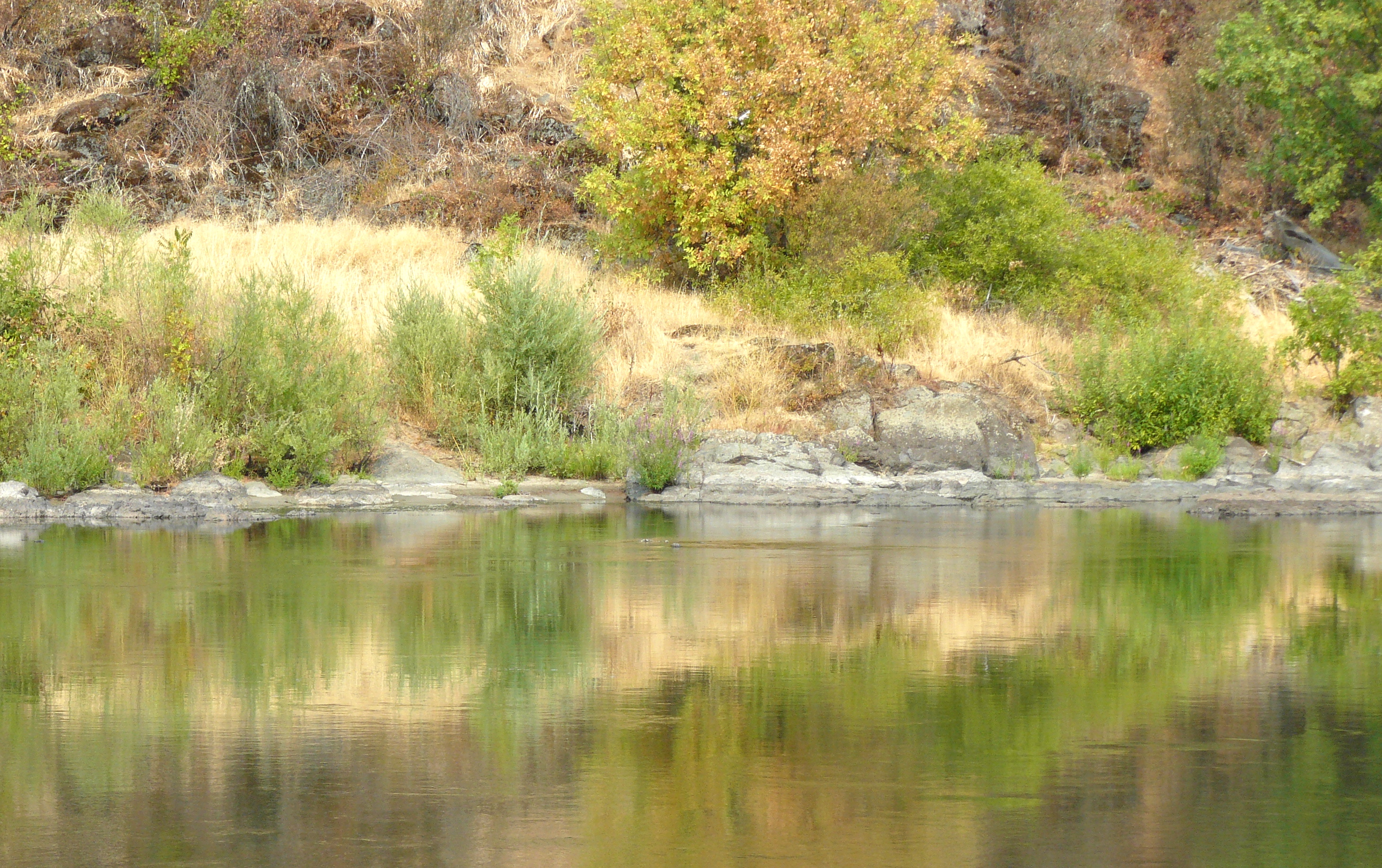
Matson Park is not far from Grants Pass here in Oregon and has the great advantage of offering a beach, albeit a stony beach, that makes entry into the water easier.

Jean had to lend my mother her shoes as the river bed was pretty stony.
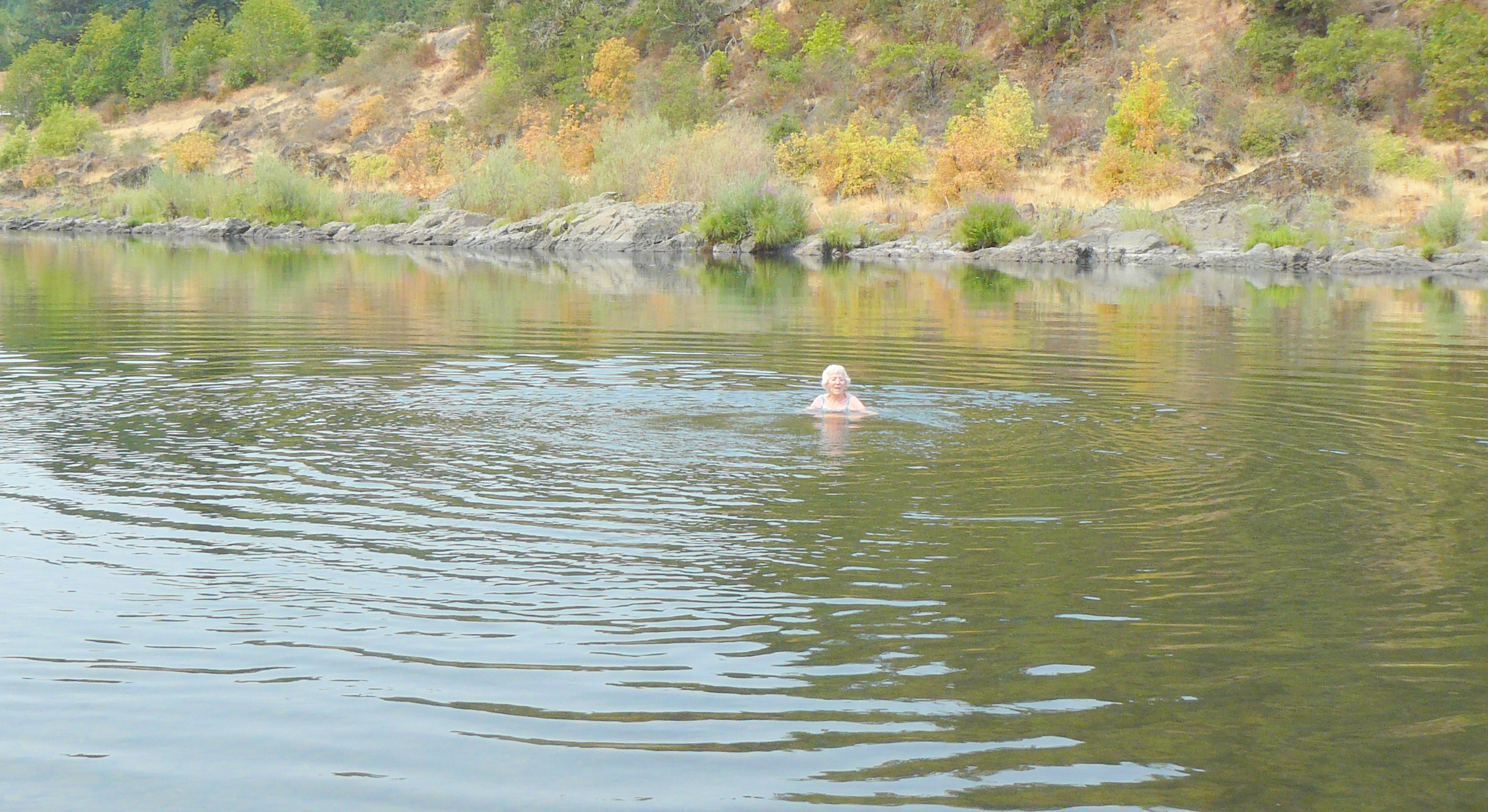
Luckily the lack of recent rains meant that the river was flowing much more gently than would be usual.
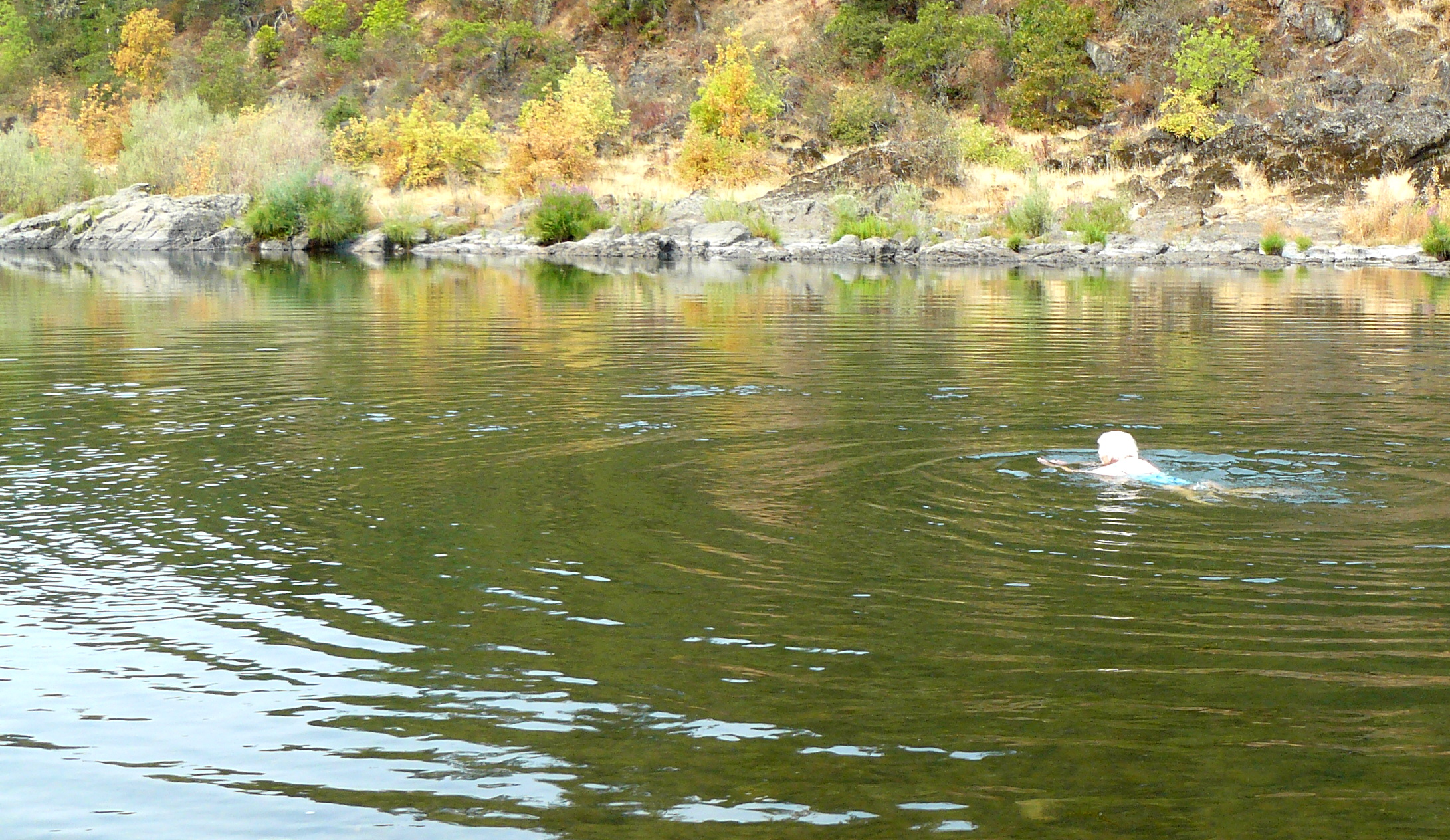
Yet even with the low volume of water flowing by, the current was a good three to four miles-per-hour and Mum was only able to stay local to us by vigorously swimming upstream.
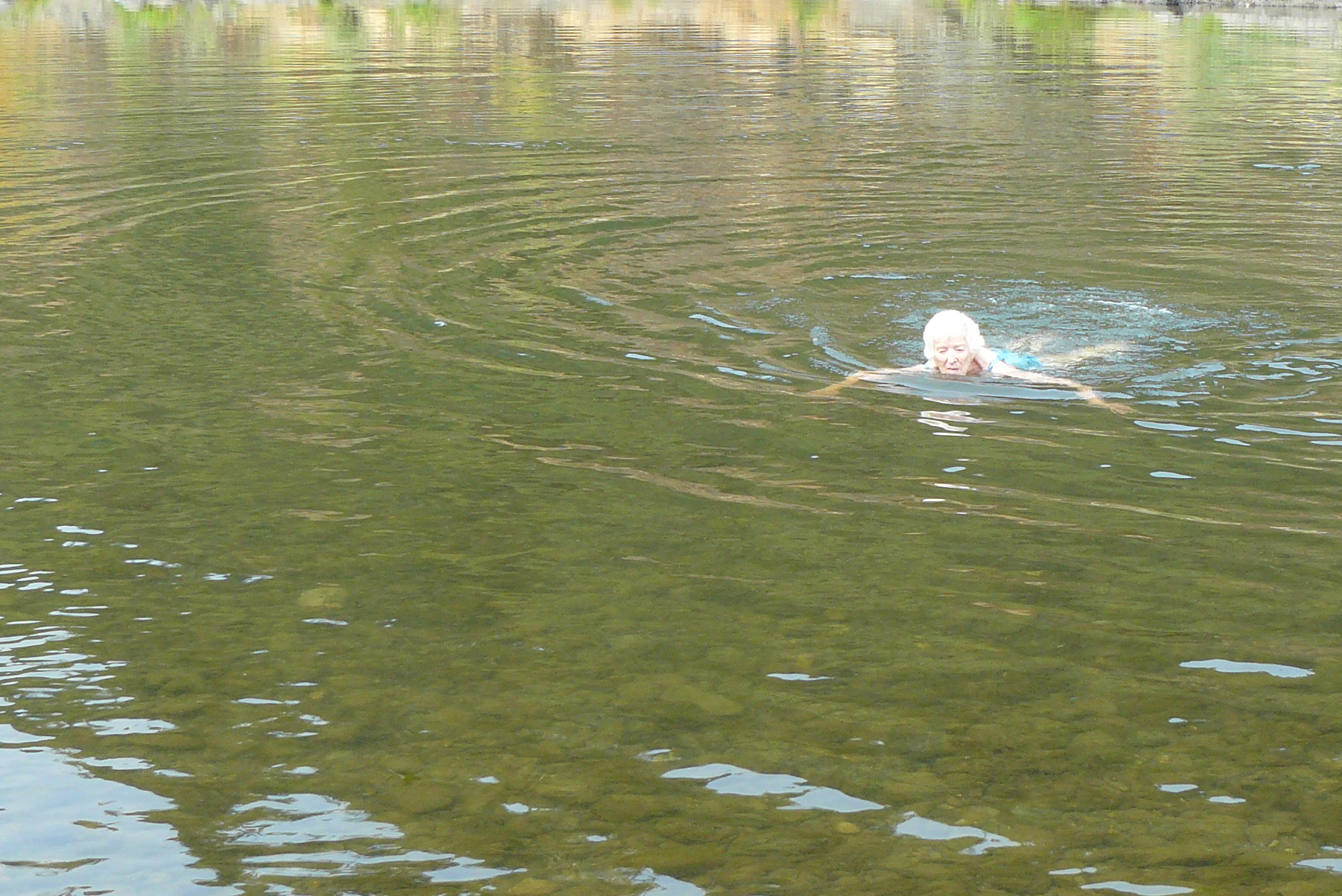
Very soon it made sense to return to the beach. What a remarkable lady she is!
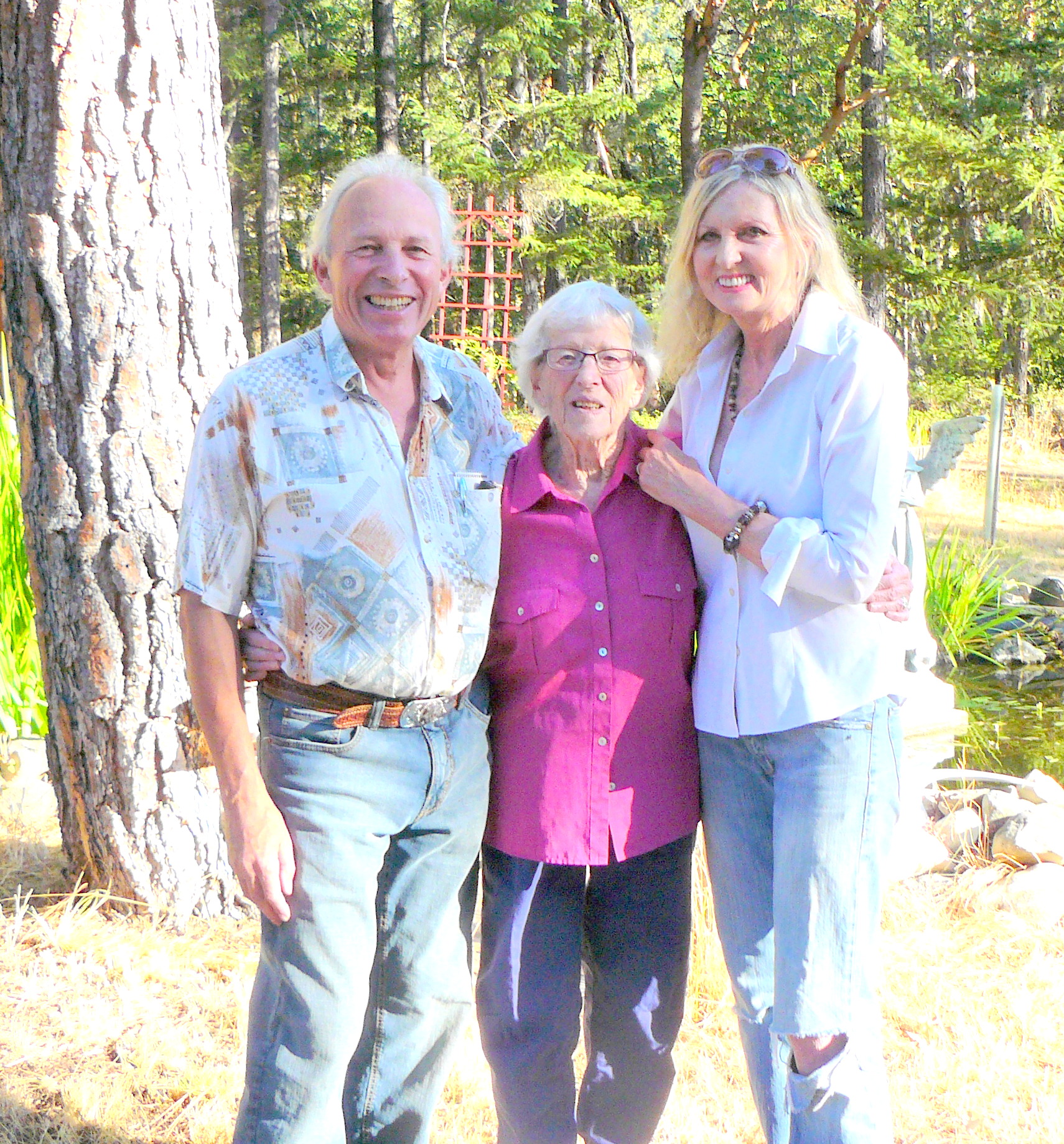
Soon the day came round for Mum to return to London. This picture was taken just before we left for Medford Airport.
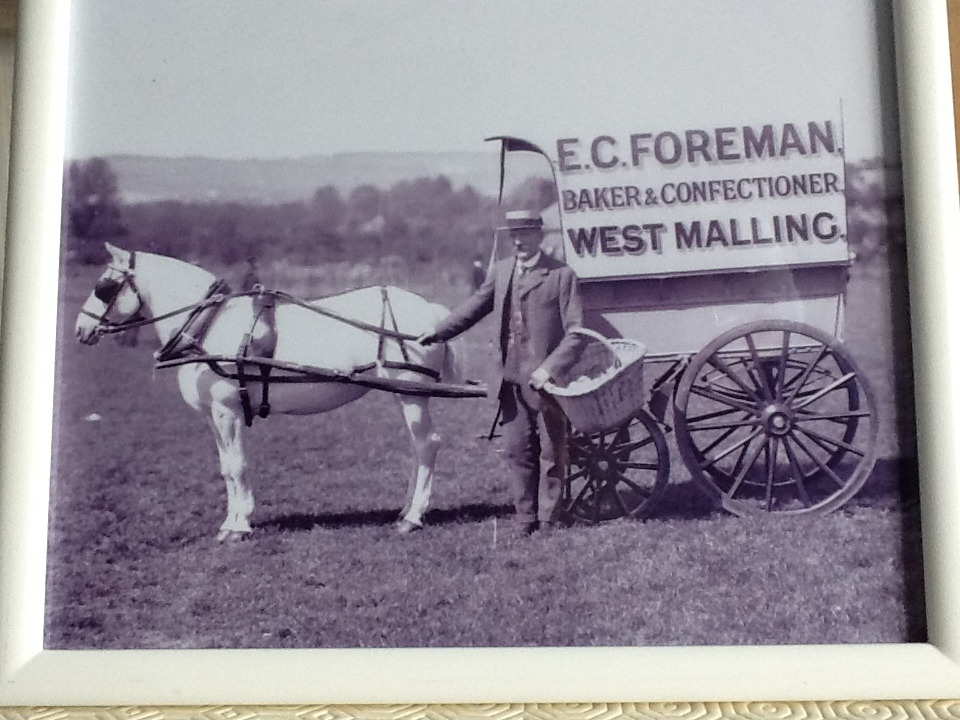
Finally, to close today’s post, here’s a photograph of Mum’s Great Uncle. Believed to have been taken around 1930, Uncle Foreman was the baker in the small village of West Malling in Kent, South-East England.
Another reposting of a Monbiot essay.
I’m preparing this post on Sunday; i.e. three days ago. Reason is that my sister, Elizabeth, and friend, Merle, are arriving on Monday afternoon (as in two days ago) bringing us up to three guests in the house. My mother leaves on tomorrow morning and then Elizabeth and Merle depart on Friday morning. So for all the right reasons, Learning from Dogs is taking a backstage. Hence me doing as much as I can ahead of time.
In Monday’s post, The tracks we leave, towards the end I wrote, “The utter madness of mankind’s group blindness is beyond comprehension.” Many know that there is something very badly wrong with the way politics is operating today. Yet, at the same time, many intuitively know the political changes that mankind has to see if there is to be any chance of a sustainable future for mankind on this planet.
Thus George Monbiot’s essay published on the 29th July makes encouraging reading in the context of the growing confidence of the UK Green Party. It is republished here with the kind permission of George Monbiot.
ooOOoo
July 29, 2014
The justifications for extreme inequality have collapsed. But only the Green Party is prepared to take the obvious step
By George Monbiot, published in the Guardian 30th July 2014
When inequality reaches extreme and destructive levels, most governments seek not to confront it but to accommodate it. Wherever wealth is absurdly concentrated, new laws arise to protect it.
In Britain, for example, successive governments have privatised any public asset which excites corporate greed. They have cut taxes on capital and high incomes. They have legalised new forms of tax avoidance (1). They have delivered exotic gifts like subsidised shotgun licences and the doubling of state support for grouse moors (2). And they have dug a legal moat around the charmed circle, criminalising, for example, the squatting of empty buildings (3) and most forms of peaceful protest (4). However grotesque inequality becomes, however closely the accumulation of inordinate wealth resembles legalised theft, political norms shift to defend it.
None of this should surprise you. The richer the elite becomes, and the more it has to lose, the greater the effort it makes to capture public discourse and the political system. It scarcely bothers to disguise its wholesale purchase of political parties, by means of an utterly corrupt and corrupting funding system (5,6). You can feel its grip not only on policy but also on the choice of parliamentary candidates and appointments to the cabinet. The very rich want people like themselves in power, which is why we have a government of millionaires (7).
But that describes only one corner of their influence. They fund lobby groups, thinktanks and economists to devise ever more elaborate justifications for their seizure of the nation’s wealth (8). These justifications are then amplified by the newspapers and broadcasters owned by the same elite.
Among the many good points Thomas Piketty makes in Capital in the 21st Century – his world-changing but surprisingly mild book – is that extreme inequality can be sustained politically only through an “apparatus of justification.” (9) If voters can be persuaded that insane levels of inequality are sane, reasonable and even necessary, then the concentration of income can keep growing. If they can’t, then either states are forced to act, or revolutions happen.
For the notion that inequalities must be justified sits at the heart of democracy. It is possible to accept that some can have much more than others if one of two conditions are met: either that they reached this position through the exercise of their unique and remarkable talent; or that this inequality is good for everyone. So the network of think tanks, economists and tame journalists must make these justifications plausible.
It’s a tough job. If wages reflect merit, why do they seem so arbitrary? Are the richest executives 50 or 100 times better at their jobs than their predecessors were in 1980? Are they 20 times more skilled and educated than the people immediately below them, even though they went to the same business schools? Are US executives several times as creative and dynamic as those in Germany? If so, why are their results so unremarkable?
It is, of course, all rubbish. What we see is not meritocracy at work at all, but a wealth grab by a nepotistic executive class which sets its own salaries, tests credulity with its ridiculous demands and discovers that credulity is an amenable customer. They must marvel at how they get away with it.
Moreover, as education and even (in the age of the intern) work becomes more expensive, the opportunities to enter the grabbers’ class diminish. The nations which pay the highest top salaries, such as the US and Britain, are also among the least socially mobile (10). Here, you inherit not only wealth but opportunity.
Aha, they say, but extreme wealth is good for all of us. All will be uplifted by their god’s invisible hand. Their creed is based on the Kuznet’s curve, the graph which appears to show that inequality automatically declines as capitalism advances, spreading wealth from the elite to the rest.
When Piketty took the trouble to update the curve, which was first proposed in 1955, he discovered that the redistribution it documented was an artefact of the peculiar circumstances of its time. Since then the concentration of wealth has reasserted itself with a vengeance (11). The reduction in inequality by 1955 was not an automatic and inherent feature of capitalism, but the result of two world wars, a great depression and the fierce response of governments to these disruptions.
For example, the top federal income tax rate in the US rose from 25% in 1932 to 94% in 1944. The average top rate throughout the years 1932 to 1980 was 81%. In the 1940s, the British government imposed a top income tax of 98% (12). The invisible hand? Hahaha. As these taxes were slashed by Reagan and Thatcher and the rest, inequality boomed once more, and is exploding today. This is why the neoliberals hate Piketty with such passion and poison: he has destroyed with data the two great arguments with which the apparatus of justification seeks to excuse the inexcusable.
So here we have a perfect opportunity for progressive parties: the moral and ideological collapse of the system of thought to which they were previously in thrall. What do they do? Avoid the opportunity like diphtheria. Cowed by the infrastructure of purchased argument, Labour fiddles and dithers (13).
But there is another party, which seems to have discovered the fire and passion that moved Labour so long ago: the Greens. Last week they revealed that their manifesto for the general election will propose a living wage, the renationalisation of the railways, a maximum pay ratio (no executive should receive more than 10 times the salary of the lowest paid worker), and, at the heart of their reforms, a wealth tax of the kind Piketty recommends (14).
Yes, it raises plenty of questions, but none of them are unanswerable, especially if this is seen as one step towards the ideal position: a global wealth tax, that treats capital equally, wherever it might lodge. Rough as this proposal is, it will start to challenge the political consensus and draw people who thought they had nowhere to turn. Expect the billionaires’ boot boys to start screaming, once they absorb the implications. And take their boos and jeers as confirmation that it’s onto something. You wanted a progressive alternative? You’ve got it.
References:
2. http://www.theguardian.com/commentisfree/2014/apr/28/britain-plutocrats-landed-gentry-shotgun-owners
3. Clause 144, Legal Aid, Sentencing and Punishment of Offenders Act 2012.
http://www.legislation.gov.uk/ukpga/2012/10/section/144/enacted
4. http://www.monbiot.com/2011/03/29/the-freedom-swindle/
6. http://www.theguardian.com/commentisfree/2012/oct/29/capitalism-bankrolls-politics-pay-price
9. Thomas Piketty, 2014. Capital in the Twenty-First Century. Harvard University Press.
10. Thomas Piketty, as above.
11. Thomas Piketty, as above.
12. Thomas Piketty, as above.
14. http://greenparty.org.uk/assets/files/Wealth%20Tax%20briefing%20July%202014.pdf
ooOOoo
Want to know some more about the UK Green Party? Their website is here.
Interesting sequel to yesterday’s post.
Yesterday, I published a post under the title of Just to focus our minds. It featured a chart that demonstrated how long Planet Earth would take to ‘recover’ if the human race disappeared today.
Why today’s post seemed a perfect companion was because it explores how we could think better. For if the human race doesn’t quickly find a way to think better, then that aforementioned chart may not be such an academic abstract after all.
The post is more or less a copy of what appeared on the Big Think blogsite, a site I have been following for some time now.
ooOOoo

Ambition can work against you by leading you to set unrealistic and overwhelming goals. Want to make a difference in the world? Think small. It’s much less complicated, you’ll have easier access to the data that you’ll need. Most importantly, you will preserve one of your most precious resources: optimism.
Having the will to attack an issue at its root—from launching a socially conscious business to demanding more green spaces in your neighborhood—requires energy and enthusiasm to see the project through. By being less ambitious in your plans you’re more likely to stick with them and be successful.
Besides, when you first developed your problem-solving skills you were small—a child. Stephen Dubner, the co-author, with economist Steven Levitt, of Freakonomics and Think Like a Freak, wants you to go back to that way of thinking:
One of the most powerful pieces of thinking like a child that we argue is thinking small. So I realize that this runs exactly counter to the philosophy of the arena in which I’m appearing which is thinking big, Big Think, but our argument is this. Big problems are by their nature really hard to solve for a variety of reasons. One is they’re large and therefore they include a lot of people and therefore they include a lot of crossed and often mangled and perverse incentives. But also a big problem – when you think about a big problem like education reform. You’re dealing with an institution or set of institutions that have gotten to where they’ve gotten to this many, many years of calcification and also accidents of history. What I mean by that is things have gotten the way they’ve gotten because of a lot of things a few people did many, many years ago and traditions were carried on.
Want to break those traditions and build something new and forward-thinking? Then curb your ambition. Start to look at the world again with the eyes of a child.
Stephen Dubner talks about [that YouTube link reveals the transcript of the talk. PH] the importance of thinking small in order to tackle some of the world’s biggest problems piece by piece. Dubner is the co-author of Think Like a Freak
ooOOoo
Stephen Dubner and economist Steven Levitt co-authored the book Freakonomics. If you are interested, the Freakonomics website is here.
Interesting approach.
One blink of the eye and we’re gone.
Or that’s how it struck me!
Just to put this into context, if you watched the George Monbiot speech that was the highlight of my post last Tuesday, The Goon Show, you might well have been forgiven for wondering if these are starting to feel like the end-times for species homo sapiens.
Almost perfectly on cue, on Monday, John Hurlburt down in Payson, AZ., sent me the following. It does make one think!
Time Required for the Earth to Heal if the Human Race Disappeared Today
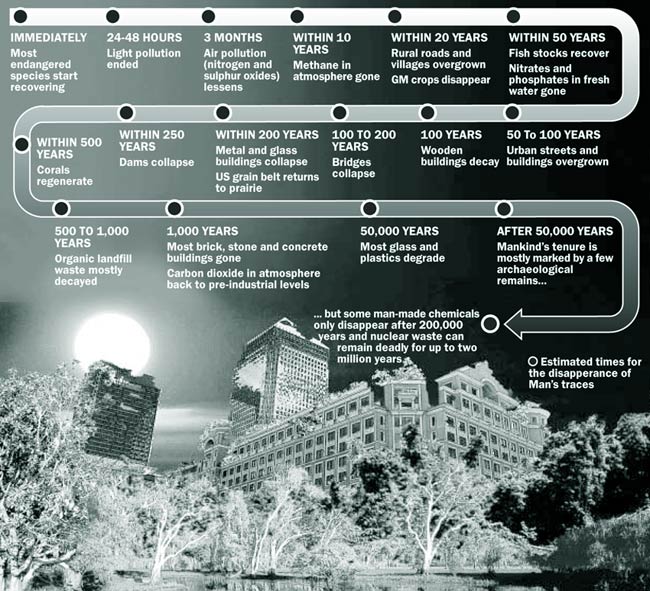
(While John over the telephone read out the URL that was the source of this ‘chart’, I was unable to link to it. Thus apologies for not recognising the author.)
Then if you are up for more of the same theme, here’s a film that will ‘entertain’ you.
Published on Sep 2, 2012
What will happen when humans disappear from the face of the Earth? This movie will certain make you think about the impact we have made on this beautiful planet. But when humans are gone… Earth does continue.Imagine if one minute from now, every single person on Earth disappeared. All 6.6 billion of us. What would happen to the world without humans?
How long would it be before our nuclear power plants erupted, skyscrapers crumbled and satellites dropped from the sky?
What would become of the household pets and farm animals? And could an ecosystem plagued with years of pollution ever recover?Similar to the History Channel’s special Life After People (recommended), Aftermath features what scientists and others speculate the earth, animal life, and plant life might be like if humanity no longer existed, as well as the effect that humanity’s disappearance would have on the artefacts of civilisation.
FAIR USE NOTICE: The material on this channel is provided solely for educational and informational purposes. It may contain copyrighted material, the use of which has not been specifically authorized by the copyright owner. Infringement of copyright is not intended. The material is made available to help educate people about health related issues. It is believed that this constitutes a ‘FAIR USE’ of any such copyrighted material as provided for in Title 17, section 107 of the US Copyright Law. The material is distributed without profit to those who would like to use such material for research and educational purposes.
Sleep well tonight!
 Learning from Dogs