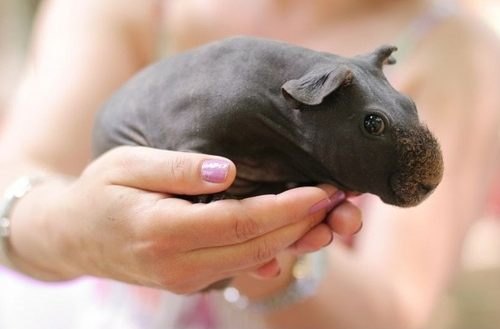
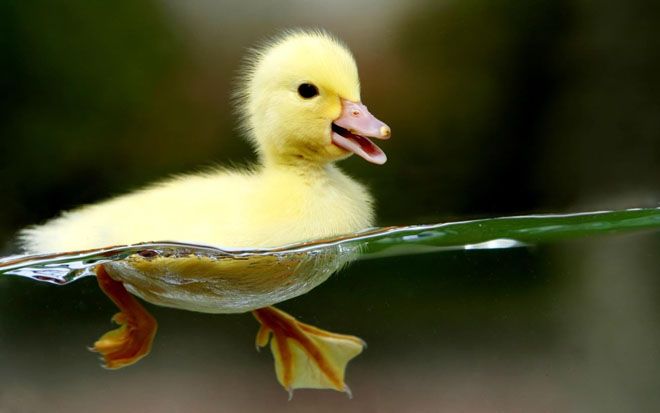
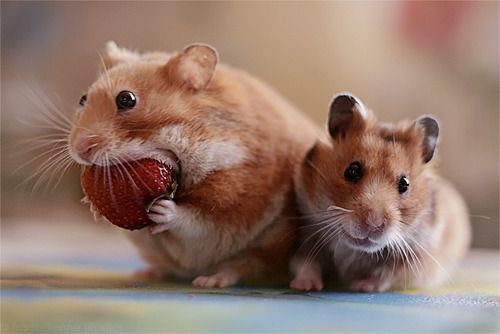
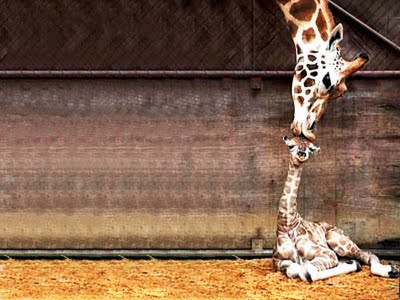
Yet more of those wonderful photographs sent to me by Su.

oooo
oooo

oooo
oooo
oooo
oooo
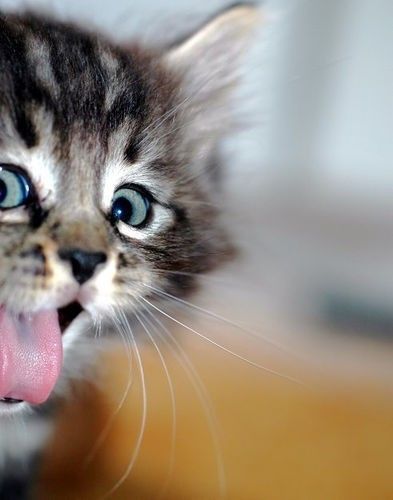
oooo
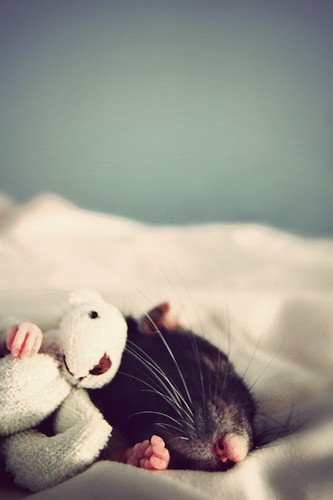
Next Sunday will see the final set of these great pictures!
Dogs are animals of integrity. We have much to learn from them.
Category: Cats
Yet more of those wonderful photographs sent to me by Su.
oooo
oooo
oooo
oooo
oooo
oooo
oooo
Next Sunday will see the final set of these great pictures!
The problem is not plastic. It is consumerism.
I closed yesterday’s Letter to the Moon with the last sentence from a recent essay from George Monbiot: “Defending the planet means changing the world.”
Shortly, I will be republishing, with Mr. Monbiot’s generous permission, the whole of that essay.
But first I am going to reproduce in full what arrived via email from George in the early hours of yesterday morning.
If you are within reach of London please go, or if not do leave a comment on the wall.
Hi Paul,
I’m contacting you because you’re one of the people who emailed me as part of the overwhelming response to my columns In Memoriam, and Incompetence By Design, where I mentioned that ‘some of us are now mobilising to turn the great enthusiasm for wildlife and natural beauty in this country into political action, and to fight the dismantling of the laws that protect our precious wild places’.
Many of you asked what I meant by ‘Watch this space’. The mobilisation starts next Saturday, in London, with The People’s Walk for Wildlife. It’s not a demonstration, nor a rally – it’s a gentle, family-friendly day. The only kind of strength we need is strength in numbers – to show that many thousands of us care deeply about the vanishing of wild mammals, butterflies, mayflies, songbirds and fish, and that we want the Government to commit properly to protecting those that remain.
On Saturday 22nd September, we’ll gather at Reformers Tree, Hyde Park at 10.00am; entertainment will start at 12 noon. At 1pm we’ll walk from Hyde Park Corner, via Piccadilly, St James, Pall Mall, and Cockspur St, to Whitehall. Please come along if you can. Download the birdsong app to play as we go. Bring friends, dress up as your favourite plant or animal or just come as yourself!
I’m looking forward to walking for the missing millions – I hope you can join me!
George
P.S. If you can’t make it, you can still contribute by adding your message of support to the Walk’s Wonder Wall – every post is valuable proof that you care.
Now on to that post.
ooOOoo
The problem is not plastic. It is consumerism.
By George Monbiot, published in the Guardian 5th September 2018
Do you believe in miracles? If so, please form an orderly queue. Plenty of people imagine we can carry on as we are, as long as we substitute one material for another. Last month, a request to Starbucks and Costa to replace their plastic coffee cups with cups made from corn starch was retweeted 60,000 times, before it was deleted.
Those who supported this call failed to ask themselves where the corn starch would come from, how much land is needed to grow it or how much food production it will displace. They overlooked the damage this cultivation would inflict: growing corn (maize) is notorious for causing soil erosion, and often requires heavy doses of pesticides and fertilisers.
The problem is not just plastic. The problem is mass disposability. Or, to put it another way, the problem is pursuing, on the one planet known to harbour life, a four-planet lifestyle. Regardless of what we consume, the sheer volume of consumption is overwhelming the Earth’s living systems.
Don’t get me wrong. Our greed for plastic is a major environmental blight, and the campaigns to limit its use are well-motivated and sometimes effective. But we cannot address our environmental crisis by swapping one over-used resource for another. When I challenged that call, some people asked me, “so what should we use instead?”. The right question is “how should we live?”. But systemic thinking is an endangered species.
Part of the problem is the source of the plastic campaigns: David Attenborough’s Blue Planet II series. The first six episodes had strong, coherent narratives. But the seventh episode, which sought to explain the threats facing the wonderful creatures the series revealed, darted from one issue to another. We were told we could “do something” about the destruction of ocean life. We were not told what. There was no explanation of why the problems are happening, what forces are responsible and how they can be engaged.
Amid the general incoherence, one contributor stated “It comes down, I think, to us each taking responsibility for the personal choices in our everyday lives. That’s all any of us can be expected to do.” This perfectly represents the mistaken belief that a better form of consumerism will save the planet. The problems we face are structural: a political system captured by commercial interests and an economic system that seeks endless growth. Of course we should try to minimise our own impacts, but we cannot confront these forces merely by “taking responsibility” for what we consume.
Unfortunately, these are issues that the BBC in general, and David Attenborough in particular, avoid. I admire Attenborough in many ways, but I am no fan of his environmentalism. For many years, it was almost undetectable. When he did at last speak out, he consistently avoided challenging power, either speaking in vague terms or focusing on problems for which powerful interests are not responsible. I believe this tendency may explain Blue Planet’s skirting of the obvious issues.
The most obvious is the fishing industry, that turns the astonishing lifeforms the rest of the series depicted into seafood. Throughout the oceans, this industry, driven by our appetites and protected by governments, is causing cascading ecological collapse. Yet the only fishery the programme featured was among the 1% that are in recovery. It was charming to see how Norwegian herring boats seek to avoid killing orcas, but we were given no idea of how unusual it is.
Even marine plastics is in large part a fishing issue. It turns out that 46% of the Great Pacific Garbage Patch, that has come to symbolise our throwaway society, is composed of discarded nets, and much of the rest consists of other kinds of fishing gear. Abandoned fishing materials tend to be far more dangerous to marine life than other forms of waste. As for the bags and bottles contributing to the disaster, the great majority arise in poorer nations, without good disposal systems. But because this point was not made, we look to the wrong places for solutions.
From this misdirection arise a thousand perversities. One prominent environmentalist posted a picture of the king prawns she had just bought, celebrating the fact that she had persuaded the supermarket to put them in her own container, rather than a plastic bag, and linking this to the protection of the seas. But buying prawns causes many times more damage to marine life than any plastic in which they are wrapped. Prawn fishing has the highest rates of bycatch of any fishery: scooping up vast numbers of turtles and other threatened species. Prawn farming is just as bad, eliminating great tracts of mangrove forests, crucial nurseries for thousands of species.
We are kept remarkably ignorant of such issues. As consumers, we are confused, bamboozled and almost powerless. This is why corporate power has gone to such lengths to persuade us to see ourselves this way. The BBC’s approach to environmental issues is highly partisan, siding with a system that has sought to transfer responsibility for structural forces to individual shoppers. It is only as citizens, taking political action, that we can promote meaningful change.
The answer to the question “how should we live?” is “simply”. But living simply is highly complicated. In Aldous Huxley’s Brave New World, the government massacred the Simple Lifers. This is generally unnecessary: today they can be safely marginalised, insulted and dismissed. The ideology of consumption is so prevalent that it has become invisible: it is the plastic soup in which we swim.
One-planet living means not only seeking to reduce our own consumption, but also mobilising against the system that promotes the great tide of junk. This means fighting corporate power, changing political outcomes and challenging the growth-based, world-consuming system we call capitalism.
As the famous Hothouse Earth paper published last month, that warned of the danger of flipping the planet into a new, irreversible climatic state, concluded, “incremental linear changes … are not enough to stabilize the Earth system. Widespread, rapid, and fundamental transformations will likely be required to reduce the risk of crossing the threshold”. Disposable coffee cups made from new materials are not just a non-solution. They are a perpetuation of the problem. Defending the planet means changing the world.
ooOOoo
Share this! Please!
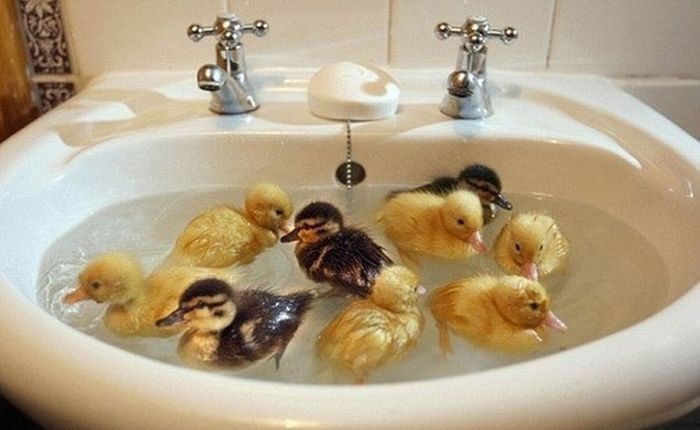
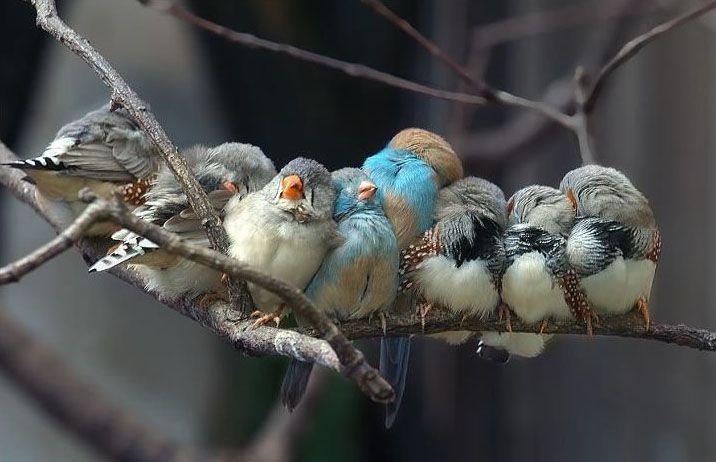
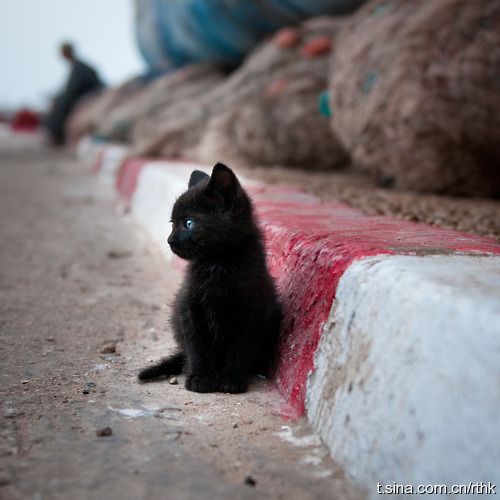
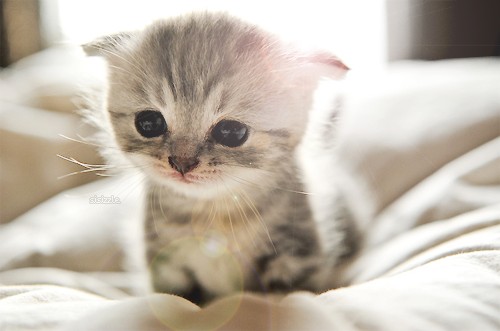
More of those wonderful photographs sent to me by Su.
(Now moving beyond the world of dogs! But you will still love them!)
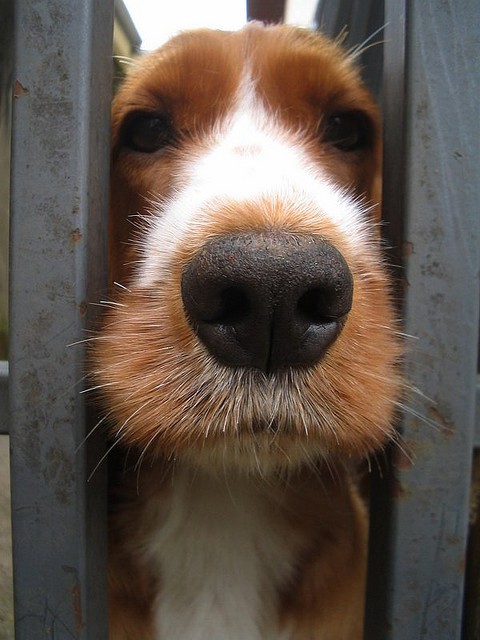
oooo
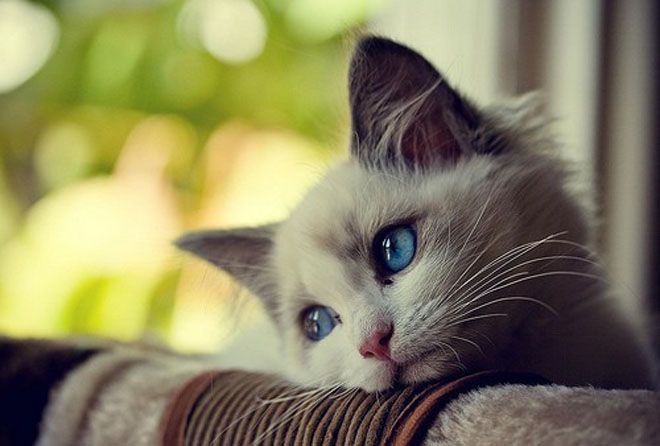
oooo

oooo
oooo
oooo
oooo
oooo
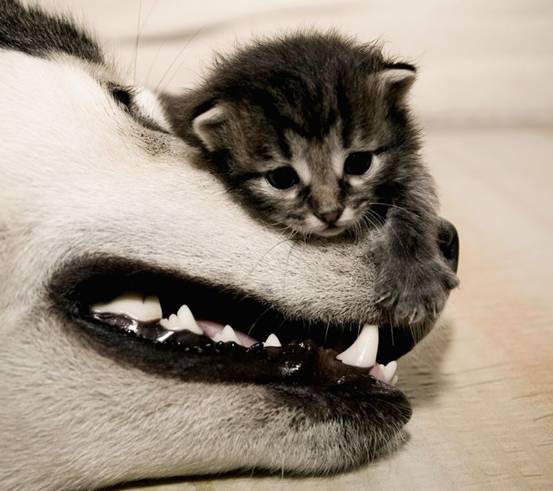
Come back in a week’s time for another set of these wonderful photos.
Thank you, Su!!
Steve’s Real Food Recalls Dog and Cat Foods
This came in yesterday and is shared with you as per normal.
September 7, 2018 — Steve’s Real Food of Salt Lake City, Utah is voluntarily recalling limited quantities of its raw frozen dog and cat foods due to possible contamination with Salmonella and Listeria bacteria.


The affected products were nationally distributed and are identified with the following UPC codes and “Best by” dates located on the front of the bag.
Salmonella and L. mono can affect animals eating the products and there is risk to humans from handling contaminated pet products.
Symptoms of infection in people include nausea, vomiting, diarrhea or bloody diarrhea, abdominal cramping and fever.
Consumers exhibiting these signs after having contact with this product should contact their healthcare providers.
Pets with Salmonella and/or L. mono infections may be lethargic and have diarrhea or bloody diarrhea, fever, and vomiting.
Some pets will have only decreased appetite, fever and abdominal pain.
Infected, but otherwise healthy pets can be carriers and infect other animals or humans.
If your pet has consumed the recalled product and has these symptoms, please contact your veterinarian.
This recall is being initiated after the firm was notified by the Washington Department of Agriculture when sample was collected and tested positive for Salmonella and/or Listeria.
The firm did conduct its own test which produced a negative result for both Salmonella and Listeria monocytogenes.
However, because of the company’s commitment to overall safety and quality, Steve’s Real Food is conducting a voluntary recall of these products.
Consumers should also follow the safe handling tips published on the Steve’s Real Food packaging, when disposing of the affected product.
No pet or human illnesses from this product have been reported to date.
This recall is being made with the knowledge of the U.S. Food and Drug Administration.
Consumers are encouraged to check the lot code and best buy date of the affected pet foods.
Any product with the noted lot code and best buy dates should be returned to the specialty retailer where product was purchased for a full refund.
Consumers with questions may contact Steve’s Real Food at 888-526-1900, Monday through Friday, 9 am to 4 pm MT.
U.S. citizens can report complaints about FDA-regulated pet food products by calling the consumer complaint coordinator in your area.
Or go to http://www.fda.gov/petfoodcomplaints.
Canadians can report any health or safety incidents related to the use of this product by filling out the Consumer Product Incident Report Form.
Get free dog food recall alerts sent to you by email. Subscribe to The Dog Food Advisor’s emergency recall notification system.
Again, as I usually say, do share this with all the dog and cat lovers you know/
Thanks.
A post that involves dogs but not what I had in mind!
Last Saturday I published a post The burning of our forests! that included a photograph of the nearby Klondike fire.
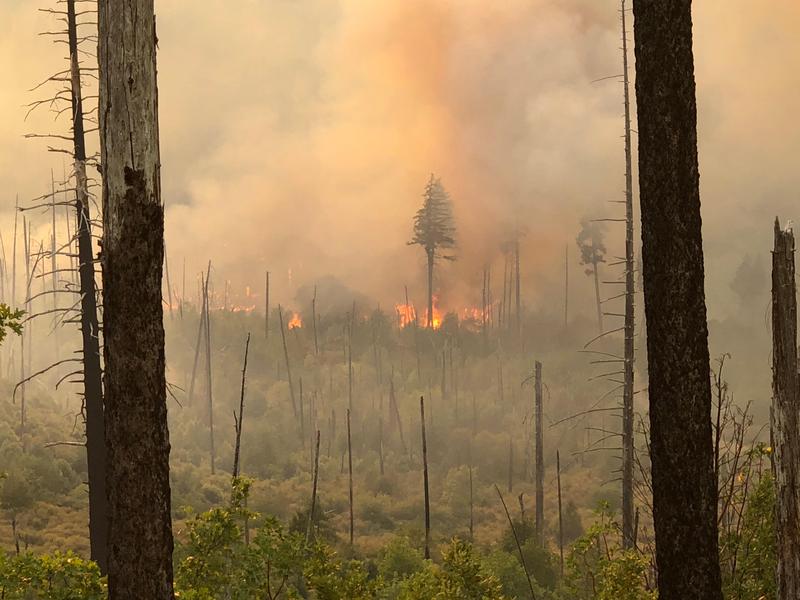
Then last Sunday I was speaking to Maija, my daughter back in England, and she was asking how the fires were and I distinctly recall saying: “Sweetheart, I think we are over the worst!”
That same Sunday evening, around 9:45pm, in other words two evenings ago, one of our neighbours, Margo, who lives on 60 acres adjacent to the west of us, called with real alarm in her voice:
Paul, have you seen the fire that is burning just to the North-East of us?
I replied that I had not but immediately went to our deck that runs the whole Eastern length of our house. Mount Sexton is just a few miles to the North-East of us.
This is what I saw!

Apparently, a short while previously the wind had blown down a tree that had fallen across some high-voltage power lines causing sparking that had, in turn, ignited the extremely dry grassland.
The fire was between Oxyoke Road and Three Pines Road and roughly 2 miles from us line of sight.
That explained why some thirty minutes before, in the last of the light of the setting sun, there had been a number of helicopter flights come across us en route to dropping fire retardant close by. It hadn’t occurred to me that it was an incident so close to us.
Many of us living nearby then called each other to spread the word.
Jeannie and I, in turn, drew up an evacuation checklist and started getting things ready. More importantly, getting ourselves psychologically prepared to have to vacate the property at very short notice: Jeannie and me: six dogs; two horses; two parakeets; three cats; two chickens!
Thankfully an order to evacuate did not come during the night.
So yesterday morning I grabbed my bike and rode to Oxyoke Road. On the way I stopped to photograph the smoke in the air.
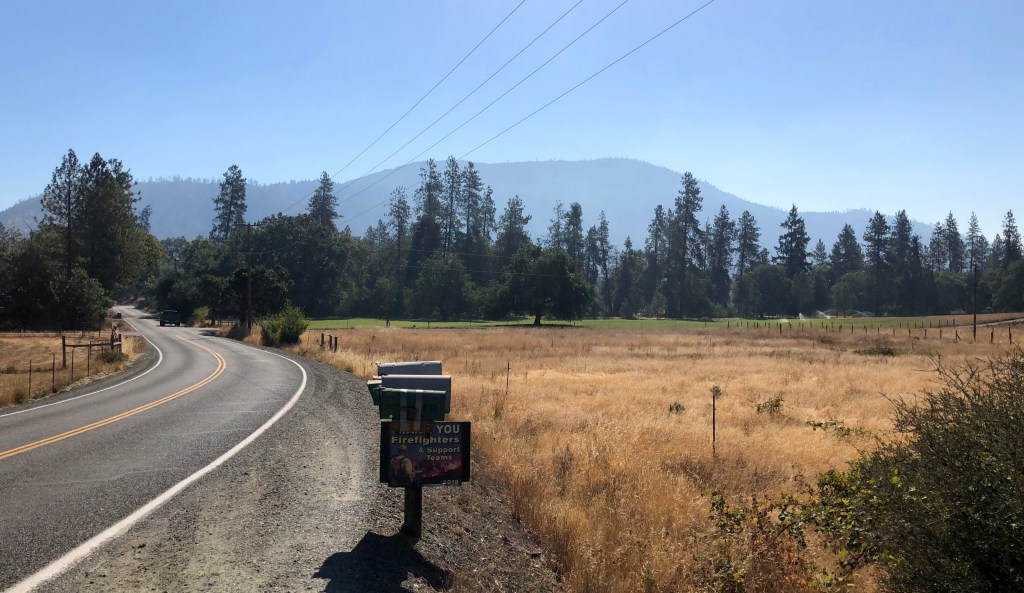
Once at Oxyoke Road I chatted to a search and rescue volunteer on duty controlling the traffic.

His report, as of 11:30 on September 3rd, was that the fire was just 15% contained, was “pretty active”, and that they were keeping an eye on the winds that were expected to be rather gusty later on that afternoon. I am writing this at 13:40 on the 3rd and the present winds are 6 mph, gusting 12 mph, from the North-West.
I rode back home to brief Jeannie and found her working her way through an idea for evacuating the dogs!

H’mmm! I am not sure Pedy is getting the message!

But a few words from Sweeny seemed to sort things out.
So there you are my good people, a post about dogs! Sort of!
Fingers crossed we will speak again tomorrow!
Assuming we don’t have a repeat of last night’s spectacular sights!!

At least this rural living keeps one fit!
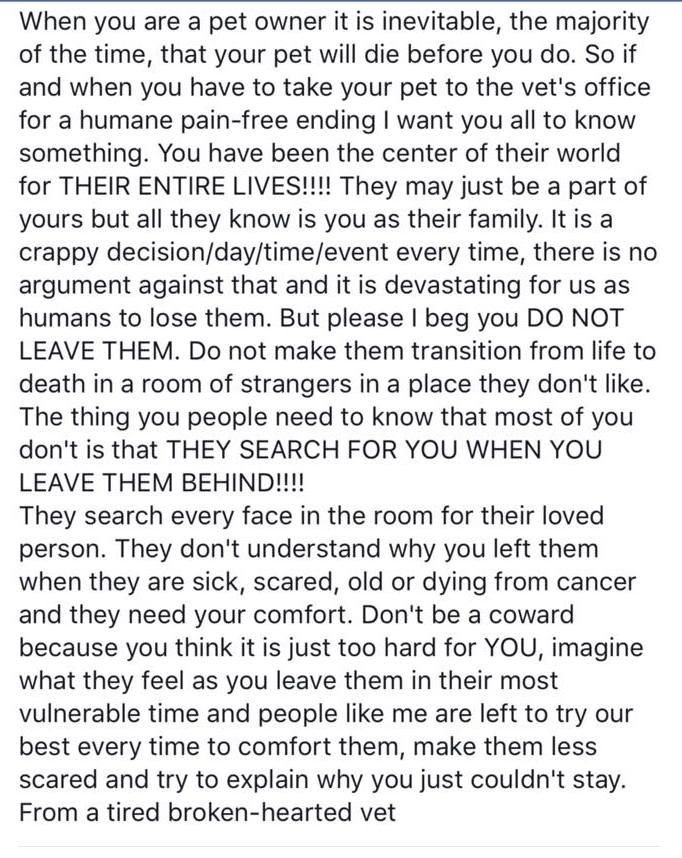
For our beloved pets.
This was recently posted on Facebook by the wife of a local vet.
I will say no more for no more words from me are required.
ooOOoo
ooOOoo
Please spread the word.
…. and what they mean for our beloved dogs!
As frequently happens, recently I was sent an email from someone I hadn’t previously been in contact with. It was Sienna Penfold and this is what she wrote:
Hello Paul,
My name is Sienna, and I’m a full-time mom and a regular contributor to highstylife.com. Proud owner of two beautiful dogs (Coco & Hulk) and beautiful cat adopted from a shelter.
Since I’m equally passionate about my pets and my job I’ve decided to share my knowledge and experiences. I love the combination of sharing information and learning from others. Stories I like to write are mostly connected to pets and lifestyle.
You all know me well enough to know what my response was!!
So here is Sienna’s guest post.
ooOOoo
by Sienna Penfold, August 21st., 2018
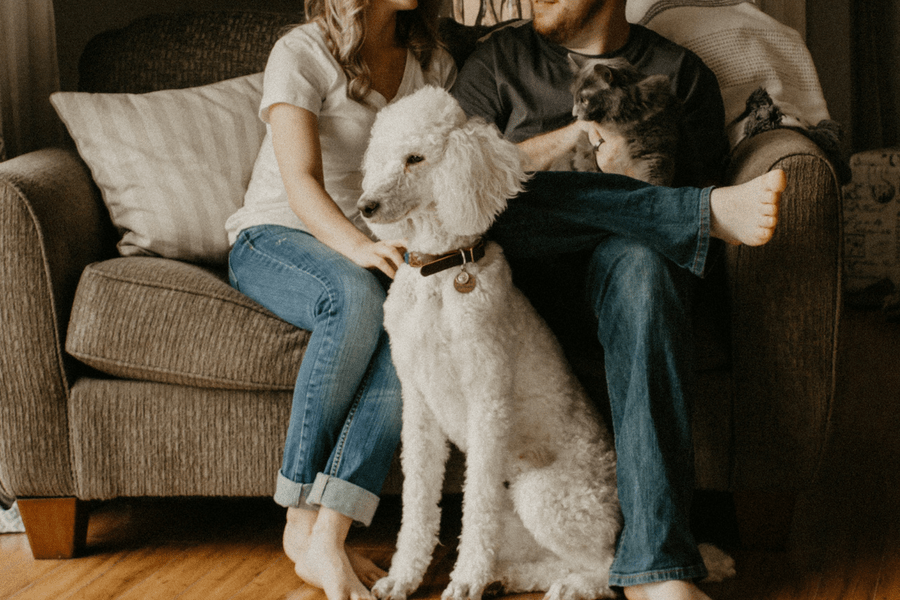
Every year during spring, summer, and most of fall, every pet parent becomes painfully aware of all the crawlies that enjoy the nice weather as much as our furry buddies do. From annoying fleas, which can also carry various diseases, all the way to worms, and ticks, the sunny days of the warm season come with a slew of responsibilities for every family – because, unfortunately, all these insects also pose a risk for us and our kids as well, not just for our pets.
Even if you do your best to prevent any type of an infection, you should also stay alert for any early signs of a flea infestation, and any presence of ticks and other parasites that can wreak havoc on your pooch’s as well as your own health. Let’s go through some of the key symptoms, preventative measures, and possible treatments to make your summers all the more comfortable and worry-free!
Keep an eye on your furball
Fleas and ticks are the most common external parasites that your pooch may have, and while it’s always best to focus on prevention, some dogs are more prone to having these pests and thus need more attention from you. Keep in mind that there are almost 2,000 species of fleas out there, and you may find some to be more resilient than others. The following are some of the simplest symptoms your dog will exhibit in case they have fleas:

On the other hand, ticks are the next most common parasite found in nature, and its many species carry a wide range of diseases that can endanger your dog’s health or even life. These are the symptoms to keep an eye on:
A potential internal parasite infection, coming from a wide range of worms, heartworm included, may cause all of the above symptoms as well as the following issues:
The most effective preventative measures
Depending on your furry friend’s health and specific conditions (if any are present), you can mix and match several useful solutions to prevent any parasite issues. For example, regular grooming, including twice-a-day combing, regular baths with suitable shampoos, and even natural remedies as a part of their diet, such as a smidgen of garlic, and spraying apple cider vinegar mixed with water, can help.
Topical solutions come in various forms, from repellant collars to topicals, and are applied once a month, mostly on a dog’s back. However, you should keep in mind that not every form of protection is all-encompassing, meaning that they sometimes don’t include heartworm protection, which are transferred through mosquito bites.
A great option is a monthly spot-on topical such as Advocate dog flea treatment which also keeps your pooch safe against heartworms, and worms. Remember to weigh your pooch beforehand, because all of these treatments are used in different doses depending on how heavy your dog is.

Protecting your environment
Even though you cannot possibly keep your dog away from all risky spots, especially if you take them to natural spots such as rivers, mountains, and meadows, you can still decrease their risk with the right hygiene rules.
If your pooch lives indoors, make sure you vacuum and clean your home every day, or at least every other day, to remove any potential flea eggs. Removing carpets is one of the best ways to prevent an infestation, although your furniture still leaves plenty of room for them to bask in.
Using flea and tick-repellent substances such as apple cider vinegar in your homemade cleaning supplies, can also help you protect your rooms. Make sure to wash your own linens as well as your dog’s bedding on a regular basis, with items such as the Seventh Generation detergent with predominantly plant ingredients, which are perfectly pet and kids-safe. If you dress your dog, you can use the same detergent to wash their sweaters, and make sure they don’t harbor any unwanted pests!
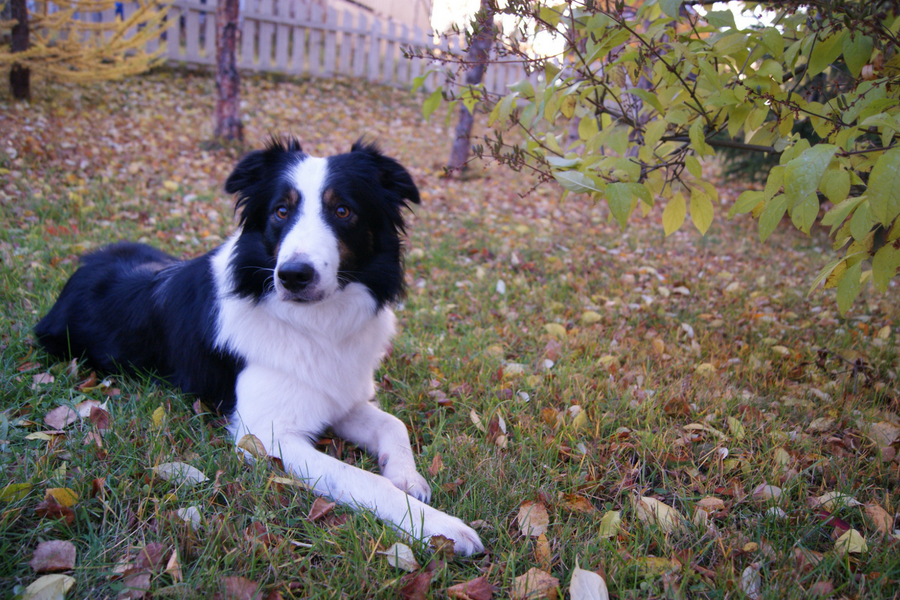
Since all of these parasites transmit many diseases that can also come with all of the listed as well as with more severe symptoms, it’s best to check your dogs from head to toe, especially in those hidden nooks such as between their toes, behind and inside their ears and around their tails. However, it’s always a good idea to have your vet check with you on a regular basis, and make sure that whatever may be causing those symptoms is not a parasite, but a harmless issue, such as an upset stomach.
ooOOoo
Don’t know about you but we found that a very informative guest post!
Want some more?? Please let me know!
As always, I have no commercial interest in or knowledge of any the products and companies mentioned by Sienna.
This was received yesterday afternoon regarding G and C Raw Dog and Cat Food Recall
ooOOoo
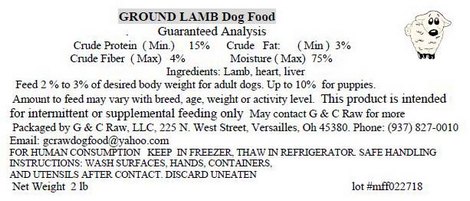
August 3, 2018 — G & C Raw of Versailles, OH is recalling 30 1–pound containers of Pat’s Cat Turkey Cat Food and 40 2-pound containers of Ground Lamb Dog Food because they have the potential to be contaminated with Listeria monocytogenes.

Listeria monocytogenes can cause serious and sometimes fatal infections in animals eating the products.
Furthermore, there is risk to humans from handling contaminated pet products, especially if they have not thoroughly washed their hands after having contact with the products or any surfaces exposed to these products.
Healthy people infected with Listeria monocytogenes should monitor themselves for some or all of the following symptoms: nausea, vomiting, aches, fever, and diarrhea.
Listeria monocytogenes infections can also spread through the bloodstream to the nervous system (including the brain), resulting in meningitis and other potentially fatal problems.
Pregnant women are especially susceptible to Listeria infection, which can result in abortion.
The young, the elderly, and people with weakened immune systems also are more vulnerable.
Consumers exhibiting these signs after having contact with this product should contact their healthcare providers.
Pets with Listeria monocytogenes infections are rare, and pets may display symptoms such as mild to severe diarrhea, anorexia, fever, nervous, muscular and respiratory signs, abortion, depression, shock, and death.
In addition to the possibility of becoming sick, such infected animals can shed Listeria monocytogenes through their feces onto their coats and into the home environment and thus serve as sources of infection to humans and other animals in the household.
If your pet has consumed the recalled product and has these symptoms, please contact your veterinarian.
Pat’s Cat Turkey and Ground Lamb Dog Food products were distributed in OH, MI, IN, PAN, KY, NC, and GA.
They were also distributed by direct delivery by G & C Raw, LLC.
The Pat’s Cat Turkey is sold in 1-pound clear plastic containers with the Lot number WWPKTF051618.
The Ground Lamb product is sold in a 2-pound plastic container with the Lot number MFF022718.
The Lot number codes are listed on the bottom right corner of the label.
No illnesses have been reported to date.
The recall was as the result of a routine sampling program by the Ohio Department of Agriculture which revealed that the finished products contained the bacteria
The company has ceased the production and distribution of the product as the company continues its investigation as to what caused the problem.
Consumers who have purchased Pat’s Cat Turkey Cat Food with the lot number, WWPKTF051618, OR Ground Lamb Dog Food with the lot number MFF022718 are urged to return it to G & C Raw, 225 N. West Street, Versailles, OH, for a full refund.
Consumers with questions may contact: G & C Raw, LLC at 937-827-0010 ET, or by email at gcrawdogfood@yahoo.com.
U.S. citizens can report complaints about FDA-regulated pet food products by calling the consumer complaint coordinator in your area.
Or go to http://www.fda.gov/petfoodcomplaints.
Canadians can report any health or safety incidents related to the use of this product by filling out the Consumer Product Incident Report Form.
Get free dog food recall alerts sent to you by email. Subscribe to The Dog Food Advisor’s emergency recall notification system.
ooOOoo
Sincerely hope that no-one out there has a dog or cat that has eaten this potentially suspect food.
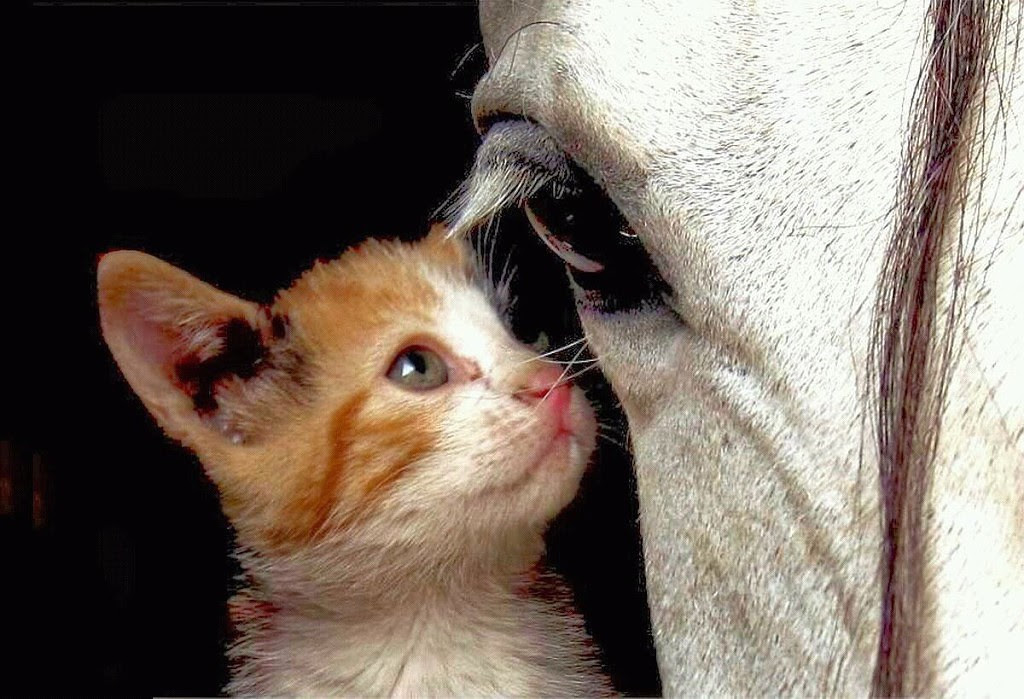
The last set of photographs that were sent to me by Graham.

oooo

oooo
oooo

oooo

oooo

oooo

These wonderful photographs are going to be a very hard act to follow. Thank goodness for Tanja Brandt!
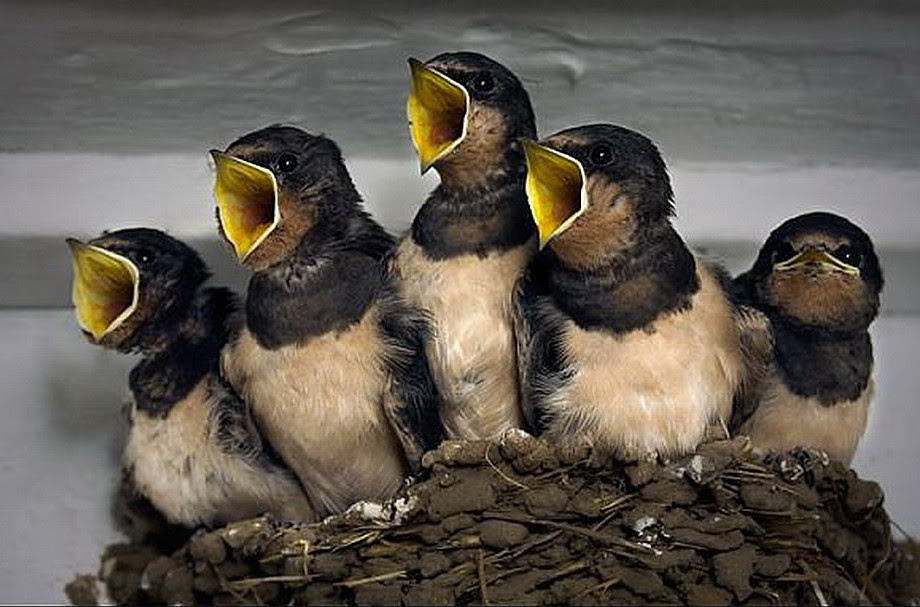
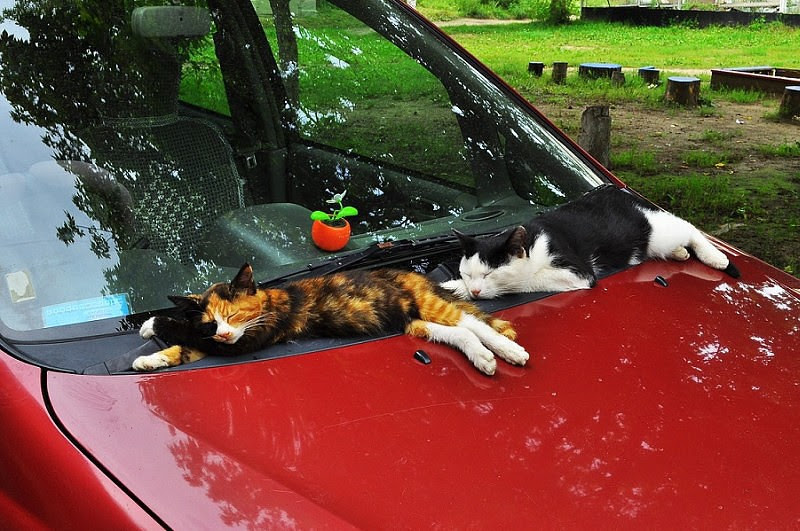
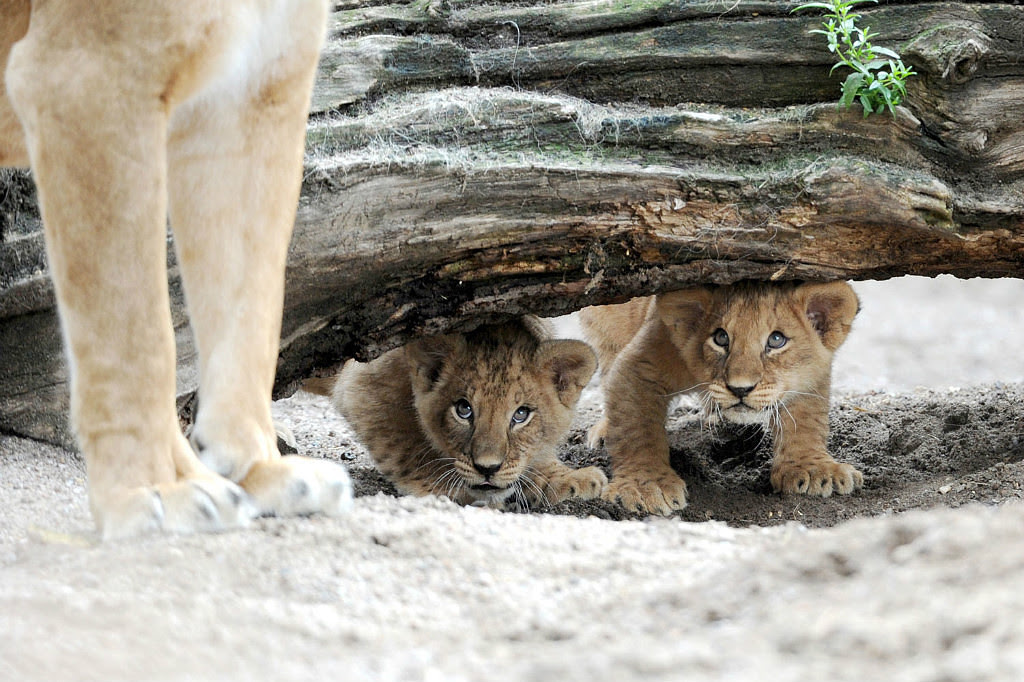
The penultimate set of photos that came via Graham.

oooo

oooo
oooo
oooo
oooo
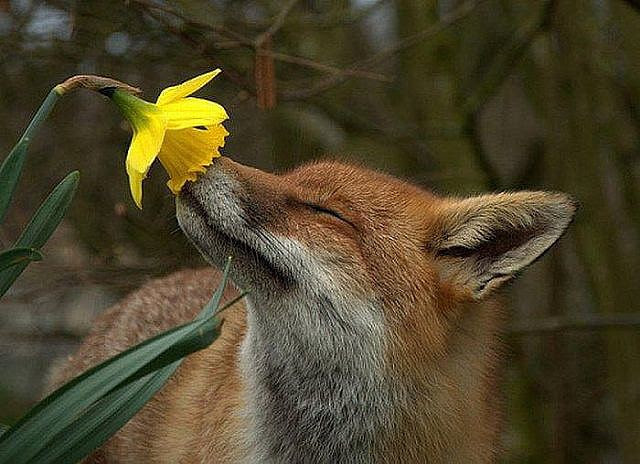
The last set of these breath-taking images in a week’s time.
You all take care of yourselves out there!
 Learning from Dogs