Some of these are repeats.
Thanks to Dordie for passing the email on.
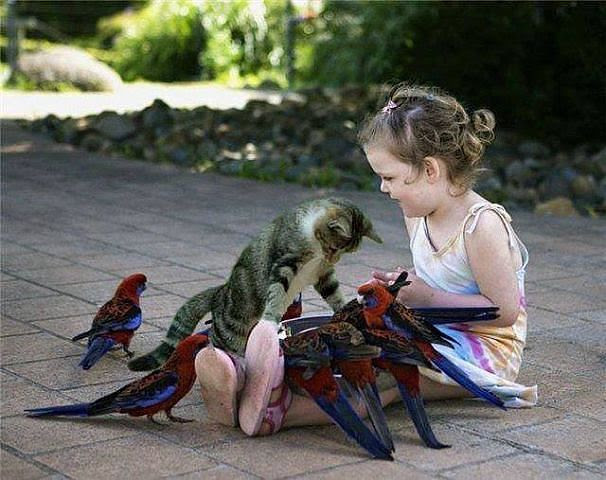
oooo
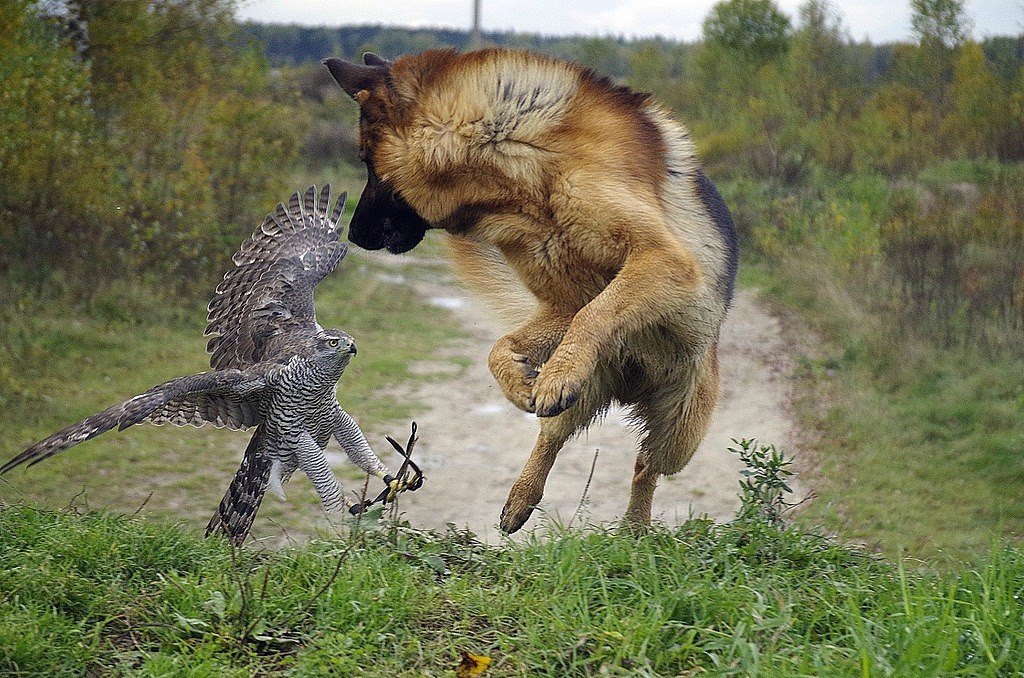
oooo
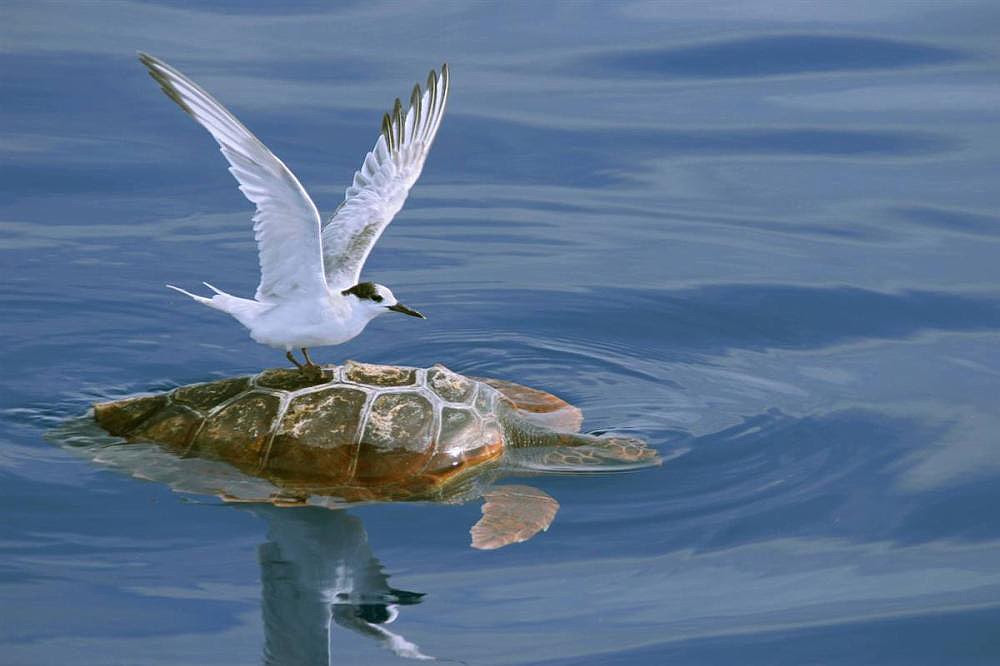
oooo
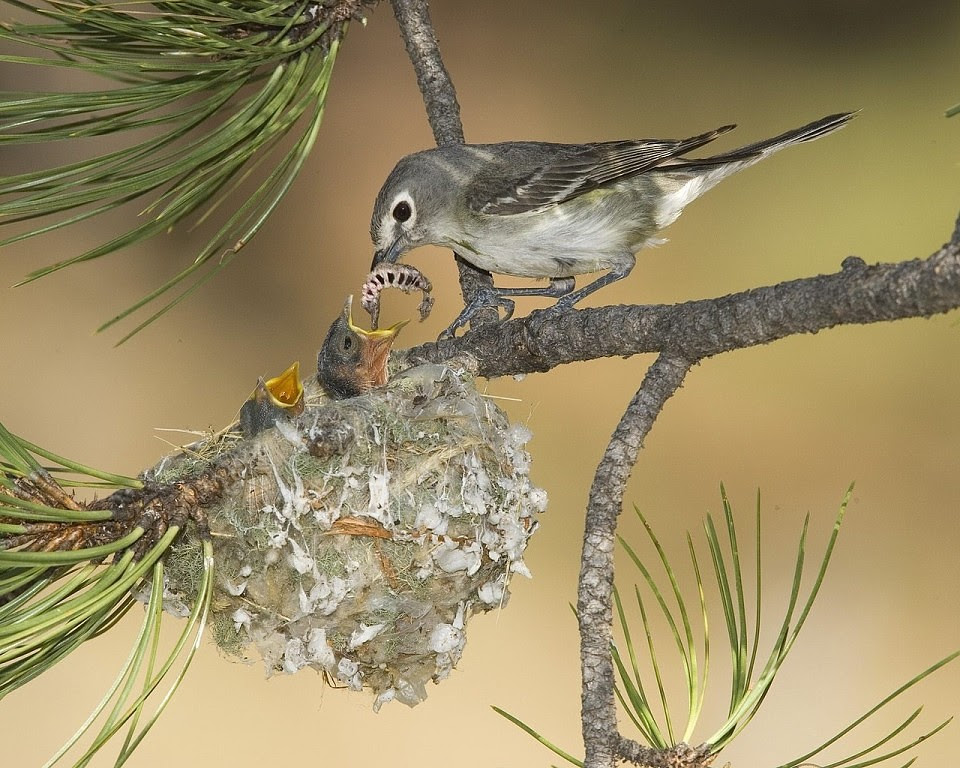
oooo
oooo

oooo
More courtesy of Dordie next Sunday.
Dogs are animals of integrity. We have much to learn from them.
Category: Cats
Some of these are repeats.
Thanks to Dordie for passing the email on.
oooo
oooo
oooo
oooo
oooo
oooo
More courtesy of Dordie next Sunday.
Read this for the sake of your dogs!
Belinda emailed me five days ago about this problem that affects the common bug control products.
She sent me a link to a feature on the Healthy Pets website, from where I take today’s post.
ooOOoo
Dogs explore the world with their noses and often, their mouths. In addition, most are indiscriminate eaters. This combination can lead to all sorts of challenges for dog parents — some funny, some gross, and unfortunately, some that are potentially deadly.
The latter category includes a long list of toxic substances found both indoors and out that most dogs will sniff and perhaps taste, given the chance. One of these poisons goes by a name many of you have probably never heard of: metaldehyde, a chemical used to kill slugs and snails.
Metaldehyde is highly toxic to mammals and birds and is the sixth most common substance veterinarians ask about when they call the 24-hour Veterinary Poisons Information Service, a worldwide emergency hotline. There is no known antidote for metaldehyde toxicosis, and supportive treatment is complicated and costly. Death occurs in approximately 25% of poisoning cases involving dogs.
Lucky for us, a team of veterinarians at the University of Munich became concerned about the number of poisonings and the prognosis for dogs with metaldehyde toxicity. They did some outside-the-box thinking and decided to see if a technique called hemodialysis-hemoperfusion — a procedure used to remove kidney toxins from the blood — might be an effective treatment.
The Morris Animal Foundation funded a grant that allowed the researchers to test their theory on plasma samples contaminated with metaldehyde. They were able to successfully reduce concentrations of the toxin in the samples, so the next step was to see if the technique would work on an actual dog.
Enter Jimbo, a Jack Russell Terrier who sampled slug bait containing metaldehyde. By the time he was brought to the university research team, Jimbo was having one seizure after another, without fully regaining consciousness. The team quickly performed hemodialysis on the dog, and within 24 hours he was back on his feet and on his way home.
As of this writing, the veterinary team has treated 10 dogs with their novel therapy and all 10 had a complete recovery. Their research findings will be published in the not-too-distant future for use by the global veterinary community.
As I mentioned earlier, metaldehyde is a chemical most commonly found in slug and snail baits. The baits usually come in granule form, but can also be found in liquid, powder, meal, gel/paste or pellet form. The baits are designed to release metaldehyde for about 10 days to two weeks under moderately moist conditions.
Bran or molasses is usually added to the baits to make them more attractive to snails and slugs, which also makes them appealing to dogs. Baits sold for home use in the U.S. generally contain between 2% and 5% metaldehyde. According to veterinarian Dr. Ahna G. Brutlag of the Pet Poison Helpline, the products most commonly reported to the hotline in this country include:1
Other U.S. brands include Antimilace, Cekumeta, Meta, Metason, OR-CAL, Slugger Snail & Slug Bait, Ortho Metaldehyde 4% Bait, Slug Pellets, Slugit Pellets and Slug-Tox. Surprisingly, in Europe, slug and snail baits can contain up to 50% metaldehyde. The chemical is also used in small heating systems (e.g., camping stoves) and lamps. The Japanese use metaldehyde in color flame tablets that are ignited for entertainment purposes.
Dogs typically eat slug bait either off the ground or from a container. We don’t yet know how metaldehyde causes toxicity, only that it’s extremely deadly. A 10-pound dog can show signs of poisoning after eating as little as 1 ounce of a typical bait containing 3 metaldehyde.2 The chemical is also toxic to cats, though cases of poisoning are rare. It can also affect wildlife.
If your pet ingests bait containing metaldehyde, signs of toxicity will develop quickly, typically within the hour. The first sign is usually vomiting, because the toxin irritates the lining of the stomach. Next come neurologic signs, which can include anxiousness, increased heart and respiratory rates, excessive drooling, a stiff or drunken gait, and in some cases, hypersensitivity to touch.
As the toxicity progresses, there are muscle tremors that often trigger a high fever that can lead to organ failure. Nystagmus (rapid back-and-forth movement of the eyes) may also occur.
Symptoms of metaldehyde toxicity continue to progress for several hours after the bait is ingested, ultimately resulting in lethargy and weakness, continuous muscle tremors or seizures, loss of consciousness and death if the dog doesn’t receive aggressive, appropriate treatment in time.
Diagnosis of metaldehyde toxicity is most often based on clinical signs and suspected exposure to slug bait. It’s possible to test the stomach contents for the presence of metaldehyde, but the results won’t be back quickly enough to be of any benefit in saving the dog.
Veterinarians typically run a number of diagnostic tests (i.e., complete blood cell count, serum chemistry profile, urinalysis, etc.) to rule out other possible causes for a pet’s symptoms, as well as to find possible complications resulting from the poisoning that also require treatment.
Veterinarians will induce vomiting in dogs brought to them within an hour of ingesting metaldehyde who aren’t showing any neurologic signs. They’ll also be given activated charcoal to bind the metaldehyde still in the intestines, decreasing further absorption. If you can’t get your dog to a clinic within an hour, your veterinarian may instruct you to induce vomiting at home before leaving.
In dogs whose conditions aren’t stable enough to safely induce vomiting, the stomach can be emptied using gastric lavage, a procedure requiring anesthesia and a tube that is passed through the esophagus to the stomach. The tube is used to drain the contents of the stomach, flush it with fluids and place activated charcoal in there to bind whatever metaldehyde remains.
Dogs who undergo gastric lavage will need to stay in the hospital for several hours to receive additional doses of activated charcoal and be closely monitored for signs of toxicity. If signs develop, a longer hospitalization will be required. Supportive care while hospitalized can help keep your dog comfortable and deal with certain effects of the toxin such as tremors, seizures and blood abnormalities. Intravenous (IV) fluids will be given and your pet’s body temperature will be closely monitored.
Most dogs with metaldehyde toxicity who receive early, aggressive, appropriate treatment recover fully within two to three days. However, treatment can be expensive, especially in severe cases requiring sedation or anesthesia. Since the cost of treatment can be prohibitive, and since metaldehyde poisoning isn’t something any loving pet parent wants their dog to endure, prevention should always be the goal.
My recommendation is to avoid using slug and snail baits containing metaldehyde and/or other toxic chemicals. If you want to protect your garden from the critters, consider using broken shells, lava rock or other alternatives to snail and slug bait.
Veterinarian Dr. Catherine Barnett of VCA Hospitals also suggests using copper bands around plants, or adding lavender, mint or rosemary plants to your garden. You can also fill shallow cans with beer to attract and drown slugs.3 You can find additional nontoxic solutions at this link.
– Sources and References
ooOOoo
It’s yet another reason why one should wherever possible keep the whole of one’s property clear of all chemical products. And try as hard as you can to stop your dogs and cats from ‘straying’ onto your neighbour’s land.
Thank you, Belinda.
“Dogs have masters, cats have staff.”
That’s a well-known saying that, nonetheless, has a certain element of truth about it.
So what is the truth?
Well read the following and see for yourself.
ooOOoo
Assistant Professor of Marketing, New York Institute of Technology
Cat videos may rule the internet, but dogs possess mastery of their owners’ hearts – at least if spending is any guide.
Dog owners spend US$240 a month caring for their pets, compared with $193 for cats, according to the 2017-2018 National Pet Owners Survey from the American Pet Products Association. The extra money goes primarily toward vet visits and kennel boarding, but dog owners also spend more lavishly on treats, grooming and toys.
My new paper, “Dogs Have Masters, Cats Have Staff,” shines some light on why.

A growing market
Americans are spending more on pet care as an increasing share of U.S. households own an animal.
A little over two-thirds of all U.S. households own at least one pet, up from 56 percent in 1988, the first year of the National Pet Owners Survey.
And almost half of households own a dog, while just 38 percent have a cat. Generational trends suggest this divergence is likely to grow, as millennials are more likely to adopt a canine, while baby boomers tend to be cat lovers.
This is resulting in a growing market for pet-related products and services, which hit an estimated $72 billion in 2018, up from $46 billion a decade earlier.
A willingness to pay
My study builds on earlier research showing that dog owners are willing to spend more on their pets than cat owners – including to save their lives.
One reason suggested was that dog owners had stronger bonds to their pets, which prompted them to spend more on things like veterinary care.
My research uncovered a key factor indicating why dog owners feel more attached to their pets: Dogs are famously more compliant than cats. When owners feel in control of their pets, strong feelings of psychological ownership and emotional attachment develop. And pet owners want to be masters – not servants.
Like other marketing researchers, my work uses “willingness to pay” as an indicator of the economic, rather than emotional, value owners place on their pets. It shows – and compares – how much pet owners would pay to save their animal’s life.

Who’s in control?
So I carried out three online experiments to explore the role of psychological ownership in these valuations.
In the first experiment, I asked dog or cat owners to write about their pet’s behavior so I could measure their feelings of control and psychological ownership. Participants then imagined their pet became ill and indicated the most they would be willing to pay for a life-saving surgery.
Dog owners, on average, said they would pay $10,689 to save the life of their pet, whereas cat owners offered less than half that. At the same time, dog owners tended to perceive more control and psychological ownership over their pets, suggesting this might be the reason for the difference in spending.
Of course, correlation is not causation. So in a second experiment, I asked participants how much they would be willing to pay to save their animal’s life after I had disturbed their sense of ownership. I did this by asking participants to imagine their pet’s behavior was a result of training it received from a previous owner.
As expected, disrupting their feelings of ownership eliminated the difference in valuation between dogs and cats.
Since pet owners like to control their animals, and since cats are less controllable than dogs, the third experiment went straight to the point: Does the owner value the dog or cat for its own sake or for its compliant behavior?
To find out, I again asked survey respondents to describe how much they’d be willing to pay to save their pet’s life, but this time I randomly assigned one of four scenarios: Participants were told they either own a dog, a cat, a dog that behaves like a cat, or a cat that behaves like a dog.
Participants reported they would pay $4,270 to save the life of their dog, but only $2,462 for their cat. However, this pattern was reversed when the pet’s behavior changed, with dog-behaving cats valued at $3,636, but cat-behaving dogs only $2,372.
These results clearly show that the animal’s behavior is what makes people willing to pay.

Master or servant
These findings establish that psychological ownership is a driving factor in dog owners’ higher valuations.
People feel ownership because they perceive that they can control their pets’ behavior. This research even distinguishes the type of control that probably most stimulates ownership feelings: It’s not just physical control, such as being able to pick up an animal or drag it by a leash. Rather, it’s the animal’s voluntary compliance with its owner’s wishes.
No matter how cute and cuddly your kitties may be, they can’t compete with dogs when it comes to giving pet owners the sense of mastery they seek.
ooOOoo
Taken from here.
What I find amazing are the figures for the US in terms of dog ownership. As in over half of households own a dog.
I suspect it will continue to grow.
Because the bond between a human and a dog is unique as well as being very beautiful!
The truth of having a dog in your life.
I really should have written having a pet in your life because the following story is about cats and dogs. Plus, it’s been copied from The Guardian Newspaper so I fully expect that it will be taken down fairly soon.
But here goes!
ooOOoo
Suffering patients may need to just be asked ‘tell me about your pet’

‘I wonder how often doctors are cognisant of the silent distress of patients who are separated from their pets?’
An elderly patient is admitted to hospital after a fall at home. He is stunned after the fall but, thankfully, uninjured. It takes him a few days to recover but as soon as he is able, he wants to go home. The physiotherapist wants to work with him, the social worker wants to examine his support system, but all he wants to do is go home. We feel he is not yet safe. He acknowledges that a worse event could happen but still, he wants to go home. Theories are posited as to why.
Maybe the concussion is worse than we first thought. Maybe he is cognitively impaired and unable to make decisions about his safety, in which case a state-appointed guardian may be needed. Maybe he doesn’t like the other patients, in which case he could be placated by moving him to another room. It is the beginning of a month of medical rounds for me and he is the handover without a plan.
He is sitting out of bed, dressed and sipping his tea. He looks up at a new face with interest.
“I am the specialist taking over your care,” I say.
“Look, love, please just let me go home. I’m begging you.”
Something about his desperation moves me and I am struck by the imbalance of power between me and my patient twice my age.
“I really want to, but help me understand why you’re so eager.”
I expect to hear about the incessant noise in the hospital, the bad food or the lack of clear communication but instead, to my complete surprise, tears start rolling down his face.
“It’s my cat. I want to see my cat.”
The cat is a link to the years he shared with his late wife. Now it snoozes in his wife’s chair and responds to his reminiscences, as if to say it knows he is hurting. In the twilight of his life, when his children are too busy to visit and the residents in his retirement village keep falling sick, his cat is the constant in his life.
“You can’t fix an old man,” he pleads. “But send me back to my cat.”
“I am going to do just that,” I say.
Outside, his story touches a nerve. People band together, set up community services and get him home quickly. In the end, he turns out to be a simple discharge. Reuniting an old man with his cat turns out to be the best medicine, which leaves me wondering how often doctors are cognisant of the silent distress of patients who are separated from their pets. Not often, I suspect.
The very next week, the distress of another patient announces itself loudly and heartbreakingly. She is 50, her dog was 18. She was divorced and lonely. He was old and slow. When her work turned her out and her friends moved on, the dog proved her anchor.
Amid all the shifting circumstances of her life, he never stopped loving her and greeting her with delight every morning. He needed nothing more than a walk and a few biscuits to send him into raptures of delight. Suddenly he fell very ill and the vet suggested the kindest thing to do was to let him go. So she did. Then she came home and took an overdose. How could she face life without her dog?
The postman spotted her through the window and called an ambulance. She was successfully resuscitated and now she is on the medical ward, awaiting psychiatric intervention. When I meet her she is pleasant and remorseful, particularly for being a burden on the overstretched mental-healthcare system.
A psych consult won’t help her, she pleads, another dog will. In fact, she has found just the right one and even thought of a name. She just hopes it won’t be gone before she is cleared. I tell her that all my sympathies still won’t add up to a hasty discharge because she really does need to see the psychiatrist. She begins to sob.
I have an insightful resident with me.
“Tell me about your dog,” she asks brightly. “I love dogs.”
The patient pulls out a photo from under her pillow.
“He is so happy,” I remark as I start jotting some notes.
“He was all I had. I went months without talking to people.”
Her loneliness will need attention but that’s a topic for another day, easy to identify but difficult to fix.
“What was his favourite thing to do?” the resident smiles, leaning forward.
“He loved to walk, even as an old thing.”
We go back and forth, the standard questions about headache, pain and immobility replaced by an interest in a departed dog that was the life of his owner.
It feels intuitively right but somehow misplaced, as if we are breaking some established protocol that says we should be asking about the number of pills she took and whether there was alcohol involved and what she would do if her new dog got sick. We should be checking her vitals, ensuring her bloods are fine, that the drug screen is clear. And watching our every word in case something inopportune brings her grief crashing back and we are to blame.
Except, in that moment, it is clear that while the medical questions have merit, the most important thing for this patient at this time is to cast them all aside and create a common understanding to make her feel less lonely in her experience. I count 10 minutes spent at her bedside. In those 10 minutes, we watch her mood lift and fresh hope enter her tone. There are people who love dogs, she thinks. There are people who understand my grief. Why, they are even interested in my old dog.
Our time is limited, and we must move on apologetically. With dry eyes and genuine gratitude, she says, “Thank you for asking about my dog. It’s the nicest thing anyone has done.”
Really? Could it be this simple?
Amid the trappings of modern medicine, it’s hard to believe that the inexpensive 10 minutes spent at her bedside might have proved to be the most useful and cathartic treatment of all. All her tests turned out fine. A day later, she is deemed safe for discharge and is overjoyed at the reprieve.
The next time we meet an upset patient, I suspect we will be tempted to ask the same question as always, “What’s the problem?”
But with a better history and a little luck, these experiences will shape a more nuanced approach to the suffering of patients. For many of them, the best question may be a request. “Tell me about your pet.”
ooOOoo
It’s both a beautiful story and a powerful one. It explains how for many people having a pet in their lives is more than a nice thing, it’s the reason for living.
Wonderful.
Thank you Margaret for sending me the link to this news item.
Another guest post from Emily Parker.
I can’t believe that the last time we had a post from Emily was back in July, 2016.
You may not recall but Emily’s background is a cat parent to 2 lovely cats, Gus and Louis “Gus only has one eye, but we love him all the same!”. She has lived with dogs in the past and can’t wait to add a dog to the family again. She writes about all things cats at her blog, Catological.com.
OK, that’s enough from me.
Here is Emily’s guest post.
ooOOoo
By Emily Parker, Catological.com
For a dog and a cat to live harmoniously in one home is a goal that many pet owners want to achieve. Before this happens, some variables need to be considered to make a good relationship between pets work.
As the pet parent, it’s important to be in tune with the tendencies and personalities of your pre-existing pet, be it a dog or a cat, and the inclinations of your new pet if you want them to live harmoniously together.
Personality is More Important than Breed
While most people pay attention to the breeds of dogs and cats when it comes to the aspect of getting along, experts argue that taking their energy and personalities into account is more important. For example, if you already have a dog that’s known for its aggressive ways don’t adopt a skittish cat. In a similar manner, an aging dog may not enjoy living in one household with a lively and playful kitten who is always interrupting the peace.
If you already have pets whose personalities don’t match, this is where your backup plan should be used. You should set up a living arrangement wherein they are separated as much as possible, while providing them each with as much loving attention as possible.
If you’re adopting a new pet, do your research and ask the caretakers if it has lived with other pets before or if the pet has a hard time getting along with others.
Give a Cat its Own Space Before Introducing it to the Dog
While most dogs are quite extroverted animals, cats need space – something that they can call their own. It’s just their nature, and you should respect that. Make sure that you provide a space that your dog won’t be allowed to navigate, so your cat can confidently mind her own business without triggering a fight with her canine brother.
Cats are natural climbers, so it should be easy to take advantage of your home’s vertical space. Prepare a cat bed atop a shelf or a bookcase, or install a cat tree that your dog can’t reach. This will allow your cat to observe your dog from across a room or from a distance.
Make sure the cat’s litter box is away from the dog, too. Cats have long been observed to hide while doing their business, and there’s also the tendency of dogs to chew on cat poo that you should be concerned about.
You can install baby gates if you must – just make sure to do everything in your power to keep a dog away from a pooping cat!
Make Sure Your Dog Has Plenty of Physical and Mental Exercise
It’s important for dogs to have their energy released someplace else other than your home so they can slow their brains down and practice restraint whenever they’re around your cat.
These are creatures that require a lot of stimulation; otherwise, they might end up chasing the cat. To prevent this from happening, practice high-intensity trick training, lure coursing, or herding-type activities with your dog.
Don’t settle for just walking, if you can help it. You can do a sit several times on each block and do direction changes now and then. You can also practice speed changes.
Dogs should be able to let go of their herding instincts around cats, and you can help them achieve this by ensuring that your pet is always active, both in mind and in body.
Should you lack time for these activities, you can always enroll your dog in daycare or hire a dog walker instead.
Allow Your Pets to Follow Their Noses
Before introducing the dog and the cat to each other, allow them to sniff each other’s toys or beddings first.
This will satisfy their curiosity as to who the other pet is in the house, and serve as an introduction. It can also prevent turf wars in the future.
While your new pet is safely tucked away in a spare room, rub him down with a clean towel, and then present it to your existing pet to sniff, and vice versa.
Plan the First Meeting Properly
As with most humans, first impressions count, so make sure it all turns out well for the dog and the cat.
After you’ve introduced scents, you can have a visual meeting, preferably behind the safety of a baby gate or most-closed door.
After they’ve been able to smell and see each other a few times, it’s time for the main event.
Your cat should always have a clear escape route during this meeting, and you should not force the issue. If possible, take control of your dog without being aggressive about it, to ensure that he doesn’t chase the cat.
You may have to do this multiple times before everyone is comfortable with each other, always making sure you praise your dog for calm behavior, while ensuring the cat isn’t forced into a meeting from which she has no escape.
When it comes to food, the choice you make may depend on how well the two pets get along together, though I’d recommend having meal time in separate places or times if possible.
Separate Each Other’s Toys and Food
Always keep your pets’ separate. Some cats are known to be nonchalant with the company of an eating dog, even walking around the dog while he’s eating to try to eat from the bowl. Many dogs will allow this, but don’t be so sure on your pet. Don’t assume that your dog won’t get overprotective with his food bowl. (Not to mention dog food is not appropriate for cats to eat.) You can prevent mealtime wars by scheduling regular mealtimes and place the bowls in separate parts of the house.
While some pets won’t make an issue of this, you can give yourself the best chance of a peaceful home by making sure their toys don’t get mixed up. Competition over toys can start a fight. Some dogs have taken into catnip as well. So always segregate.
Consider Raising a Cat and Dog Together
Compared to introducing them to each other as adults, it’s easier if each pet meets each other at a young age
Puppies are typically easier to train than adult dogs who have become set in their ways, and they can be taught to not harm a kitten or just to leave it to its own devices. Kittens are incredibly curious and playful, and will associate the dog as a friend and will get used to its company as she grows into a mature cat.
But then again, it never hurts to be cautious!
At the end of the day, your duty as a pet parent is to keep watch over your pets and make sure they’re well fed and safe within your home. With proper guidance, training, and a whole lot of patience, it’s not impossible for a dog and cat to live together peacefully.
ooOOoo
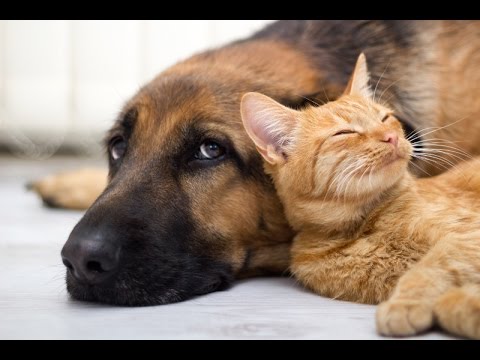
Now I took the following picture from another blog and when you visit that page you can read another account of cats and dogs living together.
But I will close with that image because it is so perfect!
Background
On January 21st this year I republished a post by Tom Engelhardt and called it The song this planet needs to hear. His post was essentially a piece written for Tom by Dahr Jamail. It was called A Planet in Crisis and it included reference to a recently published book The End of Ice.
Subsequently, I decided to order the book by Dahr Jamail, it arrived a week ago and I ended up finishing it last Saturday.
I was minded to publish a review of the book, and here it is:
The End of Ice by Dahr Jamail

This is a book that I wished I had not read.
Yet, this is a book that once started I wanted to finish, and finish quickly.
It’s a brilliant book. Very impressive and very readable. But I speak of it from a technical point-of-view.
Now that I have finished it life will never be quite the same again. Nor, for that matter, for anyone else who chooses to read it.
Dahr Jamail has a background as a reporter, with some other books under his belt. But his reporting skills really come to the fore with The End Of Ice. For he has travelled the world speaking to experts in their own field and listening to what they say about the future prognosis of the planet that you and I, and everyone else lives on.
Earth has not seen current atmospheric CO2 levels since the Pliocene, some 3 million years ago. Three-quarters of that CO2 will still be here in five hundred years. Given that it takes a decade to experience the full warming effects of CO2 emissions, we are still that far away from experiencing the impact of all the CO2 that we are currently emitting. (p.5)
And if you are below the age of 60 or thereabouts you are going to experience this changing world head on. To be honest, whatever age you are things are starting to change.
Take this:
We are already facing mass extinction. There is no removing the heat we have introduced into our oceans, nor the 40 billion tons of carbon dioxide we pump into the atmosphere every single year. There may be no changing what is happening, and far worse things are coming. (p.218)
It really is a grim read. A grim but necessary read.
The eight chapters in the book spell out what is already happening. The diminishing glaciers and rising snow levels, the loss of coral, the rise in sea level and the loss of vast tracts of land as a consequence. Then there is the future of forests around the world. As I said, it is a grim read but a necessary one.
Towards the end of the book Dahr Jamail quotes author and storyteller Stephen Jenkinson:
“Grief requires us to know the time we’re in,” Jenkinson continues. “The great enemy of grief is hope. Hope is a four-letter word for people who are willing to know things for what they are. Our time requires us to be hope-free. To burn through the false choice of being hopeful and hopeless. They are the two sides of the same con job. Grief is required to proceed.” (p. 218)
Upon finishing this superb book, that you really do need to read, the one emotion that I was left with was grief. For what we have done to this planet. For what we are doing to this one and only home of ours.
Grief.
P.S. Dogs would not have done this to our beautiful planet.
We welcome with open arms this change in the law!
ooOOoo
December 30th, 2018.

California is set to become the first state in the US to ban the sale of non-rescue animals in pet shops.
The new law, known as AB 485, takes effect on 1 January. Any businesses violating it face a $500 (£400) fine.
The change means cats, dogs and rabbits sold by retailers cannot be sourced from breeders, only from animal shelters.
Animal rights groups have heralded it as a step forward against so-called “kitten factories” and “puppy mills”.
They say the current “high-volume” industries, where pets are bred for profit, can lead to inhumane treatment and long-term emotional and physical health problems in some animals.
The new state-wide law, approved in late 2017, will now require shops to maintain sufficient records of where they sourced each animal, for periodic checks by authorities.
It does not, however, affect sales from private breeders or owner-to-owner sales.
Some Californian shop owners have raised concern the law could put them out of business. The measure has also seen resistance from the American Kennel Club, which said it limits pet owners.
According to American Society for the Prevention of Cruelty to Animals (ASPCA) estimates, more than 6.5 million pets enter shelters across the country every year, of which about 1.5 million are put down.

The California assembly member who introduced the legislation, Patrick O’Donnell, has insisted the legislation is not just “a big win” for “four-legged friends”, but for California taxpayers too, as they spend hundreds of millions on sheltering animals across the state.
A couple hoping to adopt a cat from a San Diego shelter on Friday, told NBC News the move was a step forward for the state.
“It takes the emphasis off the profit of animals and puts the emphasis back on caring for and getting these cats and dogs a good home,” prospective owner Mitch Kentdotson said.
AB 485 is the first state-wide law of its kind, although other places have enacted similar regulations on pet sales on a local level.
Earlier this month, a similar ban on third-party puppy and kitten sales was confirmed in England.
Lucy’s law, named after a mistreated cavalier King Charles spaniel, also aims to combat low-welfare animal breeding.
ooOOoo
Slowly but surely we are recognising that these animals are more, much more, than ‘belongings‘.
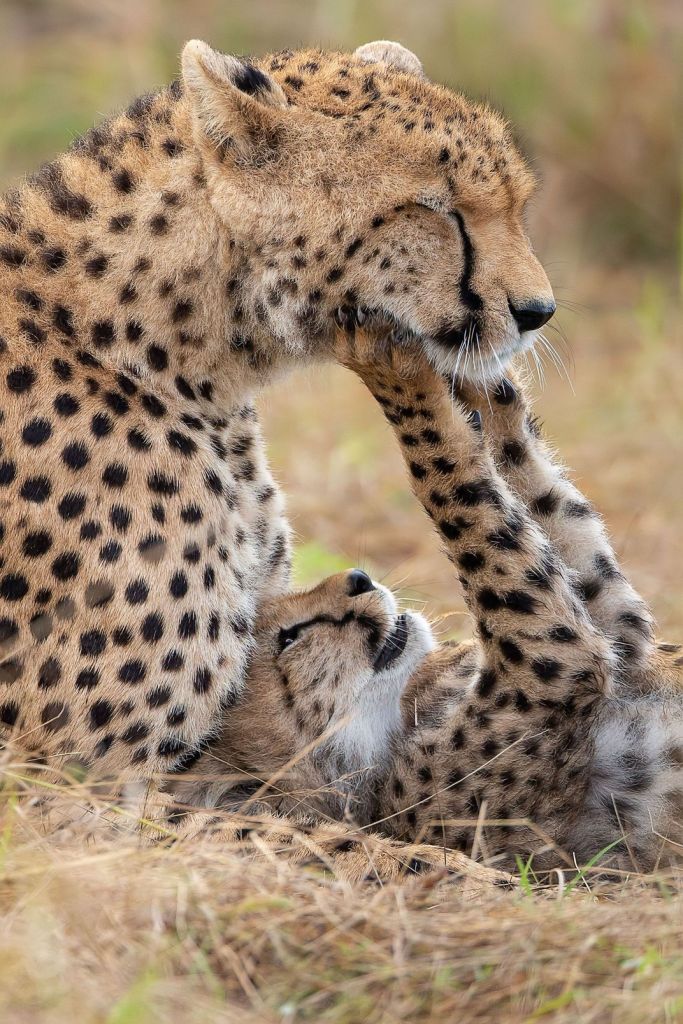
A look at some of the prize winners of the 23rd annual Nature’s Best Photography Windland Smith Rice Award
Taken from here. (And I hope the copyrights aren’t being infringed by me sharing them.)

oooo

oooo
oooo

oooo

Wonderful!
This came in while we were away.
G & C Dog and Cat Food Recall Expands to Include Multiple Brands
October 24, 2018 — G & C Raw of Versailles, Ohio, is recalling all products lots manufactured from February 27, 2018 through July 20, 2018, because they have the potential to be contaminated with Listeria monocytogenes.
Affected products are sold under the brand names G & C Raw Dog Food and G & C Raw Cat Food and sold through direct distribution to customers.
Product Image
No product images have been provided by either the company or the Food and Drug Administration.
About Listeria
Listeria monocytogenes, an organism which can cause serious and sometimes fatal infections in animals eating the products.
Furthermore, there is risk to humans from handling contaminated pet products, especially if they have not thoroughly washed their hands after having contact with the products or any surfaces exposed to these products.
Healthy people infected with Listeria monocytogenes should monitor themselves for some or all of the following symptoms: nausea, vomiting, aches, fever, and diarrhea.
Listeria monocytogenes infections can cause serious and sometimes fatal infections in young children, frail or elderly people, and others with weakened immune systems.
Although healthy individuals may suffer only short-term symptoms such as high fever, severe headache, stiffness, nausea, abdominal pain and diarrhea, Listeria infection can cause miscarriages and stillbirths among pregnant women.
Consumers exhibiting these signs after having contact with this product should contact their healthcare providers.
Pets with Listeria monocytogenes infections are rare, and pets may display symptoms such as mild to severe diarrhea, anorexia, fever, nervous, muscular and respiratory signs, abortion, depression, shock, and death.
In addition to the possibility of becoming sick, such infected animals can shed Listeria monocytogenes through their feces onto their coats and into the home environment and thus serve as sources of infection to humans and other animals in the household.
If your pet has consumed the recalled product and has these symptoms, please contact your veterinarian.
Where Was Product Distributed?
Recalled products were distributed by direct delivery and may have been sent to the following states:
- Georgia
- Illinois
- Indiana
- Kentucky
- Michigan
- North Carolina
- Ohio
- Pennsylvania
- Tennessee
What’s Being Recalled?
The manufacture dates are included at the end of the lot number.
For example, the pet food product manufactured on February 27, 2018 has a lot code of that ends with 022718.
The company is now recalling all products with lot numbers that end in 022718 through 072018.
The recalled dog food products include:
- Beef Veggie Mix Dog Food
- Ground Beef Dog Food
- Sliced Beef Heart Dog Food
- Ground Beef Heart Dog Food
- Kim’s Special Beef Organ Dog Food
- Ground Chicken Dog Food
- Chicken Veggie Mix Dog Food
- Chicken Mix Patties Dog Food
- Duck Veggie Mix Dog Food
- Ground Duck Dog Food
- Ground Rabbit Dog Food
- Rabbit Veggie Mix Dog Food
- Ground Lamb Dog Food
- Lamb Veggie Mix Dog Food
- Ground Beef Pancreas Dog Food
- Beef Liver Chunks Dog Food
- Beef Sweet Breads Dog Food
- Ground Pork Dog Food
- Pork Veggie Mix Dog Food
- Shelby’s Pork Organ Mix Dog Food
- Ground Pollock Dog Food
- Turkey Veggie Mix Dog Food
- Ground Turkey Dog Food
- Tripe Dog Food
The recalled cat food products include:
- Pat’s Cat Beef
- Pat’s Cat Chicken
- Pat’s Cat Turkey
- Pat’s Cat Duck
- Pat’s Cat Rabbit
No confirmed illnesses have been reported to date.
What Caused the Recall?
The recall was initiated as the result of a routine sampling program by the Ohio Department of Agriculture which revealed that some finished products contained the bacteria.
What to Do?
Consumers who have purchased the products are urged to return them to G & C Raw, 225 N. West Street, Versailles, OH, for a full refund.
Consumers with questions may contact G & C Raw at 937-827-0010 from 9 to 5 pm Easter Time or by email at mgcrawdogfood@yahoo.com.
U.S. citizens can report complaints about FDA-regulated pet food products by calling the consumer complaint coordinator in your area.
Or go to http://www.fda.gov/petfoodcomplaints.
Canadians can report any health or safety incidents related to the use of this product by filling out the Consumer Product Incident Report Form.
You keep all your dogs safe out there!
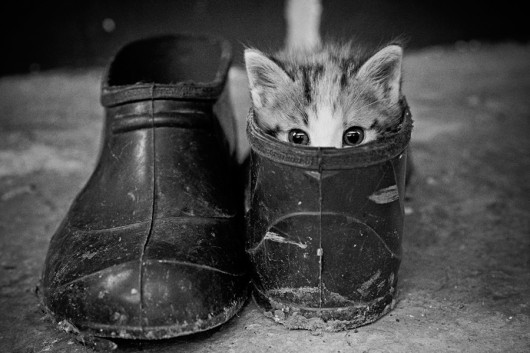
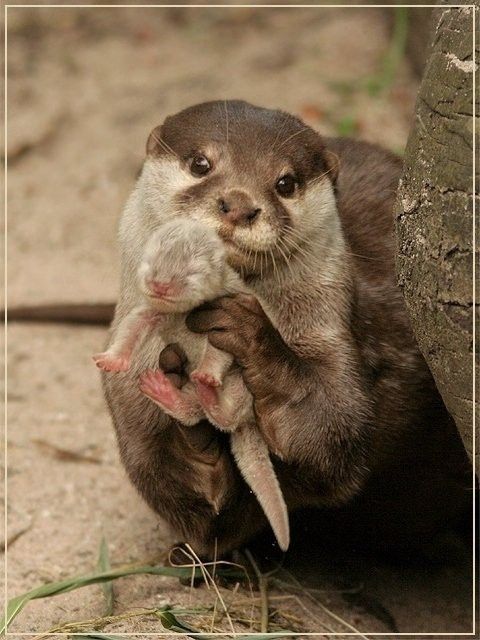
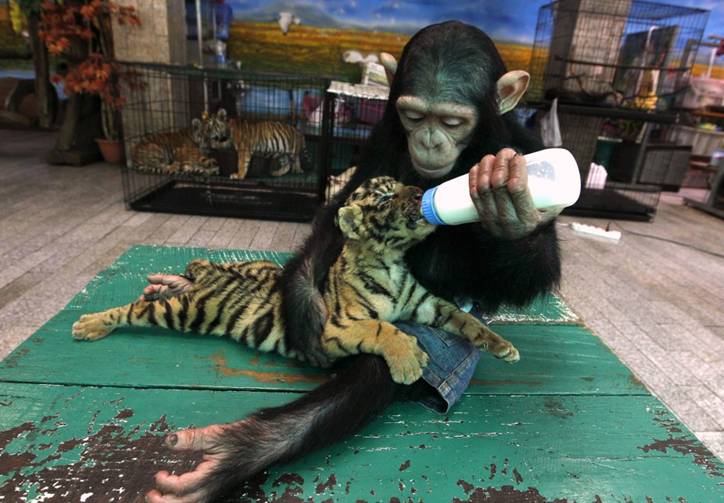
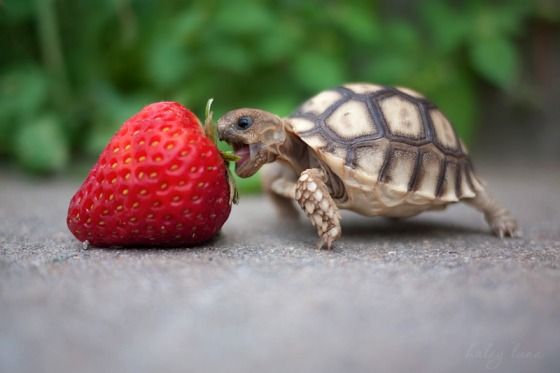
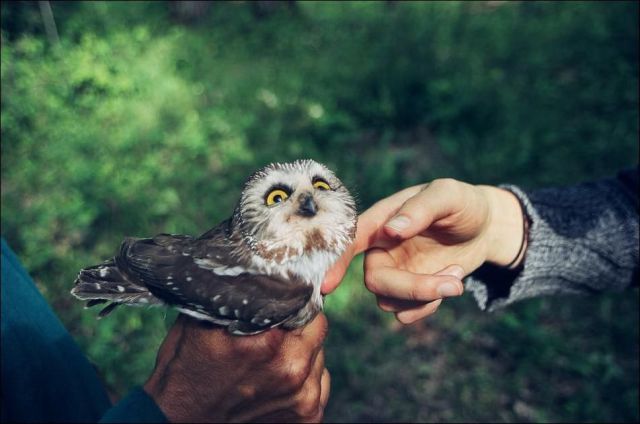
The last of dear Su’s photos.

oooo

oooo
oooo
oooo
oooo
oooo
oooo

So, so beautiful! Especially loved the photo of the chimp bottle feeding the tiger.
How about your favourite?
P.S. Later on yesterday, at 13 minutes past 4pm to be precise, we had rain. Thus ended 111 days without rain.
Then shortly after we had eaten supper and I was washing the dishes, I looked up to see the most beautiful rainbow over the hills to the East of us.

This photo doesn’t do it justice!

 Learning from Dogs