Category: Business

The fate of the world!

Whichever way you look there are substantial challenges.

This post is largely a republication of a recent post from Patrice Ayme. Because when I read it I was profoundly affected. I thought that it needed to be shared with all you good people because if nothing is done then life as we know it is going to come to an end. Period! That includes our gorgeous dogs as well as us humans! So, please, please read it all the way through!

But before Patrice’s post is presented The Economist this last week came out with a special report entitled Business and climate change. I offer a small extract:


For most of the world, this year will be remembered mainly for covid-19. Starting in Asia, then spreading across Europe and America before taking hold in the emerging world, the pandemic has infected millions and killed hundreds of thousands. And it has devastated economies even more severely that did the global financial crisis which erupted in 2008.

But the impact of covid-19 has also given a sense of just how hard it will be to deal with climate change. As economic activity has stalled, energy-related CO2 emissions have fallen sharply. This year the drop will be between 4% and 7%. But to have a decent chance of keeping Earth’s mean temperature less than 2 deg C above pre-industrial levels, net emissions of CO2 and other greenhouse gases must fall to more or less zero by mid-century. And such a drop needs to be achieved not by halting the world economy in its tracks, but by rewiring it.

The next section in the special report was A grim outlook and it was, indeed, a very grim read.

So onto Patrice’s article.

ooOOoo

Back To The Jurassic In A Hurry: 500 Part Per Million Of Greenhouse Gases

Greenhouse gases (GHG) used to be 280 parts per million. Now they are around 500 ppm (including CH4, Nitrogen oxides, chlorofluorocarbons, etc.). This is more GHG than in at least thirty  million years, when the Earth was much warmer, and it is similar to CO2 densities during the Jurassic.

So we are presently transiting to a Jurassic climate. The transition to the Jurassic climate is happening at a rate many orders of magnitude faster than changes in the past. This implies that most forests of the Earth , desiccating and incapable to adapt fast enough, are going to burn… worldwide. This generalized combustion has a drastic potential consequence: generalized hypoxia.

So we should talk about climate catastrophe rather than climate change, and global heating rather than global warming: recent fires got helped by temperatures dozen of degrees higher than normal, in part from compression of the air due to record breaking winds. This is why parts of the Pacific Northwest which never burn are now burning. This will extend to Canada, Alaska, Siberia and already did in recent years. The catastrophic massive release of frozen methane hydrates could happen any time (it already does, but not as bad as it is going to get). It has up to one hundred times more warming power than CO2 (fires release it by billions of tons).

What is the way out? Well, hydrogen is the solution, in two ways, but has not been deployed as it could be. A decade ago, thermonuclear fusion, on the verge of becoming a solution, was starved for funding, and so was green hydrogen (the then energy secretary, Obama’s Steven Chu, prefered investing in batteries, it was more lucrative for his little greedy self).

Green hydrogen enables to store energy for renewables, avoiding blackouts which cut electricity to pumps to fight fires.

We, Spaceship Earth, went from 275 ppm of GreenHouse Gases (GHG) in 1750 CE to 500 ppm in 2020. That doesn’t mean we double the Greenhouse, because the main GHG gas is… water vapor (H2O). What we can guess the best at this point is the EXCESS radiative forcing since 1750 CE, and that’s already nearly 3 Watts per square meter… Equivalent to a million and a half nuclear reactors at full power…

Climate forcing is a fascinating subject, with vast areas without a high level of scientific understanding (LOSU). However we know enough to realize forceful mitigation has to be engaged in immediately.

Joan Katsareas from Philadelphia, PA wrote back: “Thank you @Patrice Ayme for sharing your knowledge of the causes and extent of the climate crisis. I will be seeking out more information on hydrogen as a solution.”

@Joan Katsareas Thank you for thanking me, that is much appreciated. Hydrogen is indeed the overall solution we need at this point. Actually Australia, in collaboration with Japan, is building a gigantic, 15 Gigawatts, project in north west Australia, AREH, the Asian Renewable Energy Hub, to convert renewables from sun and wind into hydrogen products which will then be shipped to Japan. The same needs to be done all over, it would collapse the price of “green hydrogen” (99% of the US hydrogen is from fossil fuels).

In the case of thermonuclear fusion, the  international thermonuclear experimental reactor (ITER) being built in France was slowed down by ten years, from reduced funding, and uses obsolete magnets (superconducting, but not High Temperature Superconductors, which can now be engineered with more compact and powerful fields). A massive effort would bring a positive energy thermonuclear reactor within 10 years… But that effort has not been made… except in China, the usual suspect, where a project, the China Fusion Engineering Test Reactor (CFETR), aims at an energy gain of 12 and a total power equivalent to a fission nuclear reactor. Its detailed engineering has been launched for a while (it’s supposedly symbiotic with the European DEMO project, which will produced as much as a large power station and will be connected to the grid. That too has been delayed, to the 2050s, although it’s feasible now).  The USA needs to launch a similar project, right away.

We face ecological constraints incomparably more severe than those of the Roman state. Rome did not solve its paltry problems, and let them fester: they had to do mostly with a dearth of metals, and the Franks solved them readily. This hindered the Roman economy. The situation we are facing, the threat of a runaway greenhouse is a terminal existential threat.

Look at Venus, we can look at our sparkling neighbor when the forests have finished burning, and the smoke dissipates (we were told it could be months). Once Venus probably had a vast ocean, and probably, life. But it died from a brutal greenhouse generated by Large Igneous Provinces (LIP). The same happened on Earth, on a smaller scale, more than once, in particular with the Permian Triassic mass extinction, which destroyed 95% of known species..

Now the rumor has it that indeed some life may have survived in the atmosphere.  This is not a joke. Consider: Life on Venus? Astronomers See a Signal in Its Clouds. The detection of a gas in the planet’s atmosphere could turn scientists’ gaze to a planet long overlooked in the search for extraterrestrial life.

Life on Venus? Ah, science, all those possibilities… We never imagined we would ever think possible.

Patrice Ayme

***

P/S: I argued in the past, before anybody else, that the dinosaur-pterosaurs-plesiosaurs extinction, and extinction of anything bigger than 20 kilograms was due to volcanism (I was at UC Berkeley when the two Alvarez were, and they seemed too full of themselves with the iridium layer, and I like to contradict certainties…)

How would LIP volcanism set forests on fire? Well, by the same exact mechanism as now: through a massive CO2 driven greenhouse, what may have terminated the Venusians…

In this perspective climate cooling, for millions of years, visible in the graph above, would have disrupted those species which were not equipped to generate enough heat, and then the LIP accelerated into a vast holocaust…

The end with general burning and acidic oceans is hard to duplicate with a bolide, so the impactophiles have argued that the bolide magically impacted the most CO2 generating rock imaginable… Maybe. But an enormous LIP does all that CO2 production/destruction of the oceans, effortlessly… A friend of mine who is the biggest of the big in this academic domain, he decides who publishes, replied to me that the 66 million year old Dekkan LIP is too small… To which I replied that we don’t know what lays below the ocean…

Dogs’ homing instincts!

This article in The Smithsonian is well worth reading.

I think that strictly speaking I should not be republishing articles from The Smithsonian and if I am instructed to take the post down then all you will read is this introduction.

But hopefully they will look kindly towards me.

For there was an article recently that spoke about dogs and their ability to find their way across often strange land. Very interesting!

Here it is!

ooOOoo

Keeping you current

How Do Dogs Find Their Way Home? They Might Sense Earth’s Magnetic Field

Our canine companions aren’t the only animals that may be capable of magnetoreception
A terrier fitted with GPS remote tracking device and camera (Kateřina Benediktová / Czech University of Life Sciences

By Courtney Sexton

SMITHSONIANMAG.COM
July 27, 2020, JULY 27, 2020

Last week, Cleo the four-year-old yellow Labrador retriever showed up on the doorstep of the home her family moved away from two years ago, reports Caitlin O’Kane for CBS News. As it turns out, Cleo traveled nearly 60 miles from her current home in Kansas to her old one in Missouri. Cleo is just one of many dogs who have made headlines for their homing instincts; in 1924, for example, a collie known as “Bobbie the Wonder Dog” traveled 2,800 miles in the dead of winter to be reunited with his people.

Now, scientists suggest these incredible feats of navigation are possible in part due to Earth’s geomagnetic field, according to a new study published in the journal eLife.

Researchers led by biologists Kateřina Benediktová and Hynek Burda of the Czech University of Life Sciences Department of Game Management and Wildlife Biology outfitted 27 hunting dogs representing 10 different breeds with GPS collars and action cameras, and tracked them in more than 600 excursions over the course of three years, Michael Thomsen reports for Daily Mail. The dogs were driven to a location, led on-leash into a forested area, and then released to run where they pleased. The team only focused on dogs that ventured at least 200 meters away from their owners.

But the researchers were more curious about the dogs’ return journeys than their destinations. When called back to their owners, the dogs used two different methods for finding their way back from an average of 1.1 kilometers (about .7 miles) away. About 60 percent of the dogs used their noses to follow their outbound route in reverse, a strategy known as “tracking,” while the other 30 percent opted to use a new route, found through a process called “scouting.”
According to the study authors, both tactics have merits and drawbacks, and that’s why dogs probably alternate between the two depending on the situation.

“While tracking may be safe, it is lengthy,” the authors write in the study. “Scouting enables taking shortcuts and might be faster but requires navigation capability and, because of possible errors, is risky.”
Data from the scouting dogs revealed that their navigation capability is related to a magnetic connection (Kateřina Benediktová / Czech University of Life Sciences)
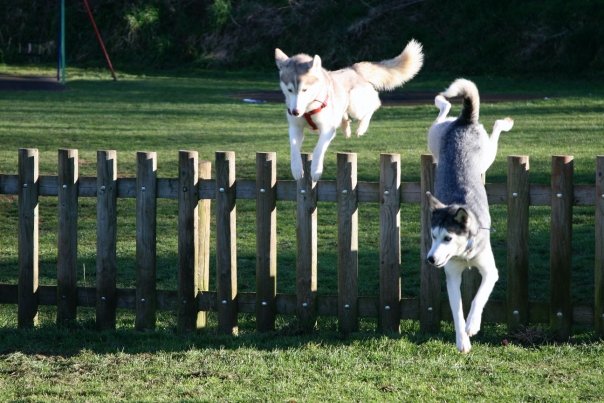
Data from the scouting dogs revealed that their navigation capability is related to a magnetic connection. All of the dogs who did not follow their outbound path began their return with a short “compass run,” a quick scan of about 20 meters along the Earth’s north-south geomagnetic axis, reports the Miami Herald’s Mitchell Willetts. Because they don’t have any familiar visual landmarks to use, and dense vegetation at the study sites made “visual piloting unreliable,” the compass run helps the dogs recalibrate their own position to better estimate their “homing” direction.

Whether the dogs are aware that they are tapping into the Earth’s magnetic field is unclear. Many dogs also poop along a north-south axis, and they certainly are not the only animals to use it as a tool. Chinook salmon have magnetoreceptors in their skin that help guide their epic journeys; foxes use magnetism to hone in on underground prey; and, sea turtles use it to find their beachside birthplaces.

Catherine Lohmann, a biologist at the University of North Carolina, Chapel Hill, who studies magnetoreception and navigation in such turtles tells Erik Stokstad at Science that the finding of the compass run, however, is a first in dogs. This newfound ability means that they can likely remember the direction they had been pointing when they started, and then use the magnetic compass to find the most efficient way home.

To learn more about how magneto-location works for the dogs, the study authors will begin a new experiment placing magnets on the dogs’ collars to find out if this disrupts their navigational skills.

ooOOo

Courtney Sexton, a writer and researcher based in Washington, DC, studies human-animal interactions. She is a 2020 AAAS Mass Media Fellow and the co-founder and director of The Inner Loop, a nonprofit organization for writers.


This is, as I mentioned earlier, a most interesting article. I can’t wait to read more in The Smithsonian. We actually subscribe to the paper version of the magazine. So fingers crossed that in time there will be a further report from Catherine Lohmann.

A chimney inspection, and more

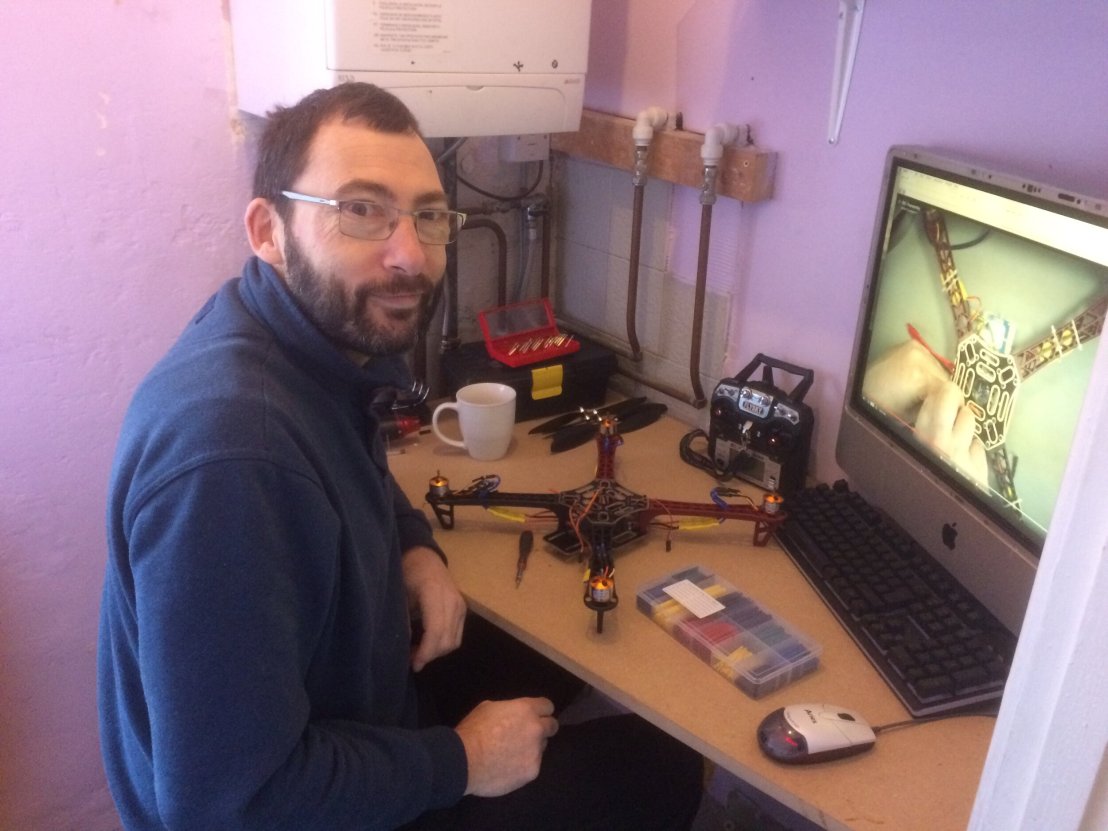
A couple of videos from Rik Cristiansen.

I find this fascinating. Apart from the value to the construction and home repair industries there is a beauty in the following video; well there is to my eyes!

(I suspect the music is also from Rik. I checked; it is!)

And the next one is a look at Rik getting ready to film a cellist. Or in his own words:

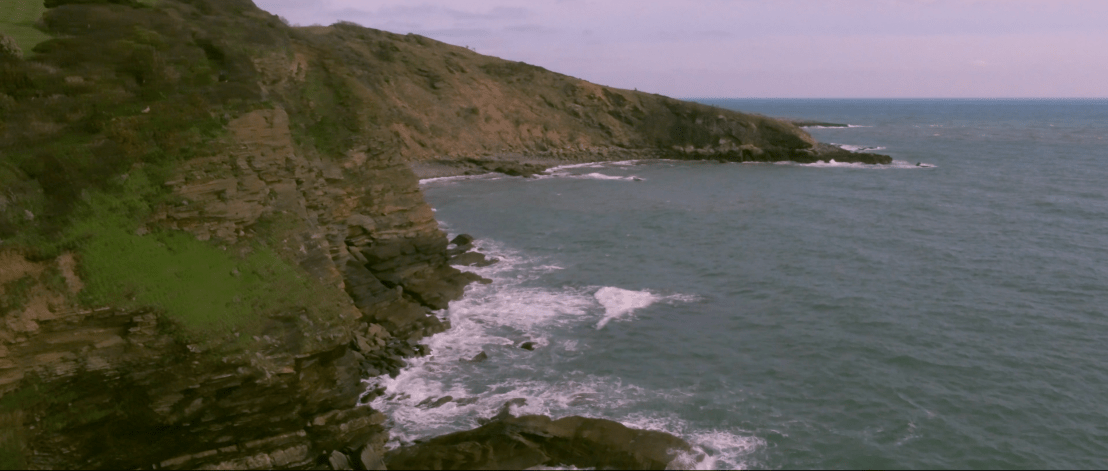
This film gives a look behind the scenes of a recent drone shoot we did for a music video. Additional footage and editing by Jazz Thorn, Music performed by Mateusz Holc.

But it also includes an explanation of the business of getting a drone ready for flight.

And the dogs will have to wait for next Sunday’s Picture Parade! Sorry!

Droning on!

With thanks to Monika for the title of today’s post!

My father was born in 1901. He had two wives. Me and my sister, Elizabeth, are the result of the relationship between our father and his second wife; Betty. Our father died in 1956; December 20th.

My father first was married to Maud and they had two daughters, Rhona and Corinne. Rhona died in 2003 and Corinne died in 2014. Although Rhona and Corinne were half-sisters I prefer to think of them as sisters!

Both had children. But I want to concentrate on Rhona. She and Reider, Norwegian by birth, had four children: Rolv; Greta; Rikard; Marit.

As is the way in this modern world, Rikky who lives near Torquay in South Devon, recently called in to see my brother-in-law, John, and John remarked to me that Rikky’s new wife, Jazz, was gorgeous. I asked Greta for a telephone number and, hey presto, Rikky and I were in contact with each other.

This is a little bit from Rik’s bio.

So you may remember I was with Amanda at the time of Mother’s passing, seems a long time ago now. Well that ultimately came to nothing and I ended up living alone with a couple of huskies in a small flat in Torquay. I had invested a large chunk of Mother’s inheritance into a PA system and set up and ran a sound engineering business for years as well as running quite a successful tribute band to ‘The Doors’. The PA company eventually ended after going into a partnership with a friend who also invested a chunk of cash allowing major upgrades to the kit.

Unfortunately I soon found out he was more interested in holidays to Spain than actual PA work, the problem being I had now sold vital parts of my rig which was replaced by his. We went separate ways and he took his gear with him leaving me without a full system, BIG lesson learnt.

At that point I went back to employment as an engineer for a company servicing and repairing lifting hoists to the health care industry. Four years in and the company went into administration.

Later Rikky says:

Back to work again this time to DPD as a delivery driver for a couple of years following in Rolv’s (Ed: brother) tyre tracks. This was when I also met Jazz on a random night out with friends. We immediately realised that we had many mutual friends and had actually met before many years ago when I was playing in her Dad’s Jazz band! This was around 19 years ago when I was 30 and Jazz was only 16. I only have a vague memory of her then sitting in a corner of the rehearsal room furiously scribbling in a sketch book.

Not much has changed there except she now holds a degree in Art and Design. She is also a Holistic Therapist and has trained in many holistic therapies including Reilki, Reflexology and Massage and is a very talented and beautiful woman. I feel incredibly blessed. She has two daughters Sanije and Latoja (nine and eleven) who I consider as mine; their father left the country last year and went back to Albania which actually has been a blessing for the girls as he is a difficult man to say the least.
So the driving job became another engineering position this time with a company specialising in fire alarms, a couple of years in and the contract I was working on was TUPED over to LiveWest which is one of the largest social housing companies in the South West. Two years after that and the company merged with another housing company, the role changed slightly so I was offered voluntary redundancy which I took giving me the financial opportunity to retrain as a commercial drone pilot and so here we are today.

Thus Rik became a commercial drone pilot and as the home page of his website declares:

We can accommodate all your aerial requirements from photography to cinematography, inspections to 3d mapping.

The name of Rik’s website is Ahead4Heights which strikes me as apt. And from the About page of that website, one reads:

Here at Ahead4Heights we have a passion for flying drones and creating visually stunning aerial films and photography. We are PfCO certified by the Civil Aviation Authority and hold full public liability insurance giving you complete confidence in us to provide the service you require.
With our post production studio facility we are able to add voice overs and original music written to your brief if required as we have our own in house composer and audio recording engineer.
Our UAV fleet consists of a variety of drones from the market leading DJI Inspire 2, capable of filming in incredible  5.2k resolution and producing the RAW file format standard for the film industry to our Pixhawk based quadcopter (equipt with a 4k camera) which we use for autonomous flight taking photos used to generate 3d mapping of locations useful for the construction industry.
Finally we have a heavy lift Tarot 680 hexacopter which is used as a backup drone and also for specialised  payloads such as thermal cameras and high power lighting.
If you simply want aerial photos for property sales, photos and footage for weddings and events we will be happy to offer our services to you.
We can also carry out inspection work on roofs, tower masts and bridges etc where specialised safety equipment and scaffolding would otherwise be required. Utilizing both the high resolution and thermal imaging cameras we are able to identify problems with the insulation of properties, stress points in structures and damage to roofs and guttering.
Ahead4Heights also holds certificates in the building and setting up of drones so if you require a drone built to your special requirements we would be happy to discuss. We would also offer a full maintenance package with any build projects.

A couple more photographs.

oooo

And, of course, one more of the dogs! That is Storm and Tia.

More tomorrow!

Picture Parade Three Hundred and Forty-Eight

I won’t explain more until tomorrow!

oooo

oooo

oooo

oooo

oooo

oooo

There’s quite a story behind this!

And behind this one!

“I have a dream”.

The Golden Circle.

This, again, is not about our beloved animals; in other words, this is not about our dogs.

But it is about something of supreme importance: The role of innovation. That’s innovation in all aspects of our human lives. Think of it as a process of innovation.

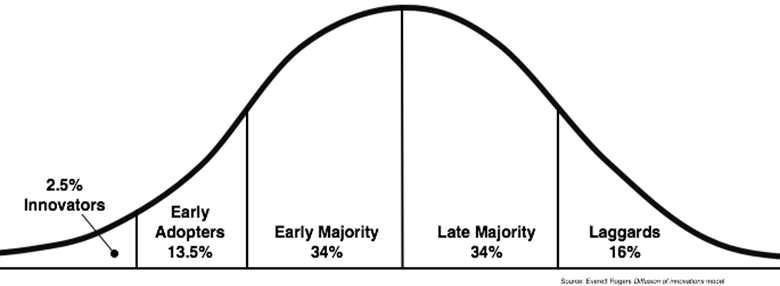
There was the Diffusion of Innovation (DOI) Theory developed by E.M. Rogers in 1962. There is a comprehensive explanation of DOI here, from where I take the following diagram, but before explaining, from that same site, the meanings behind the definitions, I would like to emphasize one important point: “It works better with adoption of behaviors rather than cessation or prevention of behaviors.“.

So here is that diagram:

Distribution.png

Here are the meanings of those terms (my emboldening):

Adoption of a new idea, behavior, or product (i.e., “innovation”) does not happen simultaneously in a social system; rather it is a process whereby some people are more apt to adopt the innovation than others.

Researchers have found that people who adopt an innovation early have different characteristics than people who adopt an innovation later. When promoting an innovation to a target population, it is important to understand the characteristics of the target population that will help or hinder adoption of the innovation.

There are five established adopter categories, and while the majority of the general population tends to fall in the middle categories, it is still necessary to understand the characteristics of the target population. When promoting an innovation, there are different strategies used to appeal to the different adopter categories.

  1. Innovators – These are people who want to be the first to try the innovation. They are venturesome and interested in new ideas. These people are very willing to take risks, and are often the first to develop new ideas. Very little, if anything, needs to be done to appeal to this population.
  2. Early Adopters – These are people who represent opinion leaders. They enjoy leadership roles, and embrace change opportunities. They are already aware of the need to change and so are very comfortable adopting new ideas. Strategies to appeal to this population include how-to manuals and information sheets on implementation. They do not need information to convince them to change.
  3. Early Majority – These people are rarely leaders, but they do adopt new ideas before the average person. That said, they typically need to see evidence that the innovation works before they are willing to adopt it. Strategies to appeal to this population include success stories and evidence of the innovation’s effectiveness.
  4. Late Majority – These people are skeptical of change, and will only adopt an innovation after it has been tried by the majority. Strategies to appeal to this population include information on how many other people have tried the innovation and have adopted it successfully.
  5. Laggards – These people are bound by tradition and very conservative. They are very skeptical of change and are the hardest group to bring on board. Strategies to appeal to this population include statistics, fear appeals, and pressure from people in the other adopter groups.

Now there’s a TED Talk that I hadn’t seen, and yet nearly 51 million people had! It came to me as an email from TED and yesterday, while we were sitting up in bed  early in the morning, I watched it. It ‘spoke’ to me and I felt that I just had to share it with you.

Because so many of the problems that face our society today are global issues and if humans are to have a future on this planet then we need great leaders who will inspire us.

Now watch the following video, it’s just over 18 minutes long, but it says it all.

Continue reading ““I have a dream”.”

Southern Oregon VC, continued.

The story continues …

We closed the first part of this interview with a look inside one of the rooms where dogs are worked on but not to the extent of requiring surgery.

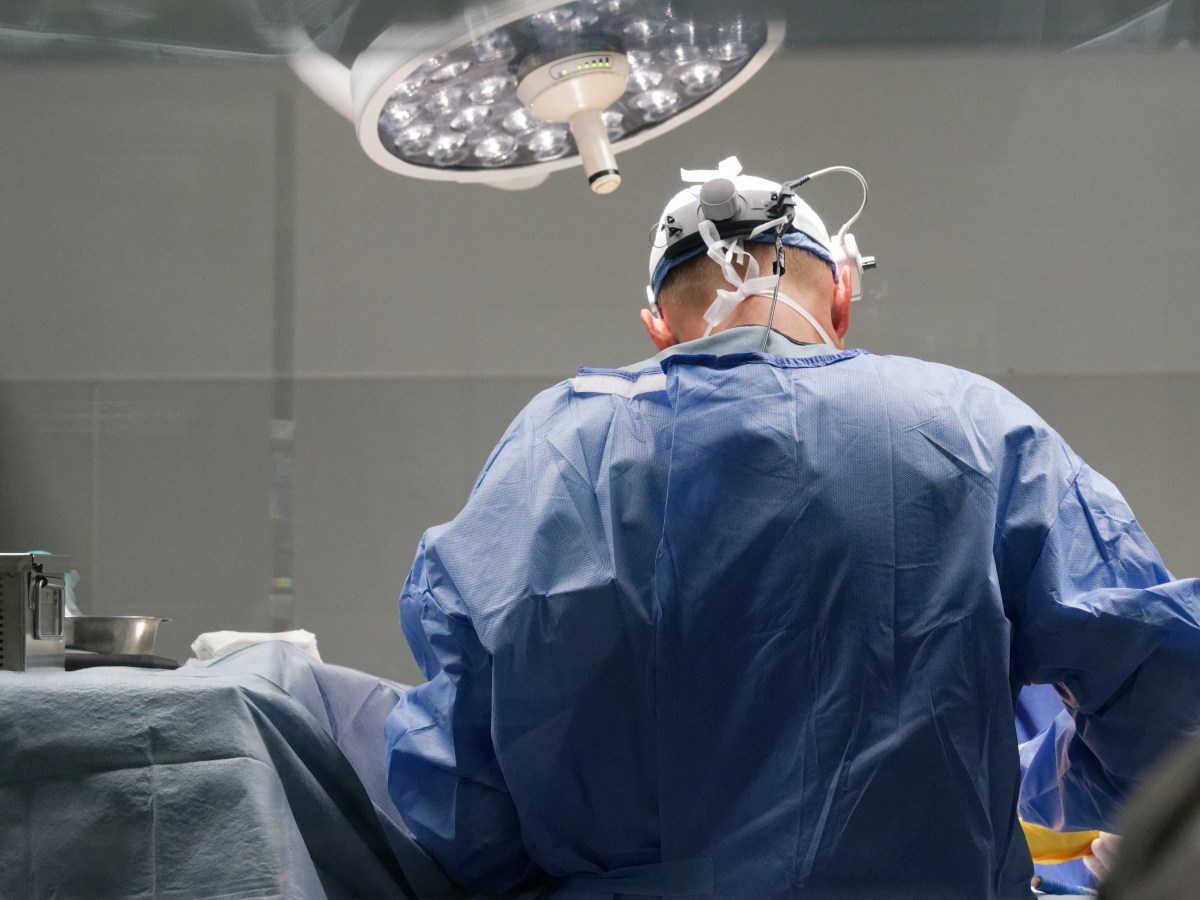
That is carried out in specialist surgical rooms. Here’s a surgeon working on a dog as we passed by outside in the corridor.

Photograph taken looking through the sealed porthole.

It is always busy with the peak being from the end of April through to October. The COVID19 pandemic has seen an enormous influx of new patients with the most critical being those dogs that have an urgent need for care.

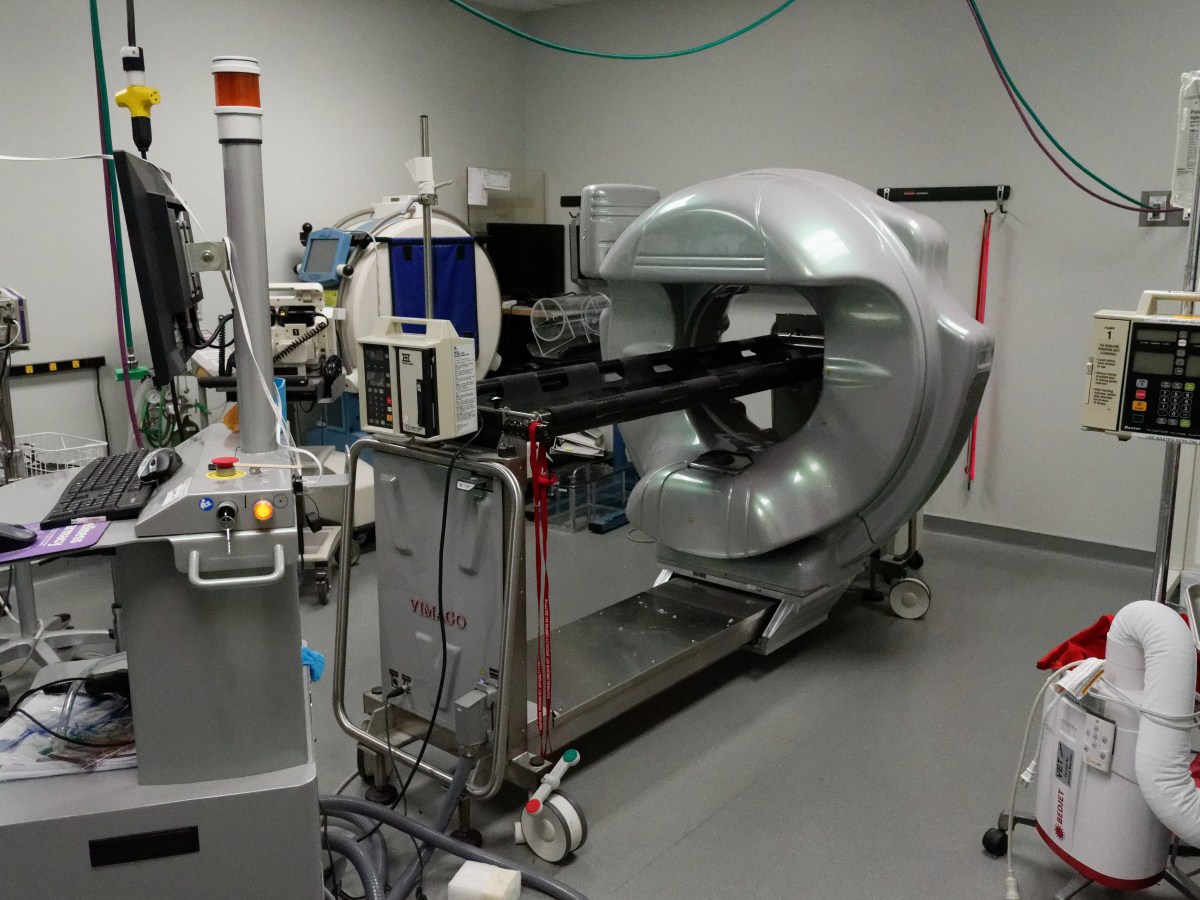
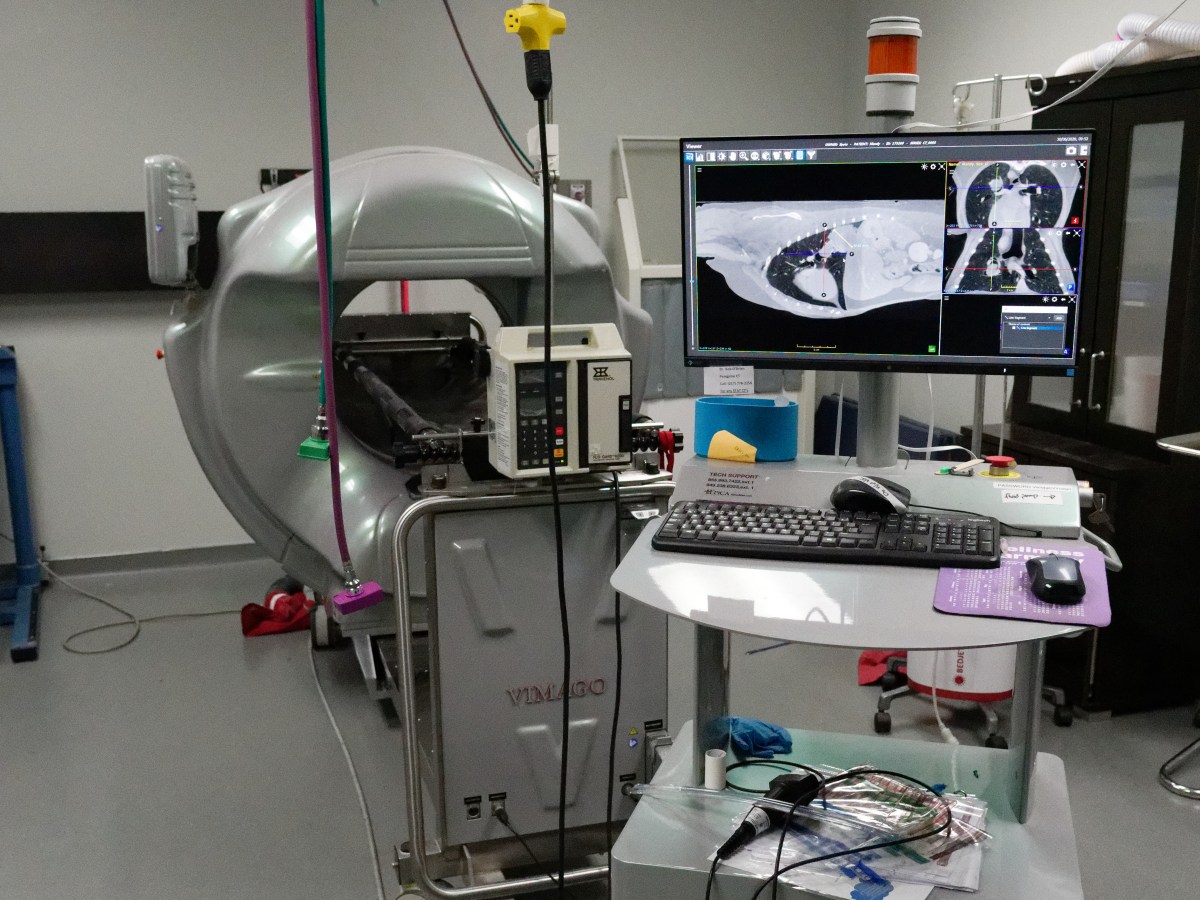
SOVC have also installed an MRI machine and here are two photographs of this incredible piece of equipment.

oooo

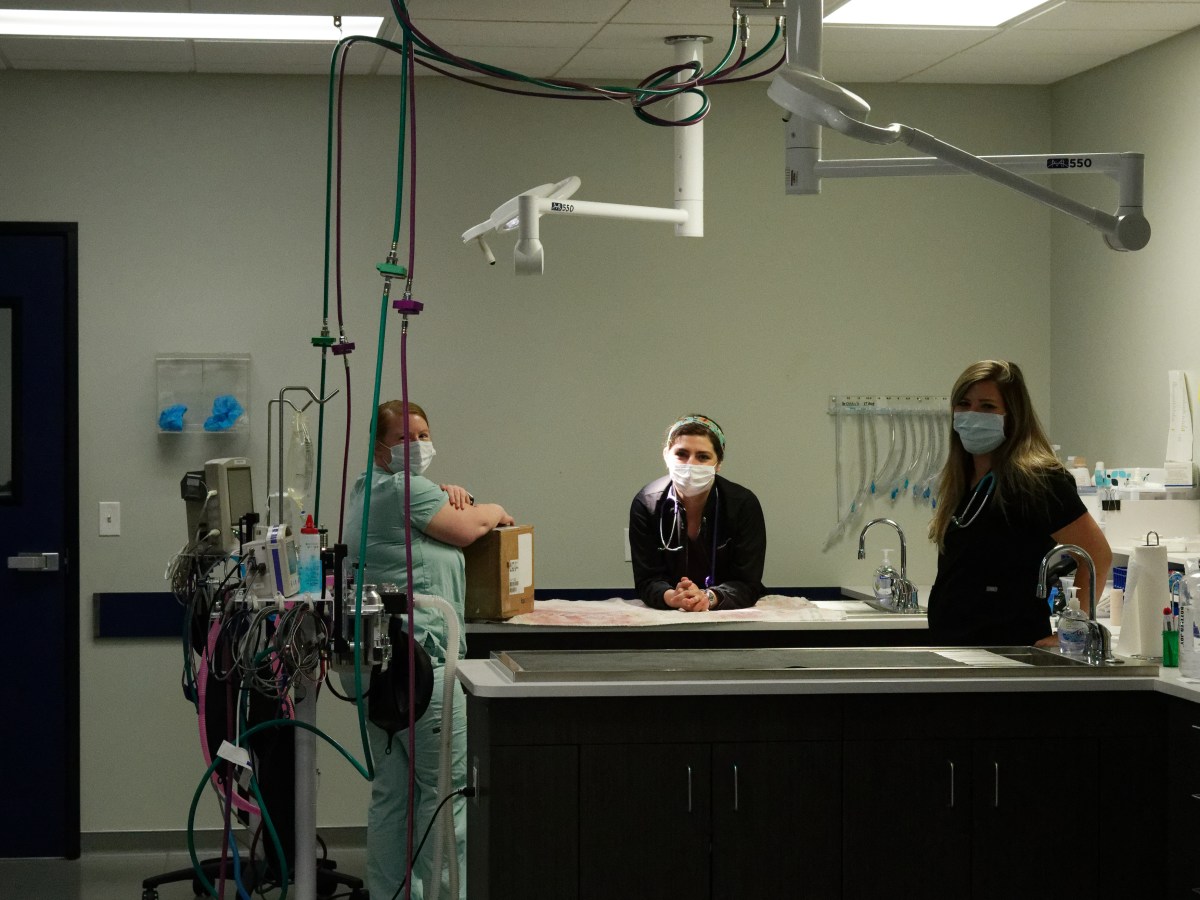
We were allowed to tour much of the inside of the building, under the care of Renee, and here is another photograph of another room with three staff looking back at the camera. (Names unfortunately not obtained.)

I also want to share the following photographs before rounding off my piece.

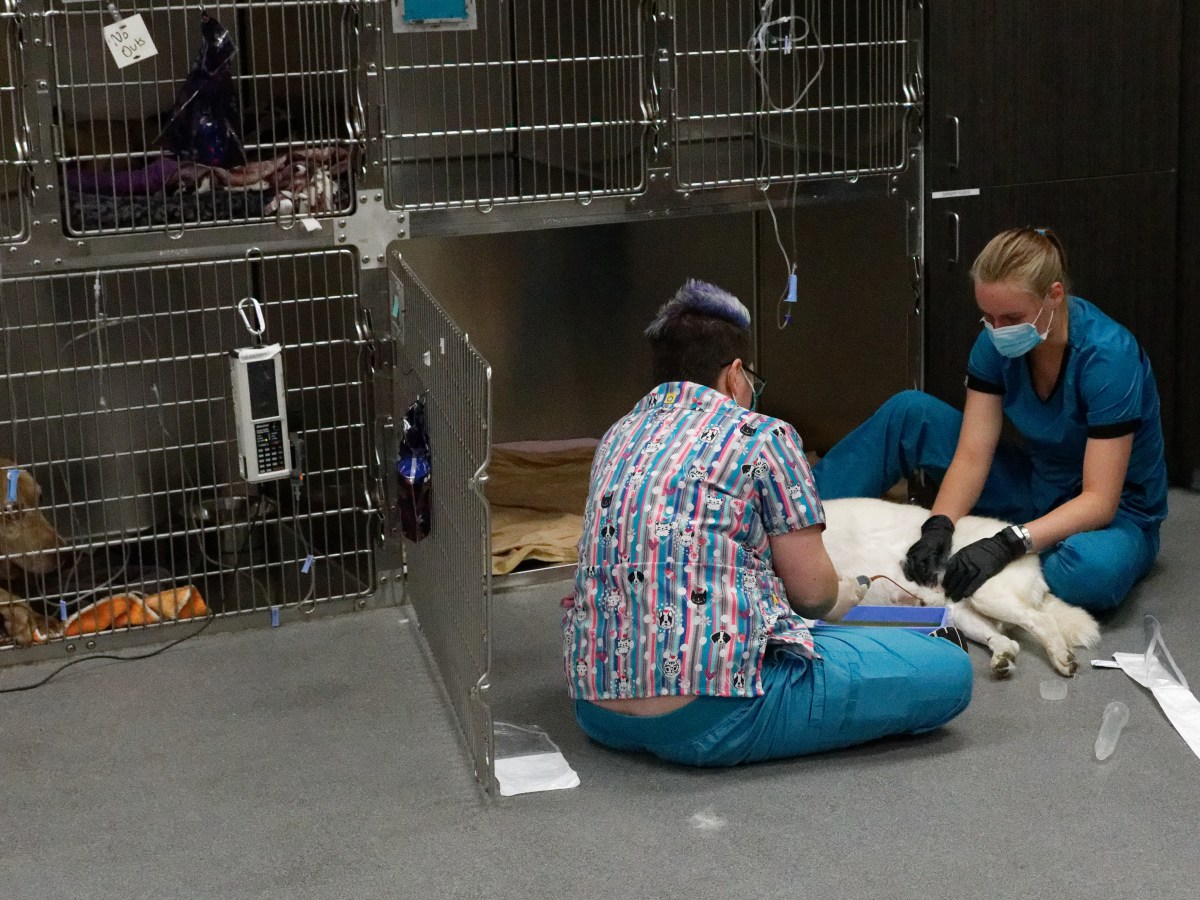
Another two staff attending to a dog.

oooo

The one task that no-one seems to get on top of!

I started this post on the 2nd July with a statement that I wanted to explore in a little more detail the difference between dogs and humans, especially those humans who choose to become the veterinarian doctors of this world.

Dogs are pure in mind and most often loving towards us humans. They are intuitive and caring of us humans.  I can no better support that statement than share the ‘Welcome’ page of my blog:

Beloved Pharaoh. Born: June 3rd., 2003 – Died: June 19th., 2017. A very special dog that will never be forgotten.

Dogs live in the present – they just are! Dogs make the best of each moment uncluttered by the sorts of complex fears and feelings that we humans have. They don’t judge, they simply take the world around them at face value. Yet they have been part of man’s world for an unimaginable time, at least 30,000 years. That makes the domesticated dog the longest animal companion to man, by far!

As man’s companion, protector and helper, history suggests that dogs were critically important in man achieving success as a hunter-gatherer. Dogs ‘teaching’ man to be so successful a hunter enabled evolution, some 20,000 years later, to farming, thence the long journey to modern man. But in the last, say 100 years, that farming spirit has become corrupted to the point where we see the planet’s plant and mineral resources as infinite. Mankind is close to the edge of extinction, literally and spiritually.
Dogs know better, much better! Time again for man to learn from dogs!

Veterinarian doctors are subject to enormous pressures.

Take this video as an example:

According to the CDC, the number of veterinarians who die by suicide is going up. With rising student debt, increasingly isolated offices, and pet owners with social media, the veterinary field is becoming high-risk. “Not One More Vet” CEO and veterinarian Nicole McArthur joins CBSN AM to explain why vets are struggling and how her company is trying to help vet-to-vet.

SOVC doctors note the end of an animal’s life on a ‘Blue sheet‘; a paper sheet. Renee herself worked one Christmas Day at SOVC and there were 11 Blue sheets that day. Indeed Renee had tears coming to her eyes when she spoke of that Christmas. It is a profession that faces daily challenges full of emotion as the CBS video explains. One can’t be in the profession without being fully committed, both heart and mind, and yet that means that one can’t easily put up defenses against one’s feeling.

I paused in my note taking to recall Pharaoh and couldn’t keep my eyes dry and yet he died 3 years ago and we have others that we care for and love.

I am going to finish by quoting the mission of SOVC, for I think it is very special.

Our Mission

The doctors and staff of Southern Oregon Veterinary Specialty Center recognize that there is a special bond between pets and their human family. (My italics) Our goal is to work as a team, with you and your family veterinarian, to help you make the best decisions for your pet’s medical care. We are dedicated to offering the highest level of medicine, to providing a compassionate environment to those pets entrusted to our care, and to treat each pet as we would our own.

It is a very special and caring profession!

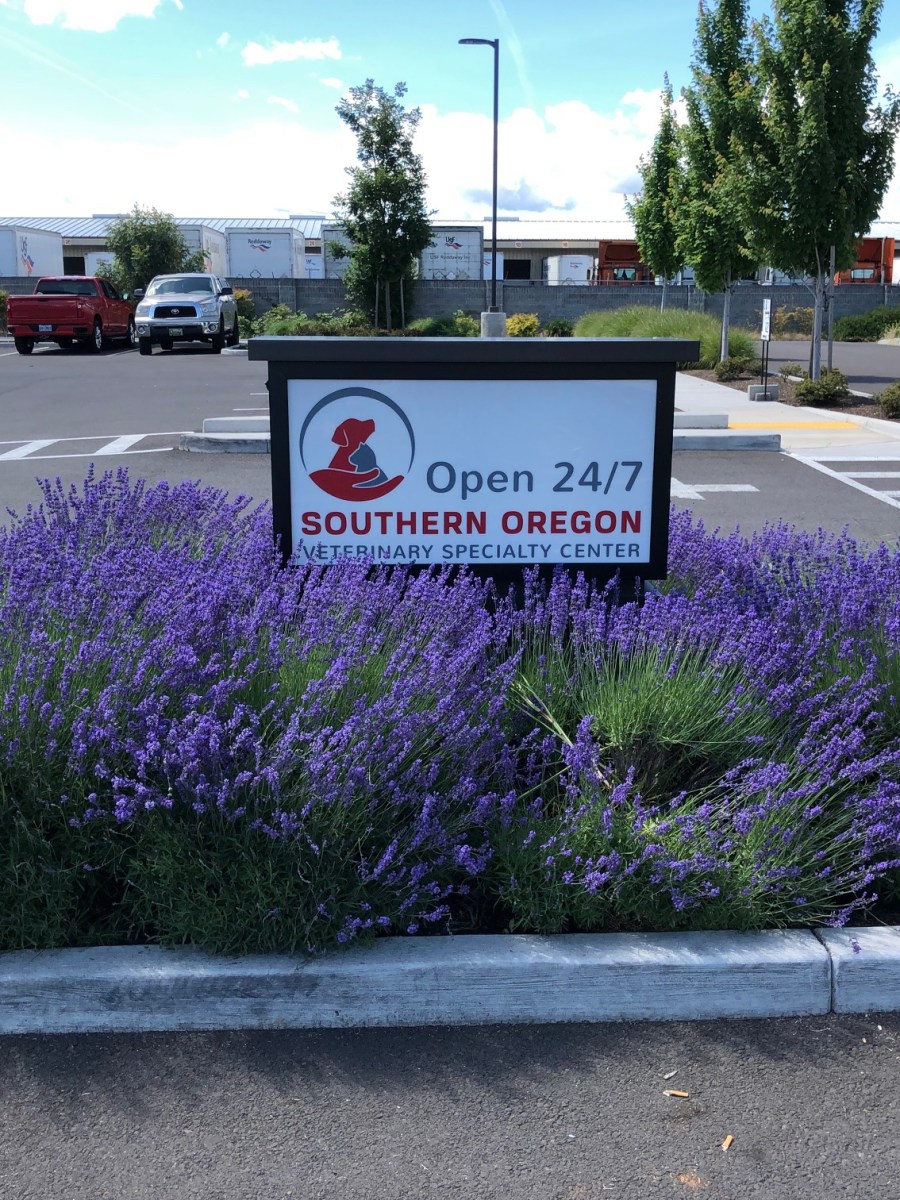
Southern Oregon Veterinary Center

An outstanding center of excellence.

Let me start this review of Southern Oregon Vet Center (SOVC) with an extract from a recent blog post by Rob Mielcarski about Cognitive Biases and his presentation of the Cognitive Bias Codex :

I counted them. There are 195 distinct cognitive biases named and described in the list.

Have a look. Do you notice something very odd?

The most important and powerful of all human cognitive biases, and the one that created our unique species, is not on the list: denial of unpleasant realities.

Nor is its progenitor, denial of death.

Any half-wit who studies human history will notice that the first wacky thing our species did after evolving into behaviorally modern humans was make up stories (religions) to deny death.

Today our species aggressively denies every single unpleasant reality of substance that threatens its survival including: over-population, non-renewable resource depletion, climate change, pollution, habitat destruction, and species extinction.

The reason I started with Rob’s post is that at SOVC one comes face-to-face with the reality of the difference between dogs and humans. More of that later.

SOVC was formed in 2004 by Dr. Adam Reiss, DVM, and Dr. Steven Ferreira, DVM.

The facility at the time of formation was, and still is, the only 24-hour facility within a 250 miles radius in all directions. Now that straightforward statement needs thinking about for a moment.

Portland, Oregon is 268 miles to the North by road and Williams, California is a tiny town just off the Interstate I-5 some 254 miles to the South. It’s an enormous area and that’s without heading to the East!

I’m taking from the SOVC website more information on Dr.’s Reiss and Ferriara.

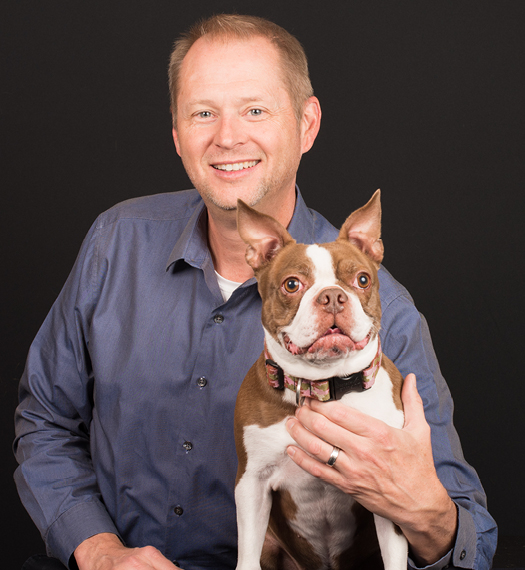
Dr. Adam Reiss

Adam Reiss,DVM, DipACVECC Emergency and Critical Care
Adam Reiss, DVM

Diplomate, American College of Veterinary Emergency and Critical Care

Dr. Reiss was born and raised in the suburbs of New York City. He graduated from New York State College of Veterinary Medicine at Cornell in 1993. Following graduation, he completed a small-animal internship at Alameda East Veterinary Hospital and residency in emergency and critical care at Denver Veterinary Specialists. Dr. Reiss obtained board certification in emergency and critical care in October 2002. Dr. Reiss has been involved in the growth and development of two large 24-hour emergency and referral centers in Denver, Seattle, Medford and Portland. He has published a paper on traumatic cardiac injuries, as well as book chapters on subjects such as dystocia and pneumonia. Dr. Reiss has special interests in trauma, transfusion medicine, critical care nutrition and pulmonary diseases.

Dr. Reiss moved to Medford from Seattle with his wife, Dawn, their daughters, Alexys and Makayla, son Deryk and a multitude of pets. His interests outside of veterinary medicine include woodworking, snowboarding and classic cars. Dr. Reiss moved to Southern Oregon to provide veterinary services not previously available in the area, as well as to enjoy the wide variety of activities the region has to offer.

oooo

Dr. Steven Ferriara.

https://www.sovsc.com/wp-content/uploads/2018/07/SOVC_Doctor15.jpg
Steven D. Ferreira, DVM
Diplomate, American College of Veterinary Surgeons

Dr. Ferreira is originally from Arizona, but was raised in Houston, Texas. He received his DVM from the Texas A&M College of Veterinary Medicine in 1994. He worked in private practice in both Seattle and Houston for three years prior to completing a small-animal surgical residency at Denver Veterinary Specialists. During his residency, Dr. Ferreira completed and published orthopedic research focused on the effect of gas plasma sterilization on demineralized bone matrix grafts at Colorado State University. In February of 2002, he became board certified into the American College of Veterinary Surgeons. After three years as staff surgeon in a large veterinary referral practice in Denver, Dr. Ferreira moved to Medford to help establish the Southern Oregon Veterinary Specialty Center. Dr. Ferreira’s special interests include general orthopedics, trauma and fracture management, TPLO stabilization for cranial cruciate ligament injury, spinal surgery for disc herniation and surgical management of abdominal disorders.

Dr. Ferreira lives in the Medford area with his wife, daughters and their Chihuahua. In his spare time, he enjoys family life, golf, reading, hiking, snowboarding, music and fly fishing.

My appointment was with Renee Self who has been with the center, as in the hospital, for four years. She started in reception having come to SOVC from running her own finger nail business. At first Renee worked for 25 hours a week but since then she has advanced to her present position responsible for a whole myriad of things.

As well as the main contact person, Renee is also responsible for the relationships with their referring veterinarians; and they have 5,000 on their database, mainly from the U.S West coast but also other parts of the U.S. continent.

I didn’t understand at first that this entails annual blood work for lots of animals, running continuing education classes on a co-sponsored basis (under normal circumstances for 55 – 80 people), fund raising, and being a partner to the Grants Pass Homeless Pet Project and No Pet Left Behind.

Renee Self, Hospital Communications Manager.

Another fact that bowled me over was hearing about the number of vets supported by SOVC. Now not all them are active at any one time, of course, but nevertheless a large number on their database nonetheless.

In Renee’s words, Dr. Reiss is a brilliant man in many areas including planning, veterinary medicine, critical care and he also engages in some surgeries. He has always had a passion for veterinary medicine and has previously started six hospitals.

Dr. Adam Reiss, DVM (with apologies for it being slightly out of focus).

The present building at 4901 Biddle Rd was purpose built as a veterinary centre and everyone moved here in 2017. Before that they were in 4,000 square feet of building that was relatively close by.

A general view of the inside of the hospital.

In view of tomorrow being a Federal holiday the next part of this article will be published on Monday, 6th July.


Off line for maybe a few days

My iMac needs an upgrade!

I have been having some tiny problems mainly with the Apple Photos app and the good folks over at Ugly Hedgehog were incredibly helpful. This led to me taking my machine into Dick Webster Computers here in Grants Pass for a potential upgrade.

So I am going to republish some earlier posts for the next two days, which I hope will be long enough to come to a conclusion about whether this machine may be upgraded or whether I am looking at a new iMac.

Footnote:

I called in to Dick Webster, a good, local computer repair shop, earlier today. Took my iMac with me.

They told me that that particular iMac cannot have the RAM upgraded to 16GB but they could install a SSD. However, they looked up the Apple Photos app and said there were a number of complaints from others that it was freezing.

I was told to save my money, the iMac was perfectly good and to choose a photo editing application that supplied my needs.

My only outstanding query is whether all the relevant software programs, i.e. the photo editing apps, will run without any bother on 8GB.

Dog & Cat food recall

A food recall that came in yesterday!

We haven’t had a recall for some time but here’s one from Health Canada.

ooOOoo

Carnivora Dog and Cat Food Recall

June 15, 2020 — Health Canada is recalling Carnivora Fresh Frozen Patties for Dogs and Cats due to a possible contamination with E. coli O157.

E. coli O157 is a particularly dangerous strain of bacteria that can cause serious and life-threatening illness in both pets and humans after eating or handling the affected food.

What’s Recalled?

The recall includes 6 varieties of Carnivora brand raw pet food.

Approximately 1,803 packages of the affected products were sold nationwide in Canada between January 13, 2020 and June, 2020.

As of June 12, four cases of illness related to the recalled product have been reported.

About E. Coli Bacteria

E. coli O157 is a bacteria that can cause serious, sometimes life-threatening illness.

Some people infected with E. coli O157 do not get sick at all, though they can still spread the infection to others.

Common symptoms observed after infection include nausea, vomiting, headache, mild fever, severe stomach cramps, and watery or bloody diarrhea.

Most symptoms end within five to ten days.

Pregnant women, those with weakened immune systems, young children and older adults are most at risk for developing serious complications and might need hospitalization.

There is no real treatment for E. coli infections, other than monitoring the illness, providing comfort, and preventing dehydration.

People should contact their health care provider if symptoms persist or worsen with time.

What to Do?

Health Canada advises consumers to stop using any of the affected pet food products and contact the retailer where it was purchased from for a full exchange or refund.

U.S. citizens can report complaints about FDA-regulated pet food products by calling the consumer complaint coordinator in your area.

Or go to the FDA’s “Report a Pet Food Complaint” page.

Canadians can report any health or safety incidents related to the use of this product by filling out the Consumer Product Incident Report Form.

Get Lifesaving Recall Alerts by Email

Get free dog and cat food recall alerts sent to you by email. Subscribe to The Dog Food Advisor’s emergency recall notification system.

There’s no cost. No spam. Cancel any time.

ooOOoo

There you are good people. I trust none of you is affected.