Category: Art

Flooring Saga Day Four

In lieu of being ‘off line’ over the weekend.

oooo

oooo

oooo

oooo

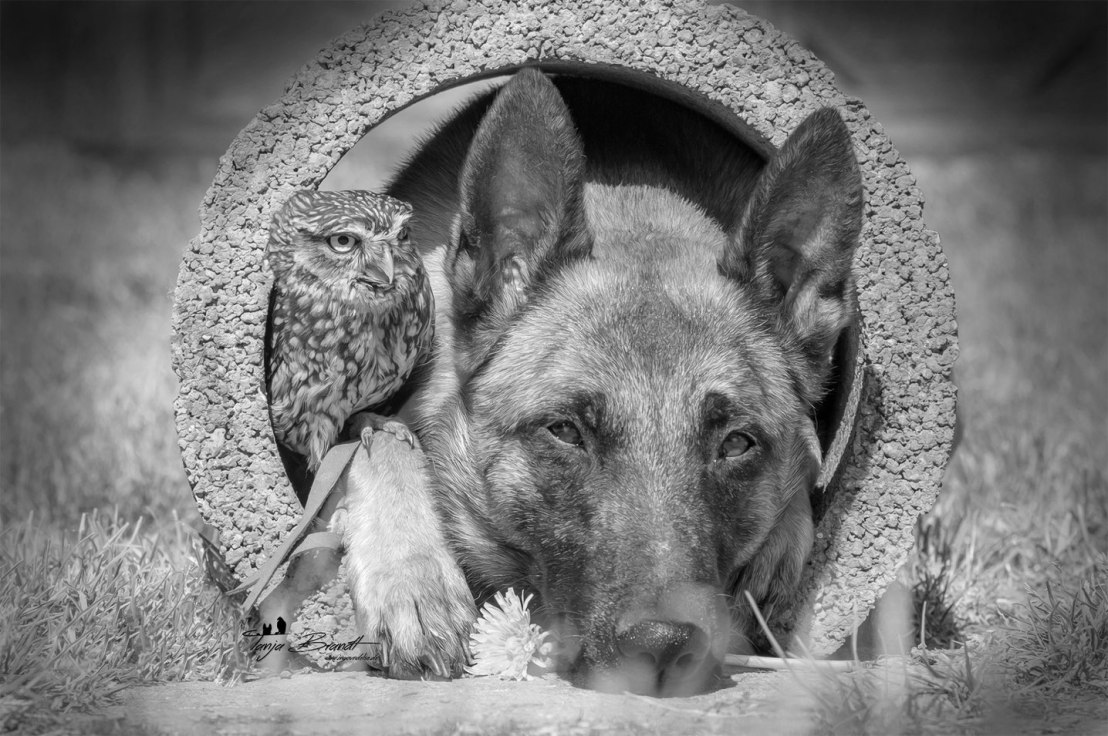
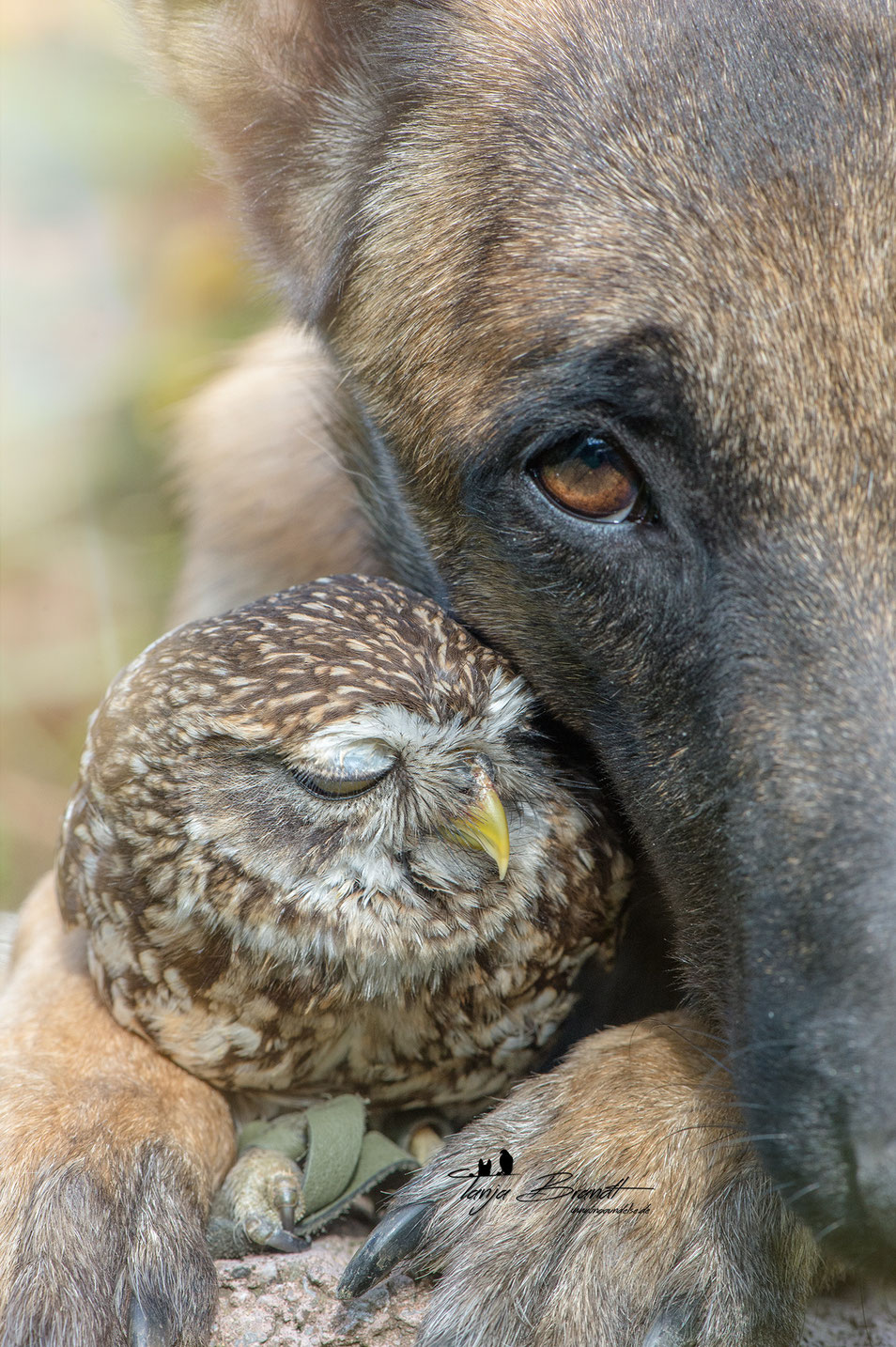
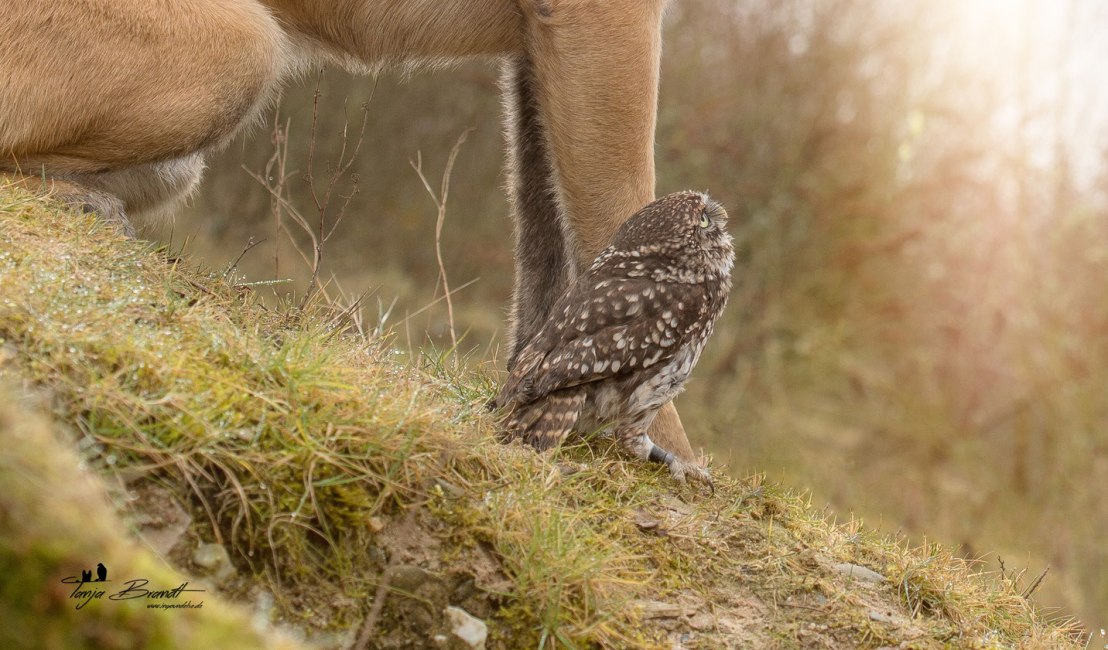
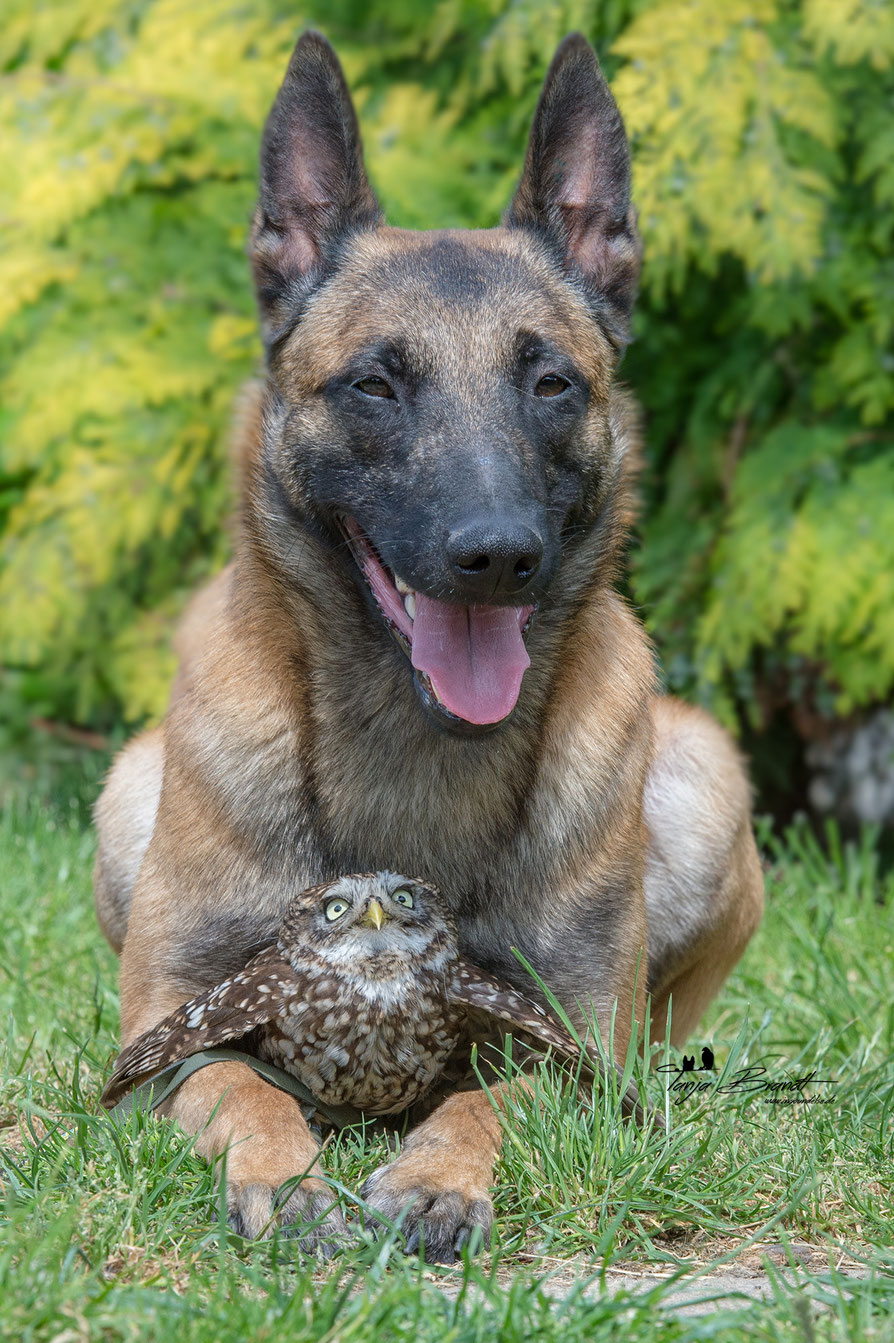
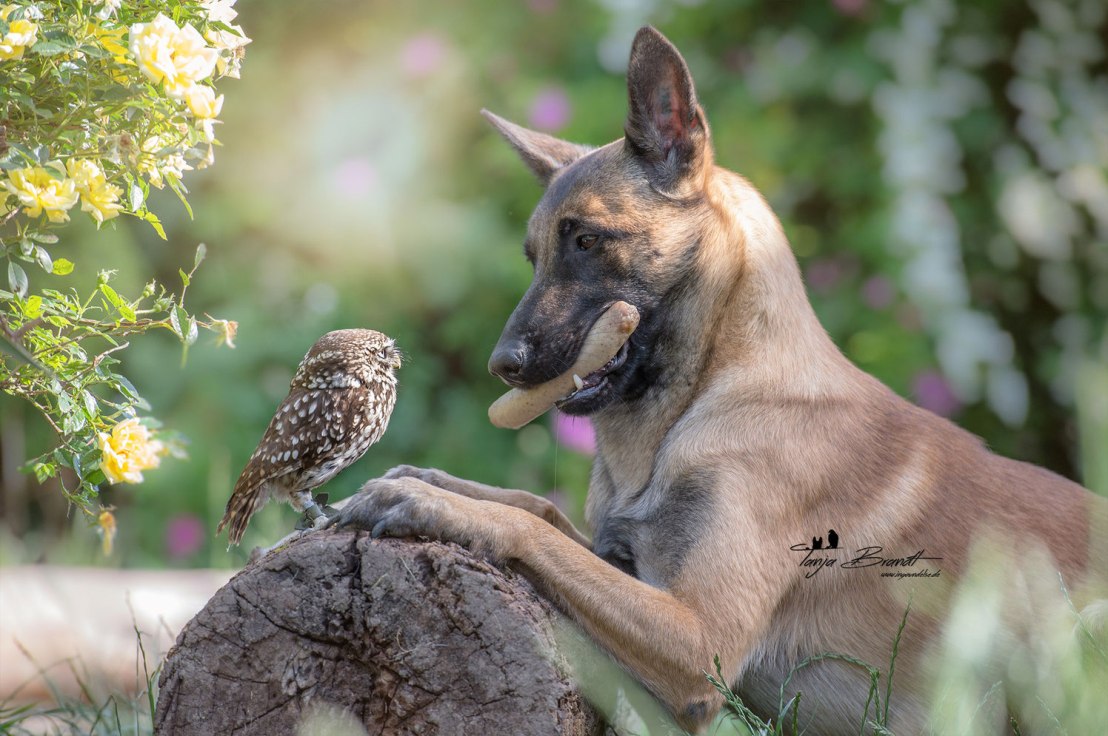
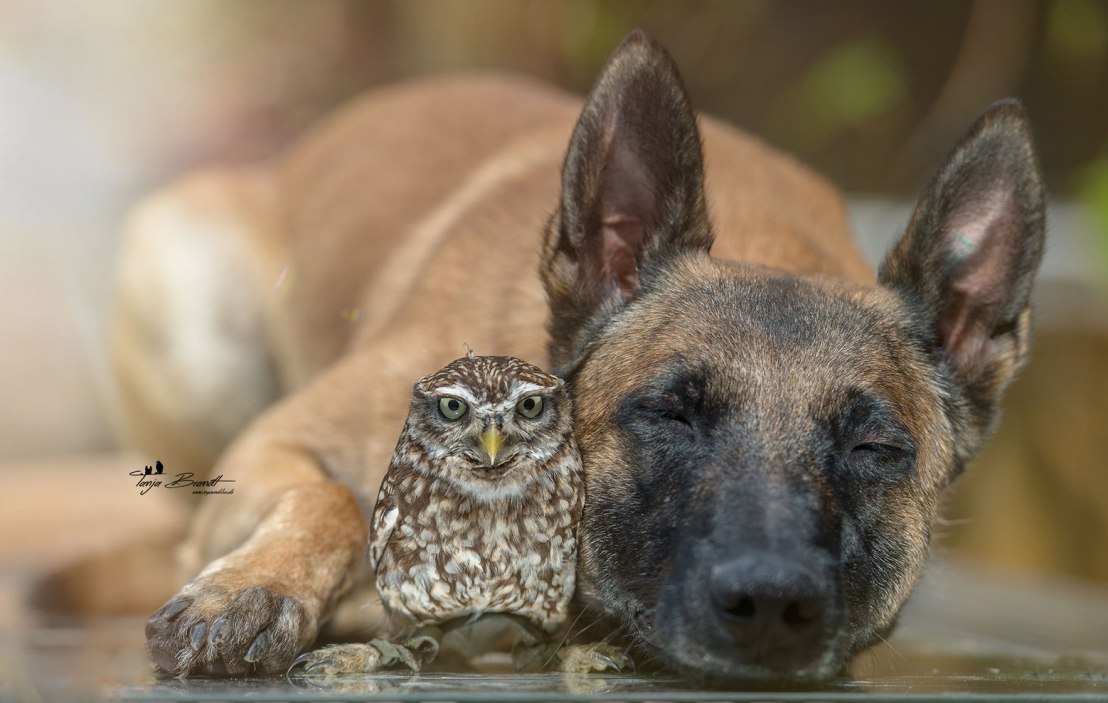
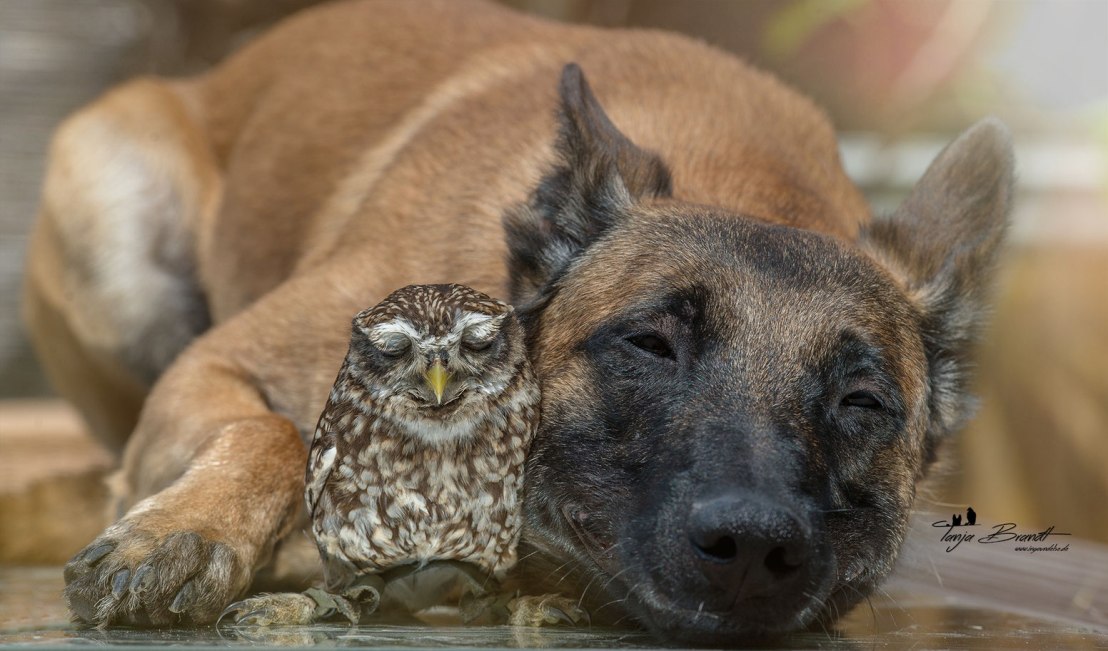
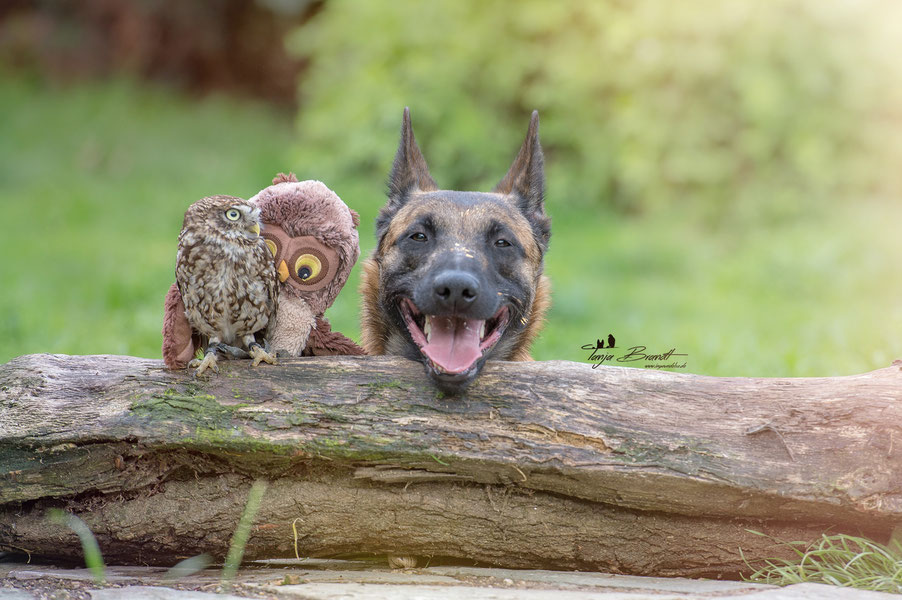
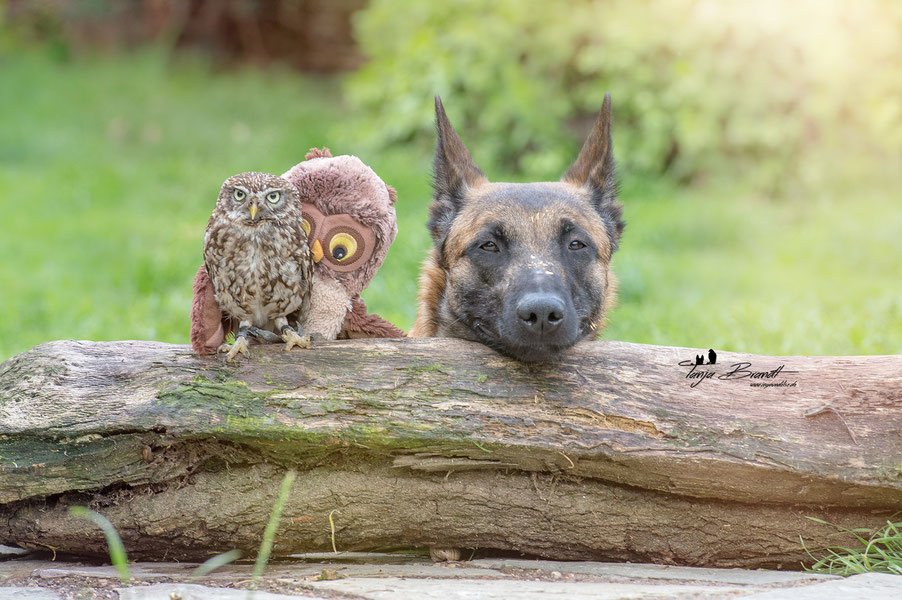
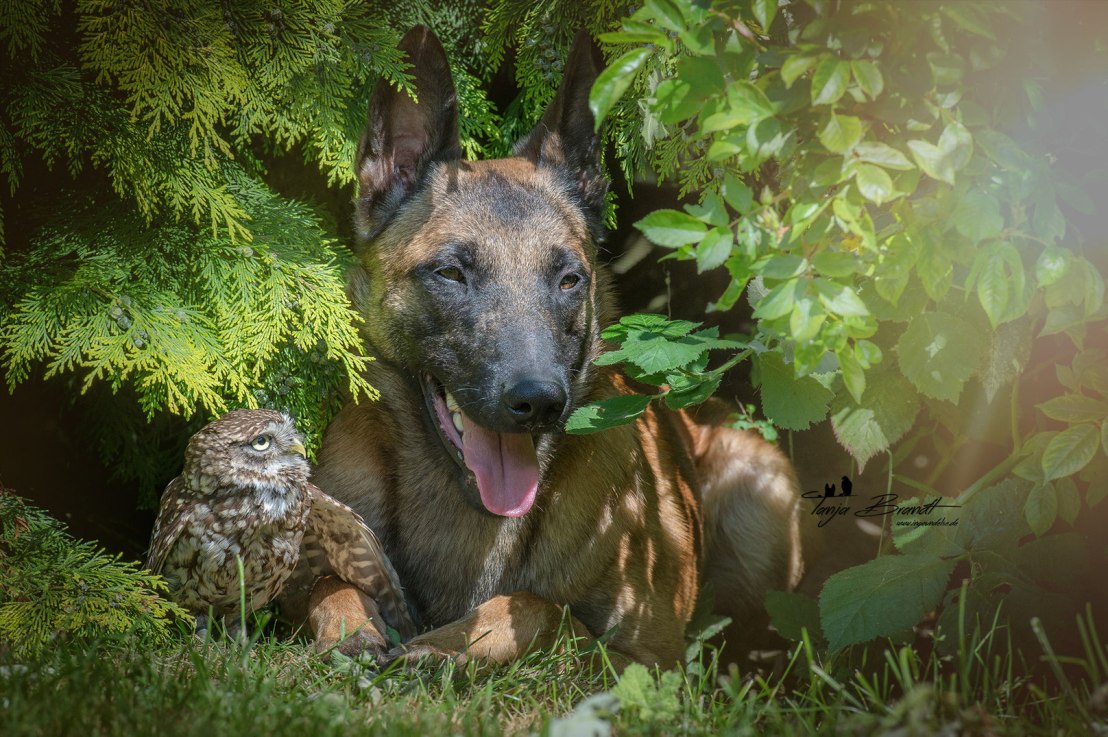
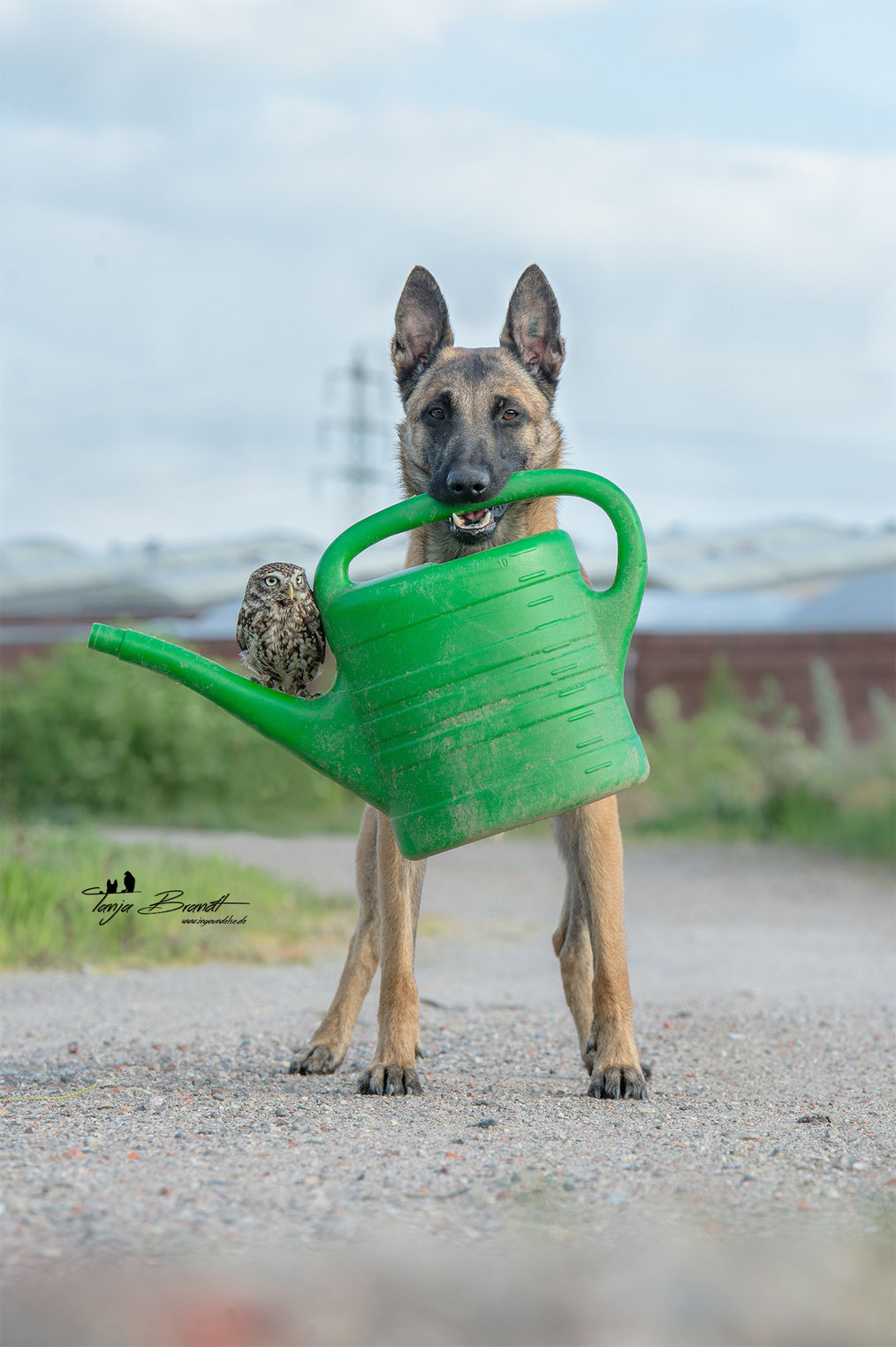
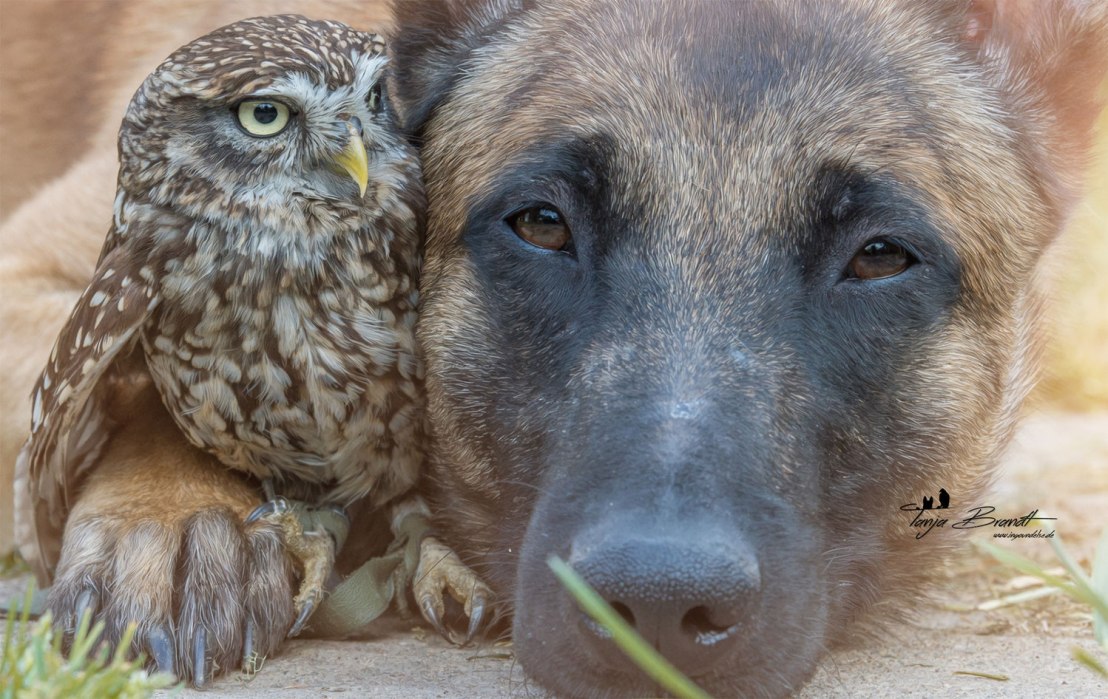
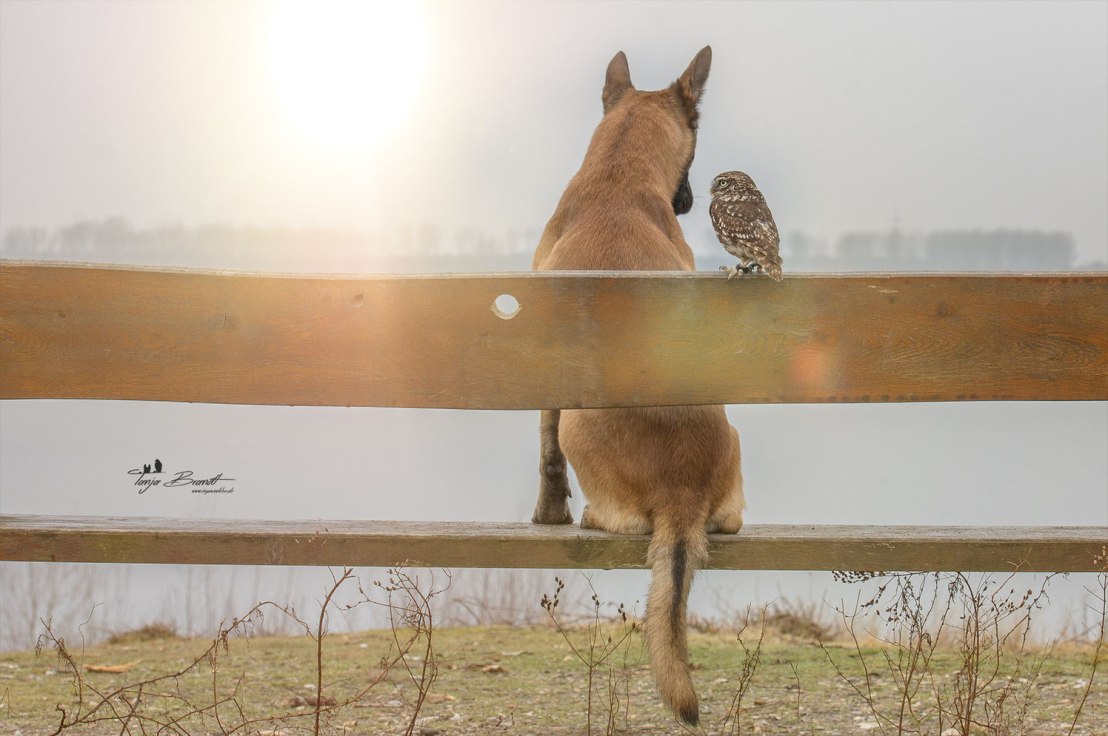
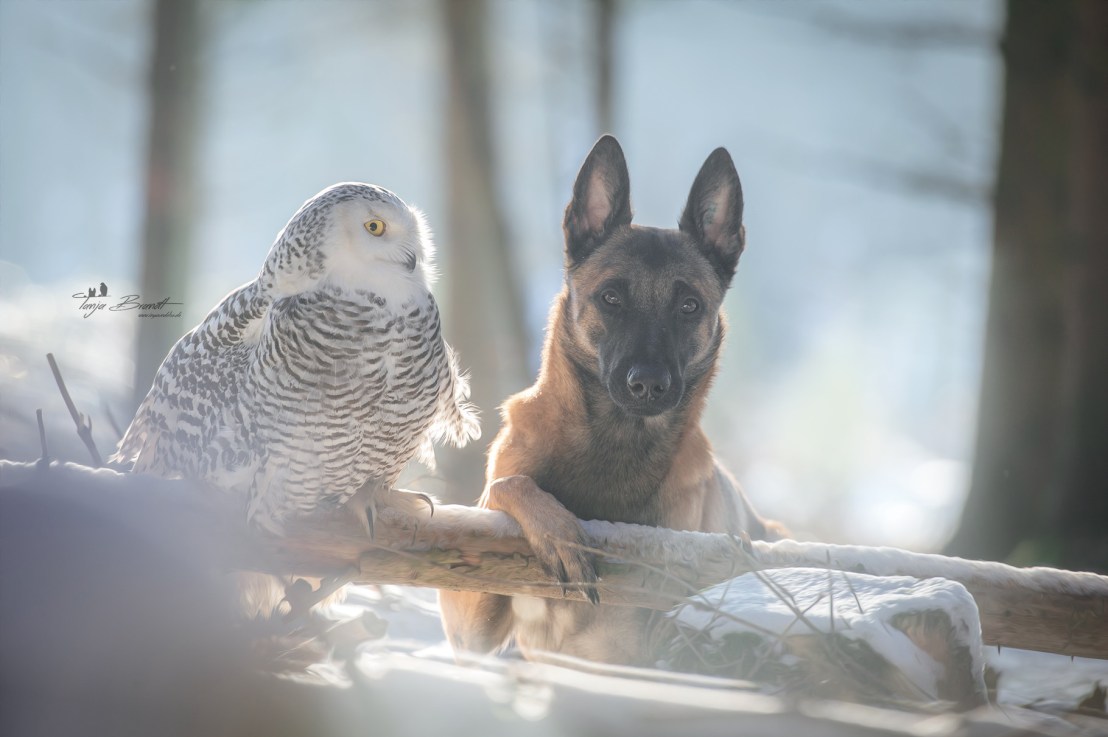
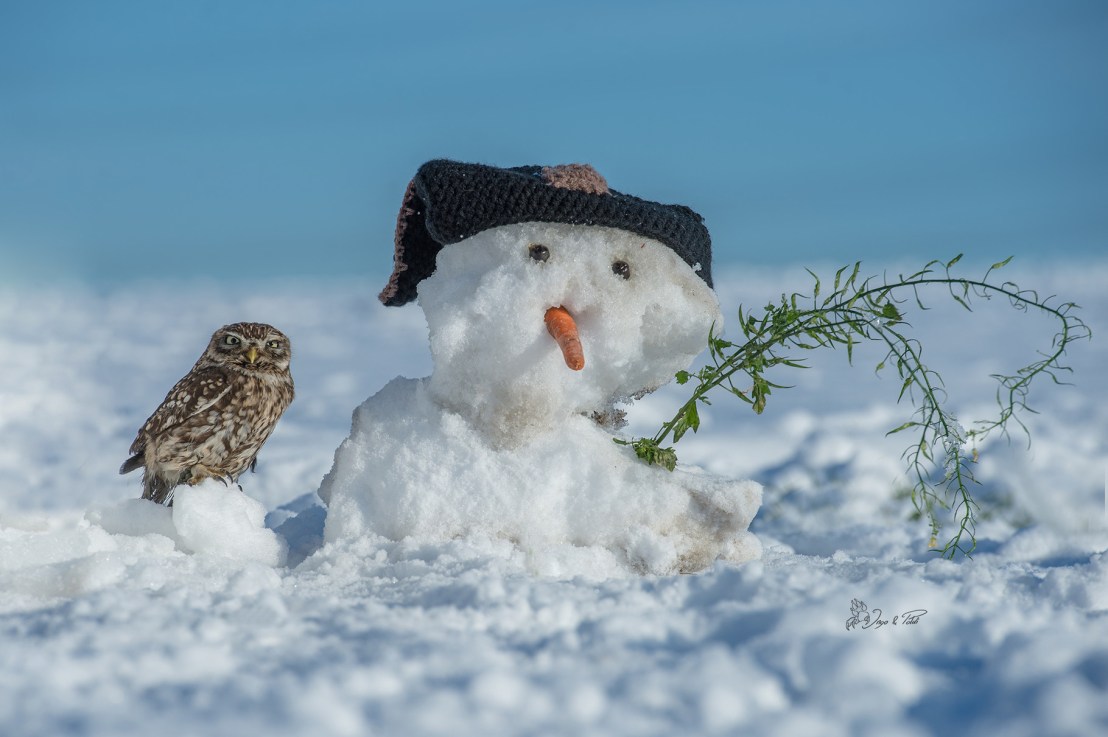
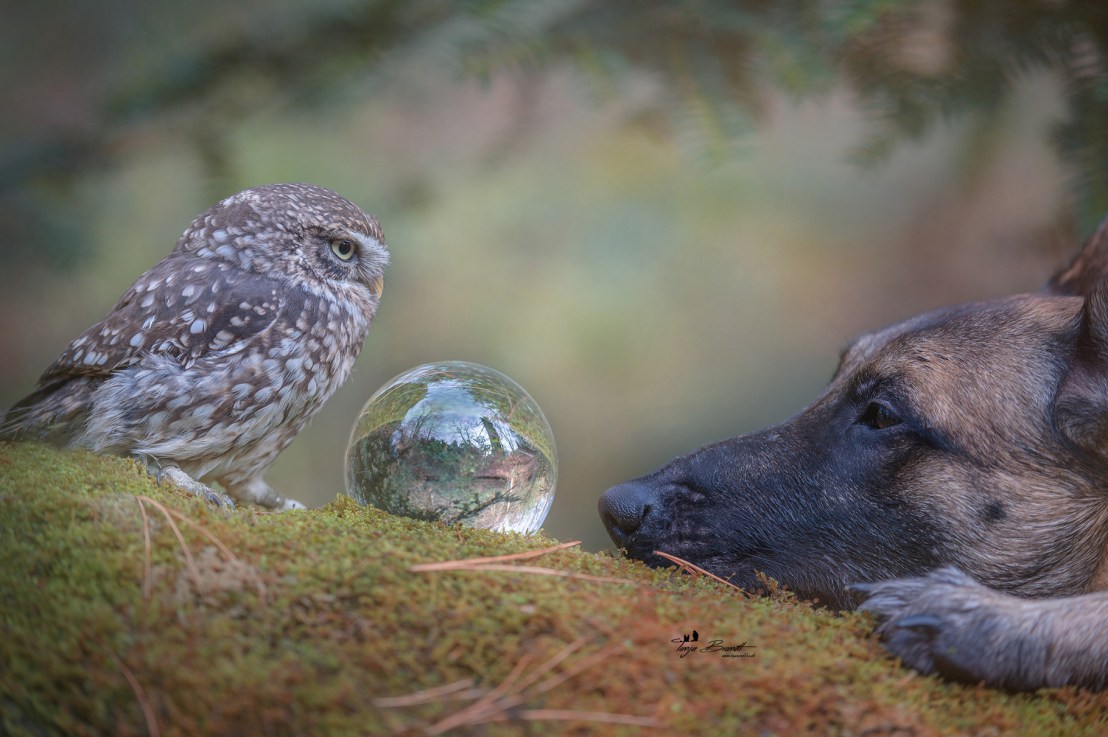
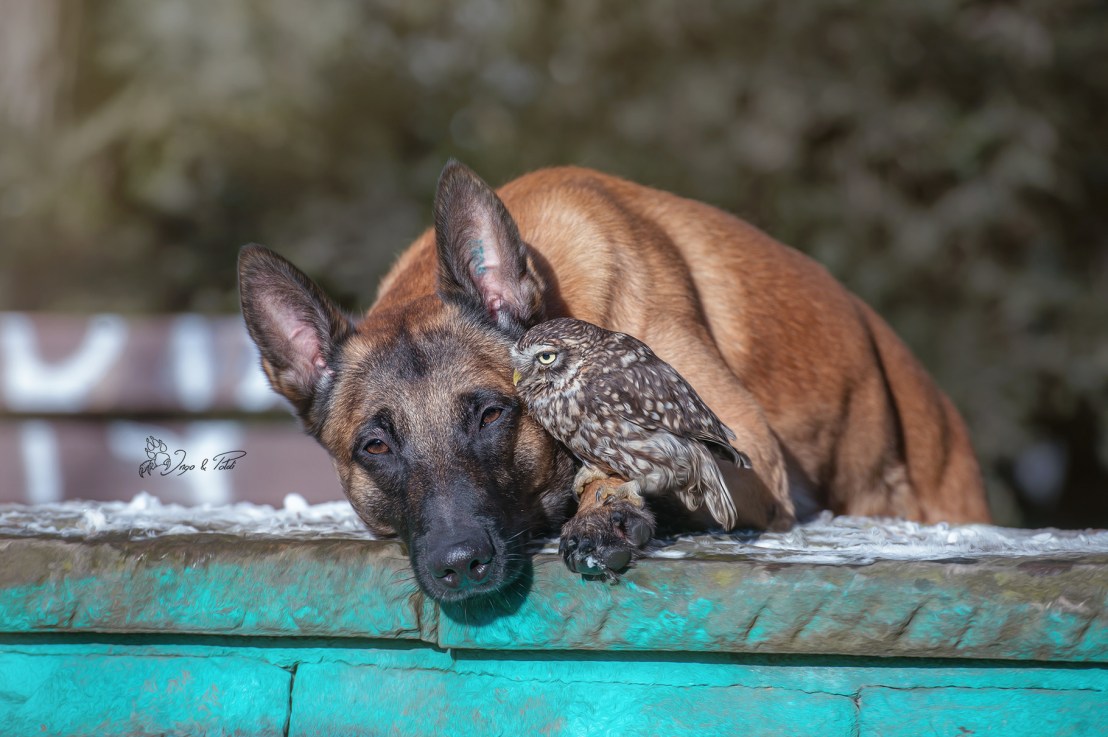
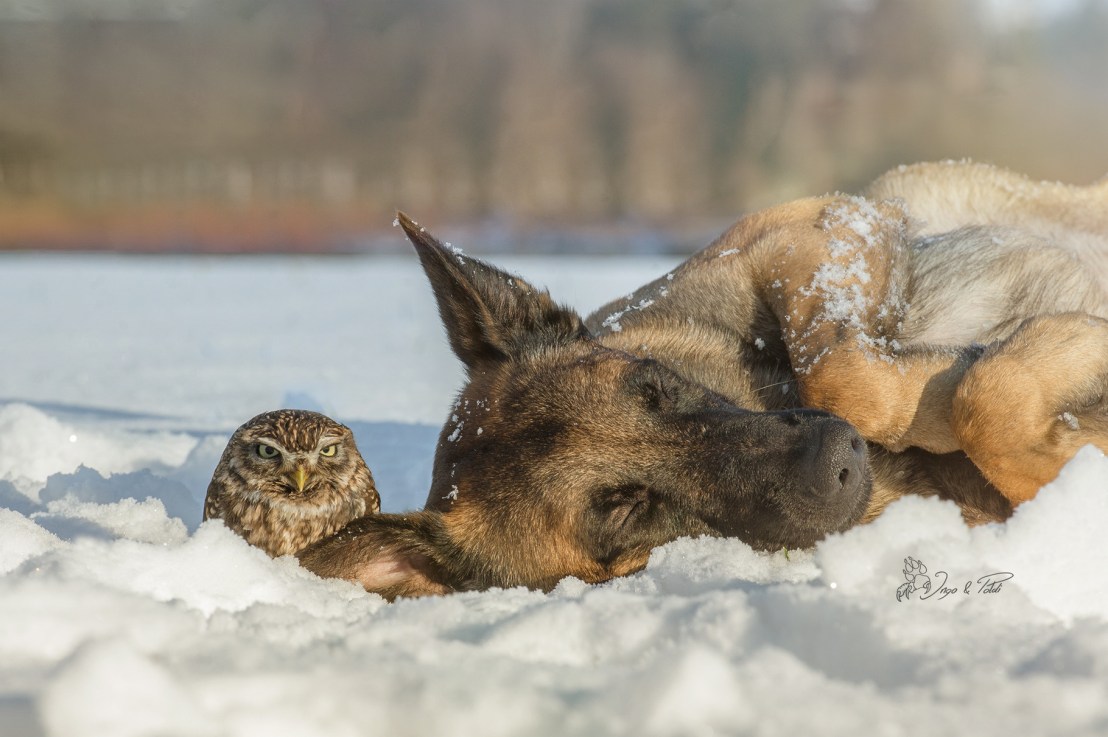
These photographs are as good as any animal photos ever get!!

Sabrina’s Loyalty

Lisa Mae DeMasi offers you all a beautiful guest post.

Not going to allow my words to delay you reading this wonderful essay from Lisa.

ooOOoo

How this Handler and Service Dog Nurture One Another

by Lisa Mae DeMasi

At two years old, Lady’s ribs protruded from her coat and her belly was swollen with milk.

Like the thirteen other Labs that had arrived at a rest stop in Union, CT on the straight 12½-hour drive from Muncie, IN, she was presented to us on a crisp autumn day amid the chaos of respective adopters.

My husband Dennis had never experienced the warmth and companionship of having a dog and well, I surprised him with Lady, who we quickly renamed to Sabrina. The very afternoon we picked her up, we raced to the park, wanting her to feel the joy of freedom and play. My husband’s face lit up and while I was thrilled at the opportunity to befriend and care for Sabrina; it meant closing the 20-year gap since our beloved German Shepard from my childhood passed away.

Until laying my eyes on Sabrina’s profile, my heart couldn’t entertain loving another dog.

And what canine isn’t after the same love?

 In Sabrina’s case, she couldn’t know of the family members that awaited to embrace her presence. Within days of the initial hair-raising excitement, the cat sought out occasions to groom her ears. Our pet rat was free to waddle the kitchen floor un-bothered, and the pair of bonded bunnies in want of company stretched out beside her on the living room floor.

Dog, cat, rat, rabbit?
You bet.
And Dennis and me?
Like kids again.
Sabrina settled into the folds of our lives, well-nourished and exercised in Boston’s epic snowfall in the winter of 2009-2010, taking careful watch over all of us. The fear expressed in her eyes pre-adoption disappeared.
Eight years later, she watches over me in particular. Thirty years ago, I was struck and thrown from the passenger side of a car until my abdomen collided with the steering wheel—blunt force that called for iterative repair to my digestive system  and caused permanent damage to the nerves that signal my bladder is full.

Today when I’m busy working away, Sabrina will alert me to get up every couple of hours to make a trip to the restroom by gently placing her head in my lap.

When I suffer acute intestinal cramping, Crohns-like symptoms, she’ll sit at my side and lean her body against mine. Her calm and steady source of nurturing, helps me to relax and mitigates the cramps.

In 2008, the Department of Justice amended the Americans with Disabilities Act (ADA). This was amended to include digestive, bowel and bladder impairments that limit major life activities as the disabled, calling for employers to make reasonable accommodations and if the individual elects, to allow task-oriented service animals [dog or miniature horse] to accompany them on the job.

Sabrina, serving in the capacity of a sensory/medical assist – alerting me to get up and take care of myself –  qualifies.

The HR Director, Debra Susler of Reputation Institute in Cambridge, MA this past April would not allow Sabrina to accompany me on-the-job. I sent her an elaborate email explaining my condition and Sabrina’s certification. She did not reply to me but to my supervisor.

She said “no”.

My response?

I walked out of the place

Sabrina: rescue dog to devoted helper dog.

Respectively, Sabrina’s competencies and understanding of language cease to astound us and her behavior on-the-job at Dell EMC is so well-mannered, coworkers never run out of compliments.

And bystanders in public? The grocery store, pharmacy, gym, dentist, doctor?

Gazes from cell phones are broken, conversations fall short.

Then, come the smiles. A question. Praises. The feel-good moment.

Sabrina brings people together.

I recently read a distressing post from a woman who said every time she looks into a service dog’s eyes, she sees sadness. Even Ingrid Newkirk, CEO and Co-Founder of PETA, has told me, “the life of a typical service dog is a terrible one.”

It’s true. Any canine enslaved to servitude is doomed a dog’s life unlived.

Service animals are working animals, not pets.

The ADA confirms it.

But that’s not the relationship Sabrina and I share [and I understand it can’t be the same with other handlers and service dogs]. In addition to being my devoted helper, Sabrina teaches me to exist in the moment — just like she does. To enjoy the sight of the sun shimmering through the trees, the call of the birds, the fragrance of wildflowers, the feel of the soft soil I tread a few yards behind her when we’re on our hikes.

What more could a dog do for a girl?

ooOOoo

There is something rather special about Lisa’s guest post; special in an introspective way!

That will be better appreciated if you go across to Lisa’s blog site at Nurture Is My Nature.
In particular when you read, via her ‘About’ link, what Lisa offers about herself. Republished here in full.

ooOOoo

As time goes by and you’re getting older and stuff like that—getting older sucks. You know, I hear all this crap about, ‘Oh, you can age with dignity.’ Really? —Mickey Rourke

Lisa’s creative work has recently placed second in Fiftiness’s 2017 Writing Contest (Why I Love Bike Commuting in Boston) and been featured in the anthologies, Unmasked, Women Write About Sex & Intimacy After Fifty (9/17, print) and The Best of Vine Leaves Literary Journal (11/17, print). Her essays have been published in the lit journals and several other media outlets. She considers Massachusetts her home, but has lived in Connecticut, Vermont, New York State and two other planets called Wyoming and Arizona. She earned a B.A. from Regis College and an MBA from Babson College, and holds a Master certificate in Reiki.

Lisa is seeking a development editor [that gets her] to work on her collection of essays and her memoir.

Published work:

Contests:

Why I Love Bike Commuting in Boston, Fiftiness, Second Place Winner, 5/23/17

Anthologies:

  1. The Kickass Formula that Restored My Libido, Unmasked, Women Write About Sex & Intimacy After Fifty, print, 9/17
  2. Grievances, Vine Leaves Vignette Collection (coffee table book), 11/1/17

Literary journals:

  1. This Writer’s Secret (Fiction Southeast, 11/1/170
  2. Snowflake (Crux Magazine, 9/17) [FINALLY got picked up!]
  3. Ain’t Misbehavin’ (Gravel, 12/4/16)
  4. T-boned (Gravel, 12/4/16)
  5. Forgive Me (Slippery Elm, 12/16)
  6. What More Is There to Ask? (Foliate Oak, 9/1/16)
  7. Becoming Our Fathers (East Bay Review, 2/23/16)
  8. The Subversive Writer (Shark Reef, 7/9/14)

Media Outlets:

  1. Not Having Children Was My Perfect Path (Fiftiness, 12/16)
  2. What More Is There to Ask? (Huffpost, 9/16)
  3. The Secret to Doing What You Love (The Artist Unleashed 9/16; HuffPost 3/15)
  4. The Kickass Formula That Restored My Libido (HuffPost 2/16; Rebelle Society 4/15)
  5. My Dear Friend, the Dirty (HuffPost 1/16; Elephant Journal, 12/14)
  6. She, Mother. Me, Daughter. (Huffpost 2/16; Elephant Journal, 1/15)
  7. What the Wrong Job Can Teach You (HuffPost 1/16)
  8. What Happened When I Performed Reiki on My Conservative Mother (Elephant Journal, 1/15)
  9. Why Regret Is So Deliciously Fun (HuffPost 1/16; Midlife Boulevard 8/15)

 Write to me at lisa dot demasi at gmail

ooOOoo

Now please watch “Just Like Heaven,” the video Lisa filmed of Sabrina, post-adoption in 2009.

Picture Parade Two Hundred and Four

The last set of those glorious photographs sent in by Margaret from Tasmania

“Animals and nature are insignificant for a man when the man is unworthy.”

oooo

“There is no better psychiatrist in the world than a puppy licking your face.“ – Woodrow Wilson

oooo

“Somewhere in the rain, there will always be an abandoned dog, that prevents you from being happy“ – Aldous Huxley

oooo

“The greatness of a nation and its moral progress can be judged by the manner in which its animals are treated“ – Mahatma Gandhi

oooo

“Many who have dedicated their life to love, can tell us less about this subject than a child who lost his dog yesterday“. – Thornton Wilder

oooo

“Dogs are not everything in life, but they make it complete“ – Roger Caras

oooo

Just thinking that my dog loves me more than I love him, I feel shame.“ – Konrad Lorenz

oooo

“They will be our friends forever, always and always.”

oooo

oooo

That’s it, folks.

But I do have wonderful photographs for next Sunday albeit as different to these from Marg as one could imagine!

You all take care.

This is the dog!

Precious!

Yesterday, Julie, Richard’s wife back in England, sent me a photograph of what some unknown dog lover has put on one of the walls of their home.

I can’t find the words to better what is written on that wall.

To increase the impact for you, dear reader, seeing this for the first time, it is presented with a ‘read more’ link.

In other words …..

Continue reading “This is the dog!”

Picture Parade Two Hundred and Three

Yes, another set of those wonderful photographs sent in by Marg.

If you missed previous sets then start back here.

“A dog is the only thing on earth that will love you more than you will love yourself.”  –
Josh Billings

oooo

“You can live without a dog, but it is not worthwhile.”

oooo

“If a dog does not come to you after looking you in the face, it is better that you go home and examine your conscience“ – Woodrow Wilson

oooo

“Buying a dog may be the only opportunity that a human being has to choose a relative”. – Mordecai Siega

oooo

“You can say any foolish thing to a dog and the dog will look at you in a way that seems to say: ‘My God, he is right!!! That would have never occurred to me’ “. – Dave Barry

oooo

“Sitting back in the evening, stargazing and stroking your dog, is an infallible remedy.“ – Ralph Waldo Emerson

oooo

“To exercise, walk with someone who will accompany you willingly, preferably a dog.“ – David Brown

oooo

It breaks my heart to advise you that the Picture Parade in a week’s time will be the last of the most glorious and touching photographs that came from Marg down in Tasmania.


Scouring the Horse.

Fascinating almost beyond words.

In the days when I lived in South Devon in England and had cause to travel, as in drive, to London one of the route options was to take the M5 motorway (Freeway in American speak) up to Bristol and then follow the M4 motorway that ran from Bristol all the way into the outskirts of London.

One of the benefits of this was that half-way, give or take, was at the Swindon exit and a further ten-minute drive took one to the delightful car-park at the White Horse at Uffington. No, it wasn’t a pub despite numerous pubs in England being called The White Horse; it was something much more special.

Yes, this is the very ancient White Horse that is introduced in Wikipedia, thus:

The Uffington White Horse is a highly stylised prehistoric hill figure, 110 m (360 ft) long, formed from deep trenches filled with crushed white chalk. The figure is situated on the upper slopes of White Horse Hill in the English civil parish of Uffington (in the county of Oxfordshire, historically Berkshire), some 8 km (5 mi) south of the town of Faringdon and a similar distance west of the town of Wantage; or 2.5 km (1.6 mi) south of Uffington. The hill forms a part of the scarp of the Berkshire Downs and overlooks the Vale of White Horse to the north. The best views of the figure are obtained from the air, or from directly across the Vale, particularly around the villages of Great Coxwell, Longcot and Fernham. The site is owned and managed by the National Trust and is a Scheduled Ancient Monument. The Guardian stated in 2003 that “for more than 3,000 years, the Uffington White Horse has been jealously guarded as a masterpiece of minimalist art.” It has also inspired the creation of other white horse hill figures.

So what prompted today’s post?

A recent article published online by The Smithsonian. Read and be amazed!

ooOOoo

Against All Odds, England’s Massive Chalk Horse Has Survived 3,000 Years

Cleaning up the Uffington Horse is the neigh-borly thing to do

The White Horse at Uffington, Oxfordshire (AP Photo)

If you stand in the valley near the village of Uffington in Oxfordshire, England, and look up at the high curve of chalk grassland above you, one thing dominates the view. Across the flank of the hill runs an enormous white, abstract stick figure horse cut from the chalk itself. It has a thin, sweeping body, stubby legs, a curiously long tail and a round eye set in a square head.

 This is the Uffington White Horse, the oldest of the English hill figures. It’s a 3,000-year-old pictogram the size of a football field and visible from 20 miles away. On this July morning black specks dot the lower slopes as small groups of people trudge slowly upwards. They’re coming to clean the horse.

It’s chalking day, a cleaning ritual that has happened here regularly for three millennia. Hammers, buckets of chalk and kneepads are handed out and everyone is allocated an area. The chalkers kneel and smash the chalk to a paste, whitening the stony pathways in the grass inch by inch. “It’s the world’s largest coloring between the lines,” says George Buce, one of the participants.

Chalking or “scouring” the horse was already an ancient custom when antiquarian Francis Wise wrote about it in 1736. “The ceremony of scouring the Horse, from time immemorial, has been solemnized by a numerous concourse of people from all the villages roundabout,” he wrote.

In the past, thousands of people would come for the scouring, holding a fair in the circle of a prehistoric fort nearby. These days it’s a quieter event. The only sounds are the wind, distant birdsong and the thumping of hammers on the chalk that can be felt through the feet.

Conservation organization the National Trust oversees the chalking, making sure the original shape of the horse is maintained. But the work is done by anyone who wants to come along. Lynda Miller is working on the eye, a circle the size of a car wheel. “The horse has always been part of our lives,” she says. “We’re really excited that we’re cleaning the eye today. When I was a little girl and I came here with my mother and father, the eye was a special spot. We used to make a wish on it.”

National Trust ranger Andy Foley hands out hammers. “It must have happened in this way since it was put on the hillside,” he says. “If people didn’t look after it the horse would be gone within 20 to 30 years; overgrown and eroded. We’re following in the footsteps of the ancients, doing exactly what they did 3,000 years ago.”

“There is something very special about this landscape that attracts people,” says archaeologist David Miles. In the 1990s, he led an excavation of the site that established the prehistoric date for the horse. Before the excavation, it was thought that the design was only scratched into the chalk surface, and therefore un-datable, but Miles’ team discovered the figure was actually cut into the hill up to a meter deep. That meant it was possible to use a technique called optical stimulated luminescence to date layers of quartz in the trench.

Emily Cleaver
Emily Cleaver

Up on the hill it’s not possible to view the whole horse at once; the curve of the slope gets in the way, the sheer scale of it confuses the eye. It is only from the valley below that the whole picture can be taken in. From this long distance, the horse is a tiny white figure prancing timelessly across the brow of the hill. But to the people who live near and tend the horse, it’s a monumental reminder of Britain’s ancient past.

“It was older than I’d been expecting,” Miles remembers. “We already knew it must be ancient, because it’s mentioned in the 12th-century manuscript The Wonders of Britain, so it was obviously old then. And the abstract shape of the horse is very similar to horses on ancient British coins just over 2,000 years old. But our dating showed it was even older than that. It came out as the beginning of the Iron Age, perhaps even the end of the Bronze Age, nearly 3,000 years ago.”

The trenches would have been dug out using antler picks and wooden spades: tough, labor-intensive work. How the builders planned and executed such a large figure when the full effect can only be taken in from several miles away is still a mystery.

Nobody knows for certain why the horse was made. “It’s a beautiful shape, very elegant,” says Miles. “It looks like it’s bounding across the hillside. If you look at it from below, the sun rises from behind it and crosses over it. In Celtic art, horses are often shown pulling the chariot of the sun, so that may be what they were thinking of here.”

From the start the horse would have required regular upkeep to stay visible. It might seem strange that the horse’s creators chose such an unstable form for their monument, but archaeologists believe this could have been intentional. A chalk hill figure requires a social group to maintain it, and it could be that today’s cleaning is an echo of an early ritual gathering that was part of the horse’s original function.

The Berkshire Downs where the horse lies are scattered with prehistoric remains. The Ridgeway, Britain’s oldest road, runs nearby. This is the heart of rural England and the horse is one of the country’s most recognizable landmarks, an identity badge stamped into the landscape. During World War II, it was covered over with turf and hedge trimmings so Luftwaffe bombers couldn’t use it for navigation. (Oxford is about a 30-minute drive and London about an hour-and-a-half.)

For locals, it’s part of the backdrop of daily life. Residents in the village reportedly arrange their rooms so that they sit facing the horse. Offerings, flowers, coins and candles are left on the site.

The people who come to the chalking have a variety of motivations. Martha Buckley is chalking the horse’s neck. ” I’m a neo-Pagan and I feel it connects me to the land. It’s of great spiritual significance,” she says. Lucy Bartholomew has brought her children. “It’s good to be able to explain to them why it’s here.” For Geoff Weaver, it’s the imperative to preserve history. “If we don’t do it, it would disappear, and the world would be a sorrier place,” he says.

ooOOoo

There are more fascinating photographs to view in that Smithsonian article.

Speaking of Berkshire, as in the Berkshire Downs, the only way to close today’s post is with a link to a dog walk on Greenham Common in Berkshire. That includes the following photograph.

Have a great weekend all of you!


Picture Parade Two Hundred and Two

The second set of wonderful photographs sent in by Marg.

Following on from the first set a week ago.

“We can judge the heart of a man according to his love for animals” Immanuel Kant

oooo

“Do not call me dog, I do not deserve such a high qualification…” “I am not as faithful or loyal…I am only a human being”

oooo

“Every child should have two things: a dog and a mother who let him have one”

oooo

It is shameful for our species being the dog, (man’s best friend) when the man is the dog’s worst friend.“ Eduardo Lamazón

oooo

Do not accept the admiration of your dog as an obvious conclusion that you are wonderful“ Ann Landers

oooo

“The dog knows, but does not know that he knows“ Pierre Teilhard de Chardin

oooo

“Who said you can not buy happiness, when you are thinking about puppies“ Gene Hill

oooo

“If your dog doesn’t like someone, you probably should not either.”

You do know, good people, that I get as much pleasure from presenting Picture Parades as you get from viewing them.

More in a week’s time!