Yet more of those gorgeous photos by Kristýna Kvapilová.
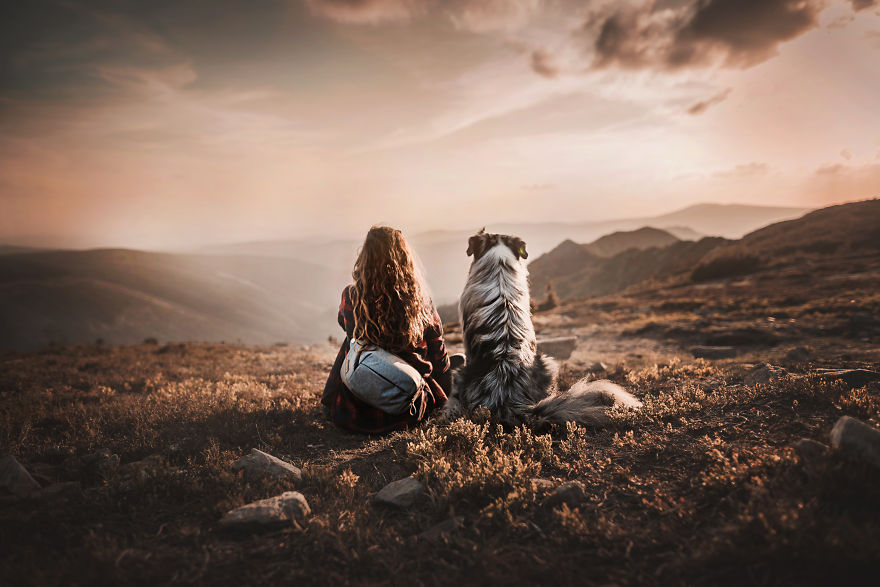
oooo
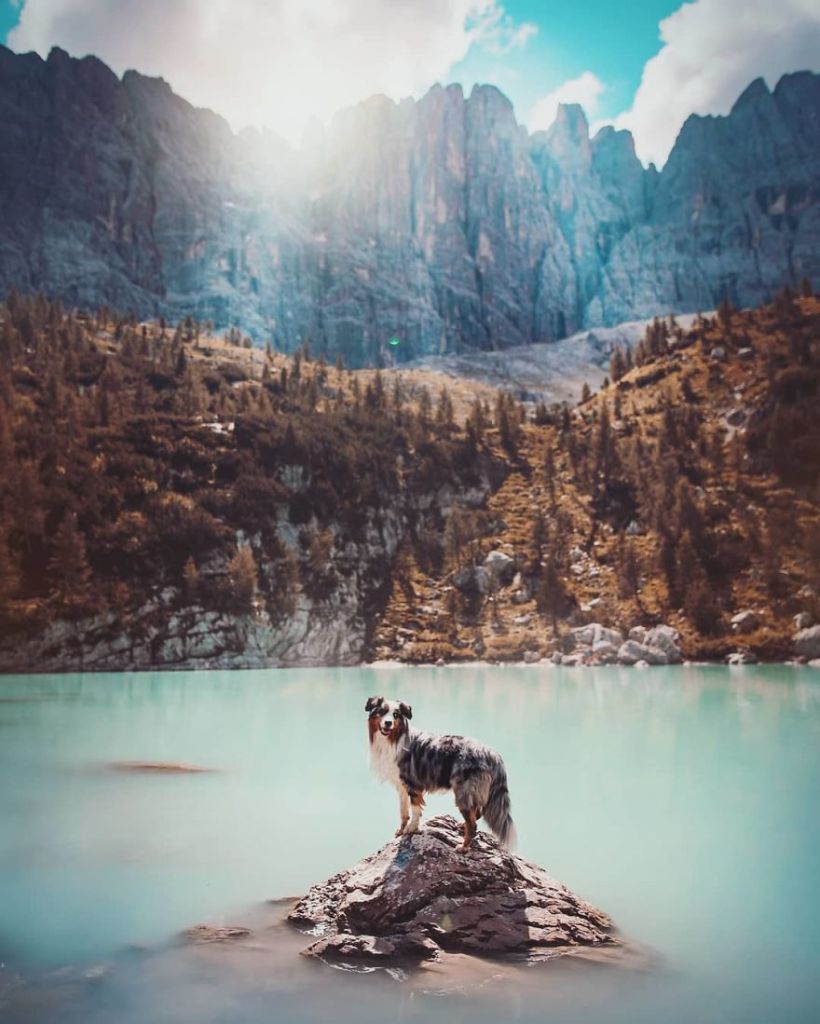
oooo

oooo
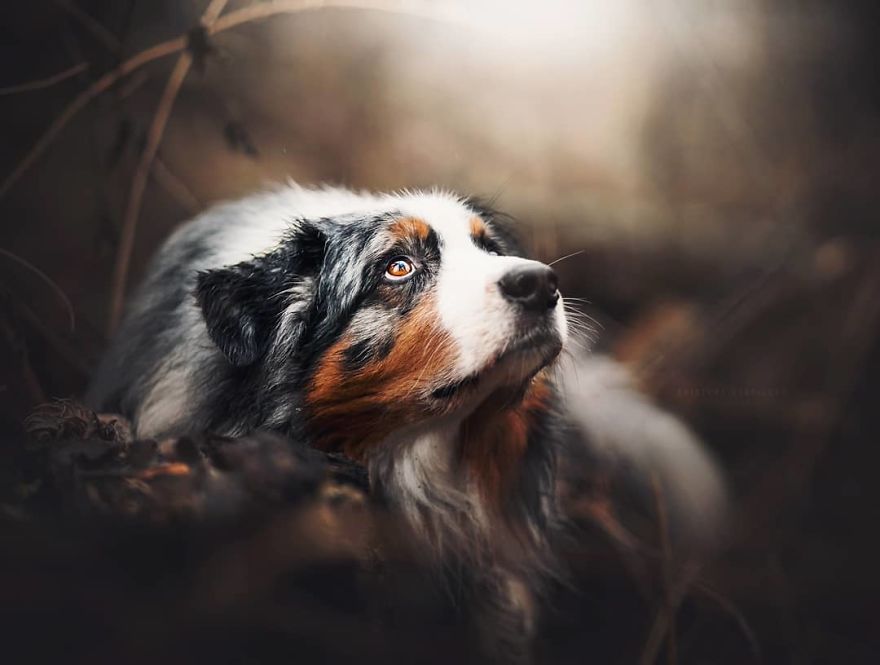
oooo

oooo
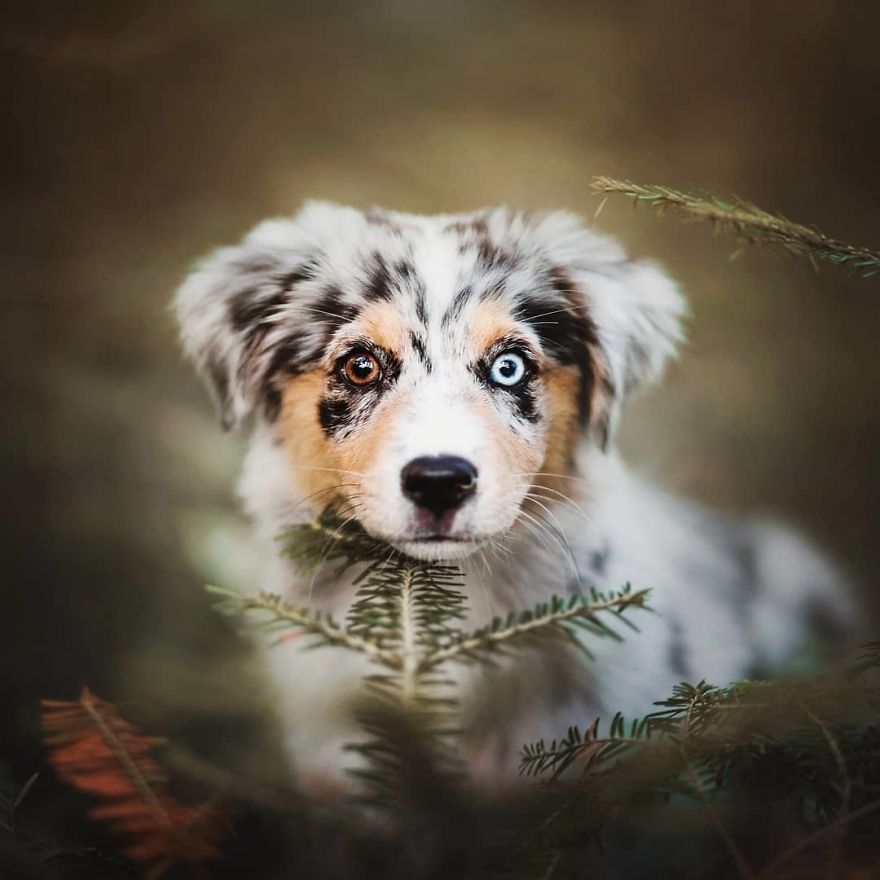
oooo
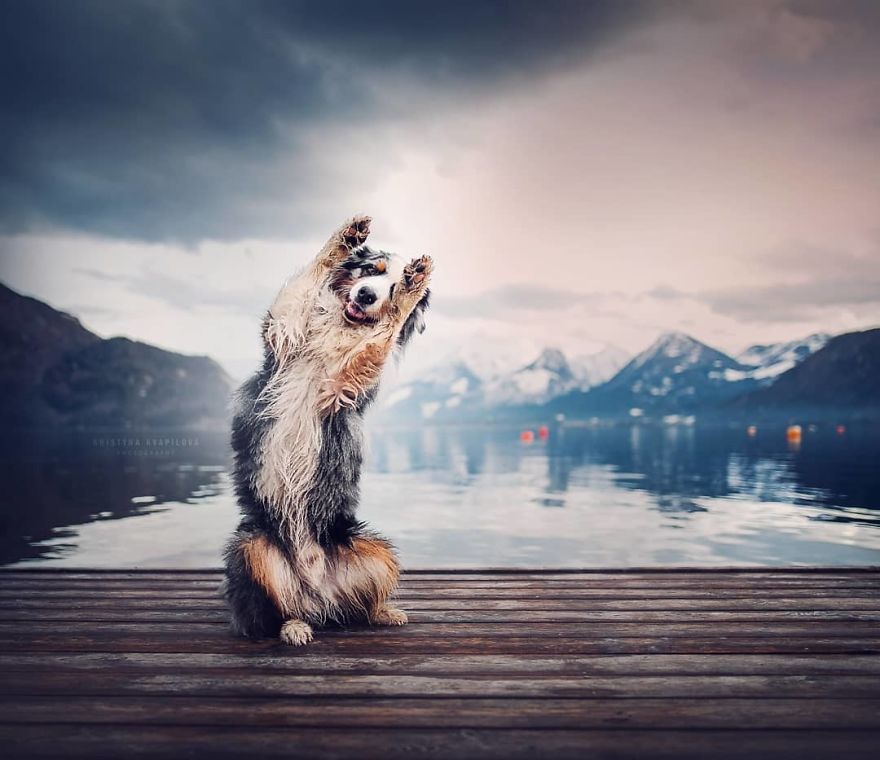
oooo
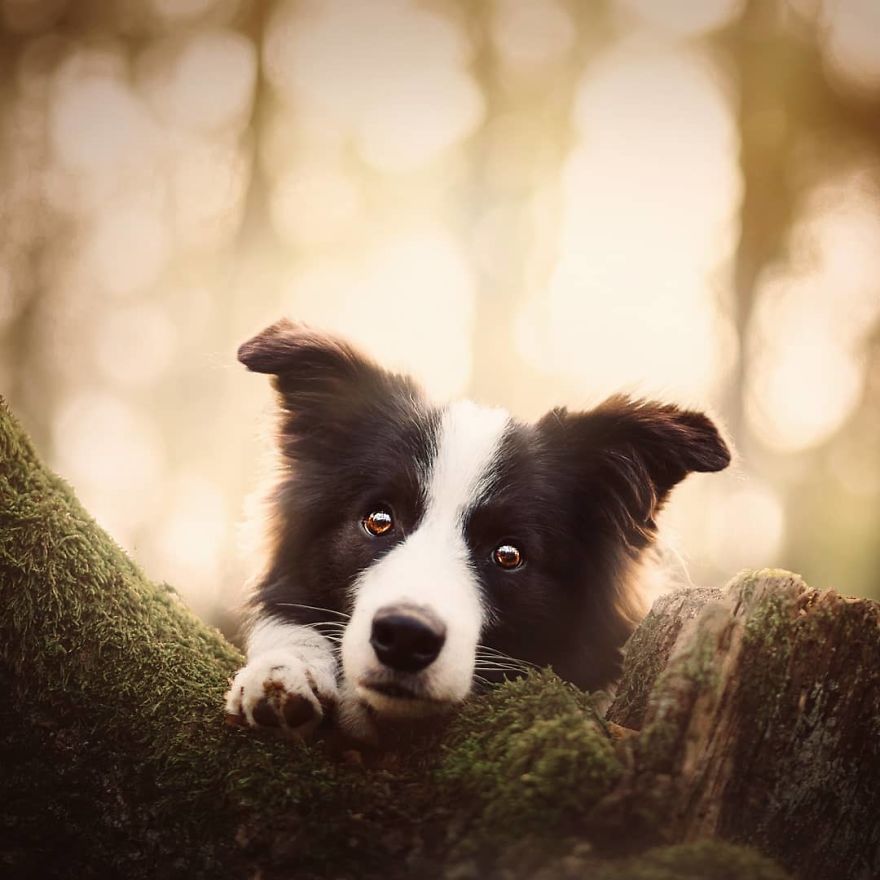
As I said last week these were all taken from here.
Again, I am going to take a short break and will see you all in the New Year; on January 2nd, 2019.
Dogs are animals of integrity. We have much to learn from them.
Author: Paul Handover
Yet more of those gorgeous photos by Kristýna Kvapilová.
oooo
oooo
oooo
oooo
oooo
oooo
oooo
As I said last week these were all taken from here.
Again, I am going to take a short break and will see you all in the New Year; on January 2nd, 2019.
Columbia River Natural Pet Food Recall Expands
Columbia River Natural Pet Foods of Vancouver, WA, is expanding its recall to include 2 of its dog and cat food products because they have the potential to be contaminated with Salmonella and Listeria bacteria.
ooOOoo
December 24, 2018 — Columbia River Natural Pet Foods of Vancouver, WA, is expanding its recent recall to include additional dog and cat foods due to their potential to be contaminated with Salmonella and Listeria monocytogenes.

What’s Recalled?
The following products are being recalled:
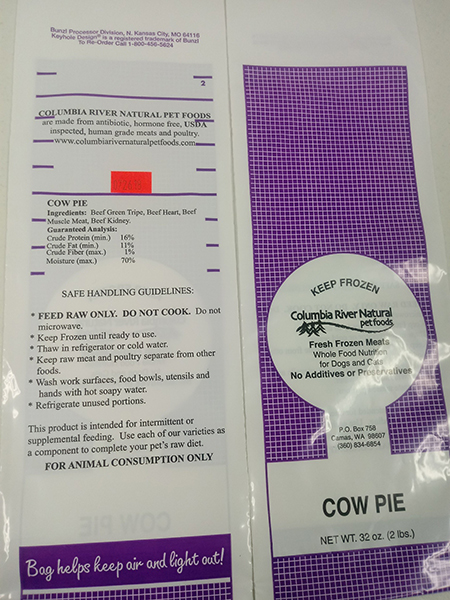
The recall includes 261 packages of Cow Pie Lot # 72618 and 82 packages of Chicken & Vegetables Lot# 111518 fresh frozen meats for dogs and cats, produced in July 2018 and November 2018.
Cow Pie and Chicken and Vegetables are fresh frozen meat products intended to be fed raw to dogs and cats.
Both were distributed in Alaska, Oregon, and Washington through retail stores and direct delivery.
The Cow Pie product comes in frozen 2-pound purple and white plastic bags with Lot# 72618 found on an orange sticker.
The Chicken and Vegetables product comes in frozen 2-pound turquoise and white plastic bags with Lot # 111518 found on an orange sticker.
No illnesses have been reported to date.
About Salmonella and Listeria
Salmonella and Listeria monocytogenes can affect animals eating the products and there is risk to humans from handling contaminated pet products, especially if they have not thoroughly washed their hands after having contact with the products or any surfaces exposed to these products.
Healthy people infected with Salmonella and Listeria monocytogenes should monitor themselves for some or all of the following symptoms: nausea, vomiting, diarrhea or bloody diarrhea, abdominal cramping and fever.
Rarely, Salmonella and Listeria monocytogenes can result in more serious ailments, including arterial infections, endocarditis, arthritis, muscle pain, eye irritation, and urinary tract symptoms.
Consumers exhibiting these signs after having contact with this product should contact their healthcare providers.
Pets with Salmonella and Listeria monocytogenes infections may be lethargic and have diarrhea or bloody diarrhea, fever, and vomiting.
Some pets will have only decreased appetite, fever and abdominal pain.
Infected but otherwise healthy pets can be carriers and infect other animals or humans.
If your pet has consumed the recalled product and has these symptoms, please contact your veterinarian.
What Caused the Recall?
The potential for contamination was noted after testing by the Washington State Department of Agriculture revealed the presence of Listeria monocytogenes and Salmonella in one package of Cow Pie and Salmonella in one package of Chicken & Vegetables.
What to Do?
Consumers who purchased the product should discontinue use of the product and return for a full refund or exchange by returning the product in its original packaging to place of purchase.
Consumers with questions may contact the company at 360-834-6854 Monday to Friday from 8 AM to 4 PM PT.
This recall is being made with the knowledge of the U.S. Food and Drug Administration.
U.S. citizens can report complaints about FDA-regulated pet food products by calling the consumer complaint coordinator in your area.
Or go to http://www.fda.gov/petfoodcomplaints.
Canadians can report any health or safety incidents related to the use of this product by filling out the Consumer Product Incident Report Form.
ooOOoo
Please share this important news item as far and wide as you can.
Times they are a changing!
I am speaking of the summer months and the risk of animals being burnt. Mind you, as the following article shows, summer is stretching it a bit. This article was published on December 10th!
But whenever it was published it’s a good news story.
ooOOoo
By JACQUELINE GULLEDGE December 10, 2018.
Just this past month, California suffered its worst wildfire in the state’s history. Camp Fire in Paradise, California burned 220 acres and claimed the lives of 85 people. The vast majority of residents had little-to-no warning to evacuate, and many pets were left behind and left to fend for themselves along with the wildilfe.
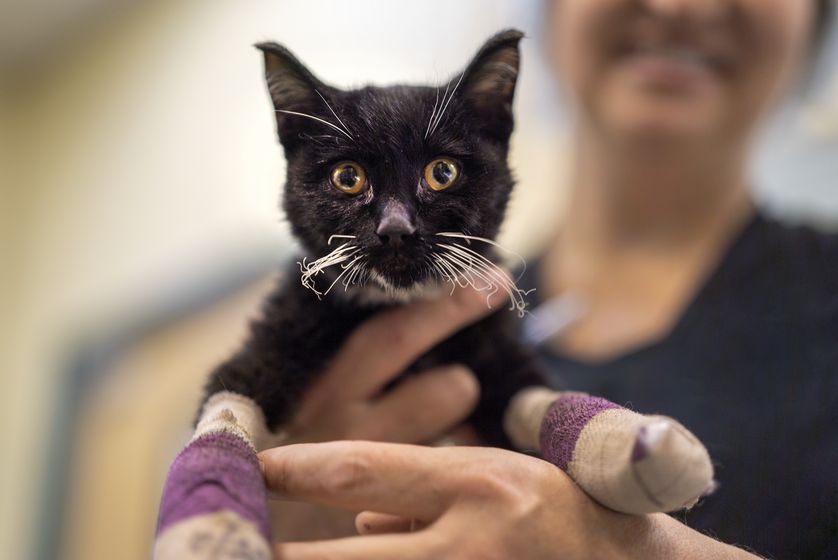
Several dogs and cats burned in the fire ended up at Valley Oak Veterinary Center in Chico. When Dr. Jamie Peyton, chief of the Integrative Medicine Service at the UC Davis Veterinary Medical Teaching Hospital, heard about the animals, she volunteered to treat them with the innovative method of using tilapia skin on their burns. (This is the first time dogs and cats have been treated with tilapia skin for burns.) The kitten pictured above suffered third degree burns on some of his paws and lost the pads to all his feet.
“Their paws have been badly burned,” said Dusty Spencer, a veterinary surgeon at VCA Valley Oak Veterinary Center. “Their whiskers are singed or gone. Some of them have had really bad burns on their eyelids and nose.”

An 8-year-old Boston terrier mix named Olivia was one of the first dogs to receive treatment.
Olivia’s owners, Curtis and Mindy Stark, were out of town when the blaze began. Fortunately, Olivia has a microchip and was reunited with her owners. She suffered second-degree burns to her paws, legs and side, but it wasn’t long till she was feeling better thanks to the tilapia skin.
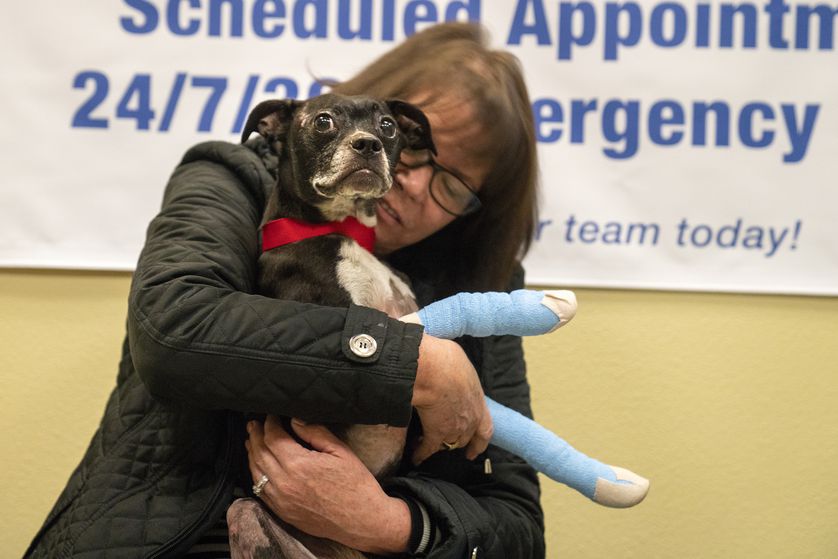
“It was a day and night difference,” said Curtis Stark. “She got up on the bed and did a back flip. That is the first time we saw her acting like she was before.”
Treatment also works for the most severe burns
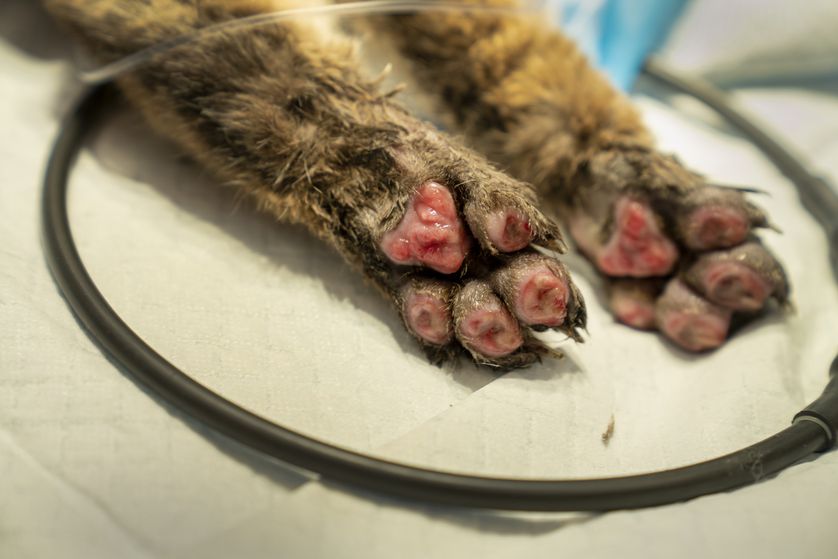
Pets weren’t the only animals to suffer during the wildfire. Many wild animals desperately tried to flee but couldn’t.
A bobcat was also brought in for treatment. Peyton tells MNN the bobcat suffered third- to fifth-degree burns on his paws. A fifth-degree burn means the burn goes down to the bone. The animal was very thin due to his inability to hunt for food and lack of food sources after the fire. In the week since the bobcat received his first treatment, he has had three tilapia bandage changes. “Each one seems to be showing marked improvement and he is moving well and showing a lot of spunk at his rehabilitation home,” said Peyton.
It will be several months before the bobcat can be released back in the wild, but Peyton’s goal is to “help him heal as soon as possible to allow him to get back to his home.”
Previously, Peyton treated a bear cub injured in California’s Carr Fire back in August and before that two bears and a mountain lion from the Thomas Fire earlier this year.
Previous success for other injured wildlife
This summer, the Carr Fire near Redding, California burned for more than a month and scorched more than 229,000 acres — also forcing many wild animals to try and escape.
On Aug. 2, a Pacific Gas & Electric Company contractor spotted an injured black bear cub lying in the ash, unable to walk on her paws. She was the latest victim of the Carr Fire — and luckily, one the contractor knew he could help. The contractor called Lake Tahoe Wildlife Care, a certified wildlife rehabilitation facility.
A team was quickly mobilized to rescue the cub. Officers from the California Department of Fish and Wildlife (CDFW) cleared a safe path and tranquilized the cub to carry her to safety. The cub was brought to a lab to be treated by a team of veterinarians from CDFW and the University of California, Davis.
“Generally speaking, an animal that has survived a fire and is walking around on its own should be left alone, but that wasn’t the case here,” CDFW’s Environmental Program Manager Jeff Stoddard said. “In addition to her inability to stand or walk, there were active fires burning nearby, and with the burn area exceeding 125 square miles and growing, we weren’t sure there was any suitable habitat nearby to take her to.”
How does tilapia skin work for treating burns?
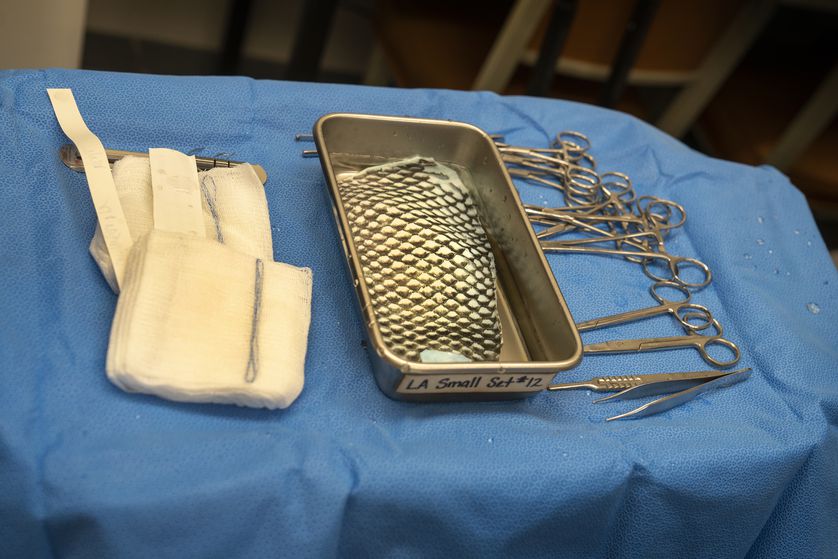
“The tilapia skins provide direct, steady pressure to the wounds, keep bacteria out and stay on better and longer than any kind of regular, synthetic bandage would,” Peyton said. “The complete treatment also includes application of antibiotics and pain salve, laser treatments and acupuncture for pain management.”
The cub is the third bear in the state to be treated for burns with tilapia skin. Earlier this year after the Thomas fire, two bears and a mountain lion also received similar treatment. With each animal being treated, Peyton and her team grow more optimistic that tilapia skin is an effective treatment for burns that can be used in veterinary hospitals around the world.
“Just like we’ve seen in other species, we’re seeing increased pain relief. We’re seeing wound healing and an overall increased comfort,” said Peyton. “One of the most important things about being at UC Davis VMTH is that we are learning new techniques, but they don’t make much of a difference unless we can use them in the community.”
Editor’s note: This article has been updated since it was originally published in August 2018.
ooOOoo
Reading this article leaves me with the impression that there are a great number of good people out there!
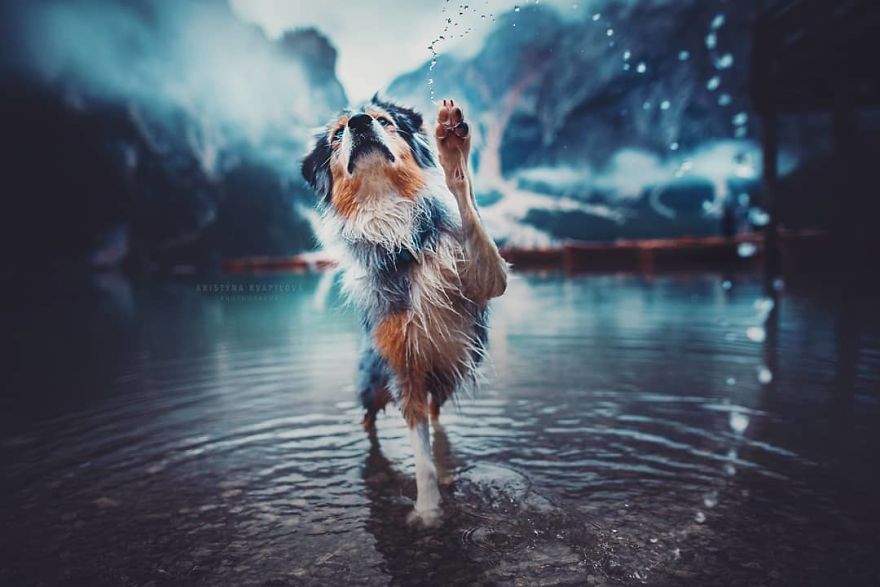
More of those gorgeous photos by Kristýna Kvapilová.

oooo

oooo

oooo
oooo

oooo

oooo

All taken from here.
Finally, I shall be taking a break over the Christmas holidays and will be back with you on Thursday, 27th December.
You all have a peaceful and relaxing time.
As seen on the EarthSky website.
There were a number of photographs of Comet 46P/Wirtanen on this site.
But the one that really leapt off the page, so to speak, was this one:
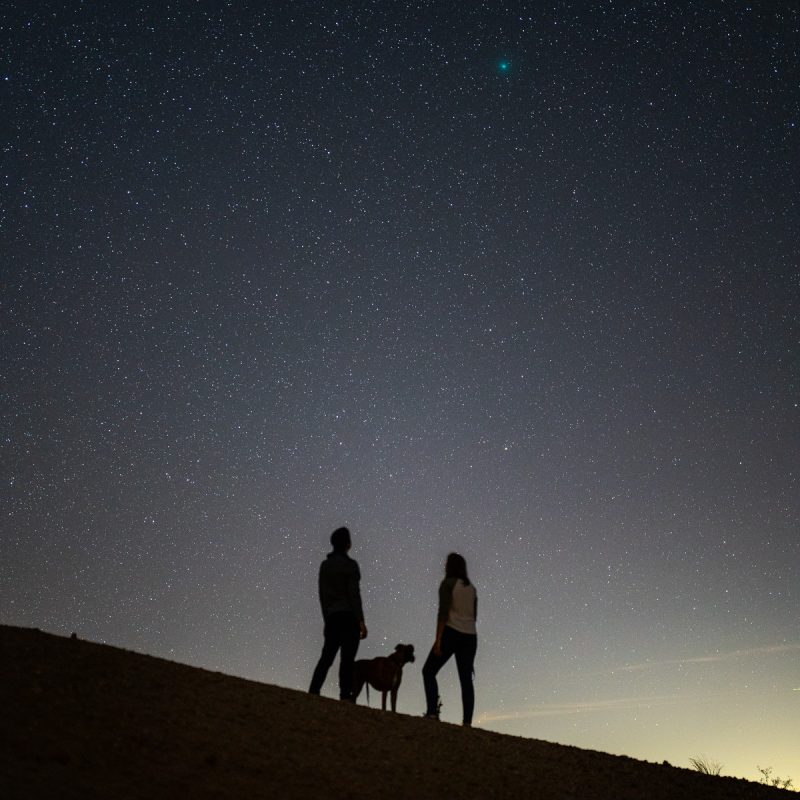
Jack Fusco Photography in California wrote: “Hi EarthSky! I’m so excited to share my 1st photo of comet 46P/Wirtanen! We took our boxer, Kona, out to the Anza Borrego Desert with us and came home with a new family photo. : ) I shared some behind-the-scenes and outtakes over on my blog as well.” Awesome photo, and thanks for the how-to-photograph info on your blog, Jack!
Amazing!
Good people, this is mid-Winter.
(Northern Hemisphere only.)
OK, not in the sense of weather because the worse is yet to come I’m sure. But in terms of the movement of the Planet Earth in its orbit around the Sun. And that’s what matters!
This is a really ancient moment as the following article published in The Conversation explains in much more detail.
ooOOoo
By Associate Professor of Environmental Studies, The University of Montana
December 13th, 2018.
On the day of winter solstice, many Native American communities will hold religious ceremonies or community events.
The winter solstice is the day of the year when the Northern Hemisphere has the fewest hours of sunlight and the Southern Hemisphere has the most. For indigenous peoples, it has been a time to honor their ancient sun deity. They passed their knowledge down to successive generations through complex stories and ritual practices.
As a scholar of the environmental and Native American religion, I believe, there is much to learn from ancient religious practices.
Ancient architecture
For decades, scholars have studied the astronomical observations that ancient indigenous people made and sought to understand their meaning.
One such place was at Cahokia, near the Mississippi River in what is now Illinois across from St. Louis.

In Cahokia, indigenous people built numerous temple pyramids or mounds, similar to the structures built by the Aztecs in Mexico, over a thousand years ago. Among their constructions, what most stands out is an intriguing structure made up of wooden posts arranged in a circle, known today as “Woodhenge.”
To understand the purpose of Woodhenge, scientists watched the sun rise from this structure on winter solstice. What they found was telling: The sun aligned with both Woodhenge and the top of a temple mound – a temple built on top of a pyramid with a flat top – in the distance. They also found that the sun aligns with a different temple mound on summer solstice.
Archaeological evidence suggests that the people of Cahokia venerated the sun as a deity. Scholars believe that ancient indigenous societies observed the solar system carefully and wove that knowledge into their architecture.
Scientists have speculated that the Cahokia held rituals to honor the sun as a giver of life and for the new agricultural year.
Complex understandings
Zuni Pueblo is a contemporary example of indigenous people with an agricultural society in western New Mexico. They grow corn, beans, squash, sunflowers and more. Each year they hold annual harvest festivals and numerous religious ceremonies, including at the winter solstice.
At the time of the winter solstice they hold a multiday celebration, known as the Shalako festival. The days for the celebration are selected by the religious leaders. The Zuni are intensely private, and most events are not for public viewing.
But what is shared with the public is near the end of the ceremony, when six Zuni men dress up and embody the spirit of giant bird deities. These men carry the Zuni prayers for rain “to all the corners of the earth.” The Zuni deities are believed to provide “blessings” and “balance” for the coming seasons and agricultural year.
As religion scholar Tisa Wenger writes, “The Zuni believe their ceremonies are necessary not just for the well-being of the tribe but for “the entire world.”
Winter games
Not all indigenous peoples ritualized the winter solstice with a ceremony. But that doesn’t mean they didn’t find other ways to celebrate.
The Blackfeet tribe in Montana, where I am a member, historically kept a calendar of astronomical events. They marked the time of the winter solstice and the “return” of the sun or “Naatosi” on its annual journey. They also faced their tipis – or portable conical tents – east toward the rising sun.
They rarely held large religious gatherings in the winter. Instead the Blackfeet viewed the time of the winter solstice as a time for games and community dances. As a child, my grandmother enjoyed attending community dances at the time of the winter solstice. She remembered that each community held their own gatherings, with unique drumming, singing and dance styles.
Later, in my own research, I learned that the Blackfeet moved their dances and ceremonies during the early reservation years from times on their religious calendar to times acceptable to the U.S. government. The dances held at the time of the solstice were moved to Christmas Day or to New Year’s Eve.
 The solstice. Divad, from Wikimedia Commons
Today, my family still spends the darkest days of winter playing card games and attending the local community dances, much like my grandmother did.
Although some winter solstice traditions have changed over time, they are still a reminder of indigenous peoples understanding of the intricate workings of the solar system. Or as the Zuni Pueblo’s rituals for all peoples of the earth demonstrate – of an ancient understanding of the interconnectedness of the world.
ooOOoo
Let me pick up on the last sentence: “Or as the Zuni Pueblo’s rituals for all peoples of the earth demonstrate – of an ancient understanding of the interconnectedness of the world.”
We are all of us interconnected across the world. We have been for a very long time.
The importance of understanding this, truly understanding this, is critical to our future.
The day of the dogs.
I saw this on the BBC News site back in November and had been meaning to share it with you before now. But it’s still highly relevant.
Do no more than go straight into the article.
ooOOoo

Every dog has its day, and for canines in Nepal that phrase could not be more literal.
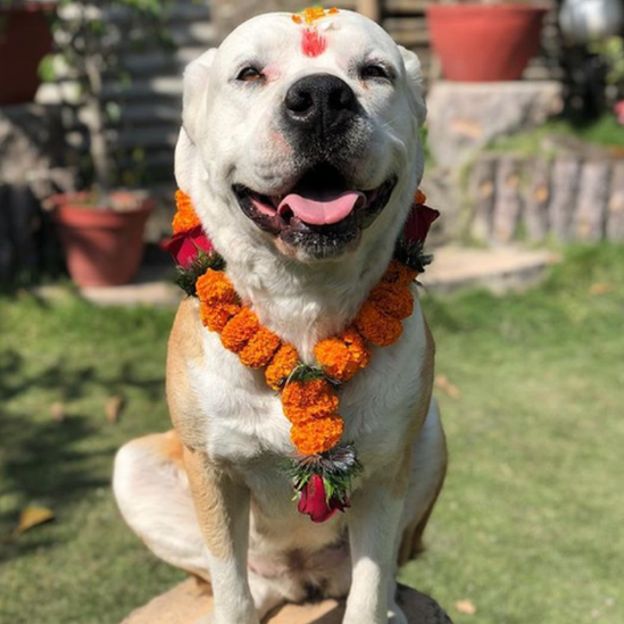
The five-day Nepalese Hindu festival of Tihar started this week and the second day is known as Kukur Tihar or “day of the dogs”.
Dogs are celebrated and blessed with a Tika – a red mark applied to their forehead.
The animals are also given flowers, garlands and offered food as part of the festival.

Hindus believe that dog is the messenger of Yamaraj – the God of death – and by keeping the dogs in good humour they will be able to appease Yamaraj himself.

The festival, which shares some traditions with Diwali in India, also celebrates cows and crows.

It is not just beloved pets who are involved in the celebrations. Stray dogs are honoured on the day too.

Treats given to dogs during Kukur Tihar can range from meat, milk, eggs and good quality dog food.

Tihar is also called Deepavali or the festival of lights.
Throughout this festival, people in Nepal clean their houses and courtyards; light up lamps and pray to Laxmi – the Goddess of Wealth – urging her to visit their houses and bless them.
ooOOoo
Just beautiful!
The dog not the singer.
There are many things that our dogs do that are inexplicable to us humans.
Such was the case of Sinatra who some 18 months ago disappeared from his Brooklyn home.
Prior to that, in November, 2015, he was a pup when there was a tragic gun accident causing his owner, Zion, to be killed. Zion was 16 at the time.
I have this theory that Sinatra was so deeply disturbed by the loss of Zion but had to grow up before he could run off.
He ended up in Tampa, Florida.
Let me quote from the New York Post.
A blue-eyed husky — who turned up outside Tampa, Florida, 18 months after he ran away from home — will be reunited with his family in Brooklyn on Monday.
The 5-year-old, brown-and-white pup, named after the famed crooner, inexplicably turned up 1,200 miles from Canarsie around Nov. 6 and was taken in by the Verrill family.
They were able to hunt down Sinatra’s owner in Brooklyn, Lesmore Willis, who burst into tears when he heard his beloved family pet had been found.
On Sunday evening, friends of the Verrill family made their way from Florida to the Baltimore area to hand off Sinatra to a pal of Willis’, Glen O’Gilvie, who lives there. O’Gilvie will then drive the dog to New York, he told The Post on Monday.
CBS This Morning published a video of the event.
Just a lovely outcome, albeit one that doesn’t change the fact that dear, young Zion is never coming back!
More from Margaret K.
But from a different source.
Once again, I feel as though I should include the introduction:
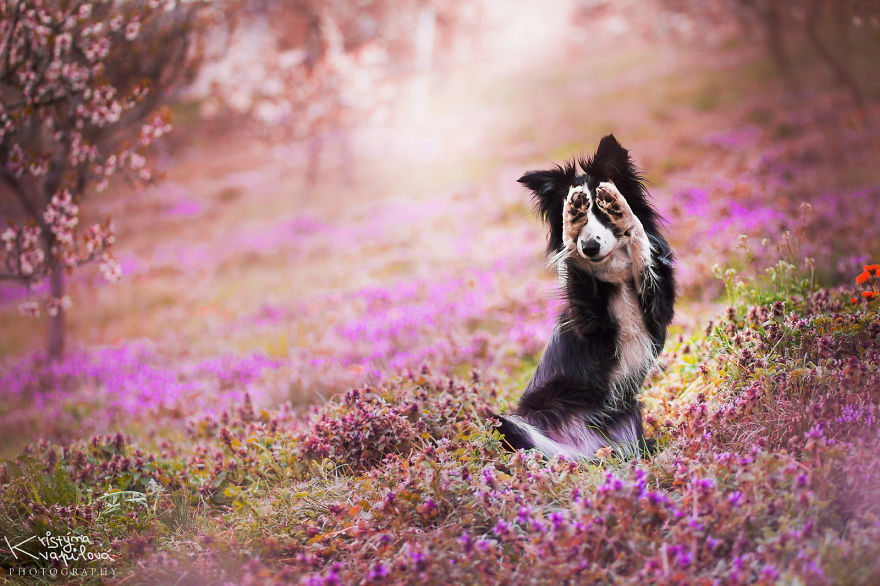
My name is Kristýna Kvapilová and I’m a dog photographer, traveler and frisbee player from the Czech Republic. I’m 21 years old and I’m the proud owner of a Canon 5D Mark IV.
When I leave my computer-based job, you can often see me somewhere on the road, traveling and exploring the world with my beautiful 7-year-old Australian Shepherd Charlie, who is my personal teacher and also the best and the most faithful model I’ve ever had! He’s a so-called professional dog model who can do many tricks, for example, lick on command.
He truly changed my entire life… I’m a photographer only thanks to him and I’m incredibly glad for that. He’s always been so patient with me and I learned a lot because of him.
In photography, I focus primarily on pets and my goal is to make the photos look somehow more special than basic photos taken in the garden. I want to bring aesthetic elements, memories or a message that can help me to communicate with the outside world. I like to capture the true nature of dogs in my portraits, their personalities.
But what I like more and more is a combination of traveling, dogs, and photography. It’s not only about the photography but also about the experience of an adventure: sleeping in a tent, getting our paws dirty and just walking in the breathtaking nature.

oooo

oooo

oooo

oooo
oooo

oooo

oooo

Brilliant!
Back to politics of the bigger order.
I stopped and pondered whether I should share this with you but then I decided to so do. Reason is that this is …. well, let me put it in the words of the essay: “Dark money is among the greatest current threats to democracy. It means money spent below the public radar, that seeks to change political outcomes. It enables very rich people and corporations to influence politics without showing their hands.”
Enough said!
ooOOoo
10th December 2018
The remarkable story of how the hard-right Koch brothers funded a Trotskyite splinter group.
By George Monbiot, published in the Guardian 7th November 2018
Dark money is among the greatest current threats to democracy. It means money spent below the public radar, that seeks to change political outcomes. It enables very rich people and corporations to influence politics without showing their hands.
Among the world’s biggest political spenders are Charles and David Koch, co-owners of Koch Industries, a vast private conglomerate of oil pipelines and refineries, chemicals, timber and paper companies, commodity trading firms and cattle ranches. If their two fortunes were rolled into one, Charles David Koch, with $120bn, would be the richest man on Earth.
In a rare public statement – an essay published in 1978 – Charles Koch explained his objective. “Our movement must destroy the prevalent statist paradigm.” As Jane Mayer records in her book Dark Money, the Kochs’ ideology – lower taxes and looser regulations – and their business interests “dovetailed so seamlessly it was difficult to distinguish one from the other.”
Over the years, she notes, “the company developed a stunning record of corporate malfeasance”. Koch Industries paid massive fines for oil spills, illegal benzene emissions and ammonia pollution. In 1999, a jury found that it had knowingly using a corroded pipeline to carry butane, which caused an explosion in which two people died. Company Town, a film released last year, tells the story of local people’s long fight against pollution from a huge papermill owned by the Koch brothers.
The Koch’s chief political lieutenant, Richard Fink, developed what he called a three-stage model of social change. Universities would produce “the intellectual raw materials”. Think tanks would transform them into “a more practical or useable form”. Then “citizen activist” groups would “press for the implementation of policy change.”
To these ends the Kochs set up bodies in all three categories themselves, such as the Mercatus Center at George Mason University, the Cato Institute and the “citizens’ group” Americans for Prosperity. But for the most part they funded existing organisations that met their criteria. They have poured hundreds of millions of dollars into a network of academic departments, thinktanks, journals and movements. And they appear to have been remarkably successful.
As researchers at Harvard and Columbia universities have found, Americans for Prosperity alone now rivals the Republican party in terms of size, staffing and organisational capacity. It has pulled ”the Republican party to the far-right on economic, tax, and regulatory issues.” It was crucial to the success of the Tea Party Movement, the ousting of Democrats from Congress, and the staffing of Trump’s transition team. The Koch network has helped secure massive tax cuts, the smashing of trade unions and the dismantling of environmental legislation.
But their hands, for the most part, remain invisible. A Republican consultant who has worked for Charles and David Koch told Jane Mayer that “to call them under the radar is an understatement. They are underground.”
Until now, there has been no evidence that Charles and David Koch have directly funded organisations based in the UK. But a few weeks ago, a reader pointed me to one line he found in a form submitted to the US government by the Charles Koch Foundation, which showed money transferred to a company that appears to be the US funding arm of a UK organisation. Once I had grasped its significance, I set up a collaboration with the investigative group DeSmog UK. We could scarcely believe what we were seeing.
The organisation the Charles Koch Foundation has chosen to fund is at first sight astounding: a US organisation established by an obscure magazine run by former members of a tiny Trotskyite splinter group. Some of its core contributors still describe themselves as Marxists or Bolsheviks. But the harder you look at it, the more sense the Koch donations appear to make.
The name of the magazine is Spiked. It emerged from a group with a comical history of left factionalism. In 1974, the International Socialists split after a dispute over arithmetic in Volume 3 of Das Kapital. One of the new factions formed the Revolutionary Communist Group. In 1976, it split again, and one of the splinters became the Revolutionary Communist Tendency. It was led by a sociologist at the University of Kent called Frank Furedi. In 1981 it changed its name to the Revolutionary Communist Party.
In 1988, the party launched a magazine called Living Marxism (later LM). By then, it had abandoned many of its former convictions. Among the few discernible traces of its revolutionary past was an enthusiasm for former communists in the Balkans, such as Slobodan Milošević. In 2000, it closed after losing a libel case: it falsely claimed that ITN had fabricated evidence of Serb atrocities against Bosnian Muslims. But as soon as the magazine folded, a network of new groups, with the same cast of characters – Frank Furedi, Claire Fox, Mick Hume, Brendan O’Neill, James Heartfield, Michael Fitzpatrick, James Woudhuysen – sprang up to replace it. Among these organisations were the Institute of ideas, the Academy of Ideas, the Manifesto Club and a new magazine, Spiked. It had the same editor as LM (Mick Hume) and most of the same contributors.
We found three payments over the past two years from the Charles Koch Foundation. They amount to $170,000, earmarked for “general operating support”. The payments were made to Spiked US Inc. On Spiked’s “Donate” page is a button that says “In the US? Donate here”. It takes you to the PayPal link for “Spiked US, Inc”. Spiked US, in other words, appears to be its American funding arm. Beyond a postal address is Hoboken, New Jersey, it is hard to see what presence it has in the US. It appears to have been established in 2016, the year in which the Koch donations began.
When I asked Spiked what the money was for and whether there had been any other payments, its managing editor, Viv Regan, told me that the Charles Koch Foundation has now given Spiked US a total of $300,000, “to produce public debates in the US about free speech, as part of its charitable activities.” She claims the foundation supports projects “on both the left and the right”. The Koch Foundation has funded “a free-speech oriented programme of public debates on campus titled the Unsafe Space Tour” and four live events, the first of which is titled ‘Should we be free to hate?’. She told me “We’re very proud of our work on free speech and tolerance, and we are proud to be part of the programme.”
But I have been unable to find any public acknowledgement of this funding. Neither on the videos of the debates, in the posters advertising them or in reports of the events in Spiked magazine is there any mention of the Charles Koch Foundation. From what I could see of the title slides in the videos, they acknowledged an organisation called the Institute for Humane Studies, but not the Foundation. Spiked has yet to reply to my questions on this matter.
The Koch brothers are famously careful with their money. According to Jane Mayer, they exert “unusually tight personal control over their philanthropic endeavours”. David Koch told a sympathetic journalist, “If we’re going to give a lot of money, we’ll make darn sure they spend it in a way that goes along with our intent. And if they make a wrong turn and start doing things we don’t agree with, we withdraw funding.” So what might have attracted them to this obscure organisation?
Spiked magazine, now edited by Brendan O’Neill, appears to hate left-wing politics. It inveighs against the welfare state, against regulation, the Occupy movement, anti-capitalists, Jeremy Corbyn, George Soros, #MeToo, “black privilege” and Black Lives Matter. It does so in the name of the “ordinary people”, whom, it claims, are oppressed by the “anti-Trump and anti-Brexit cultural elites”, “feministic elites”, “green elites” and “cosmopolitan politicians”.
It repeatedly defends figures on the hard right or far right: Katie Hopkins, Nigel Farage, Alex Jones, the Democratic Football Lads’ Alliance, Tommy Robinson, Toby Young, Arron Banks, Brett Kavanaugh, Viktor Orban. They are portrayed as victims of “McCarthyites” trying to suppress free speech. It demands the hardest of possible Brexits, insisting that “No Deal is nothing to fear”, as it would allow the UK to scrap EU regulations.
But what it appears to hate most is environmentalism. It rails against “climate scaremongering”, and has called for fracking and coal production to be ramped up. It blames the Grenfell Tower disaster on “the moral fervour of the climate change campaign”. It mocks the idea that air pollution is dangerous and has proposed abolishing the planning system. “We need to conquer nature, not bow to it,” it contends. “Let’s make the ‘human footprint’ even bigger”.
Spiked’s writers rage against exposures of dark money. It calls the Observer’s Carole Cadwalladr, who has won a string of prizes for exposing the opaque spending surrounding the Brexit vote, “the closest thing the mainstream British media has to an out-and-out conspiracy theorist”. It carries numerous articles by writers from the obscurely-funded Institute of Economic Affairs and from the Cato Institute, that was founded by Charles Koch. Its editor, Brendan O’Neill, also writes for Reason Magazine, owned by the Reason Foundation, which has received $1 million from the Charles Koch Foundation over the past two years.
Bizarrely, Spiked still uses Leon Trotsky to justify its positions. It claims to have built its philosophy on his objective of “increasing the power of man over nature and … the abolition of the power of man over man”. This means, it says, that “we should fight for greater human dominion over the natural world”, and that regulatory power should not be used to prevent anyone from exercising their agency. The result appears to turn Trotsky’s objective on its head: without constraint, those with the greatest agency can exercise uninhibited power over others.
Its enthusiasm for Trotsky is highly selective. As one of Spiked’s writers noted in 2002, his central message was that “the retreat behind national boundaries is a recipe for reaction”. Yet the magazine’s defence of both Brexit and Viktor Orban, Hungary’s right-wing prime minister, is founded on the notion of national sovereignty. Spiked seems to have remembered everything Leon Trotsky wrote that could be recruited to the cause of corporate capital and the hard right, and forgotten all his, shall we say, less enthusiastic musings about those forces.
Above all, its positions are justified with the claim to support free speech. But the freedom all seems to tend in one direction: freedom to lambast vulnerable people. The Unsafe Space tour that the Charles Koch Foundation financed was heavily slanted towards this line. Yet, when I exercised my freedom of speech in sending my questions to Spiked, I was denounced on the front page of the magazine as a “McCarthyite”. This is its favourite insult, which it uses prolifically to dismiss legitimate inquiries and critiques. The usual term for asking awkward questions about powerful interests is journalism. Open information and transparency are crucial to free speech: the more we know, the freer we become. Spiked has also called for schools, universities and governments to be “cleansed” of “the malign influence” of green NGOs, which it denounces as “the environmentalist enemy within.” Some friends of free speech, these.
The Kochs are mentioned in several Spiked articles, but no corresponding interests are declared. An article in 2016, when Spiked received $170,000 from the Charles Koch Foundation, attacked the Standing Rock protests against the Dakota Access Pipeline, in which the Koch brothers have a major interest.
Is this the extent of the Koch brothers’ funding of groups based in the UK? Who knows? I have not yet had a response from the Charles Koch Foundation. But I see these payments as part of a wider pattern of undisclosed funding. Democracy without transparency is not democracy.
ooOOoo
If I was a younger man I would be very active in trying to stop this threat to our open society.
But I am not!
All I can do is to republish this insightful essay by George Monbiot and hope that a few of you didn’t realise this thing was going on, and are concerned!
 Learning from Dogs