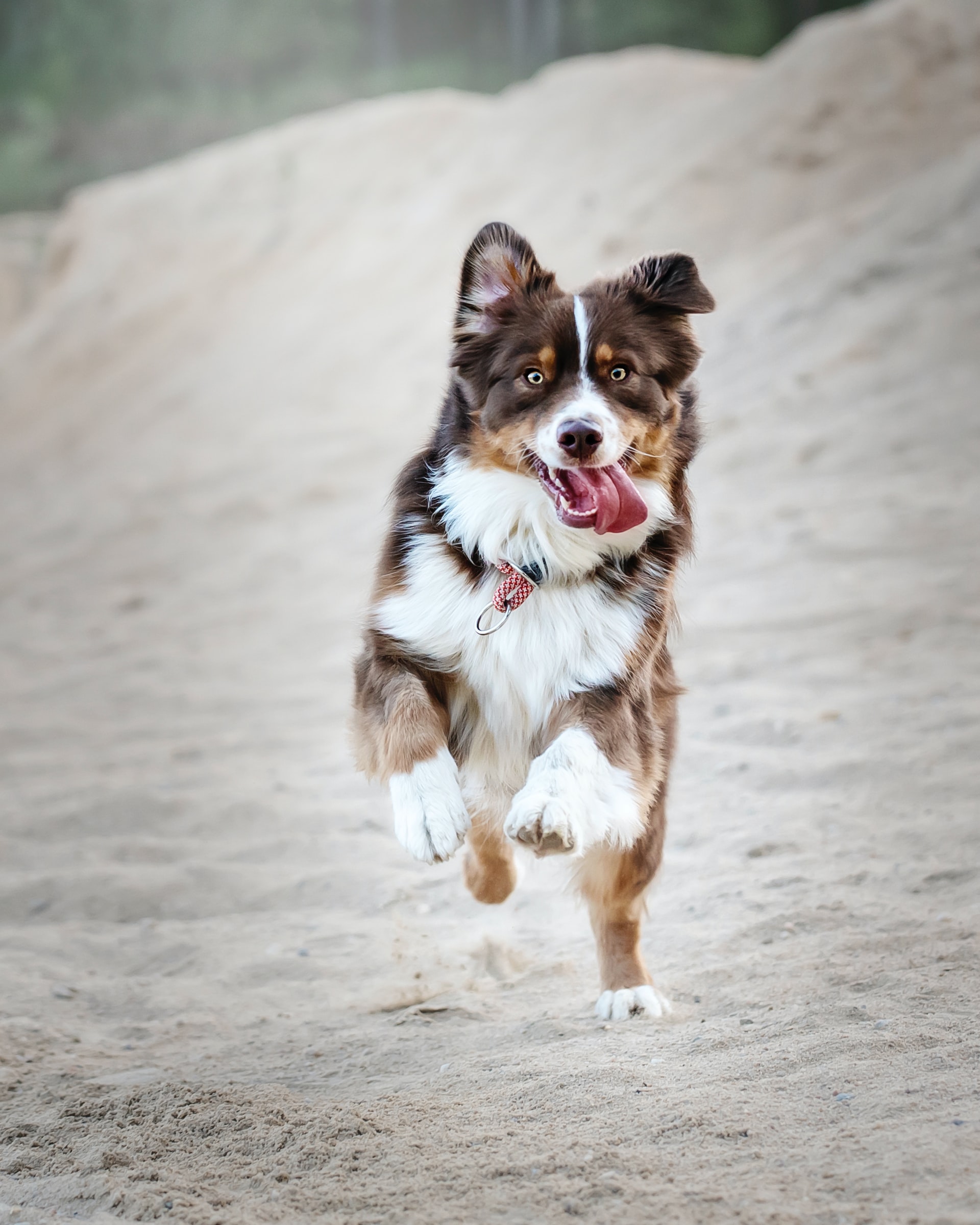
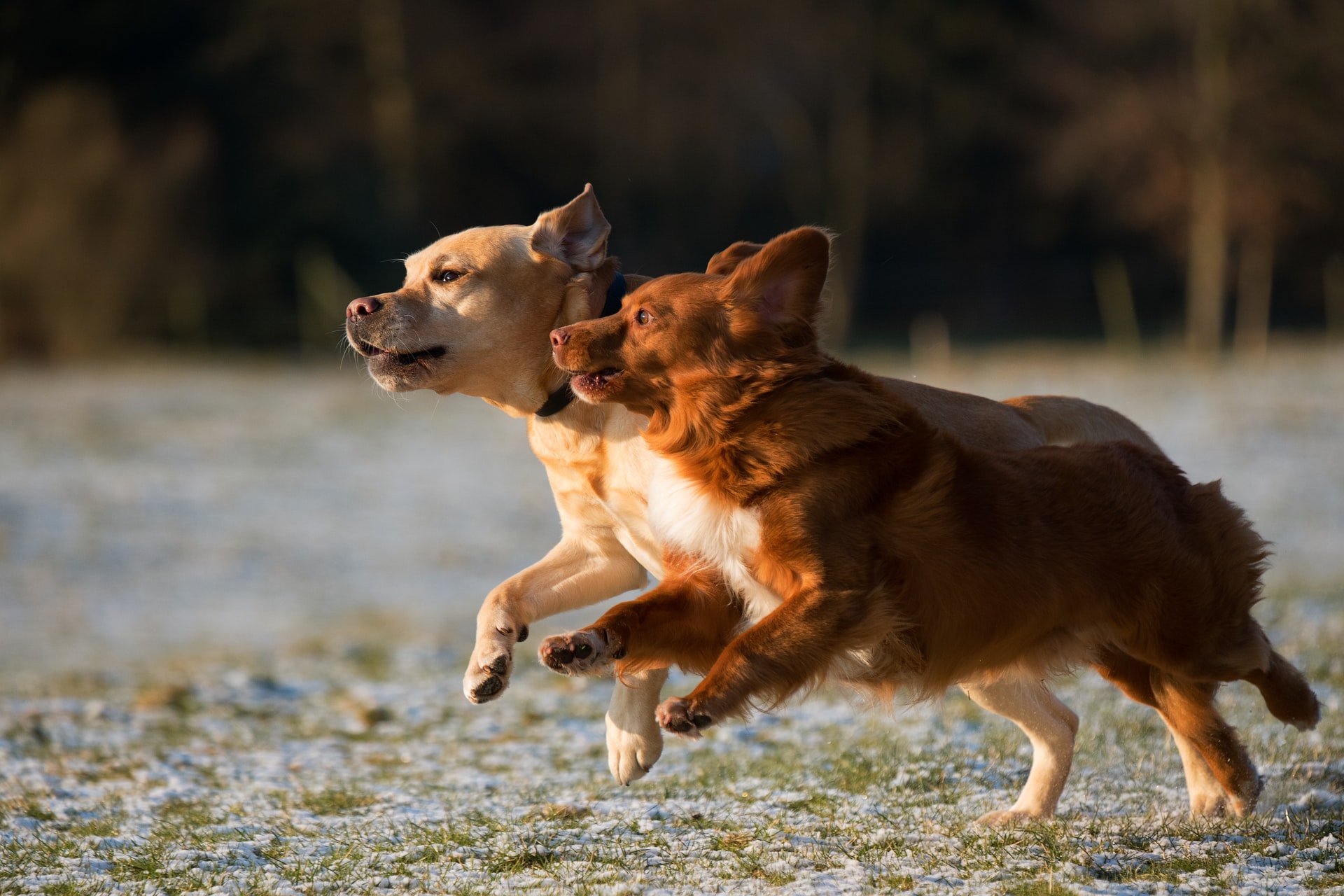
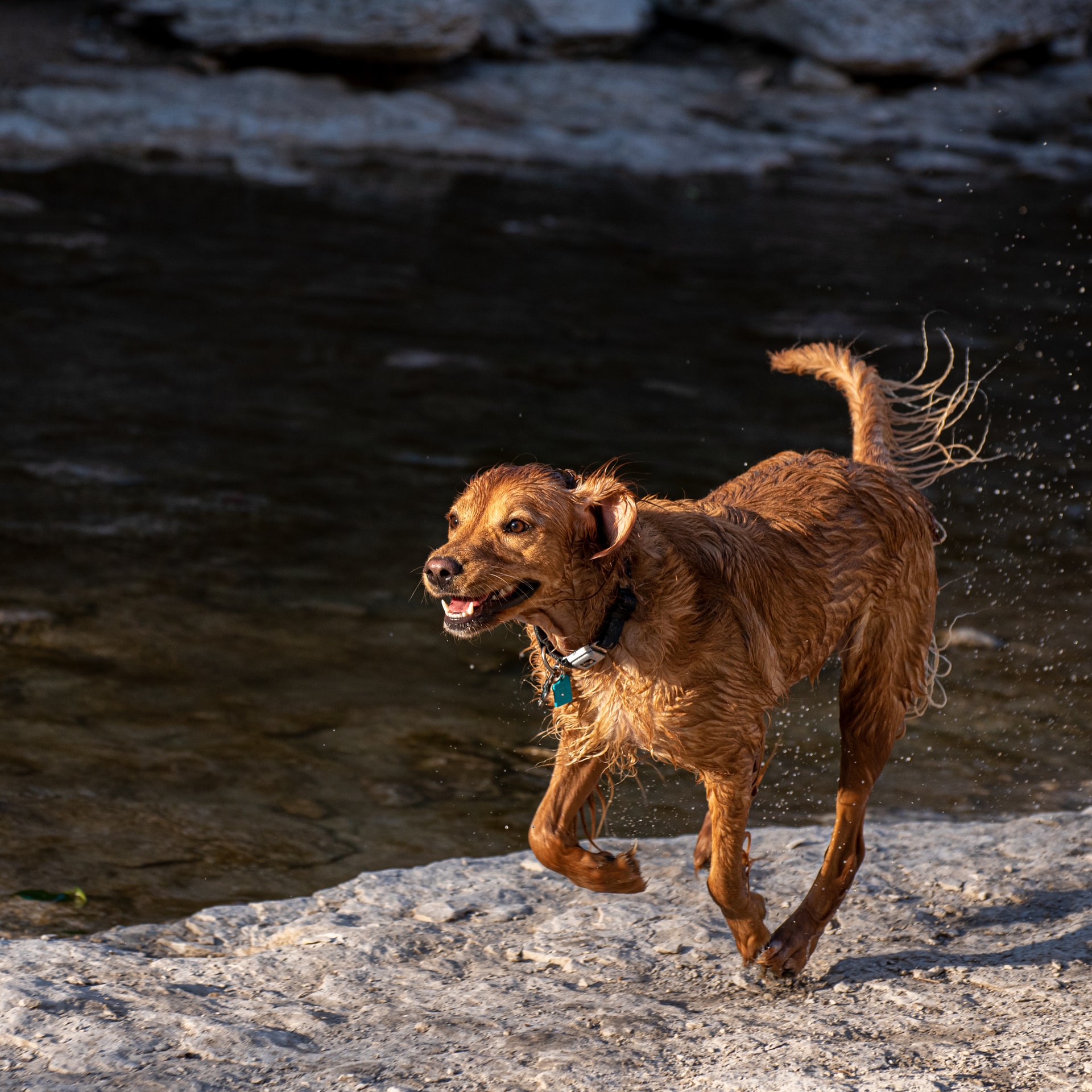
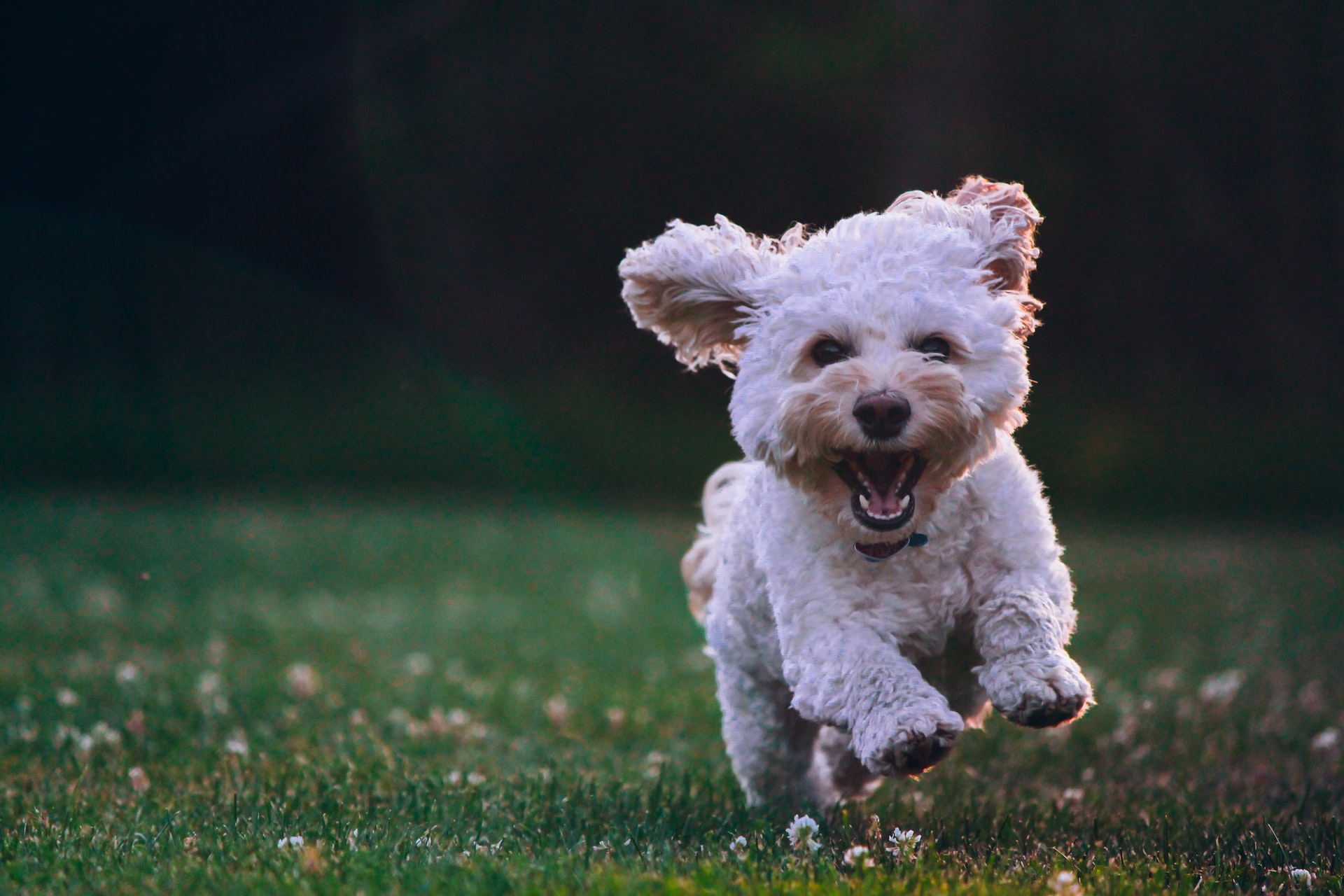
More dogs playing. Photos courtesy of Unsplash.
oooo
oooo
oooo
oooo
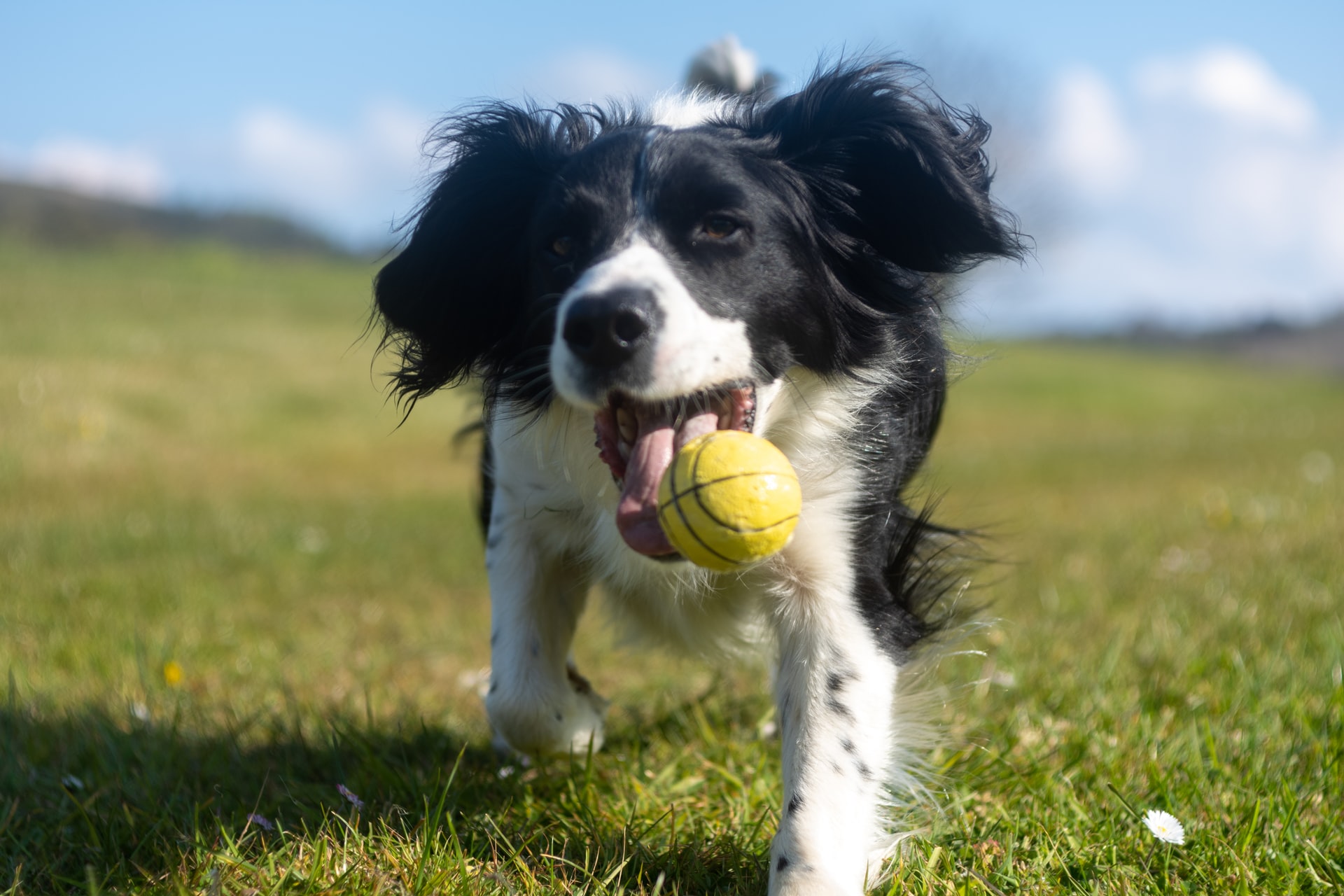
oooo
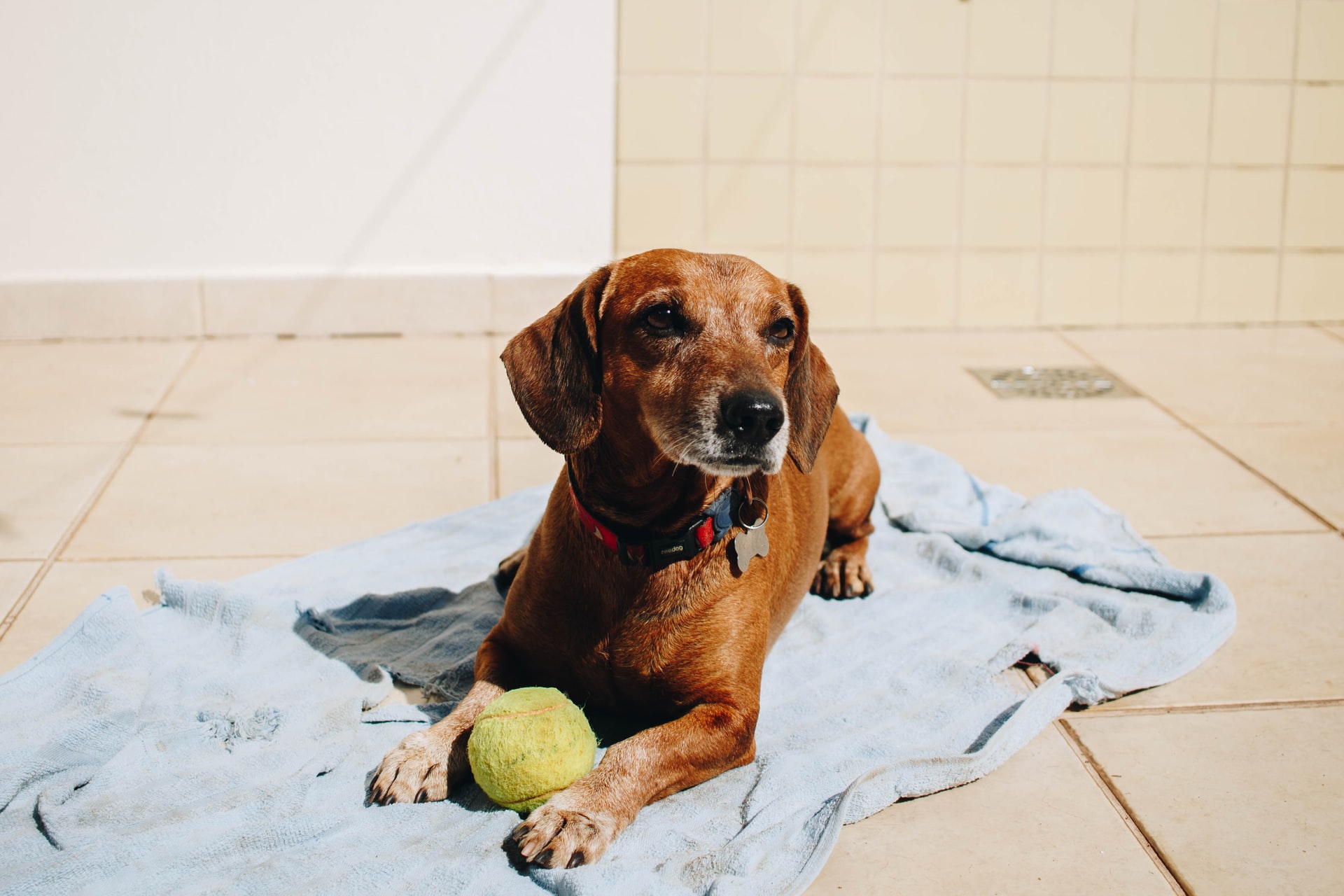
oooo
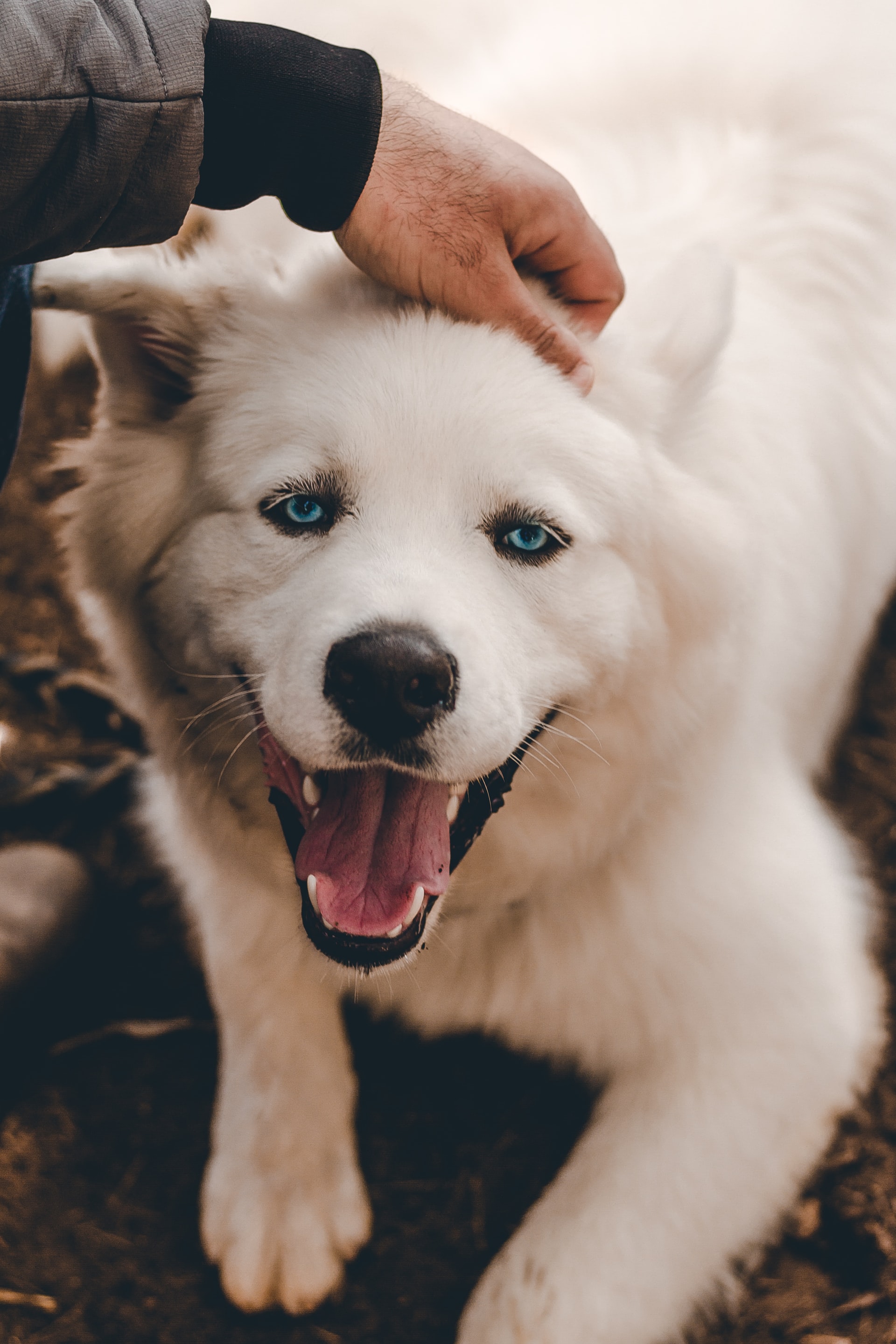
oooo
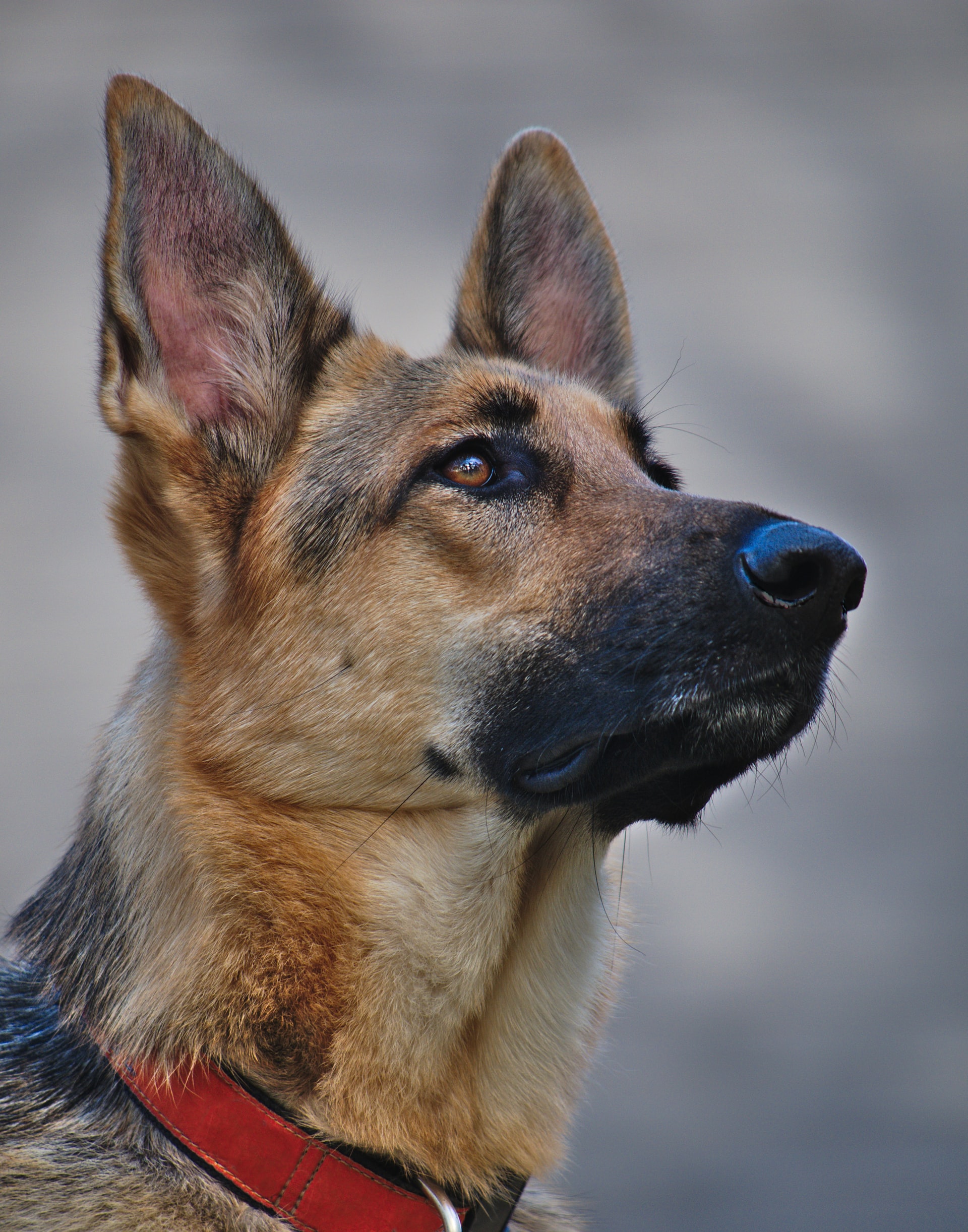
They are all beautiful but that last photograph of the German Shepherd is especially gorgeous!
Dogs are animals of integrity. We have much to learn from them.
Year: 2021
More dogs playing. Photos courtesy of Unsplash.
oooo
oooo
oooo
oooo
oooo
oooo
oooo
They are all beautiful but that last photograph of the German Shepherd is especially gorgeous!
A more informative way to do something most of us don’t think about!
The Dodo recently had an article about petting a dog. I was about to ignore it and then decided to read the article. I am glad I did because The Dodo went to a veterinarian in New York City for the answers.
Here’s the article.
ooOOoo
These Are The Best Places To Pet A Dog, According To A Dog
Your pup will always tell you what’s up 🐶
By DANIELLE ESPOSITO, Published on the 21st July, 2021.

Some dogs love all the pets from all the people, while others can definitely be more finicky.
When it comes to where she’s petted (and who’s petting her), your dog probably has some personal preferences —so it’s important that you learn her boundaries.
Typically, most dogs share safe zones that are OK to pet — as well as areas on their bodies that are totally off-limits.
To help, The Dodo reached out to Dr. Stephanie Austin, a veterinarian at Bond Vet in New York City, who explained the best places to pet a dog — and where to avoid.
Where do dogs love to be petted?
As a general rule of thumb, the neck, chest and shoulders are places that many dogs like to be petted.
But it’s important to keep in mind that not all dogs are created equal when it comes to where they like to be touched. “For example, some pups love belly scratches or petting on the rump area, while others may be more guarded about those parts of their body,” Dr. Austin told The Dodo.
If you’re not sure what a dog likes or doesn’t like when you first meet her, your best strategy is to let her come to you and sniff your hand.
“If the dog is friendly and relaxed, try gently petting the neck, chest or shoulders. Don’t reach for their head from above, as this could appear threatening to a dog,” Dr. Austin suggested.
You can usually tell if a dog is enjoying being petted because she’ll get closer to you, act relaxed and happy and even lean into your hand where you are petting.
“If a dog becomes tense or standoffish, this may be a warning that they aren’t comfortable with the petting,” Dr. Austin said.
According to Dr. Austin, there are some places — in general — where dogs might be uncomfortable with someone touching.
Questionable spots include:
“And even though many pups appreciate a good belly rub, they may also be protective of their belly and the underside of their body,” Dr. Austin said.
And be wary of any areas on the body that might be particularly sensitive.
“Some dogs may have areas of the body that are sensitive due to underlying health conditions — for example, if a dog’s hips are painful due to arthritis, they might not like someone pressing on or near their hips,” Dr. Austin said.
It’s also important to keep in mind that some dogs just don’t like to be touched by strangers. So if your dog prefers to warm up to people, advocate for her and let others know that she just needs time. Don’t force her to be uncomfortable by accepting unwanted interactions from other pets!
Of course, the best thing you can do when getting to know a dog is to start off slow and check in with her body language. She’ll usually tell you exactly what she’s comfortable with.
And once you figure it out together, your bond will be even stronger!
ooOOoo
Now Jeannie and I are biased because our six dogs love being fondled in so many ways including much of what is cautioned by Dr. Austin. But we certainly agree with the last few word about the bond being even stronger!
This is still good advice because there are so many different personalities with our six dogs and many just have a single dog.
But Dr. Austin’s advice applies to Jeannie and me and we would never be as relaxed when we have visitors. Then the strong advice is to let the dogs chose in their own time when and how to approach the guests.
One of the many stories from Paws Give Me Purpose.
I said yesterday that I would republish a story from Paws GMP. This is about Ginger and here’s her story.
ooOOoo

Welcome Ginger
By Lea, April 7th, 2021
This past weekend, Paws Give Me Purpose welcomed Ginger into Sanctuary. Ginger is our newest, tiny, senior Sanctuary resident. Ginger weighs a whopping 3.6 pounds and is estimated to be around 13 years old.
Since being found as a stray on the streets of Baltimore, Ginger’s history is a real mystery. Tossed out like yesterday’s newspaper by those she thought would love her forever, this little girl presents with many medical issues that required immediate care.
We are working closely with our Veterinary team to help make Ginger as healthy and comfortable as possible. Ginger has sadly been severely neglected; a complete medical workup has revealed that while there is no evidence that she was used for breeding, she is not spayed. She barely has any teeth, and those that she does have in the back of her mouth are extreme decayed and literally black.
Her jaw is infected due to lack of proper care and she has severe parrot jaw (only half of her bottom jaw) and underbite. She may or may not have been born that way, but regardless her mouth is extremely damaged due to lack of proper care.
Ginger has limited vision, as described to us by our Veterinarians, it’s as if she is looking at things through the spaces between your fingers. She has some weakness in her back legs which was originally thought to be luxating patella issues, but as it turns out it is actually a neurological issue. Ginger has been diagnosed with acquired hydrocephalus (her slightly domed head appearance is what first alerted us to this possibility).
For those not familiar, Hydrocephalus literally translates as water on the brain. But the fluid is not actually water—it refers to cerebro-spinal fluid (CSF), which coats the spinal cord and parts of the brain. In hydrocephalus, this fluid is unable to drain away properly and increases pressure on the brain.
This secondary type of hydrocephalus in older animals is when inflammation, infections, or tumors grow and block the outflow of the CSF. The most common cause of acquired hydrocephalus is a brain tumor, which usually affects older dogs like Ginger.
Medications have been started and we are hoping for the best outcome possible. Quality of life is above all else to us here at Paws Give Me Purpose, and due to Ginger’s advanced age invasive procedures are not advised. While early treatment is best in a case like this, there is no way for us to know how long she has been this way.
There is a special light in her eyes, a clear will to live and enjoy her golden years to the fullest and for as long as she is with us, we will make it happen! Ginger is extremely sweet, enjoys being held/carried around or sitting in a lap and we have begun spoiling her. She has the cutest little snorts when she breathes and will do a little dance for us when she wants to be picked up for cuddles.
With you by our side, we can give Ginger the chance to have the opportunity to live out her golden years to the fullest – she deserves this second chance to be happy, loved and cherished. Our promise to Ginger is to give her the best life daily with unconditional love for the rest of her life.
We ask that you please consider making a donation to help us with Ginger’s ongoing care. If anyone is interested in sponsoring Ginger’s lifetime care in Sanctuary, please reach out to us directly.
PayPal: https://www.paypal.me/pawsgivemepurposeinc
Venmo: @PAWSGIVEMEPURPOSE-INC.
By Mail:
Paws Give Me Purpose Inc.
2 Jade Lane
Cherry Hill, NJ 08002
ooOOoo
This post was originally published in April of this year. I hope that Ginger is still alive but do not want to ask.
It’s amazing and wonderful what Lea and the team are doing for Ginger and all the other dogs who are looked after by Paws Give Me Purpose.
I am delighted to share this website with you!
If I were to mention the name of Lea Brandspiegel I suspect that many of you wouldn’t have a clue as to whom I was referring to.
But if I were to add that Lea is the CEO and Founder of Paws Give Me Purpose Inc. and to include a little from the About page on the website then that would make you sit up!
Here it is:
ooOOoo
Welcome to Paws Give Me Purpose! We look forward to sharing our purpose, knowledge, laughter and tears with all of you. We hope you enjoy the time you spend here with us.
Paws Gives Me Purpose Incorporated is dedicated to rescuing, rehabilitating, caring for and providing sanctuary to difficult to adopt dogs. We believe that all dogs deserve a second chance at life – especially seniors, those with physical disabilities, terminal illness, behavioral issues, have been abused and need someone to care for, love, and understand them.
Located in Southern New Jersey, we provide for our pups dependent upon the donations of generous friends, family, businesses, individuals and out of our own pockets. We are limited on both space and funding, as well as physical ability. We are able to take in and provide for only a limited number of dogs at any given time.
We also feature, network and sponsor shelter and rescue dogs looking for their forever homes. All of the dogs we feature here on Paws Give Me Purpose have been waiting far too long for their chance; oftentimes, these dogs do not get the exposure they need, and we want to change that! For us, education is key; this is why one of our ultimate goals is to change the way that humans think of, and treat, dogs with special needs.
Paws Gives Me Purpose exists on the kindness of strangers, dedicated supporters who follow our efforts, the loyalty of friends, veterinarians, hospitals, rescues, shelters, and private individuals who view us as a staple in the rescue community. We are strictly a volunteer-run organization and all donations go directly towards the care of the sanctuary animals. Know that you are helping to make a difference in dogs’ lives and that you are the driving force behind us.

ooOOoo
So there is the introduction and I will have great pleasure in sharing more stories about the dogs that Lea has rescued and found homes for.
Oh, a postscript! If you fancy making a donation then that page is here. (And it really doesn’t need me to say that I have no relationship at all with Paws Give Me Purpose Inc.)
What are the best dog breeds for families.
Again I am drawn to The Dodo and to an article that was published earlier this year. It is not a long piece but it seems to be full of common sense.
Have a read and tell me your thoughts.
ooOOoo
These Are Some Of The Best Dog Breeds For Families
And why you should find one at a rescue 🐶👪
By SAM HOWELL, Published on the 26th April, 2021

Adopting a dog is one of the most exciting ways to grow your family.
But you might be wondering if certain dog breeds are better for living with families than others.
The Dodo spoke with Iris Ulbrich, a behavior consultant and owner at Trust Your Dog in Los Angeles, who explained why you should actually pay more attention to a pup’s personality than his breed.
While there are some dog breeds that tend to be a bit more inclined for family life, it’s super important to remember that breed is not everything.
“Yes, there are characteristics that are tied to dog’s breed, but a lot has to do with the quality of breeding as well as the first few months of a puppy’s life,” Ulbrich told The Dodo.
What’s most important is an individual dog’s personality because, ultimately, that will determine whether or not he will work great in a family environment, regardless of his breed.
With that in mind, here are some dog breeds that — on average — tend to have traits that make them good family pets:
“Both [Labradors and golden retrievers] are very friendly, active, good with kids and eager to please,” Ulbrich explained.
As for wheaten terriers, they don’t shed. So if someone in your family has allergies, these terriers could be a good fit.
“Collies are very devoted family dogs and can be both very active but also know how to relax and be calm at home,” Ulbrich said.
That being said, these are just generalizations! There are some labs out there who are absolutely terrible with kids — and literally millions of individual dogs from breeds not on this list who are perfect family pets.
Which is why your best bet is to go to a rescue center, where adoption counselors can match you with a pup who has the exact personality you’re looking for.
Since personality is far more important than breed when finding your perfect pup, you should know which traits to look for in your family’s potential new addition.
After all, a rescue is going to help you find a dog that’ll vibe with you and your loved ones, since you’ll be able to pick a pup with a fully formed personality. If you get a puppy from a breeder, on the other hand, you’ll have no idea if he’ll grow up to be a good match for your family.
When it comes to finding the best dog for your family, here’s the personality traits Ulbrich recommends you look for.
“A healthy amount of energy in combination with eagerness to please their owner is usually a great combination,” Ulbrich said.
And since families are all different, it’s actually most important to look for a dog that’ll mesh with your family’s interests, hobbies and lifestyles.
“An active and outdoorsy family with slightly older kids that live in a house would pick a different dog to a family that lives in an apartment and has twin toddlers,” Ulbrich explained.
In those cases, both of those potential pups might not even be any of the breeds listed above, since it all boils down to each individual pup’s personality.
“A dog’s demeanor also plays a big role in [a] successful family integration,” Ulbrich said. “I try and recommend people ask a trainer to temperament test a puppy before making a final decision on breed and particular puppy within a litter.”
And since that individual temperament is so important, any dog breed can be the best dog breed for your family.
ooOOoo
I hadn’t thought of it before but Iris Ulbrich stating that personality was far more important than the breed of the dog. Of course! Perfect sense! And always take in a rescue dog!
 Learning from Dogs