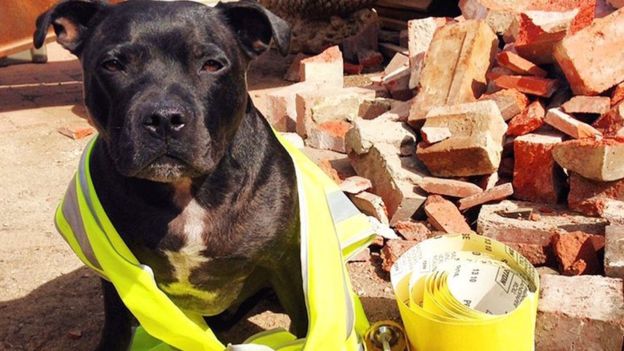
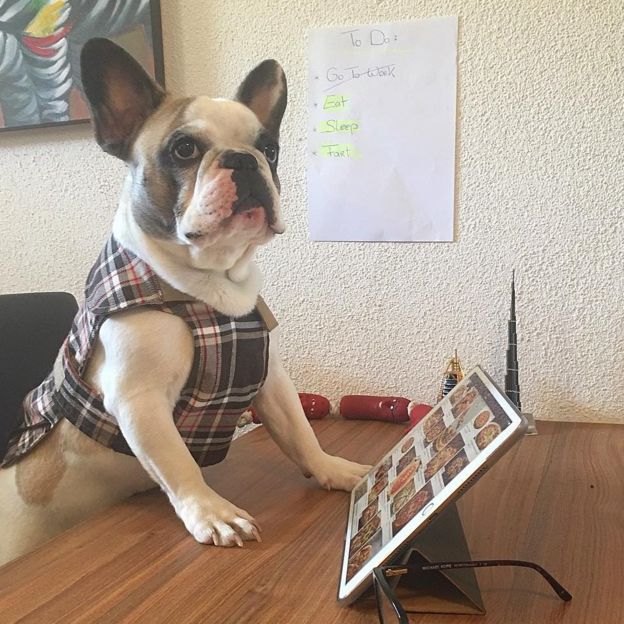
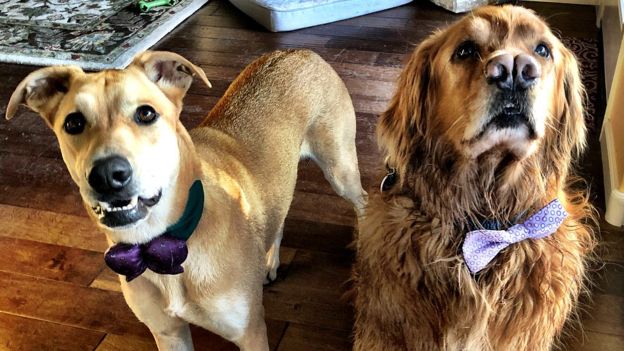
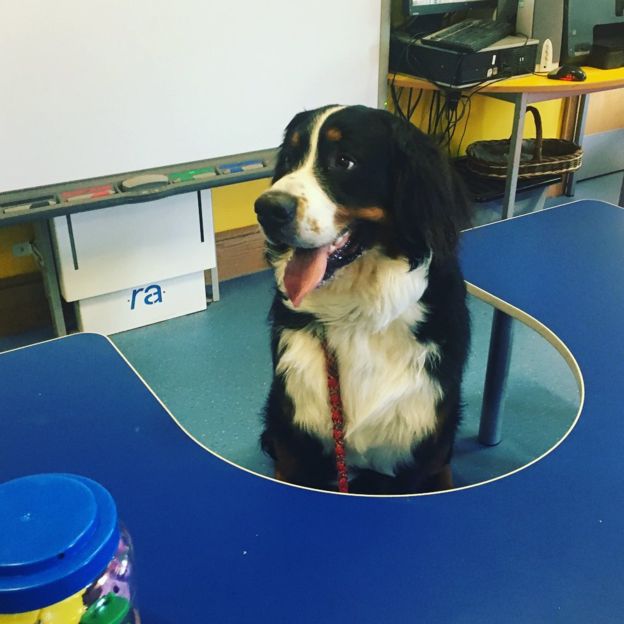
And here’s me muttering about running out of dog pictures!

oooo
oooo
oooo
oooo
oooo

oooo

All of the above were taken from here.
And last but not least, spare a thought for the millions who died in World War I.
Dogs are animals of integrity. We have much to learn from them.
Year: 2018
And here’s me muttering about running out of dog pictures!
oooo
oooo
oooo
oooo
oooo
oooo
All of the above were taken from here.
And last but not least, spare a thought for the millions who died in World War I.
OK, so it’s another guest post but useful nonetheless.
I have published a number of posts over the years on the topic of getting rid of worms. But this deserves republishing as it uses things around the house.
ooOOoo
By Ashley Turner.
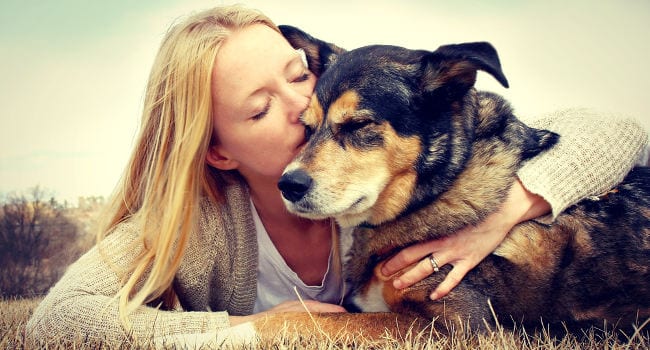
Did you know that there are five different types of worms your dog can get including heartworms, hookworms, roundworms, tapeworms, and whipworms? If you don’t treat them, they can lead to several complications for your dog including poor growth, slowed development, anemia, and possibly death.
However, before you treat the worm infestation, you have to know what to look for. We’ll cover the common signs and how to get rid of worms in dogs, so you know how to safely and effectively treat this parasite before it leads to health complications for your dog.
Common Clues Your Dog Has a Parasite Infection
With some internal parasites, a diagnosis can be tricky because there may not be any obvious signs that something is wrong with your dog. However, there are also several common symptoms or clues that can point to an internal parasite infection, and they include:
Different Types of Worms
While there are five types of worms, only four types are intestinal worms, but we’re going to cover all five types. We’ll go over what each worm is, how it’s transmitted, and symptoms specific to that type of parasite infection.
Heartworms
Heartworms are almost completely preventable, but they’re also one of the most damaging and scary types of parasitic infection your dog can get. Heartworms live and thrive in your dog’s heart and in the large blood vessels, and they can grow to be over 12 inches long.
Heartworms are transmitted by a mosquito biting your dog and transmitting the heartworm larvae into your dog’s blood where it travels to their heart. These worms can cause coughing, difficulty breathing, and death in more severe cases, so prevention is the key with this parasite.
Hookworms
Hookworms are small worms with hook-like attachments on their mouths that attach to your dog’s intestinal wall. They feed on your dog’s blood, and they eject their eggs out into your dog’s intestines and into their feces.
These parasites can get into your dog’s body through your dog licking and cleaning themselves, ingesting feces or dirt, through milk by nursing puppies, or by the worms burrowing through their pads on the bottom of their feet. Since it feeds on blood, these types of worms can cause anemia, and this is especially dangerous to young puppies or older dogs.
Roundworms
Roundworms live in your dog’s small intestine, and they’re a slightly larger parasite that grows up to seven inches long and look are long and thin like spaghetti noodles. The roundworms attach to your dog’s intestine and feed on your dog’s blood as well as the nutrients from their food.
Roundworms are one of the most common parasite infections your dog can get, and your dog can get roundworm by eating infected rodents or birds, as well as through the mother dog’s milk. Common symptoms of roundworms include a potbellied look, weight loss, dull coat, and abdominal pain.
Tapeworms
Tapeworms are flat and long worms that attach to your dog’s intestines, but you can also see them on your dog’s rear end and in their feces as small, white specs that look like grains of rice. They feed on the nutrients your dog gets from their food, and there may not be any warning signs.
There are 14 different species of tapeworms, but one of the most common ways your dog gets an infection is through flea eggs. Also, if your dog eats meat that is contaminated with these worms, they can transfer from the meat to your dog and cause lethargy and weight loss.
Whipworms
Whipworms thrive in your dog’s cecum, and they’re two to three inches long with a tapered end that resembles a whip. They attach to your dog’s mucus membrane, and they feed on your dog’s blood.
Your dog can get a whipworm infection through eating soil or drinking water that is contaminated with feces containing whipworm eggs. You may notice bloody feces with this infection and a more severe infection can lead to worse complications or even death in otherwise healthy dogs.
Preventing Worms in Dogs
Prevention is the key when it comes to these parasites because it’s much easier to take preventative steps than to treat the resulting infection. There are several things that you can do to prevent these worms, and they include:
How to Get Rid of Worms Naturally
Although you may want to take your dog to the veterinarian to get a professional’s opinion, there are several things that you can do at home to keep your dog healthy, happy, and free of a parasitic infection.
Apple Cider Vinegar
Almost all homes have apple cider vinegar around because it has powerful antibacterial and antimicrobial properties that make it an excellent cleaning agent. It’s natural and safe for your dog to digest, and this makes it a popular remedy for getting rid of worms.
To give this remedy to your dog, start by adding one-fourth of a teaspoon to their food or water each day, and slowly increase this over a week until you get to one teaspoon. Once you get to a teaspoon, you can keep giving them this amount each day to keep the worms away.
Black Cumin and Pumpkin Seeds
Both black cumin and pumpkin seeds along with black cumin oil are safe for your dog, and they work to prevent, expel, and maintain your dog’s worm-free state. You want to give your dog between a half and a whole teaspoon of black cumin seed each day in their food, but remember to heat it first to get rid of the very bitter aftertaste.
Pumpkin seeds work very well if you grind them before you add them to your dog’s food, and you want to add around one-fourth of a teaspoon for every 10 pounds of body weight. For black cumin oil, use half of what you use for black cumin seeds, and it’s always a good idea to start at the lower end of the dosage and work your way up to the full dose.
Chamomile
Chamomile is popular for having anti-inflammatory properties, but it’s a slower acting herb where parasites are concerned that works by reducing any discomfort your dog may have. You can make a chamomile tincture and add it to your dog’s food or water twice a day at 0.25 to 0.50 milliliters per every 20 pounds of body weight.
To make your chamomile tincture by mixing:
Add your flowers to the bottom of the jar and pour the boiling water over the flowers. Next, pour the rum or vodka into the water and flower mixture until the jar is full and seal the lid.
Once it’s sealed, store it in a cool and dry place for four to six weeks and shake it for a few minutes each day. After four to six weeks, open the jar, strain the liquid, and it’s now ready to add to your dog’s water or food once a day.
Dried Coconut
Dried coconut is excellent for getting rid of worms due to its fiber content, and it can help expel up to 90 percent of any parasitic worms that your dog may have in under 24 hours. You do want to start your dog on a lower quantity and slowly work your way up to the regular dose over the span of a week or two to avoid digestive upset.
The maintenance dose you want to eventually end up with is one teaspoon for small dogs, two teaspoons for medium dogs, and one tablespoon for large dogs once a day sprinkled over their food. You may want to start with half of a dose or a quarter of a dose and work your way up to the full dose.
Garlic
As long as your dog isn’t on blood thinners, feeding them garlic can help to rid them of any parasitic worms. Garlic helps to remove mucus from your dog’s stomach lining, and this makes it more difficult for the worms to attach and thrive.
You do want to give your dog fresh cloves of garlic, and let it sit at room temperature for at least 15 to 20 minutes before you chop it and add it to their food because this will allow the garlic to release an amino acid called allicin. The suggested feeding guidelines are as follows:
Vegetables and Fruits
Anything with high levels of vitamin A is an excellent home remedy to help slow down and eradicate an infection of parasitic worms. You don’t want to feed your dog too much of these fruits and vegetables because it can cause digestive upset, especially when you first introduce it into their diet.
You may want to start feeding your dog a half of a teaspoon of fruits or vegetables for every 10 pounds of body weight once a day for at least a week to get them used to it. After a week, you can increase this dose to a half of a teaspoon for every 10 pounds of body weight twice a day at mealtimes.
Fruits and vegetables that have high levels of vitamin A include:
Getting rid of worms in dogs can be an ongoing process that takes time and effort on your part. But, once you get rid of them, keeping your dog healthy, happy, and worm free is a relatively easy process, especially if you use one or more of our natural worm remedies.
ooOOoo
I don’t know about you but we found it incredibly useful.
A guest post about dogs.
Or rather about protecting an apartment.
I was contacted about three weeks ago by a Jenny Harrison who wondered if I would be interested in posting a guest post. I said that I was and we settled on the following. Enjoy!
ooOOoo
By Jenny Harrison.

There isn’t any doubt that pets are great companions to have around. Not only will they encourage you to be more active, but they look forward to seeing you after you have been out all day. Now the thing is if you plan on leaving your pet alone in your apartment, there is always a chance they might harm themselves. Keeping a pet in an apartment is tricky, but it is not something you can’t pull off.
If you worry about your pet being alone at home, you should definitely look into pet-proofing your apartment. To learn more about pet-proofing your home, and the best ways you can go about doing so, read on.
Organize your Living Space
You will find it incredibly cute that your pet pulls on anything and everything it comes across, but it is unsafe. You will not want your pet around electrical cords, blind cords, earbud cords and any wire or cord for that matter. Keep everything wrapped up and tidy. Leave no stone unturned to make your living space free from cords or laces of any type.
For things your pet loves to chew on i.e. cushions, shoes, or even paper, make it a point to keep them away. If your pet is tearing things up, especially your dog, then it is a sign they are restless. Take your pet out as much as you can so they are calm and relaxed at home.
Pet-Proof your Furniture
Cats are known for leaving claw marks on couches. All cat owners are familiar with this, but that does not mean you can’t do anything about it. You can cat-proof your couch with the help of cat-deterrent sprays or stick furniture strips, that will make it uncomfortable for your cat to use your couch as a scratching post.
Dogs aren’t any better when it comes to couches, since they shed their fur, chew and leave their scent. To deal with dogs get a blanket or cover for furniture, but keep it reserved for your pet alone. If the smell gets to you or your guests, then get a furniture spray.
Another great way to solve this problem is by getting furniture that can’t be chewed and is unattractive to pets; so that is a no to furniture with fluffy cushions and wooden legs. Also, if your pet does not refrain from sitting or sleeping on the couch, then get a couch that matches with your pet’s coat of fur, so it is not visible.
Install Baby Gates
For pets that are too noisy, it is a good idea to install baby gates. You can install baby gates in areas you want to keep them out from. This is especially useful for those times when you will be out for longer than usual, and can’t exactly keep an eye on them.
If your pet is too big, and won’t be held back by baby gates, then a crate might just do the trick. If you opt for this option, ask someone to check out your pet in the apartment, and take them out for a walk, more specifically if it is a dog.
Give your Pets their own Space
One of the biggest reasons your pet will want to sit on your bed, couch or anywhere else they should not be in the first place, is because it looks comfortable. Another reason they will want to do so is that they want to be close to you.
Enough emphasis cannot be placed on the fact that you need to give your pet their own space. Get a bed for them and don’t be surprised if they snub it at first. Remember, it takes time for pets to get used to change, and if you want them off your bed or couch, then you will have to be consistent about teaching them to sit or sleep in their own cozy little bed.
Keep away Cleaners
Animals are curious creatures so you need to treat them like children. You cannot expect them to stay clear of stuff, like cleaners for instance, so you might as well remove them from their sight. Since some cleaners consist of harmful chemicals, you can’t let this one slide.
Cats love licking themselves clean, not excluding their paws, which would come in contact with the floor you just cleaned with chemicals. So the next time you go shopping for cleaning products, take your pet into consideration. You should look into “green alternatives”, or better yet, you can concoct your own with a hot water and vinegar solution.
Prepare to Clean… A lot!
Living with a pet in an apartment means you should be ready for anything. You will have to deal with expected as well as unexpected cleanups.
Keep a lint roller within your reach to remove fur stuck to your furniture. As for the carpets, get new ones installed, the kind that comes with a unique stain resistant technology. It may cost you a bit, but it will make cleaning accidents a breeze.
There are a lot of great ways you can pet-proof your apartment, so it is up to you to decide what will work and what won’t. Since you know your pet better, adapt and overcome challenges as they come your way. But remember, your pet’s safety should be your top priority.
The aforementioned tips should be part of your apartment move in checklist if you have a pet, or you are getting a pet in the apartment for the first time. No matter the case, make it a point to do a bit of homework on your own to ensure you are not getting in way over your head.
If you need help, ask your friends or family, especially those who already know how to deal with pets. Pet-proofing your home may seem difficult at first, but it does not require much time or effort to pull off, so don’t get overwhelmed.
ooOOoo
It is a useful document and one that would find itself valuable in the right situation.
For your reference Jenny included her bio. It is as follow:
Jenny Harrison is a passionate home and lifestyle blogger. She loves to engage with readers who are seeking home and lifestyle-related information on the internet. She is a featured blogger at various high authority blogs and magazines in which she shared her research and experience with the vast online community. Currently, she is associated with New York moving company ‘All Around Moving Services Company Inc.’ Specializes in arranging and assembling services of professional and skilled local movers locally in New York City as well as areas in New Jersey, Connecticut and the Miami Dale area in South Florida. Follow her on twitter @MJennyHarrison for more updates.
I want to carry on publishing my Sunday Picture Parades.
But I am struggling to find dogs to form the main topic.
Would you accept Picture Parades about a whole range of topics?
The text, and more photographs, of that Sunday Picture Parade.
ooOOoo
Astronomy Photographer of the Year contest reveals dozens of photos before winners are announced.
By JACQUELINE GULLEDGE July 20, 2018
 ‘Rigel and the Witch Head Nebula’ (Photo: Mario Cogo)
An aurora borealis that lights up the night sky in Iceland. The Milky Way that illuminates in a remote area in Australia. Even nebulae that display dazzling colors. All these phenomena have delighted astronomy enthusiasts for years, and many people travel the globe to capture such events.
The Astronomy Photographer of the Year competition honors amateur astronomy photographers who capture stunning images of space. The organization released several dozens images out of the more than 4,200 entries it received ahead of its announcement this October of this year’s winners. The competition began in 2009 and is organized by the Royal Observatory Greenwich in the United Kingdom.
The photographers featured here are a mixture of amateurs and professionals, but their images are universally stunning.
The photo above entitled “Rigel and the Witch Head Nebula” was taken by Mario Cogo in Namibia. “The dark Namibian sky was the perfect location to capture the wonder of the Witch Head Nebula and Rigel,” said Cogo in his submission. “The Witch Head Nebula is a very faint molecular gas cloud which is illuminated by supergiant star Rigel, the seventh brightest star of the sky and the brightest star in the constellation of Orion.”
The caption listed below each photo was written by the photographer and provides additional context.

“A glorious Milky Way looms over a thunderstorm that lights up the Florida sky. The photographer wanted to show the great contrast between stable (Milky Way) and moving (thunderstorm) objects in the sky.” — Tianyuan Xiao
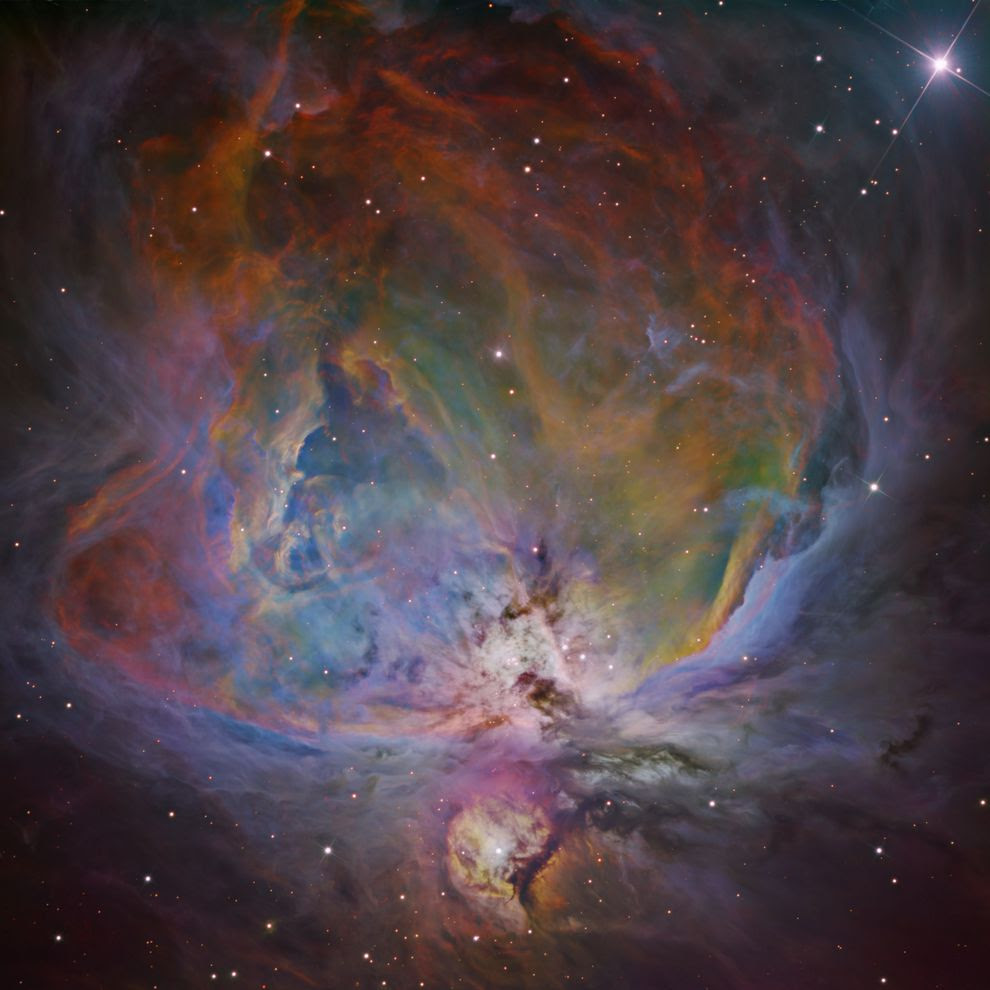
“One of the brightest nebulae, the M42 or the Orion Nebula, is located in the Milky Way south of Orion’s belt. It is an emission nebula about 1500 light years away in the constellation Orion. This image was produced by combining 36 hours of total exposure using six different filters; Ha, SII, OIII, Red, Green, and Blue. The central Trapezium cluster of the nebula is so bright that it is usually over exposed with the long exposures needed for the nebula. In this image a series of short 3-second exposures in each filter were blended with the long exposures to create a high dynamic range image that produces detail in the faint nebula and bright Trapezium.” — Bernard Miller

“Taken from Tivoli Southern Sky Guest Farm in Namibia, the great Horsehead nebula is overlooking the striking and often overlooked Nebula NGC 2023. At 4 light years in diameter it is one of the largest reflection nebulae ever discovered.” — Kfir Simon

“Camelopardalis, also known as the Hidden Galaxy is one of the largest Galaxies visible from the Northern Hemisphere; however it is also obscured by foreground stars and dust, as it lies in the Milky Way plane. The photographer added a Ha filter to this LRGB image in order to enhance the emission nebula regions in the galaxy and after stacking single exposures (subs) the brilliant spiral arms at the core were revealed.” — Tom O’Donoghue and Olly Penrice

“The Eagle Nebula, also known as Messier 16, is a young open cluster of stars, surrounded by hot hydrogen gas in the constellation Serpens and lies at a distance of 7,000 light years from Earth. Taken at the Baerenstein Observatory in Germany, the photo is a RGB-Ha-OIII image and shows off the radiant red and blue colours of the nebula. In the centre you can spot the famous Pillars of Creation.” — Marcel Drechsler

“Taken during a summer night in Mingantu in Inner Mongolia, star trails are sweeping over the colourful and extraordinary sacred altars, called Ovoo, creating a spectacular painting.” — Qiqige Zhao
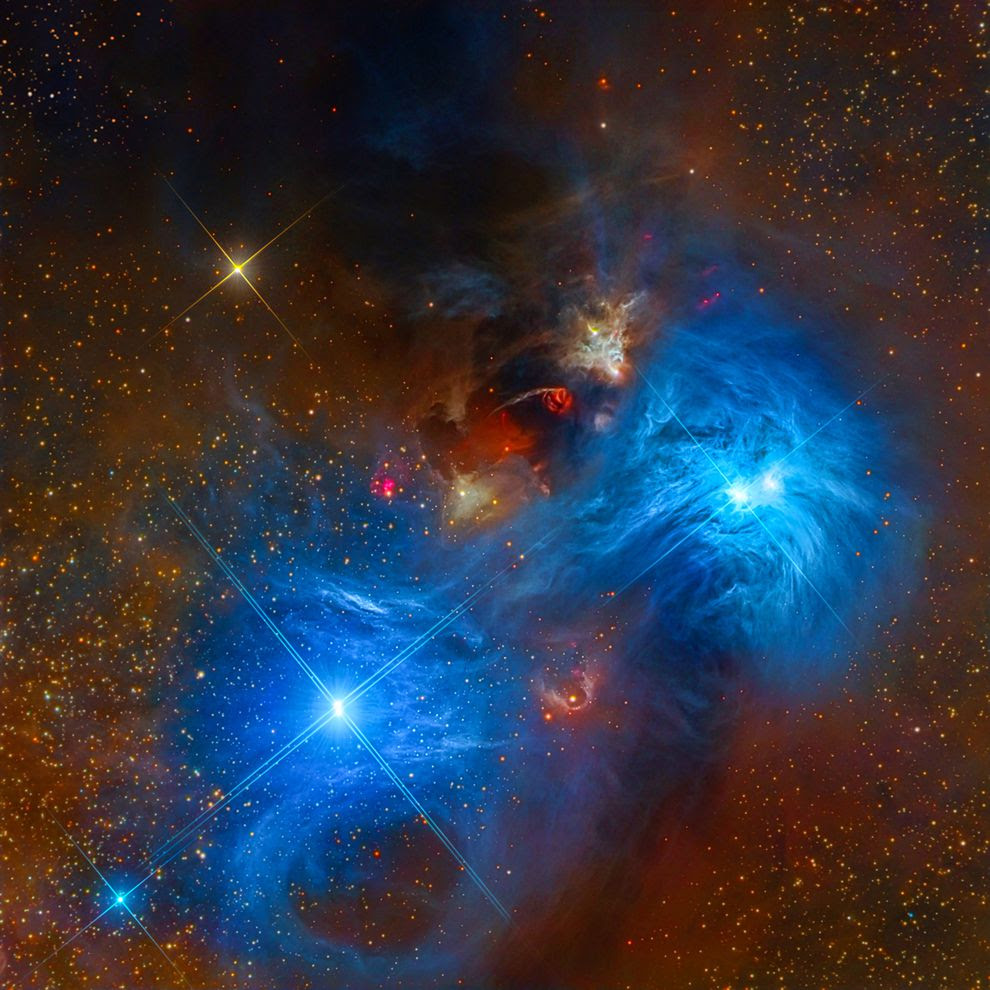
“These spectacular reflection nebulae in the Corona Australis constellation depict the characteristic vivid blue color produced by the light of hot stars, reflected by silica-based cosmic dust. A rare high resolution view of the cores NGC 6726 and 6727 is captured on camera. The data was acquired by Star Shadows Remote Observatory at CTIO’s PROMPT2, using LRGB filters, stacked with CCDStack and post-processed in Photoshop and PixInsight.” — Mark Hanson, Warren Keller, Steve Mazlin, Rex Parker, Tommy Tse, David Plesko and Pete Proulx

“The Orion Nebula, also known as Messier 42, M42, or NGC 1976, is a diffuse nebula situated in the Milky Way, south of Orion’s Belt in the constellation of Orion. It is one of the brightest nebulae and is visible to the naked eye during a clear night sky. M42 is 1270 light years from our planet and is the closest region of massive star formation to Earth. It is estimated to be 24 light years across and it has a mass of about 2,000 times more than that of the Sun. This image is the result of the efforts of two astrophotographers using different equipment from their observatories. Located hundreds of kilometres away from each other, they chose the Orion Sword are as a common target to render. The software suites used in this image are Maxim DL, Pixinsight and Photoshop CC 2017.” — Miguel Angel García Borrella and Lluis Romero Ventura

“The Milky Way stretches across the night sky between four columns in the ancient Atashkooh Fire Temple near Mahllat city in Iran. The camera was placed on the ground in the centre of the four columns, and with no use of any other equipment, the photographer managed to capture our magnificent galaxy using just one image.” — Masoud Ghadiri
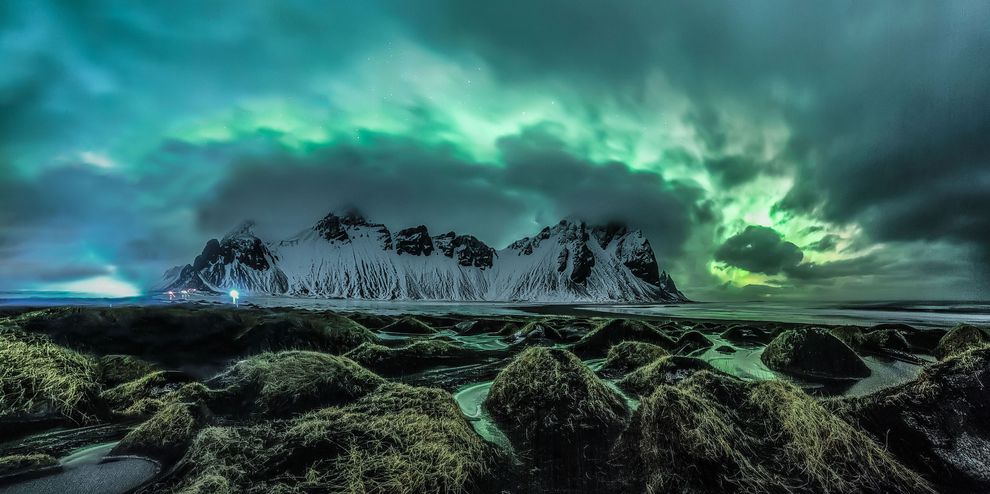
“The magical Aurora Borealis explodes from the clouds and looms over the mountains in Stokknes on the south coast of Iceland. Snow has melted and created pools of water between the dunes, creating a perfect foreground for this image.” — Jingyi Zhang

“On a family trip to Cornwall after visiting Kynance Cove, on the Lizard Peninsula, the beautiful landscape seemed to be the ideal place for the photographer to capture the glimmering stars and the striking colours of the Milky Way illuminating the beautiful rocky coastline. This is a composition of two separate exposures, one for the sky and one for the foreground blended together post-processing to achieve the desired result, producing a more even exposure.” — Ainsley Bennett

“The Milky Way rises above an isolated lighthouse in Tasmania. The photographer planned his position to shoot the perfect composition positioning the Milky Way in conjunction with the lighthouse and observing how to best light the tower for artistic effect. This image is part of a time-lapse sequence, allowing the photographer some time to climb the tower into the lantern room of the lighthouse and reflect on the hard and lonely, yet incredible life the former lighthouse keepers would have lived.” — James Stone
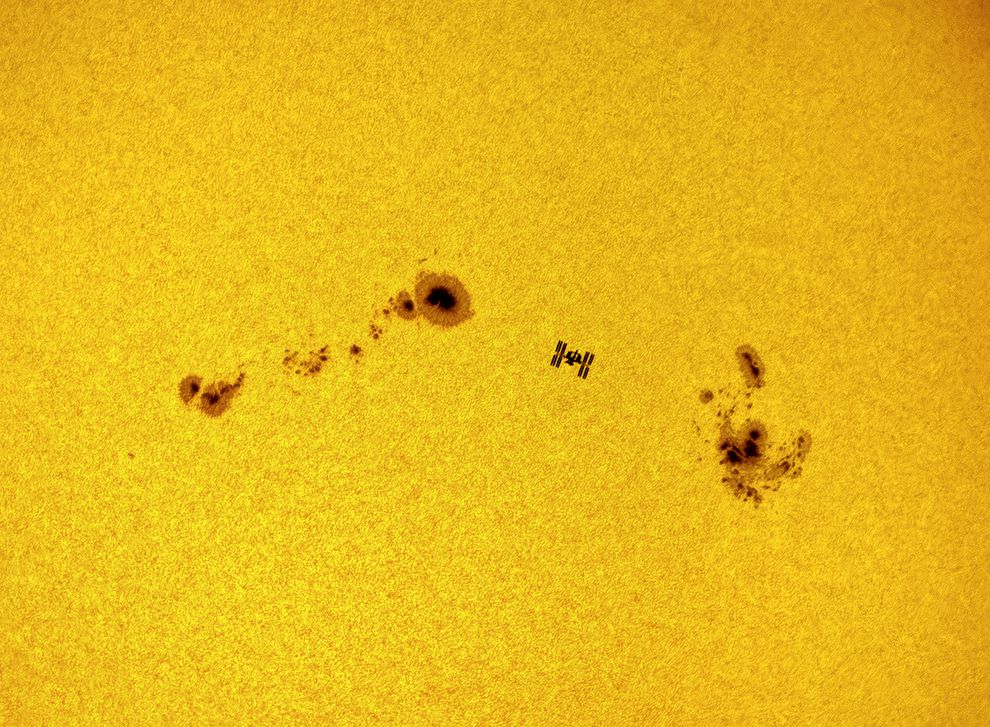
“The International Space Station (ISS) was captured between two massive sunspots, the AR 12674 and AR 12673, during its solar transit. The image was taken in Madrid and it took ISS less than a second to cross the solar disk.” — Dani Caxete
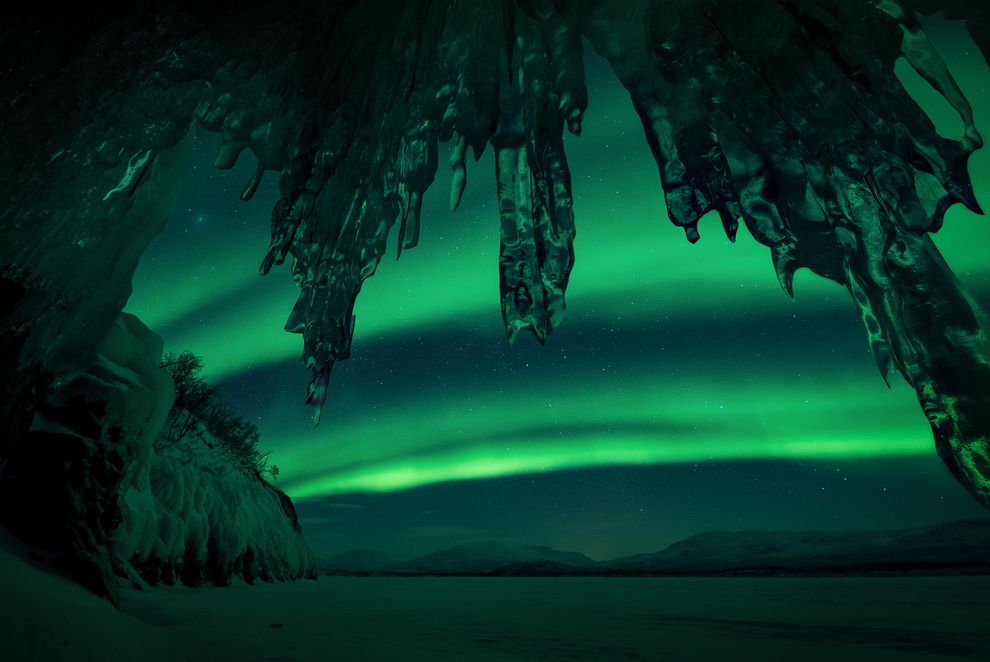
“A remarkable display of the Northern Lights reflecting shades of green and yellow on the snow. Squeezed into a tiny cave on Lake Torneträsk, in Swedish Lapland, in minus 26 degrees with the camera lens just a few centimeters away from the icicles, it was a challenge well worth it for the photographer.” — Arild Heitmann

“The Black Church at Búðir in Iceland beneath the stripes of the Aurora Borealis and the bright stars in the night sky. Fighting the worst weather the photographer had ever encountered in Snæfellsnes Peninsula and with strong gale winds around 30 meters per second on the night the image was taken, his hard work paid off.” — Mikkel Beiter
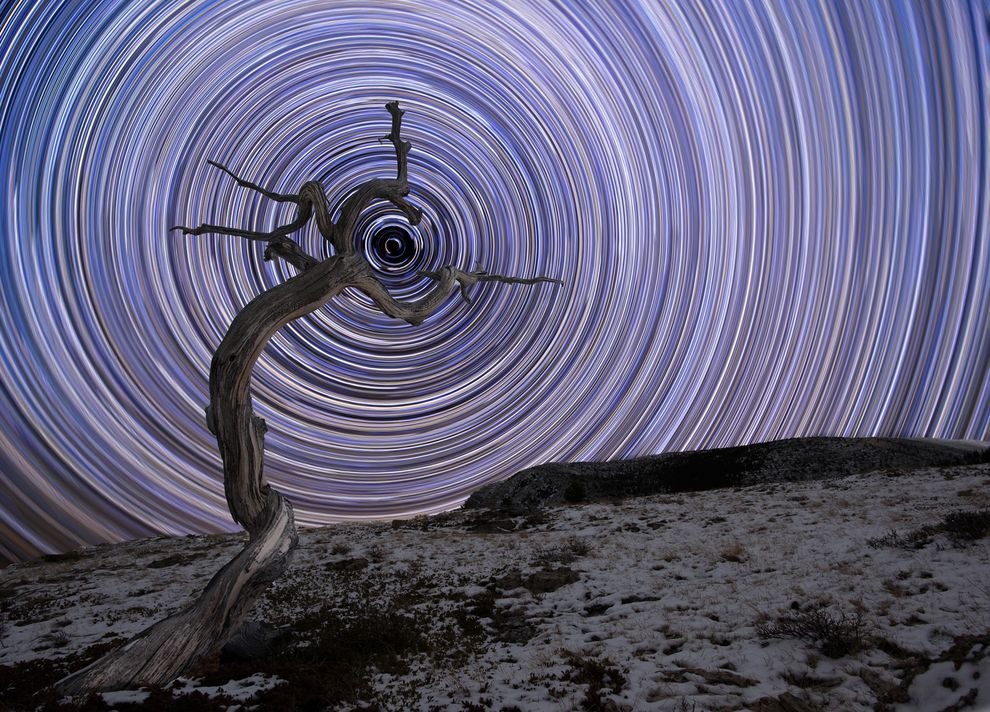
“A weathered juniper tree in Montana’s northern Rocky Mountains is filled with arced star trails and in the centre sits Polaris, the brightest star in the constellation of Ursa Minor. It took several test frames of long exposures to make sure that Polaris was in the right position, but eventually things lined up and the Moon provided enough light to the foreground, yet plenty of dark skies to allow a high enough ISO to capture lots of stars.” — Jake Mosher
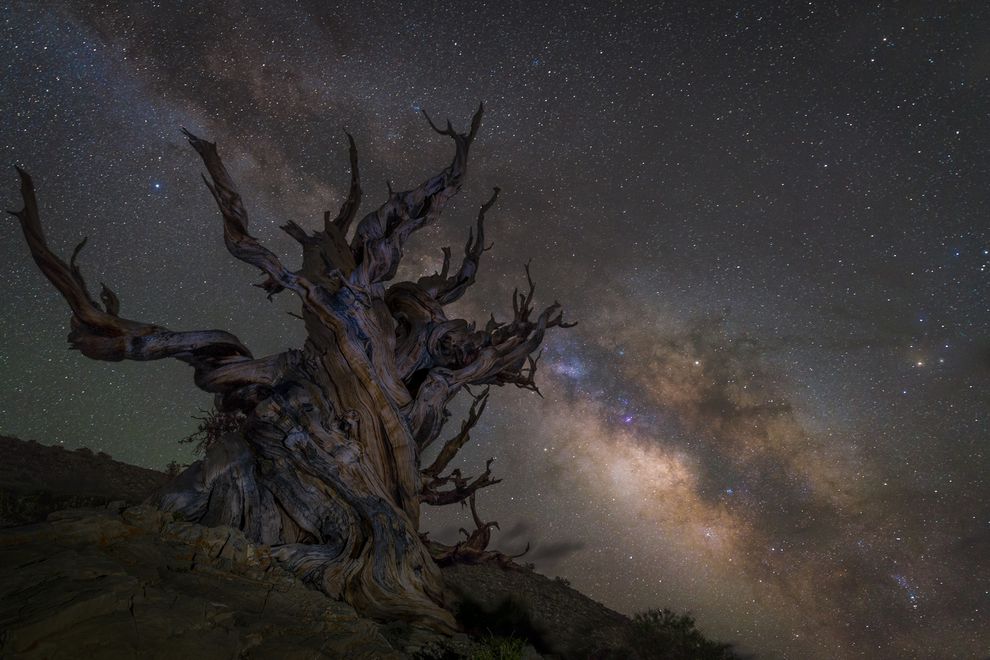
“The Milky Way rises over some of the oldest trees on Earth in the Ancient Bristlecone Pine Forest, set within the Inyo National Forest along the White Mountains in California. Growing at altitudes of over 10,000 feet, these trees can live for over 4,000 years. The high elevation also results in thin air and incredibly dark skies on display. This photograph was taken in between rolling thunderstorms which were passing through the Eastern Sierras, leaving time for only a few exposures.” — Jez Hughes

“This panoramic image, composed out of eight photos, depicts the Milky Way emerging over the rocky Dolomites in Tre Crime on the left and on the right the lights from a house illuminating the beautiful terrain. The photographer noted that the image represents sharing unforgettable moment with the ones you love.” — Carlos F. Turienzo

“After a few days of cloudy skies the photographer finally got the chance to use his birthday present, a new telescope. The clouds were moving fast so there was not much time to capture the Moon. With the help of his grandfather who kept moving the telescope and trying to keep an iPad at the right position, he managed to capture this wonderful and artistic image of his first viewing of our Moon.” — Casper Kentish

“The photographer captured the splendor of our galaxy in Badlands National Park, in South Dakota and is a panoramic view of a 6-shot composite, three for the sky and three for the foreground, all of which were taken successively using the same gear and equivalent exposure settings, from the same location, within a short period. The raw files were initially processed in Lightroom for lens correction only, followed by merging to panorama in Photoshop. Final retouching was applied back in Lightroom, including WB correction, basic toning and local adjustments.” — Jingpeng Liu
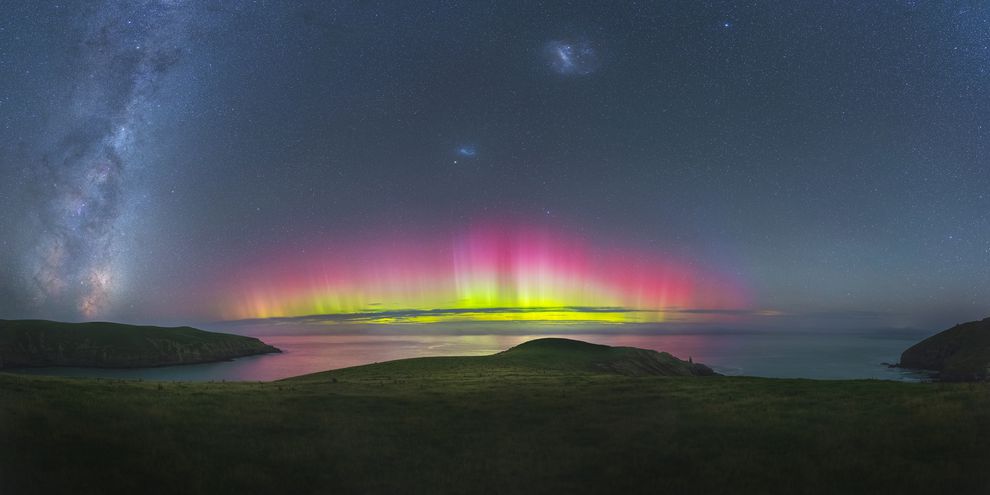
“A flared up Aurora reflects bright pink and yellow colours on the water at Southern Bays near Christchurch, New Zealand. The incredible combination of the radiant Aurora colours, the wide green fields and the dark blue, starry night sky paint a spectacular picture and accentuates the wonders of our galaxy.” — Paul Wilson

“During a solar eclipse, the brightness of the solar corona hides the details of the moon. By layering 9 exposures ranging from 2 seconds to 1/2000th of a second and with Extreme High Dynamic Range photography or XHDR the image shows not just the radiant solar corona, but the newest possible of new moons, seen here illuminated by sunlight reflecting off the earth.” — Peter Ward

“Exploring the remarkable underbelly of the Breiðamerkurjökull glacial tongue in Iceland. With this image the photographer wanted to pay tribute to the serenity and wonder he felt while he spent some time in this peaceful and magnificent place.” — Dave Brosha

“Earth’s only natural satellite is situated above the horizon of our planet so it is visible during daytime and the waxing gibbous phase can clearly be seen in the sky. The photographer captured this imposing image in Malaga, Spain while vacationing with her children.” — Helen Schofield

“A phenomenal image depicting the incredible colours and details of the surface of the Moon. The photographer applied a similar procedure he used for capturing the solar eclipse and noted that this lit up the full Moon like a Christmas tree ornament, with a great variety of hues and shades.” — Nicolas Lefaudeux

“The magnificent Milky Way stretches across the night sky reflecting on the Cable Bay near Nelson, New Zealand. The photographer had to take the picture before the light washed out the sky. 42 individual images were stitched in to a large multi row panorama to create this image.” — Mark Gee

“The conditions the night the image was taken were not ideal because of the bright moon lighting up the sky. The photographer managed to overcome this obstacle and capture the incredible Aurora Borealis above the fjord at Haukland in the gorgeous Lofoten archipelago, Northern Norway. The small pool of water with rocks made the perfect foreground and a natural leading line into the frame.” — Mikkel Beiter

“From the city of Yaroslavl in Russia to the coast of the Barents Sea in the Arctic Circle, a party of three travelled 2000 kilometers to capture the magnificent Northern Lights. The photographer stayed in the village of Teriberka in the Murmansk Oblast district for five days. After four days of bad weather, with heavy snow and thick clouds the sky finally cleared on the last day and the Northern Lights appeared in all their glory.” — Michael Zav’yalov

“The sunspot AR2665 was one of the most active regions in 2017 on the right you can see a phenomenal quiescent prominence extending from our star, the Sun. This type of prominence lasts for a very long time and its structure is quite stable. The photo is a composition of two images: one of the magnificent prominence and one of the Sun’s surface. The surface is much brighter than the prominence so it is a negative to reveal details of Sun chromosphere (spicules and filaments).” — Łukasz Sujka
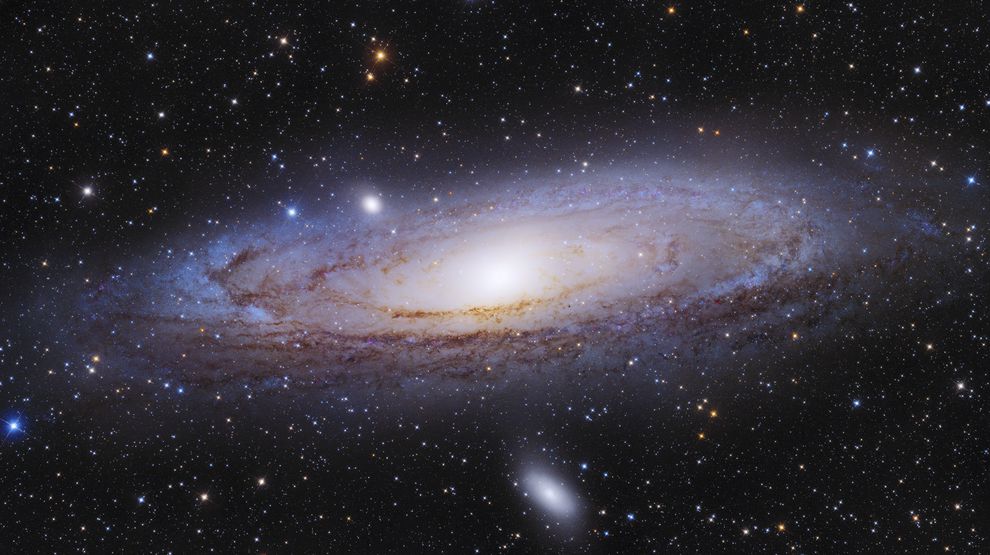
“Andromeda Galaxy has always amazed the photographer. The dust lanes and bright star clusters in its arms, the emblematic galaxy shape of it, and the magnificent look of this great star city make it one of his most desired objects to photograph. This image was taken using a 200mm mirror and creating a three panel mosaic.” — Péter Feltóti

“In high resolution planetary photography having a good view of a planet is a key factor but also completely out of a photographer’s control. In this image the photographer was lucky to capture our second largest planet, Saturn, in all its glory. After stacking 4,000 out of 10,000 frames we can admire details such as the beautiful polar hexagon, the Encke Division and even the crepe ring.” — Avani Soares
ooOOoo
These are the most beautiful images of the cosmos that I have ever seen!
These are taking priority over the text for yesterday’s Picture Parade.
And there are two of them.
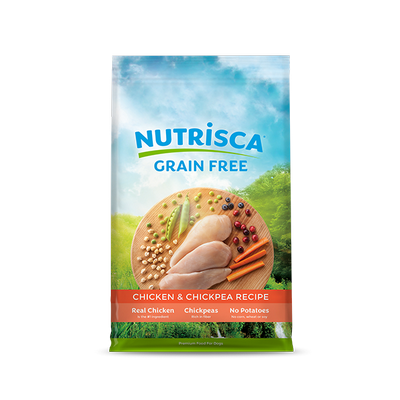
November 3, 2018 — Nutrisca, of Saint Louis, MO, is voluntarily recalling one formula of Nutrisca dry dog food because it contains elevated levels of vitamin D.
Nutrisca did not include an image with its FDA news release. So, the following image has been copied from the company’s website and provided in good faith by The Dog Food Advisor.
What’s Recalled?
Bags affected have a Best By Date code of February 25, 2020 through September 13, 2020. The Best By Date code can be found on the back or bottom of each bag.
The products were distributed to retail stores nationwide.
What Caused the Recall?
Nutrisca became aware of the elevated levels of vitamin D after receiving complaints from three pet owners of vitamin D toxicity after consuming the product.
An investigation revealed a formulation error led to the elevated vitamin D in the product.
About Elevated Vitamin D
Dogs ingesting elevated levels of Vitamin D may exhibit symptoms such as vomiting, loss of appetite, increased thirst, increased urination, excessive drooling, and weight loss.
Vitamin D when consumed at very high levels can lead to serious health issues in dogs including renal dysfunction.
Consumers with dogs who have consumed any of the products listed above and are exhibiting these symptoms, should contact their veterinarian.
What to Do?
Consumers should stop feeding the products listed above.
Consumers who have purchased any of the products affected by this recall should dispose of it or return it to the place of purchase for a full refund.
Consumers with questions may contact Nutrisca at 888-279-9420 from 8 AM to 5 PM Central Standard time, Monday through Friday, or by email at consumerservices@nutrisca.com for more information.
No other Nutrisca products, including Nutrisca Chicken & Chickpea wet dog foods are impacted.
All other Nutrisca dog and cat food products are safe to feed to pets.
According to the company…
“This is a voluntary recall and is being conducted in cooperation with the U.S. Food and Drug Administration.
“We genuinely regret that this has occurred as we place the highest priority on the health of pets.”
U.S. citizens can report complaints about FDA-regulated pet food products by calling the consumer complaint coordinator in your area.
Or go to http://www.fda.gov/petfoodcomplaints.
Canadians can report any health or safety incidents related to the use of this product by filling out the Consumer Product Incident Report Form.
oooo
November 3, 2018 — Natural Life Pet Products of Saint Louis, MO, is voluntarily recalling its Chicken and Potato dry dog food due to it containing elevated levels of Vitamin D.
What’s Recalled?
No product image was included with the official news release.
Bags affected have a Best By Date code of May 29, 2020 through August 10, 2020. The Best By Date code can be found on the back or bottom of each bag.
The products were distributed to retail stores in:
What Caused the Recall?
Natural Life Pet Products became aware of the elevated levels of vitamin D after receiving complaints from three pet owners of vitamin D toxicity after consuming the product.
An investigation revealed a formulation error led to the elevated vitamin D in the product.
About Elevated Vitamin D Levels
Consumers should stop feeding the product listed above.
Dogs ingesting elevated levels of Vitamin D may exhibit symptoms such as vomiting, loss of appetite, increased thirst, increased urination, excessive drooling, and weight loss.
Vitamin D when consumed at very high levels can lead to serious health issues in dogs including renal dysfunction.
Consumers with dogs who have consumed the product listed above and are exhibiting these symptoms, should contact their veterinarian.
What to Do?
Consumers who have purchased the product affected by this recall should dispose of it or return it to the place of purchase for a full refund.
Consumers with questions may contact Natural Life Pet Products at 888-279-9420 from 8 AM to 5 PM Central Standard time, Monday through Friday, or by email at consumerservices@nutrisca.com for more information.
This is a voluntary recall and is being conducted in cooperation with the U.S. Food and Drug Administration.
U.S. citizens can report complaints about FDA-regulated pet food products by calling the consumer complaint coordinator in your area.
Or go to http://www.fda.gov/petfoodcomplaints.
oooo
Please, please good people, you take care of your dogs.

 Learning from Dogs