Year: 2016

Picture parade one hundred and forty-six

The third and final set of simply stunning photographs of the Grand Canyon.

These are from the website of Humbert & Shirley Fernandez and the first set was two weeks ago. The second set was last week.

21hermitrest
Hermits Rest

oooo

Colorado River
Colorado River

oooo

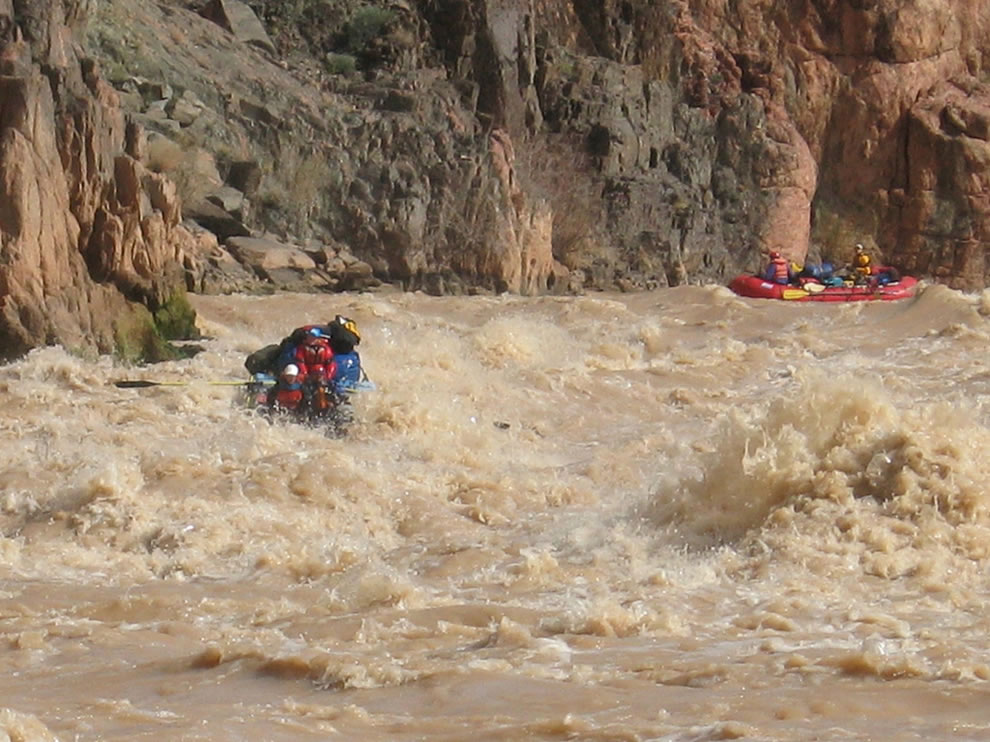
Muddy Water Rafting
Muddy Water Rafting

oooo

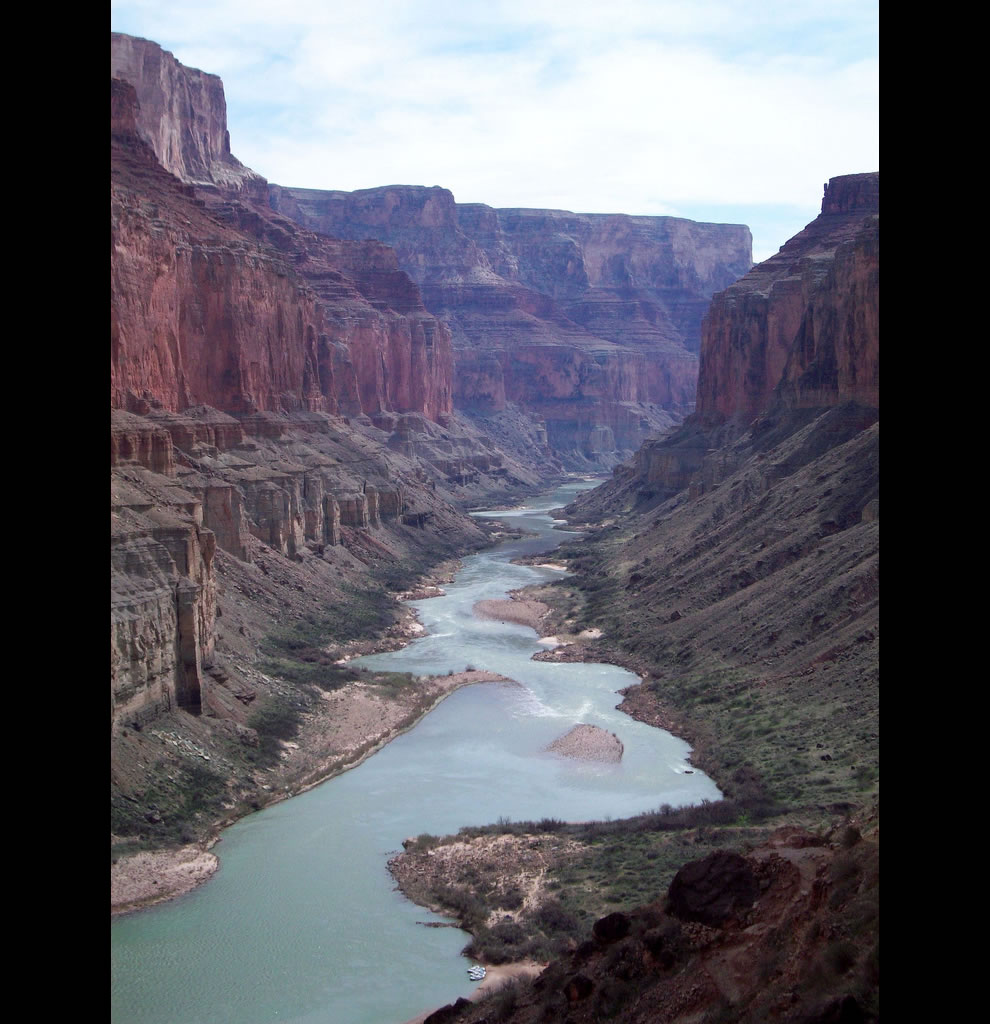
Marble Canyon
Marble Canyon

oooo

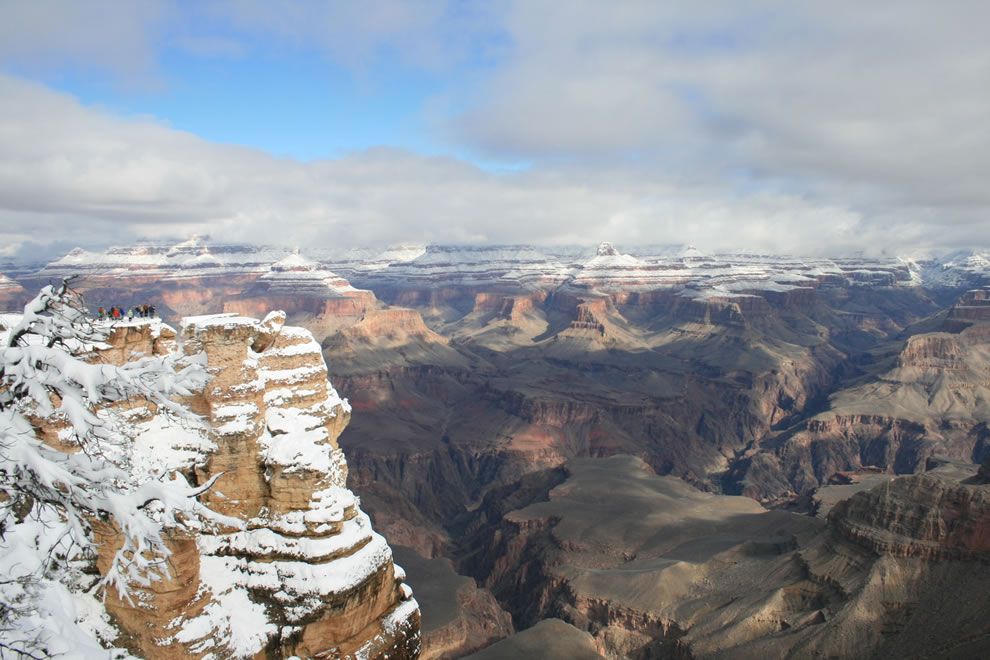
Winter
Winter

oooo

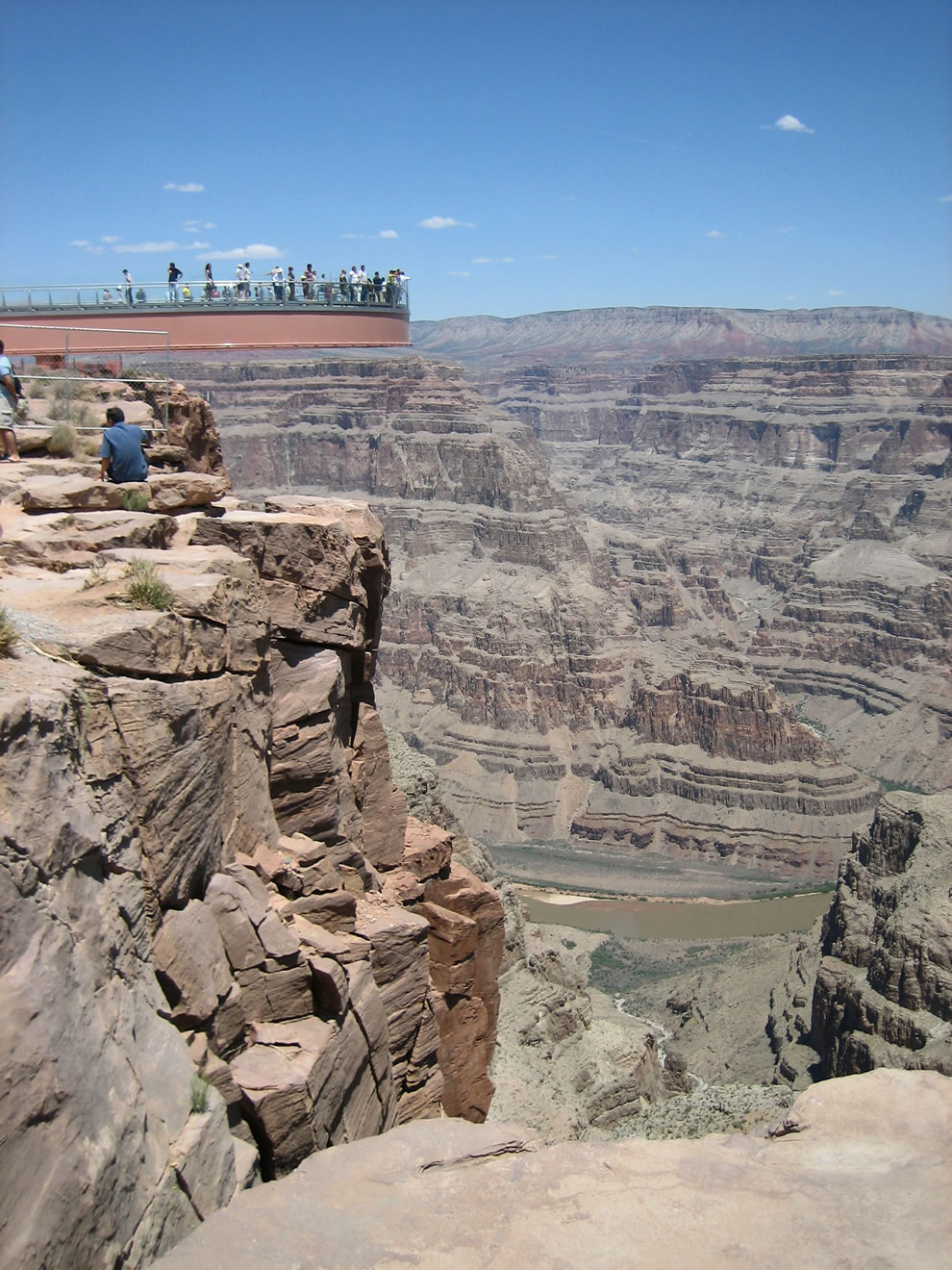
Sky Walk
Sky Walk

oooo

Havasu Falls
Havasu Falls

oooo

F5e Fighter Planes over the G. Canyon.

oooo

See what we can find for you for a week’s time.

You all take care out there!

All is takes is love!

Too easy to be very disheartened about us humans so this makes a wonderful contrast.

As seen on Mother Nature Network and republished to offer you all a ‘Saturday smile’.

Dolphin returns to the ocean with a helping hand from humans | MNN - Mother Nature Network
Dolphin returns to the ocean with a helping hand from humans | MNN – Mother Nature Network

ooOOoo

Dolphin returns to the ocean with a helping hand from humans

Noel Kirkpatrick May 4, 2016.

With a swish of his flipper, a dolphin named Octavius became the first to be rescued, rehabilitated and released back into the wild off Louisiana’s coast. The rescued dolphin returned to the Gulf of Mexico on April 29 after five months of rehabilitation and medical monitoring in Louisiana.

The process from rescue to release was spearheaded by the Audubon Nature Institute and the Louisiana Department of Wildlife and Fisheries (LDWF) with assistance from the NOAA’s National Marine Fisheries Service and Chicago Zoological Society’s Sarasota Dolphin Research Program.

After receiving a call from a private citizen regarding a washed up dolphin on Grand Isle Beach, biologists from the LDWF headed for the scene in October 2015 to see if the dolphin could be saved.

“We had a short window to diagnose whether the animal could be released or brought back to Freeport-McMoRan Audubon Species Survival Center (FMASSC) in New Orleans for treatment,” said Audubon’s Stranding and Rescue Coordinator Gabriella Vazquez. “He was lethargic and had short, shallow breaths. We attempted a soft release in the surf, but he showed no initiative to swim back into the Gulf.”

The dolphin was transported to FMASSC where the process to get him ready for reintroduction to the ocean began.

Determining if the dolphin — named Octavius in honor of the veterinarian working most with him — was ready for release was a multi-step process. Octavius was monitored for behavioral challenges, ranging from swimming and breathing to becoming reliant on and desensitized to humans. Octavius demonstrated no such issues.

“Dolphins are very intelligent animals. Over time, they can learn to associate humans and boats as a source for food, which is why it is illegal to feed them in the wild,” explained Mandy Tumlin, the Louisiana state stranding coordinator for marine mammals and sea turtles.

The next two steps Octavius had to clear dealt with his overall health. He demonstrated no signs of hearing impairment, a key component for dolphins’ survival. In addition to hearing, veterinarians checked Octavius’s blood for congenital defects or other medical problems that could make surviving in the wild more difficult.

Octavius passed all three of the steps related to release, but vets weren’t through just yet. Because of his potential age — vets estimated Octavius to be between 1 and 7 years old — Octavius was affixed with a tag to the dorsal fin by Dr. Randy Wells, director of the Chicago Zoological Society’s Sarasota Dolphin Research Program.

“The tag allows for satellite tracking as well as radio tracking. Since he could be a younger animal, this type of monitoring is necessary to ensure he is thriving back in the wild,” said Tumlin.

After all of this, Octavius was transported to Barataria Bay where he was released and swam back into the ocean of his own volition.

ooOOoo

Enjoy this video.

Published on May 2, 2016

A young dolphin has been released back into the waters off Louisiana’s coast after being found stranded on a beach a year ago. The Audubon Nature Institute believes that high waters and rough sears from Hurricane Patricia likely caused him to get stuck there. He was lethargic and short of breath. They named him Octavius and brought him back to their facility for rehabilitation. Before he could be released he had to reach milestones that include behavior and medical tests.

Foreign lands.

These seem like times where very little makes sense.

Blogger Patrice Ayme posted an item on Wednesday under the title of Doomed Dems. It was, inevitably, a commentary on the recent news regarding Donald Trump. Here’s how Patrice’s post opens:

So Donald Trump will be the Republican committee ( 😉 ) for the presidency. And Trump will, probably, be elected US president. Why? Because people want change, and they did not get it. Instead they got more of the drift down, after the reign of the teleprompter reading president. Average family income is DOWN $4,000 since (“Bill”) Clinton’s last year as president. According to a FOX News poll, 64% of Americans blame Wall Street. Meanwhile in a vast report in the New York Times, Obama celebrates, in May 2016, the alliance he said he made with Wall Street in 2008.

Later on in that same post, Patrice goes on to write about the horrific fire in Alberta, Canada, and the damage to trees in Yosemite National Park in California. At first sight those two events would appear disconnected. But not according to Patrice:

Meanwhile a friend of mine went to Yosemite ten days ago. She told me she could not believe the devastation of the forest. Most of it is fiery red. It is devastated by the Pine Bark Beetle. To kill the Beetle, one needs twenty days well below freezing. However, this hard freeze is now a memory. So the Beetle invades, and kills forest. Treating tree by tree is hopelessly expensive, and futile. Yes, the forests will burn soon, adding to CO2 in the atmosphere. And it is all the way like that to Alaska.

Fort McMurray, Alberta may not have seen the worst of a devastating wildfire.

Massive walls of flames prompted authorities to order the evacuation of all the city’s more than 80,000 residents last night. The blaze has been caused by un-naturally high temperatures. Such giant fires are our immediate future. Nobody said the Greenhouse crisis was going to be nice. More evacuations coming.

Anything to do with dogs? Well, yes!

For this coming Saturday I am giving a talk about my book, Learning from Dogs, to our local Rogue Valley Humanist and Freethinkers (both Jean and I are members) and it struck me that what Patrice wrote about and what we see all around us are part of the same big picture. That we need to be reminded of a few fundamentals. As I will be saying in my talk:

Dogs are creatures of integrity! Wow! Now you might see where this is leading to!

But more than that, much more than that, they offer us humans a model for a range of behavioural qualities that we ignore at our peril:

I then list the qualities that we see in our dogs, and continue:

Hold those values close to you for just a few moments. Imagine what would flow out across the world if those were the characteristics, the behavioural values, of us humans!

Finally, towards the end of that talk on Saturday I will be saying:

Nature will always have the last word regarding her natural world, to which we humans are so intricately linked. Standing alongside and respecting nature as the future comes to us will be so much wiser than pushing back against nature, and ultimately failing, trying to “convert” nature to some form of materialistic human resource. Because that route will only return those of us who survive to a life of hunting and gathering. Which, so many thousands of years previously, is where early dogs started humankind on the long journey leading to now.
Dogs have been the making of humans and a viable future for humankind on this beautiful planet depends on us never forgetting this oldest relationship of all, the one between dog and human.

Because if we, as a global society, don’t understand that when it comes to power all the plutocrats and all of their money come to naught in contrast to the power of nature then these present lands are going to become very strange indeed!

And nature is rapidly encroaching on these lands that we are now traversing.

So who is Brandy?

Looking into the history of the Great Pyrenees dog.

This coming Saturday will be one month since Brandy entered our lives and to say he has been a gorgeous addition to our family is an understatement!

I was looking at him yesterday afternoon at feeding time (usually 3pm) and just saw his size in comparison to the window ledge and the chair next to him: he is a large dog!

Two things raced through my mind, the first being to grab a camera and take the following shot,
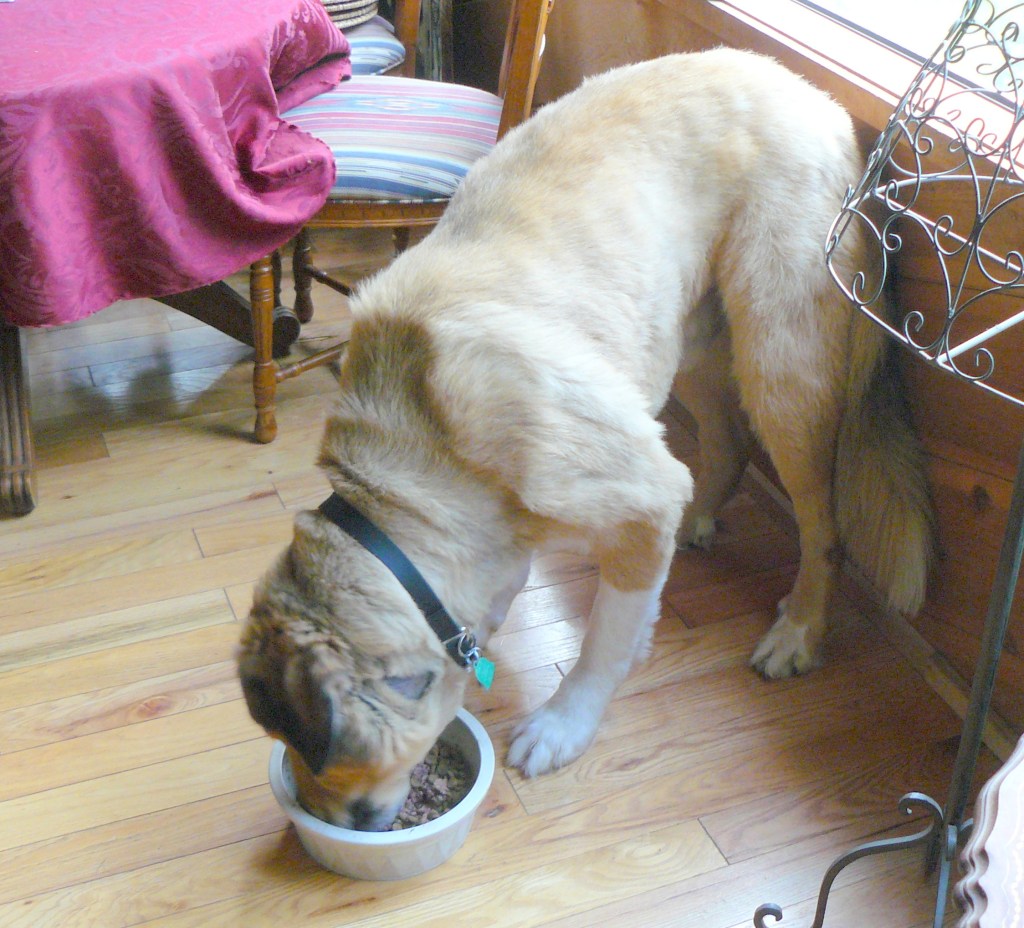
P1160098and the second to research the history of this breed. (But I should immediately say that Brandy is not purebred Pyrenean and has a little Bull Mastiff within him.)

That second item was but a quick web search away for top of the list of returns was an article on the website of the Great Pyrenees Club of America. The article was appropriately headed: History of the Great Pyrenees. It is fully linked to the source website so, fingers crossed, it is OK to republish here. I hope you find it as interesting as we did.

ooOOoo

History of the Great Pyrenees

Dog of the Mountains

These dogs take their name from the mountain range in southwestern Europe, where they long bwdomhave been used as guardians of the flocks. In the United States they are called Great Pyrenees. In the United Kingdom and on the continent of Europe, they are known as the Pyrenean Mountain Dog. In their native France, they are Le Chien de Montagne des Pyrenees or Le Chien des Pyrenees. Whatever the name, it is a beautiful, primarily white dog with a “certain elegance” which for centuries has been the working associate of peasant shepherds high on the mountain slopes.
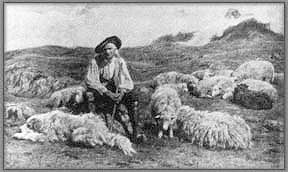
The breed likely evolved from a group of principally white mountain flock guard dogs that originated ten or eleven thousand years ago in Asia Minor. It is very plausible that these large white dogs arrived in the Pyrenees Mountains with their shepherds and domestic sheep about 3000 BC. There they encountered the indigenous people of the area, one of which were the Basques, descendants of Cro-Magnon Man. In the isolation of the Pyrenees Mountains over these millenniums, the breed developed the characteristics that make it unique to the group of flock guardian dogs in general and the primarily white members of that group.

The Great Pyrenees is a lupomolossoid as opposed to a molossoid. While there has surely been some cross-breeding over the many centuries, the Great Pyrenees is not a mastiff nor are its lupomolossoid ancestors principally from the mastiff family. There are other dogs of the region, such as the Pyrenean Mastiff, and the Spanish Mastiff that fill that description. It is no coincidence that the Great Pyrenees is approximately the same size as the European Grey Wolf.

A Peasant’s Dog

The Great Pyrenees is a mountain shepherd’s dog. Over this long period of time the Great Pyrenees developed a special relationship with the shepherd, its family, and the flock.

In 1407, French writings tell of the usefulness of these “Great Dogs of the Mountains” as guardians of the Chateau of Lourdes. In 1675, they were adopted as the Royal Dog of France by the Dauphin in the court of King Louis XIV, and subsequently became much sought after by nobility. Having a precocious sense of smell and exceptionally keen eyesight, each dog was counted equal to two men, be it as guard of the chateaux, or as invaluable companion of shepherds. While their royal adoption is interesting, the dogs main fame was from their ageless devotion to their mountain flocks, shepherds, and shepherds’ family. When not working the flocks, you would find “Patou,” as he is lovingly called, laying on the mat in the front doorway of the shepherds’ humble dwellings.

Across the Ocean

In 1662, dogs were carried to Newfoundland by Basque fishermen as companions and guardians of the new Settlement. Here it was they became mated with the black curly coated retriever, favorite of the English settlers. This cross resulted in the formation of the Landseer (black and white) Newfoundland. In 1824, General Lafayette introduced the first pair to America by bringing over two males to his friend, J.S. Skinner, author of “The Dog and the Sportsman”.

In 1850, Britain’s Queen Victoria owned a Pyrenean Mountain Dog, and in 1885-86, the first Pyrenean Mountain Dogs were registered with the Kennel Club in London and shown at the Crystal Palace.

In 1870, Pyrenean blood was used with that of other large breeds to help bring back the St. Bernard after that noble dog’s numbers had been so greatly depleted by avalanches and distemper at the hospice in Switzerland. It was not until 1909 that the first Pyrenean Mountain Dogs were introduced into England for breeding purposes by Lady Sybil Grant, daughter of Lord Roseberry. It was twenty-six years later (1935) that Pyreneans were again bred in a kennel in England. At that time, Mme. Jeanne Harper Trois Fontaines started her de Fontenay Kennel at Hyde Heath, Amersham, later becoming well known the world over and accounting for many exports to distant lands.

Reconstitution

By the late 1800’s and early 1900’s the state of the breed had deteriorated due to the vanishing of the natural predator foes in the mountains and the practices of many unscrupulous breeders selling to naive tourists through the region.

In 1907 Monsieur Dretzen from Paris, along with Count de Bylandt of Holland and Monsieur Byasson of Argeles Gazost, formed the Club du Chien des Pyrenées (CCP) a.k.a. Argeles Club in Argeles Gazost. They combed the mountains for a group of “faultlessly typical” specimens. Monsieur Dretzen took these dogs back to his kennel in Paris. Also in 1907, the Pastoure Club at Lourdes, Hautes Pyrenées, France, was organized to perpetuate interest in the breed. Each club wrote a breed standard.

After the decimating effects of World War I, the breed’s numbers and quality had been severely compromised. A few dedicated breeders, headed by Monsieur Senac Lagrange, worked to restore the breed to its former glory. They joined together the remnants of the two former clubs and formed the Reunion des Amateurs de Chiens Pyreneans which still exists today. It was this club that was responsible for the breed standard being published in 1927. This standard has served as a basis for all current standards for the breed. After World War II, it was again Monsieur Senac-Lagrange who took the lead in getting the breed back on its feet from the devastating effects of the German occupation.

First Kennel in the U.S.A.

In 1931, Mr. and Mrs. Francis V. Crane imported several specimens to seriously launch the breed in North America with the founding of the Basquaerie Kennels at Needham, Massachusetts. Their lifelong efforts on behalf of the breed provided the breed with an atmosphere in which it could thrive and prosper. They imported important breeding stock out of Europe just before the Continent was closed by World War II. The American Kennel Club accorded the Great Pyrenees official recognition in February, 1933, and beginning April, 1933, separate classification began for the breed at licensed shows.

Today the Great Pyrenees is a working dog as well as a companion and family dog. Most of our dogs never see a show ring, but they are trusted and beloved members in homes and may function as livestock guardian dogs on farms and ranches. The Great Pyrenees is proving itself very versatile, gaining fame as therapy dogs, rescue dogs, and many activities with its human companions. They are very social dogs in the family and get along extremely well with other animals that belong to the shepherd, farmer, or family. They are wary of strangers in the work environment (this includes the home). They adapt easily to other situations such as dog shows, and make extraordinary ambassadors for the breed in many settings such as hospitals, old age homes, with children, etc. They have a special ability to identify and distinguish predators or unwelcome intruders. They are nurturing of small, young, or sick animals.

A publication of the Great Pyrenees Club of America, Inc. revised 1991, 2005

ooOOoo

I must repeat a couple of sentences from that last paragraph (my highlighting):

The Great Pyrenees is proving itself very versatile, gaining fame as therapy dogs, rescue dogs, and many activities with its human companions. They are very social dogs in the family and get along extremely well with other animals that belong to the shepherd, farmer, or family.

Frankly, I don’t know how we would have coped with what Hazel has been suffering with if Jean and I hadn’t had the bountiful, unconditional love from Brandy.

Oh, and speaking of Hazel …..
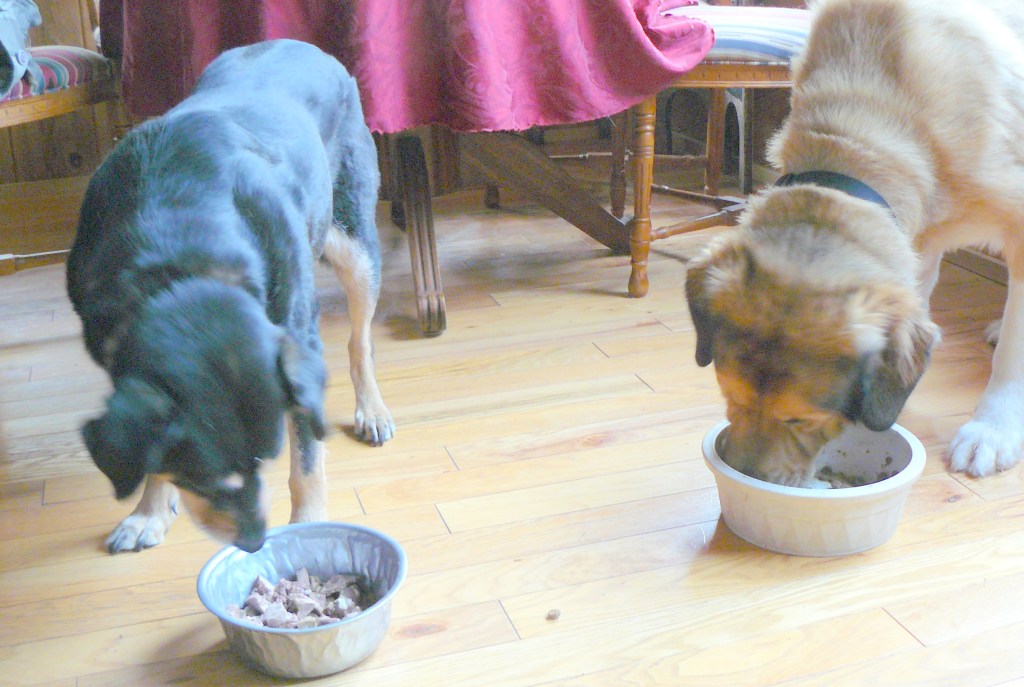
P1160102

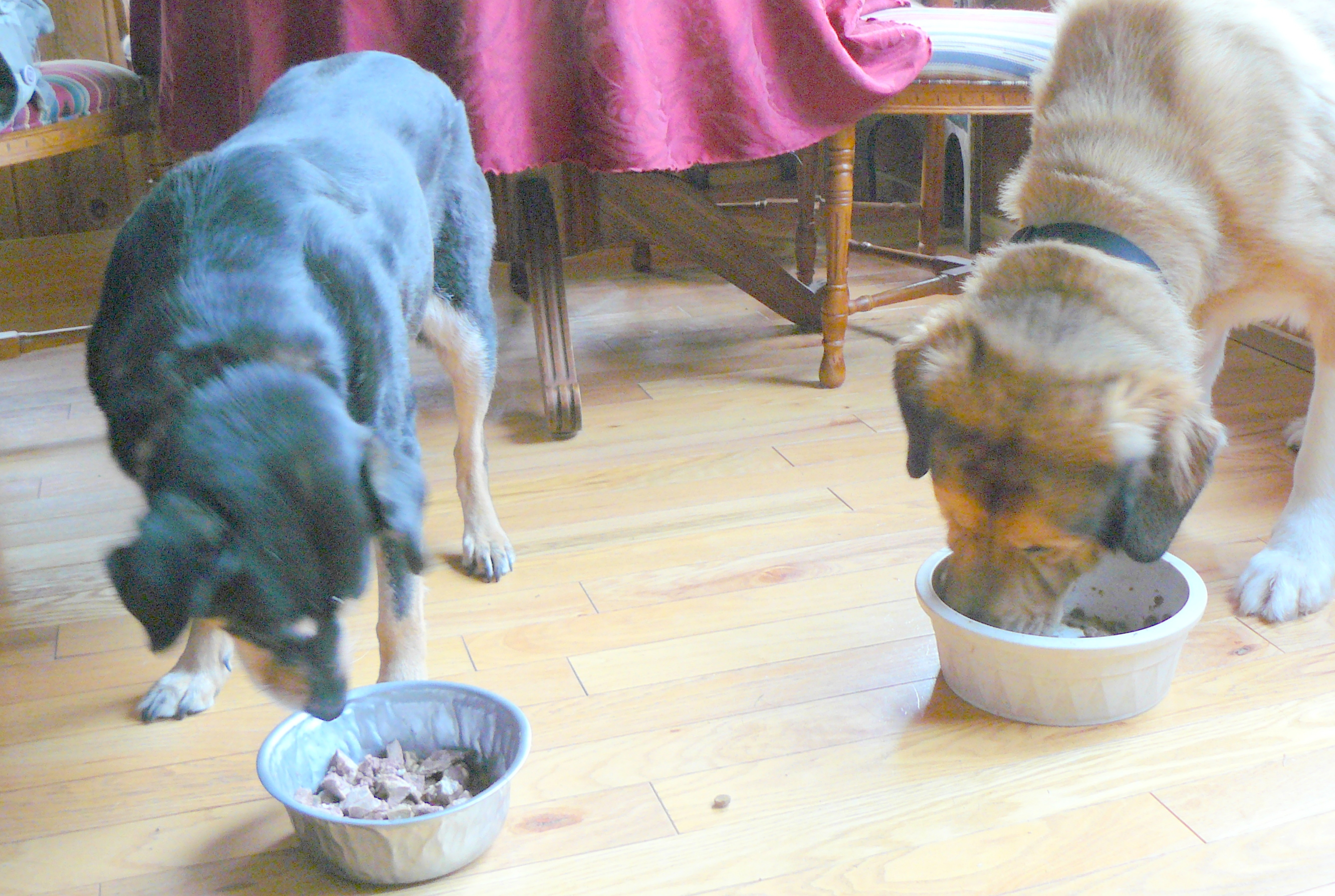
…. here she is tucking into her second meal of the day alongside Mr. Big!

Fingers tightly crossed dear, sweet Hazel may be beating the infection! (You see, I did say all your loving wishes were making a difference!)
Hazel’s sonogram.

Nothing life-threatening found!

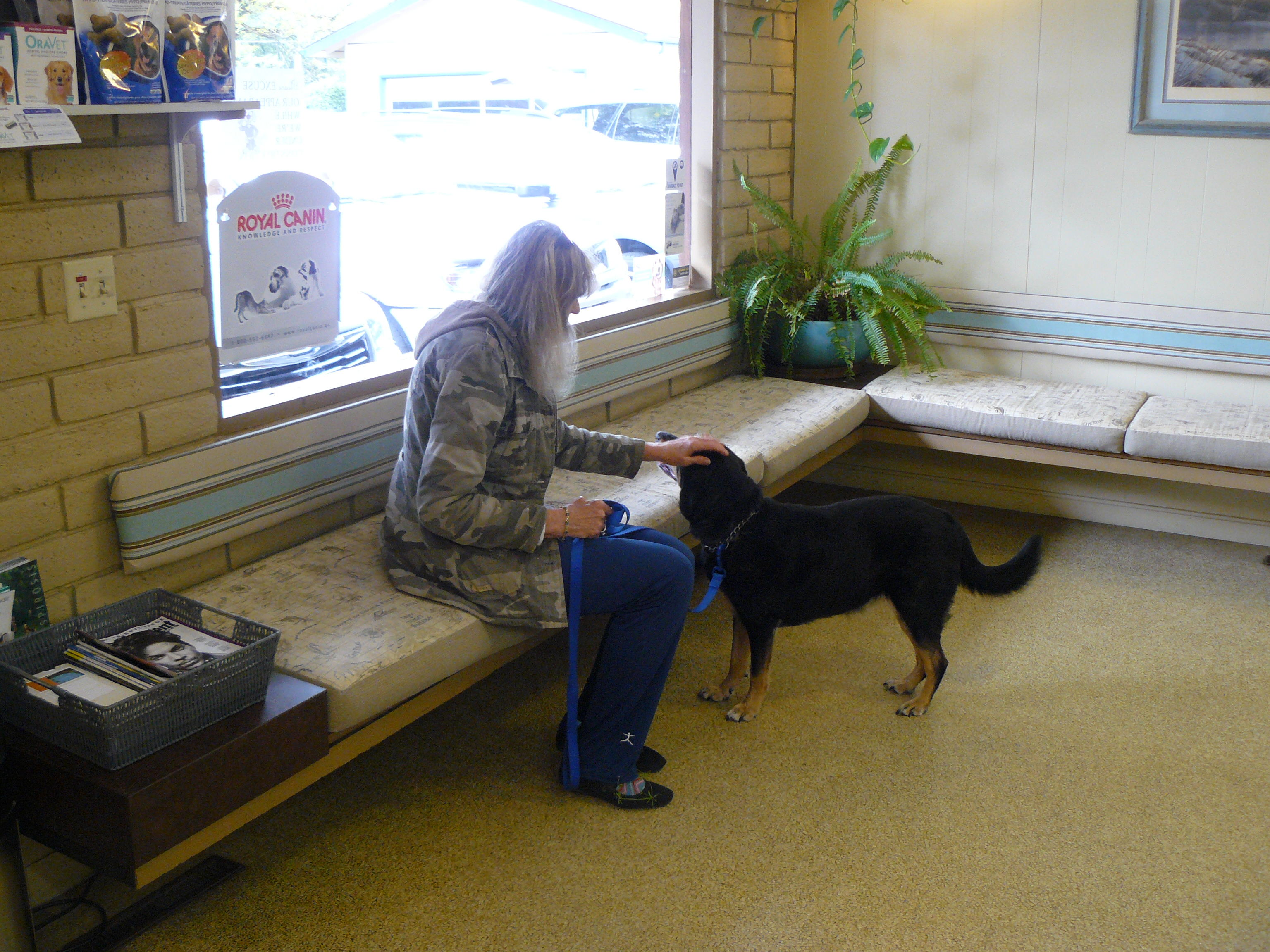
I’m writing this post at 5pm yesterday (Tuesday) shortly after we returned home from collecting Hazel from Lincoln Road Vet Clinic following her earlier examination by Dr. Parker using his mobile sonogram.

Hazel at the clinic shortly before she was taken in by the staff.

The good news is that Dr. Parker did not find any sign of trauma or life-threatening illnesses in Hazel’s body especially focusing on her abdomen.

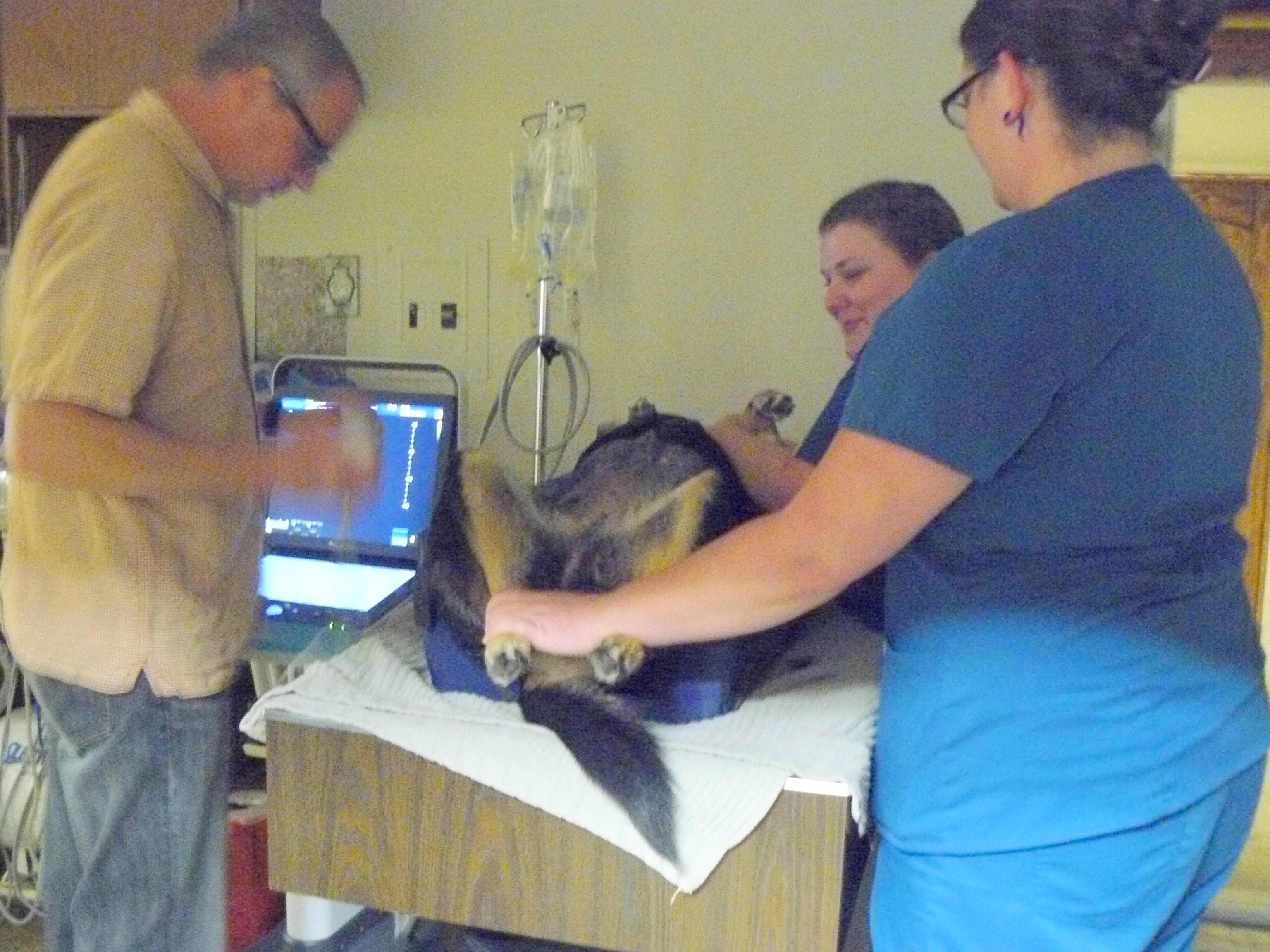
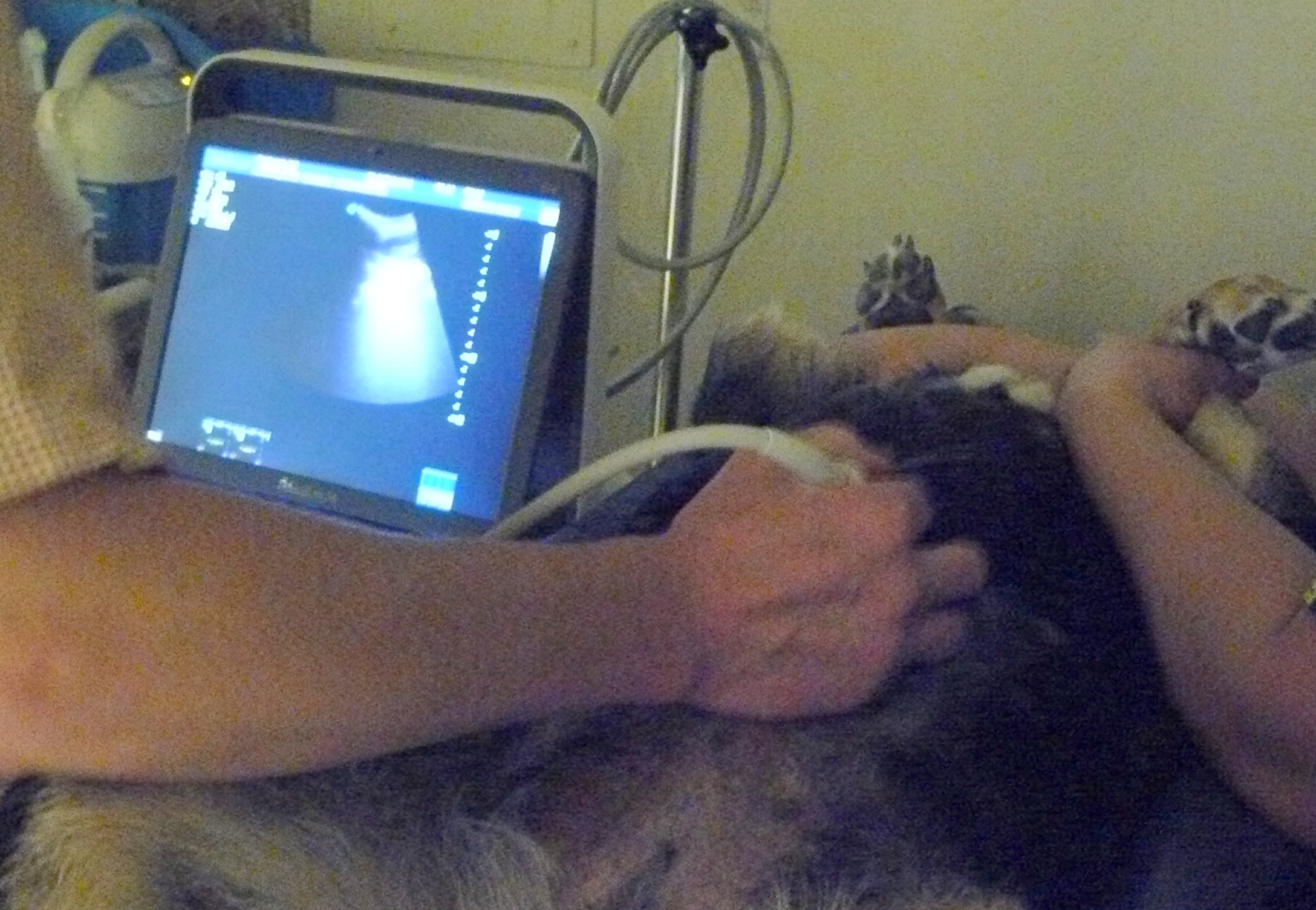
Dr. Parker to the left being assisted by clinic staff as he examines Hazel ultra-sonically.

(I should be quick to say that I left my camera with one of the technicians and wasn’t present. Indeed, Jean and I did not get to meet Dr. Parker.)

Dr. Parker, who is a board-certified veterinarian doctor, came to the conclusion that the most likely cause of Hazel’s illness was the fungal lung infection, as Dr. Codd and the radiologist supposed.

Nothing frightening seen!

To try and narrow down the exact fungal infection a further blood sample was taken and the lab results should be known in three or four days time.

Dr. Codd, in his briefing to Jean and me when we collected Hazel late afternoon, said that his recommendation based on the lack of any notable findings from the scan could be summarised as follows:

  • Regard treating the fungal infection as the number one priority,
  • Hold off from treating the tick fever in the interim,
  • Dose Hazel with 100mg of Fluconazole twice a day even if she is eating hardly anything,
  • The measure is whether Hazel, with a very small food intake, can take that dosage without vomiting,
  • Add a B12 tonic to her diet with immediate effect,
  • Give Hazel appetite stimulant medicine,
  • Consider the hemp oil (as queried by me) if the proper dosage can be determined.

(Petspeopleandlife: Hazel’s current weight is 53 lbs (24 kg). Any advice?)

Back home again albeit still feeling a little drowsy!

Thus while we have not yet got to the bottom of what precisely is the nature of Hazel’s infection at least we know there isn’t anything else silently killing her.

Thank you so much, dear readers, for taking so much interest in Hazel and for sending your love and caring wishes – it’s working! 🙂

We all need rescuing from time to time!

This rescued lovebird has found a friend for life in Jackson the dog — and unlimited free rides!

Yesterday was a rather stressful day what with worrying about Hazel and arranging for her ultra-sonic scan, and one or two other goings on.

So this short little video seemed the perfect offering for all of you good people.

First seen over on the Care2 site.

Hazel – Change of tack

Still a long way from getting to the bottom of what is ailing Hazel.

In my last post about Hazel I opened by saying:

In the last post on Hazel’s condition, back last Thursday, I passed on Dr. Codd’s observation, “… that by not having Hazel on her meds we were, of course, letting the fungal infection continue its damage.”

Dr. Codd also recommended reducing the dosage of the Fluconazole to lower its side effect of suppressing appetite.

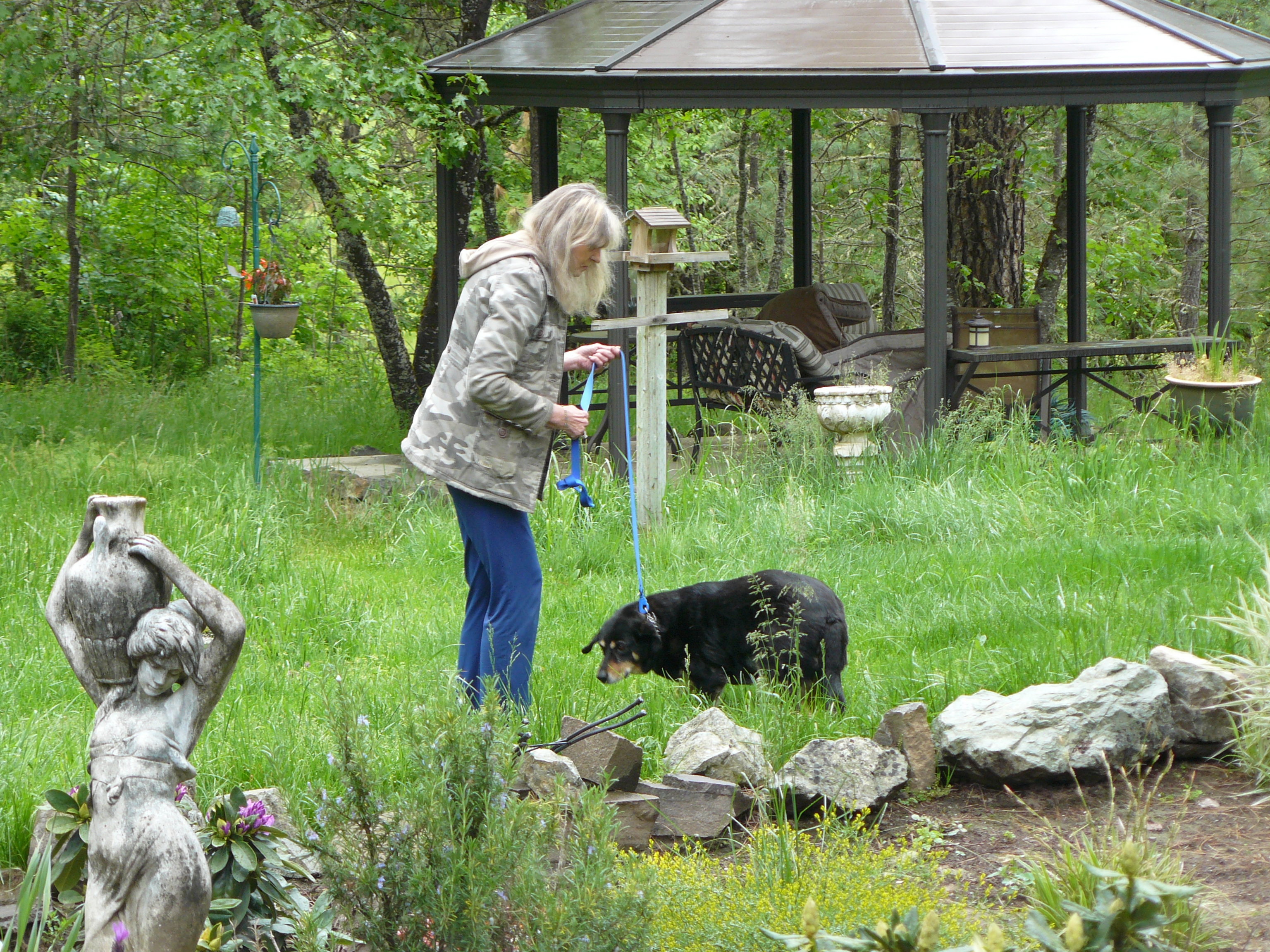
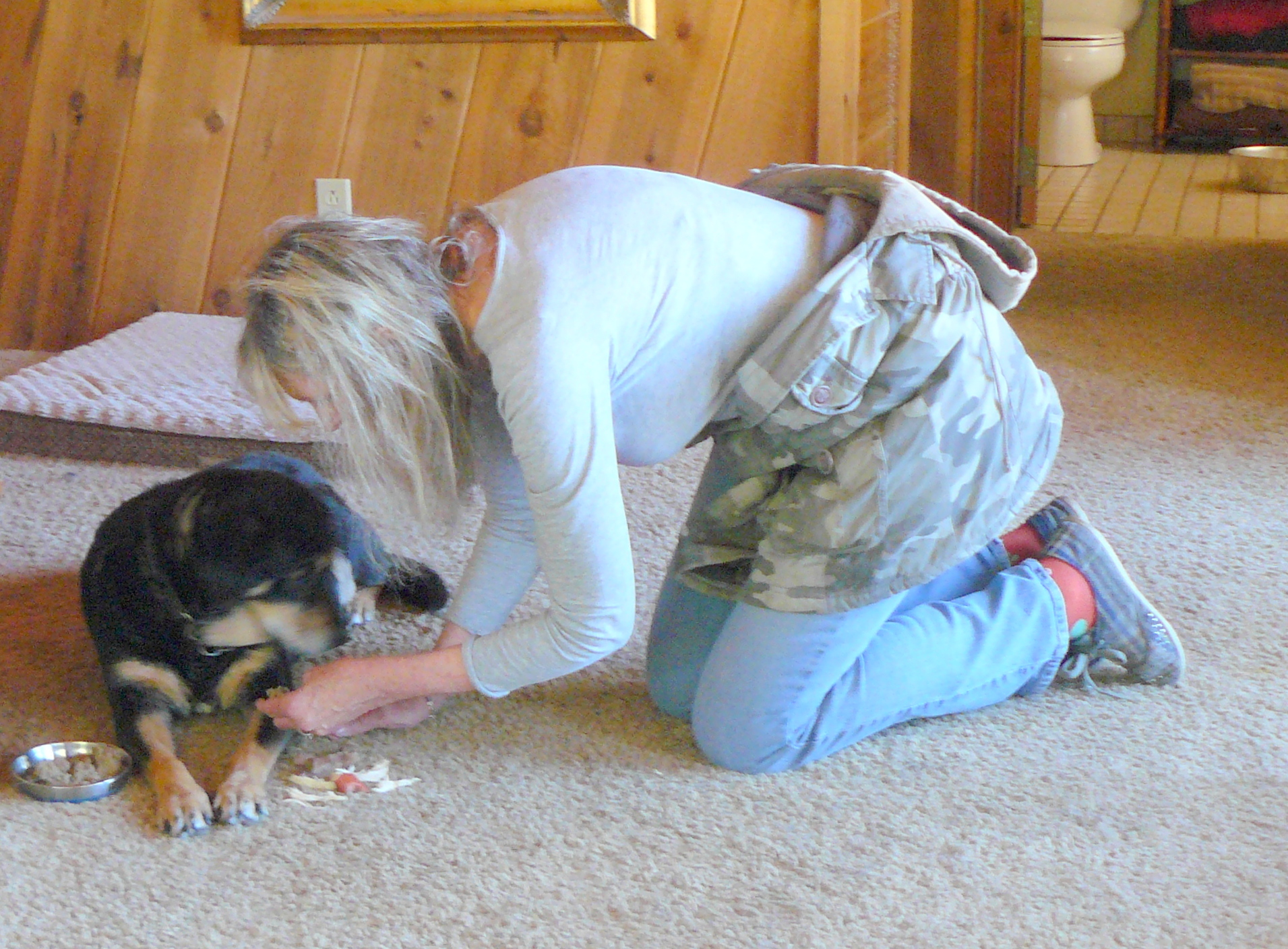
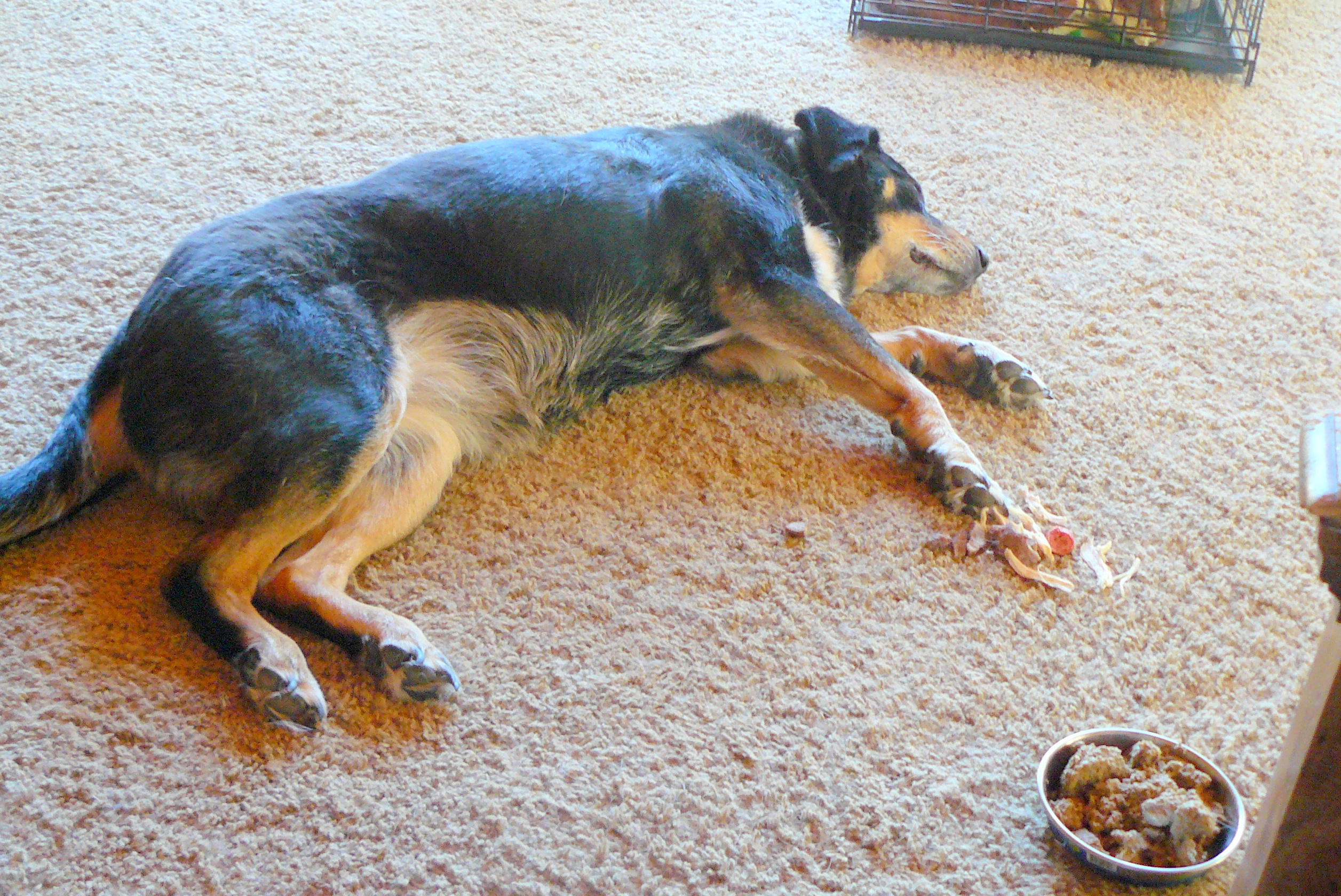
So since then, with outstanding care and patience, Jean has been coaxing Hazel to eat just sufficient food for Hazel to be able to take the Fluconazole, for her fungal infection in her lungs, and Doxycycline, for her tick infection. (Mind you, Hazel is still a long way from eating reliably.)

That was a week ago and while, at best, Hazel is just eating sufficient to take her meds she is far from improving to any noticeable degree. But she is not eating enough food to stabilise her weight and yesterday morning Jean was worried we might lose her if we didn’t rethink what was going on.

Jean is attempting to get Hazel to eat many times each day.

A Sunday morning call to Dr. Jim Goodbrod brought us the advice to re-think the evidence.

  • The titre results were negative but because there are so many variants of fungal infection that was discounted.
  • The film of Hazel’s lungs show what the radiologist described as a clear case of fungal infection.
  • However, if that infection had been in the past, before Hazel was taken in by us down in Mexico, and that infection had ceased, that film could be showing scarring in the lungs.
  • The positive result for Tick Fever showed evidence of antibodies not antigens. That might be interpreted as a previous incident.

Jim liaised with Dr. Codd and it was agreed that further examinations needed to be conducted to obtain a clear, unambiguous diagnosis and that in the interim we stop giving Hazel any medications and offer her body systems a bit of a rest.

One option being discussed is to call in a mobile sonogram or ultra-sonic scanner. There is a very expert doctor in the area who uses such a mobile device and scans can be taken of Hazel’s abdomen and lungs here at home.

Because we will do everything to try and return Hazel to good health.

P1160083More information will be passed to you just as soon as it is to hand.