The wonderful photos continue!
Once more, republished with permission by Nimbushopper.

oooo

oooo

oooo

oooo

oooo

oooo

Most of these photographs are the same dog but, nevertheless, they are wonderful. That dog is Ollie.
Another treat in a week’s time!
Dogs are animals of integrity. We have much to learn from them.
Year: 2021
The wonderful photos continue!
Once more, republished with permission by Nimbushopper.
oooo
oooo
oooo
oooo
oooo
oooo
Most of these photographs are the same dog but, nevertheless, they are wonderful. That dog is Ollie.
Another treat in a week’s time!
Once again, an article from The Conversation.
I make no apologies for republishing this further article about the health of one’s gut. Apart from the relevance at this time in terms of defeating Covid-19 the health of one’s digestive system is key and, essentially, the digestive system is the gut.
Read it and if you need to adjust your diet, DO IT!
ooOOoo
By
 Ana Maldonado-Contreras
Assistant Professor of Microbiology and Physiological Systems, University of Massachusetts Medical School
Takeaways
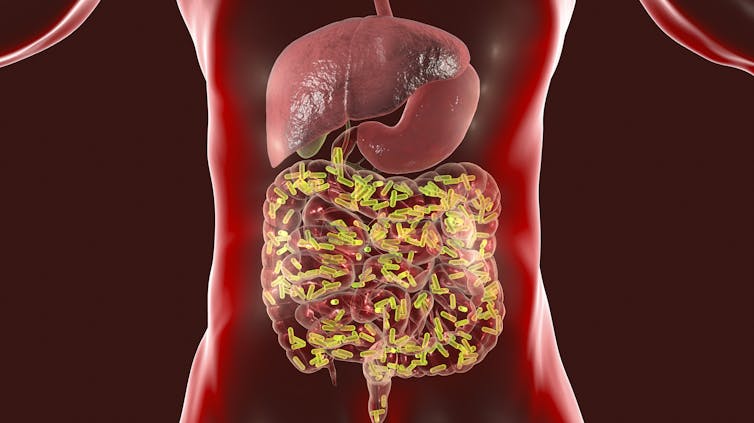
You may not know it, but you have an army of microbes living inside of you that are essential for fighting off threats, including the virus that causes COVID-19.
In the past two decades scientists have learned our bodies are home to more bacterial cells than human ones. This community of bacteria that lives in and on us – called the microbiome – resembles a company, with each microbe species performing specialized jobs but all working to keep us healthy. In the gut, the bacteria balance the immune response against pathogens. These bacteria ensure the immune response is effective but not so violent that it causes collateral damage to the host.
Bacteria in our guts can elicit an effective immune response against viruses that not only infect the gut, such as norovirus and rotavirus, but also those infecting the lungs, such as the flu virus. The beneficial gut microbes do this by ordering specialized immune cells to produce potent antiviral proteins that ultimately eliminate viral infections. And the body of a person lacking these beneficial gut bacteria won’t have as strong an immune response to invading viruses. As a result, infections might go unchecked, taking a toll on health.
I am a microbiologist fascinated by the ways bacteria shape human health. An important focus of my research is figuring out how the beneficial bacteria populating our guts combat disease and infection. My most recent work focuses on the link between a particular microbe and the severity of COVID-19 in patients. My ultimate goal is to figure out out how to enhance the gut microbiome with diet to evoke a strong immune response – for not just SARS-CoV-2 but all pathogens.
How do resident bacteria keep you healthy?
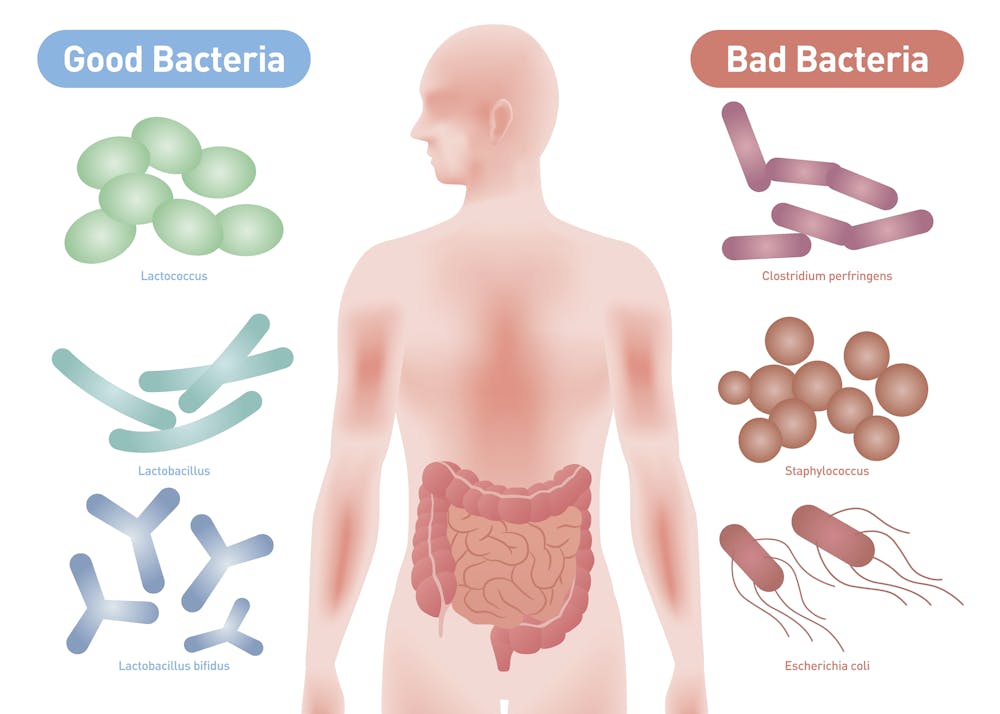
Our immune defense is part of a complex biological response against harmful pathogens, such as viruses or bacteria. However, because our bodies are inhabited by trillions of mostly beneficial bacteria, virus and fungi, activation of our immune response is tightly regulated to distinguish between harmful and helpful microbes.
Our bacteria are spectacular companions diligently helping prime our immune system defenses to combat infections. A seminal study found that mice treated with antibiotics that eliminate bacteria in the gut exhibited an impaired immune response. These animals had low counts of virus-fighting white blood cells, weak antibody responses and poor production of a protein that is vital for combating viral infection and modulating the immune response.
In another study, mice were fed Lactobacillus bacteria, commonly used as probiotic in fermented food. These microbes reduced the severity of influenza infection. The Lactobacillus-treated mice did not lose weight and had only mild lung damage compared with untreated mice. Similarly, others have found that treatment of mice with Lactobacillus protects against different subtypes of influenza virus and human respiratory syncytial virus – the major cause of viral bronchiolitis and pneumonia in children.
Patients with chronic illnesses including Type 2 diabetes, obesity and cardiovascular disease exhibit a hyperactive immune system that fails to recognize a harmless stimulus and is linked to an altered gut microbiome.
In these chronic diseases, the gut microbiome lacks bacteria that activate immune cells that block the response against harmless bacteria in our guts. Such alteration of the gut microbiome is also observed in babies delivered by cesarean section, individuals consuming a poor diet and the elderly.
In the U.S., 117 million individuals – about half the adult population – suffer from Type 2 diabetes, obesity, cardiovascular disease or a combination of them. That suggests that half of American adults carry a faulty microbiome army.
Research in my laboratory focuses on identifying gut bacteria that are critical for creating a balanced immune system, which fights life-threatening bacterial and viral infections, while tolerating the beneficial bacteria in and on us.
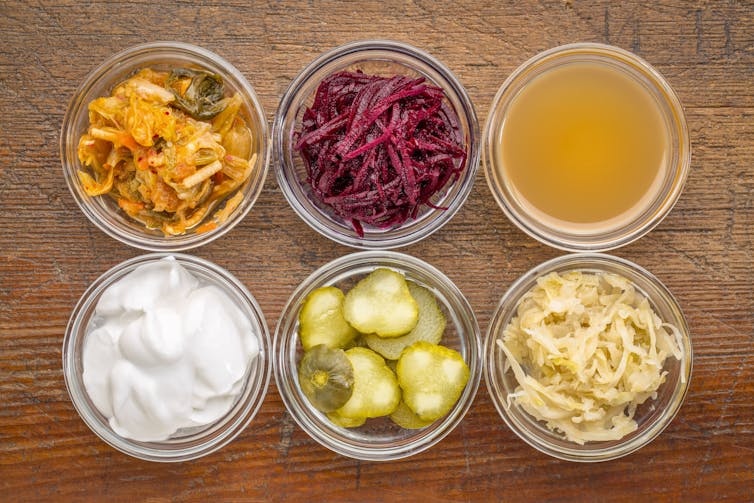
Given that diet affects the diversity of bacteria in the gut, my lab studies show how diet can be used as a therapy for chronic diseases. Using different foods, people can shift their gut microbiome to one that boosts a healthy immune response.
A fraction of patients infected with SARS-CoV-2, the virus that causes COVID-19 disease, develop severe complications that require hospitalization in intensive care units. What do many of those patients have in common? Old age and chronic diet-related diseases like obesity, Type 2 diabetes and cardiovascular disease.
Black and Latinx people are disproportionately affected by obesity, Type 2 diabetes and cardiovascular disease, all of which are linked to poor nutrition. Thus, it is not a coincidence that these groups have suffered more deaths from COVID-19 compared with whites. This is the case not only in the U.S. but also in Britain.

Discovering microbes that predict COVID-19 severity
The COVID-19 pandemic has inspired me to shift my research and explore the role of the gut microbiome in the overly aggressive immune response against SARS-CoV-2 infection.
My colleagues and I have hypothesized that critically ill SARS-CoV-2 patients with conditions like obesity, Type 2 diabetes and cardiovascular disease exhibit an altered gut microbiome that aggravates acute respiratory distress syndrome.
Acute respiratory distress syndrome, a life-threatening lung injury, in SARS-CoV-2 patients is thought to develop from a fatal overreaction of the immune response called a cytokine storm that causes an uncontrolled flood of immune cells into the lungs. In these patients, their own uncontrolled inflammatory immune response, rather than the virus itself, causes the severe lung injury and multiorgan failures that lead to death.
Several studies described in one recent review have identified an altered gut microbiome in patients with COVID-19. However, identification of specific bacteria within the microbiome that could predict COVID-19 severity is lacking.
To address this question, my colleagues and I recruited COVID-19 hospitalized patients with severe and moderate symptoms. We collected stool and saliva samples to determine whether bacteria within the gut and oral microbiome could predict COVID-19 severity. The identification of microbiome markers that can predict the clinical outcomes of COVID-19 disease is key to help prioritize patients needing urgent treatment.
We demonstrated, in a paper which has not yet been peer reviewed, that the composition of the gut microbiome is the strongest predictor of COVID-19 severity compared to patient’s clinical characteristics commonly used to do so. Specifically, we identified that the presence of a bacterium in the stool – called Enterococcus faecalis– was a robust predictor of COVID-19 severity. Not surprisingly, Enterococcus faecalis has been associated with chronic inflammation.
Enterococcus faecalis collected from feces can be grown outside of the body in clinical laboratories. Thus, an E. faecalis test might be a cost-effective, rapid and relatively easy way to identify patients who are likely to require more supportive care and therapeutic interventions to improve their chances of survival.
But it is not yet clear from our research what is the contribution of the altered microbiome in the immune response to SARS-CoV-2 infection. A recent study has shown that SARS-CoV-2 infection triggers an imbalance in immune cells called T regulatory cells that are critical to immune balance.
Bacteria from the gut microbiome are responsible for the proper activation of those T-regulatory cells. Thus, researchers like me need to take repeated patient stool, saliva and blood samples over a longer time frame to learn how the altered microbiome observed in COVID-19 patients can modulate COVID-19 disease severity, perhaps by altering the development of the T-regulatory cells.
As a Latina scientist investigating interactions between diet, microbiome and immunity, I must stress the importance of better policies to improve access to healthy foods, which lead to a healthier microbiome. It is also important to design culturally sensitive dietary interventions for Black and Latinx communities. While a good-quality diet might not prevent SARS-CoV-2 infection, it can treat the underlying conditions related to its severity.
[Get our best science, health and technology stories. Sign up for The Conversation’s science newsletter.]
Ana Maldonado-Contreras, Assistant Professor of Microbiology and Physiological Systems, University of Massachusetts Medical School
This article is republished from The Conversation under a Creative Commons license. Read the original article.
ooOOoo
Please note that obesity is regarded as a chronic illness.
Let me reprint a paragraph from the article:
In the U.S., 117 million individuals – about half the adult population – suffer from Type 2 diabetes, obesity, cardiovascular disease or a combination of them. That suggests that half of American adults carry a faulty microbiome army.
This is not funny. Good eating, typically the Mediterranean diet, is not difficult.
Link up to the excellent blog site One Regular Guy Writing about Food, Exercise and Living Past 100. Tony is a master at communicating good common sense!
If you are a regular red-meat eater then give yourself a break for two or three days; what have you got to lose!
And if you are the ‘wrong’ side of, say, 50 then having a faulty microbiome will be having an increasingly negative effect on you.
Remember:
For the Love of All Things Dog!
Dan sent me a link back last November and I have only got around to looking at it! It concerns the American Kennel Club and the sub-heading above is the greeting one gets when one goes to the home page of the AKC.
But this is what Dan sent me. It is about being thankful!
ooOOoo
By Allan Reznik
Nov 25, 2019

In the spirit of the holiday season, let’s stop for a moment to acknowledge the joy that the sport of conformation gives us every week of the year, and the people who contribute to that joy. Let’s be thankful for:

Allan Reznik has been an Afghan Hound fancier since the early 1970s and also owns and exhibits Tibetan Spaniels. He is an award-winning journalist and broadcaster, who has served as editor-in-chief of several national dog publications. He appears regularly on radio and TV discussing all aspects of responsible animal ownership. Reznik is an AKC-approved judge of Afghan Hounds, Cavalier King Charles Spaniels, and Tibetan Spaniels; on permit to judge a number of other Hound breeds.
ooOOoo
This is a brilliant report albeit a little old but still very good read.
It reminds me to take more notice of what the AKC publish; this is after all a blog primarily about dogs!
A partial review of Sanjay Gupta’s book.
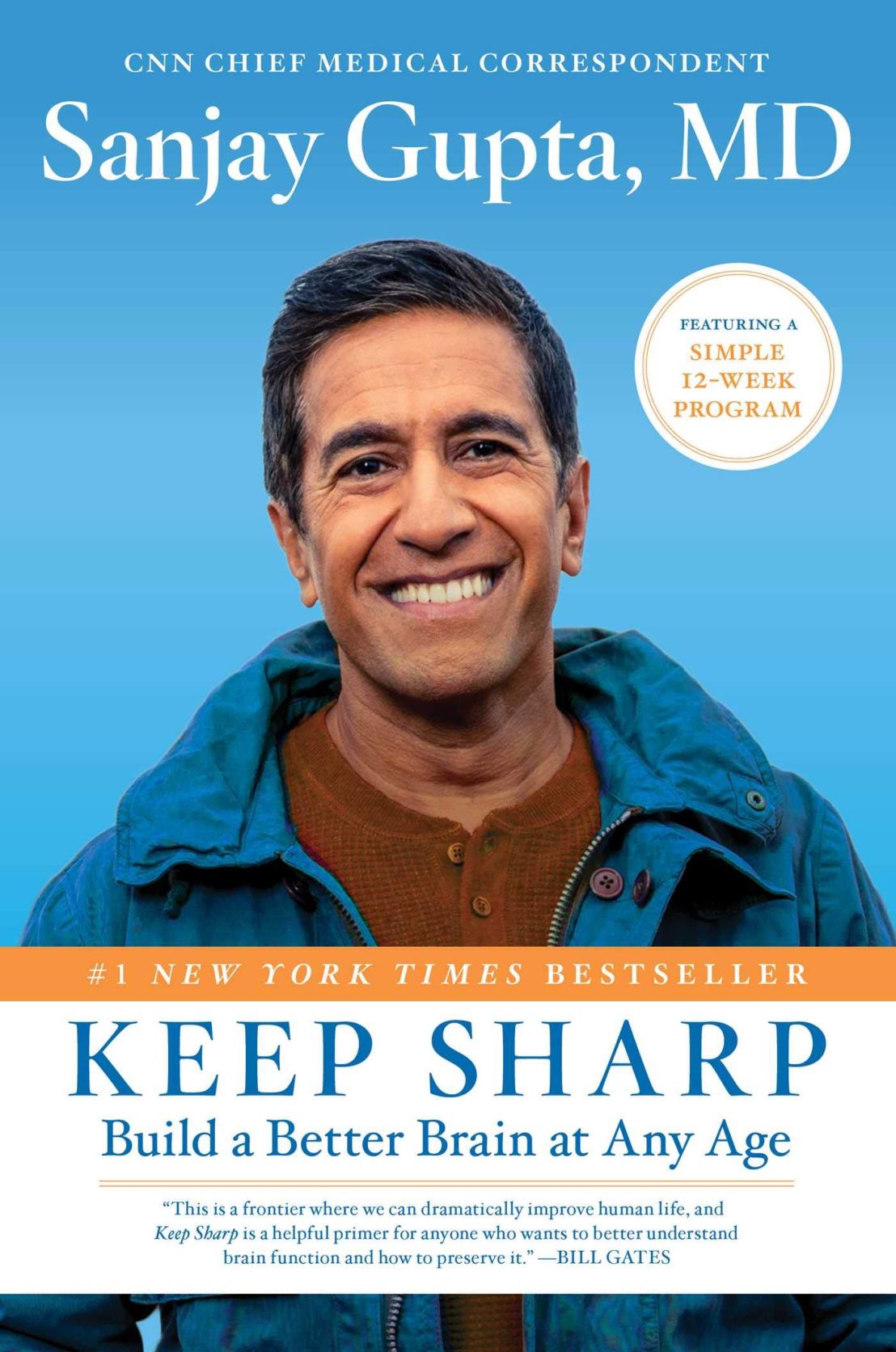
There is so much to speak about in this book, and anyone the ‘wrong’ side of 50 should consider purchasing the book. Really! I include the link to the book on Amazon. (And nothing in it for me I have to say.)
I want to concentrate on two items of note.
The first is that given the right diet, primarily a Mediterranean plant-based diet, and plenty of exercise, it is possible for the brain to rejuvenate new brain cells. Yes, that’s correct! New brain cells!
The second item of note is over on page 194. Let me quote:
Dr. Waldinger’s findings are attractive because they debunk commonly held myths about health and happiness. The findings are based on a comprehensive review of the participants’ lives and biology.
and two sentences later:
The lesson learned is that health and happiness are not about wealth, fame, or working harder. They are about good relationships.
Dr. Robert Waldinger is a psychiatrist at Massachusetts General Hospital and a professor of psychiatry at Harvard Medical School. His TED talk, “What Makes a Good Life?” has been viewed more than 36 million times. The link to the TED Talk is here.
What keeps us happy and healthy as we go through life? If you think it’s fame and money, you’re not alone – but, according to psychiatrist Robert Waldinger, you’re mistaken. As the director of a 75-year-old study on adult development, Waldinger has unprecedented access to data on true happiness and satisfaction. In this talk, he shares three important lessons learned from the study as well as some practical, old-as-the-hills wisdom on how to build a fulfilling, long life.
On page 198 among the list of tips about staying engaged is to consider adopting a pet! Yes siree!
Now I am 76 and have had 14 years of pure happiness. Because in 2007 I met Jean, and all her dogs. We fell in love!
We came up to Payson, Arizona in 2010 and were married. In 2012 we came up to our rural acres in Southern Oregon.

It is 2021 and there is no doubt that we are both ageing but we are still very much in love.
We are very happy and that is because as luck would have it we are also each other’s best friend!
The Secret Sauce to a Long, Sharp Life!
Just a reminder of how we treasure our dogs.
I was speaking two days ago to my friend Dan of many, many years, and also my best man when Jeannie and I were married in 2010, and we were talking of our dogs. In the conversation Dan said this:
You know that Lexi and I are always together for practically twenty-four hours a day!
Dan went on to say that Lexi followed him everywhere and that, literally, they were together for ninety-nine percent of their time.
I asked Dan to send me a photograph of the two of them. Here it is!

Beautiful beyond words.
(And call by tomorrow for some special words about close friends.)
 Learning from Dogs