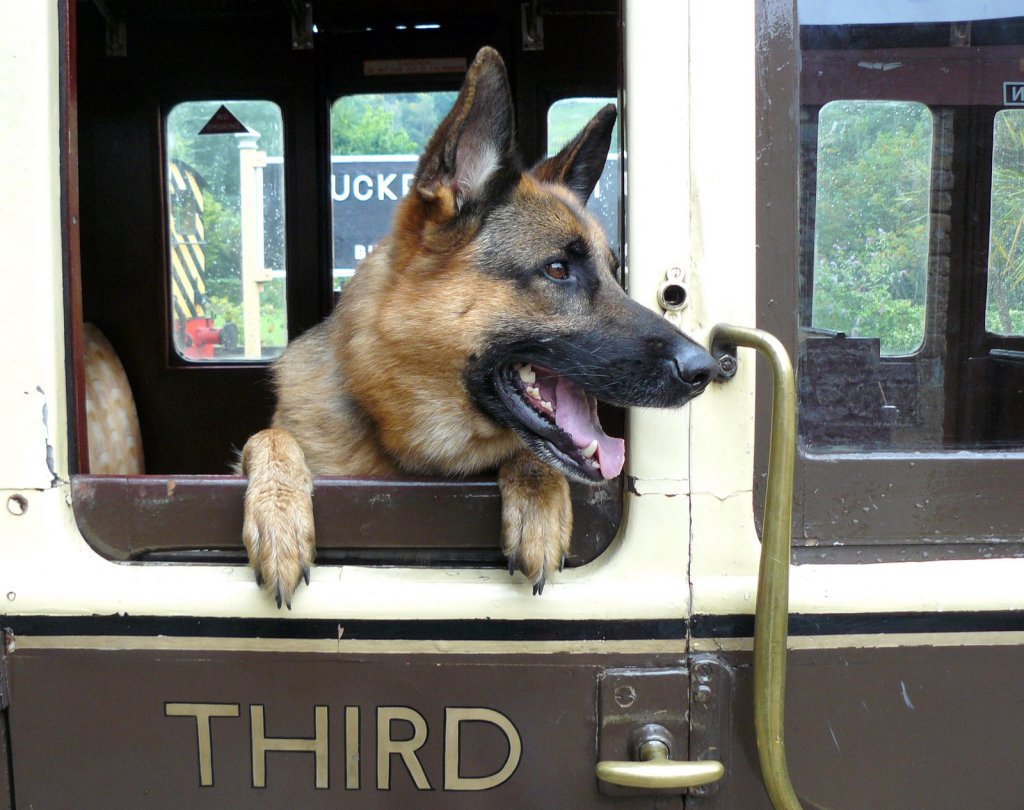
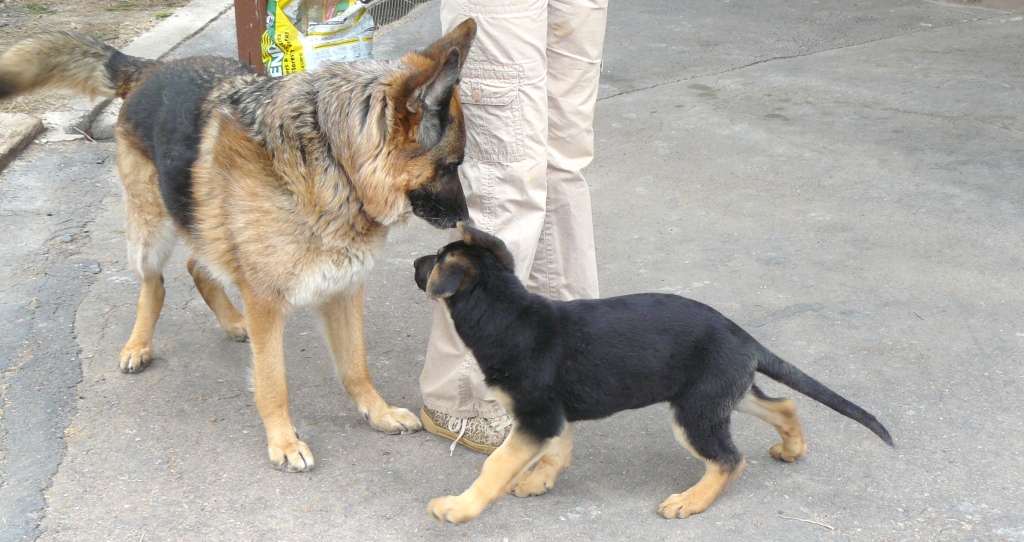
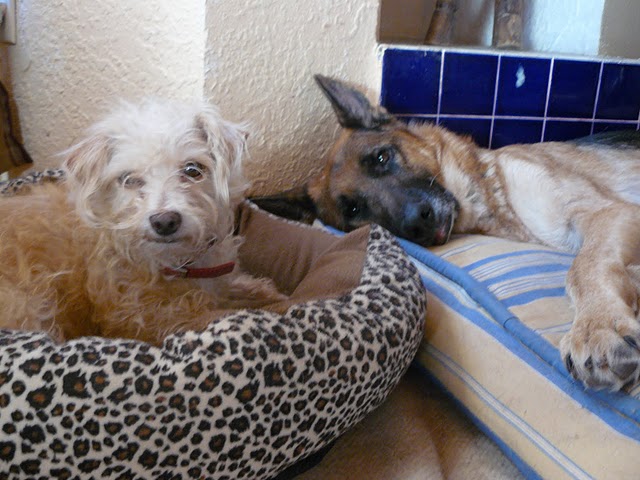
In celebration of Pharaoh’s 14th birthday yesterday.
(Long-term followers of this place will have seen many of these photos before.)

oooo

oooo

oooo

oooo
oooo

oooo
oooo
oooo

oooo

oooo
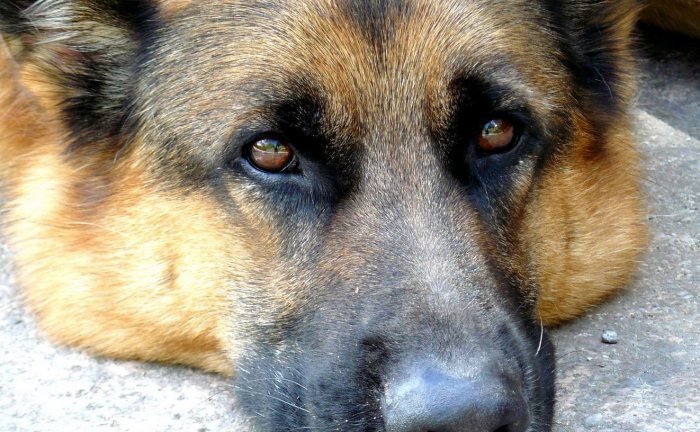
Dogs are animals of integrity. We have much to learn from them.
Year: 2017
In celebration of Pharaoh’s 14th birthday yesterday.
(Long-term followers of this place will have seen many of these photos before.)
oooo
oooo
oooo
oooo
oooo
oooo
oooo
oooo
oooo
oooo
Beloved Pharaoh was born this day in 2003
I’m just going to share a few photos today and then devote tomorrow’s Picture Parade to other photographs of this wonderful, noble, indomitable friend.
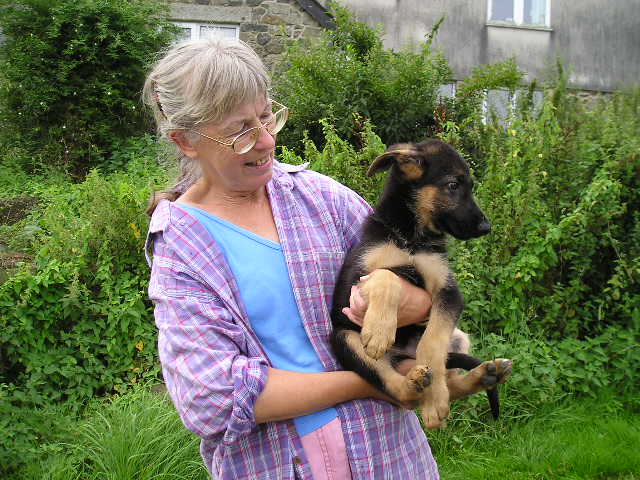
oooo
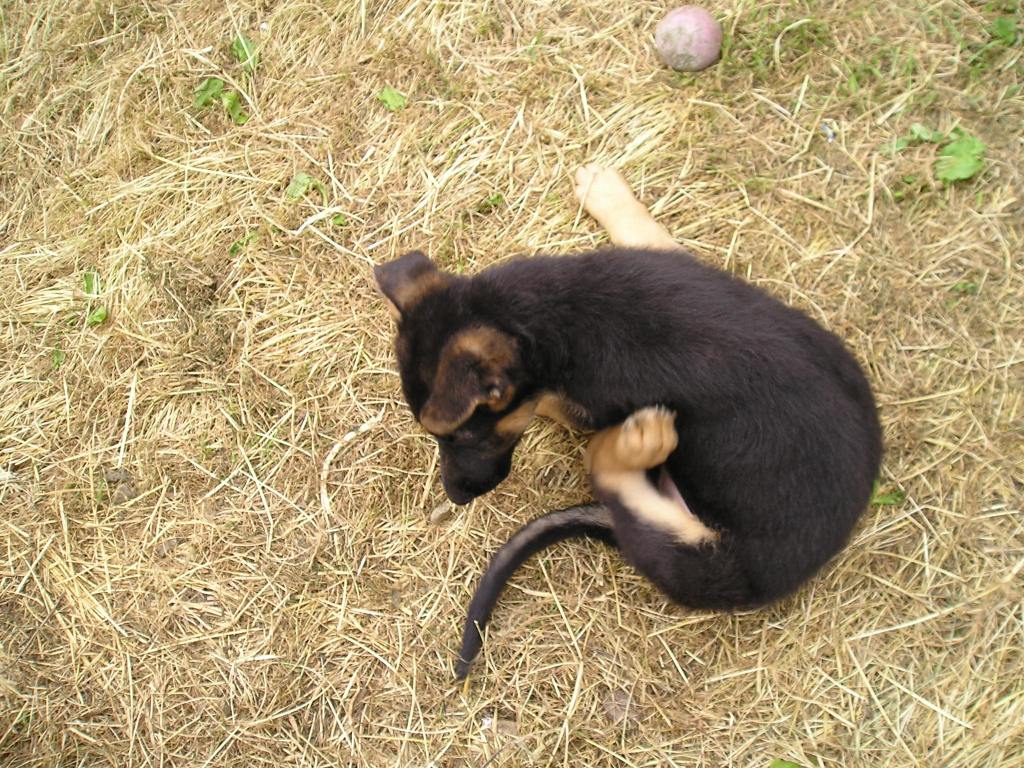
oooo
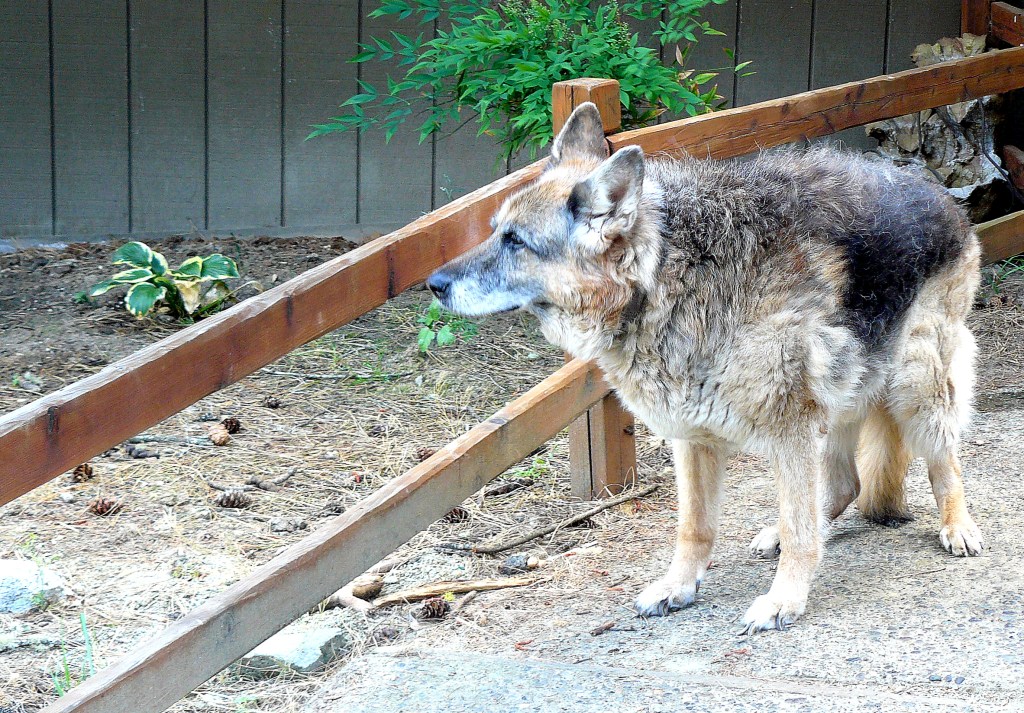
Happy Birthday, Pharaoh, with fondest love from Jeannie and me and so, so many others who have known you directly and via the pages of this blog!
Talk about extremes of topics!
Yesterday it was gliding, tomorrow it is going to be a celebration of Pharaoh’s 14th birthday and today it is about you!
Kadam Morten Clausen is a Buddhist teacher. Now I would be the first to stick up my arm and say that my understanding of Buddhism is pretty poor. But in the days many years back when I spent time exploring a number of Asian countries I found the culture surrounding Buddhism very appealing. (And I write as someone who is not a religious believer.)
Back to Morten Clausen.
The Kadampa Meditation Center in New York, where Kadam is a resident teacher, describe him as follows:
Kadam Morten Clausen is the Eastern US National Spiritual Director of the New Kadampa Tradition and Resident Teacher at the Kadampa Meditation Center New York City, and also Bodh Gaya Center in Bayside, Queens. For over 30 years he has been a close disciple of Venerable Geshe Kelsang Gyatso, who gave him the title “Kadam,” indicating that he is a senior lay teacher of the Kadampa Tradition.
Kadam Morten met his teacher, Geshe Kelsang, while attending university in England. He
taught widely throughout the UK and helped develop many Kadampa Centers in England. Kadam Morten has been teaching in the US for more than 20 years and has established centers throughout the New York area, as well as Washington DC, Virginia, and Puerto Rico. In addition to his local teaching responsibilities, he teaches and guides retreats regularly throughout the United States and Europe.
Kadam Morten is greatly admired as a meditation teacher and is especially known for his clarity, humor and inspirational presentation of Dharma. His teachings are always practical and easy to apply to everyday life. Through his gentle and joyful approach and his peaceful example, he has helped many people find true happiness in their hearts.
So what’s this all about when I say that today’s post is about you?
Enjoy the following, recently published on the Big Think site:
ooOOoo
by

Evan Thompson of the University of British Columbia has verified the Buddhist belief of anatta, or not-self. Neuroscience has been interested in Buddhism since the late 1980s, when the Mind and Life Institute was created by HH Dalai Lama and a team of scientists. The science that came out of those first studies gave validation to what monks have known for years — if you train your mind, you can change your brain. As neuroscience has begun studying the mind, they have looked to those who have mastered the mind.
While Buddha didn’t teach anatta to lay people, thinking it might be too confusing, the concept is centered on the idea that there is no consistent self. The belief that we are the same one moment to the next, or one year to the next, is a delusion. Thompson says that “the brain and body is constantly in flux. There is nothing that corresponds to the sense that there’s an unchanging self.”
[W]hen there is no consistent self, it means that we don’t have to take everything so personally.
It is useful to look at a video of yourself from the past, or read something you wrote years ago. Your interests, perspective, beliefs, attachments, relationships, et al, have all changed in some way. Anatta doesn’t mean there’s no you; it just means that you are constantly changing, constantly evolving, and shape-shifting. Why is this important? Why does it matter if there’s no solid “you” or “me”?
Buddhist teacher Kadam Morten Clausen says Buddhism is a science of the mind:
Dr. Rick Hanson, author of Hardwiring Happiness and Buddha’s Brain, argues that when there is no consistent self, it means that we don’t have to take everything so personally. That is, our internal thoughts are only thoughts and don’t define us. External events are only external events and aren’t happening to us personally. Or as Tara Brach says, our thoughts are “real, but not true.”There is tremendous liberation in not identifying ourselves with thoughts, or a set idea of who we are.
It is then that we can grow and change, with the help of neuroplasticity. There is then hope that we can overcome our vices or bad habits (of mind and body), because if we aren’t stuck with the self-limiting beliefs inherent with a consistent self, we may orient ourselves toward becoming more of who we want to be.
The belief that we are the same one moment to the next, or one year to the next, is a delusion.
As science and Eastern thought continue to hang out with each other, there may be more 21st Century studies to back up 2,600-year-old thoughts. But, as HH Dalai Lama said, “Suppose that something is definitely proven through scientific investigation. … Suppose that that fact is incompatible with Buddhist theory. There is no doubt that we must accept the result of the scientific research.”Hearing a pro-science stance from a religious leader is a relief to many. In the end it seems Buddhism and neuroscience have similar goals: What is this thing we call the mind, and how can we use it to make ourselves a little less miserable and a little happier? Maybe even just 10 percent happier, as Dan Harris wrote. If there is no consistent self, it is at least my intention that my ever-changing self be equanimous and, well, 10 percent happier. No matter who I am.
—
Lori Chandler is a writer and comedian living in Brooklyn, NY, which is the most unoriginal sentence she has ever written. You can look at her silly drawings on Tumblr, Rad Drawings, or read her silly tweets @LilBoodleChild. Enough about her, she says: how are you?
PHOTO CREDIT: Chris McGrath/Getty Images
ooOOoo
So if there are times when you find yourself talking to yourself, perhaps the first thing to do is to ask if it is you! (Golly! I can feel a headache coming on!)
Wonder if it is the same for dogs?
Up, up and away!
Apologies in advance for this being possibly of limited interest to others.
A couple of years after I left IBM UK and formed my own company, Dataview Ltd., based in Colchester, Essex, I formed both a personal and business relationship with a Roger Davis.
That relationship exposed me to gliding, or sail-planing in American speak, for Roger was a volunteer instructor at Rattlesden Gliding Club in Suffolk that flew from an ex-wartime aerodrome of the same name.
Thus on the 7th June, 1981, I was taken up for two air-experience circuits in a two-seater glider known as a ‘K7’. I was immediately hooked! Those experience flights leading to a 4-minute flight (flight number 46) on the 6th September, 1981 that has the remark in my pilot’s log book: Solo!
Now fast forward to October, 1984 and my log book shows me attending a gliding instructor’s course at Lasham, resulting in me being issued with a British Gliding Association (BGA) Assistant Instructor Rating on the 14th October. (105/84).
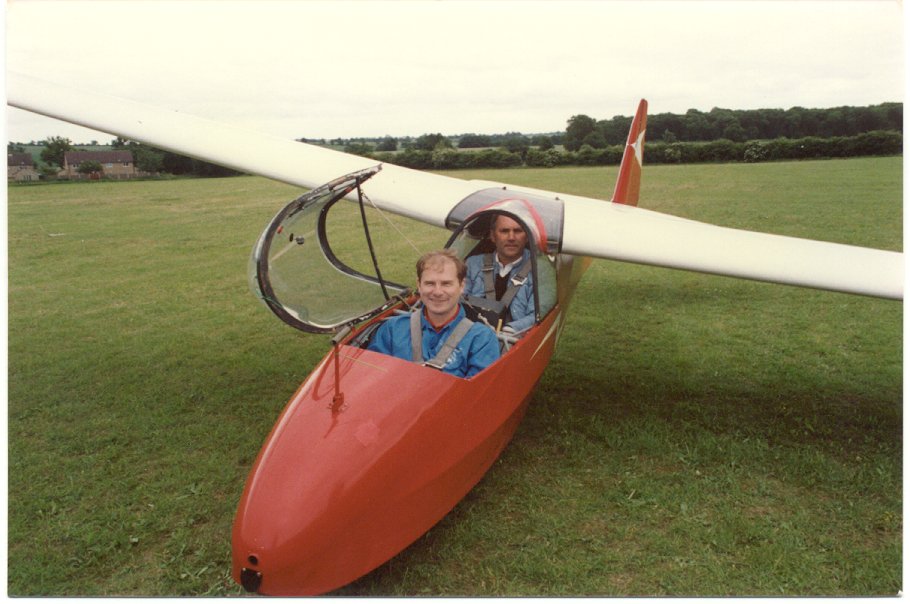

A few days ago, Roger sent me a link to the following video.
It’s a compilation of photos, cartoons from the pen of dear Bob White, and videos. A little over eleven minutes long I do hope some of you find it of interest.
Published on May 29, 2017
Slide show produced from photos and images produced by Mark Taylor for Rattlesden Gliding Club’s 25 anniversary in 2001. Shows a collection of members involved from those early days, including some cartoons produced by Bob White whenever there was a notable event, or incident as well!
Let me close with this photograph!

(All those years ago, Roger and Sheila had a beautiful Old English Sheepdog. His name was Morgan and he was a wonderful, loving dog.)
So is there anyone reading this who has experienced gliding?
A republication of my post from August, 2016.
I am sharing this with you again because it so nicely complements the posts of the previous two days.
First published August 8th, 2016.
Dogs are very vocal creatures.
Anyone who has been close to dogs in their lives knows that they are frequently very vocal creatures. Likewise, anyone who has been close to a dog or two quickly learns to understand the basic emotions being conveyed by a dog’s vocal sounds.
But, nonetheless, there was an item over on the Care2.com site recently that provided a comprehensive tutorial on listening and interpreting the sounds from our dogs. I wanted to share it with you today.
ooOOoo

 By: Vetstreet.com August 3, 2016
Your dog communicates with you and other dogs in a variety of ways — including growling. Depending on the context, a growl can be anything from a sign of enthusiastic play to a warning of an impending attack. It is important to understand why your dog growls and when you should be concerned about this behavior.
A growl doesn’t always signal an unfriendly dog. Here are some common reasons your dog might growl and some situations where you may need to seek outside help.
 Growling in Play
Dogs often growl during friendly play with other canines. This type of growling is typically higher pitched and shorter in length than other growls. To ensure that play is friendly, watch for the proper play signals and keep arousal levels low by taking frequent breaks.
Your dog may also growl when he plays with you. Pay attention to your dog’s body language during play — sometimes growling can indicate discomfort. Avoid rough play with hands and physical wrestling. If you are unsure about the distinction between acceptable play interactions and aggression, seek help from a professional.
 Growling as a Warning
Or your dog may growl at another dog as a way to tell him to back off before a confrontation occurs. Many times, the other dog will heed the growl and give your dog the space he desires. There are dogs, however, who will not back down when they are growled at; in this situation, a fight may ensue.
If your dog’s warnings to back off go unheeded, his growling may increase into other aggressive behaviors, making it difficult for him to be around other canines. Some dogs do best with only select doggy playmates, while others should be limited to socializing only with humans.
 Growling for Medical Reasons
If your dog suddenly starts to growl when he is approached or touched, it may be a sign that he is in pain. Dogs with arthritis, abscessed teeth or other forms of illness or injury may experience increased pain when they are moved or touched and may growl to avoid it. A pet in pain is also more likely to bite than a healthy pet.
Pregnant or lactating dogs, or dogs in false pregnancy, are more likely to be protective and defensive with people and other animals, and are also more likely to growl at approaching humans. If you think your dog is growling for medical reasons, talk to your veterinarian.
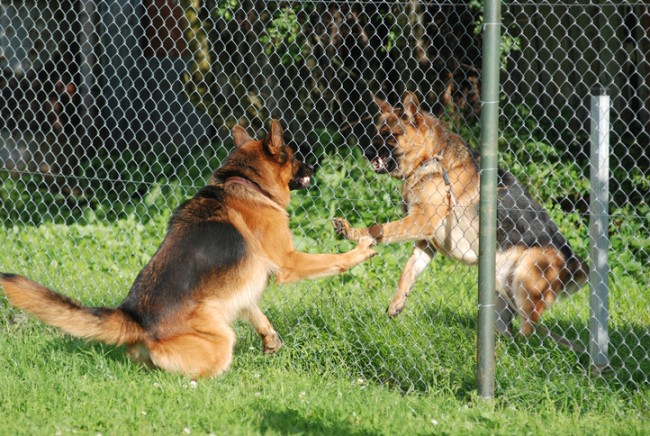 Growling Out of Frustration
Your otherwise-friendly dog may growl as an expression of barrier frustration. A dog may growl or bark when he is on leash or behind a fence, even if he is comfortable with other dogs when he is off leash. Dogs who growl in these situations need to be trained to relax when on a leash or behind a fence, as territorial or frustration-based behavior can escalate over time. Your dog should never be chained up outside, as this can lead to extreme territorial and protective behavior, which puts the dog, other animals and people in danger.
 When to Seek Outside Help
Growling is a way of communicating — for instance, his way of saying, “Give me space,” “Stop it,” or “Back off.” But certain situations — growling when approached or handled, and growling as part of resource guarding — require professional help. A dog who is engaging in resource guarding may be protecting food, toys or people, or his favorite places, like a sleeping space. Even with the best management plan in place, a guarding dog may escalate his aggression, which is why this behavior calls for professional intervention.
Your dog may also growl when he is handled, either because he is uncomfortable or afraid. He may growl when his collar is grabbed, his toenails are trimmed, his ears are touched or his mouth is opened. He may also be uncomfortable with direct eye contact, a person leaning over him, hugs or other forward greetings. Again, this behavior can escalate to something much more dangerous.
Talk with your veterinarian about these behaviors as soon as possible; have your pet’s health evaluated and, if necessary, ask for a referral to a behaviorist or trainer who can help you teach your dog strategies for coping with these situations.
By Mikkel Becker | Vetstreet.com
ooOOoo
You can imagine that with nine dogs here in the house there are times when Jean and I struggle to hear each other over the top of the doggy conversations.
But we wouldn’t have it any other way!
Back to today.
Just slightly sad that in those months since last August our doggie family has reduced to seven.
But on a brighter note, in just three days time, on June 3rd., we will be celebrating Pharaoh’s fourteenth birthday!
No better way to follow yesterday’s post.
Yesterday, I shared an article that had appeared on the Care2 site on the topic of the latest scientific inquiries into how dogs understand what we humans say. That had originally been published in September of 2015.
Published just three days ago, again via the Care2 site, was another article about the language of communication between our beloved dogs and us.
Here is is:
ooOOoo

By: Elise Moreau May 27, 2017
About Elise Follow Elise at @elisem0reau
Dogs and humans certainly share a special bond. Previous research has shown that dogs in fact do understand what we’re saying and that they also try to figure out what we’re thinking by taking on our perspectives. Now, there’s evidence that humans can understand dogs too — by the sounds they make when they growl.
In this study, recordings of three different types of dog growls were taken from 18 different dogs of various breeds and sizes. They included aggressive guarding growls that were triggered when other dogs approached the growling dogs’ food, playful growls during a game of tug-of-war between dogs and threatened growls from dogs that were approached by strangers.
The guarding growls were typically longer and more drawn out than the playful growls, which were were shorter and more repetitive. The guarding growls could be differentiated from the threatened growls by their pitch and loudness, with the guarding growls having a lower and more intense pitch so that it sounded like it was coming from a bigger dog.
Forty participants were recruited to interpret the dog growls by listening to two sets of the recordings. For the first set, they were asked to judge the emotion behind each growl using a scale that measured the degree of aggressiveness, fear, sadness, happiness, and playfulness that they could pick up on. For the second set, they were asked to choose whether the dog growls came from a dog that was guarding food, playing, or feeling threatened.
It turns out that people can interpret dog growls accurately more often than not. The participants had a 63-percent overall accuracy rate for interpreting the dog growls. Playful growls were easiest to identify at an 81-percent accuracy rate while guarding growls had an accuracy rate of 60 percent followed by threatened growls at 50 percent.
The results suggest that humans are pretty good at interpreting dog growls in a broader context given that it was much easier to identify the playful growls from the other two. The guarding growls and the threatened growls both share displays of aggression, which could explain why it was a little more difficult for the participants to accurately identify them.
What’s even more interesting is that women and people who were already dog owners showed higher accuracy rates of identifying the growls. The researchers pointed out that women are known to have higher emotional sensitivity, which may help explain why their interpretations were more accurate. Likewise, dog owners probably used their experience to identify the growls, suggesting that people can be trained to get better at learning to understand dogs.
The researchers say that learning to identify the differences in dog growls could help reduce aggression in dogs as well as improve their behavior. So whether you’re a dog owner yourself or know someone who owns a dog, it might be an interesting experiment to tune in to the subtle sounds of their growls to see if you can understand what they’re trying to communicate.
Want to know more about what your dog’s growling means? Here’s some extra information on how to interpret your dog’s growls.
ooOOoo
That last link did provide more valuable information for us dog lovers.
I republished it last August but it will certainly stand being shared with you again. Ergo, I will repeat that post from last year tomorrow.
Can’t resist closing with a picture of a dog speaking growl found randomly on the web.
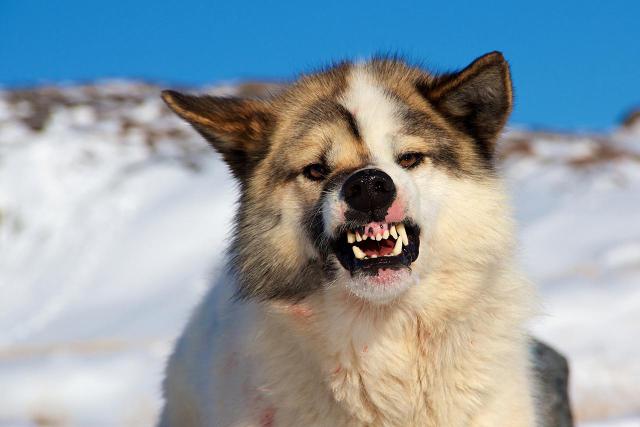
There’s a nice doggy!
How our dogs process what we say to them.
A couple of weeks ago I wrote a post Talking to One’s Dog. Many of you stopped by and left your comments, all of which was to confirm how much speaking to your dogs (and cats) is part of normal life for you.
I finished that post writing:
Let me close by reminding all you good people of yet another wonderful aspect of the relationship between humans and dogs. In that we all know the dog evolved from the grey wolf. But had you pondered on the fact that wolves don’t bark! Yes, they howl but they do not bark.
There is good science to underpin the reason why dogs evolved barking; to have a means of communicating with us humans.
Every person who has a dog in their life will instinctively understand the meaning of most, if not all, of the barks their dog utters.
Anyway, I was going through some websites yesterday and, quite by chance, came across that science that I referred to above. It was in a Care2 article published last September and I am republishing it below.
ooOOoo

By: Laura Goldman, September 5, 2016
About Laura Follow Laura at @lauragoldman
You might want to start spelling out some words around your dog. According to a new study, not only do dogs comprehend what we’re trying to tell them by the tone of our voices, but they can also even understand what it is we’re saying — sort of.
Neuroscientist Attila Andics and his fellow researchers at the Eotvos Lorand University in Budapest discovered that just like human brains, a dog’s brain reacts to both the meaning of a word and how it is spoken. Just like us, the left hemisphere of a dog’s brain responds to meaning, while the right hemisphere responds to intonation.
The study, published August 30 in the journal Science, shows that even non-primate mammals who cannot speak can still comprehend the meanings of words in a speech-filled environment. This suggests that the ability of our brains to process words is not unique to humans, and may have evolved much earlier than previously thought.
Not only could these results help make communicating with our dogs more efficient, but the study sheds new light on the origin of words during language evolution. “What makes words uniquely human is not a special neural capacity, but our invention of using them,” Andics said in a press release.
While previous studies have observed dogs to see how they understand us, this is the first one that took a look inside their brains using magnetic resonance imaging (MRI). The 13 participants were all family pets. They included six border collies, five golden retrievers, a Chinese crested dog and a German shepherd.
To be tested, the dogs were first trained to lie still for eight minutes in the MRI machine while wearing headphones and a radio-frequency coil. (Based on the wagging tail of a Golden Retriever in the video below, this didn’t seem to bother at least one of the participants.) Their brain activity was recorded as they listened to a recording of their trainer saying, in both positive and neutral tones, words of praise – like “Good boy!” and “Well done!” – as well as neutral words like “however” and “as if.”
Not too surprisingly, the positively spoken positive words got a big reaction in the reward centers of the dogs’ brains. The positive words spoken neutrally and neutral words spoken with positive tones? Not so much.
Regardless of how they were spoken, the dogs processed the meaningful words in the left hemisphere of their brains. They processed intonation in the right hemisphere.
“There’s no acoustic reason for this difference,” Andics told Science. “It shows that these words have meaning to dogs. They integrate the two types of information to interpret what they heard, just as we do.”
Of course, this doesn’t mean dogs understand every single thing we say (although a Border Collie named Chaser understands over 1,000 words, which is pretty doggone remarkable).
Julie Hecht, a Ph.D. student studying canine behavior and cognition at City University of New York, offers this advice in Scientific American: “Before discussing this with your dog — ‘I knew you could understand me this whole time!’ — the caveat to this research is that a dog processing words — registering, ‘Ah! That’s familiar!’ — and a dog understanding words as you intend are not necessarily the same thing.”
Photo credit: Thinkstock
ooOOoo
I have recounted this example before about how well our dogs listen to Jean and me.
For we take our dogs out for some playtime each day after our lunch. Years ago we used to chat about whether or not to have a cup of tea before taking the dogs for a walk. But pretty quickly once they heard the word “walk’ spoken aloud they were all crowding around the front door.
Then it was a case of spelling out the word: “W – A – L – K”. That lasted for, oh, two or three days.
Then it was using a variety of phrases that we thought would be meaningless to the dogs. That didn’t work!
And on and on.
Now, as soon as we are finishing up our food they are at the door. Jean and I now delay our hot drink to later on!
The most beautiful human – animal relationship in the world!
 Learning from Dogs