Dogs very quickly learn the system!
We have two dogs that are delightfully obedient, but with an over-rider; they choose whether to be responsive to the ‘requests’ from Jean and me.
Those two dogs are Oliver and Brandy.
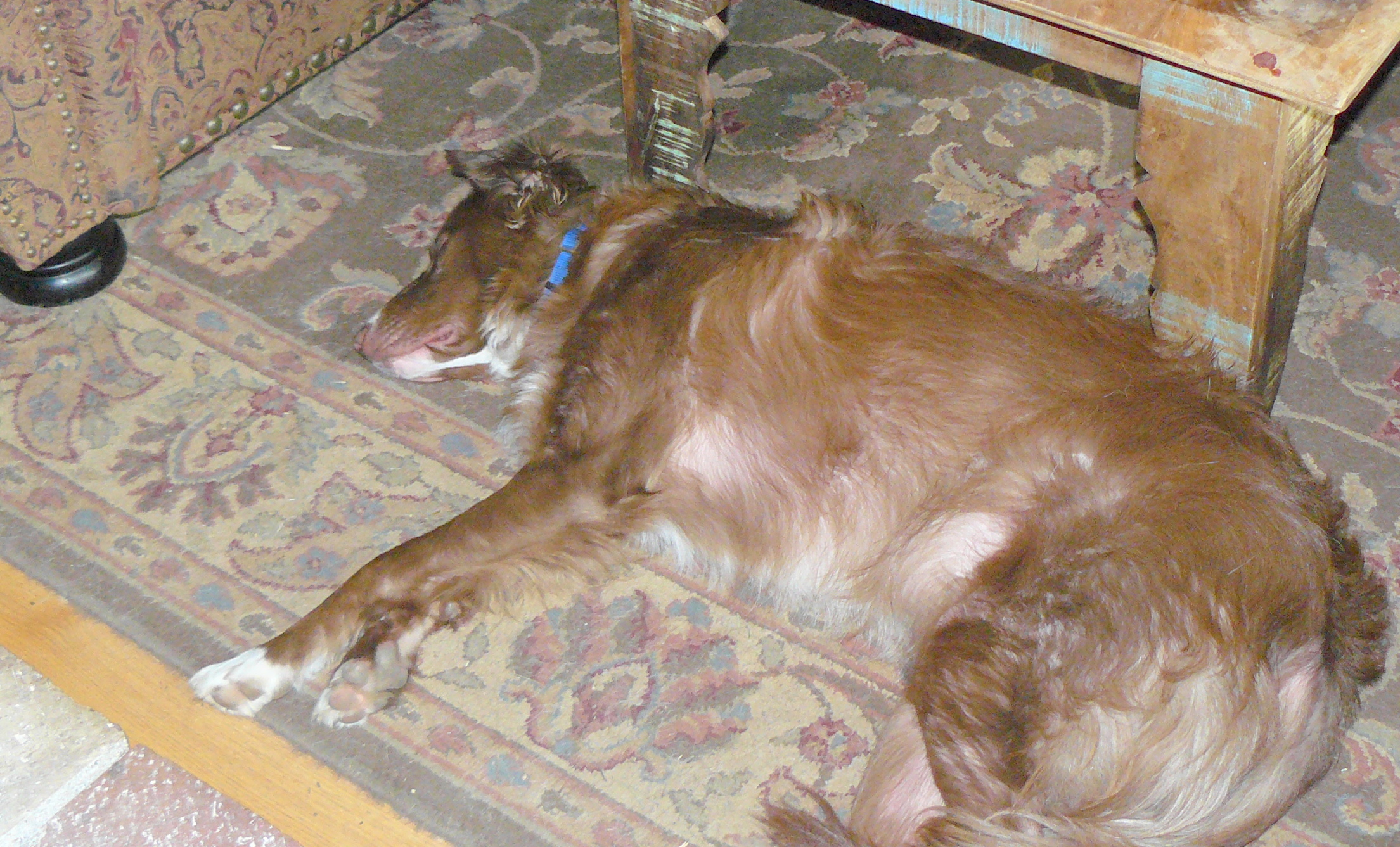
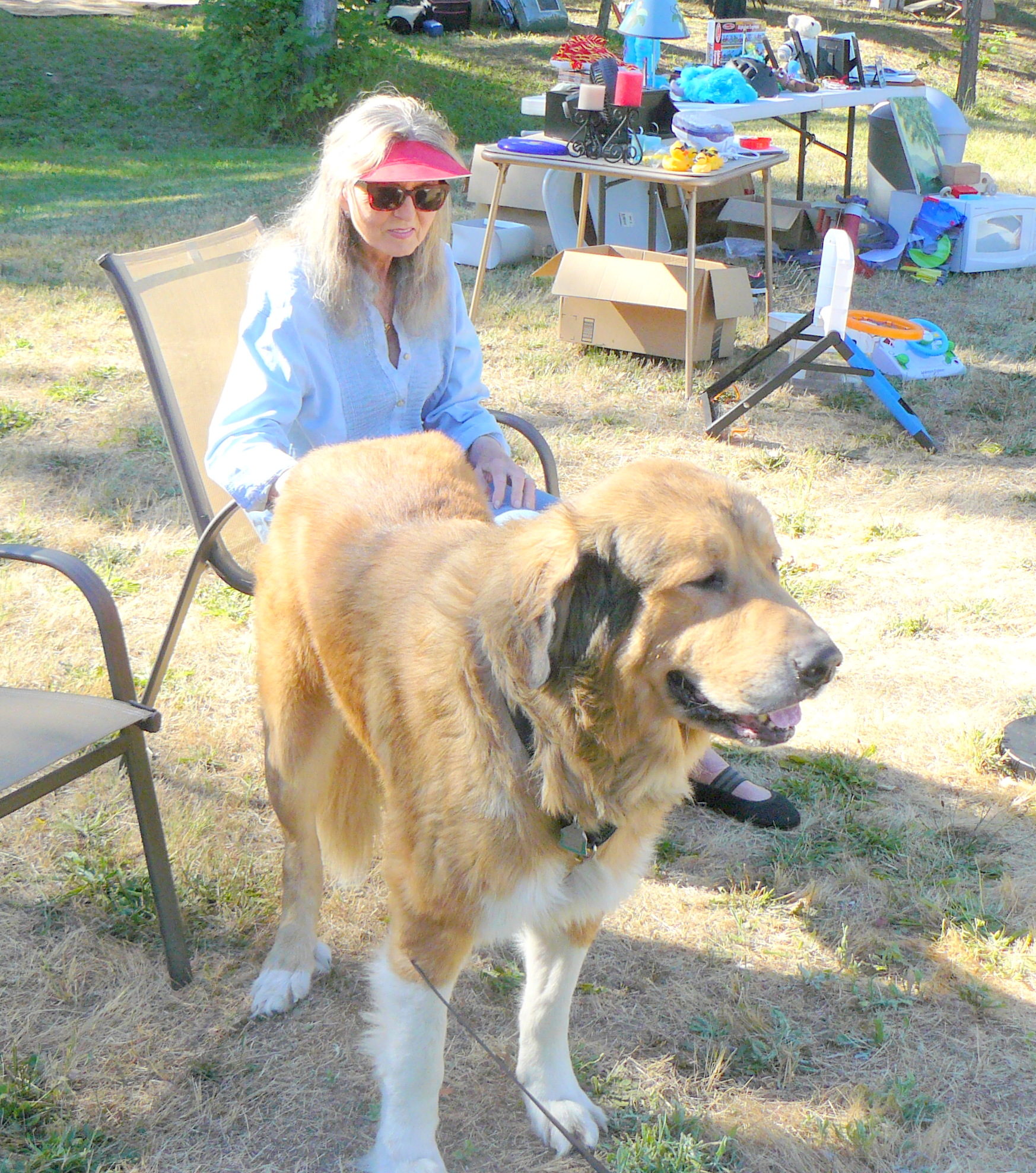
It’s so easy to see each of them listening to a request from us and deciding whether or not to oblige us at that moment.
So when I came across a recent article over on the Care2 website about dogs deciding what are or are not valuable instructions from their human carers it really struck a chord with me. Read it below and I bet many of you will know exactly what I mean.
ooOOoo
Dogs Are Smart Enough to Know When to Ignore Useless Directions
 By: Elise Morea October 29, 2016
About Elise Follow Elise at @elisem0reau
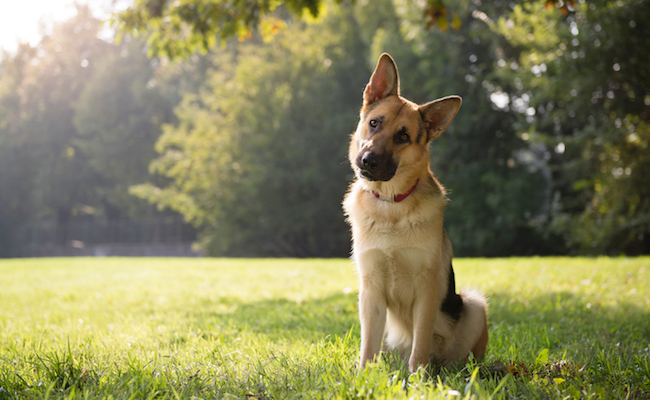
Dogs are pretty smart, but they’re still pretty clueless enough that we’re able have a good laugh at their reactions to certain things every so often. Whether it’s confusion over a ball that was never thrown or fear of a strange looking photograph sitting on the fireplace mantel, dog brains definitely see and understand the world in a way that can be pretty amusing to us.
According to recent research from Yale University’s Canine Cognition Center, it turns out that dogs can learn to pick up on the uselessness of their owners’ orders or directions so that they can disregard them altogether. In fact, they’re even less likely to follow them than children.
Researchers gathered 40 dogs of different breeds and examined their behavior in some problem solving experiments to see whether they could differentiate between helpful and useless directions. A treat was placed inside of a clear puzzle box with a red lid that the dogs had to open to get their reward.
The dogs were shown how to solve the puzzle box, which had a lever attached to it that could be pushed. Although the lever step was shown in the demonstration, it was actually completely unnecessary and didn’t serve any purpose at all to help open the box. The dogs really only needed to lift the lid to get to their treat.
The results suggest that dogs learn on an individual level as opposed to humans who imitate each other when trying to learn. The study was inspired by a previous study that involved observing children as they solved puzzles.
Unlike the dogs, the children didn’t stop to think about how the puzzle might be solved differently and more effectively from what was demonstrated, instead repeating what they were shown to do again and again. Even when the children raced to finish solving the puzzle, they still repeated all the unnecessary steps.
Researchers described the children’s problem solving as ”overimitation,” which may be a unique aspect of how humans learn. Dogs and humans are both very social, but dogs are clearly independent problem solvers while children are natural copycats. Children seem to find it instinctive to limit problem solving because they have so much to learn.
Regardless of whether you have a dog, children, or both, these findings give us the opportunity to notice and appreciate their unique learning styles. From a very young age, children will often start mimicking their parents behaviors whether it serves them as an independent human being or not, offering parents all the more reason to be extra conscious of their own behaviors.
Your dog, of course, might just figure out your trickery after falling for a few fake throws of his favorite toy or ball. Now you know that he’s his own kind of canine problem-solving genius!
ooOOoo
I think I need to be a bit more careful what I discuss in front of our dogs!
 Learning from Dogs